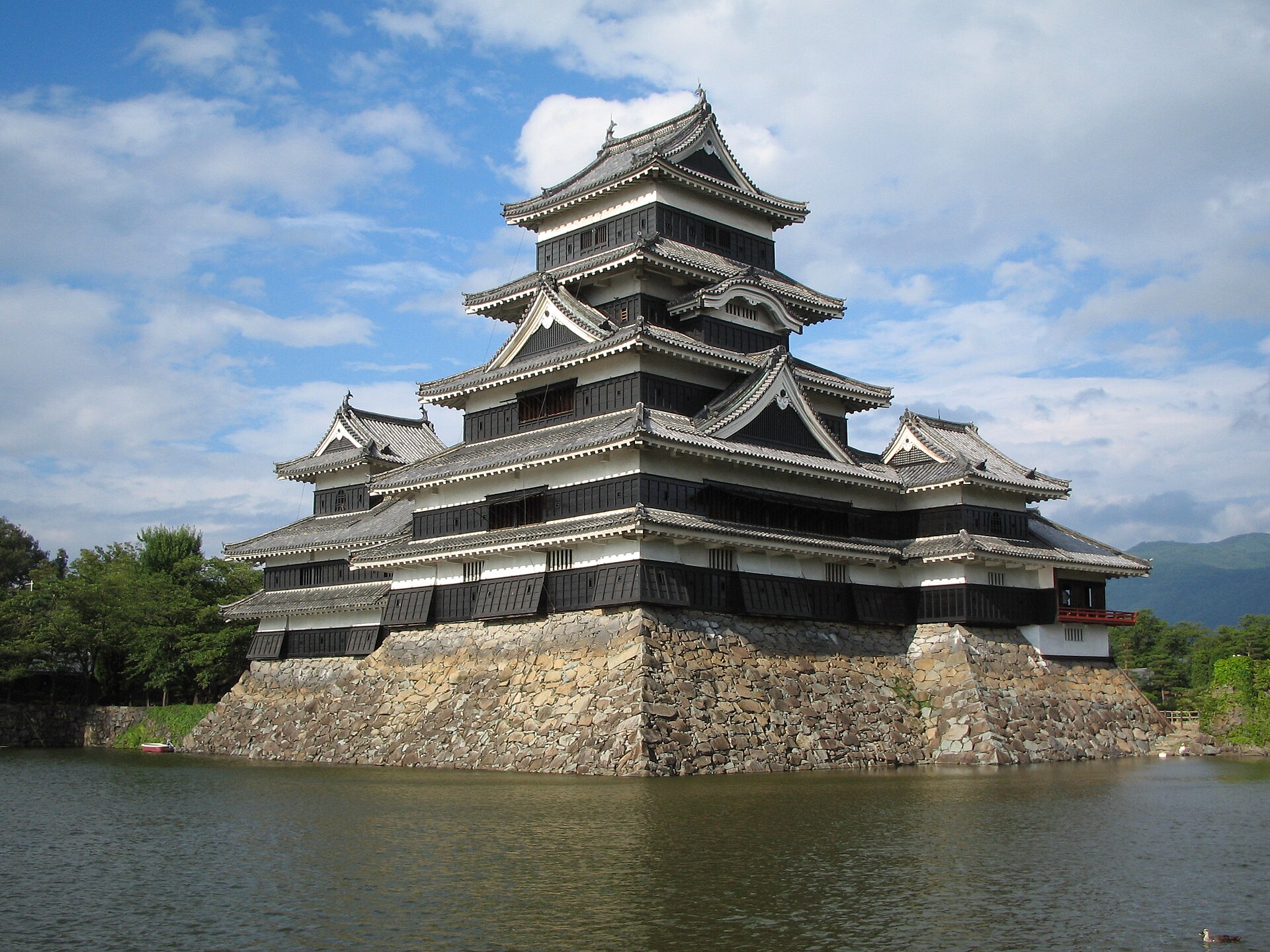
Rising in a striking silhouette of black-walled keeps and steep gables above its moat, with the snow-capped peaks of the Japanese Alps as a backdrop, Matsumoto Castle is one of the most beautiful and most beloved of all the castles of Japan. Known affectionately as the Crow Castle for its dramatic black walls, it stands in vivid contrast to the gleaming white of Himeji, and it possesses one of the very oldest surviving keeps in the entire country, a genuine survivor from the great age of the samurai.
In this article you are invited to explore the history and the architecture of this magnificent fortress, from its origins as a hilltop fort in the early sixteenth century, through its transformation into a great flatland castle in the age of Japan’s unification, down to its narrow escape from demolition and its careful preservation in modern times. Matsumoto is a castle of black lacquered walls and moonlit towers, set amid a landscape of alpine beauty, and it ranks among the greatest treasures of the Japanese nation.
In This Article
- The Black Crow Castle
- A Castle on the Plain
- Fukashi Castle and the Ogasawara
- The Takeda and the Wars
- Ishikawa and the Great Keep
- One of Japan’s Oldest Keeps
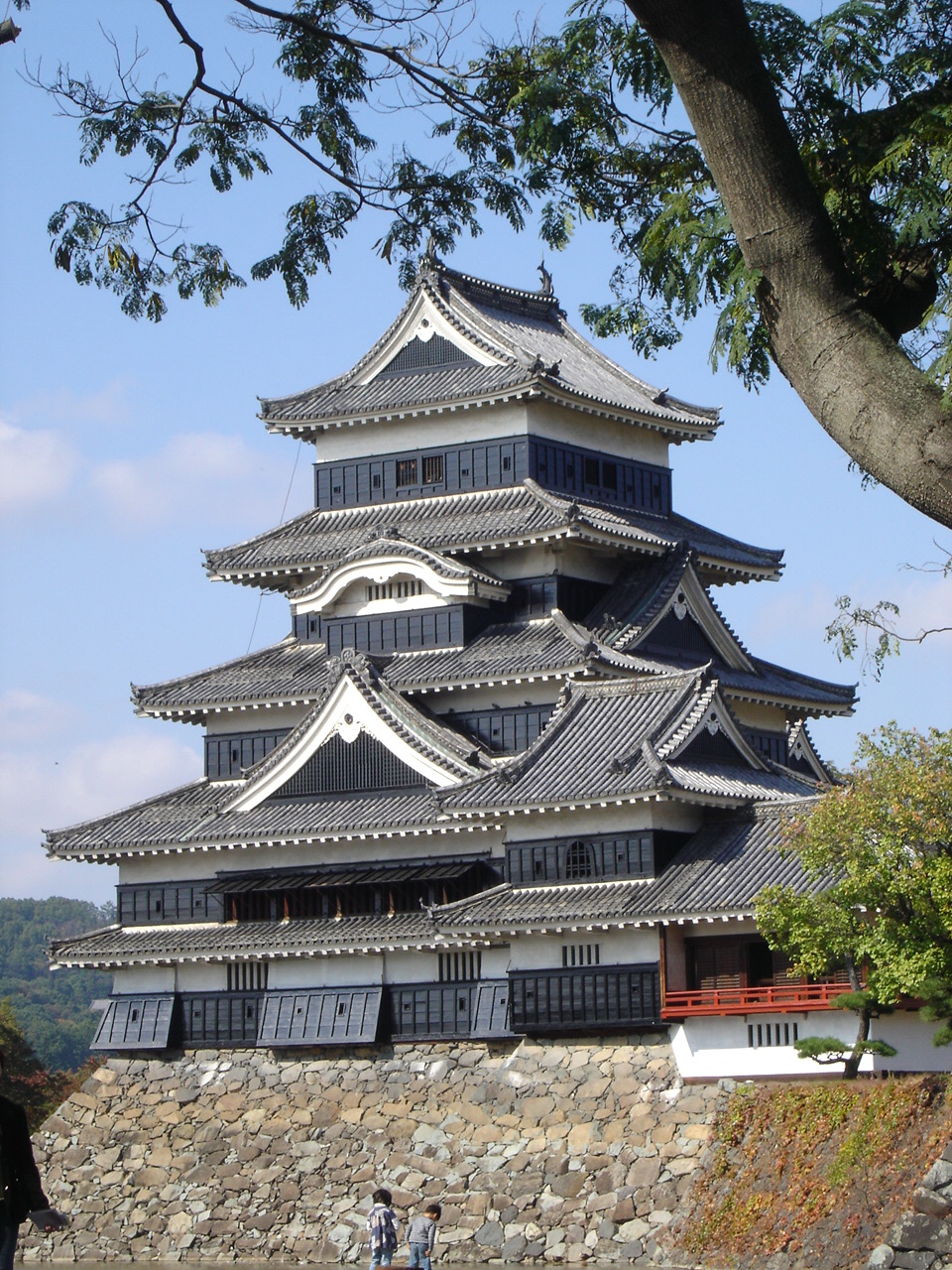
- The Black Lacquered Walls
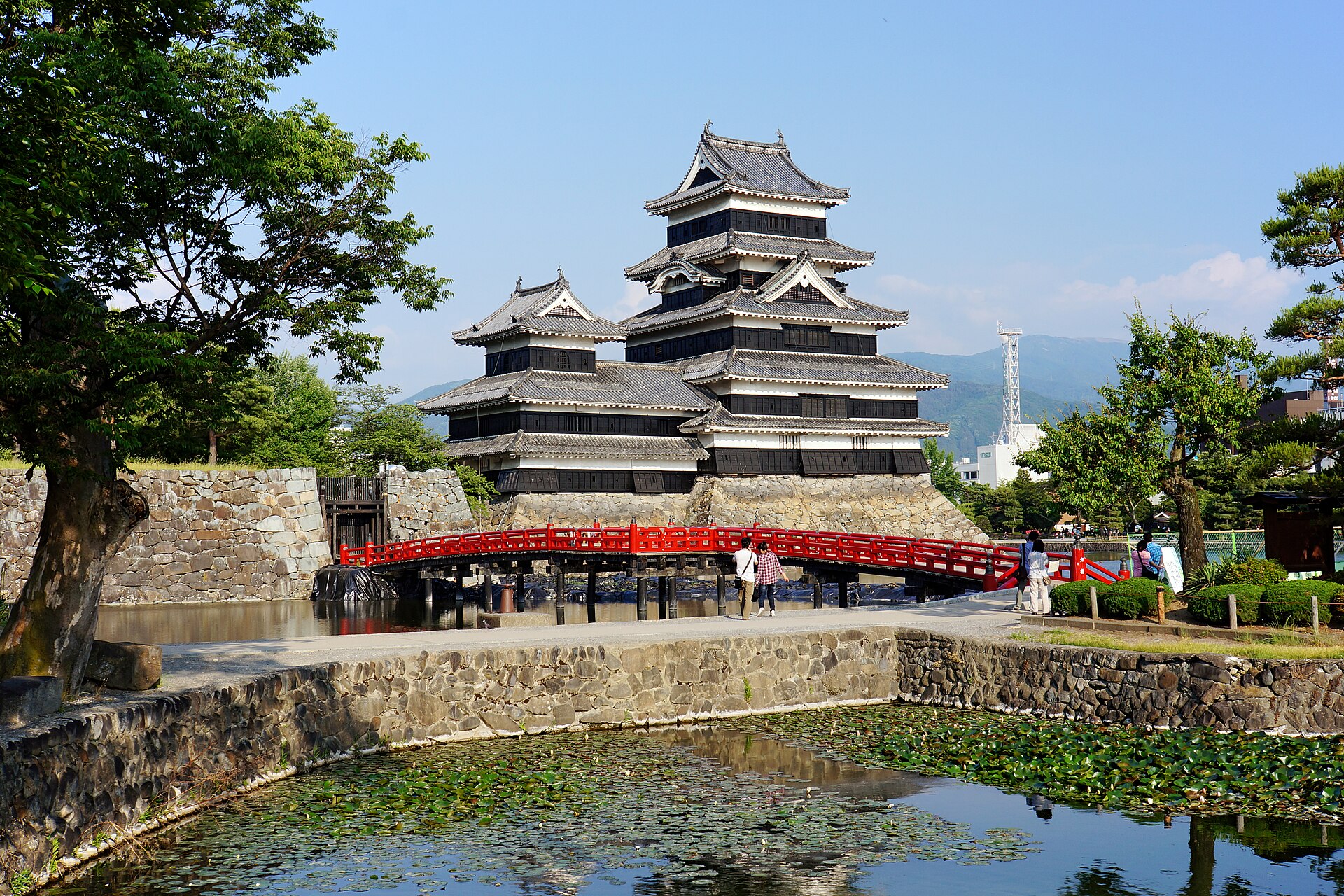
- The Moat and the Reflection
- The Moon-Viewing Tower
- The Japanese Alps Beyond
- The Legend of the Leaning Keep
- Rescue and Restoration
- Matsumoto Today
- Castles Nearby
- The Crow Castle of the Alps
The Black Crow Castle
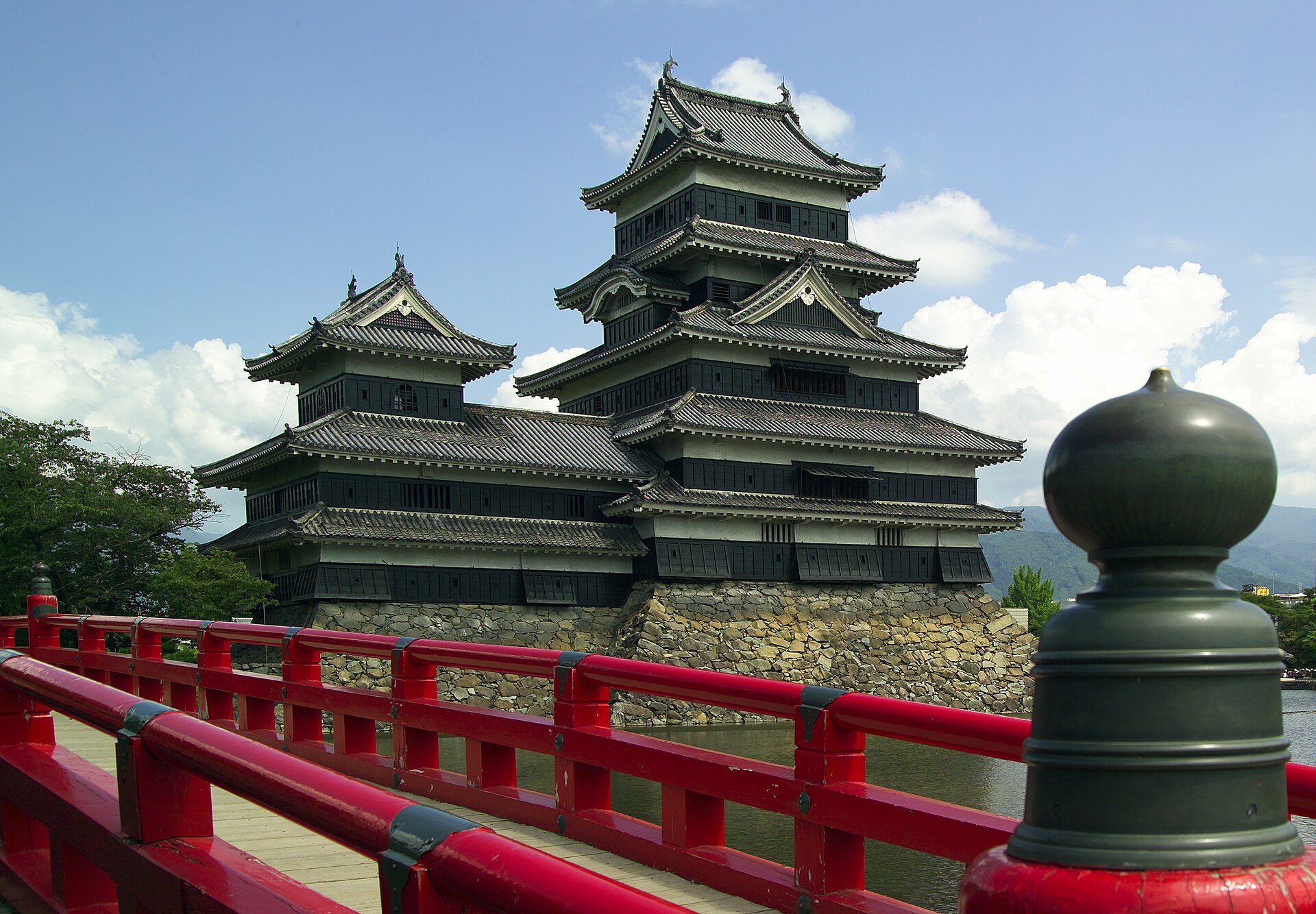
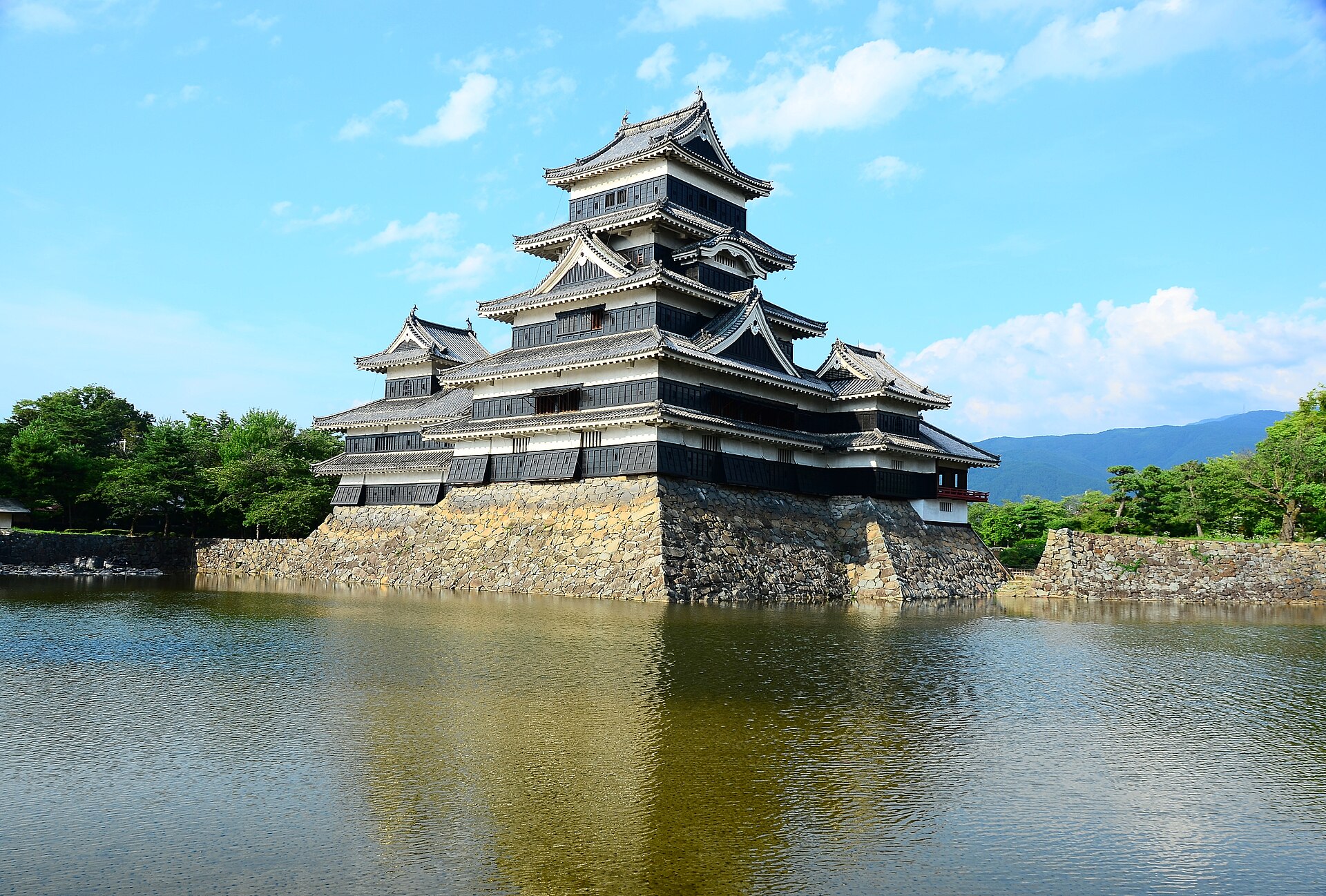
Matsumoto Castle is known throughout Japan by the vivid nickname of Karasu-jo, the Crow Castle, and the name is instantly understood by anyone who sees it, for the fortress is clad in walls of a deep and dramatic black that set it apart from every other great castle in the land. Where Himeji gleams white as a heron, Matsumoto broods dark as a crow, its black-lacquered walls and steep gables presenting a striking and somewhat somber silhouette against the sky.
This contrast between the White Heron of Himeji and the Black Crow of Matsumoto is one of the delights of Japanese castle lore, and it reflects the different aesthetic choices of the lords who built them. The black of Matsumoto is achieved by boards of dark lacquer applied to the lower parts of the walls, and it gives the castle a powerful and distinctive character. Reflected in the still waters of its moat, with the mountains rising beyond, the Crow Castle is one of the most photographed and most beloved sights in all of Japan.
The pairing of Matsumoto and Himeji as the Crow and the Heron has become one of the enduring images of Japanese castle culture, two masterpieces that express, in black and in white, the beauty and the power of the traditional castle. The choice of black for Matsumoto may have been influenced by the taste of the great warlord Toyotomi Hideyoshi, who favored black castles, in contrast to the white castles favored by the Tokugawa. In its dramatic dark coloring, Matsumoto carries an echo of the aesthetic of the age of the warring states.
There is something deeply expressive in the black color of Matsumoto, which lends the castle an air of gravity and even of menace quite different from the serene beauty of the white castles. Where the White Heron seems to float lightly above its city, the Crow Castle broods darkly over its moat, a presence at once beautiful and formidable. This dramatic character has made Matsumoto a favorite subject for artists and photographers, who are drawn to the striking contrast of its black walls against the changing skies and seasons.
A Castle on the Plain
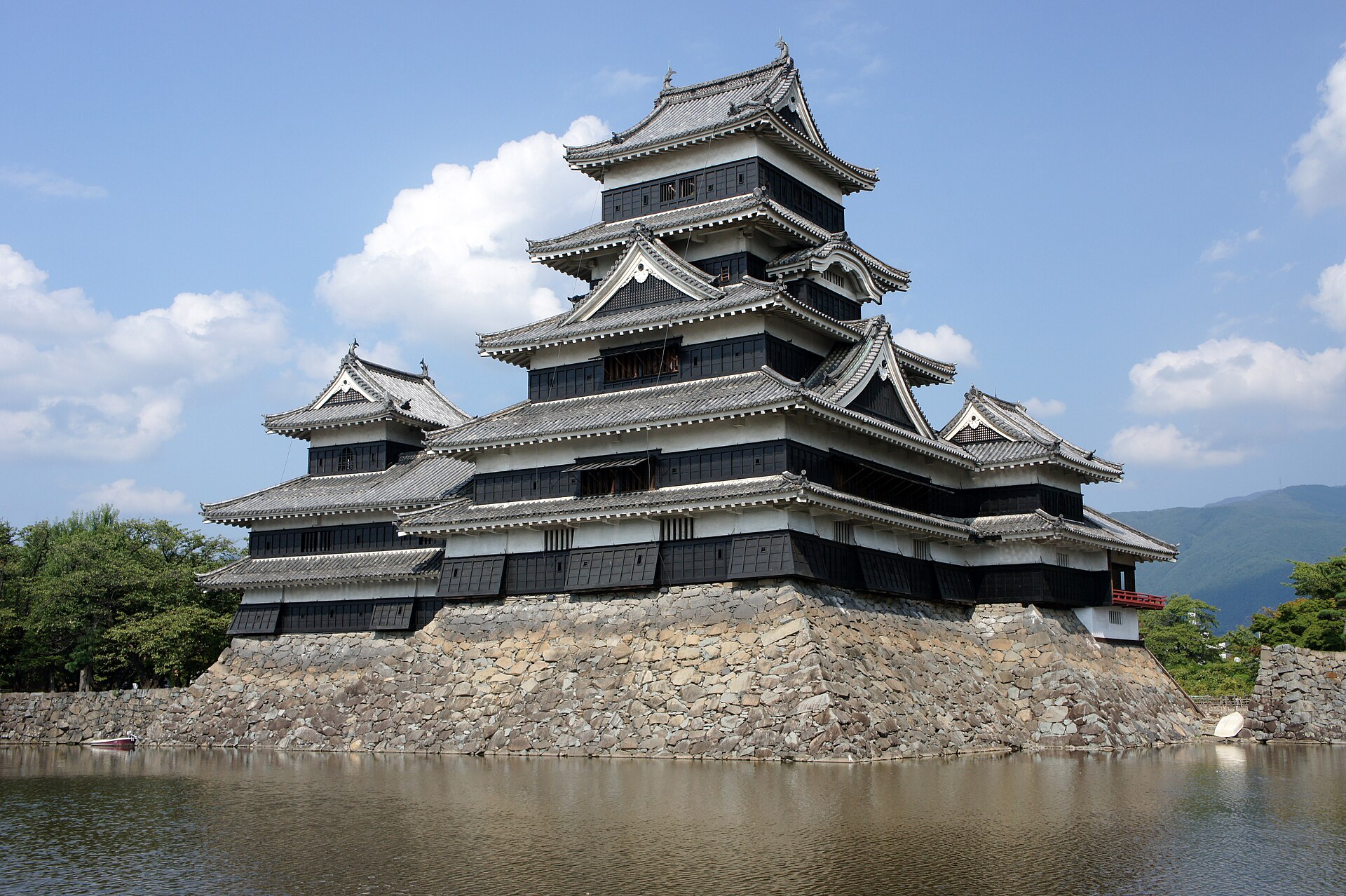
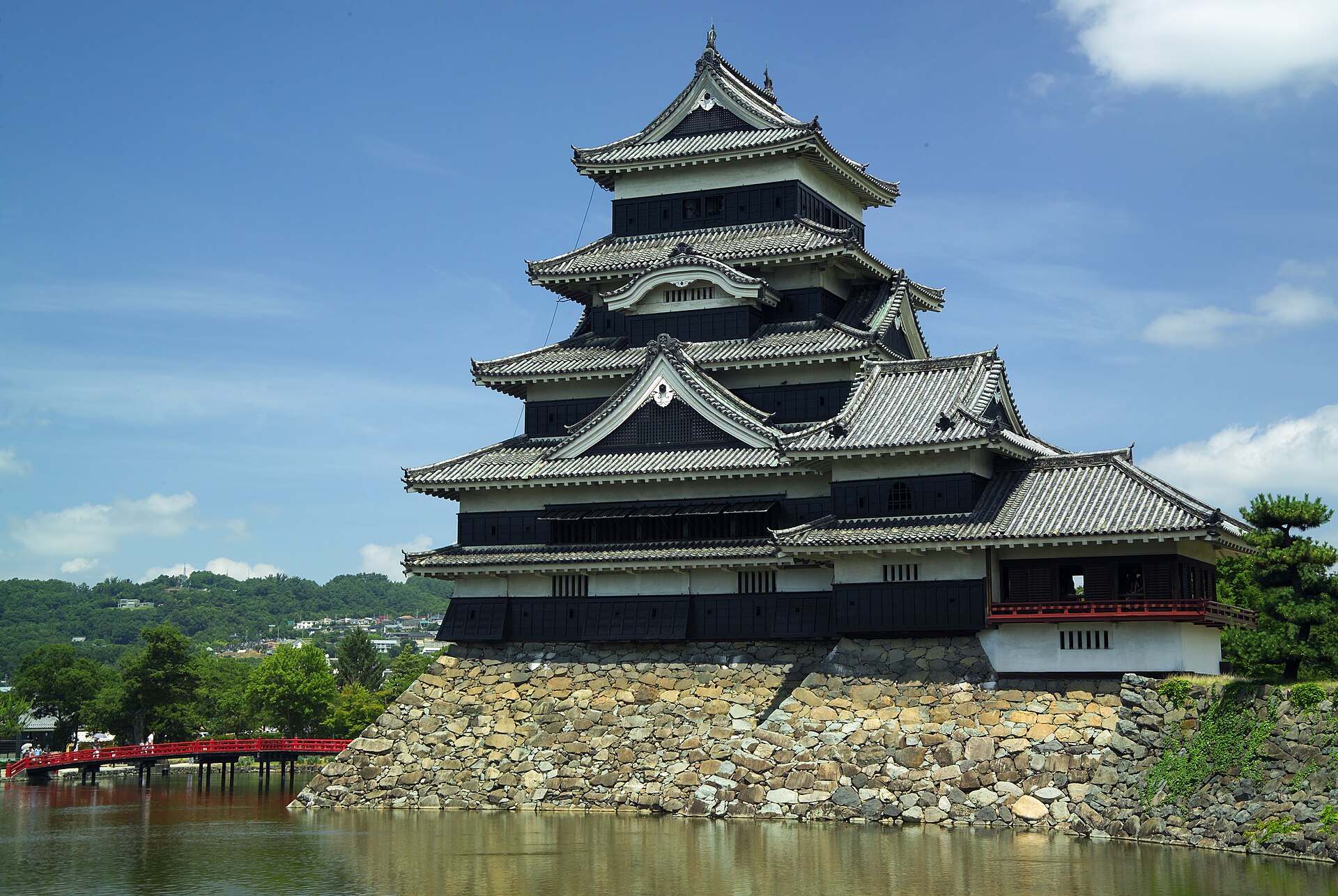
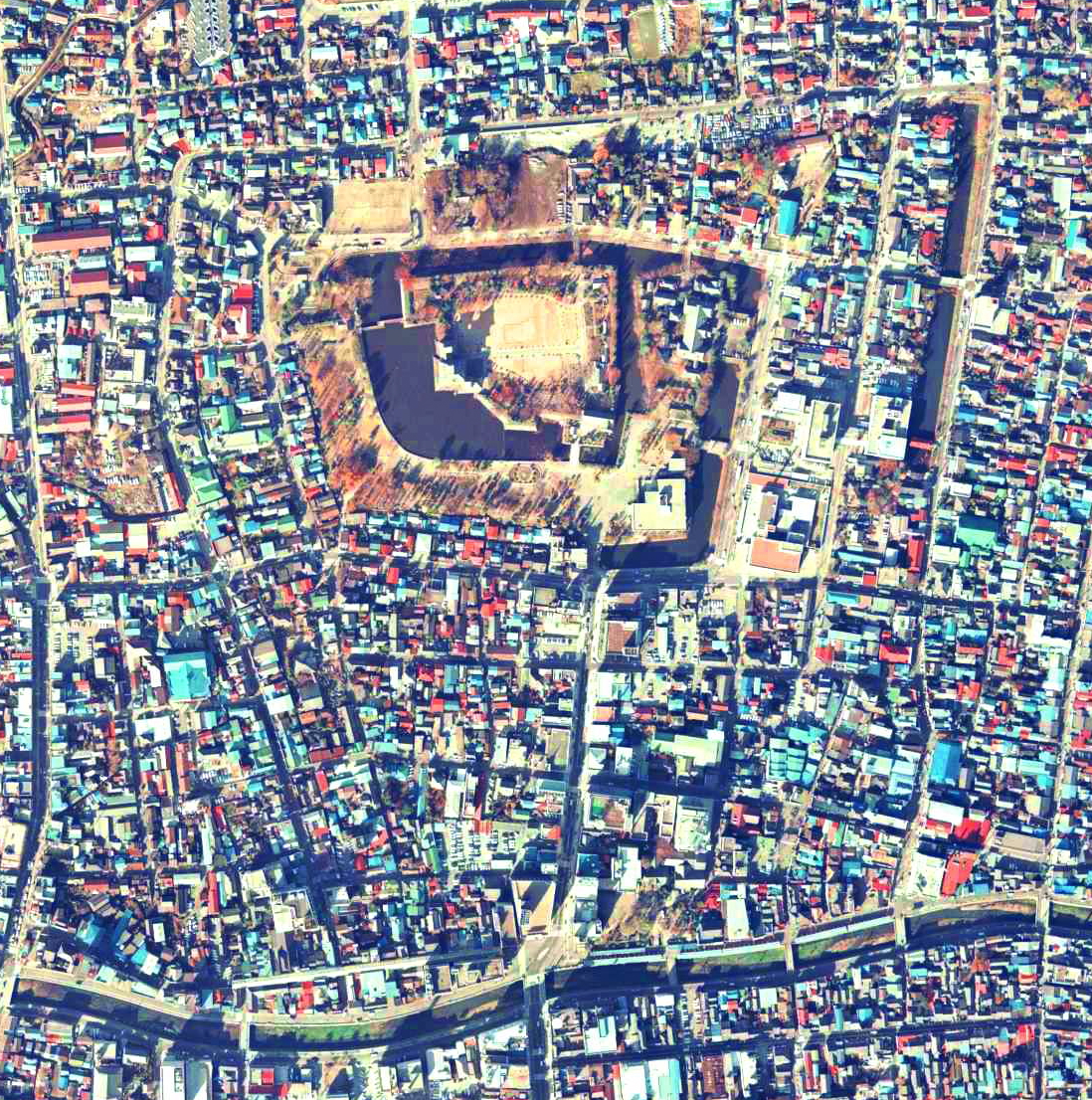
Unlike most of the great castles of Japan, which were built upon hills or mountains to take advantage of the natural strength of high ground, Matsumoto is a hirajiro, a flatland castle, built upon the level plain rather than upon a height. This was a relatively rare choice, and it meant that the castle could not rely upon the protection of a hill, but had to be made strong by its own defences, its great moats, its thick walls, and its cunning layout.
The choice of a flatland site reflected the changing nature of Japanese warfare and society in the age when Matsumoto was built, when the great castle served not only as a fortress but as the administrative and economic center of a domain, and a position on the plain, close to the roads and the town, was more convenient for these purposes. The flatland setting also gives Matsumoto its distinctive beauty, for the castle rises directly from its wide moat, its black walls mirrored in the water, unobstructed by any hill.
The engineering of a strong flatland castle posed particular challenges, for without a hill to provide natural defence, the builders had to rely entirely on artificial obstacles, above all the great water-filled moats that surrounded the fortress in concentric rings. The layout of the baileys and gates was designed, as at Himeji, to confuse and delay any attacker, funneling him into killing grounds overlooked by the walls. Matsumoto is a superb example of the flatland castle raised to the highest pitch of defensive sophistication.
The classification of Japanese castles into mountain castles, hill castles, and flatland castles reflects a real evolution in castle design over the centuries, as the earlier mountain strongholds of the age of pure warfare gave way to the flatland castles of the age of consolidation and administration. Matsumoto, as a flatland castle built at the transition to the Tokugawa peace, embodies this shift, a fortress designed to dominate not a mountain pass but a town and a domain, at the center of the settled life of the region.
Fukashi Castle and the Ogasawara
The origins of Matsumoto Castle lie in the early sixteenth century, when a fortress called Fukashi Castle was built upon the site by a member of the Ogasawara clan, one of the noble families that ruled the region in the turbulent age of the warring states. This first castle was a stronghold of the age of civil war, when Japan was divided among countless feuding lords and the land was in a state of near-constant conflict.
The Ogasawara held Fukashi Castle as one of their key strongholds in the region of Shinano, the mountainous province that is now known as Nagano. But in the violent world of the sixteenth century, no possession was secure, and the castle would soon be caught up in the great struggles between the powerful warlords who contended for the mastery of central Japan. The modest fort of the Ogasawara was destined to pass through many hands before it became the great castle we see today.
The region of Shinano, in which Fukashi Castle stood, was one of the great battlegrounds of sixteenth-century Japan, fought over by the most powerful warlords of the age, and its castles changed hands with bewildering frequency as the tides of war ebbed and flowed. The strategic importance of the site, controlling the roads through the mountains, ensured that it would always be prized and contested. The modest fort of the Ogasawara was thus destined to be caught up in some of the greatest struggles of the era.
The Takeda and the Wars
In the year 1550 the fortress fell to one of the most famous and formidable of all the warlords of sixteenth-century Japan, Takeda Shingen, the great lord of Kai, renowned as one of the finest generals of the age. Takeda seized the castle and appointed one of his trusted retainers as its castellan, incorporating it into his expanding domain as he fought to extend his power across central Japan. Under the Takeda, the castle was a strategic stronghold in the endless wars of the era.
The dominance of the Takeda did not last, for after the death of Takeda Shingen the clan was crushed by the rising power of Oda Nobunaga, the first of the three great unifiers of Japan, in the year 1582. The castle changed hands several times in the chaotic years that followed, as the old order collapsed and a new one took shape. It was only with the coming of the Tokugawa peace, and the loyalty of the Ogasawara to Tokugawa Ieyasu, that the castle received its present name of Matsumoto, and its greatest age began.
Takeda Shingen, who seized the castle in 1550, was one of the legendary figures of the age, a brilliant general whose rivalry with the equally famous Uesugi Kenshin produced some of the most celebrated battles in Japanese history. His control of the castle placed it at the very heart of the great power struggles of central Japan, and its later passage, after the fall of the Takeda, through the hands of Nobunaga’s men reflects the dramatic reshaping of the Japanese political landscape in those turbulent decades.
The clash of the great warlords over Shinano and its castles, including Matsumoto, was part of the wider struggle for the mastery of Japan that would culminate in the unification of the country under Nobunaga, Hideyoshi, and finally Tokugawa Ieyasu. Each of these three great figures left his mark upon the history of the land, and the castle at Matsumoto, passing through the orbit of each in turn, is a witness to the whole dramatic process by which Japan was forged from a patchwork of warring domains into a unified state under the Tokugawa peace.
Ishikawa and the Great Keep
The great keep of Matsumoto, the glory of the castle, was the work of Ishikawa Kazumasa and his son Yasunaga, who undertook a major program of construction beginning around the year 1590. The main keep and its associated structures were completed around 1593 and 1594, and they survive to this day, making the keep of Matsumoto one of the oldest surviving castle keeps in all of Japan, a genuine structure of the age of the samurai.
The Ishikawa built not merely a keep but a whole complex of connected keeps and towers, linked together to form a single powerful stronghold, together with the moats, the baileys, and the gates that made up the great castle. Their work was carried out at the dawn of the long Tokugawa peace, and, like Himeji, Matsumoto was raised for war just as the age of war was ending. As a result, its formidable defences were never tested in battle, and the castle has come down to us essentially unchanged from the day it was built.
The construction of the keep at the very end of the sixteenth century places Matsumoto among the earliest of the great tower keeps that came to define the Japanese castle, built at the moment when this distinctive architectural form was reaching its full development. The Ishikawa were building not only a fortress but a monument to the power and prestige of the lord, for the great keep had become, by this time, as much a symbol of authority as an instrument of war. Their work has endured as one of the finest examples of its kind.
The completion of Matsumoto’s keep in the mid-1590s, just before the establishment of the Tokugawa peace, means that the castle stands as a monument to the very end of the age of the warring states, the culmination of a century of castle-building driven by ceaseless conflict. The great tower keeps of this period represented the highest development of Japanese military architecture, and Matsumoto, as one of the earliest and best preserved, holds a special place in this story. It is a fortress poised at the very hinge between the age of war and the age of peace.
One of Japan’s Oldest Keeps
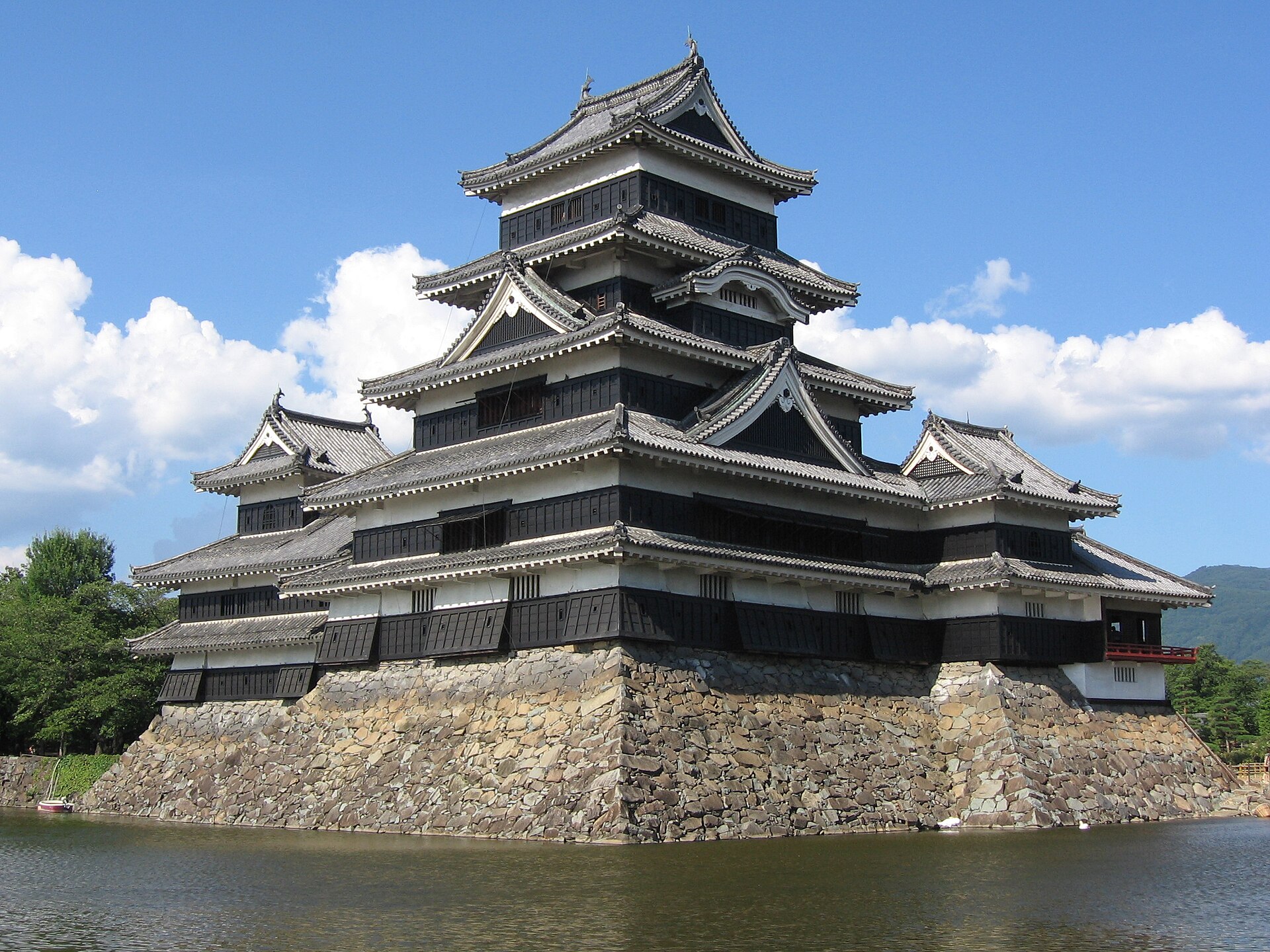
The main keep of Matsumoto is one of the most precious survivals of Japanese castle architecture, for it is one of only twelve original castle keeps that survive in the whole of Japan, the great majority having been destroyed over the centuries by war, fire, earthquake, or demolition. And among these twelve, the keep of Matsumoto is one of the very oldest, a structure that has stood essentially unchanged for more than four centuries.
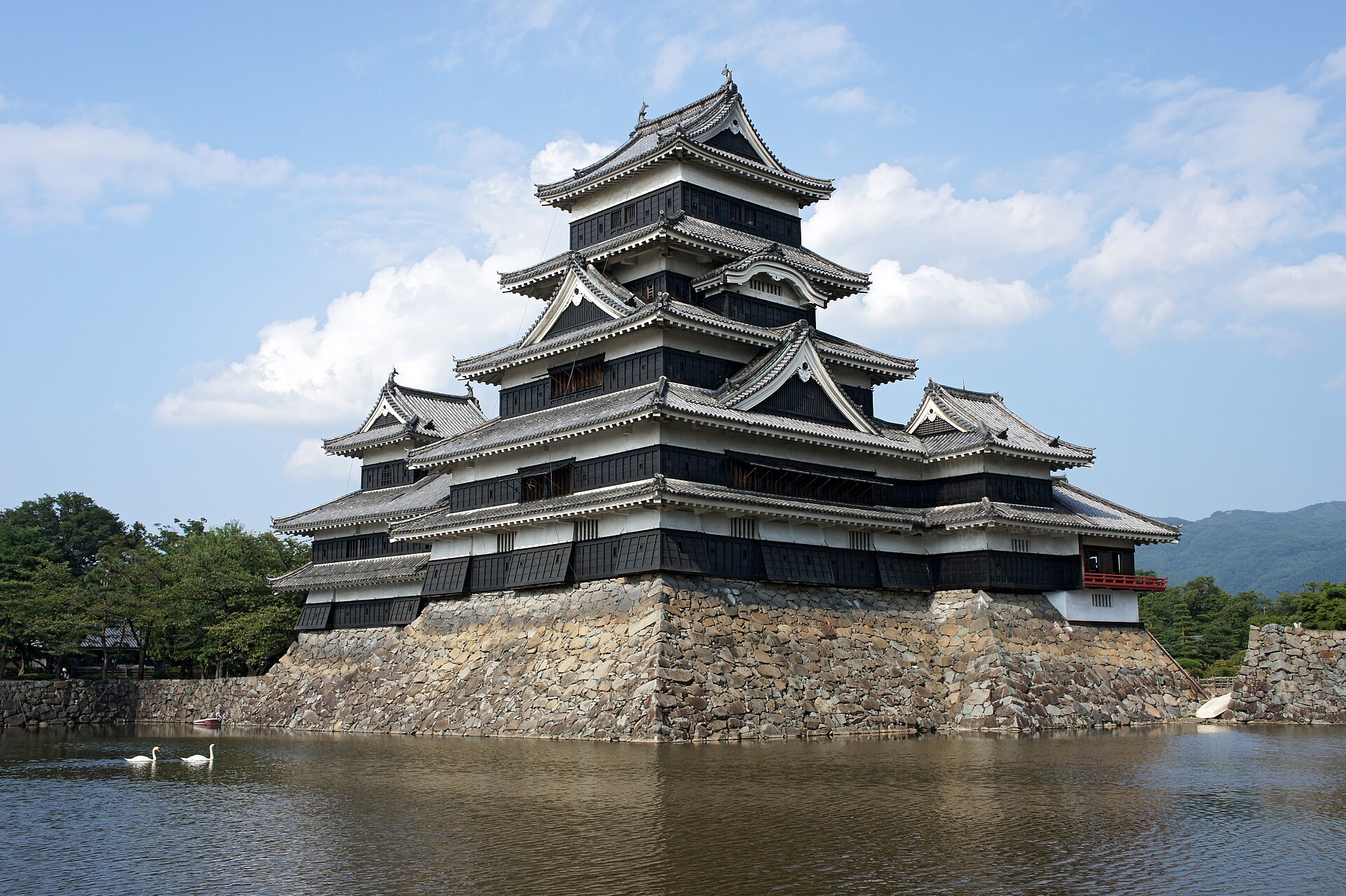
The keep is in fact a complex of connected structures, with the great main keep joined to smaller keeps and towers, forming an interlinked group that could be defended as a single unit. From the outside the main keep appears to have five storeys, but in fact it contains six floors, another example of the subtle deceptions built into the design of the Japanese castle. The preservation of this original keep, with its ancient wooden interiors, allows us to experience the traditional Japanese castle exactly as it was in the age of the samurai.
To climb through the floors of the ancient keep is to ascend through the very fabric of the age of the samurai, past the massive wooden beams and pillars, the steep and narrow staircases, and the openings from which the defenders would have fired upon an enemy. The interior retains its original, unrestored character, dark and atmospheric, giving a powerful sense of the reality of the medieval Japanese castle. Few places convey so vividly the world of the warriors who built and garrisoned these great strongholds.
The connected structure of the keep, with the main tower joined to smaller towers and a corridor, was a sophisticated arrangement that allowed the different parts to support one another in defence, and it is one of the features that makes Matsumoto so interesting to students of castle architecture. This interlinked design, combining strength with a certain elegance, reflects the mature development of the Japanese castle keep, and it can be studied at Matsumoto in a form that has survived essentially intact from the sixteenth century.
The steepness of the interior staircases of the keep, so steep as to be almost ladders, was itself a defensive feature, designed to slow and hamper any attacker who fought his way inside, and the visitor who climbs them today gains a vivid sense of the practical realities of defending such a structure. Every element of the keep, from the arrangement of the floors to the placement of the openings, was carefully considered with an eye to defence, and the whole represents a masterpiece of functional design executed with great beauty.
The Black Lacquered Walls
The feature that gives Matsumoto its famous nickname and its distinctive appearance is, of course, its black walls, achieved by the application of boards coated in black lacquer to the lower portions of the structure. This black lacquer, which had to be renewed regularly to maintain its deep color and its protective qualities, gives the castle its brooding, crow-like aspect, so different from the white plaster of Himeji and most other Japanese castles.
The black boards served a practical purpose as well as an aesthetic one, protecting the wooden structure beneath from the weather, but the overall effect is one of great drama and beauty. The deep black of the walls, contrasted with the white of the upper plastered sections and the grey of the tiled roofs, creates a striking composition that is unmistakably Matsumoto. The regular renewal of the black lacquer remains, to this day, one of the essential tasks in the maintenance of the great castle.
The maintenance of the black lacquer walls is a demanding task that must be carried out regularly, for the lacquer weathers and fades over time and must be renewed to preserve both its protective function and its dramatic appearance. This ongoing care is part of the traditional craft of maintaining the castle, handed down over the generations, and it ensures that the Crow Castle retains the deep black color that has made it famous. The gleaming black walls that the visitor admires today are the result of centuries of such patient attention.
The contrast of the black lower walls with the white plastered upper storeys and the grey tiled roofs gives the keep of Matsumoto a subtle and sophisticated color scheme, in which the black is not unrelieved but set off and balanced by the lighter tones above. This careful composition, the work of the castle’s original designers, shows that the black of Matsumoto was a deliberate aesthetic choice, not a mere accident of materials, and it reveals the artistry that went into the design of even the most warlike of structures.
The Moat and the Reflection
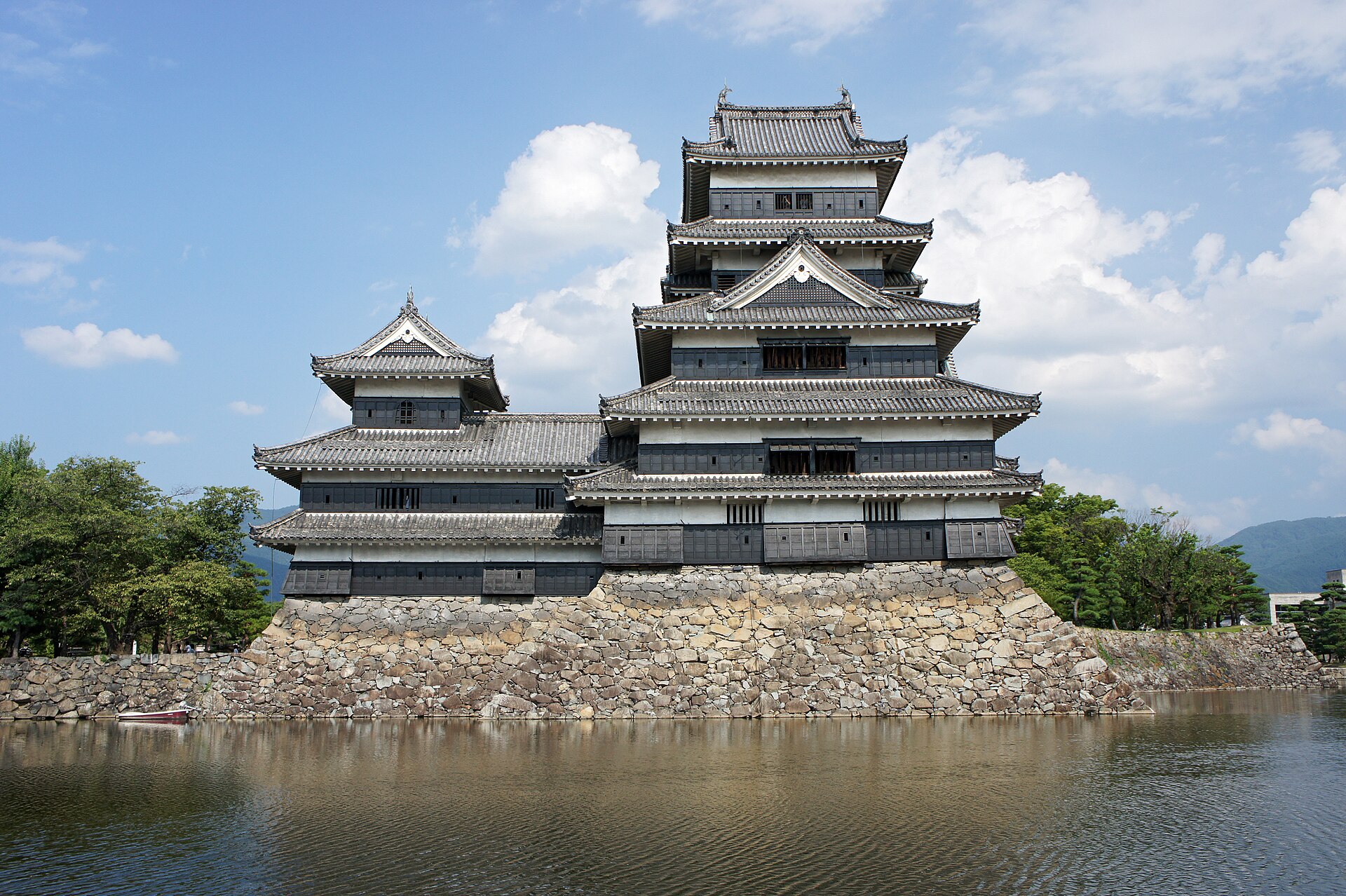
One of the most beautiful aspects of Matsumoto Castle is the way in which its black keep rises directly from the still waters of its moat, so that on a calm day the whole structure is perfectly mirrored in the water below, doubling its dramatic silhouette. This reflection is one of the classic images of the castle, and it draws photographers and admirers from all over the world, especially when the surrounding cherry trees are in bloom or the autumn leaves are ablaze with color.
The moat was, of course, a vital part of the castle’s defences, for as a flatland castle Matsumoto relied heavily upon its water defences to compensate for the lack of a protecting hill. The wide moat presented a formidable obstacle to any attacker, and combined with the thick walls and the cunning layout of the baileys it made the castle strong despite its position on the plain. But today it is the beauty of the reflection, rather than its defensive purpose, that draws the eye and delights the visitor.
The changing beauty of the reflection through the seasons is one of the great delights of Matsumoto, for the still water of the moat mirrors not only the black keep but the cherry blossom of spring, the fresh green of summer, the fiery leaves of autumn, and the snow of winter. The castle and its reflection together form a composition that seems to distill the very essence of the Japanese love of natural beauty, and it is little wonder that the sight has been celebrated by poets, painters, and photographers for generations.
At night the illuminated castle, reflected in the dark water of the moat, presents a scene of magical beauty, and special evening events and seasonal illuminations have made the nighttime view of Matsumoto one of its great attractions. The black keep, lit against the darkness and doubled in the still water, seems to belong to a world of dream and legend, and it is easy to understand why the castle has inspired so much affection and so much art over the centuries.
The Moon-Viewing Tower
Among the most charming features of Matsumoto is the moon-viewing tower, or Tsukimi Yagura, a graceful structure added to the castle in the peaceful years of the Edo period, when the threat of war had receded and the lords could indulge in gentler pursuits. Unlike the grim, defensive towers of the castle’s earlier age, the moon-viewing tower was built for pleasure, a place from which the lord and his guests could admire the beauty of the moon over the water and the mountains.
The moon-viewing tower, with its open, railed veranda and its red-lacquered balustrade, is a delightful contrast to the martial strength of the rest of the castle, a reminder that Matsumoto served, in its later centuries, as a peaceful residence and a center of courtly life as well as a fortress. The addition of so elegant and unwarlike a structure to the great black keep reflects the transformation of Japan under the long Tokugawa peace, when the castles of the warlords became the settings for a refined and cultivated way of life.
The building of a moon-viewing tower reflects the profound importance of the moon in Japanese culture, where the contemplation of the autumn moon was a cherished aesthetic and even spiritual pursuit, celebrated in poetry and in elegant gatherings. That the lords of Matsumoto should have added such a structure to their fortress speaks of the refinement of the courtly culture of the Edo period, and of the transformation of the castle from a place of war into a setting for the cultivated pleasures of peace.
The addition of the moon-viewing tower during the Edo period is a small but telling illustration of how the role of the great castle changed under the long Tokugawa peace, as the fortress of the warlord evolved into the elegant residence of the daimyo. No longer needing to fear attack, the lords could afford to add structures dedicated purely to pleasure and refinement, and the moon-viewing tower of Matsumoto is among the loveliest expressions of this gentler age. Its very existence speaks of the transformation of Japan from a land of war to a land of peace.
The Japanese Alps Beyond
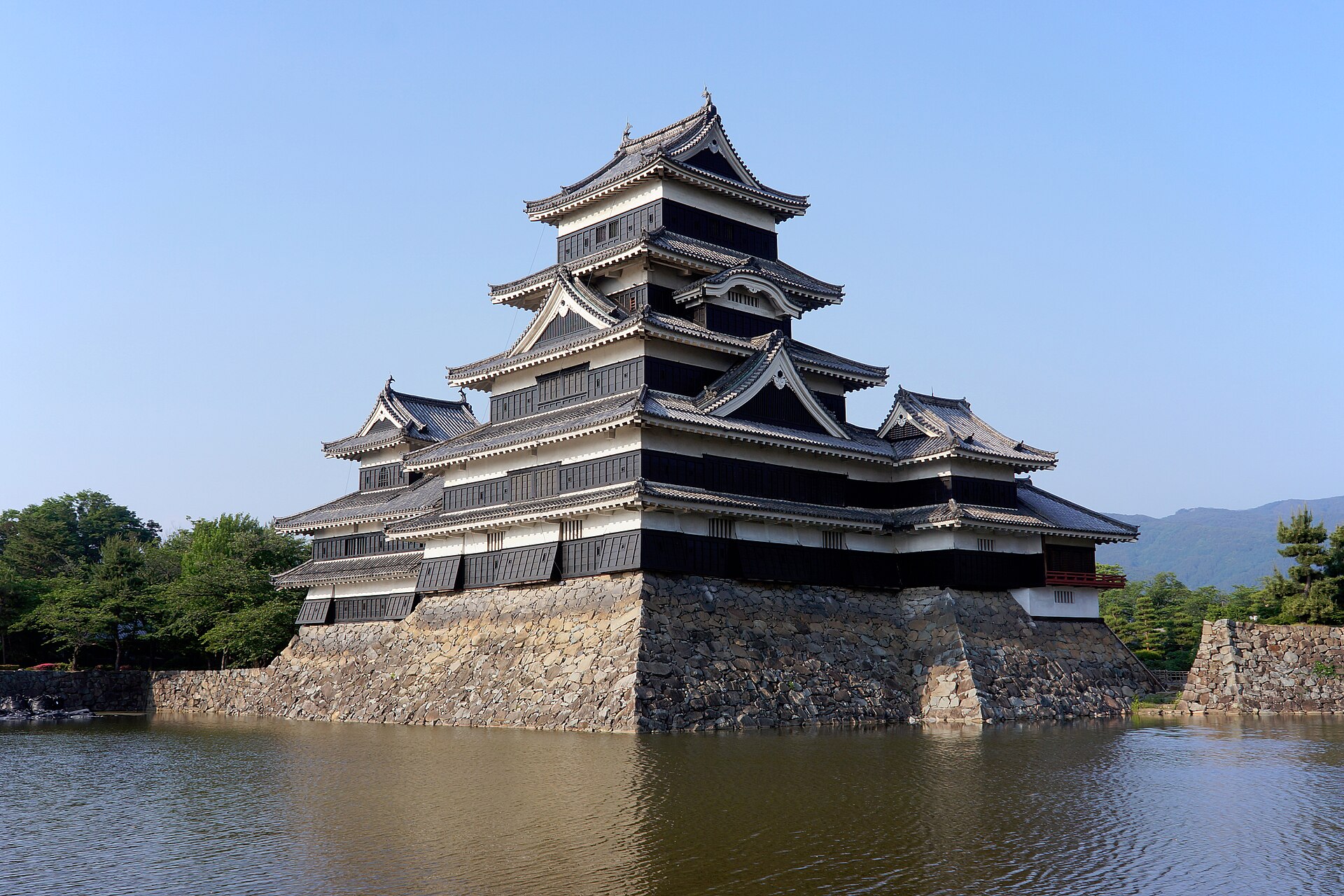
Part of the extraordinary beauty of Matsumoto Castle lies in its setting, for the black keep rises against the magnificent backdrop of the Japanese Alps, the great mountain range that towers over the region of Nagano. On a clear day the snow-capped peaks form a stunning frame for the dark silhouette of the castle, and the combination of the fortress, the moat, and the mountains creates one of the most beautiful landscapes in all of Japan.
The mountainous setting reflects the location of Matsumoto in the heart of the Japanese Alps, a region of dramatic natural beauty that has drawn travelers and pilgrims for centuries. The castle, set upon the plain of Matsumoto and surrounded by the peaks, seems to gather up the beauty of its surroundings, and it changes its aspect with the seasons, framed by cherry blossom in spring, by green in summer, by red and gold in autumn, and by snow in winter. Few castles anywhere enjoy so glorious a natural setting.
The city of Matsumoto, which grew up around the castle, is today a gateway to the Japanese Alps and a center for those who come to explore the mountains, and the castle at its heart is the great symbol of the city and the region. The harmony between the man-made beauty of the fortress and the natural beauty of the mountains is one of the defining qualities of Matsumoto, and it exemplifies the deep Japanese sensitivity to the relationship between architecture and landscape.
In spring the castle is surrounded by the blossoming of hundreds of cherry trees, and the sight of the black keep amid the pale pink flowers, with the snow still lingering on the peaks of the Alps beyond, is one of the most celebrated seasonal spectacles in all of Japan. People travel from far and wide to witness it, and the castle grounds become a place of festival and celebration. This union of the fortress, the blossom, and the mountains captures something essential about the Japanese sense of beauty.
The Legend of the Leaning Keep
Like many great castles, Matsumoto has its share of legends, and one of the most famous concerns the leaning of the great keep. Over the centuries the massive structure did indeed begin to tilt, and by the late nineteenth century the lean had become serious enough to threaten the survival of the keep. A well-known legend, however, attaches the leaning to a darker cause, telling of a peasant who was executed for leading a protest, and whose vengeful spirit was said to have cursed the castle.
Whatever the truth of the legend, the very real problem of the leaning keep was addressed in the great renovation carried out in the early twentieth century, when the structure was dismantled, repaired, and straightened. The tale of the leaning keep, and of the sacrifices and efforts made to save it, is part of the rich folklore that has grown up around the great castle over the centuries, adding a note of mystery and drama to its long history.
The problem of the leaning keep was a real and serious one, for the great weight of the massive wooden structure, over the centuries, had caused it to tilt dangerously, threatening its collapse. The great renovation of the early twentieth century, which dismantled and rebuilt the keep to correct the lean, was a major feat of conservation engineering, and it saved the ancient structure for future generations. The legend of the cursed keep, whatever its origin, gave dramatic expression to a genuine crisis in the castle’s long life.
Rescue and Restoration
Like Himeji, Matsumoto came close to destruction in the Meiji period, when the new government, in its haste to modernize Japan, ordered the demolition of many of the old feudal castles as obsolete relics of a bygone age. In the year 1872 the castle was slated for destruction, but it was saved by the efforts of a local resident, Ichikawa Ryozo, who led the campaign to preserve the great keep. Thanks to his foresight, one of Japan’s greatest castles was spared.
In the years that followed, the castle was carefully restored, most notably in the great renovation of the early twentieth century that addressed the dangerous leaning of the keep, and again in the restorations carried out in the middle of the century. In the year 1952 the surviving original structures of the main keep complex were designated national treasures of Japan, ensuring their protection for the future. Through the dedication of those who recognized its value, the Crow Castle was preserved for the wonder of later generations.
The wave of castle demolitions in the Meiji period was one of the great threats ever faced by Japan’s architectural heritage, driven by the desire to sweep away the symbols of the old feudal order in the rush to modernize. That Matsumoto, like Himeji, was saved by the efforts of a few far-sighted individuals is a reminder of how narrowly some of the nation’s greatest treasures escaped destruction. The campaign to preserve the castle was an early example of the impulse to protect historic heritage that would later become widespread.
The story of Ichikawa Ryozo and the rescue of Matsumoto is one of the great tales of heritage preservation in Japan, an early recognition that the old castles were not merely obsolete relics but priceless treasures worthy of protection. His campaign, and the similar efforts that saved Himeji and a handful of other castles, preserved for the nation and the world a precious inheritance that would otherwise have been lost forever. The gratitude of later generations is a fitting reward for the foresight of these far-sighted men.
Matsumoto Today
Today Matsumoto Castle stands as one of the most beautiful and most beloved of all the castles of Japan, its black keep and its moon-viewing tower drawing visitors from all over the world to the mountains of Nagano. As the possessor of one of only twelve original surviving keeps, and one of the oldest, it is a national treasure of the first importance, a precious link to the great age of the samurai and the warring states.
The castle is a source of great pride for the city of Matsumoto and for the whole nation, and it has been selected as one of Japan’s top one hundred castles. Its beauty, its history, and its dramatic setting amid the Japanese Alps make it one of the essential sights of Japan, a fitting companion to the White Heron of Himeji as one of the supreme examples of the Japanese art of the castle.
The enduring appeal of Matsumoto lies in the combination of its historical importance, its architectural beauty, and its magnificent natural setting, a combination that few castles anywhere can match. As one of the oldest and most complete of Japan’s surviving castles, it offers an unrivaled window into the age of the samurai, while its black walls and its alpine backdrop make it a thing of surpassing beauty. It is a monument that satisfies both the historian and the lover of beauty, and it holds a special place in the affections of the Japanese people.
To visit Matsumoto is to step back into the world of the samurai, and at the same time to enjoy one of the most beautiful sights that Japan has to offer, a rare combination of historical depth and aesthetic delight. The castle rewards the visitor who takes the time to explore its keeps and towers, to admire its reflection in the moat, and to contemplate the mountains that rise beyond, with an experience that lingers long in the memory. It is, quite simply, one of the essential castles of Japan.
If you would like to see exactly where this magnificent castle stands upon the map, you can find it here:
View on Google Maps: 36.2384, 137.9689
From its place upon the plain of Matsumoto, with the Alps rising beyond, the Crow Castle has spread its black wings for more than four centuries, and it stands there yet, one of the great treasures of Japan.
Castles Nearby
If the beauty of Matsumoto has captured your imagination, you may enjoy these other magnificent castles:
The Crow Castle of the Alps
Matsumoto Castle is one of the great treasures of Japan, the Crow Castle of the Alps, a fortress whose black walls and soaring keeps rank it among the most beautiful and most important castles in the land. As the possessor of one of only a handful of original surviving keeps, and one of the very oldest, it is a precious link to the great age of the samurai, and its setting amid the mountains makes it one of the loveliest sights in all of Japan.
If you should travel to Japan, Matsumoto is well worth the journey into the mountains of Nagano, for it is a castle that rewards the visitor with beauty, history, and atmosphere in equal measure. To see its black walls reflected in the still water of the moat, with the Alps rising beyond, is an unforgettable experience. Matsumoto Castle is a masterpiece of the Japanese art of fortification, and it deserves its place among the most cherished monuments of the nation.
Whether you come for the drama of the black keep, for the beauty of its reflection in the moat, or for the magnificent backdrop of the Japanese Alps, Matsumoto will reward your journey, and you will carry away the memory of the Crow Castle, spreading its dark wings above the plain of Nagano, as one of the great treasures of any journey to Japan.
You May Like

Mafra, the Palace a King Built From a Vow