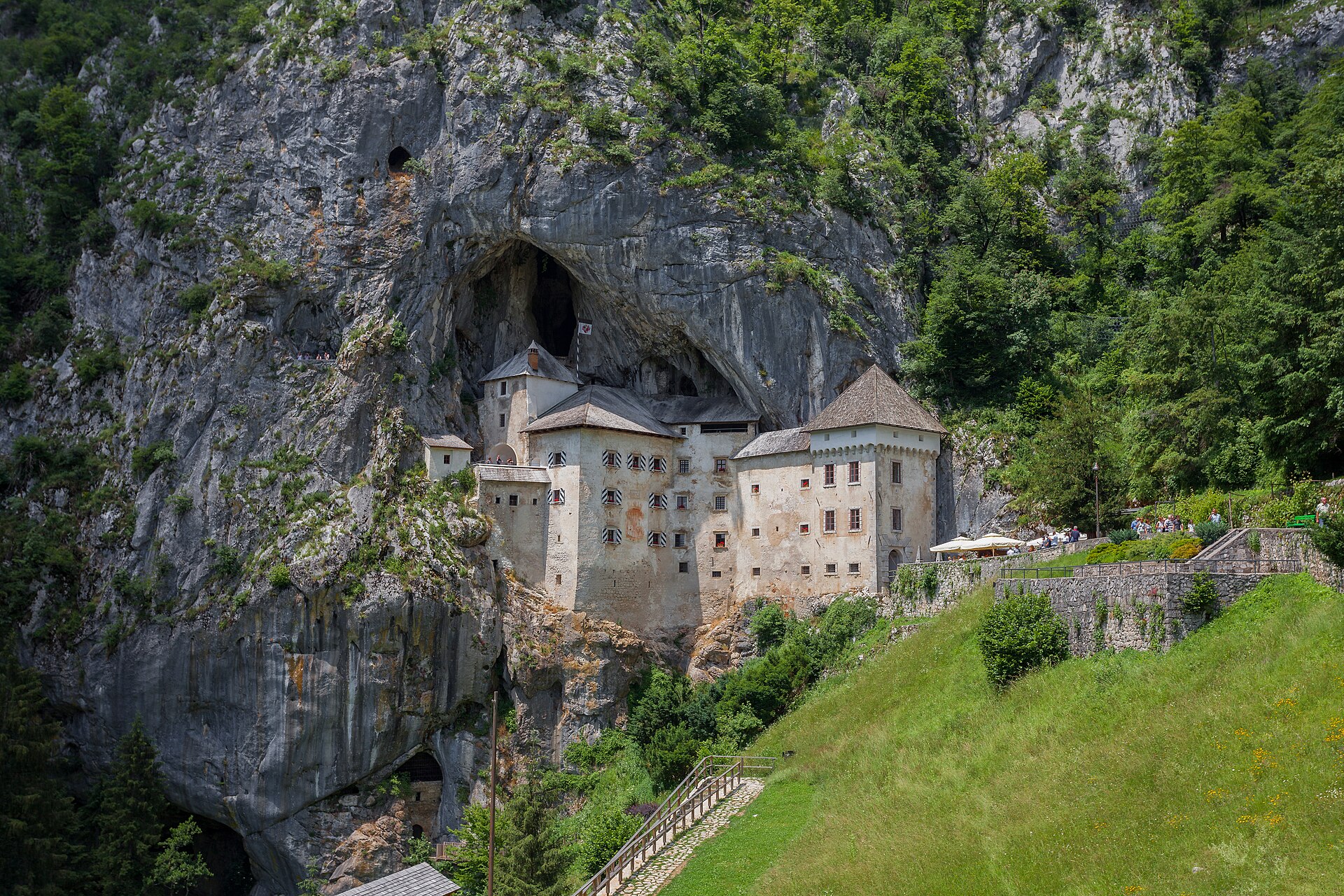
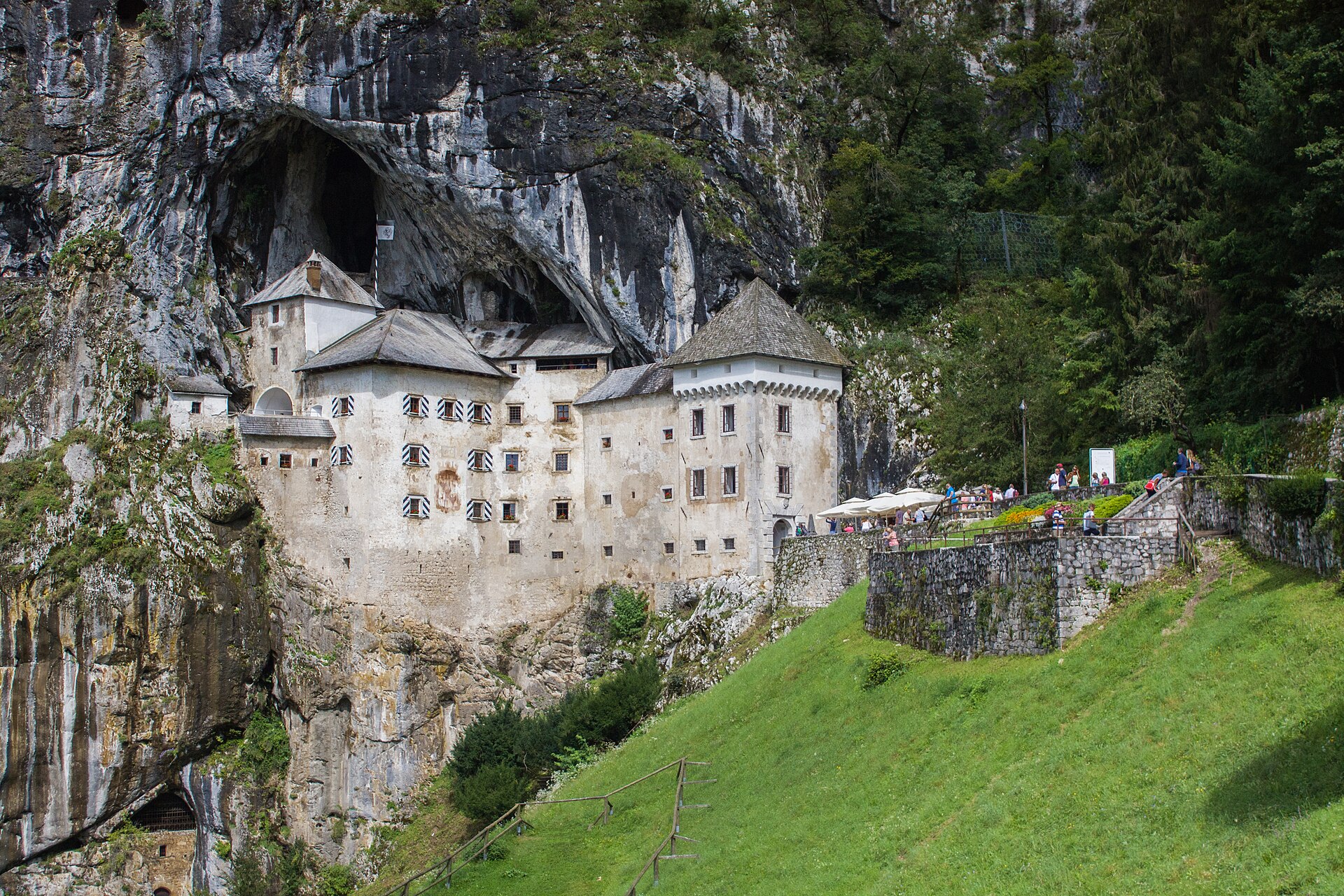
In the karst country of southwestern Slovenia, tucked into the mouth of a cave in a towering vertical cliff, stands one of the most astonishing castles in all of Europe. Predjama Castle does not sit upon a hill or an island like other strongholds, but is built directly into the sheer rock face, its walls rising seamlessly from the cliff as though the mountain itself had grown a fortress. Sheltered beneath an overhanging wall of stone and merging into the natural cave behind it, this is a sight so improbable that it seems to belong to legend, and yet it is entirely real.
Predjama is celebrated as one of the largest cave castles in the world, and its extraordinary setting is matched by an equally extraordinary history. This was the lair of a famous robber knight who defied an emperor, the scene of one of the most memorable sieges ever told, and a fortress whose greatest defence was a secret cave passage hidden within the cliff. Half building and half cavern, wrapped in legend and drama, it is unlike any other castle on earth. In this article you will explore the whole of it, from its cliffside rooms to its secret caves and its unforgettable legend. Come and discover the castle in the cliff.
What makes Predjama so unforgettable is the way it fuses so many kinds of wonder into a single place. It is a marvel of architecture and a marvel of nature, a stronghold of real military ingenuity and the setting of one of the great legends of European folklore, all wrapped up in a spectacle that has to be seen to be believed. Few places anywhere combine drama, history, and sheer improbability so completely, and it is this rare combination that has made the castle in the cliff one of the most beloved sights in all of Slovenia.
In This Article
- The Castle in the Cliff
- A Fortress Nature Helped Build
- Seven Centuries in the Rock
- The Renaissance Castle We See Today
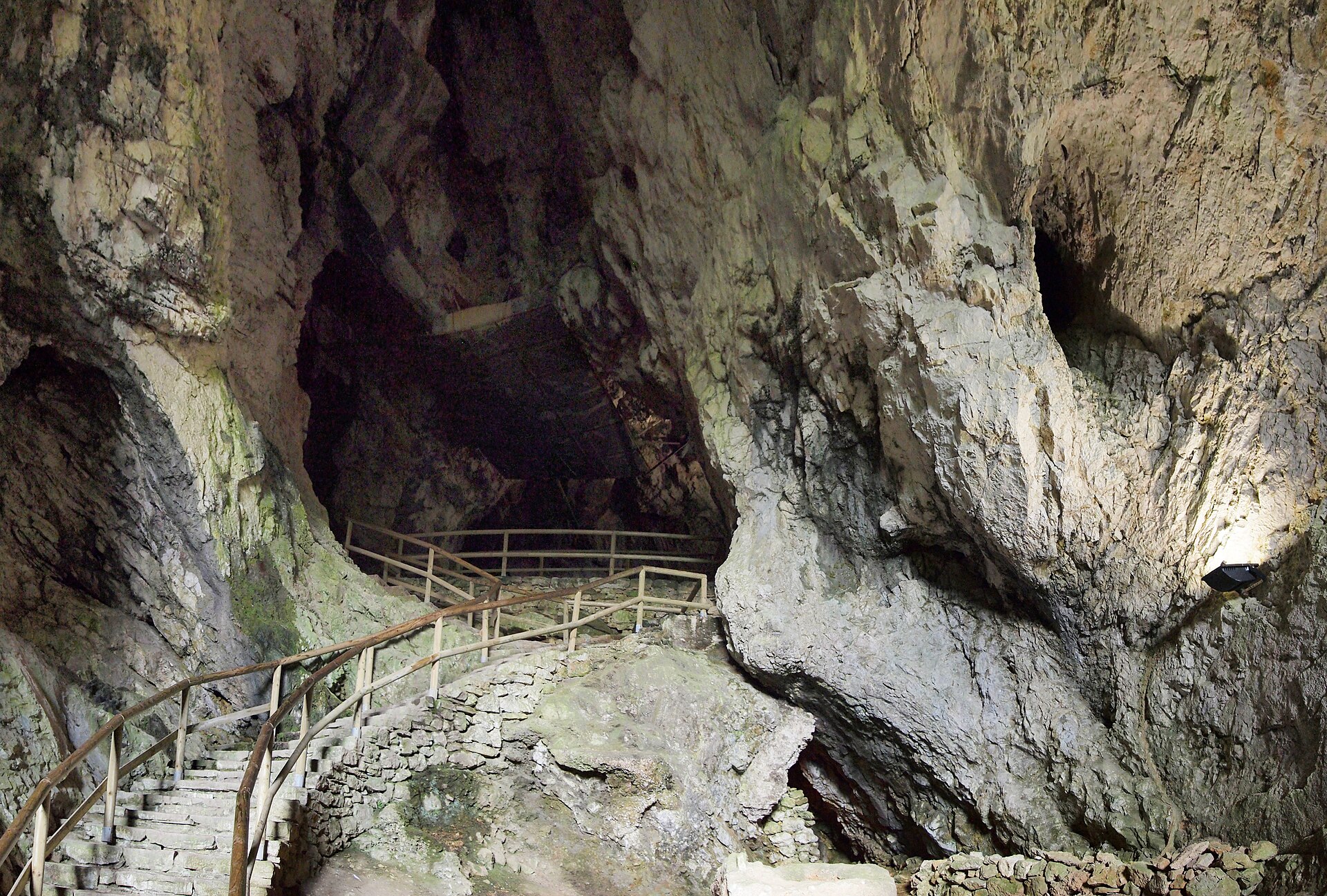
- The Secret Cave Behind the Walls
- Inside the Cliffside Rooms
- A Vertical World of Stairs and Passages
- Erazem, the Robber Knight
- The Siege That Could Not Starve Him
- Betrayed on the Castle Wall
- The Cave and Its Secrets
- Exploring Predjama Today
- Finding Predjama Castle
- Castles Nearby
The Castle in the Cliff
In the karst country of southwestern Slovenia, tucked into the mouth of a cave in a towering vertical cliff, stands one of the most astonishing castles in all of Europe. Predjama Castle does not sit upon a hill or an island like other strongholds, but is built directly into the sheer rock face, its walls rising seamlessly out of the cliff as though the mountain itself had grown a fortress. Half building and half cave, sheltered beneath an overhanging wall of stone, it is a sight so improbable that it seems to belong more to fantasy than to reality.
Yet Predjama is entirely real, and it is one of the great wonders of Slovenia, celebrated as one of the largest cave castles in the world. Its extraordinary setting is matched by an equally extraordinary history, for this is the castle of a famous robber knight who defied an emperor, the scene of one of the most memorable sieges in all of history, and a place wrapped in legend and drama. To visit is to encounter a stronghold unlike any other, a fortress that used the very rock of the earth as its greatest defence. This is the story of the castle in the cliff.
There is something about Predjama that seizes the imagination the moment you see it, a sense of the impossible made real. Castles are meant to stand proud upon hills or islands, but this one hides in the mouth of a cave, tucked beneath the brow of a cliff as though seeking shelter from the sky. The effect is uncanny and unforgettable, and it is little wonder that the castle has become one of the most photographed and celebrated sights in Slovenia, a place that seems to embody the very spirit of romance and adventure.

A Fortress Nature Helped Build
The genius of Predjama lies in the way it turned the natural landscape into an all but impregnable defence. The castle is built beneath a great overhanging cliff, so that the rock above shelters it from attack from the heights and makes it impossible to bombard from above, while the sheer wall of stone into which it is set protects it from behind. An attacker could approach only from the front, across open ground and up against the cliff, exposed all the while to the defenders above. Nature had created a fortress, and the builders had only to complete it.
This union of architecture and rock makes Predjama quite unlike any conventional castle. Parts of the stronghold are true building, raised in stone by human hands, while other parts merge into the natural cave and the living rock of the cliff. The boundary between the made and the natural blurs and dissolves, so that as you explore the castle you pass from vaulted rooms into raw stone caverns and back again. This is what gives Predjama its unique character and its overwhelming sense of drama, a castle that is as much a part of the mountain as a work of man.
The builders of Predjama understood, with real brilliance, that the strongest fortress is one that works with the land rather than against it. Instead of trying to impose a conventional castle upon a difficult site, they let the cliff and the cave do most of the work, adding only what nature had left undone. The result is a defence that no amount of stone and mortar alone could ever have achieved, for the overhanging rock made the castle proof against the one thing that brought down so many other strongholds, bombardment from above. It is a masterpiece of adapting architecture to landscape.
Seven Centuries in the Rock
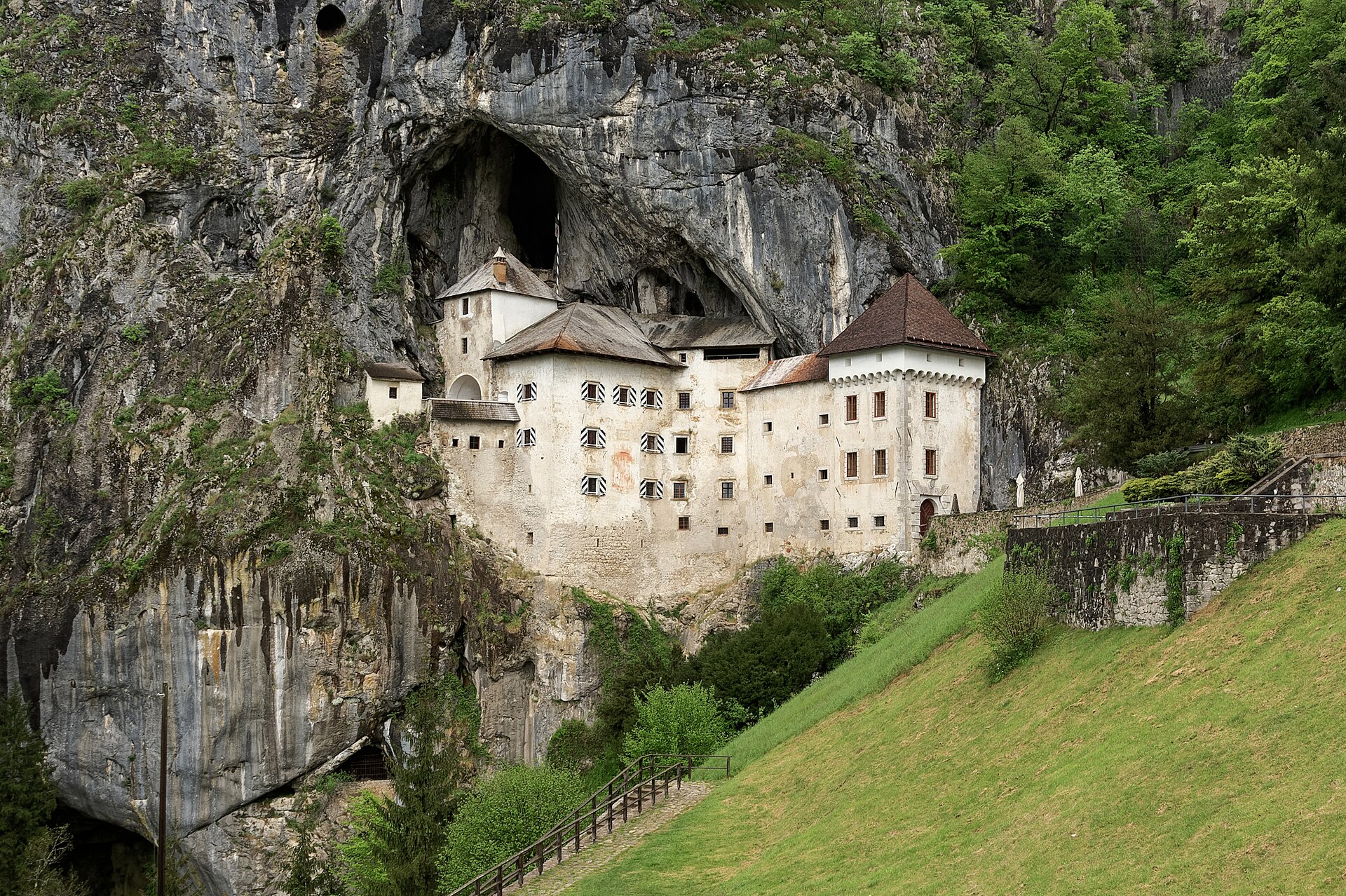
A fortress has clung to this remarkable cliff for a very long time, with the first castle on the site recorded as far back as the thirteenth century, when it was built in the Gothic style against the rock. From the very beginning, the builders exploited the natural strength of the cliff and the cave, creating a stronghold that was almost impossible to take by force. Across the centuries that followed, the castle passed through the hands of various noble families and was rebuilt and altered more than once, but its essential nature as a fortress fused with the cliff never changed.
The long history of Predjama is a testament to the enduring appeal of this extraordinary site, for despite the difficulties of building and living in such a place, people returned to it again and again across the ages. The castle that survives today is the product of this long history, its various parts reflecting the different periods of its construction. To stand before it is to look upon seven centuries of building against the rock, a continuous human presence in one of the most dramatic natural settings imaginable.
The long succession of families who held Predjama across the centuries each added their own chapter to its story, and the castle changed hands and changed shape many times before reaching its present form. That people should have persisted in living in so difficult and dramatic a place for so many hundreds of years is itself remarkable, and it speaks of the extraordinary value that such an impregnable stronghold held in an age of frequent warfare. The castle’s endurance through all these changes is part of what makes it such a fascinating survival today.
The Renaissance Castle We See Today
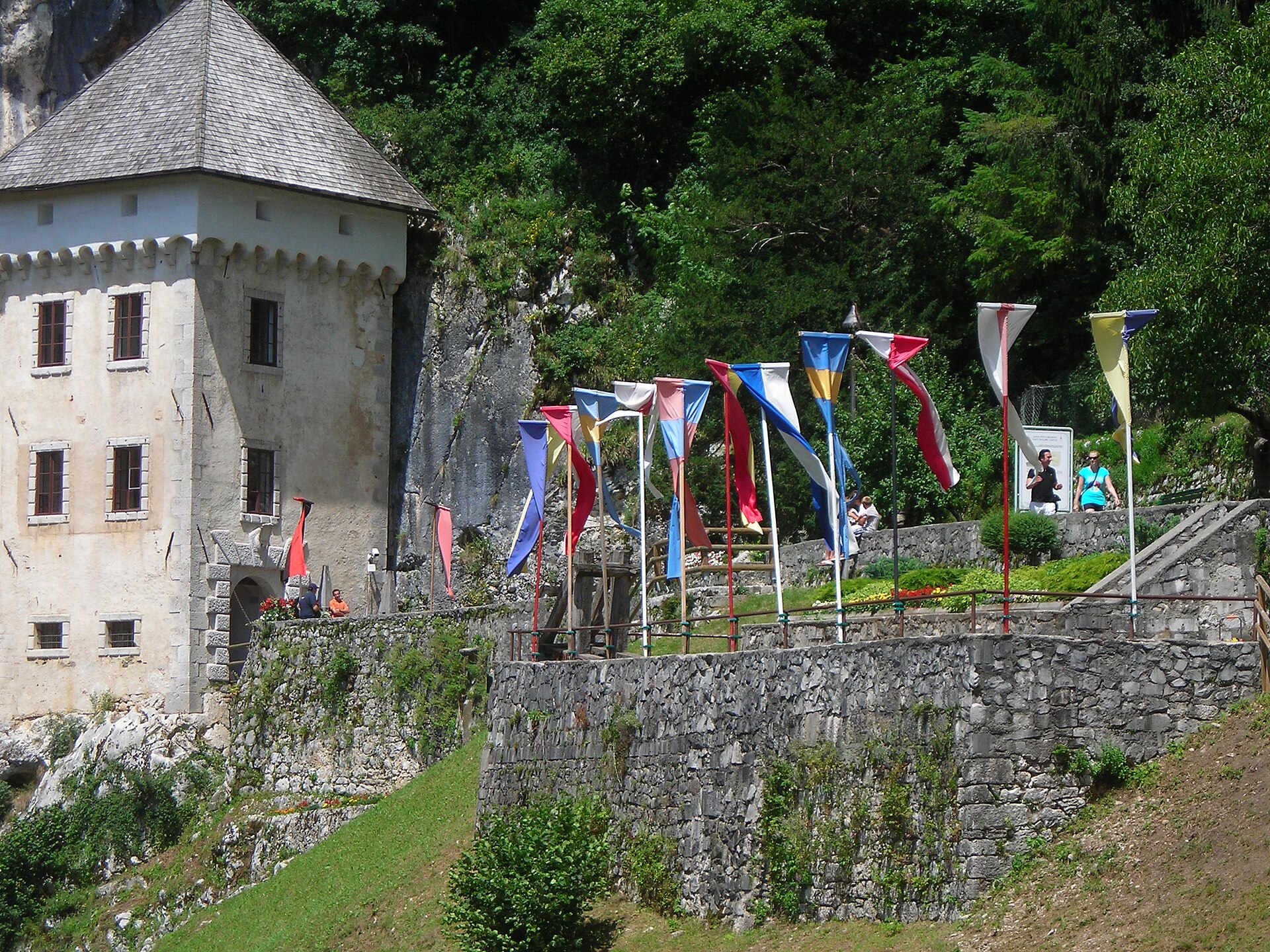
The castle that visitors see today took its present form largely in the sixteenth century, when it was rebuilt in the Renaissance style by the noble family who then held it. Rising in several storeys against and into the cliff, the Renaissance castle made the most of its extraordinary site, its rooms and passages fitted ingeniously into the available space between the rock and the open air. The pale walls of the castle, set against the grey stone of the cliff and the green of the surrounding country, create the unforgettable image that has made Predjama famous.
This Renaissance rebuilding gave the castle much of its present character, combining the practical needs of defence with the more comfortable requirements of a noble residence. Though its setting was wild and its position formidable, the castle within was made habitable and even gracious, a home as well as a stronghold. The blending of Renaissance elegance with the raw drama of the cliff and cave is one of the great fascinations of Predjama, and it is this sixteenth-century castle, clinging to its cliff, that draws visitors from around the world today.
The Renaissance builders faced a peculiar challenge at Predjama, for they had to fit the graces and comforts of a noble residence into the cramped and irregular space allowed by the cliff and the cave. That they succeeded so well is a tribute to their ingenuity, and the castle they created manages to be both a genuine fortress and a liveable home. The pale Renaissance walls emerging from the grey rock have become the iconic image of Predjama, and it is this castle, poised so improbably against its cliff, that has captured the imagination of visitors for generations.
The Secret Cave Behind the Walls
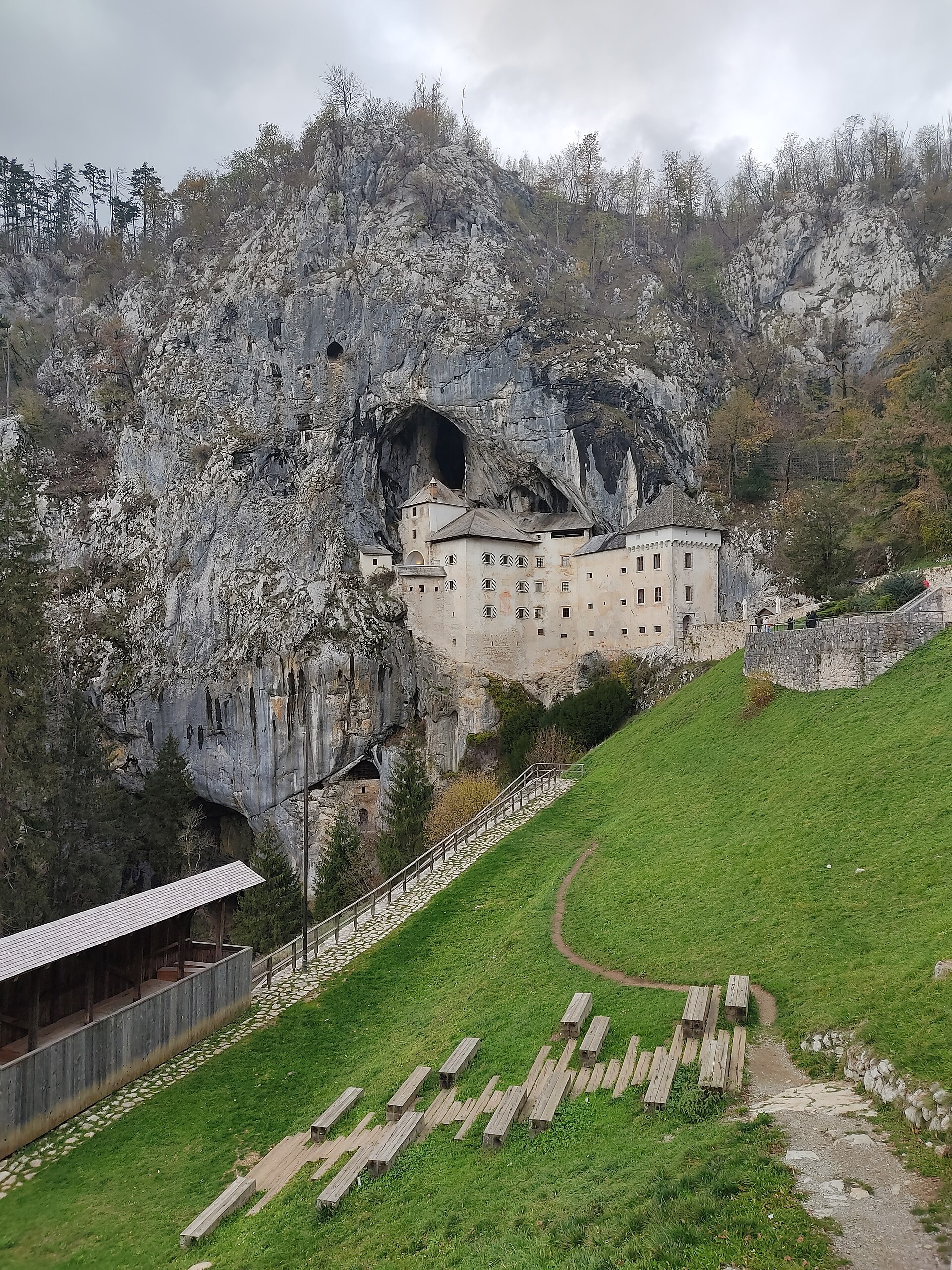
Behind the walls of Predjama lies its greatest secret and the source of its most famous legend, a hidden network of natural caves and passages that riddles the cliff into which the castle is built. These caves connect the castle to the world beyond in ways invisible to any attacker, and in the past they provided a secret route by which the defenders could come and go, bringing in supplies and reinforcements even while the castle appeared to be completely cut off and surrounded. It was this hidden passage that made Predjama not just strong but, for a time, seemingly impossible to besiege.
The existence of this secret cave route is the key to understanding the most celebrated episode in the castle’s history, and it is one of the things that makes Predjama so extraordinary. While besiegers camped before the castle, convinced that they had it trapped and would soon starve it into surrender, the defenders could slip out through the caves to the countryside beyond and return laden with fresh supplies. The cliff that made the castle strong from the front also hid, within its depths, the very means by which it could defy a siege indefinitely.
The secret of the caves transforms Predjama from a merely impressive fortress into a truly unique one, for it meant that the castle’s greatest strength lay hidden and invisible, deep within the rock. An enemy standing before the walls could have no idea that the defenders were slipping out behind them through the mountain, and this hidden advantage made the castle far stronger than it appeared. It is a perfect illustration of how the landscape of the karst, riddled with caves and passages, could be turned to human advantage in the most dramatic possible way.
Standing in the castle today and knowing what lies hidden behind its walls, you cannot help but admire the cleverness of those who first grasped the possibilities of this remarkable site. They saw that a fortress here need never fall to a siege, and they built accordingly, turning the hidden geography of the karst into the ultimate defence. It is this insight, as much as the walls themselves, that made Predjama one of the most formidable strongholds of its age, and it lies at the very heart of the castle’s enduring fame.
Inside the Cliffside Rooms
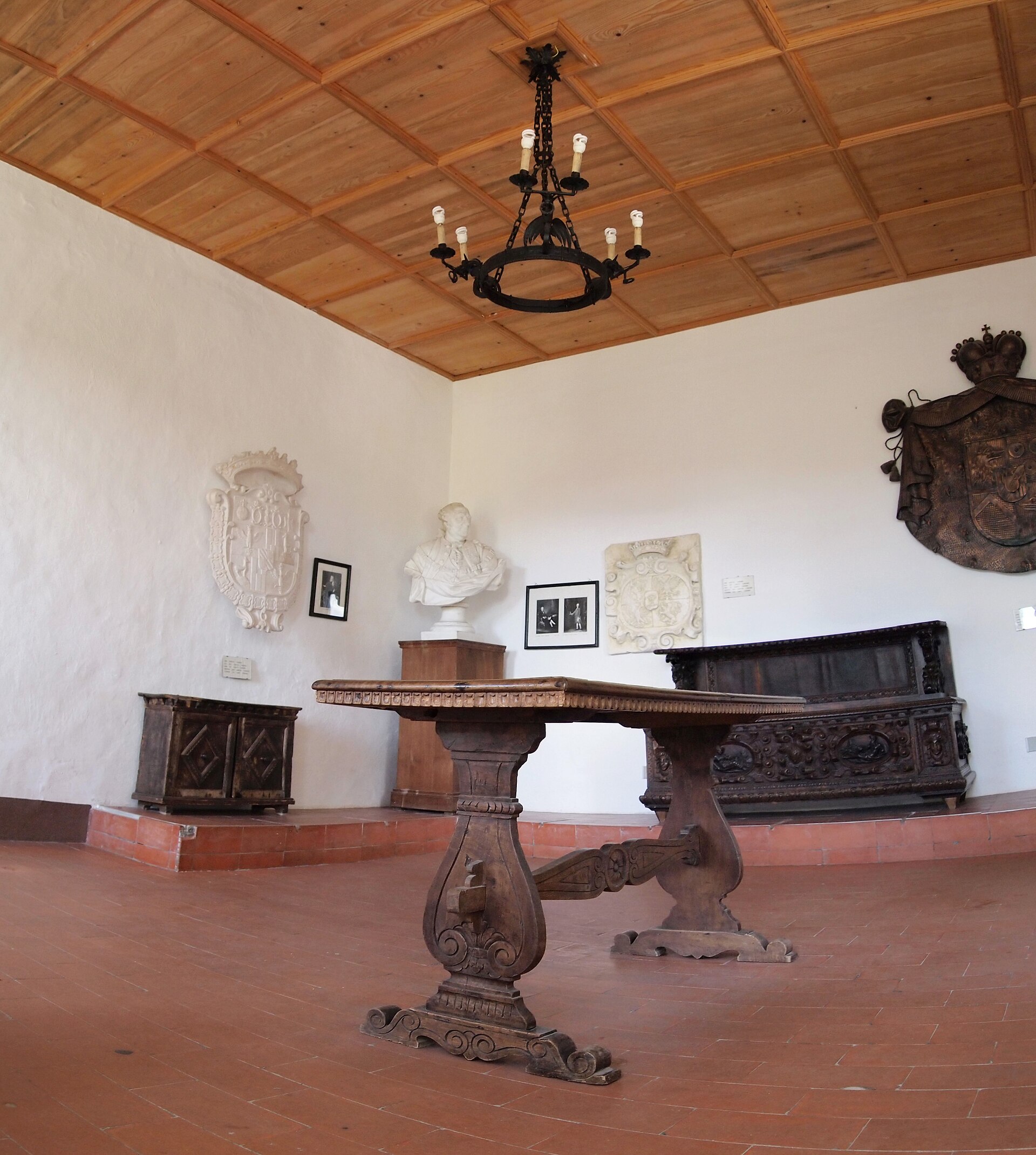
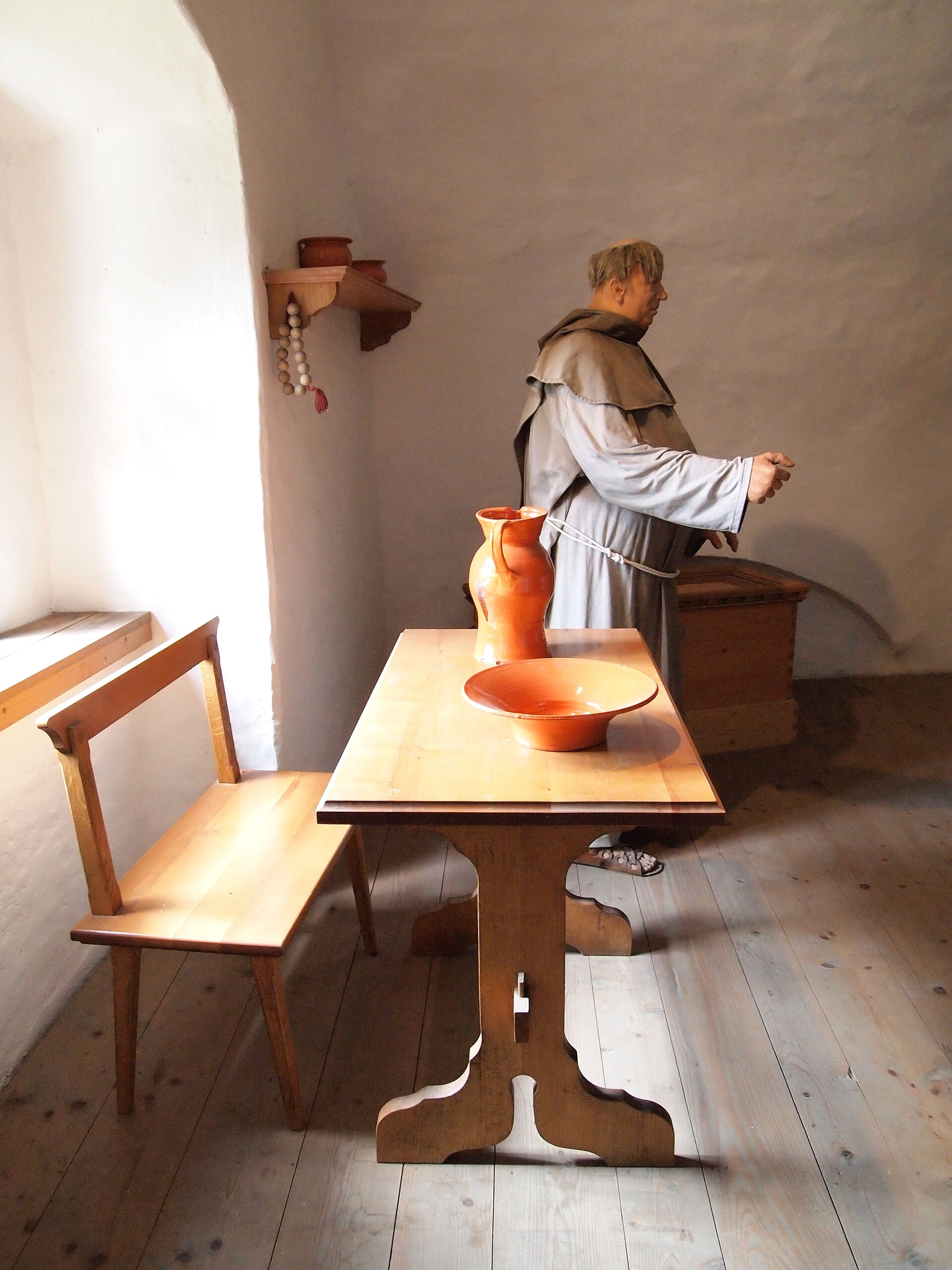
Exploring the interior of Predjama is a remarkable experience, for the rooms of the castle are fitted with great ingenuity into the confined and irregular space between the cliff and the open air. As you climb through the storeys of the castle, you pass through living quarters, halls, a chapel, and defensive positions, and everywhere the presence of the surrounding rock is felt, for the walls of stone press close and in places the natural cliff itself forms part of the room. It is a world quite unlike the interior of any ordinary castle.
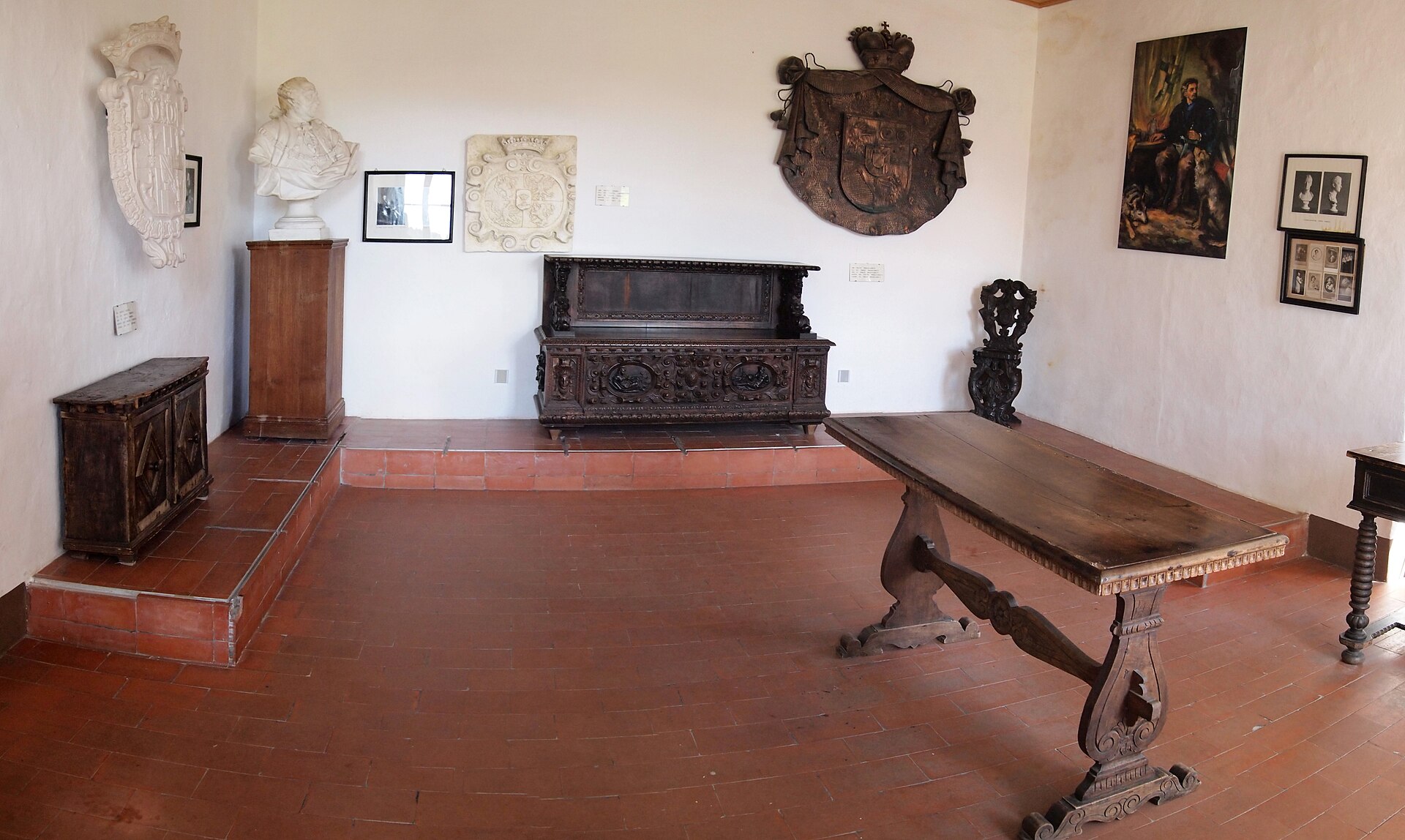
The rooms have been furnished and presented to give a sense of how life was lived in this extraordinary place, and moving through them you can imagine the strange existence of those who dwelt here, sheltered beneath the overhanging cliff. There is a dungeon, there are living rooms, and there is even a chapel, all packed into the vertical space of the castle. The ingenuity with which every corner of the available space has been used is one of the delights of a visit, and it speaks of the determination of those who chose to make their home in so improbable a spot.
The sense of the surrounding rock is never absent inside Predjama, and it is this that makes the interior so different from that of any ordinary castle. In some rooms the natural stone of the cliff forms a wall; in others, windows open onto dizzying drops or into the darkness of the cave. Living here must have been an extraordinary experience, at once sheltered and exposed, comfortable and wild, and moving through the rooms today one cannot help but marvel at the strange and dramatic existence of those who once called this cliffside fortress home.
A Vertical World of Stairs and Passages
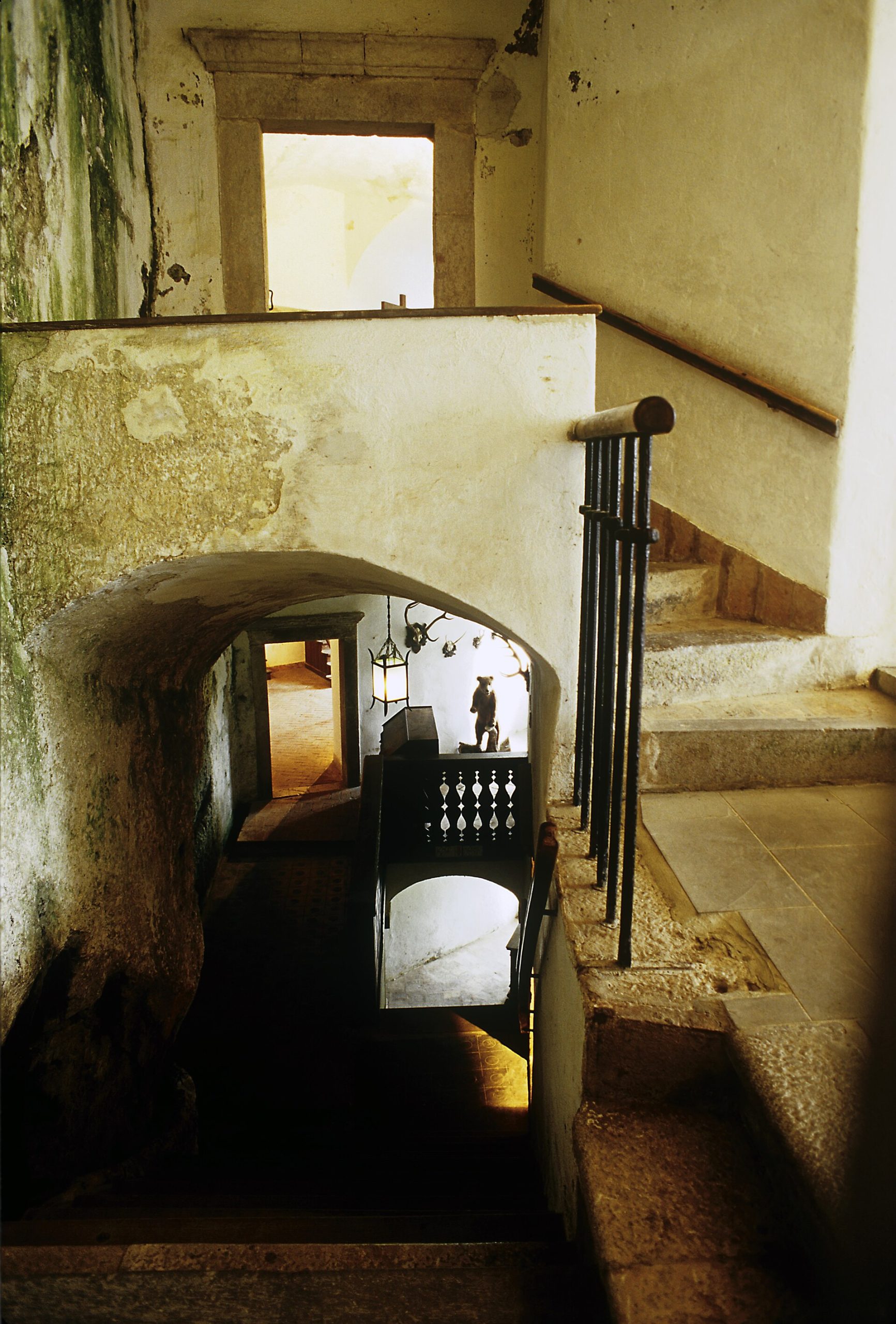
Because Predjama is built vertically against the cliff rather than spread out across level ground, it is a world of steep stairs, narrow passages, and sudden changes of level, and exploring it means climbing steadily upward through its many storeys. Each level opens onto new rooms and new views, and at the top the castle merges into the natural cave in the rock above, from which the secret passages led away into the depths of the cliff. The vertical arrangement is one of the things that makes Predjama so different from other castles and so thrilling to explore.
This constant climbing, and the way the castle clings to the cliff at every level, gives the visitor a vivid sense of the extraordinary nature of the place. From the windows and openings at the higher levels, dizzying views open out over the valley below, reminding you just how high the castle is perched against its cliff. The whole structure feels alive with the drama of its setting, and moving through its stairs and passages is like ascending through the layers of a fortress that has grown organically into the very body of the mountain.
The vertical, tightly packed nature of the castle means that a visit is a genuinely adventurous experience, a climb through a fortress that seems to defy the ordinary rules of architecture. Around every turn there is something new to discover, a room fitted cleverly into the rock, a window with a heart-stopping view, or a passage leading deeper into the cliff. This sense of exploration and surprise is one of the great pleasures of Predjama, and it makes the castle feel less like a museum to be walked through than a marvel to be discovered step by step.
Erazem, the Robber Knight
The most famous figure in all the history of Predjama is the robber knight Erazem, who held the castle in the fifteenth century and whose story has become legend. Erazem was a nobleman who fell into a bitter and violent conflict with the powerful ruler of the age, and having killed a kinsman of the emperor, he became an outlaw, retreating to the great fortress of Predjama, from which he raided and defied his enemies. From his cliffside stronghold, this bold and lawless knight waged his own private war, robbing and harrying and setting the might of the empire at nothing.
Erazem has come down through the centuries as a kind of folk hero, a defiant robber baron who thumbed his nose at authority from the safety of his impregnable castle. Whether villain or hero, or something of both, he is inseparable from the legend of Predjama, and his story gives the castle much of its romance and drama. It was during his defiance of the emperor that the most famous episode in the castle’s history unfolded, the great siege that made Predjama a byword for a fortress that could not be starved into surrender.
The figure of Erazem embodies the romance of the medieval outlaw, the bold rebel who defies the powerful from the safety of an impregnable stronghold, and it is easy to see why his story has captured the imagination for so long. Whether he is remembered as a brigand or a hero depends much on the telling, but either way he has become inseparable from Predjama, lending the castle a human drama to match its extraordinary setting. His defiance of the emperor from this cliffside fortress is the stuff of legend, and it is a large part of what draws visitors to Predjama today.
The Siege That Could Not Starve Him
When the emperor’s forces at last came to bring the defiant robber knight to heel, they laid siege to Predjama, confident that they could surround the castle and starve its garrison into surrender. But they had reckoned without the secret cave passages that riddled the cliff, and try as they might, they could not cut the castle off. Through the hidden tunnels, Erazem and his men slipped out to the countryside and returned with fresh supplies, so that the castle remained provisioned even as the siege dragged on for many months.
The most famous story of all tells how Erazem, to mock his besiegers and prove that he was far from starving, would throw down fresh food to the astonished soldiers below, including, according to legend, fresh cherries in a season when such things should have been impossible for a besieged garrison to obtain. The message was clear and humiliating, that the great fortress could not be starved and that the besiegers were wasting their time. The siege became a famous demonstration of the impregnable strength of Predjama, a castle that seemed able to defy any army indefinitely thanks to its secret ways through the rock.
The image of Erazem hurling fresh cherries down at his baffled besiegers is one of the most delightful in all the folklore of European castles, a perfect symbol of the impossibility of taking Predjama by siege. True or not, the story captures the essential truth of the castle’s defence, that as long as the secret caves remained open, no besieging army could ever cut it off. The great siege thus became a famous demonstration of the futility of attacking so cleverly sited a stronghold, and it fixed Predjama’s reputation as a fortress that could not be starved.
Betrayed on the Castle Wall
If the great fortress of Predjama could not be taken by force, it could, in the end, be taken by treachery, and so it was, according to the famous legend, that the robber knight Erazem met his end. The story tells that a servant, bribed or persuaded by the besiegers, agreed to betray his master by giving a signal at the moment when Erazem was at his most vulnerable and exposed, in the one part of the castle that jutted out beyond the protection of the sheltering cliff. When the signal came, the besiegers fired, and a single well-aimed shot struck and killed the defiant knight.
So the legend goes that Erazem, who had defied the might of an empire and could not be starved from his impregnable castle, was brought down at last not by the strength of his enemies but by the treachery of one of his own. It is a tale that has all the drama and irony of the finest folklore, and it has fixed the story of Predjama forever in the imagination. Whatever the exact truth behind the legend, the fall of Erazem is inseparable from the castle, and it lends this already dramatic place a final note of tragedy and betrayal.
The story of Erazem’s betrayal adds a final, poignant twist to the legend, for it shows that even the strongest fortress is only as secure as the loyalty of those within it. The very part of the castle that jutted beyond the shelter of the cliff, exposed and vulnerable, proved to be the chink in its armour, and a single act of treachery accomplished what a whole army could not. It is a tale that has been told and retold for centuries, and it gives the drama of Predjama a fittingly tragic conclusion, the fall of the defiant knight through betrayal rather than force.
The Cave and Its Secrets
The caves that gave Predjama its legendary strength are a fascinating world in their own right, a system of natural passages stretching back into the cliff and down beneath the castle. This is karst country, a landscape of limestone riddled with caves and underground rivers, and the caverns behind Predjama are part of this remarkable subterranean world. In warmer times the caves can be explored, revealing the hidden depths that once allowed the defenders to slip in and out unseen, and giving a vivid sense of the secret that lay at the heart of the castle’s defence.
The caves are also home to colonies of bats, which shelter in the darkness behind the castle, and the whole underground realm has an atmosphere of mystery and wonder. The intimate connection between the castle above and the caves below is what makes Predjama so unique, a fortress whose greatest strength lay not in its walls but in the hidden passages of the earth. To understand the caves is to understand the castle, and the two together form one of the most extraordinary combinations of nature and human ingenuity to be found anywhere in the world.
The karst landscape in which Predjama sits is one of the wonders of the natural world, a region so distinctive that it has given its very name to this type of cave-riddled limestone country wherever it is found. The caves behind and beneath the castle are part of a vast underground realm, and their presence is what made the whole extraordinary story of Predjama possible. To explore them is to venture into the hidden heart of the castle’s strength, and to appreciate the remarkable union of the natural and the human that makes this place so unique.
Exploring Predjama Today
Today Predjama Castle is one of the most popular and beloved attractions in all of Slovenia, welcoming visitors from around the world who come to marvel at its extraordinary setting and to hear its dramatic stories. The castle is preserved as a museum, its rooms furnished and its history explained, and exploring it is a wonderful experience, taking you climbing through the cliffside storeys and into the edge of the cave, all the while surrounded by the overwhelming presence of the rock. It has even been recognised as the largest cave castle in the world.
A visit to Predjama is unlike a visit to any other castle, for the sheer drama of the place, half building and half cavern, set into a towering cliff, leaves an impression that is impossible to forget. Combined with the famous legend of the robber knight and the great siege, the castle offers an experience of history and wonder in equal measure. Whether you come for the astonishing architecture, the dramatic stories, or simply the spectacle of the castle in the cliff, Predjama rewards every visitor with one of the most memorable sights in all of Europe.
The recognition of Predjama as the largest cave castle in the world is a fitting tribute to its extraordinary nature, and it has helped to make the castle famous far beyond the borders of Slovenia. Yet no title or record can quite capture the experience of actually standing before it, or of climbing through its cliffside rooms with the great weight of the overhanging rock above. It is a place that must be seen to be believed, and it leaves every visitor with a sense of wonder that no description can fully convey.
Finding Predjama Castle
Predjama Castle lies in the southwest of Slovenia, in the beautiful karst region not far from the capital, Ljubljana, and it is very easy to reach as part of any exploration of this small and scenic country. The castle stands close to one of Slovenia’s other great natural wonders, the famous Postojna Cave, and the two are very often visited together, making for an unforgettable day among the caves and cliffs of the Slovenian karst. The approach through the green countryside, with the sudden appearance of the castle in its cliff, is an experience in itself.
The setting could hardly be more beautiful, and the castle sits amid a landscape of great natural interest, a country of caves, cliffs, and underground rivers unlike almost anywhere else. A visit to Predjama can easily be combined with the nearby cave and the many other attractions of Slovenia, making for a rich and varied journey. Here are the exact coordinates so you can find your way to the astonishing castle in the cliff.
Many visitors pair Predjama with the great Postojna Cave nearby, and the combination makes for one of the most rewarding days out in the whole of Slovenia, taking in both a natural wonder of the underground world and the astonishing cave castle above. The two sites, so close together and so intimately connected to the karst landscape, complement one another perfectly, and together they offer an unforgettable introduction to the natural and historical marvels of this beautiful corner of central Europe.
View on Google Maps: 45.8158, 14.1272
Castles Nearby
If Predjama has amazed you, two more dramatic strongholds of central and eastern Europe make a fine next stop.
- Kamianets-Podilskyi Castle in Ukraine guards a peninsula in a dramatic river canyon.
- Toompea Castle in Tallinn crowns a great limestone hill above the city.
The Castle in the Cliff
Few castles anywhere can rival the sheer drama of Predjama. Built into the mouth of a cave in a towering cliff, half made by human hands and half by nature, it is one of the most astonishing strongholds on earth, and its history matches its setting. This was the lair of a defiant robber knight, the scene of a famous siege that could not starve its garrison thanks to a secret cave passage, and a place wrapped in one of the most memorable legends in all of European folklore. To stand before it is to marvel that such a thing could ever have been built at all.
That is what makes a visit to Predjama so unforgettable. You are not just admiring a castle but encountering a place where nature and human ingenuity combined to create something truly unique, a fortress that used the very rock of the earth as its shield and the hidden caves as its lifeline. To climb its cliffside rooms, to peer into its secret caves, and to hear the tale of the robber knight who defied an empire is to experience the full wonder and drama of the past. Predjama is the castle in the cliff, and it remains one of the true marvels of Europe.
If your travels ever take you to Slovenia, Predjama is a place not to be missed. Journey into the beautiful karst country, come upon the astonishing sight of the castle in its cliff, and climb through its cliffside rooms to peer into the secret caves that made it famous. Hear the tale of the robber knight who defied an empire, and marvel at a fortress built into the very body of the mountain. It is an experience of wonder and drama unlike any other, and it leaves every visitor with an unforgettable memory of one of the true marvels of Europe.
You May Like
Mafra, the Palace a King Built From a Vow


One thought on “Predjama Castle: Slovenia’s Astonishing Fortress in the Cliff”