Some places hold both the glory and the tragedy of a nation within their walls, and the Imperial City of Hue is one of them. Spread along the banks of the lovely Perfume River in central Vietnam, this vast walled citadel was the seat of the emperors who ruled the country in the last age of its monarchy, a royal city of palaces and temples built to embody the majesty of the Vietnamese throne.
You come expecting an imperial palace and find something more layered and more moving, a place where the splendor of surviving architecture mingles with the melancholy of what was lost, where restored halls stand beside the ruins left by one of the most terrible battles of the twentieth century. Here the whole modern history of Vietnam, its glory, its subjugation, its wars, and its resilience, seems written into the stones.
This is the story of the Imperial City of Hue, from the dynasty that unified Vietnam and built the citadel, through the splendor of its court and the twilight of its emperors, to the devastation of war and the patient work of restoration. Come and walk its grounds with me, and encounter one of the most beautiful and poignant historic places in all of Southeast Asia.
In This Article
- The Imperial Citadel on the Perfume River
- The Dynasty That Unified Vietnam
- The River That Gave the Capital Its Soul
- The Rituals and Splendor of the Nguyen Court
- The Twilight of Vietnam’s Last Emperors
- A Design Drawn From East and West
- The Meridian Gate and the Flag Tower
- Palaces, Temples, and the Halls of State
- The Purple Forbidden City at the Heart
- The Emperors Under the French Shadow
- The Battle That Shattered the Citadel
- Rebuilding the Heritage of a Nation
- Walking the Grounds of the Vanished Court
The Imperial Citadel on the Perfume River
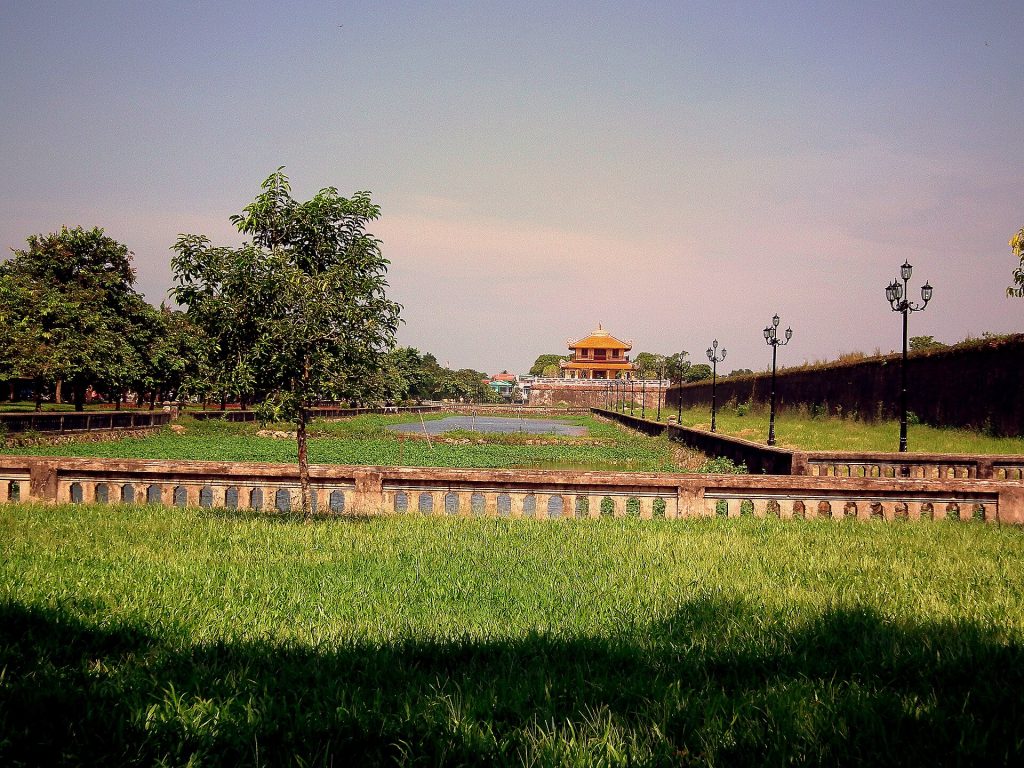
There is a poetry to the very setting of the Imperial City of Hue, spread along the banks of a river with the lovely name of the Perfume River, in the heart of central Vietnam. As you approach across the water and see the great flag tower and the mighty gates rising above the moat, you feel that you are entering not just a fortress but a whole vanished world, the seat of the emperors who ruled Vietnam in the last age of its monarchy.

The citadel is vast, a great walled enclosure many kilometers in perimeter, ringed by a moat fed from the river and defended by ramparts of brick and stone. Within these outer walls lie further enclosures, one inside the next, in a design that draws the visitor ever deeper toward the sacred heart of the complex, the innermost precinct that was reserved for the emperor and his family alone.
To walk through the great gates and into the grounds is to enter a landscape of palaces, temples, gardens, and courtyards, a royal city built to embody the majesty of the Vietnamese emperors and their vision of their place in the order of the world. Though much has been lost to the wars of the twentieth century, enough survives, and enough has been restored, to convey the grandeur of what once stood here.
Above all, the Imperial City of Hue is a place of atmosphere, where the beauty of the surviving architecture mingles with the melancholy of what was destroyed, and where the whole tragic and glorious history of modern Vietnam seems to hang in the air. Come and walk its grounds, and you will encounter one of the most evocative and moving historic places in all of Southeast Asia.
There is a stillness to the citadel that seems to invite contemplation, a quality quite different from the bustle of many great monuments. Perhaps it is the presence of so much loss amid the surviving beauty, or the gentle influence of the river, but Hue has a reflective, almost meditative atmosphere that stays with the visitor long after they have left its gates.
The Dynasty That Unified Vietnam
The Imperial City of Hue was the creation of the Nguyen dynasty, the last ruling house of Vietnam, and its story begins with the reunification of the country after long years of division and civil war. At the turn of the nineteenth century, the ruler who would take the imperial name Gia Long triumphed over his rivals and united Vietnam under his rule, proclaiming himself emperor of a single, unified realm.
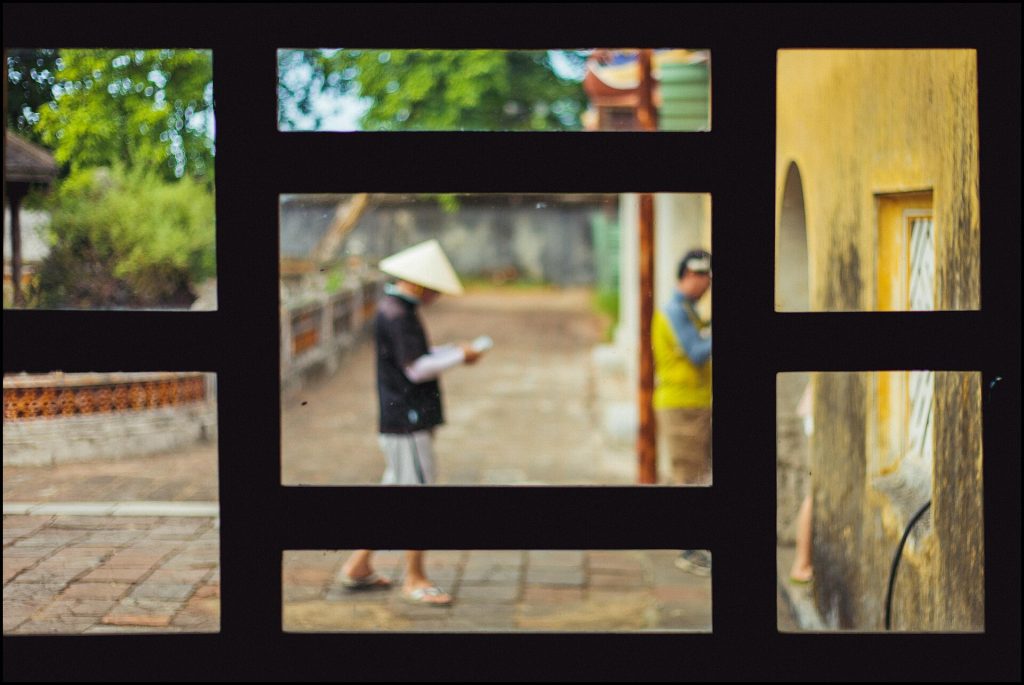
To govern his new empire, Gia Long chose Hue as his capital, and in 1804 he began the construction of a great citadel to serve as the seat of his dynasty. Thousands of laborers were mobilized for the enormous undertaking, raising the walls, digging the moats, and building the palaces of what would become the imperial heart of Vietnam for the next century and a half.
The choice of Hue, in the center of the long and narrow country, was deliberate, a location that could serve as the pivot of a reunified Vietnam stretching from north to south. From this citadel, the Nguyen emperors would rule the country through an age of profound change, presiding over the last flowering of the Vietnamese monarchy before the storms of the modern era swept it away.
The dynasty that built Hue would prove to be the last in the long history of Vietnamese imperial rule, and the citadel they raised would witness both the glory of their reign and the tragedy of its end. To understand the Imperial City is to understand the Nguyen, the emperors who unified the country and built this great capital to proclaim their power, only to see it fade before the advance of colonialism and revolution.
Gia Long’s reunification of Vietnam ended centuries of division and civil strife, and the building of the citadel at Hue was meant to symbolize the new unity and permanence of the reunited realm. In choosing to raise so grand a capital, the founder of the dynasty was making a statement about the durability and ambition of the order he had established, a claim carved into the very walls of the citadel.
The River That Gave the Capital Its Soul
No account of the Imperial City of Hue is complete without the Perfume River, the beautiful waterway that flows past the citadel and gives the whole capital its distinctive soul. The river is not merely a scenic backdrop but an integral part of the sacred geography of the imperial city, which was oriented to face its waters, aligning the seat of the emperors with the flow of the river rather than with the cardinal points alone.
The Perfume River takes its evocative name from the fragrance said to be carried on its waters, and it has long been celebrated in Vietnamese poetry and song as a place of beauty and reflection. Its presence lends the imperial city an air of serenity and grace, softening the martial strength of the walls and moats with the gentle beauty of the flowing water and the landscape through which it moves.
The river was also practical, feeding the moats that defended the citadel and serving as a route of transport and communication for the imperial capital. The whole complex was conceived in relation to the river, its design and orientation shaped by the desire to harmonize the seat of imperial power with this most cherished feature of the surrounding landscape.
To experience Hue fully is to spend time by the Perfume River, to see the citadel reflected in its waters and to feel the harmony between the imperial city and its setting that the builders sought to achieve. The river remains, as it has always been, the soul of Hue, and the beauty it lends to the imperial city is inseparable from the enchantment of the place.
Boat trips on the Perfume River remain one of the loveliest ways to experience Hue, offering views of the citadel and the surrounding landscape from the water, much as travelers and courtiers would have seen them in centuries past. The river ties together the many monuments of the imperial capital, and to travel upon it is to follow the thread that binds the whole historic landscape of Hue.
The Rituals and Splendor of the Nguyen Court
Within the walls of the Imperial City unfolded the elaborate life of the Nguyen court, a world of intricate ritual, refined artistry, and rigid protocol that revolved entirely around the sacred person of the emperor. The rituals of the court governed every aspect of imperial life, from the great ceremonies of state to the daily observances that maintained the cosmic and dynastic order the monarchy embodied.
The court was a center of the arts, and under the patronage of the emperors, music, dance, poetry, and the fine crafts flourished in the imperial capital. The refined court music of Hue, with its ancient traditions, has itself been recognized as a treasure of Vietnamese culture, a living echo of the artistic splendor that once filled the halls and courtyards of the imperial city.
The rhythms of court life were dictated by an elaborate calendar of ceremonies and observances, in which the emperor performed the rituals that affirmed his role as the intermediary between heaven and the nation. These ceremonies, conducted with great solemnity in the halls and temples of the citadel, were the beating heart of the imperial system, the sacred performances that legitimized and sustained the monarchy.
To imagine the imperial city in its glory is to picture these ceremonies unfolding in the great courtyards, the emperor appearing in majesty before his assembled court, the music and ritual filling the air, the whole apparatus of the Vietnamese monarchy in full and splendid operation. That vanished world, for all that war destroyed of its physical setting, lives on in memory and in the surviving traditions that the imperial city nurtured.
The traditions of the Hue court did not vanish entirely with the fall of the monarchy, for elements of its music, cuisine, and craft survive to this day, cherished as living links to the imperial past. In these surviving traditions, the refined culture that once flourished within the citadel continues to enrich the life of the city and the nation, a legacy that outlived the emperors who nurtured it.
The Twilight of Vietnam’s Last Emperors
The Imperial City witnessed the final chapter of the Vietnamese monarchy, the twilight years in which the last of the Nguyen emperors reigned over a country slipping from their grasp. Under French colonial rule, these emperors ruled in name more than in fact, and the great citadel became the stage for the melancholy final act of a dynasty and of the whole tradition of Vietnamese imperial rule.
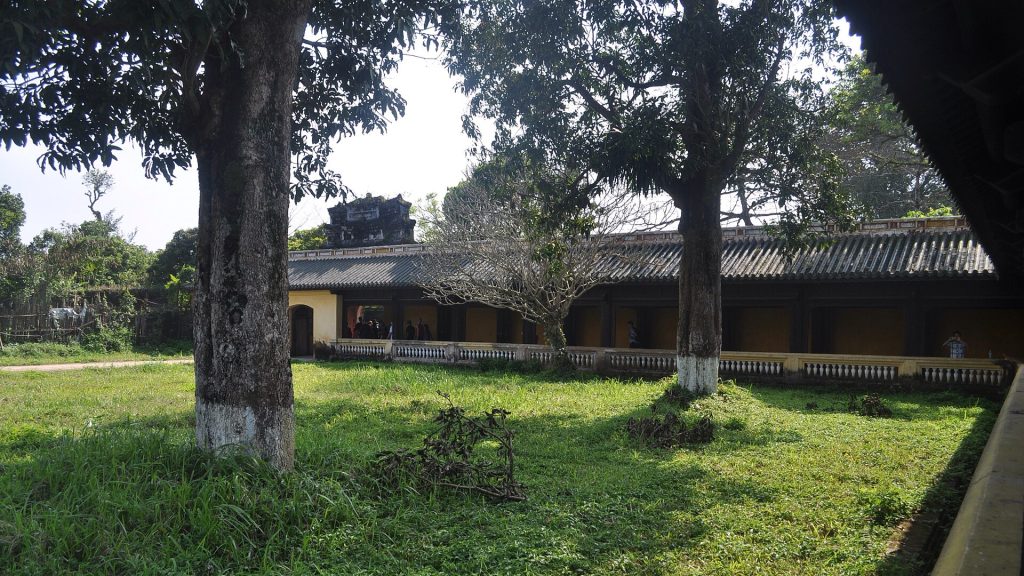
The last emperors lived amid the fading grandeur of the imperial city, maintaining the forms and ceremonies of their office even as the substance of their power dwindled. Some sought accommodation with the French, others chafed against their subordination, but all presided over the slow eclipse of the monarchy that their ancestor Gia Long had established with such ambition at the dawn of the nineteenth century.
The monarchy came to its formal end in the upheavals of the mid-twentieth century, as revolution swept through Vietnam and the last emperor abdicated, closing the long history of imperial rule in the country. The citadel that had been built to proclaim the eternal majesty of the Nguyen dynasty outlived the dynasty itself, passing into a new and turbulent age as a monument to a vanished order.
There is a deep pathos in the story of these last emperors, the inheritors of a great tradition who presided over its passing, and the imperial city carries the memory of their twilight reign. To walk its grounds is to feel the weight of that ending, the sense of a long and glorious chapter of Vietnamese history drawing to its close within these ancient walls.
A Design Drawn From East and West
The design of the Imperial City of Hue is a fascinating fusion of influences, drawing on both the ancient traditions of East Asian imperial architecture and the modern principles of European military engineering. In its overall conception, the citadel echoes the great imperial capitals of China, with its concentric walls and its innermost forbidden precinct reserved for the emperor, following a model of sacred royal geography with deep roots in the region.

Yet in its fortifications, the citadel reflects a different and more modern influence, for its ramparts and defenses were designed according to the principles of European military architecture, the star-fort style developed in the West for the age of gunpowder and cannon. The result is a hybrid, an East Asian imperial city defended by walls built on Western military science, a fitting emblem of the age in which it was raised.
The layout has its own distinctive features, most notably its orientation, for unlike the great Forbidden City of Beijing, which faces due south, the Imperial City of Hue is oriented to face the Perfume River, aligning the sacred geography of the citadel with the beautiful waterway that flows past it. This adaptation of the classical model to the local landscape gives Hue a character all its own.
The whole complex is organized as a series of nested enclosures, the great outer citadel, the imperial city within it, and the innermost purple forbidden city at its heart, each more restricted than the last. This concentric design drew the visitor, and the whole apparatus of the court, ever inward toward the sacred person of the emperor, embodying in stone and space the hierarchy and majesty of the Vietnamese imperial order.
This blending of Eastern imperial tradition and Western fortification was not merely a matter of style but a reflection of the age in which Hue was built, a moment when Vietnam, like much of the world, was being drawn into contact with European power and technology. The citadel stands as a monument to that encounter, its very design a record of the meeting of civilizations that would shape the nation’s fate.
The Meridian Gate and the Flag Tower
The great ceremonial entrance to the imperial city is the Meridian Gate, known as Ngo Mon, one of the most magnificent surviving structures of the whole complex and among the enduring emblems of Hue. This imposing gateway, crowned with an elegant pavilion, was the formal entrance through which the emperor passed, and it was the setting for great state ceremonies and proclamations.
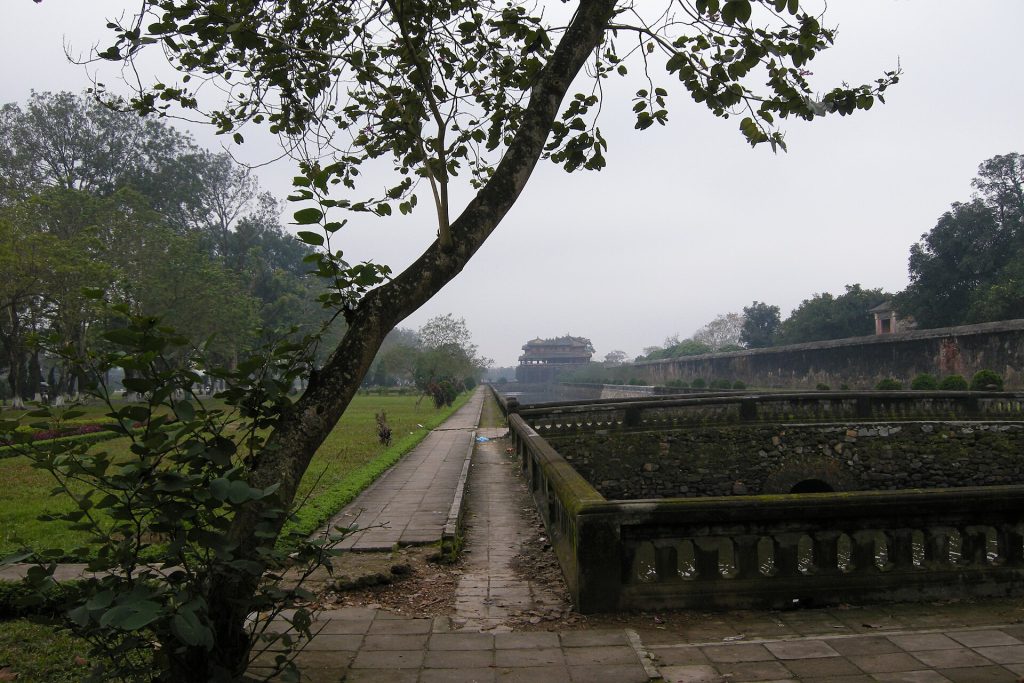
From the pavilion atop the gate, the emperor could preside over ceremonies held in the great courtyard before it, appearing in majesty to his assembled court and subjects. The gate was thus not merely an entrance but a stage, a platform for the display of imperial power, and its grand and graceful architecture was designed to impress upon all who saw it the exalted status of the ruler who used it.
Nearby rises the great flag tower, the tall structure from which the imperial banner, and later the flags of the successive regimes that ruled Vietnam, flew above the citadel. The flag tower is one of the most recognizable landmarks of Hue, visible across the river and the city, and it has flown many flags across the turbulent decades, a silent witness to the changing fortunes of the nation.
Together, the Meridian Gate and the flag tower form the ceremonial face of the Imperial City, the grand frontage through which the power and majesty of the Nguyen emperors were proclaimed to the world. To stand before them is to stand where the emperors of Vietnam once appeared in state, at the threshold of the sacred citadel from which they ruled the reunified nation.
View on Google Maps (16.4698, 107.5776)
Standing before the Meridian Gate today, with its weathered stone and its graceful pavilion, you can easily imagine the pomp and ceremony it once witnessed, the assembled ranks of mandarins in their robes, the music and the ritual, the distant figure of the emperor appearing above. It remains the grandest surviving monument of the imperial city and the enduring symbol of Hue.
Palaces, Temples, and the Halls of State
Within the walls of the imperial city stood a splendid array of palaces, temples, and halls, the architectural embodiment of the Vietnamese court in its glory. Chief among the surviving structures is the great hall where the emperor received his court and conducted the most important affairs of state, a magnificent building of lacquered columns and ornate decoration that gives a vivid sense of the grandeur of the Nguyen monarchy.

The temples of the complex were dedicated to the ancestors of the ruling dynasty, for the veneration of imperial ancestors was central to the legitimacy and the rituals of the Vietnamese court. In these halls, the emperors honored their forebears with elaborate ceremonies, maintaining the sacred continuity of the dynasty and reinforcing their own claim to the mandate to rule.
The architecture of these buildings is a treasure of Vietnamese art, with intricately carved and lacquered woodwork, dragons and other auspicious symbols, and rich ornamentation reflecting the refinement of the court. The surviving structures, though only a fraction of what once stood, are enough to convey the extraordinary artistry lavished on the imperial city and the sophistication of the culture that produced it.
Wandering among the palaces and temples, past courtyards and gardens and the foundations of buildings long since destroyed, you piece together in imagination the vanished splendor of the Nguyen court. Here the emperors lived and ruled, surrounded by the elaborate rituals and the exquisite craftsmanship of a monarchy that saw itself as the heart of Vietnamese civilization, in the last age before that world was swept away.
The craftsmanship on display in these surviving buildings speaks of a court that prized beauty and refinement above almost all else, that lavished the finest artistry of the age on the setting of its rituals and its daily life. In the intricate carvings and the gleaming lacquer, you glimpse the aesthetic sensibility of a civilization at the height of its cultural achievement.
The Purple Forbidden City at the Heart
At the very heart of the complex, within the imperial city, lay the most sacred and restricted precinct of all, the Purple Forbidden City, the innermost enclosure reserved for the emperor, his empress, his concubines, and the closest attendants of the court. Named, like its counterpart in Beijing, for the pole star and the imperial color, it was the private world of the ruler, sealed off from all but a chosen few.
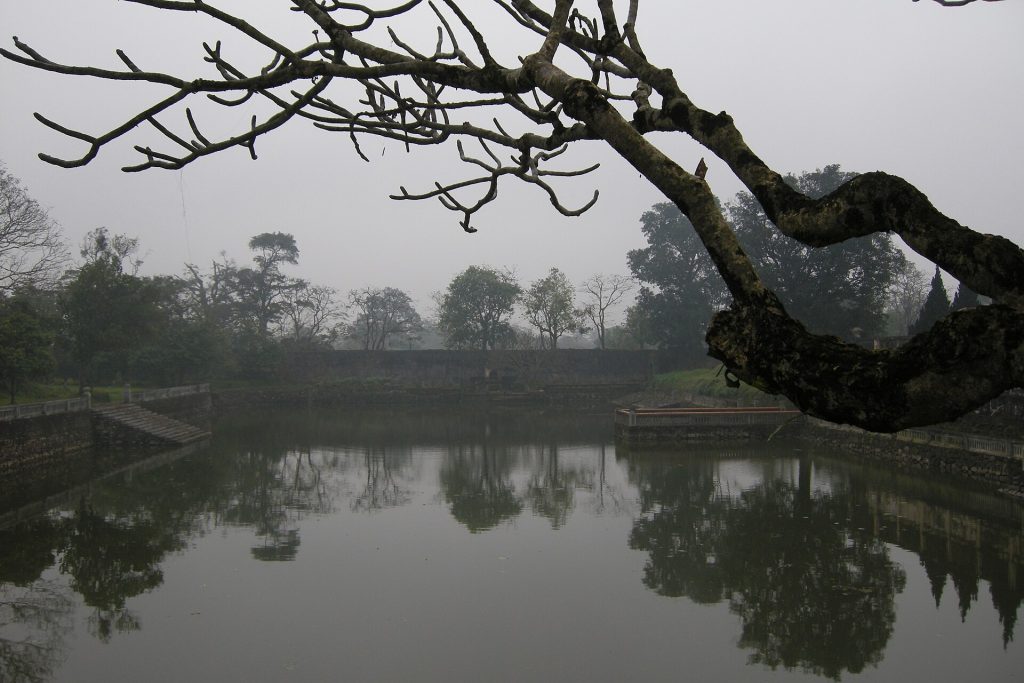
Here the emperor lived his intensely private and ritualized life, in a world of palaces, gardens, and pavilions closed to the outside, served by the women of the court and by eunuchs, the only men permitted within the innermost precinct. It was a hidden world, its secrets guarded from the eyes of the court and the country, the sanctuary at the very center of the imperial citadel.
Tragically, the Purple Forbidden City suffered the worst destruction of all during the wars of the twentieth century, and much of this innermost precinct was reduced to ruins and empty ground, its palaces burned and shattered. Where once stood the private world of the emperors, now there are foundations, fragments, and open spaces, a poignant emptiness at the heart of the citadel.
Yet even in its ruined state, the Purple Forbidden City retains a powerful atmosphere, a sense of the vanished intimacy and secrecy of the imperial life that unfolded here. To stand in these grounds and imagine the hidden world that once existed within them is to feel keenly the loss of what the wars destroyed, and the depth of the history that these walls and foundations still quietly hold.
The emptiness at the heart of the citadel has, over time, acquired a meaning of its own, a silent memorial to the losses of the twentieth century that speaks as powerfully as any surviving palace. Some visitors find the ruined and open grounds of the Purple Forbidden City the most affecting part of the whole complex, precisely because of what is no longer there.
The Emperors Under the French Shadow
The glory of the Nguyen emperors did not long survive the arrival of the French, whose colonial ambitions in Southeast Asia brought Vietnam under their control in the later nineteenth century. Hue became the capital of a protectorate, and the emperors, though they continued to reside in their citadel and to perform the ancient rituals of their office, ruled increasingly as figureheads under the shadow of French power.
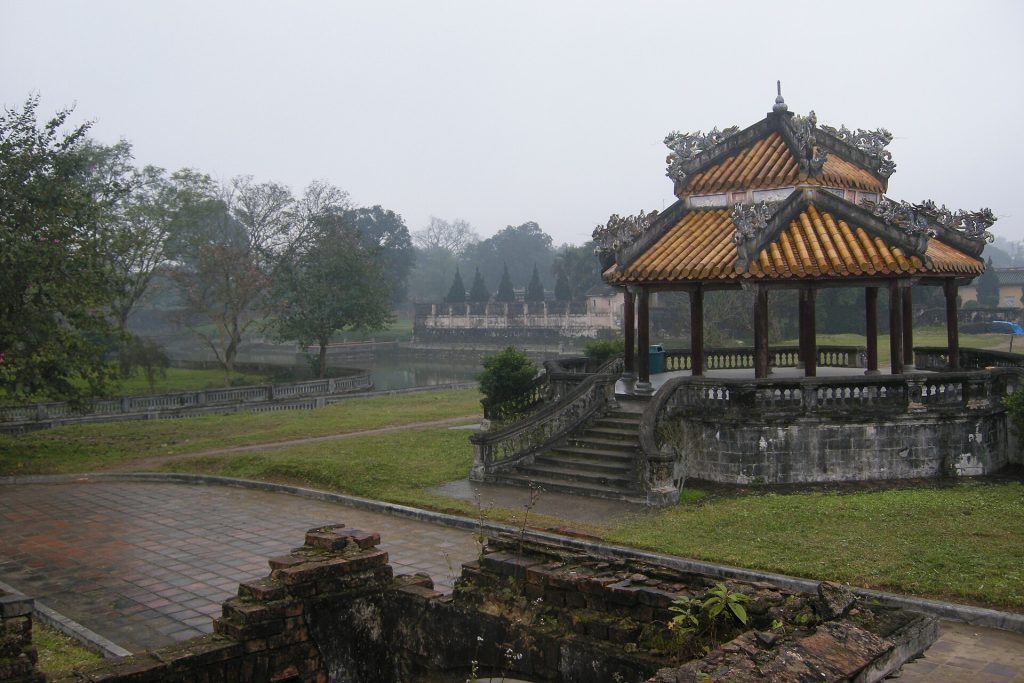
This was a strange and melancholy age for the Imperial City, a period in which the outward forms of imperial majesty were maintained even as the real power drained away to the French colonial authorities. The emperors kept their court, their ceremonies, and their sacred citadel, but they had become, in large part, prisoners of the golden cage their ancestors had built, monarchs without true sovereignty.
The citadel in these years was a place of faded grandeur, where the elaborate rituals of the Vietnamese court continued to unfold against a backdrop of political impotence. The contrast between the splendor of the setting and the reality of colonial subjugation lent the imperial city a poignant, twilight quality, the sense of a great tradition living on past the ebbing of the power that had created it.
This long twilight of the monarchy would end amid the upheavals of the mid-twentieth century, as war and revolution swept through Vietnam and brought the age of the emperors to a close. The Imperial City, which had witnessed the glory of the Nguyen and their long decline under the French, would now become a battleground, and the tragedy that befell it would be among the most terrible in its history.
The colonial era also brought change to the fabric of Hue, as French influence made itself felt in the city that grew up around the citadel, adding another layer to the history of the place. Yet within the imperial walls, the old order persisted in its rituals and its forms, creating a striking juxtaposition of the ancient Vietnamese monarchy and the modern colonial power that had come to overshadow it.
The Battle That Shattered the Citadel
The twentieth century brought war to the Imperial City with devastating force, and the citadel that had stood as the serene seat of emperors became a scene of ferocious combat. The first great blow came in the late 1940s, when fighting during the conflict of that era destroyed many of the major structures, and the core of the imperial complex, including palaces at its heart, was burned.

But the most infamous destruction came in 1968, during the Tet Offensive of the Vietnam War, when the Battle of Hue turned the ancient citadel into one of the most terrible battlegrounds of the entire conflict. For weeks, brutal house-to-house fighting raged through the imperial city, as the great walls that had been built to withstand the cannon of an earlier age became the setting for modern urban warfare of appalling intensity.
The toll on the historic fabric was catastrophic. Of the many buildings that had survived into the twentieth century, only a small fraction came through the battle intact, as bombardment and fighting reduced palaces, temples, and halls to rubble. The Purple Forbidden City and much of the imperial complex were devastated, and the citadel emerged from the battle grievously wounded, a ruin of its former self.
The Battle of Hue was a turning point in the wider war and one of its most destructive episodes, and the damage it inflicted on the Imperial City was a cultural tragedy of the first order. The seat of the Vietnamese emperors, the treasure house of the nation’s imperial heritage, had been shattered in the fighting, and it seemed, in the aftermath, that much of what made Hue precious had been lost forever.
The battle left scars that go beyond the physical, for the destruction of so much of the imperial heritage was a wound to the cultural memory of the whole nation. That the citadel became a symbol of the terrible cost of the war, as well as of the glory that preceded it, is part of the complex and moving meaning it carries for the Vietnamese people today.
Rebuilding the Heritage of a Nation
Yet the Imperial City did not remain a ruin, for the significance of the citadel to the identity and heritage of Vietnam ensured that it would be restored. In the decades after the wars, and especially after the site was recognized as a heritage of outstanding universal value, a great program of restoration began, aimed at repairing the surviving structures and, where possible, rebuilding what had been destroyed.

The recognition of the complex as a World Heritage Site brought international attention and support to the work of preservation, and the restoration has proceeded steadily, returning splendor to the surviving buildings and slowly reclaiming the grounds. Palaces and gates have been repaired, temples restored, and the whole complex tended with growing care, so that the imperial city has recovered much of its dignity and beauty.
The restoration is a delicate and painstaking task, requiring the revival of traditional crafts and techniques to recreate the intricate woodwork, lacquer, and ornamentation of the original buildings. It is a labor of years and decades, and it continues still, a patient effort to heal the wounds of war and to restore to Vietnam the tangible heritage of its imperial past.
The rebuilding of the Imperial City is, in a sense, an act of national reclamation, an insistence that the heritage shattered by war shall not be lost but recovered and honored. From the devastation of the twentieth century, the citadel is being reborn, and each restored palace and gate is a small victory for memory and for the enduring value of the culture that the imperial city embodies.
The restoration also serves a living purpose, reviving the traditional crafts and skills needed to recreate the imperial buildings and passing them on to new generations of artisans. In this way the work of rebuilding the citadel is also a work of cultural renewal, keeping alive the artistic traditions that gave the imperial city its beauty and ensuring they are not lost along with the buildings.
Walking the Grounds of the Vanished Court
Visiting the Imperial City of Hue today is an experience layered with beauty and melancholy, and it rewards the visitor who comes ready to feel as well as to see. The complex is large, and a proper visit takes time, allowing you to move slowly through the gates and courtyards, the restored palaces and the evocative ruins, absorbing the atmosphere of the vanished imperial world.
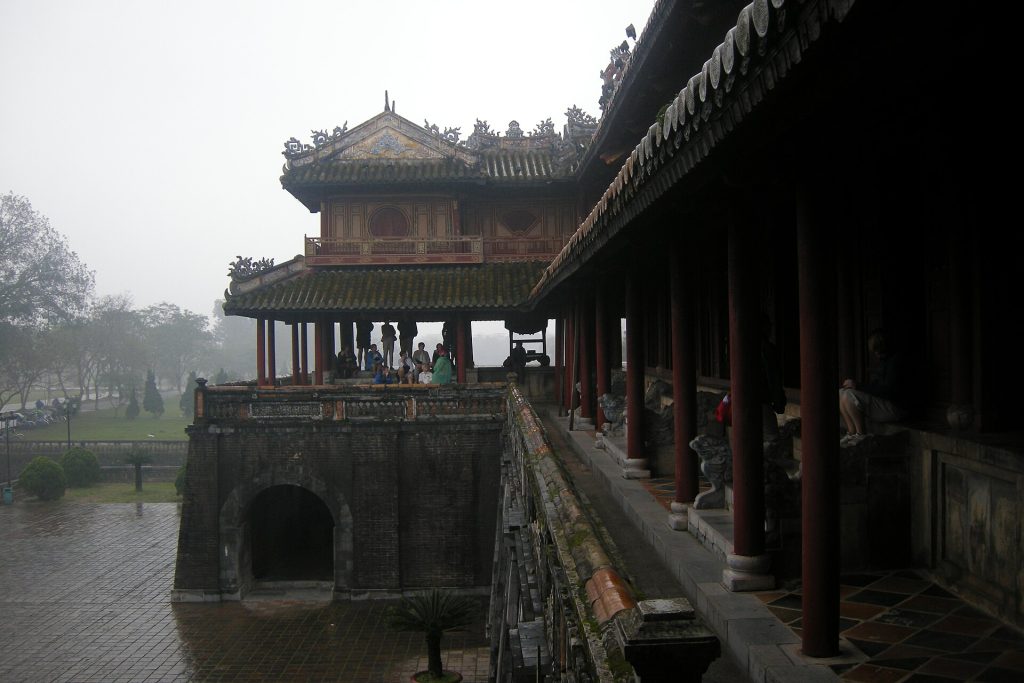
Begin at the great Meridian Gate, the grand ceremonial entrance, and pass into the imperial city as the emperors and their courts once did. Explore the surviving halls of state, with their magnificent lacquered columns and ornate decoration, and the temples dedicated to the imperial ancestors, taking in the artistry and the grandeur of what has been preserved and restored.
Then venture into the heart of the complex, to the grounds of the Purple Forbidden City, where the emptiness and the fragments speak eloquently of what was lost, and where the imagination must reconstruct the vanished private world of the emperors. Throughout, the contrast between the restored splendor and the wartime ruins gives the visit a poignant depth, a constant awareness of both the glory and the tragedy of the citadel’s history.
Take the time, too, to appreciate the setting, the great walls and moats, the Perfume River flowing past, the whole beautiful landscape in which the imperial city is set. Come to Hue ready to contemplate the rise and fall of a dynasty, the fusion of cultures in its architecture, and the resilience of a heritage that war could wound but not destroy. It is one of the most moving historic places in Vietnam, and an unforgettable encounter with the imperial soul of the nation.
Allow yourself, as you explore, to move between the two moods that the citadel holds, the celebration of a great cultural achievement and the mourning of its partial loss, for both are essential to understanding Hue. It is this doubleness, this holding together of splendor and sorrow, that gives a visit to the imperial city its unique and lasting emotional power.
Castles Nearby
If the Imperial City of Hue has moved you, continue your journey through the great citadels of Asia:
You May Like
Mafra, the Palace a King Built From a Vow


2 thoughts on “The Imperial City of Hue: Vietnam’s Citadel on the Perfume River”