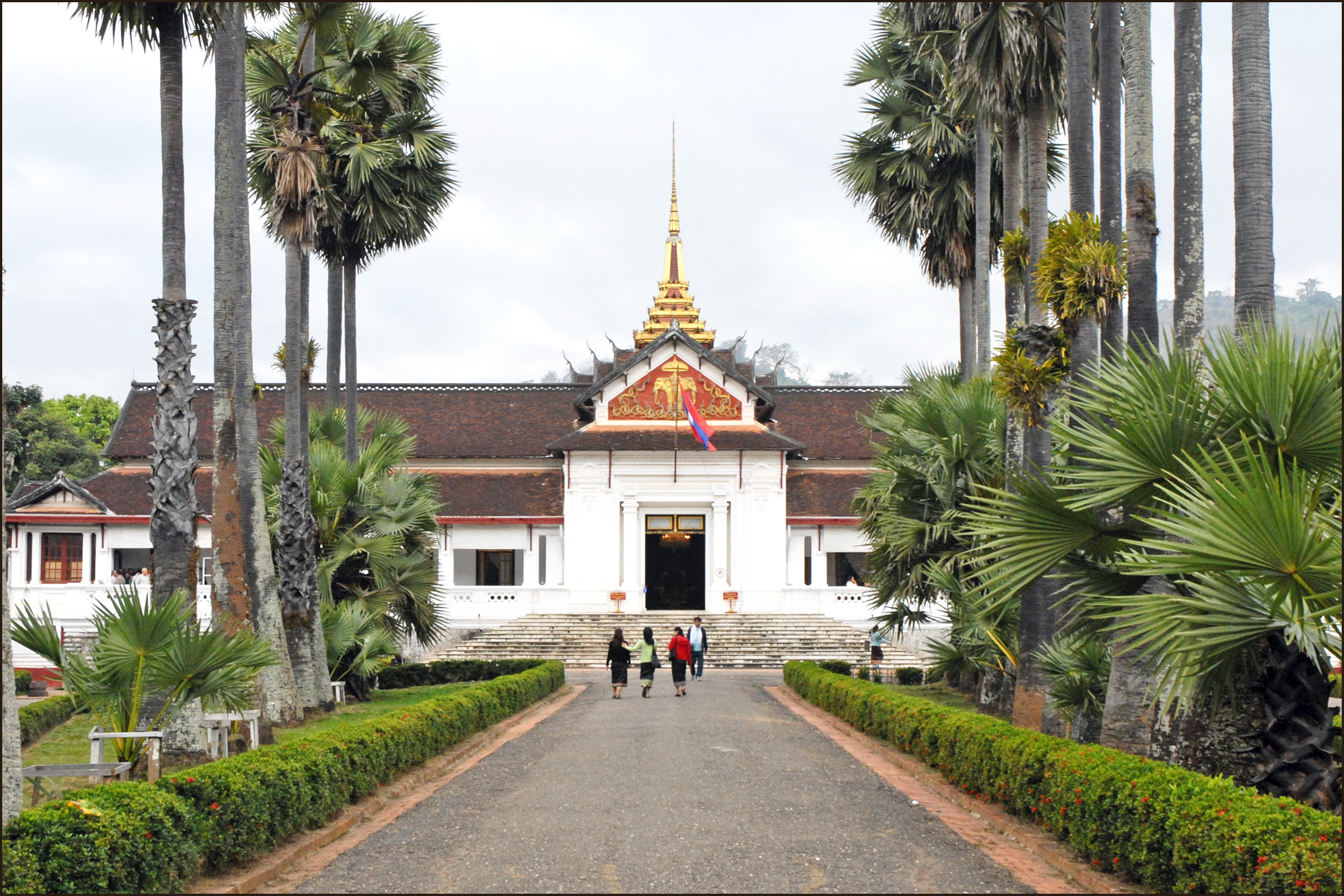
Where the Mekong meets the Nam Khan River, on a narrow tongue of land beneath a sacred hill, lies Luang Prabang, one of the most beautiful and best-preserved old towns in all of Southeast Asia. At its heart, facing the great river, stands a long low palace of white walls and steep golden-tiled roofs, its gables meeting in the graceful curves of Lao architecture. This is the Royal Palace of Luang Prabang, the last home of the kings of Laos, and today the national museum of a kingdom that has passed away.
The palace, known in Lao as the Haw Kham, the golden hall, is a building of quiet grace rather than overwhelming grandeur. Long and symmetrical, its architecture blends the traditional forms of Laos with the classical lines brought by the French, who ruled the country as a protectorate when the palace was built at the beginning of the twentieth century. The result is a serene and distinctive building, wholly at home in its riverside setting.
Luang Prabang was for centuries the royal and religious heart of Laos, the seat of an ancient line of kings and the guardian of the kingdom’s most sacred Buddha image, from which the town takes its name. The palace was the last royal residence of that long tradition, home to the monarchy until it was abolished in the upheavals of the 1970s, and it preserves the memory of the vanished Lao crown.
This is the second palace of a group of great Southeast Asian royal residences in this series, following the garden palace of Bang Pa-In in Thailand, and it offers a gentler, more melancholy story. To visit the Haw Kham today, wandering its throne hall and reception rooms and standing before the shrine of the sacred Pha Bang, is to enter the world of the last kings of Laos and the beautiful town that was their capital.
In This Article
- The Golden Hall by the Mekong
- Luang Prabang and the Kingdom of Lan Xang
- The Palace and the French Protectorate
- The Last Kings of Laos
- A Blend of Lao and French
- The Throne Hall
- Royal Reception Rooms
- The Sacred Pha Bang
- Festivals and the Royal Tradition
- Treasures of the National Museum
- Grounds, River, and the Sacred Hill
- The End of the Monarchy
- Luang Prabang Today: A World Heritage Town
The Golden Hall by the Mekong
The Royal Palace of Luang Prabang stands on the bank of the Mekong River, at the center of the old town, its grounds facing the water and backed by the sacred hill of Mount Phousi. The setting is one of great beauty, and the palace was placed to command the river and to stand at the ceremonial heart of the royal capital.
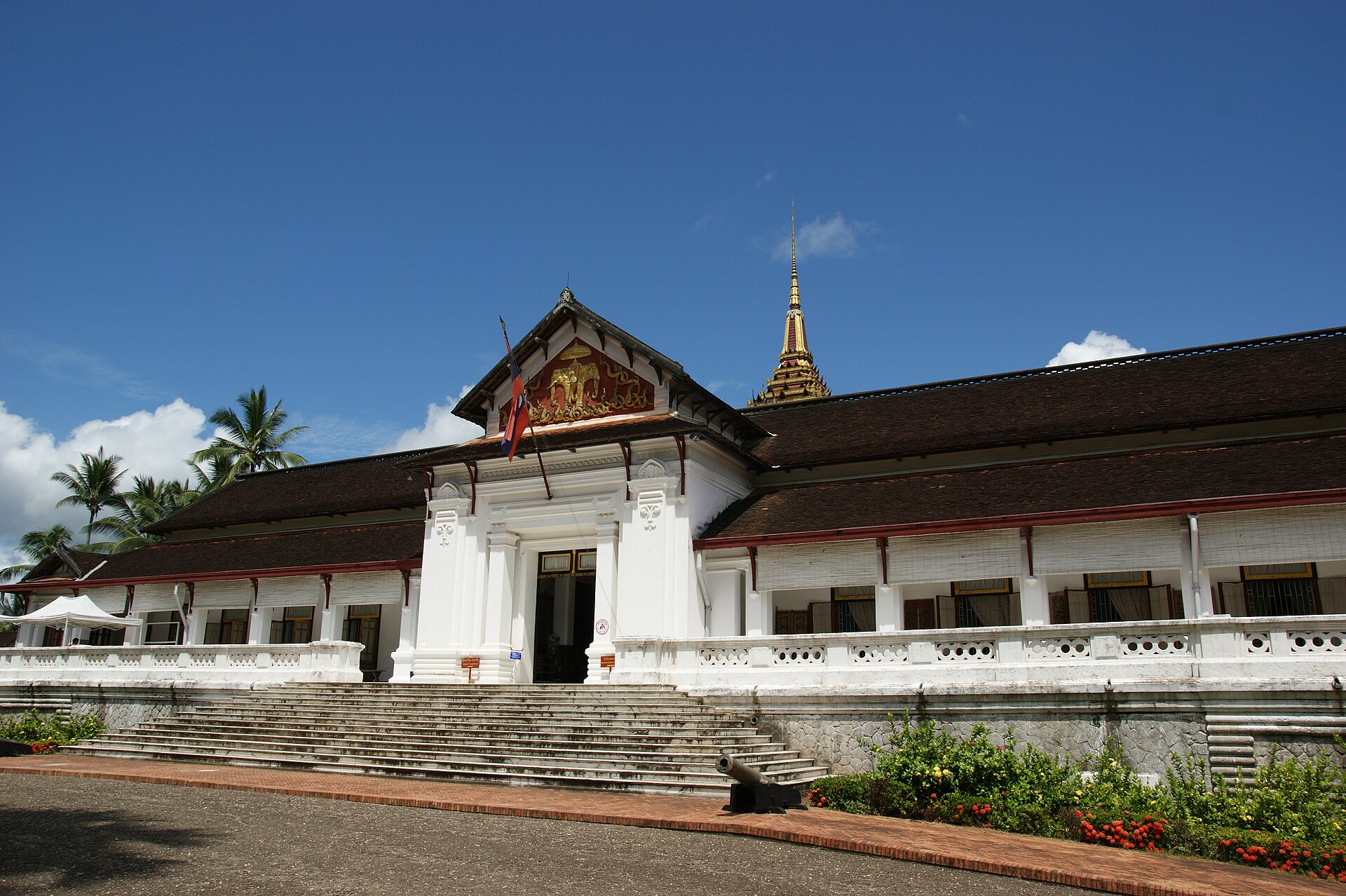
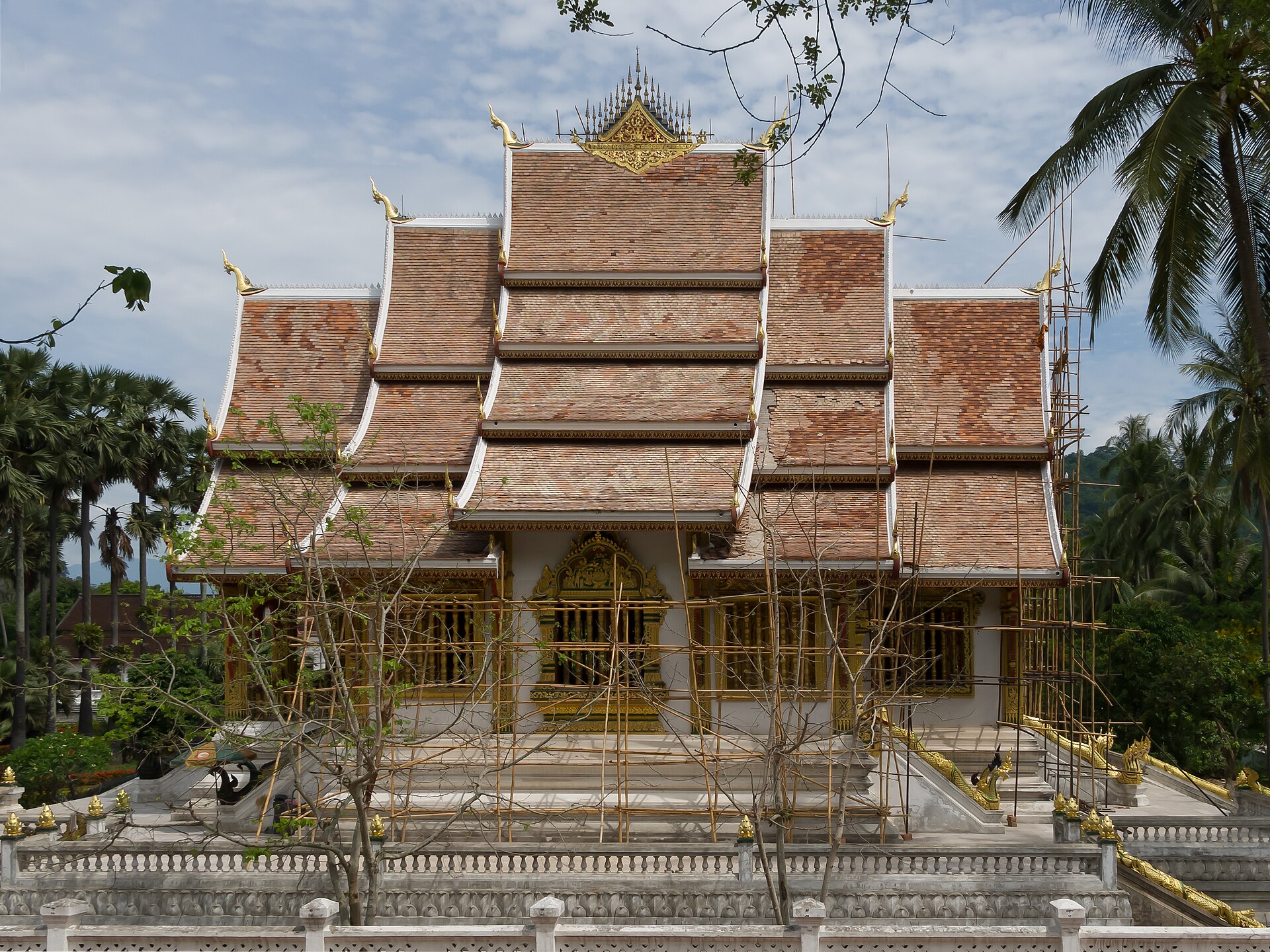
The building itself is long and low, arranged symmetrically around a central entrance and crowned with the steep, multi-tiered roofs characteristic of Lao architecture, their gables sweeping up to fine points. White walls, golden roofs, and elegant proportions give the palace a serene and dignified presence rather than a domineering one.
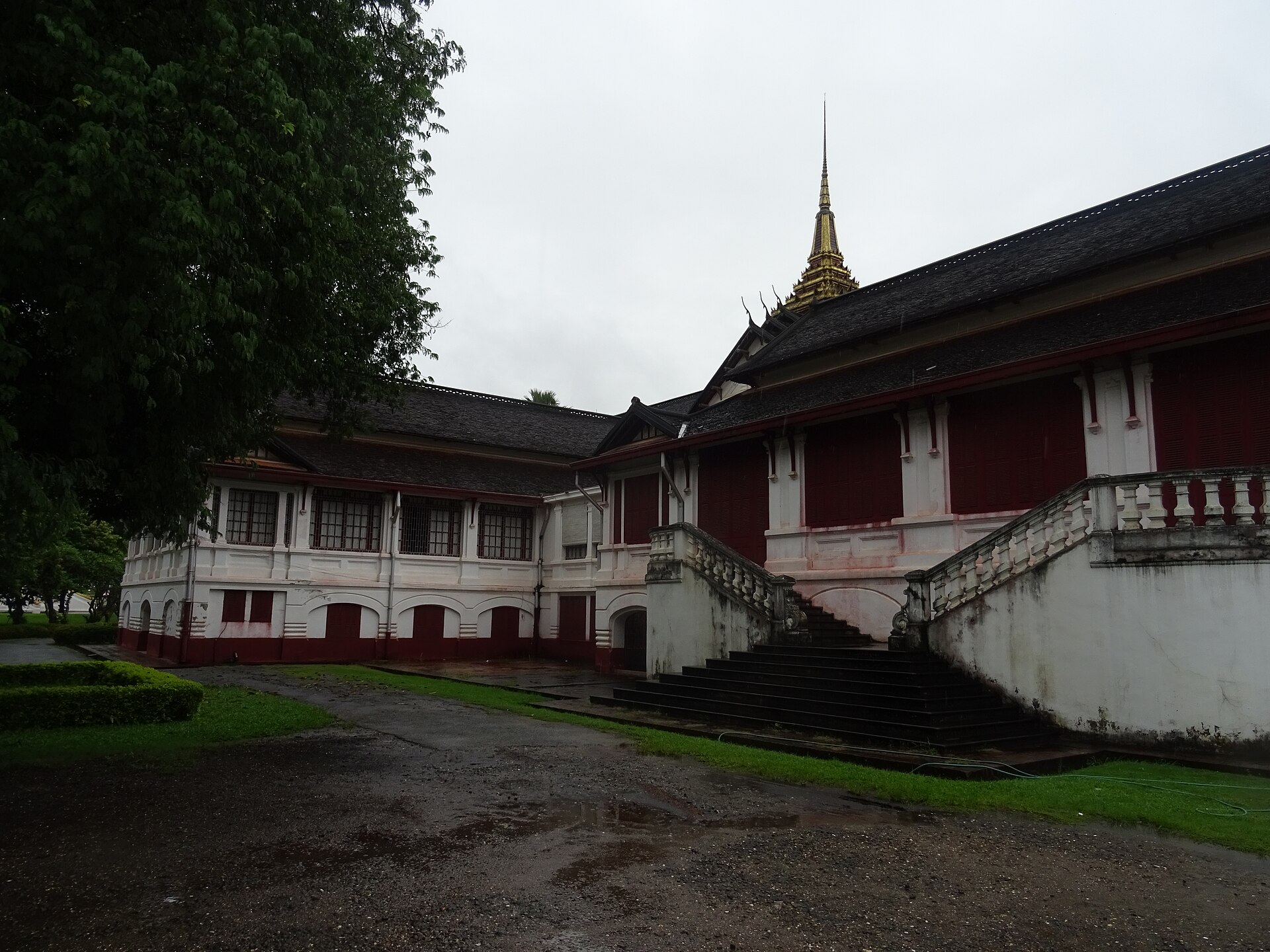
Within, the palace is arranged into royal reception rooms, a throne hall, and the private living quarters of the royal family, together with spaces that housed the treasures and gifts of the kingdom. The plan reflects the dual role of the building as both a working seat of monarchy and the private home of the royal house.
The palace was built in the early twentieth century, and its architecture deliberately blends Lao and French elements, a reflection of the era in which Laos was a protectorate of France. This fusion of traditional and colonial forms gives the Haw Kham its distinctive character, neither wholly Lao nor wholly European but a graceful marriage of the two.
For the visitor today, the palace offers an intimate encounter with the vanished Lao monarchy. Its modest scale and its beautiful setting make it a place of quiet reflection rather than of overwhelming spectacle, a building whose charm lies in its grace and its poignant history as the last home of the kings of Laos.
Coming to the Haw Kham after the exuberant garden palace of Bang Pa-In, a visitor feels at once the difference in mood. Where the Thai palace is playful and outward-looking, built by a confident monarchy at the height of its powers, the Lao palace is quieter and touched with melancholy, the home of an ancient crown that lived under foreign oversight and did not survive its century. The two palaces, near neighbors on the map, tell very different stories of monarchy in Southeast Asia.
Luang Prabang and the Kingdom of Lan Xang
Luang Prabang is an ancient royal city, and its history reaches back to the founding of the first great Lao kingdom, Lan Xang, the land of a million elephants, in the fourteenth century. The town served as the capital of this kingdom, the political and spiritual center of the Lao people in their formative age.
The kingdom of Lan Xang was one of the significant powers of Southeast Asia, controlling a wide territory along the Mekong and its tributaries. From their capital the kings governed a realm bound together by the Buddhist faith and by the prestige of the royal line, and Luang Prabang was its sacred heart.
The town takes its very name from a sacred object, the Pha Bang, a revered image of the Buddha that became the palladium of the kingdom, the holy symbol upon which the legitimacy and fortune of the monarchy were held to depend. The city was named the place of the Pha Bang, and the image and the town became inseparable.
Over the centuries the fortunes of the Lao kingdom rose and fell. Lan Xang eventually fragmented into rival kingdoms, and Luang Prabang became the capital of one of them, continuing as a royal seat even as the wider Lao lands were divided and pressed by powerful neighbors on every side.
By the time the modern palace was built, Luang Prabang had been a royal capital for centuries, its identity deeply bound up with the monarchy and the sacred Buddha it guarded. The Haw Kham was thus the latest in a long line of royal residences in a town that had been the heart of Lao kingship since the very beginnings of the nation.
The evocative name of the old kingdom, the land of a million elephants, is worth pausing on, for it captures something of the character of early Laos, a realm of forests and rivers where the elephant was the measure of royal and military power. To stand in Luang Prabang and recall that name is to sense the great age of the place, a royal town whose roots reach back into a heroic era of Southeast Asian history long before the palace of today was built.
The Palace and the French Protectorate
The palace as it stands today was built in the early twentieth century, during the period when Laos was a protectorate within French Indochina. The French colonial authorities and the Lao king together undertook the construction of a new royal residence, and the result reflects the circumstances of that colonial age.
Under the protectorate the Lao monarchy was preserved but subordinated, the king reigning at Luang Prabang under the oversight of French officials who held the real power in the country. The palace was built as the residence of this monarchy, a royal seat for a king whose kingdom had lost its full independence.
The French connection shaped the very architecture of the palace, which blends Lao traditional forms with the classical, Beaux-Arts style favored by French builders of the era. The symmetrical plan and certain of the decorative elements owe much to European taste, married to the Lao roofs and ornament that root the building in its own land.
This blending was characteristic of the colonial period, when European power brought European forms even to the residences of local rulers. Yet at Luang Prabang the Lao elements remain strong and dignified, so that the palace reads not as a European building in disguise but as a genuine synthesis, expressing the complex reality of a protected kingdom.
The palace thus stands as a monument to a particular moment in Lao history, when an ancient monarchy continued under foreign oversight in a building that mirrored that divided condition. Its architecture, part Lao and part French, is the physical record of the protectorate age in which the last chapter of the Lao kingdom was written.
The colonial period sits uneasily in the story of the palace, and it is worth acknowledging the ambiguity honestly. The French preserved the outward forms of the Lao monarchy while hollowing out its power, and the graceful hybrid architecture of the Haw Kham is in one sense a beautiful building and in another a monument to a kingdom that had lost control of its own destiny. The palace holds both truths, its charm and its melancholy bound together.
The Last Kings of Laos
The palace was the home of the last kings of the Lao monarchy, above all King Sisavang Vong, whose long reign spanned much of the twentieth century and for whom the palace was built, and his son and successor, the last king of Laos. Their reigns saw the kingdom pass from colonial rule through war to its final abolition.
King Sisavang Vong reigned for many decades, through the age of the French protectorate, the disruption of the Second World War, and the beginnings of Lao independence. A figure of great traditional prestige, he embodied the ancient dignity of the Lao crown through a period of profound change and upheaval.
Under his rule Laos moved gradually toward independence, achieved in the years after the war as the French withdrew from Indochina. The monarchy continued as the symbol of the new nation, and the palace at Luang Prabang remained its ceremonial heart even as the political capital lay elsewhere.
His successor inherited a kingdom caught in the widening conflicts of the region, as Laos was drawn into the wars that engulfed Indochina in the mid-twentieth century. The last king reigned over a country increasingly torn by civil war and by the struggles of the great powers played out on Lao soil.
The reigns of these last kings gave the palace its human story, that of a monarchy of great antiquity and prestige living through an age that would ultimately sweep it away. The Haw Kham was the stage on which the final act of the Lao kingdom was performed, home to kings whose ancient office would not survive the century.
A Blend of Lao and French
The architecture of the palace is its most immediately striking feature, a graceful fusion of Lao and French elements that gives the building its distinctive character. The overall form, symmetrical and classical in its planning, reflects French taste, while the roofs, gables, and ornament are unmistakably Lao.
The steep, multi-tiered roofs are the most Lao aspect of the design, their forms derived from the traditional temple and palace architecture of the country. Sweeping up to fine points and covered in golden tiles, they give the palace its characteristic silhouette and root it firmly in the building traditions of Laos.
The entrance and facade, by contrast, show the influence of European classicism, with a symmetrical arrangement and a central portico that speak of the Beaux-Arts training of the era’s architects. The marriage of this classical armature with the Lao roofs is the essence of the palace’s hybrid style.
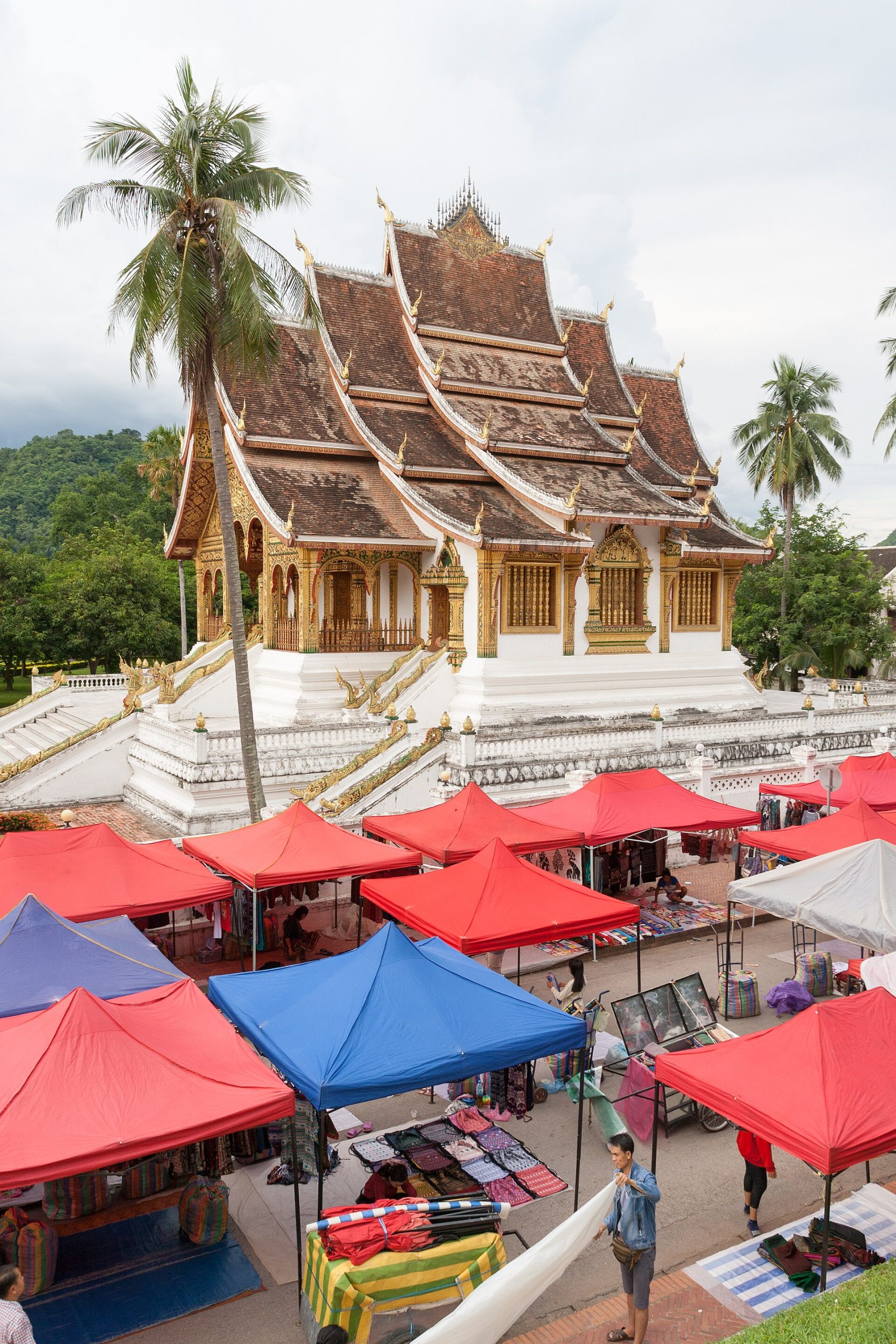
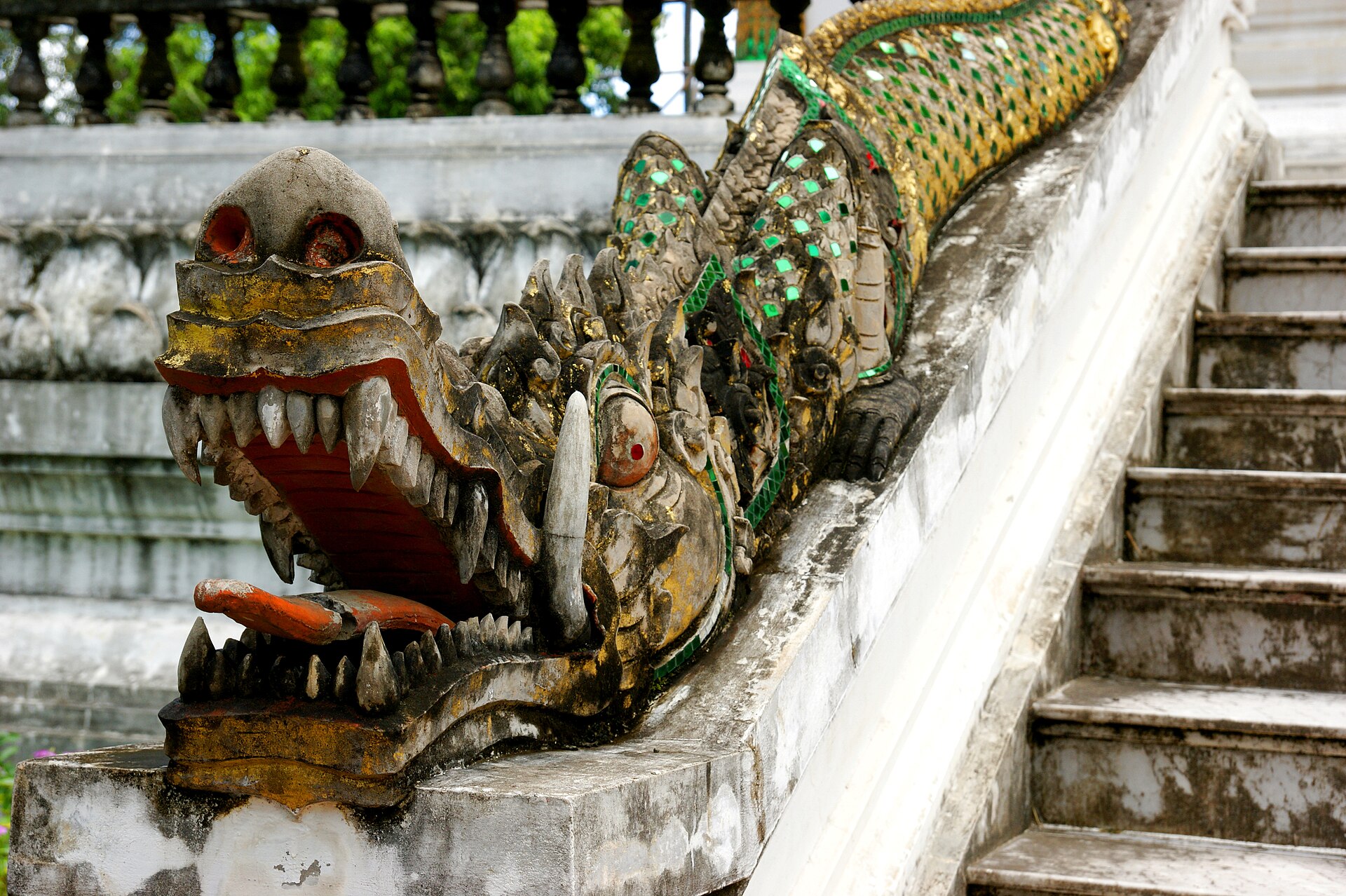
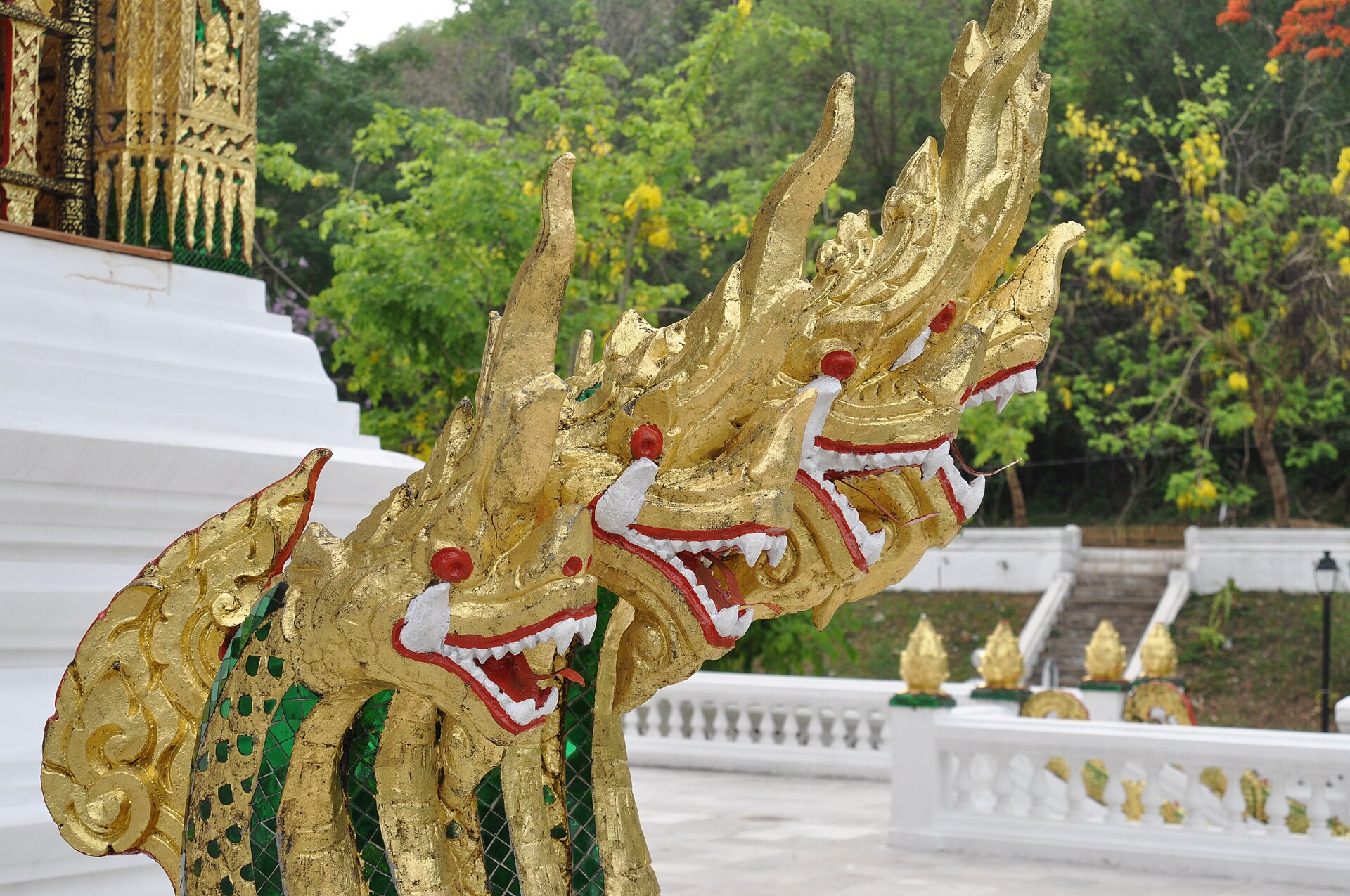
Lao decorative arts appear throughout, in carved and gilded ornament, in the naga serpents that guard stairways and balustrades, and in the traditional motifs that adorn the building. These elements assert the Lao identity of the palace against its European framework, ensuring that it remains a Lao royal residence at heart.
The overall effect is of a building that belongs to two worlds and yet forms a harmonious whole. The palace neither rejects the Lao tradition nor is overwhelmed by the European, but blends them into a serene and dignified architecture that is one of the finest expressions of the colonial-era style in Southeast Asia.
The naga, the great serpent of Lao and wider Southeast Asian belief, appears again and again about the palace and its temple, guarding stairways and rearing along balustrades. More than decoration, the naga is a protective and sacred being tied to water and to the Buddhist tradition, and its presence weaves the palace into the deep religious imagination of Laos, a reminder that this was a sacred as well as a royal place.
The Throne Hall
At the ceremonial heart of the palace lies the throne hall, the grandest of its rooms, where the king held audience and where the rituals of the monarchy were performed. Rich in ornament and color, it is the most splendid interior of the Haw Kham and the focus of its ceremonial life.
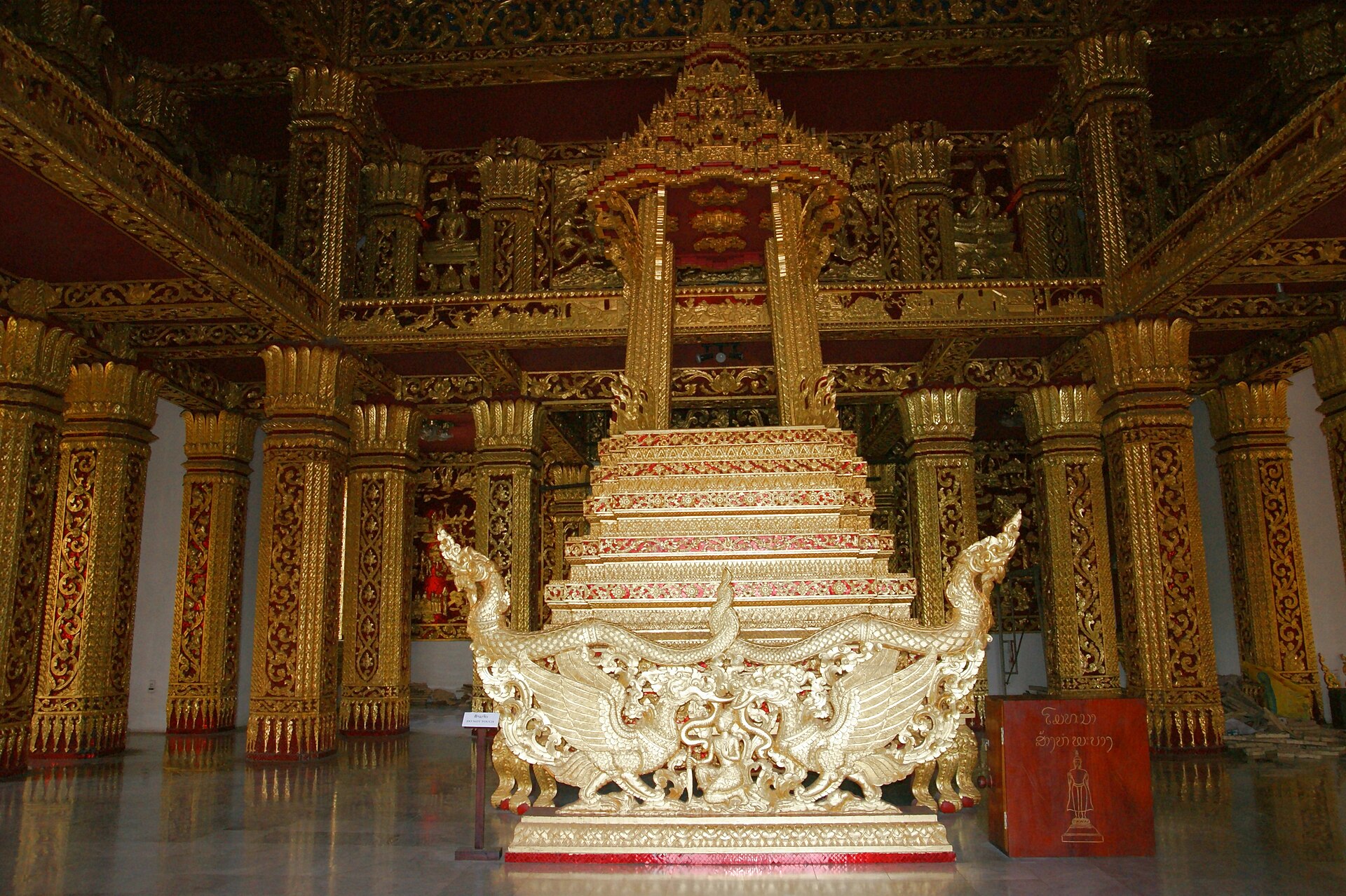
The walls of the throne hall are famously decorated with mosaics of colored glass set against a deep red ground, depicting scenes of Lao life and legend in glittering detail. This technique of glass mosaic, brilliant and jewel-like, transforms the walls into shimmering fields of color and is among the glories of the palace.
The throne itself, set within this dazzling room, was the seat from which the king presided over the ceremonies of state, surrounded by the symbols and regalia of the Lao monarchy. The hall was designed to concentrate all attention on the enthroned ruler, the living embodiment of the ancient Lao crown.
The regalia and treasures of the kingdom were displayed in and around the throne hall, the royal swords, ceremonial objects, and sacred images that expressed the majesty and the religious foundations of the monarchy. These objects tied the ruler to the long tradition of Lao kingship and to the Buddhist faith that sanctioned it.
For the visitor today the throne hall is the highlight of the palace interior, its glittering mosaic walls and its royal furnishings preserving the splendor of the vanished court. In its jeweled beauty the hall gives the clearest sense of what the ceremonial life of the Lao monarchy once was, before the crown was swept away.
Give your eyes time to adjust to the dim light of the throne hall, and the glass mosaics slowly reveal their richness. Set against the deep red walls, the countless fragments of colored glass catch what light there is and glimmer with scenes of Lao life, processions, village scenes, episodes of legend, rendered in a technique that turns the whole room into a jeweled casket. It is among the most beautiful royal interiors in Southeast Asia, and it repays slow and patient looking.
Royal Reception Rooms
Flanking the throne hall are the royal reception rooms, where the king received guests, envoys, and officials in the more intimate settings of the court. These rooms preserve much of the furnishing and decoration of the royal household and give a vivid sense of the daily and diplomatic life of the palace.
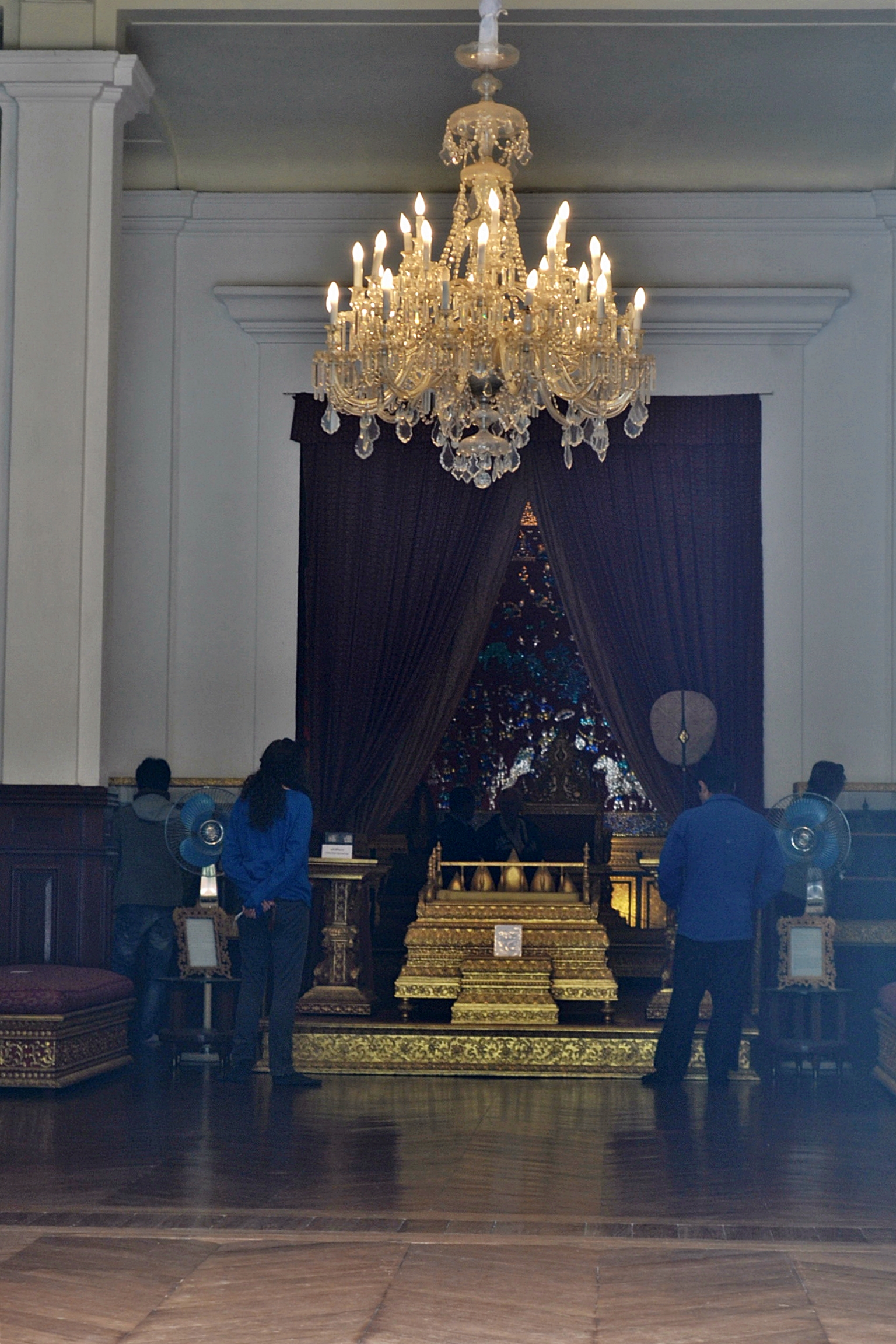
The reception rooms were decorated in a blend of Lao and European styles, furnished with a mixture of traditional objects and pieces reflecting the international connections of the monarchy. Portraits, furniture, and ornaments fill the rooms, preserving the atmosphere of a royal residence of the mid-twentieth century.
Among the treasures displayed in these rooms are diplomatic gifts presented to the Lao kings by other nations, tokens of the monarchy’s place in the wider world. These gifts, ranging from fine objects of art to curiosities of many kinds, reflect the international relations of the kingdom in its final decades.
The private living quarters of the royal family are also preserved, arranged much as they were left, offering an intimate glimpse into the domestic life of the last Lao kings. These rooms, more modest than the ceremonial halls, humanize the palace and its royal inhabitants.
Together the reception and living rooms complete the picture of the palace as both a ceremonial seat and a family home. Preserved as a museum, they allow the visitor to move through the world of the last kings of Laos, from the splendor of the throne hall to the quieter spaces of the royal household.
The Sacred Pha Bang
At the spiritual heart of Luang Prabang, and of the palace, is the Pha Bang, the sacred image of the Buddha from which the town takes its name. This revered gold statue is the palladium of the Lao nation, the holy object upon which, by tradition, the legitimacy and fortune of the kingdom were held to rest.
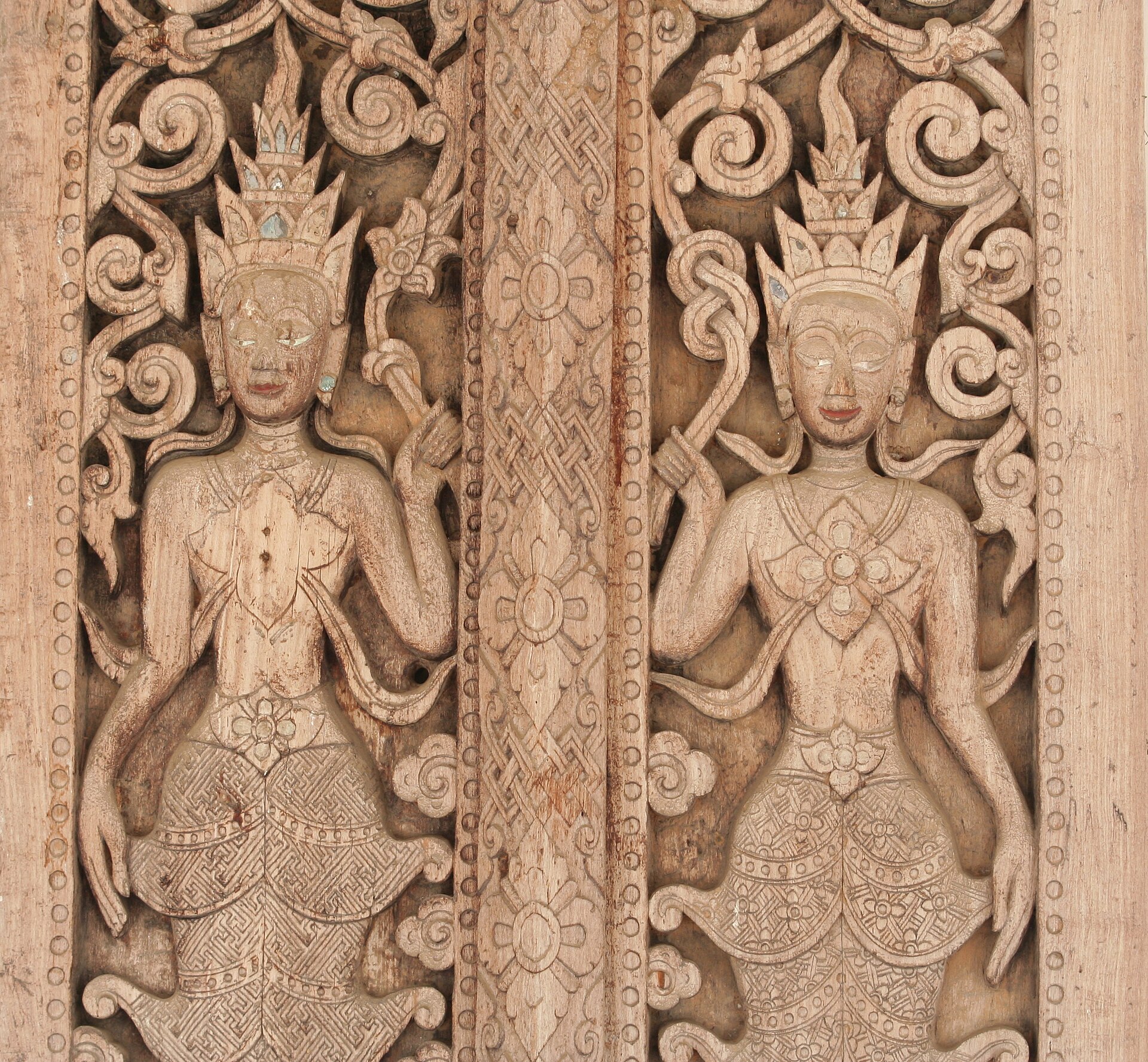
The Pha Bang is an image of great antiquity and sanctity, believed to have come to Laos from the Khmer lands long ago and to embody the blessing of the Buddha upon the kingdom. Possession of the image was bound up with royal legitimacy, and its history is woven into the story of the Lao monarchy.
To house this sacred image, a special temple, the Haw Pha Bang, was built within the grounds of the palace, a richly ornamented shrine in the Lao style with a soaring tiered roof. Gilded and decorated with the finest craftsmanship, the temple stands as the sacred counterpart to the royal residence beside it.
The relationship between the palace, the image, and the town expresses the deep union of monarchy and religion in Lao culture. The king was the protector of the Pha Bang and, through it, of the Buddhist faith and the nation, and the placing of the image in a shrine within his palace grounds made that role visible.
For the visitor, the Haw Pha Bang and its sacred image add a dimension of living faith to the historic palace. The Pha Bang remains an object of the deepest reverence for the Lao people, and its presence at the heart of the former royal grounds ties the vanished monarchy to the enduring religious life of the nation.
Festivals and the Royal Tradition
The palace and its sacred image were the focus of the great festivals of the Lao year, above all the celebration of the Lao New Year, when the town of Luang Prabang comes alive with processions, rituals, and rejoicing. These festivals bound the monarchy, the faith, and the people together in shared observance.
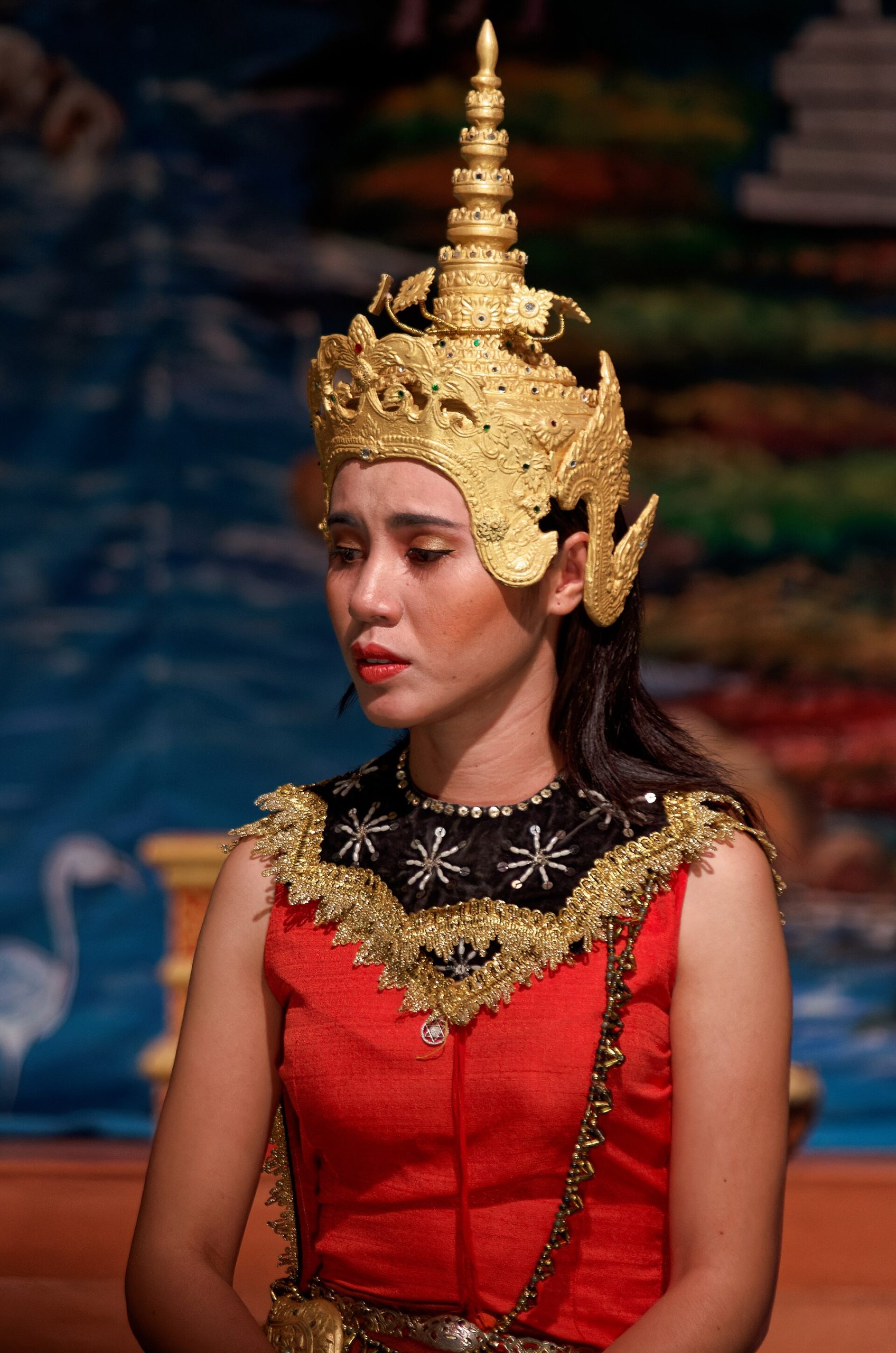
The most important ritual centered on the Pha Bang, which was brought out and ceremonially bathed during the New Year celebrations, an act believed to bring blessing and renewal to the kingdom and its people. This ancient rite made the sacred image, and the palace that guarded it, the very heart of the nation’s ritual life.
The New Year festivities filled the streets of Luang Prabang with processions, music, and the ritual pouring of water, blending Buddhist observance with older customs in a celebration that expressed the identity of the Lao people. The palace and its temple stood at the center of these observances, the focus of the sacred calendar.
These traditions reflected the deep union of monarchy, religion, and national identity that the palace embodied. The king, as protector of the Pha Bang and patron of the faith, played a central role in the rituals that renewed the kingdom, and the festivals affirmed the sacred foundations of his rule.
Though the monarchy is gone, the great festivals of Luang Prabang continue, and the bathing of the Pha Bang remains a central rite of the Lao New Year. In these enduring observances, centered still on the palace grounds and their sacred image, something of the old royal and religious tradition of Laos lives on into the present.
Treasures of the National Museum
Since the fall of the monarchy the palace has served as the national museum of Laos, preserving and displaying the treasures of the royal house and the heritage of the nation. Its collections make it one of the most important cultural institutions in the country and a treasury of Lao art and history.
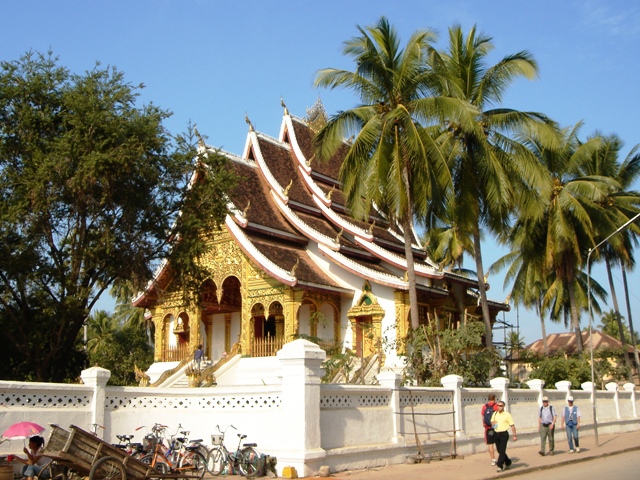
The museum preserves the regalia and personal possessions of the last kings, along with religious images, ceremonial objects, and works of art gathered over the history of the monarchy. These objects allow the visitor to reconstruct the material world of the Lao court and the traditions it embodied.
Among the collections are the diplomatic gifts presented to the kings by nations around the world, a fascinating record of the international relations of the kingdom in the twentieth century. These varied objects, from many countries and cultures, reflect the place of Laos in the wider world of its time.
The museum also preserves works of Lao religious and decorative art, from Buddha images to fine crafts, that document the artistic traditions of the country. Together with the architecture of the palace itself, these collections make the Haw Kham a comprehensive showcase of Lao culture and history.
In becoming a museum the palace found a new role as the guardian of the nation’s heritage, preserving the memory of the monarchy and the treasures of the Lao people. To visit it is to encounter not only the last home of the kings but the collected patrimony of a nation, gathered in the building that was once its royal heart.
There is a particular fascination in the room of diplomatic gifts, where objects from around the world, presented to a small landlocked kingdom in the twentieth century, sit together as a record of a vanished diplomacy. Each was given to a monarchy that no longer exists, by governments navigating the tense politics of the Cold War in Southeast Asia, and together they quietly document the wider world’s brief engagement with the last kings of Laos.
Grounds, River, and the Sacred Hill
The palace stands within landscaped grounds facing the Mekong, and its setting is inseparable from its beauty. Gardens, lawns, and stately trees surround the buildings, and the whole complex is oriented toward the great river that has shaped the life of Luang Prabang since its founding.
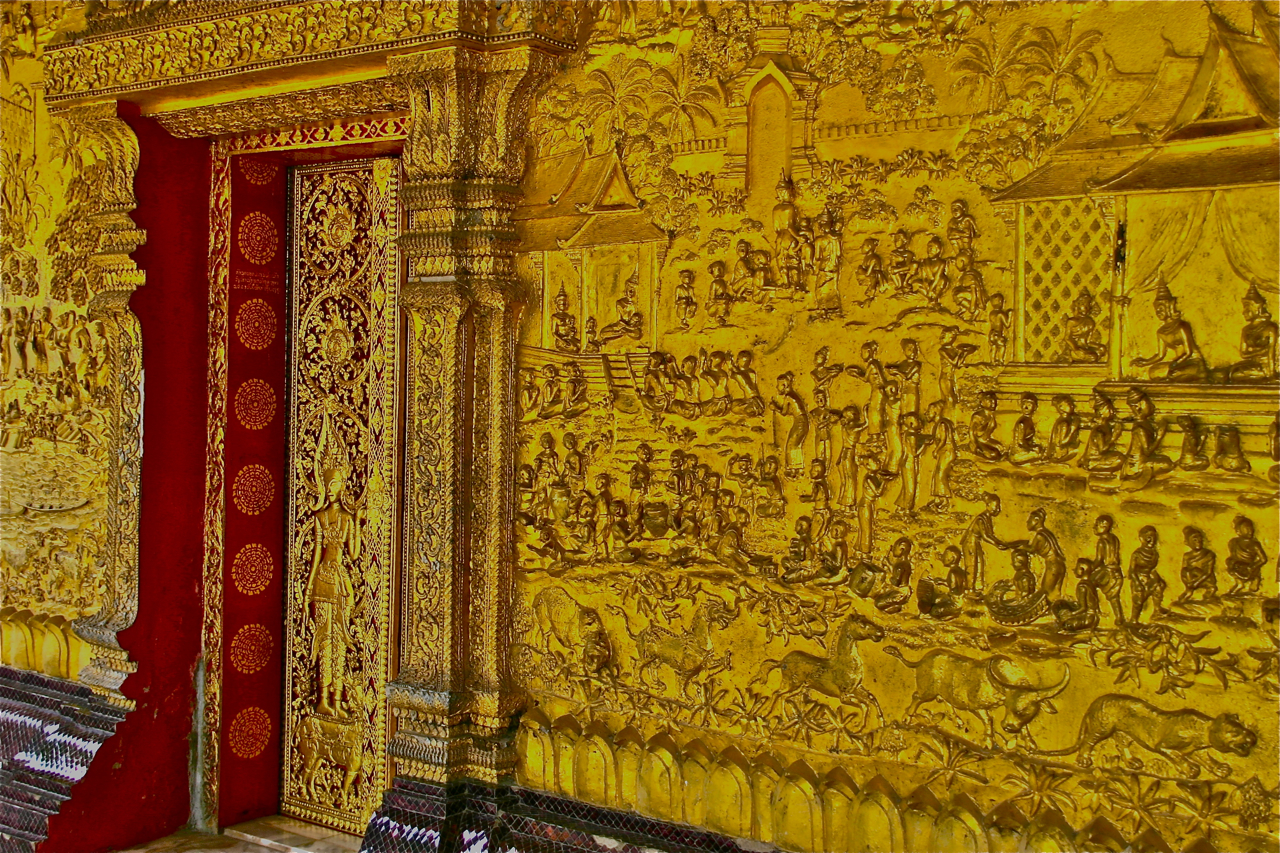
Rising behind the town is Mount Phousi, the sacred hill crowned with a temple and a golden stupa, a landmark visible throughout Luang Prabang and a place of pilgrimage and of magnificent views. The palace stands at the foot of this hill, bound into the sacred landscape of the town.
The relationship between the palace, the river, and the hill reflects the careful placing of the royal seat within a landscape charged with spiritual and practical meaning. The Mekong gave the town its life and its connections, while the hill gave it a sacred crown, and the palace stood between them at the center of it all.
The grounds also contain the Haw Pha Bang temple and other structures, together with a display of the royal cars and boats used by the last kings, adding to the sense of a complete royal establishment preserved in its setting. The whole forms a harmonious ensemble beside the river.
For the visitor, the grounds and their setting are among the great pleasures of a visit. To stand before the palace with the Mekong flowing past and the sacred hill rising behind is to grasp why Luang Prabang was chosen as the royal capital, a place of beauty and meaning at the meeting of the rivers.
In the cool of the early morning or the golden light of evening, the setting is at its most beautiful, and the palace takes its place as the serene centerpiece of one of the loveliest townscapes in Asia, a royal seat perfectly matched to its riverside home.
The End of the Monarchy
The long history of the Lao monarchy came to an end in 1975, when, amid the upheavals that swept Indochina, the communist movement took power in Laos and abolished the monarchy. The last king was forced to abdicate, and the ancient institution that had ruled from Luang Prabang for centuries came to a close.
The fall of the monarchy was part of the wider transformation of the region, as the conflicts that had engulfed Indochina reached their conclusion and new governments came to power across the peninsula. The Lao kingdom, caught in these vast currents, did not survive the changes of the age.
The fate of the last royal family was tragic, for after the abolition of the monarchy the former king and members of his family were removed from Luang Prabang, and their subsequent fate was harsh. The end of the Lao crown was thus not only the close of an institution but a human tragedy for the royal house.
The palace, no longer a royal residence, passed into the hands of the new state, which in time gave it a new purpose as the national museum. The building that had been the home of kings became instead a place where their memory and the heritage of the nation would be preserved and displayed.
The end of the monarchy gives the palace much of its poignant atmosphere. To walk through the rooms of a royal house so recently and so completely swept away is to feel the nearness of that history, and the Haw Kham stands as a moving memorial to the last kings of Laos and the vanished world of the Lao crown.
The abrupt and total end of the Lao monarchy, so recent in historical terms, gives a visit to the palace an unusual emotional charge. These are not the relics of a crown that faded away over centuries, but the preserved rooms of a royal house that was living here within the memory of people still alive, and then was suddenly gone. That nearness, and the tragedy that befell the last royal family, lends the quiet rooms of the Haw Kham a genuine poignancy.
Luang Prabang Today: A World Heritage Town
Today the palace is the national museum of Laos and the centerpiece of Luang Prabang, one of the most beloved destinations in Southeast Asia. The town as a whole has been recognized for its outstanding beauty and preservation, drawing visitors from around the world to its temples, streets, and riverside setting.
View the exact location on Google Maps
In 1995 the town of Luang Prabang was inscribed on the UNESCO World Heritage List, celebrated as an exceptionally well-preserved example of the fusion of traditional Lao architecture and urban structures with the colonial buildings of the European era. The palace stands among the treasures that earned the town this recognition.
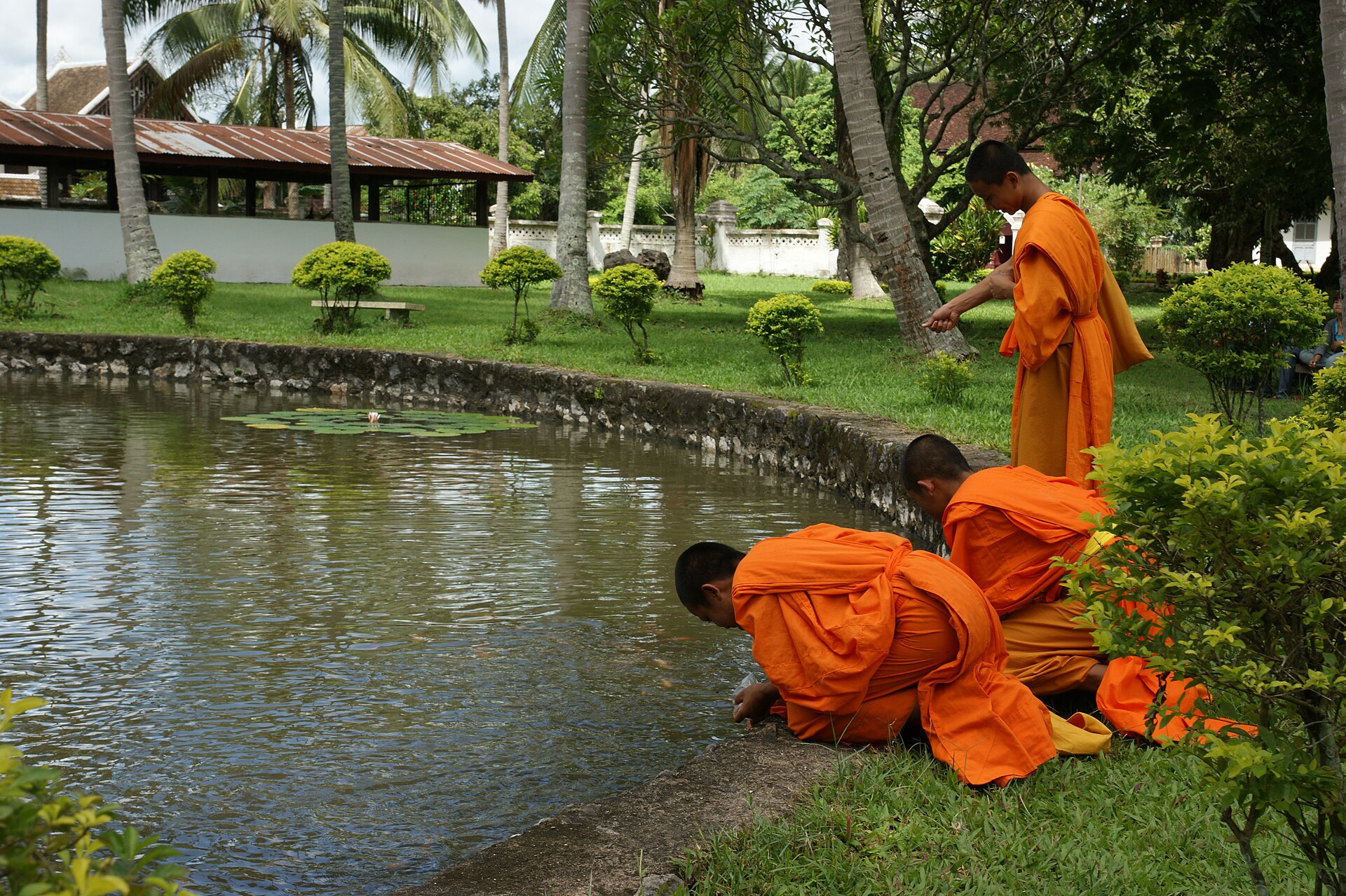
The listing has helped to protect the character of Luang Prabang against the pressures of modern development, preserving its temples, its old houses, and its tranquil atmosphere. The town remains a place of monks and morning alms, of quiet streets and riverside beauty, largely spared the disruption of the modern age.
For the visitor, the palace and its setting offer a rare experience, a beautifully preserved royal capital where the last home of a vanished monarchy stands amid a townscape of great charm. The Haw Kham, the sacred Pha Bang, and the temples and streets around them together tell the story of the Lao kingdom.
To stand before the Royal Palace of Luang Prabang, with the Mekong flowing past and the golden roofs of the town catching the light, is to feel the enduring spell of this place. The kings are gone and their crown abolished, but their golden hall endures beside the river, the serene memorial of a vanished kingdom in one of the loveliest towns in Asia.
If your travels bring you to Luang Prabang, give the town itself as much time as the palace, for the two are inseparable. Rise early to watch the monks receive alms along the streets, climb Mount Phousi for the view over the rivers, and let the slow, gentle rhythm of the town work on you. The palace is the heart of it all, but it is the whole preserved townscape, wrapped around its golden hall, that makes Luang Prabang one of the most enchanting places in Asia.
Palaces Nearby
The golden hall of Luang Prabang belongs with the other royal residences of Southeast Asia gathered here. Travel south to the garden palace of the Thai kings, and watch this space for another palace of the region to join them soon.
You May Like
The Alcazar of Seville: A Christian Palace of Moorish Splendor


One thought on “The Royal Palace of Luang Prabang: The Golden Hall of the Lao Kings”