Calming/Silencing a Crying Baby
The most important way to calm a constantly crying baby is to breastfeed him regularly. Specialist from Memorial Ataşehir Hospital, Department of Child Health and Diseases. Dr. Özlen Kaya Çardak gave suggestions to parents about calming crying babies.
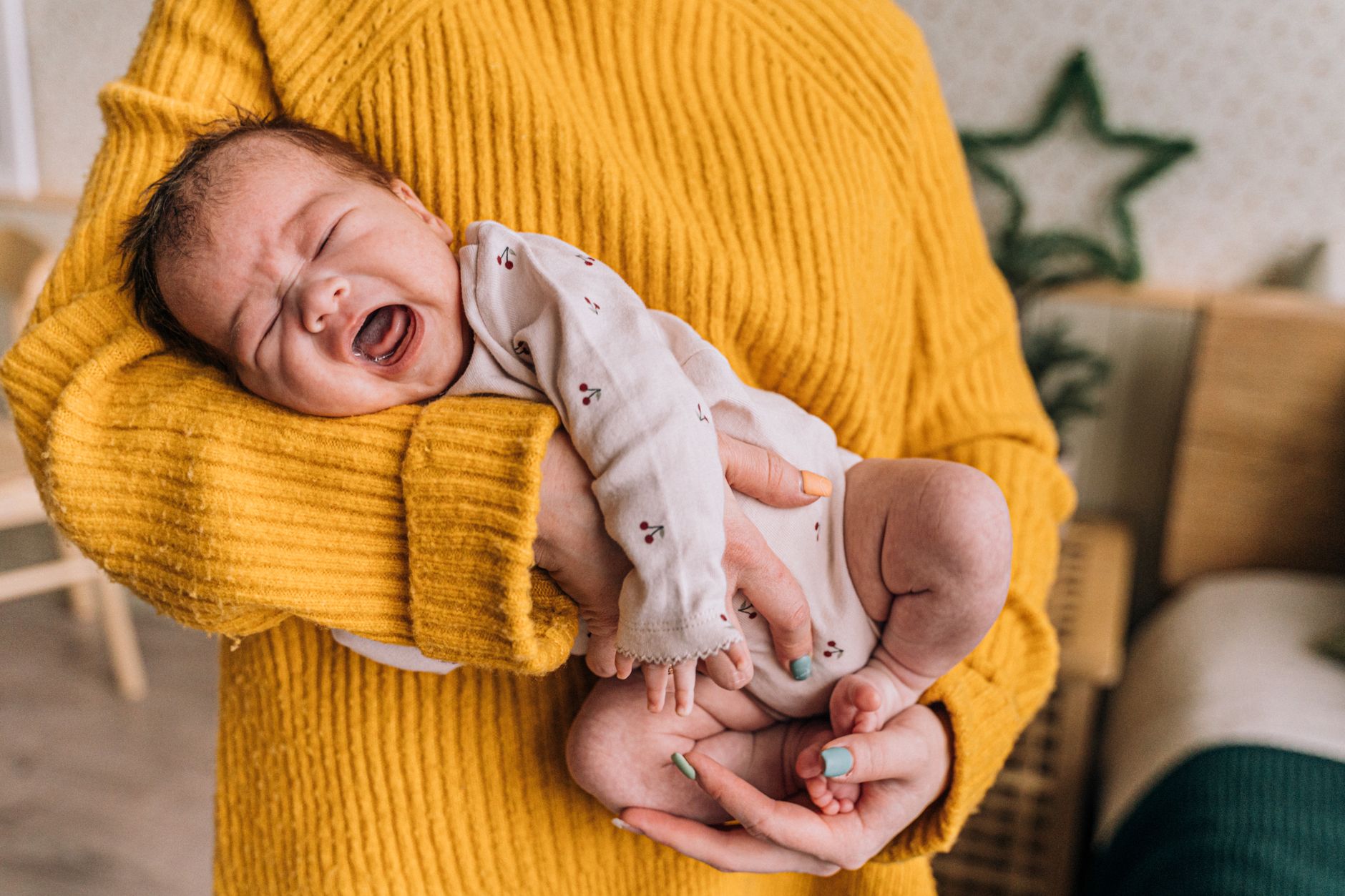
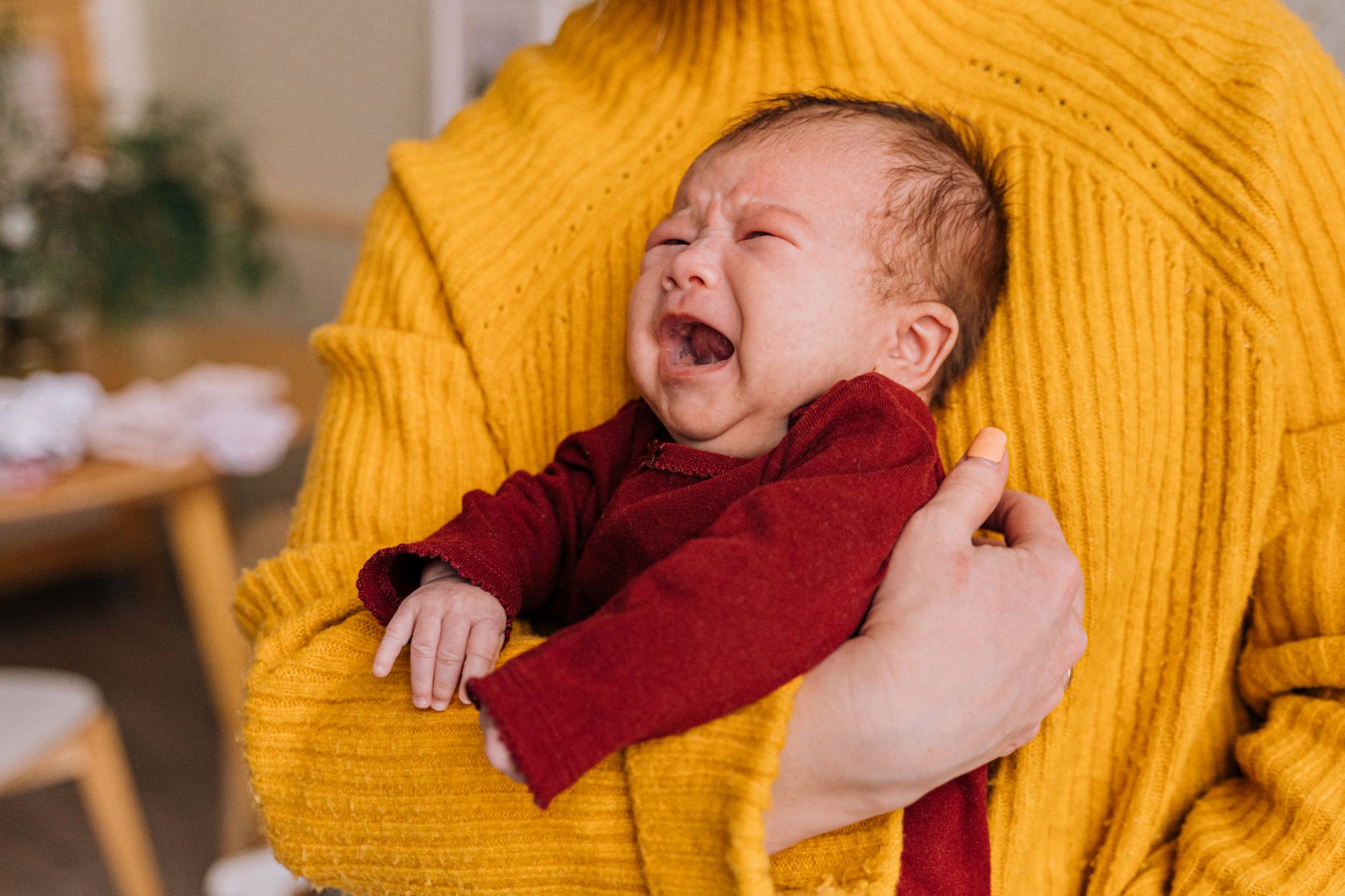
Crying is the first way babies communicate with the world. Every time a baby cries does not mean that he or she has a problem, and not crying at all may actually be a message.
If the baby does not cry at all, it may be a sign of illness.
For babies, crying comes before laughing. A newborn baby can express every wish by crying. Not every baby cries necessarily means there is a problem. Although this situation makes the family uneasy; From a medical perspective, a baby who doesn’t cry means a baby who doesn’t communicate. For example, in some diseases, the baby may not even have the strength to cry.
Babies with severe neonatal jaundice appear to be very well-behaved and sleep all the time. This may delay diagnosis because families are not aware of it.
Breast milk calms the baby
It is appropriate for babies between 0-6 months to be fed only with breast milk. During this period, especially in the first 3 months, breastfeeding the baby every time it cries calms the baby and increases breast milk production. It is not appropriate to regulate the feeding time of breastfed babies in the first 3 months.
Babies between 0-3 months already see themselves and their mothers as the same creature, that is, they are not aware that they are different individuals. Delaying feeding when the baby needs it, that is, not breastfeeding the baby whenever he wants, has a damaging effect on the baby’s confidence.
Do not talk to your baby in a harsh tone or loud voice.
Babies who have the sense of hearing before birth can hear everything very clearly after they are born. A crying baby should be spoken to in a soft tone.
The voice of the mother or father will have a calming effect on the baby, as he/she is used to it before. Music listened to before birth also relaxes babies after birth and helps them feel safe. Television and computer screens have a negative effect on babies. Since it has negative effects on speech and behavior, children should be kept away from television until the age of 2.
Sleeping position is important
The sense of smell is also prominent in newborn babies. When he is held in his mother’s arms when he cries, he will smell breast milk and feel relieved even if he is not hungry. Babies also calm down when they touch something with their arms and legs. They should be placed in a position similar to that in the womb; In other words, lying face down with the head on the side and the arms and legs pulled to the body calms them down.
But this way of sleeping is definitely not recommended at night. Since “sudden crib death syndrome” is more common in babies lying face down, she can only put her baby to bed in this way if the mother does not sleep during the day and is in an environment where she can observe the baby.
The logic of “getting used to laps” is wrong
It is not right to be afraid to hold babies between 0-6 months when they cry. The baby wants to communicate by crying, and holding it is the most beneficial way to make it feel safe. In studies conducted on babies who were held when they were restless, it was observed that even the immune systems of these babies worked better.
Fresh air is good for the baby
Spending time outdoors is relaxing for children of all ages. Even if the baby is small, if it is not born prematurely, it can be taken outside from the first day. The comment that “the baby cannot be taken outside for 40 days”, which is mostly adopted by grandmothers, has no medical basis.
In many scientific studies conducted in Northern European countries, the risk of disease in babies who were taken outdoors more after birth was found to be lower than in those who did not leave the house. Especially children with sleep problems sleep better in direct proportion to the time they stay outdoors.
Vitamin D synthesis is better in children who take sunbaths on sunny days, and this regulates the child’s immune system and makes it easier to sleep.
You May Like