Among the green ridges that ring the Kathmandu Valley live the Tamang, one of the largest and yet, for much of history, one of the most overlooked of the Tibeto-Burman peoples of Nepal. Their villages cling to the slopes that travellers must cross on the way to the high mountains, and for centuries the Tamang have carried loads, herded animals across alpine pasture, and turned prayer wheels along the trails that thread the middle hills. Few peoples live so close to the seat of national power, and fewer still remained, for so long, so firmly outside it.
To understand the Tamang is to understand a community caught between two worlds: the Buddhist, Tibetan-influenced culture of the high Himalaya to the north, and the Hindu, Nepali-speaking kingdoms of the valleys and plains to the south. From the first they took their religion, their script, and much of their worldview; with the second they were entangled through labour, taxation, and the slow pressures of the state. The result is a culture that is unmistakably Himalayan in flavour yet shaped at every turn by its nearness to Kathmandu.
This profile follows the same path as our earlier studies of the peoples of the region, from the valley dwellers of Nepal to the hill peoples of the eastern Himalaya. It looks at where the Tamang came from, the tonal language they speak, the layered Buddhism that orders their year, and the music, dress, food, and labour that fill their days. Together these threads explain how a people so near the centre of the country could remain, for centuries, a world apart, and how they are now reclaiming a place and a voice of their own.
- Origins and the Meaning of a Name
- Language, the Tamang Tongue and Its Roots
- The Homeland, Hills Around the Kathmandu Valley
- Religion, Tibetan Buddhism and the Bon Legacy
- Clans, Kinship and Social Structure
- Festivals and the Ritual Calendar
- Music, the Damphu Drum and Tamang Selo
- Dress, Ornament and Everyday Craft
- Food and the Mountain Kitchen
- Livelihood, Land and Labour
- History, Service and Marginalisation
- The Tamang Today, Identity and Renewal
Origins and the Meaning of a Name
The name Tamang is most often explained as deriving from words meaning “horse trader” or “horse soldier,” a hint of an older role moving goods and serving as cavalry along the Himalayan trade routes that once linked Tibet to the plains of India. Like many such etymologies the derivation is debated among scholars, but it points unmistakably to a community long associated with movement and exchange across the mountains rather than with settled courtly life in a single valley.
Culturally and linguistically the Tamang belong to the broad Tibeto-Burman world that spread southward from the Tibetan plateau over many centuries, a great family of peoples whose languages and religions still bear the marks of that northern origin. Oral tradition, ritual chant, and the carefully kept genealogies of the clans trace descent from groups that migrated into the middle hills, where they cleared forest, cut terraces into the slopes, and built the compact, tightly knit villages that still define the Tamang landscape today.
For much of their history the Tamang left few written records of their own, and what survives was set down mostly by outsiders—by the priests, officials, and travellers of the kingdoms below. As a result the early Tamang past must be reconstructed from language, from ritual practice, and from the memory held in clan lines and song. What emerges from these sources is a picture of a people firmly rooted in the hills yet perpetually shaped by contact with the Tibetan religion above them and the Hindu states below.
That double inheritance runs through everything that follows. The Tamang are, in a sense, a frontier people who turned the frontier into a home, drawing water from two cultural springs while keeping a distinct identity of their own. It is an identity built less on political power than on a dense web of kinship, ritual, and place that has proven remarkably durable across the centuries.
Language, the Tamang Tongue and Its Roots
The Tamang speak a language of the same name, classified within the Tamangic branch of the Tibeto-Burman family. It is a tonal language, meaning that pitch can change the meaning of a word, and it is closely related to the speech of several neighbouring hill peoples while remaining quite distinct from the Indo-Aryan Nepali that serves as the country’s common tongue. A speaker of Nepali and a speaker of Tamang cannot understand one another without learning the other’s language.
Within Tamang itself there are several regional dialects, broadly divided between eastern and western forms that differ in vocabulary and pronunciation. For most of its history the language was carried entirely by speech—its lore, its ritual formulae, and its vast store of song preserved in the memory of elders, singers, and the ritual specialists who recited sacred texts at the great events of life and death.
In recent decades a movement to write and teach the language has gathered strength. Tamang has been set down in both the Tibetan-derived Sambhota script, which links it to its Buddhist heritage, and the Devanagari script familiar to every Nepali reader. The language now appears in radio broadcasts, in locally produced schoolbooks and magazines, and in the lyrics of popular songs, giving it a public presence it never had in earlier centuries.
Language has become one of the central pillars of modern Tamang identity. Activists argue that maintaining the tongue is not simply a matter of preserving words but of keeping alive the ritual knowledge, the precise kinship terms, and the entire worldview encoded within it. The challenge is real, for younger Tamang increasingly grow up bilingual in Nepali, and often trilingual with English, as schooling and migration pull them toward the wider world.
The Homeland, Hills Around the Kathmandu Valley
The Tamang heartland forms a rough horseshoe around the Kathmandu Valley, embracing the districts of Rasuwa, Nuwakot, Dhading, Sindhupalchok, Kavrepalanchok, Makwanpur, and Ramechhap among others. This geography is unusual and important: almost alone among Nepal’s many peoples, the Tamang occupy the immediate hinterland of the national capital, the ring of hills from which Kathmandu has always drawn its labour, its firewood, and its food.
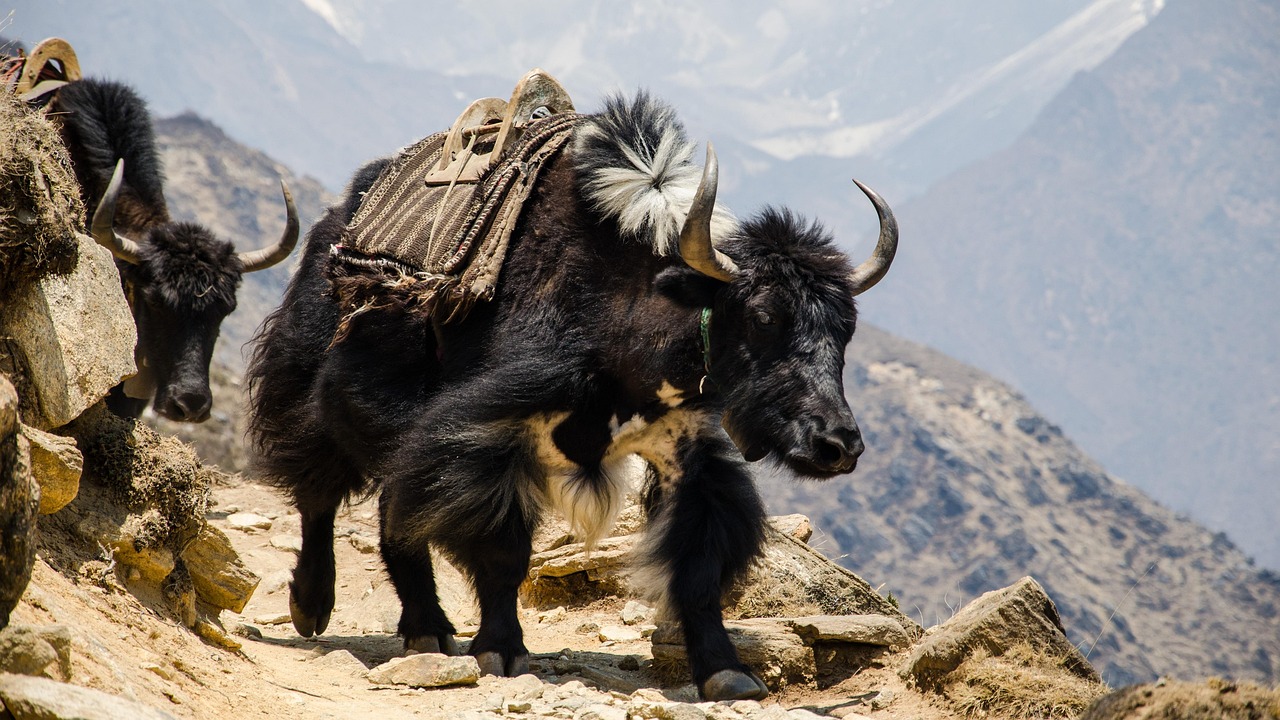
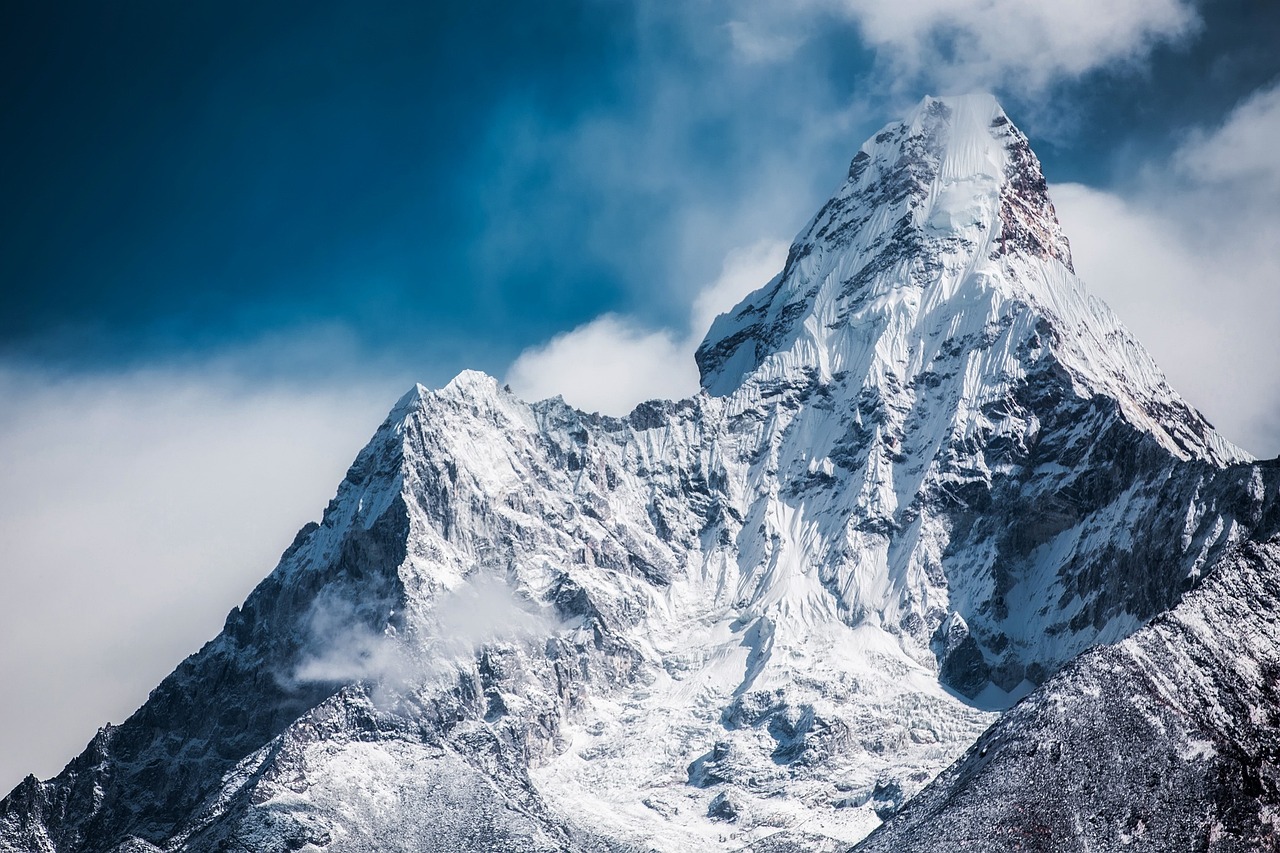
Their settlements typically sit on mid-altitude slopes in the zone between the warm river valleys and the cold high pastures, a belt of land suited to terraced grain, to grazing, and to the use of forest for timber, fodder, and fuel. To the north the land climbs steeply toward the Langtang range and the Tibetan border, a region of glaciers and alpine meadow whose famous trekking trails now wind through one Tamang village after another.
This closeness to Kathmandu shaped Tamang history in a peculiar, double-edged way. On one hand it drew them deeply into the service economy of the capital, as porters, labourers, and providers of the hill produce on which the city depended. On the other hand, because the surrounding hills were claimed early and heavily by the state, the Tamang found much of their land alienated and their freedom of movement curtailed long before peoples in more distant corners of the country felt the same pressures.
The landscape itself, terraced and forested and rising toward snow, is therefore not just a backdrop but a force in Tamang life. It set the rhythm of farming and herding, dictated the routes of trade and migration, and, in its very proximity to power, helped determine the community’s long subordination and its more recent recovery.
Religion, Tibetan Buddhism and the Bon Legacy
The great majority of Tamang follow Tibetan Buddhism, and the prayer flags strung between trees, the whitewashed chortens beside the paths, and the gompas perched above the villages give their hills an unmistakably Himalayan-Buddhist character. Monasteries serve as centres of learning, of festival, and of community decision-making, and it has long been common for families to send a son to train as a monk, an act that brings both merit and prestige.
Yet beneath and alongside this monastic Buddhism the Tamang preserve older traditions reaching back to the pre-Buddhist Bon religion and to a deep stratum of Himalayan shamanism. Ritual life is handled by several kinds of specialist who divide the spiritual world between them: the lama, learned in scripture and presiding over Buddhist liturgy; the bonbo, the shaman who deals with spirits and the unseen forces of the land; and the lambu, concerned with healing and the appeasement of local deities.
This layering of traditions, rather than any sense of contradiction, is entirely typical of Himalayan religion. A single household event—an illness, a death, the building of a house—may call upon a Buddhist lama to read scripture and a shaman to manage the spirits and ancestors at the same time. The canonical and the folk are not rivals but partners, woven together into one continuous fabric of belief that addresses both the salvation of the soul and the practical dangers of the world.
Through this religion the Tamang are bound culturally to the Tibetan world to the north far more than to the Hindu south. Their festivals follow the Tibetan calendar, their sacred art and architecture echo the monasteries of Tibet, and their funerary rites carry the dead through the stages of the afterlife described in Tibetan Buddhist teaching. Religion, more than anything else, marks them as a Himalayan rather than a lowland people.
Clans, Kinship and Social Structure
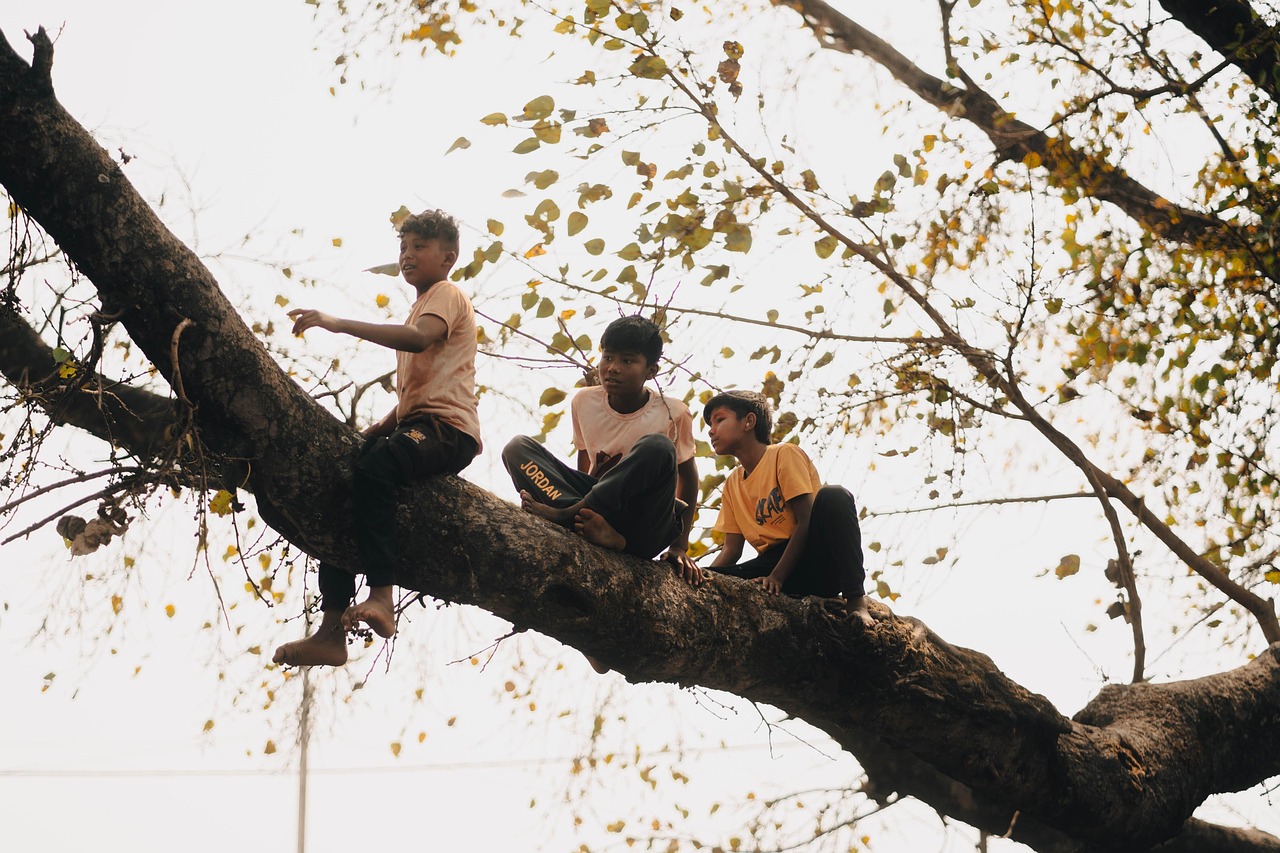
Tamang society is organised through patrilineal clans, which are grouped into two broad, intermarrying divisions that together regulate the crucial question of who may marry whom. A person’s clan fixes much more than ancestry; it sets ritual duties, defines the pool of possible marriage partners, and locates each individual within the wider web of the community.
Marriage has traditionally moved between the two divisions, and cross-cousin marriage is recognised and even favoured in custom, a pattern that keeps alliances and property circulating within known and trusted networks. The kinship vocabulary is correspondingly precise, with distinct terms carrying real obligations of labour, of gift-giving, and of mutual aid that come into force at planting, at harvest, and at every major rite of passage.
Village life rests squarely on this dense fabric of reciprocity. Cooperative labour groups share the heavy work of the agricultural year, festivals gather scattered kin, and the authority of elders and ritual specialists settles disputes and maintains order without recourse to outside power. In a community long denied formal political standing, these internal institutions were the real structures of governance.
That said, the old order is under strain. Wage labour, schooling, and above all migration draw young people away from the village and loosen the hold of clan obligation and elder authority. The kinship system endures, but it now stretches across cities and continents, adapting its ancient logic of reciprocity to a far more mobile and monetised world.
Festivals and the Ritual Calendar
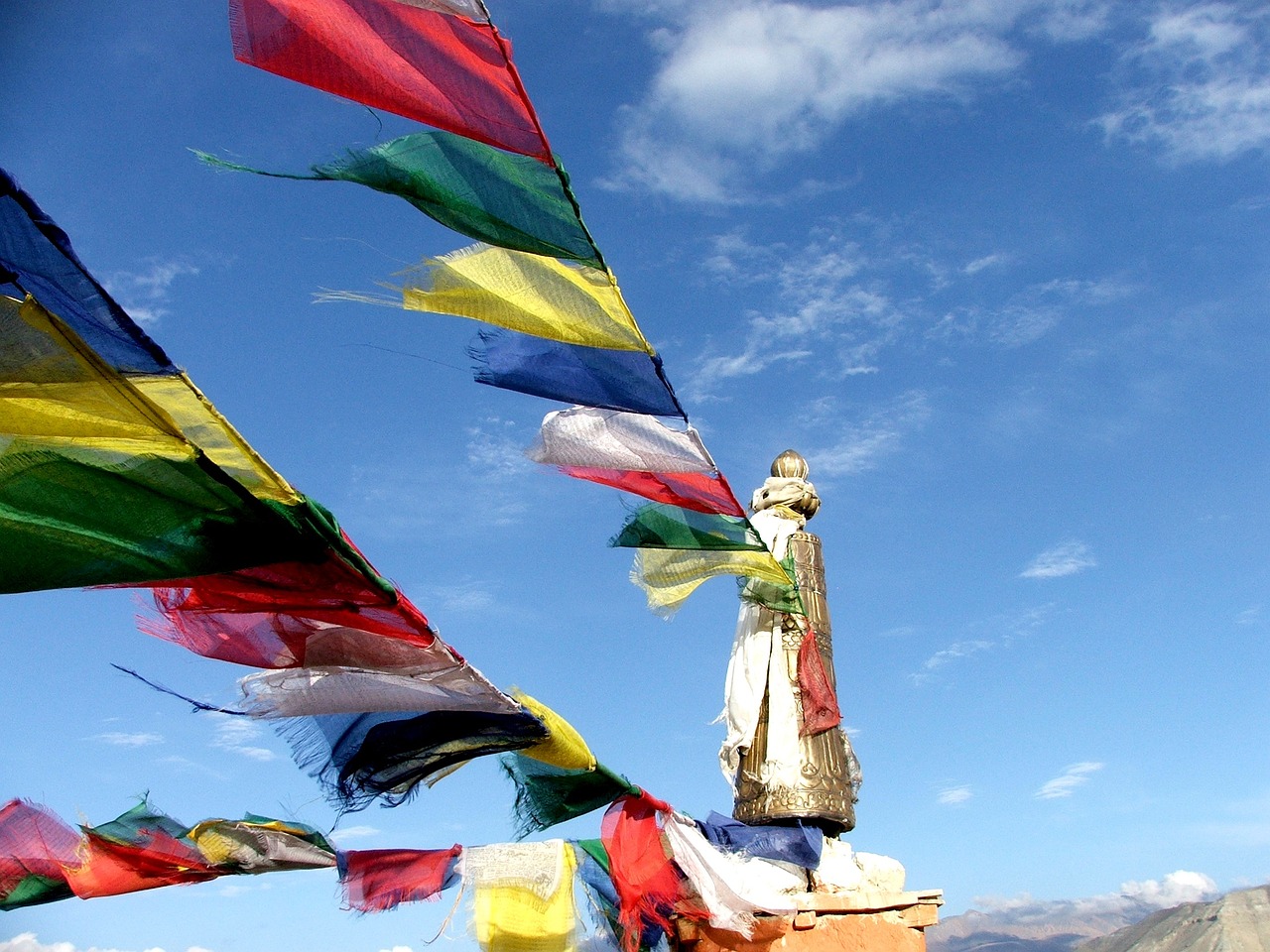
The Tamang ritual year follows the Tibetan Buddhist calendar, and its great pivot is Lhosar, the lunar new year. The Tamang in particular celebrate Sonam Lhosar as their own new year, a time of feasting, of dancing to the drum, of visiting kin, and of renewing the household shrines and the prayer flags that will watch over the year to come.
Around this central festival cluster the many Buddhist holy days, the fairs held at the monasteries, and the rites that mark each passage of human life. Funerary ritual is especially elaborate among the Tamang: guided by lamas and the recitation of sacred texts, the rites lead the deceased through the stages of the afterlife and offer the living a structured path through grief, sometimes unfolding over many days.
These gatherings are far more than religious observance. They are the great occasions of Tamang sociability, when families scattered by work and migration return to the ancestral village, when debts of hospitality are repaid in food and drink, and when the young absorb, almost without noticing, the songs, dances, and ritual knowledge that carry the culture from one generation to the next.
In a community whose members are increasingly dispersed, the festival calendar has taken on a new importance as the thread that pulls people home. To celebrate Sonam Lhosar, whether in a hill village or a city apartment or a distant labour camp abroad, is to reassert membership in the Tamang world and to keep its rhythms alive.
Music, the Damphu Drum and Tamang Selo
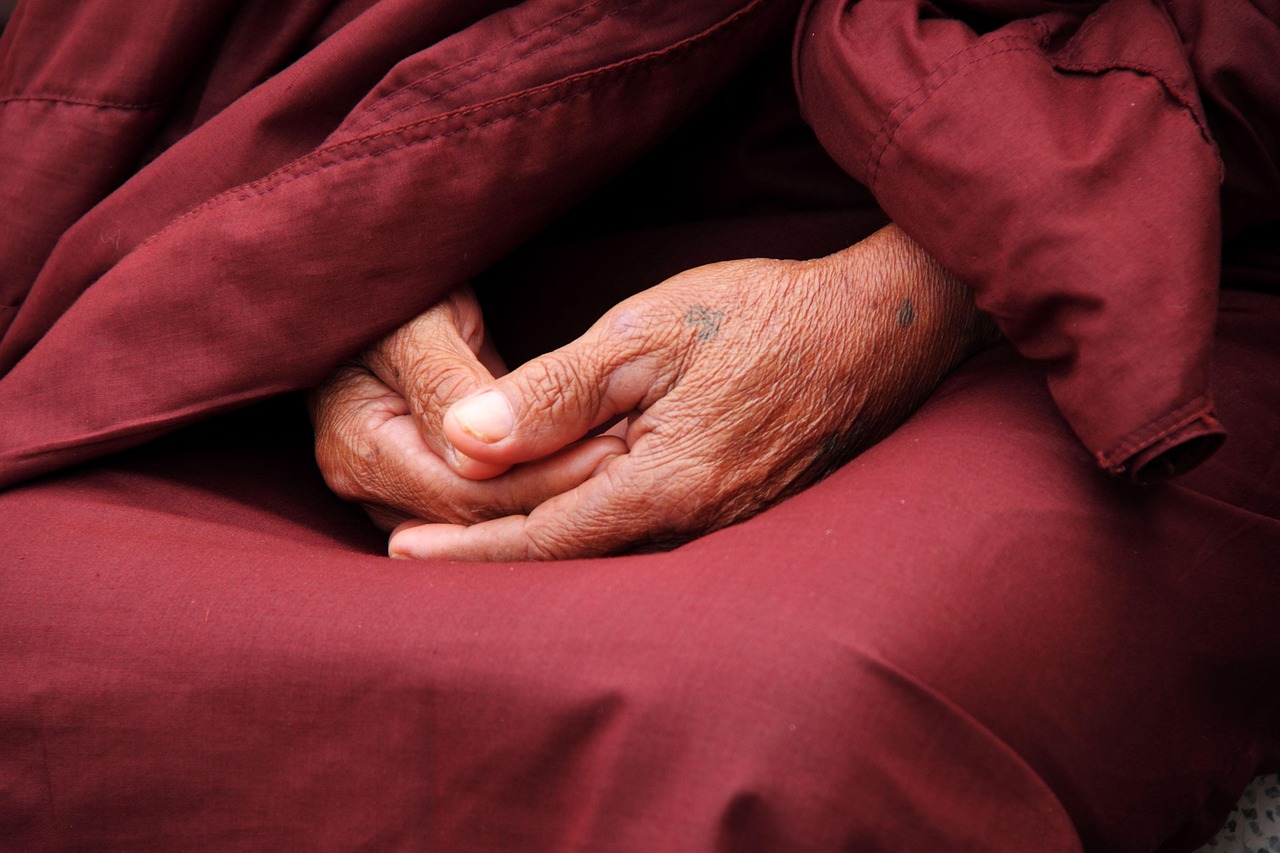
No object is more closely identified with the Tamang than the damphu, a round, single-headed frame drum whose origin a well-known legend traces to the skin of a wild bird. Held in one hand and struck with the other, its steady, insistent beat underlies the singing and dancing that mark every Tamang festival and gathering, and to many Nepalis the sound of the damphu simply is the sound of the Tamang.
From this drum springs the community’s signature musical form, the Tamang Selo, a genre of rhythmic, story-telling song in which a sung verse is answered by dance and the unbroken pulse of the damphu. Once heard mainly in village courtyards and at festivals, the Selo has in recent decades broken far beyond Tamang communities to become a widely loved and instantly recognisable part of Nepal’s national popular music.
The themes of the Selo are the themes of Tamang life itself: love and longing, the hardship of labour, the pain of separation, and increasingly the experience of migration and life far from home. Through these songs a people long pushed to the political margins found a way to make their voice heard at the very centre of the nation’s culture.
Music thus represents one of the Tamang’s great cultural achievements and a powerful vehicle of identity. The damphu has become a quiet emblem of the community, carried into recording studios and concert stages while still beating in the village square, linking the modern Selo star to the anonymous singers of generations past.
Dress, Ornament and Everyday Craft
Traditional Tamang dress reflects both the cool climate of the hills and the rich textile traditions of the wider Himalaya. Women have worn wrapped skirts, fitted blouses, and shawls, often weighed down with heavy silver ornaments at the ears, neck, and wrists, while men favoured the labeda-suruwal of the hills together with a cap, adding thick woollen garments for the cold of the higher villages.
Jewellery and woven cloth among the Tamang have always carried meaning well beyond decoration. Ornaments mark a woman’s married status and her family’s wealth, serve as a portable store of value in an uncertain economy, and signal belonging to clan and community. Handwoven woollen blankets, bags, and the broad carrying straps used to haul loads up mountain paths remain part of the practical fabric of mountain life.
As everywhere in Nepal, factory-made cloth and modern urban fashion now dominate everyday wear, and the older costume has largely retreated to special occasions. It reappears in full at festivals, weddings, and cultural performances, where it is worn with conscious pride as a visible statement of Tamang identity rather than as simple daily clothing.
This shift from everyday garment to cultural symbol is itself part of the Tamang story. As the community engages a globalised world of jeans and ready-made shirts, the deliberate donning of traditional dress at Sonam Lhosar or a Selo performance becomes an act of memory and assertion, a way of wearing one’s heritage in plain sight.
Food and the Mountain Kitchen
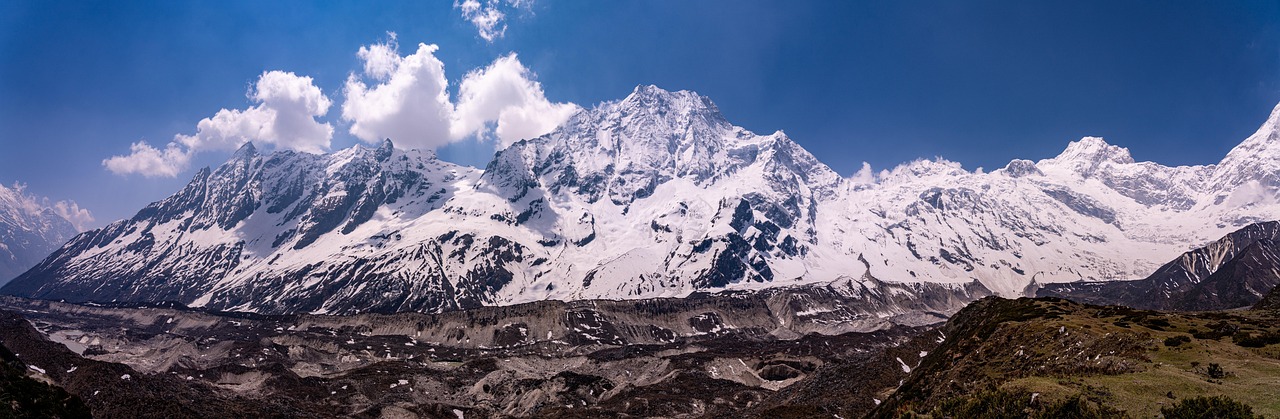
The Tamang kitchen is, above all, a mountain kitchen, built around the grains that the terraced hill fields can produce: maize, millet, and barley, with rice where the land and water allow it. These staples are eaten with seasonal greens, lentils, and potatoes in hearty, warming dishes well suited to the cool, often raw climate of the ridges where the Tamang live.
Dairy and meat from household livestock supplement this grain-based diet, while fermented and dried foods—preserved vegetables, dried meat, and the like—help carry families through the lean months when fresh produce is scarce. Millet in particular is brewed into the local beers and distilled spirits that play an essential part in hospitality, celebration, and ritual offering.
Food among the Tamang is never merely sustenance; it is bound tightly to religion and kinship. Offerings of grain and drink accompany worship at the household shrine and the village gompa, and the sharing of meals at festivals, weddings, and funerals is one of the chief ways in which the bonds between clans, neighbours, and kin are renewed and reaffirmed.
The mountain larder also reflects the Tamang relationship with their land. What grows on the terraces, what the forest yields, and what the livestock provide together set the limits and the flavours of the cuisine, making the table a direct expression of the steep, demanding country in which this people has made its home.
Livelihood, Land and Labour
For the great majority of Tamang, livelihood has traditionally meant farming the terraced hillsides combined with the herding of livestock, the use of the forest, and the carrying of loads along the mountain trails. Their unusual proximity to Kathmandu long made the Tamang a vital reservoir of porters and labour for the capital, a role that brought income but also reinforced their subordinate position.
The rise of Himalayan trekking and mountaineering opened important new opportunities, as Tamang villagers became porters, guides, and lodge-keepers, especially along the popular Langtang and Helambu routes that run directly through their homeland. Tourism has grown into a significant, though notoriously uneven and seasonal, source of cash for many hill households.
In recent decades, however, the most powerful economic force has been labour migration. Working-age Tamang men and women have moved in large numbers to Nepal’s towns and cities and, beyond the country’s borders, to the Gulf states and to Malaysia. The remittances they send home now sustain countless village households and have reshaped the local economy from top to bottom.
This dependence on distant labour is a double-edged inheritance. Remittances have lifted many families out of the poverty that long defined Tamang life, funding better houses, schooling, and consumer goods. Yet they have also hollowed out villages of their young, leaving fields untended and the old patterns of cooperative agricultural labour increasingly hard to sustain.
History, Service and Marginalisation
Despite living almost within sight of the seat of national power, the Tamang were for most of recorded history firmly excluded from it. After the eighteenth-century unification of Nepal, the hills around the capital—the Tamang heartland—were claimed heavily by the new state, and many Tamang found themselves bound to compulsory labour and porterage rather than secure in their own land or office.
Old rules of status and recruitment compounded this disadvantage. Excluded by custom and regulation from certain avenues of advancement, including for long periods the prestigious military recruitment open to some other hill peoples, many Tamang remained poor, landless, and without a political voice. Their Buddhism and their Tibeto-Burman speech further set them apart from the Hindu, Nepali-speaking elite who governed the country.
The cumulative effect of this long marginalisation was profound. It left the Tamang among the more disadvantaged of Nepal’s peoples in terms of land, education, and access to the state, a legacy of structural inequality whose effects persisted well into modern times and shaped the community’s self-understanding as an excluded people.
Recognition, when it came, came slowly and through struggle. The reforms of the twentieth century, the rise of organised ethnic associations, and the broad national movement for the rights of Nepal’s indigenous nationalities gradually gave the Tamang a louder collective voice and a serious claim to redress for the historic injustices done to them.
The Tamang Today, Identity and Renewal
Today the Tamang stand among the most numerous of all Nepal’s ethnic groups, with large communities in Kathmandu and the surrounding hills, a substantial presence in the eastern districts and in India’s Darjeeling and Sikkim regions, and a growing diaspora reaching into the Gulf, Malaysia, and the West. Urban life and migration have transformed the texture of Tamang existence without erasing its underlying identity.
Cultural revival is visible on many fronts. There is sustained effort to promote the Tamang language and its scripts, the Tamang Selo has become a fixture of national popular music, Sonam Lhosar is celebrated publicly and with pride, and active ethnic organisations campaign for recognition, representation, and the rights of the community. Like the other hill peoples of the wider region, the Tamang now work to balance full participation in national life with the firm assertion of a distinct heritage.
The central challenge ahead is to carry that heritage into a connected, mobile, and rapidly changing world. The forces that have lifted living standards—migration, education, the cash economy—are the same forces that thin out the villages and pressure the language and the old cooperative ways, and the community’s future will turn on how it navigates that tension.
In the rhythm of the damphu, the chanting of village lamas, the bright prayer flags strung above the ridges, and the songs that travel from hill courtyards to city stages, the Tamang continue to tell a story that began on the old trade roads of the high Himalaya. It is the story of a people who lived for centuries at the margins of power and are now, at last, claiming a place and a voice fully their own.
You May Like
The Damara, an Ancient People of Namibia