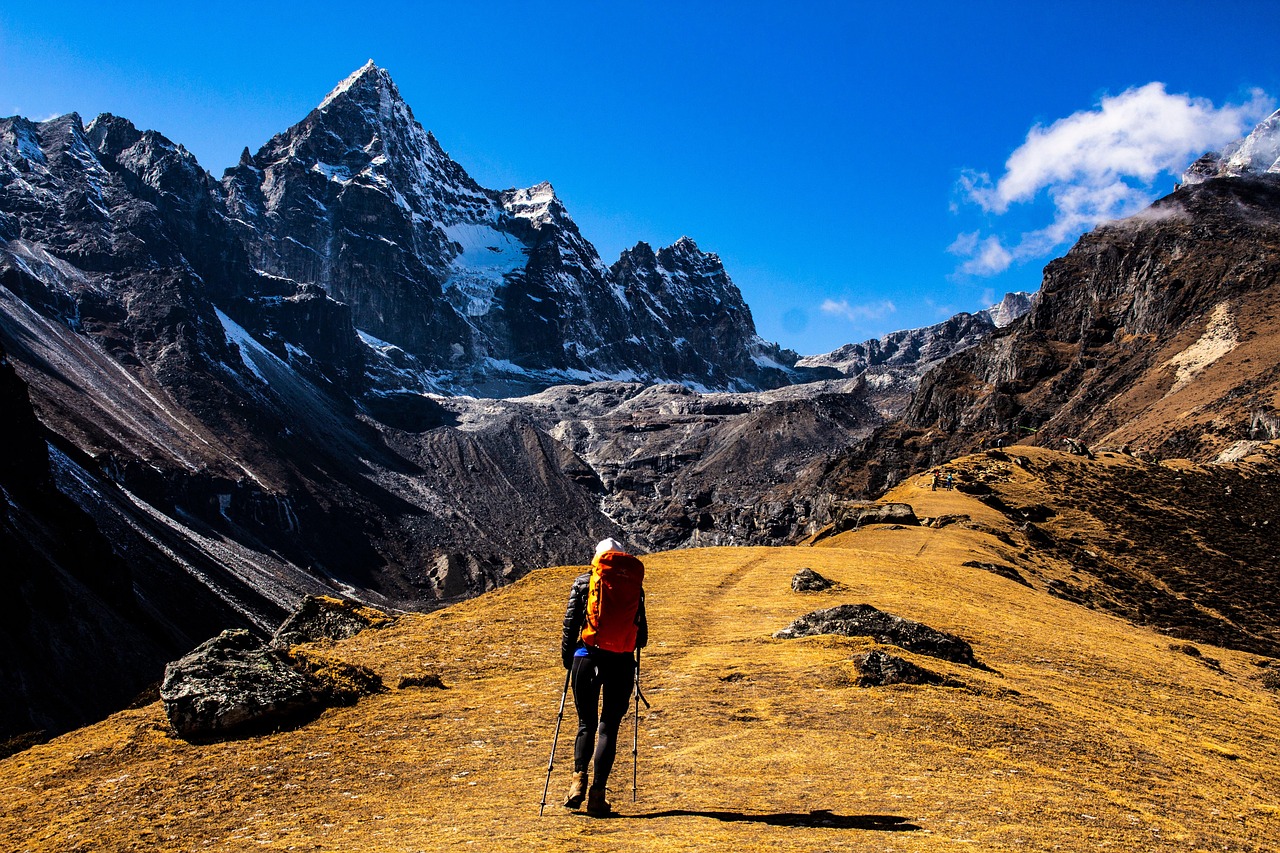
No nation on earth touches the sky like Nepal. Strung along the southern slope of the central Himalaya, this is the land where the planet rises to its greatest height, home to eight of the world’s fourteen highest peaks and to Everest itself, the roof of the world. But Nepal is far more than its mountains. It is one of the most diverse countries in Asia, a place where dozens of peoples, languages, and faiths are packed into a territory that descends from eternal snow to steamy jungle in the space of a hundred and fifty kilometres, and where Hindu and Buddhist worlds meet and mingle as nowhere else.
The Nepali are not a single people but a federation of many, bound together by a shared land, a shared lingua franca, and a long history as the one Himalayan state never to fall under colonial rule. Like their eastern neighbours in Bhutan, they kept their independence through the age of empires; like the peoples of the Indian plains below, such as the Assamese, they were shaped by the great currents of South Asian religion and culture. This is the story of how a constellation of mountain and valley peoples became the Nepali nation.
- Where the earth rises highest
- Many peoples, one nation
- The Newars and the city of temples
- The Sherpa and the people of the high snows
- Unification and the making of a kingdom
- The Gurkhas and a reputation forged in war
- A meeting of Hindu and Buddhist worlds
- The birthplace of the Buddha
- Festivals and the living goddess
- Dal bhat and the table of Nepal
- From kingdom to republic, a turbulent passage
- A people between earth and sky
Where the earth rises highest
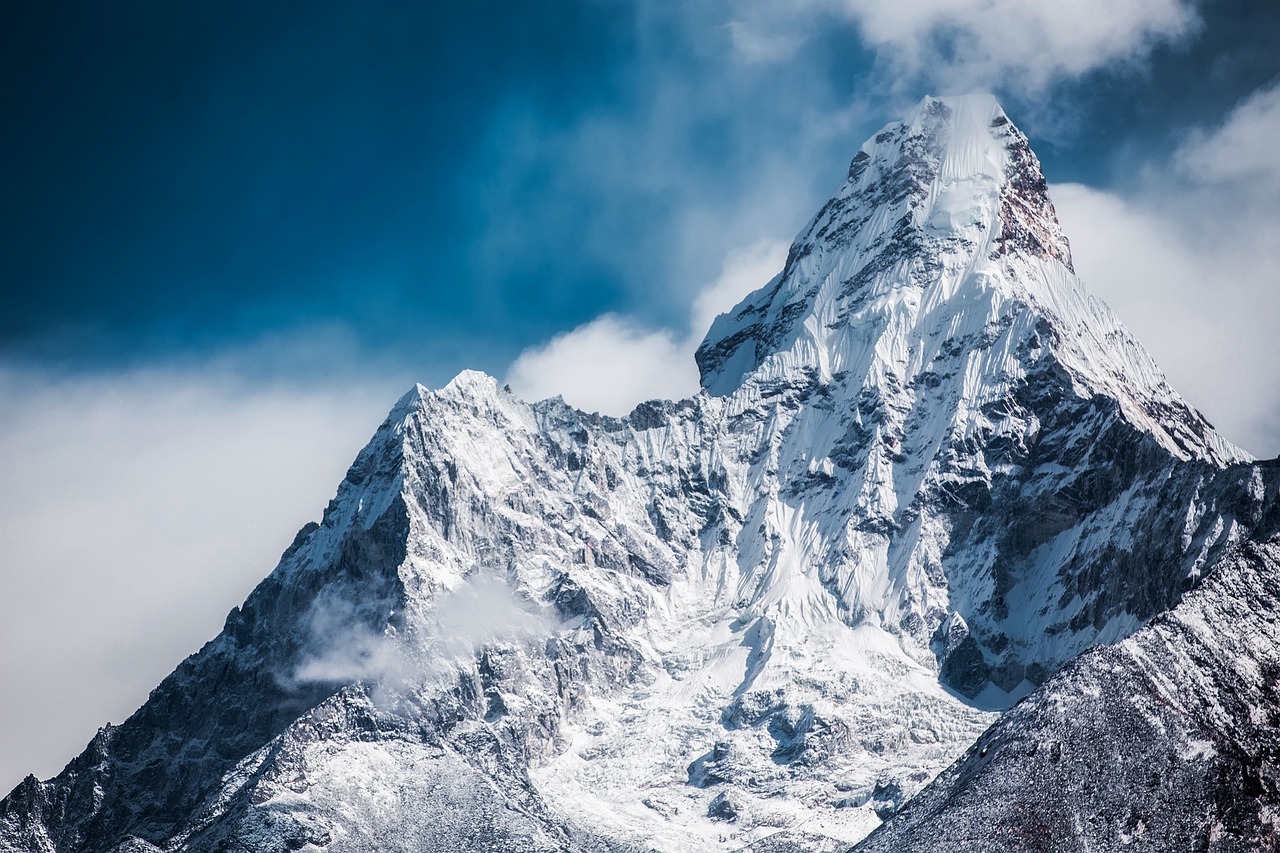
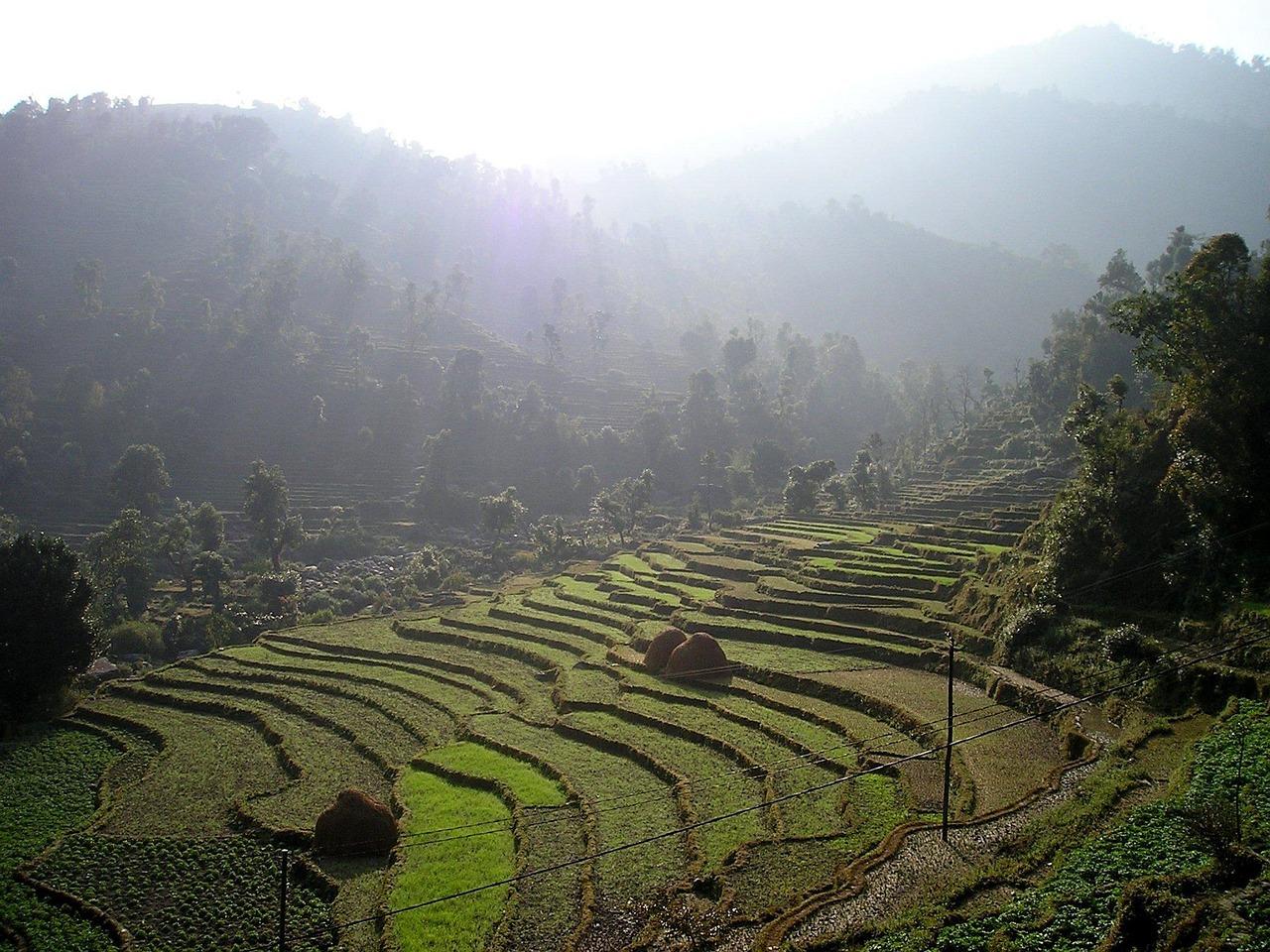
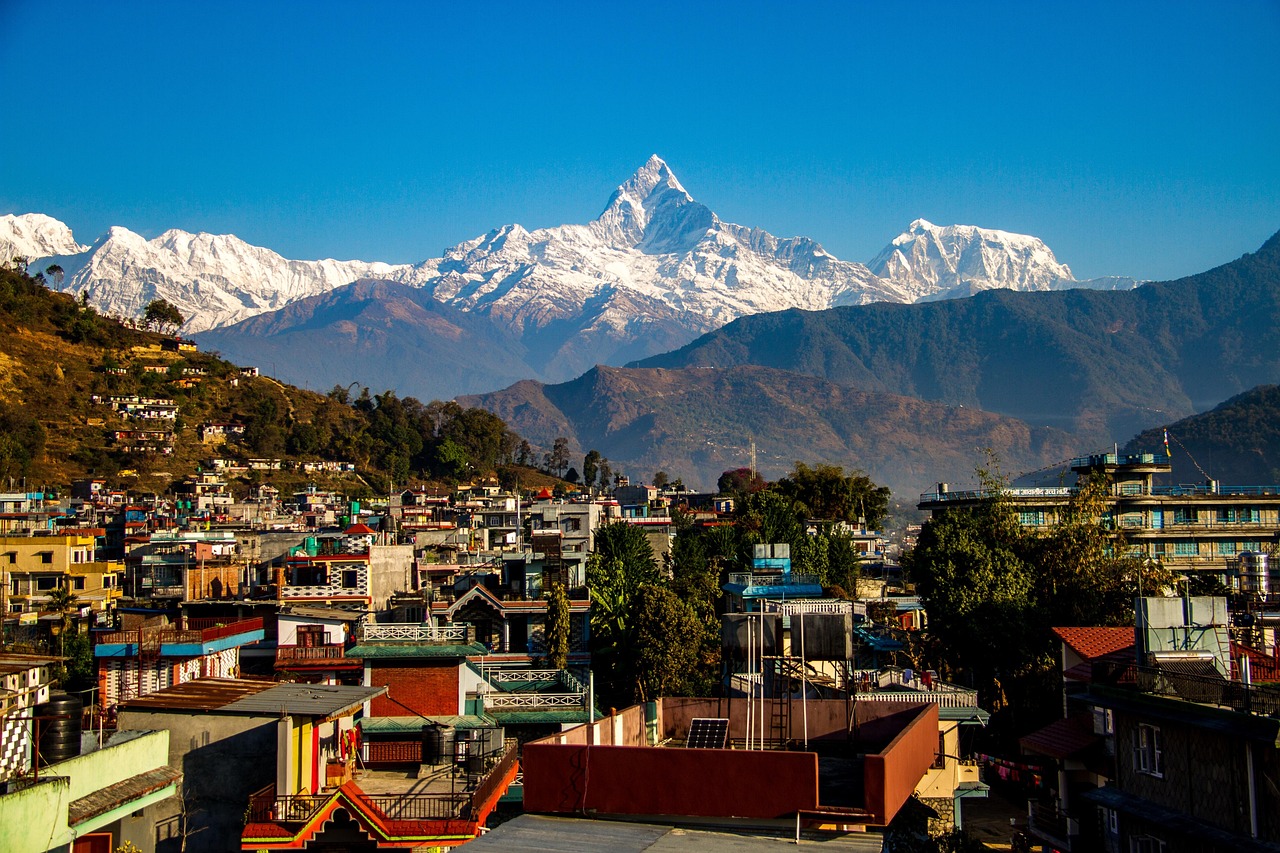
Nepal’s geography is among the most dramatic on earth. The land is arranged in great horizontal bands running from west to east. In the south lies the Terai, a strip of flat, fertile plain that is an extension of the Gangetic lowlands, hot and humid and increasingly the agricultural and population heartland of the country. Above it rise the middle hills, a vast region of ridges and river valleys at moderate elevations where much of the historic population has always lived. And above those tower the high Himalaya, the snow ranges that draw climbers and pilgrims from across the world.
This vertical arrangement created a country of astonishing variety packed into a small space. Within a single day’s travel one can move from subtropical forest where rhinos and tigers roam to alpine valleys beneath glaciers and peaks. Each band of altitude supports its own crops, its own animals, its own ways of life, and historically its own peoples, so that Nepal became a layered mosaic of communities stacked one above another up the mountainside.
The mountains have always been both barrier and blessing. They walled Nepal off, helping it preserve its independence and its bewildering diversity, while making travel and unity hard. The same peaks that isolated valley from valley now draw the trekkers and mountaineers whose visits have become a pillar of the national economy. To be Nepali is to live in the shadow of the highest mountains in the world, mountains that are at once the nation’s greatest pride, its spiritual heart, and a constant, looming presence in daily life.
Many peoples, one nation
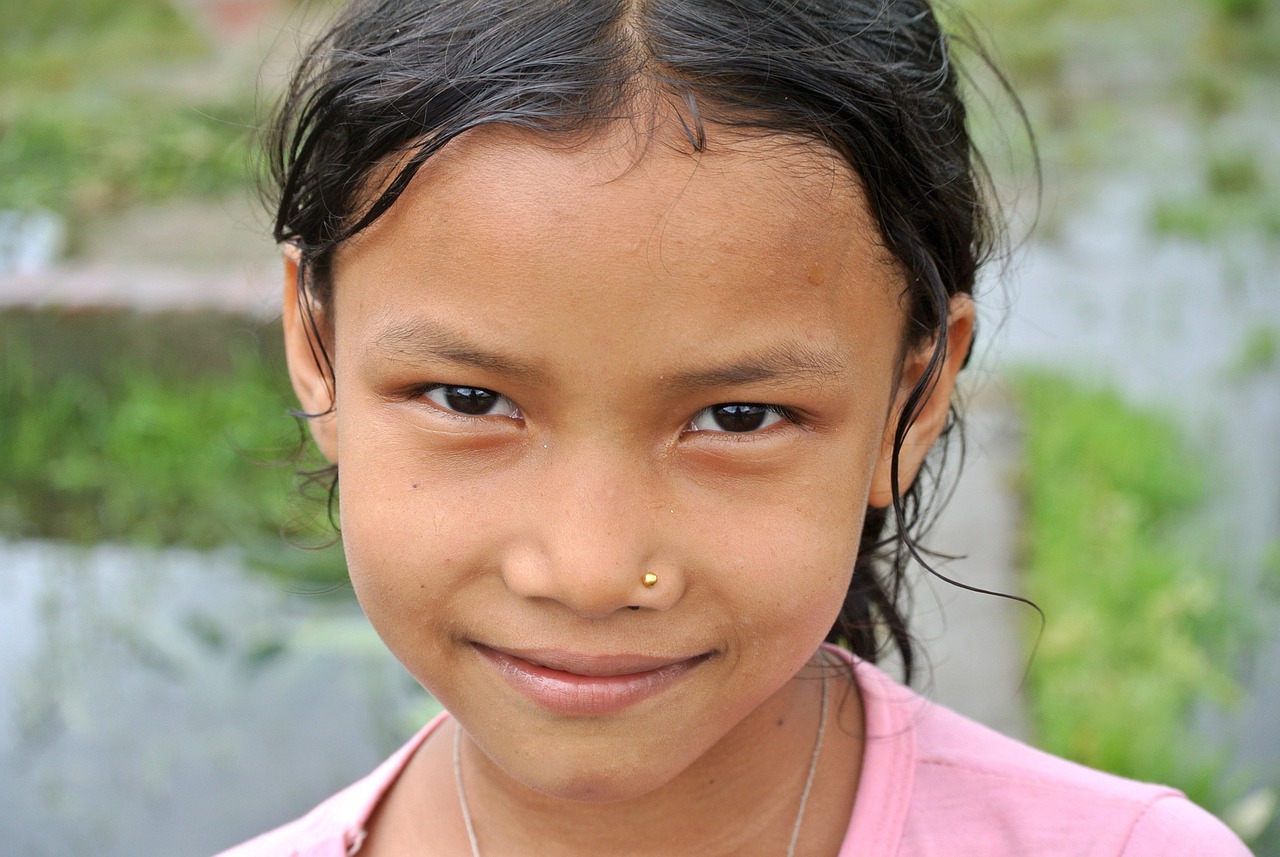
Nepal is one of the most ethnically and linguistically diverse countries in Asia, home to well over a hundred distinct groups speaking more than a hundred languages. Broadly, two great streams of humanity meet here. From the south and west came Indo-Aryan peoples, speakers of languages related to those of northern India, who brought Hinduism and the caste system into the hills. From the north and east came Tibeto-Burman peoples, related to the populations of Tibet and the eastern Himalaya, who carried Buddhist and animist traditions.
Out of this meeting grew the great patchwork of Nepali peoples: the hill Brahmins and Chhetris who long dominated the state, the Newars of the Kathmandu valley with their extraordinary urban civilization, the Magars and Gurungs and Tamangs of the middle hills, the Tharu of the southern plains, the Sherpa and other high-mountain communities, the Rai and Limbu of the east, and many more. Each has its own language, dress, festivals, and customs, and Nepal’s modern history has in large part been the struggle to forge a single nation that honours rather than erases this diversity.
Binding them together is the Nepali language, an Indo-Aryan tongue that became the lingua franca of the kingdom and the medium through which peoples of utterly different origins could communicate. Written in the same script as Hindi, Nepali is the mother tongue of many and the second language of almost all, the thread that stitches the mosaic into a country. Yet the persistence of so many other languages, several of them ancient and richly literary, keeps Nepal a genuinely plural society.
The Newars and the city of temples
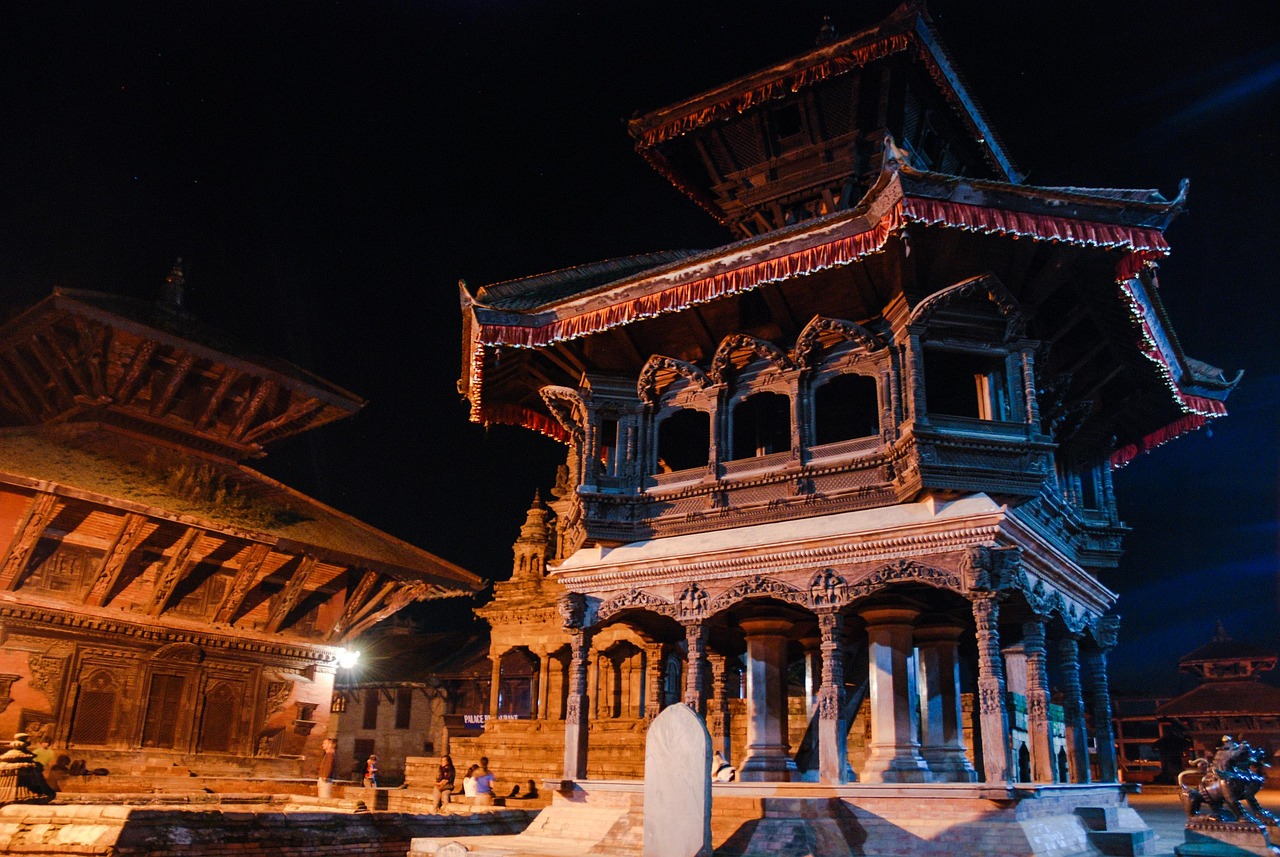
At the heart of Nepal, in every sense, lies the Kathmandu valley, and its original people, the Newars, created one of the most remarkable urban civilizations of the Himalaya. For many centuries, before the modern state existed, the valley was a world unto itself, a bowl of fertile land studded with city-states whose rulers competed to build ever more magnificent palaces, temples, and public squares. The result was an architectural splendour without parallel in the mountains, a dense concentration of art and craft that has earned the valley a place among the cultural treasures of the world.
The Newars are master builders, sculptors, metalworkers, and painters, and their towns of Kathmandu, Patan, and Bhaktapur are crowded with multi-tiered pagoda temples, intricately carved wooden windows, gilded shrines, and great public squares. The pagoda form itself, with its stacked sloping roofs, is often credited to Newar genius and is said to have spread from here across the Buddhist world. Their society blends Hindu and Buddhist practice so thoroughly that the same family may honour both, and their festivals fill the valley’s calendar with colour and ritual.
The Newar language, a Tibeto-Burman tongue with its own long literary tradition, and the Newar way of life centred on the courtyard, the guild, and the festival, give this people a distinct and ancient identity. Though they are now a minority in their own crowded valley, swelled by migrants from across the country, the Newars remain the keepers of the urban, artistic soul of Nepal, and their cities are the showcase of all that the country’s culture can achieve.
The Sherpa and the people of the high snows
If one Nepali people is known around the world, it is the Sherpa. Originally migrants from Tibet who settled the high valleys around Everest many centuries ago, the Sherpa are a Buddhist mountain people superbly adapted to life and labour at extreme altitude. Their name has become almost synonymous with mountaineering, for it was the Sherpa who made possible the conquest of the great Himalayan peaks, carrying loads, fixing ropes, and guiding climbers through the most dangerous terrain on earth.
The bond between the Sherpa and the mountains is both economic and spiritual. They regard the peaks as sacred, the abodes of gods and protective deities, and their villages are dotted with monasteries, prayer flags, and the carved stones of their Tibetan Buddhist faith. The opening of Everest to climbers transformed their world, bringing income and fame but also danger and loss, for it is the Sherpa who bear the greatest risks on the mountain, and many have died in its service.
The Sherpa are only the most famous of Nepal’s many high-mountain and hill peoples, each adapted to its own altitude and each contributing to the national story. But their courage, their endurance, and their quiet competence in the world’s most hostile terrain have made them a symbol, both of Nepal and of the human capacity to live and work where the air itself grows thin. The word Sherpa has entered languages across the globe as a byword for a trusted guide.
Unification and the making of a kingdom
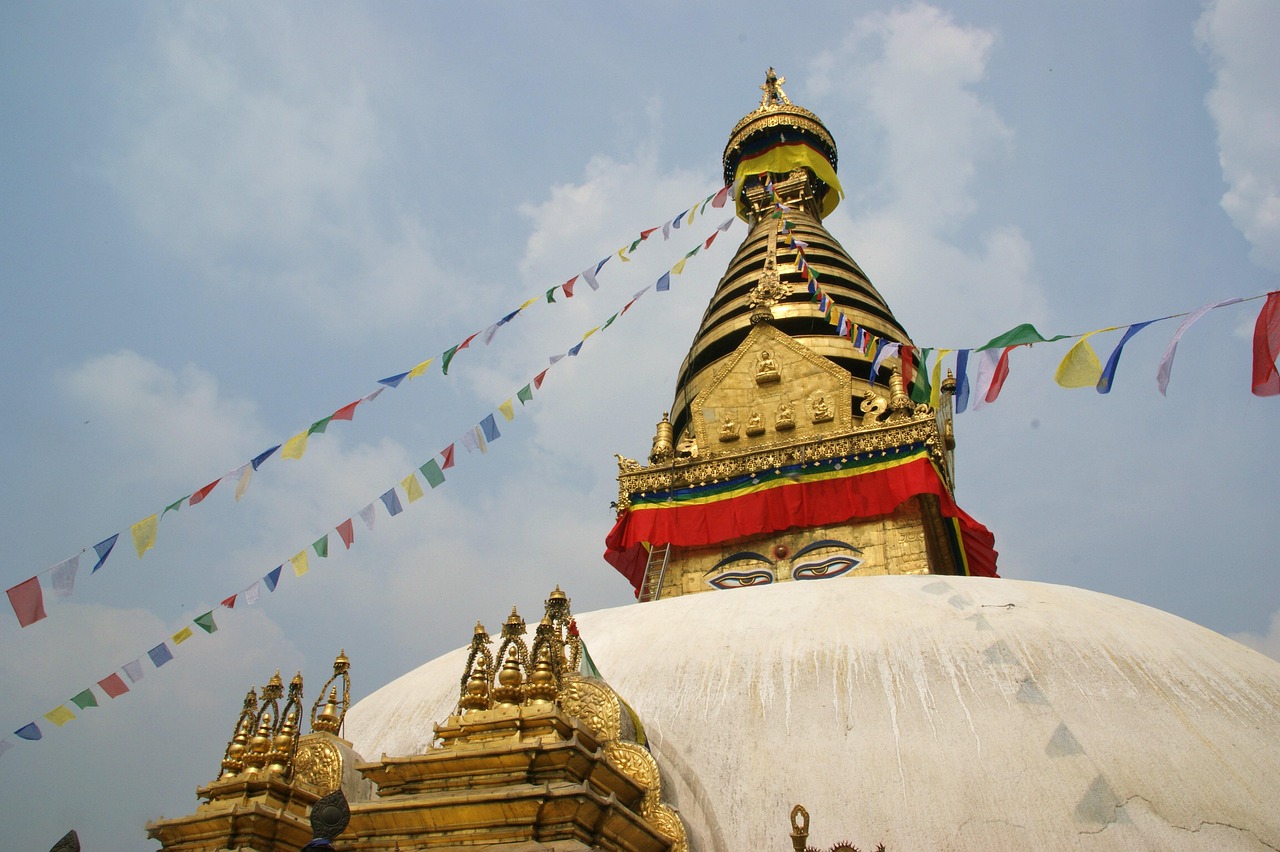
For most of history the territory of Nepal was divided among many small kingdoms and principalities, the city-states of the Kathmandu valley among them. The modern nation was forged in the eighteenth century by an ambitious ruler of the small hill kingdom of Gorkha, who through a long series of campaigns conquered and united the valley and the surrounding hills into a single expanding state. From his line came the kingdom of Nepal, and from the name of his home kingdom came the word by which its soldiers would become famous: Gurkha.
The new kingdom expanded rapidly across the hills until it collided with the growing power of British India to the south. The war that followed ended in a treaty that fixed Nepal’s borders and checked its expansion, but it left the country independent, the one Himalayan state never to be colonized. For more than a century real power was held not by the kings but by a hereditary line of prime ministers who ruled as the true masters of the country and kept Nepal largely sealed off from the outside world.
This long isolation preserved Nepal’s diversity and independence but left it poor and undeveloped when it finally opened in the mid-twentieth century. The monarchy reasserted its authority, the country began its slow, difficult engagement with the modern world, and the foundations were laid for the turbulent journey from absolute kingdom to the republic of today. Through all these changes the sense of Nepal as a single nation, forged by the Gorkha conquest, endured.
The Gurkhas and a reputation forged in war
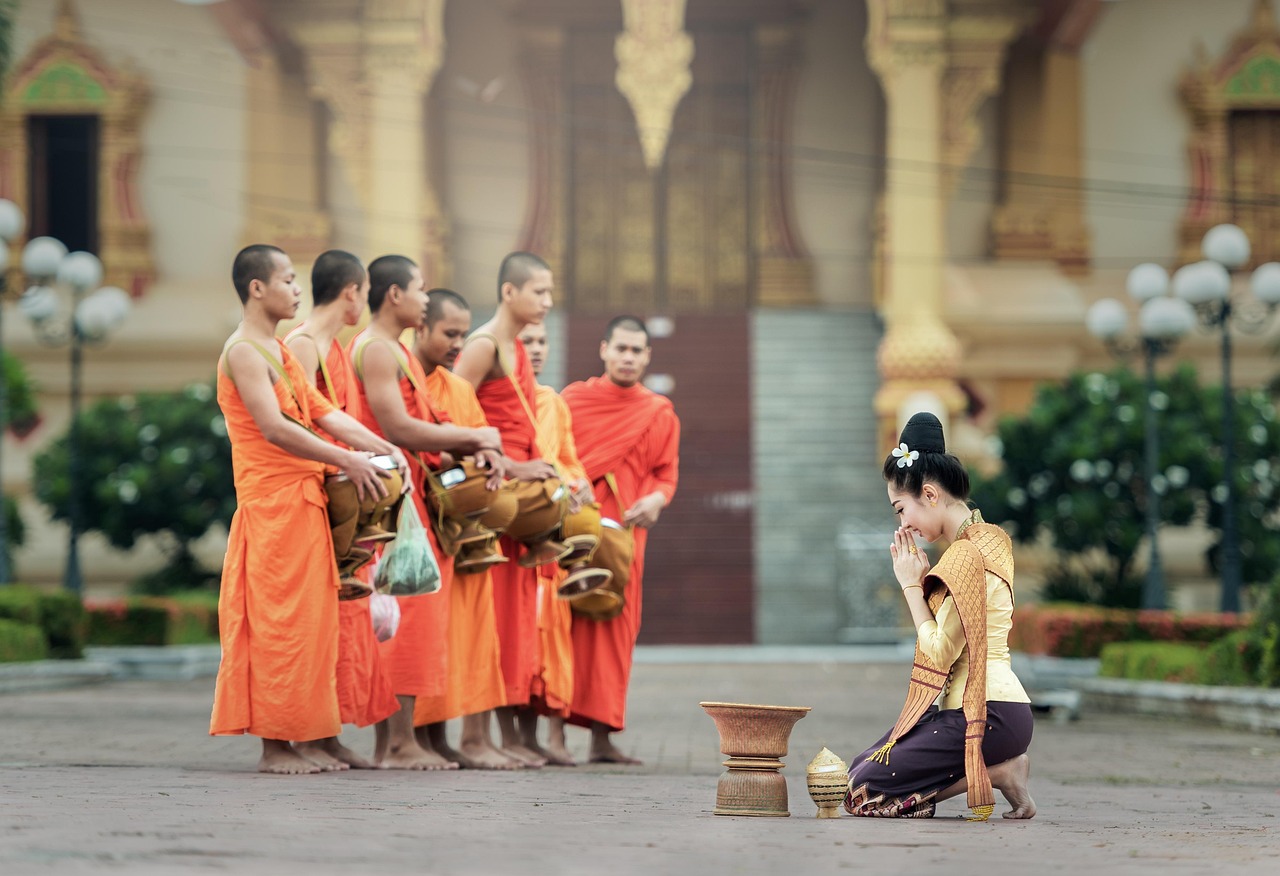
Out of the Gorkha conquest came the Gurkhas, the soldiers whose name has become legendary in the annals of war. Impressed by the ferocity of the hill fighters they had faced, the British began recruiting Nepali men, chiefly from the Magar, Gurung, Rai, Limbu, and other martial communities of the hills, into their own army. For more than two centuries these Gurkha soldiers have served with extraordinary distinction, earning a reputation for courage, loyalty, and toughness that few fighting forces in the world can match.
The Gurkhas became famous for their curved kukri knives, their discipline, and their fearlessness, and they fought in the great wars of the modern era far from their mountain homes, winning honours and a place in military legend. Service in foreign armies, and the pensions and prestige it brought, became a defining feature of life for many hill families, and the figure of the Gurkha soldier remains one of the proudest emblems of Nepali identity.
The tradition continues today, with young Nepali men still competing fiercely for the few places in Gurkha regiments, and with Nepali soldiers serving in peacekeeping missions around the globe. The Gurkha story is also a story of the wider Nepali experience of going abroad to work, for migration, whether as soldiers, labourers, or professionals, has long been woven into the fabric of a country whose mountains offered limited opportunity at home.
A meeting of Hindu and Buddhist worlds
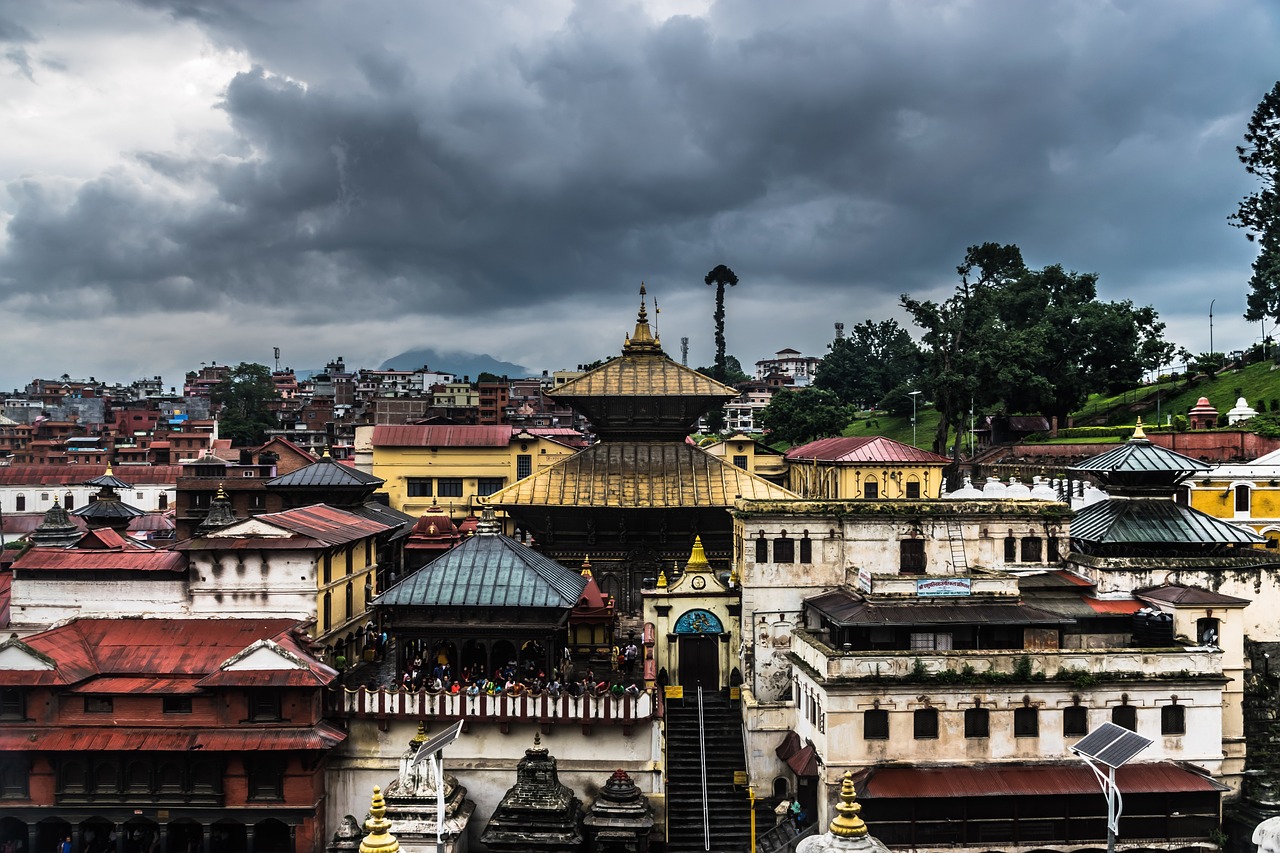
Nepal is the meeting place of two of the world’s great religions, and the way they coexist here is one of the country’s defining features. For most of its modern history Nepal was the world’s only officially Hindu kingdom, and Hinduism, brought by the Indo-Aryan peoples and embraced by the ruling castes, shaped the law, the calendar, and the social order. The great temple of Pashupatinath on the banks of the Bagmati is among the holiest shrines in the entire Hindu world, drawing pilgrims and ascetics from across the subcontinent.
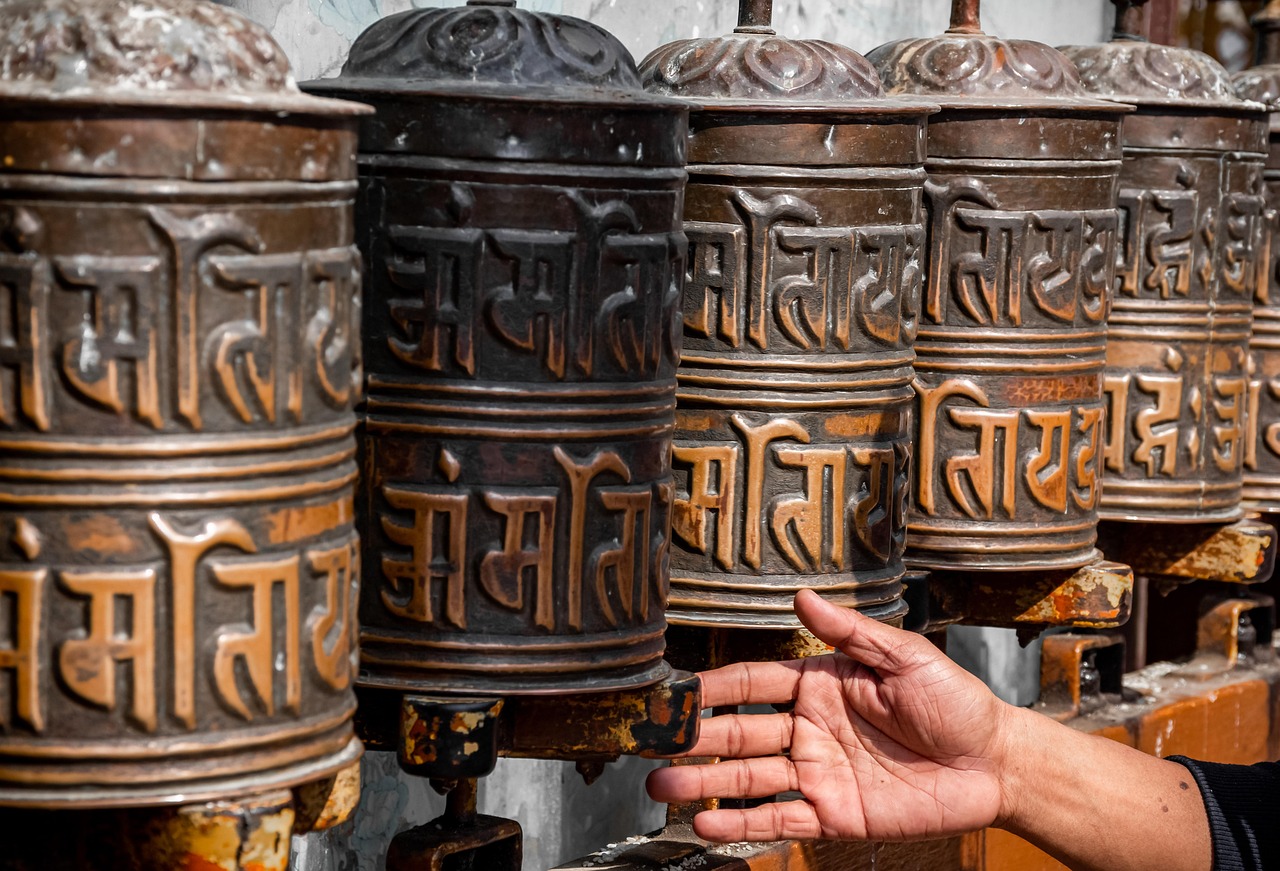
Yet woven through this Hindu framework is a deep and ancient Buddhism, carried by the Tibeto-Burman peoples of the hills and high mountains and concentrated in the monasteries of the north and the great stupas of the Kathmandu valley. The towering dome of Boudhanath, its painted eyes gazing in four directions, is one of the largest stupas on earth and a centre of Himalayan Buddhist life. In Nepal the two faiths do not merely tolerate one another; they interpenetrate, sharing gods, shrines, and festivals in a way that blurs the boundary between them.
This religious blending reaches its fullest expression among peoples like the Newars, whose practice fuses Hindu and Buddhist elements so completely that the two cannot easily be separated. Layered beneath both are older animist and shamanic traditions of the hill peoples, honouring local spirits, mountains, and ancestors. The result is one of the richest and most complex religious landscapes in the world, where temple and stupa stand side by side and a single festival may belong to everyone.
The birthplace of the Buddha
Among Nepal’s claims to a place in world history, none is greater than this: it is the birthplace of the Buddha. In the Terai plains of the south, at Lumbini, the prince Siddhartha Gautama, who would become the Buddha and found one of the world’s great religions, was born some twenty-five centuries ago. The site, marked by ancient ruins, a sacred pool, and a pillar raised by an early emperor, is one of the most important pilgrimage destinations on earth and a source of immense national pride for Nepal.
That the founder of Buddhism was born on Nepali soil gives the country a unique spiritual prestige, and Lumbini draws pilgrims and visitors from across the Buddhist world, from Sri Lanka to Japan, many of whom have built temples there in their own national styles. For Nepal, a country where Buddhism and Hinduism are so deeply entwined, the birthplace of the Buddha is both a religious treasure and a powerful symbol of the nation’s place at the crossroads of Asian civilization.
The legacy of the Buddha runs through Nepali life far beyond Lumbini, in the monasteries of the high valleys, the great stupas of the capital, and the daily devotions of millions. The country that gave the world its great teacher has remained, through all its turbulence, a place where the contemplative traditions of Asia are kept alive in temple, monastery, and mountain hermitage.
Festivals and the living goddess
The Nepali year is crowded with festivals, and they are the great expressions of the country’s blended culture. The two largest, Dashain and Tihar, fill the autumn with weeks of celebration. Dashain, the longest and most important, marks the triumph of the goddess over a demon and is a time of family reunion, feasting, the giving of blessings by elders, and the sacrifice of animals. Tihar, the festival of lights, honours various animals and the goddess of wealth, and fills the towns with lamps, garlands, and song.
Among the most extraordinary of Nepal’s living traditions is the Kumari, the living goddess of the Kathmandu valley. A young girl, chosen from a particular Newar community according to strict criteria, is venerated as the embodiment of a goddess, living in a special house and appearing at festivals to bless the people, until she reaches an age at which she returns to ordinary life and a new Kumari is chosen. It is a custom found almost nowhere else, a vivid survival of the valley’s ancient fusion of Hindu and Buddhist devotion.
Beyond these, every people and every valley has its own festivals, tied to harvest, to deity, to season, and to the lunar calendar. The colour and frequency of these celebrations, in which whole communities pour into temple courtyards and city squares, are among the most striking features of Nepali life, binding the diverse peoples of the country to their faiths and to one another in an endless round of shared ritual.
Dal bhat and the table of Nepal
The everyday food of Nepal is summed up in two words: dal bhat. This is the national meal, eaten by most Nepalis twice a day, every day: a mound of rice, bhat, served with dal, a soup of lentils, and accompanied by a vegetable curry, a pickle or chutney, and, when available, meat. Simple, nourishing, and endlessly varied in its details, dal bhat is the foundation of the Nepali table and a meal whose power to sustain trekkers and labourers alike is celebrated in the saying that dal bhat gives twenty-four-hour energy.
Around this staple the cuisine reflects the country’s diversity. The Newars of the valley have an elaborate culinary tradition of their own, rich with meat dishes, fermented foods, and festival delicacies. The peoples of the high mountains, shaped by Tibetan influence, eat the dumplings called momos, now beloved across the whole country, and hearty noodle soups suited to the cold. The plains of the south share much with the food of northern India, and everywhere the local pickles and chillies add their fire.
Food in Nepal, as across South Asia, is bound up with hospitality, caste, and religion, and the sharing of dal bhat is a daily act of family and community. The momo, in particular, has become a unifying national favourite, a dish of Himalayan origin that everyone from the mountains to the plains now claims and loves, a small edible emblem of a diverse people slowly becoming one.
From kingdom to republic, a turbulent passage
The recent history of Nepal has been one of dramatic and often painful transformation. For much of the twentieth century the country was an absolute monarchy, opening only slowly to democracy and development. In the 1990s a popular movement forced the king to accept a constitutional role, but the new democracy proved fragile, and toward the end of the decade the country was plunged into a decade-long civil war as a Maoist insurgency rose against the state, a brutal conflict that cost many thousands of lives across the hills.
The early years of this century brought shock after shock: a horrific massacre within the royal family, the war’s continuation, and at last a peace agreement that brought the Maoists into politics. In a moment of extraordinary change, the monarchy itself was abolished, and Nepal was declared a federal democratic republic, ending centuries of kings and remaking the country’s identity. The long, difficult work of writing a constitution that could hold the diverse nation together followed, amid fierce debate over how to share power among its many peoples.
Then, in 2015, a massive earthquake struck, killing thousands, destroying countless homes, and damaging many of the historic temples and palaces of the Kathmandu valley. The Nepali people, with characteristic resilience, set about rebuilding, restoring their ancient monuments and their shattered villages. Through war, revolution, and disaster, the deep structures of Nepali life, the family, the festival, the faith, and the land itself, have endured, carrying the nation through one of the most turbulent passages in its history.
A people between earth and sky
The Nepali are a people who live, quite literally, between earth and sky, in the place where the land of the subcontinent climbs to meet the heavens. Out of a dizzying diversity of peoples, languages, and faiths they have built a single nation, never colonized, never conquered, that gave the world the Buddha, the Gurkha, the Sherpa, and the highest mountains on earth. Theirs is a country of staggering contrasts, from the jungles of the Terai to the summit of Everest, from the temple cities of the valley to the monasteries of the high snows.
Like their neighbours the Bhutanese to the east and the Bengalis of the plains to the south, the Nepali sit at a great crossroads of Asian civilization, where the Indo-Aryan and Tibeto-Burman worlds, the Hindu and Buddhist faiths, meet and mingle. But Nepal alone holds the roof of the world, and the Nepali alone can call the highest place on earth their home. That fact has shaped their history, their faith, and their sense of themselves more than any other.
The journey ahead is uncertain. A young republic, scarred by war and earthquake, poor in resources and rich in people, sends many of its sons and daughters abroad in search of work even as it strives to build a future at home. Yet the Nepali have proven, again and again, a people of remarkable endurance, hospitality, and faith. Between the plains and the peaks, in the shadow of the great mountains, they carry on, diverse and divided and yet unmistakably one, a nation that touches the sky.
You May Like
The Damara, an Ancient People of Namibia


7 thoughts on “Between the Plains and the Peaks, the Story of the Many Peoples of Nepal”
Comments are closed.