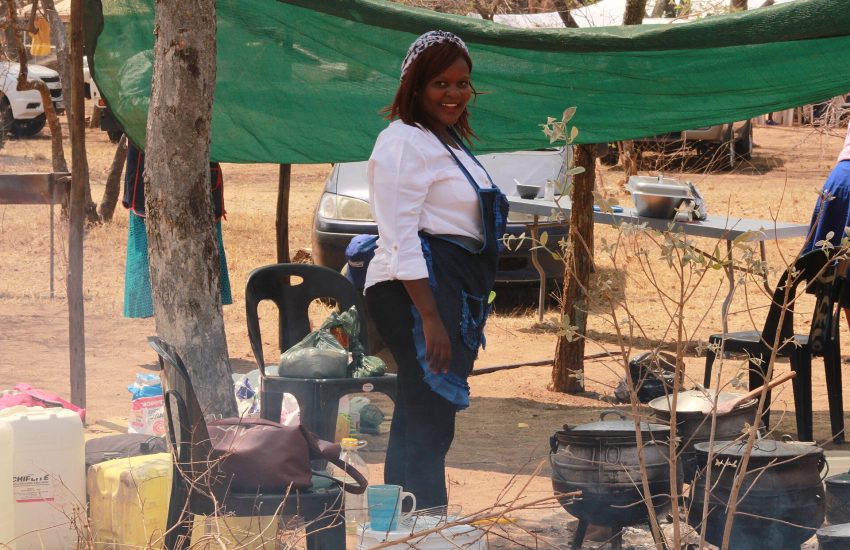
Spread across the green ridges and river valleys of western and central Nepal live the Magar, one of the oldest and most numerous of the country’s indigenous peoples. From the foothills near the plains to the high valleys beneath the snows, the Magar have farmed the terraces, served in famous armies, and preserved a culture that blends the religions and customs of the wider Himalaya into a distinctive whole.
Like the neighbouring Gurung and Tamang, the Magar belong to the Tibeto-Burman family of hill peoples, yet they are spread more widely and more deeply integrated into the Hindu mainstream of Nepal than almost any other such group. Their long history is woven into the very founding of the modern Nepali state.
This profile follows the Magar along the lines of the rest of the series: their origins and language, the western hill homeland, the layered religion of Hindu, Buddhist, and shamanic strands, the Maruni dance and the music of the hills, the food, the martial tradition, and the migration reshaping their world today.
- Origins and the Magar Name
- Language and Its Branches
- The Homeland of the Western Hills
- Religion, Hinduism, Buddhism and the Shaman
- Society, Clans and Subgroups
- Festivals and the Ritual Year
- Music and the Maruni Dance
- Dress and Ornament
- Food of the Hills
- The Martial Tradition
- Livelihood, Farming and Migration
- The Magar Today
Origins and the Magar Name
The Magar are among the most ancient inhabitants of the Nepali hills, and their presence in the western and central ranges is attested far back into the country’s history. The origin of the name itself is uncertain, lost in the deep past, but the people it describes have long been recognised as one of the foundational communities of the central Himalaya.
Belonging to the broad Tibeto-Burman world, the Magar trace their roots to the early peopling of the middle hills, where they cleared land, cut terraces, and built villages across a wide swathe of country from the foothills to the high valleys. Their wide distribution sets them apart from peoples confined to a single district.
Because their early history was recorded by others, it must be reconstructed from language, ritual, archaeology, and the testimony of tradition. Several small kingdoms in the western hills before Nepal’s unification were associated with Magar populations, a sign of their long-established place in the region.
The Magar thus appear in the historical record as a people deeply rooted in the land, present at the foundations of hill society and destined to play a central role in the rise of the unified Nepali kingdom that would later absorb their homelands.
Some historians count the Magar among the very oldest identifiable ethnic communities of the central Himalaya, a people whose roots in the region predate many of the political units that later rose and fell around them. This antiquity gives the Magar a special place in the national imagination, as a foundational stock from which much of hill society is descended, and it underlies their claim to be among the original inhabitants of the land that became Nepal.
Language and Its Branches

The Magar language belongs to the Tibeto-Burman family, but it is notably diverse, divided into branches that differ so much they can be hard to mutually understand. The principal division lies between the Magar of the eastern part of the homeland and the Kham Magar of the more remote western highlands, whose speech is quite distinct.
This internal diversity reflects the wide geographic spread of the Magar and the relative isolation of mountain valleys, where dialects drifted apart over centuries. Scholars treat the Magar languages almost as a small cluster rather than a single uniform tongue.
For most of their history these languages were carried in speech, in song and ritual chant, while the Indo-Aryan Nepali served as the medium of administration and the wider society. Many Magar, especially in the more accessible hills, shifted heavily toward Nepali over generations.
Modern efforts to document and revive the Magar languages, including writing them and teaching them, confront both this internal diversity and the strong pull of Nepali. Maintaining the tongues, especially the more endangered Kham Magar, has become an important goal of cultural activism.
The gulf between the eastern Magar speech and the Kham Magar of the western highlands is so wide that linguists sometimes treat them as separate languages rather than dialects of one, a reminder that what administrators count as a single people can contain real internal diversity. For language activists this poses a particular challenge, since reviving Magar speech means attending to several distinct tongues rather than promoting one standard form.
The Homeland of the Western Hills

The Magar homeland stretches across the western and central hills of Nepal, a broad band of country far larger than the territory of most hill peoples. It takes in districts of the Gandaki and Lumbini regions and reaches westward into the more remote highlands, with historic centres such as Palpa long associated with Magar settlement.
Within this expanse the Magar occupy a range of environments, from the lower foothills near the plains to high mountain valleys beneath the snows. The eastern Magar tend to live in the more accessible middle hills, while the Kham Magar inhabit the rugged, isolated highlands of the west.
Their villages sit on terraced slopes suited to grain and livestock, and the wide distribution means that Magar communities neighbour many other peoples, from the lowland groups near the plains to the high-mountain peoples of the north. This has made them one of the most widely encountered of Nepal’s hill peoples.
The variety of the homeland is mirrored in the variety of Magar life, for a people spread across so many valleys and altitudes inevitably developed regional differences in speech, custom, and the precise blend of religious traditions they followed.
Because the Magar homeland is so extensive, the people effectively form a connective thread running through the western and central hills, neighbouring lowlanders, fellow hill peoples, and high-mountain communities in turn. This wide footprint helps explain both their large numbers and the regional variety of their culture, for no single valley or custom can stand for the whole of so dispersed a nation.
Religion, Hinduism, Buddhism and the Shaman
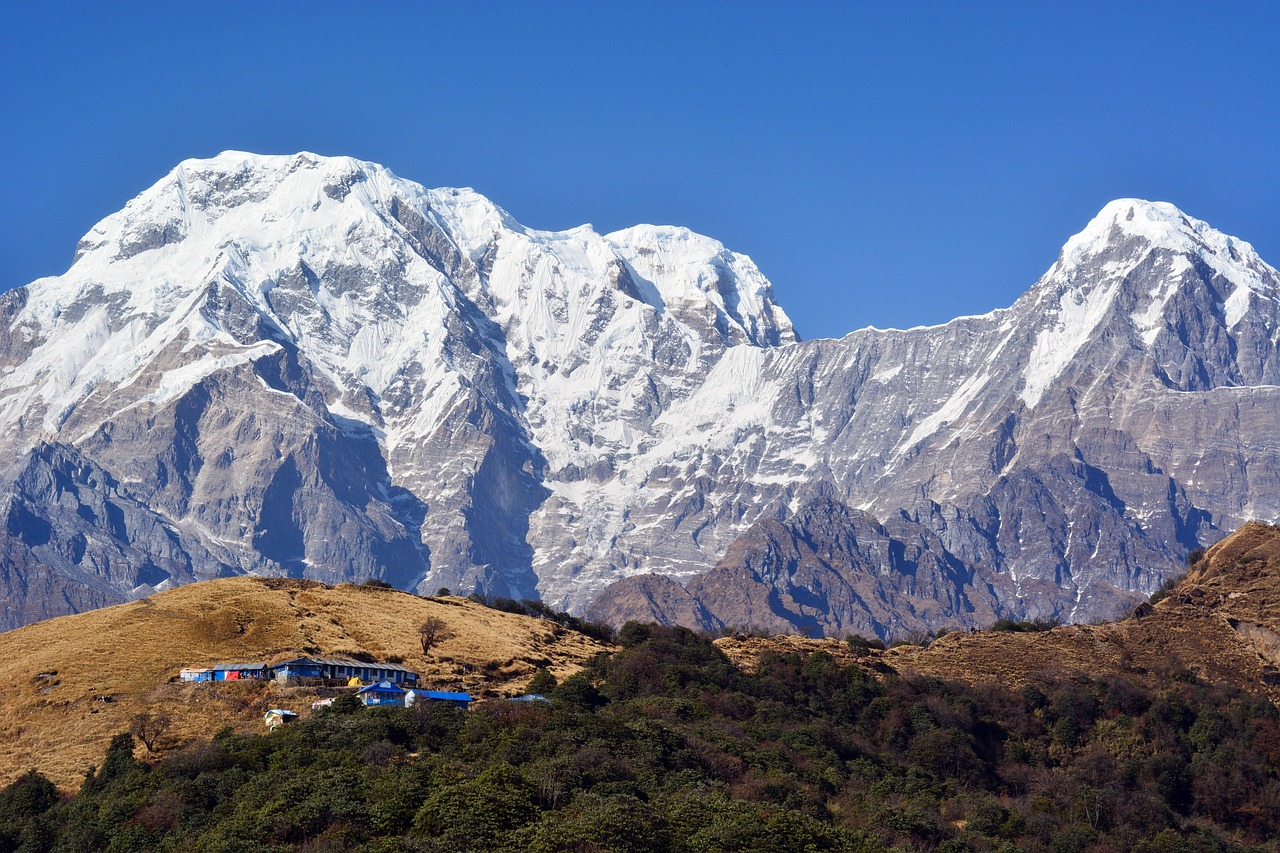
Magar religion reflects their deep integration into the wider society of Nepal. Many Magar follow Hinduism, absorbed over long centuries of contact with the Hindu kingdoms and the Nepali mainstream, while others, especially in the north and west, follow Tibetan Buddhism, and beneath both runs a strong current of indigenous shamanism.
The traditional ritual specialists and shamans handle the spirits, the ancestors, and the unseen forces of the land, presiding over healing and the rites that protect household and village. As among other hill peoples, this older stratum coexists with the world religions rather than being replaced by them.
The balance of Hindu, Buddhist, and shamanic elements varies across the wide homeland. Magar nearer the Hindu plains and the centres of state power tend toward Hinduism, while the Kham Magar of the remote highlands preserve more of the Buddhist and indigenous traditions of the high Himalaya.
This religious flexibility is itself characteristic of the Magar, a people who, more than most, blended into the dominant culture of Nepal while keeping alive the shamanic and communal practices that mark them as a distinct indigenous nation.
The spectrum of Magar belief, running from thoroughly Hindu communities in the south and east to strongly Buddhist and shamanic ones in the western highlands, makes the people a kind of living map of how religion settled across the Nepali hills. A Magar village near the plains may keep a calendar almost indistinguishable from that of its Hindu neighbours, while a Kham Magar settlement in the remote west preserves rites that look toward Tibet and the older shamanic past.
Society, Clans and Subgroups

Magar society is organised through clans and is divided into the broad subgroups that distinguish, above all, the eastern Magar from the Kham Magar of the west. Clan membership orders marriage, ritual duty, and the obligations of kinship that bind households into cooperative networks.
As in other hill societies, cross-cousin marriage and exchange between kin groups have been recognised in custom, keeping alliances and property within trusted networks. Cooperative labour, the authority of elders, and the bonds of clan held villages together through the demanding agricultural year.
The wide spread of the Magar and their close contact with many other peoples meant that local custom varied considerably, and that intermarriage and cultural exchange with neighbours shaped Magar society in different ways in different regions.
Deep integration into the Nepali mainstream has further shaped Magar social life, drawing many into the institutions, language, and customs of the wider society while leaving the underlying logic of clan and kin obligation intact at the village level.
The deep absorption of many Magar into the caste-ordered society of the Hindu hills set them on a different path from the more self-contained high-mountain peoples, and over centuries it shaped marriage, occupation, and status in ways that varied sharply from one part of the homeland to another. Yet beneath these adaptations the clan remained the durable core of Magar social identity, the unit through which a person knew their kin, their obligations, and their place.
Festivals and the Ritual Year
The Magar ritual year reflects their mixed religious heritage. Those who follow Hinduism mark the great festivals of the Nepali Hindu calendar, such as Dashain and Tihar, while Buddhist and indigenous observances order the year of others, and the agricultural calendar everywhere brings its own seasonal rites.
Distinctly Magar celebrations and the rites of passage that mark birth, marriage, and death gather the community, repay the bonds of hospitality, and transmit song and custom to the young. As elsewhere, these occasions have become vital threads pulling dispersed kin back to the home village.
In the more Buddhist and indigenous areas, the festivals echo those of the wider Himalayan world, with offerings to local deities and the spirits of the land, while in the Hinduised areas the Magar share fully in the national festival calendar.
Public celebration of Magar identity, in cultural events and the work of ethnic associations, has added a new dimension to the festival year, as a widely scattered people uses these gatherings to reaffirm a common heritage across regional and religious differences.
This division of the festival year, Hindu in some regions and Buddhist or indigenous in others, means that to speak of a single Magar calendar is misleading; what unites the people is less a shared set of holy days than a shared sense of belonging that the festivals, whatever their origin, are made to express. Increasingly, self-consciously Magar cultural celebrations have grown up alongside the inherited religious calendar to give that common identity a public form.
Music and the Maruni Dance

Magar culture is rich in song and dance, and among the most celebrated forms is the Maruni, a vibrant dance in which performers in bright costume, traditionally including men dressed as women, dance to the rhythm of drums and other instruments, especially during the festival season.
Other dances, drumming, and a deep tradition of song accompany the festivals, weddings, and gatherings of Magar life. The themes of the songs range across love, labour, the mountains, soldiering, and separation, the last reflecting the long Magar experience of military service and migration.
Music and dance among the Magar are vehicles of memory and identity, carrying story and sentiment across the generations and binding scattered communities to a shared culture. They feature prominently in the public cultural events through which the Magar assert their heritage.
The Maruni in particular, performed widely across the hills and in the diaspora, has become one of the most recognisable expressions of Magar culture, a colourful and joyful display that marks the festival season across the homeland and beyond.
The cross-dressing element of the Maruni, in which male dancers take female roles in elaborate costume, gives the dance a theatrical exuberance that has made it a favourite far beyond Magar communities, performed at festivals and weddings across the hills. Like the songs that accompany it, the dance carries an emotional charge that ranges from festive joy to the ache of the migrant and the soldier far from home.
Dress and Ornament
Traditional Magar dress suits the hill climate and shares much with the wider costume of the Nepali hills. Women have worn wrapped skirts, blouses, and shawls, with distinctive ornaments and jewellery, while men wore the hill dress of labeda-suruwal, a cap, and a waistcoat, adding woollen garments in the highlands.
As elsewhere, ornament marked status, wealth, and married life and served as a store of family value, while woven and homespun goods answered the practical needs of mountain living. The bright costumes of the Maruni and other dances are an especially visible expression of Magar dress.
Everyday wear today is largely modern and factory-made, and the older costume has become the dress of festivals, weddings, and cultural performance, worn with conscious pride as a marker of Magar identity in a changing world.
Regional variation in dress, as in language and custom, reflects the wide spread of the Magar across the western and central hills, with differences between the eastern Magar and the Kham Magar of the remote highlands.
In the highland west, where the Kham Magar live closer to the Tibetan world, dress leans toward the heavy woollens and distinctive ornaments of the high mountains, while in the lower hills it resembles more closely the costume of the surrounding Hindu society. The traditional outfit, increasingly reserved for special occasions, has thus become a way of signalling not only Magar identity in general but the particular region and tradition from which a person comes.
Food of the Hills
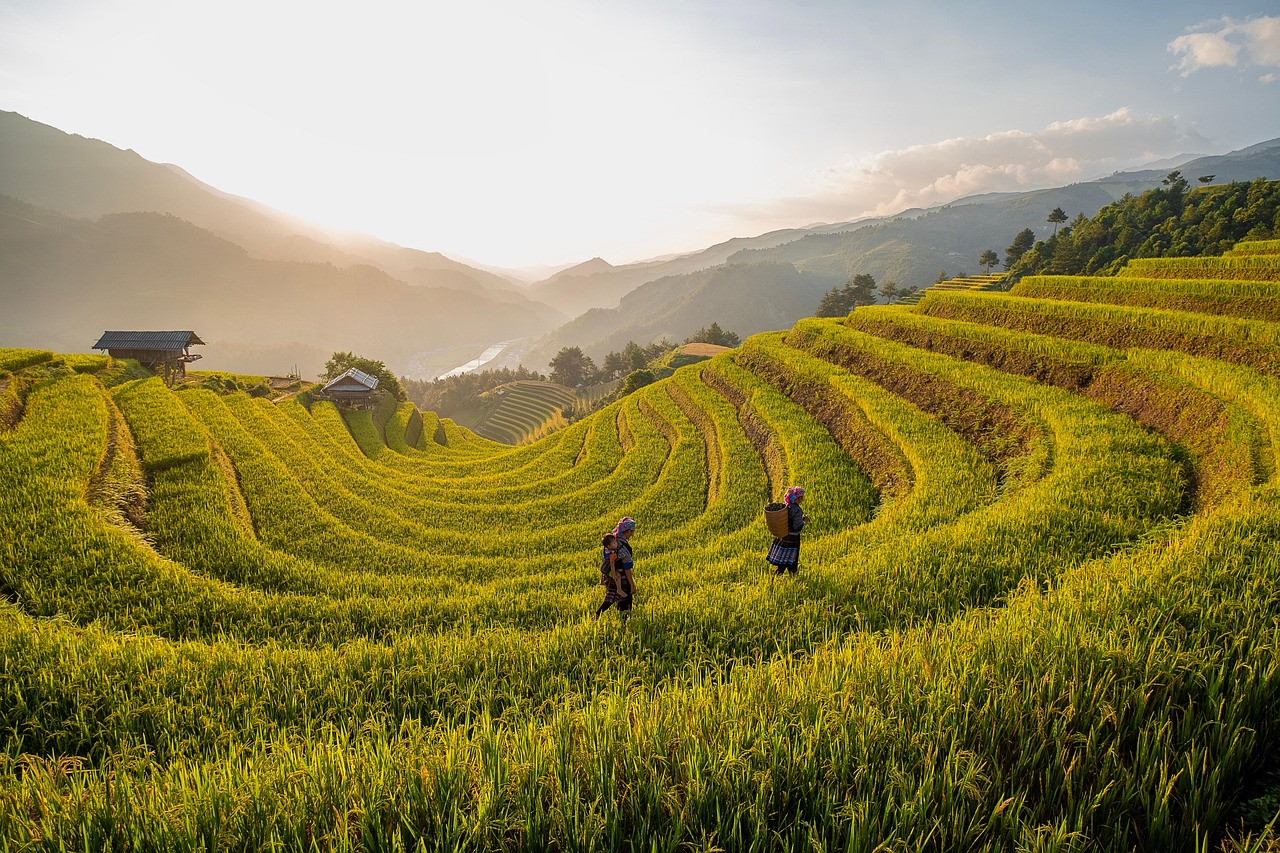
The Magar table is built on the grains of the hills—maize, millet, and rice where it grows—eaten with lentils, seasonal greens, and potatoes in hearty dishes suited to the climate. The variety of the homeland, from foothill to high valley, gives the cuisine regional differences across the Magar country.
Dairy and meat from household livestock supplement the diet, and fermented and dried foods help carry families through lean seasons, while millet is brewed into the local beer and spirits that feature in hospitality and ritual across the hills.
Food is bound up with religion and kinship, as offerings accompany worship and shared meals at festivals and funerals renew the bonds of clan and community. The Magar share much of their cuisine with the wider hill society into which they are so deeply integrated.
In the more Hinduised areas the food and its rules of purity follow the wider Nepali pattern, while in the Buddhist and indigenous highlands of the west the diet reflects the herding and high-altitude farming of the mountains.
The contrast between the rice-growing lower hills and the millet-and-potato economy of the high western valleys gives Magar cuisine a regional range that mirrors the spread of the homeland itself. What remains constant is the social role of food and drink, the way a shared meal or a cup of millet beer seals hospitality, marks a festival, and reaffirms the bonds of kin that hold the dispersed community together.
The Martial Tradition

The Magar are among the peoples most closely associated with the famous martial tradition of Nepal, providing large numbers of soldiers to the armies of the Gorkha kingdom during the unification of the country and, later, to the Gurkha regiments of foreign powers.
Magar warriors fought in the campaigns that built the unified Nepali state in the eighteenth century, and their fighting reputation, like that of the Gurung, drew them into the Gurkha units of the British and Indian armies, where they served in large numbers over the generations.
Military service brought income, pensions, prestige, and a path to the wider world, and remittances from soldiering have for generations supported many Magar households, funding houses, land, and schooling in the home villages.
The martial tradition remains a strong element of Magar identity and pride, celebrated in song and story, even as it drew generations of young men away from home and prefigured the wider labour migration that shapes Magar life today.
The Magar contribution to the armies that unified Nepal gives their martial tradition a foundational, almost national significance, distinct from the purely colonial associations the Gurkha name later acquired abroad. To be Magar has long carried, for many, an association with soldiering and service that became woven into the community’s self-image and into the songs and stories passed down in the villages.
Livelihood, Farming and Migration
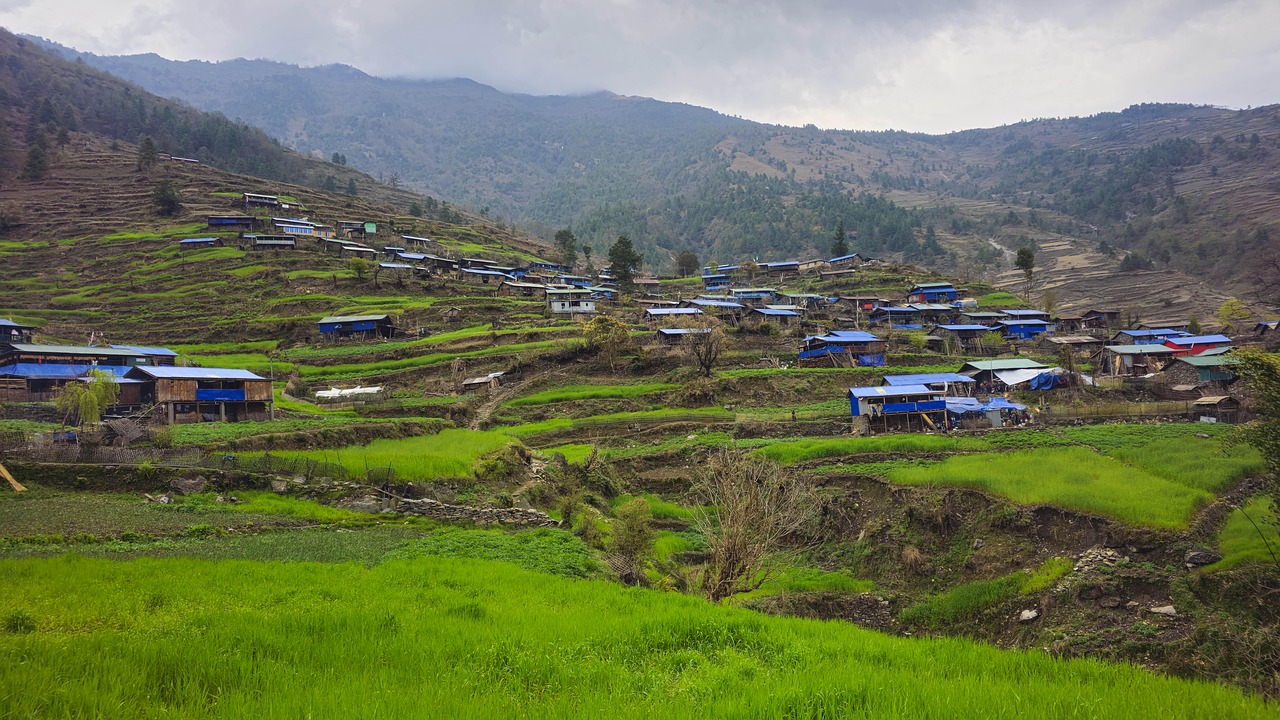
Traditional Magar livelihood combined the farming of terraced hillsides with the herding of livestock and the use of the forest, a mixed hill economy adapted to the varied altitudes of the homeland. In the high western valleys, herding and high-altitude farming dominated; in the lower hills, grain and rice.
To farming and herding the Magar added the long tradition of military service, and more recently the income of labour migration to Nepal’s cities and abroad, to the Gulf, Malaysia, and beyond, where remittances now sustain countless village households.
This dependence on income earned elsewhere has raised living standards but hollowed out villages of their young, leaving fields and pastures harder to work and straining the cooperative labour and the old self-sufficient economy of the hills.
The pattern is familiar across the Nepali hills, but the Magar, spread so widely and integrated so deeply into the national economy, have experienced it on an especially large scale, with their members found in every part of Nepal and far beyond.
Because the Magar are so numerous and so widely spread, their labour has flowed into every corner of the national and overseas economy, from the fields and barracks of earlier generations to the construction sites and service jobs of the Gulf today. The remittances that result have reshaped village life across the homeland, building new houses beside old terraces and binding the most remote valleys to the global economy.
The Magar Today
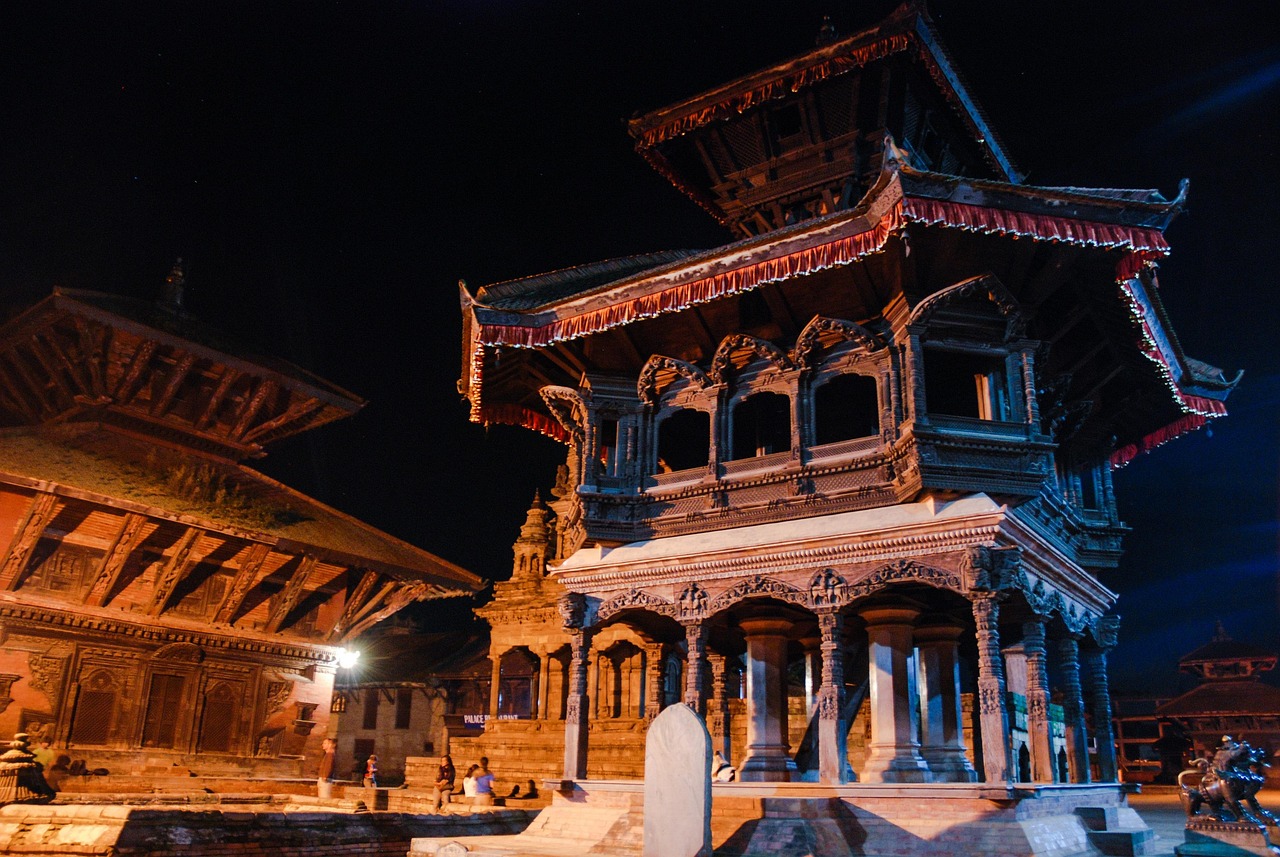
Today the Magar are among the most numerous of all Nepal’s ethnic groups, with communities across the western and central hills, in the cities, and in a wide diaspora shaped by military service and modern migration. Their deep integration into national life is matched by a growing assertion of distinct identity.
Cultural revival is active in the promotion of the Magar languages, especially the endangered Kham Magar, in the public performance of the Maruni and other dances, and in the work of ethnic associations campaigning for recognition and the rights of the Magar as an indigenous nation. Like the Gurung and the other hill peoples, they balance integration with the assertion of heritage.
The challenges ahead echo those of their neighbours: how to carry diverse languages, varied customs, and the institutions of village life into a mobile, globalised world, when the very income that has lifted the community also empties its villages and pressures its traditions.
In the bright dance of the Maruni, the chants of village shamans, the bearing of the soldier, and the festivals shared across a wide and varied homeland, the Magar continue to tell a story as old as the hills of Nepal—the story of a foundational people who helped build a kingdom and now reclaim a heritage of their own.
The Magar experience captures in miniature the wider story of indigenous Nepal, a people simultaneously among the most integrated into the national mainstream and among the most active in asserting a distinct identity. Their future will turn on holding these two things together, claiming a full share in the life of the country while keeping alive the languages, dances, and customs that mark them as one of the oldest peoples of the hills.
You May Like
The Damara, an Ancient People of Namibia