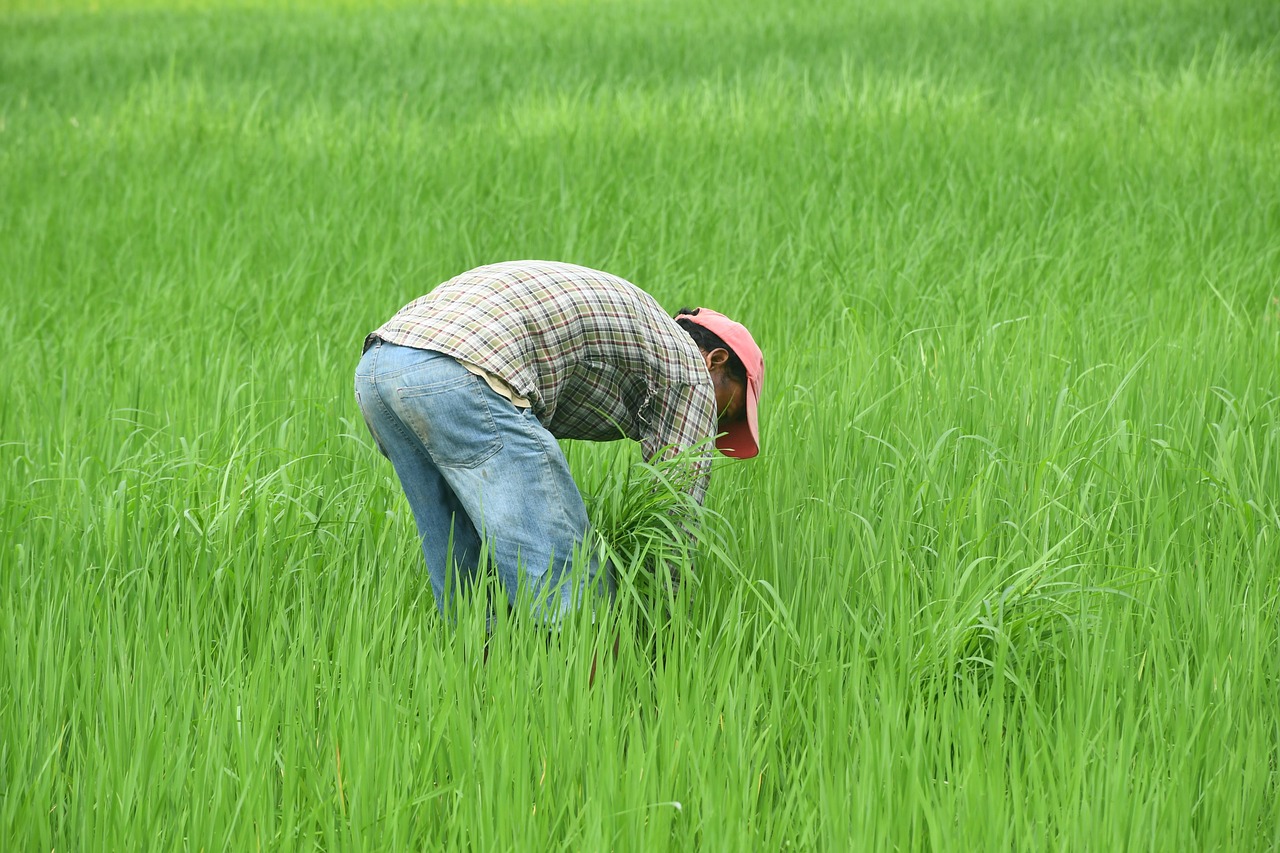
Along the hot, flat lowland belt that runs beneath the Himalaya, in the jungles and paddy fields of the Terai, live the Tharu, one of the largest indigenous peoples of Nepal. Unlike the hill and mountain peoples of this series, the Tharu are a people of the plains, masters of a malarial forest world that for centuries kept outsiders at bay and made the Tharu its almost sole inhabitants.
Where the Gurung and Magar belong to the Tibeto-Burman world of the hills, the Tharu speak Indo-Aryan languages of the plains and follow a way of life shaped by rice, river, and jungle rather than terrace and high pasture. Their story is one of a forest people who tamed a land no one else could live in, only to be dispossessed when that land was finally opened.
This profile follows the Tharu along the lines of the series: their uncertain origins and many dialects, the Terai homeland and its jungle, the malaria that shaped their history, their religion of spirits and shamans, the famous painted houses and stick dance, the lowland food, and the long shadow of bonded labour that reaches into the present.
- Origins and the Mystery of the Name
- Language and Its Many Dialects
- The Terai Homeland and the Jungle
- Malaria, Land and the Forest Frontier
- Religion, Spirits and the Guruwa
- Society, Clans and the Badghar
- Festivals and the Maghi New Year
- Music, the Stick Dance and Song
- Art, the Painted House and Craft
- Dress, Ornament and Tattoo
- Food of the Lowlands
- History, Bonded Labour and the Tharu Today
Origins and the Mystery of the Name
The origins of the Tharu are among the most debated of any people in Nepal. They are not a single uniform group but a cluster of related communities spread along the length of the Terai, and theories of their beginnings range widely, with various groups claiming descent from Rajput nobility of the plains, from indigenous forest peoples, or from a mixture of many sources over a long history.
What unites them is less a single origin than a shared adaptation to the lowland forest and a broad cultural family that stretches across the southern border of Nepal. The different Tharu groups—eastern, central, and western, with names such as Dangaura, Rana, Kochila, and Chitwania—differ in dialect and custom while sharing the Tharu identity.
One striking and much-discussed feature is the Tharu resistance to malaria, the disease that made the Terai deadly to outsiders. This biological adaptation, developed over countless generations in the fever-ridden forest, is central both to Tharu history and to many of the theories about their long isolation in the lowlands.
Because their early history was unwritten, it must be pieced together from language, custom, and the testimony of tradition. What is certain is that the Tharu were the people who could live where others could not, and who therefore held the Terai forest as their own for many centuries.
The very breadth of the theories about Tharu origins is itself revealing, for it shows how a people defined more by a shared environment than by a single bloodline can gather many strands into one identity. Whether descended from displaced nobility, from ancient forest dwellers, or from generations of mingling along the plains, the Tharu became Tharu above all by learning to live in the Terai, and it is that achievement, rather than any single ancestry, that anchors who they are.
Language and Its Many Dialects
The Tharu speak Indo-Aryan languages, related to the other tongues of the northern Indian plains and quite distinct from the Tibeto-Burman speech of the hill peoples to the north. This places the Tharu, linguistically, firmly in the world of the lowlands rather than the mountains.
Like the people themselves, the Tharu languages are diverse, varying so much along the length of the Terai that the speech of the far-western Tharu can be very different from that of the east. Scholars often speak of Tharu languages in the plural, shaped by the influence of the neighbouring regional tongues of the plains.
For most of their history these languages were carried in speech, in the songs, tales, and ritual chants of village life, while the languages of administration and the wider society pressed upon them from outside. Many Tharu became bilingual in Nepali or in the regional languages of the border.
Modern efforts to document and promote the Tharu languages confront both this internal diversity and the strong pressure of dominant tongues. Maintaining the languages has become part of the wider Tharu movement for recognition and the assertion of a distinct identity.
The spread of Tharu speech along the entire southern length of Nepal means that a Tharu of the far west and one of the east may share an identity yet struggle to converse, each tongue coloured by the regional language of its stretch of border. This linguistic patchwork mirrors the wider pattern of the Tharu world, a single people composed of many local communities knit together by common circumstance rather than uniform culture.
The Terai Homeland and the Jungle
The Tharu homeland is the Terai, the strip of flat, fertile lowland that runs along the southern edge of Nepal beneath the foothills, continuous with the great plains of northern India. From the far west to the east, wherever the Terai forest once stood, there the Tharu made their villages.
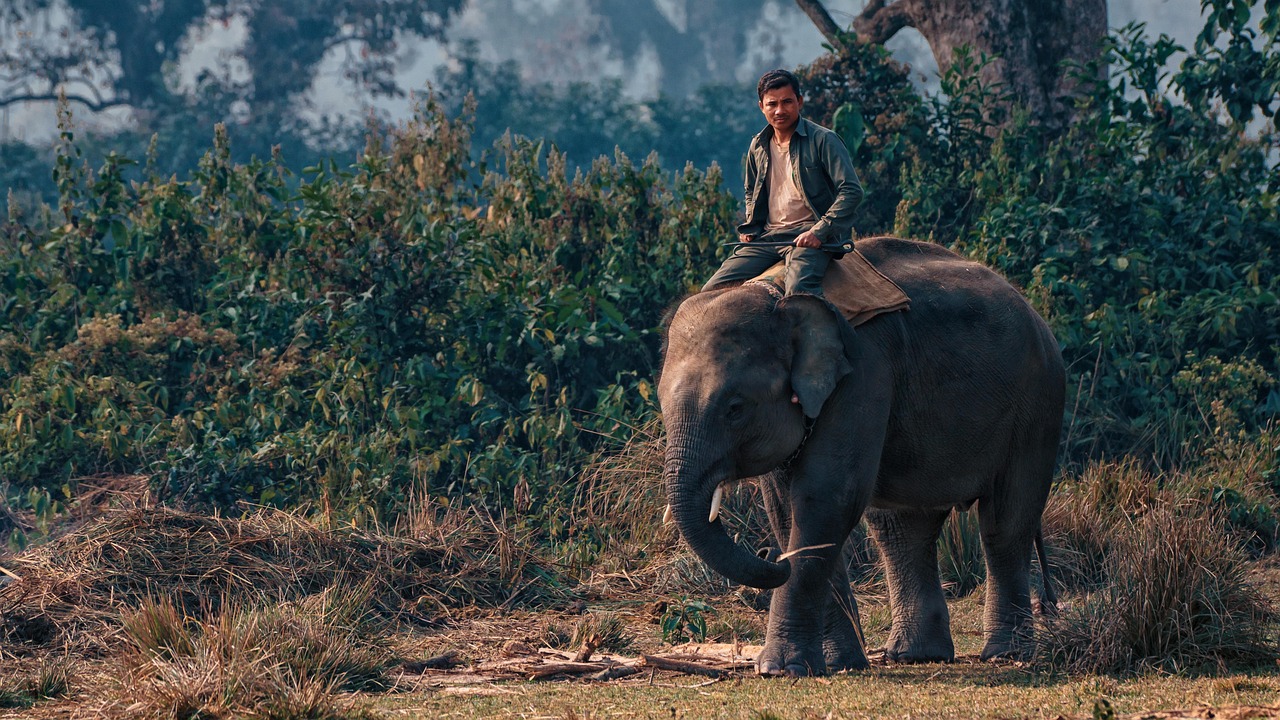
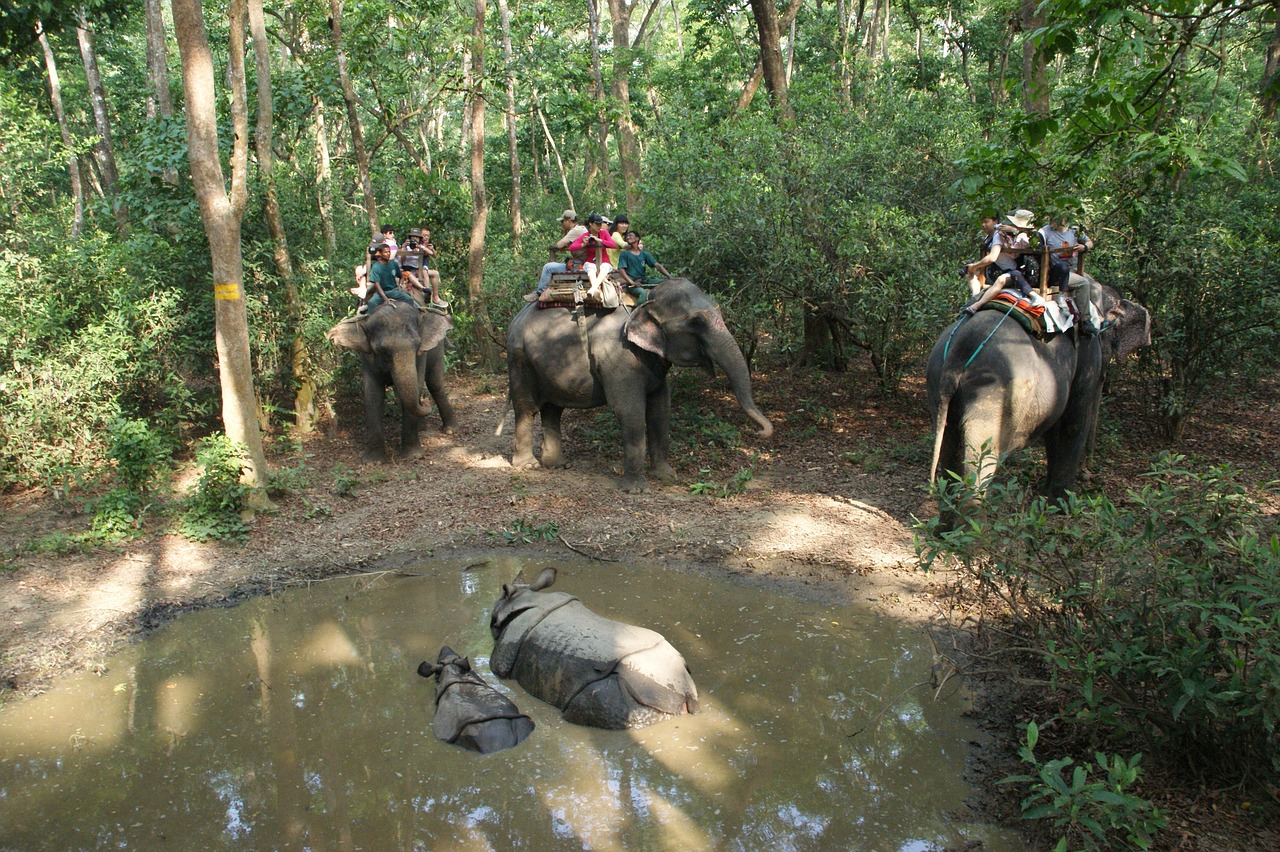
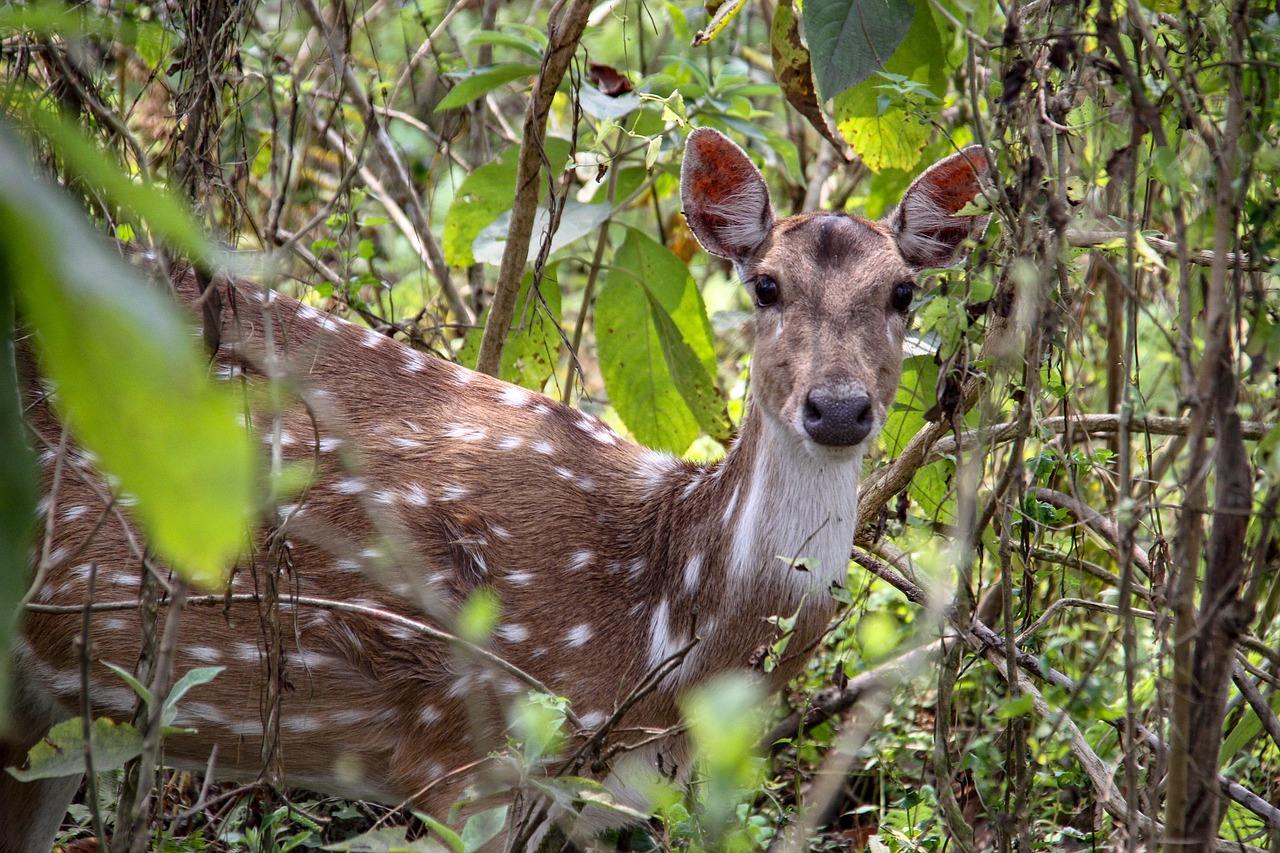
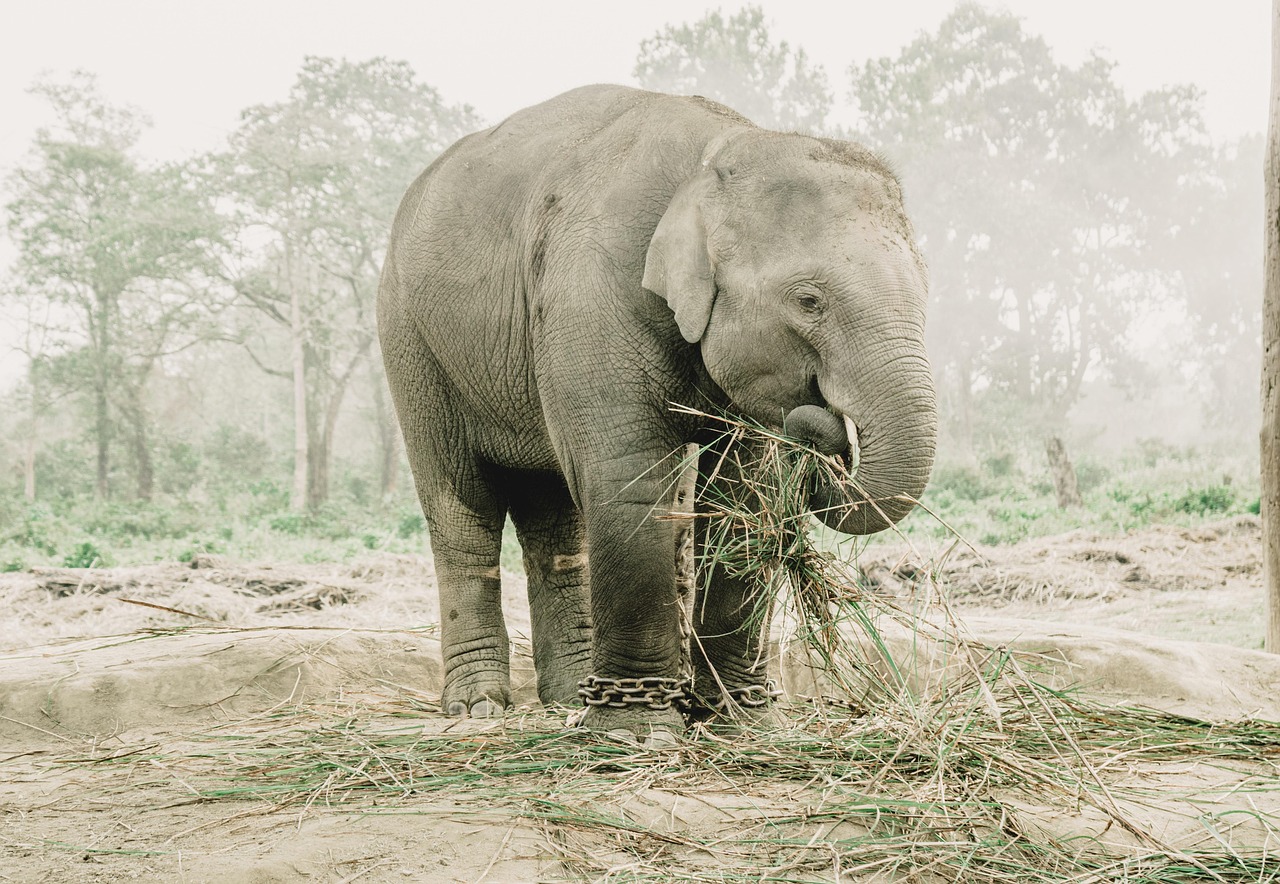
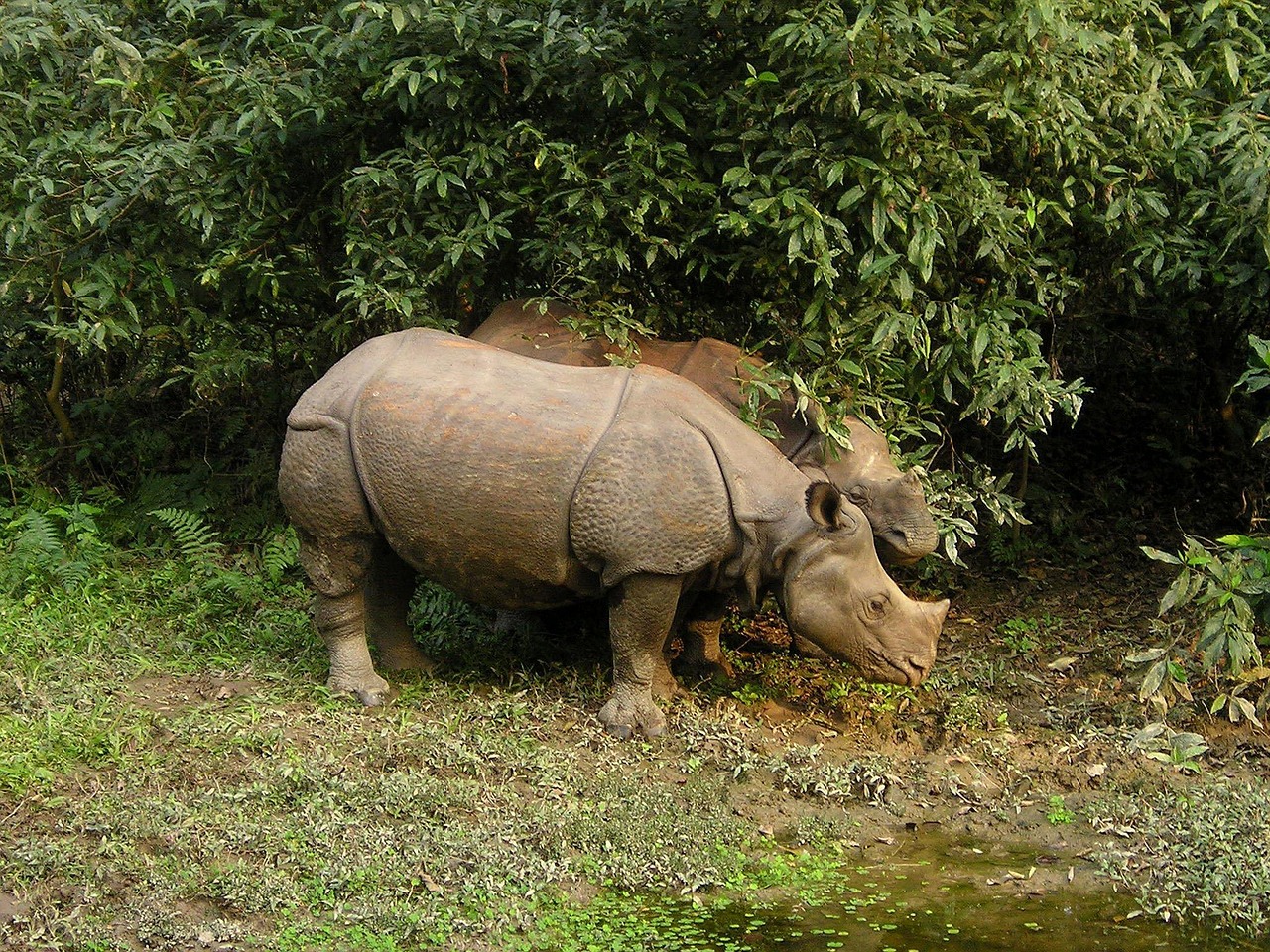
This is a land of rivers, paddy fields, grassland, and dense jungle, the natural home of the tiger, the elephant, and the one-horned rhinoceros. The famous national parks of the Terai, such as Chitwan and Bardia, lie in country that was for centuries Tharu land, and the wildlife of the jungle figures large in Tharu life and lore.
Tharu villages, often substantial and well-ordered, sit amid the fields and forest, their distinctive houses built of mud, wood, and thatch. The community’s long mastery of this environment—its farming, fishing, hunting, and gathering—allowed it to thrive where the climate and disease defeated all comers.
The Terai is thus not merely the place the Tharu happen to live but the foundation of their entire culture, a lowland, riverine, forest world utterly different from the terraced hills and high pastures of the other peoples of Nepal.
To live in the Terai was to live among some of the most formidable wildlife in Asia, and the Tharu developed an intimate knowledge of the jungle and its creatures, from the tiger and rhino to the fish and birds of the wetlands. That knowledge, expressed in hunting, fishing, herbal medicine, and a dense body of lore, made them not intruders in the forest but its long-settled people, reading its dangers and its gifts with practised ease.
Malaria, Land and the Forest Frontier
For most of recorded history the Terai was protected by a fearsome natural barrier: malaria. The dense, humid forest bred the disease so intensely that outsiders from the hills or the plains who ventured in during the wrong season often sickened and died, and the lowland became known as a green wall that few dared cross.
The Tharu, however, had over many generations developed a notable resistance to malaria, and so were able to live, farm, and thrive in a land deadly to others. This biological reality made them, in effect, the guardians and almost sole inhabitants of the Terai forest, holding it as a Tharu world apart.
This long isolation preserved Tharu culture and gave the people a secure relationship with their land, but it ended dramatically in the twentieth century. The eradication of malaria through modern programmes in the mid-twentieth century suddenly opened the Terai to settlement from the crowded hills and beyond.
The consequences for the Tharu were profound and often tragic. As outsiders poured into the newly habitable lowlands, much Tharu land was taken, bought, or seized, and a people who had held the forest for centuries found themselves dispossessed and marginalised in their own homeland within a few decades.
The story of the Tharu and malaria is one of the clearest cases anywhere of how disease can shape the fate of a people, granting them a homeland for centuries and then, with the disease conquered, exposing them to dispossession. In a single generation the very feature that had protected the Terai—its deadliness to outsiders—was removed, and a sheltered world was thrown open, with consequences the Tharu are still living through today.
Religion, Spirits and the Guruwa
Tharu religion centres on a rich world of spirits, deities, and ancestors bound up with the land, the forest, and the village. Over it has been laid a strong influence of Hinduism, absorbed from the surrounding society of the plains, producing a characteristic blend of folk and Hindu practice.
The key ritual figure is the village shaman or priest, often called the guruwa, who knows the chants, the spirits, and the rites of protection and healing. The guruwa presides over the ceremonies that guard the village and its fields from disease, misfortune, and the dangers of the jungle.
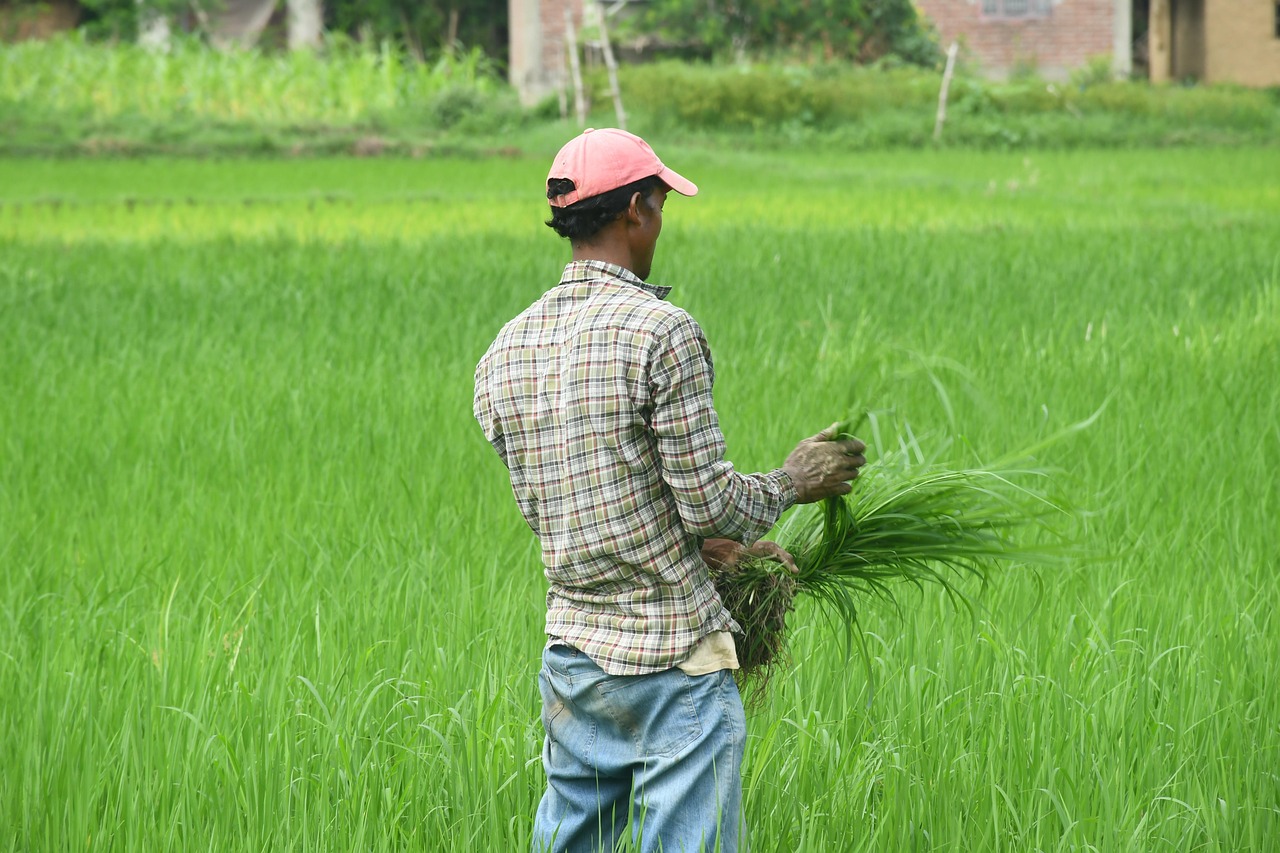
Worship is deeply tied to agriculture and to the natural world, with rites marking the cycle of the rice crop and offerings made to the spirits of forest, river, and field. The protection of the village from epidemic and harm is a constant concern of Tharu ritual life.
This blend of indigenous spirit worship and absorbed Hinduism, presided over by the guruwa rather than by an outside priesthood, marks the distinctiveness of Tharu religion and its rootedness in the particular environment of the Terai.
The guruwa stands at the centre of this religious world as healer, priest, and guardian, his chants forming a living library of spirit names, remedies, and protective rites handed down by oral tradition. In a land where epidemic and the hazards of the jungle were ever-present, the guruwa’s power to negotiate with the unseen forces of forest and field was not a matter of mere belief but of the community’s survival.
Society, Clans and the Badghar
Tharu society is organised through clans and, traditionally, through a strong village structure. In many areas the village was led by a headman, the badghar, chosen by the community to manage common affairs, organise collective labour, settle disputes, and maintain the irrigation and the order of village life.
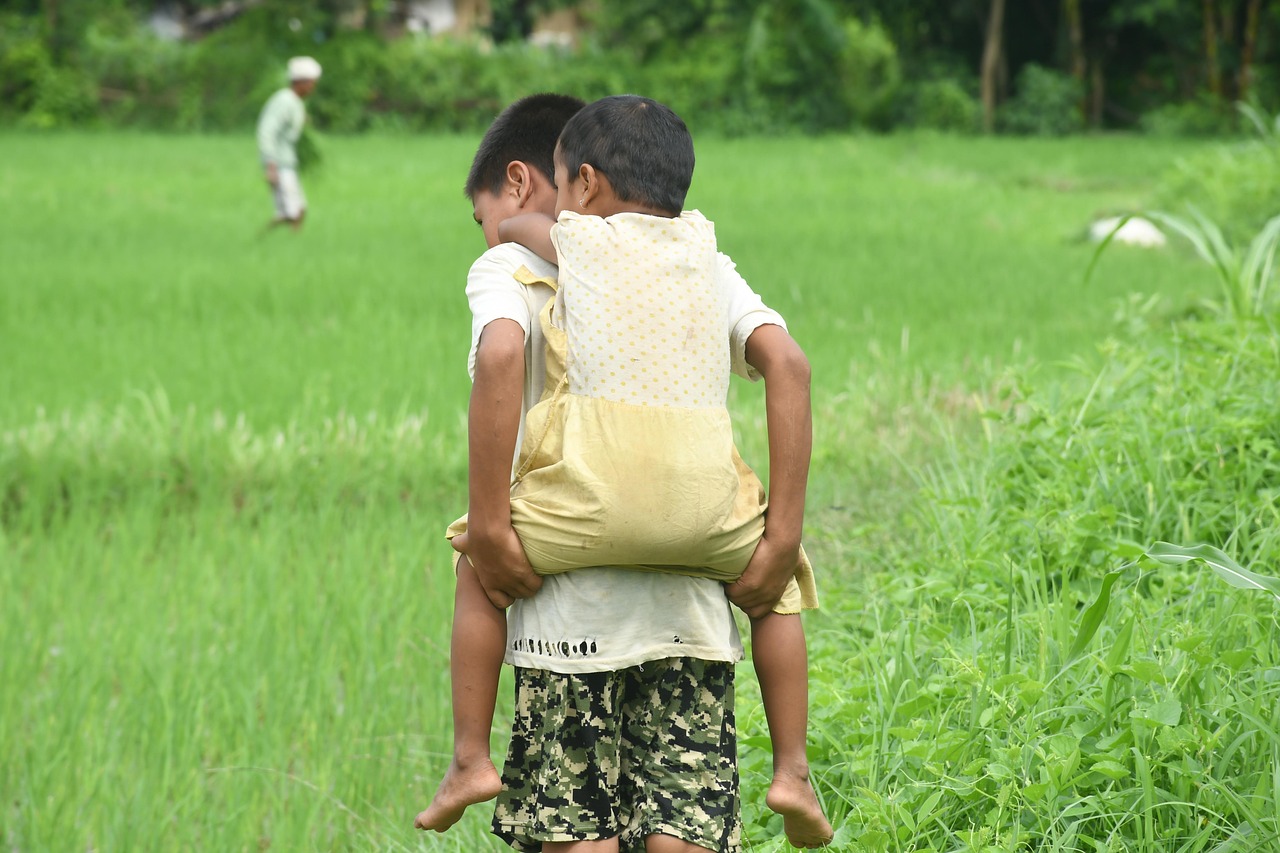
This village leadership, with its cooperative labour and shared management of resources, gave Tharu communities a notable cohesion and self-governance. Clan membership ordered marriage and ritual, and the bonds of kin and neighbour bound households into the cooperative networks needed to farm and defend the forest land.
The position of women, family structure, and marriage customs varied among the different Tharu groups along the Terai, reflecting the diversity of the people. Across the groups, however, the village and the clan remained the core institutions of Tharu social life.
The badghar system and the strong village organisation it represents are among the most distinctive features of Tharu society, an indigenous form of self-government well adapted to the demands of life in the forest and the fields of the Terai.
The badghar system, in which a village entrusts one of its own with the management of irrigation, labour, and common affairs for a season, represents a sophisticated indigenous democracy that long predates modern local government. It bound the village into a single working body able to clear forest, dig channels, and defend its fields, and its survival in parts of the Terai is a source of considerable Tharu pride.
Festivals and the Maghi New Year
The most important Tharu festival is Maghi, marking the new year and falling in the month of Magh in the depth of winter. Maghi is a great celebration of feasting, music, and dance, and it has traditionally also been the time when labour contracts and village arrangements for the coming year were settled.
Alongside Maghi the Tharu celebrate festivals tied to the agricultural cycle and the rice crop, as well as observances shared with the wider Hindu society of the plains. The rites of birth, marriage, and death gather the community and renew the bonds of clan and village.
These festivals are occasions of music, dance, and elaborate hospitality, when the distinctive Tharu culture is on full display and the scattered community comes together. Maghi in particular has become a focus of Tharu identity and pride, celebrated across the Terai and beyond.
The public celebration of Maghi and other festivals has taken on added meaning in the modern struggle for recognition, serving as a visible assertion of the distinct heritage of a people long marginalised in their own land.
Maghi’s timing at the turn of the agricultural year gave it a double character as both a joyous new-year celebration and a sober moment of reckoning, when accounts were settled and arrangements made for the season ahead. In the darker history of bonded labour, it was also at Maghi that the cruel contracts binding families to landlords were renewed, lending the festival a poignancy that its modern celebration as a day of freedom has since transformed.
Music, the Stick Dance and Song
Tharu culture is rich in music and dance, and among the most famous forms is the stick dance, in which rows of dancers strike paired sticks together in rhythm as they move, accompanied by drums and song. The vigorous stick dance is a highlight of festivals such as Maghi and a recognisable emblem of Tharu culture.
Other dances, drumming, and a deep tradition of song accompany the festivals, weddings, and seasons of Tharu life. The songs draw on the themes of the lowland world—the rice fields, the rivers and forest, love, labour, and the long experience of hardship and resilience.
Music and dance are vehicles of memory and identity, carrying story and sentiment across the generations and binding the diverse Tharu communities to a shared culture. They feature prominently in the public events through which the Tharu now assert their heritage.
The stick dance, performed in bright costume by groups of men, has become one of the most widely recognised images of the Tharu, a joyful and energetic display that marks the festival season across the Terai.
The clash of the paired sticks, the beat of the drum, and the answering voices of the dancers give the Tharu stick dance an irresistible energy that has carried it from the village courtyard to the national stage. Performed by lines of men in step, it turns the rhythms of work and festival into a spectacle that has become, for many Nepalis, the single most recognisable image of Tharu culture.
Art, the Painted House and Craft
The Tharu are renowned for their folk art, above all the decoration of their houses. In some regions, especially among the western Tharu, the walls of homes are adorned with intricate painted and relief designs of animals, birds, deities, and geometric patterns, made by the women of the household.
This domestic art, created with mud, rice paste, and natural colours, transforms the village house into a canvas of tradition and is renewed at festival times. The painted and moulded designs carry meaning tied to protection, fertility, and the spirits of the home.
Tharu craft extends to basketry, weaving, fishing gear, and the making of household goods from the materials of the forest and field, reflecting a self-sufficient way of life rooted in the local environment. These crafts are practical, ritual, and decorative all at once.
The painted houses and folk art of the Tharu have drawn wide admiration and have become a celebrated expression of the culture, a visible sign of the artistry that a forest people developed in the materials of their lowland world.
That this celebrated art is the work of the household’s women, renewed each year on the walls of the family home, ties Tharu creativity directly to the rhythms of domestic and ritual life rather than to any professional class of artists. The painted and moulded designs are at once decoration, devotion, and protection, turning the ordinary mud house into a statement of identity and belief that the whole village can read.
Dress, Ornament and Tattoo
Traditional Tharu dress is suited to the hot lowland climate and differs markedly from the woollen costume of the hills. Women have worn distinctive skirts, blouses, and shawls, often brightly coloured and richly ornamented, while the styles varied among the different Tharu groups along the Terai.
Silver ornaments worn in profusion—at the neck, arms, ankles, and ears—have been a hallmark of Tharu women’s dress, serving as adornment, as a store of family wealth, and as a marker of status and married life. The weight and abundance of this silver jewellery is especially striking.
Tattooing has also been a traditional feature among Tharu women in some regions, with patterns applied to the arms and legs carrying meanings of beauty, identity, and protection. Such customs, like the elaborate jewellery, are now often reserved for older generations or special occasions.
As elsewhere, everyday wear has become largely modern, and the full traditional costume now appears mainly at festivals, weddings, and cultural performances, worn with pride as a marker of Tharu identity in the changing world of the Terai.
The profusion of heavy silver worn by Tharu women, sometimes amounting to a substantial portion of a family’s wealth carried on the body, served as portable security in an uncertain world as much as adornment. Together with the traditional tattoos, it formed a visual language of status, beauty, and belonging that marked a woman’s place in her community and her people.
Food of the Lowlands
The Tharu kitchen is a lowland kitchen built on rice, the staple of the Terai, eaten with lentils, vegetables, and the fish that the rivers, ponds, and flooded fields provide in abundance. Fishing, gathering, and the use of wild forest produce have long supplemented the farmed diet.
Distinctive Tharu dishes, including preparations of fish, snails, and other foods drawn from the wetland environment, set the cuisine apart from that of the hills. Fermented and preserved foods and the local rice-based drinks feature in hospitality and ritual.
Food is bound up with religion and community, as offerings accompany worship and shared meals at festivals such as Maghi renew the bonds of clan and village. The cuisine reflects directly the rivers, fields, and forest of the Terai world.
The Tharu relationship with the food of the lowlands—rice, fish, and the bounty of the wetland and jungle—expresses their long and intimate mastery of an environment that defeated all other settlers for centuries.
The Tharu taste for fish, snails, crabs, and the other small creatures of the wetlands, gathered from the flooded fields and rivers, sets their cuisine apart and reflects a diet drawn directly from the watery landscape of the Terai. This intimate culinary knowledge of the lowland environment, like their resistance to its diseases, marks the Tharu as a people wholly at home in a world others found forbidding.
History, Bonded Labour and the Tharu Today
The modern history of the Tharu is marked above all by dispossession and bonded labour. As the Terai was opened after the conquest of malaria, much Tharu land passed to incomers, and many Tharu, especially in the west, fell into the notorious kamaiya system of bonded agricultural labour, working the land they had once held as virtual serfs.
The bonded labour system, in which debt bound whole families to landlords across generations, was a grave injustice that drew national and international attention. It was formally abolished only in the early twenty-first century, after long campaigning, though the task of rehabilitating freed families continued for years afterward.
Today the Tharu are among the most numerous peoples of Nepal, with large communities across the Terai and a growing voice in national life. A vigorous movement for recognition, land rights, and the rehabilitation of former bonded labourers has reshaped their place in the country. Like the Magar and the other indigenous peoples, they assert a distinct heritage while claiming full citizenship.
In the painted walls of their houses, the rhythm of the stick dance, the feasting of Maghi, and the long memory of a forest held and then lost, the Tharu continue to tell a story unlike any other in Nepal—the story of a people of the plains who mastered a deadly jungle, were dispossessed when it was tamed, and now reclaim their land and their identity.
The abolition of the kamaiya bonded-labour system stands as a landmark in the modern history of Nepal and a hard-won victory for the Tharu movement, yet freedom on paper left many families landless and poor, and the work of genuine rehabilitation has been slow and incomplete. The Tharu story today is therefore one of both achievement and unfinished struggle, a people reclaiming their dignity and their place while still bearing the marks of a long dispossession.
You May Like
The Zaza, a Mountain People of Eastern Anatolia