On the right bank of the Volga, in the wooded hills west of Tatarstan, live the Chuvash, one of the most singular peoples of Russia and indeed of the whole Turkic world. For the Chuvash speak a language so unlike every other Turkic tongue that linguists set it in a branch entirely of its own, the last living descendant of an ancient form of Turkic that vanished everywhere else. They are, in a sense, living witnesses to a lost chapter of the Turkic past.
Unlike most of their Turkic-speaking kin, the Chuvash are not Muslims but overwhelmingly Orthodox Christians, and their culture blends the heritage of the ancient Volga Bulgars, from whom they descend, with the traditions of the Finno-Ugric peoples among whom they live and the Russian world that has surrounded them for centuries. The result is a people unlike any other on the Volga.
This profile continues our survey of the peoples of Russia, following the Chuvash along the lines of the series: their origins among the Volga Bulgars, the meaning of their name, the unique Chuvash language, the homeland on the Volga, the old life of the farmer and beekeeper, the society and its village world, religion between Christianity and the old gods, the traditions and embroidery, the crafts, the food, the festivals, the history under Russia, and the Chuvash today.
- Origins, Heirs of the Volga Bulgars
- The Name of the Chuvash
- Language, a Branch All Its Own
- The Homeland on the Volga
- The Old Life, Farmers of the Forest-Steppe
- Society and the Village World
- Religion, Between Christ and the Old Gods
- Traditions, Embroidery and Song
- Crafts of the Chuvash
- Food of the Chuvash Table
- Festivals of the Chuvash Year
- History Under the Russian State
- The Chuvash Today
Origins, Heirs of the Volga Bulgars
The Chuvash are widely held to be the direct descendants of the Volga Bulgars, the Turkic people who built a prosperous merchant state on the middle Volga in the early Middle Ages, and beyond them of the still older Bulgar and Suvar tribes of the western steppe. This descent from the Bulgars, rather than from the Kipchak tribes of the Golden Horde, sets the Chuvash apart from their Tatar neighbours.
When the Mongols destroyed the power of Volga Bulgaria in the thirteenth century, the population scattered and mingled, and while much of it was drawn into the new Kipchak-speaking Tatar identity, a portion, especially in the wooded lands west of the Volga, preserved the older Bulgar form of Turkic speech and a distinct way of life. From these emerged the Chuvash.
Over the centuries the Chuvash mingled also with the Finno-Ugric peoples of the region, the ancestors of the Mari and others, absorbing elements of their culture and belief, so that the Chuvash came to combine a Bulgar Turkic core with a strong Finno-Ugric admixture, a blend reflected in their language, their customs, and their religion.
The Chuvash are thus, uniquely, the surviving heirs of the Volga Bulgars, carrying into the modern age the language and something of the culture of a people whose state vanished eight centuries ago, and their very existence is a precious link to a lost world of the early medieval Volga, before the coming of the Mongols and the rise of the Tatars.
It is a striking thought that while the mighty Bulgar state left behind only ruins and the memory of its name, its truest monument is a living one, the Chuvash people and their tongue, who carry the speech of the Bulgar merchants and princes into the twenty-first century as naturally as their ancestors carried it along the medieval Volga.
The Name of the Chuvash
The origin of the name Chuvash, like so many ethnic names, is debated and uncertain. Some scholars connect it to the name of the Suvar, one of the ancient Bulgar tribes, seeing in Chuvash a later form of that old tribal name, which would fit neatly with the descent of the people from the Bulgar world.
Other explanations link the name to Turkic words with meanings such as “peaceful” or “quiet,” or to other roots, but none is certain, and the true origin remains among the puzzles of the early history of the people. Whatever its source, the name Chuvash has long been the accepted designation of the people and of their language.
The Chuvash themselves traditionally divided into two main groups, the Viryal or upper Chuvash of the higher, more wooded lands and the Anatri or lower Chuvash of the southern plains, groups that differed somewhat in dialect, dress, and custom. These divisions, alongside the villages and extended families, structured the identity of the people.
That the name of the Chuvash may preserve, however faintly, the memory of the ancient Suvar tribe of the Bulgars is fitting for a people who are themselves living survivors of that vanished world, carrying an old name and an older language into the modern republic that bears it.
Language, a Branch All Its Own
The Chuvash language is the most extraordinary feature of the people, for it stands alone among all the living Turkic languages. While every other Turkic tongue, from Turkish to Kazakh to Yakut, belongs to the common branch, Chuvash forms the sole surviving member of a separate and much older branch, the Oghur or Bulgar branch, so different that speakers of other Turkic languages cannot understand it at all.
This makes Chuvash a linguistic treasure, the last living descendant of the ancient Bulgar and Khazar form of Turkic that was once spoken across the western steppe but died out everywhere else. Where other Turkic languages have one sound, Chuvash often has another, following regular laws that mark it as the heir of the oldest recoverable stage of Turkic speech.
For linguists, Chuvash is thus of immense importance, a window onto the earliest history of the whole Turkic family, and the study of it has helped reconstruct the ancient relationships of the Turkic peoples. For the Chuvash themselves, the language is the core of a distinct identity, unlike that of any neighbour.
Written today in the Cyrillic script, taught in schools and used in a lively literature, press, and song, the Chuvash language, though under pressure from Russian, remains the living voice of the last of the Bulgars, a tongue found nowhere else on earth and carried by the people as the most precious mark of who they are.
Scholars have found in Chuvash the key to reading the scattered words of the ancient Bulgars and Khazars preserved in old inscriptions and foreign chronicles, so that this living village language of the Volga has become an indispensable tool for reconstructing the vanished tongues of the early steppe empires, a rare case of a small people holding a key to a large history.
The Homeland on the Volga
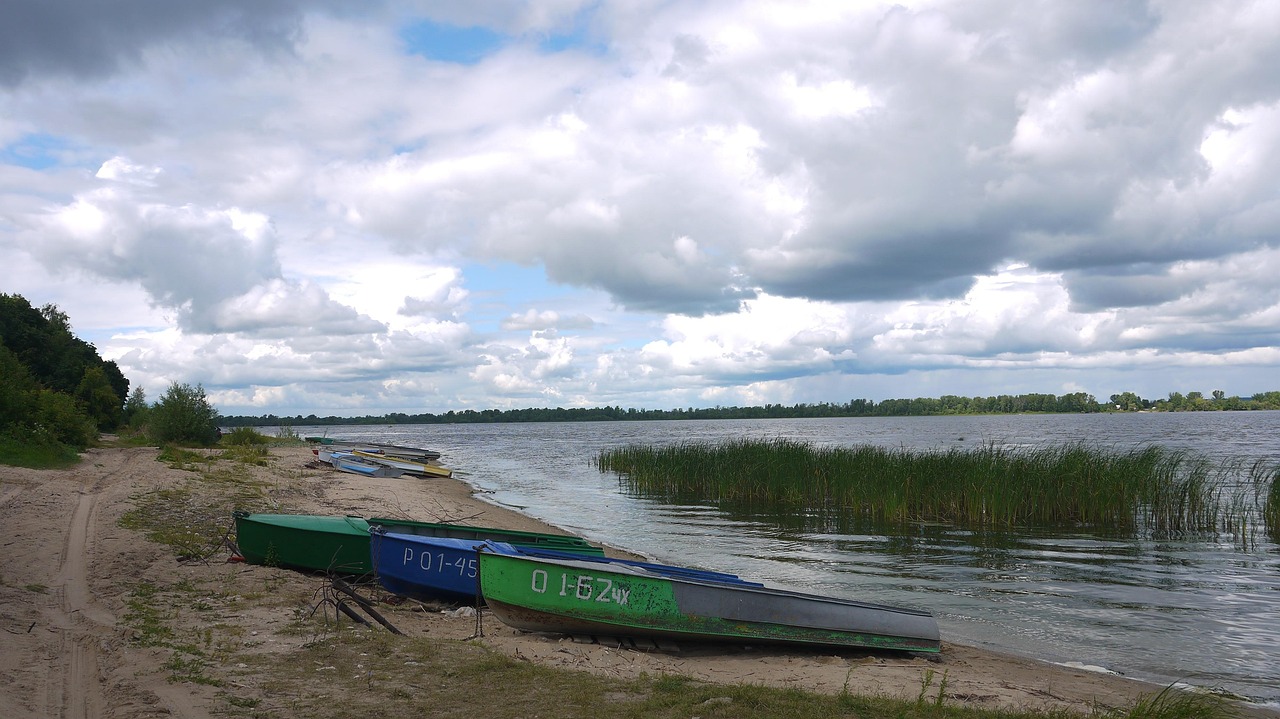
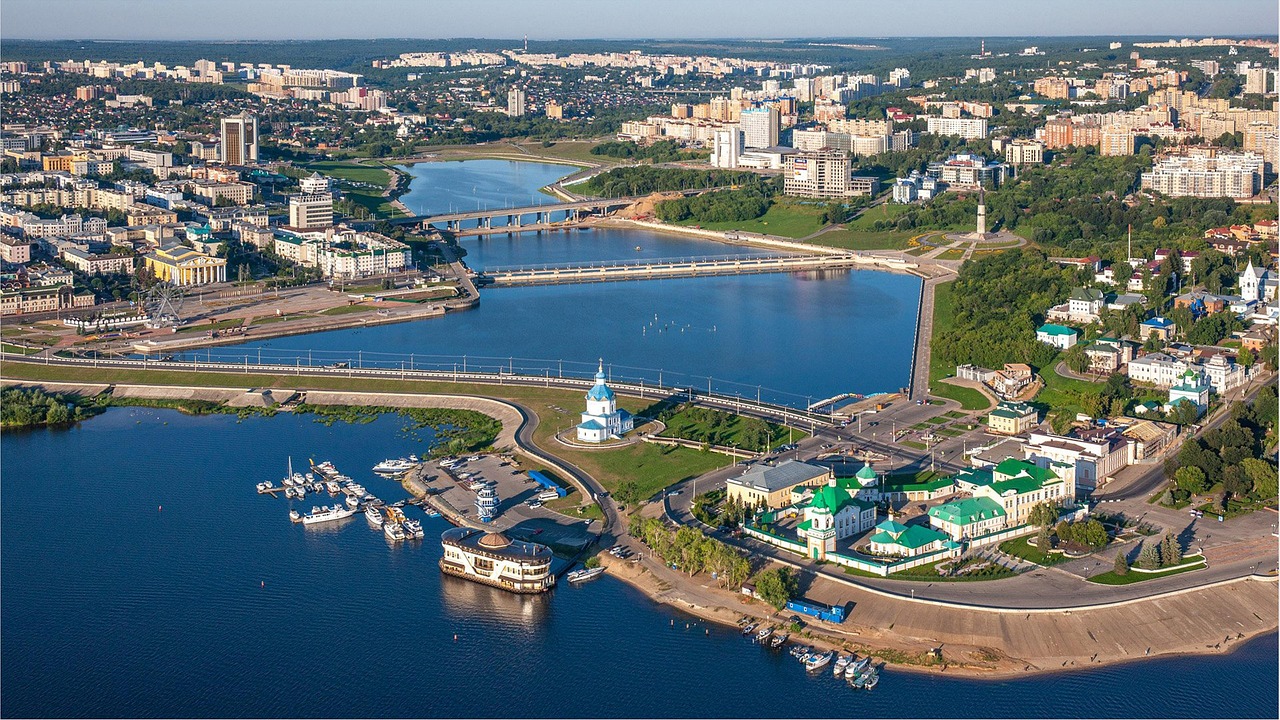
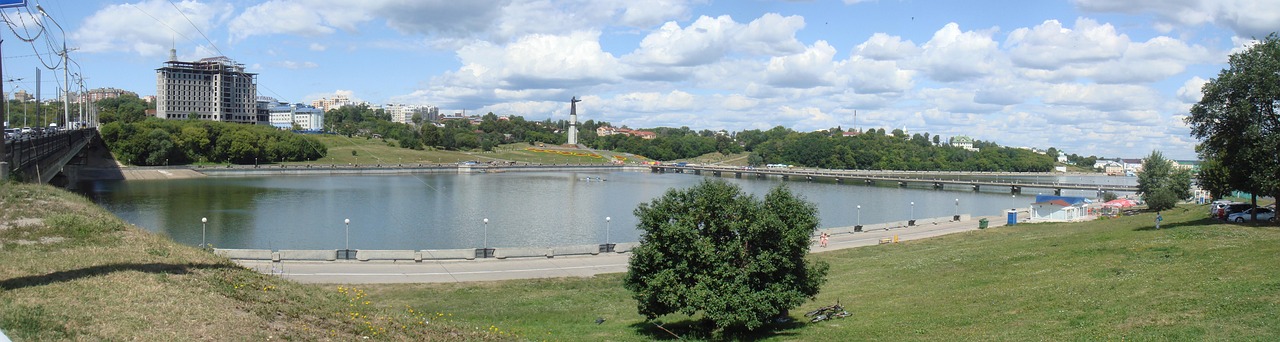
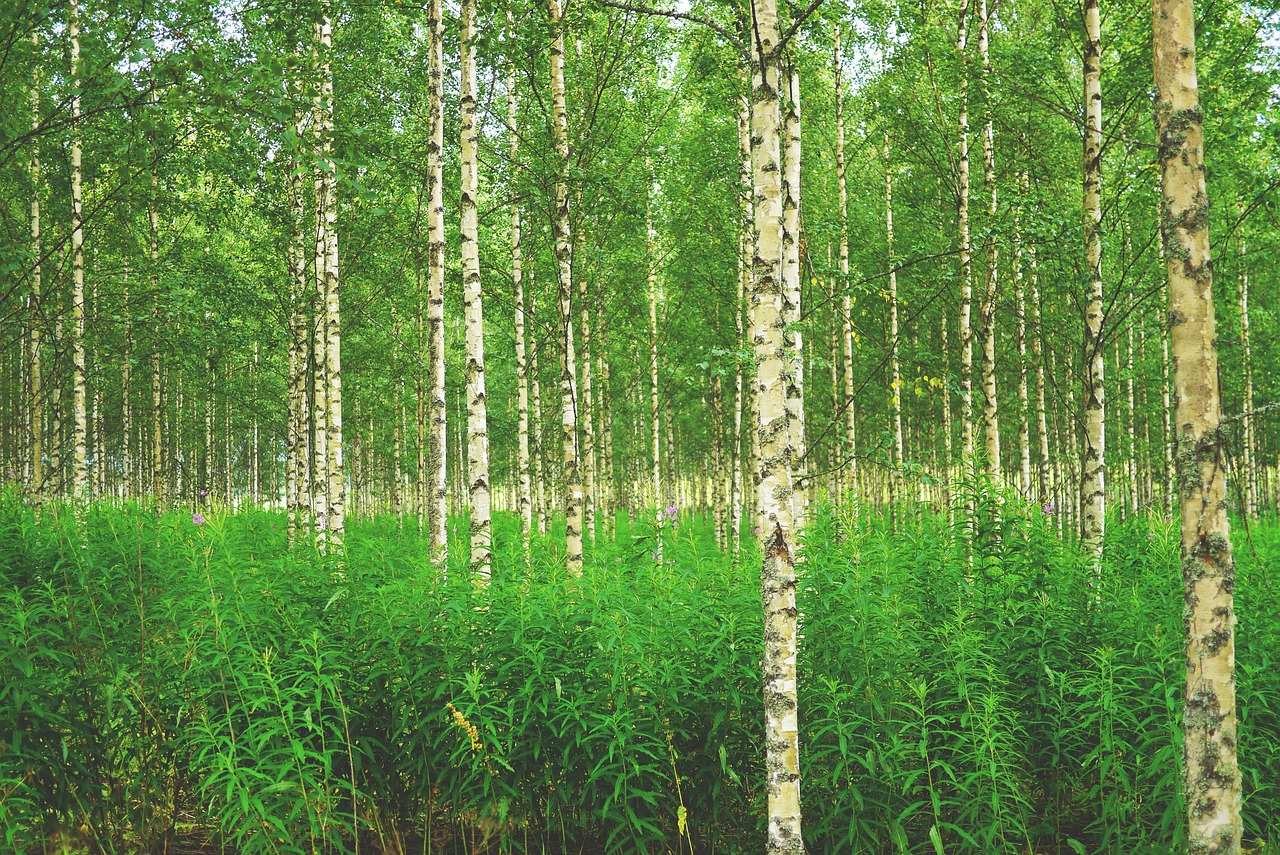
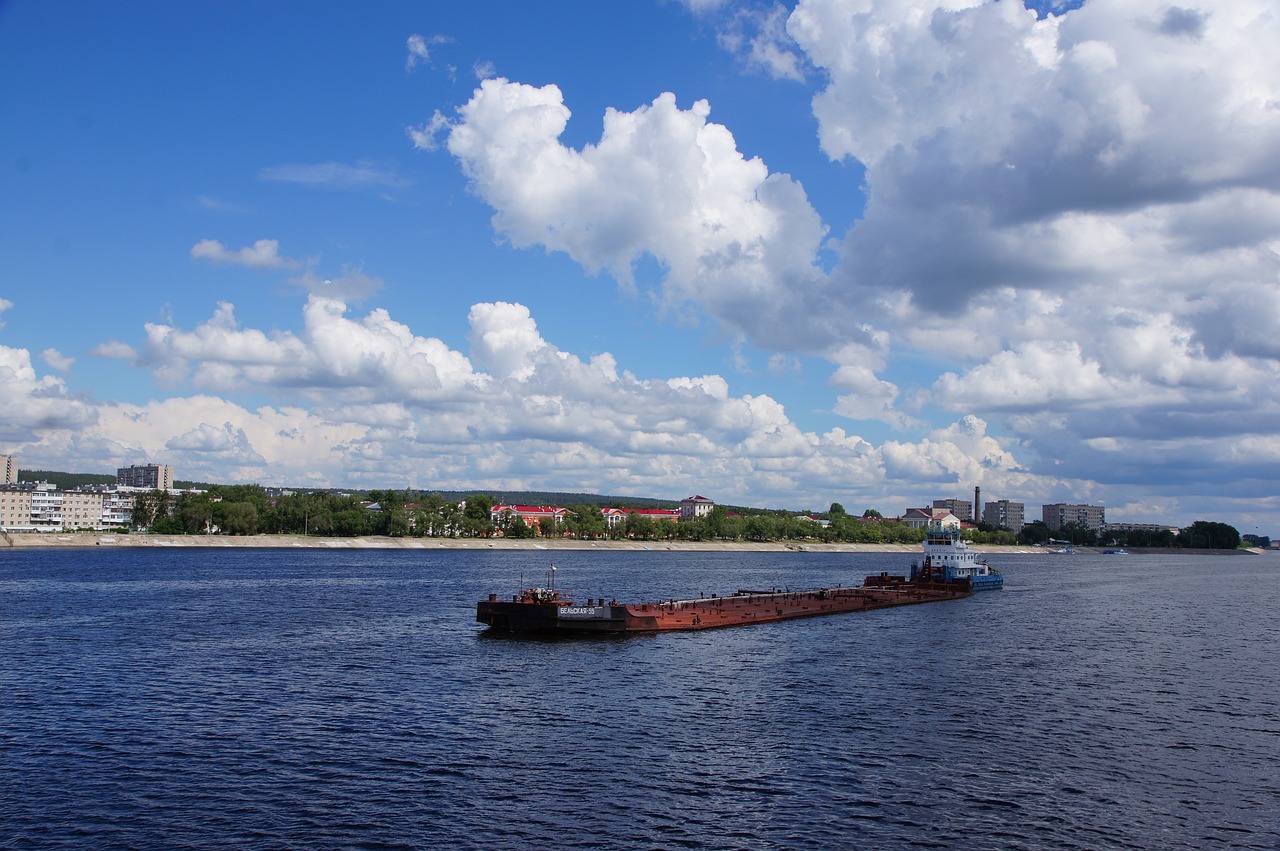
The homeland of the Chuvash is the Republic of Chuvashia, a small but populous region on the right bank of the middle Volga, west of Tatarstan, a land of wooded hills, oak and birch forests, and fertile fields in the transition zone between the forest and the steppe. Its capital is Cheboksary, a city set on the high bank of the great river.
The land is one of the more densely settled of the Volga regions, a country of villages and farms amid the woods and rivers, well watered and fertile, suited to farming and to the beekeeping for which the Chuvash, like the Bashkirs, have long been known. The Volga itself forms the great eastern artery of the homeland.
Beyond Chuvashia proper, Chuvash communities are scattered across the neighbouring regions of the middle Volga and the Urals and further afield, for like other peoples of the region the Chuvash have moved and settled widely, yet the compact homeland on the Volga remains the heart of the nation and the centre of its language and culture.
This homeland of forest and field, hill and river, in the fertile transition between the woods and the open plain, shaped the Chuvash as a settled people of farmers and beekeepers, rooted in their villages and their land, and it has remained the enduring centre of a people who have lived here since the scattering of the Volga Bulgars.
The Old Life, Farmers of the Forest-Steppe
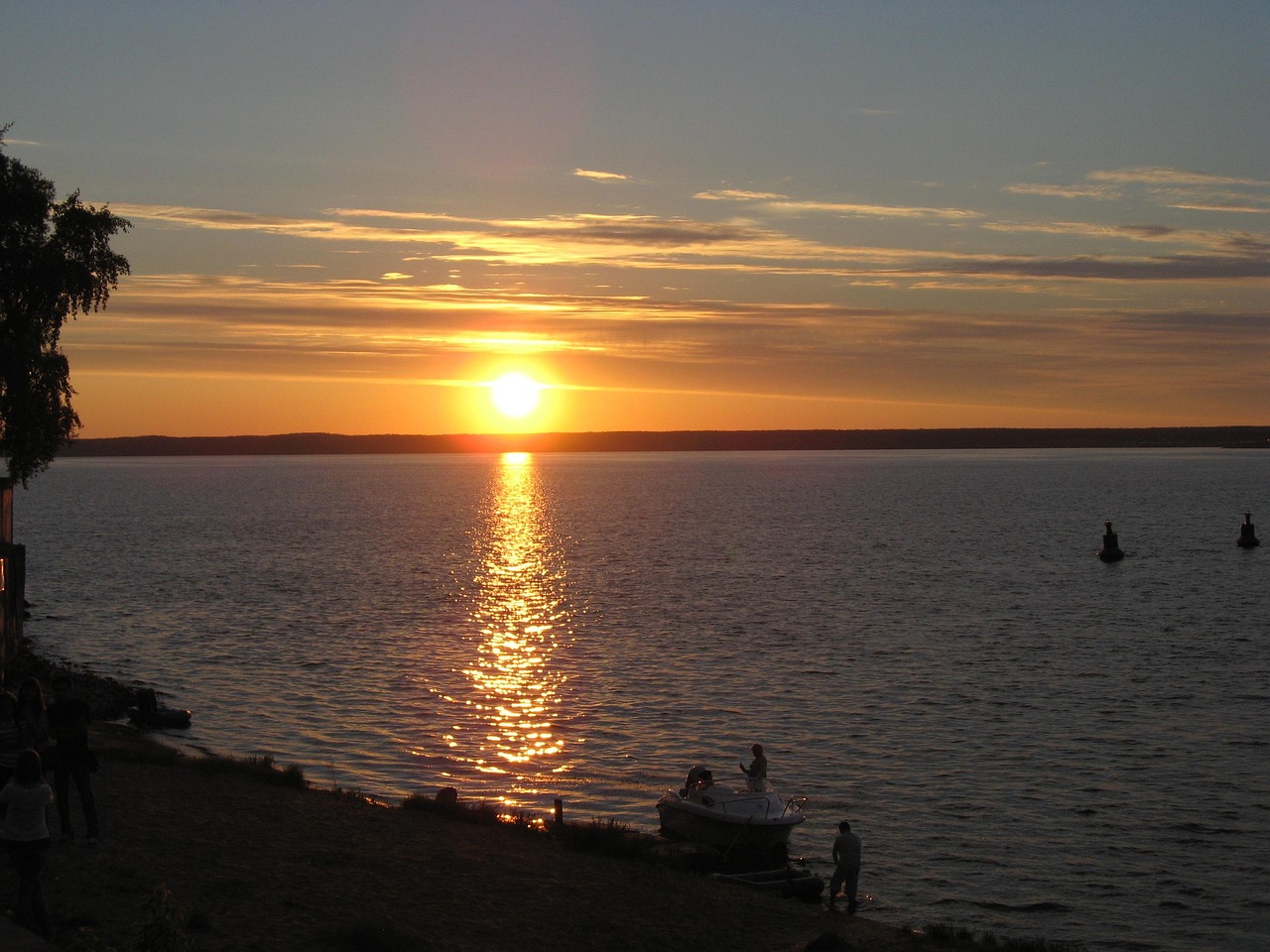
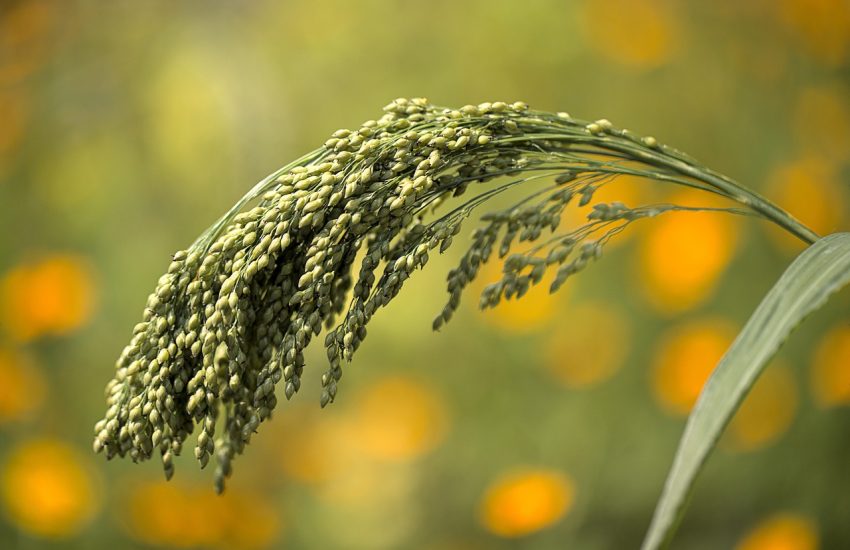
Unlike the nomadic Turkic peoples of the steppe, the Chuvash were long a settled people of farmers, living in villages and cultivating the fertile lands of the forest-steppe. Grain farming, above all rye and other cereals, together with the tending of livestock and the working of the land, formed the foundation of their economy through the seasons.
Beekeeping held an honoured place among the Chuvash, as among the other peoples of the wooded Volga and Ural country, and the honey and wax of the forest were both food and trade goods. Hunting, fishing, and the gathering of the produce of the forest added to the resources of a people well settled in their fertile homeland.
The Chuvash village, with its timber houses, its gardens and orchards, and its surrounding fields and woods, was the centre of this settled agricultural life, and the rhythms of the farming year, sowing and harvest, the care of the animals, and the work of the beekeeper, ordered the calendar and the customs of the people.
The Chuvash were also renowned as skilled hop-growers and brewers, and the cultivation of hops became a speciality of the region, feeding both the village breweries and a wider trade, so that the fields of the Chuvash country were known for the tall poles and green vines of the hop gardens as well as for their grain.
This settled life of the farmer and beekeeper, rooted in the village and the fertile land of the forest-steppe, gave the Chuvash a character quite unlike that of their nomadic Turkic kin and akin rather to the settled Finno-Ugric and Russian peoples among whom they lived, and it shaped a culture centred on the land, the village, and the turning of the agricultural year.
Society and the Village World
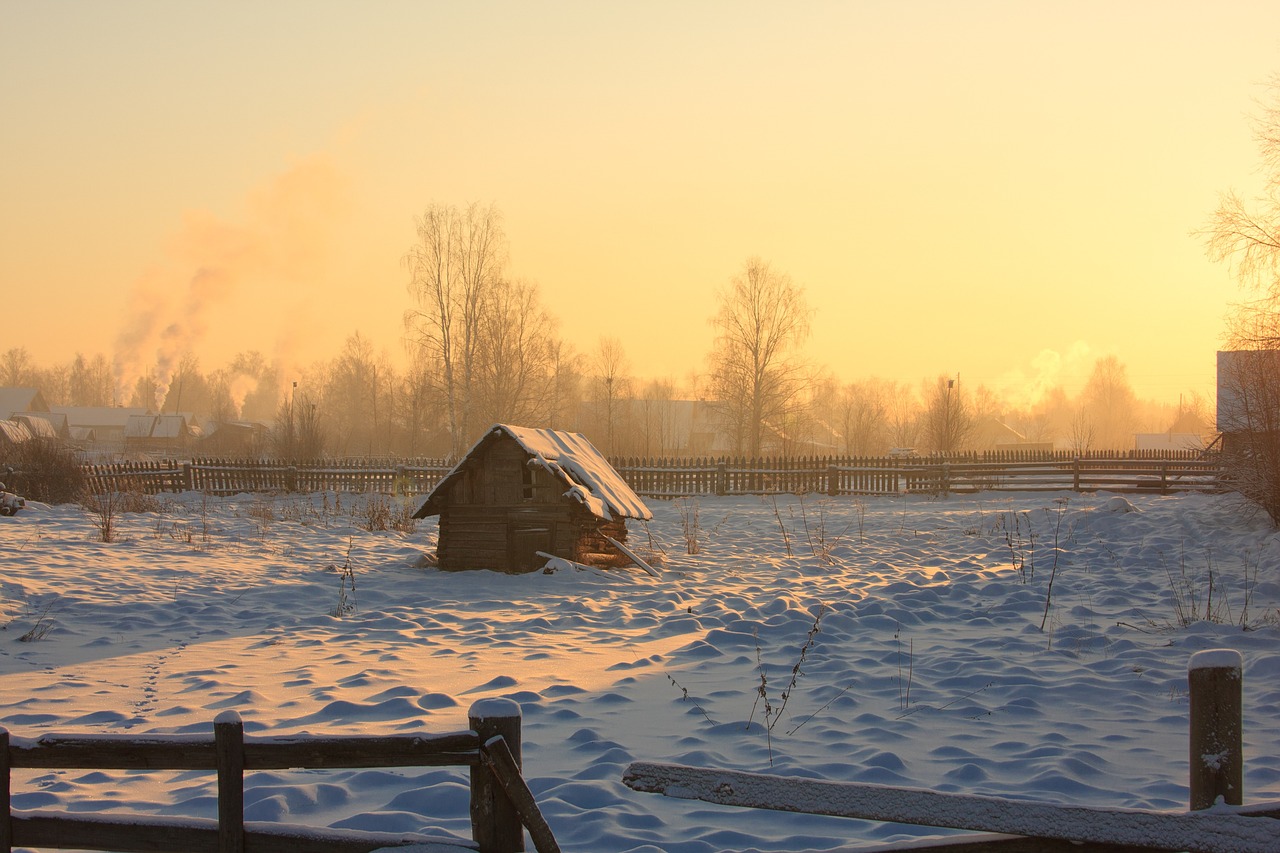
Chuvash society was centred on the village and the extended family, and it was in the close-knit community of the village that the customs, the labour, and the festivals of the people found their setting. The family, often large and multi-generational, was the basic unit, and the bonds of kinship and neighbourhood ordered social life.
Cooperative labour, in which the households of a village came together for major tasks such as building, harvest, and the great works of the farming year, was a central feature of Chuvash life, expressing the strong communal spirit of the people. The authority of elders and the customs of the community guided behaviour and settled disputes.
The two great divisions of the people, the upper Viryal and the lower Anatri, differed in dialect and in details of dress and custom, and each region and village had its own traditions, yet all shared the common language, the common descent, and the common way of life that made them Chuvash.
This village world, with its extended families, its cooperative labour, and its deep communal traditions, gave the Chuvash a strong and enduring social fabric, well suited to the settled agricultural life of the forest-steppe, and it preserved the customs, the language, and the identity of the people through the long centuries of life within the Russian state.
Religion, Between Christ and the Old Gods
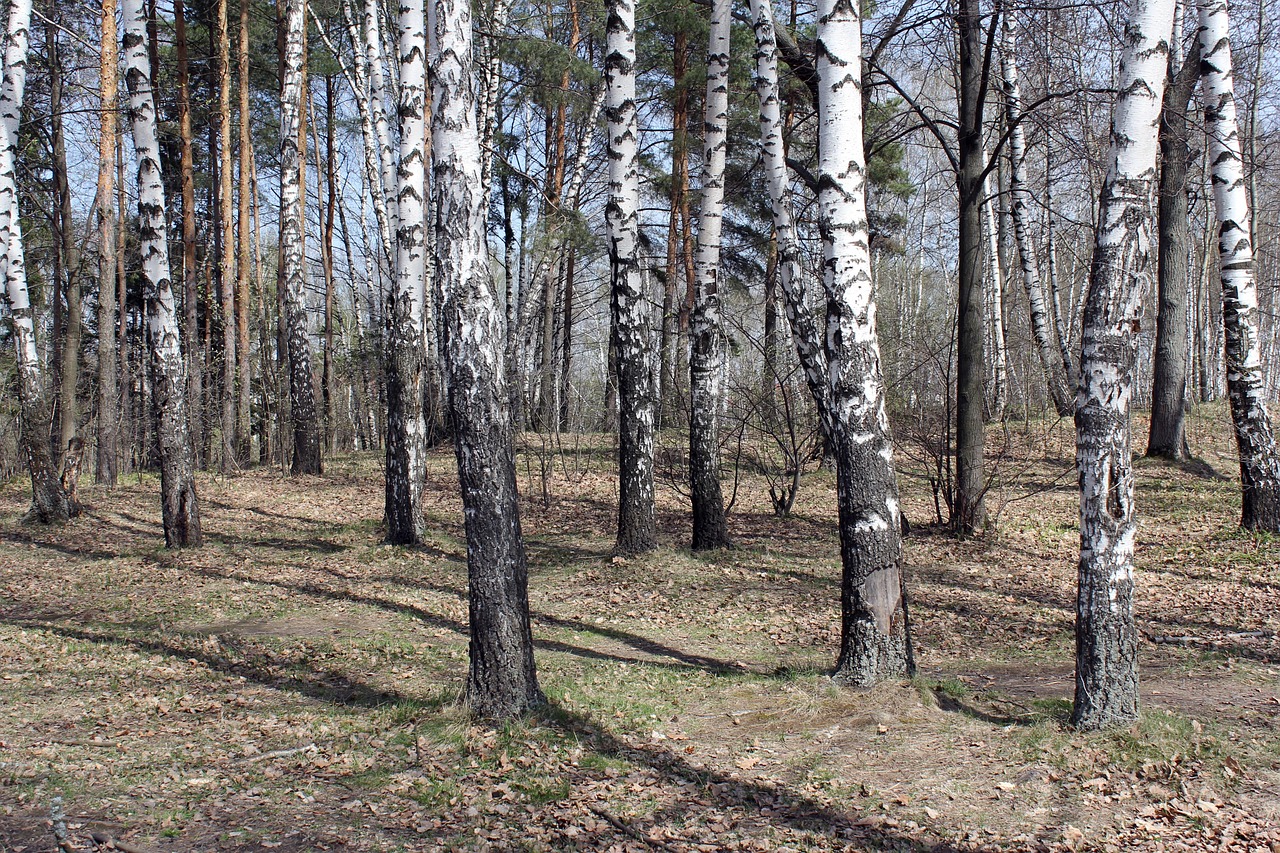
In religion the Chuvash are unusual among the Turkic peoples, for the great majority are Orthodox Christians rather than Muslims, having been converted, often under pressure, during the centuries of Russian rule. Yet beneath and alongside Christianity there survived, more strongly than among most peoples, the old pre-Christian religion of the Chuvash.
This old faith centred on a supreme sky god, Tura, alongside a host of lesser spirits and deities of nature, the household, and the ancestors, worshipped with prayers, sacrifices, and rituals in sacred groves and at holy places. The reverence for sacred trees and groves, and the offering of sacrifices, reflected a religion of the forest and the land.
So deep-rooted was this old religion that a portion of the Chuvash resisted conversion and preserved the traditional faith into modern times, and among the Orthodox majority many old customs, festivals, and beliefs survived within or alongside Christianity, giving Chuvash religious life a distinctive double character found in few other places.
Even among the Christianised majority, the old calendar of prayers to Tura and the spirits, the reverence for particular trees and springs, and the memorial rites for the ancestors long persisted in the villages, so that a Chuvash peasant might attend the Orthodox church and yet also observe the ancient customs of the grove, holding both worlds together without contradiction.
This blend of Orthodox Christianity with a living inheritance of the old Turkic and Finno-Ugric religion of sky god, nature spirits, and sacred groves makes the Chuvash one of the most religiously distinctive peoples of Russia, and the survival of the ancient faith among them offers a rare glimpse of the pre-Christian and pre-Islamic spiritual world of the Volga.
Traditions, Embroidery and Song
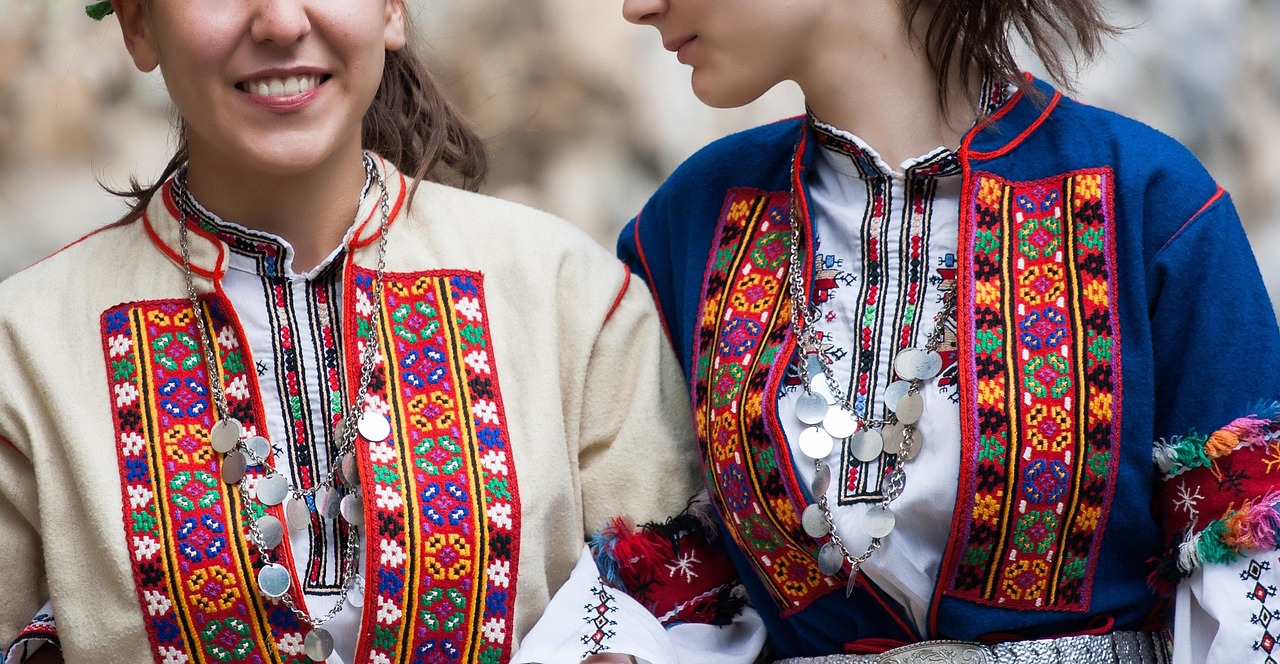
The Chuvash are famed above all for their embroidery, one of the richest and most sophisticated folk textile traditions in all of Russia. Chuvash embroidery, worked in intricate geometric and symbolic patterns in red, black, and other colours, adorned the shirts, dresses, headdresses, and ceremonial cloths of the people, and each motif carried meaning drawn from the old beliefs and the natural world.
The traditional dress of the Chuvash, especially that of the women, was a masterpiece of this embroidery, combined with headdresses and ornaments heavy with silver coins and beads, the tuhya and hushpu caps of the maidens and married women glittering with metal, a display of both artistry and wealth that marked the great occasions of life.
Song and music, too, hold an honoured place in Chuvash tradition, with a rich heritage of folk songs for every occasion, work songs, wedding songs, festival songs, and laments, sung solo and in chorus, and accompanied by traditional instruments. The Chuvash are known as a singing people, and their songs carry the memory and feeling of the nation.
This heritage of embroidery, dress, and song, in which the patterns of the needle and the melodies of the voice preserved the beliefs, history, and feeling of the people, stands at the heart of Chuvash culture, and the intricate red-and-black embroidery in particular has become a proud emblem of the nation, displayed and revived in the modern republic.
Each region and even each village once had its own recognisable patterns, so that a knowledgeable eye could read in a woman’s shirt or headdress where she came from and what her standing was, and the ornaments themselves were believed to carry protective power, guarding the wearer at the vulnerable moments of life such as birth, marriage, and death.
Crafts of the Chuvash
Beyond the celebrated embroidery, the Chuvash practised the full range of crafts of a settled forest and farming people. Woodworking, the essential craft of a forest region, produced the timber houses, the furniture, the vessels, and the tools of daily life, often decorated with carving, as well as the equipment of the farm and the beehive.
Weaving of cloth from flax and hemp, the making of the embroidered textiles, and the working of silver and metal for the coin-heavy ornaments of the women were all developed arts, alongside the plaiting of bast and bark for shoes, baskets, and containers, a craft shared with the Finno-Ugric and Russian peoples of the forest.
The making of the elaborate headdresses and jewellery, glittering with silver coins, beads, and shells, was a particular art, producing objects of great beauty and value that formed part of a woman’s dowry and were worn at weddings and festivals as a display of the family’s standing and the artistry of the maker.
These crafts of wood, cloth, silver, and bark, together with the supreme art of embroidery, turned the goods of a settled village life into objects of beauty and meaning, and they remain among the treasured expressions of Chuvash culture, studied, displayed, and revived as emblems of the heritage of the people.
Food of the Chuvash Table
Chuvash cuisine is that of a settled farming and beekeeping people, built around grain, dairy, vegetables, meat, and honey. Bread and grain dishes are central, and among the most distinctive foods is the khupla, a large pie of meat and potato baked for festivals and celebrations, alongside various pies, porridges, and dishes of the fertile Volga land.
Dairy products from the village herds, soups and stews, sausages, and dishes of the farmyard and garden filled the everyday table, while beer brewed from local grain held a special and honoured place in Chuvash custom, being made in the villages and drunk at festivals, weddings, and the great gatherings of the community.
Honey, the product of the beekeeping for which the region is known, sweetened the table and was used in drinks and festival foods, and the produce of the forest and river, mushrooms, berries, and fish, added variety to a cuisine rooted in the resources of the fertile forest-steppe homeland.
The dishes of the Chuvash, the festive khupla pie, the village beer, the honey and the grain, express the life of a settled people of the Volga woodlands, and they hold a place of pride in the customs and the hospitality of the nation, served at the weddings, festivals, and gatherings that mark the Chuvash year.
The brewing of beer was itself surrounded by custom and ceremony, for the drink was not merely refreshment but a ritual element of hospitality and celebration, offered to guests and to the spirits alike, and the making of the festival beer was one of the honoured tasks that marked the great occasions of the village year.
Festivals of the Chuvash Year
The festivals of the Chuvash follow the turning of the farming year and blend the old pre-Christian customs with the Christian calendar. The great spring festival, akin to the Sabantuy of their Turkic neighbours, celebrates the completion of the spring sowing with games, songs, and feasting, a joyful marking of the renewal of the agricultural year.
Other festivals mark the seasons and the works of the land: the celebrations of the new year and the coming of spring, the rituals of sowing and of harvest, the festivals of the ancestors, and the ceremonies once addressed to the old gods of sky, field, and household, many of which survived within or alongside the Christian feasts.
Weddings, among the most elaborate and important of Chuvash celebrations, filled several days with rituals of matchmaking, the display of the embroidered dowry and the silver headdresses, processions, songs, and great feasts with the village beer, joining two families and two villages in a celebration rich with the customs and artistry of the people.
The wedding songs and laments, in which the bride bade farewell to her girlhood and her family, were among the most moving of all Chuvash music, and the whole community took part in the ceremonies, so that a wedding became not merely the joining of two people but a great public festival of the village and a display of its traditions.
These festivals and ceremonies, blending the old religion of the sacred grove and the sky god with the Christian calendar and the rhythms of the farming year, are among the great expressions of Chuvash identity, drawing the villages together in song, feasting, and the display of the embroidery and ornament for which the people are famed.
History Under the Russian State
The Chuvash lands came under Russian rule in the sixteenth century, in the wake of the conquest of Kazan, when the region passed from the world of the Volga khanates into the expanding Russian state. Over the following centuries the Chuvash, a settled and largely peasant people, were drawn into the life of the empire as farmers and subjects.
The centuries of Russian rule brought the pressure of Christianisation, and most of the Chuvash were converted to Orthodoxy, though the old religion survived tenaciously alongside the new faith. The people bore the burdens of serfdom, taxation, and land pressure common to the peasantry of the empire, and their language and culture long lacked official recognition.
A national and cultural awakening came in the later nineteenth and early twentieth centuries, above all through the work of educators who created a Chuvash alphabet, schools, and a written literature, laying the foundation of modern Chuvash culture. Under the Soviet Union a Chuvash autonomous republic was established, and the language and culture gained institutions even as religion was suppressed.
With the changes at the end of the Soviet era, Chuvashia became a republic within the Russian Federation, and the Chuvash experienced a revival of interest in their language, their unique heritage, and their history, reclaiming their place as the living heirs of the Volga Bulgars within the modern Russian state.
The figure of the educator who created the modern Chuvash alphabet and school system is honoured to this day as a father of the nation, and the flowering of literature, theatre, and scholarship that his work made possible transformed a scattered peasant people into a nation conscious of its unique heritage and determined to preserve it.
The Chuvash Today
Today the Chuvash are one of the larger peoples of the Russian Federation, with their homeland in the compact and populous Republic of Chuvashia on the Volga and large communities in the neighbouring regions and beyond. Their capital Cheboksary is a modern city on the great river, a centre of Chuvash culture, education, and industry.
Cultural life centres on the unique Chuvash language, taught and used in literature, press, and song; on the celebrated tradition of embroidery and folk costume; on the rich heritage of music and festival; and on the distinctive religious inheritance that blends Orthodoxy with the surviving old faith. The Chuvash remain known as a people of song, embroidery, and deep-rooted village tradition.
The Chuvash face the familiar pressures of the minority peoples of Russia, above all the dominance of the Russian language and the pull of the cities, which weigh on the transmission of their extraordinary tongue, yet they hold to their distinct identity, proud of their descent from the Volga Bulgars and of a language and heritage found nowhere else on earth.
In the intricate red-and-black embroidery of their costume, in the silver-laden headdresses of their women, in the songs of their villages and the festivals of their farming year, and above all in the ancient Bulgar tongue that they alone still speak, the Chuvash continue to tell their story, the story of the last of the Volga Bulgars, who kept a lost language and an old world alive on the wooded banks of the great river.
From the Chuvash of the Volga the survey of the peoples of Russia moves onward to the Finno-Ugric nations of the region, the Mari, the Udmurts, the Mordvins, and the others, who share with the Chuvash the forests and rivers of the middle Volga and the long history of the many peoples of Russia.