Watching a child grow is one of the quiet joys of family life, but it can also bring a steady stream of questions. Is my child tall enough? Eating enough? Growing at the right pace? Almost every parent compares their child, at least silently, with cousins, classmates, and the children they see in the park, and almost every parent has lain awake at least once wondering whether everything is unfolding as it should. The reassuring truth is that healthy growth is not about a child being the biggest in the class, the first to walk, or the tallest in the family photo. It is about each individual child following their own steady, well-nourished path toward the potential written into their genes, supported by good food, enough sleep, plenty of movement, and a secure, loving environment.
This article takes a calm, thorough look at how children actually grow, what truly supports that growth at every stage from infancy through adolescence, the central role of nutrition and dietary fat, the underrated importance of sleep, play, and emotional security, and the signs that are genuinely worth discussing with a doctor. The goal is to replace anxiety with understanding. When parents grasp what is normal and what really makes a difference, much of the worry falls away, and what remains is the simple, daily work of helping a child thrive.
Table of Contents
- What does healthy growth really mean?
- The stages of childhood growth
- How growth actually happens in the body
- Tracking growth: charts, percentiles, and what they mean
- Nutrition: the foundation of healthy growth
- The place of fats in a child’s diet
- Key nutrients and the foods that supply them
- Sleep and its role in growth
- Physical activity and play
- Emotional wellbeing and growth
- Common worries: small, picky, or late growers
- Warning signs worth checking with a doctor
- Small daily habits that support growth
- A closing word for parents
What does healthy growth really mean?
Healthy growth means a child is gaining height, weight, and other measurements in a steady, proportionate way over time, while also developing their brain, bones, muscles, and internal organs. It is a whole-body process, not just a matter of getting taller. A child’s growth includes the lengthening of the skeleton, the strengthening of muscles, the maturing of the heart, lungs, and digestive system, and the extraordinary development of the brain, which does much of its most rapid building in the earliest years of life.
Crucially, doctors look less at any single measurement and more at the pattern over months and years. A child who steadily follows their own growth curve is usually growing well, even if they happen to be smaller or larger than their friends. This is one of the most important and most reassuring ideas in the whole subject. Growth is deeply individual, shaped strongly by genetics: tall parents tend to have taller children, and a child’s overall pace and final height are partly written into their family history. Two perfectly healthy children of the same age can differ considerably in size simply because they come from different families.
It also helps to remember that growth is not perfectly smooth. Children often grow in spurts, with quieter periods in between, and their appetite tends to rise and fall accordingly. A week where a child seems to eat constantly may be followed by weeks of more modest eating, and both can be entirely normal. Healthy growth, in other words, is best understood as a long, gently rising trend rather than a straight line, and patience over time is the right lens through which to view it.
The stages of childhood growth
Growth unfolds in distinct phases, each with its own character, and understanding them helps parents make sense of the changes they see. Infancy, the first year of life, is the fastest period of growth a person will ever experience outside the womb. Babies commonly triple their birth weight by their first birthday and grow dramatically in length, all while their brains expand at a breathtaking pace. This is why infant nutrition, whether breast milk, formula, or the careful introduction of solid foods, is so important: the raw materials for this explosive growth must come from somewhere.
The toddler and preschool years bring a noticeable slowing of growth in height and weight, but an explosion in other directions. This is the age of walking, running, climbing, and the rapid blossoming of language and social skills. Because growth in size slows, appetite often becomes more modest and more variable, which frequently alarms parents who remember the hungry baby of a year earlier. In reality, a smaller, choosier appetite at this age is usually a normal reflection of slower physical growth rather than a problem.

Through the school years, children settle into a gentler, more even pace of growth, typically gaining a steady few centimetres and a moderate amount of weight each year. This is a period of consolidation, where good habits around food, sleep, and activity quietly lay the groundwork for the years ahead. Then comes puberty, which brings a second dramatic growth spurt. The timing of puberty varies enormously and normally from child to child, which is why a class of eleven- and twelve-year-olds can contain children who look years apart in development. During this spurt the body matures into its adult form, the skeleton makes its final major gains in height, and the growth plates in the bones eventually close, bringing the era of growing taller to a natural end.
How growth actually happens in the body
Behind the visible changes, growth is an elegant biological process orchestrated by hormones. Growth hormone, released by the pituitary gland and produced in greatest quantity during deep sleep, is the central conductor. It works alongside thyroid hormones, which set the body’s overall metabolic pace, and, as childhood gives way to adolescence, the sex hormones that drive the changes of puberty. When any of these signals is significantly out of balance, growth can be affected, which is part of why doctors sometimes check them when a child’s growth pattern raises questions.
The actual lengthening of bones happens at remarkable structures called growth plates, located near the ends of the long bones. Here, special cartilage cells multiply and are gradually replaced by new bone, pushing the ends of the bone further apart and making the child taller. These growth plates remain active throughout childhood and adolescence and then close in the late teens, which is the biological reason a person stops growing taller in adulthood. Protecting bone health during these years, through good nutrition and activity, helps the skeleton make the most of this window.

Meanwhile, muscles, organs, and the brain grow in parallel with the skeleton, and all of it depends on a steady supply of energy and raw materials from food. Protein provides the building blocks for new tissue, minerals like calcium build bone, and a host of vitamins act as the helpers that make these processes possible. The brain, in particular, requires generous amounts of energy and healthy fats to build its intricate network of connections. This is the deeper reason that nutrition, sleep, and overall health matter so profoundly during childhood: they are simultaneously the fuel that powers growth and the signals that allow it to proceed in an orderly way.
Tracking growth: charts, percentiles, and what they mean
To keep an eye on growth, doctors plot a child’s height, weight, and, in younger children, head circumference on growth charts. These charts show how a particular child compares with a large reference population of children of the same age and sex, and the results are expressed as percentiles. A child on the 25th percentile for height, for example, is taller than 25 percent of children their age and shorter than 75 percent. This is a perfectly healthy place to be, just as the 75th or the 10th percentile can be perfectly healthy.
One of the most common and unnecessary worries comes from misreading percentiles. Many parents instinctively feel that a higher percentile is somehow better, as though growth were a competition. It is not. A child on the 90th percentile is not healthier than a child on the 15th; they are simply built differently, often reflecting their family’s natural size. What matters far more than the percentile number itself is consistency over time. A child who reliably tracks along their own curve, whatever its level, is generally growing well.
The pattern that genuinely warrants attention is a significant change in direction: a child who steadily drifts downward across several percentile lines, or who suddenly shoots up or falls off their established curve. Such crossing of percentiles over time is more meaningful than any single measurement and is exactly the kind of change a doctor will want to look at. This is also why regular child health check-ups are so valuable; they allow growth to be charted over time, turning a series of isolated measurements into a meaningful story.
Nutrition: the foundation of healthy growth
If growth has a foundation, it is food. A varied, balanced diet is the single most important thing parents can provide to support healthy growth, because everything the body builds, it builds from nutrients that arrive on the plate. Children need enough overall energy to fuel both their daily activity and the constant work of growing, plus protein for building and repairing tissues, calcium and vitamin D for the bones being laid down throughout childhood, iron for healthy blood and brain development, and a wide spectrum of vitamins and minerals drawn from fruits, vegetables, whole grains, dairy or suitable alternatives, and protein-rich foods.
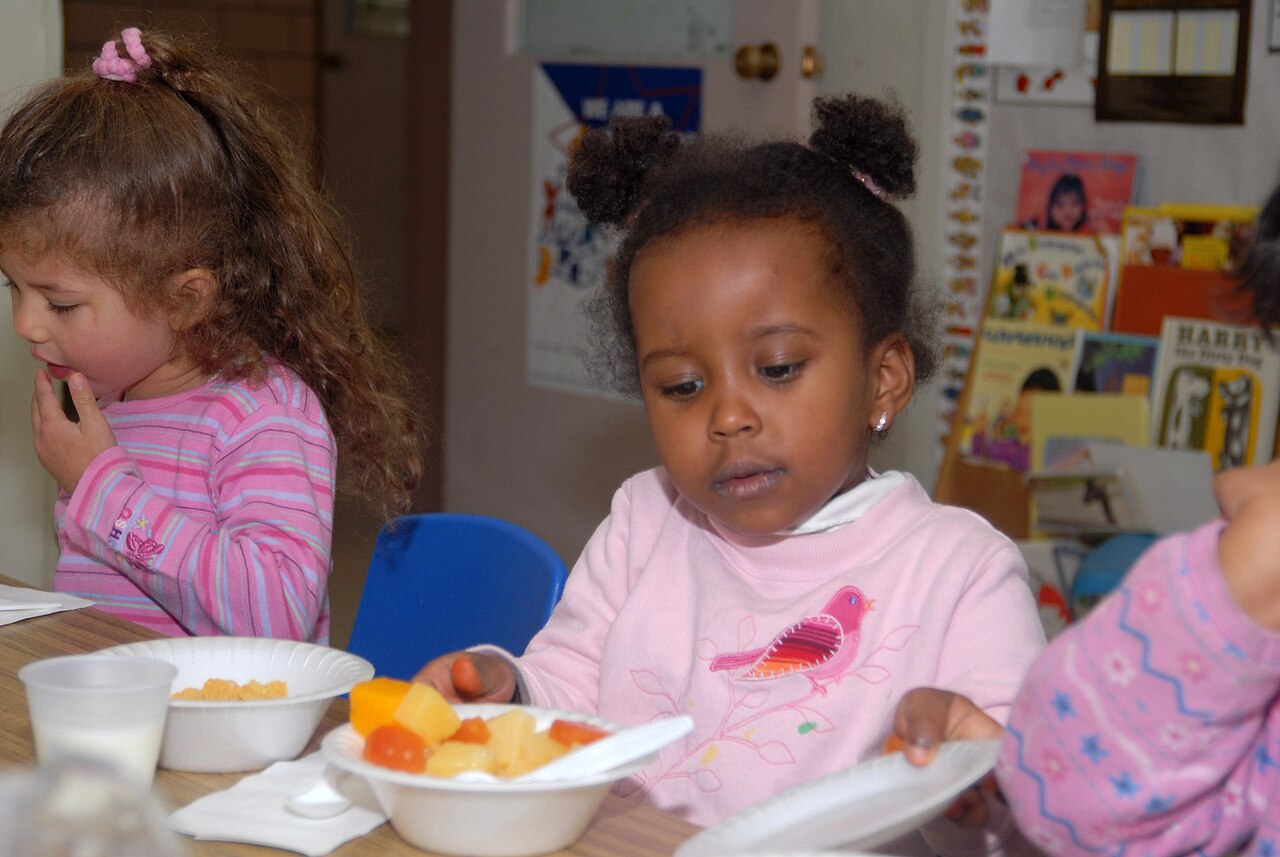
An important point, easily lost in a world of marketing claims, is that no single superfood drives growth. Variety does. A child who eats a reasonable range of wholesome foods across the week is far better served than one given expensive supplements or trendy products in place of real meals. Because children have smaller stomachs and proportionally higher energy needs than adults, regular meals supported by healthy snacks tend to suit them well, providing steady fuel rather than relying on a few large meals.
The setting in which children eat matters more than many parents realise. Shared family meals, eaten without pressure and without screens, help children develop a healthy relationship with food and a willingness to try new things over time. Forcing, bribing, or fighting over food tends to backfire, while patiently and repeatedly offering a variety of foods in a calm atmosphere is one of the most effective long-term strategies. Limiting sugary drinks and ultra-processed snacks, which fill children up with energy but little nourishment, leaves more room for the foods that genuinely build a growing body.
The place of fats in a child’s diet
Among all the messages parents absorb about nutrition, the one about fat is perhaps the most misunderstood, and getting it right matters enormously during childhood. Fat is not something to fear or minimise in a young child’s diet; it is essential. Dietary fat is a concentrated source of the energy that small, active, fast-growing bodies need, and it plays roles that nothing else can fill. It forms part of the membrane of every single cell in the body, including the cells that are multiplying rapidly as a child grows.
Most strikingly, fat is fundamental to brain development. The human brain is largely built from fat, and the protective myelin sheath that wraps around nerve fibres, allowing them to carry signals quickly and efficiently, is itself a fatty substance. The early years of life, when the brain is developing at its fastest, are therefore a time when healthy fats are especially important. Fat also serves as the carrier for the fat-soluble vitamins A, D, E, and K, which a child cannot absorb without it. These vitamins support growing bones, healthy vision, immune defence, and more, so a diet too low in fat can quietly undermine them.
The aim, then, is not more fat for its own sake, but good fats from wholesome sources: dairy, eggs, fish, nuts and seeds where age-appropriate and safe, avocado, and olive oil. These provide the beneficial fats a growing body and brain thrive on. By contrast, a diet heavy in fried foods and ultra-processed products supplies less helpful fats along with a great deal of salt and sugar. Parents should also be aware of what might be called the fat-free trap: products marketed as low-fat or fat-free, sometimes aimed specifically at children, are frequently loaded with added sugar to compensate for flavour, offering little real benefit. For young children in particular, an overly strict low-fat approach borrowed from adult dieting can deprive them of fuel their brains and bodies genuinely need. Childhood is not the time for fat restriction; it is the time for the right fats in sensible amounts.
Key nutrients and the foods that supply them
While balance and variety are the overarching goals, a handful of nutrients deserve special attention during the growing years because they are both especially important and, in some cases, commonly in short supply. Protein supplies the literal building blocks of new tissue, and it is found in eggs, dairy, beans and lentils, fish, poultry, and meat. A child eating a reasonable range of these foods generally gets plenty, and there is rarely any need for special high-protein products marketed to families.

Calcium and vitamin D work as a partnership to build strong bones during the very years when the skeleton is being constructed for life. Calcium comes from dairy products, fortified plant-based alternatives, and leafy green vegetables, while vitamin D comes from sunlight on the skin, oily fish, and fortified foods, and is sometimes recommended as a supplement in places or seasons where sunlight is limited. Because so much of a person’s lifelong bone strength is established in childhood and adolescence, getting these nutrients right early pays dividends for decades.
Iron is another nutrient that deserves a spotlight, because shortfalls are common in young children and can affect both physical growth and brain development. Good sources include red meat, beans, lentils, and iron-fortified cereals, and pairing plant sources of iron with vitamin C-rich foods helps the body absorb it. Beyond these headline nutrients, iodine supports the thyroid and therefore growth itself, zinc plays a role in many growth processes, and the broad spread of vitamins found in colourful fruits and vegetables underpins the whole system. The practical message is encouraging rather than daunting: a varied, mostly wholesome diet naturally delivers these nutrients without the need for complicated calculations.
Sleep and its role in growth
Sleep is one of the most underrated ingredients of healthy growth, and the old saying that children grow in their sleep contains real biological truth. A large share of the body’s growth hormone is released during deep sleep, which is one important reason children need so much more of it than adults. A child who is chronically short of sleep is not only tired; they may be missing some of the hormonal signals that support steady growth, alongside the many other benefits good sleep brings.

Beyond hormones, sleep is when children consolidate what they have learned during the day, strengthening memory and supporting the rapid brain development of early life. It steadies mood and behaviour, sharpens attention and learning at school, and bolsters the immune system that keeps growing children healthy. Sleep needs change with age, from the very long hours and frequent naps of infancy, through the still-substantial needs of toddlers and young children, to the somewhat shorter but still generous needs of older children and teenagers, whose body clocks naturally shift later during adolescence.
What stays constant across all these ages is the value of consistency. Regular bedtimes and wake times, a calm wind-down routine, and a bedroom that is dark, quiet, and free of screens all help a child get the deep, restorative sleep that growth depends on. In a busy modern household, protecting sleep can feel like a low priority next to homework and activities, but in terms of healthy growth it is anything but. It is one of the simplest, most powerful gifts a parent can give.
Physical activity and play
Active play does far more for a growing child than simply burning off energy, though it certainly does that too. When children run, jump, climb, and chase one another, they load their bones and muscles in ways that make them stronger and help them grow well. Weight-bearing movement is a genuine stimulus to bone development, and the varied demands of active play build coordination, balance, and physical confidence that serve a child for life. Movement is, in a very real sense, part of how the growing body assembles itself properly.

Activity also feeds into a healthy cycle that supports growth in indirect ways. Children who move plenty during the day tend to have heartier appetites and to sleep more deeply at night, and both of those, as we have seen, are themselves pillars of healthy growth. Physical activity supports a healthy body weight, lifts mood, and reduces the long stretches of sitting that modern life, with its screens and schedules, so easily encourages.
For children, the right kind of activity is rarely structured exercise in the adult sense. What they need most is ample opportunity for free, joyful movement every day, both indoors and, ideally, outdoors in fresh air and natural light. Unstructured play in a park, games with friends, family walks and bike rides, and simply being allowed to be physical all count. Balancing this active time against long periods of screen-based sitting is one of the more meaningful things parents can do, not as a punishment or a chore, but as a way of protecting something children naturally love and genuinely need.
Emotional wellbeing and growth
It is easy to think of growth as a purely physical matter of food and sleep, but a child’s emotional world is woven into it more tightly than many parents realise. A child who feels safe, loved, and secure tends to grow and thrive more fully, while chronic stress, fear, or neglect can genuinely interfere with growth, in part through the same hormonal systems that govern it. In extreme situations, doctors even recognise patterns where prolonged emotional deprivation suppresses growth, a striking illustration of how deeply mind and body are connected in childhood.
The everyday version of this truth is gentler but just as real. Warm, responsive relationships, predictable daily routines, encouragement, and unhurried time to play all nourish a child’s development as surely as a good meal does. A secure child sleeps better, eats more comfortably, and approaches the world with the curiosity and energy that healthy growth thrives on. Emotional wellbeing also shapes the very habits this article has discussed, since a stressed or anxious child may struggle with eating or sleeping in ways that ripple outward into their physical growth.
None of this means parents must be perfect or that ordinary stresses will harm a child; children are remarkably resilient, and a loving home absorbs a great deal. It simply means that caring for a child’s feelings and sense of security is not separate from caring for their physical growth. The two are part of the same whole, and the time spent comforting, playing with, and simply being present for a child is an investment in their development in the fullest sense.
Common worries: small, picky, or late growers
A great many parental worries about growth turn out, on closer inspection, to be normal variations rather than problems. Take size: some children are simply genetically smaller than their peers, and as long as they are following their own growth curve, are healthy, active, and developing well, this is usually entirely fine. A small child from a family of smaller-statured people is most often exactly where nature intends them to be. Comparison with bigger classmates can generate needless anxiety about a child who is, in truth, growing perfectly well for who they are.
Picky eating is another classic source of worry, and it is extremely common in toddlers and preschoolers. At an age when growth naturally slows and children are asserting their independence, refusing foods, eating very selectively, and changing favourites from week to week are all typical. In the great majority of cases, picky eating does not harm growth, provided a reasonable variety of foods continues to be offered patiently and without turning mealtimes into battles. Pressure tends to entrench fussiness, whereas calm, repeated exposure to new foods gradually broadens what a child will accept.
Then there are the so-called late bloomers, children who grow and enter puberty later than their peers, often following a pattern seen in their own parents, and who then catch up in their own time. A child who seems behind their friends at twelve may stand among the tallest by sixteen. Recognising that growth is profoundly individual, and that there is a wide and healthy range of normal in timing and size, can spare families an enormous amount of unnecessary worry. The aim is not to ignore genuine concerns, but to keep them in proportion.
Warning signs worth checking with a doctor
While most growth is healthy and most worries unfounded, certain signs genuinely warrant a professional opinion, and knowing them allows parents to act sensibly rather than anxiously. One is a child crossing downward through percentile lines over time, or failing to gain weight or height as expected across successive check-ups. Because the pattern matters more than any single point, this kind of sustained change is exactly what growth charts are designed to catch.
Other reasons to seek advice include growth that suddenly slows or stops, a child who appears markedly smaller or shorter than peers in a way that genuinely concerns you, or signs of very early or very delayed puberty. Growth concerns that come alongside other symptoms deserve particular attention, such as persistent tiredness, frequent illnesses, ongoing digestive problems, or difficulties with feeding. In a young child, poor weight gain together with other worrying signs is always worth discussing promptly.
The reassuring point is that seeking advice is a measured, sensible step, not an overreaction. A doctor or paediatrician can measure a child carefully, place those measurements in the context of the overall pattern and the family’s history, and either offer reassurance or investigate further as needed. Most of the time the outcome is reassurance. When it is not, early attention gives the best chance of identifying and addressing whatever is going on. Trusting your instincts as a parent, while leaning on professional guidance, is the right balance.
Small daily habits that support growth
When all of this is distilled into everyday life, the foundations of healthy growth turn out to be simple and within reach of most families. Offer a varied, balanced diet that includes healthy fats and regular meals, and treat sugary drinks and ultra-processed snacks as occasional rather than everyday items. Protect a consistent, generous sleep routine with regular bedtimes and a calm, screen-free wind-down. Make space every day for active, joyful play, indoors and out, and balance it against long stretches of sitting in front of screens.
Just as importantly, nurture a warm and secure home life, full of affection, encouragement, and unhurried time together, because emotional wellbeing is part of physical growth, not separate from it. Keep up with routine child health check-ups so that growth can be tracked over time and any genuine concern can be spotted early. And perhaps above all, hold all of this lightly: aim for good patterns over the long run rather than perfection on any given day. None of these habits is dramatic in isolation, but woven together across the years of childhood, they create the conditions in which a child grows as healthily as their own nature allows.
A closing word for parents
Healthy growth, in the end, is less about chasing numbers on a chart and more about steady, loving, everyday care. Children grow at their own pace, guided largely by their genes, and a parent’s role is not to force or accelerate that process but to provide the conditions in which it can unfold naturally: nourishing food, enough sleep, room to move and play, and the security of being loved. When those foundations are in place, growth tends to take care of itself, quietly and remarkably, year after year.
This article is general information, not medical advice, and every child is genuinely different. The patterns, ranges, and habits described here are meant to inform and reassure, not to replace the individual judgement of a professional who knows your child. If you ever have concerns about your child’s growth or development, the best step is always to speak with your paediatrician or family doctor, who can assess your child individually, place any worry in proper context, and offer guidance tailored to them. Trust the process, trust your instincts, and lean on professional support when you need it.