Irritable bowel syndrome, almost always shortened to IBS, is one of the most common conditions in the world, and also one of the most frustrating to live with. It brings recurring abdominal pain together with changes in bowel habits, swinging toward diarrhea, constipation, or an unpredictable mix of both. What makes IBS so distinctive is that it causes real, sometimes disabling symptoms without damaging the gut or showing up on most ordinary tests. It is what doctors call a disorder of brain-gut interaction, a problem in the constant conversation between the nervous system and the digestive tract. This article explains what IBS is, how it behaves, which parts of the body it involves, the way diet and dietary fat fit into the picture, the lifestyle steps that genuinely help, and the medical options doctors turn to. The goal is a clear and honest account rather than a promise of a single miracle fix.
Table of Contents
- What is IBS?
- What are the symptoms?
- Which organs does it affect?
- How IBS behaves over time
- How it presents and develops
- Causes and risk factors
- Its relationship with nutrition
- The place of fats
- Natural foods that help
- Settling the gut by natural means
- Natural remedies: where to find them
- When more help is needed: medical and pharmaceutical options
- Small but effective daily-life changes
- A closing word of caution
What is IBS?
IBS is a chronic functional disorder of the digestive system. The word functional is key: it means the gut is not working smoothly even though its structure is normal. There is no ulcer, no inflammation that scars the bowel, and no growth driving the symptoms. Instead, the machinery of digestion misfires. The muscular waves that push food along can run too fast or too slow, and the nerves that line the gut can become unusually sensitive, registering pain or urgency from a normal amount of gas or stool that most people would never notice.
Doctors recognise several patterns based on the dominant change in bowel habits: IBS with diarrhea, IBS with constipation, and a mixed type that alternates between the two. Importantly, IBS can be genuinely painful and disruptive, yet it does not lead to other diseases or damage the digestive tract over time. Understanding this reassuring fact is part of managing the condition, because anxiety about the symptoms can itself make them worse.

What are the symptoms?
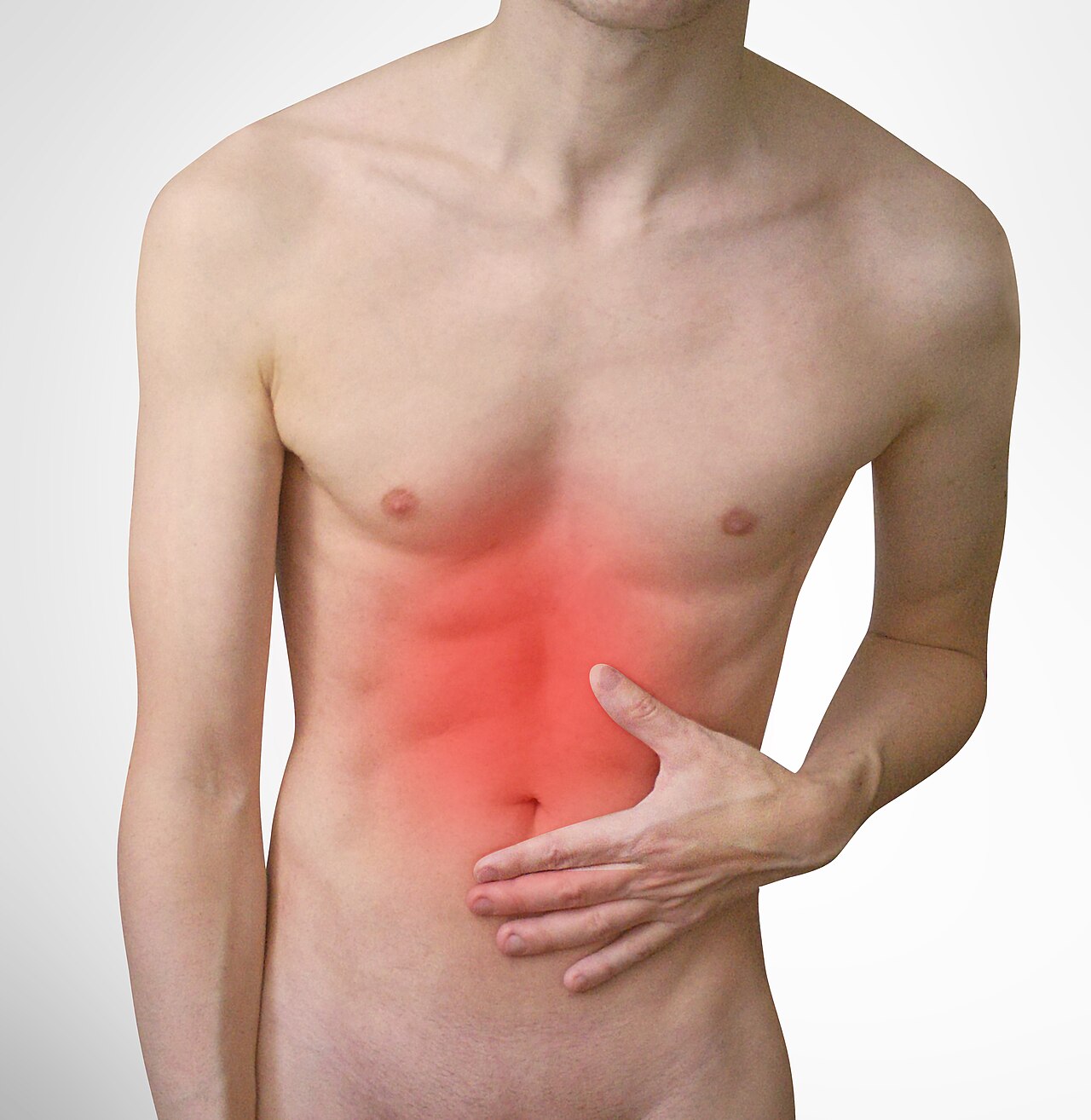
The hallmark of IBS is abdominal pain that is often linked to bowel movements, frequently easing or changing after passing stool. Alongside this come changes in the pattern of bowel movements, which may mean diarrhea, constipation, or a mixture, depending on the type. Bloating is extremely common, as is a feeling that a bowel movement is incomplete, and some people notice whitish mucus in the stool.
Symptoms tend to come and go, flaring during stressful periods and quietening at other times, and many women find they worsen around their menstrual periods. Because IBS shares features with other conditions, doctors also watch for warning signs that point away from IBS and toward something that needs different attention, such as bleeding, unexplained weight loss, fever, or symptoms that begin later in life. IBS itself is a pattern recognised over time rather than a single dramatic event.
Which organs does it affect?
IBS centres on the large intestine and the lower digestive tract, but its reach is broader than a single organ. The whole gut is involved through its muscular contractions and its dense network of nerves, sometimes called the second brain because it contains hundreds of millions of nerve cells. These nerves are in constant two-way communication with the brain, which is why IBS is understood as a disorder of the gut-brain connection rather than of the bowel alone.
This is also why IBS so often travels alongside the mind. Stress, anxiety, and low mood can amplify gut symptoms, and persistent gut symptoms can in turn weigh on mood and quality of life. The gut’s community of microbes, the trillions of bacteria that live in the intestine, appears to play a part too, influencing how the gut behaves and how it signals to the brain. So while the symptoms are felt in the belly, the condition meaningfully involves the nervous system and the gut’s microbial ecosystem.

How IBS behaves over time
IBS does not progress through worsening stages the way some diseases do; it does not advance into bowel damage or transform into another illness. Instead it follows a fluctuating, long-term course. Most people experience it as a series of flare-ups separated by calmer spells, sometimes lasting months or years. The triggers for flares vary from person to person and commonly include particular foods, stressful life events, poor sleep, and hormonal shifts.
For many, the pattern can shift over a lifetime. Some find their predominant symptom changes, for example moving between constipation-leaning and diarrhea-leaning phases. Others discover that with the right combination of diet, stress management, and sometimes medication, flares become less frequent and less intense. The encouraging message is that while IBS is chronic, it is highly manageable, and learning your personal triggers is often the turning point.
How it presents and develops
IBS frequently develops in adolescence or early adulthood, though it can begin at any age. In some people it appears after a bout of gastrointestinal infection, a pattern known as post-infectious IBS, where the gut never quite returns to its previous calm after the infection clears. In others it emerges gradually, without any clear starting point, often during a period of significant stress or life upheaval.
The way it presents depends on the individual’s dominant type and triggers. One person may struggle mainly with urgent, loose stools and cramping, while another battles weeks of constipation and bloating. The common thread is the link between symptoms and the gut-brain relationship, and the tendency for symptoms to track with stress, diet, and routine. This variability is exactly why treatment is so personalised.
Causes and risk factors
The honest answer is that doctors do not know precisely what causes IBS, and it is almost certainly not one single thing. The leading idea is that IBS arises from problems in brain-gut interaction, the way the brain and digestive system coordinate. In some people food moves too quickly or too slowly through the gut, and many have a heightened sensitivity in which normal amounts of gas or stool are felt as pain.
Several factors appear to raise the risk or trigger the condition. Stressful or difficult early-life experiences, and mental health conditions such as anxiety and depression, are more common in people with IBS. A prior bacterial infection of the gut can set it off, and an overgrowth or change in the balance of bacteria in the small intestine may contribute. Food intolerances and sensitivities frequently provoke symptoms, and there is evidence that genetics make some people more susceptible. Rather than a single cause, IBS is best seen as the meeting point of several of these influences.

Its relationship with nutrition
Few conditions are as closely tied to diet as IBS, and for many people food is both a major trigger and a key part of the solution. Certain foods commonly provoke symptoms, and one of the most studied dietary approaches is the low FODMAP plan. FODMAPs are a group of poorly absorbed carbohydrates that ferment in the gut, drawing in water and producing gas, which can drive bloating, pain, and altered bowel habits in sensitive people. Reducing high-FODMAP foods for a time, then carefully reintroducing them, helps many identify their personal triggers.
Other dietary strategies matter too. Increasing fibre, especially the soluble kind, can help those with constipation-leaning IBS, though adding it too fast can briefly worsen gas. Some people benefit from avoiding gluten even without celiac disease. Because everyone’s triggers differ, nutrition for IBS is less about a fixed list of forbidden foods and more about patient, structured self-discovery, ideally with guidance from a doctor or dietitian so the diet stays balanced.

The place of fats
Fat plays an interesting double role in IBS. On one hand, dietary fat is an essential nutrient that the body cannot do without. It forms part of every cell membrane, including the cells lining the gut, supplies the raw material for hormones, and is the only route by which the body absorbs the fat-soluble vitamins A, D, E, and K. Cutting fat out entirely would harm overall health and nutrition, and would do nothing to cure IBS.
On the other hand, fat has a powerful effect on how the gut moves. Eating fat naturally stimulates contractions of the colon through a normal reflex, which is why a large, rich, greasy meal can trigger cramping or an urgent trip to the bathroom in someone with a sensitive gut. The practical lesson is not to fear fat but to be mindful of it: favour the gentler fats found in olive oil, avocado, nuts, and fish, keep portions moderate, and notice how heavy fried or ultra-processed meals affect you personally. It is also worth knowing the fat-free trap, where products stripped of fat are loaded with sugars or additives that can themselves upset an IBS gut. Quality and quantity, rather than total avoidance, are what matter.
Natural foods that help
While no single food cures IBS, gentle, well-tolerated choices can make daily life much smoother. Soluble-fibre foods such as oats, ripe bananas, carrots, and psyllium tend to be soothing and helpful for regularity. Lean proteins and well-cooked vegetables are usually easy on the gut. Many people do well with smaller, more regular meals eaten at a relaxed pace, which avoids overwhelming a sensitive digestive system.
Peppermint deserves a special mention, because peppermint oil has a genuine, evidence-backed ability to relax the muscle of the gut wall and ease cramping for some people with IBS. Fermented foods and probiotic-rich choices like plain yogurt and kefir may help support a balanced gut microbiome, though responses vary. The key, as always with IBS, is personalisation: keeping a simple food and symptom diary often reveals which natural foods genuinely help you and which quietly set you off.

Settling the gut by natural means
Because IBS is so closely linked to the gut-brain connection, some of the most effective natural approaches work on stress and the nervous system as much as on the gut itself. Regular physical activity helps move the bowel and lifts mood, getting enough sleep steadies the system, and actively reducing stress can quieten flare-ups. Practices such as paced breathing, yoga, and mindfulness are not vague wellness advice here; they target the very brain-gut pathway at the heart of the condition.
It is fair and honest to say that for many people these natural, lifestyle-based steps are the foundation of managing IBS, and they often help more than any pill. At the same time, IBS varies enormously, and some people need medical support to get on top of severe symptoms. The healthiest mindset is to lean fully into the lifestyle and dietary measures while staying open to medical help when they are not enough, rather than viewing one as a replacement for the other.
Natural remedies: where to find them
The supportive ingredients for IBS are everyday items. Soluble-fibre foods such as oats, bananas, and carrots, along with psyllium husk, are available in any grocery store and pharmacy. Peppermint, whether as fresh leaves for tea or as coated peppermint oil capsules, is widely sold. Plain yogurt, kefir, and other fermented foods that support the gut microbiome are easy to find, as are the gentle, low-FODMAP foods that form the backbone of an IBS-friendly diet.
A note of caution applies to supplements and herbal remedies marketed for digestion. Their quality varies, some can worsen symptoms, and probiotics in particular come in many strains with different effects. Health authorities recommend talking with a doctor before starting probiotics or any complementary remedy, and asking specifically which product, and for how long, since the wrong choice may simply add cost and confusion without helping.
When more help is needed: medical and pharmaceutical options
When diet and lifestyle do not bring enough relief, doctors have a range of treatments, chosen according to the dominant symptom. Because the right medicine depends entirely on the type of IBS and the individual, this section describes the classes of treatment and how they work, not how they are dosed; dose and duration are decisions for a physician who knows your full picture.
For IBS with diarrhea, doctors may use anti-diarrhoeal medicines that slow gut transit, a gut-targeted antibiotic that adjusts the balance of intestinal bacteria, or specific prescription agents designed to calm an overactive bowel. For IBS with constipation, options include fibre supplements when dietary fibre alone is not enough, laxatives, and prescription medicines that work by drawing more fluid into the bowel to ease the passage of stool. For abdominal pain, antispasmodic medicines relax gut muscle to reduce cramping, and coated peppermint oil capsules act in a similar, gentler way.
One class deserves special explanation. Doctors sometimes prescribe antidepressants, such as low doses of tricyclic antidepressants or selective serotonin reuptake inhibitors, not because IBS is imagined, but because these medicines act on the same nerve-signalling chemicals that run the gut-brain axis. At the doses used for IBS they can dampen gut pain signals and help regulate bowel function. Alongside medication, mental-health therapies are genuinely effective treatments for IBS, including cognitive behavioural therapy, gut-directed hypnotherapy, and relaxation training, all of which retrain the brain-gut relationship. The takeaway is that IBS treatment is layered and personalised, and finding the right combination often takes some patient trial and error with a doctor’s guidance.
Small but effective daily-life changes
Many of the most powerful steps for IBS are simple habits. Eating at regular times, not skipping meals, and slowing down at the table all help a sensitive gut find a rhythm. Staying well hydrated supports those prone to constipation, while limiting known triggers such as excess caffeine, alcohol, and very fatty or spicy meals reduces the chance of a flare. Building gentle, regular exercise into the week benefits both the bowel and the mood that so strongly influences it.
Equally important is the mental side. Protecting sleep, finding workable ways to manage stress, and keeping a light food and symptom diary turn vague frustration into useful knowledge about your own patterns. None of these changes is dramatic alone, but together they create the steady, low-stress environment in which an irritable gut is least likely to act up.
A closing word of caution
IBS is common, real, and manageable, but its symptoms overlap with conditions that need very different treatment, including inflammatory bowel disease, celiac disease, and others. For that reason IBS should be diagnosed by a doctor rather than assumed. Warning signs such as bleeding, unexplained weight loss, persistent fever, or new symptoms appearing later in life deserve prompt medical assessment and should never simply be attributed to IBS.
This article is general information, not medical advice. The dietary and lifestyle strategies described here genuinely help many people with IBS and are the foundation of good management, but they are not a substitute for proper diagnosis and individualised care. If you have ongoing digestive symptoms, please speak with a qualified physician who can confirm what is happening and help you build the right plan for your situation.