Gastritis is one of the most common and most misunderstood digestive complaints. The word simply means inflammation of the stomach lining, yet behind that short definition sits a surprisingly wide range of causes, from a stubborn bacterial infection to everyday painkillers, alcohol, stress on the body during a serious illness, and even the immune system turning against the stomach itself. Many people who have gastritis feel nothing at all, while others struggle with a gnawing discomfort high in the abdomen, early fullness at meals, nausea, and a slow loss of appetite. This article walks through what gastritis actually is, how it develops, which organs it touches, the role of nutrition and dietary fats, the lifestyle steps that genuinely help, and the medical treatments doctors rely on when self-care is not enough. The aim is to give you an honest, grounded picture rather than a promise of a quick natural cure.
Table of Contents
- What is gastritis?
- What are the symptoms?
- Which organs does it affect?
- How gastritis progresses
- How it presents and develops
- Causes and risk factors
- Its relationship with nutrition
- The place of fats
- Natural foods that help
- Calming the stomach by natural means
- Natural remedies: where to find them
- When natural steps are not enough: medical and pharmaceutical options
- Small but effective daily-life changes
- A closing word of caution
What is gastritis?
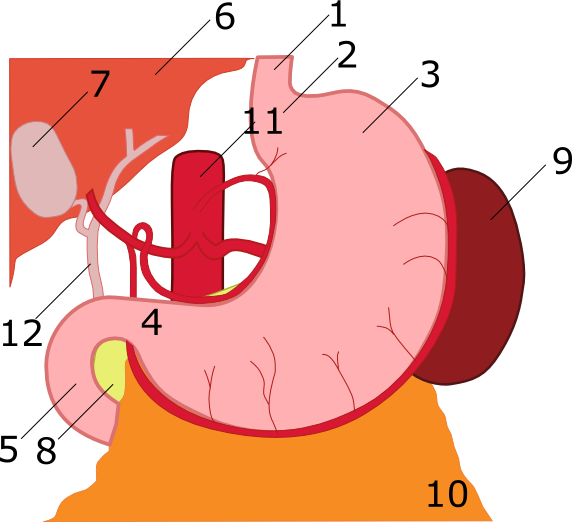
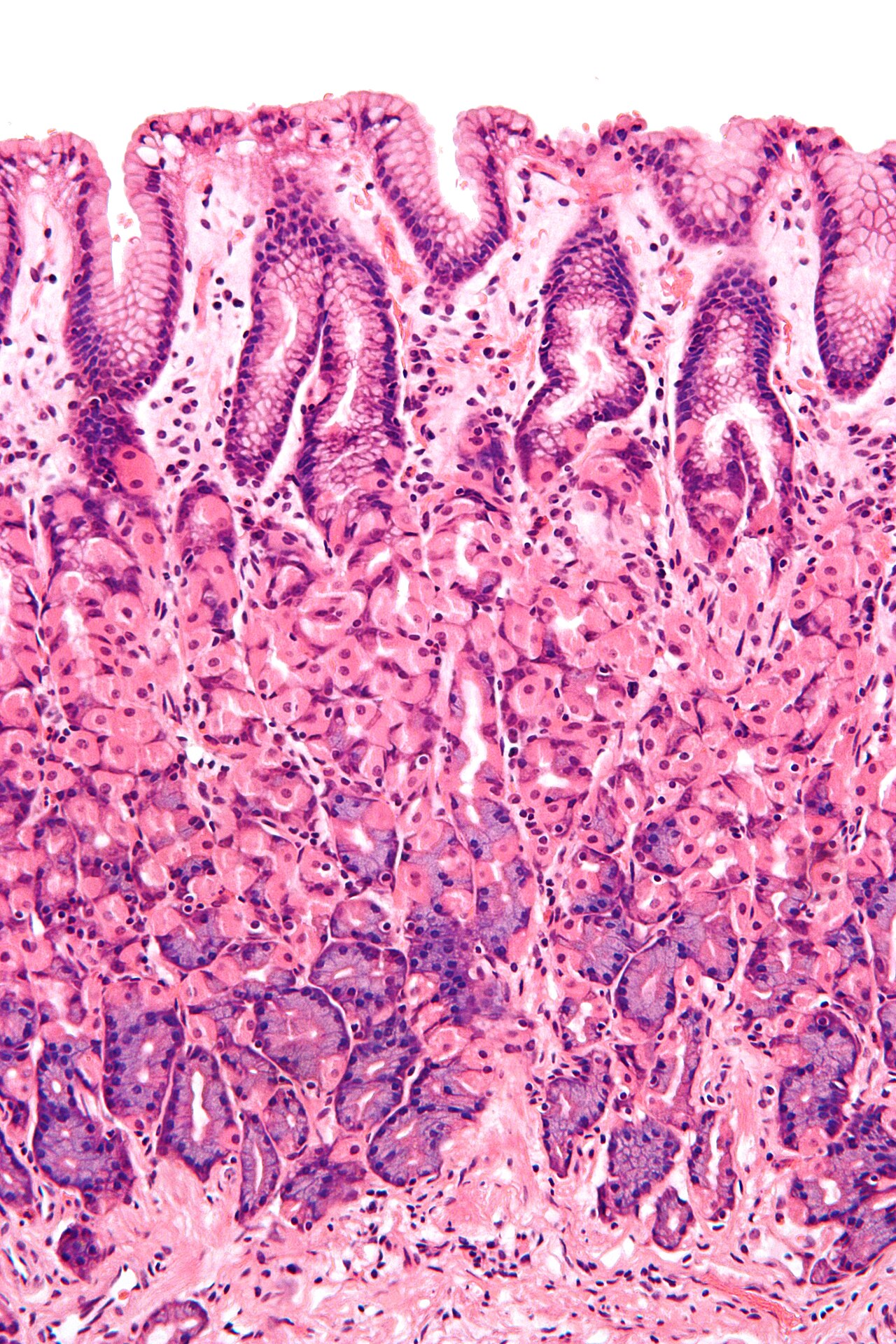
The stomach is lined by a delicate layer of cells called the gastric mucosa. This lining does an extraordinary job: it produces acid strong enough to begin breaking down food and to kill many swallowed microbes, yet it protects itself from that same acid with a slippery coat of mucus and bicarbonate. Gastritis occurs when this lining becomes inflamed. Doctors draw a subtle distinction between gastritis, where inflammatory cells are present in the tissue, and gastropathy, where the lining is damaged or irritated but with little inflammation. In everyday language the two are often grouped together, because they overlap and frequently share the same causes and the same approach to care.
Gastritis can be acute, arriving suddenly and resolving within days, or chronic, simmering quietly over months and years. Acute forms are often linked to a clear trigger such as a binge of alcohol, a course of anti-inflammatory painkillers, or the physical stress of a severe illness. Chronic forms are more often tied to a persistent infection or to an immune process. Understanding which type is present matters, because it shapes both the outlook and the treatment.
What are the symptoms?
Perhaps the most surprising fact about gastritis is that the majority of people who have it notice no symptoms whatsoever. When symptoms do appear, they usually take the form of indigestion, known medically as dyspepsia. This can include pain or discomfort in the upper abdomen, nausea or occasional vomiting, a sense of becoming full too quickly during a meal, an uncomfortable fullness afterward, a fading appetite, and sometimes unintended weight loss.
There is a more serious set of warning signs that should never be ignored. If the inflamed lining begins to erode, it can bleed. Signs of bleeding in the stomach include black or tar-like stools, or stools streaked with red or maroon blood, along with abdominal cramps, tiredness, breathlessness, or light-headedness. Vomiting that contains red blood or material resembling coffee grounds is another red flag. Bleeding can be slow and hidden, showing up only as a trace in the stool that you would never see. Any of these signs calls for prompt medical attention rather than watchful waiting.
Which organs does it affect?
Gastritis is centred on the stomach, but its effects ripple outward. The stomach lining itself bears the brunt, and when it is inflamed its ability to handle acid and to produce certain substances can falter. One of those substances is intrinsic factor, a protein the stomach makes that the body needs to absorb vitamin B12 from food. When chronic gastritis damages the cells that make intrinsic factor, B12 absorption can fail, and this has consequences far beyond the stomach, reaching the blood and the nervous system.
The lining also contains cells that, in some forms of gastritis, are lost over time. As acid-producing cells dwindle, the stomach environment changes. Long-standing inflammation can affect the small intestine downstream through altered digestion, and persistent bleeding, even when slow, can deplete the body’s iron stores and strain the whole circulatory system by causing anemia. In this way a condition that begins in one organ can quietly involve the blood, the nerves, and overall energy levels.
How gastritis progresses
Gastritis does not always follow a single predictable path, but several patterns are well recognised. An acute episode may flare and then settle once the trigger is removed, leaving the lining to heal. Chronic gastritis, by contrast, can move through stages. It may begin as ongoing inflammation of the surface lining. Over years, in some people, this can progress to a thinning of the lining known as atrophy, where the specialised glands of the stomach are gradually lost.
In a further stage, the stomach lining can undergo a change in which its cells start to resemble those of the intestine, a process called intestinal metaplasia. This is considered a marker that warrants closer follow-up, because long-standing atrophic change and metaplasia are associated with a modestly increased risk of stomach cancer over the long term. It is important to keep this in perspective: most people with gastritis never reach these later stages, and progression is usually slow and far from inevitable. But it is the reason doctors take chronic gastritis seriously and sometimes recommend surveillance.
How it presents and develops
How gastritis shows up depends heavily on its cause. Infection-related gastritis often develops silently, taking hold without any dramatic moment of onset; a person may carry the underlying cause for years before symptoms or complications surface. Gastritis driven by painkillers or alcohol tends to track with exposure, worsening with heavier or more frequent use and easing when that exposure stops. Stress-related gastritis seen in critically ill patients can appear quickly during a hospital stay, which is why doctors sometimes give protective medicine to people who are seriously unwell.
The immune form develops differently again. Here the body’s own defences mistakenly attack the stomach lining, and the process unfolds slowly over years, often coming to light through the anemia it eventually causes rather than through stomach pain. Recognising these different developmental patterns helps explain why two people with the same diagnosis can have completely different experiences.
Causes and risk factors
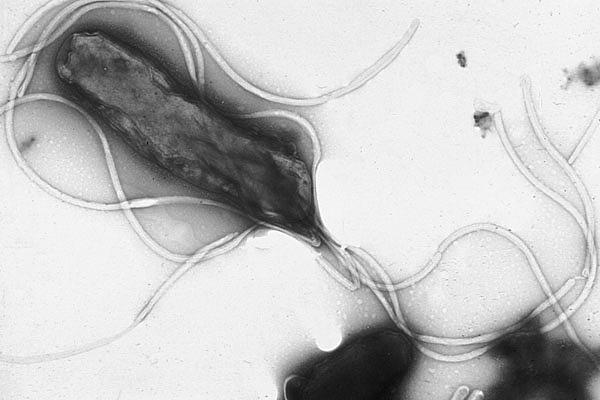
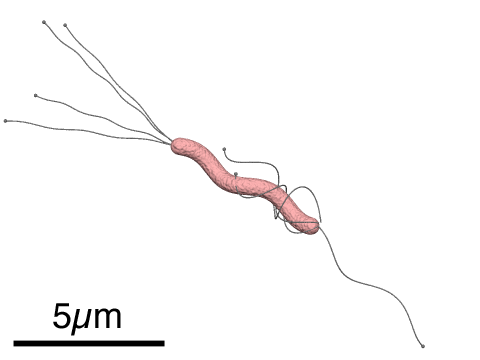
The single most common cause of gastritis worldwide is infection with a spiral-shaped bacterium called Helicobacter pylori. This remarkable organism survives in the harsh acidic stomach by producing an enzyme that neutralises acid in its immediate surroundings, allowing it to burrow into the protective mucus and settle against the lining. There it provokes ongoing inflammation. It is thought to spread from person to person through contact with an infected person’s saliva, vomit, or stool, or through contaminated food and water.
The next major group of causes is irritation of the lining by substances. Nonsteroidal anti-inflammatory drugs, a family of common pain and fever relievers, blunt the stomach’s natural protective mechanisms when used regularly over long periods, leaving the lining more exposed to acid. Alcohol is a direct irritant, and so is bile that flows backward into the stomach, often after certain stomach surgeries. Cocaine use and the physical stress of severe injuries, burns, critical illness, or sepsis can reduce blood flow to the lining and trigger an eroded, bleeding form of damage.
Beyond these, the immune system can cause autoimmune gastritis by attacking healthy lining cells. Less common contributors include celiac disease, Crohn’s disease and other inflammatory conditions, chemotherapy and radiation, food allergies, and various infections in people whose immunity is weakened. Risk rises with age, with regular use of irritant substances, and with conditions that disturb the immune system.
Its relationship with nutrition
Nutrition does not usually cause gastritis on its own, but it is deeply woven into how the condition feels and heals. Certain dietary patterns can aggravate an already inflamed lining: heavy alcohol intake, very large meals, and for some individuals spicy, highly acidic, or strongly caffeinated foods can intensify discomfort. Just as important is what a poor diet fails to provide. The stomach lining repairs itself constantly, and that repair depends on a steady supply of protein, vitamins, and minerals.
Two nutrients deserve special mention because gastritis can directly interfere with them. When chronic inflammation damages the stomach’s ability to make intrinsic factor, vitamin B12 cannot be absorbed properly, and a deficiency can follow even when the diet contains plenty of it. Slow bleeding from an eroded lining can drain iron stores and lead to iron-deficiency anemia. So the relationship runs in both directions: a thoughtful diet supports healing, while gastritis itself can create nutritional shortfalls that need to be watched for and corrected.
The place of fats
Fat is often treated as the villain of any digestive story, but the truth is more balanced. Dietary fat is an essential nutrient, not an optional indulgence. It builds the membranes that wrap every cell, including the cells of the stomach lining that are constantly being renewed. It is the raw material for many hormones, and it is the only way the body can absorb the fat-soluble vitamins A, D, E, and K, all of which play roles in tissue repair and immune function. A diet stripped of fat would undermine the very healing that an inflamed stomach needs.
What matters is the kind of fat and the company it keeps. The gentler, healthier fats found in olive oil, nuts, avocado, and oily fish tend to sit more comfortably and bring anti-inflammatory benefits. Heavily fried, spoiled, or ultra-processed fats are harder on digestion and can worsen symptoms, partly because large, greasy meals slow stomach emptying and keep acid in contact with the lining for longer. There is also a common trap worth naming: many products marketed as fat-free simply replace the fat with sugar or refined starch, which does the stomach no favours. The sensible path is not to fear fat but to choose good fats in moderate, well-spaced amounts.
Natural foods that help
While no food cures gastritis, several eating habits can ease symptoms and create a friendlier environment for the lining to recover. Smaller, more frequent meals reduce the burden of acid that the stomach has to handle at once. Gentle, fibre-rich foods such as well-cooked vegetables, oats, and ripe fruit are usually well tolerated and support overall gut health. Lean proteins supply the building blocks for tissue repair.
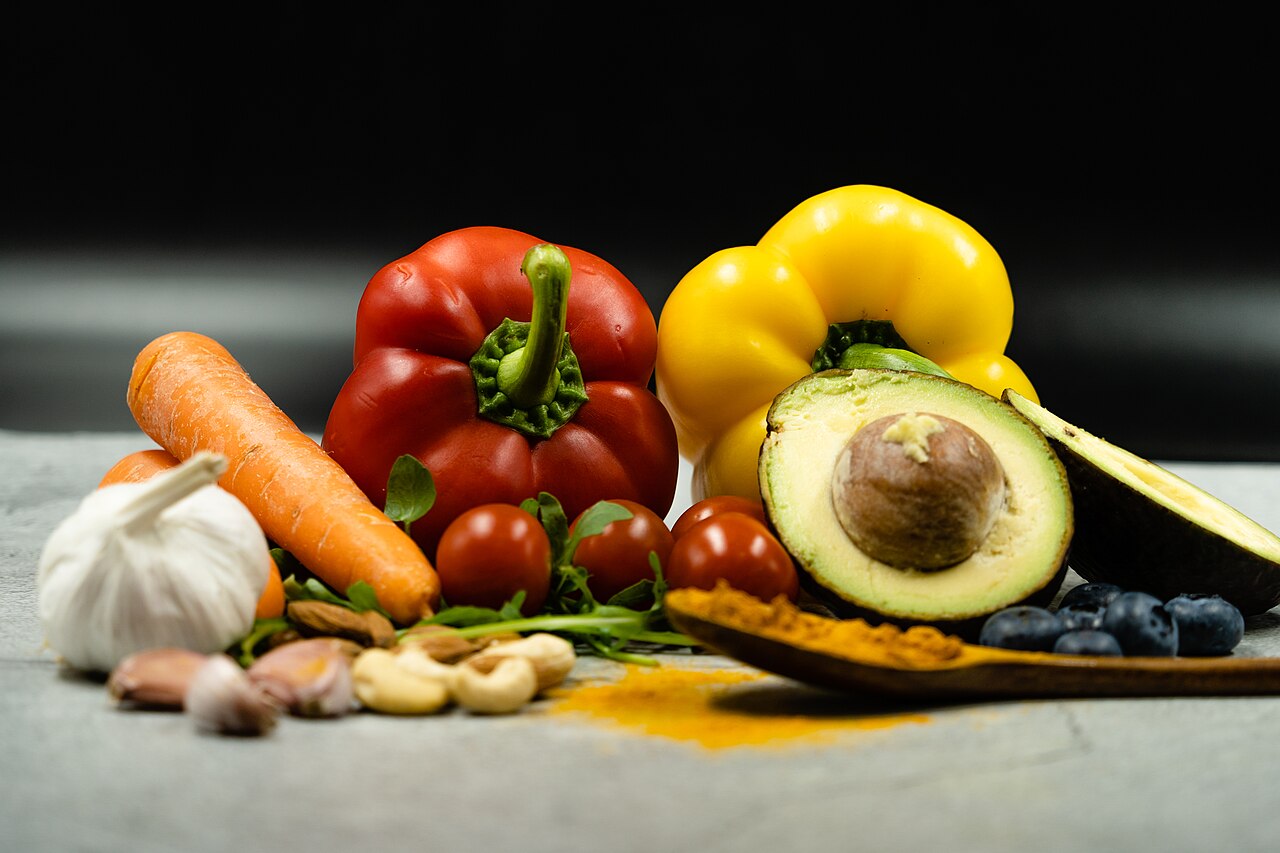
Some people find relief by limiting the foods that personally trigger them, which often include alcohol, very spicy dishes, strongly acidic foods, and large amounts of coffee. There is also growing interest in foods that may help in the presence of H. pylori, such as certain probiotic-rich fermented foods that support a balanced gut, and compounds found in broccoli sprouts and cranberries that have shown promise in studies. These are supportive measures, not replacements for medical treatment when an infection is confirmed, but they fit comfortably into a healing-oriented diet.
Calming the stomach by natural means
For mild, irritation-related gastritis, the most powerful natural step is simply removing the cause. Stopping or reducing alcohol, avoiding non-essential anti-inflammatory painkillers, and steering clear of personal trigger foods can allow a mildly inflamed lining to settle on its own, because the stomach is genuinely good at repairing itself once the irritation stops. Stress management deserves a place here too, since stress can heighten the perception of stomach discomfort and influence acid-related symptoms, and practices such as paced breathing, regular sleep, and moderate exercise can all help.
It is important to be honest about the limits of natural measures. When gastritis is caused by an H. pylori infection or by an autoimmune process, lifestyle changes alone will not eradicate the underlying problem, and relying on them to do so can allow complications to develop quietly. The healthy way to think about natural approaches is as genuine support that works alongside, and not instead of, proper diagnosis and medical care for the causes that require it.
Natural remedies: where to find them
The supportive ingredients discussed here are ordinary and easy to find. Olive oil, nuts, avocado, and oily fish for healthy fats; oats, well-cooked vegetables, and ripe fruit for gentle fibre; and lean proteins all come from any grocery store or market. Fermented foods such as plain yogurt and kefir, which carry beneficial bacteria, are widely available, as are broccoli and its sprouts and cranberries, the foods most often studied for their effects in the setting of H. pylori.
A word of real caution applies to herbal supplements and so-called complementary remedies. Some are heavily promoted for stomach health, but their quality and safety vary, and a few can interact with medicines or irritate the stomach further. Health authorities advise speaking with a doctor before using any dietary supplement or alternative remedy for gastritis, precisely because the stomach lining is already vulnerable and the wrong product can set back recovery.
When natural steps are not enough: medical and pharmaceutical options
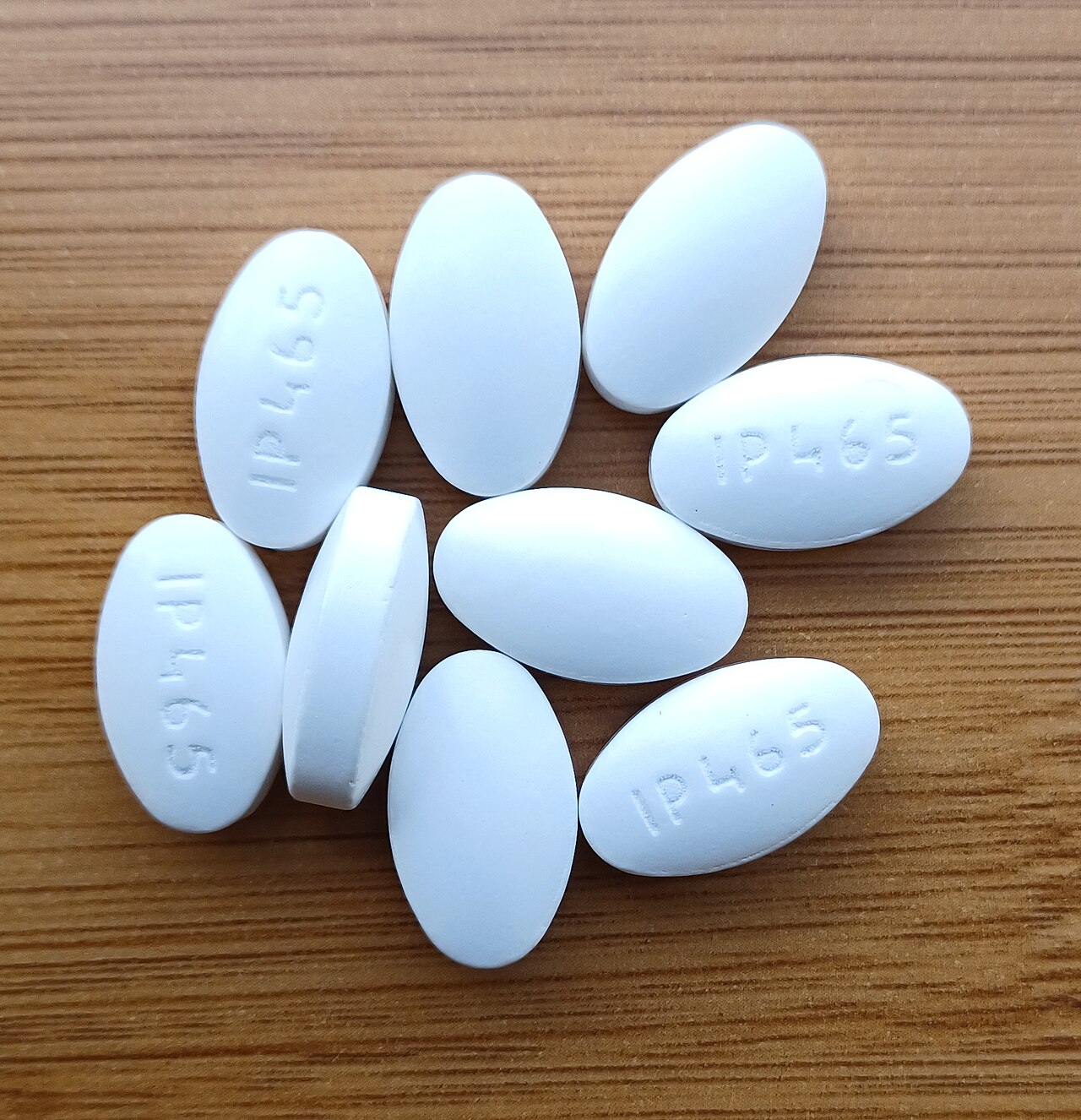
When gastritis has a cause that diet and lifestyle cannot fix, medicine becomes necessary, and modern treatment is both effective and well established. Because the right treatment depends entirely on the underlying cause, this section describes the classes of medicine doctors use and how they work, rather than how they are dosed; the specifics of dose and duration are decisions for a physician who knows your situation.
For H. pylori gastritis, treatment combines several medicines at once. Two or more antibiotics are used to kill the bacteria, paired with a proton pump inhibitor, a class of acid-suppressing drug that reduces stomach acid by blocking the cellular pump responsible for producing it. Lowering the acid both relieves symptoms and helps the antibiotics work more effectively. In some cases a bismuth-containing agent is added, which coats and protects the lining while also acting against the bacteria. Completing the full course exactly as prescribed matters, because stopping early can let surviving bacteria return and become resistant.
For gastritis driven by anti-inflammatory painkillers, the central step is to reduce or stop the offending drug or switch to a gentler pain reliever, sometimes alongside an acid-reducing medicine to protect and heal the lining. When bile reflux is to blame, a medicine containing bile acids may be used to help the lining recover, and in some cases surgery is considered. For the autoimmune form, treatment focuses on replacing what the damaged stomach can no longer supply, which may include iron, folic acid, and vitamin B12, with B12 given by injection when absorption has failed and anemia has set in.
In critically ill patients at risk of stress-related gastritis, doctors may use acid-reducing classes such as proton pump inhibitors or H2 blockers, which dampen acid production through a different pathway, or a protective agent that forms a barrier over vulnerable areas of the lining. If erosion causes serious bleeding, it can be treated directly during an endoscopy, and surgery is reserved for severe cases. The common thread is that medical treatment is tailored to the cause, which is exactly why an accurate diagnosis matters so much.
Small but effective daily-life changes
Many of the most useful steps for living with gastritis are small and entirely within reach. Eating smaller meals more often, and not lying down straight after eating, eases the stomach’s workload. Cutting back on alcohol and avoiding tobacco both protect the lining, since smoking weakens its defences and slows healing. Being thoughtful about over-the-counter painkillers, and asking a pharmacist or doctor about gentler alternatives when pain relief is needed regularly, can prevent a great deal of damage.
Beyond food and medicine, looking after sleep and managing stress make a genuine difference to how the stomach feels day to day. Staying well hydrated, chewing slowly, and noticing which specific foods trigger your own symptoms allow you to build a personal pattern of eating that keeps flare-ups to a minimum. None of these changes is dramatic on its own, but together they create the steady, low-irritation environment in which an inflamed lining can finally settle.
A closing word of caution
Gastritis is common, often silent, and in many cases very manageable, but it is not something to self-diagnose or treat blindly. The same symptoms can be caused by ulcers, by other digestive conditions, and occasionally by something more serious, and the only way to know what is truly happening is a proper medical assessment. Warning signs such as black stools, blood in vomit, severe pain, or unexplained weight loss deserve urgent attention.
This article is general information, not medical advice. The natural and lifestyle measures described here can genuinely support a healthier stomach, but they are not a substitute for diagnosis and treatment of the underlying cause. If you have ongoing stomach symptoms, please speak with a qualified physician who can examine you, identify the cause, and guide the right combination of self-care and treatment for your situation.