On a sunny slope above the Elbe valley, a few kilometres upstream from Dresden, lies one of the most beautiful baroque gardens in Germany. Grosssedlitz was begun in the 1710s for a Saxon count and taken over by Augustus the Strong, who dreamed of turning it into a Saxon Versailles. His grand plans were never completed, yet the terraces, orangeries, stairways and sculptures that were built form an ensemble of rare harmony.
At the heart of the garden stands the Friedrich Palace, a small and elegant building, and around it stretch parterres, fountains and long views toward the hills of Saxon Switzerland. The famous Silent Music staircase, decorated with statues of musicians, is one of the masterpieces of Saxon baroque garden art.
In this article we will explore Grosssedlitz from its founders to its terraces, its orangeries, its sculptures and its views, and we will finish with practical tips for your visit.
In This Article
- A Garden Above the Elbe
- Count Wackerbarth and the Beginning
- A Saxon Versailles That Was Never Finished
- The Friedrich Palace
- The Orangeries
- Parterres and Fountains
- The Silent Music Staircase
- Sculptures in the Garden
- Views Toward Saxon Switzerland
- Concerts and Garden Festivals
- Seasons in the Garden
- Grosssedlitz on Video
- Visiting Grosssedlitz Today
A Garden Above the Elbe
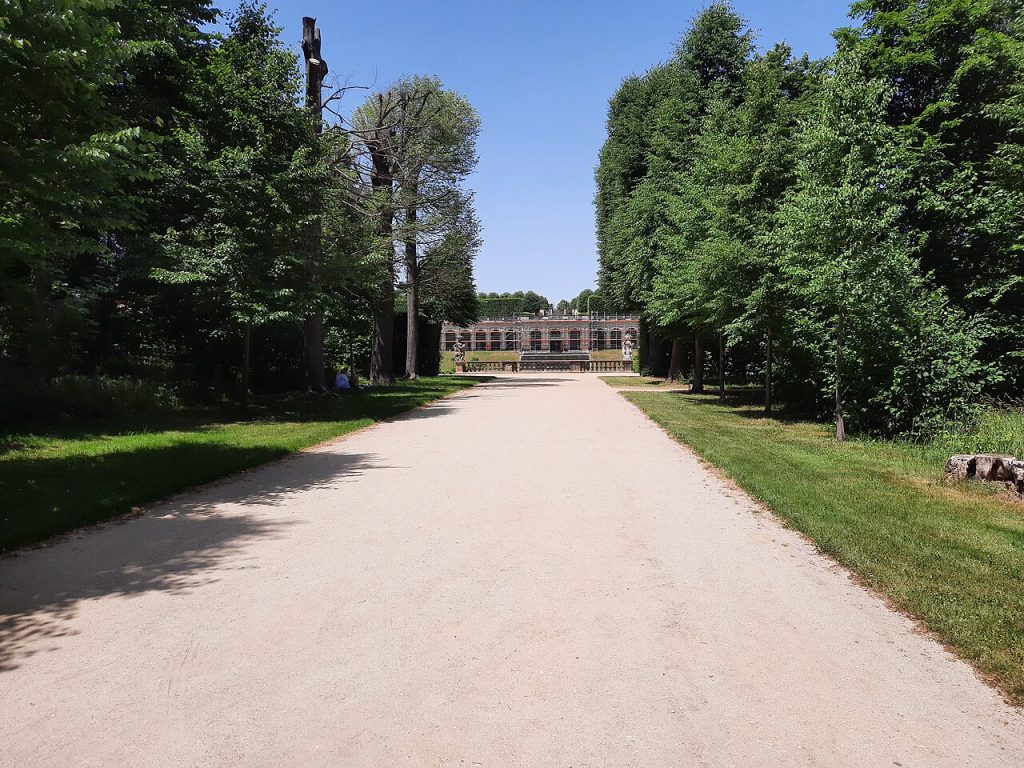
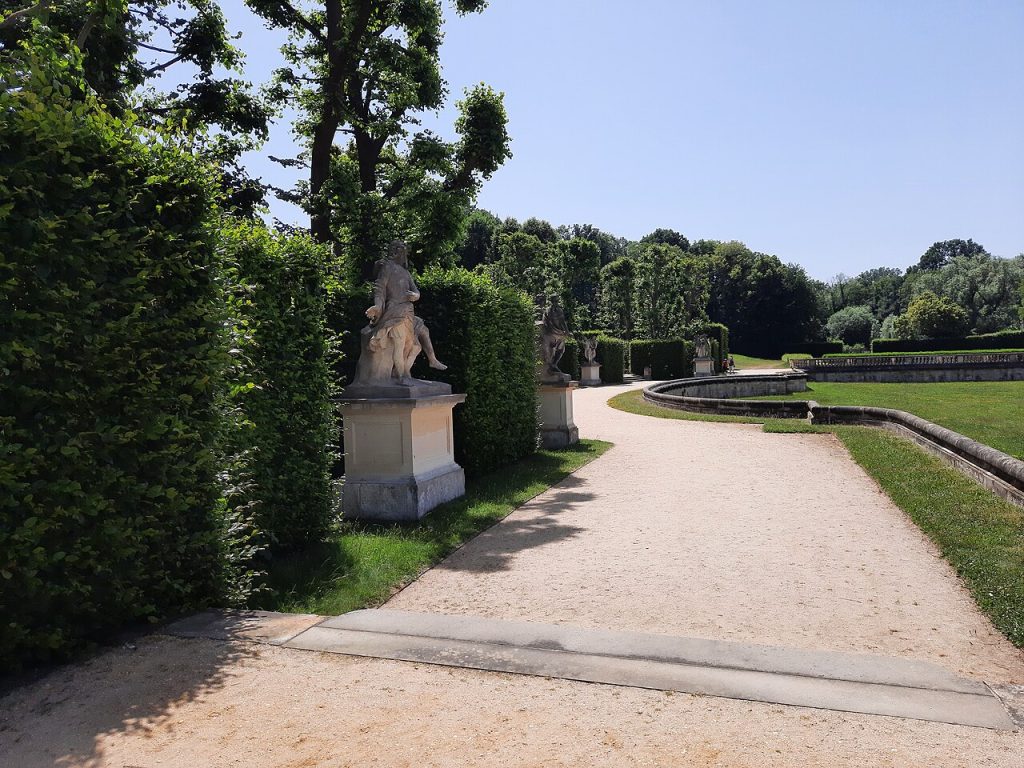
Arriving at Grosssedlitz, you step into a world of order and beauty. Terraces descend the hillside in elegant steps, linked by stairways and framed by clipped hedges, while orangeries and pavilions line the upper levels.
The garden faces the Elbe valley, and from its terraces there are wide views across the river toward the sandstone hills of Saxon Switzerland.
Unlike many baroque gardens, Grosssedlitz does not lie in front of a large palace. The garden itself is the main attraction, and the buildings serve as decorations within it.
What makes Grosssedlitz special is the way it uses the slope of the land to create changing perspectives, surprising views and a sense of theatrical drama.
The garden is quieter than the famous palaces of Dresden, and many visitors find it one of the most peaceful places in the region.
In spring and summer, the parterres bloom with colour and the orange trees stand outside in their tubs, filling the air with their scent.
The garden covers about eighteen hectares, and its paths invite you to wander and discover new views around every corner.
Many visitors combine Grosssedlitz with a cycling trip along the Elbe, stopping at the garden for a rest and a walk.
The garden’s careful restoration has preserved not only its layout but also its historic plantings, making it a living museum of baroque garden art.
Count Wackerbarth and the Beginning
The story of Grosssedlitz begins in 1719, when Count August Christoph von Wackerbarth, a minister and general at the Saxon court, bought the estate and began building a country residence with a garden.
In 1723, Augustus the Strong, elector of Saxony and king of Poland, bought the estate from Wackerbarth and decided to transform it into a grand residence and garden.
The architects of the king, including Zacharias Longuelune, Johann Christoph Knoffel and Matthaus Daniel Poppelmann, drew up ambitious plans for a palace and gardens on a vast scale.
Augustus wanted Grosssedlitz to be a place for the festivities of the Order of the White Eagle, the Polish order of chivalry he had revived.
Wackerbarth was one of the most powerful men in Saxony and an experienced builder, and he planned a garden on the slope above his new house.
He was also responsible for important buildings in Dresden, and his experience helped shape the first phase of the garden.
The Order of the White Eagle was the highest Polish order of chivalry, and Augustus wanted a magnificent setting for its annual festivities.
A Saxon Versailles That Was Never Finished
The plans for Grosssedlitz envisaged a huge palace and gardens that would rival Versailles. Work progressed quickly in the 1720s, and terraces, orangeries and stairways were built.
After the death of Augustus the Strong in 1733, the project lost its driving force, and the great palace was never built.
Only part of the garden was completed, but this part is of such quality that it ranks among the finest baroque gardens in Germany, and its unfinished character gives it a special charm.
His son, Augustus III, had other priorities and preferred to spend on paintings and music in Dresden.
Plans in the Saxon archives show the scale of what was intended, with a great palace on the upper terrace and gardens extending far down the slope.
Garden historians consider Grosssedlitz one of the best preserved baroque gardens in Germany, precisely because later fashions never transformed it.
The Friedrich Palace
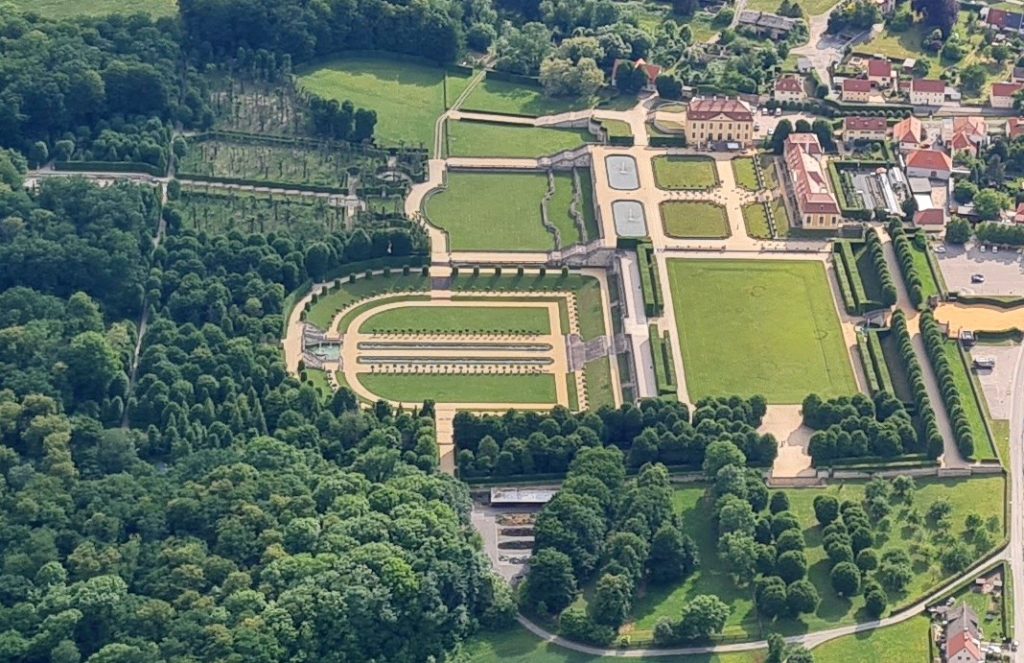
At the upper end of the garden stands the Friedrich Palace, a small baroque building named after the king’s son, who later became Augustus III.
Its pale facades and elegant proportions harmonise with the garden, and its rooms are today used for events, concerts and weddings.
From the terrace in front of the palace, there are fine views down the garden and across the Elbe valley.
The palace’s simple interiors are used today for weddings, receptions and small concerts, keeping it alive as a place of celebration.
The Orangeries
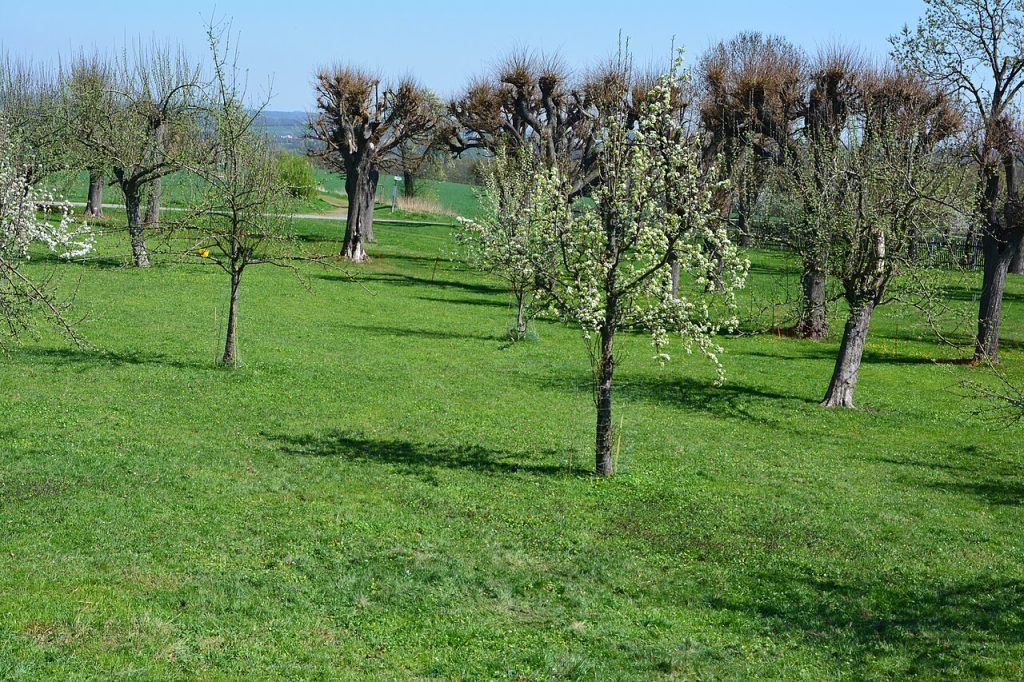
Two orangeries line the upper terraces of the garden, built to shelter citrus trees and other exotic plants during the winter.
In summer, the citrus trees are placed in the garden in their large tubs, decorating the terraces and parterres, and some of the plants are very old.
The Upper Orangery and the Lower Orangery are elegant buildings with large windows, designed to let in as much light as possible.
The collection of orange trees was a symbol of royal wealth and status.
The moving of the trees in spring and autumn is a special event, as gardeners carefully carry the heavy tubs in and out of the orangeries.
The Upper Orangery is also used for exhibitions and events, and its bright hall is a beautiful setting for concerts.
Parterres and Fountains
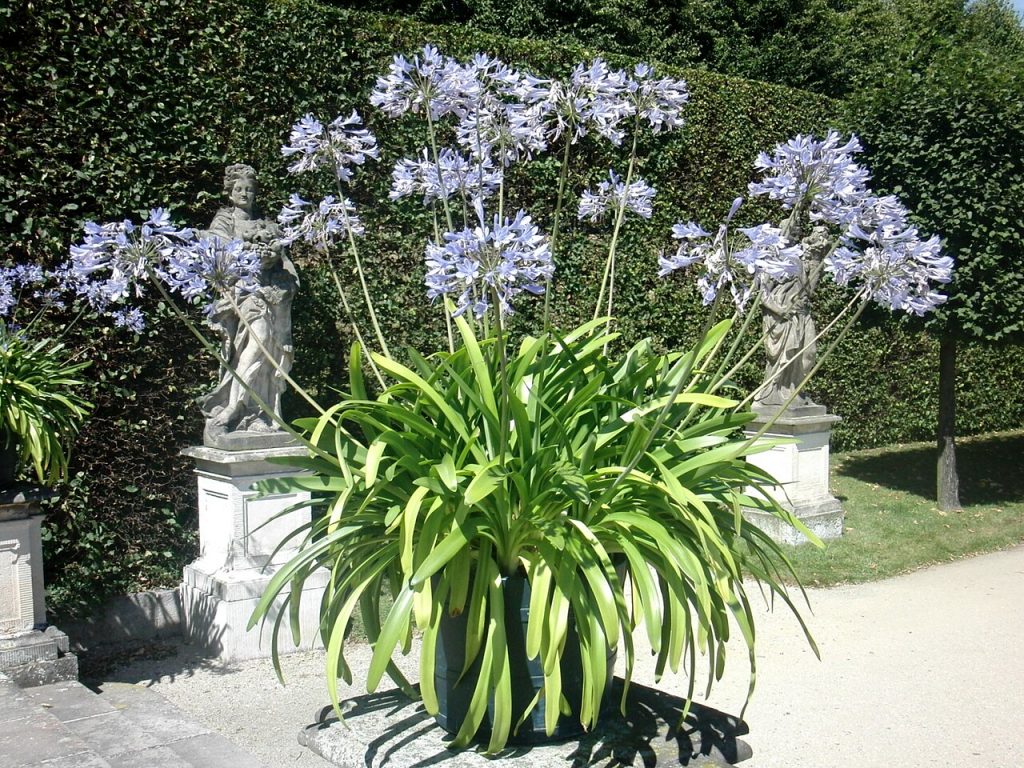
The lower parts of the garden are laid out as parterres, with patterns of lawn, gravel and flowers framed by low hedges, enlivened by fountains and basins.
The parterres are best seen from above, from the terraces and stairways, where they look like embroidered carpets laid on the ground.
Gardeners maintain the parterres with great care, planting seasonal flowers that change the colours of the garden through the year.
The Silent Music Staircase
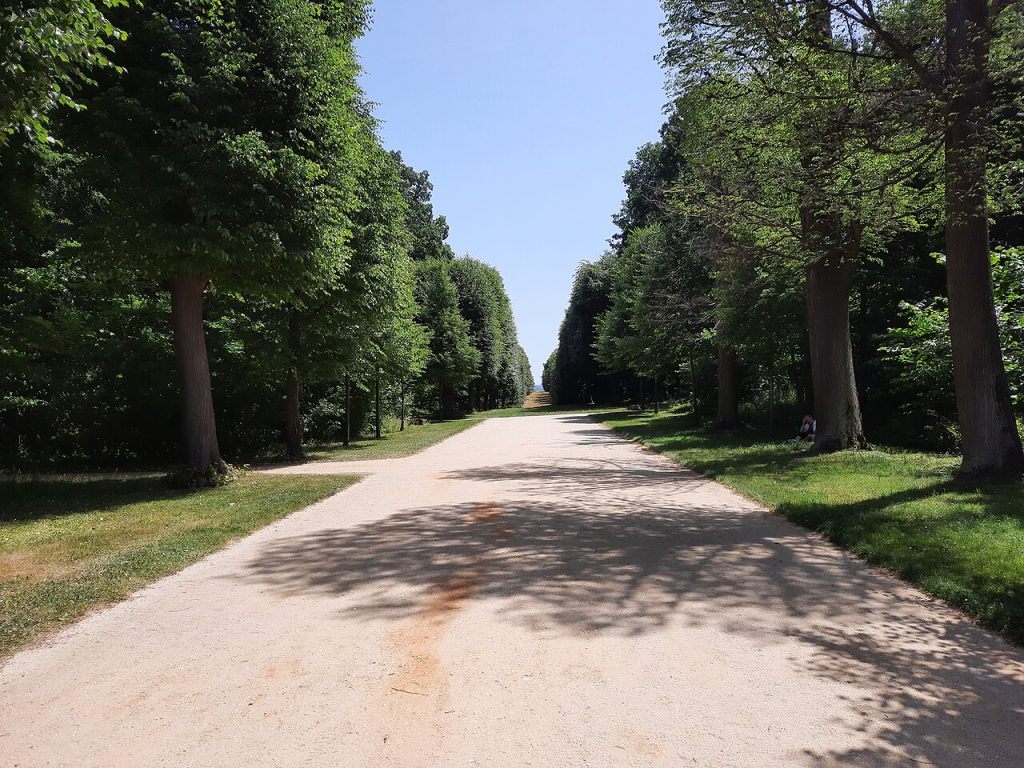
One of the most famous features of Grosssedlitz is the staircase known as the Silent Music. Its balustrades are decorated with statues of putti playing musical instruments, frozen in stone as if in the middle of a concert.
The name refers to the music that seems to fill the air yet makes no sound, a poetic idea typical of the baroque love of allegory and wit.
Each putto plays a different instrument, from violins and flutes to drums and horns, forming a complete orchestra in stone.
The staircase connects two levels of the garden and frames a view toward the lower parterres and the valley.
It is one of the most photographed spots in the garden, and its sculptures are admired as masterpieces of Saxon baroque sculpture.
Sculptures in the Garden
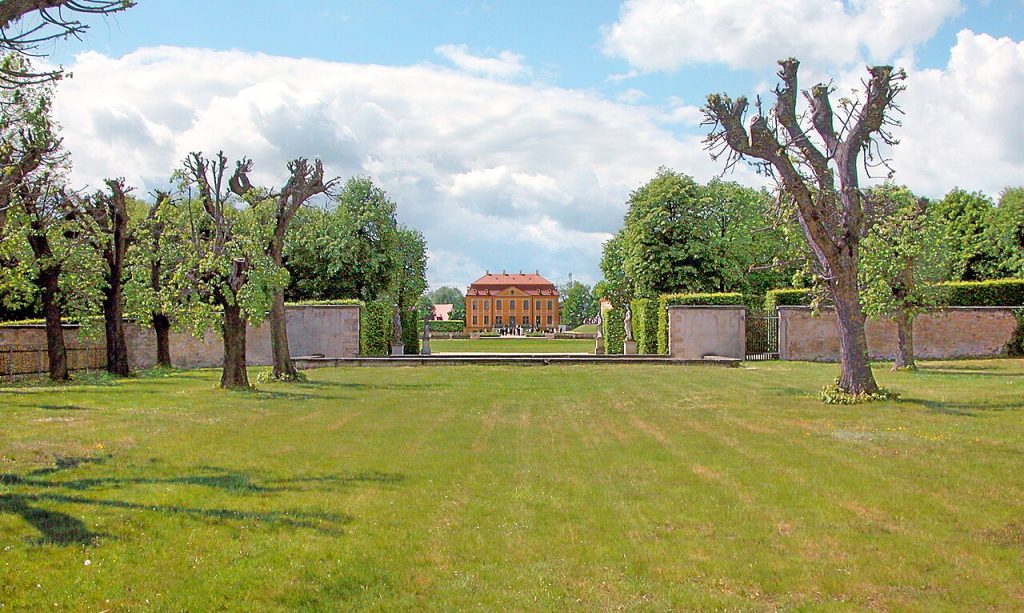
Throughout the garden, sculptures of gods, goddesses, seasons and allegorical figures decorate the terraces, stairways and hedges, many created by sculptors of the Dresden court.
Some sculptures are originals, while others are copies that protect the fragile originals from the weather.
Walking through the garden, you can discover each figure and enjoy the way they frame views and mark the paths.
Some sculptures represent the seasons and the elements, reminding visitors of the cycle of nature and the passing of time.
Views Toward Saxon Switzerland
From the upper terraces, the view stretches across the Elbe valley toward the table mountains of Saxon Switzerland, connecting the formal garden with the wider landscape.
This view was part of the design, making the garden appear larger than it is.
In the evening, the light over the valley is especially beautiful, and the garden takes on a golden glow.
On clear days, the distinctive table mountains can be seen on the horizon, rising above the forests.
Concerts and Garden Festivals
Grosssedlitz hosts concerts, open air theatre, garden festivals and markets, and summer evening concerts on the terraces are among the most popular events.
In autumn, the garden celebrates the harvest, and in winter it hosts seasonal events.
The baroque festival in summer, with costumed performers and music, recreates the atmosphere of the court of Augustus the Strong.
Seasons in the Garden
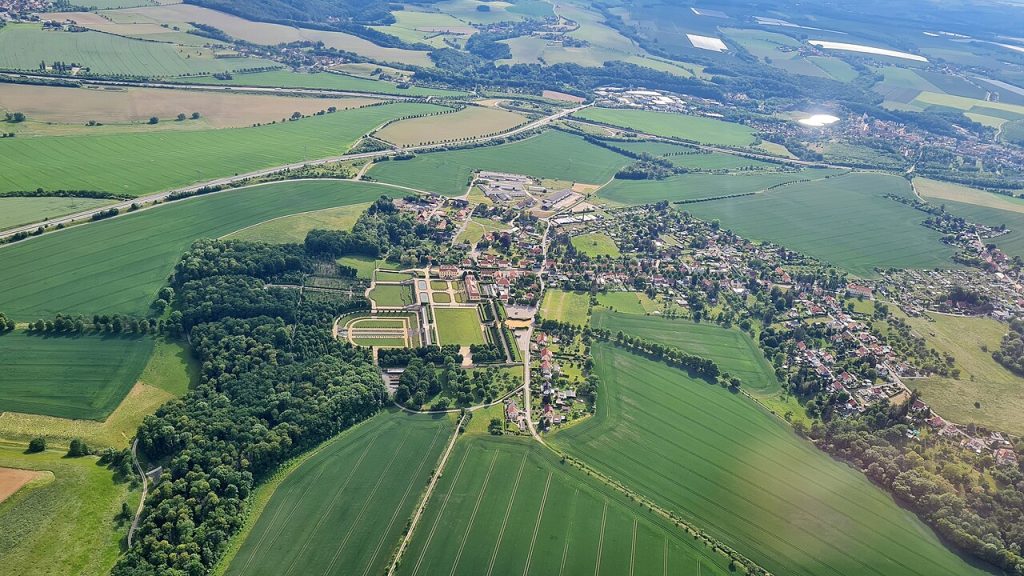
In spring, bulbs bloom in the parterres; summer brings fountains and citrus scent; in autumn the old trees turn gold; and in winter the bare structure of the garden reveals the clarity of its design.
Birds nest in the hedges and old trees, and the garden is also a haven for butterflies and bees in summer.
Even in winter, when the sculptures are covered to protect them from frost, the garden has a quiet beauty.
Grosssedlitz on Video
For a look at the terraces and sculptures, the video below presents the baroque garden of Grosssedlitz.
If the video inspires you, read on for practical tips.
Visiting Grosssedlitz Today
The garden is open from spring to autumn, with limited opening in winter. It lies in Heidenau, about fifteen kilometres southeast of Dresden, and can be reached by car, train or bicycle along the Elbe cycle path.
Plan at least two hours, and combine your visit with Pillnitz Palace, Weesenstein and Dresden.
Whenever you visit, Grosssedlitz offers a peaceful and enchanting encounter with the art of the baroque garden.
There is a cafe in the garden, and the orangeries host seasonal markets and exhibitions.
The garden is also a popular location for wedding photographs, thanks to its beautiful stairways and terraces.
View the location on Google Maps
Palaces Nearby
If you have enjoyed this palace, the region holds more remarkable residences. Here are two more well worth adding to your journey:
- Weesenstein Palace – the castle palace built from the top down in the Muglitz valley.
- Rammenau Baroque Palace – the rural baroque jewel of Upper Lusatia.
You May Like
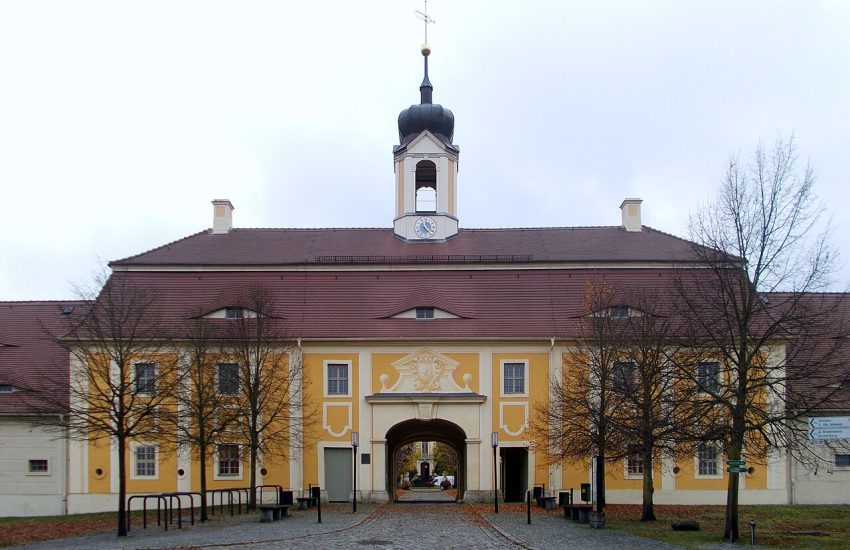
Rammenau Baroque Palace and the Rural Splendour of Upper Lusatia