In the desert city of Bikaner, on the edge of the great Thar in the heart of Rajasthan, rises a palace of warm red sandstone whose walls are carved as delicately as lace. Lalgarh Palace, built by one of the most remarkable maharajas of princely India, blends European grandeur with the filigree stonework of the desert, a building at once massive and astonishingly fine.
You come to Lalgarh to meet the world of Maharaja Ganga Singh of Bikaner, a ruler who was at once a statesman of international standing, a famous sportsman and a great builder. His palace, raised in the opening decades of the twentieth century, gathers libraries, trophies, courtyards and halls behind a facade of intricately pierced red stone.
In this guide you will get to know Lalgarh beyond its handsome exterior. We will trace the vision of the maharaja who built it, explore the exquisite sandstone craftsmanship, step into its halls, library and museum, and understand why this desert palace remains a proud symbol of Bikaner. By the end you will see why Lalgarh stands among the most distinctive princely palaces of Rajasthan.
In This Article
- Arriving at Lalgarh Palace
- The Great Maharaja Ganga Singh
- A Palace of Carved Red Stone
- The Delicate Lattice Screens
- An Indo-Saracenic Masterpiece
- Courtyards and Colonnades
- A Great Desert Library
- Trophies of a Famous Sportsman
- The Palace Museum
- A Living Heritage Hotel
- A Jewel of the Desert City
- A Closer Look on Film
- Lalgarh Palace Today
Arriving at Lalgarh Palace
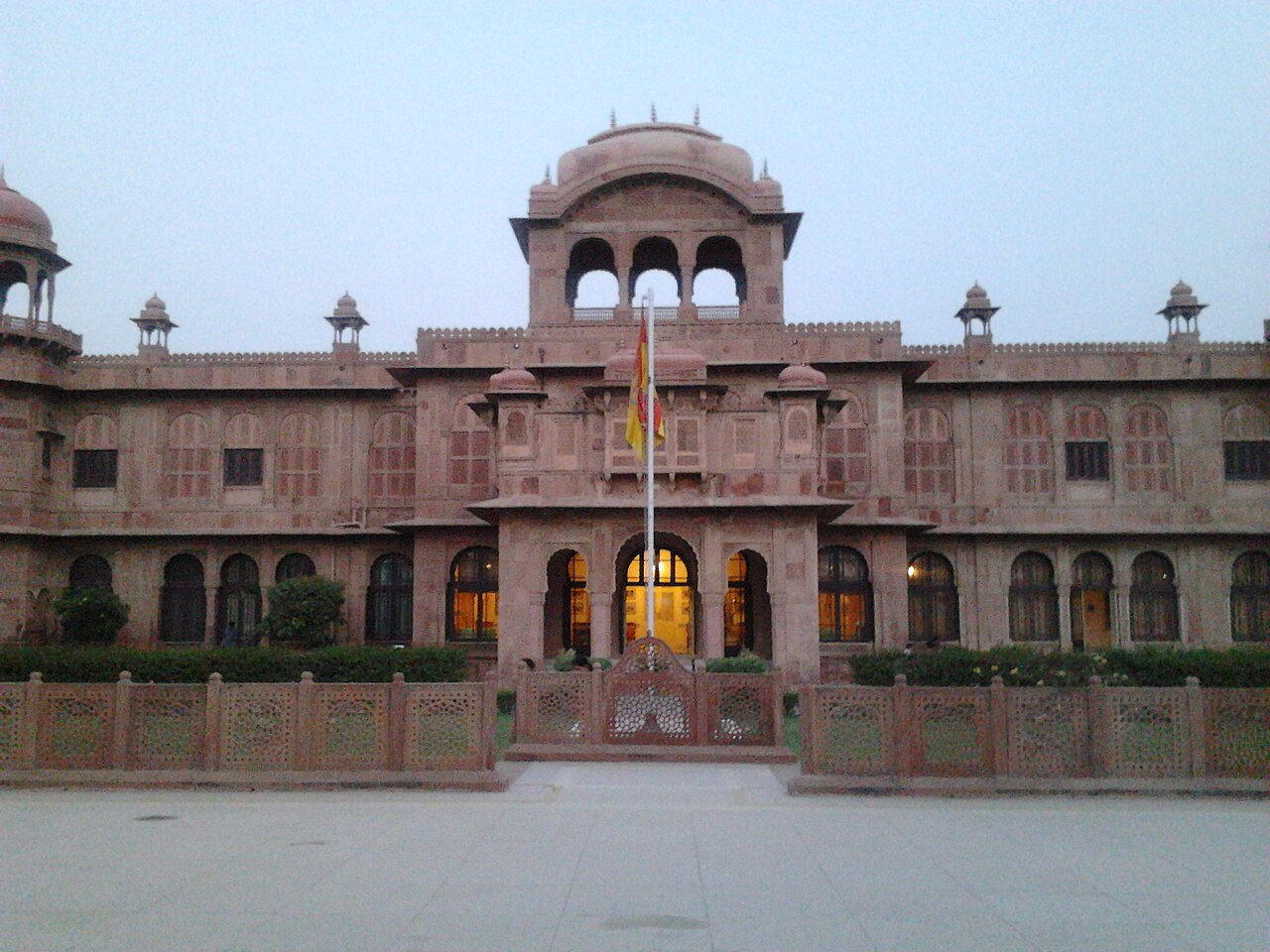
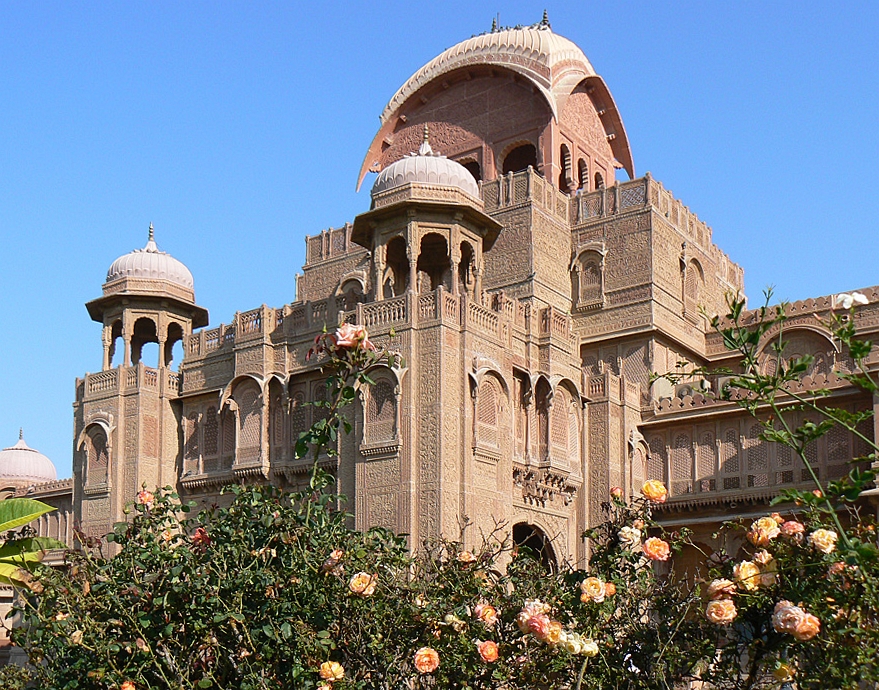
Your first sight of Lalgarh is of a long, dignified palace of deep red sandstone, its facades carved with an almost unbelievable delicacy. Set within gardens in the desert city of Bikaner, it makes an immediate impression of grandeur softened by the finesse of its stonework.
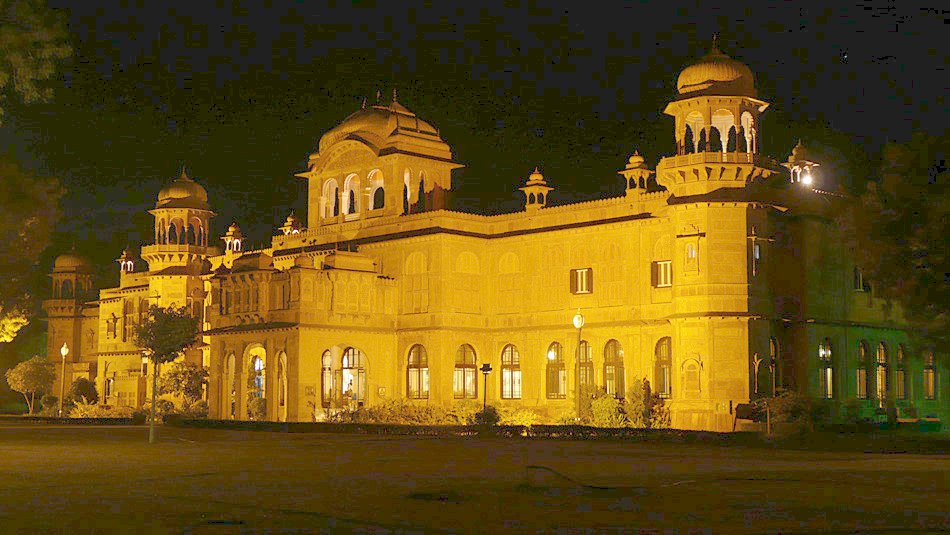
The warm red stone glows beautifully in the Rajasthan light, and the intricate latticework screens that adorn the building lend it a lightness that belies its massive construction. The effect is both imposing and exquisite, a rare combination.
As a building that now serves partly as a heritage hotel and partly as a museum, Lalgarh welcomes those who come to explore its history and craftsmanship. Approaching across its grounds, you feel yourself entering the world of a great Rajasthani court.
Take a moment to appreciate the carving before going in. The deep red stone, pierced and worked into delicate patterns, is one of the glories of the palace, and it rewards an unhurried, appreciative gaze.
The approach through the gardens builds a sense of anticipation, the carved facade growing ever more impressive as you draw near.
First-time visitors are often astonished that stone can be worked so finely, and that first impression of lace in sandstone lingers long after.
Whatever the hour, the red stone takes on different moods, from the warm glow of morning to the deep richness of the late desert sun.
It is a place that invites you to slow down and take in its grandeur, each view of the carved facade more impressive than the last.
There is a quiet magic to the first sight of so much carved stone, and it sets the tone for a visit rich in beauty and history.
Set against the pale desert sky, the deep red of the palace makes an especially striking sight, one that stays with every visitor.
However you come to it, the palace makes an unforgettable first impression, a vision of carved red stone rising from the desert.
The Great Maharaja Ganga Singh
Lalgarh is inseparable from Maharaja Ganga Singh of Bikaner, one of the most celebrated rulers of princely India. A statesman of international standing, a reformer and a famous sportsman, he led his desert kingdom into the modern age and won renown far beyond its borders.
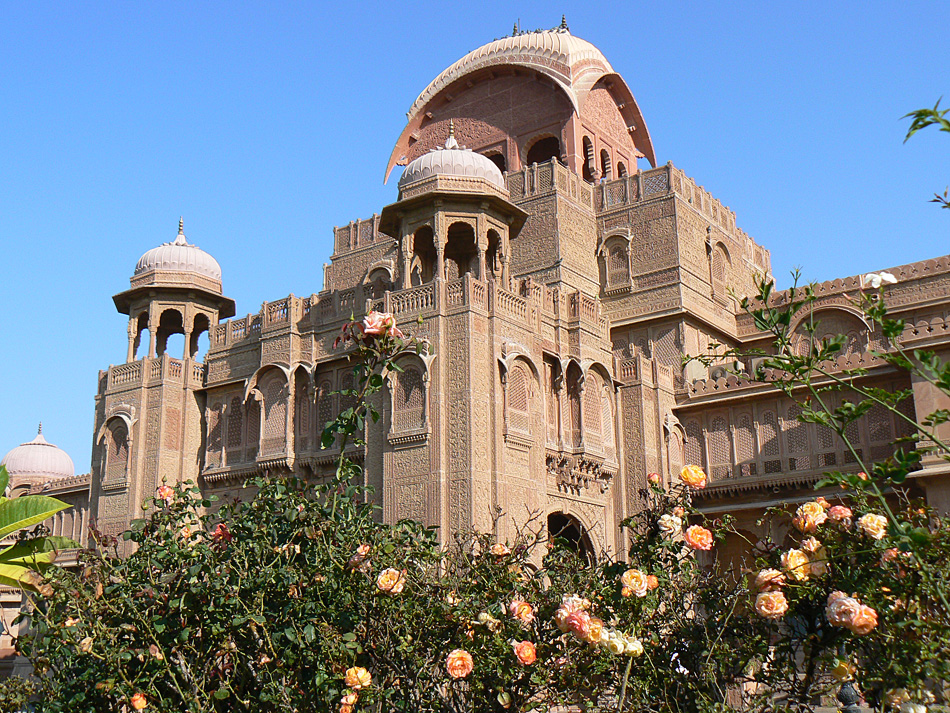
His achievements were remarkable. He modernized his state, bringing irrigation that transformed the desert, and he played a role on the world stage, representing India at great international gatherings. Few princes of his era were so widely respected.
The palace was built as a lasting monument, named in memory of his father, and it reflects the maharaja’s grandeur and ambition. It became the principal residence of a ruler who moved with ease between the desert court and the councils of the world.
Keeping this figure in mind transforms a visit. Lalgarh is not merely a beautiful building but the seat of one of the great statesmen of his age, a ruler whose vision shaped both his kingdom and his palace.
His long reign was one of the most consequential in the history of Bikaner, transforming a desert kingdom through vision and determination.
Among his greatest achievements was a vast irrigation project that brought water and life to arid lands, a legacy still felt today.
On the world stage, he represented India at historic gatherings, lending his desert kingdom a prominence out of all proportion to its size.
His name remains honored across Rajasthan, and the palace stands as the most splendid monument to his memory.
To walk his palace is, in a sense, to walk through the legacy of a ruler who bridged the desert and the wider world with rare success.
His reign spanned a period of great change, and he guided Bikaner through it with a combination of tradition and reform that won admiration far and wide.
The irrigation canal he championed turned barren desert into productive farmland, a transformation that reshaped the fortunes of his people.
In honoring his father through the palace’s name, he also created a monument to his own vision and achievement.
Standing within his palace today, one feels the presence of a ruler whose ambitions reached from the desert to the capitals of the world.
The combination of statesman, reformer and sportsman in one ruler was rare even in his age, and it gives his palace an unusually rich story.
His legacy, embodied in the palace, continues to inspire pride across Rajasthan and beyond.
To understand Lalgarh is, above all, to understand the man whose vision raised it, one of the towering figures of princely India.
A Palace of Carved Red Stone
The most distinctive feature of Lalgarh is its construction in warm red sandstone, worked with extraordinary skill. The local stone, quarried from the desert, was carved into intricate patterns across the facades, screens and ornaments of the palace.
This tradition of fine stone carving is one of the great artistic legacies of Rajasthan, and at Lalgarh it reached a magnificent expression. The craftsmen who worked the stone produced screens and panels of astonishing delicacy, like lace rendered in rock.
The red of the sandstone gives the palace its warm, glowing character, quite different from the white marble of some other princely residences. It roots the building firmly in its desert setting, a palace of the land from which its stone was drawn.
Exploring the building, you appreciate the sheer skill that went into its construction. Lalgarh is a monument to the stone carvers of Rajasthan as much as to the maharaja who commissioned it.
The Dulmera stone, with its distinctive warm hue, was prized for both its beauty and its workability, and it defines the character of the palace.
Remarkably, much of the structure was built without the use of iron beams, the stone itself doing the work, a testament to the skill of its builders.
The carvers who shaped it belonged to a tradition passed down through generations, their mastery evident in every panel and screen.
To run one’s eye over the carved facades is to appreciate the patience and artistry of a remarkable building tradition.
The warmth of the stone gives the whole palace a welcoming character, grand yet never cold.
The technique of building in dressed stone without mortar-dependent iron reflects a deep engineering wisdom suited to the desert.
Each block was cut and fitted with precision, so that the great palace rose as a single harmonious composition of red stone.
The result has endured for over a century, a testament to the soundness of its construction.
Few buildings anywhere so completely marry mass and delicacy, strength and grace, as this palace of carved red stone.
The deep red stone also moderates the desert heat, keeping the interiors cooler than the fierce climate outside would suggest.
It is this marriage of durable red stone and delicate carving that gives Lalgarh its enduring and distinctive beauty.
The Delicate Lattice Screens
Among the glories of Lalgarh are its jali screens, the pierced stone lattices that filter light and air throughout the palace. Carved with intricate geometric and floral patterns, they are masterpieces of a craft for which Rajasthan is justly famous.
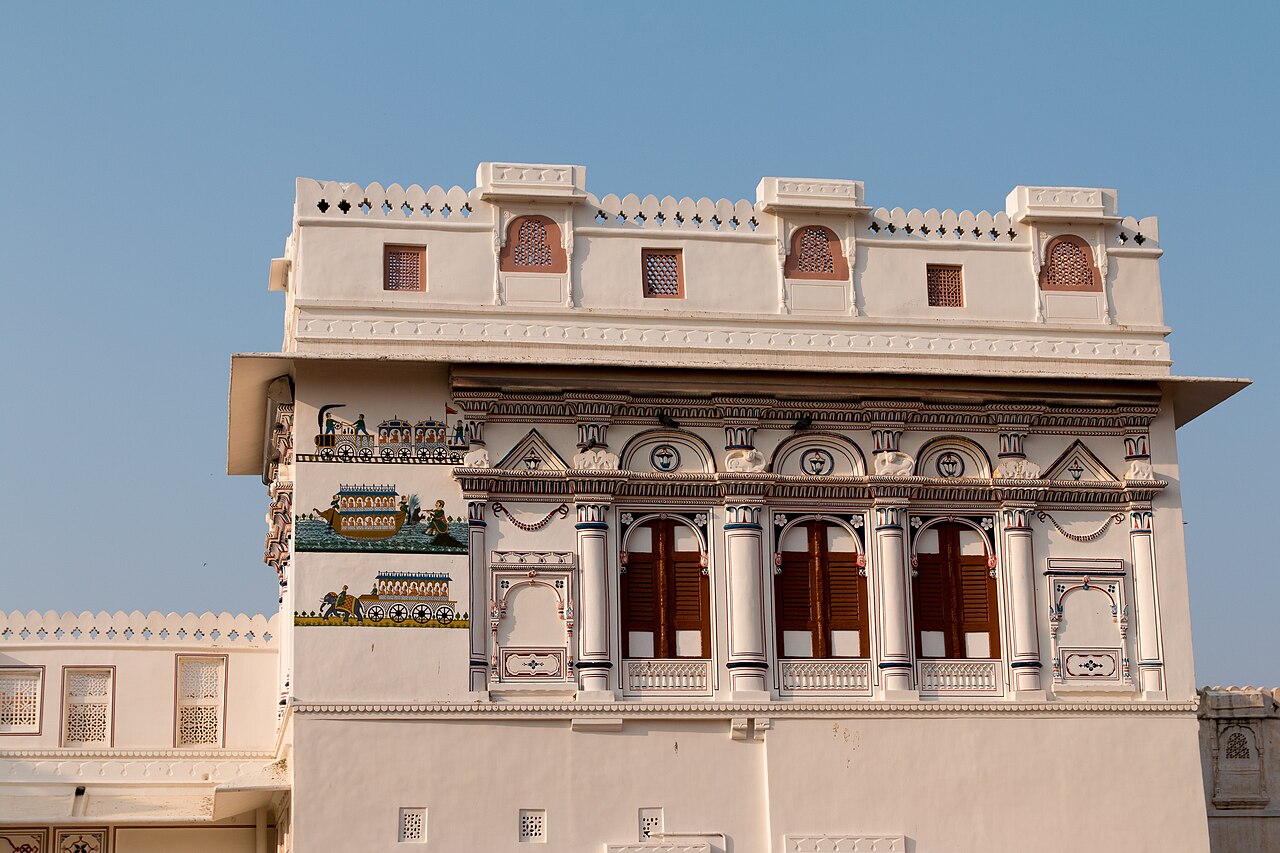
These screens served a practical purpose as well as a decorative one, allowing cooling breezes to pass while providing shade and privacy in the fierce desert climate. Form and function meet beautifully in their design.
The play of light through the jali work creates ever-changing patterns across the floors and walls, lending the interiors a quiet magic. It is one of the most enchanting features of the palace, rewarding the attentive visitor.
To study the jali screens closely is to appreciate the patience and skill of the craftsmen who made them. They are among the finest examples of their kind, and a defining feature of Lalgarh’s beauty.
Each screen is a unique composition, its patterns drawn from a rich vocabulary of geometric and floral motifs.
In the heat of the desert day, the jali work keeps the interiors cool and shaded, a brilliant response to the climate.
At certain hours the light pours through the screens to cast intricate shadows that shift across the floors like living ornament.
They remain among the most admired features of the palace, a highlight for every visitor with an eye for craftsmanship.
The craft of jali carving is among the most demanding in all of Indian architecture, requiring both patience and a sure hand.
At Lalgarh it is displayed at its very finest, screen after screen of intricate, pierced ornament.
Through them, the harsh desert light is transformed into something soft and beautiful within.
In the end, it is the jali work, more than any other feature, that gives Lalgarh its unique and unforgettable character.
Visitors often pause longest before these screens, marveling at the sheer intricacy achieved in so hard a material.
In their endless variety and delicacy, the screens are a fitting emblem of a palace built with exceptional care.
An Indo-Saracenic Masterpiece
The architecture of Lalgarh is a distinguished example of the Indo-Saracenic style, blending European planning and grandeur with the forms and craftsmanship of Rajasthan. The result is a building that is both palatial and distinctively Indian.
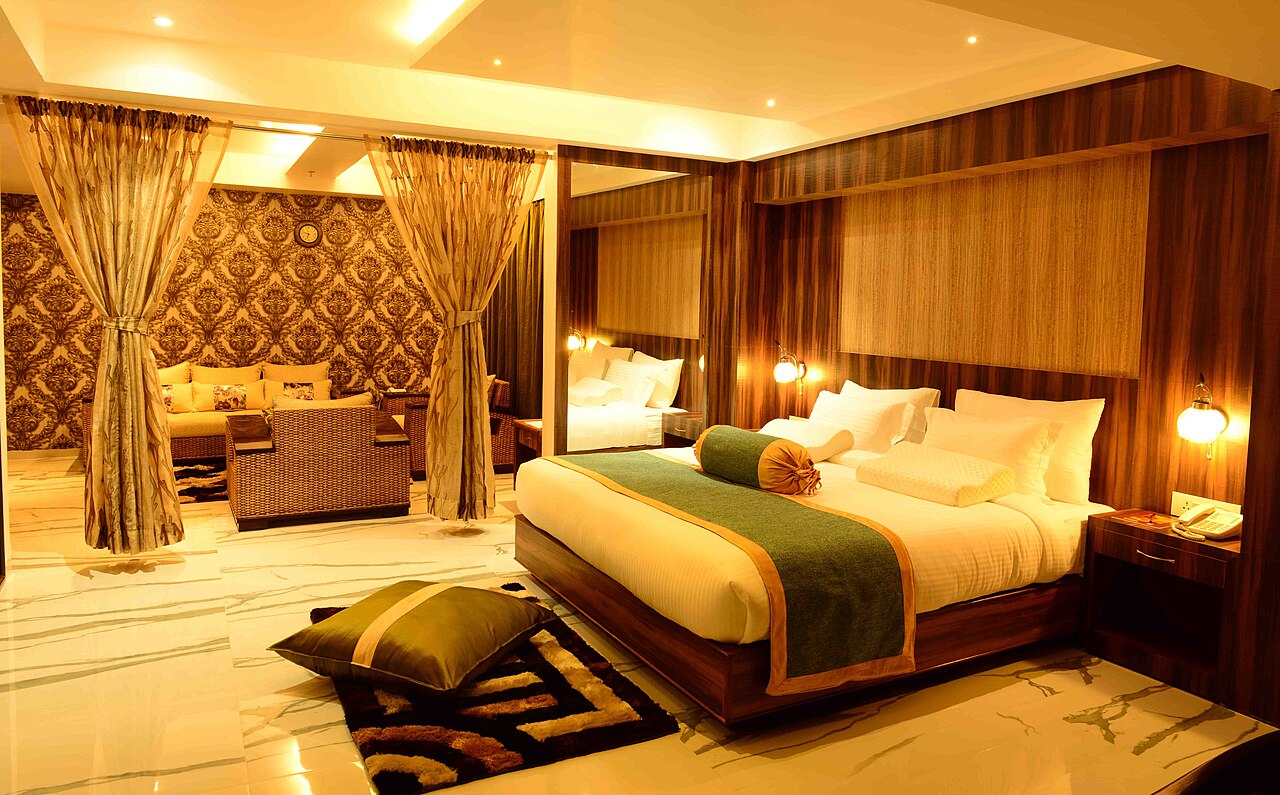
Designed by a British architect renowned for his work in this hybrid style, the palace combines grand halls, courtyards and colonnades with the intricate stonework of the desert. The marriage of traditions is handled with real skill and coherence.
The building was constructed with remarkable care, its stones fitted together with precision and its ornament executed to the highest standard. It stands as one of the finest achievements of its architect and of the Indo-Saracenic movement.
Exploring the building, you appreciate how its architecture balances grandeur with craftsmanship. Lalgarh is imposing in scale yet refined in every detail, a palace that rewards both the broad view and the close look.
The architect was celebrated for his mastery of the Indo-Saracenic style, and Lalgarh is widely regarded as among his finest works.
The building unites European notions of comfort and planning with the decorative genius of Rajasthan, a true meeting of worlds.
Its coherence across so large a structure is a tribute to the care with which it was designed and built.
In its union of grandeur and refinement, Lalgarh achieves a balance that few palaces of its era can match.
The palace was built in stages over more than two decades, yet it reads as a unified whole, a mark of the strength of its original design.
Its blend of styles mirrors the character of its builder, rooted in tradition yet open to the wider world.
Architectural historians count it among the masterpieces of its movement in India.
To encounter such refinement on so grand a scale is one of the great pleasures of a visit to Lalgarh.
The scale of the undertaking, carried out over decades, speaks to the resources and ambition of the Bikaner court.
Lalgarh remains a benchmark of what the fusion of European planning and Rajasthani craft could achieve at its height.
Courtyards and Colonnades
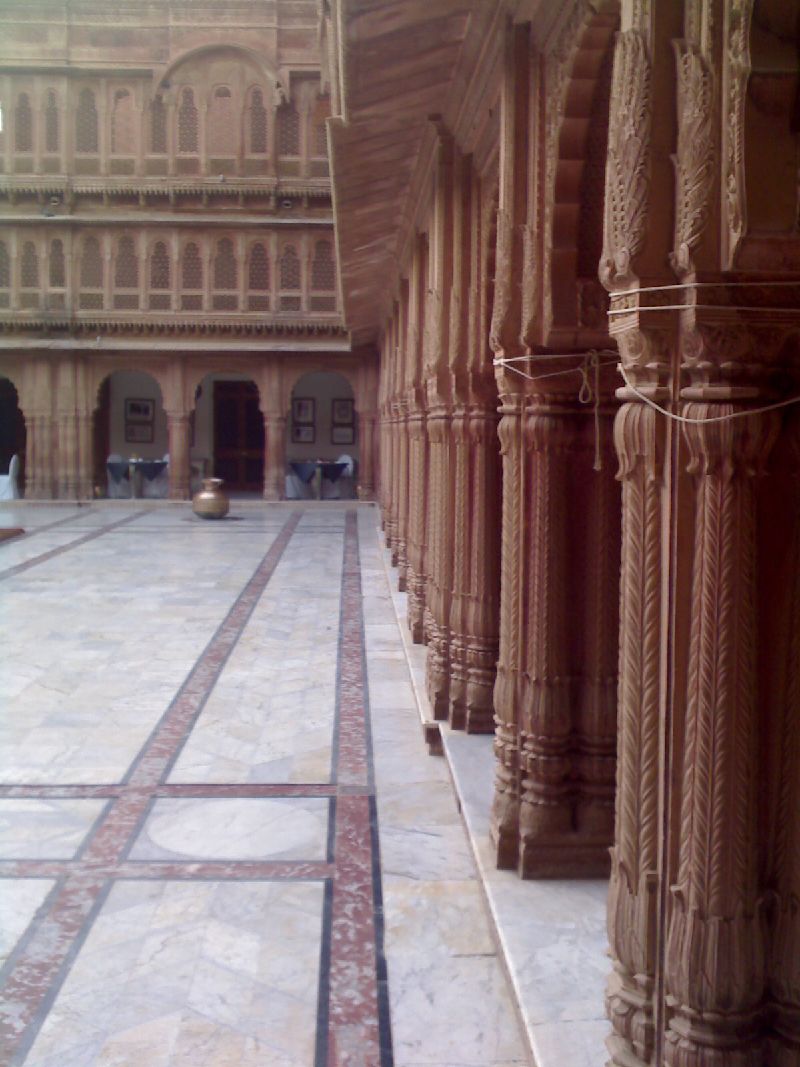
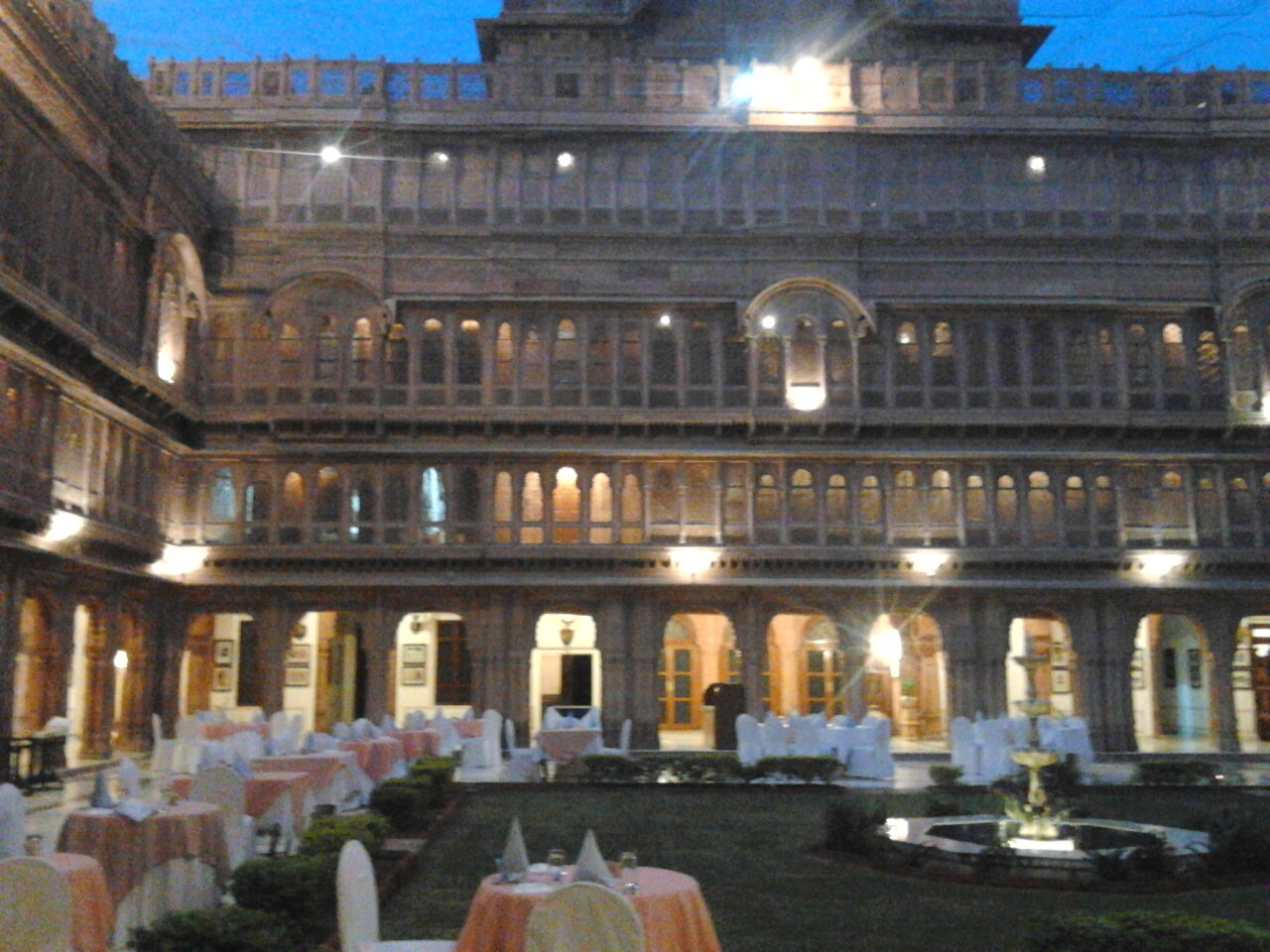
At the heart of Lalgarh lie its courtyards, serene open spaces framed by carved colonnades and pierced screens. These courtyards were central to the life of the palace, providing light, air and tranquil retreats within the massive building.
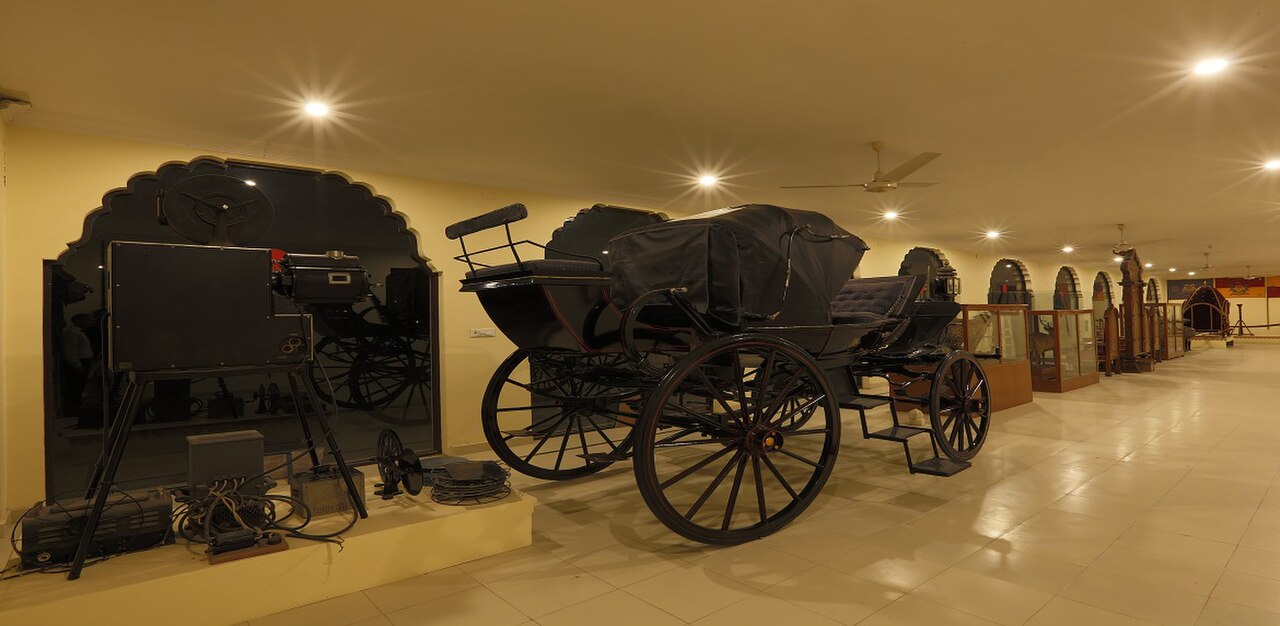
The interplay of sunlight and shadow in these spaces, filtered through the jali screens, creates an atmosphere of calm beauty. The courtyards were designed for comfort in the desert climate as well as for elegance.
Around them, colonnaded walkways and halls open in a graceful rhythm, their red stone carved with endless invention. Moving through these spaces, you sense the thoughtful design that shaped the whole palace.
Take your time in the courtyards, for they are among the most peaceful and beautiful parts of Lalgarh. They reveal the palace as a place of living comfort as well as grand display.
These open spaces were the heart of daily life in the palace, cool refuges from the desert heat and settings for gatherings.
The symmetry and proportion of the courtyards lend them a serene, almost meditative quality.
Framed by carved colonnades, they are among the most photographed and beloved spaces in the palace.
It is in these tranquil spaces that the genius of the palace’s design is felt most clearly.
The gentle sound of the desert breeze through the screens adds to the sense of calm that pervades these spaces.
They were designed as much for repose as for display, places where the court could escape the heat and noise of the day.
To linger in a courtyard as the light shifts through the screens is to experience the palace at its most enchanting.
These serene spaces are, for many, the lasting memory of a visit to the palace.
A Great Desert Library
Among the treasures of Lalgarh is its remarkable library, one of the notable collections of its kind in India. Gathered by the scholarly maharajas of Bikaner, it preserves rare manuscripts and volumes that reflect the learning and culture of the court.
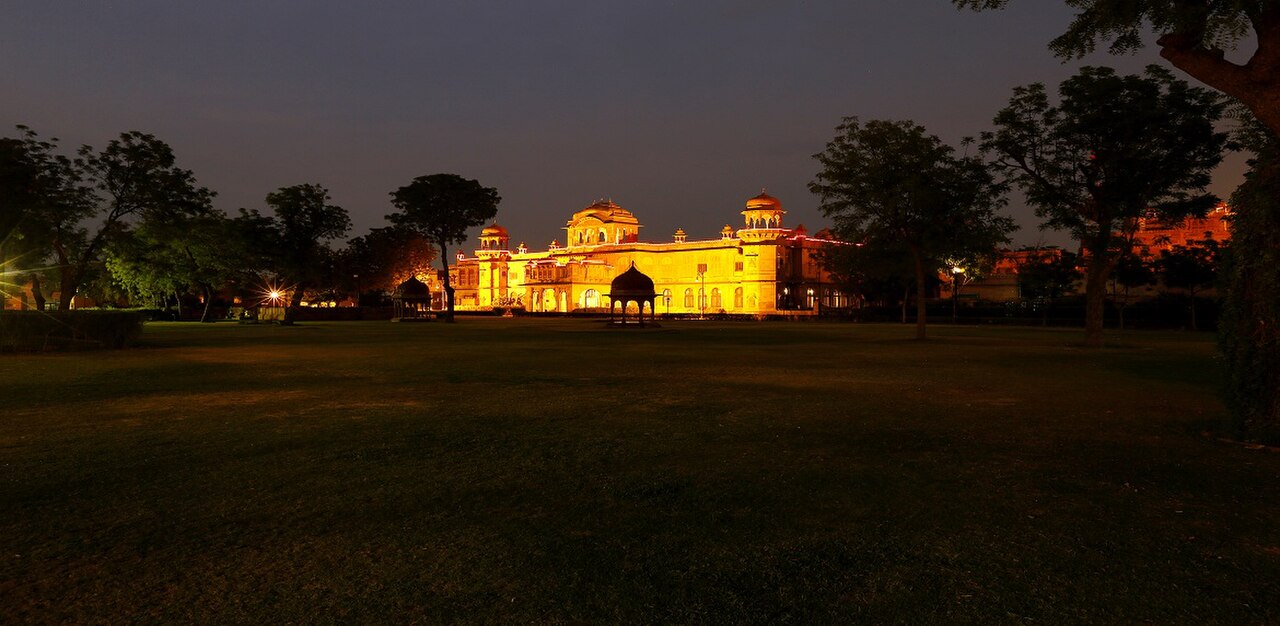
The presence of so important a library speaks to the intellectual ambitions of the Bikaner rulers, who were patrons of scholarship as well as builders and sportsmen. The collection is a precious part of the palace’s heritage.
Among its holdings are rare and ancient manuscripts, treasured for their historical and cultural value. The library is a reminder that Lalgarh was a center of learning as well as a seat of power and splendor.
For the visitor interested in the deeper life of the court, the library is a fascinating dimension of the palace, revealing the scholarly side of a dynasty famous for so much else.
Scholars value the collection for its rare manuscripts, some of great antiquity, which shed light on the history and culture of the region.
The maharajas of Bikaner took pride in their patronage of learning, and the library stands as a monument to that tradition.
For the visitor, it is a reminder that the palace was a place of the mind as well as of power and splendor.
Few palaces anywhere preserve so distinguished a collection, and it adds greatly to the cultural weight of Lalgarh.
The collection reflects the wide intellectual interests of the Bikaner rulers, encompassing many fields of learning.
Its preservation ensures that this precious heritage of scholarship endures for future generations.
It is a reminder that the greatness of a court is measured not only in splendor but in learning and culture.
The quiet of the library offers a striking contrast to the grandeur of the halls, a reminder of the palace’s scholarly soul.
Trophies of a Famous Sportsman
Maharaja Ganga Singh was renowned as one of the great sportsmen of his age, and the palace preserves the trophies and mementoes of his famous hunts and sporting exploits. These displays recall a vigorous, adventurous side of the maharaja’s life.
The hunts of the Bikaner court were legendary, and the maharaja’s prowess was celebrated across India and beyond. The trophies gathered at Lalgarh testify to this reputation and to the outdoor culture of the princely age.
These displays, alongside photographs and records of the maharaja’s sporting life, lend the palace a colorful and personal dimension. They bring to life the character of a ruler who excelled in the field as well as in the council chamber.
For the visitor, the sporting trophies are a vivid reminder of the many-sided life of the maharaja, a figure equally at home in the desert hunt and on the world stage.
Photographs of grand hunts and sporting expeditions line the walls, capturing the adventurous spirit of the age.
The displays recall a world in which princely sport was both a passion and a mark of status.
They lend the palace a vivid, personal character, bringing the maharaja himself closer to the visitor.
In these displays, the vigorous outdoor world of the princely age comes vividly back to life.
Such trophies were once the pride of princely houses across India, and few collections recall the era so vividly.
They remind us that the maharaja’s life combined the refinements of statecraft with the thrill of the desert hunt.
Together with the museum, these displays complete the picture of a court that balanced splendor, learning and adventure.
The Palace Museum
Part of Lalgarh today houses a museum dedicated to the Bikaner royal family, displaying the treasures, photographs and memorabilia of the dynasty. The museum allows visitors to explore the history of the rulers and their remarkable achievements.
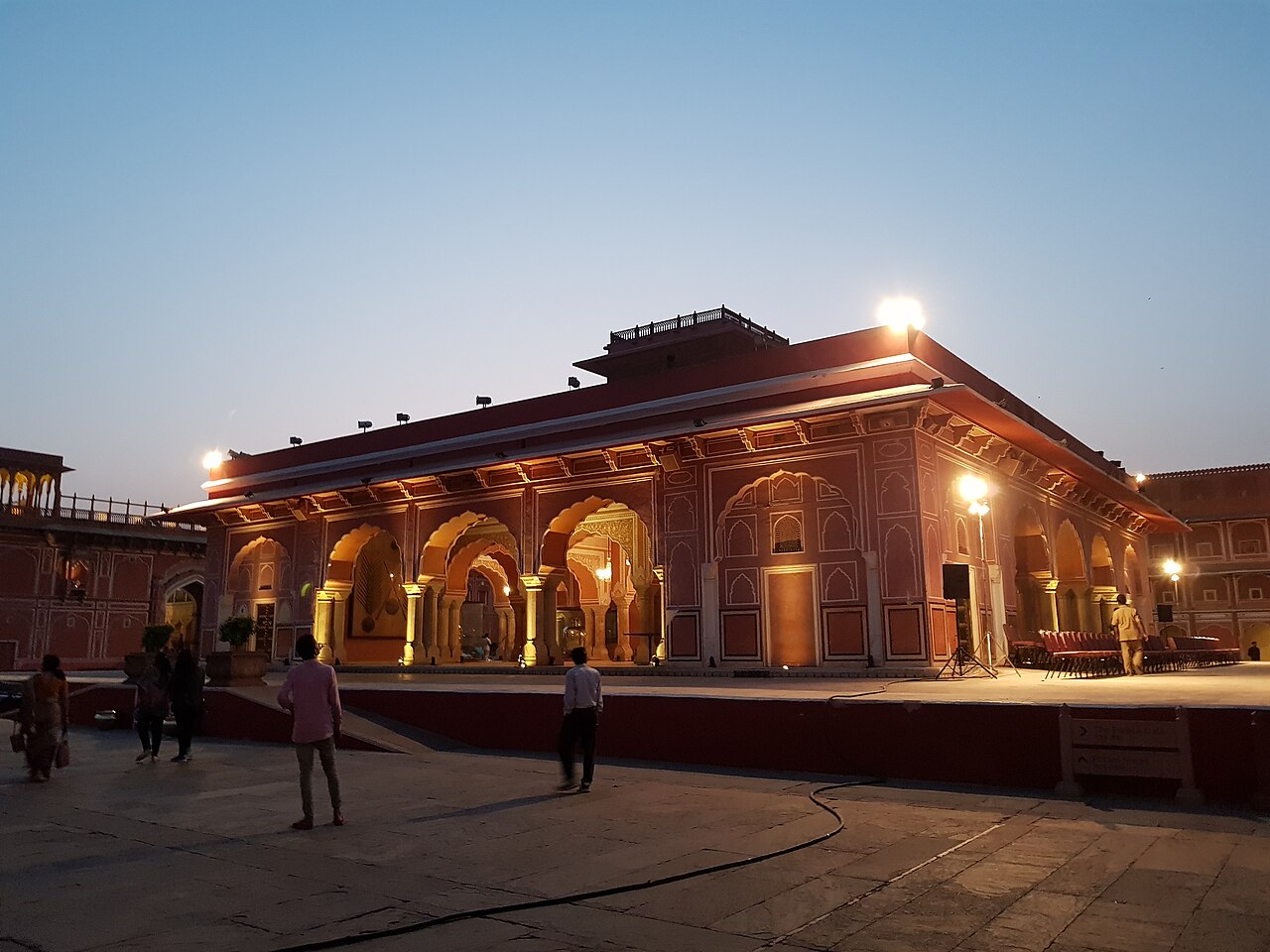
Through its displays, the museum tells the story of Bikaner and its maharajas, from the building of the palace to the great deeds of Ganga Singh. It is both a treasure house and a record of a distinguished royal house.
Among the exhibits are items that recall the maharaja’s role on the world stage, as well as objects from the daily and ceremonial life of the court. Together they paint a rich portrait of the dynasty.
For the visitor, the museum is an essential part of a visit, bringing the history of Lalgarh and its builders vividly to life.
The exhibits range from ceremonial objects to personal belongings, offering an intimate view of the dynasty.
Items connected with the maharaja’s role in world affairs are among the most compelling on display.
Together, the collections make the museum a rich and rewarding part of any visit.
A slow, attentive tour of the galleries is the best way to appreciate the achievements of the Bikaner dynasty.
The museum has become a point of pride for Bikaner, drawing visitors eager to learn the story of its celebrated dynasty.
Its careful curation brings the achievements of the maharajas vividly to life.
For the visitor, each gallery adds another layer to the understanding of a remarkable dynasty and its desert kingdom.
For the visitor, it is the ideal introduction to a dynasty whose achievements reached far beyond the sands of Rajasthan.
A Living Heritage Hotel
Like several of Rajasthan’s great palaces, part of Lalgarh has found new life as a heritage hotel, allowing visitors to stay amid its grandeur. This transformation has helped preserve the palace while sharing its splendor with the world.
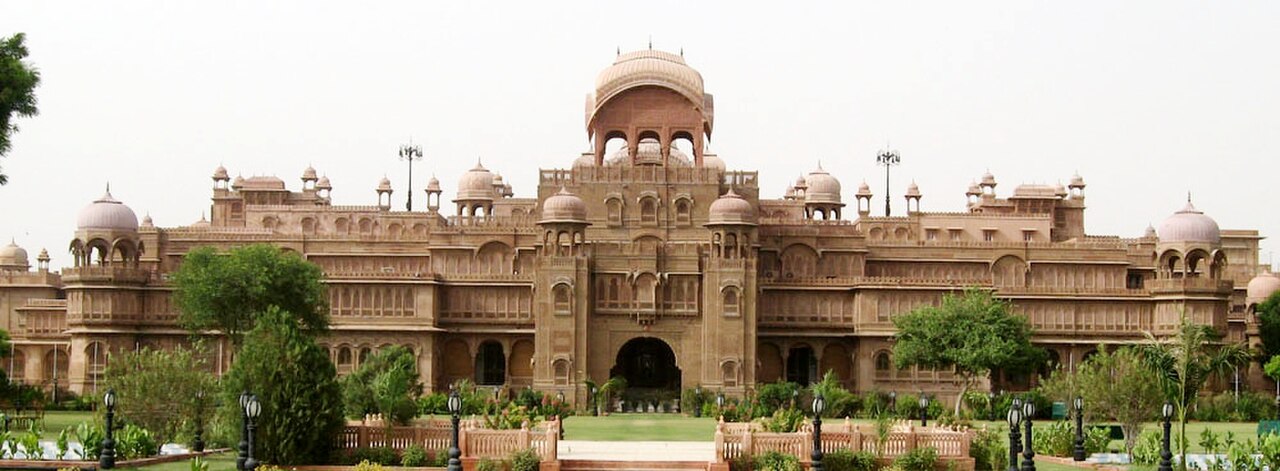
Guests can now experience something of the life of a maharaja, staying in a palace of carved red stone and dining in its grand halls. The conversion was handled with care, retaining the character and atmosphere of the royal residence.
This new role has secured the future of the palace, ensuring that its fabric and its heritage are maintained. It has also made Lalgarh one of the most celebrated palace hotels of the desert.
For the visitor, the heritage hotel offers a rare chance to experience the palace from within, living for a time amid the beauty and history of a great Rajasthani court.
Staying within the palace walls, guests experience the atmosphere of a royal residence in a way no day visit can match.
The careful stewardship of the hotel has kept the palace’s fabric and spirit intact.
It is a model of how a historic palace can be preserved through sensitive new use.
For many, a stay here is the highlight of a journey through the desert cities of Rajasthan.
The revenue from the hotel helps maintain the palace, ensuring its future for generations to come.
Guests often describe their stay as a step back into the gracious world of princely India.
To wake within the carved walls of Lalgarh is to experience, however briefly, the gracious rhythms of a vanished royal world.
A Jewel of the Desert City
Lalgarh is inseparable from Bikaner, the desert city of which it is one of the great ornaments. As the principal modern residence of the Bikaner rulers, the palace is woven into the identity and heritage of the city.
Bikaner is a city shaped by the desert, long a center of trade and a seat of a proud princely house. Lalgarh, with its red sandstone drawn from the surrounding land, belongs utterly to this desert world.
Set within the wider landscape of Bikaner’s forts, temples and havelis, the palace holds a special place as the grand modern seat of the maharajas. It complements the older monuments of the city with its own distinctive elegance.
For the visitor, Lalgarh is an essential part of any exploration of Bikaner’s royal heritage, a jewel of carved red stone in the heart of the Thar.
The city’s forts, temples and merchant havelis form a rich historical landscape of which Lalgarh is a crowning part.
Bikaner’s desert location has shaped its culture for centuries, and the palace belongs wholly to that world.
A visit to Lalgarh naturally opens into a wider exploration of this fascinating desert city.
No visit to Bikaner feels complete without an encounter with this, its grandest modern palace.
The red stone of the palace echoes the desert city around it, binding Lalgarh firmly to its place.
Together with the great fort and the old city, it makes Bikaner one of the most rewarding of Rajasthan’s desert destinations.
In the end, Lalgarh and Bikaner are inseparable, the palace the crowning jewel of a proud desert city.
The palace stands as the modern chapter in a royal story that reaches back through the centuries of Bikaner’s history.
The desert light, the red stone and the carved screens together create an atmosphere found nowhere else, the signature of Bikaner.
A Closer Look on Film
To appreciate the full beauty of Lalgarh, from its carved red facades to its tranquil courtyards, film offers a fine complement to a visit. The short video below helps bring the palace and its craftsmanship to life.
Watching it, you can better sense the delicacy of the stonework, the atmosphere of the courtyards and the grandeur of the halls, details that reward a closer look. It makes an ideal companion to understanding this remarkable desert palace.
Lalgarh Palace Today
Today Lalgarh Palace endures as one of the most distinguished palaces in Rajasthan, cherished as a symbol of Bikaner and of the great Maharaja Ganga Singh. Its carved red stone, its library and its museum continue to enchant all who visit.
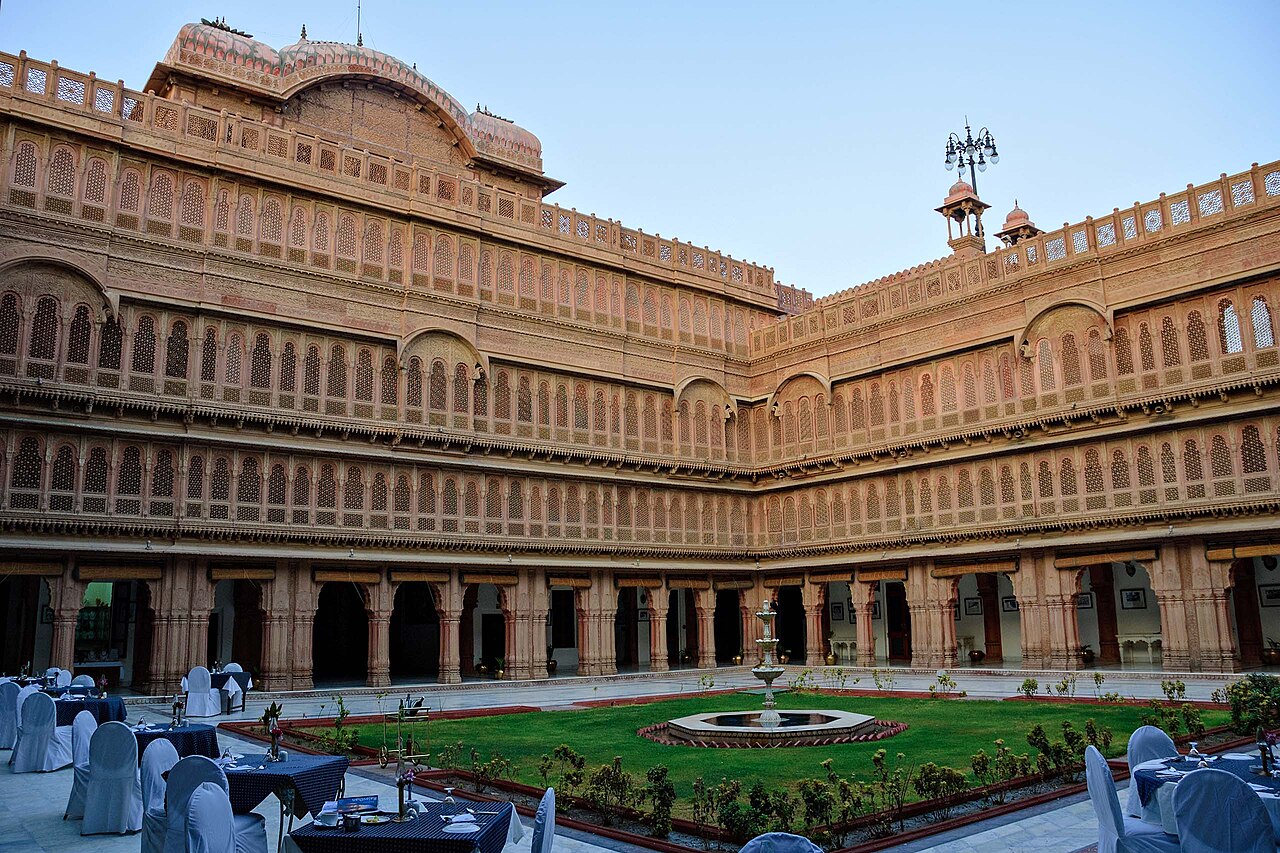
For travelers, the palace offers a rewarding encounter with the world of princely India, a chance to admire the finest desert craftsmanship and to learn the story of a remarkable ruler. Its blend of grandeur and delicacy creates an experience that lingers in the memory.
There is a lesson in Lalgarh’s graceful endurance. It shows how a royal residence can find new life and purpose while preserving its character, keeping the heritage of the desert court alive for new generations.
When you finally turn to leave, glance back at the carved red facades glowing in the desert sun. You will carry with you the image of a palace of stone lace, and a vivid sense of the grandeur of Bikaner and its greatest maharaja.
Long after leaving, travelers find the image of the carved red facades returning to mind, a lasting symbol of the desert court’s grandeur.
For anyone drawn to the craftsmanship and history of princely India, the palace is an essential and rewarding destination.
It endures as a proud reminder that the craftsmanship of Rajasthan reached its heights not only in ancient forts but in the palaces of the modern era.
In its carved halls and tranquil courtyards, the grandeur of Bikaner and its greatest maharaja lives on for all who come to see it.
Whatever route brings you here, Lalgarh rewards the journey many times over.
It remains a place of pilgrimage for all who wish to experience the craftsmanship and grandeur of princely Rajasthan.
And so Lalgarh endures, its red stone lace glowing in the desert sun, keeping alive the memory of a great maharaja and his kingdom.
For the traveler willing to venture into the desert, the reward is one of the most beautiful princely palaces in all of India.
In its carved facades and quiet courtyards, the artistry of the desert and the vision of a great ruler are preserved together for the ages.
View the location on Google Maps
Palaces Nearby
If the carved red stone of Lalgarh has deepened your love of India’s princely palaces, two more royal residences of the subcontinent make fitting companions to this one.
- Hazarduari, the Palace of a Thousand Doors, the grand riverside seat of the Nawabs of Bengal in Murshidabad.
- Vijay Vilas Palace near Mandvi, the seaside summer retreat of the rulers of Kutch in Gujarat.
You May Like


One thought on “Lalgarh Palace, the Red Sandstone Lace of Bikaner’s Desert Maharaja”