In this article
- The little slab that ate everything else
- From a wooden box on the wall to glass in your pocket
- Cracking one open: what is actually in there
- The brain: the system-on-a-chip
- Memory and storage, and why they are not the same thing
- The screen you stare at all day
- The battery, and the war against running out
- The hidden senses: every sensor inside
- The camera that quietly killed the camera
- The radios: how it talks to the world
- The part you cannot touch: the software
- Things your phone can do that you probably never tried
- Where this is all heading
Take whatever device you are reading this on out of your pocket, or glance down at it, and consider for a moment how strange it is. A slab of glass and metal smaller than a paperback holds more computing power than the machines that guided astronauts to the Moon, by an almost embarrassing margin. It is a telephone, but calling it a telephone is a bit like calling a modern car a horseless carriage. It is a camera, a map, a library, a bank, a flashlight, a spirit level, a heart-rate monitor, a games console, and a window into the entire accumulated knowledge of our species. We carry this thing everywhere, glance at it dozens of times a day, and almost never stop to ask what is actually going on inside it.
This is the first piece in a series about the everyday technology we take for granted, and it felt right to start with the device most of us touch before we even get out of bed. The goal here is not a spec-sheet recital. It is to genuinely understand the thing: what it does, how the pieces fit together, the tiny sensors hiding inside that you have never seen, the long and slightly ridiculous history that got us here, and where the whole story might be going next. By the end you should be able to look at your phone and roughly picture the small civilisation of components humming away behind the screen.
The little slab that ate everything else
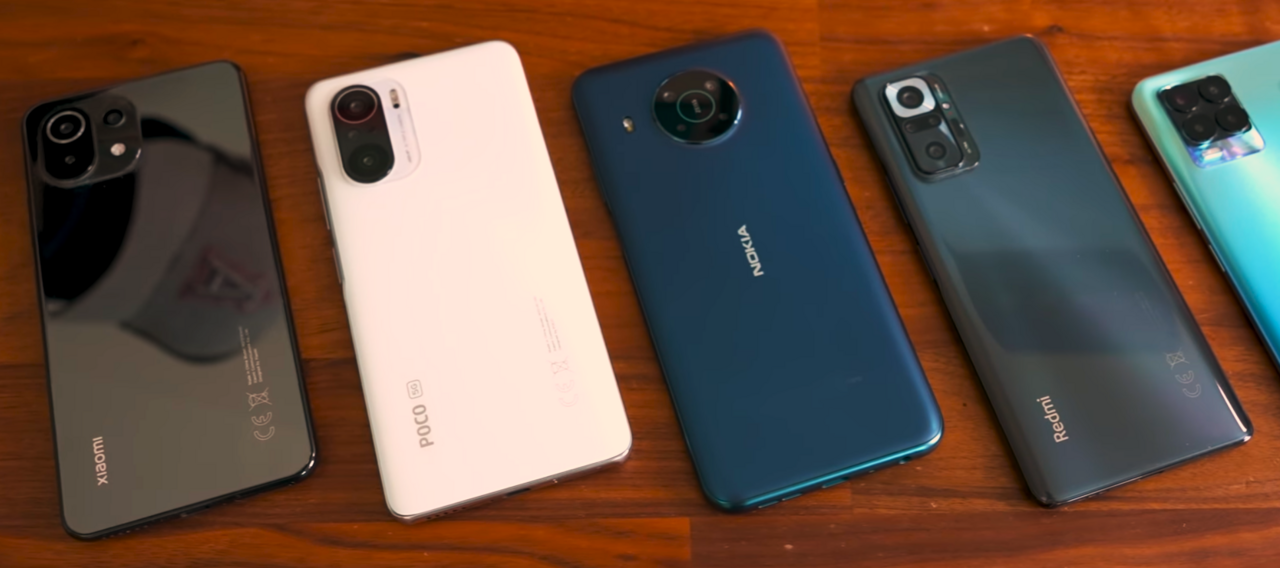
At its simplest, a smartphone is a small computer that you can carry, that is permanently connected to a wireless network, and that you control mostly by touching a screen. That definition sounds obvious now, but each of those three ideas—portable computing, constant connectivity, and a touch interface—arrived separately and took decades to mature. The smartphone is what happened when they finally collided in one object.
What makes it genuinely different from the gadgets that came before is convergence. For most of the twentieth century, each job had its own machine. You owned a camera for photos, a Walkman for music, a calculator for sums, a paper map for directions, a telephone bolted to the wall for calls, and a fat encyclopaedia on a shelf for facts. The smartphone swallowed all of them, not by being slightly better at each task, but by being good enough at all of them at once while always being in your pocket. That “good enough, and always there” quality is the secret of why it became the defining object of the era.
It is worth noticing how much of its power is invisible. The hardware in your hand is impressive, but on its own it would be a dead brick. Its real abilities come from being a node in a vast network: the servers, cell towers, satellites, and data centres it talks to constantly. When you ask it a question or pull up a map, most of the heavy lifting often happens somewhere far away, and the phone is simply the elegant window onto it.
From a wooden box on the wall to glass in your pocket
To appreciate the device, it helps to wind the clock all the way back. The story does not begin with computers at all; it begins with the telephone, an invention that, in its earliest commercial form, was a wooden box screwed to the wall. You cranked a handle to generate a signal, spoke into a fixed mouthpiece, and held a separate earpiece to your head. There was no dialling and no privacy—an operator physically connected your line to another with a cable.

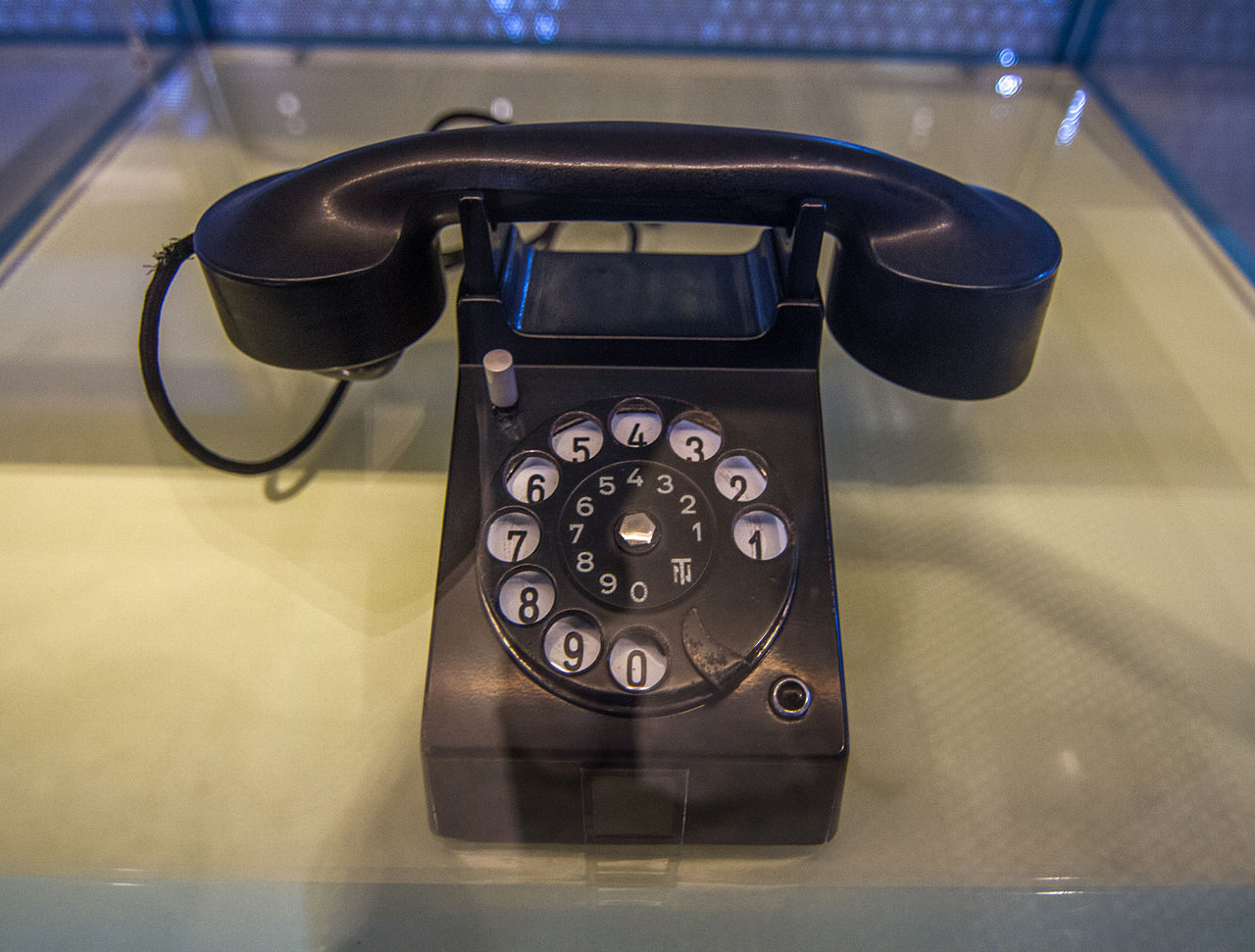
The rotary dial, which arrived in the early twentieth century and lasted for generations, was the first taste of automation. By spinning a numbered wheel you sent pulses down the line that machinery at the exchange could interpret, cutting the human operator out of the loop. If you have ever watched someone hook a finger into a dial and let it whirr back, you have seen a piece of engineering that defined what a “phone” looked like for the better part of a hundred years.
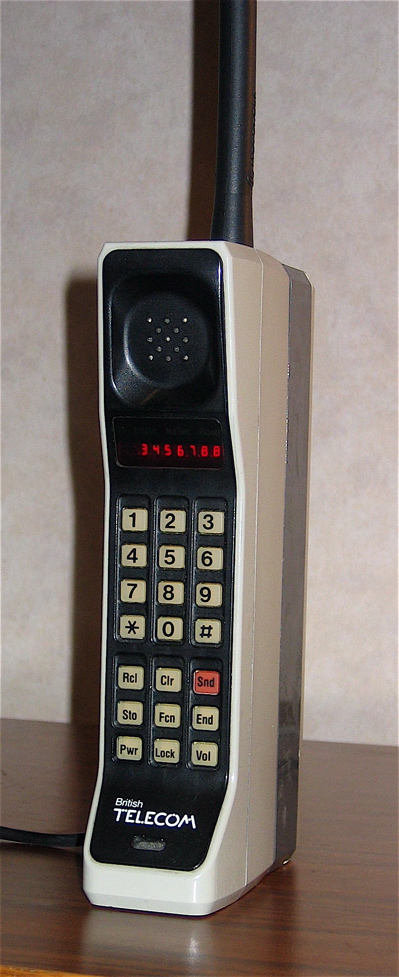
The leap that mattered most for our story, though, was cutting the cord entirely. In 1983 Motorola released the DynaTAC 8000X, the first truly portable mobile phone you could buy. It was the size and weight of a brick, cost a small fortune, offered around half an hour of talk time after roughly ten hours of charging, and was an unambiguous status symbol. It could do exactly one thing—make calls—and yet it changed everything by proving that a telephone did not have to be tied to a place.
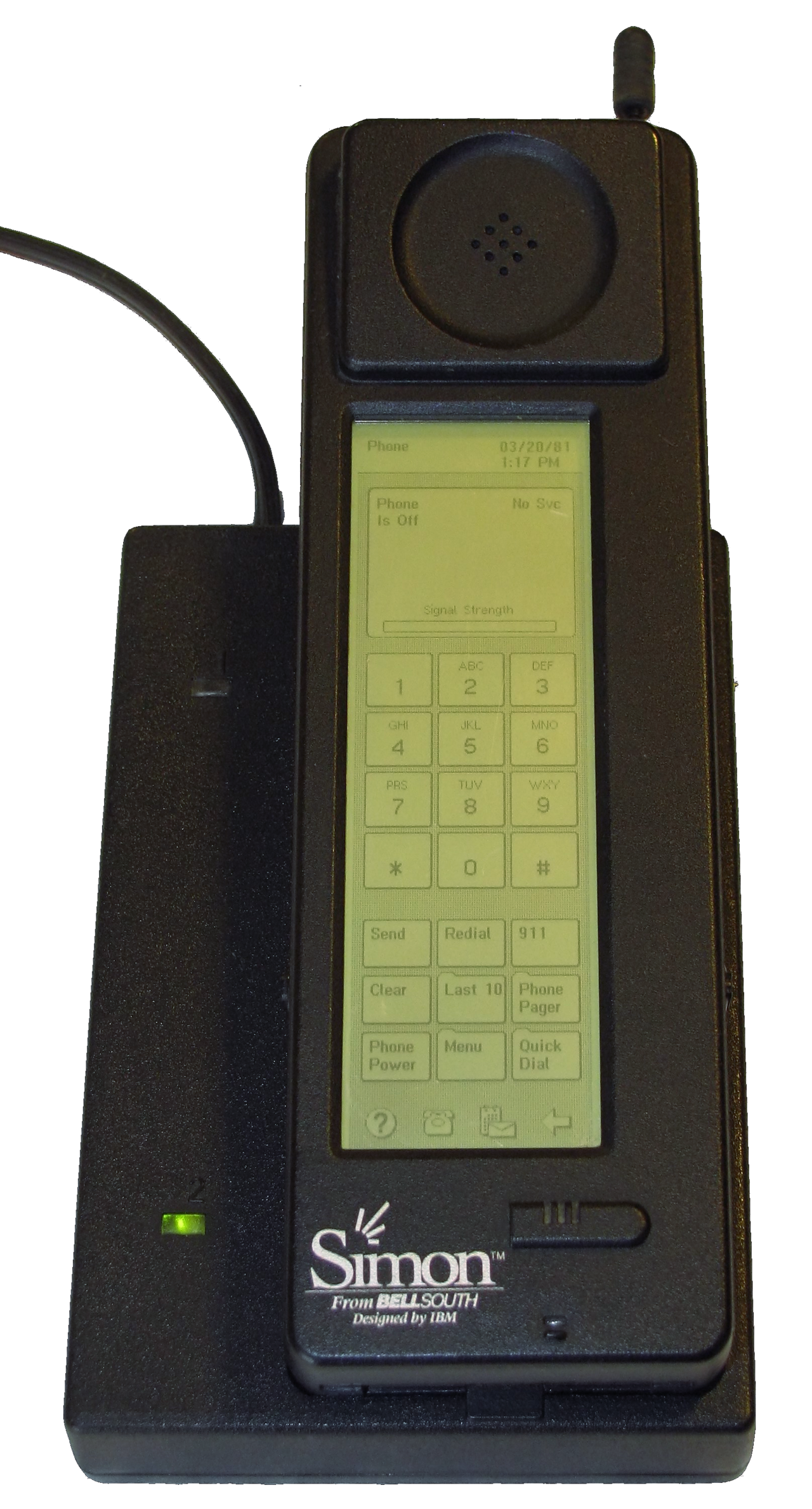
The word “smart” entered the picture surprisingly early. In 1994 IBM released the Simon Personal Communicator, a device most historians now credit as the first smartphone. It had a touchscreen you operated with a stylus, it could send faxes and emails, and it bundled apps like a calendar and an address book. It was bulky, short-lived on battery, and commercially modest, but conceptually it was decades ahead of its time—a phone that was also a tiny computer.
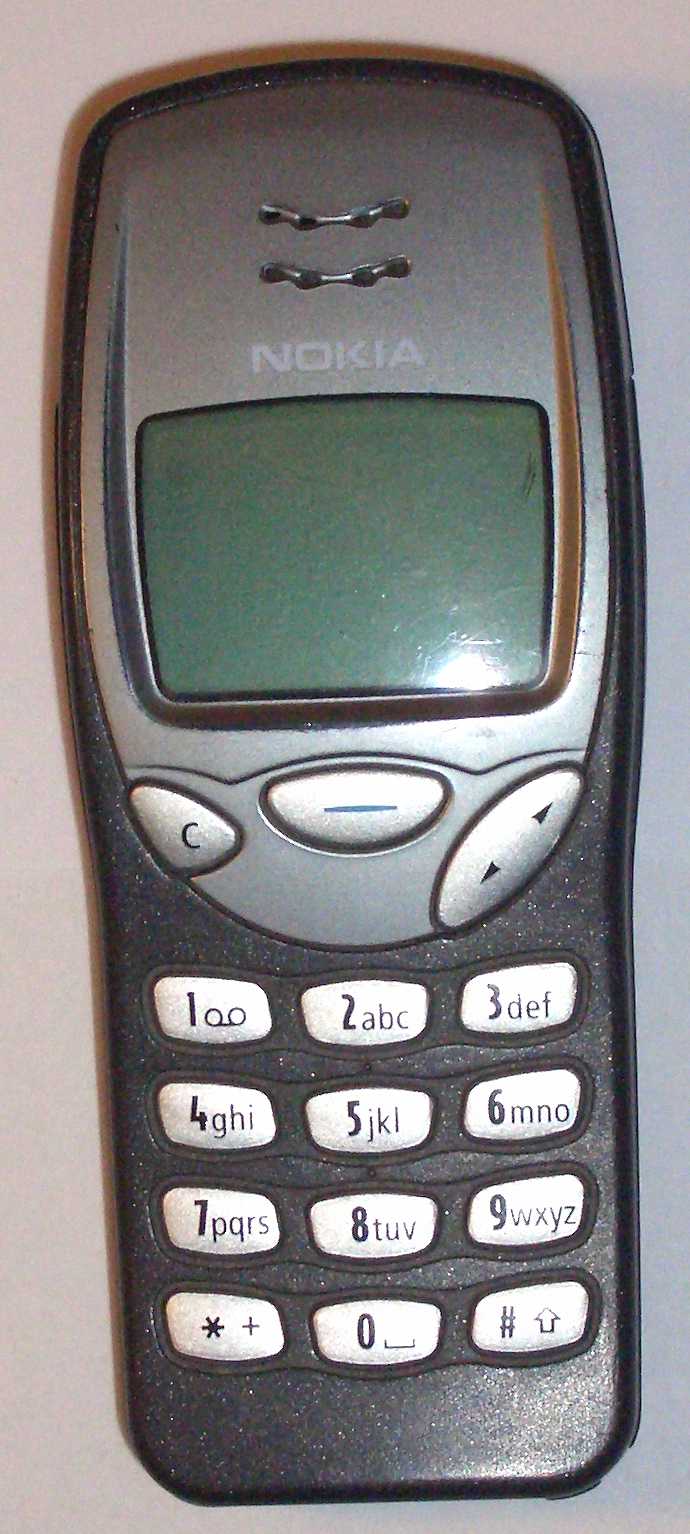
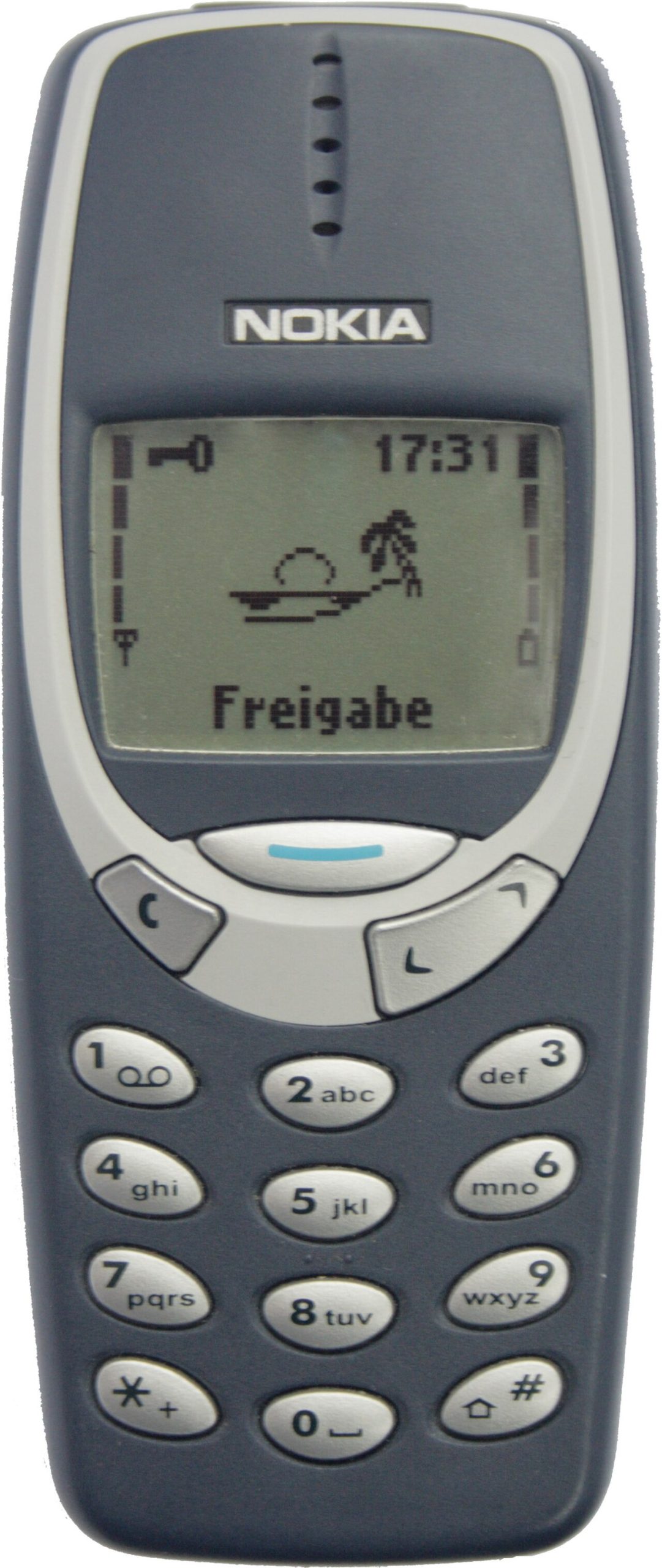
Then came the era many of us actually remember: the late-1990s and early-2000s explosion of small, cheap, astonishingly durable handsets. Phones like the Nokia 3210 and its even more legendary successor, the 3310, put a mobile in hundreds of millions of pockets. They had tiny monochrome screens, physical number keys, battery life measured in days rather than hours, and a single game—Snake—that devoured untold productivity. These were not smartphones, but they normalised the idea that everyone, everywhere, carried a phone.
The modern smartphone as we know it crystallised in 2007, when the first iPhone discarded the physical keyboard and stylus in favour of a large capacitive touchscreen controlled by your fingers. Within a couple of years the arrival of app stores turned the phone from a fixed-function gadget into an open platform that anyone could build software for. That single shift—from a device the manufacturer defined to a device millions of developers could extend—is why the phone in your pocket can be a guitar tuner one minute and a flight tracker the next.
Cracking one open: what is actually in there
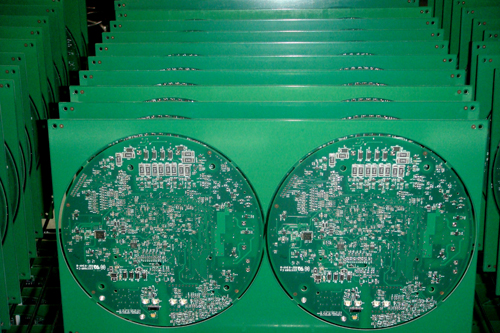
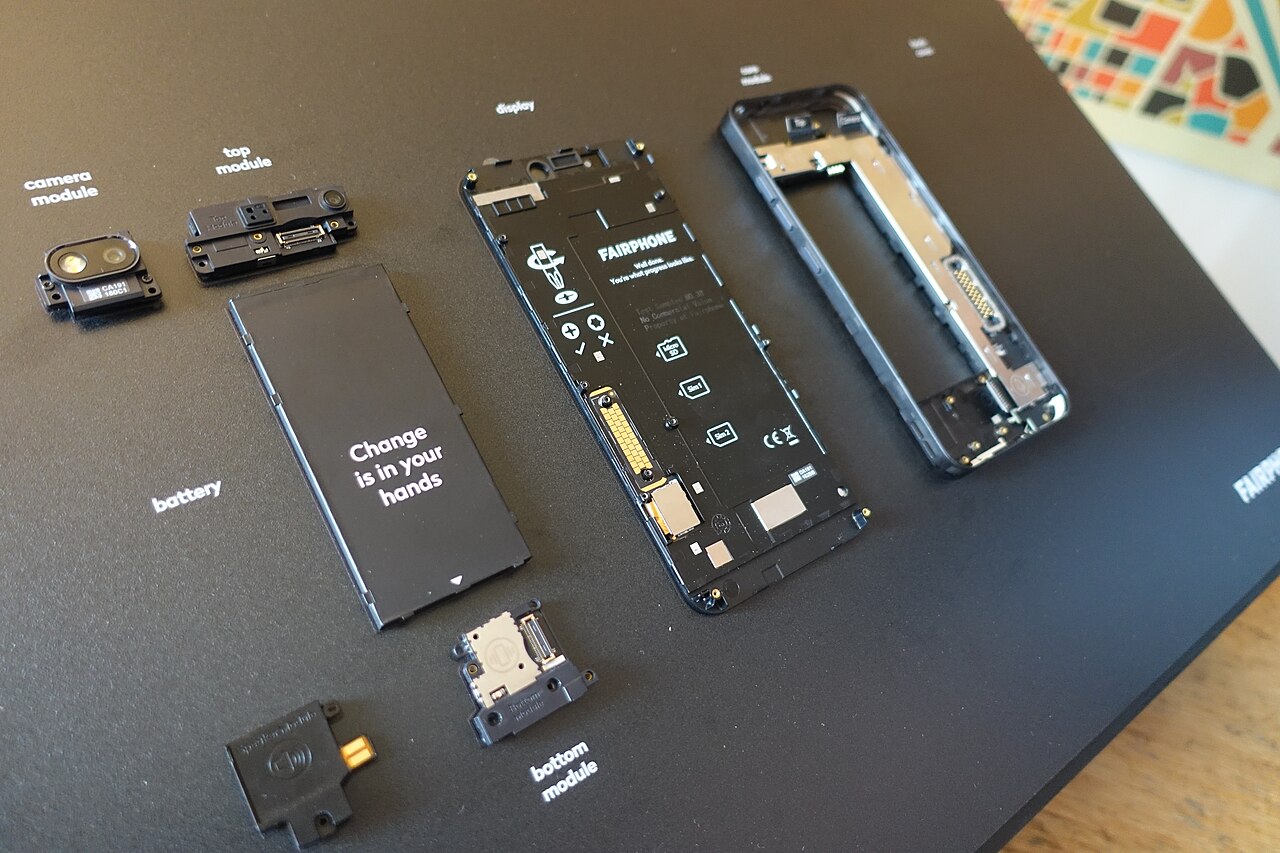
If you carefully prise the back off a modern phone, the first thing that strikes you is how much of the interior is battery. A large, flat lithium-ion cell typically occupies more than half the internal volume. Everything else—the entire computer—is crammed into the remaining space, mostly onto a single, astonishingly dense circuit board often no bigger than a couple of postage stamps.
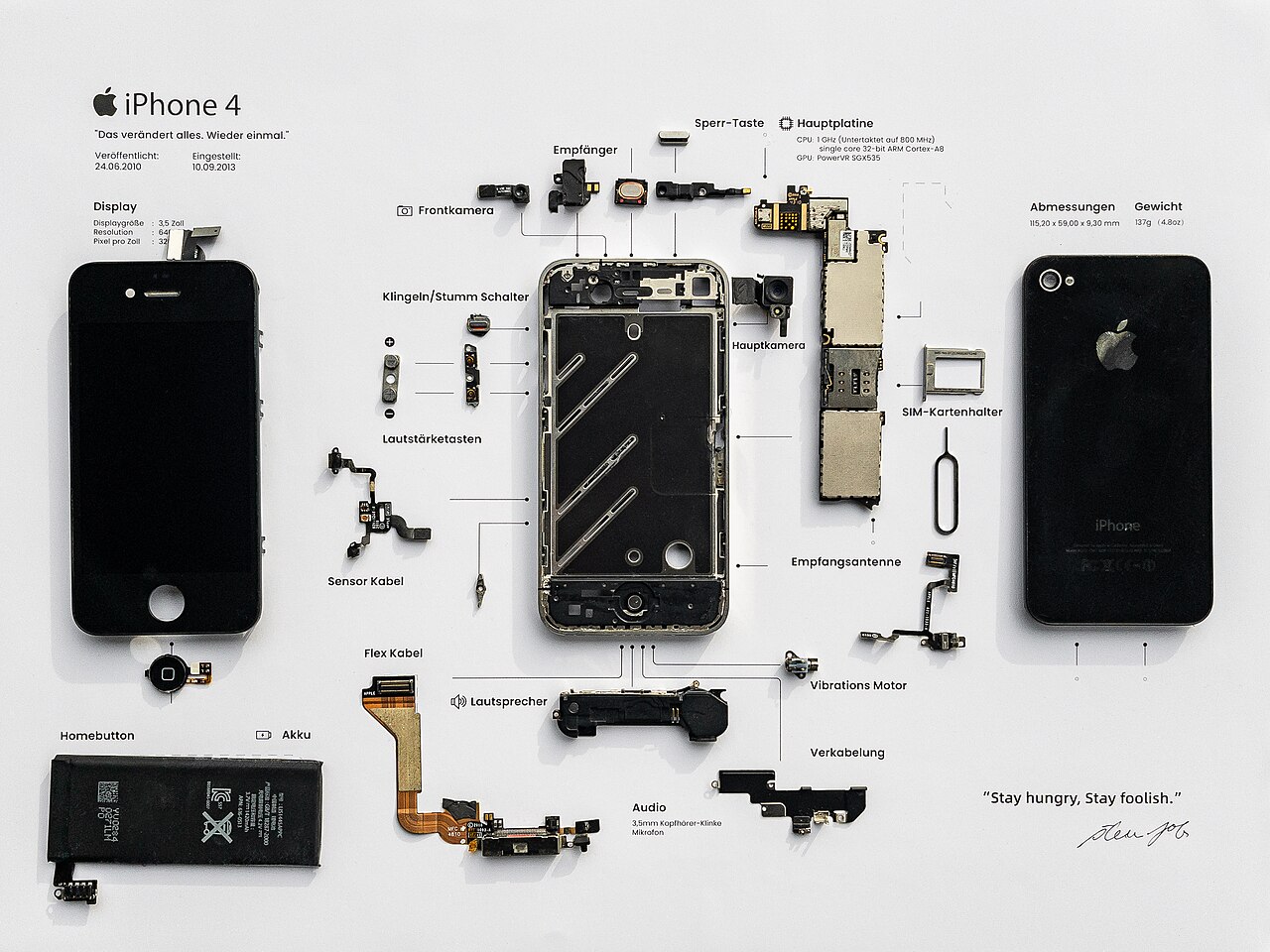
That density is the real marvel of the device. Where a desktop computer spreads its processor, memory, graphics, and connectivity across a large board with room to breathe, a phone stacks and miniaturises everything to fit a space a few millimetres thick. Components are layered on top of one another, memory chips are sometimes mounted piggyback on the main processor, and connectors are shrunk to fractions of a millimetre. The rest of the body is given over to the screen at the front, the cameras, the speakers and microphones, the vibration motor, and the metal frame that holds it all together and helps shed heat. Let us walk through the important pieces one at a time.
The brain: the system-on-a-chip
The single most important component is the processor, but in a phone it is not just a processor—it is what engineers call a system-on-a-chip, or SoC. The idea is to take all the major parts of a computer and pack them onto one piece of silicon. A modern phone SoC contains the central processing unit (the CPU, which handles general computing), a graphics processing unit (the GPU, for drawing the screen and games), a dedicated chip for processing camera images, the cellular modem in many designs, and increasingly a neural processing unit, or NPU, built specifically to run the maths behind artificial intelligence.
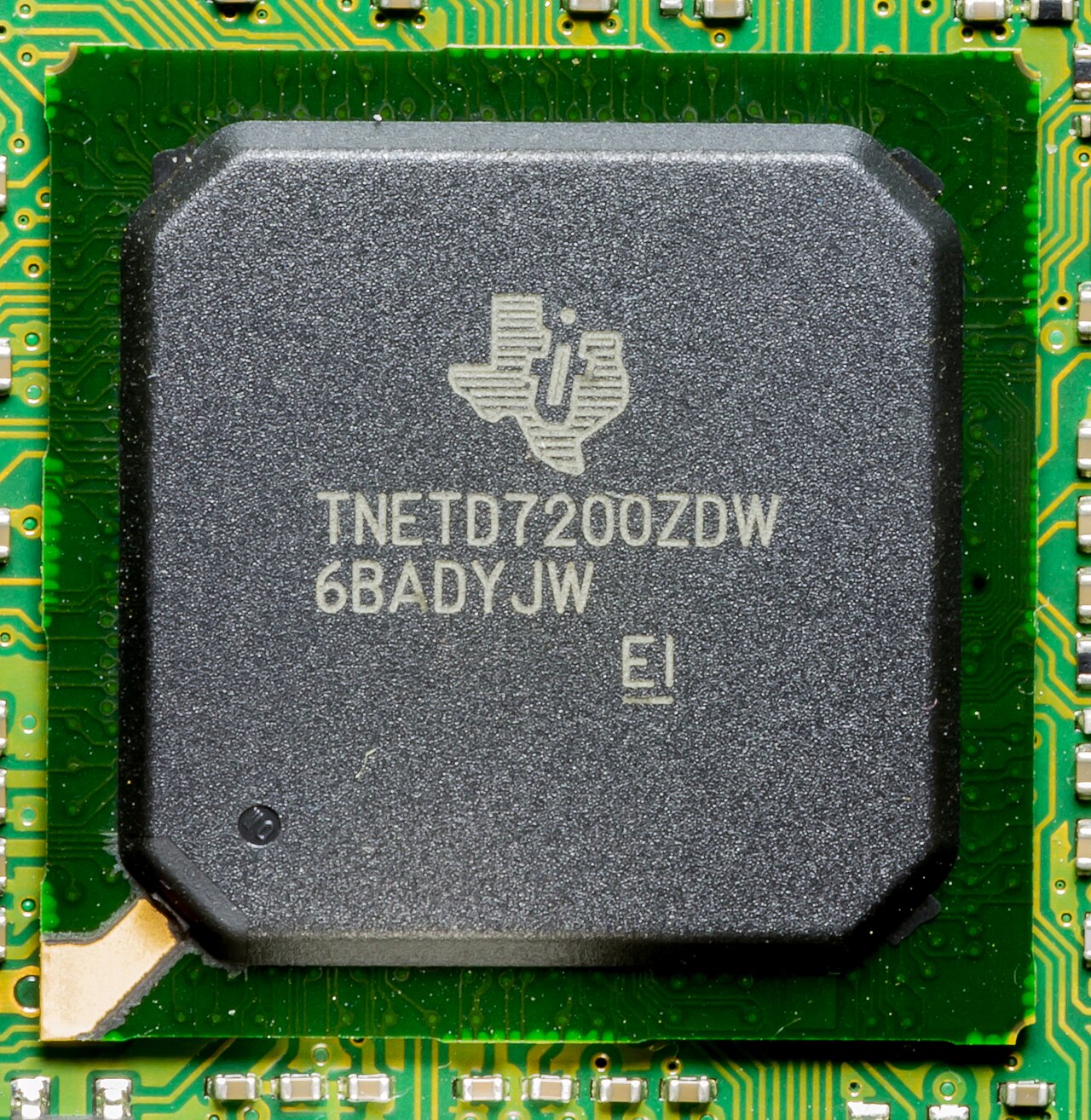
The numbers involved are genuinely hard to comprehend. A flagship phone chip packs something on the order of fifteen to twenty billion transistors—tiny electronic switches—onto a sliver of silicon smaller than a fingernail. They are built using manufacturing processes measured in nanometres, with leading chips made on so-called 3- and 4-nanometre nodes. To put that in perspective, the features being etched onto the silicon are only a few dozen atoms wide. The CPU itself is usually split into clusters: a few high-performance cores that fire up for demanding tasks and burn through battery, paired with several smaller, efficient cores that handle background work while sipping power. The phone constantly shuffles work between them, chasing the eternal compromise between speed and battery life.
Memory and storage, and why they are not the same thing
People constantly confuse a phone’s two kinds of memory, and the marketing does not help. The first is RAM (random-access memory), the working memory the phone uses to hold the apps you currently have open. It is fast and temporary; switch the phone off and it forgets everything in RAM. Modern phones carry somewhere between 6 and 16 gigabytes of it, using a low-power type called LPDDR, where the “LP” stands for low power—a constant theme in phone design. More RAM mostly means you can keep more apps running in the background without the phone having to reload them.
The second kind is storage, the permanent memory that keeps your photos, apps, and files even when the phone is off. Phones use flash storage, typically a fast variety called UFS (Universal Flash Storage), in capacities from 64 gigabytes up to a terabyte or more. The distinction matters: a phone with lots of storage but little RAM can hold a huge photo library yet still stutter when juggling apps, while the reverse leaves you fast but quickly full. They solve different problems, and a good phone needs enough of both.
The screen you stare at all day
The display is the part of the phone you interact with most, and it has quietly become one of the most sophisticated components. Cheaper and older phones use LCD (liquid crystal display) panels, which work by shining a constant backlight through a layer of liquid crystals that twist to let coloured light through. They are perfectly serviceable but can never show a true black, because the backlight is always on behind the image.
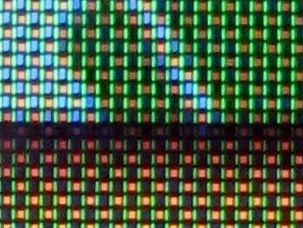
Most good phones now use OLED (organic light-emitting diode) screens, often branded AMOLED. Here every single pixel produces its own light, which means a black pixel is simply switched off entirely. The result is genuinely perfect blacks, vivid colours, and better energy efficiency on dark content. Zoom in close enough on an OLED and you can see the individual red, green, and blue sub-pixels that combine to make every colour.
A handful of numbers describe how good a screen is. Resolution counts the pixels—a typical phone packs over two million of them, at densities above 400 pixels per inch, far finer than the eye can resolve at normal distance. The refresh rate, measured in hertz, says how many times per second the image updates; the jump from the old standard of 60Hz to 120Hz is why scrolling on newer phones feels so liquid-smooth. Brightness is measured in nits, and modern panels can exceed 1,000 or even 2,000 nits in bright sunlight, which is what lets you actually read the thing outdoors. Layered invisibly on top of all this is the touch digitiser, a fine grid of transparent electrodes that senses the tiny change in electrical charge when your fingertip approaches—which is why the screen ignores a gloved hand or a pencil.
The battery, and the war against running out
Every other advance in phones has been shadowed by one stubborn limitation: the battery. Almost all phones use a lithium-ion or lithium-polymer cell, a rechargeable chemistry that stores a remarkable amount of energy for its weight. Capacity is quoted in milliamp-hours (mAh), with most phones landing somewhere between 3,000 and 5,000mAh, though the more honest measure is watt-hours, which accounts for voltage too.
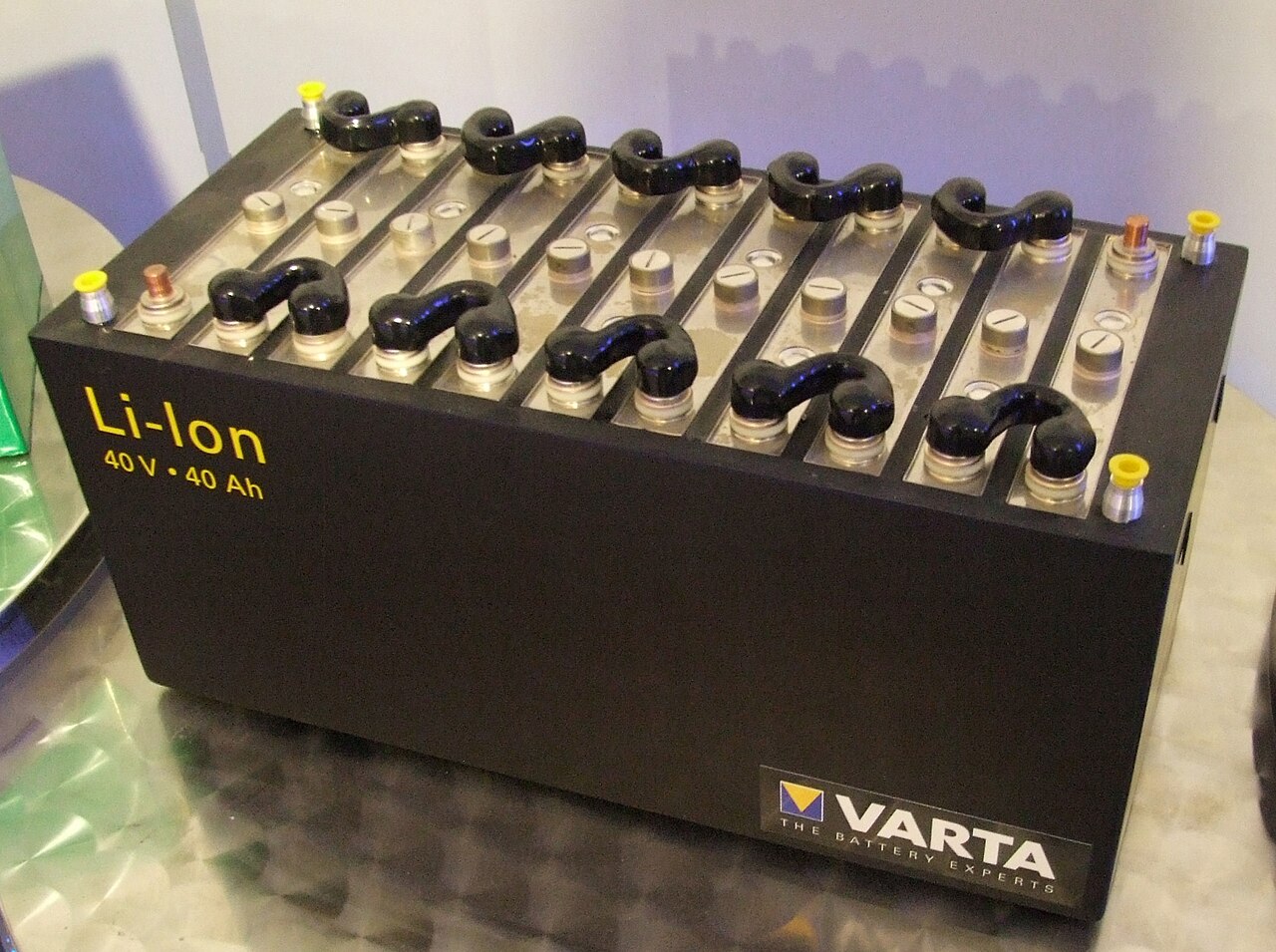
The frustrating truth is that battery chemistry has improved far more slowly than the chips it powers. Processors have become thousands of times more capable over a couple of decades; battery energy density has merely crept upward. The industry has fought back on two fronts. The first is efficiency—those low-power chip cores, dimmable OLED screens, and software that aggressively shuts down idle apps all exist to squeeze more life from the same cell. The second is charging speed: where a phone once took hours to refill, fast-charging systems now push 30, 60, even over 100 watts into the battery, refilling it in minutes. That speed comes with a catch, since forcing energy in quickly generates heat and, over time, wears the chemistry out, which is why phones carefully manage how fast and how full they charge.
The hidden senses: every sensor inside
This is the part most people never think about, and it is my favourite. Beyond the obvious screen and cameras, a modern phone is stuffed with a dozen or more tiny sensors—most of them microscopic mechanical devices etched into silicon, known as MEMS (micro-electro-mechanical systems). They give the phone an awareness of itself and its surroundings that feels almost like a set of senses. Here is the roll call of what is quietly working inside.
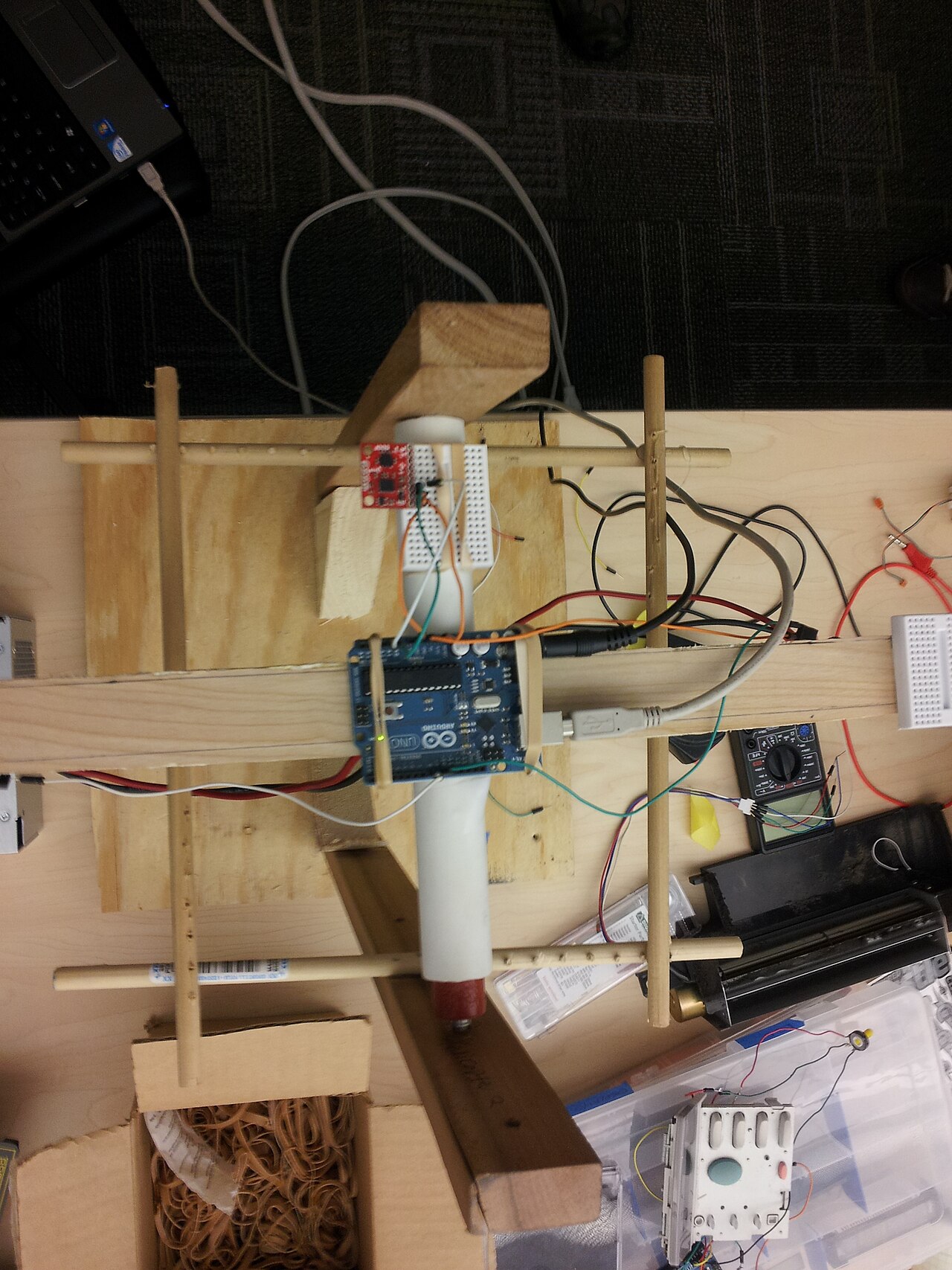
The accelerometer measures acceleration along three axes. It is how the phone knows you have picked it up, counts your steps, and detects the orientation of the device. It works using a minuscule mass on tiny springs; when the phone moves, the mass lags behind, and the resulting shift in electrical capacitance is measured. The gyroscope complements it by measuring rotation—how fast and in which direction the phone is turning. Together, the accelerometer and gyroscope are why the screen rotates when you tip the phone sideways, why racing games let you steer by tilting, and why augmented-reality apps can keep a virtual object pinned in place as you move around it.
The magnetometer is a digital compass; it senses the Earth’s magnetic field so map apps know which way you are facing. The proximity sensor, usually a tiny infrared emitter and detector near the earpiece, notices when something is close—most usefully your face during a call—and switches the screen off so your cheek does not hang up or dial random numbers. The ambient light sensor measures how bright the room is and automatically adjusts the screen brightness, saving both your eyes and the battery.
Many phones also include a barometer, which measures air pressure. It sounds exotic, but it helps the phone work out your altitude—useful for knowing which floor of a building you are on, or giving the GPS a faster, more accurate fix. Then there is the fingerprint sensor, which may be a capacitive pad that reads the ridges of your finger electrically, or an optical or ultrasonic scanner hidden beneath the screen glass. Front-facing systems for face recognition can go further, projecting thousands of infrared dots onto your face to build a three-dimensional map that is hard to fool with a photograph.
On top of all that sits the satellite positioning receiver. Most people call it GPS, but modern phones listen to several satellite networks at once—the American GPS, the European Galileo, the Russian GLONASS, and the Chinese BeiDou—collectively known as GNSS. The phone times how long signals take to arrive from multiple satellites and triangulates its position to within a few metres, which is the quiet miracle that makes turn-by-turn navigation possible. Add a thermometer for monitoring internal temperature, a Hall sensor that detects when a magnetic case flap is closed, and on some phones a heart-rate monitor, and you begin to see that the phone is less a single device than a swarm of tiny instruments working in concert.
The camera that quietly killed the camera
The phone camera deserves its own discussion, because it is arguably the component that has improved most dramatically and the one that wiped out an entire industry of point-and-shoot cameras. At its heart is an image sensor, a chip covered in millions of light-sensitive cells. Each cell collects photons and converts them into an electrical signal, and a coloured filter over them lets the phone reconstruct a full-colour image. The megapixel count—12, 48, 200—tells you how many of these cells there are, but it is one of the most overrated numbers in technology.
What matters at least as much is the physical size of the sensor and of each individual pixel, because bigger pixels gather more light and produce cleaner images, especially in the dark. It also matters how wide the lens can open, quoted as an aperture or f-number, where a lower number lets in more light. But the real revolution in phone photography has been software. A phone camera does not simply capture a single frame; it grabs a rapid burst of images and uses the processor to merge them, reducing noise, balancing the bright and dark parts of a scene, and sharpening detail. This “computational photography” is why a tiny phone sensor can produce images that rival cameras with lenses many times larger. The hardware sets the stage, but increasingly it is the maths that takes the photograph.
The radios: how it talks to the world
A phone that could not communicate would just be an expensive calculator, so a surprising amount of its silicon is devoted to radios. The cellular modem is the most complex, handling the connection to mobile networks across the messy real world of overlapping standards: the older 4G LTE that still carries much of the load, and the newer 5G that promises far higher speeds and lower latency. The modem has to constantly negotiate with cell towers, hop between frequencies, and manage handing your call from one tower to the next as you move, all without you noticing.
Alongside it sit several shorter-range radios. Wi-Fi connects the phone to local networks and the internet at home, evolving through generations now branded as Wi-Fi 6 and Wi-Fi 7. Bluetooth handles the link to nearby accessories like wireless earbuds, watches, and car systems, with its low-energy variant sipping almost no power. NFC (near-field communication) is the very short-range radio behind tap-to-pay and transit cards; it works only over a few centimetres, which is precisely what makes it secure enough to trust with payments. Each of these radios needs its own antennas, cleverly woven into the metal frame of the phone, which is part of why holding a phone a certain way can sometimes affect its signal.
The part you cannot touch: the software
All this hardware would be inert without software to orchestrate it, and the operating system is the conductor. The vast majority of phones run one of two systems: Apple’s iOS, which runs only on Apple’s own hardware, or Google’s Android, which powers phones from countless manufacturers. The operating system manages everything—deciding which apps get processor time, doling out memory, talking to the sensors and radios, and presenting the interface you tap and swipe.
Beneath the friendly surface sits a kernel, the deep core of the system that has direct control over the hardware; Android’s, for instance, is built on the same Linux foundation that runs much of the internet’s servers. Above the kernel are layers of services and frameworks that app developers build on top of, so that an app can ask “take a photo” or “where am I” without needing to know the intimate details of the camera sensor or the GPS chip. This layered design is what allows a single app to run across thousands of different phone models. And it is the app ecosystem—millions of programs written by developers worldwide—that ultimately turns a fixed lump of hardware into a device that can be almost anything you need it to be.
Things your phone can do that you probably never tried
Because the phone is so capable, most of us use a tiny fraction of what it can do. Some of the cleverest tricks come from creatively repurposing those hidden sensors. The barometer and accelerometer, for example, can turn your phone into a decent altimeter or a spirit level for hanging a picture straight. The magnetometer can be used as a metal detector, since nearby metal distorts the magnetic field it reads. The camera, paired with the flash, can measure your pulse: press a fingertip over the lens and the phone can detect the subtle colour changes as blood pulses through your skin.
There is more. Most phones can act as a mobile hotspot, sharing their cellular connection with a laptop over Wi-Fi. They can scan documents into crisp PDFs using just the camera and some clever software, translate foreign text in real time by pointing the camera at a sign, and identify a song playing in a café by listening through the microphone. The accessibility features, often buried in settings, can read the screen aloud, magnify the display, or let you control the entire phone by voice—tools that are genuinely life-changing for some people and quietly useful for everyone else. Increasingly, the phone can also run surprisingly capable artificial-intelligence features directly on the device using that neural processing unit, summarising text or editing photos without ever sending your data away. The lesson is that the phone is far deeper than its home screen suggests; a little curiosity in the settings menu usually reveals capabilities you did not know you were carrying.
Where this is all heading
So what comes next? The most visible experiments are in shape. Foldable phones, with flexible OLED screens that bend in half, are an attempt to give you a large display that still fits in a pocket, and as the hinges and screen materials mature they are slowly moving from novelty to genuine option. Some imagine the slab dissolving altogether into glasses or other wearables, with the screen projected in front of your eyes, though the awkward history of smart glasses suggests that future is further off than the hype implies.
The more certain trajectory is inward and invisible. Chips will keep getting denser, though the physics of shrinking transistors much further is becoming genuinely difficult, pushing designers toward stacking chips vertically and building ever more specialised accelerators. The biggest near-term shift is artificial intelligence moving onto the device itself, so that your phone can understand language, recognise images, and anticipate your needs without leaning on distant servers—which is better for both speed and privacy. Connectivity will keep improving, batteries will keep creeping forward, and cameras will lean even harder on computation. Whatever form it eventually takes, the underlying idea seems durable: a personal, connected computer that travels everywhere with you and gradually fades into the background of life precisely because it does so much. The brick on a 1980s shoulder has become a sliver of glass we barely notice, and that disappearing act is, in its own way, the whole point of good technology.