For almost the whole of human history, the vast majority of people lived much as their great-grandparents had. They worked the land or worked with their hands, they travelled no faster than a horse could carry them, and the rhythms of their lives were set by the sun and the seasons. Then, over a few generations beginning in the eighteenth century, all of that broke apart — and it broke apart first in Britain. The Industrial Revolution was not a single event but a cascade of changes that, between roughly 1750 and 1850, transformed Britain from a nation of farmers and craftsmen into the first industrial society on earth. Arguably nothing since the invention of farming has changed daily life more profoundly.
It is worth pausing on a genuinely interesting question: why Britain, and why then? Plenty of societies had been wealthier or more populous. But Britain in the eighteenth century happened to combine an unusual set of ingredients. It had abundant coal and iron lying close together in the ground. It had a settled, post-revolution political system that protected property and rewarded enterprise. It had a thriving overseas trade, a sophisticated banking system, and — thanks partly to the agricultural improvements of the previous century — enough surplus food and surplus labour to fuel growth. When these conditions met a wave of mechanical ingenuity, something extraordinary caught fire.
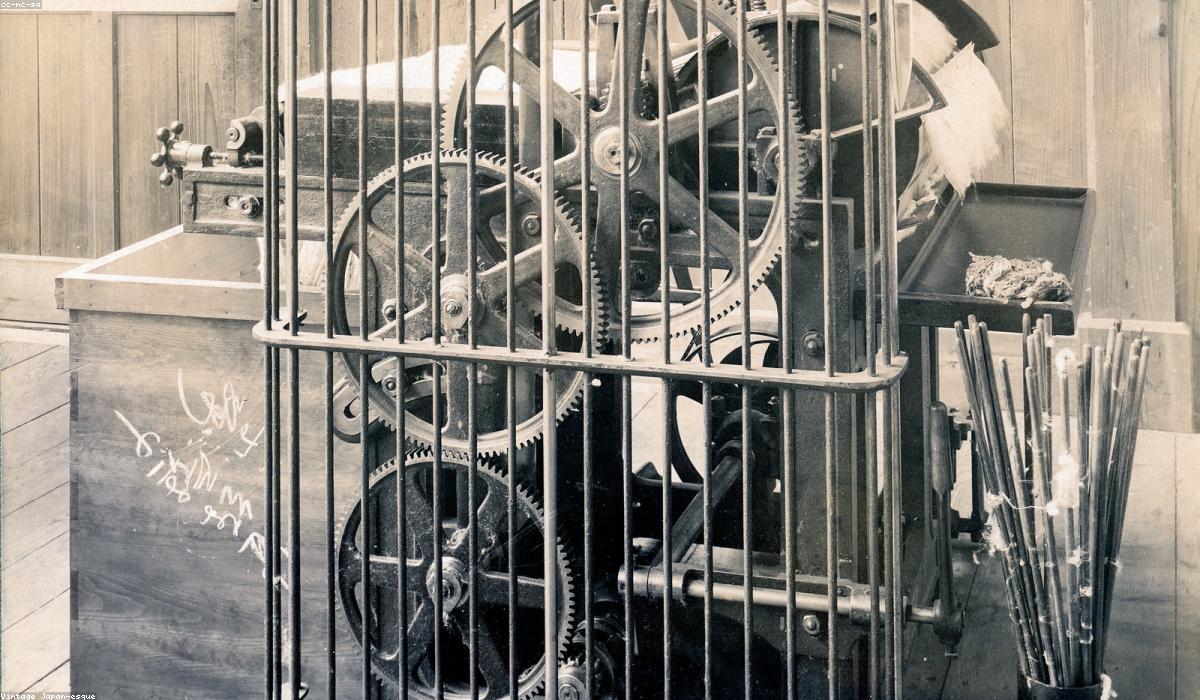
The transformation began, of all places, in textiles. For centuries, spinning thread and weaving cloth had been slow, skilled handwork done in people’s homes. Then came a rush of inventions — the spinning jenny, the water frame, the power loom — that mechanised the whole process and multiplied output beyond anything the old hand-workers could match. These machines were too big and too thirsty for power to sit in a cottage, so they were gathered together in large buildings beside fast-flowing rivers, and later wherever coal could be hauled. The factory was born, and with it a wholly new way of organising human work.
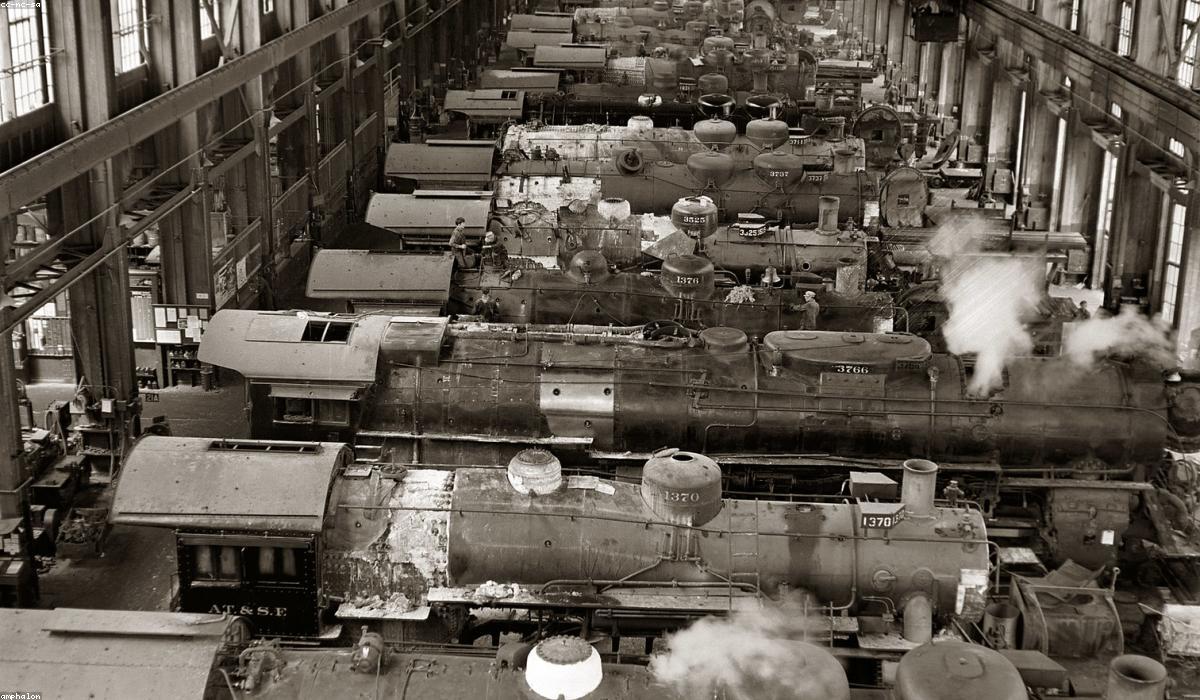
The true game-changer, though, was steam. The early steam engines had been clumsy things used mainly to pump water out of mines, but the improvements made by engineers like James Watt turned steam into a source of reliable, concentrated power that could be put almost anywhere. Now a factory did not need a river; it needed coal, and Britain had mountains of it. Steam engines drove the machines, and the demand for coal and iron to build and feed them set off a roaring expansion in mining and metalworking that fed back into still more industry.
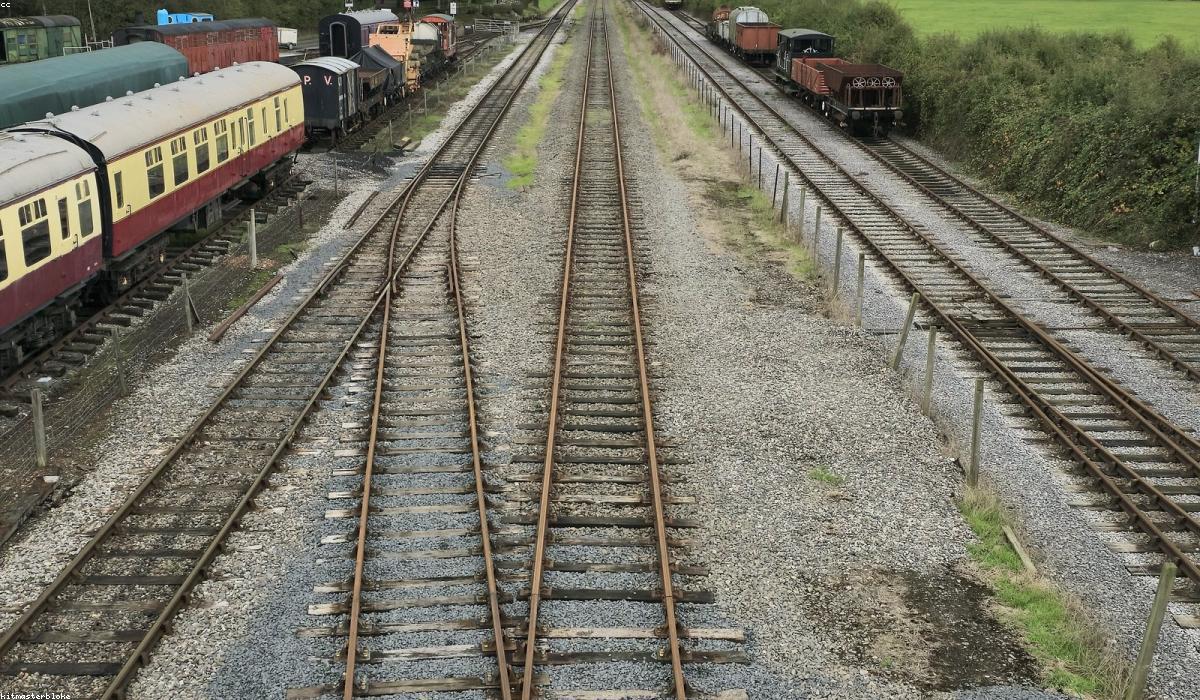
Then steam went mobile, and the world shrank. The railways, exploding across the country from the 1830s, were perhaps the most spectacular symbol of the whole age. For the first time in history, people and goods could travel overland faster than a galloping horse. A journey that had taken days now took hours. Fresh food, newspapers, mail and people moved around the country at a pace that would have seemed like sorcery to earlier generations, and a frenzy of investment threw thousands of miles of track across the landscape in a single generation.
All of this dragged people off the land and into the towns at a staggering rate. Cities like Manchester, Birmingham and Glasgow swelled from modest towns into vast manufacturing centres in a matter of decades. And here the story turns dark, because the human cost was enormous. The new industrial towns were thrown up fast and cheap, with little thought for sanitation. Working families crammed into back-to-back slums where disease spread easily and clean water was scarce. In the factories and mines, the hours were brutally long, the work dangerous, and — most shocking to modern eyes — much of it was done by children, some no more than five or six years old, working in conditions that would horrify us today.
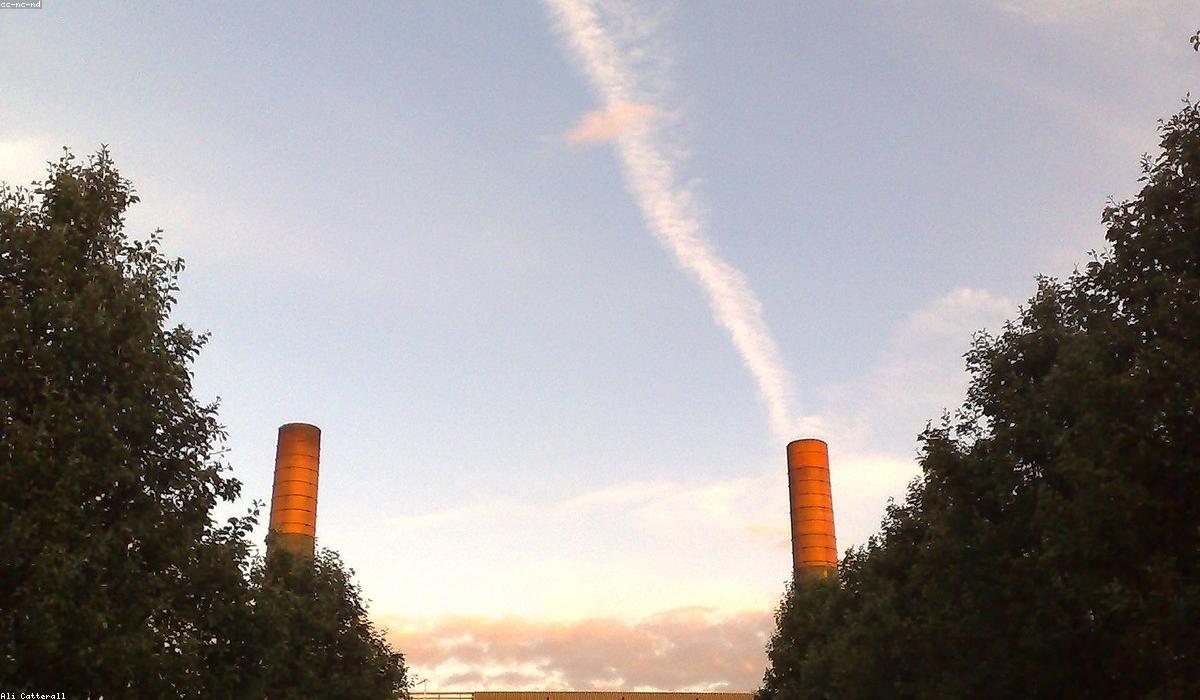
It would be a mistake to paint the whole thing as pure misery, though, just as it would be a mistake to paint it as pure progress. Over the longer run, industrialisation produced wealth on a scale never seen before, and eventually that wealth, together with hard-fought political pressure, brought rising wages, public health reforms, factory laws limiting child labour, and a standard of living that slowly climbed for ordinary people. The very horrors of the early factories provoked the reformers, trade unions and social movements that would reshape the following century.
The wider consequences rippled out across the entire world. The wealth and industrial might Britain accumulated underwrote its global empire and its naval dominance through the nineteenth century. The factory system, the railway and the steam engine were copied and adapted everywhere, and the model of industrial society that Britain pioneered became, for better and worse, the template the whole modern world would follow.
And that feels like the right place to bring this series to a close. We began nearly a thousand years ago on a hill near Hastings, with a battle that decided who would wear a crown. We end with smoke, steam and steel — with a transformation that owed nothing to kings or conquests and everything to coal, ingenuity and the labour of millions of ordinary people. The story of England is often told as a tale of monarchs and battles, and we’ve had plenty of both. But perhaps the deepest changes of all came not on the battlefield but in the workshop, the field and the factory floor. Thank you for travelling through these ten chapters of English history with me.
You May Like
Mafra, the Palace a King Built From a Vow