In the middle of Europe, surrounded on every side by Slavic and Germanic and Latin peoples, lives a nation that does not quite belong to any of them. The Hungarians, or Magyars as they call themselves, speak a language unrelated to those of all their neighbors, a tongue that arrived with horsemen from the distant east more than a thousand years ago and has held its ground ever since. They are an island of difference in the heart of the continent, a people whose origins lie far away on the steppes of Eurasia and who carried their language and their fierce sense of identity into the Danube basin, where they have lived, fought, ruled, and endured ever since.
The story of the Hungarians is one of arrival and survival, of a steppe people who settled in Europe and built a great kingdom, of glory and catastrophe, of standing as a bulwark against invaders and of being torn apart by them. They have known the heights of being a major European power and the depths of dismemberment and occupation. Through it all they have clung to their unique language and their proud, sometimes melancholy national spirit. To understand the Hungarians is to understand a people who have always been a little apart, conscious of their difference, and determined, against every pressure, to remain themselves in a Europe where they have no close relatives.
In This Article
- The land of the Carpathian basin
- The coming of the Magyars
- The medieval kingdom and the Mongol catastrophe
- The Ottoman century
- Rebellion and the dual monarchy
- Trianon, the wound that never healed
- War, occupation, and communism
- From goulash communism to freedom
- The riddle of the Hungarian language
- A people of extraordinary talent
- The Hungarian spirit
- The Hungarians today
- What the Hungarian story tells us
The land of the Carpathian basin
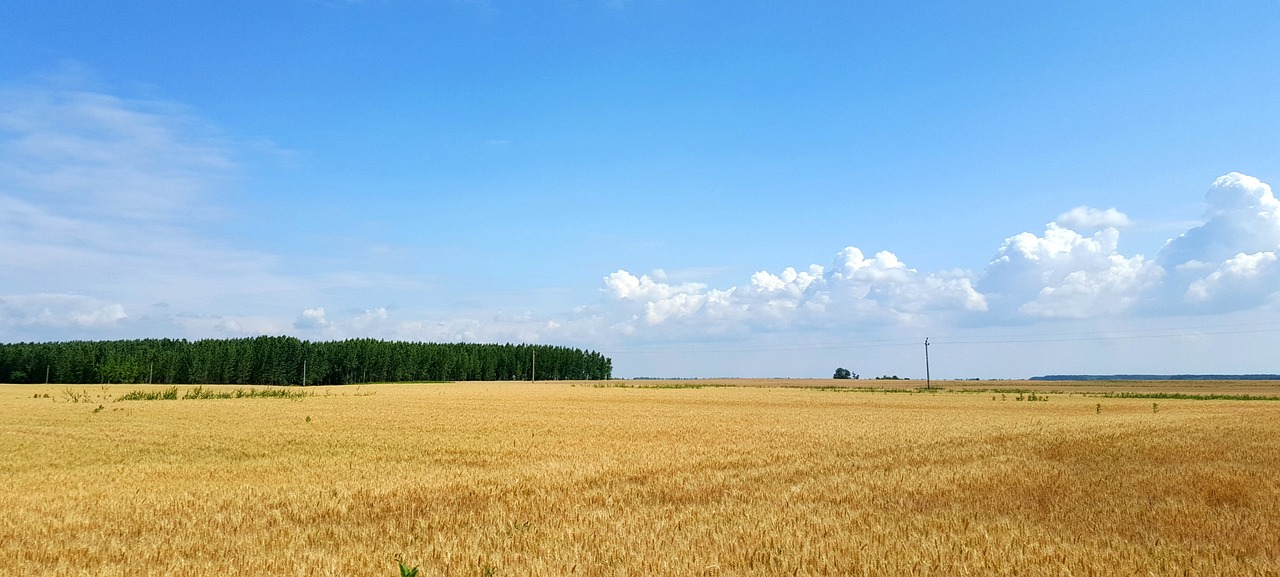
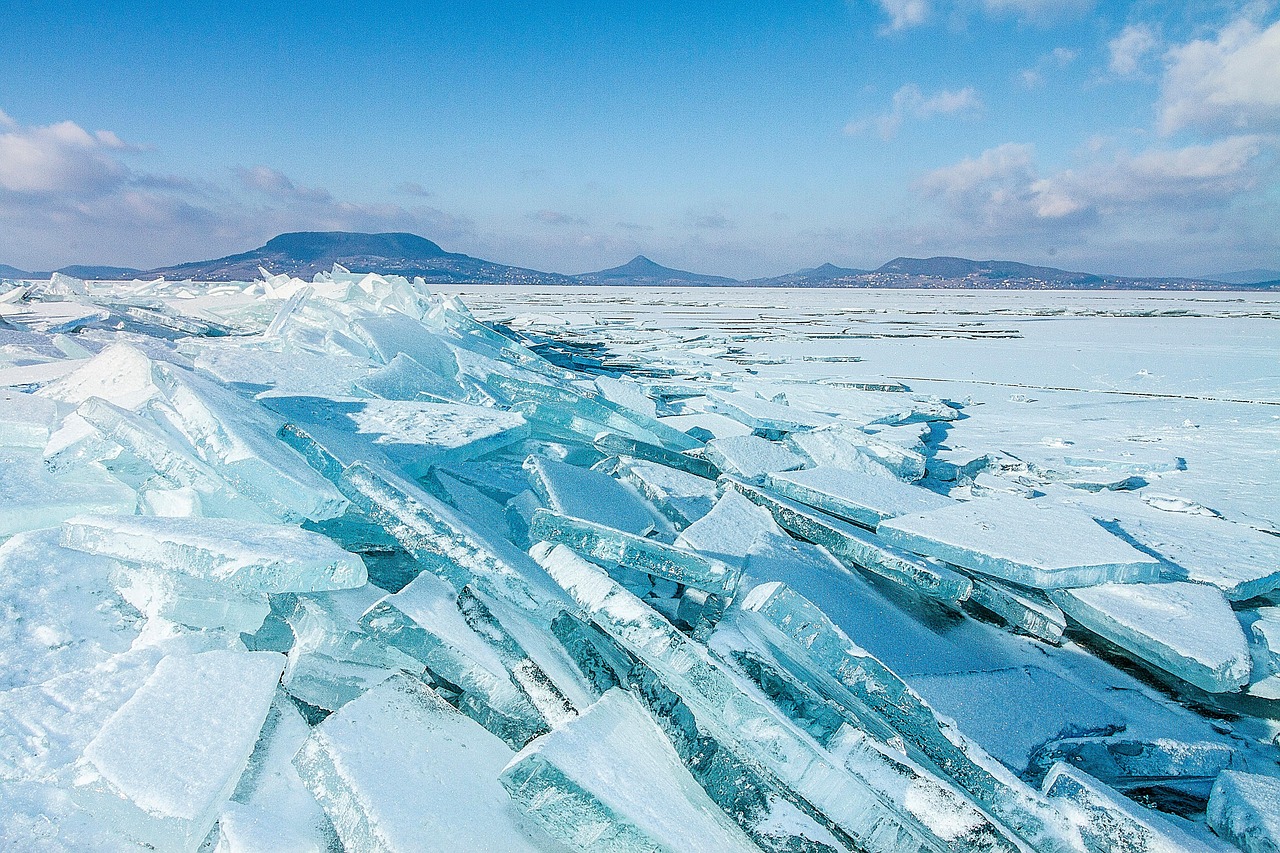
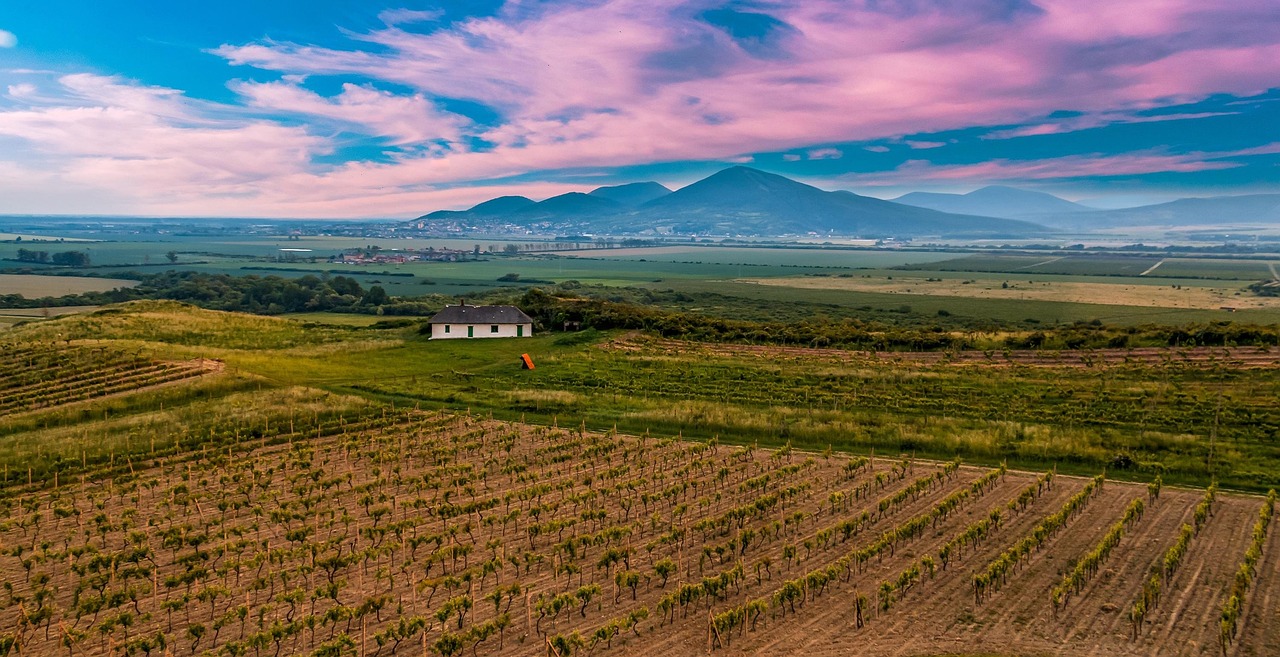
Hungary lies in the Carpathian basin, a wide lowland ringed by the arc of the Carpathian mountains and drained by the great river Danube, which flows through the country and through its capital, Budapest. Much of Hungary is flat, dominated by the famous Great Plain, the puszta, a vast expanse of grassland that recalls the steppes from which the Magyars came and that became a symbol of the Hungarian soul, home to herdsmen, horses, and a romantic tradition of open-country freedom. The land is fertile, well-watered, and warmed by a continental climate that ripens grain and grapes, making Hungary a rich agricultural country.
This basin, enclosed by mountains yet open along the Danube, has always been both a refuge and a thoroughfare. It is a natural unit, a defined geographical space that invited settlement and the building of a state, but it also lay on the great routes by which peoples and armies moved between east and west. The Hungarians who settled here found a defensible homeland, but one exposed to invasion from the steppes to the east and from the empires to the west and south. The geography of the Carpathian basin shaped Hungarian history profoundly, giving the Magyars a clear homeland to defend and a position at the crossroads where the fate of central Europe was so often decided.
The coming of the Magyars
The Hungarians are not native to Europe but arrived as conquerors from the east. Their ancestors were a confederation of tribes who spoke a Finno-Ugric language, distantly related to Finnish and Estonian and to small peoples of the Ural region, and who lived as nomadic horsemen on the steppes of Eurasia. In the late ninth century these Magyar tribes, led according to tradition by the chieftain Arpad, swept into the Carpathian basin and conquered it, settling the land that would bear their name. For a time they were the terror of Europe, their swift horse-archers raiding deep into the continent, until a decisive defeat in the tenth century checked their expansion and turned them toward settlement.
The crucial transformation came around the year 1000, when the Magyar ruler Stephen accepted Christianity, was crowned as the first king of Hungary, and bound his people to the world of Latin, Catholic Europe. This decision, to join western Christendom rather than remain a pagan steppe people, set the course of Hungarian history. Saint Stephen, as he became, is revered as the founder of the Hungarian state and the Christian nation, and his crown became the sacred symbol of Hungarian sovereignty. In a single generation the Magyars went from feared raiders to a settled Christian kingdom, an established member of the European family, while keeping the language and the proud identity they had carried from the east.
The medieval kingdom and the Mongol catastrophe
Medieval Hungary grew into one of the major powers of central Europe, a large and prosperous kingdom that at its height controlled a wide territory and played a central role in the affairs of the region. Its kings were significant figures in European politics, its lands rich in gold and grain, and its culture a meeting point of western and eastern influences. The kingdom expanded and consolidated, and for centuries the lands of the Hungarian crown were a force to be reckoned with in the heart of the continent.
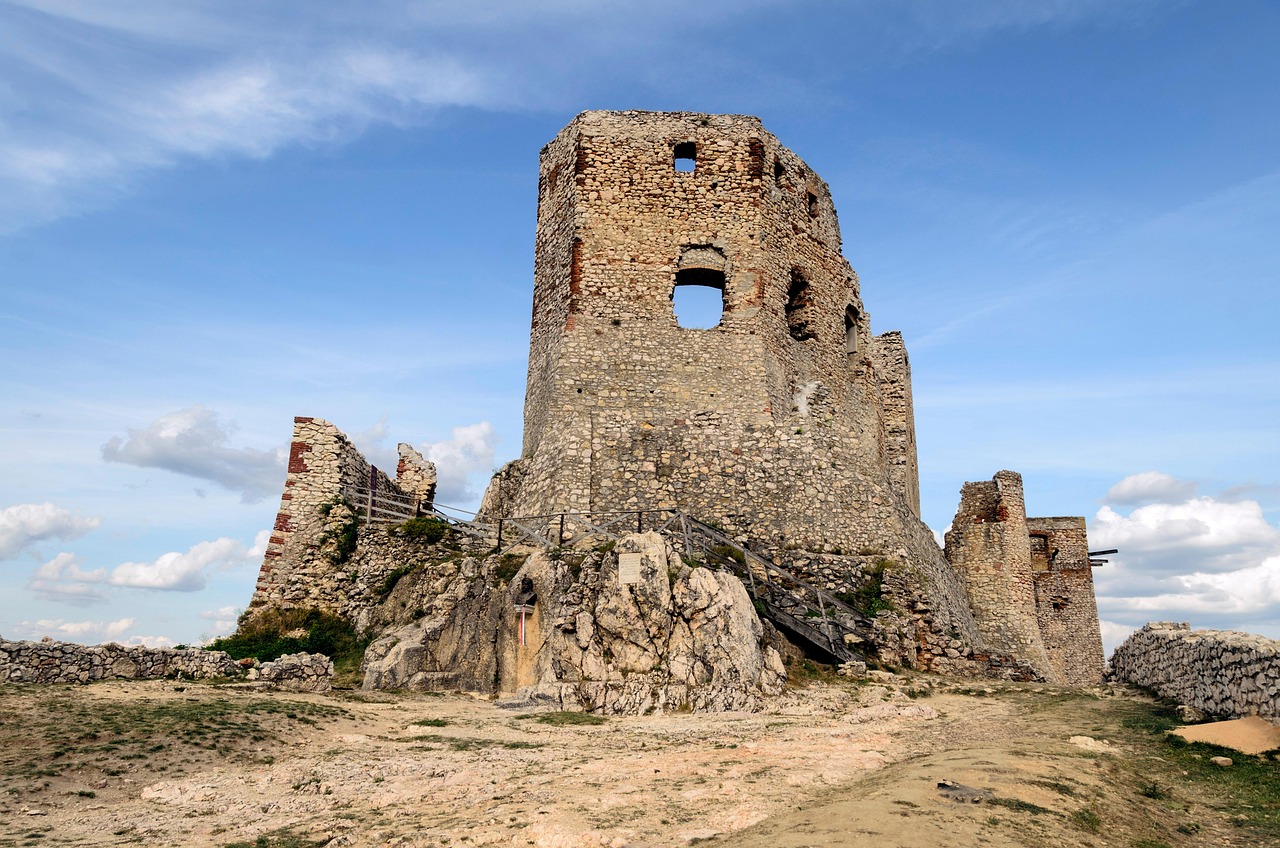
But Hungary’s exposed position brought terrible dangers. In the thirteenth century the Mongol invasion fell upon the kingdom with devastating force, and at a catastrophic battle the Hungarian army was annihilated, after which the Mongols ravaged the country, killing a large part of the population before withdrawing. Hungary recovered, rebuilt, and even reached new heights of power and culture in the following centuries, particularly under the Renaissance king Matthias Corvinus, whose brilliant court made Hungary a centre of learning and art. Yet the Mongol catastrophe was a foreshadowing of Hungary’s recurring fate, to stand on the frontier of Europe and to bear the first and heaviest blows of invasion from the east, a shield for the continent that paid again and again in blood for its position.
The Ottoman century
The greatest catastrophe of all came in the sixteenth century. The expanding Ottoman Empire pushed up through the Balkans, and in 1526, at the Battle of Mohacs, the Hungarian army was crushed and the young king killed. Mohacs is seared into Hungarian memory as the moment when the medieval kingdom died, the day a proud nation’s independence was broken. In the aftermath Hungary was torn into three parts. The central portion, including the old capital, fell under direct Ottoman rule and occupation; the west and north came under the Habsburgs of Austria; and to the east the principality of Transylvania survived as a semi-independent state, becoming for a time a refuge of Hungarian culture and, notably, of religious tolerance.
For about a century and a half much of Hungary lay under Ottoman occupation, its lands devastated by the constant warfare along the frontier, its population reduced, its development arrested. The Hungarians found themselves once more the battleground of empires, caught between the Ottoman sultan and the Habsburg emperor, fighting and dying in a contest largely shaped by others. When the Ottomans were finally driven out at the end of the seventeenth century, it was the Habsburgs who reaped the reward, incorporating all of Hungary into their empire. The Magyars had been liberated from the Turks only to find themselves subjects of Vienna, and a new and long struggle, this time against Austrian domination, was about to begin.
Rebellion and the dual monarchy
Hungarian history under Habsburg rule was marked by repeated revolts against Austrian control, for the Magyars never reconciled themselves easily to being governed from Vienna. The greatest of these came in 1848, when, swept up in the revolutions sweeping Europe, Hungary rose in a war of independence under the leadership of Lajos Kossuth, fighting heroically for freedom before being crushed by the combined forces of Austria and Russia. The defeat was bitter, and a period of harsh repression followed, but the spirit of Hungarian nationalism could not be extinguished.
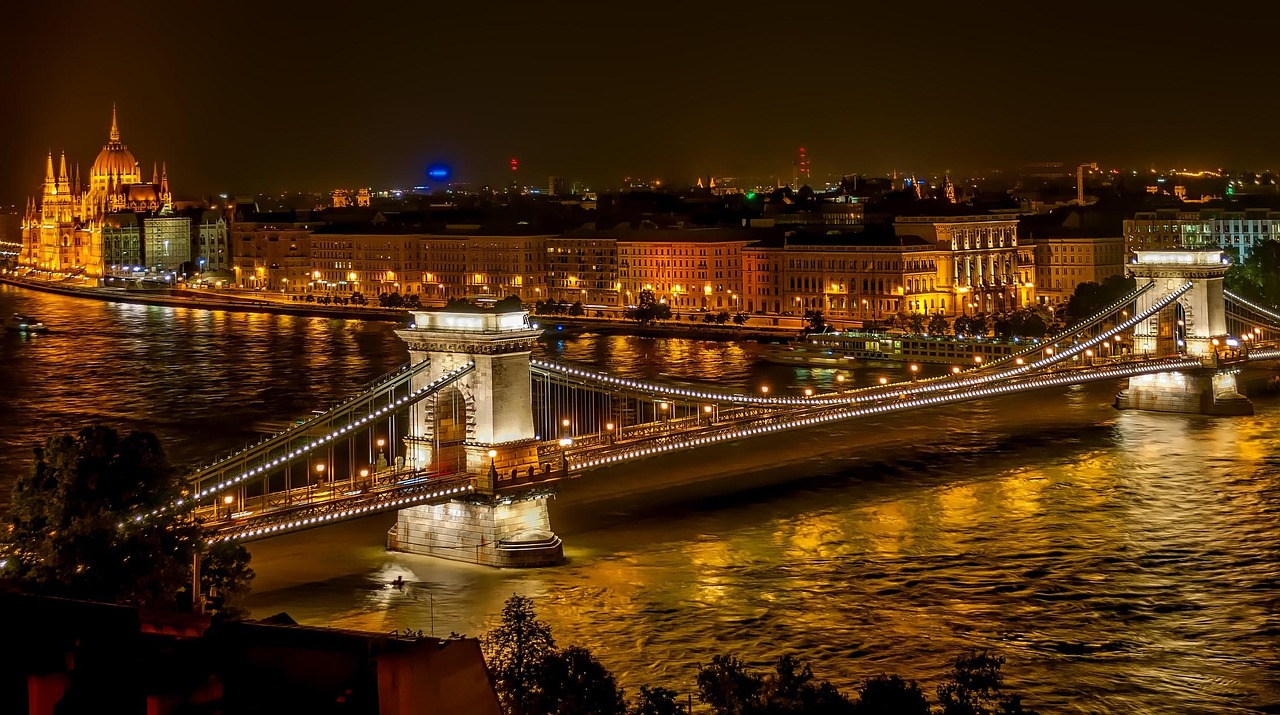
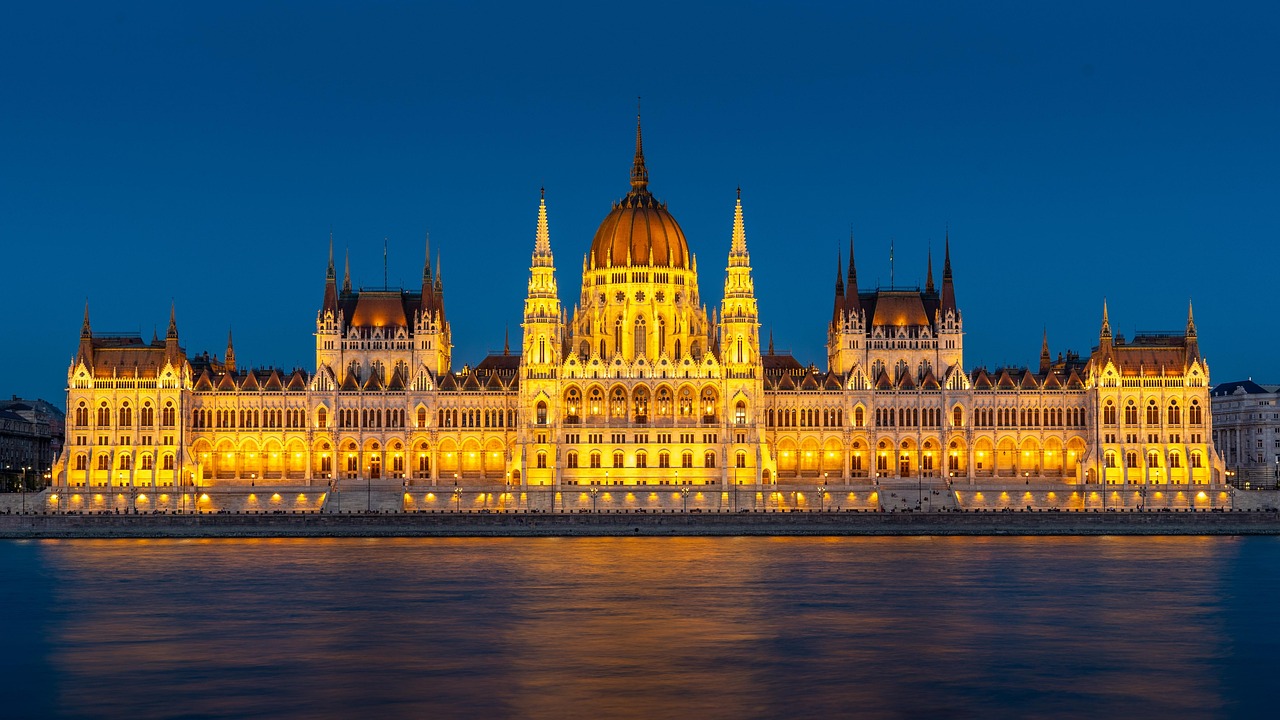
In the end Austria, weakened by other defeats, chose compromise over confrontation. In 1867 the two sides reached a historic settlement that transformed the empire into the dual monarchy of Austria-Hungary, in which Hungary became an equal partner with its own government, parliament, and control over its internal affairs, sharing only a monarch and certain common ministries with Austria. This was the age when Budapest, formed by the union of the old towns on either side of the Danube, blossomed into one of the great capitals of Europe, a magnificent city of grand boulevards, the soaring parliament building, coffee houses, and a brilliant cultural life. For half a century, as a partner in a great power, Hungary enjoyed a golden age of prosperity and confidence, even as the tensions within the multinational empire and the dominance of the Magyars over the other peoples of their half of it stored up trouble for the future.
Trianon, the wound that never healed
The First World War destroyed Austria-Hungary, and for the Hungarians the aftermath brought a catastrophe whose shadow still hangs over the nation. As a defeated power, Hungary was subjected in 1920 to the Treaty of Trianon, which dismembered the historic kingdom with extraordinary severity. Hungary lost about two thirds of its territory and around a third of its ethnic Hungarian population, who found themselves living, often against their will, in newly created or enlarged neighboring states, in Romania, Czechoslovakia, Yugoslavia, and elsewhere. Overnight, millions of Hungarians became minorities in foreign countries, separated by new borders from the nation to which they felt they belonged.
The trauma of Trianon cannot be overstated in understanding the modern Hungarians. It is remembered as a national tragedy, an act of mutilation that left the country a fraction of its former size and scattered a large part of the Hungarian people beyond its borders. The grievance over Trianon shaped Hungarian politics for the entire twentieth century and beyond, feeding a longing for the lost territories that drew Hungary, fatefully, into alliance with Nazi Germany in the hope of recovering them. The wound of Trianon, the sense of a nation unjustly torn apart, remains a powerful and emotional force in Hungarian life to this day, a defining element of how Hungarians see themselves and their place in the world.
War, occupation, and communism
The desire to undo Trianon led Hungary into the orbit of Nazi Germany in the Second World War, with disastrous consequences. Hungary recovered some lost territory but was dragged into the war on the losing side, and as the conflict turned, the country was occupied first by the Germans and then fought over by the advancing Soviet armies. The Hungarian Jewish community, one of the largest in Europe, was devastated in the Holocaust, with hundreds of thousands deported and murdered in a few terrible months in 1944, a crime in which the Hungarian state was complicit. The war left the country defeated, ravaged, and once again on the wrong side of history, its capital besieged and shattered.
What followed the war was four decades of communist dictatorship under Soviet domination. Hungary became a one-party state within the Soviet bloc, its economy collectivized, its society controlled by a repressive regime backed by Moscow. In 1956 the Hungarians rose in one of the most dramatic revolts against Soviet rule in the entire history of the Eastern bloc, a popular revolution that briefly overthrew the communist government and declared Hungary free and neutral. The hope was short-lived. Soviet tanks rolled into Budapest and crushed the uprising with great bloodshed, and thousands of Hungarians fled into exile while the rebellion’s leaders were executed. The 1956 revolution, though defeated, became a symbol to the world of the Hungarian thirst for freedom and a lasting source of national pride.
From goulash communism to freedom
After the crushing of 1956, Hungary settled into a softer form of communism than most of its neighbors. The regime, seeking to buy social peace, allowed a degree of economic freedom and consumer comfort that became known, half-jokingly, as goulash communism, making Hungary the most relaxed and prosperous country in the Soviet bloc, the happiest barracks in the camp, as the saying went. Hungarians could travel more freely, small private enterprise was tolerated, and living standards were comparatively high, even as the country remained a one-party dictatorship firmly within the Soviet sphere.
When communism began to crumble across the region in the late 1980s, Hungary was at the forefront of the change. In a moment of enormous historical significance, Hungary opened its border with Austria in 1989, cutting the first hole in the Iron Curtain and allowing thousands of East Germans to escape to the West, an act that helped bring down the whole communist system. Hungary made a peaceful transition to democracy, held free elections, and set about rebuilding itself as a market economy and a democratic state. It later joined the European Union and the NATO alliance, returning at last to the European mainstream after decades of imposed isolation behind the Iron Curtain.
The riddle of the Hungarian language
At the very core of Hungarian identity lies the language, and it is one of the most distinctive things about the entire nation. Hungarian, or Magyar, is unrelated to the languages of any of Hungary’s neighbors. While they speak Slavic, Germanic, or Romance tongues, all branches of the great Indo-European family, Hungarian belongs to the Finno-Ugric branch of the Uralic family, its only significant relatives being Finnish and Estonian far to the north, and even those connections are so distant that speakers cannot understand one another at all. The language arrived with the Magyars from the east and has survived, surrounded by unrelated tongues, for over a thousand years.
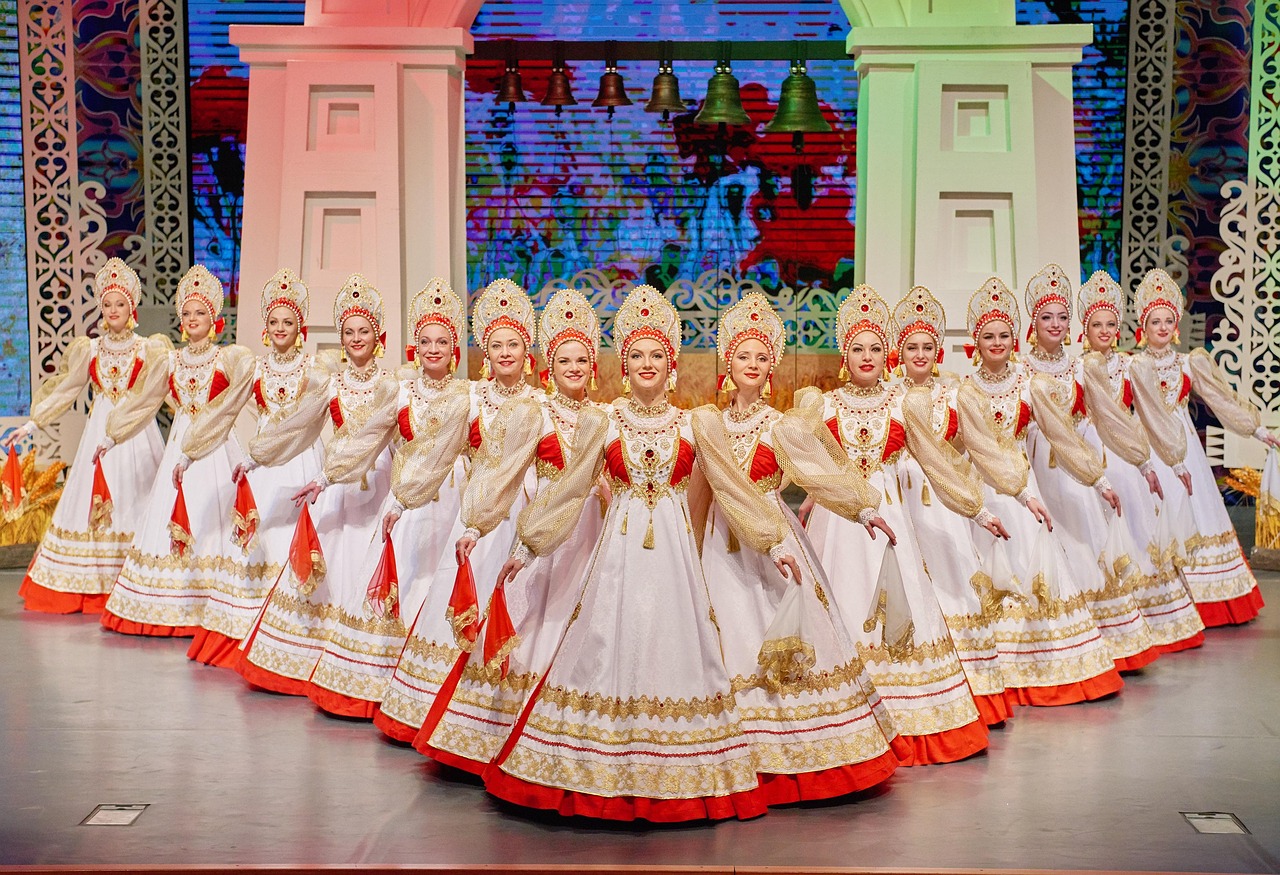
This linguistic isolation has profound effects on the Hungarian sense of self. To be Hungarian is to speak a language that almost no one else in the world speaks or can easily learn, a tongue famous for its complexity, with its long words built up from layers of suffixes, its many grammatical cases, and its distinctive sound. The language is a source of immense pride and a powerful badge of identity, a constant reminder that the Hungarians are a people apart, with roots that reach back to the distant steppes rather than to the European peoples around them. It has nourished a rich literature and poetry, and the sense of belonging to a small, unique linguistic community has helped the Hungarians preserve their identity through every catastrophe. In their linguistic distinctiveness the Magyars share something with another Finno-Ugric people of the north, as we describe in our piece on the Finns.
A people of extraordinary talent
For so small a nation, the Hungarians have made a contribution to world civilization out of all proportion to their numbers, particularly in science, mathematics, and music. The roster of Hungarian-born scientists who shaped the modern world is astonishing, including a remarkable cluster of brilliant physicists and mathematicians who, many of them forced into exile by the upheavals of the twentieth century, went on to play leading roles in the great scientific advances of the age, from the foundations of modern computing to nuclear physics. So concentrated was this genius that the Hungarian scientists who arrived in America were jokingly called Martians, as if their brilliance could only be explained by an extraterrestrial origin.
In music the Hungarians have been equally distinguished. Franz Liszt, the towering pianist and composer, was a Hungarian, and the twentieth-century composers Bela Bartok and Zoltan Kodaly transformed music by drawing on the deep wells of Hungarian folk tradition, traveling the countryside to record the ancient songs of the peasantry and weaving them into modern art. Hungary has produced great writers, film-makers, inventors, and Nobel laureates in numbers that few larger countries can match. There is something in Hungarian culture, perhaps the combination of high educational standards, a tradition of intellectual seriousness, and the productive tension of being an outsider, that has nurtured an extraordinary flowering of talent across the generations.
The Hungarian spirit
There is a particular quality often attributed to the Hungarian temperament, a blend of passion and melancholy that runs through the culture. Hungarians are known for a deep emotional intensity, a love of their homeland that can be fierce and sentimental, and a streak of pessimism or sadness that some trace to the long history of defeat and dismemberment the nation has suffered. This melancholy finds expression in Hungarian music, in the soulful strains of Gypsy violins and the haunting beauty of folk songs, and in a national character that can swing between exuberant celebration and brooding reflection.
Alongside this emotional depth runs a great love of life’s pleasures. Hungarians cherish their cuisine, rich and distinctive, built around the paprika that gives goulash and so many other dishes their character, and famous for hearty stews, fine sausages, and rich pastries. They take pride in their wines, from the legendary sweet Tokaji, once called the wine of kings, to the robust reds of the south. They love their thermal baths, fed by the hot springs that bubble up beneath Budapest and across the country, a tradition of bathing and relaxation that stretches back to Roman and Ottoman times. The Hungarian way combines a serious, sometimes sorrowful soul with a genuine capacity for warmth, hospitality, and the enjoyment of good food, good drink, and good company.
The Hungarians today
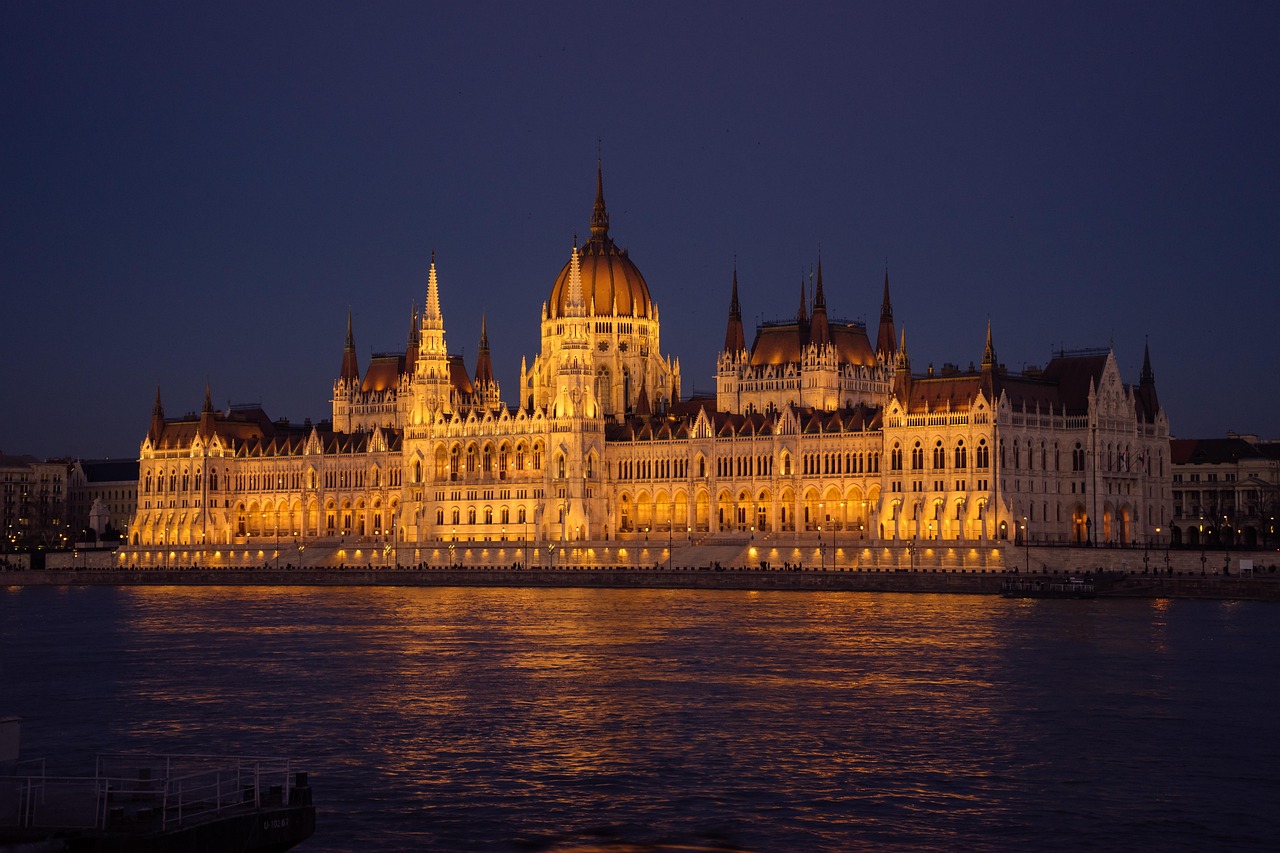
The modern Hungary is a developed European country, a member of the European Union, with Budapest once again one of the most beautiful and visited capitals on the continent, its grand architecture restored and its famous baths and ruin pubs drawing travellers from around the world. The country has a substantial economy, a strong tradition in engineering and science, and a rich cultural life. The Hungarians have rebuilt their nation after the long detour of communism and reclaimed their place in the heart of Europe.
Hungary today is not without its tensions and controversies, including sharp debates about democracy, the rule of law, national identity, and the country’s relationship with the European Union, as well as the enduring emotional power of the Trianon grievance and the question of the large Hungarian minorities living in neighboring countries. Hungarian politics has at times taken a strongly nationalist turn, reflecting the deep attachment to national identity that history has instilled. But beneath the political debates lies an old and resilient nation, conscious of its uniqueness, proud of its language and its achievements, and determined, as it has been for over a thousand years, to preserve its distinct identity in a Europe where it stands, linguistically and culturally, gloriously alone.
What the Hungarian story tells us
The story of the Hungarians is a story of difference preserved against every pressure. A people of the eastern steppes who settled in the heart of Europe, they accepted Christianity and joined the European family while keeping the language and identity that set them apart from all their neighbors. They built a great kingdom, stood as a shield against Mongol and Ottoman invasion, suffered defeat and occupation and dismemberment, and endured decades of foreign domination, and through all of it they held fast to what made them Hungarian, above all their incomparable language.
What the Magyars teach is the tenacity of identity, the power of a people’s determination to remain themselves even when surrounded, conquered, and torn apart. They have known more than their share of catastrophe, from Mohacs to Trianon to 1956, and they carry the melancholy of those defeats in their souls, yet they have also produced an astonishing abundance of genius and beauty, and they have never stopped being unmistakably, defiantly Hungarian. To hear the Hungarian language spoken, unlike anything else in Europe, or to soak in a steaming Budapest bath as the snow falls outside, is to encounter a nation that arrived from far away, made the Carpathian basin its own, and has held its unique place in the heart of the continent for more than a thousand years.



One thought on “A People From the Eastern Steppes Who Stand Alone in the Heart of Europe”