The intestines are among the hardest-working organs in the body, yet most of us only think about them when something goes wrong. Constipation and a generally sluggish gut are among the most common complaints in the world, affecting people of every age, and behind these everyday problems lies a remarkable piece of biology: a long, winding tube that absorbs almost everything your body needs and then carefully manages what is left over. To understand why the gut sometimes slows down, it helps to first understand how the intestines actually work, especially the small intestine, where the real magic of digestion happens. This article walks through the anatomy and function of the intestines, what constipation is, why the gut becomes sluggish, the role of nutrition and dietary fat, the natural steps that genuinely help, and the medical options for when self-care is not enough.
Table of Contents
- The intestines and what a sluggish gut means
- A closer look at the small intestine
- What are the symptoms?
- Which organs does it affect?
- How a sluggish gut develops over time
- How it presents
- Causes and risk factors
- Its relationship with nutrition
- The place of fats
- Natural foods that help
- Getting things moving by natural means
- When natural steps are not enough: medical options
- Small but effective daily-life changes
- A closing word of caution
The intestines and what a sluggish gut means
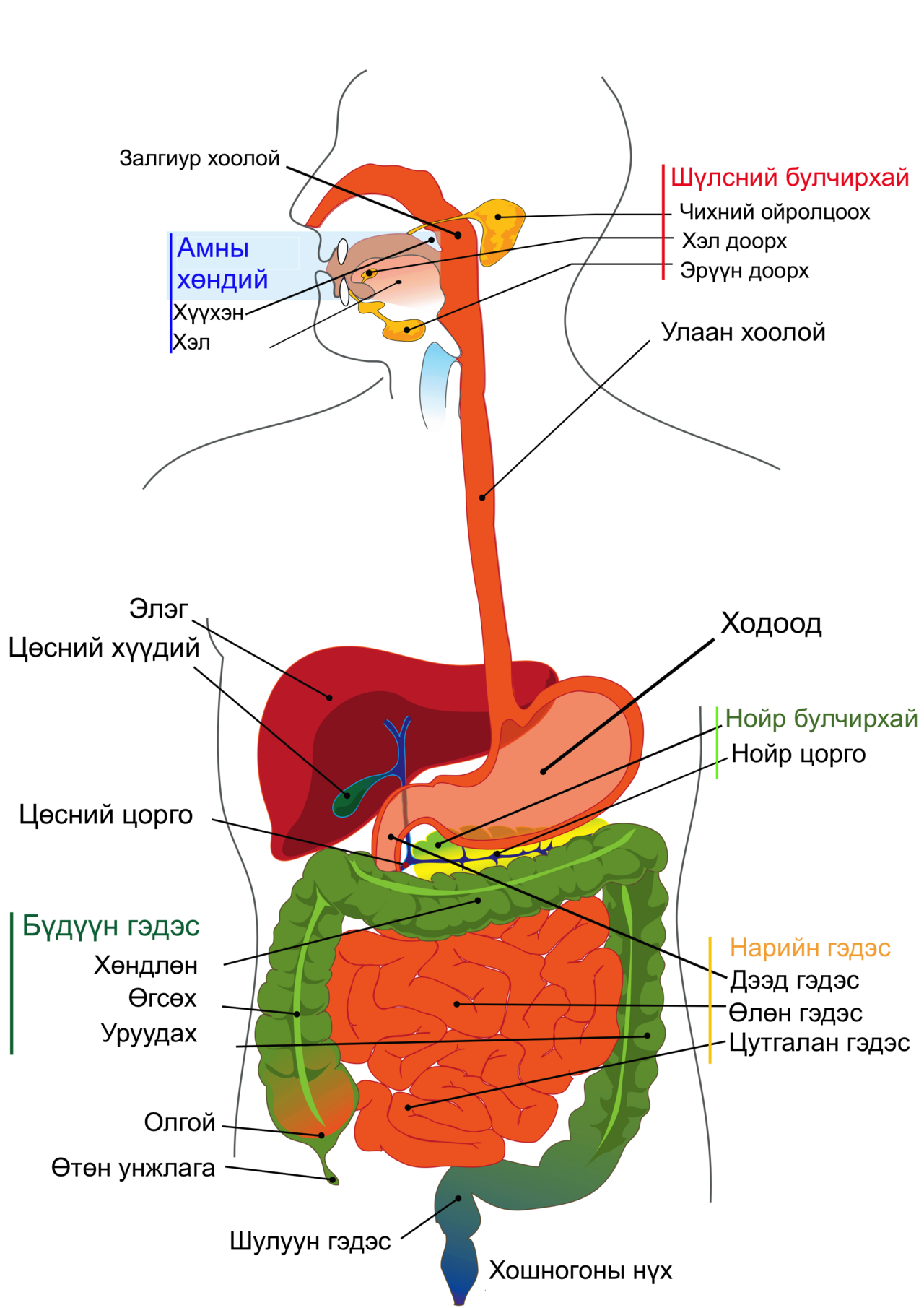
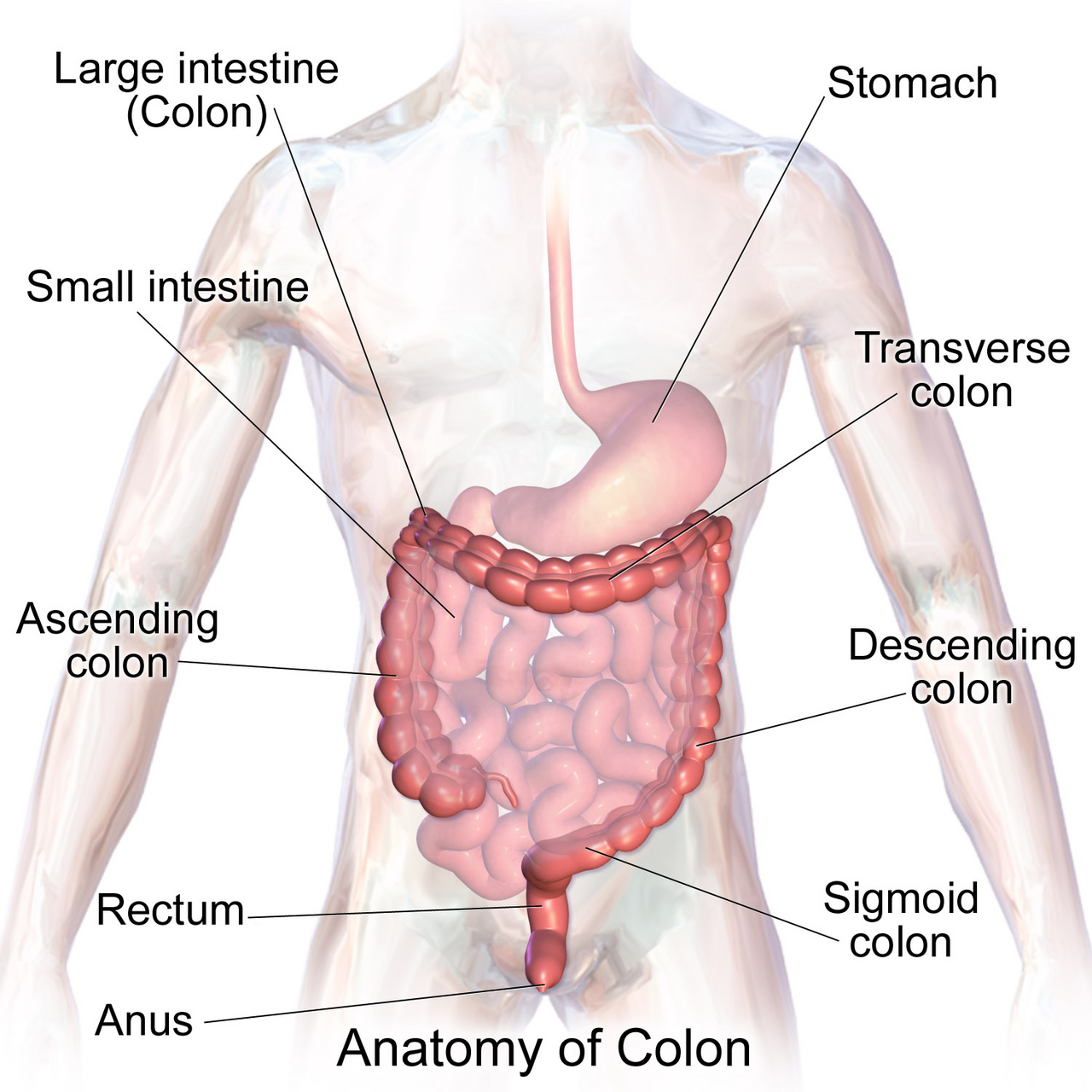
The digestive tract is essentially a long muscular tube that runs from the mouth to the rectum, and the intestines make up its largest and most active portion. After the stomach partly breaks down a meal, the contents pass into the small intestine, a coiled tube roughly six to seven metres long in an adult, where the vast majority of nutrients are absorbed. What remains then enters the large intestine, or colon, which reclaims water and minerals and forms the waste that is eventually passed. The whole journey is driven by peristalsis, a coordinated, wave-like squeezing of the gut wall that pushes contents steadily forward.
Constipation and a sluggish gut describe what happens when this forward movement slows. Stool spends too long in the colon, more water is drawn out of it than it should be, and it becomes hard, dry, and difficult to pass. Medically, constipation is usually defined as fewer than three bowel movements a week, or stools that are hard, lumpy, painful, or feel incomplete. It is rarely dangerous on its own, but it is uncomfortable, common, and often a sign that the gut’s rhythm needs support.
A closer look at the small intestine
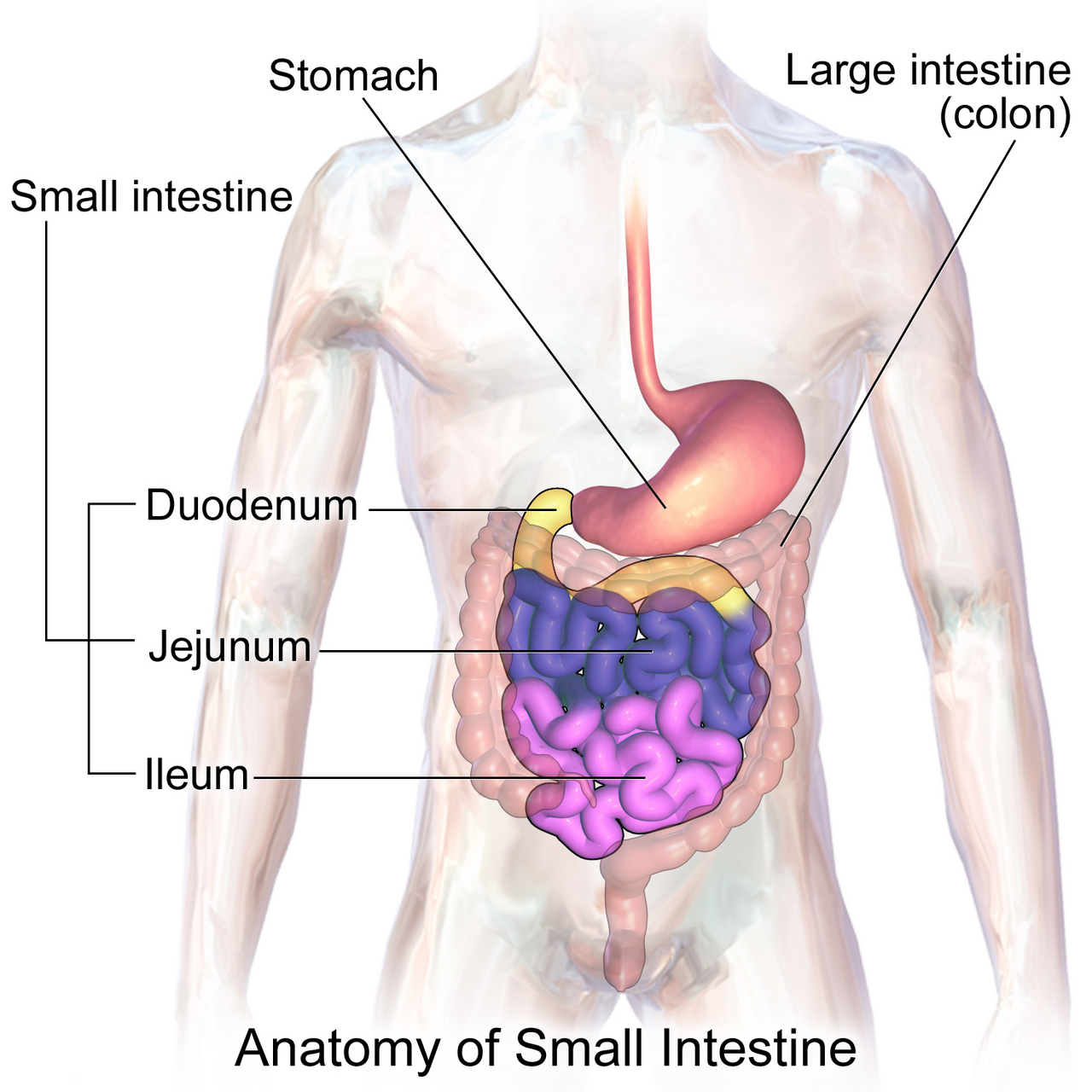
If any organ deserves the spotlight in a story about the gut, it is the small intestine. Despite its name, it is far longer than the large intestine; it is called small because it is narrower. It is divided into three sections: the duodenum, where digestive juices from the pancreas and bile from the liver mix with food; the jejunum, the main site of nutrient absorption; and the ileum, the final stretch that absorbs the last nutrients, including vitamin B12 and bile salts.
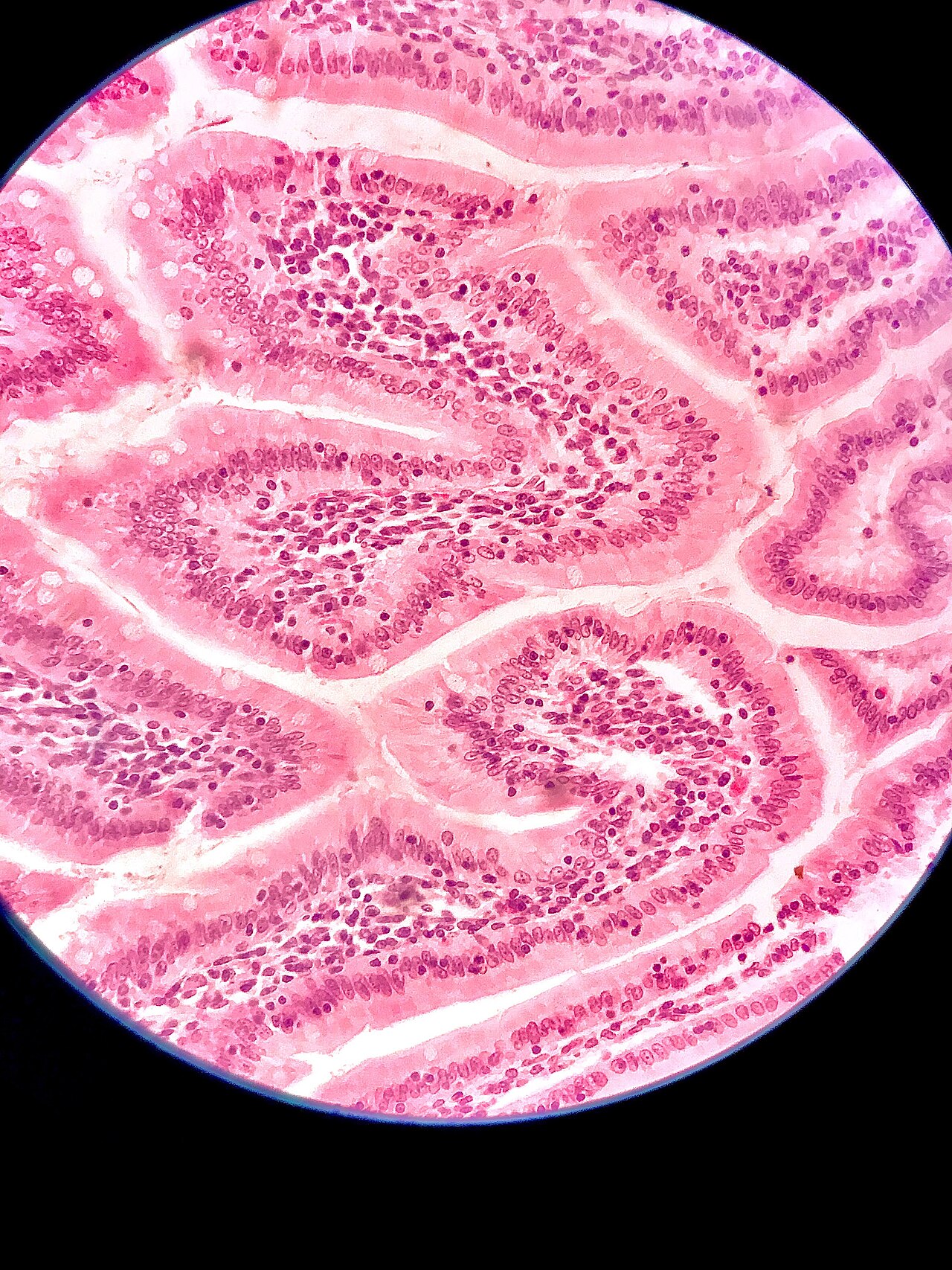
What makes the small intestine so extraordinary is its surface. Its inner lining is folded into countless tiny finger-like projections called villi, and each villus is itself covered in even smaller projections called microvilli. This design multiplies the absorbing surface enormously, giving the small intestine a total area many times larger than its length alone would suggest. Through this vast surface, the building blocks of food, the sugars, amino acids, fatty acids, vitamins, and minerals, pass into the bloodstream to nourish every cell in the body. When people talk about gut health, much of what they really care about, the absorption of nutrients, depends on these delicate structures working well.
Because the small intestine is where nutrients are taken up, problems here can have effects far beyond digestion. Conditions that damage the villi, such as celiac disease, can flatten this absorbing surface and lead to deficiencies even when the diet is rich. The small intestine also hosts part of the gut’s microbial community and immune defences, making it a hub of overall health rather than a simple pipe.
What are the symptoms?
The symptoms of constipation are familiar to almost everyone at some point. They include having fewer than three bowel movements in a week, stools that are hard, dry, or lumpy, difficulty or pain when passing stool, and a lingering feeling that the bowel has not fully emptied. Bloating and abdominal discomfort often accompany these, and a general sense of sluggishness can settle over the whole digestive system.
Most constipation is harmless and short-lived, but certain symptoms are warning signs that call for prompt medical attention. These include bleeding from the rectum or blood in the stool, constant abdominal pain, an inability to pass gas, vomiting, fever, lower back pain, or losing weight without trying. Anyone with a family history of colon or rectal cancer should also see a doctor if constipation does not settle with self-care, since these features can point to conditions that need different treatment.
Which organs does it affect?
Although constipation is felt mainly in the lower abdomen, it involves the whole digestive system working as a team. The colon is the immediate site of the problem, but its behaviour depends on signals from the nervous system, the pelvic floor muscles that control the final act of passing stool, and the hormones and nerves that set the gut’s pace. The small intestine plays its part too, since the speed at which it delivers contents into the colon influences the rhythm downstream.
A sluggish gut can also reflect what is happening elsewhere in the body. The thyroid gland, which sets the body’s metabolic speed, can slow the bowel when it is underactive. Conditions affecting the brain and spinal cord can disrupt the nerve signals that drive peristalsis, and metabolic conditions such as diabetes can affect the nerves of the gut. In this way the intestines act as a kind of barometer, often reflecting the health of organs and systems well beyond the belly.
How a sluggish gut develops over time
Constipation can be a brief, one-off event or a long-term pattern. An occasional bout might follow travel, a change in diet, dehydration, or a stressful week, and it usually resolves once normal routines return. Chronic constipation, lasting weeks or months, develops more gradually and often has several overlapping causes working together, such as a low-fibre diet, too little fluid, inactivity, and the natural slowing of the gut that can come with age.
Over time, a sluggish gut can become self-reinforcing. Repeatedly ignoring the urge to go can dull the body’s natural signals, and over-reliance on stimulant laxatives can leave the colon less able to move stool on its own. The encouraging news is that this cycle can usually be reversed. With patient changes to diet, fluids, activity, and toilet habits, the colon can relearn a healthy rhythm, which is why the foundation of treatment is gentle, sustainable, lifestyle-based change rather than a quick fix.
How it presents
Constipation presents differently from person to person. For some it is mainly about infrequency, going many days without a bowel movement. For others the frequency is near normal but the stools are hard and a struggle to pass, or there is a constant feeling of incomplete emptying. Some people have a slow-transit pattern, where stool simply moves too slowly through the colon, while others have difficulty with the coordination of the pelvic floor muscles needed to pass stool comfortably.
Recognising your own pattern matters, because it guides what will help. Slow-transit constipation often responds to fibre, fluids, and movement, whereas problems with the pelvic floor muscles may need specific retraining rather than more laxatives. This is one reason that persistent constipation is worth discussing with a doctor rather than simply reaching for stronger and stronger remedies.
Causes and risk factors
Constipation usually has more than one cause at the same time. The most common contributors are dietary and behavioural: not eating enough fibre, not drinking enough fluid, and not getting enough physical activity all slow the colon. Ignoring the urge to have a bowel movement, and changes to routine such as travel, pregnancy, or simply getting older, can all tip the balance toward sluggishness.
A wide range of medicines can cause or worsen constipation, including certain antacids containing aluminium or calcium, some antispasmodics, anticonvulsants, calcium channel blockers, diuretics, iron supplements, several medicines for Parkinson’s disease and depression, and especially narcotic pain medicines. Underlying health conditions also play a role: celiac disease, an underactive thyroid, diabetes, disorders of the brain and spine, pelvic floor problems, and, less commonly, blockages within the bowel itself. Because the list is so broad, identifying the particular mix of causes in each person is the key to effective relief.
Its relationship with nutrition
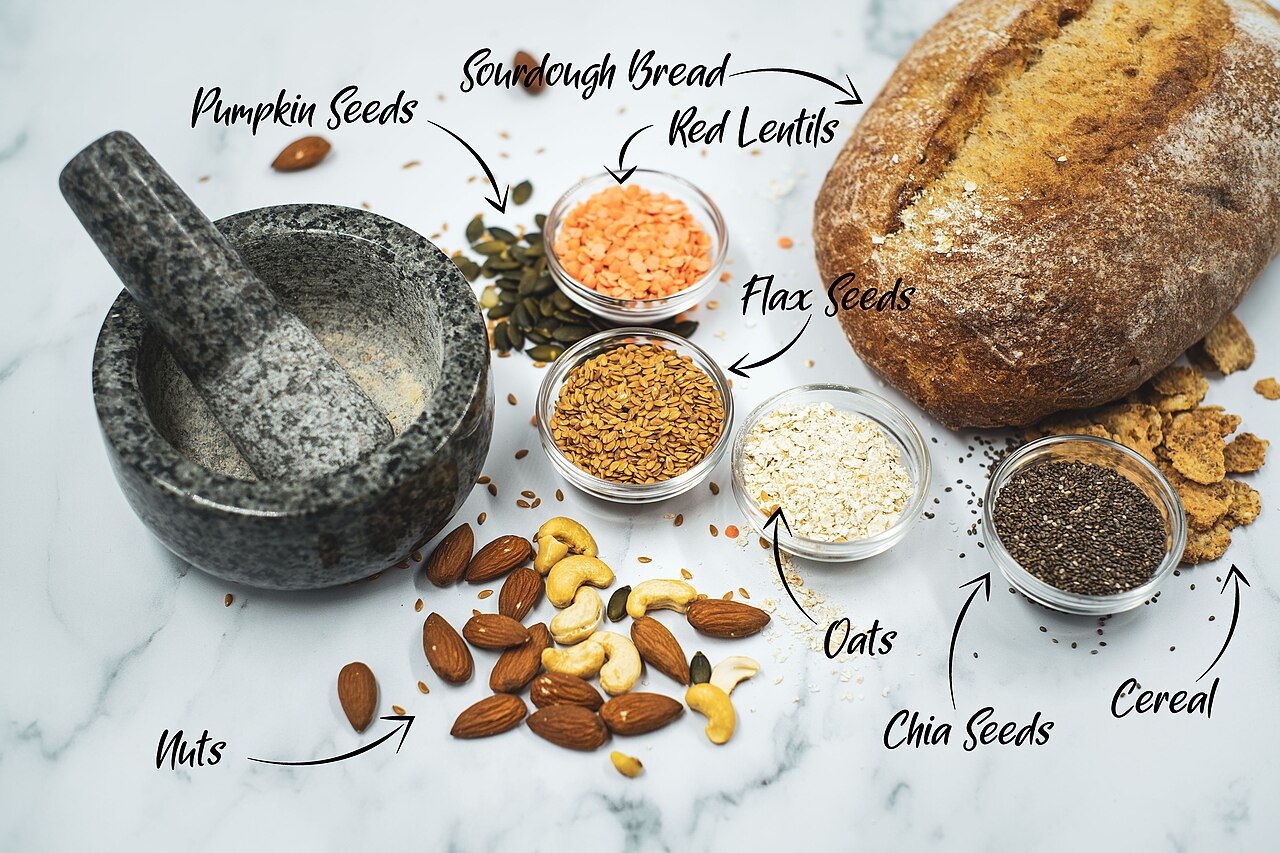
Few things affect the gut as directly as what we eat and drink, and constipation is closely tied to nutrition. The single most important dietary factor is fibre, the part of plant foods that the body cannot fully digest. Fibre adds bulk and softness to stool and gives the colon something to push against, helping it move contents along. Most adults benefit from somewhere in the range of around 22 to 34 grams of fibre a day, yet many people fall well short of this.
Fluid is fibre’s essential partner. When you increase fibre, you must also drink enough water, because fibre works by holding on to water in the stool; without enough fluid, more fibre can actually make things worse. A diet heavy in highly processed foods and light in vegetables, fruit, whole grains, and legumes tends to leave the colon under-fuelled. Nutrition is therefore both a common cause of a sluggish gut and, very often, the most powerful part of the solution.
The place of fats
Fat is sometimes overlooked in conversations about the gut, but it has a genuine and interesting role. First and foremost, dietary fat is an essential nutrient. It builds the membranes of every cell, including the rapidly renewing cells that line the intestine, supplies the raw material for hormones, and is the only way the body can absorb the fat-soluble vitamins A, D, E, and K. The absorption of these fats and fat-soluble vitamins takes place in the small intestine, across those same villi described earlier, which is a reminder of how central healthy fats are to overall nutrition.
Fat also influences how the gut moves. Healthy fats from olive oil, nuts, avocado, and fish can help lubricate the passage of stool and, in moderate amounts, support comfortable digestion. The goal is not to load up on grease but to include good fats sensibly. It is worth knowing the fat-free trap as well: many products marketed as fat-free replace the fat with refined sugar or starch, offering little fibre and doing nothing to help a sluggish gut. As with so much in nutrition, the quality and balance of fat matter far more than simply having more or less of it.
Natural foods that help
Several everyday foods are quietly excellent for keeping the gut moving. High-fibre choices are the backbone: whole grains such as oats and brown rice, legumes like beans and lentils, and plenty of vegetables and fruit. Certain fruits are especially helpful, including prunes, pears, apples, and kiwifruit, partly because they combine fibre with natural compounds that draw water into the bowel. Ground flaxseed and chia seeds add both fibre and gentle lubrication.
Fluids belong in any list of gut-friendly choices, since water is what allows fibre to do its job. Warm drinks in the morning can help stimulate the colon, and foods rich in beneficial bacteria, such as plain yogurt and other fermented foods, support a healthy gut microbiome that in turn aids regularity. The most effective approach is variety: a colourful, plant-rich diet with enough fluid feeds both the colon and the trillions of microbes that help it work.

Getting things moving by natural means
For most people, constipation can be treated at home, and the natural measures are genuinely effective rather than wishful thinking. Eating more fibre while drinking plenty of fluid is the cornerstone. Regular physical activity helps, because movement of the body encourages movement of the bowel. Bowel training can be surprisingly powerful: trying to have a bowel movement at the same time each day, often fifteen to forty-five minutes after breakfast when the colon is naturally active, helps re-establish a rhythm. Giving yourself unhurried time, responding promptly to the urge to go, and propping your feet on a small footstool to ease the position can all make passing stool easier.
It is fair to say that for everyday constipation these natural steps are not just a first resort but often the whole answer. At the same time, honesty matters: constipation that persists despite good self-care, or that comes with any of the warning signs mentioned earlier, deserves medical attention rather than ever-stronger home remedies. Natural measures are the foundation, and knowing when to seek help is part of using them wisely.
When natural steps are not enough: medical options
When self-care does not bring relief, a range of medical options exists, and they are chosen according to the cause and severity. Because the right choice depends on the individual, what follows describes the classes of treatment and how they work rather than how they are dosed; the specifics are decisions for a physician or pharmacist who knows your situation.
Over-the-counter options include fibre supplements, which work just like dietary fibre by adding bulk; osmotic agents, which draw water into the bowel to soften stool; stool softeners, which help moisten hard stool; lubricants such as mineral oil; and stimulant laxatives, which prompt the colon to contract and are best reserved for short-term use when gentler measures have failed. A key point doctors stress is that long-term reliance on stimulant laxatives can leave the colon less able to work on its own, so they are meant as a temporary aid rather than a daily habit.
If a medicine you take is the culprit, a doctor may adjust it or switch you to an alternative, which should never be done without professional advice. For stubborn, long-lasting constipation, prescription medicines are available, including agents that increase fluid in the digestive tract to soften stool and ease passage, and others that help the colon move stool more effectively. When the problem lies with the pelvic floor muscles, biofeedback therapy can retrain them, and in rare, severe cases surgery may be considered. The breadth of these options is exactly why a proper assessment matters when constipation will not resolve.
Small but effective daily-life changes
Many of the most useful habits for a healthy gut are small and easy to weave into daily life. Building fibre-rich foods into every meal, keeping a water bottle within reach, and moving your body regularly all support the colon’s natural rhythm. Responding promptly when you feel the urge to go, rather than putting it off, keeps the body’s signals sharp, and setting aside a relaxed, regular time for the bathroom helps train the bowel.
Beyond these, paying attention to the bigger picture helps too. Managing stress, protecting sleep, and reviewing with a pharmacist or doctor whether any of your medicines might be contributing can all make a real difference. None of these steps is dramatic on its own, but together they create the steady, well-fuelled, well-hydrated environment in which the intestines do their work smoothly.
A closing word of caution
Constipation is usually harmless and very often fixable with simple changes, but it can occasionally be a sign of something that needs medical attention. Warning signs such as rectal bleeding, blood in the stool, constant abdominal pain, vomiting, unexplained weight loss, or a sudden change in bowel habits should always be assessed by a doctor and never simply waited out, particularly for anyone with a family history of bowel cancer.
This article is general information, not medical advice. The dietary and lifestyle measures described here genuinely help most people maintain a healthy, well-moving gut, but they are not a substitute for proper diagnosis and care when symptoms persist or warning signs appear. If you have ongoing digestive problems, please speak with a qualified physician who can identify the cause and guide the right approach for you.