If you want to understand the Iraqis, you have to begin with two rivers. The Tigris and the Euphrates rise in the mountains of the north and run down together through a long flat plain to the sea, and between them lies the land the Greeks called Mesopotamia, the land between the rivers. It was here, more than anywhere else on earth, that human civilization first took shape. The Iraqis are the heirs of that astonishing beginning, and they have spent the last hundred years living through some of the harshest history any people has endured. To know them is to hold both of those facts in mind at the same time.
In This Article
- Where Civilization Was Invented
- The Roots of the Iraqi Tongue
- Baghdad, the City of Light
- Conquest, Decline, and Ottoman Centuries
- A Country Drawn by Outsiders
- The Saddam Years
- Invasion and the Years of Chaos
- A People of Many Communities
- The Marshes and the Land
- Food, Hospitality, and Daily Joys
- Poetry in the Blood
- The Pull of Najaf and Karbala
- Markets, Crafts, and the Texture of the Cities
- Endurance and the Hope of Ordinary Life

Where Civilization Was Invented
The list of things first done in ancient Iraq is almost unbelievable. The Sumerians who settled the southern marshes built the world’s first cities, places like Uruk and Ur, with populations in the tens of thousands at a time when most of humanity still lived in scattered villages. They invented writing, pressing wedge shaped marks into clay tablets in the script we call cuneiform. They wrote down the first laws, the first epic poetry, the first astronomy and mathematics. The dividing of the hour into sixty minutes and the circle into three hundred sixty degrees comes down to us from these people.
After the Sumerians came the Akkadians, the Babylonians, and the Assyrians, each adding their own glory. Babylon under Hammurabi gave the world one of its earliest written law codes. The Assyrians built vast libraries and a fearsome empire. The Hanging Gardens of Babylon were counted among the wonders of the ancient world. To stand on Iraqi soil is to stand at the very source of the literate, urban, law governed way of life that almost all of humanity now shares.

The Roots of the Iraqi Tongue
Most Iraqis today speak Arabic, in a distinctive Mesopotamian dialect that differs noticeably from the Arabic of Egypt or the Levant, flavored by the many languages that have passed through this land. Arabic belongs to the Semitic branch of the great Afro Asiatic language family, the same branch that produced Hebrew, Aramaic, and the ancient tongues of the region. This is fitting, because Mesopotamia was a Semitic speaking heartland long before Arabic arrived. Akkadian, the language of Babylon and Assyria, was itself a Semitic tongue, and for centuries Aramaic served as the common speech of the whole region.
Iraq is not linguistically uniform, however. In the mountainous north live millions of Kurds, whose language is entirely different, an Indo European tongue related to Persian rather than to Arabic. Small communities still speak forms of Aramaic, including Christians who preserve it as both a daily and a liturgical language. Turkmen speak a Turkic language, and other minorities add their own voices. So the soundscape of Iraq layers the Semitic Arabic of the majority over an ancient Aramaic substratum, with the Indo European Kurdish of the north as a major second presence.
Baghdad, the City of Light
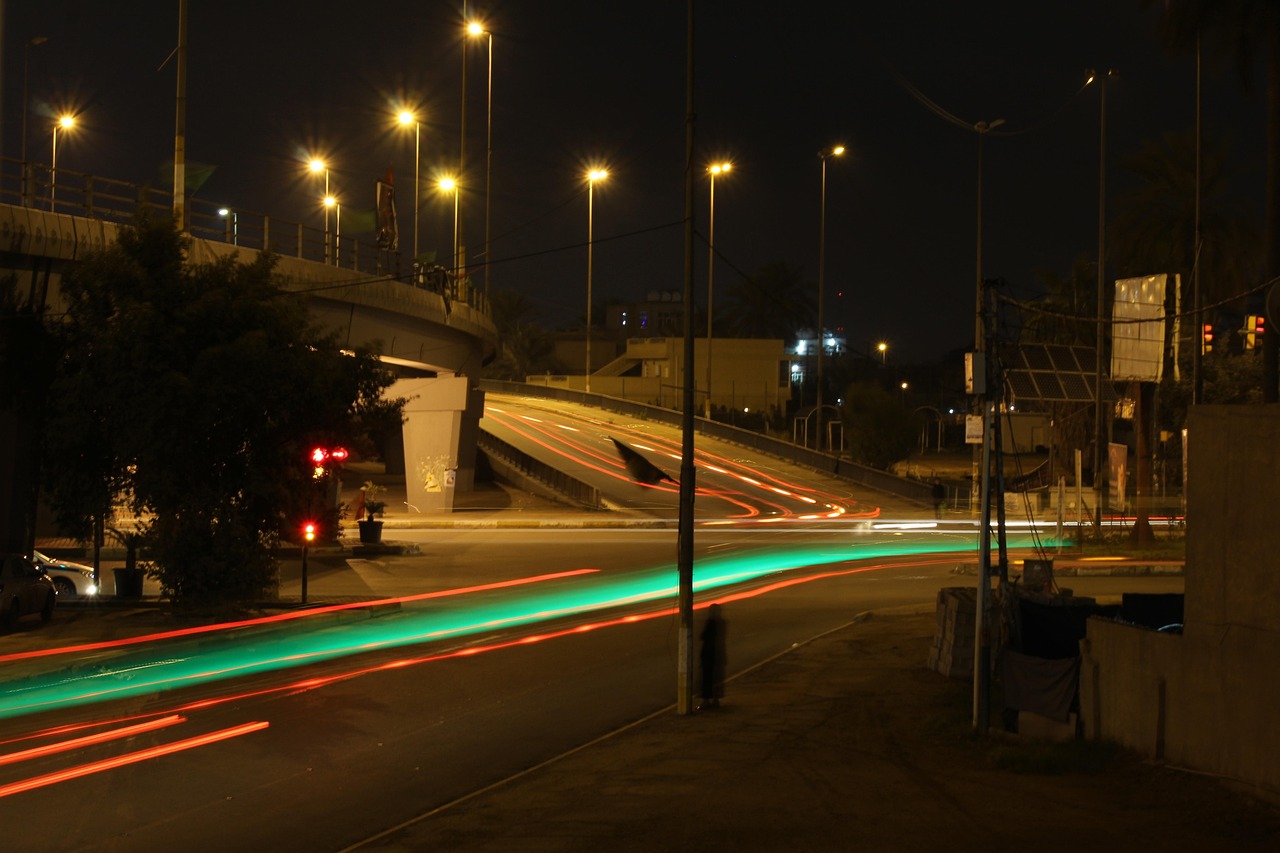
For a few golden centuries Iraq stood again at the very center of the world. When the Abbasid caliphs founded Baghdad in the eighth century, they built it into the greatest city of its age, a round city of palaces, mosques, and markets that may have been the largest urban center on earth. This was the Baghdad of the Thousand and One Nights, but its real glory was the mind. In the famous House of Wisdom, scholars translated the works of the Greeks, the Persians, and the Indians, and then pushed far beyond them.
It was here that algebra took its name and much of its modern form, that medicine and astronomy advanced, that the numerals we still use were carried westward. While much of Europe was in a quieter age, Baghdad blazed with learning. That memory of intellectual greatness is part of how Iraqis see themselves, and it makes the later destruction of their country all the more painful by contrast.
Conquest, Decline, and Ottoman Centuries
The golden age ended in catastrophe. In 1258 the Mongols sacked Baghdad, slaughtering its people and, according to the chroniclers, throwing so many books into the Tigris that the river ran black with ink. The city never fully recovered its former glory. For long centuries afterward Iraq was a frontier province, fought over by the Ottoman and Persian empires, its great irrigation works decaying, its cities shrinking. Under Ottoman rule it was divided into separate provinces governed from afar, and the unified country we know today did not yet exist.
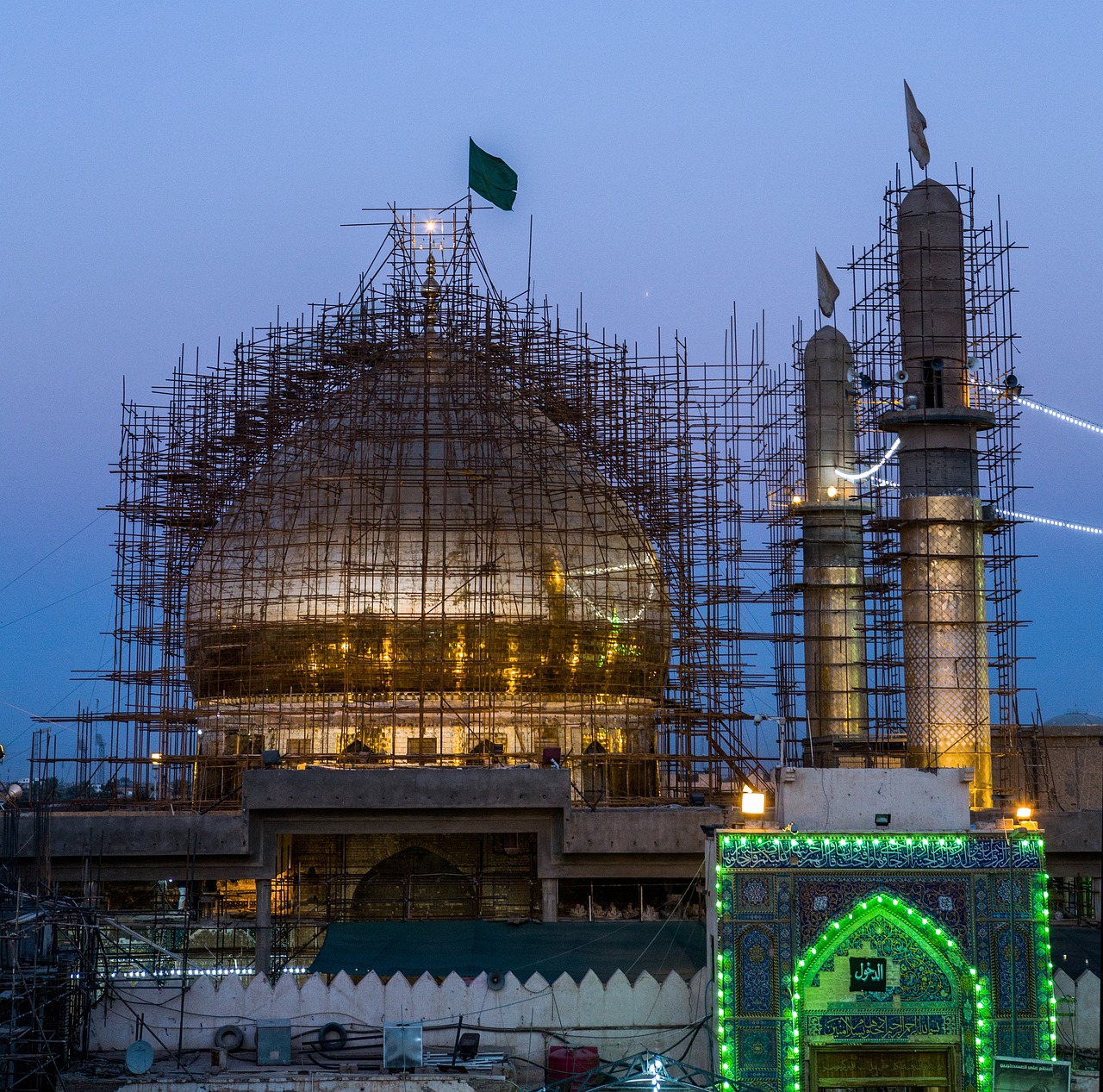
Yet even in these quieter centuries Iraq remained spiritually central, especially for Shia Muslims. The cities of Najaf and Karbala, where revered figures of early Islam are buried, became among the holiest places of the Shia world, drawing pilgrims and scholars from across the region and nurturing a tradition of religious learning that continues to this day.
A Country Drawn by Outsiders
Modern Iraq was assembled after the First World War, when the British took the former Ottoman provinces and stitched them into a single new state under their mandate. They installed a king and drew borders that threw together communities that had never been governed as one nation, the Shia Arabs of the south, the Sunni Arabs of the center, and the Kurds of the mountainous north. This act of map making by foreigners created the fundamental tension of Iraqi history, the struggle to forge a single people out of communities with very different memories and loyalties.
Independence came in stages, and the monarchy eventually fell to a violent revolution in 1958. The decades that followed brought coup after coup, as army officers and political movements fought for control of an oil rich but deeply divided country. Out of that instability rose the party and eventually the man who would dominate Iraqi life for a generation.
The Saddam Years
From the late 1970s until 2003, Iraq was ruled by Saddam Hussein, and any honest account must describe that rule plainly. It was a dictatorship built on fear, a pervasive security state in which dissent could mean torture or death and in which a cult of personality surrounded the leader. The regime was capable of terrible violence against its own citizens. In the late 1980s, during a campaign against the Kurds of the north, the government used chemical weapons against the town of Halabja, killing thousands of civilians in a single day, and waged a wider campaign of destruction that razed villages and killed many more.
Saddam also led his country into two ruinous wars. The first, against neighboring Iran in the 1980s, dragged on for eight years and cost hundreds of thousands of lives on both sides for almost no change in the border. The second came when Iraq invaded Kuwait in 1990, triggering an international war that ended in defeat and years of crushing economic sanctions. Ordinary Iraqis paid the price for their ruler’s ambitions, with a generation of children growing up amid shortages of food and medicine.
Invasion and the Years of Chaos
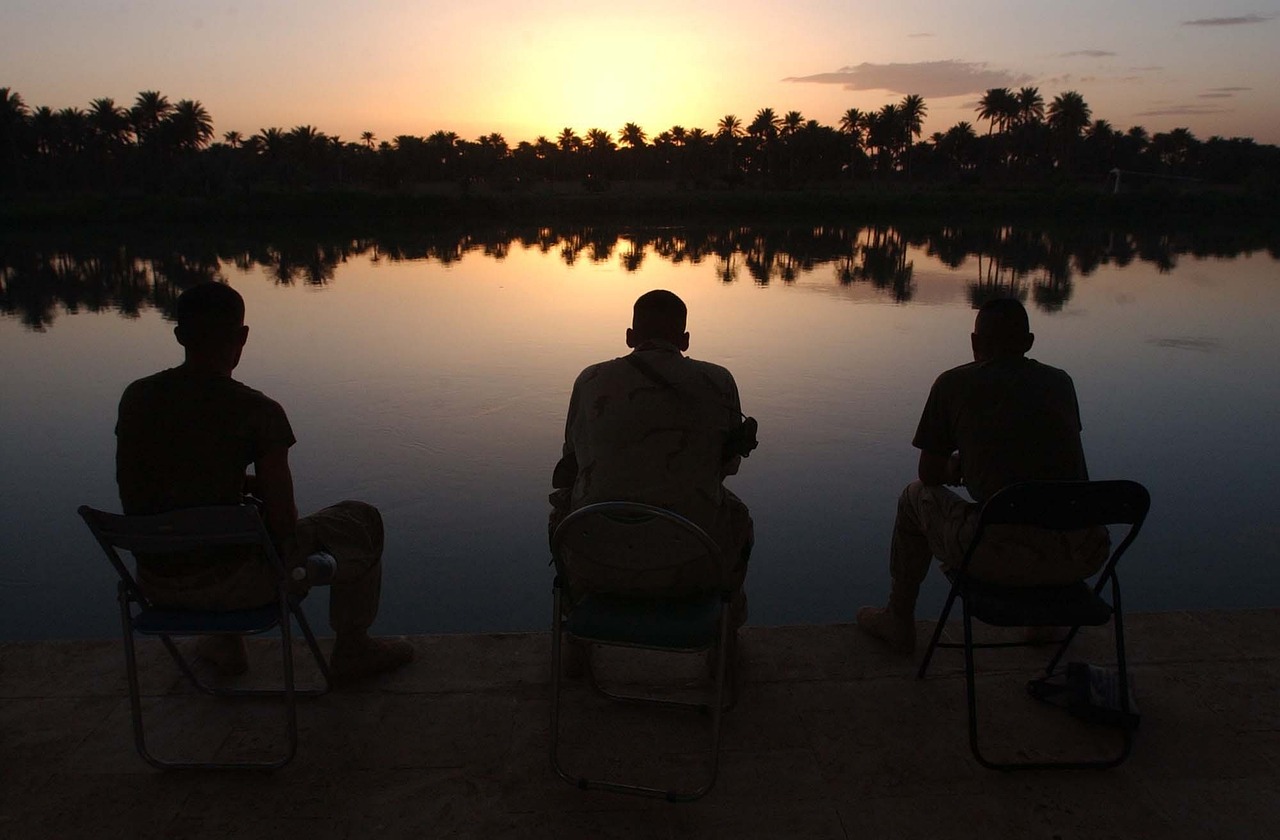
In 2003 a United States led coalition invaded Iraq and overthrew Saddam Hussein, justifying the war with claims about weapons that were never found. The dictator was gone, but what followed was not the swift peace that had been promised. The old state collapsed, and the country slid into years of insurgency, sectarian bloodshed, and chaos. Bombings became a daily fact of life. The long suppressed tensions between Sunni and Shia communities erupted into vicious violence, and ordinary neighborhoods that had mixed for generations were torn apart.
Out of this disorder eventually rose the self proclaimed Islamic State, which in 2014 seized vast areas of Iraq, including the great city of Mosul, and imposed a reign of terror, persecuting minorities and destroying ancient heritage. The campaign to drive them out, especially the long battle for Mosul, left whole cities in ruins. By any measure these were among the darkest decades in the long history of this land, and almost every Iraqi family carries scars from them.

A People of Many Communities
To speak of the Iraqis is to speak of several communities woven into one nation. The largest group are the Shia Arabs, concentrated in the south and in much of Baghdad, with their spiritual heart in the holy cities of Najaf and Karbala. The Sunni Arabs, long dominant in the old state, are strongest in the center and west. The Kurds in the north, who are mostly Sunni Muslims but ethnically distinct, have their own language, culture, and a strong sense of separate identity, and today govern themselves in an autonomous region.
Beyond these are smaller communities whose presence reaches back thousands of years. There are Christians of ancient churches who still pray in forms of Aramaic, the Yazidis with their unique faith who suffered terribly under the extremists, Turkmen, Shabak, and once one of the oldest and most vibrant Jewish communities in the world, now almost entirely gone. This human mosaic is both Iraq’s great inheritance and the source of its hardest political problems, the question of how so many peoples can share one state in fairness and peace.
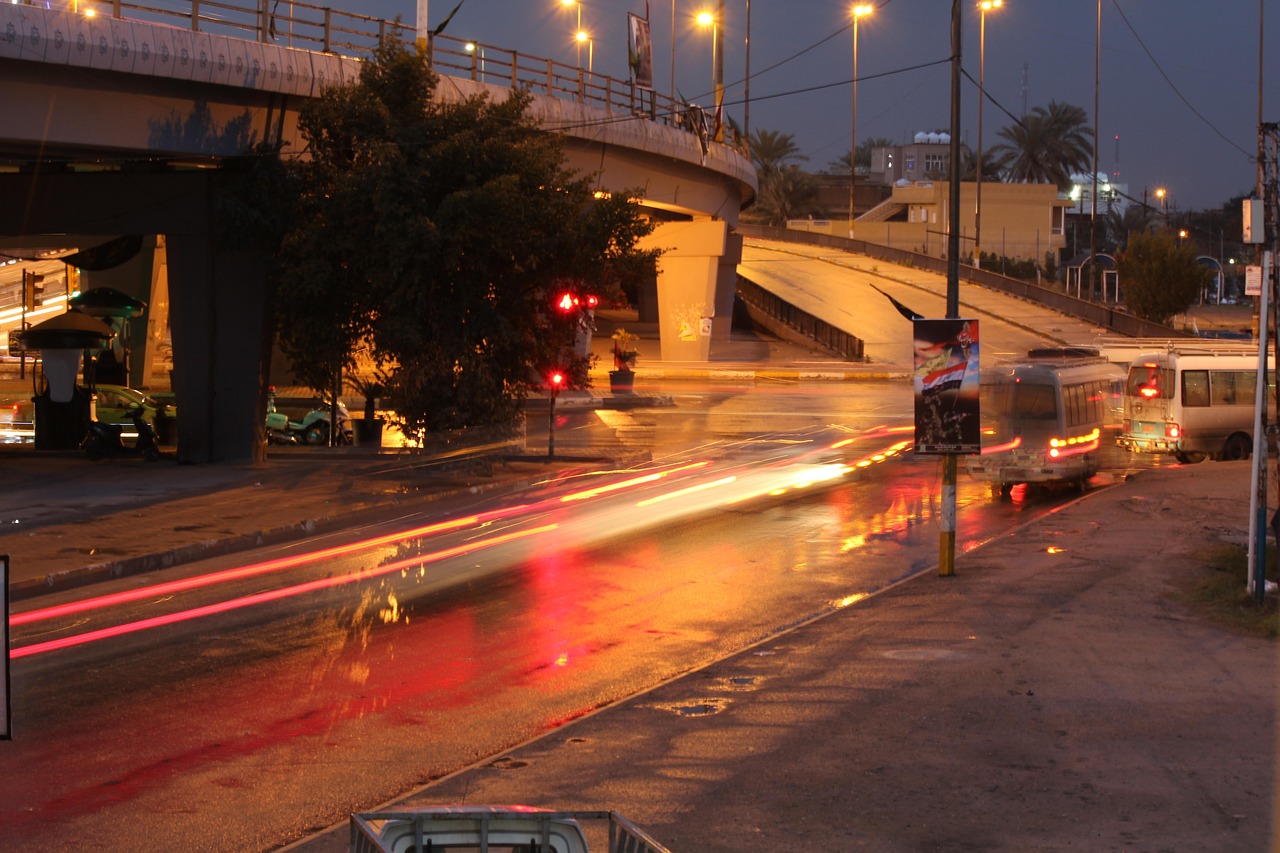
The Marshes and the Land
The Iraqi landscape runs from snow capped mountains in the Kurdish north to the date palm groves and marshes of the deep south. In the far south, where the two rivers meet, lie the great marshlands, a watery world of reed beds and lagoons where the Marsh Arabs have lived for thousands of years in houses built of woven reeds, poling slender boats between floating islands. Saddam’s regime drained much of this region as punishment for rebellion, a deliberate ecological catastrophe, though efforts to restore the marshes have brought some of the water and life back.
Between the mountains and the marshes lies the great alluvial plain, fed by the rivers and by irrigation works that go back to Sumer. This is some of the most historically productive farmland on earth, growing the dates for which Iraq has always been famous, along with wheat, barley, and the produce that fills its markets. Beneath it all lies the oil that has been both Iraq’s great wealth and, too often, a curse that drew in the greed of the powerful.
Food, Hospitality, and Daily Joys
Despite everything, Iraqi life is full of warmth, and nowhere more than around food. The national dish, masgouf, is a whole river fish split open and grilled slowly beside an open fire on the banks of the Tigris, a ritual as much as a meal. Iraqi tables groan with rice dishes, slow stews, dolma of stuffed vegetables, kebabs, and the flatbread baked fresh each day. Dates appear in everything, and the strong tea poured into small glasses never stops flowing. Sweets perfumed with cardamom and rosewater round off the feast.
Hospitality is close to sacred. A guest in an Iraqi home is honored and pressed to eat far more than is possible, and even families with little will share what they have without hesitation. This generosity, this insistence on welcome even in hard times, is one of the most consistent threads in how Iraqis describe themselves, and visitors almost always remark on it.

Poetry in the Blood
There is an old saying in the Arab world that books are written in Cairo, printed in Beirut, and read in Baghdad, a tribute to the famous Iraqi hunger for literature. Iraqis are intensely proud of their poets, and poetry here is not a refined pastime but a popular passion, recited in cafes and quoted in ordinary conversation. Modern Arabic poetry was reshaped in the twentieth century in large part by Iraqi writers who broke the old forms and gave the language new ways to speak of love, loss, and freedom.
That love of words goes hand in hand with a deep musical tradition, the stately Iraqi maqam, a sophisticated form of sung classical poetry recognized as a treasure of human heritage. In the suffering of recent decades, this artistic inheritance has been both a refuge and a way of bearing witness, a means of holding on to beauty and meaning when so much else was being destroyed.
The Pull of Najaf and Karbala
For a large share of the Iraqi people, faith is woven into the very geography of the country. The shrine cities of Najaf and Karbala draw vast tides of pilgrims, and the annual commemoration of Ashura, marking the death of a revered early figure of Islam, brings millions on foot along the roads of the south in one of the largest religious gatherings on earth. To walk in that procession, sharing food and water freely offered by strangers along the way, is for many Iraqis one of the deepest experiences of belonging that life offers.
Najaf is not only a place of pilgrimage but a center of learning, home to a tradition of religious scholarship that has shaped Shia Islam for a thousand years. Its senior scholars carry moral authority that has at times steadied the whole country in moments of crisis, calling for restraint and unity when violence threatened to consume everything. This blend of devotion, scholarship, and quiet political weight is something that outsiders often miss but that runs through the heart of Iraqi life.
Markets, Crafts, and the Texture of the Cities
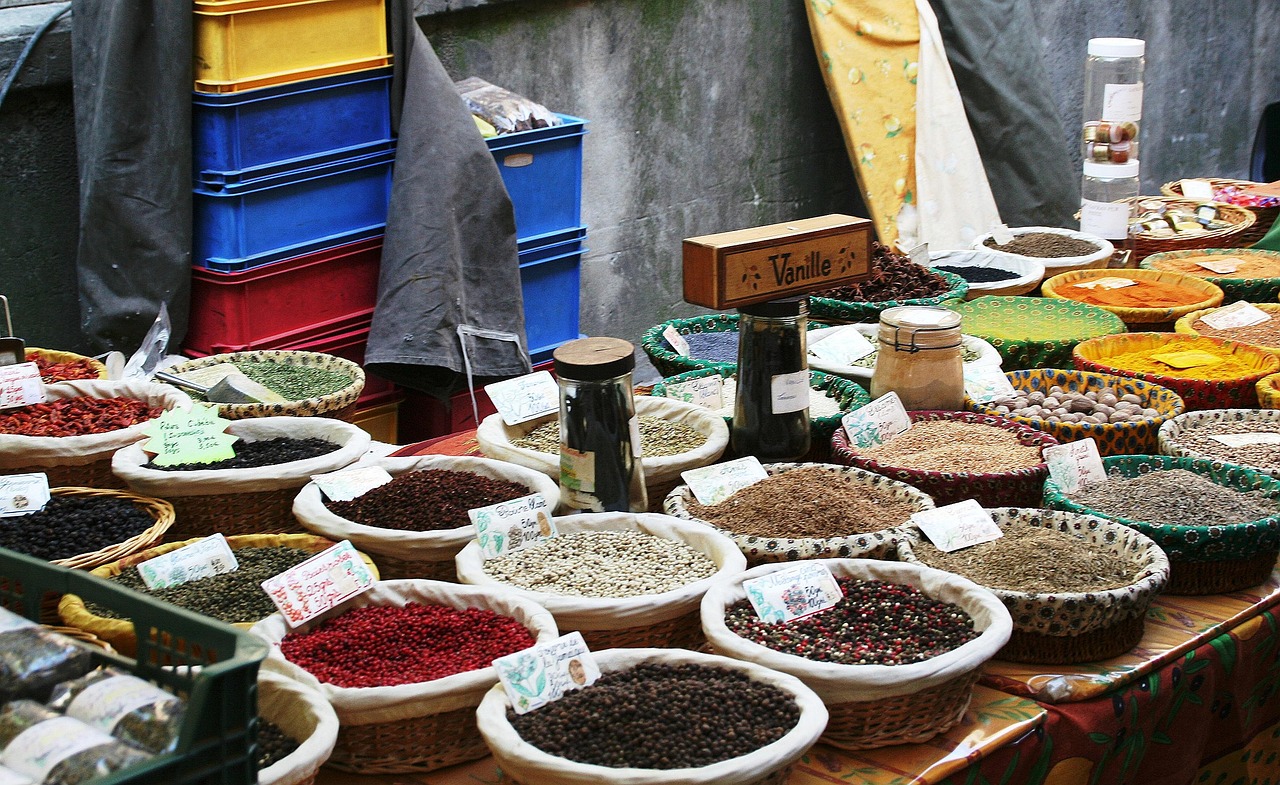
The old cities of Iraq lived around their markets, the covered bazaars where the smell of spices, the gleam of copper, and the call of traders filled the narrow lanes. Iraqi craftsmen were famous for their work in copper and brass, beating out trays and pots and lamps, and for carpets, leatherwork, and the inlaid wood of fine furniture. In the alleys of old Baghdad, Basra, and Mosul, family workshops passed their skills down through generations, and the market was as much a social world as a commercial one.
Much of this fabric was torn by war, and some historic quarters were lost forever. Yet the markets have a way of reviving, the traders returning to rebuilt stalls, the tea houses reopening their doors. In the resilience of these ordinary places of buying, selling, and gathering, you can read the larger resilience of the Iraqi people, their refusal to let even the worst years erase the simple business of daily life.
Endurance and the Hope of Ordinary Life
What stands out most about the Iraqis, after the long catalog of invasions and dictatorships and wars, is simply that they are still here, still rebuilding, still arguing and laughing and marrying and raising children. A younger generation, who knew the worst years only as children, has begun to push for a normal country, one where the wealth of the land reaches ordinary people and where being Sunni, Shia, Kurd, or Christian is not a matter of life and death. Their protests for jobs, services, and an end to corruption have been a powerful sign of a people refusing to accept that suffering is their permanent fate.
The road remains hard, and no honest writer would pretend the wounds are healed. But this is the land that taught the world to write, to build cities, and to live by law, and that taught itself, again and again, how to survive. The Iraqis carry that long memory, and with it a stubborn, hard won hope that the next chapter of the land between the rivers might at last be a gentler one.