Most of us absorbed the same simple explanation for depression at some point: it’s a chemical imbalance, a shortage of serotonin in the brain. It was a comforting message, partly because it framed depression as a fixable plumbing problem. But over the past few years that story has come under serious pressure, and the science underneath it turns out to be far messier than the slogan suggested.
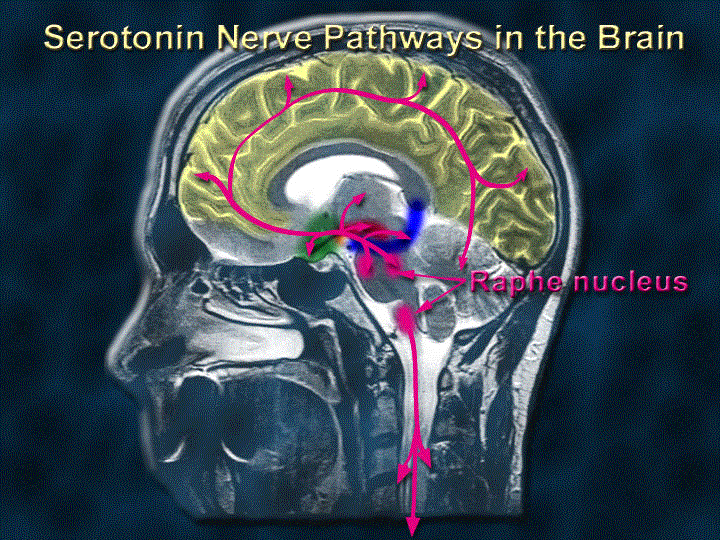
A widely discussed review pulled together decades of evidence and found little support for the idea that low serotonin directly causes depression. People with depression don’t reliably show less serotonin than anyone else, and artificially lowering serotonin in healthy volunteers doesn’t straightforwardly make them depressed. That doesn’t mean serotonin is irrelevant, but it does mean the neat “you’re low, so we top you up” picture was always more marketing than mechanism.
So why do drugs that act on serotonin help many people? The honest answer is that researchers still aren’t sure. One leading idea is that these medications don’t simply refill a tank but instead nudge the brain toward greater flexibility, encouraging neurons to form new connections over weeks. That slow rewiring, rather than an instant chemical correction, may be what eases symptoms, which would explain why antidepressants take time to work rather than acting overnight.
None of this means antidepressants don’t help or that depression isn’t biological. It means depression is a tangle of genetics, brain circuitry, life circumstances, and inflammation, not a single missing molecule. Letting go of the imbalance myth is uncomfortable, but it points toward richer, more honest treatments. Explore more in our serotonin and neurochemistry coverage.