Where the southern Ural mountains rise between Europe and Asia, dividing the continents and gathering the headwaters of great rivers, live the Bashkirs, a Turkic people whose name has been given to their homeland, the Republic of Bashkortostan within the Russian Federation. A people of the mountains, the forests, and the open steppe, the Bashkirs are famed above all for two things: their wild honey, gathered from bees in the hollows of ancient trees, and the haunting music of the kuray, the long reed flute that is the emblem of the nation.
Closely related to their western neighbours the Tatars in language and faith, the Bashkirs are nonetheless a distinct people with their own history, their own epic tradition, and their own homeland in the folds of the Urals. Their story runs from the ancient nomads of the steppe through the age of the Golden Horde, the long centuries of resistance and accommodation to the Russian state, and the making of a modern republic that bears their name.
This profile continues our survey of the peoples of Russia, following the Bashkirs along the lines of the series: their origins in the Urals, the meaning of their name, the Kipchak Turkic language, the homeland of mountain and steppe, the old life of the herder and beekeeper, the society of clans, the coming of Islam, the epic tradition and the kuray, the crafts, the food, the festivals, the history under Russia, and the Bashkirs today.
- Origins, a People of the Urals
- The Name of the Bashkirs
- Language, Close Kin of Tatar
- The Homeland of Mountain and Steppe
- The Old Life, Herder and Beekeeper
- Society, the Clans of the Bashkirs
- Religion, Islam and the Older Ways
- The Epic Tradition and the Kuray
- Crafts of Felt, Wood and Silver
- Food, Meat, Mare’s Milk and Honey
- Festivals, Sabantuy and the Gatherings
- History Under the Russian State
- The Bashkirs Today
Origins, a People of the Urals
The Bashkirs are a Turkic people of the southern Urals, formed over many centuries from the mingling of the ancient nomadic peoples of the steppe with the older populations of the Ural forests and mountains. Their ancestry blends Turkic, and older Iranian and Finno-Ugric elements, drawn together by the Turkic language and the nomadic way of life that came to dominate the region.
Medieval travellers and geographers recorded a people in the southern Urals under names recognisable as the Bashkirs, describing them as nomadic herders and warriors of the steppe and mountain margins. Over the centuries they were drawn into the great movements of the Turkic and Mongol worlds, forming part of the empire of the Golden Horde and mingling with the Kipchak tribes that dominated it.
What set the Bashkirs apart was their homeland in the Urals, the meeting place of forest and steppe, mountain and plain, which gave them a way of life combining the herding of the open grassland with the hunting, gathering, and above all the beekeeping of the wooded uplands. This unique environment shaped a people distinct from the pure steppe nomads to the south and the forest peoples to the north.
The Bashkirs thus emerged, like so many peoples of the region, at a crossroads, formed from steppe nomads who settled against the wall of the Urals and took up a mixed life among its forests and pastures. This origin between the mountain and the plain gave the people a character all their own and bound them forever to the distinctive landscape of the southern Urals.
Archaeology and the deep memory of the people alike point to the caves and river valleys of the southern Urals as an ancient home of human life, and the celebrated painted cave of Shulgan-Tash, with its images of animals from the last ice age, stands as a reminder of how long people have dwelt in this land that the Bashkirs came to call their own.
The Name of the Bashkirs
The origin of the name Bashkir has been debated for centuries and remains uncertain, wrapped in legend and folk etymology. Among the many explanations offered, some interpret it through Turkic words to mean something like “head wolf” or “chief wolf,” linking the people to the wolf, an animal of deep significance in the mythology of the Turkic steppe peoples.
Other traditions connect the name to a legendary ancestor or leader, or to older tribal names recorded in the medieval sources, while some folk tales tell of ancestors who followed a wolf to their homeland in the Urals. Whatever its true origin, the name has been borne by the people and given to their land, Bashkortostan, the country of the Bashkirs.
The Bashkirs were organised into numerous clans and tribes, each with its own name, territory, tamga or brand mark, and often its own tree and bird as emblems, and it was through these clans that the people reckoned their descent and identity. The larger name of Bashkir united these many clans into a single people.
That the very name of the people should be linked, in legend, to the wolf of the steppe speaks to the deep roots of the Bashkirs in the Turkic nomadic world, where the wolf was honoured as ancestor and guide. The name, whatever its origin, endured through migration and conquest to become the badge of a nation and the name of a modern republic.
Language, Close Kin of Tatar
The Bashkir language belongs to the Kipchak branch of the Turkic family, and is very closely related to Tatar, so much so that the two languages are largely mutually intelligible, though Bashkir has its own distinctive sounds and features that set it apart. It is the language of the Republic of Bashkortostan, spoken alongside Russian and Tatar.
As a Kipchak language, Bashkir connects its speakers to the Tatars, the Kazakhs, and the wider family of Turkic peoples descended from the nomads of the steppe. Its closeness to Tatar reflects the shared history of the two peoples within the Golden Horde and the Volga-Ural region, even as each maintained a separate identity.
Bashkir carries a rich oral literature, above all the great epic poems performed to the accompaniment of the kuray, which preserve the history, legends, and values of the people. Written first in the Arabic script, the language was shifted under Soviet rule to Latin and then to Cyrillic, in which it is chiefly written today.
The distinctive sounds of Bashkir, including throaty consonants unusual among Turkic tongues, give the language a character all its own, and its survival, taught in schools and used in literature, press, and broadcasting, is a mark of the endurance of Bashkir identity within the Russian Federation, alongside the closely related but separate Tatar.
The Homeland of Mountain and Steppe
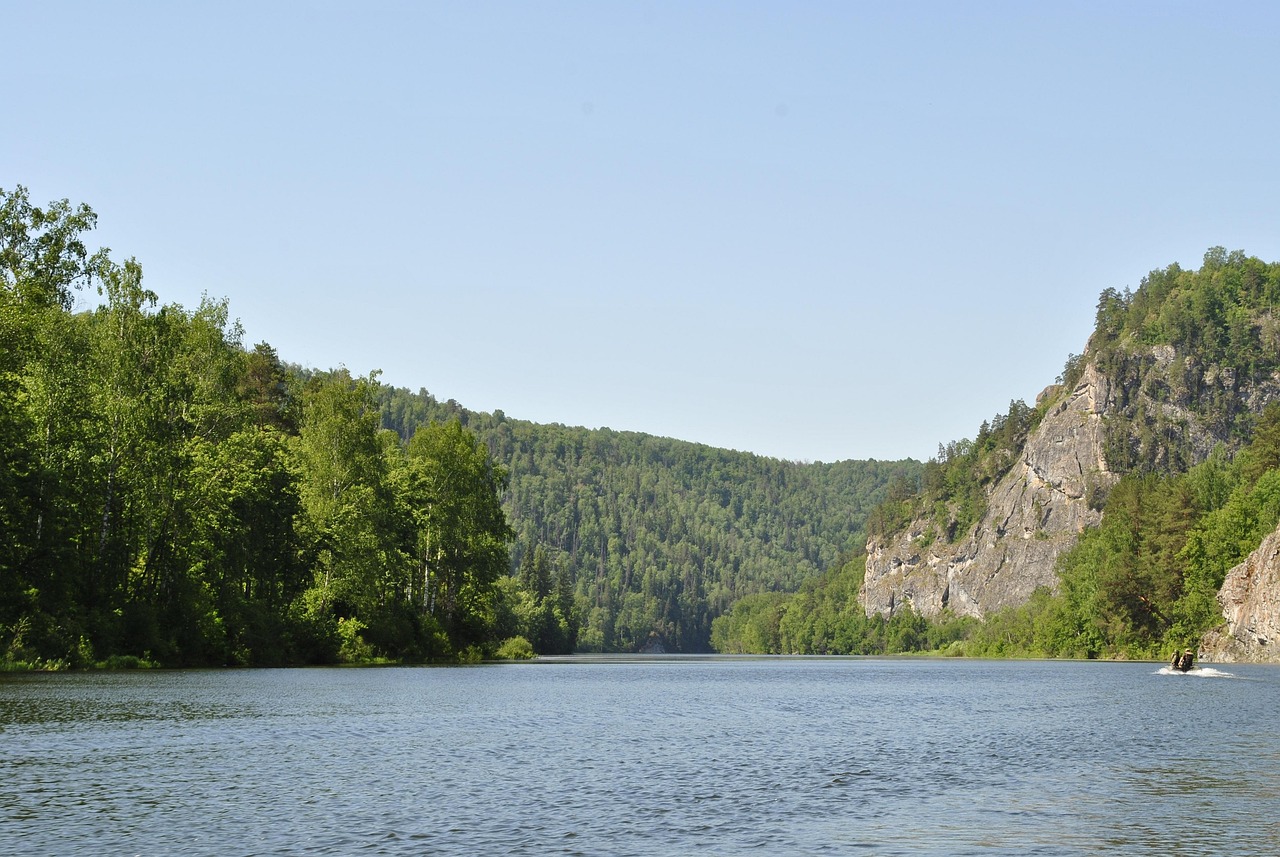
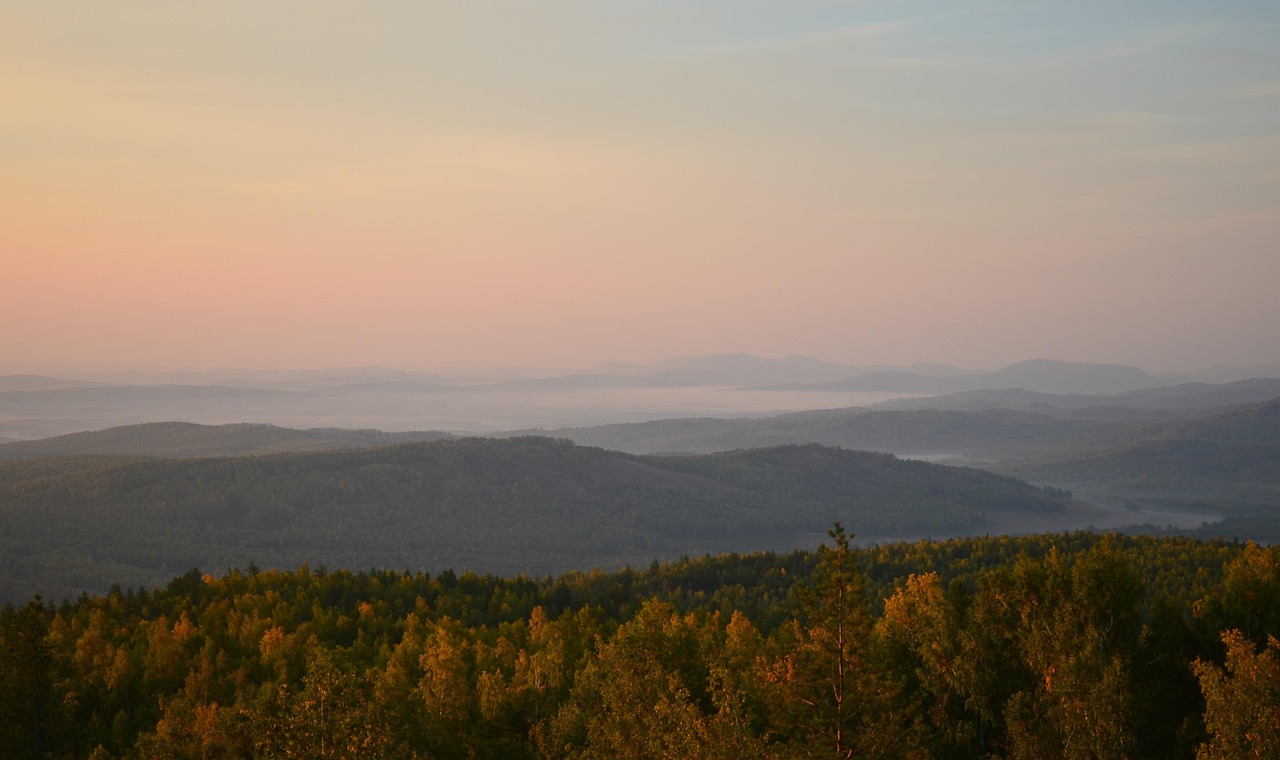
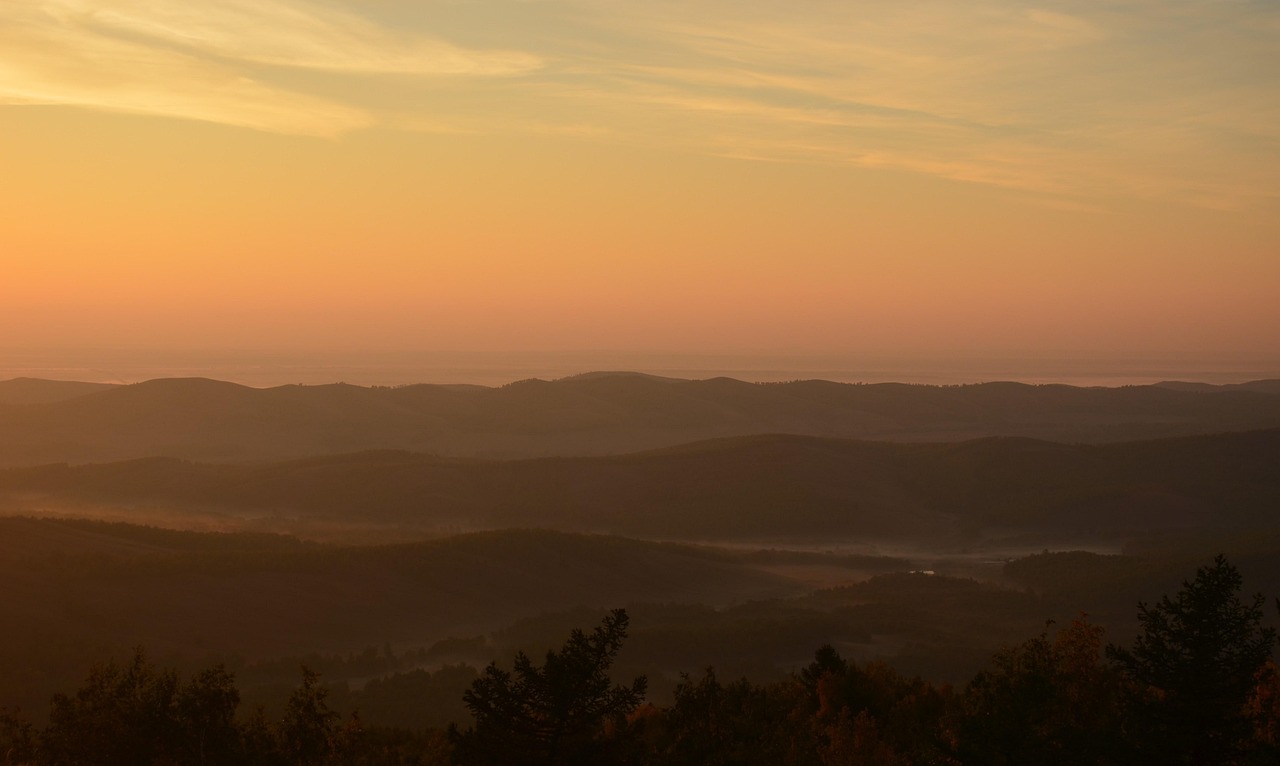
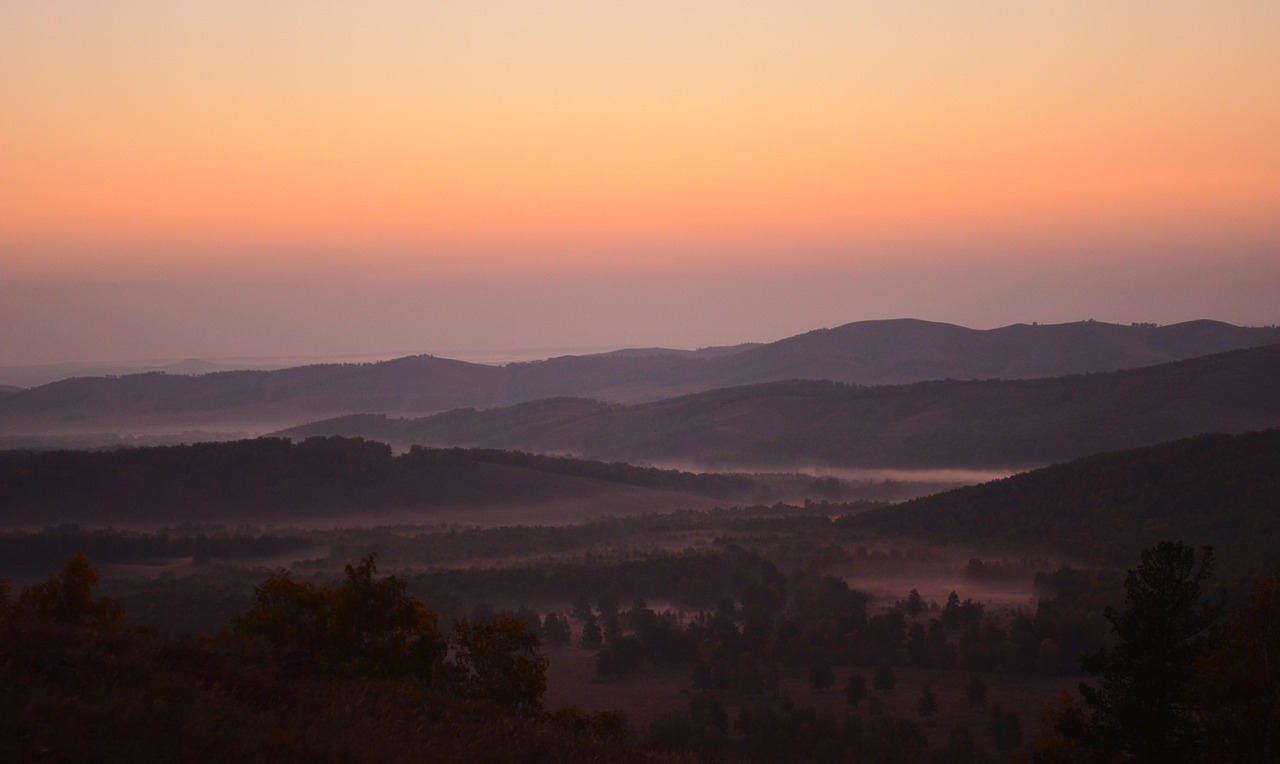
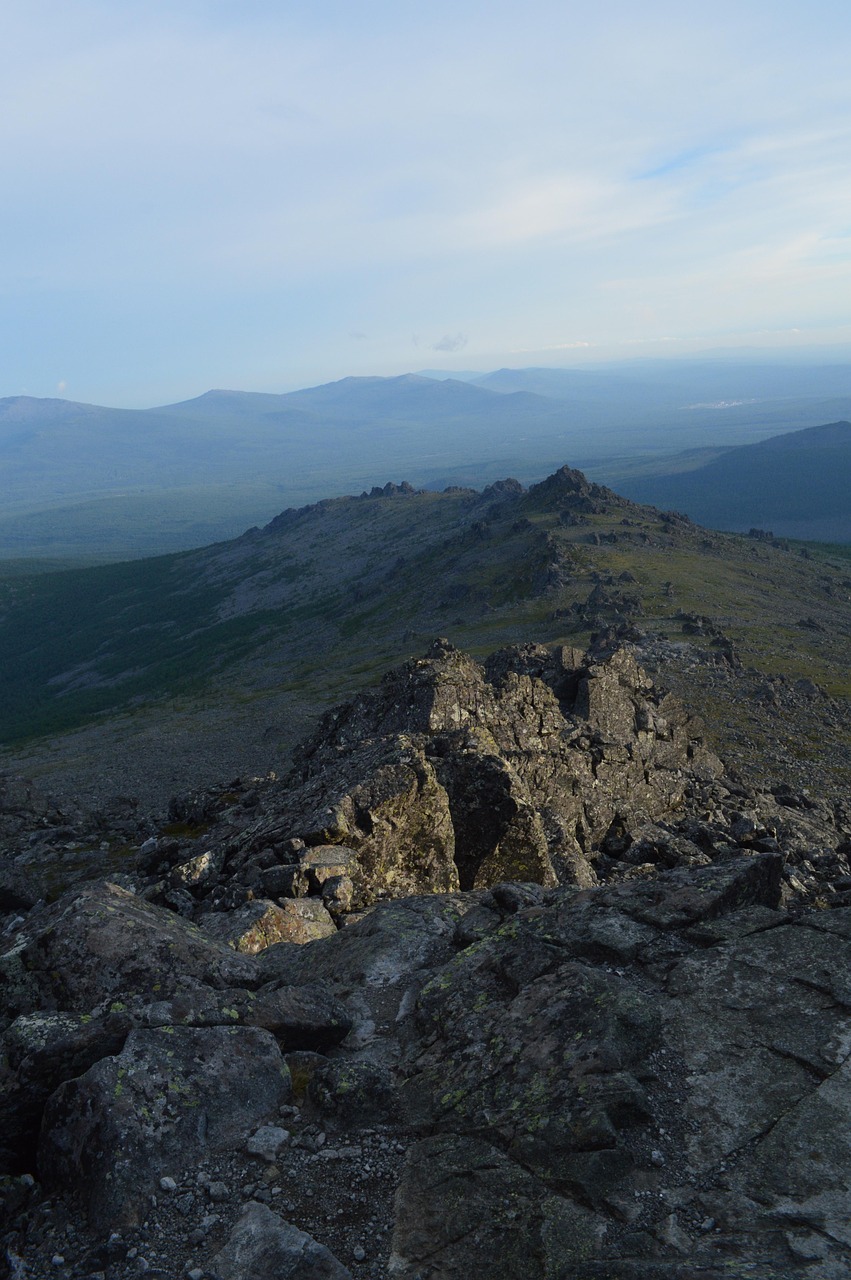
The homeland of the Bashkirs is the region of the southern Urals, where the mountain range that divides Europe from Asia is at its most beautiful, a land of forested slopes, high pastures, deep river valleys, and open steppe along the margins. This is the Republic of Bashkortostan, its capital the industrial city of Ufa, set where the rivers of the region gather.
The land combines the wooded mountains of the Urals, rich in game, honey, and timber, with the open steppe to the south and west, suited to the herding of horses and livestock. Great rivers, above all the Agidel, known in Russian as the Belaya, wind through the region, and their valleys have long been the heart of Bashkir life.
This meeting of mountain, forest, and steppe gave the Bashkirs a homeland of unusual variety and beauty, and it shaped their mixed way of life, drawing on the resources of both the wooded uplands and the open grassland. The mountains offered honey, furs, and refuge; the steppe offered pasture for the herds.
Bashkortostan today is one of the most populous of Russia’s ethnic republics and a major centre of industry and agriculture, yet its landscape of mountain and forest, river and steppe remains the enduring homeland of the Bashkir people and the setting of their history, their legends, and their distinctive culture.
The Old Life, Herder and Beekeeper
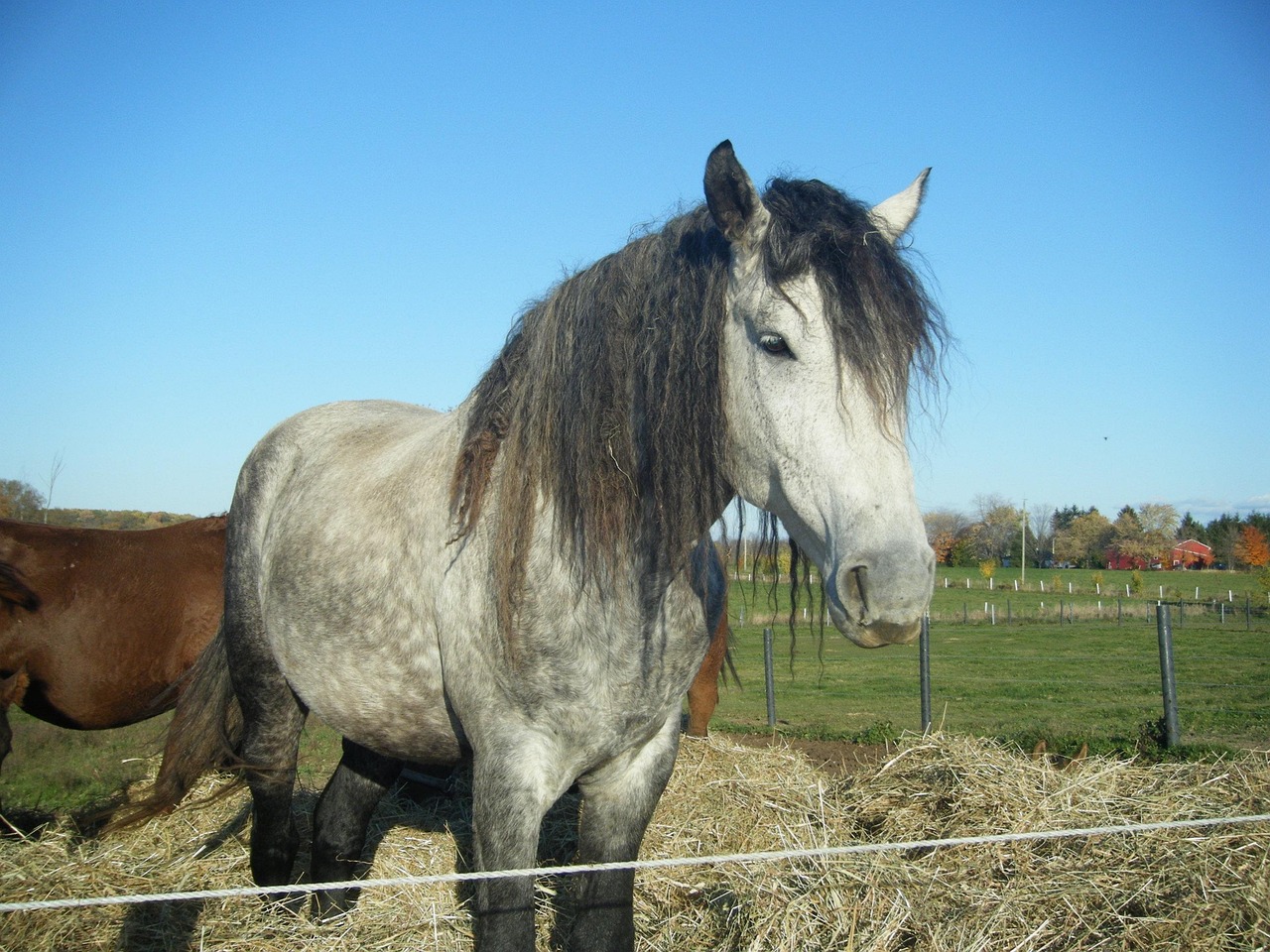
The traditional Bashkirs were semi-nomadic herders, above all of horses, driving their herds between summer pastures in the mountains and winter shelters in the valleys, and living much of the year in the felt yurt of the steppe nomad. The horse was central to their life, providing transport, meat, and the mare’s milk from which they made their prized fermented drink.
Alongside herding, the Bashkirs were famed for a practice found nowhere else in quite the same form: the gathering of wild honey from bees living in the hollows of tall trees in the forests of the Urals. This ancient craft, known as wild-hive beekeeping, in which beekeepers tended colonies high in the living trees, produced a honey renowned across Russia and beyond.
Hunting and gathering in the forests, fishing in the rivers, and some farming on the settled margins completed the mixed economy, which drew on every resource of the varied homeland. This combination of steppe herding and forest beekeeping and hunting gave the Bashkirs a way of life distinct from both the pure nomads and the settled farmers.
The wild honey of the Bashkirs, gathered from bees in the ancient trees of the Urals, became the most famous product of the people and a symbol of their homeland, and the craft of the tree-beekeeper, preserved to this day in reserves such as Shulgan-Tash, remains one of the most distinctive and treasured elements of the Bashkir heritage.
The beekeeper would climb the tall pines and oaks by means of a leather strap and a set of steps cut into the trunk, hollowing out chambers in the living wood for the bees and returning each season to gather the comb, a craft demanding great skill, courage, and an intimate knowledge of the forest, passed from father to son across the generations.
Society, the Clans of the Bashkirs
Bashkir society was organised into numerous clans and tribes, each reckoning descent from a common ancestor and holding its own territory, pastures, and forests. Each clan had its own tamga, a brand mark used on livestock and property, and often its own sacred tree, bird, and battle cry, emblems that expressed the identity of the clan.
The clans were grouped into larger tribal divisions, and the whole formed the Bashkir people, united by language, way of life, and a sense of common identity. Knowledge of one’s clan and descent was important, ordering marriage, alliance, and the use of land, and the elders of the clans held authority in the community.
This clan structure, typical of the Turkic nomadic peoples, gave the Bashkirs a framework of identity and mutual support well suited to a life spread across the mountains and steppe, and it proved remarkably durable, surviving the centuries of Russian rule and the upheavals of the modern age.
The persistence of clan identity among the Bashkirs, with its tamgas, sacred trees, and remembered genealogies, bound a scattered people together across the vast and varied homeland and preserved a sense of belonging that endured through conquest, settlement, and the great changes of the Soviet and modern eras.
Religion, Islam and the Older Ways
The Bashkirs are predominantly Sunni Muslims, having embraced Islam over the medieval centuries through contact with the Volga Bulgars and the Islamic states of the region, so that by the age of the Golden Horde the faith was well established among them. Islam became a central element of Bashkir identity, as it was for their Tatar neighbours.
Beneath and alongside Islam survived elements of the older beliefs of the steppe and forest, including the veneration of nature, sacred trees and springs, and the spirits of the land, woven into the fabric of folk religion. The sacred trees and birds of the clans, and the reverence for the natural world, reflected this older spiritual heritage.
Under the Russian empire the Bashkirs, like the Tatars, lived as a Muslim people within a Christian state, at times pressed toward conversion and at times tolerated, while under the Soviet Union religion was suppressed. Yet Islam endured, rooted in the culture and identity of the people, to revive in the modern republic.
The blend of Islam with the older reverence for nature, sacred groves, and the spirits of mountain and forest gave Bashkir religious life a distinctive character, reflecting the long journey of the people from the pre-Islamic world of the steppe and forest to the faith of Islam, held now within their autonomous homeland.
Holy places associated with saints and ancestors, springs believed to have healing power, and ancient trees revered by the clans became sites of pilgrimage and prayer, and the practices of folk Islam, blending the formal observances of the faith with the older customs of the land, gave the religious life of the Bashkirs a texture particular to the forests and steppes of the Urals.
The Epic Tradition and the Kuray
The Bashkirs possess a rich tradition of epic poetry and song, at the heart of which stands the great epic Ural-batyr, a sweeping poem of heroes, monsters, and the origins of the world and the people, regarded as a masterpiece of the oral literature of the Turkic world and a foundation of Bashkir identity.
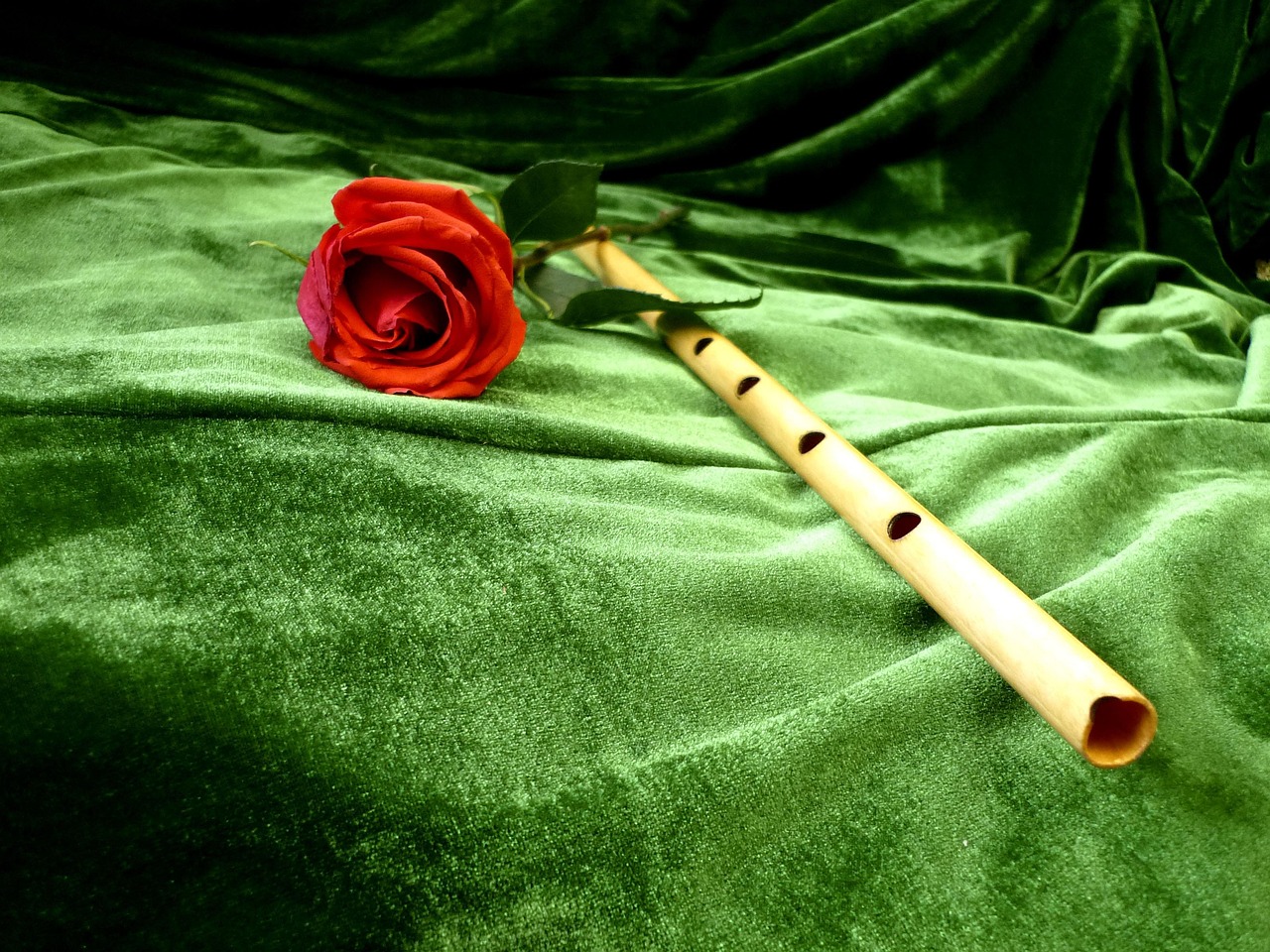
These epics and songs were performed by singers and reciters, often to the accompaniment of the kuray, the long open reed flute that is the national instrument of the Bashkirs. The kuray, made from the dried stem of a particular plant that grows in the Urals, produces a haunting, breathy sound, often overlaid with a droning vocal tone by the player.
The kuray is more than an instrument; it is a national symbol, its stylised flower appearing on the flag and emblem of Bashkortostan, and its music, evoking the wind over the steppe and the spaces of the mountains, is inseparable from the Bashkir sense of themselves. Alongside it, throat-singing and traditional song carry the musical heritage of the people.
The epic Ural-batyr and the music of the kuray together stand at the heart of Bashkir culture, a living link to the steppe and forest past and the deepest expression of the identity of the people, honoured as national treasures and performed at every gathering and festival of the Bashkirs.
Beyond Ural-batyr, the Bashkirs preserve a wealth of shorter epics, legends, and the long lyrical songs known as ozon-kuy, whose slow, ornamented melodies, stretched out over the drone of the kuray, are considered among the highest achievements of the musical art of the people and evoke the vast horizons of the homeland.
Crafts of Felt, Wood and Silver
The crafts of the Bashkirs reflect their life of herding, beekeeping, and forest, combining the felt and textile arts of the steppe nomad with the woodcraft of the forest and the silverwork of the region. The making of felt for the yurt and its furnishings, the weaving of patterned textiles, and embroidery in bold colours adorned the home and the dress.
Woodworking, essential to a forest people, produced the vessels, tools, and above all the equipment of the beekeeper, while the working of leather and the making of horse harness reflected the central place of the horse. Silver jewellery and ornaments, worn especially by the women, displayed the wealth and artistry of the people.
Distinctive patterns and motifs, drawn from the natural world and the heritage of the steppe, decorated the textiles, felts, and silverwork of the Bashkirs, expressing a love of colour and ornament shared with the wider Turkic world yet shaped by the particular life and landscape of the Urals.
The crafts of felt, wood, leather, and silver, passed down through the generations, turned the practical goods of a herding and beekeeping life into objects of beauty, and they remain among the treasured expressions of Bashkir culture, displayed and revived in the workshops and festivals of the modern republic.
Food, Meat, Mare’s Milk and Honey
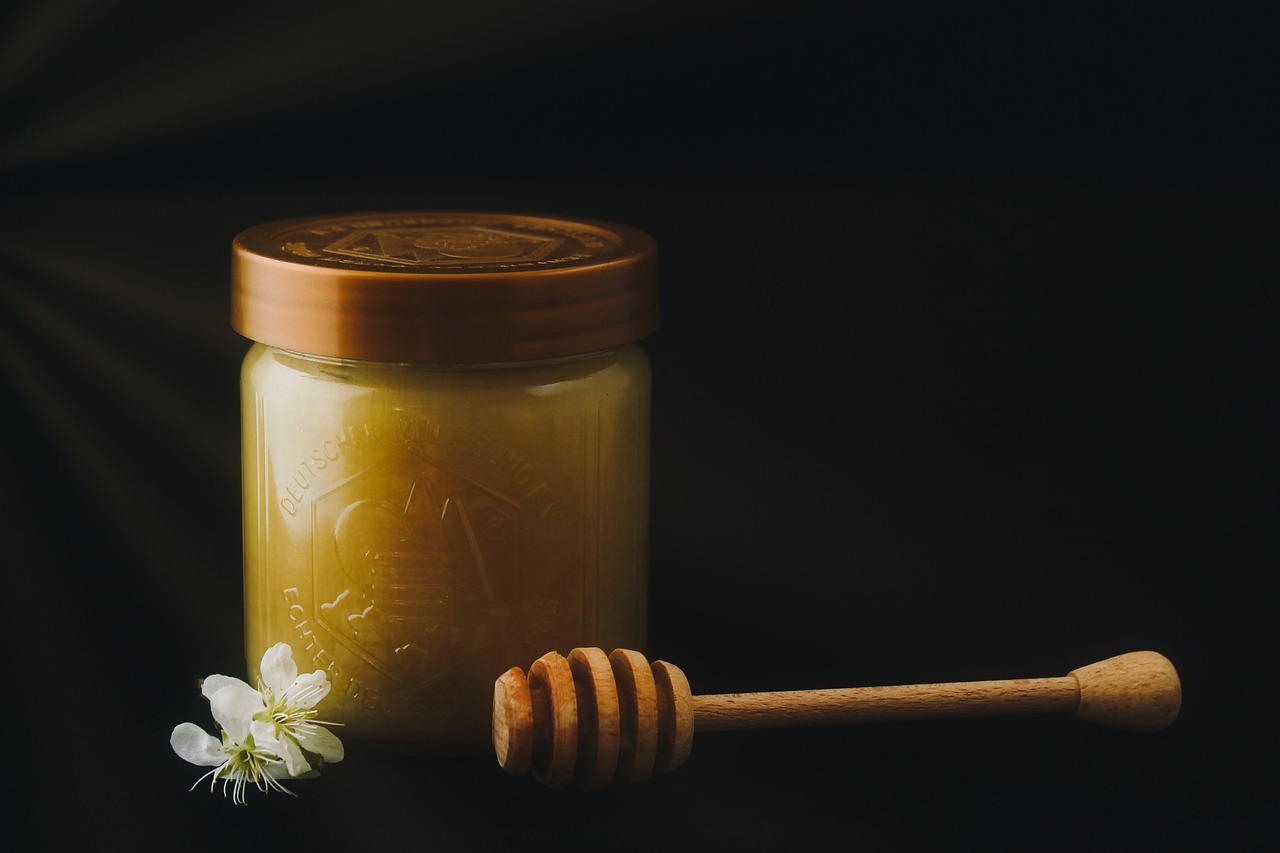
The Bashkir table reflects the life of the herder and beekeeper, built around meat, dairy, and above all the celebrated honey of the Urals. Horse meat and mutton are the favoured meats, prepared boiled, dried, or in sausages, and the most honoured dish is bishbarmaq, boiled meat served over flat noodles, eaten traditionally with the hands, whose name means “five fingers.”
Dairy products, drawn from the herds, are central to the cuisine, above all qumiss, the fermented mare’s milk that is the prized traditional drink of the Bashkirs, along with dried curds, soft cheeses, and fermented milk drinks common to the Turkic world. These reflect the deep heritage of the horse-herding steppe.
And crowning the Bashkir table is honey, the famous wild honey gathered from the bees of the Ural forests, eaten on its own, with bread and dairy, and used in sweets and drinks. Bashkir honey is renowned across Russia and beyond as one of the finest in the world, and it holds a place of pride in the cuisine and the identity of the people.
Tea, bread, pastries, and the hospitality for which the Bashkirs, like all the Turkic peoples, are known complete the table, but it is the trio of meat, mare’s milk, and honey, the gifts of the steppe and the forest, that gives Bashkir cuisine its distinctive character and links it to the ancient way of life of the people.
Festivals, Sabantuy and the Gatherings
The great festival of the Bashkirs, shared with the Tatars and other Turkic peoples of the region, is Sabantuy, the celebration of the plough that marks the end of the spring sowing. A joyful gathering of the whole community, it fills the fields with games, contests, music, and feasting as the people mark the turning of the agricultural year.
At Sabantuy the Bashkirs hold horse races, a natural centrepiece for a people of horsemen, along with wrestling matches known as kuresh, in which men grapple with sashes wrapped around the waist, and a host of games including the climbing of tall greased poles, sack races, and contests of strength and skill, all watched by crowds in festive dress.
The music of the kuray, the singing of epics and songs, and the dancing of the people fill the festival, and the feasting on bishbarmaq, qumiss, and honey binds the community together in celebration. Older gatherings such as Kargatuy, a spring festival greeting the return of the birds and the awakening of nature, also feature in the Bashkir calendar.
These festivals, above all Sabantuy, are the great public expressions of Bashkir identity, drawing the people together across the villages and cities of Bashkortostan and among the scattered Bashkir communities, and joining the games of the horseman, the music of the kuray, and the food of the steppe and forest into a single joyful celebration of the nation.
Weddings, too, are great occasions in Bashkir life, marked by elaborate customs of matchmaking, gift-giving, and feasting, by the singing of special songs, and by rituals that join two families and two clans, and they remain, alongside the seasonal festivals, among the most vivid expressions of the traditions and the hospitality of the people.
History Under the Russian State
The Bashkirs came under Russian rule in the sixteenth century, in the decades following the fall of Kazan, when they accepted the sovereignty of the tsar in return for guarantees of their lands and way of life. But the promises were often broken as Russian settlement, fortress-building, and land seizure advanced into the Bashkir country, and the following centuries saw a long series of great Bashkir revolts.
These uprisings, some of the largest and most sustained rebellions against Russian rule in the whole empire, were driven by the loss of land, the pressure of taxation and conversion, and the encroachment of settlers and industry. Bashkir horsemen also played a famous part in the wider history of the empire, including in the Napoleonic wars, where their mounted archers rode as far as Paris.
The most famous of the Bashkir revolts and the wider peasant wars of the region left a deep mark on the history of the people and on their sense of themselves as defenders of their land and freedom, and the memory of these struggles, alongside the pride in the horsemen who fought in the armies of the empire, remains part of the historical consciousness of the Bashkirs today.
Under the Soviet Union a Bashkir autonomous republic was created, the first such autonomous republic in Soviet Russia, and the region was heavily industrialised, above all around oil, while religion was suppressed and the alphabet changed. The Bashkirs, like other peoples, saw their national life both promoted in form and constrained in substance.
With the collapse of the Soviet Union, Bashkortostan asserted a large measure of autonomy within the Russian Federation, and the Bashkirs experienced a revival of their language, religion, and culture, reclaiming a national history marked by both the long resistance to Russian encroachment and the deep integration of the people into the life of the Russian state.
The Bashkirs Today
Today the Bashkirs are one of the larger peoples of the Russian Federation, with their homeland in the Republic of Bashkortostan in the southern Urals and communities spread across Russia. Their capital Ufa is a major industrial and cultural city, and the republic is one of the most populous and economically important of Russia’s ethnic republics.
Cultural life centres on the Bashkir language, taught and used in literature, press, and broadcasting; on the revived practice of Islam; on the epic Ural-batyr and the music of the kuray; and on the crafts, cuisine, and festivals of the people, above all the great celebration of Sabantuy. The wild honey of the Urals remains a proud national symbol and a treasured export.
Modern Bashkortostan is also a land of universities, theatres, and museums where the language and heritage of the people are studied and celebrated, and where a new generation of writers, musicians, and scholars carries the culture forward, ensuring that the old songs and crafts are not merely remembered but renewed in the life of the republic.
The Bashkirs face the familiar pressures of the minority peoples of Russia, the dominance of the Russian language, the pull of the cities, and the closeness of the related Tatar identity, yet they hold firmly to their distinct nationhood, proud of a history of resistance and endurance and of a heritage rooted in the mountains, forests, and steppe of their homeland.
In the haunting music of the kuray, whose flower adorns their flag, in the wild honey gathered from the trees of the Urals, in the thunder of the horse races at Sabantuy, and in the ancient verses of Ural-batyr, the Bashkirs continue to tell their story, the story of a Turkic people of the mountain and the steppe who held to their land, their honey, and their song through the long centuries between Europe and Asia.
From the Bashkirs of the Urals the survey of the peoples of Russia moves onward to their neighbours, the Chuvash of the Volga and the many other nations, Finno-Ugric, Turkic, Mongol, and Caucasian, who share with them the vast expanse of the largest country on earth.