In the forested land between the Volga and the Ural mountains, where the Kama and its tributaries wind through dense woods of spruce, pine, and birch, live the Udmurts, a Finno-Ugric people whose deep red hair, ancient animist religion, and haunting polyphonic songs have long marked them as one of the most distinctive of the many nations of the Russian forest. They are a people of the woods, the fields, and the sacred grove, whose homeland is the Udmurt Republic within the Russian Federation.
Related in language to the Komi to their north and, more distantly, to the Finns, Estonians, and Hungarians of the far Finno-Ugric family, the Udmurts are one of the settled farming peoples of the Volga-Kama region, keepers of one of the best-preserved of the old pre-Christian religions of Europe and of a musical tradition that carried an Udmurt village choir, improbably, to the stage of a European song contest.
This profile continues our survey of the peoples of Russia, following the Udmurts along the familiar lines of the series: their origins in the Kama forests, the meaning of their name, the Finno-Ugric language, the homeland of forest and field, the old life of farmer and beekeeper, the society of the village, religion and the sacred grove, the traditions and the famous songs, the crafts, the food, the festivals, the history under Russia, and the Udmurts today.
- Origins, a People of the Kama Forests
- The Name of the Udmurts
- Language, a Finno-Ugric Tongue
- The Homeland of Forest and Field
- The Old Life, Farmer and Beekeeper
- Society and the Village World
- Religion and the Sacred Grove
- Traditions, Song and the Grandmothers
- Crafts of the Udmurts
- Food of the Udmurt Table
- Festivals of the Udmurt Year
- History Under the Russian State
- The Udmurts Today
Origins, a People of the Kama Forests
The Udmurts are a Finno-Ugric people native to the forests of the Kama basin, descended from the ancient Finno-Ugric populations who have inhabited the region between the Volga and the Urals for thousands of years. Their ancestors formed part of the Permian branch of the Finno-Ugric peoples, from which the Udmurts and the neighbouring Komi both descend.
Over the long centuries the Udmurts lived as forest farmers, hunters, and beekeepers in their wooded homeland, developing a distinct language and culture and coming into contact with the many peoples who passed through or ruled the region: the Volga Bulgars, the Golden Horde, the Tatars of Kazan, and finally the Russians.
Living at the meeting of the Finno-Ugric forest world with the Turkic and, later, the Russian worlds, the Udmurts absorbed influences from their neighbours while preserving their own language, religion, and way of life. They divided historically into northern and southern groups, the southern more influenced by the Tatars, the northern by the Russians.
The Udmurts are thus among the ancient indigenous peoples of the Volga-Kama forests, rooted in their homeland since remote antiquity, and their long, quiet history as forest farmers and keepers of an old faith gave them one of the best-preserved traditional cultures among the peoples of European Russia.
The Name of the Udmurts
The people call themselves Udmurt, a name whose second element, murt, means “person” or “man” and is related to words for people in other Indo-European and Finno-Ugric contexts, while the first element is variously explained, some connecting it to a word for meadow or open place, giving a sense such as “meadow people” or “people of the open land.”
In earlier times the Udmurts were known to the Russians and others as the Votyaks, a name now considered outdated and replaced by their own self-designation, Udmurt. The change from the externally imposed Votyak to the people’s own name reflects the wider recovery of identity among the peoples of Russia in the modern age.
The Udmurts were long organised by village, kin group, and region rather than by the clan structures of the steppe peoples, with the extended family and the village community at the centre of social life, and the division into northern and southern groups reflecting differences of dialect, dress, and neighbouring influence.
That the people’s own name for themselves, Udmurt, has replaced the old external label of Votyak is fitting for a nation that has, in the modern age, reclaimed pride in its ancient identity, its language, and its remarkable religious and musical heritage, taking its own name as the badge of its nationhood.
The Udmurts are also often remarked upon for the frequency of red and reddish hair among them, a trait that has given rise to the playful modern claim that Udmurtia is one of the most red-haired regions on earth, and which the people have embraced with good humour as one more mark of their distinctiveness among the nations of Russia.
Language, a Finno-Ugric Tongue
The Udmurt language belongs to the Permian branch of the Finno-Ugric family, closely related to the Komi language spoken to the north and more distantly to Finnish, Estonian, Hungarian, and the other Finno-Ugric tongues. It is quite unrelated to the Turkic languages of the Tatars and Bashkirs or to the Slavic Russian that surrounds it.
As a Finno-Ugric language, Udmurt connects its speakers to a family stretching across the forests of northern Eurasia and into central Europe, a family utterly distinct from the Indo-European and Turkic worlds. The language has absorbed many words from Tatar and Russian through centuries of contact, yet its grammar and core vocabulary remain firmly Finno-Ugric.
Udmurt carries a rich oral tradition of song, tale, and ritual, and since the nineteenth and twentieth centuries a written literature in the Cyrillic script. It is taught in schools and used in press, broadcasting, and song within the Udmurt Republic, one of the more vigorous of the Finno-Ugric languages of Russia, though like all of them under pressure from Russian.
Efforts to keep the language alive have taken modern forms as well, from Udmurt-language pop and rock music that has won a following among the young to online media and social networks in the tongue, showing that even an ancient forest language can find new channels in the digital age.
The language, with its Finno-Ugric structure so different from the Turkic and Slavic tongues of the region, is the core of Udmurt identity and the vehicle of the songs, prayers, and traditions for which the people are known, a living link to the ancient Finno-Ugric world of the northern forests.
The revival of the written language in the modern era produced poets, novelists, and playwrights who gave literary form to the songs and tales of the villages, and a national theatre and press in Udmurt, so that the ancient oral culture of the forest found a new life on the printed page and the modern stage.
The Homeland of Forest and Field
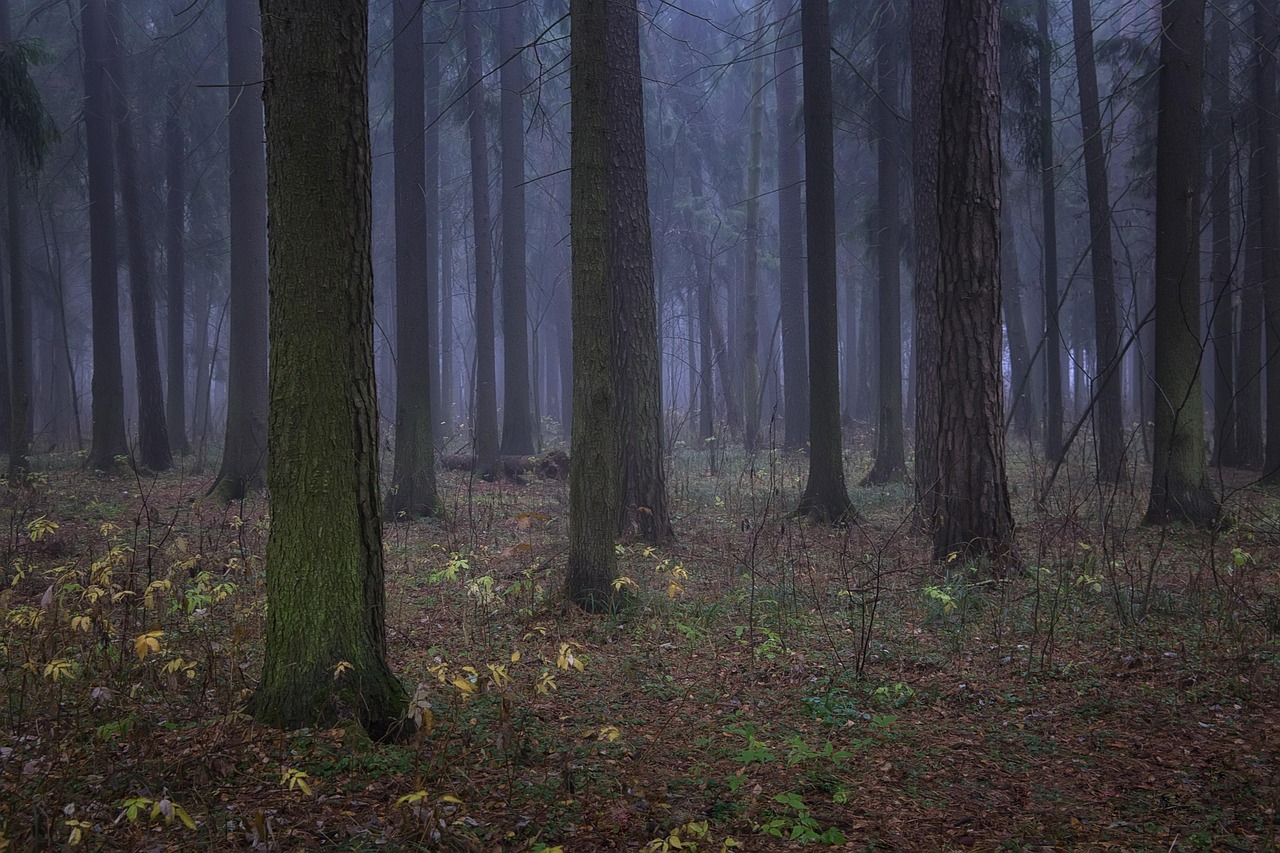
The homeland of the Udmurts is the Udmurt Republic, a region of the Kama basin between the Volga and the Urals, a land of dense forests of spruce, pine, fir, and birch, cut by rivers and dotted with the clearings, fields, and villages of the farming people. Its capital is Izhevsk, a large industrial city famous as a centre of Russian arms manufacture.
The land is one of forest and field, well watered by the Kama and its many tributaries, with a cool northern climate and long snowy winters. The forests provided timber, game, furs, and the honey of the wild and kept bees, while the cleared fields yielded rye and other grain, and the whole shaped the settled agricultural life of the people.
Beyond the republic, Udmurt communities live in the neighbouring regions of the Volga-Kama and the Urals, for the people have spread somewhat over the centuries, yet the wooded homeland on the Kama remains the heart of the nation and the centre of its language, religion, and culture.
This homeland of northern forest and cleared field, of spruce woods and rye, of river and village, shaped the Udmurts as a settled people of forest farmers and beekeepers, deeply attached to their land and its sacred groves, and it has remained the enduring setting of their ancient way of life and their remarkable religious tradition.
The Old Life, Farmer and Beekeeper
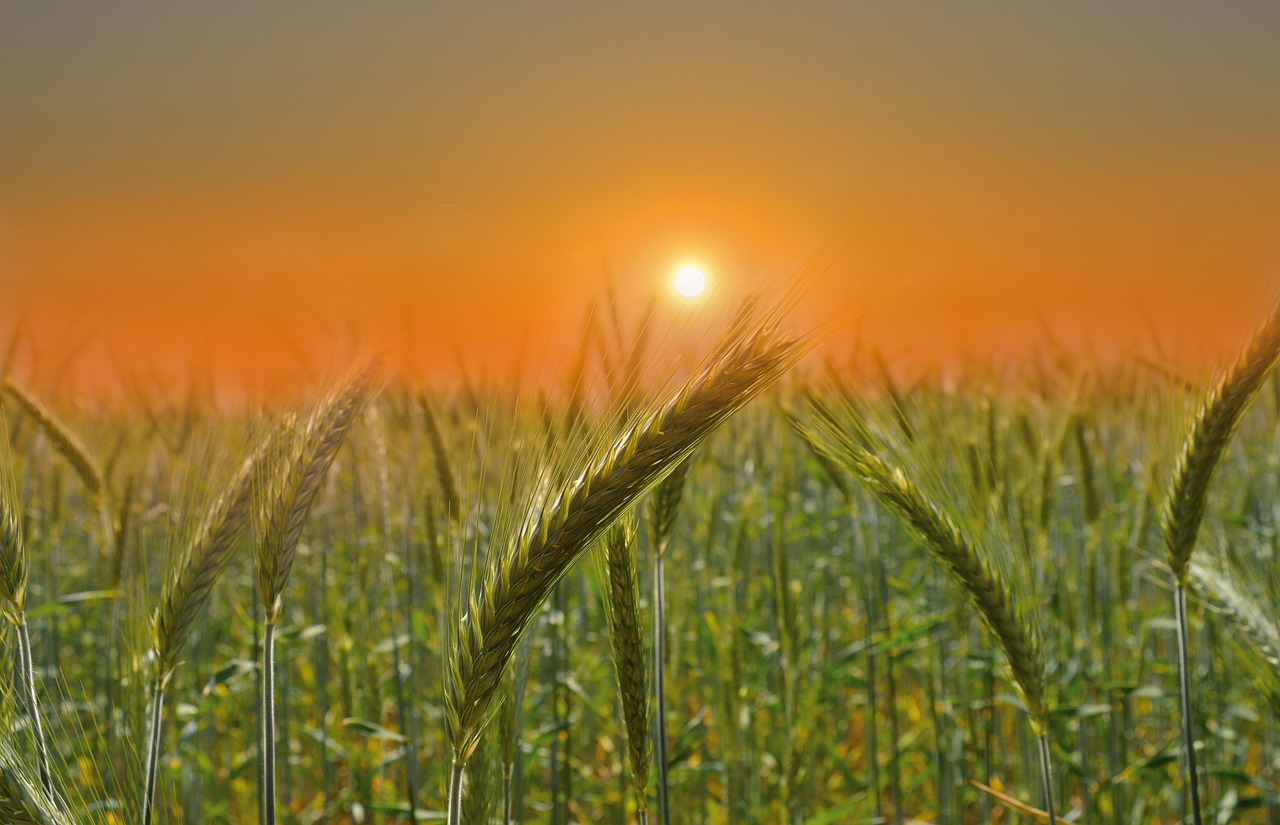
The traditional Udmurts were settled farmers of the forest-clearing, growing rye, barley, oats, and other crops on land won from the woods, and keeping cattle, sheep, and horses. The farming year, with its cycles of clearing, sowing, and harvest, ordered the life and the customs of the village people.
Beekeeping was an ancient and honoured pursuit, as among the other peoples of the Volga-Kama and Ural forests, and the honey and wax of the woods were both food and valued trade goods. Hunting and trapping for furs and game, and fishing in the rivers, added to the resources of a people well settled in their wooded homeland.
The Udmurt village, with its timber houses, its outbuildings, its gardens, and its sacred structures, was the centre of this settled forest-farming life, and the family, the household, and the community shared the labour of the fields, the forest, and the beehive through the turning of the northern seasons.
This settled life of the forest farmer and beekeeper, rooted in the village and the clearing, gave the Udmurts a culture centred on the land, the woods, and the agricultural year, and it preserved, in the quiet of the northern forests, one of the most intact traditional ways of life and old religions among the peoples of European Russia.
Because their homeland lay off the main routes of trade and conquest, deep in the forests of the Kama, the Udmurts were long spared the sweeping changes that transformed more exposed peoples, and this quiet isolation, more than any deliberate resistance, allowed the old language, the old customs, and the old faith to survive here as almost nowhere else in Europe.
Society and the Village World
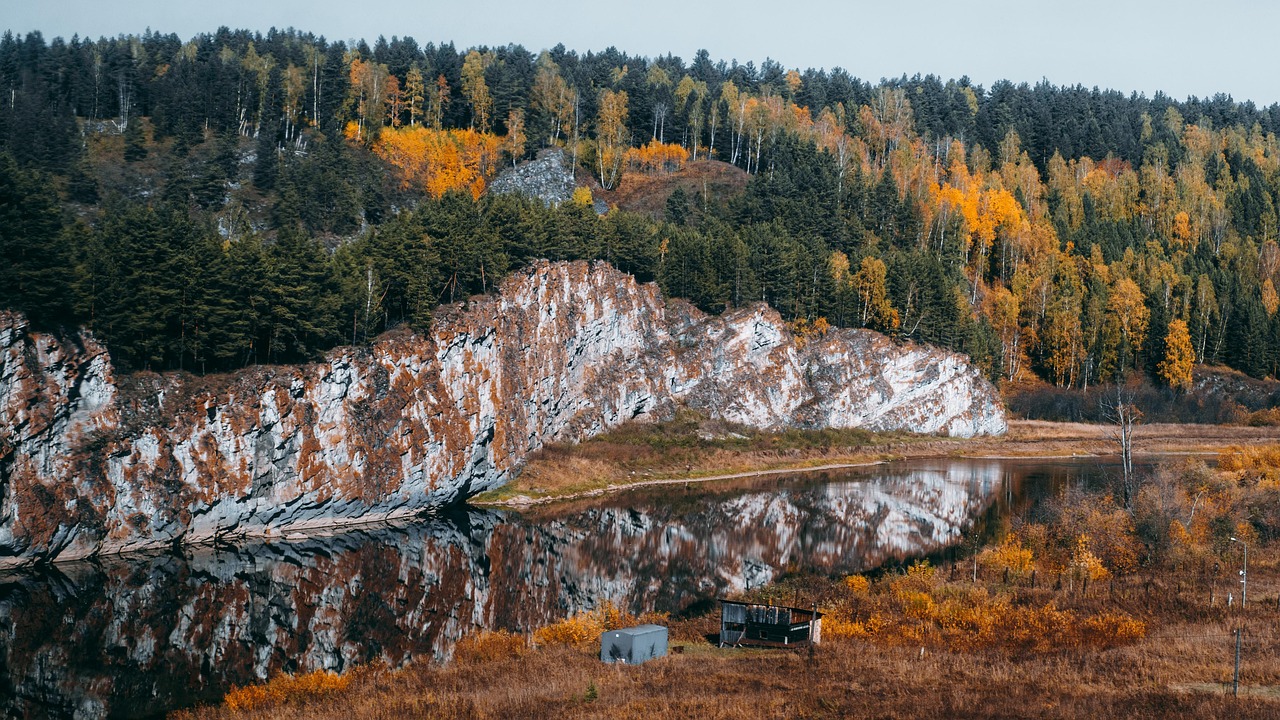
Udmurt society was centred on the village, the extended family, and the kin group, with the household as the basic unit and the village community as the wider framework of life. Kinship, neighbourhood, and the bonds of the village ordered social relations, and the authority of elders and the customs of the community guided behaviour.
The kin groups, sometimes associated with particular sacred places and ancestral shrines, gave a further structure of identity and of religious observance, for the worship of the old gods and ancestors was often organised through the family and the kin. Cooperative labour joined the households of the village for the great tasks of the year.
The historic division into northern and southern Udmurts, the northern more shaped by Russian contact and the southern by Tatar, brought differences of dialect, dress, and custom, yet all shared the common language, the common religion, and the common way of life that made them Udmurt.
This village and kin-based society, with its cooperative labour, its ancestral shrines, and its deep communal and religious traditions, gave the Udmurts a strong and enduring social fabric, well suited to the settled forest-farming life, and it preserved their language, their old faith, and their identity through the centuries of life within the Russian state.
Religion and the Sacred Grove
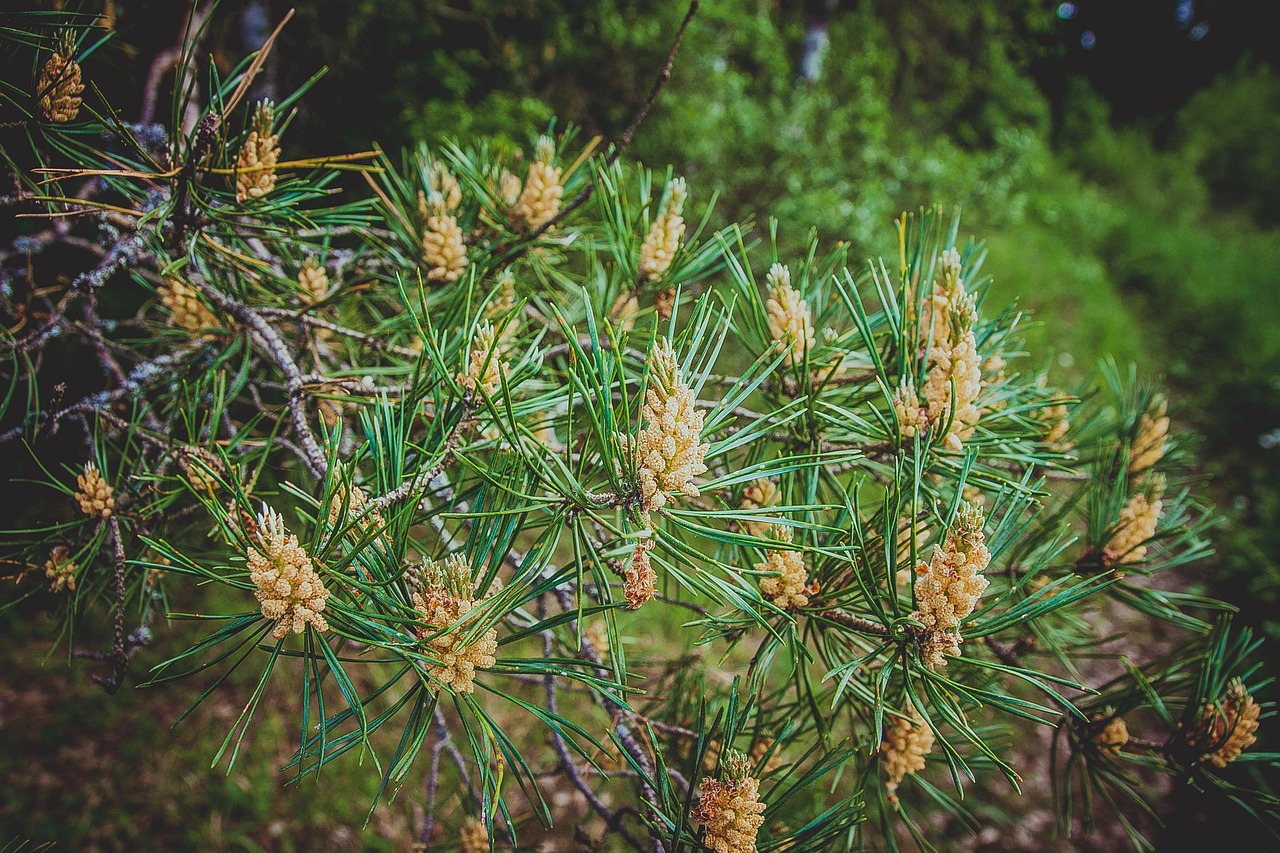
In religion the Udmurts are among the most remarkable of the peoples of Europe, for although many were converted to Orthodox Christianity under Russian rule, they preserved, more fully than almost any other people, their ancient pre-Christian religion, an animist and polytheistic faith of the forest that survives among some Udmurts to this day.
This old religion centred on a supreme sky god, Inmar, alongside a host of deities and spirits of the sun, the earth, the water, the forest, the household, and the ancestors. Worship took place in sacred groves and at family and communal shrines, with prayers, offerings, and the sacrifice of animals, led by priests who preserved the ancient rites.
The sacred grove, a stand of trees set apart for worship, was the great temple of the Udmurt faith, and within it the community gathered to pray and sacrifice to Inmar and the spirits for good harvests, health, and protection. So tenacious was this religion that the Udmurts are often called one of the last pagan peoples of Europe.
This survival of an ancient forest religion of sky god, nature spirits, and sacred grove, held alongside or instead of Christianity, makes the Udmurts one of the most religiously distinctive peoples of Russia, and their old faith offers a rare and precious window onto the pre-Christian spiritual world of the Finno-Ugric forest peoples.
The priests of the old religion, who inherited or were chosen for their office and who memorised the long prayers and the order of the rites, held a respected place in the community, and the great communal sacrifices, in which an animal was offered and its meat shared among the worshippers in a sacred meal, bound the living, the ancestors, and the gods together in a single act of devotion.
Traditions, Song and the Grandmothers
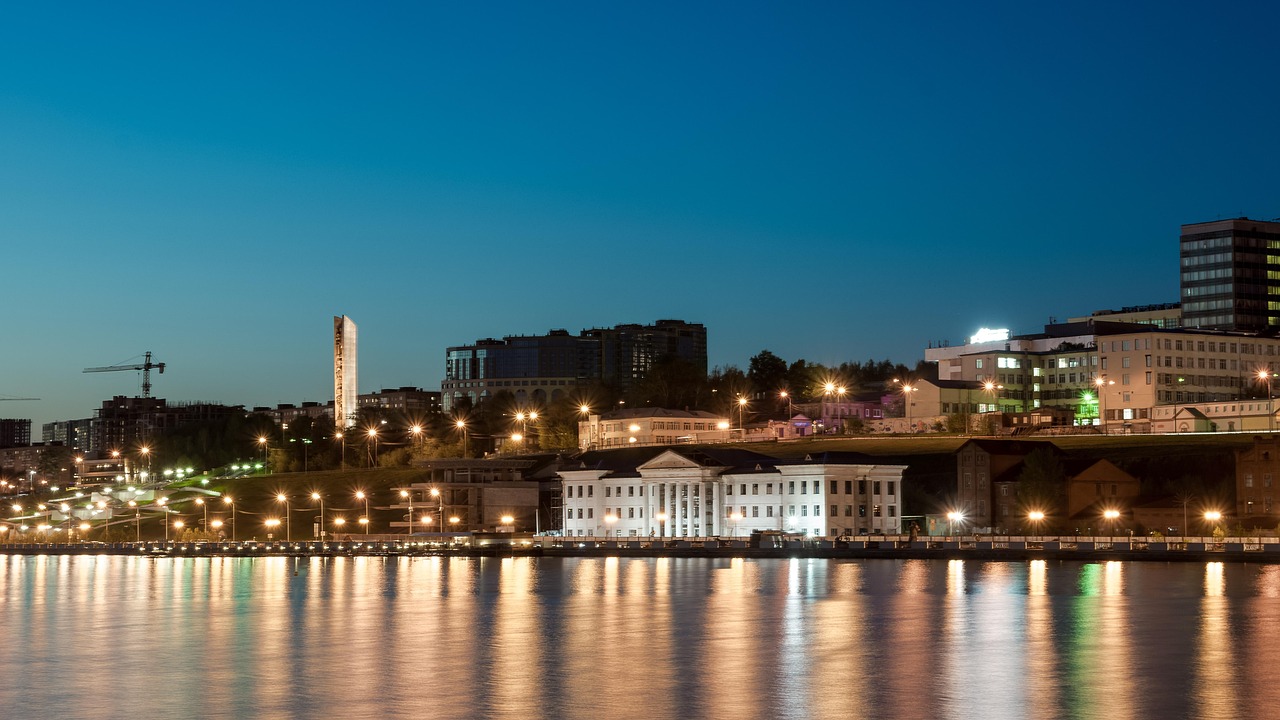
The Udmurts are famed for their music, above all their tradition of polyphonic and improvised song, in which voices weave together in a distinctive many-layered texture unlike the music of their neighbours. Song accompanied every occasion of life, from work and worship to weddings and festivals, and the Udmurts are known as a deeply musical people.
This tradition burst onto the world stage when a choir of village grandmothers, the Buranovskiye Babushki, singing in Udmurt and dressed in traditional costume, represented Russia at a major European song contest and won the hearts of audiences across the continent, bringing the ancient songs of a small forest people to millions.
The sight of the elderly women in their red-and-white embroidered costumes, singing in a language most of the audience had never heard, became a moment of unexpected tenderness on a stage usually given over to spectacle, and it turned a village choir from the Kama forests into ambassadors for a whole world of small nations and endangered tongues.
Alongside song, the Udmurts preserve a rich heritage of folk tale, myth, and ritual, of dance and of the customs surrounding the great occasions of life, and their traditional dress, with its distinctive embroidery, aprons, and ornaments, especially that of the women, is worn with pride at festivals and celebrations.
This heritage of polyphonic song, of tale and ritual, and of costume and dance, in which the voices of the villages carried the feeling and memory of the nation, stands at the heart of Udmurt culture, and the triumph of the singing grandmothers made the ancient music of the Kama forests known and loved far beyond the borders of the homeland.
Crafts of the Udmurts
The crafts of the Udmurts are those of a settled forest and farming people, drawing on the abundant timber, fibre, and other resources of the woods. Woodworking produced the timber houses, the furniture, the vessels, and the tools of daily life, while the plaiting of bast and bark made shoes, baskets, and containers, a craft shared with the Finno-Ugric and Russian forest world.
Weaving of cloth from flax and hemp, and above all the making of patterned textiles and embroidery, was a developed art, and Udmurt embroidery, worked in bold geometric and symbolic patterns, adorned the shirts, aprons, and ceremonial cloths of the people, each motif carrying meaning drawn from the old beliefs and the natural world.
Red and white were the dominant colours of Udmurt textiles, red above all, a colour associated with life, protection, and festivity, and the bold red patterns of the embroidered costume, set against white linen, became one of the most recognisable emblems of the people, worn by the singing grandmothers who carried it to the world.
The making of the women’s ornaments, headdresses, and jewellery, often heavy with coins, beads, and metal, was a particular art, producing objects of beauty and value worn at weddings and festivals, while the working of the products of the beehive and the forest completed the material culture of the people.
These crafts of wood, bark, cloth, and metal, together with the distinctive embroidery, turned the goods of a settled forest life into objects of beauty and meaning, and they remain among the treasured expressions of Udmurt culture, studied, displayed, and revived as emblems of the heritage of the people.
Food of the Udmurt Table
Udmurt cuisine is that of a northern forest and farming people, built around grain, especially rye, alongside dairy, meat, vegetables, mushrooms, berries, and honey. The most famous Udmurt dish, and one that has spread far beyond the homeland, is the perepech, a small open tart of rye dough filled with meat, mushrooms, egg, or other fillings and baked.
Equally beloved are the pelnyan, small dumplings of dough filled with meat, whose Udmurt name, meaning “bread ear” from their shape, is widely held to be the origin of the Russian pelmeni now eaten across the whole country, a small dish of the Kama forests that conquered a continent.
Porridges and dishes of rye and other grain, soups and stews, dairy products from the village herds, and the mushrooms and berries gathered from the forest filled the everyday table, while honey sweetened food and drink, reflecting the beekeeping heritage of the people and the produce of the northern woods.
The dishes of the Udmurts, the little perepech tarts and the pelnyan dumplings above all, express the life of a settled people of the northern forest, and they hold a place of pride in the customs and hospitality of the nation, served at the festivals, weddings, and gatherings that mark the Udmurt year, and, in the case of the dumpling, on tables across all of Russia.
That the humble dumpling of a small forest people should have become one of the best-loved dishes of the largest country on earth is a quiet monument to the Udmurts, and to the many ways, often unnoticed, in which the small nations of Russia have shaped the culture of the whole.
Festivals of the Udmurt Year
The festivals of the Udmurts follow the turning of the farming year and the calendar of the old religion, blended in places with the Christian feasts. The rituals of sowing in the spring and of harvest in the autumn, marked with prayers, offerings, and communal feasting, were among the most important, joining the work of the fields to the worship of the gods of the land.
The great communal prayers and sacrifices in the sacred groves, offered to Inmar and the spirits for good harvests, health, and protection, were the central religious festivals of the traditional faith, gathering the village or the kin group in the ancient rites, and among the Udmurts who kept the old religion these observances continued through the generations.
Seasonal celebrations greeting the coming of spring, marking the midsummer, and honouring the ancestors filled the calendar, along with the elaborate customs and feasting of weddings, in which the embroidered costume, the songs, and the dishes of the people were displayed in the joining of two families and two villages.
These festivals and ceremonies, rooted in the farming year and the old forest religion and rich with song, costume, and feasting, are among the great expressions of Udmurt identity, drawing the villages together in worship and celebration and preserving, in the sacred groves and the festive gatherings, the ancient traditions of the people.
Guests were always welcomed with generosity at these gatherings, for hospitality was a sacred duty among the Udmurts, and a visitor to a festival or a wedding would be pressed with food, drink, and song until he felt himself, however briefly, a member of the village and a sharer in its ancient joys.
History Under the Russian State
The Udmurt lands came gradually under Russian rule between the sixteenth and eighteenth centuries, as the Russian state expanded eastward following the conquest of Kazan, absorbing the peoples of the Volga-Kama forests. The Udmurts, a settled and largely peasant people, were drawn into the life of the empire as farmers and subjects.
The centuries of Russian rule brought the pressure of Christianisation, and many Udmurts were converted to Orthodoxy, though the old religion survived with remarkable tenacity, especially in the south, and among some communities to the present day. The people bore the burdens of taxation and land pressure common to the peasantry, and their language long lacked recognition.
A cultural awakening came in the later nineteenth and early twentieth centuries, with the creation of an Udmurt written language, schools, and literature. Under the Soviet Union an Udmurt autonomous region and then republic was established, and the region was heavily industrialised, above all around the arms factories of Izhevsk, while religion was suppressed.
With the changes at the end of the Soviet era, Udmurtia became a republic within the Russian Federation, and the Udmurts experienced a revival of interest in their language, their unique religion, and their remarkable musical heritage, reclaiming pride in an ancient identity that had survived centuries of life within the Russian state.
The Udmurts Today
Today the Udmurts are one of the larger Finno-Ugric peoples of the Russian Federation, with their homeland in the Udmurt Republic on the Kama and communities in the neighbouring regions. Their capital Izhevsk is a major industrial city, and the republic remains the heart of the Udmurt language, religion, and culture.
Cultural life centres on the Udmurt language, taught and used in literature, press, and song; on the famous tradition of polyphonic music, carried to world fame by the singing grandmothers; on the crafts, costume, and cuisine of the people; and on the extraordinary survival of the old forest religion, with its sacred groves and its sky god Inmar, alongside Orthodox Christianity.
The Udmurts face the familiar pressures of the minority peoples of Russia, above all the dominance of the Russian language and the pull of the cities, which weigh on the transmission of their tongue and traditions, yet they hold to their distinct identity, proud of their ancient Finno-Ugric heritage and of a religion and music found nowhere else.
In the polyphonic songs of their villages and grandmothers, in the little perepech tarts and the dumplings that gave Russia its pelmeni, in the embroidered costumes and coin-heavy headdresses of their women, and above all in the sacred groves where prayers still rise to Inmar, the Udmurts continue to tell their story, the story of an ancient forest people who kept a lost world of song and old gods alive between the Volga and the Urals.
From the Udmurts of the Kama the survey of the peoples of Russia moves onward to their Finno-Ugric kin, the Komi of the northern forests, the Mari, the Mordvins, and the others, who share with them the woods and rivers of the great expanse of the largest country on earth.