In the forests along the left bank of the middle Volga, north of Chuvashia and west of Tatarstan, live the Mari, a Finno-Ugric people who hold the remarkable distinction of practising, more openly and more widely than almost any other people in Europe, their ancient pre-Christian religion. In the sacred groves of Mari El, priests still lead the people in prayer and sacrifice to the old gods of sky, earth, and forest, as their ancestors have done for a thousand years and more.
Related to the Udmurts, the Mordvins, and more distantly to the Finns and Hungarians, the Mari are one of the settled forest-farming peoples of the Volga region, keepers of a nature religion so vital that they are often called the last pagans of Europe, a title they share with their Udmurt neighbours. Their homeland is the Republic of Mari El within the Russian Federation.
This profile continues our survey of the peoples of Russia, following the Mari along the familiar lines of the series: their origins in the Volga forests, the meaning of their name, the Finno-Ugric language, the homeland of the forest and river, the old life of farmer and beekeeper, the society of the village, the sacred grove and the old gods, the traditions and song, the crafts, the food, the festivals, the history under Russia, and the Mari today.
- Origins, a People of the Volga Forests
- The Name and the Two Mari
- Language, a Finno-Ugric Tongue
- The Homeland of Forest and River
- The Old Life, Farmer and Beekeeper
- Society and the Village World
- The Sacred Grove and the Old Gods
- Traditions, Song and Costume
- Crafts of the Mari
- Food of the Mari Table
- Festivals of the Mari Year
- History Under the Russian State
- The Mari Today
Origins, a People of the Volga Forests
The Mari are a Finno-Ugric people native to the forests of the middle Volga, descended from the ancient Finno-Ugric populations who have inhabited the region for thousands of years. They belong to the Volga-Finnic group of the family, together with the neighbouring Mordvins, and their ancestors have lived in the woods and river valleys of the region since remote antiquity.
Through the long centuries the Mari lived as forest farmers, hunters, and beekeepers, coming into contact with the many powers that rose and fell around them: the Volga Bulgars, the Golden Horde, the Khanate of Kazan, to which many Mari were subject, and finally the Russians, who conquered the region in the sixteenth century.
Living at the meeting of the Finno-Ugric forest world with the Turkic and, later, the Russian worlds, the Mari absorbed influences from their neighbours, yet they preserved their language, their way of life, and above all their ancient religion with exceptional tenacity, more fully than almost any other people of the region.
The Mari are thus among the ancient indigenous peoples of the Volga forests, rooted in their homeland since deep antiquity, and their long, quiet history as forest farmers and keepers of an old faith gave them one of the best-preserved traditional religions and cultures among the peoples of European Russia.
The Name and the Two Mari
The people call themselves Mari, a word that in their own language means simply “man” or “person,” a self-designation of the kind common among the peoples of the forest. In earlier times the Russians and others knew them as the Cheremis, a name now considered outdated and replaced by the people’s own name, Mari.
The Mari are traditionally divided into two main groups, distinguished by geography, dialect, and some differences of custom: the Meadow Mari, who live on the low left bank of the Volga amid meadows and forests and form the larger group, and the Hill Mari, who live on the higher right bank. A third, eastern group settled further east toward the Urals.
These divisions, reflected in the very structure of the language, which has distinct literary forms for the Meadow and Hill Mari, shaped the identity of the people, yet all shared the common Finno-Ugric heritage, the common way of life, and above all the common religion that bound them together as Mari.
That the people’s name for themselves means simply “the people” or “man” reflects the ancient and rooted sense of identity of a nation that has dwelt in its forests since before recorded history, and the recovery of this self-name in place of the old external label is part of the modern reawakening of Mari pride and identity.
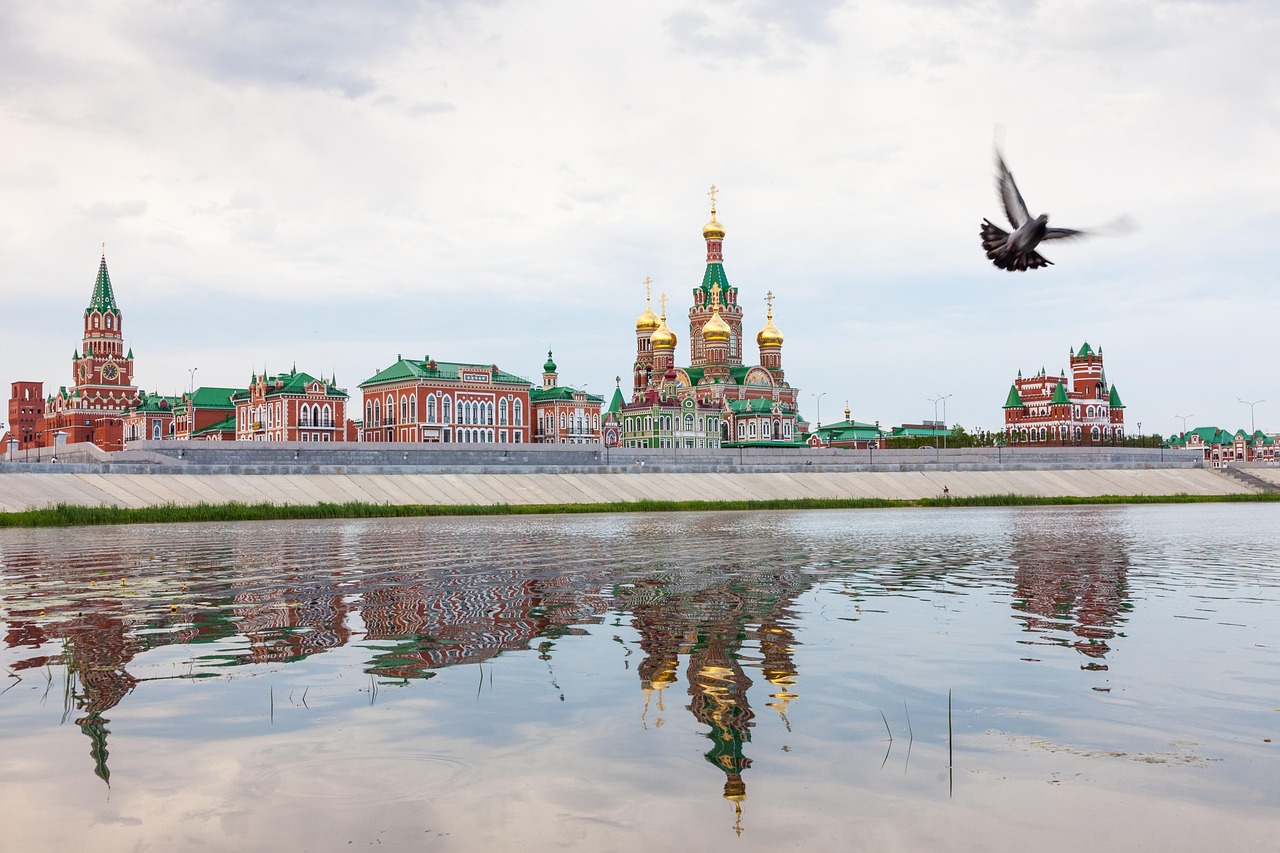
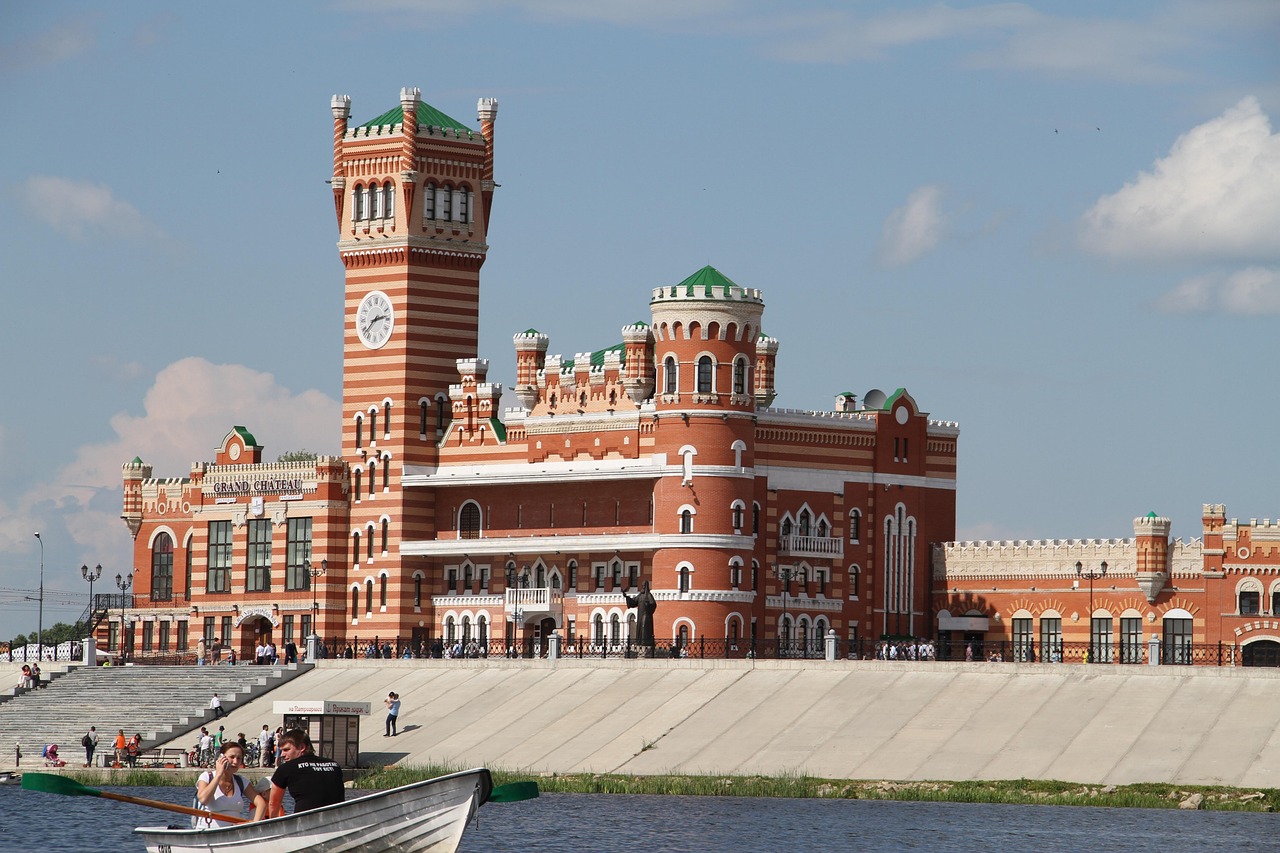
Yoshkar-Ola itself, the red city, has in recent times been rebuilt with a striking array of ornate riverside buildings in a mixture of European styles, an unexpected showcase that has drawn curious visitors and given the small Mari capital a distinctive and much-photographed face among the cities of the Volga.
Language, a Finno-Ugric Tongue
The Mari language belongs to the Volga-Finnic group of the Finno-Ugric family, related to the Mordvin languages and more distantly to Finnish, Estonian, Hungarian, and the other Finno-Ugric tongues, and quite unrelated to the Turkic languages of the region or to Slavic Russian. It exists in two main literary forms, Meadow Mari and Hill Mari.
As a Finno-Ugric language, Mari connects its speakers to a family stretching across the forests of northern Eurasia and into central Europe, utterly distinct from the Indo-European and Turkic worlds. The language has absorbed words from Tatar and Russian through centuries of contact, yet its grammar and core vocabulary remain firmly Finno-Ugric.
Mari carries a rich oral tradition of song, prayer, and tale, and since the nineteenth and twentieth centuries a written literature in the Cyrillic script. It is taught in schools and used in press, broadcasting, and song within the Republic of Mari El, one of the Finno-Ugric languages of Russia that retains a substantial body of speakers, though under pressure from Russian.
The two literary standards, one for the Meadow Mari and one for the Hill Mari, are a rare feature among the languages of Russia, reflecting the depth of the dialect difference, and both are cultivated in print and education, so that the small Mari nation supports not one but two written forms of its ancient tongue.
The language, with its Finno-Ugric structure and its two literary forms, is a core of Mari identity and the vehicle of the prayers of the sacred grove, the songs of the villages, and the traditions of the people, a living link to the ancient Finno-Ugric world of the Volga forests.
The Homeland of Forest and River
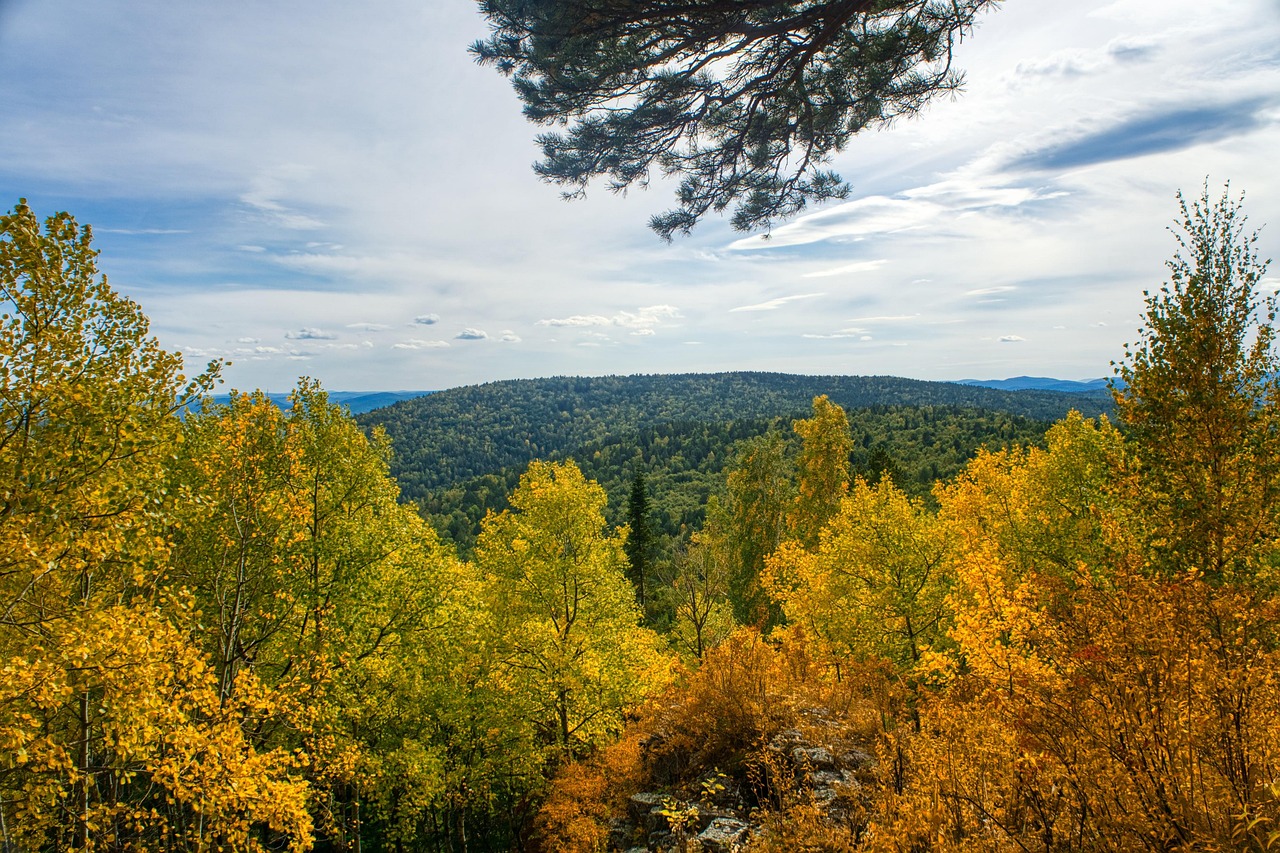
The homeland of the Mari is the Republic of Mari El, a region of the middle Volga on the low, forested left bank and the higher right bank of the great river, a land of dense forests of spruce, pine, oak, and birch, of meadows and marshes, and of the clearings, fields, and villages of the farming people. Its capital is Yoshkar-Ola, whose name means “red city” in Mari.
The land is one of forest, meadow, and river, well watered by the Volga and its tributaries, with a northern climate of warm summers and long snowy winters. The forests provided timber, game, furs, and honey, the meadows pasture and hay, and the cleared fields grain, and the whole shaped the settled agricultural life of the people.
Beyond Mari El, Mari communities, above all the Eastern Mari, live in the neighbouring regions toward the Urals, where they migrated over the centuries, and it is among these more isolated eastern communities that the old religion was often best preserved. Yet the homeland on the middle Volga remains the heart of the nation.
This homeland of forest, meadow, and river, in the wooded country of the middle Volga, shaped the Mari as a settled people of forest farmers and beekeepers, deeply attached to their land and its sacred groves, and it has remained the enduring setting of their ancient way of life and their remarkable religious tradition.
The Old Life, Farmer and Beekeeper
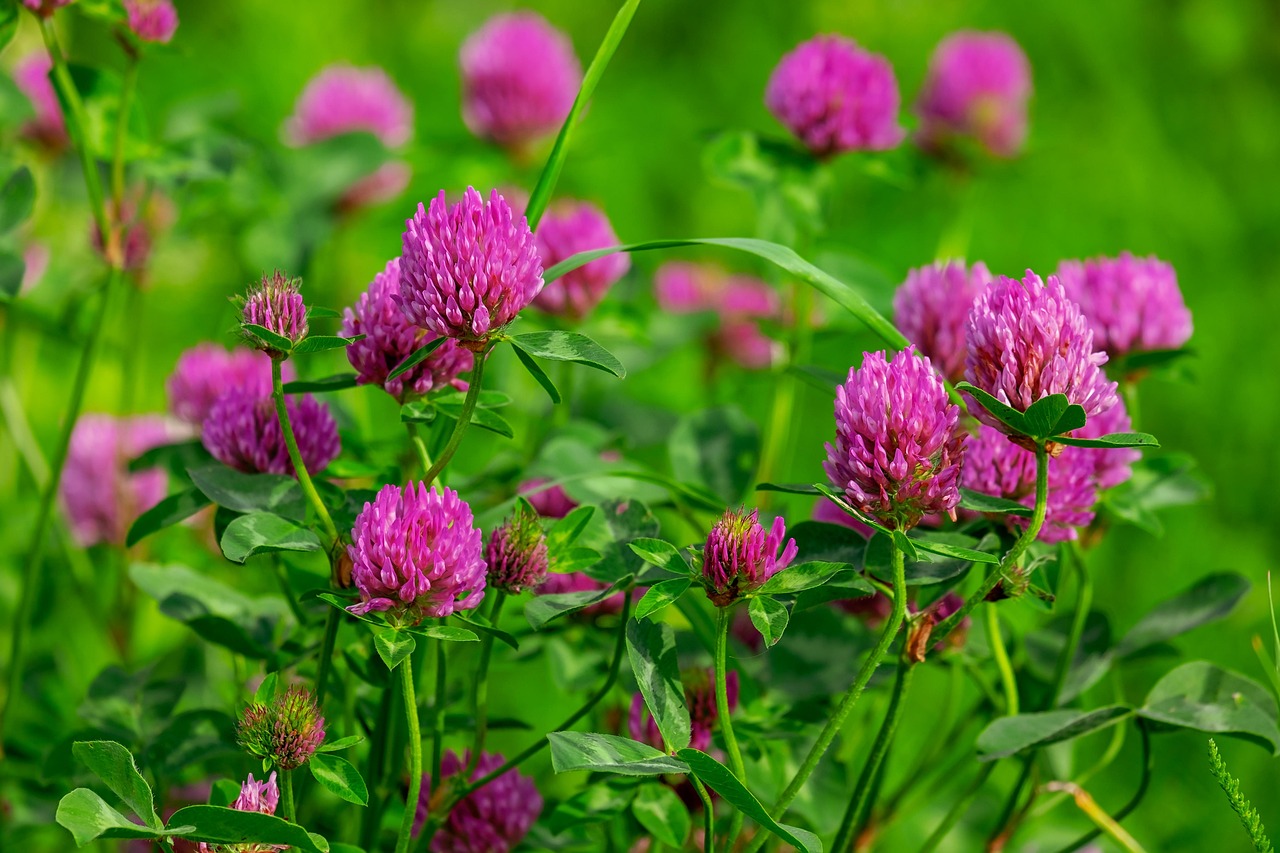
The traditional Mari were settled farmers of the forest and meadow, growing rye, oats, barley, and other crops on land won from the woods, and keeping cattle, horses, sheep, and other livestock on the pastures and meadows. The farming year, with its cycles of clearing, sowing, haymaking, and harvest, ordered the life and customs of the village people.
Beekeeping was an ancient and honoured pursuit, as among the other peoples of the Volga forests, and the honey and wax of the woods were both food and valued trade goods. Hunting and trapping for furs and game, and fishing in the rivers and lakes, added to the resources of a people well settled in their wooded and watered homeland.
The Mari village, with its timber houses, its outbuildings, its gardens, and its nearness to the sacred grove, was the centre of this settled forest-farming life, and the family, the household, and the community shared the labour of the fields, the meadows, the forest, and the beehive through the turning of the northern seasons.
This settled life of the forest and meadow farmer and beekeeper, rooted in the village and the clearing, gave the Mari a culture centred on the land, the woods, and the agricultural year, and it preserved, in the quiet of the Volga forests, one of the most intact traditional ways of life and old religions among the peoples of European Russia.
Society and the Village World
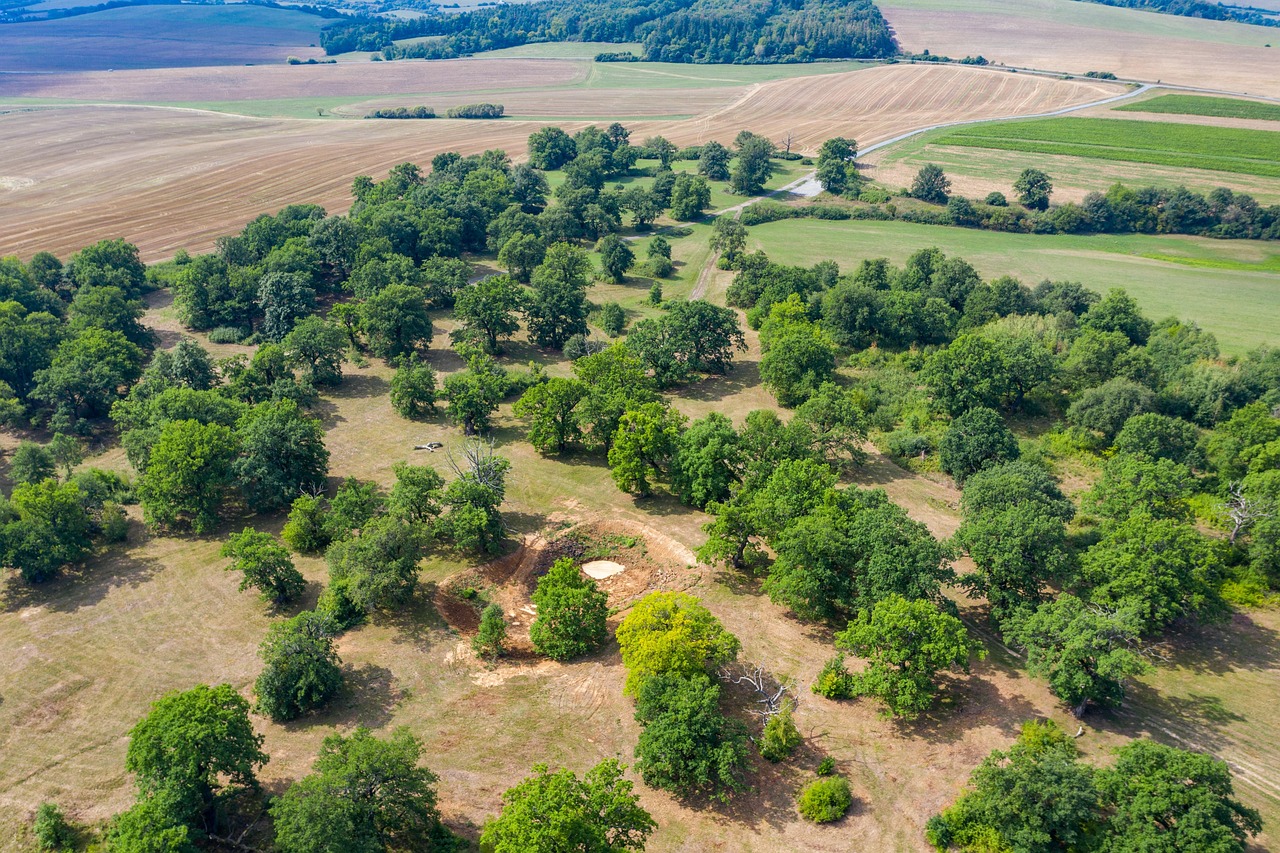
Mari society was centred on the village, the extended family, and the kin group, with the household as the basic unit and the village community as the wider framework of life. Kinship, neighbourhood, and the bonds of the village ordered social relations, and the authority of elders and the customs of the community guided behaviour.
The religious life of the people, above all the worship in the sacred groves, was often organised through the village and the kin group, and the priests who led the rites held a respected place in the community. Cooperative labour joined the households of the village for the great tasks of the farming year.
The divisions into Meadow, Hill, and Eastern Mari, with their differences of dialect, dress, and custom, and the influences of Tatar and Russian neighbours, brought variety to Mari life, yet all shared the common language, the common way of life, and above all the common old religion that bound them together as one people.
This village and kin-based society, with its cooperative labour, its sacred groves, and its deep communal and religious traditions, gave the Mari a strong and enduring social fabric, well suited to the settled forest-farming life, and it preserved their language, their old faith, and their identity through the centuries of life within the Russian state.
The Sacred Grove and the Old Gods
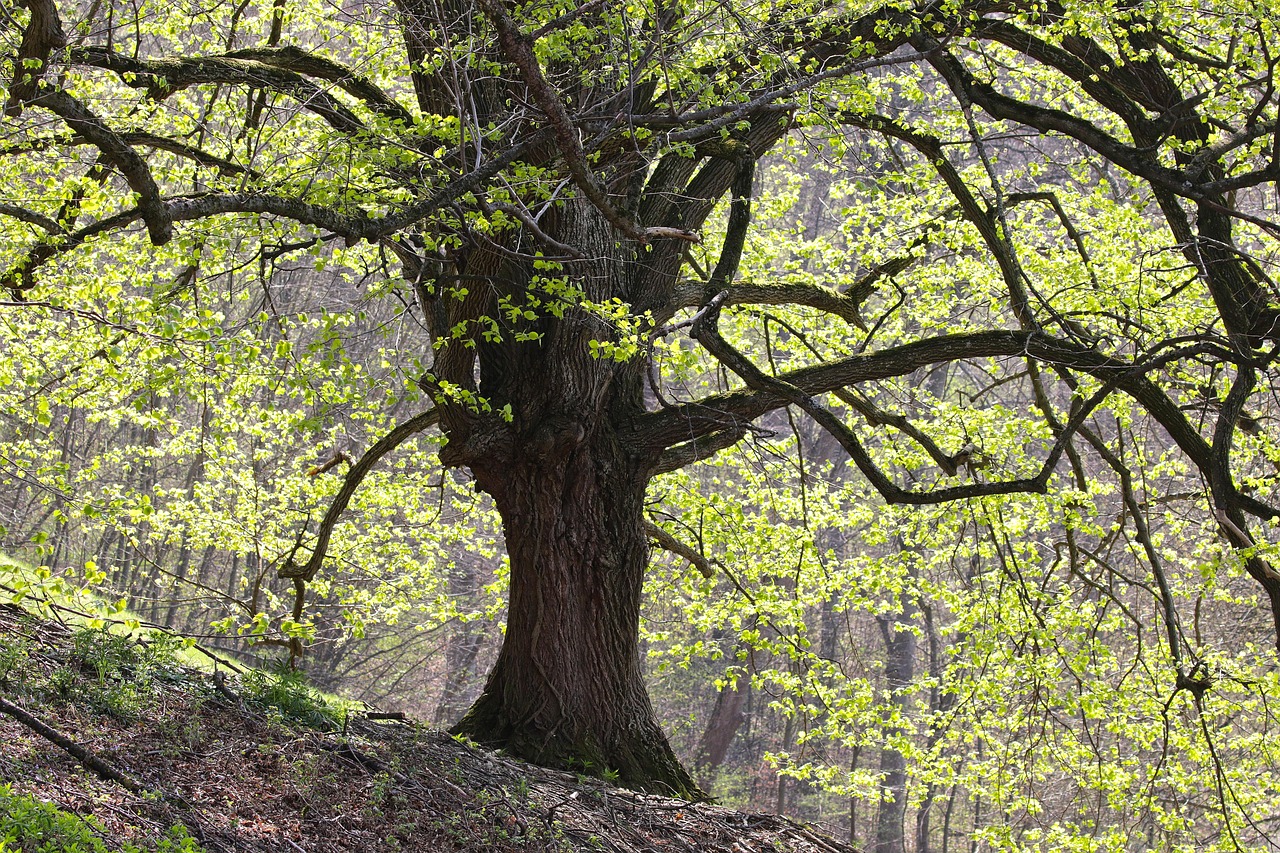
The Mari are famous above all for the survival of their ancient pre-Christian religion, a nature faith of the forest that they have preserved more openly and more widely than almost any other people in Europe, so that they, like the Udmurts, are often called the last pagans of the continent. At the heart of this religion stands the sacred grove.
The old Mari faith centres on a supreme sky god and creator, alongside a great host of gods and spirits of the sky, the sun, the earth, the water, the wind, the forest, and the household, and on reverence for the ancestors. Worship takes place not in temples of stone but in sacred groves, stands of old trees set apart as holy, where no axe may fall.
In these groves the community gathers, led by priests who preserve the ancient prayers, to pray and to offer sacrifice, above all of geese, ducks, and other animals, whose meat is cooked and shared in a sacred communal meal, with prayers rising for good harvests, health, fertility, and the well-being of the people. Great collective prayers gather Mari from across the land.
The priests, known in Mari as the karts, are chosen for their knowledge, their memory of the long prayers, and their standing in the community, and they preside over the rites of the grove with a dignity that has commanded respect even from outside observers, ensuring that the ancient order of the worship is passed on faithfully from one generation to the next.
This living religion of the sacred grove, of the sky god and the spirits of nature, and of the communal prayer and sacrifice, held by many Mari alongside or instead of the Orthodox Christianity introduced under Russian rule, makes the Mari one of the most religiously remarkable peoples of Europe, and their groves are among the last places on the continent where an ancient nature religion is still openly and communally practised.
Traditions, Song and Costume
The Mari possess a rich heritage of song, music, and dance, with folk songs for every occasion of life and worship, sung solo and in chorus and accompanied by traditional instruments such as drums, pipes, and the plucked and bowed strings of the region. The prayers of the sacred grove, chanted by the priests, form a sacred music all their own.
Traditional dress, especially that of the women, is a masterpiece of Mari craft, with white linen garments richly embroidered in red and other colours, elaborate headdresses, aprons, and ornaments heavy with silver coins and beads, worn at festivals, weddings, and the gatherings of the sacred grove as a display of both artistry and identity.
Folk tale, myth, and ritual, the customs surrounding birth, marriage, and death, and the ceremonies of the farming and religious year fill the traditional culture of the Mari, and the whole is bound together by the deep attachment of the people to their land, their ancestors, and the gods of the forest and sky.
This heritage of song, costume, tale, and ritual, in which the voices, the embroidery, and the customs of the villages carried the feeling and belief of the nation, stands at the heart of Mari culture, inseparable from the old religion and the settled forest life, and it is displayed and revived with pride in the modern republic.
Mari song, with its distinctive scales and its slow, meditative melodies, has drawn the interest of musicians and scholars beyond the republic, and modern Mari performers have carried the old tunes onto the concert stage and into recordings, giving the ancient music of the groves and villages a new life among audiences far from the Volga forests.
Crafts of the Mari
The crafts of the Mari are those of a settled forest and farming people, drawing on the abundant timber, fibre, and other resources of the woods. Woodworking produced the timber houses, the furniture, the vessels, and the tools of daily life, while the plaiting of bast and bark made shoes, baskets, and containers, a craft shared with the Finno-Ugric and Russian forest world.
Weaving of cloth from flax and hemp, and above all the making of the richly embroidered white linen costume, was a developed art, and Mari embroidery, worked in bold geometric and symbolic patterns dominated by red, adorned the shirts, aprons, headdresses, and ceremonial cloths of the people, each motif carrying meaning drawn from the old beliefs and the natural world.
The making of the women’s ornaments, headdresses, and jewellery, heavy with silver coins, beads, and shells, was a particular art, producing objects of great beauty and value worn at weddings, festivals, and the gatherings of the grove, while the working of the products of the beehive and the forest completed the material culture of the people.
These crafts of wood, bark, cloth, and silver, together with the celebrated red embroidery, turned the goods of a settled forest life into objects of beauty and meaning, and they remain among the treasured expressions of Mari culture, studied, displayed, and revived as emblems of the heritage of the people.
Food of the Mari Table
Mari cuisine is that of a northern forest and farming people, built around grain, dairy, meat, vegetables, mushrooms, berries, honey, and the produce of the forest and river. Various pancakes, pies, and porridges of grain, above all a distinctive layered pancake and pastries filled with meat, fish, or other fillings, feature strongly on the table.
Meat and dairy from the village herds, soups and stews, sausages, and dishes made with blood and offal reflect the farming life, while the abundant mushrooms and berries of the forest, and the fish of the rivers and lakes, added variety and were preserved for the long northern winter. Honey sweetened food and drink, reflecting the beekeeping heritage.
The foods of the sacred feast, the meat of the sacrificed birds and animals cooked and shared among the worshippers in the grove, held a special place, uniting the everyday cuisine of the people with the rites of the old religion, and porridge and ritual dishes featured in the ceremonies of the farming and religious year.
The dishes of the Mari, the layered pancakes, the meat and forest foods, and the honey of the woods, express the life of a settled people of the northern forest, and they hold a place of pride in the customs and hospitality of the nation, served at the festivals, weddings, and sacred gatherings that mark the Mari year.
Hospitality was, as among all the peoples of the region, a matter of honour, and a guest at a Mari table would be offered the best the household could provide, for to feed a visitor generously was both a social duty and, in the spirit of the old religion, a way of drawing blessing upon the home.
Festivals of the Mari Year
The festivals of the Mari follow the turning of the farming year and the calendar of the old religion, blended in places with the Christian and civil feasts. The rituals of sowing in the spring and of harvest in the autumn, marked with prayers, offerings, and communal feasting, joined the work of the fields to the worship of the gods of the land.
The great communal prayers and sacrifices in the sacred groves, offered to the sky god and the spirits for good harvests, health, and the well-being of the people, are the central religious festivals of the traditional faith. On the greatest occasions, thousands of Mari gather at the largest groves for collective prayers that are among the most striking religious events in all of Europe.
Seasonal celebrations greeting the spring, marking the midsummer, and honouring the ancestors fill the calendar, along with the elaborate customs and feasting of weddings, in which the embroidered costume, the songs, and the dishes of the people are displayed in the joining of two families and two villages.
These festivals and ceremonies, rooted in the farming year and the old forest religion and rich with song, costume, and feasting, are among the great expressions of Mari identity, drawing the villages and the whole people together in worship and celebration, and the great gatherings of the sacred groves in particular remain a living wonder of the religious life of Europe.
For the participants, these are not folklore performances staged for onlookers but living acts of devotion, in which the whole community turns to the gods of their ancestors, and it is this sincerity, more than any picturesque detail, that gives the gatherings of the Mari groves their extraordinary and moving character.
History Under the Russian State
The Mari lands came under Russian rule in the sixteenth century, in the wake of the conquest of Kazan, to whose khanate many Mari had been subject. The passage from the world of the Volga khanates into the expanding Russian state was resisted, and the Mari took part in a series of prolonged and bitter risings against Russian rule in the decades after the fall of Kazan.
The centuries of Russian rule brought the pressure of Christianisation, and many Mari were converted to Orthodoxy, yet the old religion survived with exceptional tenacity, especially among the Eastern Mari and in remoter districts, and it revived whenever pressure eased. The people bore the burdens of taxation and land pressure common to the peasantry, and their language long lacked recognition.
A cultural awakening came in the later nineteenth and early twentieth centuries, with the creation of a Mari written language, schools, and literature. Under the Soviet Union a Mari autonomous region and then republic was established, and while national culture gained institutions, the old religion was suppressed and its groves and priests persecuted, though the faith endured underground.
With the changes at the end of the Soviet era, Mari El became a republic within the Russian Federation, and the Mari experienced a striking revival of their old religion, with the sacred groves once more filled with worshippers and the ancient prayers openly performed, alongside a renewed pride in their language, their culture, and their remarkable heritage.
The open revival of the sacred groves, some of them officially recognised and protected, and the great public prayers attended by thousands, became one of the most visible signs of the wider reawakening of the small nations of the Volga, and drew attention from across Russia and beyond to a religious tradition many had assumed long extinct.
The Mari Today
Today the Mari are one of the Finno-Ugric peoples of the Russian Federation, with their homeland in the Republic of Mari El on the middle Volga and communities in the neighbouring regions toward the Urals. Their capital Yoshkar-Ola, the red city, is the centre of Mari language, culture, and religious life.
Cultural life centres on the Mari language, in its Meadow and Hill forms, taught and used in literature, press, and song; on the rich tradition of music, costume, and craft; and above all on the extraordinary survival and revival of the old forest religion, with its sacred groves, its sky god, and its communal prayers and sacrifices, practised openly as in few other places on earth.
The Mari face the familiar pressures of the minority peoples of Russia, above all the dominance of the Russian language and the pull of the cities, which weigh on the transmission of their tongue and traditions, yet they hold to their distinct identity, proud of their ancient Finno-Ugric heritage and of a living nature religion found almost nowhere else in Europe.
In the sacred groves where the people still gather to pray and sacrifice to the gods of sky and forest, in the red embroidery and silver-laden headdresses of their women, in the songs and pancakes and honey of their villages, and in the ancient tongue that they call simply the speech of the people, the Mari continue to tell their story, the story of a forest nation that kept the old gods of Europe alive on the wooded banks of the Volga.
From the Mari of the Volga the survey of the peoples of Russia moves onward to their Finno-Ugric kin, the Mordvins of the forest-steppe, the Komi of the far north, and the others, who share with them the ancient heritage of the Finno-Ugric peoples within the vast expanse of the largest country on earth.