In the forests and fertile plains between the Volga and the Oka, south of the Mari and east of the heartland of Russia, live the Mordvins, the largest of the Finno-Ugric peoples of Russia and one of the most ancient nations of the middle Volga. Yet the Mordvins are, in a sense, not one people but two, for they are made up of two closely related groups, the Erzya and the Moksha, each with its own language, dress, and sense of identity, united under a single name given largely by outsiders.
A people of the forest-steppe, settled farmers and beekeepers deeply rooted in their land since remote antiquity, the Mordvins are the most widely scattered and the most thoroughly Christianised of the Volga Finno-Ugric peoples, and also the most assimilated, so that their story is one of both a proud ancient heritage and a long, quiet struggle to preserve a distinct identity within the Russian world that has surrounded and absorbed them.
This profile continues our survey of the peoples of Russia, following the Mordvins along the familiar lines of the series: their origins between the rivers, the two peoples and their name, the Finno-Ugric languages, the homeland of forest and field, the old life of farmer and beekeeper, the society of the village, religion between Orthodoxy and the old gods, the traditions and embroidery, the crafts, the food, the festivals, the history under Russia, and the Mordvins today.
- Origins, a People Between the Rivers
- Two Peoples and One Name
- Languages, the Erzya and the Moksha
- The Homeland of Forest and Field
- The Old Life, Farmer and Beekeeper
- Society and the Village World
- Religion, Between Orthodoxy and the Old Gods
- Traditions, Embroidery and Song
- Crafts of the Mordvins
- Food of the Mordvin Table
- Festivals of the Mordvin Year
- History Under the Russian State
- The Mordvins Today
Origins, a People Between the Rivers
The Mordvins are a Finno-Ugric people native to the middle Volga, descended from the ancient Finno-Ugric populations who have inhabited the region between the Volga and the Oka for thousands of years. They belong, with the Mari, to the Volga-Finnic group of the family, and their ancestors are among the oldest recorded inhabitants of the region.
The Mordvins appear in the historical record early, mentioned by ancient and medieval writers under names recognisable as their own, a testimony to their long and continuous presence in their homeland. Through the centuries they lived as forest and forest-steppe farmers, hunters, and beekeepers, on the frontier between the Finno-Ugric, Turkic, and Slavic worlds.
Living on this frontier, the Mordvins came into contact and conflict with the many powers of the region: the Volga Bulgars, the principalities of the Rus, the Golden Horde, the Khanate of Kazan, and finally the expanding Russian state, which absorbed their lands. Their position between the great powers shaped their long history of both resistance and gradual assimilation.
The Mordvins are thus among the most ancient indigenous peoples of the middle Volga, rooted in their homeland since deep antiquity, and their division into the two peoples of the Erzya and the Moksha reflects a long history of settlement across a wide territory between the great rivers of the Russian heartland.
Because their lands lay directly on the path of Russian expansion southward and eastward, the Mordvins felt the pressure of the growing Russian state earlier and more heavily than any of the other Volga peoples, and much of their later history was shaped by this exposed position on the very edge of the Russian world.
Two Peoples and One Name
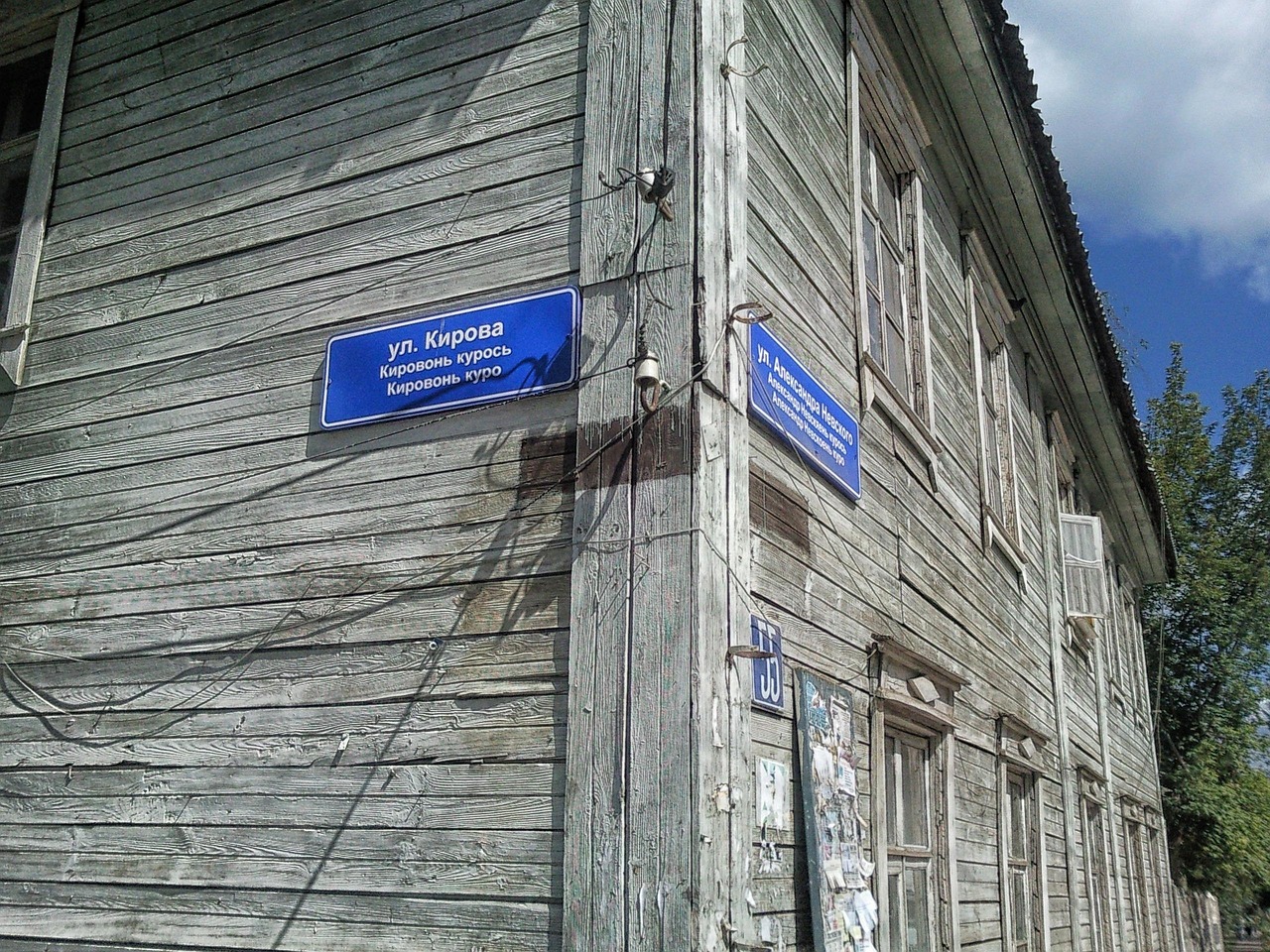
The most striking feature of the Mordvins is that they are, in truth, two peoples rather than one. The Erzya, generally living in the north and east of the homeland, and the Moksha, in the south and west, are distinct groups with their own languages, their own traditional dress, and their own sense of identity, and many Erzya and Moksha regard themselves as separate nations.
The name Mordvin, or Mordva, by which they are known collectively, was given largely by outsiders, and there is debate over its origin, some connecting it to an ancient root meaning “man” found in Iranian and other languages. The people themselves more often identify as Erzya or Moksha than by the collective name imposed from outside.
Despite their differences, the Erzya and Moksha share a common Finno-Ugric origin, a broadly similar way of life as forest-steppe farmers, and a common history within the Russian state, and they are grouped together as the Mordvin people, with a single republic, Mordovia, embracing both. The relationship between the two is at the heart of Mordvin identity.
That a single official people should in fact be two nations, each with its own tongue and dress, makes the Mordvins unusual among the peoples of Russia, and the question of whether the Erzya and Moksha are two branches of one people or two distinct peoples remains a living and sometimes contested part of their identity.
Activists among the Erzya in particular have in recent decades pressed for recognition of their people as a distinct nation with its own name and symbols, and the debate touches on deep questions of language, history, and self-definition, reminding us that the neat categories of official statistics can conceal a more complicated and living reality on the ground.
Languages, the Erzya and the Moksha
The Mordvins speak not one language but two, Erzya and Moksha, both belonging to the Volga-Finnic group of the Finno-Ugric family, related to Mari and more distantly to Finnish, Estonian, and Hungarian. The two are close but distinct, different enough that they are generally treated as separate languages rather than dialects, each with its own literary form.
As Finno-Ugric languages, Erzya and Moksha connect their speakers to a family stretching across the forests of northern Eurasia and into central Europe, utterly distinct from the Slavic Russian that surrounds them and from the Turkic tongues of their Tatar neighbours. Both have absorbed words from Russian through long and close contact.
Both languages carry a rich oral tradition of song and ritual, and since the nineteenth and twentieth centuries written literatures in the Cyrillic script. Both are recognised alongside Russian in the Republic of Mordovia and taught in schools, yet both are under heavy pressure from Russian, for the Mordvins are among the most linguistically assimilated of the peoples of the Volga.
The existence of two distinct literary languages for a single official people is a rare and remarkable feature, reflecting the reality of the two Mordvin nations, and the preservation of both Erzya and Moksha, in the face of the strong pull of Russian, is one of the central challenges facing the Mordvin people in the modern age.
Poets and writers in both Erzya and Moksha have laboured to build modern literatures worthy of their ancient tongues, and the survival of song, in which the languages live most vividly, has proved one of the strongest bulwarks against the tide of Russian, carrying the old words forward even where daily speech has given way.
The Homeland of Forest and Field
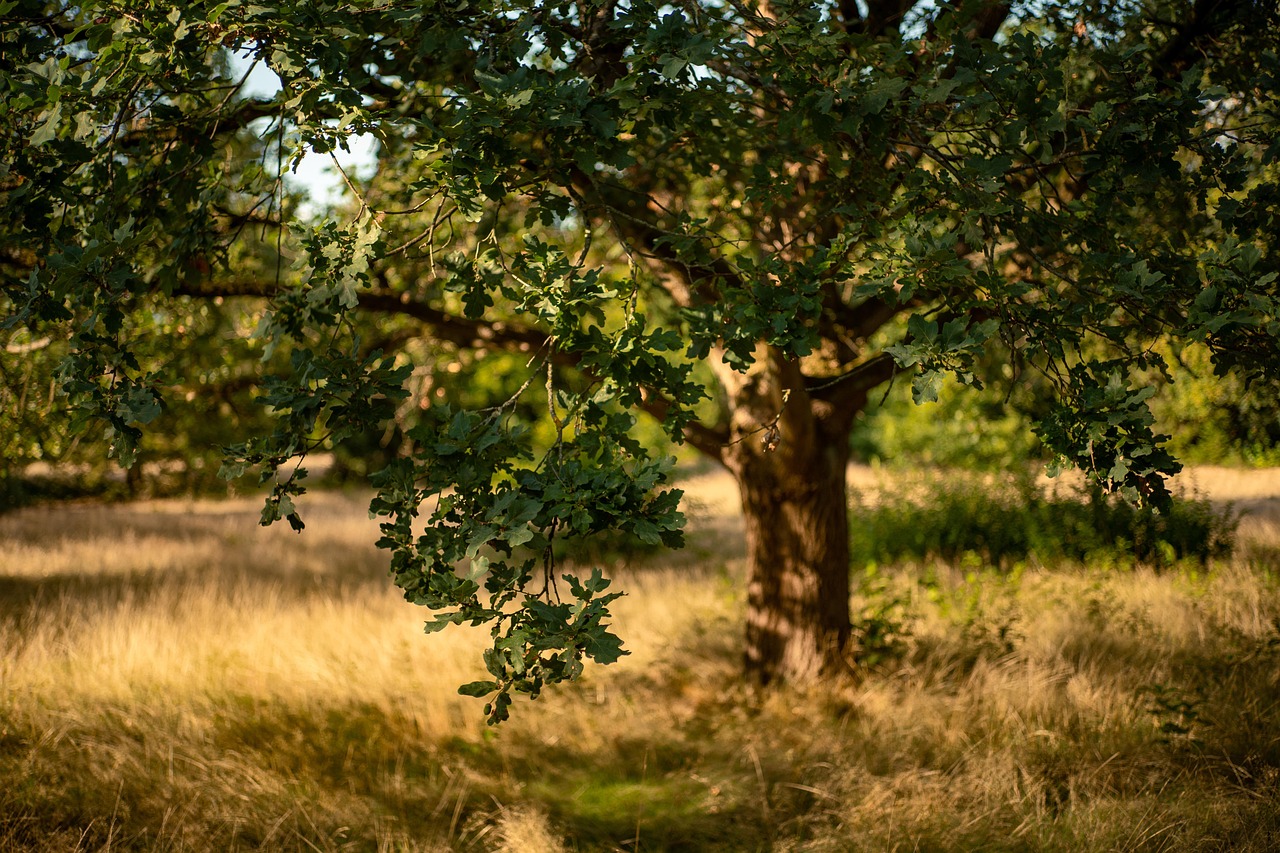
The homeland of the Mordvins is the region of the middle Volga between that river and the Oka, a land of the forest-steppe, where the northern forests of oak, birch, and pine give way southward to the open grasslands, a fertile country of woods, rivers, and farmland. Its heart is the Republic of Mordovia, whose capital is the city of Saransk.
The land is watered by rivers such as the Sura and the Moksha, which gave their names to features of Mordvin geography and life, and it combines the resources of the forest, timber, game, furs, and honey, with the fertile fields of the forest-steppe, well suited to the grain farming that has long been the foundation of the Mordvin economy.
The Mordvins are the most widely scattered of the Volga peoples, for over the centuries large numbers migrated eastward toward the Urals, Siberia, and Central Asia, so that today a majority of Mordvins live outside the Republic of Mordovia, spread across the whole of Russia, a dispersal that has both preserved and endangered their identity.
In some of the eastern settlements, far from the pressures of the homeland, communities preserved their language and customs with surprising vigour, while elsewhere the scattering hastened the blending of the Mordvins into the general population, so that the diaspora became at once a refuge for the old ways and a channel of their loss.
This homeland of forest and field, of the transition between the woods and the open plain, watered by the Sura and the Moksha, shaped the Mordvins as a settled people of forest-steppe farmers and beekeepers, and it remains, in the Republic of Mordovia, the heart of a people whose communities are scattered far across the Russian land.
The Old Life, Farmer and Beekeeper
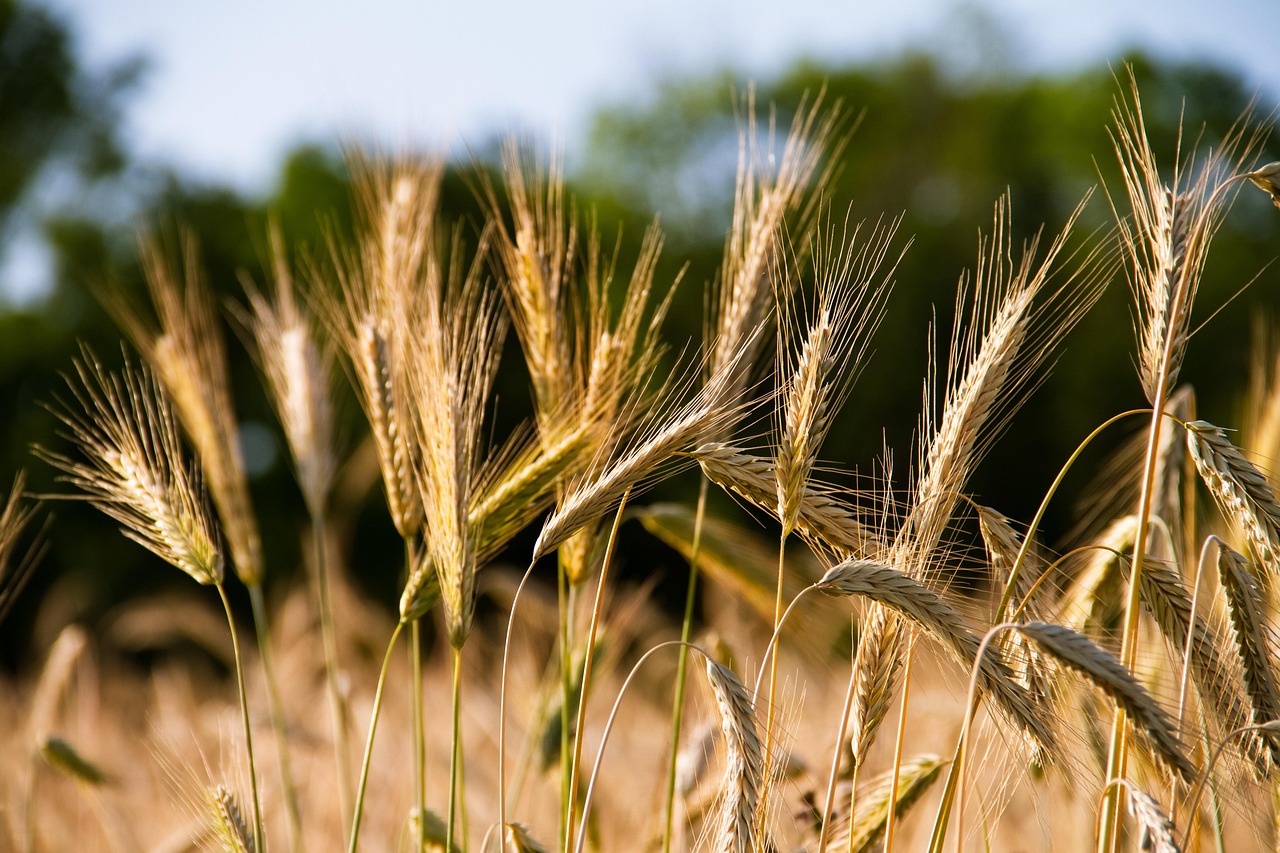
The traditional Mordvins were settled farmers of the forest-steppe, growing rye, wheat, oats, barley, and other crops on the fertile land, and keeping cattle, horses, sheep, and pigs. The farming year, with its cycles of ploughing, sowing, and harvest, ordered the life and customs of the village people through the seasons.
Beekeeping was an ancient and honoured pursuit, as among the other peoples of the Volga forests, and the honey and wax of the woods were both food and valued trade goods. Hunting and trapping for furs and game, and fishing in the rivers, added to the resources of a people well settled in their fertile and wooded homeland.
The Mordvin village, with its timber houses, its gardens and outbuildings, and its surrounding fields and woods, was the centre of this settled forest-steppe life, and the family, the household, and the community shared the labour of the fields, the forest, and the beehive through the turning of the seasons.
This settled life of the forest-steppe farmer and beekeeper, rooted in the village and the field, gave the Mordvins a culture centred on the land, the woods, and the agricultural year, akin to that of the Russian peasantry among whom they lived and with whom, over the centuries, they increasingly mingled.
Society and the Village World
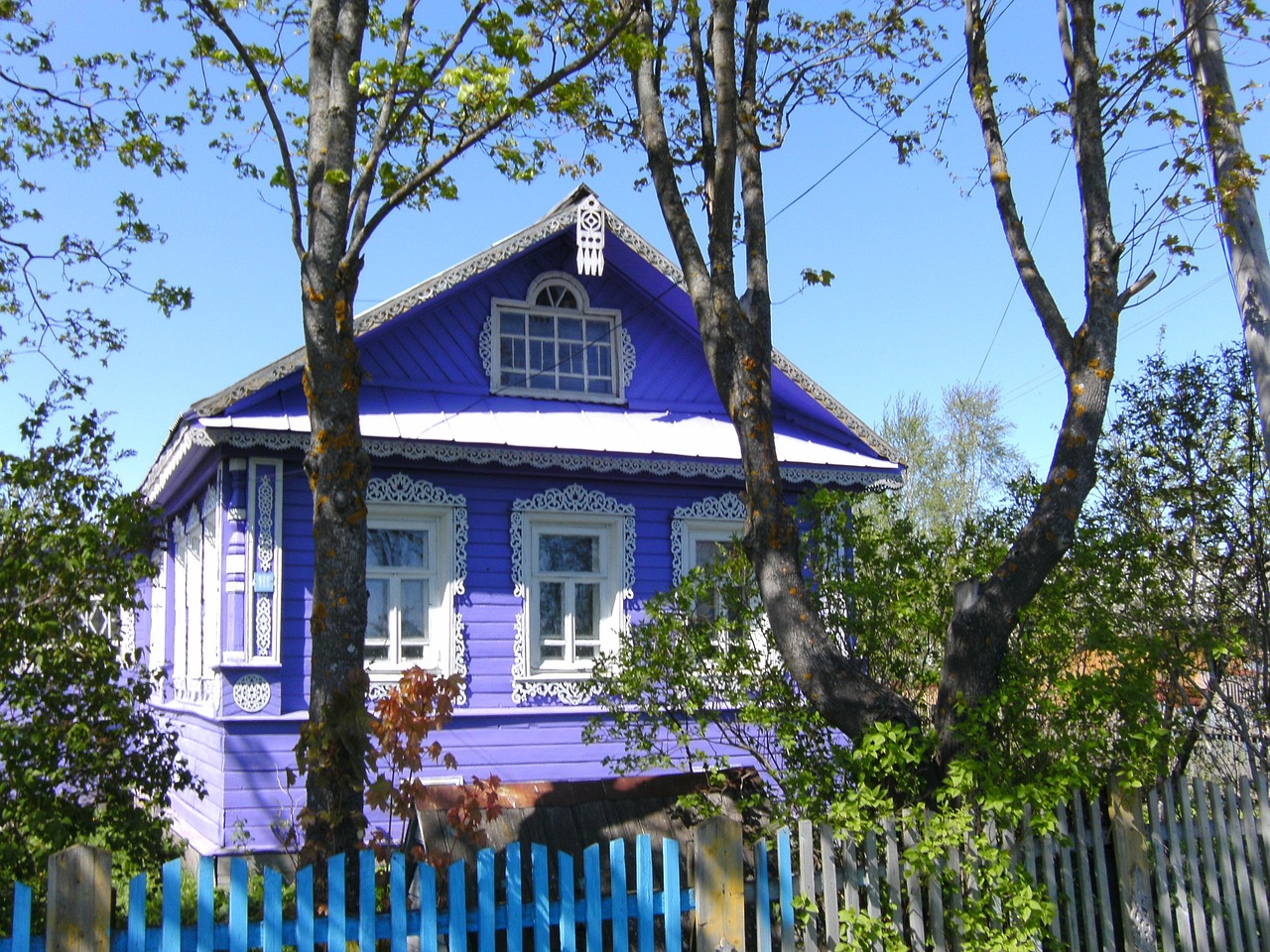
Mordvin society was centred on the village, the extended family, and the kin group, with the household as the basic unit and the village community as the wider framework of life. Kinship, neighbourhood, and the bonds of the village ordered social relations, and the authority of elders and the customs of the community guided behaviour.
The old religion, with its worship of the gods and spirits of nature and the ancestors, was often organised through the family and the village, and the customs surrounding the great occasions of life, birth, marriage, and death, were rich with ritual. Cooperative labour joined the households of the village for the great tasks of the farming year.
The division into Erzya and Moksha, with their distinct languages and dress, ran through the social world of the Mordvins, yet within each group the village and the kin provided the framework of identity and belonging, and the traditions of the community preserved the language, the customs, and the sense of being Erzya or Moksha.
This village and kin-based society, with its cooperative labour, its rich ritual life, and its deep communal traditions, gave the Mordvins a strong social fabric well suited to the settled forest-steppe life, and it preserved their languages and identity even as the pressures of assimilation into the surrounding Russian world grew ever stronger.
Religion, Between Orthodoxy and the Old Gods
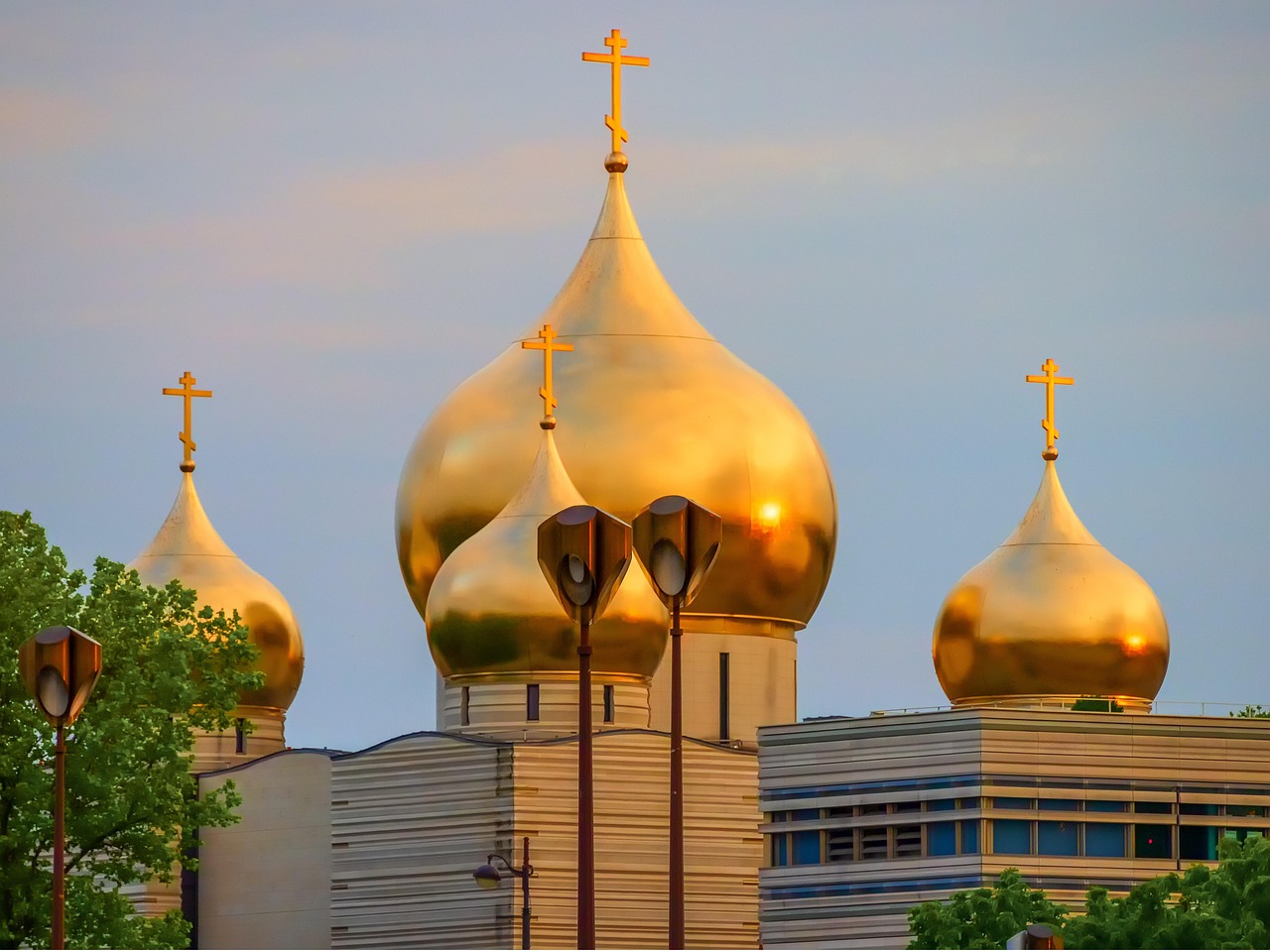
The Mordvins are today overwhelmingly Orthodox Christians, the most thoroughly Christianised of the Volga Finno-Ugric peoples, having been converted over the centuries of Russian rule more completely than the Mari or the Udmurts. Orthodoxy became deeply rooted in Mordvin life, and the great festivals of the church mark the Mordvin year.
Yet beneath and alongside Christianity there survived, especially in earlier times and in some customs to this day, elements of the old pre-Christian religion of the Mordvins, a faith of many gods and spirits of the sky, the earth, the water, the forest, the home, and the ancestors, worshipped with prayers, offerings, and communal rites.
This old religion, though largely displaced by Orthodoxy, left its mark on Mordvin folk custom, on the rituals of the farming year and the great occasions of life, and on the rich mythology preserved in the oral tradition, so that the Christian faith of the Mordvins was long overlaid on an older spiritual world of nature and ancestor worship.
In recent times, alongside the dominant Orthodoxy, there have been movements among some Erzya and Moksha to revive the old religion as an expression of national identity, so that the ancient gods of the forest and field, long thought vanished, have found new devotees among a people seeking to reclaim the deepest roots of their heritage.
These revivals, though small, carry a strong symbolic charge, for to pray again to the old gods of the Erzya and Moksha is, for their adherents, to affirm a national identity distinct from that of the Orthodox Russian majority, and to reconnect with a spiritual world that reaches back before the coming of both Christianity and the Russian state.
Traditions, Embroidery and Song
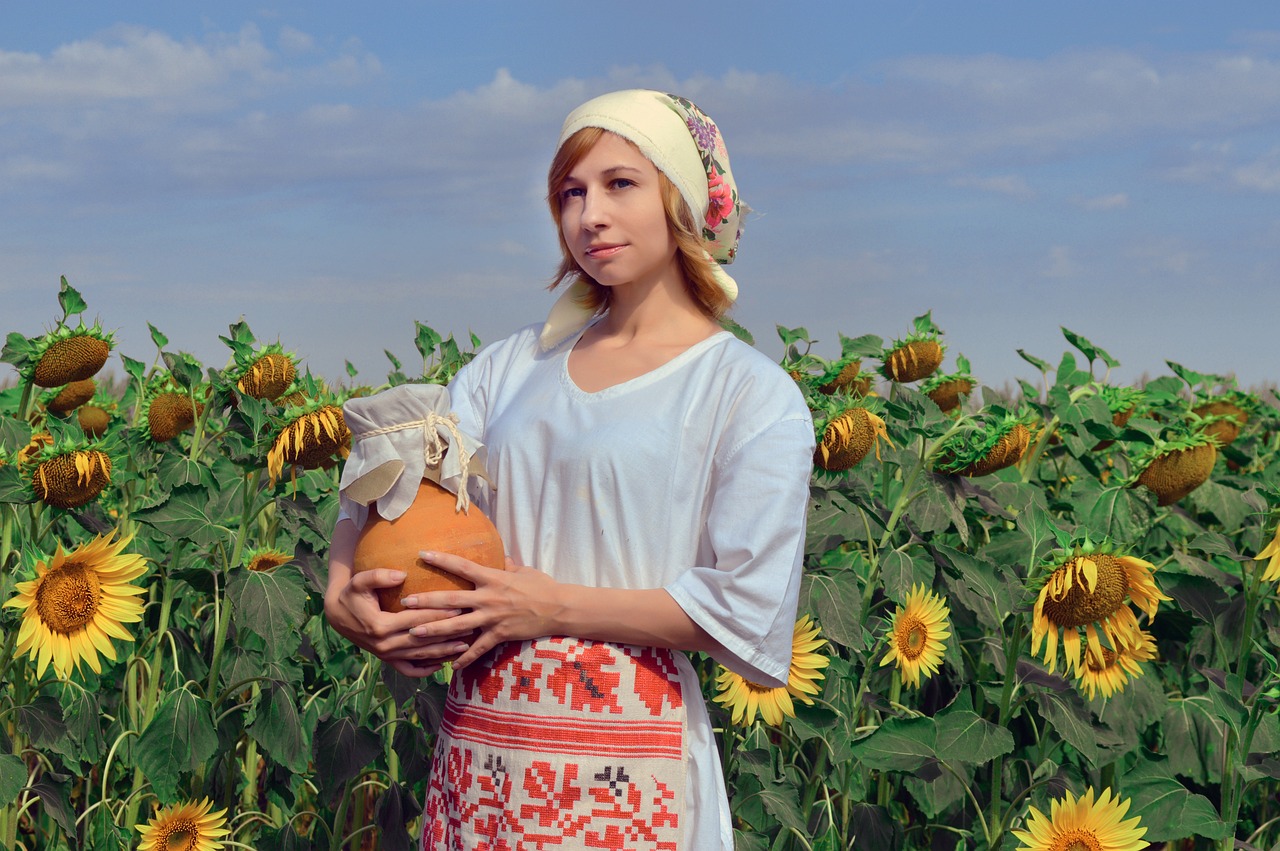
The Mordvins are famed for their embroidery and their traditional dress, among the richest of the folk textile traditions of the Volga. Mordvin embroidery, worked in dense, bold patterns dominated by deep reds and blacks, covered the shirts, aprons, and ceremonial cloths of the people, and the costumes of the Erzya and Moksha women differed strikingly, each group with its own distinctive dress.
The traditional dress, especially of the women, was heavy with embroidery and ornament, with elaborate headdresses, breast ornaments, and jewellery rich in metal, coins, beads, and shells, the whole ensemble weighing heavily and jingling as the wearer moved, a display of artistry, wealth, and identity worn at festivals, weddings, and the great occasions of life.
Song and music hold an honoured place in Mordvin tradition, with a rich heritage of folk songs for every occasion, and a distinctive tradition of choral singing in which voices weave together in a characteristic many-layered texture. The Mordvins, like their Volga neighbours, are a deeply musical people, and their songs carry the memory and feeling of the nation.
This heritage of embroidery, costume, and song, in which the patterns of the needle and the melodies of the voice preserved the identity and feeling of the Erzya and the Moksha, stands at the heart of Mordvin culture, and the dense red embroidery and the heavy ornamented costume in particular have become proud emblems of the people.
So elaborate was the full festive costume of a Mordvin woman that dressing for a wedding or a great feast could take considerable time and the help of others, and the weight of the metal ornaments and the density of the embroidery made the garment a kind of wearable record of the family’s standing and the skill of its women.
Crafts of the Mordvins
The crafts of the Mordvins are those of a settled forest and farming people, drawing on the abundant timber, fibre, and other resources of the woods. Woodworking produced the timber houses, often richly carved, the furniture, the vessels, and the tools of daily life, while the plaiting of bast and bark made shoes, baskets, and containers, a craft shared with the wider forest world.
Weaving of cloth from flax and hemp, and above all the making of the densely embroidered costume, was a developed art, and Mordvin embroidery, worked in bold red and black patterns, adorned the garments and ceremonial cloths of the people, each motif carrying meaning drawn from the old beliefs and the natural world.
The making of the women’s ornaments, headdresses, and jewellery, heavy with metal, coins, beads, and shells, was a particular art, producing objects of great beauty and value worn at weddings and festivals, while the working of the products of the beehive and the forest completed the material culture of the people.
These crafts of wood, cloth, and metal, together with the celebrated embroidery, turned the goods of a settled forest-steppe life into objects of beauty and meaning, and they remain among the treasured expressions of Mordvin culture, studied, displayed, and revived as emblems of the heritage of the Erzya and the Moksha.
Food of the Mordvin Table
Mordvin cuisine is that of a forest-steppe farming people, built around grain, above all the rye and wheat of the fields, alongside dairy, meat, vegetables, mushrooms, berries, and honey. Various pies, pancakes, and porridges of grain feature strongly, and among the distinctive dishes are thick pancakes and pies filled with meat, egg, or other fillings.
Meat and dairy from the village herds, soups and stews, and dishes of the farmyard and garden filled the everyday table, while the mushrooms and berries of the forest and the fish of the rivers added variety and were preserved for the winter. Honey, from the beekeeping heritage of the people, sweetened food and drink.
Fermented and baked foods, home-brewed drinks such as the grain beers and honey drinks common to the region, and the dishes of the festive table, prepared for weddings, church feasts, and the celebrations of the farming year, reflected both the resources of the land and the customs of the people, blending Finno-Ugric and Russian traditions.
Centuries of close life alongside the Russians left the Mordvin table closely akin to that of the Russian countryside, yet certain dishes, ways of preparing grain and honey, and festive foods preserved a distinctly Mordvin character, so that the cuisine, like the people, blended an ancient Finno-Ugric core with the strong influence of the surrounding Russian world.
The dishes of the Mordvins, the pies and pancakes, the grain and honey and forest foods, express the life of a settled people of the forest-steppe, and they hold a place in the customs and hospitality of the nation, served at the festivals, weddings, and gatherings that mark the Mordvin year.
Festivals of the Mordvin Year
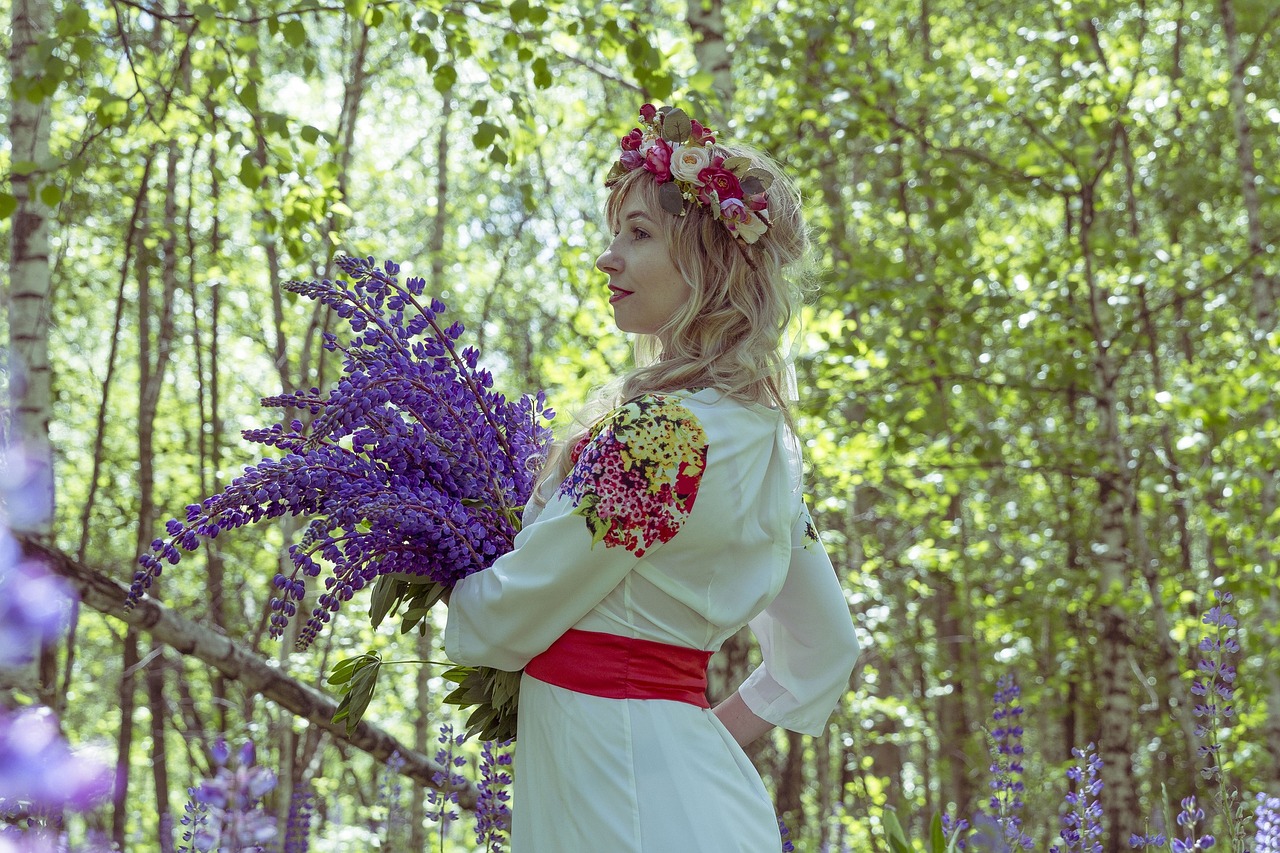
The festivals of the Mordvins follow the turning of the farming year and the calendar of the Orthodox church, blended with older customs surviving from the pre-Christian past. The great Christian feasts, above all those of the agricultural seasons, are marked with church observance and with the feasting, singing, and customs of the villages.
Older festivals and rituals, surviving from the pre-Christian religion, marked the sowing and the harvest, the coming of spring, and the honouring of the ancestors, and many of these old customs were woven into or performed alongside the Christian feasts, giving the Mordvin festive year a double layer of Christian and older observance.
Weddings, among the most elaborate and important of Mordvin celebrations, filled several days with rituals of matchmaking, the display of the heavily embroidered and ornamented costume, processions, songs, laments, and great feasts, joining two families and two villages in a celebration rich with the customs and artistry of the people.
These festivals and ceremonies, rooted in the farming year, the Orthodox calendar, and the surviving old customs, and rich with song, costume, and feasting, are among the great expressions of Mordvin identity, drawing the villages together in celebration and preserving, in a people increasingly scattered and assimilated, the traditions of the Erzya and the Moksha.
History Under the Russian State
The Mordvin lands, lying close to the Russian heartland, came under Russian influence and then rule earlier than those of the other Volga peoples, and the region was gradually absorbed into the expanding Russian state from the medieval period through the sixteenth century, in the age of the conquest of Kazan. The Mordvins resisted at times but were steadily drawn into the Russian world.
The centuries of Russian rule brought thorough Christianisation, so that the Mordvins became the most Orthodox and the most assimilated of the Volga peoples, and many were drawn into the Russian peasantry and the general population of the empire. Large numbers migrated eastward, scattering the people across Russia and hastening assimilation.
A cultural awakening came in the later nineteenth and early twentieth centuries, with the creation of written Erzya and Moksha languages, schools, and literature. Under the Soviet Union a Mordvin autonomous region and then republic was established, giving the people national institutions, even as assimilation and the pressure of Russian continued.
The Soviet decades brought mass education, literacy, and a national press and theatre in the Mordvin languages, achievements that gave the people modern cultural institutions, yet the same era’s emphasis on Russian as the language of advancement drew many Mordvins away from their mother tongues, deepening the very assimilation that the national institutions were meant to counter.
With the changes at the end of the Soviet era, Mordovia became a republic within the Russian Federation, and the Mordvins experienced a revival of interest in their languages, their heritage, and the distinct identities of the Erzya and the Moksha, reclaiming pride in an ancient identity long worn down by centuries of assimilation into the Russian world.
The Mordvins Today
Today the Mordvins are the largest of the Finno-Ugric peoples of the Russian Federation, though also among the most assimilated, with their homeland in the Republic of Mordovia between the Volga and the Oka and the majority of their people scattered across Russia. Their capital Saransk is a modern city and the centre of Mordvin, Erzya, and Moksha culture.
Cultural life centres on the two Mordvin languages, Erzya and Moksha, taught and used in literature, press, and song; on the celebrated tradition of embroidery, costume, and choral music; on the deeply rooted Orthodox faith and the surviving and reviving old religion; and on the customs and festivals of a people rich in tradition. The distinct identities of the Erzya and the Moksha remain central.
The Mordvins face, more sharply than most, the pressures of the minority peoples of Russia, above all the dominance of Russian and the long history of assimilation, which weigh heavily on the transmission of their two languages, yet they hold to their identity, proud of their ancient Finno-Ugric heritage and of the two nations, Erzya and Moksha, that make up the Mordvin people.
In the dense red embroidery and jingling ornaments of their costume, in the layered harmonies of their choral song, in the two ancient tongues spoken in the villages of Mordovia and far across the Russian land, and in the revived customs of forest and field, the Mordvins continue to tell their story, the story of the oldest and largest of the Finno-Ugric peoples of the Volga, two nations under one name who have endured between the great rivers of Russia since before the dawn of its history.
From the Mordvins of the middle Volga the survey of the peoples of Russia moves onward to the Komi of the far northern forests, and beyond them to the Mongol and Caucasian and Siberian nations, who share with them the vast expanse of the largest country on earth.