Across the immense forests of Siberia, from the rivers near the great lake of the south to the edges of the Pacific and the Arctic, live the Evenki, one of the most widely scattered peoples on earth. Hunters and reindeer herders of the taiga, they roamed a territory of staggering size, following their small herds and the game of the forest across a homeland of endless trees, rivers, and mountains.
The Evenki are a Tungusic people, speakers of a language of the Manchu-Tungus family, and they are famous as the great forest nomads of Siberia. Though never numerous, they spread across a larger stretch of the earth’s surface than almost any other people of their size, masters of the vast taiga, and it was from their world that the very word shaman entered the languages of the world.
This article is part of our Folks series on the peoples of Russia, and it tells the story of the Evenki from their ancient origins to the present. We will explore their beginnings, their name, their language, their homeland of endless taiga, the reindeer and the hunt and their old way of life, their society, their faith and the origin of the word shaman, their traditions, their crafts, their food, the turning of the year, their history under the Russian state, and who the Evenki are today.
- The Origins of the Evenki
- The Name of the Evenki
- The Evenki Language
- A Homeland of Endless Taiga
- The Reindeer, the Hunt, and the Old Way of Life
- Society and the World of the Taiga
- Faith and the Home of the Word Shaman
- Traditions and Oral Lore
- Crafts of the Forest
- The Food of the Evenki
- The Turning of the Year
- Under the Russian State
- The Evenki Today
The Origins of the Evenki
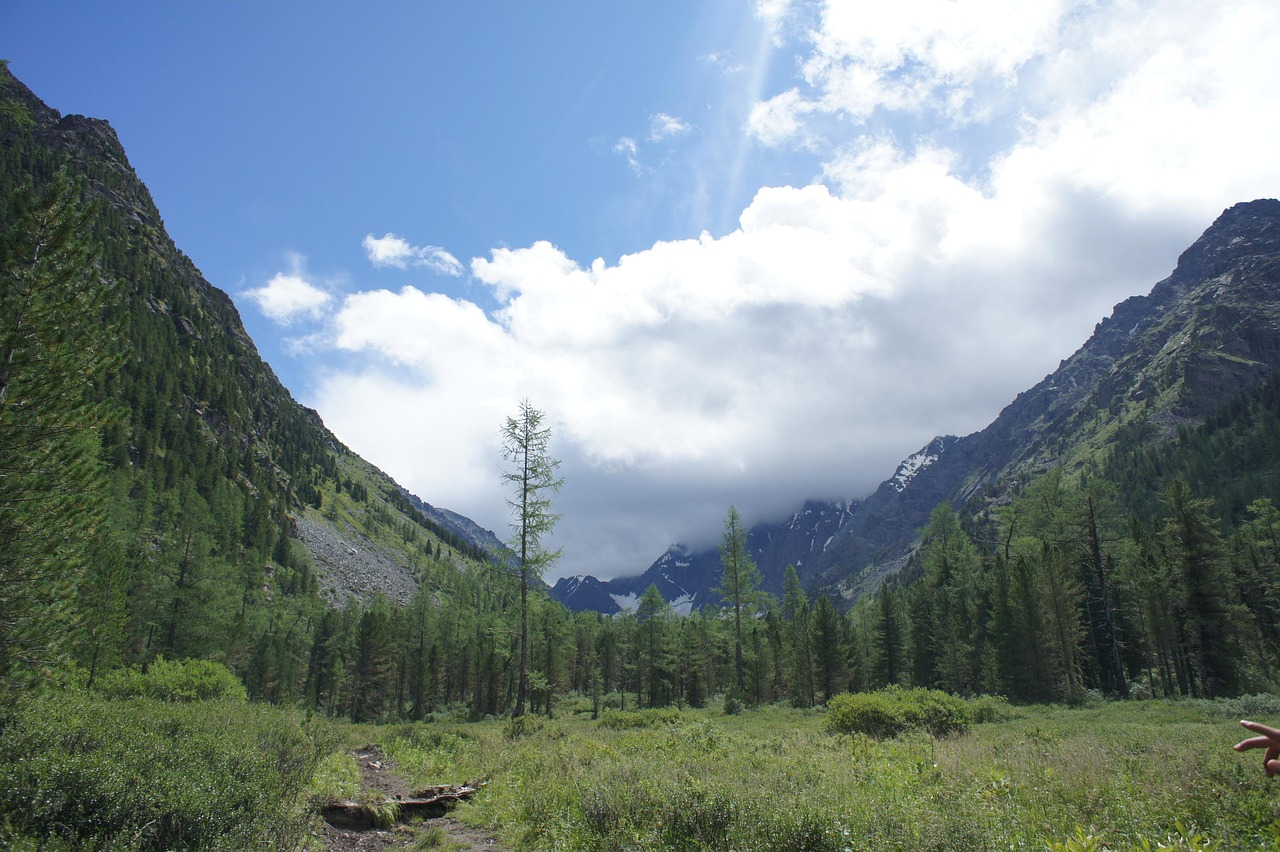
The Evenki are a Tungusic people, part of the Manchu-Tungus branch of peoples whose homeland lay in the forests of eastern Siberia and the regions toward Manchuria. Their ancestors are thought to have originated in the region south of the great forests, spreading over the centuries northward and outward across the immense taiga of Siberia.
Over this long expansion the Evenki spread across an extraordinary breadth of territory, following the forests, the rivers, and the reindeer and game across a huge stretch of Siberia. They became a people of the taiga, adapted to the life of the forest hunter and reindeer herder, moving in small groups across vast distances in the endless woods.
The Evenki were never a single unified nation but a scattering of related clans and small groups spread thinly across their enormous homeland, sharing a language and culture but living far apart in the immensity of the forest. This dispersal across a vast land is one of the most striking things about the Evenki and shaped their whole way of life.
Shaped by their Tungusic heritage and by the demands of the taiga, the Evenki emerged as the great forest people of Siberia, hunters and herders of the reindeer scattered across a territory of continental scale. Their adaptation to the life of the taiga, mobile, self-reliant, and intimate with the forest, produced a culture of remarkable endurance in one of the world’s greatest wildernesses.
Few peoples have ever spread their language and customs across so vast a space while remaining so few in number. The Evenki filled a subcontinent of forest with a thin but unbroken web of kinship.
The Name of the Evenki
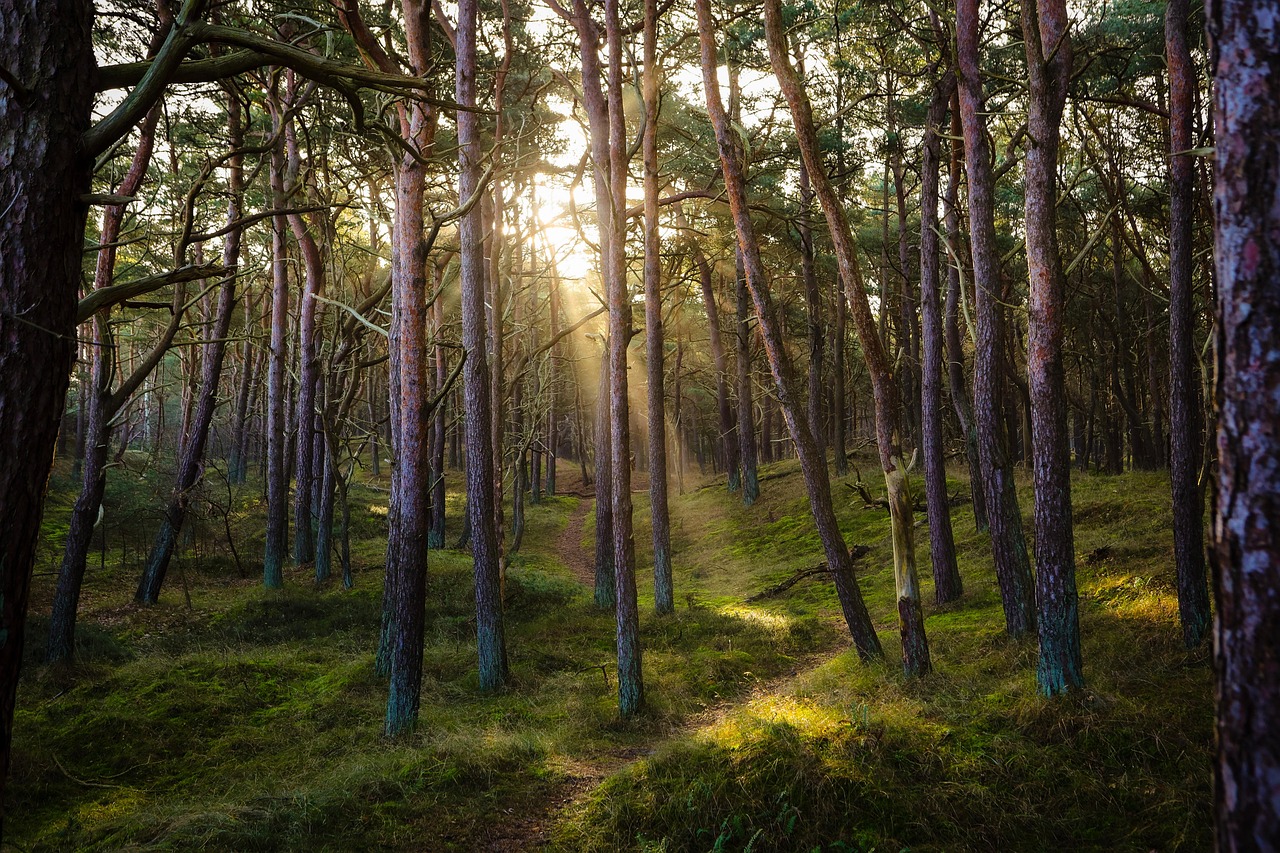
The people call themselves Evenki, the name of their nation, closely tied to that of related Tungusic peoples of the region. It is their own name for themselves, now the standard name for the people, tied to their identity as the great forest folk of Siberia.
For a long time the Evenki were known in Russian and internationally by another name, given by outsiders, which was widely used before the people’s own name became standard. The shift to the name Evenki reflects the modern respect for the names that peoples use for their own nations, setting aside the older external name.
The people themselves had always known who they were, whatever names strangers pinned on them. Reclaiming the name Evenki was a quiet act of self-definition.
The Evenki are closely related to and sometimes grouped with other small Tungusic peoples of Siberia, with whom they share much of their language and culture, the differences between these scattered forest peoples often subtle. Within the Evenki themselves there were many local groups spread across the vast land, differing in dialect and in details of their way of life.
Through all these divisions and the immense spread of the people, the name Evenki has come to stand for this Tungusic forest people of Siberia. It ties them to their identity as hunters and reindeer herders of the taiga, the most widely scattered of all the peoples of the great Siberian forest.
To travel the full breadth of the Evenki lands would take one across a span wider than many continents. Yet a hunter at one end and another at the far end still called themselves by the same name.
The Evenki Language
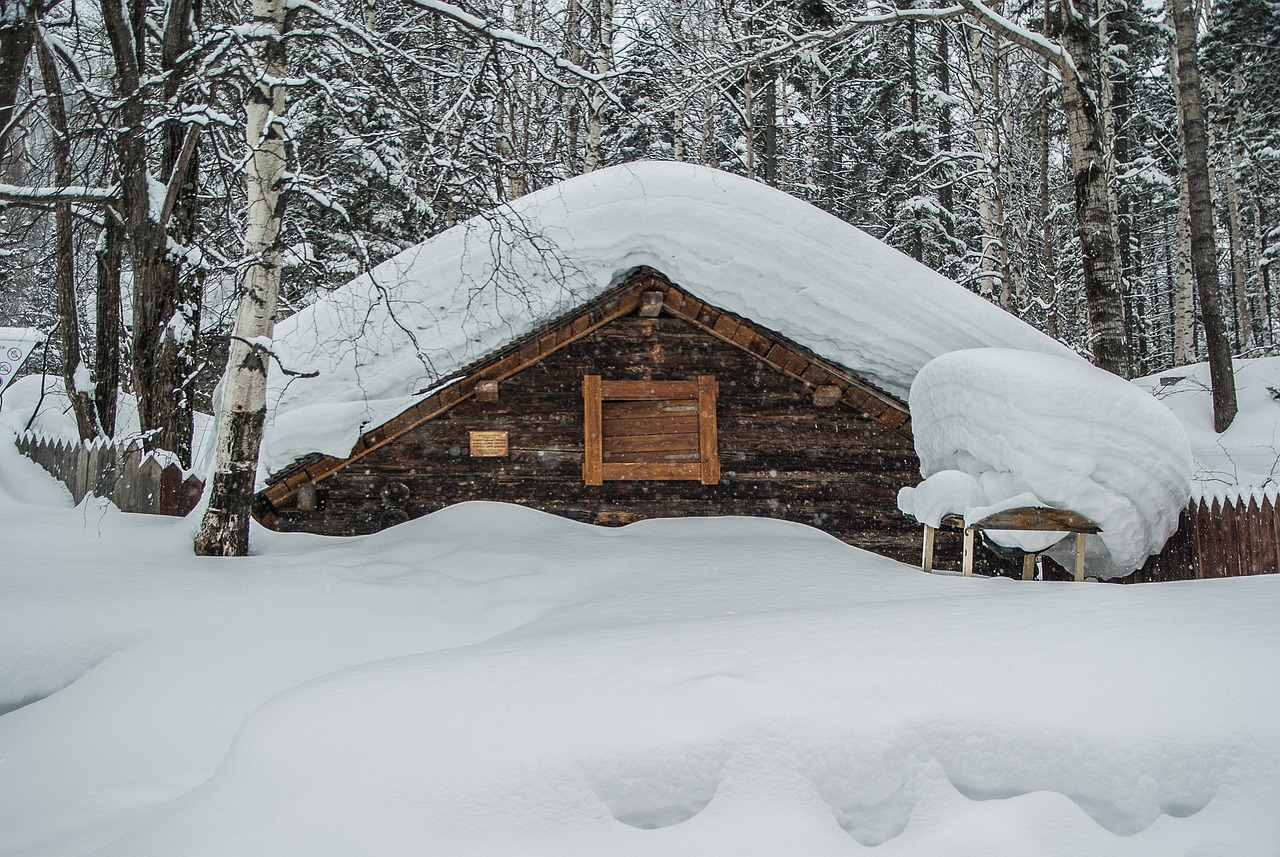
The Evenki language belongs to the Tungusic, or Manchu-Tungus, family, a group of languages of eastern Siberia and the regions toward Manchuria, distinct from the Turkic, Mongolic, and other families around them. It is the most widely spoken of the Tungusic languages of Siberia, though its speakers are spread thinly across a vast territory.
Because the Evenki were scattered across such an enormous area, their language developed many dialects, differing across the great distances of the taiga, though united as one language. The speech reflects the forest world of its speakers, rich in the vocabulary of the taiga, the reindeer, the hunt, and the life of the forest nomad.
Evenki came to be written in the modern era, using the Cyrillic script, and some literature and education developed in the language. Yet the scattered nature of the people and the powerful presence of Russian across their vast homeland made the position of the language difficult, and it came under heavy pressure.
Today Evenki is among the more endangered of the indigenous languages of Siberia, spoken by a declining number of the people and threatened by the dominance of Russian, especially among those who have settled in the towns and villages. Efforts to teach and preserve the language continue, for it carries the heritage of the great forest people of Siberia.
Recordings, dictionaries, and schoolbooks now try to hold the language against the tide. Whether they will be enough depends on the young choosing to speak it.
A share of the kill was owed to companions on the hunt, for in the taiga survival was a shared undertaking. Generosity with food was not merely a courtesy but a law of the forest.
Where the old hunting life survives, the language survives with it in the camps and on the trails. The forest, far more than the village, has been the true keeper of the Evenki tongue.
A Homeland of Endless Taiga
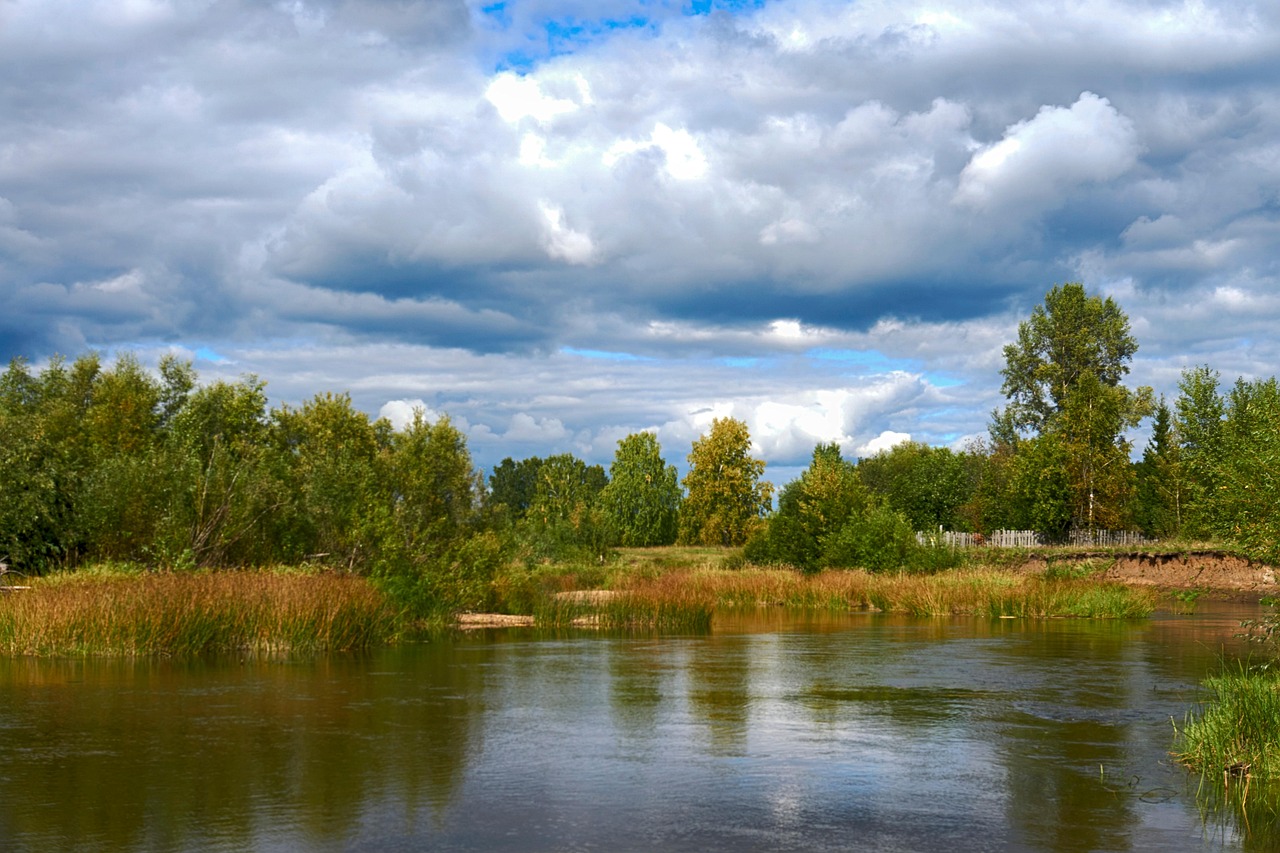
The Evenki homeland is the vast taiga of Siberia, an immense forest stretching across a great breadth of the continent, from the regions near the great southern lake eastward toward the Pacific and northward toward the Arctic. Across this enormous territory of forest, river, and mountain the Evenki roamed, the most widely spread of all the peoples of Siberia.
The taiga is a world of endless trees, of pine, larch, spruce, and birch, cut by great rivers and their countless tributaries, broken by mountains and stretches of marsh, and covered in the long winter by deep snow. It is a land of ferocious cold in winter and short, insect-plagued summers, thinly peopled and largely wild.
Through this immense forest the Evenki moved in small groups, following the game and the reindeer along the rivers and through the woods, ranging over vast distances in the endless taiga. The rivers were the roads of the forest, traveled by boat in summer and by sledge over the ice in winter, linking the scattered movements of the people.
The sheer scale of the Evenki homeland, spread across a huge portion of Siberia, is among the most remarkable things about them, a small people ranging over an area of continental size. This vast forest world, wild and demanding, shaped the mobile, self-reliant life of the Evenki and their intimate bond with the taiga.
An Evenki hunter could read the forest as a written page, tracking game and finding his way where an outsider would be hopelessly lost. This knowledge of the taiga was the deepest wealth of the people.
The Reindeer, the Hunt, and the Old Way of Life
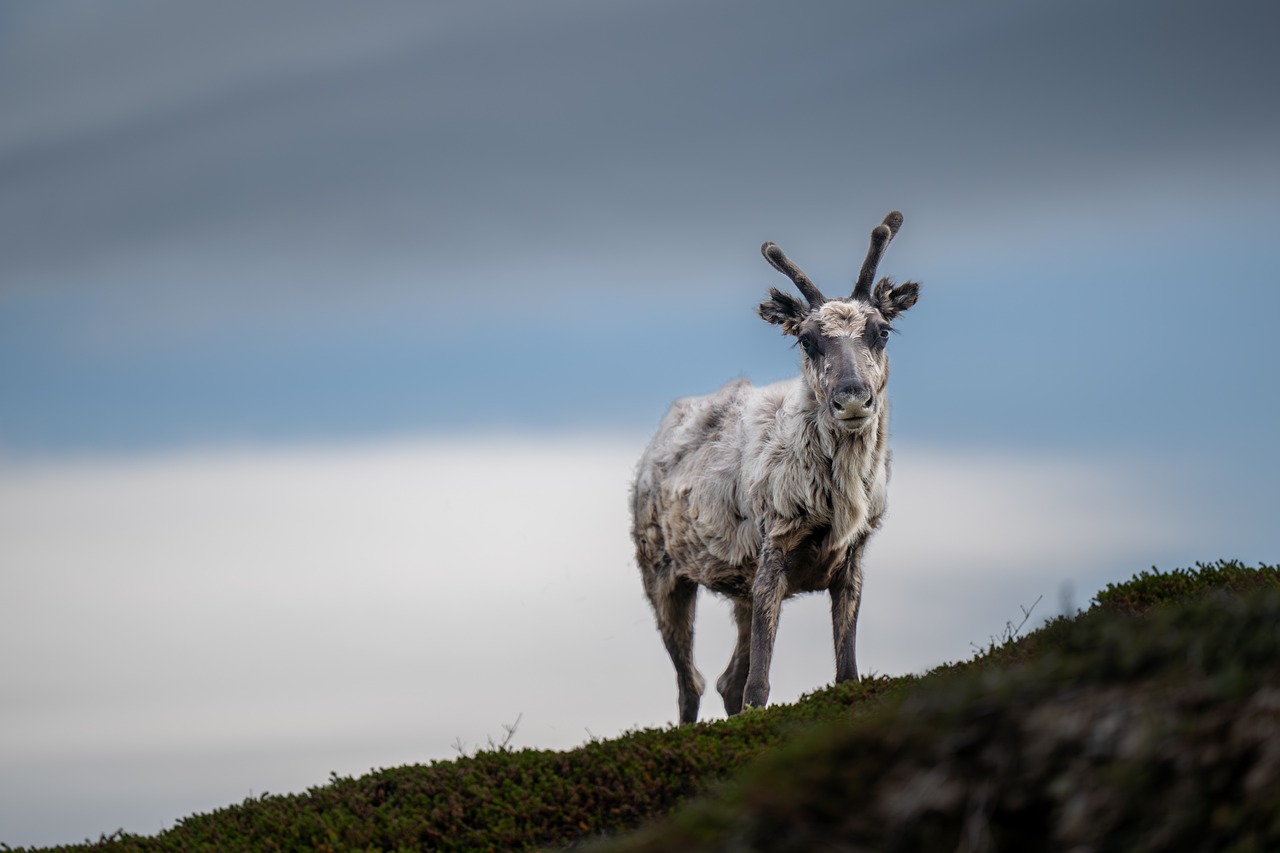
The old Evenki way of life combined the hunting of the taiga with the herding of reindeer, a distinctive blend that set them apart from the great reindeer nomads of the open tundra. The Evenki kept smaller herds of reindeer, using them above all for transport and milk, as they moved through the forest in pursuit of the game that was their main food.
Hunting was central to Evenki life, the pursuit of the game of the taiga, the wild deer, elk, bear, and the fur animals whose pelts were precious for trade. The Evenki were famous hunters, skilled trackers and marksmen with an intimate knowledge of the forest and its animals, and the hunt was the foundation of their food and their economy.
The reindeer, ridden and used to carry loads through the forest, gave the Evenki a mobility across the taiga that hunting alone could not, allowing them to range over vast distances in pursuit of game and to move their camps through the trackless woods. This use of the reindeer as a mount and pack animal in the forest was distinctive of the Evenki and their kin.
The home of the Evenki was a conical tent, similar to those of other peoples of the north, covered with hides or bark, portable and suited to the mobile life of the forest hunter. Moving in small groups through the endless taiga, hunting and herding, fishing the rivers and gathering the forest’s bounty, the Evenki lived one of the great forest-nomad ways of life on earth.
Riding a reindeer between the trees, the Evenki hunter could cover ground no walker could match. This union of hunter and mount was the secret of their reach across the endless woods.
Society and the World of the Taiga
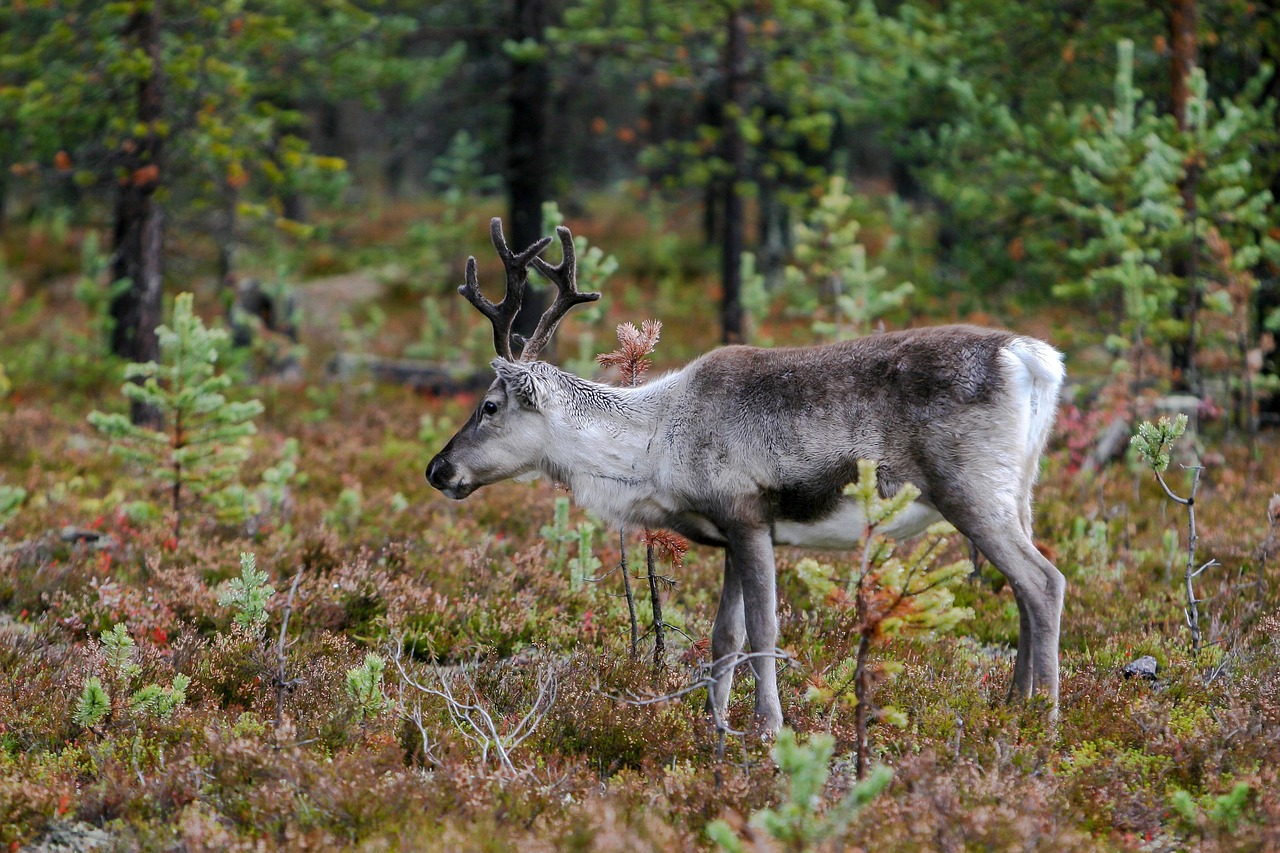
Evenki society was built around the small group and the clan, the extended family and its close kin forming the basic unit of life in the scattered forest world. The clans, tracing descent from common ancestors, ordered marriage and kinship and linked the widely separated groups of Evenki across the immensity of the taiga.
Life was lived in small bands moving through the forest, families and close kin traveling and hunting together, spread thinly across the vast land. The mobile, dispersed life of the taiga hunter shaped a society of self-reliant groups, cooperating in the hunt and the movement through the forest and linked by the ties of clan and kinship.
The scattered nature of Evenki life, with small groups ranging over enormous distances in the endless woods, meant there were no towns or fixed centers in the old world, only the moving camps and the meetings of groups that came together at times for trade, marriage, and shared ritual before parting again into the forest.
Binding the scattered people together were their common language and culture, the ties of clan and marriage, and the shared beliefs and traditions of the taiga world. Across the vast forest, the Evenki remained recognizably one people, held together by kinship and culture despite living farther apart, spread over a greater area, than almost any other people of their number.
Faith and the Home of the Word Shaman
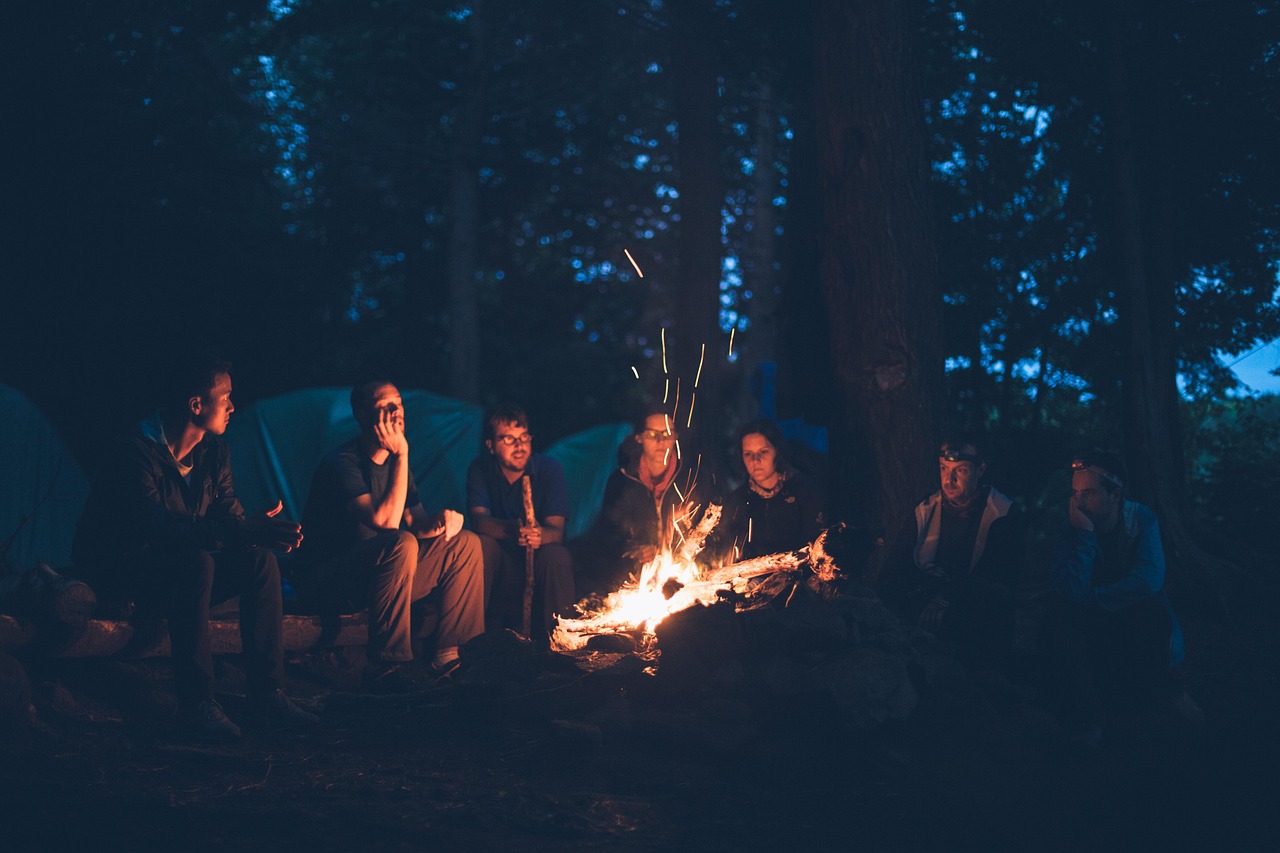
The traditional faith of the Evenki was a rich world of belief in the spirits of nature and the powers of the taiga, sky, and land, a shamanism that is among the classic forms of the belief and that gave the world a famous word. For it was from the Tungusic peoples, the Evenki and their kin, that the very word shaman came, passing into Russian and then into the languages of the world.
Central to this world was the shaman, the ritual specialist who could reach the spirit world, heal the sick, guide the souls of the dead, and mediate between people and the unseen powers of the forest and sky. The shaman held a place of great importance in Evenki life, and the beliefs and practices of shamanism among the Evenki are among the most studied and famous in the world.
The Evenki revered the spirits of the taiga, of the animals, the rivers, and the land, and held the bear in special awe, surrounded by ritual and taboo, as did many peoples of the northern forests. Fire, the hearth, and the spirits of place held sacred meaning, and the balance between people and the powers of the forest was maintained through ritual and respect.
Christianity reached some of the Evenki under Russian rule, and in the Soviet era shamanism was suppressed, yet the old beliefs endured in the forest world, kept alive among the hunters and herders of the taiga. The shamanism of the Evenki, which gave the world its very name for the shaman, remains among the most significant spiritual traditions of the peoples of Siberia.
Scholars from around the world have looked to the Evenki and their kin to understand shamanism at its source. In the taiga lies the origin of a word and an idea now known everywhere.
Traditions and Oral Lore
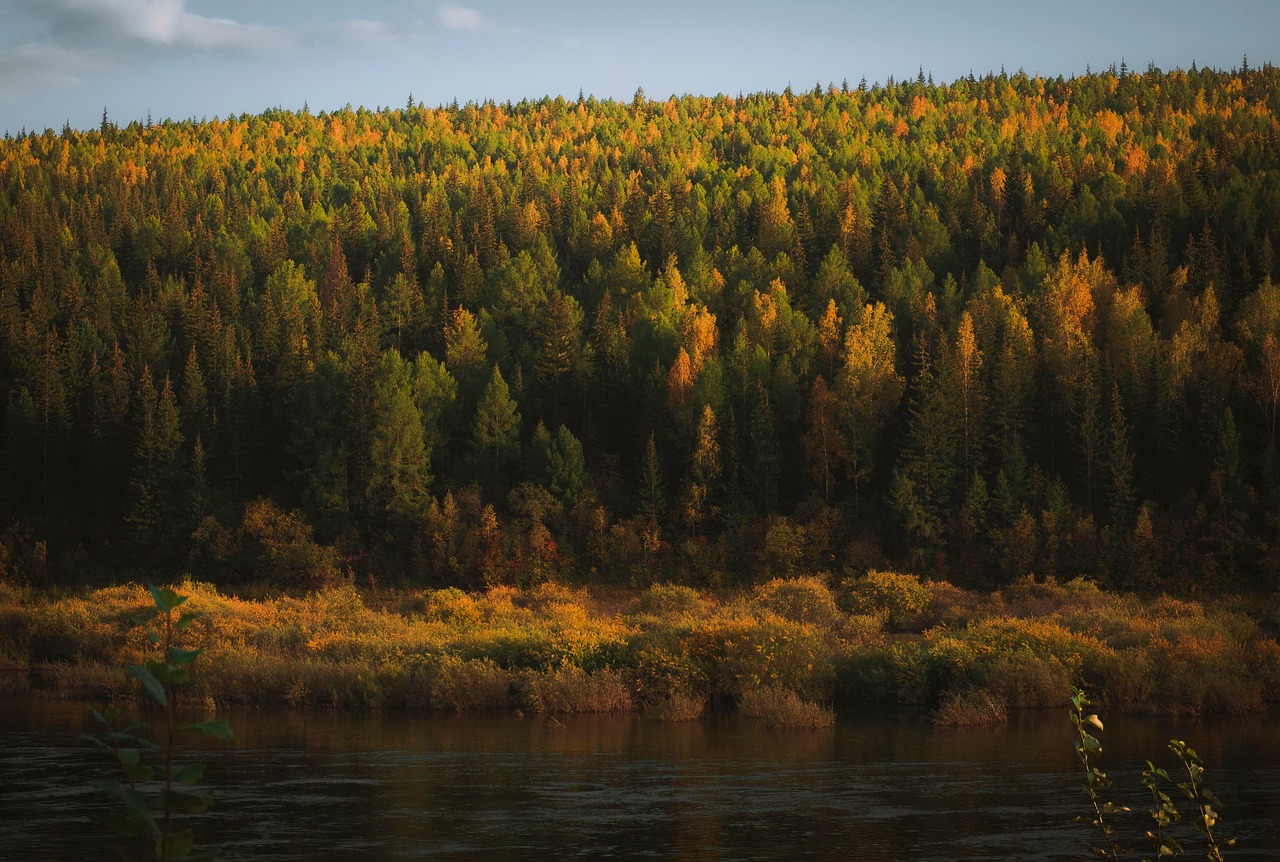
The Evenki carried a rich oral tradition of song, tale, and epic, the culture of a people of the forest without writing, preserving their history, mythology, and values in memory and voice. Stories and songs, told and sung in the camps of the taiga, carried the deeds of heroes, the myths of the forest world, and the wisdom and beliefs of the ancestors.
These tales and songs reflect the world of the taiga and the reindeer, peopled by heroes, spirits, and the animals of the forest, and shaped by the life of the forest hunter and nomad. Told through the long nights of the Siberian winter around the fire of the tent, they were both entertainment and the passing on of the culture to each new generation.
Alongside the tales and songs there flourished the beliefs and rituals of the shamanic world, the songs and drama of the shaman, and the customs surrounding the hunt, the bear, and the great moments of life. The oral tradition and the ritual life together carried the whole culture of a people who lived without books in the vastness of the forest.
Through their songs, tales, beliefs, and customs, the Evenki preserved a whole world of taiga culture, a way of understanding the forest, the animals, and the powers of the world. This heritage, carried in the voice and the ritual across the immense forest, is among the treasures of the culture of the peoples of Siberia.
A single evening by the fire might carry a child through myth, history, and the lore of the hunt all at once. The spoken word did the work that books did elsewhere.
Crafts of the Forest
The crafts of the Evenki grew from the materials of the taiga and the reindeer, an art of making all that was needed for the forest life from the hides, bone, and antler of animals and the wood and bark of the forest. From reindeer and other hides they made their clothing and the covering of their tents, and from bone, antler, and wood they made tools and gear.
Evenki clothing, made of hides and furs sewn with skill and often finely decorated, was adapted to the extreme cold of the Siberian winter, warm and beautifully made, ornamented with patterns, beads, and fur. The making of this clothing, above all by the women, was among the most vital and artful of Evenki crafts.
The Evenki worked skillfully in birch bark, making light vessels and containers, and built the light boats they used on the rivers of the taiga, along with the sledges, harness, and gear of the reindeer and the many tools of the hunting life. Their crafts were those of a mobile forest people, light, practical, and made from the materials at hand.
Decorative art, the patterns and ornament worked into clothing and objects, expressed the artistry of the Evenki within the demands of the forest life. Born of the taiga and the reindeer, made for the mobile life of the hunter yet often beautiful, the crafts of the Evenki express the skill and ingenuity of a people at home in the vast Siberian forest.
Everything the Evenki carried had to be light enough to move with them through the trees. Their crafts were shaped as much by the need for mobility as by the love of beauty.
The Food of the Evenki
Evenki food came above all from the hunt and from the reindeer, the fare of a forest people living by hunting, herding, and fishing. The meat of wild game, the deer, elk, and other animals of the taiga, was the staple, providing the rich, nourishing food needed to survive the cold and the demands of the forest life.
The reindeer gave meat and milk, and the milk of the reindeer was a valued food, used fresh and made into other products, a distinctive part of the Evenki diet drawn from their herds. Fish from the many rivers and lakes of the taiga was an important part of the food, caught and eaten fresh, dried, or frozen in the deep cold.
The forest gave berries, nuts, and other wild foods gathered in the brief abundance of summer, adding variety to the diet of meat and fish. In a land of scarcity through much of the year, the Evenki lived on what the forest, the rivers, and the herds provided, storing and preserving food against the long, hard winter.
Meat and fish were dried and frozen against the lean months when the forest gave little. Foresight in the good season was the price of survival in the bad.
The cuisine reflects the life of the forest hunter and reindeer herder, based on game, fish, and the products of the reindeer, adapted to a mobile life and a harsh climate. Simple, rich in meat and fish, tied to the taiga and the hunt, Evenki food is the nourishment of the great forest people of Siberia.
The Turning of the Year
The Evenki year turned on the seasons of the taiga and the round of the hunt and the reindeer rather than on a fixed calendar of festivals. The movement through the forest in pursuit of game, the fishing of the rivers, the care of the reindeer, and the gathering of the forest’s bounty marked the passage of time for the forest nomads.
The great extremes of the Siberian year, the long dark cold of winter and the brief bright summer, shaped the life and movement of the people, each season bringing its own tasks and its own way of moving through the forest. The winter hunt, the summer fishing, and the seasonal movements structured the whole round of the year.
Meetings of scattered groups at certain times and places brought the Evenki together for trade, for the arranging of marriages, for shared ritual, and for the renewal of ties, occasions that drew the dispersed forest people together before they parted again into the taiga. These gatherings were the social high points of a life spent largely apart.
For families that might not meet again for a year or more, these gatherings were precious. In them the scattered nation briefly became a community face to face.
Life’s great moments, birth, marriage, and death, and above all the rituals of the hunt and the bear, were marked with the customs and observances of the Evenki, tied to the beliefs of the taiga world. Through the round of the hunt and the seasons, the meetings, and the rituals of life, the Evenki marked the turning of their year in the vast forest.
Under the Russian State
The Evenki came under Russian rule as Russian traders, Cossacks, and officials pushed across Siberia in search of furs from the seventeenth century onward, reaching even the remote forests of the Evenki. Prized above all for the furs of the taiga, the Evenki were drawn into the fur trade and made to pay the tribute that the Russians demanded.
For a long time the forest life of the Evenki continued under the distant authority of the Russian state, the hunters and herders ranging across a taiga too vast and remote for close control. The Evenki kept their language, their beliefs, and their way of life through the centuries of imperial rule, though the fur trade drew them ever more into the Russian economy.
The Soviet era brought far greater change, with efforts to settle the nomads, to collectivize the reindeer and organize the hunting, to suppress the shamans and the old beliefs, and to bring schooling and Soviet life to the scattered forest people. These changes disrupted the mobile life of the taiga and drew many Evenki into fixed villages.
The pressures of settlement, of industry and resource extraction spreading into the taiga, and of the powerful dominance of Russian culture and language weighed heavily on the scattered Evenki through the twentieth century. Yet some kept the reindeer and the hunting life of the forest, holding to the old ways in the vastness of the Siberian taiga.
Even a handful of families keeping the reindeer preserves a thread reaching back thousands of years. Each such camp is a living museum of the ancient forest life.
The Evenki Today
Today the Evenki are one of the more widely scattered of the small indigenous peoples of Siberia, numbering some tens of thousands spread across an enormous stretch of the Russian forest, with related communities reaching beyond Russia’s borders. Some live in the towns and villages, while others keep the hunting and reindeer-herding life of the taiga.
The Evenki language is among the endangered languages of Siberia, spoken by a declining and aging number of the people and under heavy pressure from Russian, especially among those settled in the villages and towns. Efforts to teach and preserve it are under way, driven by those determined to keep the language of the great forest people alive.
The traditional life of the taiga, the hunting and the herding of reindeer, survives among some of the Evenki, keeping alive skills and a way of life stretching back through the centuries, though under growing pressure from the modern world and the spread of industry into the forest. The shamanic heritage and the culture of the taiga remain a source of identity and pride.
The Evenki remain what their history made them, the great forest people of Siberia, hunters and reindeer herders of the endless taiga, the most widely scattered of all its peoples and the source of the world’s very word for the shaman. Their story is one of the most remarkable threads in the vast tapestry of the peoples of Russia, and from the endless taiga our journey turns at last toward the great people at the heart of the Russian land, the Russians themselves.
You May Like
The Zaza, a Mountain People of Eastern Anatolia


2 thoughts on “The Forest Nomads of the Endless Taiga, the Story of the Evenki”