Along the lower course of one of the world’s great rivers, where the Indus spreads across a flat and fertile plain before losing itself in the sea, lies a land that has been continuously inhabited and cultivated for longer than almost anywhere else on earth. This is Sindh, and its people, the Sindhis, are heirs to a civilization that flourished when the pyramids were young. To speak of the Sindhis is to speak of deep time, of a river that has fed cities for five thousand years, and of a culture that has made tolerance, poetry, and saintly devotion the marks of its soul.
The Sindhis number in the tens of millions, the great majority in the Pakistani province of Sindh, with a substantial community carried into India by the upheavals of partition and a diaspora spread by trade across the globe. They speak an Indo-Aryan language rich in Sufi poetry, they honor a landscape of shrines where the saints of many faiths are venerated, and they carry a reputation, hard-won and sometimes tested, as a people of the river’s gentle abundance rather than the mountain’s stern austerity. Theirs is a story rooted in soil, water, and song.
This is the story of the Sindhis, part of our continuing series on the peoples of Asia and the wider world. To tell it we must follow the river through the whole of its land: the ancient origins in the Indus Valley, the meaning of their name, the Sindhi tongue and its poets, the riverine homeland, the old life of farmers and fishers, the society of landlords and shrines, the Sufi faith, the music and poetry, the crafts, the food, the festivals, the long history of conquest and coexistence, and the crossroads where the Sindhis stand today. Here are the sections that follow:
- Origins: Heirs of the Indus Valley
- The Name of Sindh
- The Sindhi Tongue
- A Land Made by the River
- The Old Way of Life
- Landlords, Peasants, and the Shrine
- The Land of the Sufis
- Poetry, Music, and the Saints
- Crafts of Block and Clay
- The Sindhi Table
- Festivals and Fairs
- Conquest and Coexistence
- The Sindhis Today
Origins: Heirs of the Indus Valley
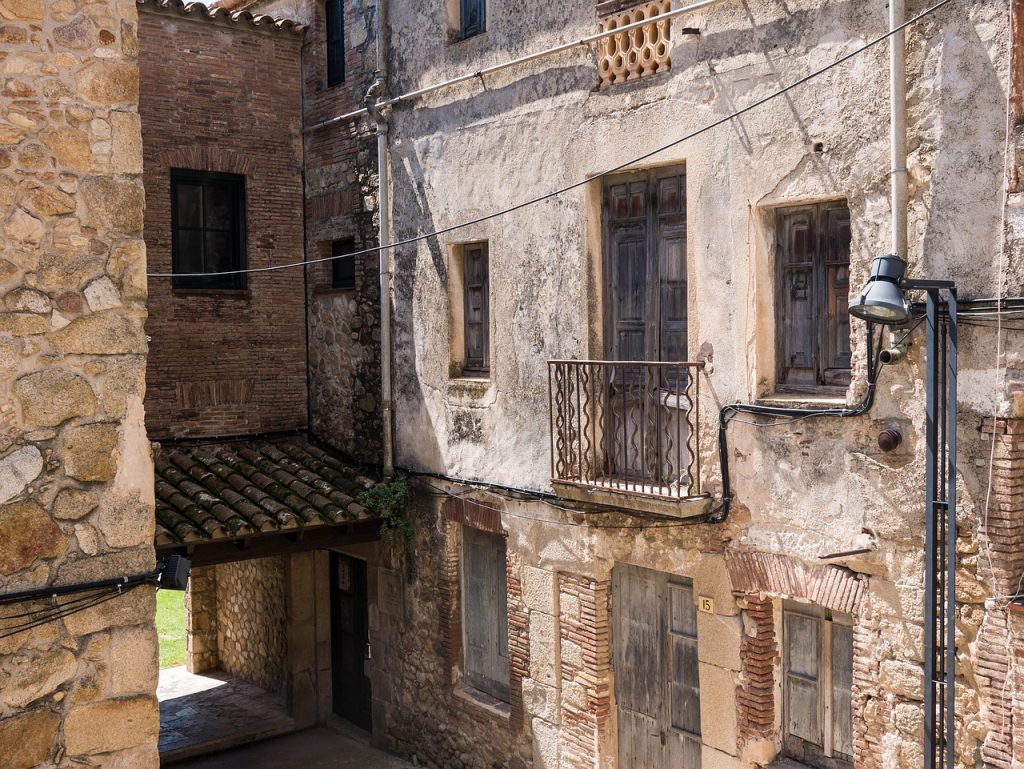
No people can claim a deeper foundation than the Sindhis, for the land of Sindh was the cradle of the Indus Valley civilization, one of the earliest urban cultures in human history. More than four thousand years ago, great planned cities rose on the banks of the Indus, with brick houses, drainage systems, granaries, and a script that has still not been deciphered. The most famous of these cities lay in the heart of Sindh, and its ruins remain among the most astonishing monuments of the ancient world.
The people of that civilization were not the direct linguistic ancestors of today’s Sindhis in a simple line, for languages and populations mixed and shifted over the millennia that followed. But the continuity of settlement, of agriculture, and of urban life along the Indus links the modern Sindhis to that deep past in a way few peoples can match. The Sindhis inhabit a landscape that has been farmed and citied without interruption since the dawn of civilization, and this antiquity is a source of profound pride.
Over the following ages, Sindh absorbed wave after wave of peoples and influences. Indo-Aryan speakers, then the great empires of the subcontinent and the Iranian world, then Arabs, Turks, and others left their mark on the land and its people. Sindhi culture became a rich sediment laid down by these successive arrivals, blending Indic, Iranian, and Islamic elements into a distinctive whole. The Sindhis are, in this sense, a people made by their position at the meeting of civilizations along a great river highway.
Through all these changes, the river remained the constant, the giver of life around which the whole of Sindhi existence was organized. Empires rose and fell, faiths arrived and spread, but the annual flood of the Indus, the cycle of planting and harvest, and the rhythms of a settled agricultural life endured. The Sindhis are, at their root, a people of the river, and their long history is above all the history of a civilization sustained by the waters of the Indus across five thousand years.
The Name of Sindh
The name Sindh comes from the ancient name of the great river itself, the word that in older tongues meant the Indus. From this same root came the names that outsiders gave to the whole subcontinent: through Persian and Greek the word for the river of Sindh became India, and the faith of the region became known as Hinduism. In this sense the name of Sindh lies at the origin of some of the most familiar words in the world’s geography, a small land that gave its river’s name to a continent.
The Sindhis take their identity from this land and river, and to be Sindhi has traditionally meant to belong to Sindh, to speak its language, and to share in its distinctive culture. That culture has always been notably inclusive, embracing people of different faiths and origins within a common Sindhi identity. Before the great partition, Hindus and Muslims alike were Sindhis, sharing the language, the saints, the food, and the poetry, and this pluralism remains central to how Sindhis understand themselves.
The name thus carries a message of coexistence that Sindhis hold dear. In a region too often divided along religious lines, Sindh nurtured a tradition of shared devotion at common shrines, of Hindu and Muslim mystics honored side by side, and of an identity rooted in place and language rather than in creed alone. To be Sindhi was to belong to a land whose saints preached love across the boundaries of faith, and this heritage of tolerance is worn as a badge of honor.
Outsiders have known Sindh as the gateway to the subcontinent, the land through which armies and merchants entered from the west, and the Sindhis as the gentle, cultured people of the lower Indus. Within the name lies a whole world of poetry, mysticism, craft, and agriculture, a civilization of the plain rather than the mountain. The Sindhis hear in their name the sound of the river and the memory of the world’s oldest cities, and they carry it with quiet pride.
The Sindhi Tongue

Sindhi is an Indo-Aryan language, kin to the other great tongues of northern South Asia, and it is one of the oldest literary languages of the region, with a written tradition reaching back many centuries. It is rich, expressive, and famous for the sweetness that its speakers hear in it, and it has served as the vehicle for one of the most beloved bodies of mystical poetry in the entire subcontinent. To speak Sindhi is to inherit this literary treasure along with the everyday language of home and market.
The language has been written in more than one script over its history, and today it is most commonly written in an Arabic-based script adapted with many additional letters to capture its distinctive sounds, while a form of an Indic script is also used, especially by Sindhis in India. This dual heritage reflects the pluralism of Sindhi culture, and the richness of the language’s sound system, with its characteristic implosive consonants, makes Sindhi immediately recognizable to those who know it.
Above all, Sindhi is the language of the saints and poets whose verse forms the spiritual and cultural heart of the people. The great mystic poets of Sindh composed in the vernacular so that ordinary people could understand their message of divine love, and their poetry, set to music and sung at shrines and gatherings, became the common inheritance of the whole society. Lines of this poetry are known by heart across Sindh, quoted as wisdom and sung as devotion.
In the modern era Sindhi enjoys the status of a provincial language in Pakistan, taught in schools and used in a lively press, broadcasting, and literature, and it is maintained with pride by the Sindhi community in India as well. Like other regional languages it faces pressure from more dominant tongues, but the depth of its literary tradition and the strength of Sindhi identity have given it a firm footing. To sustain Sindhi is, for its speakers, to keep faith with the saints who sang in it.
A Land Made by the River
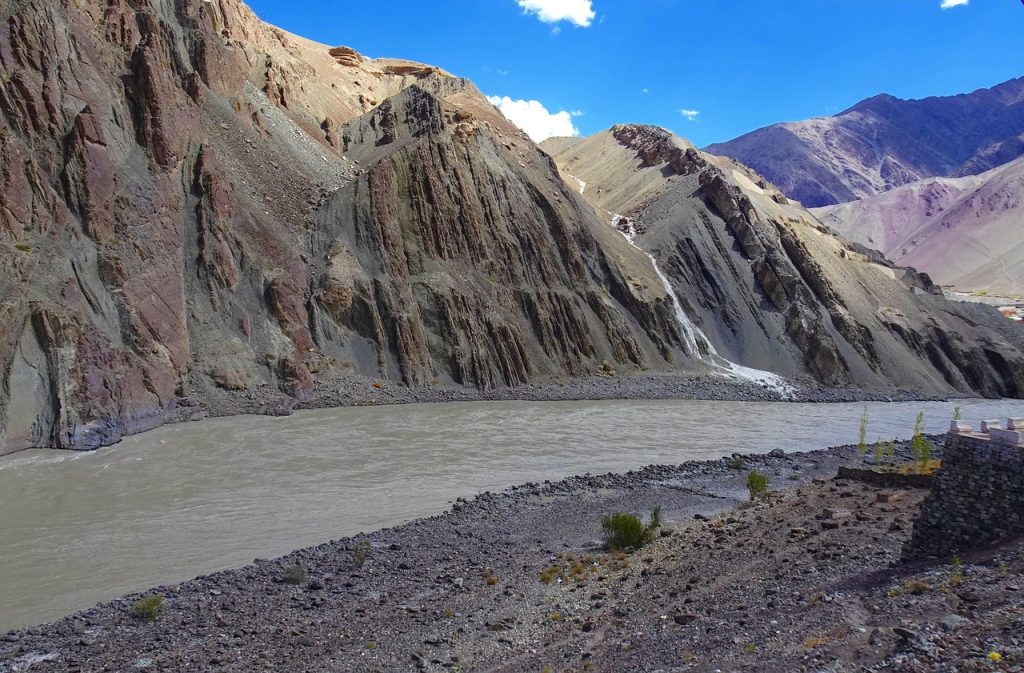
Sindh is the gift of the Indus, a broad, flat land in the lower valley and delta of the river, where the water spreading across the plain has created some of the most fertile soil in South Asia. For thousands of years the annual flood renewed the land, depositing silt that made agriculture bountiful, and an elaborate system of canals eventually spread the river’s water across fields far from its banks. Where the Indus reaches, Sindh is green and abundant; beyond its reach lies desert.
This contrast between the watered land and the surrounding dryness defines the geography of Sindh. To the east stretches a great desert, and much of the province away from the river is arid, so that life clusters along the Indus and the canals that draw from it. The river’s delta, where it meets the sea, is a world of channels, mangroves, and fishing communities, while upstream the irrigated plains support dense farming populations. The whole of Sindhi civilization is written along the line of the river.
The flatness and fertility of the land shaped a way of life very different from that of the mountain peoples to the north and west. Sindh was a country of settled villages and market towns, of agriculture and trade rather than herding and raiding, and its openness made it easier for empires to conquer and govern than the fastnesses of the hills. This accessibility brought both the wealth of a great agricultural region and the burden of repeated conquest, for Sindh was the doorway to the subcontinent from the west.
The river also gave Sindh its spiritual geography, for the shrines of the saints often rose along its banks, and the Indus itself was revered as a giver of life. The relationship between the Sindhis and their river runs deeper than economics; it is a bond of reverence and identity, celebrated in poetry and song. To understand Sindh is to understand that it is, in the fullest sense, a land made by the river, its people the children of the Indus.
The Old Way of Life
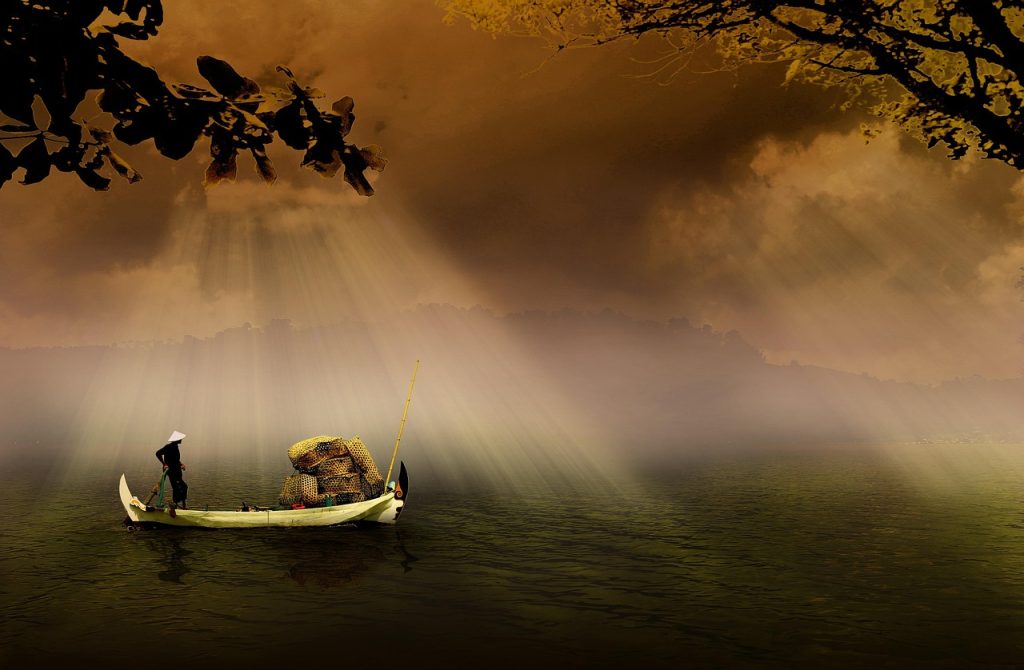
For most of their history the Sindhis lived by farming the rich lands watered by the Indus, growing wheat, rice, cotton, and sugarcane, and tending orchards of dates, mangoes, and other fruit. The agricultural cycle, tied to the flood of the river and later to the canals, governed the rhythm of life, and Sindh became one of the great granaries of the region. Cotton in particular linked Sindh to wider trade, and its cultivation and weaving shaped both the economy and the culture.
Along the river and in the delta lived communities of fishers, who drew their living from the waters of the Indus and the sea, using boats and nets in a way of life as old as the civilization itself. Riverine trade and transport moved goods along the Indus, and the boatmen and fishers of the river held a distinctive place in Sindhi society, their skills and their songs bound up with the water. The river was road, larder, and sacred presence all at once.
Sindh’s position as the gateway from the west made it a land of merchants and markets, and Sindhi traders became famous for their commercial acumen, building networks that reached far beyond the province. The bazaars of Sindh’s towns hummed with the exchange of grain, cotton, cloth, and the goods of distant lands, and a mercantile spirit ran through Sindhi culture, especially among certain communities who would later carry Sindhi trade across the world in the wake of partition.
Society in old Sindh was organized around the village and the great estate, with the land held by powerful families and worked by peasants and tenants. Life was tied to the seasons of the river and the demands of the crop, and the shrine of the local saint provided the spiritual center of the community. It was a settled, agrarian world of relative abundance where water reached, a way of life shaped by the gentle rhythms of the plain rather than the hard mobility of the mountains.
Landlords, Peasants, and the Shrine

Traditional Sindhi society was structured around the ownership of land, and the great landlords, holding vast estates worked by tenant farmers, formed a powerful class whose influence shaped the politics and economy of the province. Below them stood the peasants and tenants who did the labor of the fields, and the artisans, traders, and fishers who filled out the social order. This agrarian hierarchy, with its concentrations of land and power, has been a defining and much-debated feature of Sindhi society into modern times.
Cutting across this hierarchy was the powerful institution of the Sufi shrine and the families associated with it. The descendants and custodians of the great saints, holding hereditary spiritual authority, commanded enormous respect and often considerable wealth and land, and the shrine served as a center not only of devotion but of social and even political life. The relationship between the landed elite, the shrine families, and the peasantry formed the intricate web of traditional Sindhi society.
Kinship and community, organized into a variety of groups defined by descent, occupation, and origin, provided the other threads of the social fabric. Sindhi society was notably diverse, encompassing communities of different faiths and backgrounds who shared the language and the land, and the shrine often provided a common ground where these various groups met in devotion. This pluralism, centered on shared saints, was one of the distinctive features of the Sindhi social world.
The values of Sindhi society reflected its agrarian and devotional character: hospitality, generosity, and respect for the saints and their custodians, alongside the everyday concerns of land, water, and family. The gentleness often attributed to Sindhi culture, its emphasis on love and tolerance drawn from the teaching of the Sufi saints, gave the society a distinctive flavor. Yet it was also marked by deep inequalities of land and power that would become central to the political struggles of the modern era.
The Land of the Sufis
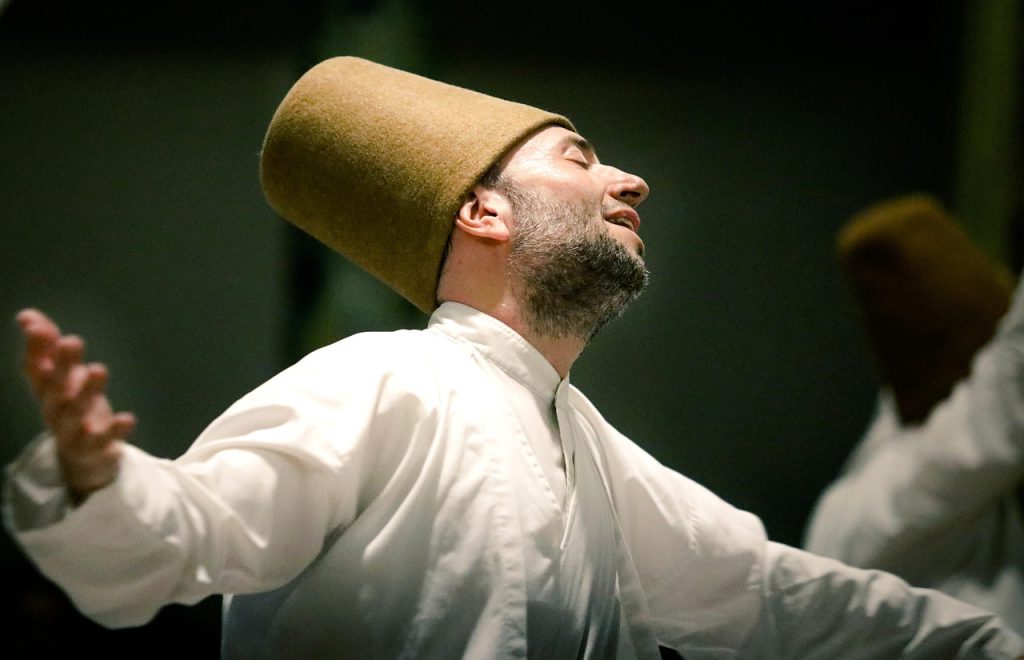
Sindh is above all the land of the Sufis, and mystical Islam is the deepest current in its religious life. The great Sufi saints who lived and preached in Sindh over the centuries taught a message of divine love, of the unity of God, and of tolerance across the boundaries of creed, and their shrines became the beating heart of Sindhi devotion. To this day the shrines of these saints draw pilgrims in vast numbers, and the culture of the shrine defines the religious character of the province.
The majority of Sindhi Muslims are drawn to this Sufi tradition, with its saints, its shrines, its music, and its ecstatic devotion, rather than to austere or legalistic forms of the faith. At the shrines, devotees seek blessing and healing, make vows, and gather for the great annual commemorations of the saints, where music and dance carry the worshippers toward the divine. This popular, mystical Islam, tolerant and inclusive, is one of the glories of Sindhi culture.
Before partition, Sindh was also home to a large Hindu community, and the pluralism of Sindhi religious life allowed Hindus and Muslims to share many shrines and saints, venerating holy figures across the boundaries of faith. This shared sacred landscape, where a saint might be honored by both communities under different names, expressed the profound tolerance that the Sufi tradition fostered. It stood as a living rebuke to the idea that the faiths of the subcontinent could not coexist.
In the modern era this tradition of Sufi tolerance has faced pressures from more rigid interpretations of Islam and from the religious tensions of the wider region, and the shrines have at times been targets of those who reject their inclusive devotion. Yet the Sufi heart of Sindh has proven remarkably resilient, and the saints remain the spiritual anchors of Sindhi identity. For most Sindhis, faith means above all the love and tolerance taught by the saints who sang of God in their own sweet tongue.
Poetry, Music, and the Saints

The supreme art of Sindh is the mystical poetry of its saints, and no cultural treasure is more cherished. The greatest of the Sufi poets composed vast bodies of verse in Sindhi, drawing on the folk tales and landscapes of the province to convey the deepest truths of divine love and the yearning of the soul for God. This poetry, at once local and universal, became the shared inheritance of the whole society, and its verses are known, quoted, and sung across every level of Sindhi life.
This poetry lives above all in music, for the verse of the saints is sung at the shrines and in gatherings to the accompaniment of traditional instruments, in a devotional music that can carry singers and listeners into ecstasy. Particular musical forms and instruments are tied to this tradition, and the singers who master the poetry of the saints hold an honored place. To hear this music at a shrine, sung through the night, is to encounter the living soul of Sindhi culture.
Sindhi folk tradition also preserves a wealth of romantic tales, the great love stories of the region that the Sufi poets took up and transformed into allegories of the soul’s love for the divine. These stories, of lovers separated and tested, of longing and sacrifice, are woven through the poetry and music and are known to every Sindhi. Through them the culture expresses its deepest values of love, faithfulness, and the transcendence of worldly obstacles.
Beyond the mystical tradition, Sindh has a rich folk culture of song, dance, and storytelling that fills weddings, festivals, and daily life with color and sound. The oral literature of the province, its proverbs, riddles, and tales, carries the wisdom and humor of the people, and its folk music and dance express the joy of a fertile land. Together with the sublime poetry of the saints, this popular culture makes Sindh one of the great homes of the spoken and sung word.
Crafts of Block and Clay
The most famous of all Sindhi crafts is the making of ajrak, the block-printed cloth whose deep crimson and indigo patterns have become the very emblem of Sindhi identity. Produced through a laborious process of resist-dyeing and repeated printing with carved wooden blocks, ajrak carries intricate geometric and floral designs of great beauty. Worn as a shawl or turban and given as a mark of honor to guests, the ajrak is far more than a textile; it is a symbol of Sindh itself, draped across the shoulders of the culture.
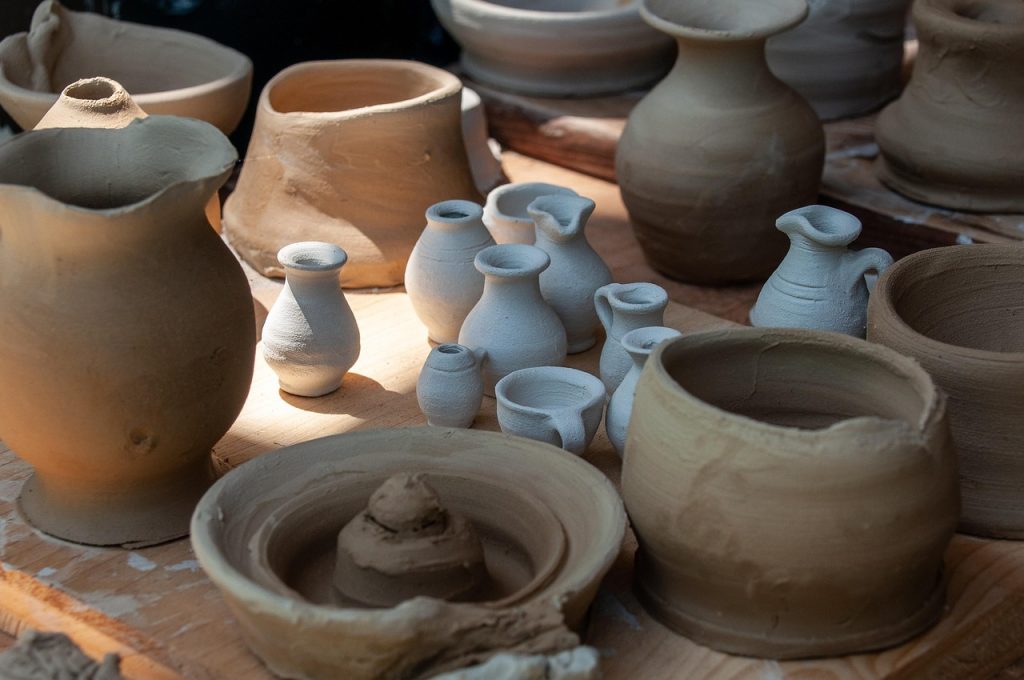
Sindh is also renowned for its pottery and glazed tilework, the blue and white ceramics whose color echoes the tiles of the region’s shrines and mosques. Potters have worked the clay of the Indus for millennia, and the glazed pottery of certain Sindhi towns is prized throughout the region. This ceramic tradition links the crafts of today directly to the ancient civilization of the Indus, whose potters shaped the same river clay thousands of years ago.
Embroidery, mirrorwork, and the making of colorful textiles are further glories of Sindhi craft, adorning the clothing, hangings, and household goods of the province with brilliant color and intricate pattern. Lacquered woodwork, leather goods, and metalwork round out a rich material culture, much of it produced in the villages and small towns where craft traditions have been passed down within families for generations. These crafts are both everyday goods and works of art.
The bazaars of Sindh’s towns were the meeting place of these crafts with the wider world, offering ajrak, pottery, embroidery, and the produce of the fields and orchards for trade. In the modern era Sindhi crafts have found new markets and new appreciation, becoming a source of income and a badge of cultural pride, and the ajrak in particular has become a beloved national symbol. Through these crafts the artistry of Sindh, ancient and living, reaches hands far beyond the banks of the Indus.
The Sindhi Table
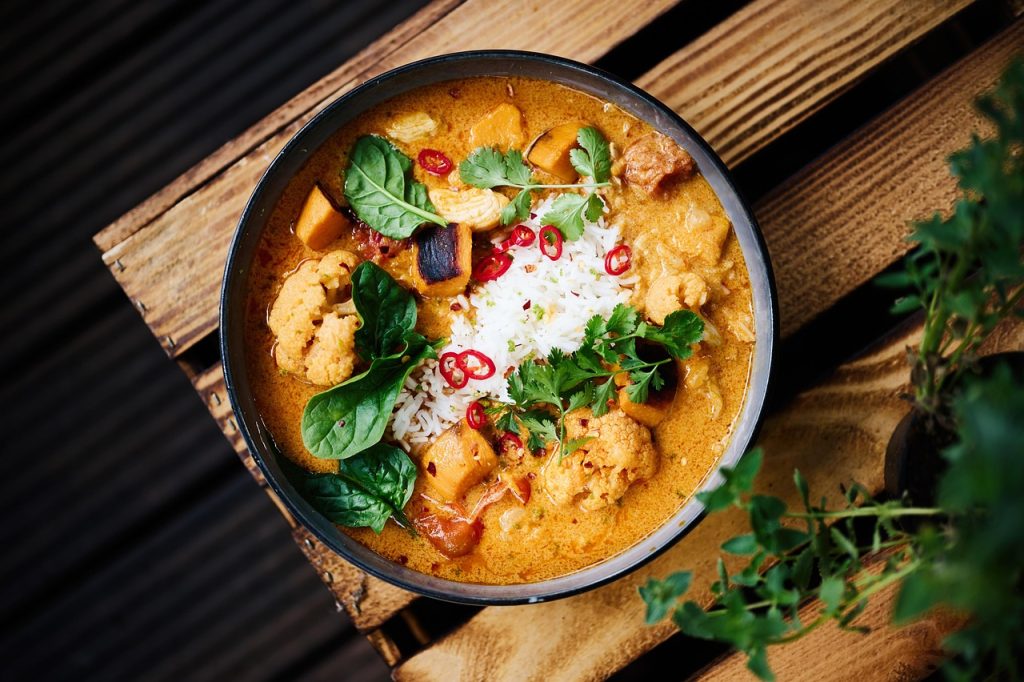
Sindhi cuisine is one of the most distinctive and beloved of South Asia, built on the abundance of the river’s land and marked by a bold use of spice. Rice grown in the irrigated fields is a staple, served alongside the wheat breads common across the region, and the food ranges from hearty everyday fare to elaborate festive dishes. The Sindhi kitchen is famous for its rich flavors and for a handful of signature dishes that Sindhis carry with them wherever they go.
Among the most celebrated is a thick, spiced dish of vegetables cooked in a gram-flour base, a hallmark of Sindhi cooking eaten with rice, and a variety of curries of meat, fish, and vegetables enlivened with the generous spicing that defines the cuisine. River fish from the Indus is a particular delicacy, prepared fried or in curries, a taste of the water that sustains the whole land. The food is designed to satisfy and to be shared, in keeping with the Sindhi ideal of hospitality.
Sweets and snacks hold a special place in Sindhi food culture, from the fried and sugary treats of festivals to the savory snacks that accompany tea. Sindhis are known for their love of good food and generous portions, and no gathering is complete without an abundance of dishes offered to guests. The pluralism of Sindhi society is reflected in the kitchen too, for many Sindhi dishes are shared across the Hindu and Muslim communities that grew up together in the province.
Tea and hospitality frame the Sindhi table as they do across the region, with guests welcomed and fed generously as a matter of honor. To share food is at the heart of Sindhi social life, and the recipes of the province, carried by the diaspora to India and around the world, have become a treasured link to the homeland for Sindhis far from the Indus. In every kitchen where a Sindhi dish is cooked, a fragment of Sindh endures.
Festivals and Fairs
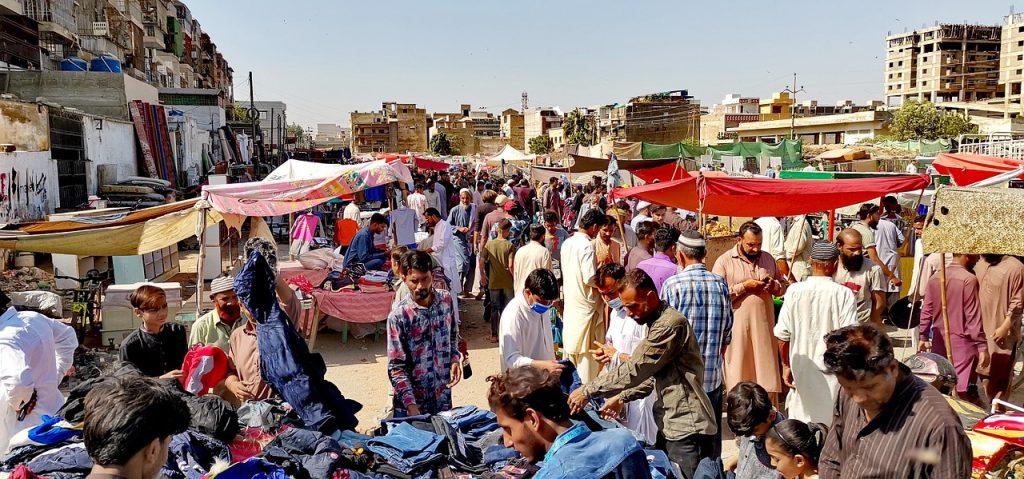
The festivals of the Sindhi Muslims follow the Islamic calendar, with the two Eids as the great celebrations of the year, bringing feasting, new clothes, and visits between families. But the most distinctive festivals of Sindh are the annual commemorations of the Sufi saints, the great fairs held at the shrines to mark the anniversaries of the saints’ passing. These gatherings draw enormous crowds of pilgrims and turn the shrines into vast celebrations of devotion, music, and community.
At these shrine festivals, the poetry of the saints is sung through the days and nights, devotees perform the ecstatic movements of their devotion, and the whole culture of Sufi Sindh is on brilliant display. Alongside the worship, the fairs become great markets and social occasions, where people trade, meet, arrange marriages, and share in the joy of the gathering. These festivals are the high points of the Sindhi religious and social year, expressions of the province’s mystical soul.
Sindh also shares in the wider festivals of the region and preserves its own seasonal and folk celebrations tied to the agricultural year and to the life of the river. Before partition, the Hindu festivals of the large Sindhi Hindu community added further color to the calendar, and the shared celebrations of the two communities expressed the pluralism of the land. Cultural festivals celebrating Sindhi identity, marked by the wearing of ajrak, have become important occasions in modern times.
Weddings, as everywhere in the region, are grand and joyful affairs in Sindh, spread over several days and filled with music, feasting, and the display of finery and embroidery. They mobilize the extended family and community and express the bonds of kinship on which Sindhi society rests. Between the shrine festivals, the religious feasts, and the celebrations of family and identity, the Sindhi year is richly punctuated with occasions for devotion, joy, and the reaffirmation of community.
Conquest and Coexistence
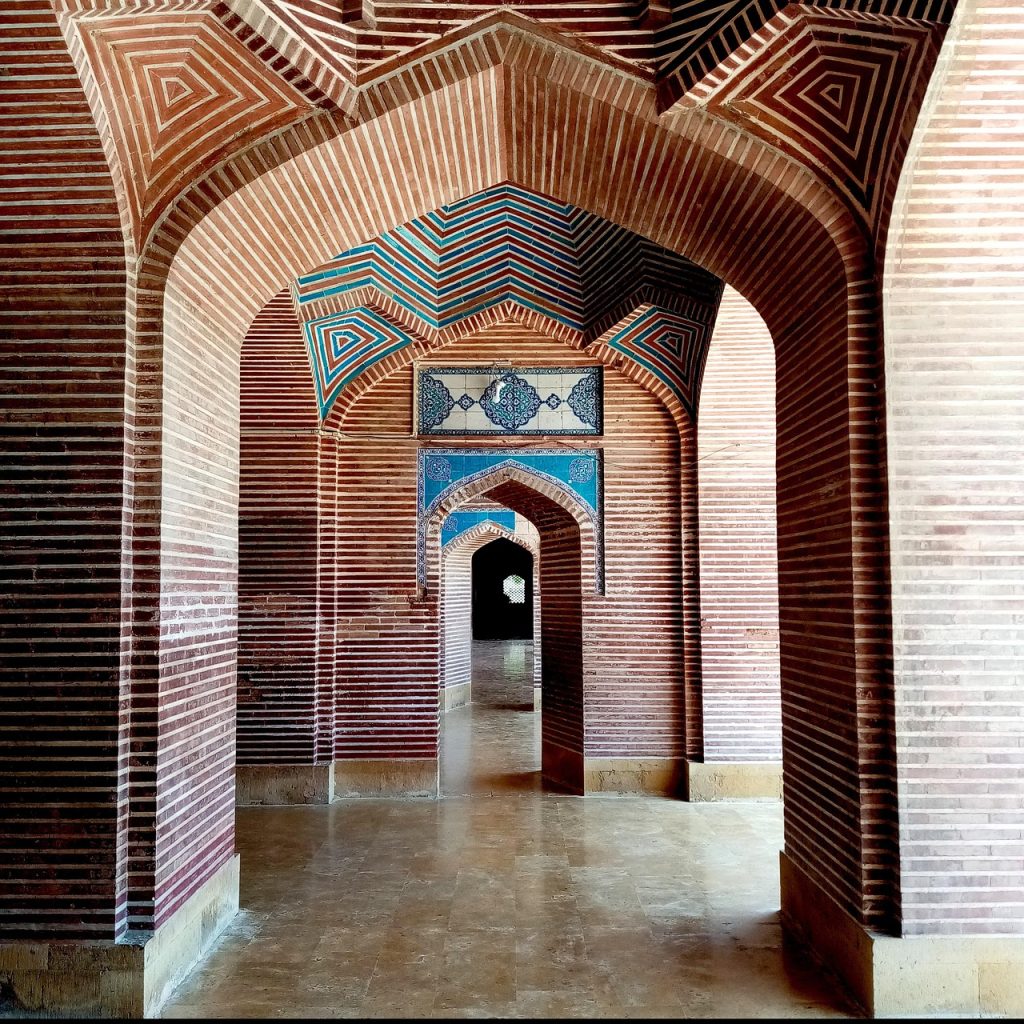
The history of Sindh is a long succession of conquests, for its position as the gateway to the subcontinent from the west made it a prize for empire after empire. Ancient rulers, then the great empires of the subcontinent and Persia, all held Sindh, and in the early centuries of Islam Sindh became one of the first lands of the subcontinent to come under Muslim rule, brought into the Islamic world by an early conquest that opened the region to a new faith and culture.
Over the following centuries Sindh was governed by a succession of dynasties, some of them native to the province and some imposed from outside, and it developed its distinctive blend of Indic and Islamic culture, with the Sufi saints spreading their message of love and tolerance across the land. The province enjoyed periods of prosperity and cultural flowering under rulers who patronized the arts and the shrines, and the pluralistic society of Hindus and Muslims took shape under this long history of coexistence.
The nineteenth century brought the British, who conquered Sindh and incorporated it into their Indian empire, building the great irrigation works that transformed the agriculture of the province and expanding the canal system that spread the Indus water across the land. British rule reshaped Sindh’s economy and administration, and the modern city that grew as its great port became a cosmopolitan center. The changes of this era set the stage for the upheavals that would follow.
The partition of the subcontinent in the middle of the twentieth century was a wrenching turning point for Sindh. The large Sindhi Hindu community, which had shared the language and culture for centuries, largely left for India, carrying Sindhi identity into a diaspora, while Sindh received waves of Muslim migrants from elsewhere. This transformation altered the social fabric of the province and gave rise to tensions and to a heightened consciousness of Sindhi identity that continue to shape its politics.
The Sindhis Today

Today the Sindhis are concentrated in the Pakistani province of Sindh, where they form the great majority of the rural population and one of the largest peoples of the country, while a substantial Sindhi community in India, descended from those who left at partition, maintains the language and culture far from the homeland. A wider diaspora of Sindhi traders and professionals, long famous for their commercial reach, is spread across the world, carrying Sindhi identity to distant shores.
The Sindhis face the challenges of a rapidly changing society: the pressures on their language and culture, debates over the ownership of land and the power of the great estates, the tensions arising from migration into their province, and the strains that modern religious currents place on the pluralistic Sufi tradition. Questions of Sindhi identity, autonomy, and the fair sharing of the river’s water and the province’s resources are live and often contentious in the politics of the region.
Yet Sindhi culture shows great vitality and pride. Sindhi language, literature, and music flourish, the ajrak and the poetry of the saints are celebrated as emblems of identity, and a strong sense of Sindhi nationhood animates the cultural and political life of the province. The tradition of Sufi tolerance, tested but not broken, remains a powerful ideal, and Sindhis continue to assert a vision of their homeland rooted in coexistence, love, and the deep heritage of the river.
For now the Sindhis endure as one of the oldest and most cultured peoples of South Asia, heirs of the world’s most ancient cities and keepers of a mystical tradition of extraordinary beauty. From the deserts of their western neighbors to the great plains of the Indus, this corner of the world holds a mosaic of peoples whose stories interlace, and the journey through the peoples of Asia and the world continues in the chapters that follow, each a new thread in a vast and living tapestry.