In the rugged mountains of southwestern Colombia, in the department of Cauca, live the Nasa, an indigenous people long known to outsiders as the Paez. Their homeland is a demanding land of steep slopes, high valleys, and cloud-wreathed peaks that they regard as living and sacred, and they have inhabited these Andean highlands for a very long time, developing a culture finely adapted to life at high altitude.
This article explores who the Nasa are, from their roots and distinctive language to their beliefs, crafts, food, and their remarkable traditions of communal organization. It also tells of their long history of resistance in defense of their land and rights, a struggle that has made the Nasa one of the most prominent and effectively organized indigenous peoples in all of Colombia.
Contents
- Origins of the Nasa in the Colombian Andes
- The Names Nasa and Paez and What They Mean
- The Nasa Yuwe Language of the Highlands
- Homeland in the Mountains of Cauca
- The Old Way of Life in the Highlands
- How Nasa Society Was Organized
- Beliefs, the Thunder, and the Spirit World
- Traditions Carried Through the Generations
- Crafts of Wool, Fiber, and the Loom
- Food from the Mountain Fields
- Festivals, Music, and Community Life
- A History of Resistance and Endurance
- The Nasa People Today
Origins of the Nasa in the Colombian Andes
The Nasa, long known to outsiders as the Paez, are an indigenous people of the Andes of southwestern Colombia, living in the rugged mountains of the department of Cauca and neighboring regions. Their homeland is a land of steep slopes, high valleys, cold rivers, and cloud-wreathed peaks, a demanding highland environment far removed from the lowland forests of the Amazon. The Nasa have inhabited these mountains for a very long time.
For centuries the Nasa lived as one of the mountain peoples of the northern Andes, distinct in language and custom from their neighbors. Their traditional way of life was built around the cultivation of the highland fields, the raising of animals, and a deep relationship with the mountains they regarded as living and sacred. They developed a culture finely adapted to life at high altitude in a rugged land.
The Nasa are among the most prominent indigenous peoples of Colombia, known for their strong organization and their long history of resistance in defense of their land and rights. Understanding the Nasa means appreciating both their ancient roots in the Andean highlands and their modern role as leaders in the indigenous movement of Colombia, a people who have fought hard to preserve their territory and identity.
Life in the high Andes demanded a different kind of knowledge from that of the lowland peoples, and the Nasa mastered the art of farming steep slopes at altitudes where cold, cloud, and thin air set the terms of existence. This mountain expertise, built up over many generations, lay at the foundation of their culture.
Neighboring highland peoples such as the Guambiano shared parts of this mountainous world with the Nasa, each maintaining its own language and identity within the wider indigenous mosaic of the Colombian Andes.

The Names Nasa and Paez and What They Mean
The people call themselves Nasa, a word in their own language meaning, in essence, the people. For centuries outsiders knew them as the Paez, a name derived from a river in their homeland and applied broadly to the group. In recent decades the people’s own name, Nasa, has increasingly replaced the outside label, reflecting a wider movement to name indigenous peoples as they name themselves.
The shift from Paez to Nasa is more than a change of spelling; it reflects the reassertion of an identity long defined by others. The name Nasa carries the people’s own understanding of who they are, rooted in their language and their relationship to their mountain homeland. The older name Paez still appears in many sources, but Nasa is the name the people themselves prefer.
Whatever the name used, the Nasa have long possessed a strong and clear sense of their distinct identity, separate from the surrounding peoples of the Colombian Andes. That identity, rooted in language, land, and a history of struggle, has survived centuries of pressure. Reclaiming the name Nasa has been part of the wider assertion of that identity in the modern era.
That a people should have been known for so long by the name of a river rather than by their own word for themselves says much about the colonial habit of naming, and the return to Nasa is part of a broader reclaiming of voice among the indigenous peoples of the Americas.
In documents and scholarship both names still appear, so that a reader may meet the same people as Paez in one source and Nasa in another, a small reminder of how recently the change has taken hold.

The Nasa Yuwe Language of the Highlands
The Nasa speak Nasa Yuwe, a language whose wider relationships remain uncertain and which is often classified as a language isolate or as difficult to link firmly to any larger family. Nasa Yuwe carries a distinctive way of describing the mountain world and lies at the heart of Nasa identity, culture, and the deep spiritual relationship the people have with their homeland.
Compared to many indigenous languages, Nasa Yuwe has shown considerable vitality, remaining in use among a large number of speakers, though it faces pressure from Spanish and from the changes brought by contact with the wider society. The strength of the language reflects the cohesion of Nasa communities and their determination to maintain their culture in the face of these pressures.
Efforts to support and strengthen Nasa Yuwe, including its use in schools and in community life, are part of the broader Nasa movement to defend their culture and rights. The language is understood as essential to the survival of Nasa identity, and its continued vitality is a central concern of the communities and organizations that represent the people in the modern era.
The continued strength of Nasa Yuwe, spoken by a large community and increasingly taught in schools, stands out in a country where many indigenous languages have grown fragile, and it reflects the same cohesion that has made the Nasa so effective in defending their rights.

Homeland in the Mountains of Cauca
The Nasa homeland lies in the Andes of southwestern Colombia, above all in the department of Cauca, in a region of steep mountains, high valleys, cold rivers, and cloud forest. This is a demanding highland environment, where altitude shapes the climate and the possibilities of life. The mountains themselves are central to Nasa identity, regarded as living beings and sacred places.
For the Nasa, this environment was both home and the foundation of their culture. They knew its slopes, valleys, and weather with a precision born of long experience, and adapted their farming and their whole way of life to the demands of high altitude. Settlements and fields were arranged across the mountainous terrain, and the rhythm of life followed the highland seasons.
The Nasa homeland has been the scene of a long struggle over land, as the people fought to recover territory lost to large estates and to defend their communities against the violence that afflicted the region. The mountains remain central to Nasa identity, and the defense of the homeland has been inseparable from the wider struggle of the people to maintain their way of life and their autonomy.
The recovery of land, taken piece by piece over the twentieth century through organized effort, became one of the defining struggles of the Nasa, for whom the mountains were not merely a resource but the living foundation of their identity.
The paramo, the high moorland above the tree line, held special importance as a source of water and as a sacred zone, its cold expanses feeding the rivers on which life in the valleys below depended.

The Old Way of Life in the Highlands
Traditional Nasa life was built around the family and the community, living in dwellings suited to the cold highland climate and cultivating the fields carved from the mountain slopes. The demands of high-altitude farming shaped the way of life, and the people grew crops adapted to the cool climate while raising animals suited to the mountains. The land and its cultivation lay at the center of daily life.
The daily rhythm followed the highland seasons and the demands of the fields. Work was shared according to age and skill, with the whole community bound together by ties of kinship and mutual obligation. Knowledge of the mountains, their weather, and their soils was essential, and this knowledge was passed down through the generations as children learned by working alongside their elders.
This way of life gave the Nasa a strong self-sufficiency rooted in the cultivation of the highland fields, but it was also marked by a deep spiritual relationship with the mountains and the land. Farming was not merely a practical activity but was bound up with the beliefs and ceremonies through which the Nasa maintained their relationship with the living mountains and the spirit world.
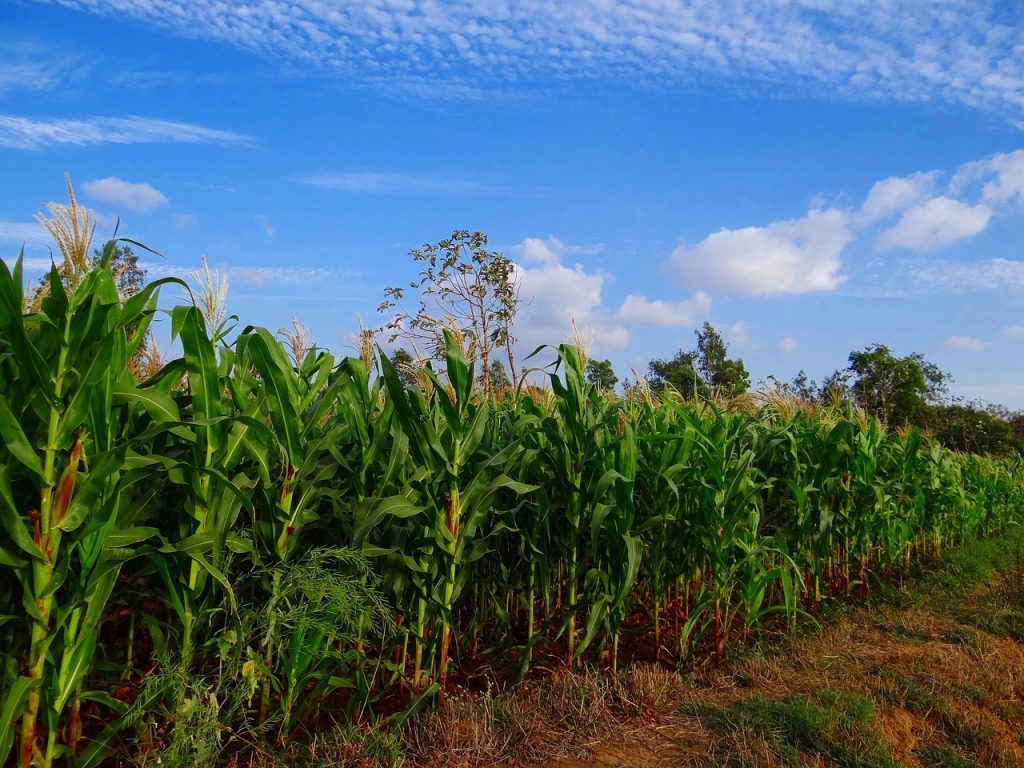
The cultivation of maize and other highland crops followed a calendar shaped by altitude and cloud, and the Nasa read the signs of their mountains closely, timing planting and harvest to a rhythm learned over countless seasons.
The mutual labor by which neighbors helped one another clear, plant, and harvest bound the community together in bonds of reciprocity, so that farming was as much a social act as an economic one.

How Nasa Society Was Organized
Nasa society has long been organized around the community and, in the modern era, around strong systems of communal governance that have become a hallmark of the people. Traditional authority combined the guidance of elders and spiritual leaders with communal decision-making, and the Nasa developed a distinctive tradition of collective organization that would prove crucial in their modern struggles.
The staff of authority carried by Nasa leaders became a powerful symbol of this communal governance, representing the responsibility of leadership on behalf of the community. Authority was understood as a form of service to the collective, and leaders were accountable to the community. This tradition of communal organization gave the Nasa a strength and cohesion notable among the peoples of the region.
In the modern era, the Nasa built on these traditions to create powerful organizations that have made them leaders in the indigenous movement of Colombia. Their systems of communal governance, including their own guards and councils, have allowed them to defend their territory and rights with remarkable effectiveness. This capacity for collective organization is one of the defining features of the Nasa people.
The bastones, the wooden staffs of authority carried by community leaders and by the members of the indigenous guard, came to embody the Nasa ideal of leadership as service, a responsibility held on behalf of the collective rather than a personal power.
Decisions of importance were often taken in large communal assemblies rather than handed down from above, a practice that gave Nasa governance both legitimacy and a formidable capacity to act together.

Beliefs, the Thunder, and the Spirit World
The spiritual world of the Nasa is bound up with the mountains, the land, and the natural forces of their highland homeland. They understand the mountains as living beings and the world as filled with spiritual powers that must be respected and kept in balance. The thunder holds a special place in Nasa belief, associated with powerful spiritual forces and with the origins of the people themselves.
Spiritual specialists, healers, and elders hold knowledge of how to maintain balance with the spirit world, to heal illness, and to conduct the ceremonies that mark the life of the community and the rhythm of the seasons. This knowledge is closely tied to the land, the language, and the deep relationship between the Nasa and their mountains. It lies at the heart of Nasa identity and culture.
The ceremonies through which the Nasa maintain their relationship with the land and the spirit world remain central to their life, connecting the people to their ancestors and to the sacred mountains. Despite centuries of pressure from outside forces, including efforts to suppress their beliefs, the Nasa have preserved this spiritual tradition, which continues to guide and sustain their communities in the present.
The association of the people with the thunder gave their spiritual world a dramatic character, linking the origins and destiny of the Nasa to one of the most powerful forces of their stormy mountain sky.
Ceremonies timed to the agricultural year renewed the bond between the people and their living mountains, gathering communities to give thanks and to ask for balance in the seasons to come.

Traditions Carried Through the Generations
Nasa traditions were carried forward through the spoken word, through ceremony, and through the guidance of elders rather than through writing. The knowledge needed to live in the highlands, the stories that explained the world, and the beliefs and ceremonies that bound the people to the land all passed from one generation to the next through instruction and shared experience. This inheritance held the wisdom and identity of the people.
Storytelling, song, and ceremony carried the myths and values of the community, teaching the young how to live and how to understand their relationship with the mountains and the spirit world. The Nasa maintained a strong sense of shared identity through these traditions, reinforced by the cohesion of their communities and their long history of collective struggle.
The pressures of colonization, land loss, and the violence that afflicted their region placed strain on the transmission of these traditions, yet the Nasa proved remarkably resilient. Their strong communal organization helped them preserve their language, beliefs, and customs, and passing this heritage to the young remains central to their sense of who they are and to their ongoing struggle for autonomy.
The teaching of Nasa Yuwe and of the old stories to children has become a deliberate project in many communities, so that cultural transmission, once simply a part of daily life, is now also a conscious act of survival.

Crafts of Wool, Fiber, and the Loom
Nasa crafts reflected the materials and needs of life in the cold highlands, above all the working of wool and fiber into the garments and textiles needed for warmth in the mountain climate. Weaving on the loom produced cloth, ruanas, and other items essential to daily life, and the skill of the weaver was an important part of Nasa material culture and identity.
Fibers and other natural materials were also worked into bags, baskets, and other useful objects, each shaped for a particular purpose. The textiles and garments produced by the Nasa were not merely practical but carried meaning, marking identity and belonging within the community. The making of these items reflected knowledge and skill passed down through the generations.
The knowledge required to produce these crafts was a form of inheritance, learned by watching skilled hands and practicing over years. As with language and ceremony, this knowledge has faced pressure from the changes brought by contact with the wider world. Encouraging the continued practice of traditional crafts is part of the effort to keep Nasa culture alive for future generations.
The ruana, the woolen garment worn against the mountain cold, is among the most recognizable items of Nasa dress, at once practical protection against the chill of the high Andes and a visible mark of belonging.
Learning to weave was, for many young Nasa, a first step into the wider inheritance of their culture, the loom teaching patience and skill alongside a sense of continuity with those who had woven before.

Food from the Mountain Fields
The Nasa drew their food from the cultivation of the highland fields, growing crops adapted to the cool mountain climate. Maize held an important place, along with other crops suited to the altitude, and the fields carved from the mountain slopes provided the foundation of the diet. The raising of animals added to the food supply and provided materials such as wool for the highland climate.
The demands of high-altitude farming shaped the food economy, and the Nasa developed detailed knowledge of which crops would grow at different elevations and how to work the steep mountain terrain. This knowledge, accumulated over generations, allowed them to sustain themselves in a demanding environment where the possibilities of cultivation were shaped by the altitude and climate.
The processing and sharing of food structured much of daily life, and sharing food within the community was an important social act, binding people together and expressing the values of reciprocity that lay at the heart of Nasa communal life. The food economy, centered on the highland fields, was inseparable from the whole Nasa way of life and their relationship with the mountain land.
Alongside maize the Nasa grew a range of tubers and other highland crops, and the careful matching of each plant to its proper elevation reflected a sophisticated understanding of their vertical mountain world.
Festivals, Music, and Community Life
Gatherings and celebrations brought Nasa communities together for feasting, music, dance, and the renewal of social and spiritual ties. These occasions were important in a society bound by strong communal traditions, offering a chance to strengthen relationships, conduct ceremonies, and affirm the shared identity of the people. They were moments when the community came together and reaffirmed its bonds.
Music and dance marked these events, and ceremonies connected to the agricultural cycle and the spiritual relationship with the mountains held special importance. The gatherings reinforced the bonds between community members and passed on the songs, stories, and knowledge that carried the culture forward. They were occasions of both social and spiritual significance in Nasa life.
In the modern era, gatherings and celebrations have taken on added importance as expressions of Nasa identity and pride, and as occasions to affirm their determination to defend their land and autonomy. Events that celebrate the language, traditions, and communal organization of the Nasa help younger generations connect with their heritage and assert the continued strength of their people.
The great communal assemblies, where thousands might gather to make decisions or to affirm their unity, blended the character of a political gathering with that of a celebration, expressing the deep bond between governance and community in Nasa life.
A History of Resistance and Endurance
The history of the Nasa since the arrival of Europeans is one of resistance and endurance. From the time of the Spanish conquest, the Nasa fought to defend their territory and autonomy, and figures from their history of resistance became powerful symbols of their determination. Despite the loss of much land to colonial and later estates, the Nasa maintained their communities and their identity through the centuries.
In the twentieth century the Nasa became leaders in the Colombian indigenous movement, organizing to recover lands lost to large estates and to defend their rights. They built strong organizations and systems of communal governance that made them one of the most effective indigenous movements in the country. Their struggle to recover and defend their territory was long and often difficult.
The Nasa homeland was also caught up in the violence of Colombia’s long internal conflict, which brought great suffering to their communities. Through it all the Nasa maintained their organization and their commitment to autonomy, developing their own unarmed guard to protect their communities and their territory. Their history is one of a people who fought, and continue to fight, to remain who they are.
The creation of the unarmed indigenous guard, who confront armed actors carrying only their staffs of authority, became one of the most striking expressions of Nasa resistance, a moral force set against the violence that surrounded them.
Historical figures of Nasa resistance, remembered in story and song, provided later generations with powerful examples of defiance, linking the modern movement to a long line of struggle reaching back to the colonial era.

The Nasa People Today
Today the Nasa are among the most numerous and prominent indigenous peoples of Colombia, living in many communities across their homeland in Cauca and neighboring regions. Their strong organizations, systems of communal governance, and their unarmed guard have made them leaders in the indigenous movement of the country. Their language remains widely spoken, and their culture retains much of its traditional strength.
The challenges they face remain serious. Their homeland has been affected by the violence of Colombia’s conflict, and pressures on their land and autonomy continue. Yet the Nasa have shown remarkable resilience and organization in defending their communities, their territory, and their rights, becoming a model of indigenous self-organization admired far beyond Colombia.
The story of the Nasa is one of endurance, resistance, and the strength of communal organization. Rooted in the sacred mountains of the Colombian Andes, speaking their own distinctive language, and bound by strong traditions of collective governance, they have fought for centuries to defend their land and identity. As they look to the future, the Nasa carry forward a heritage of resistance, insisting on their right to their mountains and to remain who they are.
Delegations of the Nasa and their guard have travelled to share their model of communal organization with other communities, and their example has resonated widely in the global conversation about indigenous rights and self-governance.
For younger Nasa, growing up amid both the pressures of the modern world and the strength of their communal institutions, identity is something actively lived and defended rather than merely inherited.

Related Peoples of the Region
- Nambikwara People of the Mato Grosso Savanna and Their Seasonal Wandering World
- Yagua People of the Northwestern Amazon and Their World of Palm and Blowgun
- Kawesqar People of the Patagonian Channels and Their Vanishing Canoe World
- Piaroa People of the Orinoco Forests and Their Philosophy of Peace
- Witoto and Bora Peoples of the Northwest Amazon and Their World of the Maloca
- Cofan People of the Ecuadorian Amazon and Their Fight to Save the Forest