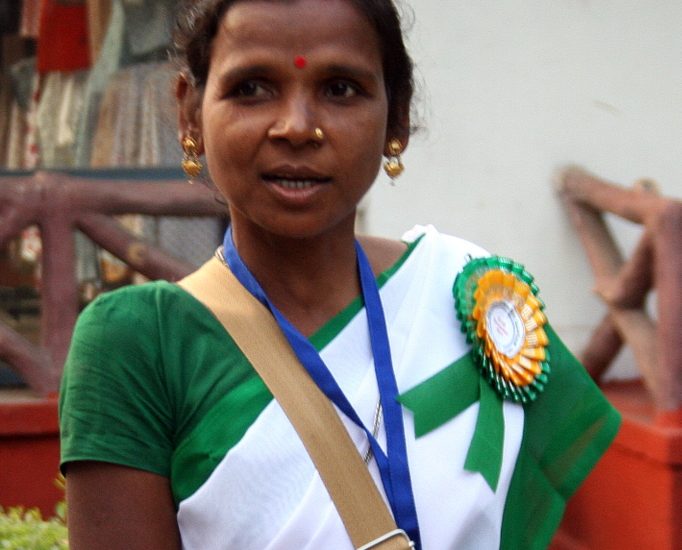
Across the fertile plains of northwestern India and Pakistan, from the Punjab to Haryana, Rajasthan, and the UP plains, live the Jats, one of the largest and most influential communities of the region. A great agrarian and martial people, dominant in the farming and the politics of the northwest, and divided by faith into Hindu, Sikh, and Muslim, they are famed for their hardy character, their attachment to the land, and their prowess as cultivators and soldiers.
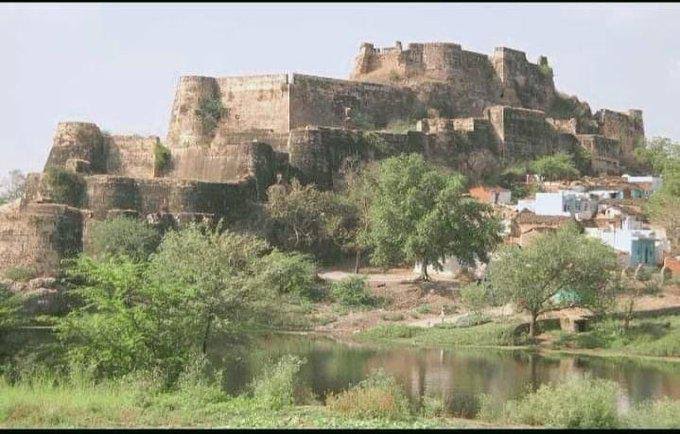
From the fort of Bharatpur that Suraj Mal raised against the empires to the wrestling pits of the villages, from the phulkari and the Bhangra to the ranks of the Jat Regiment, the Jats combine the plough and the sword in a vigorous rural culture. This article traces their origins, language, homeland, society, religion, and traditions, and the story of the great farming and fighting people of the northwestern plains.
The Jats on Film
Contents
- Origins
- The Name
- The Language
- The Homeland
- The Old Way of Life
- Society and Community
- Religion and Belief
- Traditions
- Crafts
- Food
- Festivals
- History
- Today
Origins
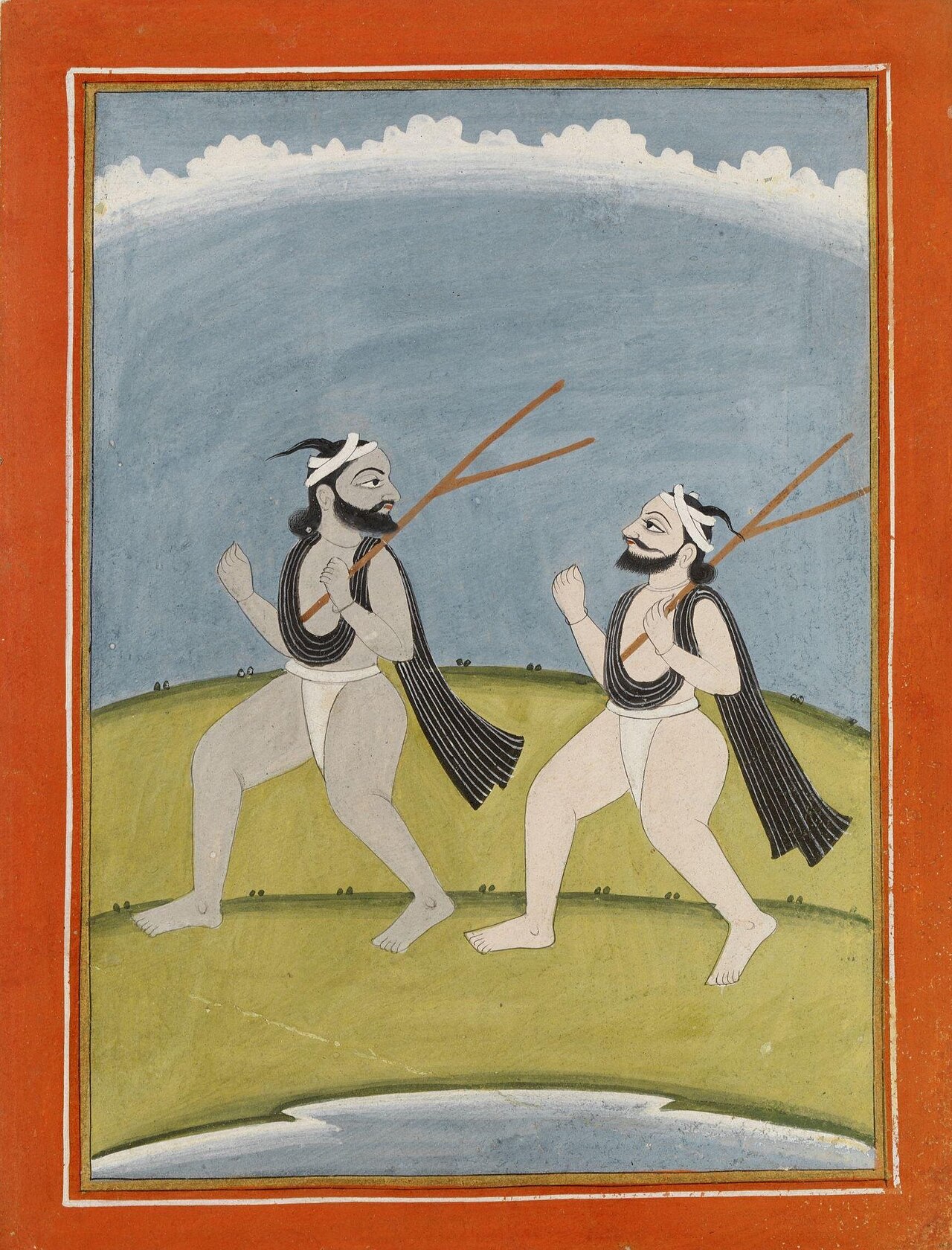
The Jats are one of the largest and most influential communities of northwestern India and Pakistan, a great agrarian and martial people concentrated above all in the Punjab, Haryana, Rajasthan, and western Uttar Pradesh, with large populations across the border in Pakistani Punjab and Sindh. Traditionally farmers and soldiers, and divided by religion into Hindu, Sikh, and Muslim Jats, they are renowned for their hardy character, their dominance of the fertile lands of the northwest, and their prominent place in the agriculture, the armies, and the politics of the region.
The origins of the Jats are much debated, with theories connecting them to ancient pastoral and agrarian peoples of the northwestern regions and to various historical migrations, but what is clear is that by the medieval period the Jats were established as a great farming and fighting people across the plains of the northwest. From cultivators and herders they rose, through their numbers, their martial vigour, and their command of the land, to a position of dominance in the countryside, founding kingdoms, filling armies, and shaping the society of the region, a position they retain to this day.
The Name
The name Jat (also written Jatt among the Sikhs and Jaat in Haryana) denotes this large community of the northwestern plains, its origin uncertain but the name long established as that of the great agrarian people of the region. The Jats are divided into numerous clans, the gotras, which are central to their identity and social organisation and which regulate marriage.
As an identity, Jat denotes this farming and martial community, distinguished from other communities of the region by descent, by its clan structure, and by its traditional dominance of the land, and cutting across the divisions of religion, for there are Hindu Jats (above all in Haryana, Rajasthan, and western UP), Sikh Jats (in the Punjab), and Muslim Jats (in Pakistan and parts of India). Despite these religious divisions, the Jats share a strong common identity as a people, rooted in a common origin, a common clan structure, and a shared culture and character, and are intensely conscious of their heritage as the great cultivators and warriors of the northwest.
The Language
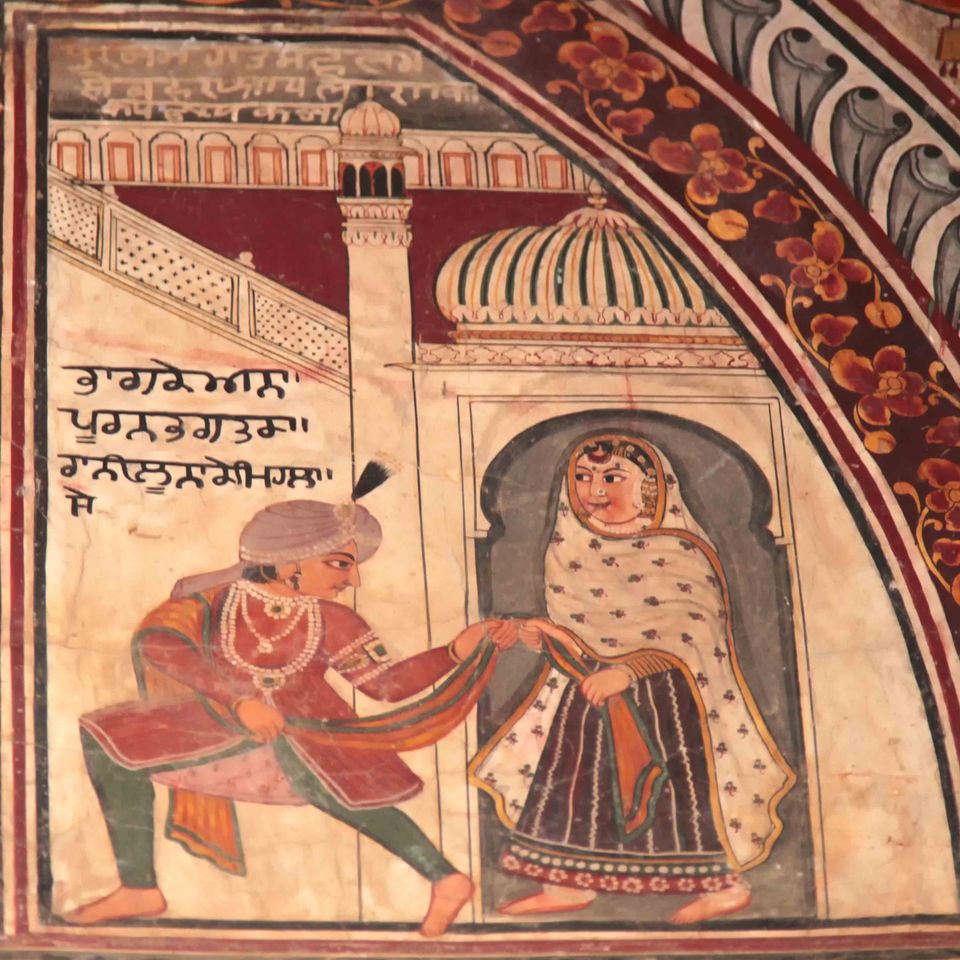
The Jats speak the regional languages of the northwestern plains according to where they live: Punjabi, above all among the Sikh Jats of the Punjab, written in the Gurmukhi script; Haryanvi, a form of Hindi, among the Jats of Haryana; Rajasthani dialects in Rajasthan; and the western Hindi of the UP plains, along with, among the Muslim Jats of Pakistan, Punjabi, Sindhi, and Saraiki. Thus the Jats are not marked by a single distinct language but by the languages of their regions.
These languages, written in the Gurmukhi, Devanagari, or Perso-Arabic scripts according to region and religion, carry the rich folk traditions of the Jat country, its songs, ballads, and oral epics celebrating the heroism, love, and rural life of the people. The heroic ballads of the region, recounting the deeds of Jat warriors and lovers, are a treasured part of this heritage. Sharing the languages of the northwestern plains rather than possessing one of their own, the Jats are nonetheless bound by a common culture expressed in these regional tongues and their folk literature.
The Homeland

The homeland of the Jats is the great fertile plain of northwestern India and Pakistan, above all the Punjab, “the land of five rivers,” and the neighbouring regions of Haryana, Rajasthan, and western Uttar Pradesh, a land of rich alluvial soil, extensive cultivation, and, in modern times, intensive irrigation. This is one of the most productive agricultural regions of the subcontinent, long a granary of India, and the Jats have been its principal cultivators.
The fertile plains, watered by the rivers and by canal and tube-well irrigation, and the wheat, sugarcane, cotton, and other crops they bear, have shaped the whole life and character of the Jats, tying them to the land and making them a people of the soil. The region’s strategic position on the invasion routes into India also shaped the Jats’ martial character, for the plains of the northwest were a corridor of armies and a land that bred hardy fighters. This northwestern plain, fertile and hard-worked, and long the scene of both agriculture and war, is the homeland of the Jat people.
The Old Way of Life
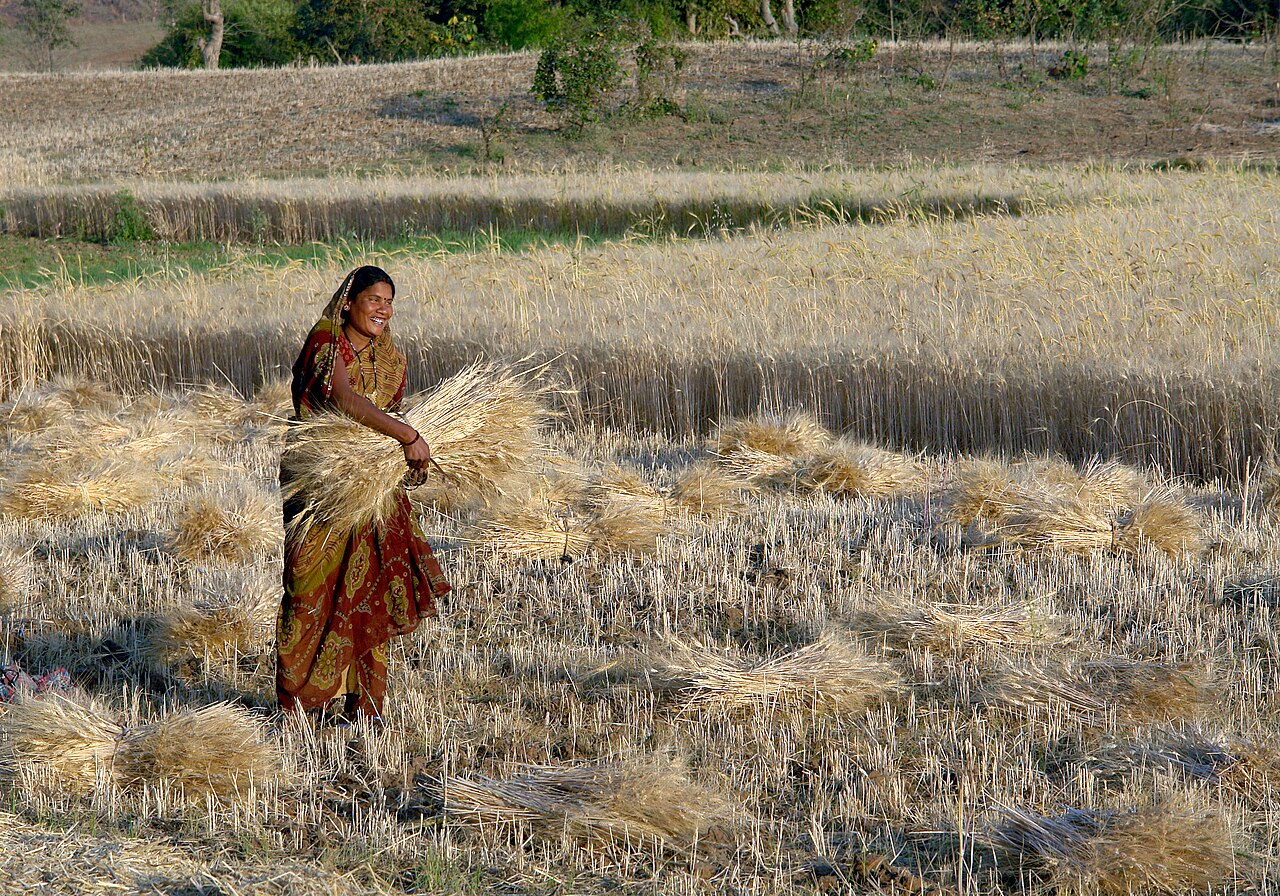
The traditional life of the Jats is that of the farmer, for the Jats are, above all, cultivators, and their dominance of the fertile lands of the northwest, worked with skill and hard labour, is the foundation of their character and their position. The Jat is proverbially a man of the soil, attached to his land, hard-working, and self-reliant, and the cultivation of wheat, sugarcane, cotton, and other crops has been the mainstay of the Jat economy for centuries.
Alongside farming, the Jats developed a strong martial tradition, for the community, forged in the turbulent history of the northwest, became renowned as soldiers and fighters, defending their lands, founding kingdoms, and serving in great numbers in the armies of the region and, later, of British and independent India, in which the Jat Regiment and the Sikh regiments recall their martial fame. The combination of the farmer and the soldier, the plough and the sword, rooted in the land of the northwest, has been central to the traditional life and character of the Jats, a hardy, independent, and vigorous people of the soil.
Society and Community
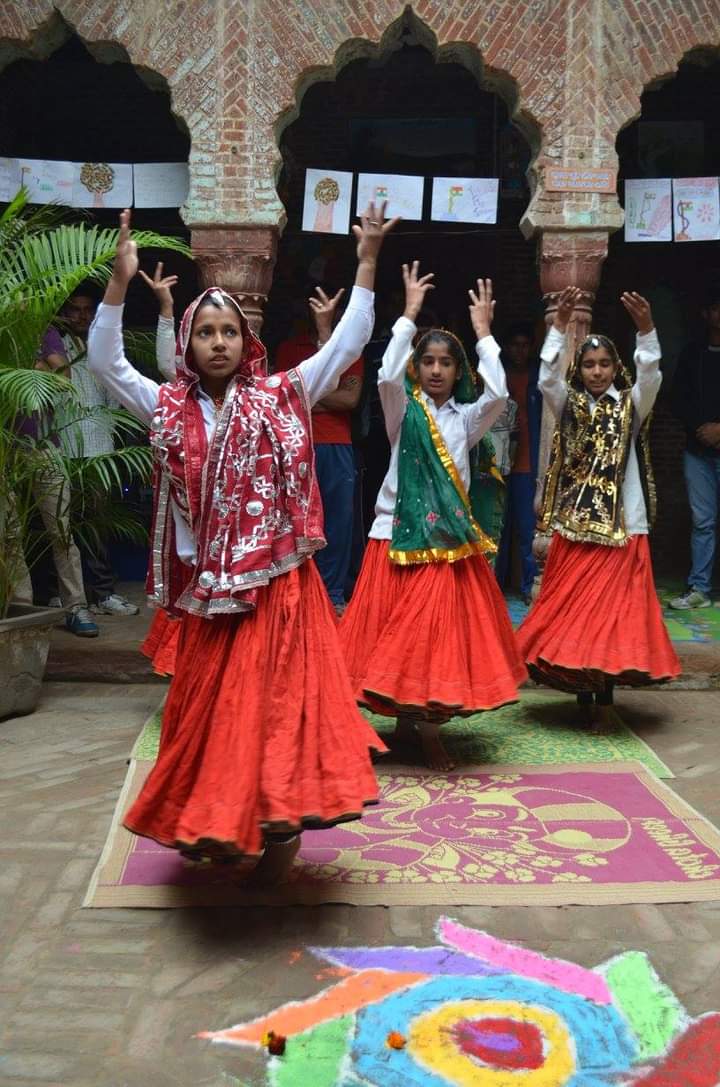
Jat society is organised around the clan (gotra), the village, and the extended family, and is marked by a strong sense of clan solidarity, honour, and attachment to the land. The gotra, the exogamous clan, is fundamental to identity and regulates marriage, and clan and village councils, the khap panchayats in Haryana and the neighbouring regions, have historically wielded great influence over social matters, custom, and the settlement of disputes.
Jat society is known for its egalitarian spirit among its members, its emphasis on hard work and self-reliance, and its strong, at times conservative, adherence to custom and honour, and it has been criticised, like other communities of the region, for patriarchal attitudes and a skewed sex ratio. Yet it is also marked by vigour, solidarity, and a strong communal identity. The community’s dominance of the land gave it economic and political power in the countryside, and the Jats have been a major force in the politics of the northwestern states. Bound by clan, village, and attachment to the land, and animated by an ethic of hard work and honour, Jat society is a powerful and cohesive social order.
Religion and Belief
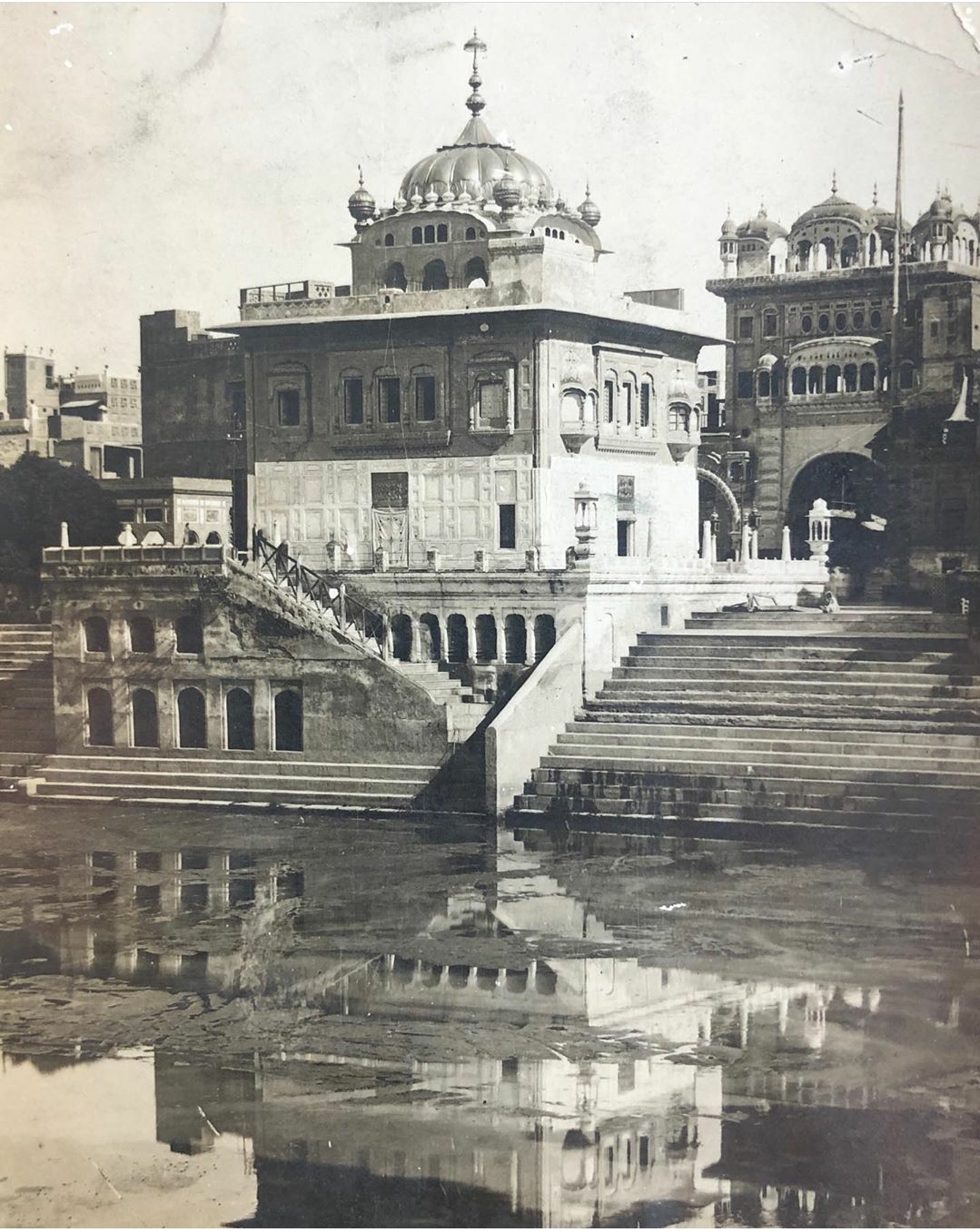
The Jats are divided by religion, and this is one of the most striking features of the community, for there are Hindu, Sikh, and Muslim Jats, the division following broadly the regional and historical pattern of the northwest. The Jats of Haryana, Rajasthan, and western Uttar Pradesh are predominantly Hindu; the Jats of the Indian Punjab are largely Sikh, forming indeed the backbone of the Sikh community; and the Jats of Pakistani Punjab and Sindh are Muslim.
Despite these religious divisions, the Jats retain a strong common identity across faiths, and their religious life, whether Hindu, Sikh, or Muslim, is coloured by the folk traditions and the veneration of local deities, saints, and heroes characteristic of the countryside of the northwest. The Hindu Jats worship the gods of Hinduism and their village and clan deities; the Sikh Jats follow the Sikh faith and its Gurus; and the Muslim Jats follow Islam, often with the veneration of Sufi saints. This division of a single people among three great religions, while retaining a common identity, is a distinctive feature of the Jats.
Traditions
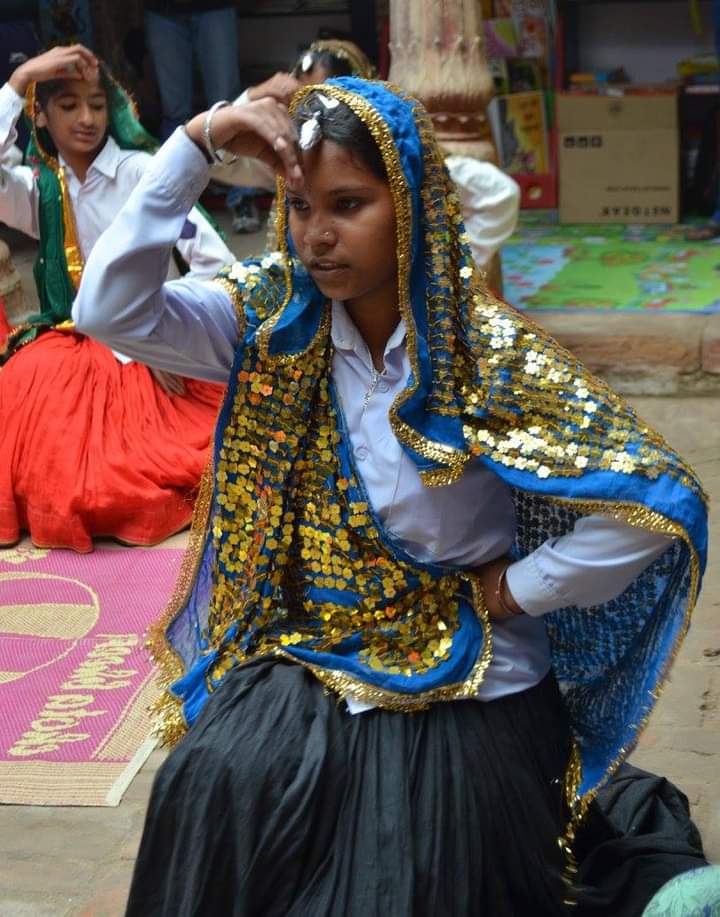
The traditions of the Jats are those of the vigorous rural culture of the northwestern plains, expressed in folk music, dance, sport, and the customs of the countryside. The Jat country is rich in folk song and dance, above all the exuberant Bhangra of the Punjab and the various folk dances of Haryana, performed at weddings, harvests, and festivals, and in a wealth of heroic ballads and folk tales celebrating the deeds of Jat warriors and the loves and struggles of rural life.
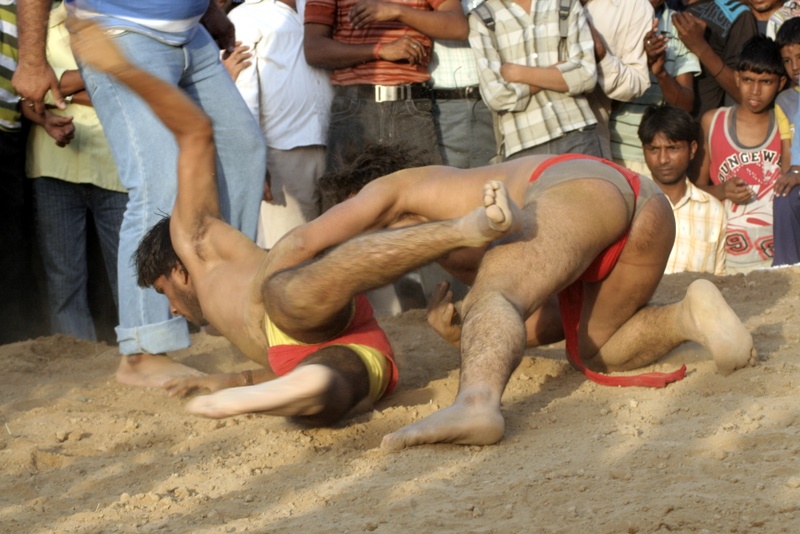
Wrestling (kushti) and other feats of strength are a great traditional passion, the village akhara, or wrestling pit, being an important institution, and the Jats’ love of sport and physical prowess is proverbial, reflected in their prominence in wrestling, athletics, and the armed forces. The customs surrounding the clan, marriage, and the rural festivals, the cattle and horse fairs, and the celebration of the harvest mark the life of the community. Through these traditions of music, dance, sport, and rural festivity, the Jats express their hardy and vigorous culture.
Crafts

The Jats share in the rich craft and material traditions of the Punjab and the northwestern plains, above all the celebrated phulkari embroidery, the “flower work” in which brilliant floral and geometric patterns are worked in silk thread on cloth for the shawls and garments of weddings and festivals, one of the most beautiful of the region’s textile traditions. The bright dress and ornament of the Jat countryside, worn at celebrations, express the community’s love of colour.
Beyond embroidery, the material culture of the Jats reflects their agrarian and martial life: the implements of farming and the crafts of a prosperous rural community, the making of ornaments and the jutti footwear and other objects of Punjabi and Haryanvi dress, and the weapons and gear of the community’s martial tradition. The building of the substantial farmhouses of the prosperous Jat cultivators, and the furnishing of the rural home, reflect the community’s wealth and character. These crafts, above all the famous phulkari embroidery, reflect the artistry and prosperity of the Jat community and the northwestern plains.
Food
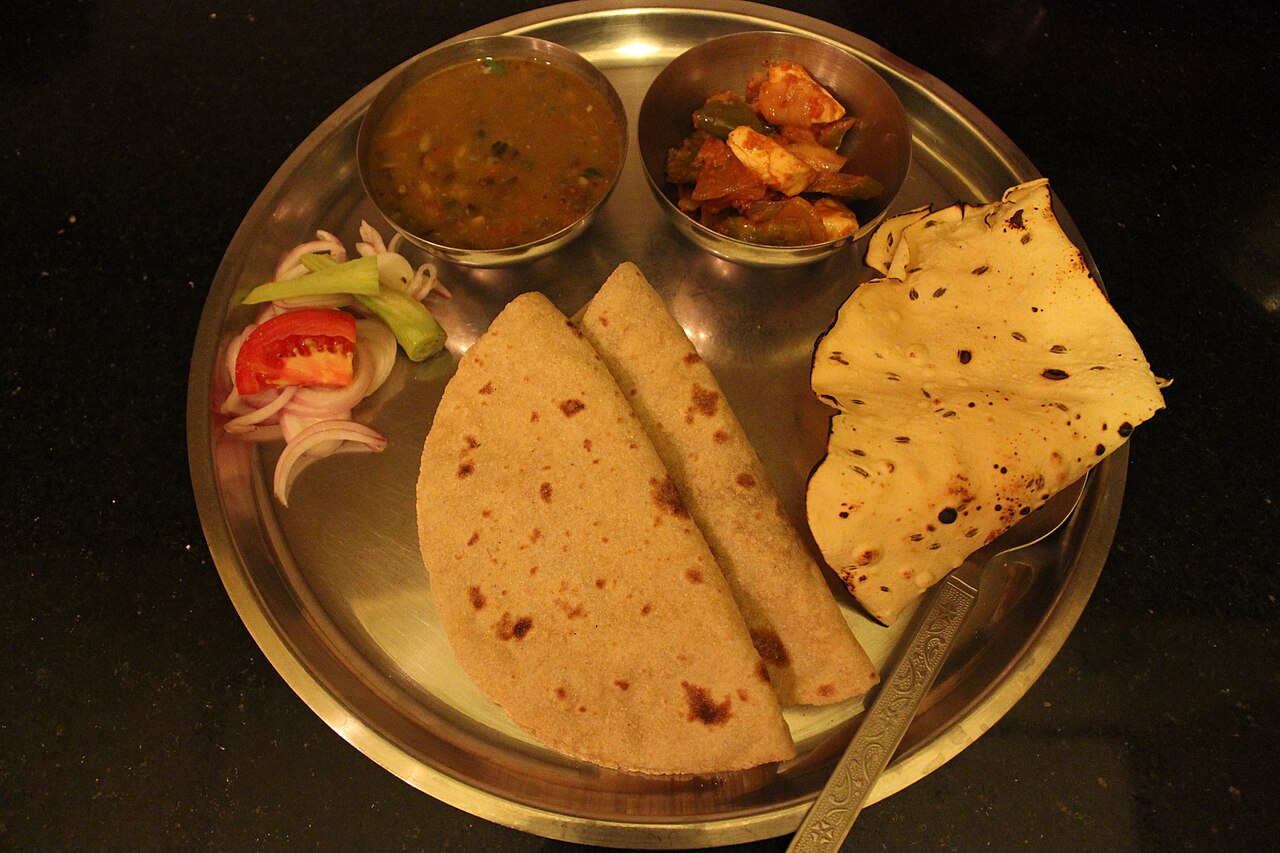
Jat cuisine is the hearty, robust food culture of the northwestern plains, shared with the wider Punjabi and Haryanvi world and famous for its generous use of wheat, dairy, and the produce of the fertile land. Wheat, in the form of rotis and breads, is the staple, accompanied by lentils, vegetables, and, for many, meat, and above all by the abundant dairy of the region, the milk, ghee, butter, curd, and buttermilk for which the Jat country is renowned.
Iconic dishes of the region, such as sarson ka saag with makki di roti (mustard greens with cornbread), dal, the rich curries and breads, and the lassi and other dairy preparations, are the fare of the Jat table, hearty food suited to a people of hard physical labour. The generous hospitality of the Jat household, and the lavish food of weddings and festivals, are proverbial. This robust, dairy-rich cuisine, generous and nourishing, reflects the agricultural wealth of the land and the hardy character of the Jat people.
Festivals
Festivals fill the Jat year, blending the religious observances of the community’s various faiths with the seasonal and agricultural festivals of the northwestern plains. The great harvest festival of Vaisakhi in April, marking the spring harvest, is celebrated with special vigour across the Jat country, and, for the Sikh Jats, coincides with the great Sikh festival of the same name. The festivals of the agricultural year, tied to sowing and harvest, bind the community to the rhythms of the land.
The Hindu Jats celebrate the festivals of Hinduism, above all Holi, Diwali, Dussehra, and the seasonal festival of Teej; the Sikh Jats the festivals of the Sikh faith; and the Muslim Jats the festivals of Islam, so that the community’s calendar reflects its religious diversity. Everywhere, the cattle and horse fairs, the wrestling matches, and the rural melas, combining trade, sport, and festivity, are great occasions of Jat life. Through these festivals, agricultural and religious, with their music, dance, sport, and feasting, the Jats express their vigorous rural culture.
History

The history of the Jats is one of a great agrarian people who rose repeatedly to political and military power in the northwest. Established as the principal cultivators of the region by the medieval period, the Jats grew in numbers, wealth, and martial strength, and in the seventeenth and eighteenth centuries, amid the decline of the Mughal empire, they rose in arms and founded states of their own. The most famous was the Jat kingdom of Bharatpur, forged by the great ruler Suraj Mal in the eighteenth century, whose formidable fort at Bharatpur famously resisted attack.
The Sikh Jats formed the backbone of the Sikh community and the armies of the Sikh Empire of Ranjit Singh, and the Jats played a major part in the struggles of the northwest against Mughal, Afghan, and other powers. Under British rule the Jats became a valued martial community, recruited in great numbers into the Indian Army, and prospered as the cultivators of the canal-irrigated Punjab. Since independence they have been a dominant force in the agriculture and politics of the northwestern states, and prominent in the armed forces and in sport. This history, of a farming people risen to power through numbers, martial vigour, and command of the land, is central to the Jat identity.
Today
Today the Jats are one of the most prominent and influential communities of northwestern India and Pakistan, dominant in the agriculture of the Punjab, Haryana, Rajasthan, and western Uttar Pradesh, and powerful in the politics of these states, from which have come many leading political figures. The community played a central role in the Green Revolution that transformed Indian agriculture, and remains the backbone of farming in one of the country’s most productive regions, as well as a major presence in the armed forces and in sport, above all wrestling and athletics.
The Jats face the challenges of the modern era, including the pressures on agriculture, questions of land, water, and the future of farming, and social issues such as the khap panchayats and the skewed sex ratio, and in recent years the community has been prominent in agitations over agricultural policy and over questions of reservation and status. Yet the Jats remain a powerful, prosperous, and self-confident community, proud of their heritage as the great cultivators and warriors of the northwest, and strong in their clan solidarity, their attachment to the land, and their vigorous culture. Heirs to a proud history of farming and fighting, the Jats carry their distinctive identity into the modern age.
Related Peoples of the Region
- The Irula, the Snake-Catchers of the Tamil Forests
- The Banjara, the Caravan People of India
- The Siddi, India’s People of African Descent
- The Andamanese, Ancient Islanders of the Bay of Bengal
- The Nicobarese, Island People of the Bay of Bengal
- The Sikhs, the Disciples of the Gurus
- The Parsis, Zoroastrians of India
- The Anglo-Indians, a People Between Two Worlds
More Peoples of the World
- A Fifth of Humanity, the Story of the Han Chinese
- How the Maori Sailed Across the Pacific to Reach New Zealand
- Zulu of the Green Hills and Their Kingdom Forged by Shaka
- The People Who Never Vanished, the Story of the Maya
- Long Before the Arabs Came, North Africa Belonged to the Amazigh
- The People Who Emerged Into This World, the Story of the Navajo
- Meet the Ainu, an Indigenous People at Japan’s Northern Edge
You May Like

The Hani, Masters of the Yunnan Rice Terraces