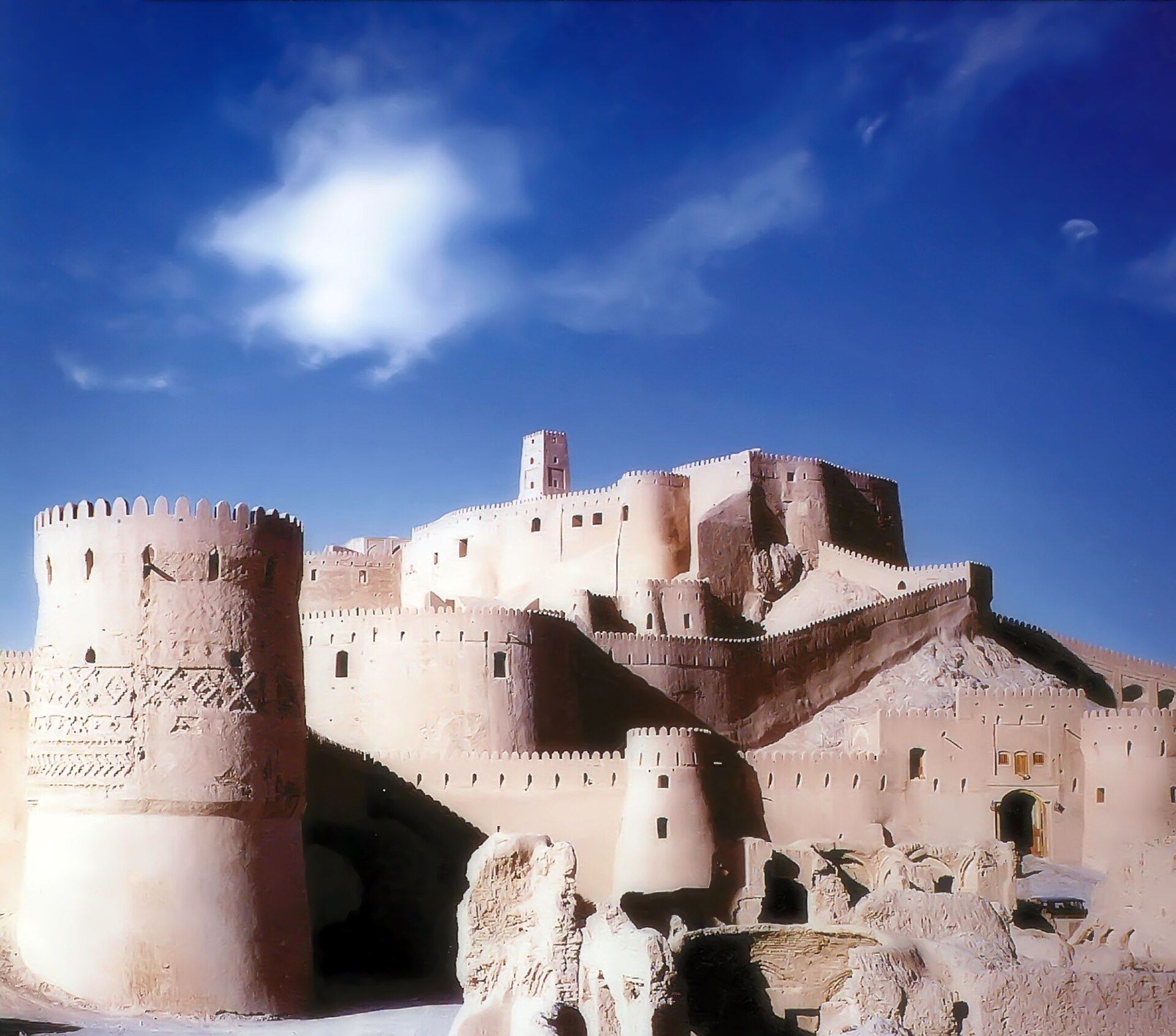
In the desert of southeastern Iran, rising from the arid plain like a great golden sandcastle sculpted by giants, there stands the most extraordinary mud-brick monument in all the world. Arg-e Bam, the Citadel of Bam, is the largest adobe structure ever built, a vast walled city of sun-dried clay that grew up over some two thousand years at a great crossroads of the Silk Road. Its towers and ramparts, its houses and mosques, all raised from the very earth of the desert, form a spectacle unlike any other on the face of the planet.
In this article you are invited to explore the history and the architecture of this remarkable citadel, from its ancient origins in the age of the Persian empires, through its long flowering as a center of trade and craft on the Silk Road, down to the terrible earthquake that shattered it in our own century and the great effort to raise it once more. Arg-e Bam is a monument to the ingenuity of those who built a whole city from mud, and to the resilience of a place that has endured, and been reborn, across more than two thousand years.
In This Article
- The Largest Adobe Structure on Earth
- A Citadel on the Silk Road
- Ancient Origins
- The Islamic Centuries
- Silk and Cotton
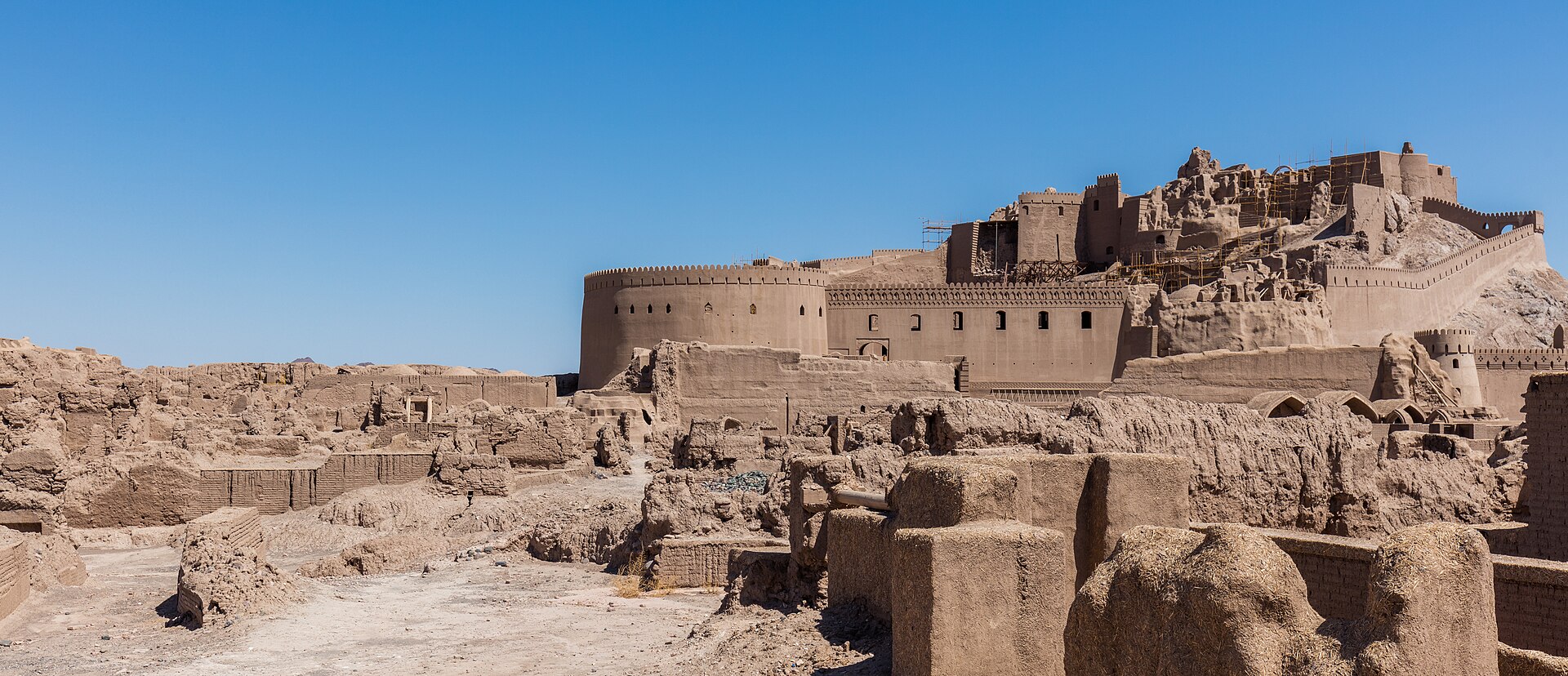
- The Great Walls and Towers
- The Gates and the Bazaar
- The Friday Mosque
- The Governor’s Quarters
- Stables, Barracks, and the Garrison
- The Safavid Golden Age
- Decline and Abandonment
- The Earthquake and the Rebirth
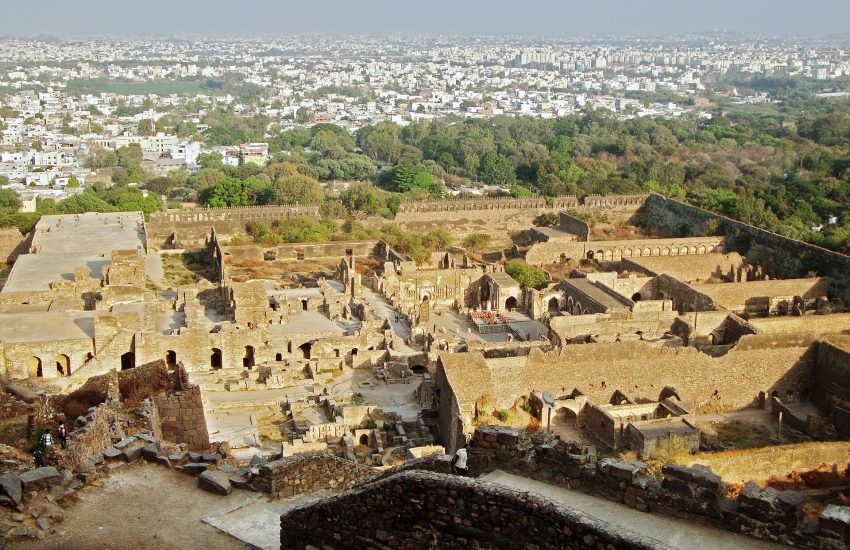
- Castles Nearby
- The Great Sandcastle of the Desert
The Largest Adobe Structure on Earth
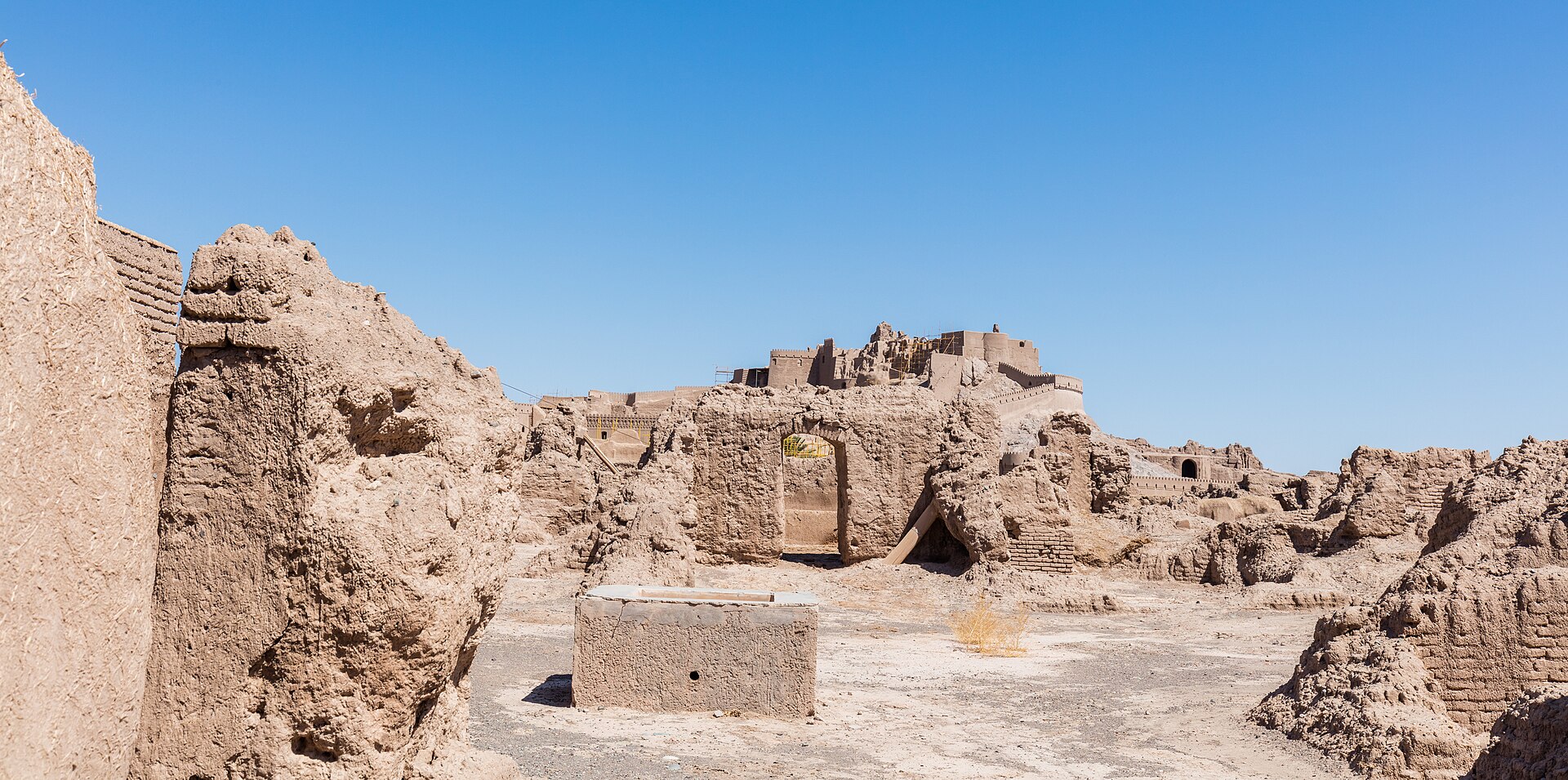
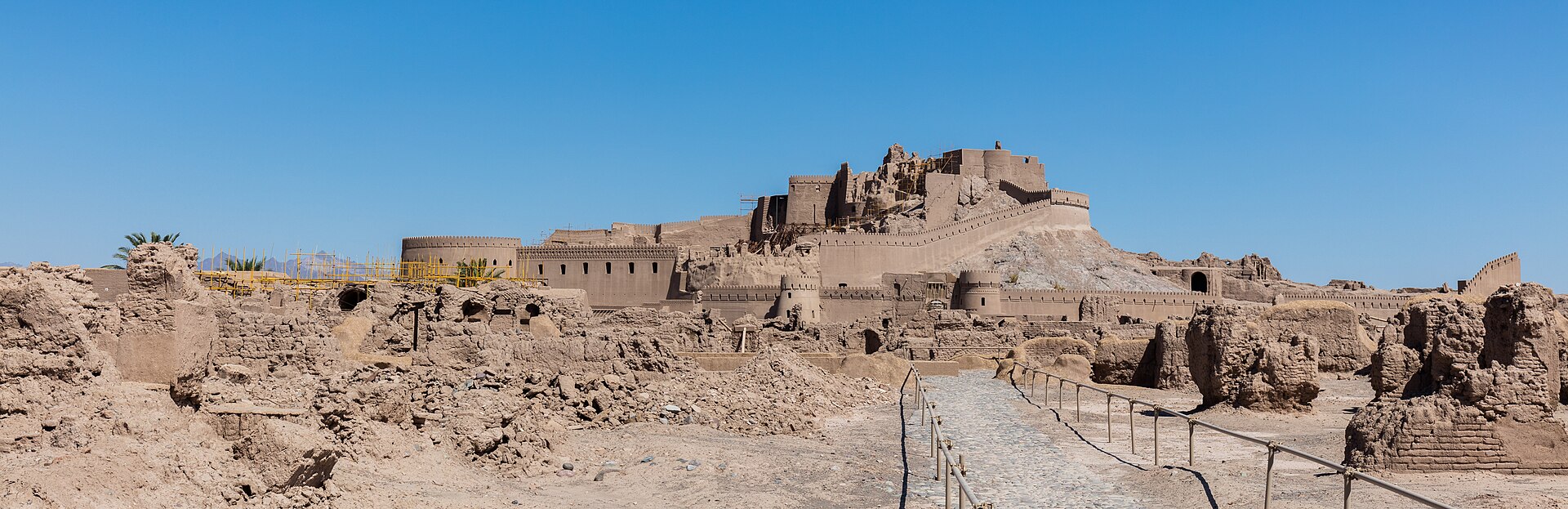
The first thing that strikes any visitor to Arg-e Bam is the sheer scale of the thing, for this is no mere castle but an entire fortified city, and it holds the distinction of being the largest adobe, or mud-brick, structure anywhere in the world. Covering an area of some hundred and eighty thousand square meters, the great citadel rises from the desert plain in tier upon tier of golden-brown clay, its walls and towers, its houses and public buildings all raised from the same humble material, the sun-dried earth of the desert.
The effect is unforgettable, a vast honey-colored city that seems almost to have grown organically out of the ground on which it stands, or to have been sculpted by some giant hand from the very substance of the desert. All of it, from the mightiest tower to the smallest house, was built of adobe, the unbaked clay brick that has been the principal building material of the Iranian plateau since the beginning of civilization. Arg-e Bam is the supreme monument of this ancient tradition, the greatest achievement of the art of building in mud.
The art of building in adobe is one of the oldest in the world, reaching back to the very beginnings of settled human life in the ancient Near East, and Arg-e Bam represents its ultimate expression. The mud brick, made simply of clay mixed with straw and dried in the sun, is a material perfectly suited to the hot, dry climate of the Iranian desert, where it can endure for centuries provided it is protected from rain. In the hands of skilled builders, this humble material could be raised into structures of great size and beauty, as the vast golden city of Bam so magnificently demonstrates.
To appreciate the scale of the achievement, one has only to consider that every one of the countless mud bricks that make up the great citadel had to be individually formed, dried, and laid by hand, and that the whole vast city was raised in this way over the course of many generations. The result is not a single monument but an entire urban landscape of adobe, a city of the desert built from the desert itself. Nothing else on earth quite compares to the sight of Arg-e Bam rising golden from the plain, the supreme masterpiece of the art of building in mud.
A Citadel on the Silk Road
The greatness of Bam sprang from its position, for the city stood at a vital crossroads of the Silk Road, the great network of trade routes that carried goods and ideas between the East and the West across the heart of Asia for thousands of years. Caravans laden with silk and spices, with precious stones and fine cloth, passed through Bam on their long journeys between the markets of China and India and those of Persia and the Mediterranean, and the city grew rich upon the traffic that flowed through it.
As a caravan city on one of the world’s great trade routes, Bam was a place of exchange and encounter, where merchants and travelers from distant lands met and mingled. Its citadel guarded the crossroads and sheltered the wealth that trade brought, and its bazaar and caravanserai served the needs of the passing caravans. The prosperity of Bam was built upon its role as a hub of commerce, and the great citadel that we admire today was, in a sense, a product of the Silk Road, raised and enriched by the trade that passed beneath its walls.
The Silk Road was not a single road but a whole web of routes, and the cities that stood at its crossroads, like Bam, grew rich as the gathering points where the caravans met, rested, and traded. Along these routes traveled not only goods but ideas, religions, technologies, and art, so that the caravan cities became places of extraordinary cultural richness and diversity. Bam, at its desert crossroads, was one of these meeting points of civilizations, and its history reflects the great currents of exchange that flowed along the Silk Road for two thousand years.
The decline of the Silk Road in later centuries, as maritime trade routes came to supplant the old overland caravan tracks, was one of the factors in the eventual decline of Bam, for the city’s prosperity had always depended upon the traffic that passed through it. As the caravans grew fewer, the wealth that had built and sustained the great citadel began to ebb away. The rise and fall of Bam thus mirrors the rise and fall of the Silk Road itself, the city’s fortunes bound up with the great trade routes that had given it life.
Ancient Origins
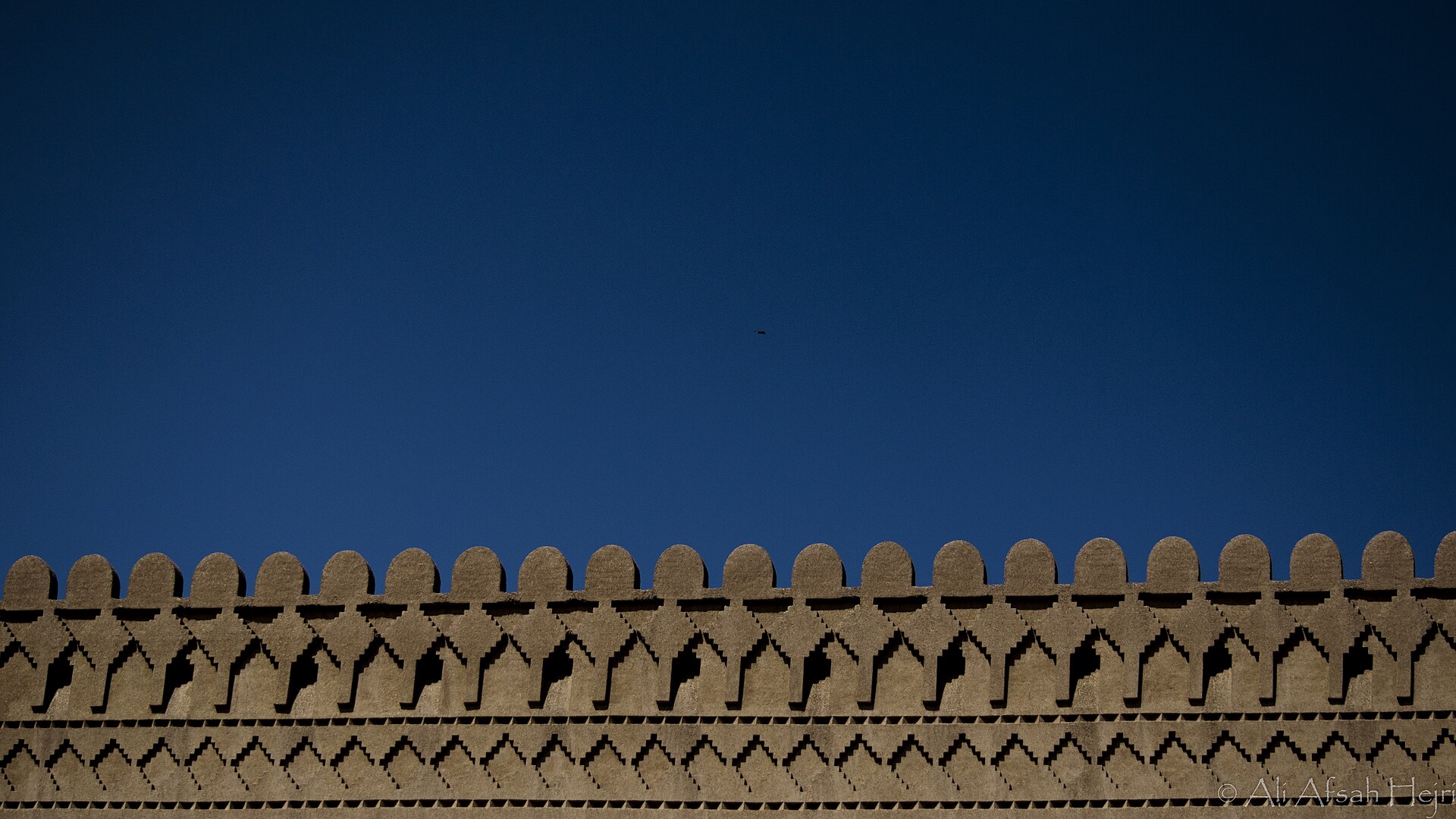
The origins of Arg-e Bam reach back into the deep antiquity of Persia, to the age of the great empires that ruled the Iranian plateau in the centuries before and after the birth of Christ. The site is thought to have been fortified as far back as the Achaemenid empire, the empire of Cyrus and Darius, in the sixth to fourth centuries before Christ, and it grew in importance under the Parthians who followed, when the essential core of the city and the governor’s quarters are believed to have been built.
Under the Sasanian empire, the last of the great pre-Islamic Persian dynasties, the citadel was further fortified, and Bam became an established stronghold and center of settlement. Thus, long before the coming of Islam, Bam was already an ancient place with a history stretching back many centuries, a fortified city at a crossroads of the empire. The great citadel of later ages was built upon these deep foundations, the accumulated work of empire after empire across the long span of Persian history.
The great antiquity of Bam places it among the oldest continuously significant sites of the Iranian plateau, a region that was one of the cradles of human civilization. Each of the great Persian empires in turn recognized the strategic value of the site and added to its fortifications, so that the citadel grew and developed across the centuries. The deep foundations laid by the Achaemenids, Parthians, and Sasanians were the bedrock upon which the great Islamic-era city was built, a continuity of settlement stretching back more than two thousand years.
The name of Bam appears in the historical and geographical records of Persia across many centuries, always as a place of note, a fortified city guarding an important route through the deserts of the southeast. The continuity of the site, occupied and fortified through empire after empire, is one of the remarkable features of its history, and it means that the great citadel we see today is the culmination of a process of building and rebuilding that stretched across more than two millennia. Every age added its own contribution to the growing mud-brick city.
The Islamic Centuries
With the coming of Islam to Persia in the seventh century, Bam entered upon a new and prosperous age. Following the Arab conquest, one of the commanders is said to have established a mosque at Bam that was among the earliest Islamic structures in all of Iran, and the city flourished as a center of trade and craft in the new Islamic world. The centuries from the seventh to the eleventh were a golden age for Bam, when it reached the height of its prosperity and importance.
During this period the city became renowned throughout the region for its wealth and its crafts, and its position on the Silk Road ensured a steady flow of trade and travelers. The great citadel grew and developed, its walls and towers, its bazaar and its public buildings taking shape over the generations. Bam was, in these centuries, one of the notable cities of the Iranian plateau, a thriving center of commerce and culture whose prosperity was written in the mud-brick monuments of its ever-growing citadel.
The establishment of one of Iran’s earliest mosques at Bam marks the city’s early and enthusiastic embrace of Islam, and its integration into the wider Islamic world that stretched from Spain to Central Asia. Within this vast and interconnected world, Bam prospered as a node of trade and a center of craft, its merchants and artisans linked by the routes of commerce to markets across three continents. The golden age of the seventh to eleventh centuries saw the city reach the height of its wealth and its importance in the medieval Islamic world.
The wealth and importance of Bam in its golden age is attested by the medieval geographers and travelers who described it as a flourishing and prosperous city, notable for its trade, its crafts, and its strong fortifications. It stood among the significant cities of the region of Kerman, a jewel of the southeastern deserts, and its great citadel was the visible symbol of its prosperity and its power. The centuries of this golden age laid the foundation for the greatness of Arg-e Bam as we know it, the accumulated achievement of a thriving and confident community.
Silk and Cotton
Among the sources of Bam’s wealth was its renown as a center of textile production, for the city was famous throughout the medieval world for its fine silk and cotton garments. The surrounding region was well suited to the breeding of silkworms and to the cultivation of cotton, and the craftsmen of Bam turned these raw materials into cloth and clothing of high quality that was traded far and wide along the Silk Road. The textile industry was one of the pillars of the city’s prosperity.
Under the rule of the medieval dynasties that held the region, Bam became especially celebrated for its silkworm breeding and its flourishing silk industry, adding the wealth of manufacture to the wealth of trade. The garments of Bam were prized as far away as the great markets of the Islamic world, and the city’s reputation as a producer of fine textiles endured for centuries. This combination of trade and craft, of the Silk Road and the silk industry, made Bam one of the richest and most important cities of its region.
The reputation of Bam’s textiles was such that its name became associated with fine cloth in the markets of the medieval world, a mark of the quality and the skill of its weavers and dyers. The production of silk in particular required a whole chain of specialized activities, from the breeding of the silkworms and the cultivation of the mulberry trees on which they fed, to the spinning, weaving, and dyeing of the thread, and Bam was renowned for its mastery of every stage of the process. This industry was one of the foundations of the city’s long prosperity.
The prosperity that the textile industry brought to Bam was reflected in the growth and adornment of the citadel, for the wealth generated by trade and craft was invested in building and in the good things of life. A prosperous city could afford to maintain and extend its fortifications, to build fine mosques and palaces, and to support a large population of merchants, craftsmen, and officials. The splendor of Arg-e Bam was, in the end, a product of the industry and enterprise of its people, whose skill in the making of silk and cotton garments brought wealth to the desert crossroads.
The Great Walls and Towers
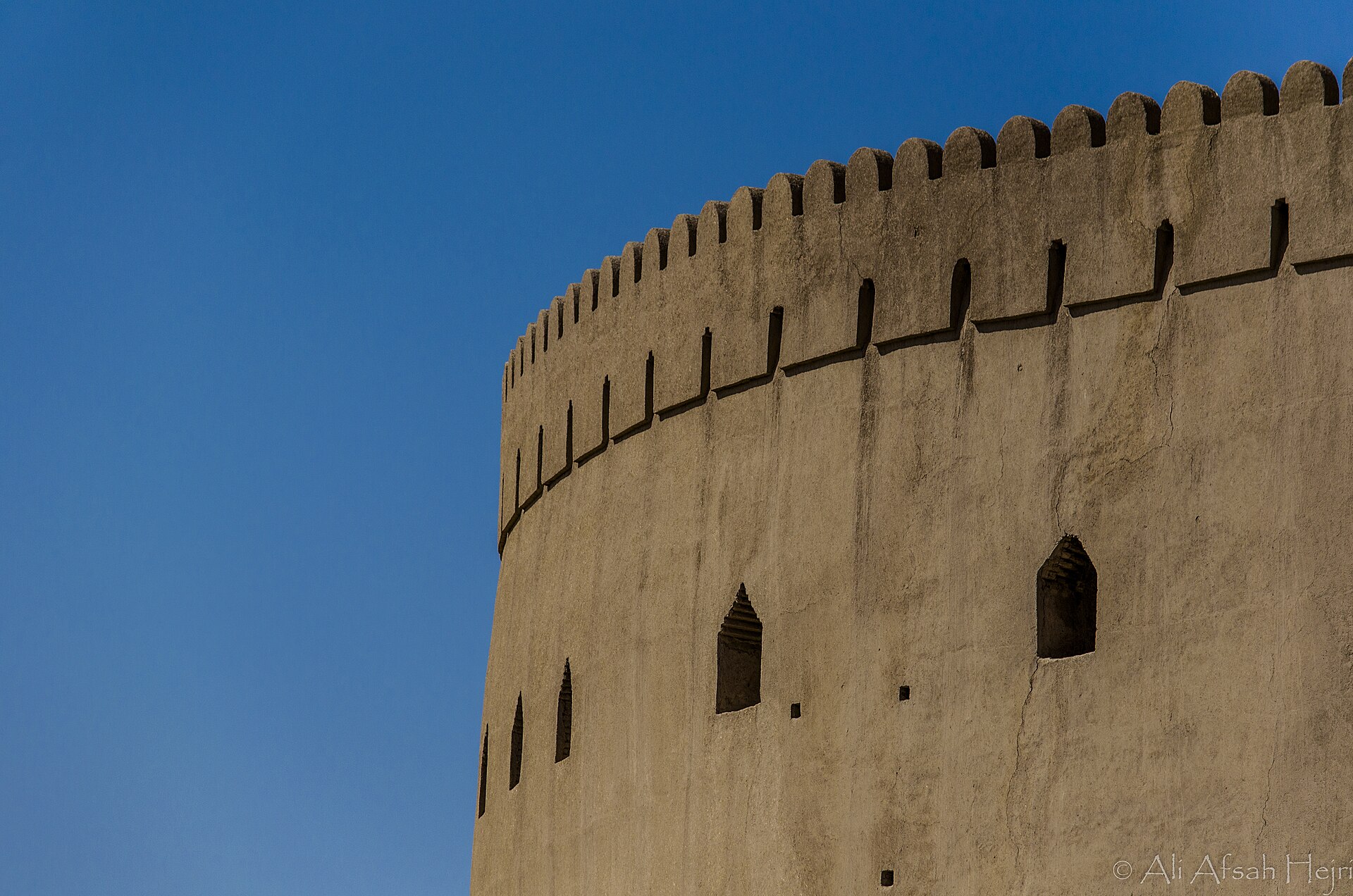
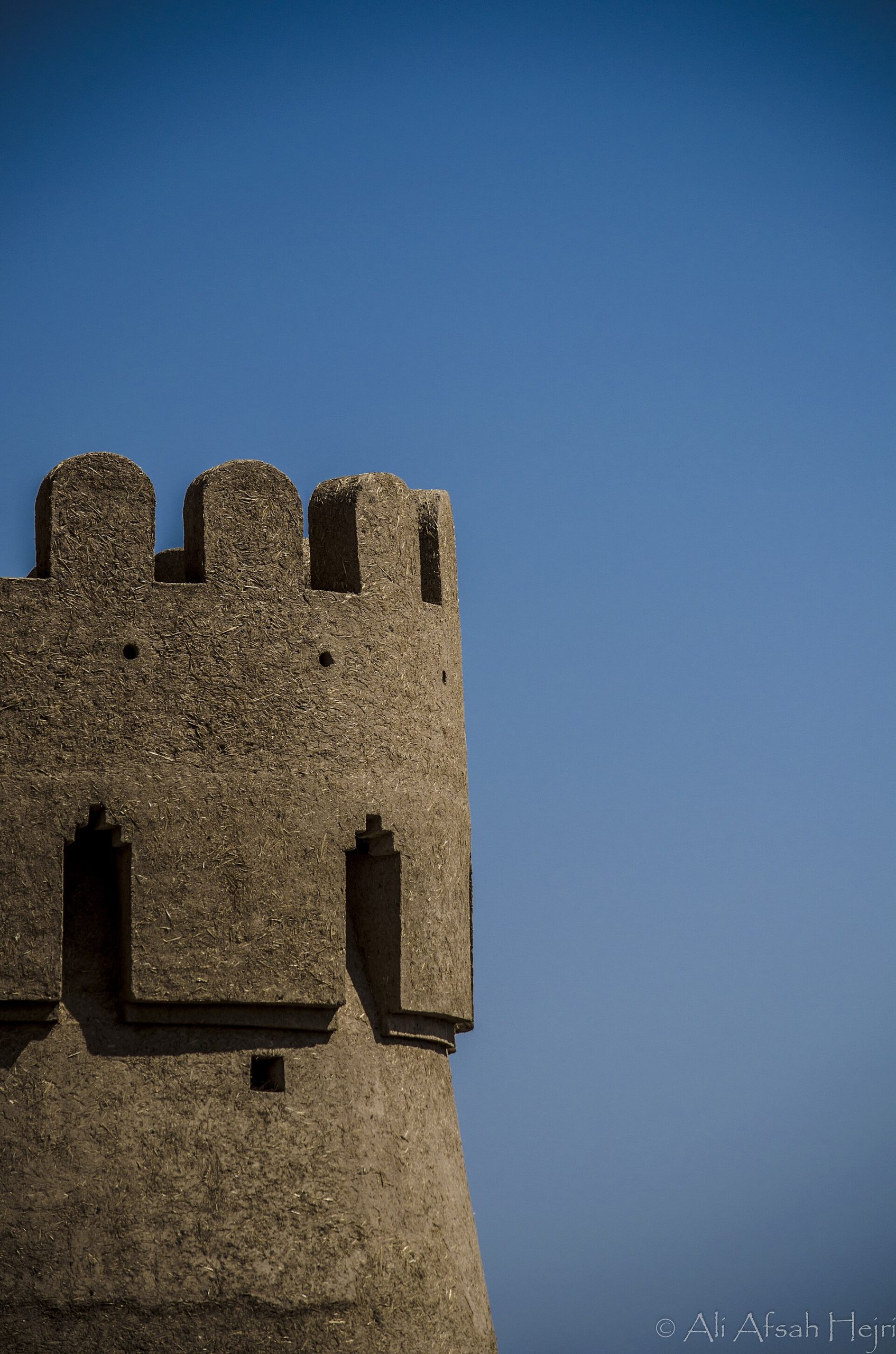
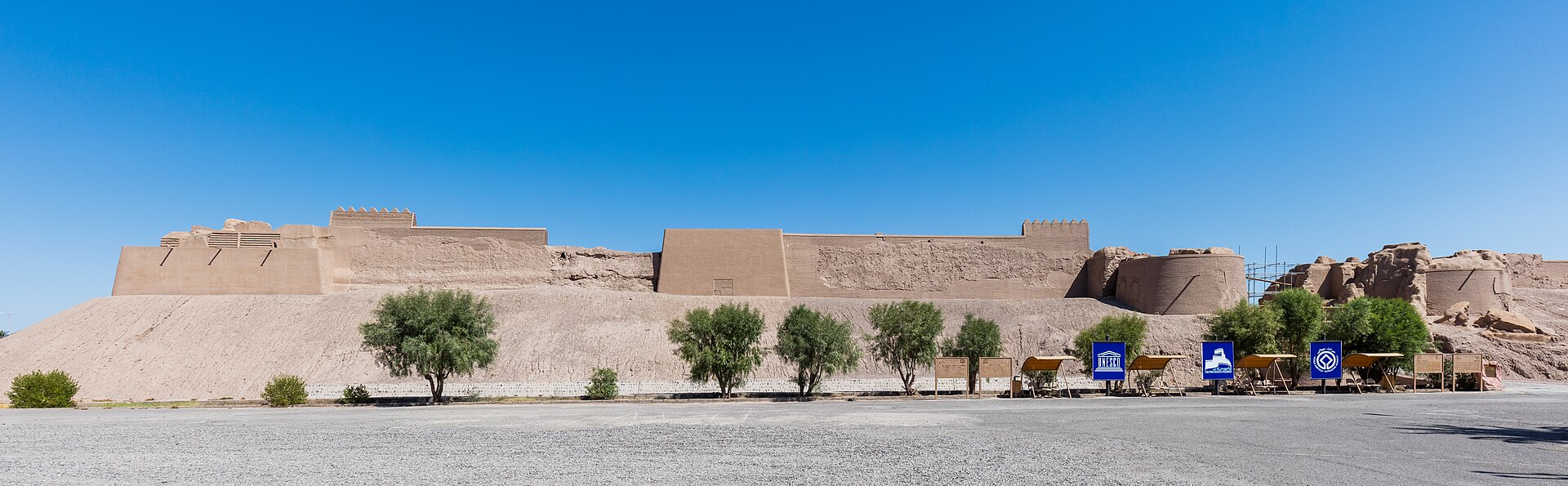
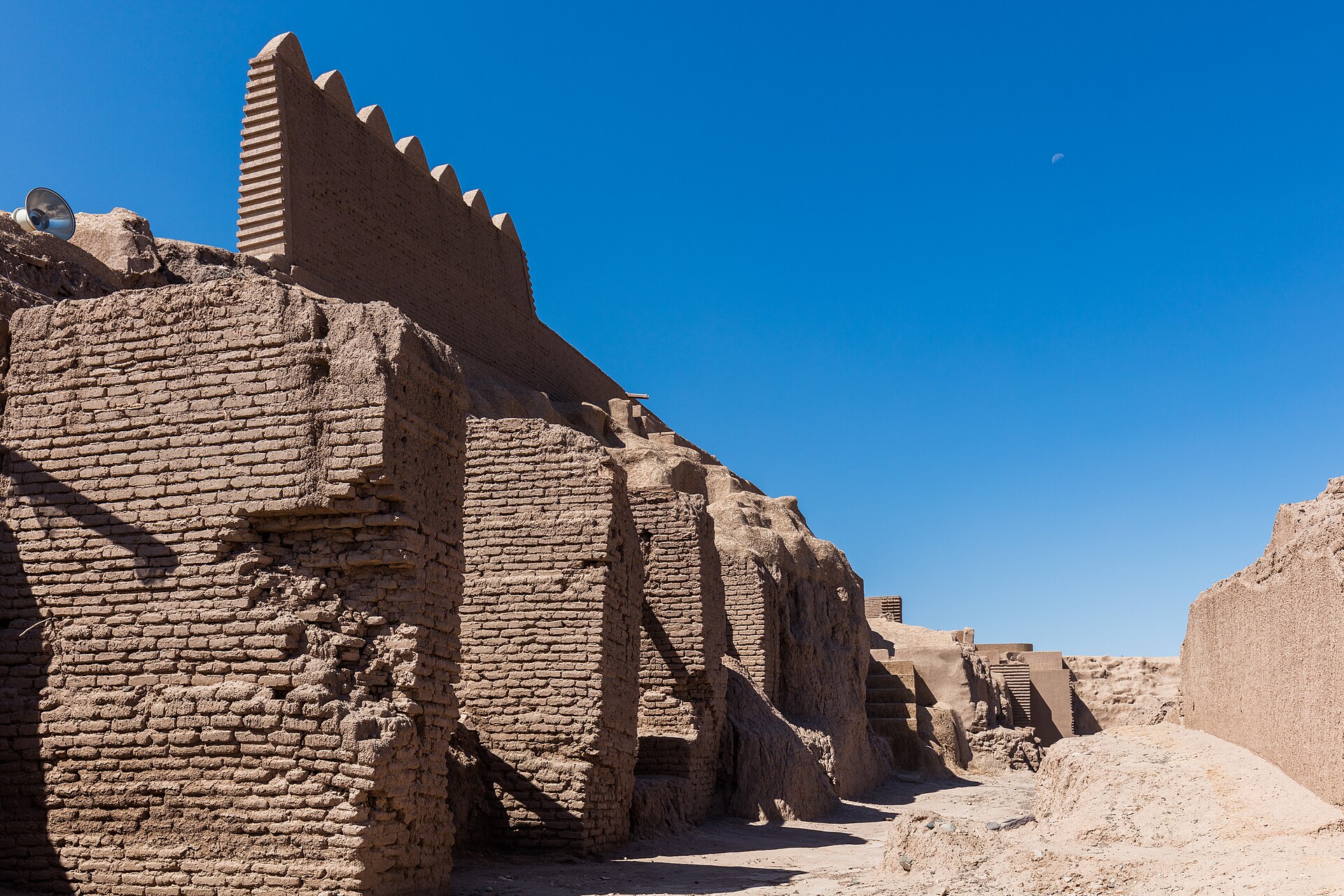
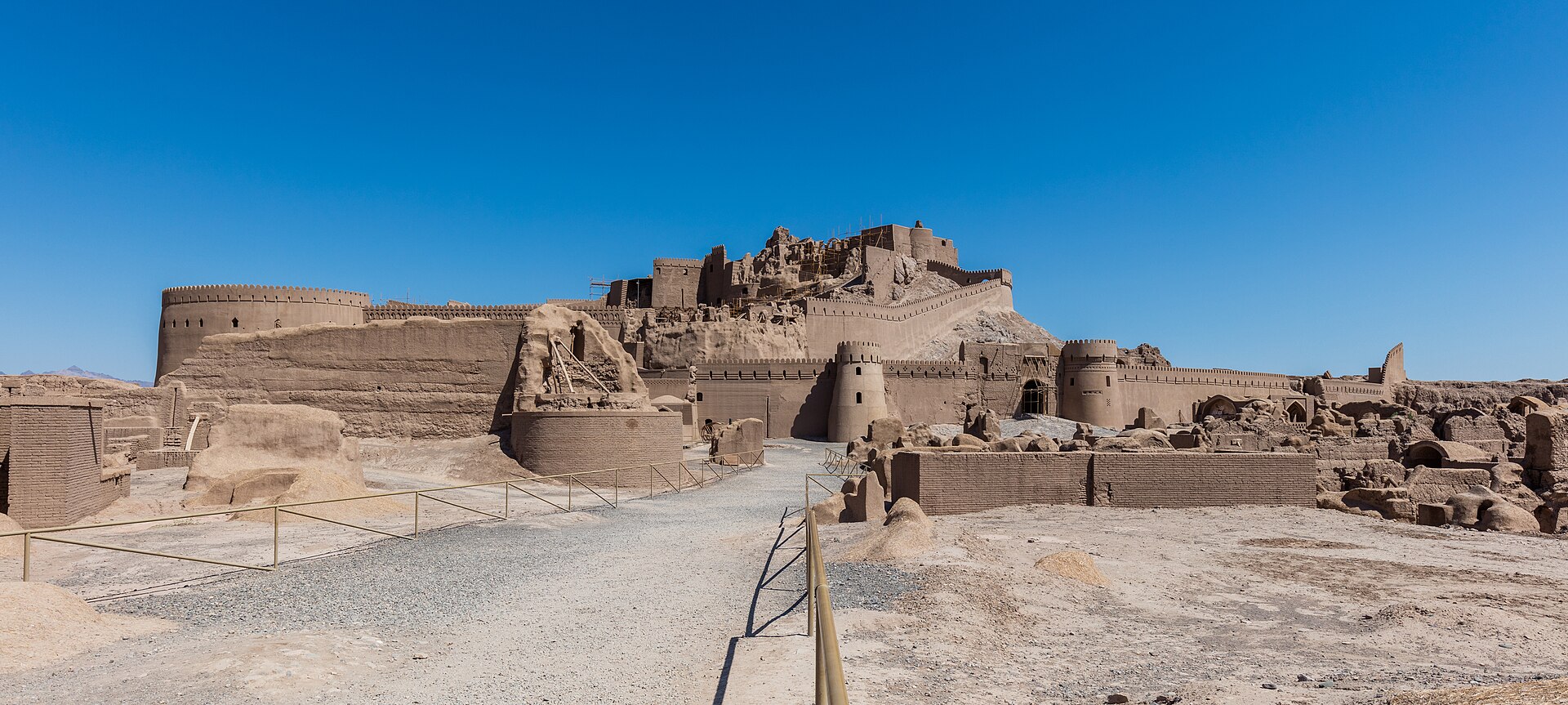
The defences of Arg-e Bam were as impressive as they were extensive, for the great citadel was surrounded by walls of adobe stretching nearly two kilometers in length and rising some six to seven meters in height. These mighty ramparts, all built of sun-dried clay, enclosed the whole of the fortified city, and they were studded with no fewer than thirty-eight towers, from which the defenders could keep watch and bring their fire to bear upon any attacker.
A moat surrounded the outer walls, adding a further obstacle to any assault, and the whole formed a formidable defensive system despite being built entirely of mud brick. That so vast a fortification could be raised from so humble a material is a testament to the skill of the builders and to the remarkable properties of adobe, which, in the dry climate of the desert, could endure for centuries. The great walls and towers of Bam, sculpted from the earth, were among the mightiest mud-brick fortifications ever built.
The endurance of these great mud-brick walls across so many centuries is a striking demonstration of the durability of adobe in a dry climate, for properly maintained, the sun-dried clay can last for a very long time. The walls of Bam were periodically repaired and renewed over the generations, as is necessary with any adobe structure, and in this way they were kept standing through the long life of the city. Their eventual decay came only with the abandonment of the citadel, when the essential maintenance ceased and the desert began, slowly, to reclaim the mud from which the walls had been made.
Standing before the great walls of Bam, one is struck by the way in which they seem to rise seamlessly from the desert floor, as if the earth itself had been molded upward into ramparts and towers. This organic quality, the sense that the city and the land are made of one substance, is unique to adobe architecture, and it gives Arg-e Bam a character quite unlike that of any stone-built fortress. The walls do not so much stand upon the desert as grow out of it, a city sculpted from the living earth.
The Gates and the Bazaar
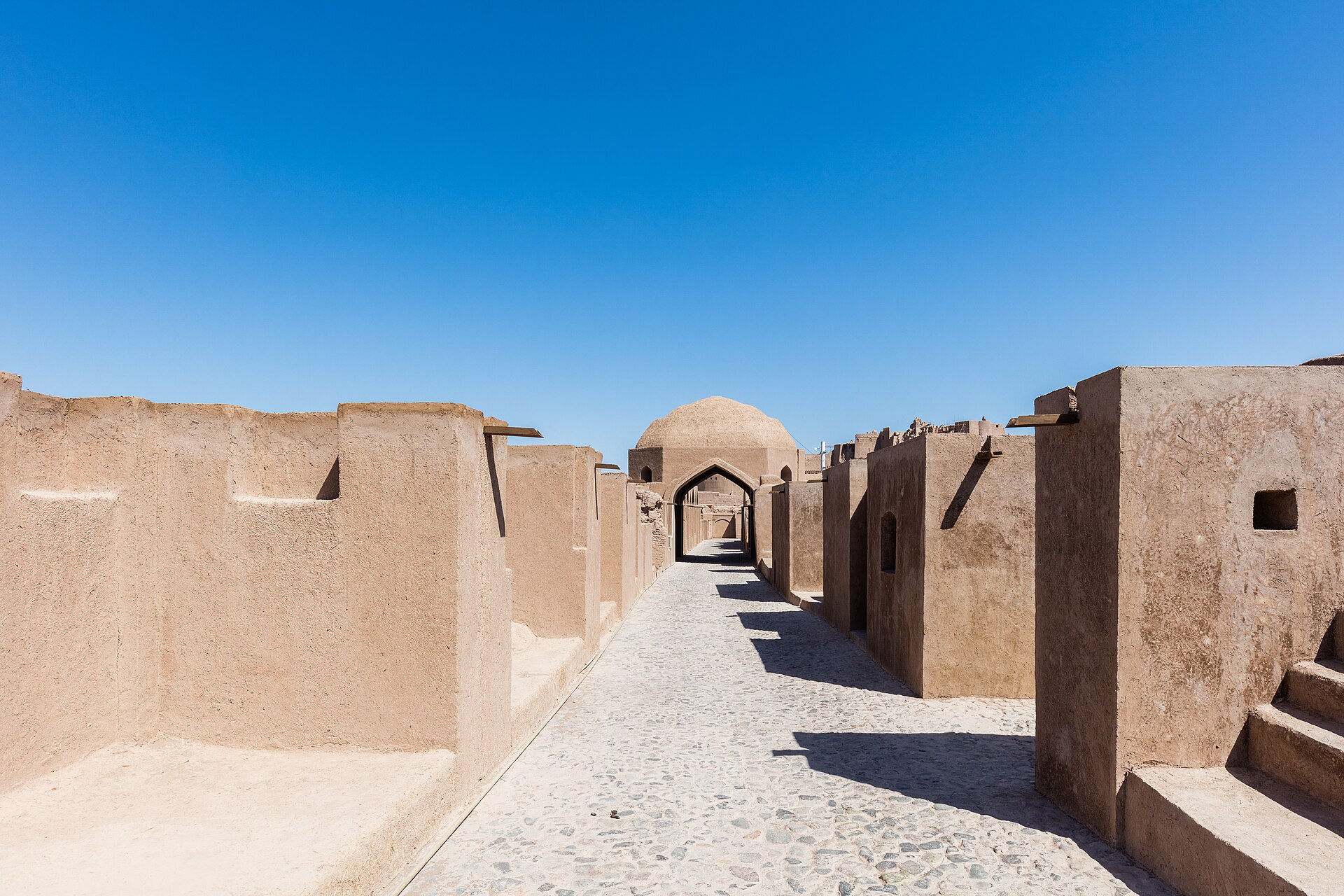
The great citadel of Bam was entered through four main gates, which controlled access to the fortified city and could be closed against any threat. Within the walls, the life of the city went on much as it did in any great town of the medieval Islamic world, with its bazaar, its caravanserai, its mosques, and its houses, all arranged within the protective embrace of the ramparts. The bazaar was the commercial heart of the city, where the goods of the Silk Road were bought and sold.
The caravanserai provided lodging for the merchants and travelers who passed through Bam, and their beasts of burden, offering rest and shelter on the long and arduous journey across the deserts of Persia. Together, the bazaar and the caravanserai made Bam a hub of commerce and a haven for travelers, a place where the caravans could pause in safety and where the wealth of the trade routes was gathered and exchanged. The whole formed a complete and self-contained urban world, built entirely of mud brick within the great walls.
The layout of the citadel, with its bazaar, its caravanserai, its mosque, and its residential quarters all enclosed within the protective walls, reflected the classic pattern of the Islamic city, adapted to the particular needs of a fortified desert town on a trade route. Everything the community required was contained within the ramparts, from the commercial life of the bazaar to the religious life of the mosque and the domestic life of the houses. The great citadel was a complete urban organism, a whole city in miniature, built entirely of the golden mud of the desert.
The Friday Mosque
At the heart of the citadel stood its congregational or Friday mosque, the place where the whole community gathered for the principal prayers of the week. The tradition that a mosque was founded at Bam by one of the Arab commanders in the seventh century would make it among the very oldest Islamic structures in all of Iran, a link to the earliest days of the faith in the region. The mosque was one of the most important public buildings of the citadel.
Like everything else in the citadel, the mosque was built of adobe, and it served the religious life of the city through all the long centuries of its prosperity. A mosque was not merely a place of worship but a center of the community’s life, a place of gathering, of learning, and of the marking of the great occasions of the year. The Friday mosque of Bam, standing at the heart of the great mud-brick city, was the spiritual anchor of the community that lived and traded within the walls.
The great age of the Bam mosque, reaching back possibly to the very first century of Islam in Iran, gives it a special place among the religious monuments of the country, a link to the earliest days of the faith in Persia. Through all the long centuries of the city’s prosperity, the mosque stood at the heart of the community’s life, a place of gathering and of prayer for the generations who lived and traded within the walls. Its survival, and its restoration after the earthquake, is a precious link to the deep religious history of the city.
The restoration of the mosque and the other religious buildings of Bam has been a priority of the reconstruction effort, in recognition of their importance both as monuments of the past and as living places of worship for the community. In rebuilding these ancient structures, the conservators have drawn upon the traditional techniques and materials, ensuring that the restored buildings remain true to the character of the original mud-brick city. The revival of the mosque is a sign of the enduring spiritual as well as historical significance of the great citadel.
The Governor’s Quarters
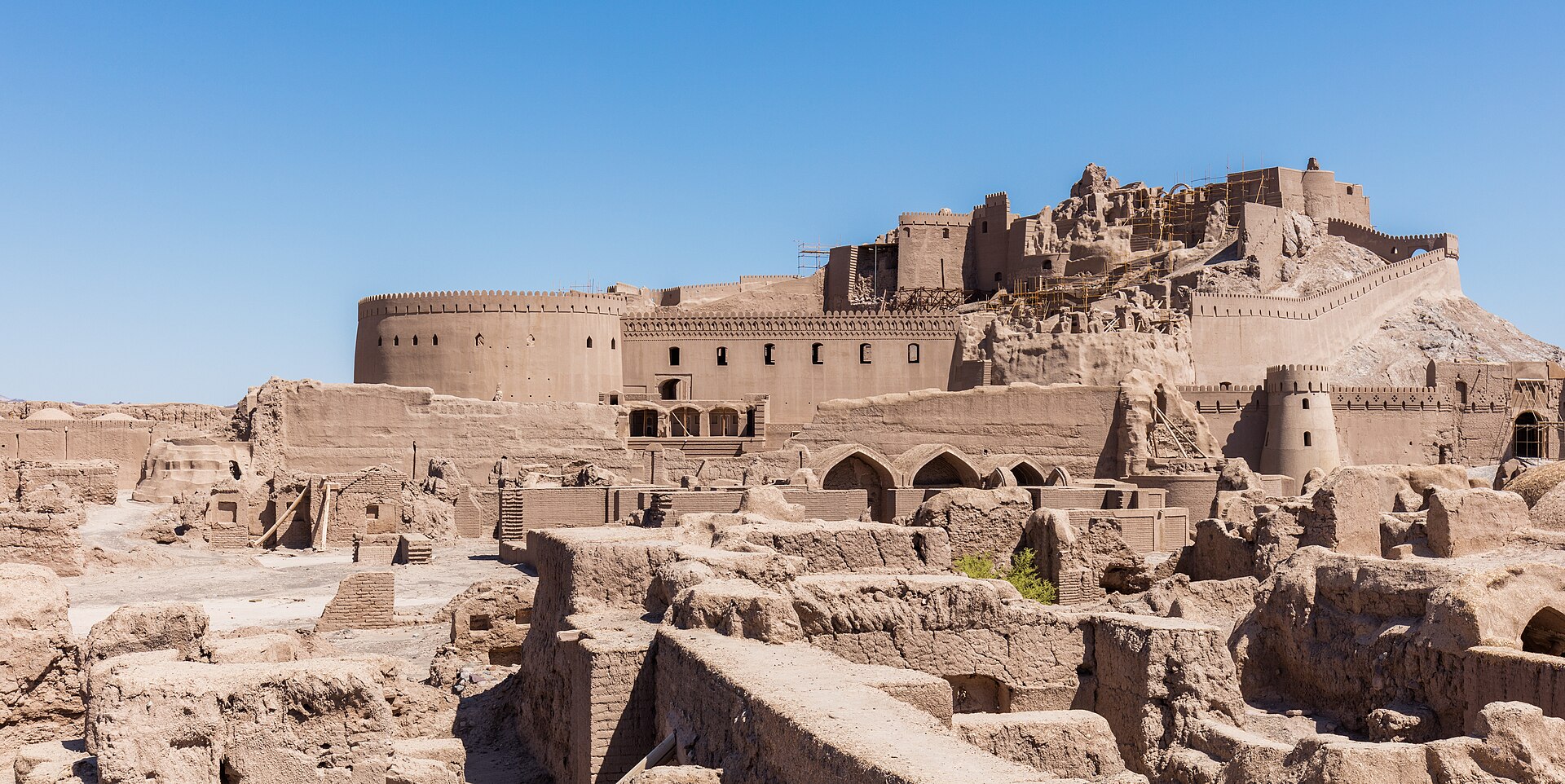
The most strongly defended part of the whole complex was the citadel proper, the residence of the governor, which stood upon a rocky hill at the highest point of the city and was protected by a double line of fortifications. This inner stronghold, raised above the rest of the city, was the seat of power and the last refuge in time of danger, a fortress within the fortress. From here the governor ruled the city and the surrounding region, and here the wealth and the authority of the state were concentrated.
The governor’s quarters included, in the age of the Safavids, a splendid residence known as the Four Seasons Palace, a mark of the wealth and the sophistication of the city in its later prosperity. The elevated position of the inner citadel, upon its rocky hill, gave it both a commanding view over the surrounding country and a formidable defensive strength, set apart and above the rest of the mud-brick city. It was the crown of the whole great complex, the seat of power at the summit of Arg-e Bam.
The double fortification of the inner citadel, set upon its rocky hill, reflects the classic arrangement of the Persian fortress-city, in which the seat of power was set apart and elevated above the rest of the settlement, protected by its own defences within the outer walls. This inner stronghold was the ultimate refuge, the place to which the defenders could retreat if the outer city were taken, and the seat from which the governor exercised his authority. Its commanding position at the summit of the citadel made it both the strongest and the most prominent part of the whole great complex.
From the summit of the inner citadel, the governor and his household could look out over the whole of the great city spread below, and beyond it to the desert and the distant mountains, a commanding prospect befitting the seat of authority. In time of peace it was a place of power and privilege; in time of war, the last and strongest refuge. The elevated inner fortress, crowning the whole complex, was both the symbolic and the practical heart of Arg-e Bam, the point around which the entire great mud-brick city was organized.
Stables, Barracks, and the Garrison
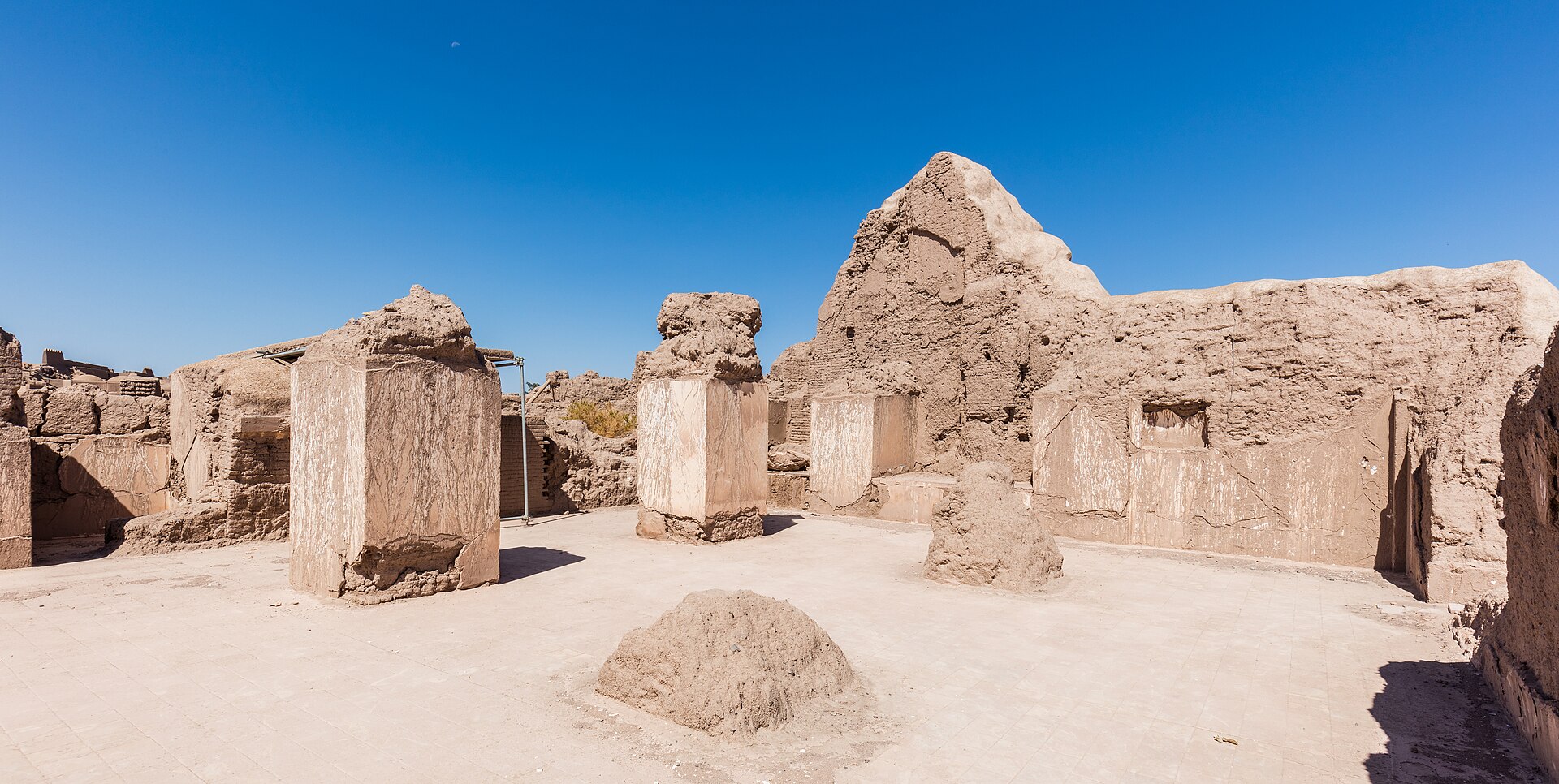
As a fortified city and a seat of power, Arg-e Bam required a garrison to defend it, and the citadel accordingly included barracks for the soldiers and great stables for their horses. The stables, it is recorded, could house a substantial number of horses, reflecting the importance of cavalry in the warfare of the age and the scale of the military establishment that the citadel maintained. These were among the many functional buildings that made the great complex a complete and self-sufficient world.
The presence of barracks, stables, and a garrison reminds us that Arg-e Bam was, for all its role as a center of trade and craft, first and foremost a fortress, built to defend the city and the crossroads it guarded. The soldiers who manned its walls and towers, and the horsemen who rode out from its gates, were essential to the security upon which its prosperity depended. In the great citadel, the arts of war and of peace, of trade and of defence, were combined in a single vast mud-brick city.
The scale of the military establishment at Bam, with its barracks and its great stables, reflects the importance of the city as a stronghold guarding a vital crossroads, and the role of the citadel in the defence of the surrounding region. Cavalry was the decisive arm of warfare across the Iranian plateau, where the open terrain favored the mounted warrior, and the provision of stables for a substantial number of horses shows the significance of the garrison that Bam maintained. The great citadel was, throughout its history, a working fortress as well as a center of trade and craft.
The Safavid Golden Age
The city of Bam enjoyed another period of prosperity and development under the rule of the Safavid dynasty, which governed Persia from 1502 to 1722 and presided over one of the great golden ages of Iranian civilization. During the Safavid era considerable building took place at Arg-e Bam, including the construction of the splendid Four Seasons Palace within the governor’s quarters, a mark of the renewed wealth and importance of the city.
The Safavid period was a great age for Persia as a whole, when the arts and architecture flourished and the country stood as one of the major powers of the world. Bam shared in this prosperity, and the additions and improvements made to the citadel in these years added to its splendor. The great mud-brick city, already ancient, was renewed and adorned under the Safavids, entering upon a new period of flourishing that would last until the troubled times that followed the fall of the dynasty.
The Safavid dynasty presided over a great flourishing of Persian art and architecture, most famously in the magnificent city of Isfahan, and the improvements made to Bam in this period were part of that wider renaissance. The Four Seasons Palace and the other Safavid additions to the citadel brought the elegance and sophistication of the age to the great mud-brick city, adding grace to its strength. Under the Safavids, Bam enjoyed one last great period of prosperity before the long decline that would follow the fall of the dynasty.
Decline and Abandonment
The prosperity of Bam did not last forever, and in the centuries that followed the fall of the Safavids the city entered upon a long decline. Under the Qajar dynasty the citadel was used increasingly as a military barracks, and the ordinary life of the city gradually drained away from within its walls as the population moved out to new settlements nearby. The great mud-brick city, once a thriving center of trade and craft, was slowly emptied of its people.
A military garrison remained in the citadel until the year 1932, after which the great complex was abandoned altogether and left to the desert. For a time it stood empty and neglected, its mud-brick buildings slowly weathering under the sun and the rare desert rains. But its extraordinary character was not forgotten, and from the middle of the twentieth century efforts began to conserve and restore the abandoned citadel, recognizing it as one of the great historic treasures of Iran.
The gradual abandonment of the old citadel in favor of new settlements nearby is a common pattern in the history of ancient cities, as changing circumstances and the growth of the population led people to build afresh outside the confines of the old walls. The great mud-brick city, no longer the center of the community’s life, was left to the soldiers and finally to the desert. Yet its abandonment, paradoxically, helped to preserve it, for it was spared the continuous rebuilding that would have swept away its ancient fabric, and it survived as a great monument to the past.
The Earthquake and the Rebirth
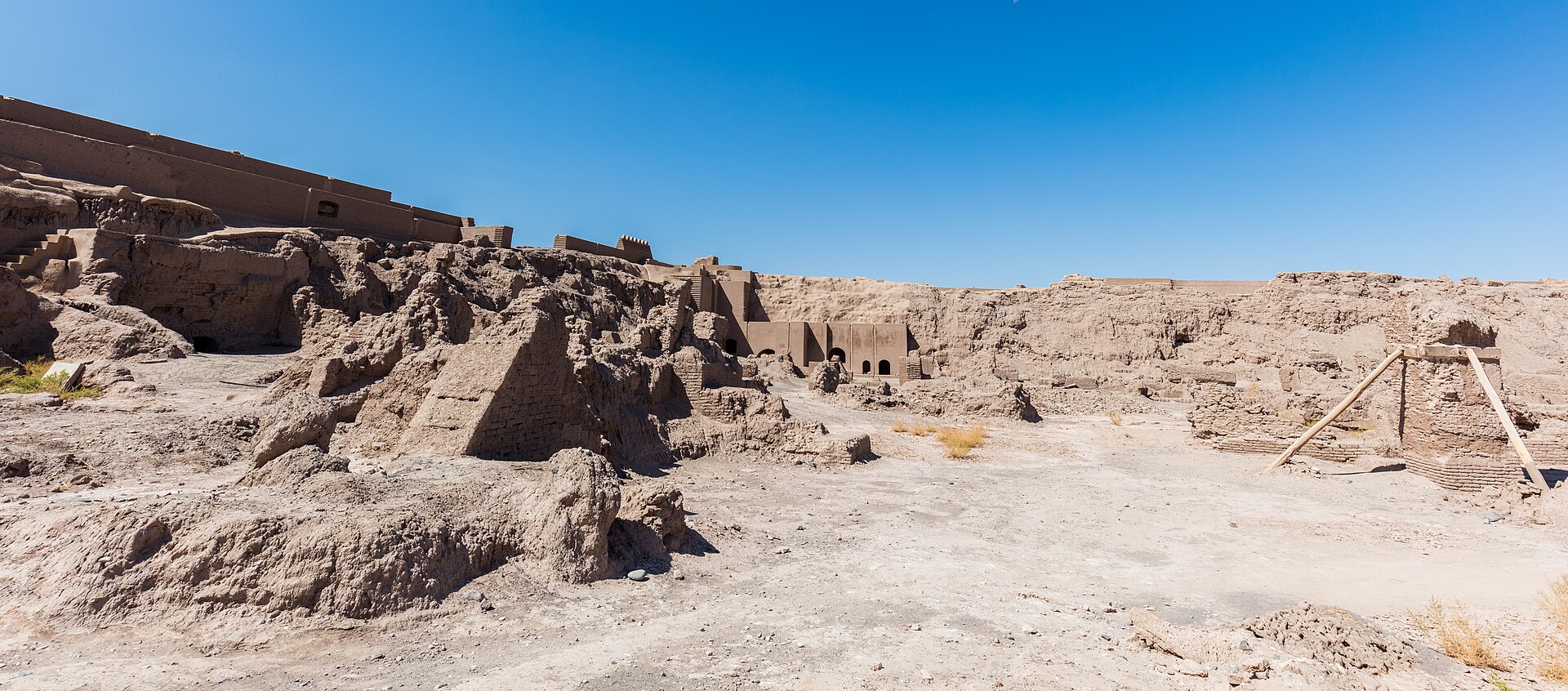
The most terrible chapter in the long history of Arg-e Bam came on the twenty-sixth of December in the year 2003, when a devastating earthquake struck the city of Bam. The disaster killed some twenty-six thousand people and left tens of thousands homeless, and it inflicted catastrophic damage upon the great citadel, destroying much of the ancient mud-brick city, and especially the buildings upon the summit of the hill. It seemed that this wonder of the world might be lost forever.
But the people of Iran and the international community resolved that the great citadel should be rebuilt, and a vast program of reconstruction was undertaken, drawing upon the ancient techniques of building in adobe. This work continues to this day, slowly raising the great mud-brick city once more from its ruins. In recognition of its outstanding importance, and of the threat it faced, Arg-e Bam was inscribed upon the list of World Heritage Sites in 2004, and its ongoing rebirth stands as a symbol of the resilience of a place that has endured, and recovered, across more than two thousand years.
The reconstruction of Arg-e Bam after the earthquake has been one of the great challenges of modern heritage conservation, requiring the revival of the ancient techniques of building in adobe and a careful study of the original structures. Remarkably, it was observed that some of the oldest and least altered parts of the citadel had withstood the earthquake better than more recently restored sections, a lesson that has guided the ongoing work. The slow rebirth of the great mud-brick city is a moving testament to the determination of the Iranian people to restore this wonder of their heritage.
The earthquake of 2003 was one of the great natural disasters of recent times, and the loss of life in the city of Bam was terrible, a human tragedy that overshadowed even the destruction of the ancient citadel. In rebuilding the great mud-brick city, the people of Bam have honored both their heritage and the memory of those who died, raising once more from the earth the monument that has been the pride of their region for two thousand years. The rebirth of Arg-e Bam is thus a story not only of conservation but of hope and renewal in the face of catastrophe.
If you would like to see exactly where this remarkable citadel stands upon the map, you can find it here:
View on Google Maps: 29.1147, 58.3689
From its place at the desert crossroads of the Silk Road, Arg-e Bam has risen and fallen and risen again across the millennia, and it stands there yet, the great golden sandcastle of the Persian desert.
Castles Nearby
If Arg-e Bam has drawn you to the great citadels of Persia and the ancient East, you may enjoy these other remarkable strongholds:
The Great Sandcastle of the Desert
Arg-e Bam is one of the wonders of the world, the largest mud-brick structure ever raised by human hands, a whole city built from the earth of the desert over the course of some two thousand years. Though it was shattered by the terrible earthquake of 2003, the great effort of reconstruction is slowly bringing it back to life, and it stands once more, in part, as a monument to the extraordinary skill and endurance of the people who built and rebuilt it across the millennia.
If you should travel to the deserts of southeastern Iran, Arg-e Bam is one of the most astonishing sights the country has to offer, a vast golden citadel rising from the plain like a vision from a dream. To walk among its walls and towers, all sculpted from the humble mud of the desert, is to marvel at the ingenuity of the ancient builders and at the long, rich history of this great crossroads of the Silk Road. Arg-e Bam is a monument like no other, and it deserves its place among the great historic sites of the world.
Whether you come for the astonishing spectacle of the world’s largest mud-brick city, for the deep history of the Silk Road, or for the moving story of destruction and rebirth, Arg-e Bam will amaze and move you, and you will carry away the memory of this great golden citadel, rising from the desert of Persia as it has done, in one form or another, for more than two thousand years.
You May Like
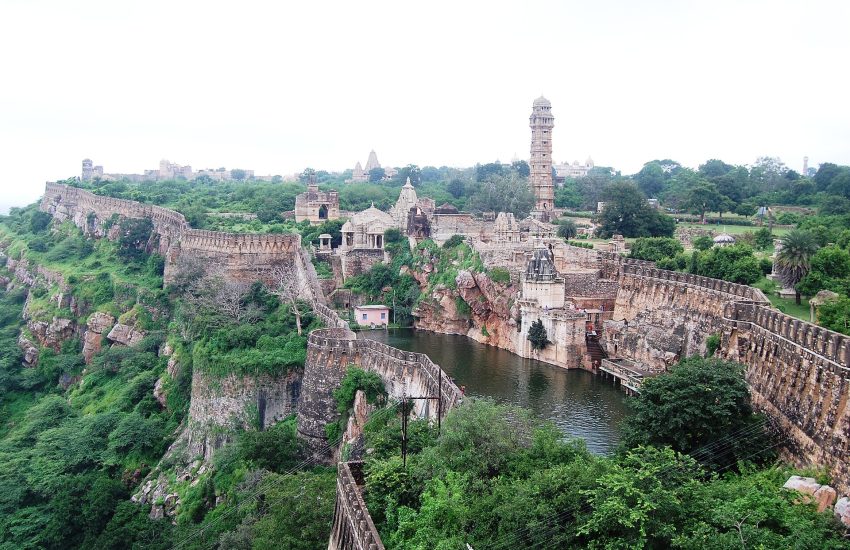
Chittorgarh Fort: The Largest Fort in India and the Legend of the Jauhar