On the humid Caribbean coast of Panama, where jungle-clad hills tumble down to a sheltered bay, lie the crumbling ruins of forts that once guarded one of the greatest concentrations of wealth on earth. This is Portobelo, and together with the nearby fortress of San Lorenzo, it formed the fortified gateway through which the silver of an entire empire flowed on its way from the mines of Peru to the coffers of Spain.
For a couple of centuries, Portobelo was the scene of extraordinary spectacle. Here the treasure fleets gathered to load up with silver, and the town hosted legendary trade fairs where riches beyond imagining changed hands. Such wealth made Portobelo an irresistible magnet for the pirates and privateers of the Caribbean, and its forts were repeatedly attacked, captured, and sacked by the most famous raiders of the age.
In this guide you will explore the whole dramatic story of Portobelo and San Lorenzo: why they were built, the fabulous treasure fairs that made Portobelo famous, the great forts that guarded the bay and the river, the celebrated pirates and admirals who assailed them, from Drake and Morgan to Vernon, and their fate today as a World Heritage site slowly returning to the jungle. It is a place where the golden age of the Spanish Main comes vividly to life.
A word before you begin: Portobelo is best understood not as a single fort but as one node in a vast, ocean-spanning system, the Caribbean gateway of a treasure route that stretched from the mines of Peru to the ports of Spain. Keeping that grand scale in mind, and the astonishing wealth that once passed through this humid tropical bay, will bring the crumbling ruins vividly to life as you explore them.
In This Article
- The Silver Road Across Panama
- The Narrowest Point of the Americas
- The Legendary Treasure Fairs
- The Forts That Guarded the Bay
- The Fortress of San Lorenzo
- The Death of Francis Drake
- Henry Morgan Sacks Portobelo
- Admiral Vernon’s Victory
- The Fading of the Treasure Port
- The Ruined Forts Today
- A World Heritage Site in Danger
- Why Portobelo Matters
- Visiting Portobelo and San Lorenzo
The Silver Road Across Panama
To understand Portobelo, you must understand the extraordinary flow of wealth that gave it life. In the great age of the Spanish empire, immense quantities of silver were mined in Peru and shipped up the Pacific coast to Panama. There the treasure was carried across the narrow isthmus, over the mountains and through the jungle, to the Caribbean coast, where it could be loaded onto ships bound for Spain.
Portobelo was the Caribbean end of this vital route, the port where the silver of Peru met the ocean and began its final journey to Europe. This made the town one of the most important places in the entire Spanish colonial system, the funnel through which a great share of the wealth of the Americas passed on its way across the Atlantic. Its strategic and economic importance was immense.
The founding of Portobelo at the end of the sixteenth century, to replace an earlier port nearby, established it in this crucial role. Its fine natural harbour made it an ideal gathering point for the treasure fleets, and for the next two centuries the fortunes of the town would rise and fall with the great flow of silver across the isthmus of Panama, the golden road that made it both rich and endangered.
The transport of silver across the isthmus was itself a major operation, with the treasure carried by mule train over rough jungle trails and, in part, along the Chagres River. This overland journey was arduous and dangerous, exposed to disease, ambush, and the difficulties of the terrain, and the whole system depended on the security of both the route and its Caribbean terminus at Portobelo.
The mule trains that carried the silver across the isthmus were a lifeline of the Spanish economy, and their protection was a constant concern, for a successful ambush of the treasure could be catastrophic. This vulnerability of the overland route added to the strategic importance of the fortifications at both ends, which had to secure not only the ports but the whole precarious passage of wealth across Panama.
The Narrowest Point of the Americas
The whole importance of Portobelo flowed from a simple fact of geography: the isthmus of Panama is the narrowest point of the American landmass, the slender bridge connecting the two great continents. This slim strip of land, only a few dozen kilometres wide, separated the Caribbean from the Pacific and offered the shortest route between the two oceans.

For the Spanish, this geography was a gift of immense value, for it allowed the silver of the Pacific coast of South America to be carried across the narrow isthmus and shipped from the Caribbean, rather than making the long and dangerous voyage around the tip of the continent. Portobelo and the treasure route across Panama existed precisely to exploit this unique advantage of the landscape.
The same geographic fact that made Portobelo important in the age of silver would, centuries later, inspire the building of the Panama Canal, which cut a waterway through the isthmus at last. The treasure route across Panama was, in a sense, a forerunner of the canal, an early recognition of the strategic value of this narrow bridge between the oceans, and Portobelo was its Caribbean gateway.
The strategic significance of the Panamanian isthmus has made it a coveted prize across the centuries, from the Spanish treasure route to the modern canal, and Portobelo stands at the historical root of that long story. To understand the forts is to understand why this narrow strip of land has mattered so much to the wider world, as the great hinge between two oceans and two continents.
The dream of a passage between the oceans, first realised in practice by the Spanish treasure route and much later by the canal, has shaped the destiny of Panama for five centuries. Portobelo stands at the origin of that long story, a reminder that the strategic value of this narrow land has drawn the ambitions of the wider world since the very earliest days of the European presence in the Americas.
The Legendary Treasure Fairs
Portobelo was famous throughout the world for one extraordinary spectacle: its trade fairs. When the treasure fleet arrived from Spain and the silver came across the isthmus from Peru, the town would host a great fair, a frenzied marketplace where the goods of Europe were exchanged for the silver of the Americas on a colossal scale, transforming the small port into a temporary emporium of unimaginable wealth.
During these fairs, the ordinarily modest town was said to overflow with riches, its streets and warehouses piled with silver bars and European goods. Merchants flocked from across the Spanish world, prices soared, and the value of the goods changing hands was staggering. For a few weeks, Portobelo became one of the great commercial centres of the earth, a place where the wealth of an empire was visibly on display.
These fairs are the stuff of legend, and contemporary accounts describe scenes of almost fantastical opulence. Yet the very wealth that made the fairs so dazzling also made Portobelo a target, drawing the covetous eyes of Spain’s enemies. The treasure fairs were the beating heart of the town’s prosperity, and they are the key to understanding both its fame and the constant danger in which it lived.
The temporary and explosive nature of the fairs, with the town swelling enormously and then subsiding once the fleet departed, gave Portobelo a peculiar rhythm of life. For much of the year it was a modest port, but during the fairs it became, briefly, one of the great markets of the world, a transformation that captures the extraordinary and precarious basis of its fame and fortune.
Foreign observers who witnessed or heard of the Portobelo fairs described them in tones of amazement, for the concentration of wealth was without parallel in the world of the time. The image of a small tropical town briefly transformed into a marketplace piled high with silver captured the imagination of Europe and helped fix Portobelo’s legendary reputation as a place of almost mythical riches.
The Forts That Guarded the Bay
To protect this treasure port from the many enemies it attracted, the Spanish built a series of forts guarding the bay of Portobelo. Over the years, several strongholds were raised to command the approaches to the harbour, positioned so that their guns could sweep any hostile ship attempting to enter and threaten the town and its precious cargo.
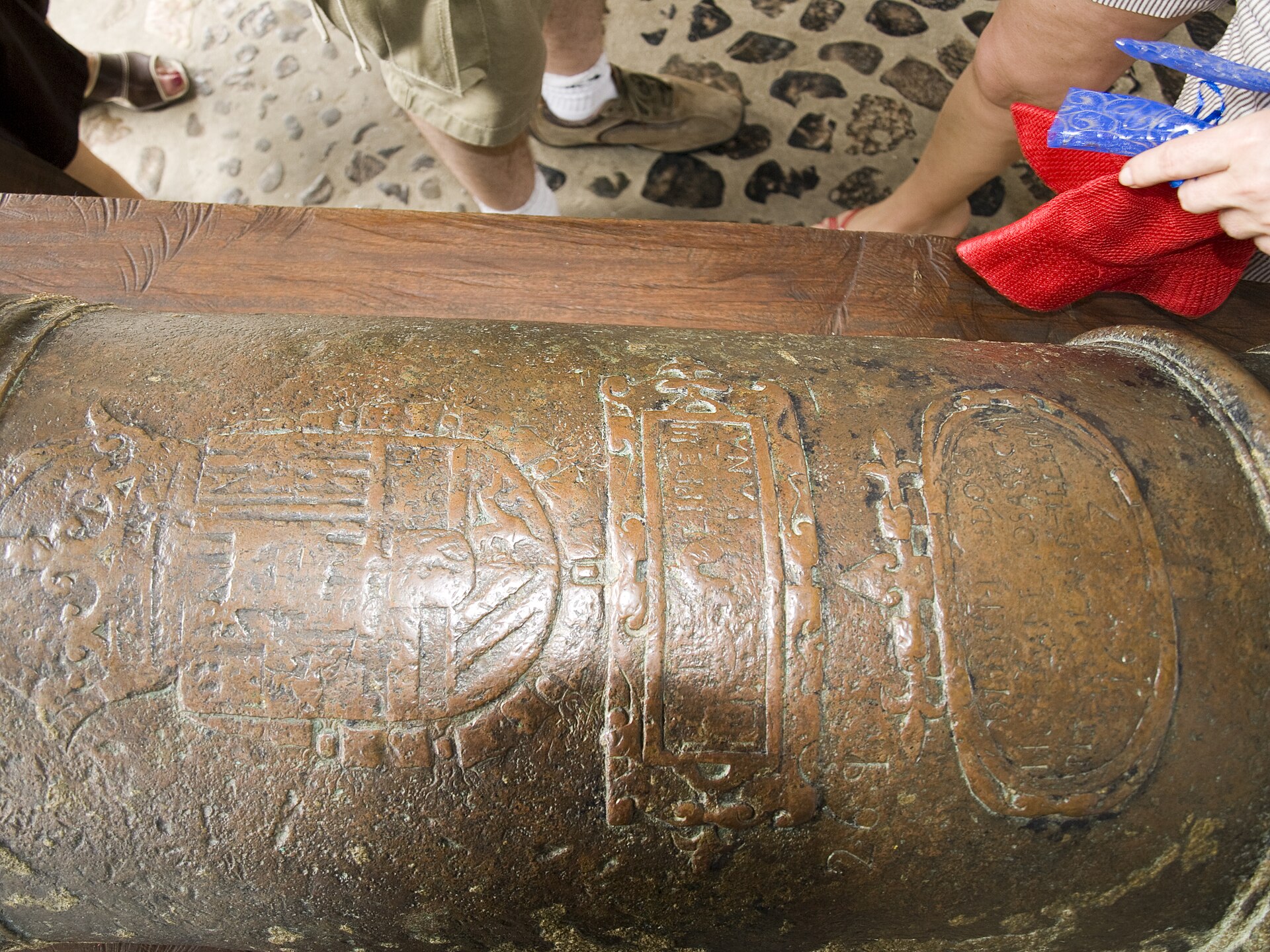
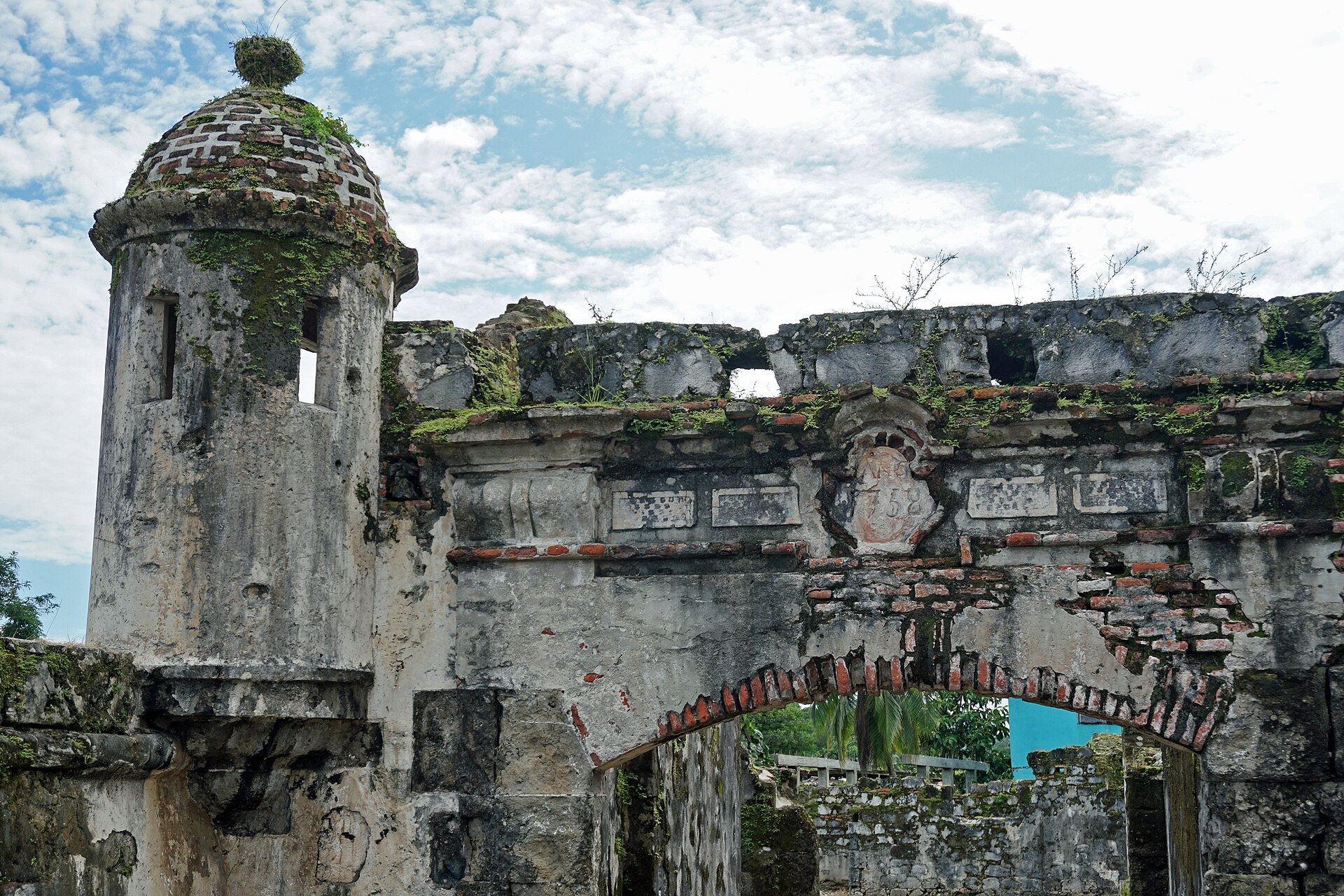
Among these fortifications were forts such as San Jerónimo and Santiago, whose batteries commanded the water, and others built and rebuilt over the years as the defences were repeatedly tested, damaged, and improved. Together they formed a system designed to make the bay a deadly trap for any attacker, protecting the treasure and the town behind a screen of interlocking firepower.
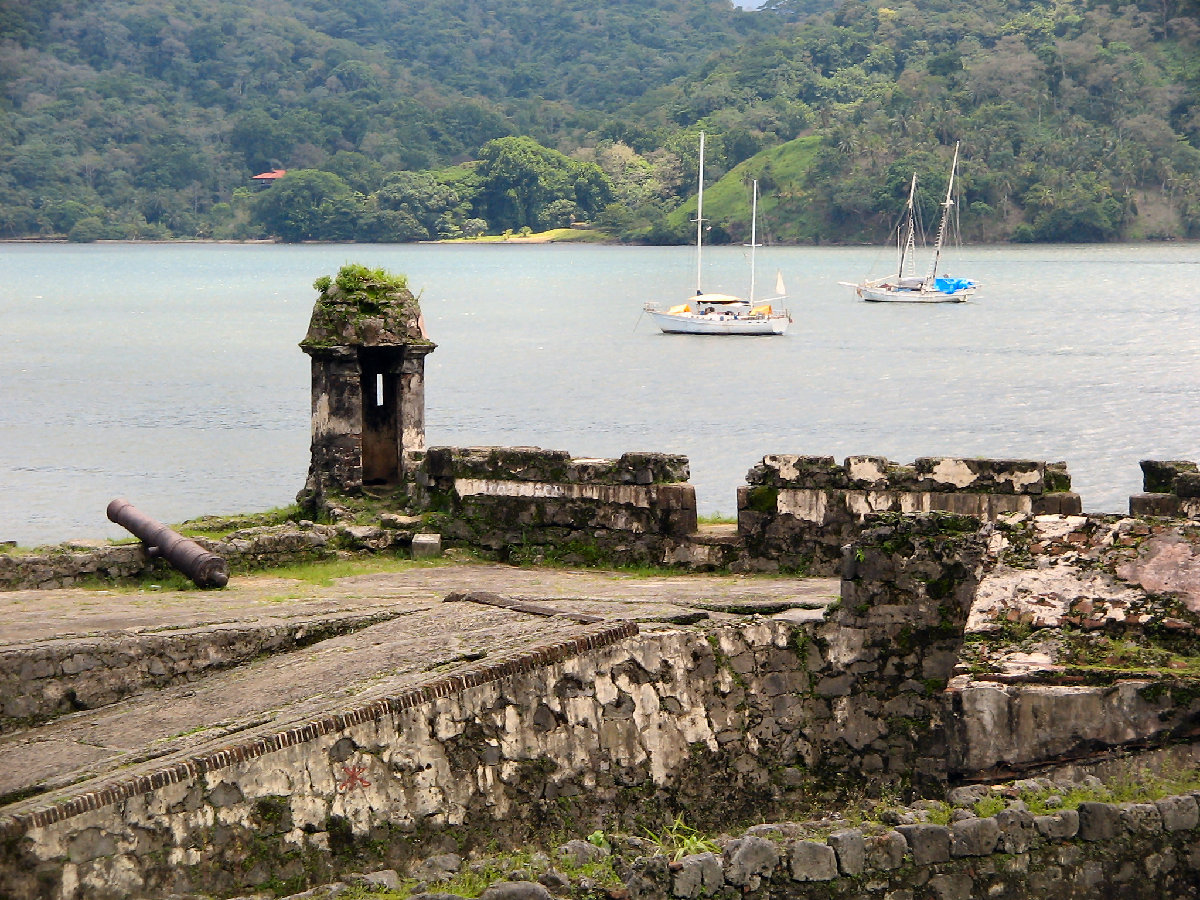
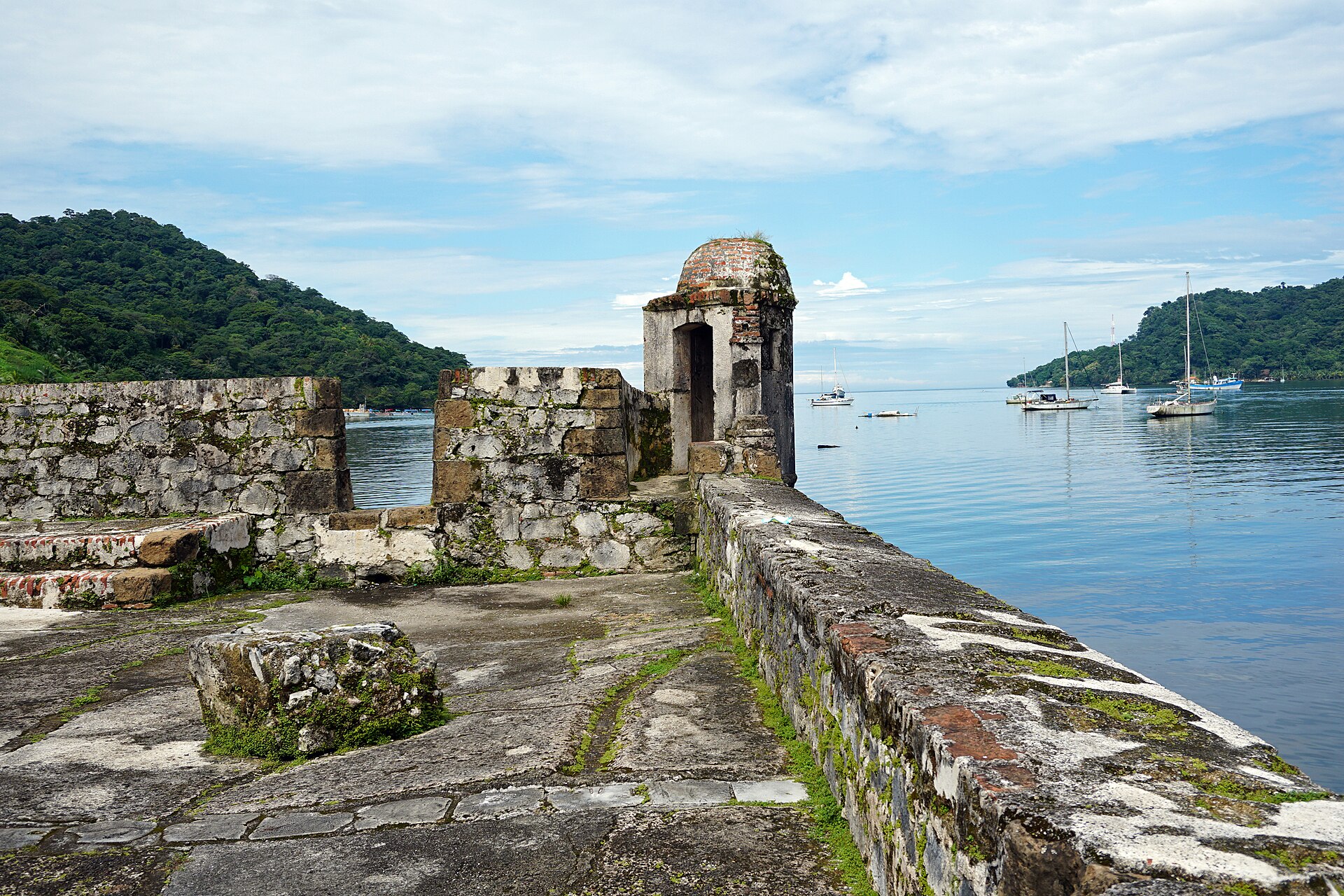
The ruins of these forts survive today, their cannon still pointing out over the water, their weathered walls a testament to the effort the Spanish poured into defending their treasure port. Exploring them, you can trace the layered history of Portobelo’s defences and imagine the tense watch the garrisons kept, scanning the horizon for the sails of the raiders who came, again and again, to seize the wealth of the bay.
The repeated cycle of attack, damage, and rebuilding meant that the fortifications of Portobelo evolved over time, as the Spanish sought to strengthen their defences in response to each new assault. The forts that survive today thus reflect several periods of construction, a layered record of the ongoing effort to protect the treasure port against the persistent threat of its many enemies.
Standing among the ruined batteries today, with their cannon still trained on the bay, it is easy to picture the tense vigilance of the garrisons and the thunder of the guns when an enemy appeared. The forts were the front line in the defence of the treasure, and their weathered stones bear silent witness to the many times that defence was tested by the raiders and fleets who came for the silver.
The Fortress of San Lorenzo
Portobelo did not stand alone, for the treasure route had another vital point that also needed guarding: the mouth of the Chagres River. This river provided a partial water route across the isthmus, and at its mouth the Spanish built the great fortress of San Lorenzo, perched dramatically on a cliff overlooking the sea and the river entrance.
San Lorenzo was a key part of the whole defensive system of the Panamanian isthmus, guarding the river approach just as the forts of Portobelo guarded the bay. Its commanding position on the clifftop made it a formidable stronghold, and it was as much a target for the enemies of Spain as Portobelo itself, for control of the Chagres was another key to the wealth crossing the isthmus.
Together, Portobelo and San Lorenzo formed a linked pair of fortified positions, jointly protecting the Caribbean end of the treasure route across Panama. It is this pairing that the modern World Heritage designation recognises, treating the two sites as a single system, and San Lorenzo, with its spectacular clifftop setting, is one of the most impressive of all the Spanish fortifications of the region.
The spectacular clifftop setting of San Lorenzo, high above the mouth of the Chagres, makes it one of the most dramatic of all the Spanish colonial fortifications, its walls seeming to grow out of the rock itself. The fortress guarded not only against seaborne attack but against any attempt to use the river as a route across the isthmus, closing off a vital approach to the heart of the treasure system.
The history of San Lorenzo, like that of Portobelo, is a tale of repeated attack and rebuilding, for the fortress guarding the Chagres was as tempting a target as the treasure port itself. Henry Morgan, among others, assailed San Lorenzo in the course of his campaigns, and the fortress was damaged and restored more than once in the long struggle to control the approaches to the isthmus.
The Death of Francis Drake
The history of Portobelo is entwined with one of the most famous names in the age of sea power. The English privateer Sir Francis Drake, the great scourge of the Spanish, met his end in these very waters. In the closing years of the sixteenth century, while campaigning against the Spanish in the Caribbean, Drake fell ill and died, and his body was committed to the sea near Portobelo Bay.
There is a powerful irony in the death of Spain’s great enemy so close to the treasure port he had spent his life harrying. Drake had made his name and fortune raiding Spanish possessions and seizing their silver, and it was fitting, in a grim way, that he should die within sight of the very wealth he had so relentlessly pursued. His lead coffin is said to lie somewhere on the seabed off the coast to this day.
Drake’s death near Portobelo has become one of the enduring legends of the Spanish Main, and it links the treasure port forever to the story of the great age of privateering. The waters that received his body were the same waters through which the silver fleets sailed, and the tale is a reminder of the constant, deadly struggle between Spain and its enemies over the wealth that flowed through this coast.
The legend of Drake’s lead coffin resting somewhere on the seabed off Portobelo has inspired searches and speculation over the centuries, adding a note of romance and mystery to the town’s history. Whether or not his remains are ever found, the story fixes Portobelo firmly in the saga of the great sea raiders, forever associated with the death of Spain’s most celebrated tormentor.
Henry Morgan Sacks Portobelo
For all its forts, Portobelo could not always keep out the determined and ruthless raiders who coveted its wealth, and in the later seventeenth century it suffered one of its most devastating attacks. The notorious Welsh privateer Henry Morgan, one of the most feared buccaneers of the Caribbean, led a force against the town and succeeded in capturing it.
Morgan’s assault was bold and brutal. Having taken the forts and the town, his men held Portobelo for a period, plundering its wealth and, according to accounts of the raid, treating its inhabitants with great cruelty before finally departing with a substantial ransom and booty. It was a humiliating blow to Spanish pride and a stark demonstration of the vulnerability of even a fortified treasure port.
The sack of Portobelo by Morgan is one of the most famous episodes in the history of Caribbean piracy, and it cemented his fearsome reputation. It also underlined the constant peril in which the treasure ports lived, for no matter how strong their forts, they remained tempting prizes for the bold and violent men who roamed the Spanish Main in search of plunder.
The brutality of Morgan’s raid, and the ransom he extracted, illustrate the grim reality behind the romantic image of Caribbean piracy, for the buccaneers were violent men whose depredations brought real suffering. Yet Morgan himself would later become a respectable colonial official, a striking illustration of the fluid line between piracy and state-sanctioned privateering in the turbulent world of the Spanish Main.
Morgan’s raid on Portobelo was part of a wider campaign of buccaneer attacks on Spanish possessions in the Caribbean, a period when the treasure ports lived in constant fear of the sea raiders based in enemy-held islands. The success of such attacks, despite the Spanish fortifications, revealed the limits of static defences against determined and mobile raiders who could choose their moment to strike.
Admiral Vernon’s Victory
In the eighteenth century, Portobelo faced another famous attacker, this time not a pirate but a British admiral. In 1739, during a war between Britain and Spain, Admiral Edward Vernon led a British fleet against Portobelo and captured the town, a victory that was celebrated wildly back in Britain as a triumph over the old Spanish enemy.
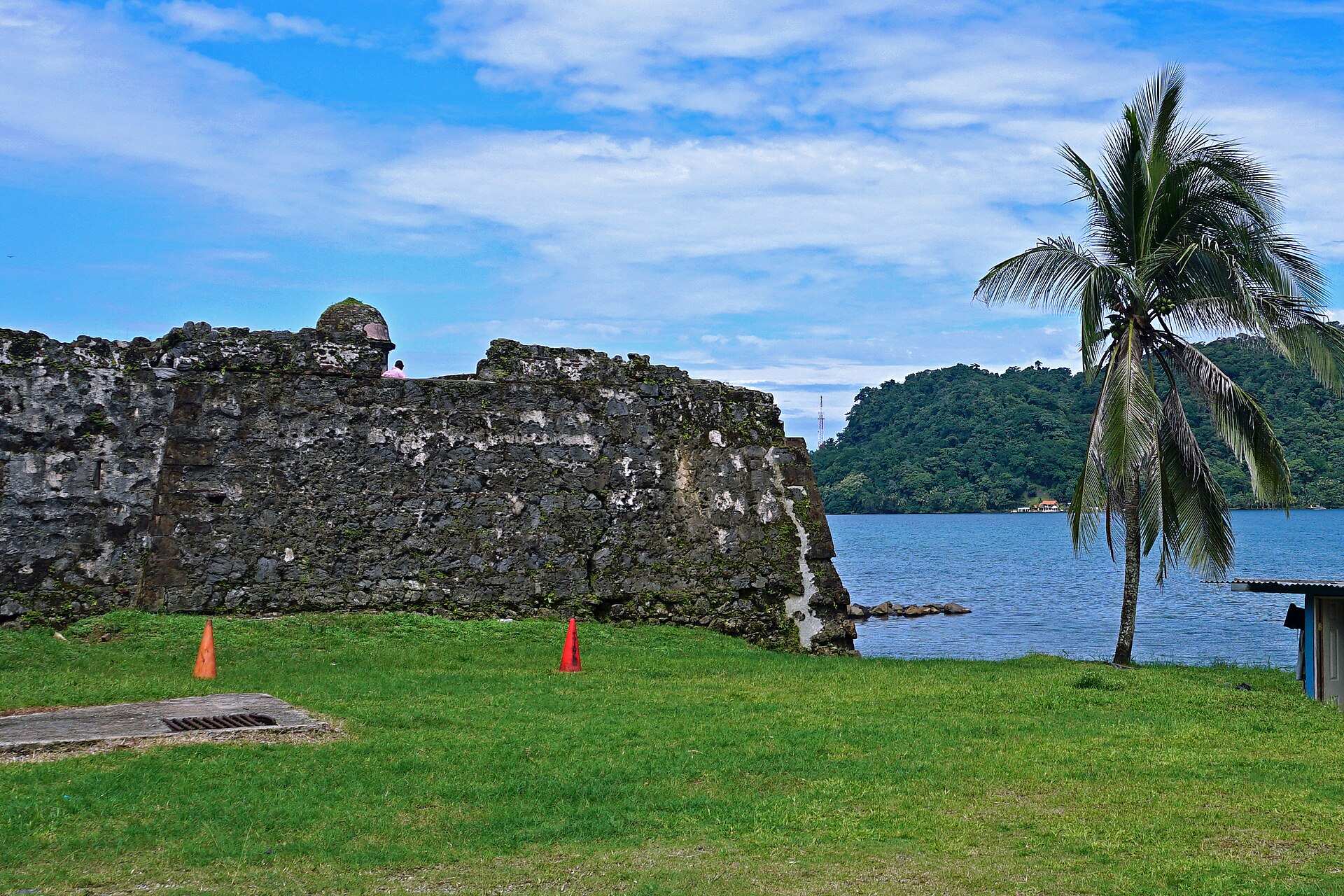
Vernon’s capture of Portobelo made him a national hero in Britain, and his success was commemorated in songs, medals, and place names, with several locations named Portobello in his honour, some of which survive to this day far from Panama. The victory seemed to demonstrate British naval supremacy and the vulnerability of Spain’s American possessions.
Yet the triumph proved less significant than it appeared, for Vernon’s later attempt to capture the far greater prize of Cartagena ended in disastrous failure. And the capture of Portobelo, coming as the great treasure-fair system was already in decline, marked less a turning point than a late episode in the long history of the town’s struggles. Still, Vernon’s victory remains one of the celebrated moments in the story of the treasure port.
The many places around the world named Portobello, from a district of Edinburgh to a famous road in London, are a curious and lasting legacy of Vernon’s celebrated victory, carrying the name of the Panamanian treasure port to distant corners of the globe. Few colonial battles have left so widespread a mark on the map, a testament to the enthusiasm the triumph aroused in Britain at the time.
The contrast between Vernon’s easy success at Portobelo and his catastrophic failure at Cartagena de Indias two years later is instructive, revealing how much the outcome of such expeditions depended on the strength of the defences and the quality of the leadership on both sides. Portobelo, its great fairs already fading, was a softer target than the mighty fortress-city of Cartagena further along the coast.
The Fading of the Treasure Port
The great days of Portobelo could not last, for they depended on the particular system of Spanish trade that had made the town so important, and that system eventually changed. As Spain reorganised its colonial commerce and as the route around Cape Horn came into greater use, the flow of treasure through Portobelo and across the isthmus diminished, and the great fairs came to an end.
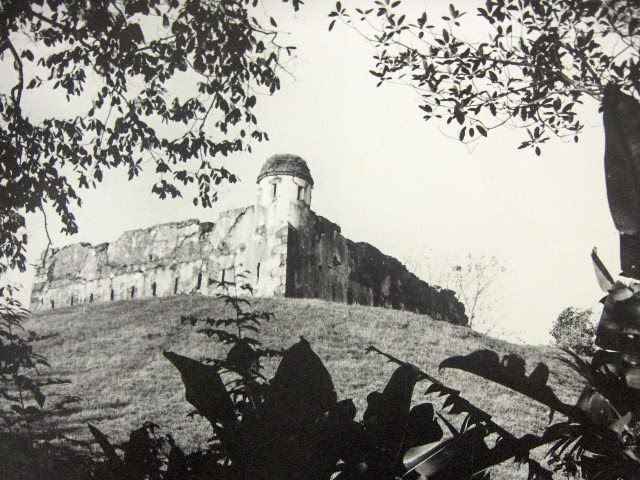
With the decline of the treasure trade, the reason for Portobelo’s existence faded, and the once-bustling port sank into obscurity. The forts that had guarded such wealth now protected a dwindling town, and gradually the whole apparatus of the treasure route fell into disuse. The golden age of Portobelo, when it had been one of the richest and most famous places in the Americas, passed into history.
Left behind by the changing patterns of trade, Portobelo became a quiet backwater, its great fairs a memory and its forts slowly crumbling in the humid tropical climate. The jungle began to reclaim the ruins, and the town that had once overflowed with the silver of an empire settled into a long slumber, its dramatic past preserved in its decaying fortifications and in the legends of the Spanish Main.
The shift away from the isolated fair system toward more flexible forms of trade reflected broader changes in the Spanish empire and the wider Atlantic economy, changes that left Portobelo stranded. The town’s fate is a vivid illustration of how places that thrive on a particular economic arrangement can decline swiftly when that arrangement passes, however important they may once have been.
The abandonment of the treasure fair system did not happen overnight but was the result of a gradual evolution in Spanish colonial policy, as the crown sought more efficient and flexible ways of managing its trade. As this evolution proceeded, the elaborate machinery of the Portobelo fairs became obsolete, and the town that had depended on it was left to fade quietly into the tropical backwater it became.
The Ruined Forts Today
Today Portobelo is a modest town living among the ruins of its glorious and turbulent past. The old forts, with their batteries of cannon still overlooking the bay, stand weathered and overgrown but evocative, allowing the visitor to trace the outlines of the defences that once guarded the treasure of an empire. The atmosphere is one of faded grandeur and tropical decay.
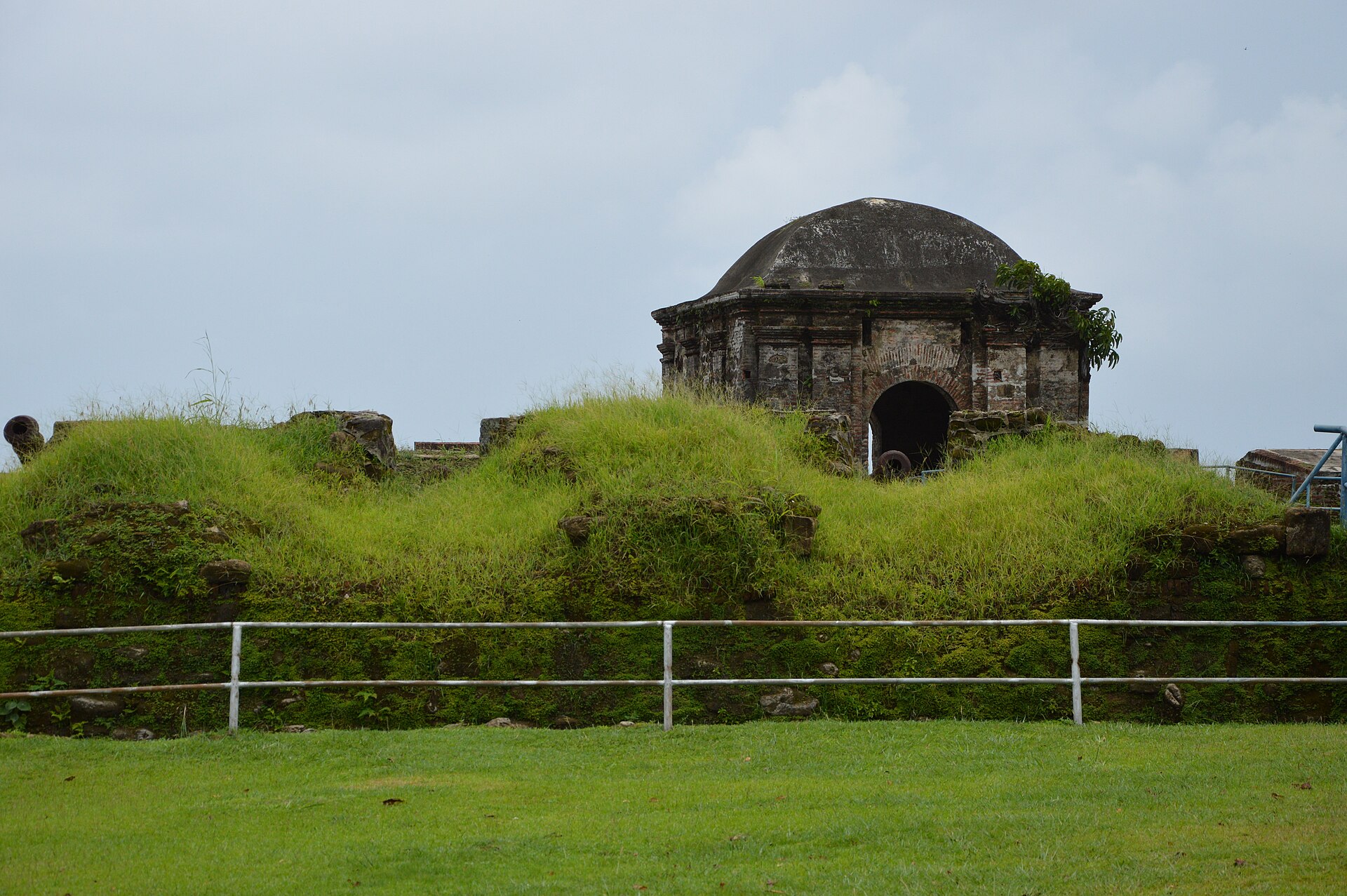
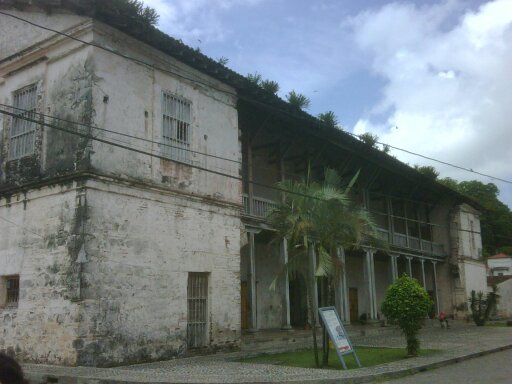
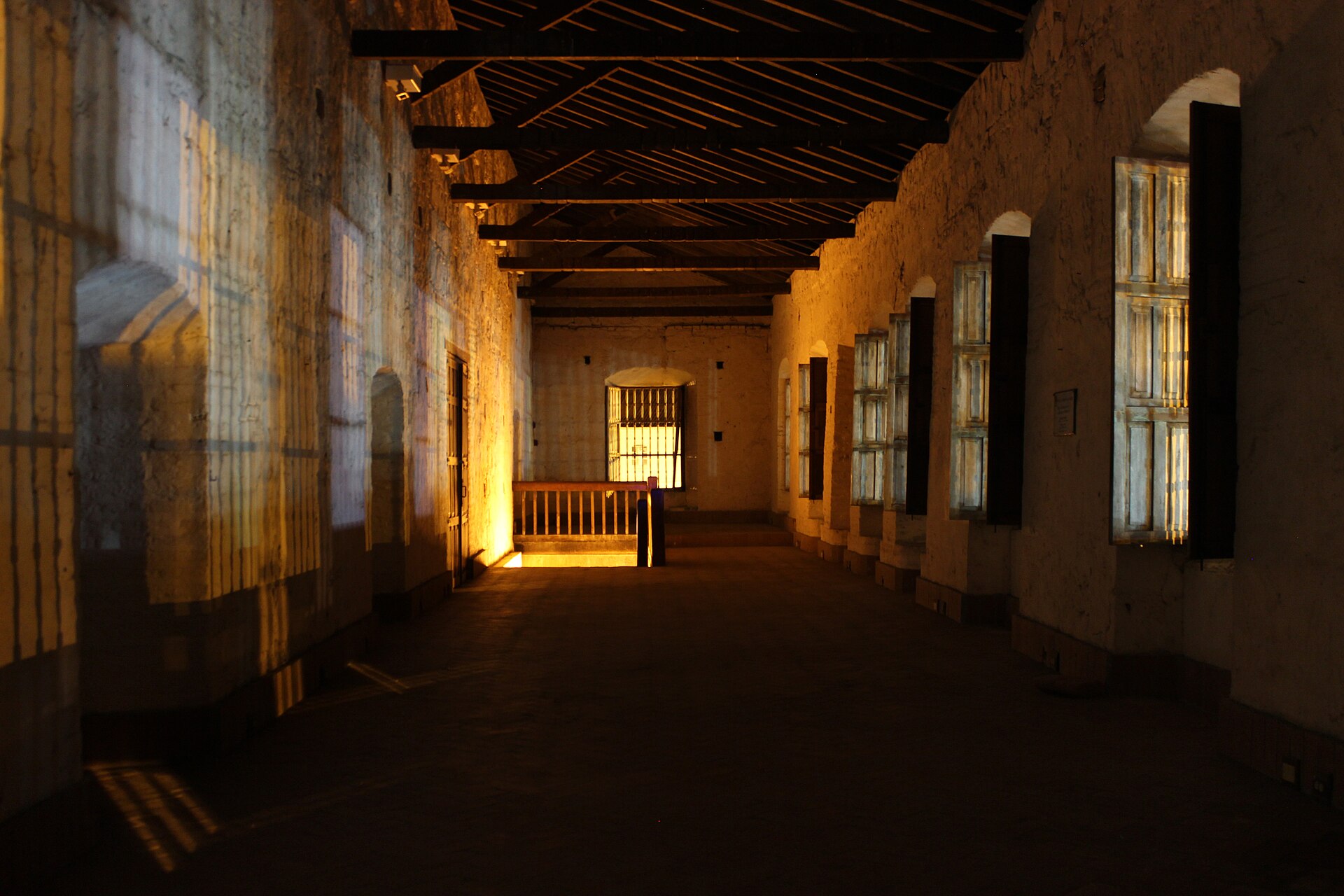
Among the surviving structures is the old customs house, the building where the treasure was once received and recorded, a tangible link to the days of the great fairs. Wandering among these remains, with the jungle pressing in and the bay glittering beyond, you can imagine the extraordinary scenes that once unfolded here, the piles of silver, the crowds of merchants, and the ever-present fear of attack.
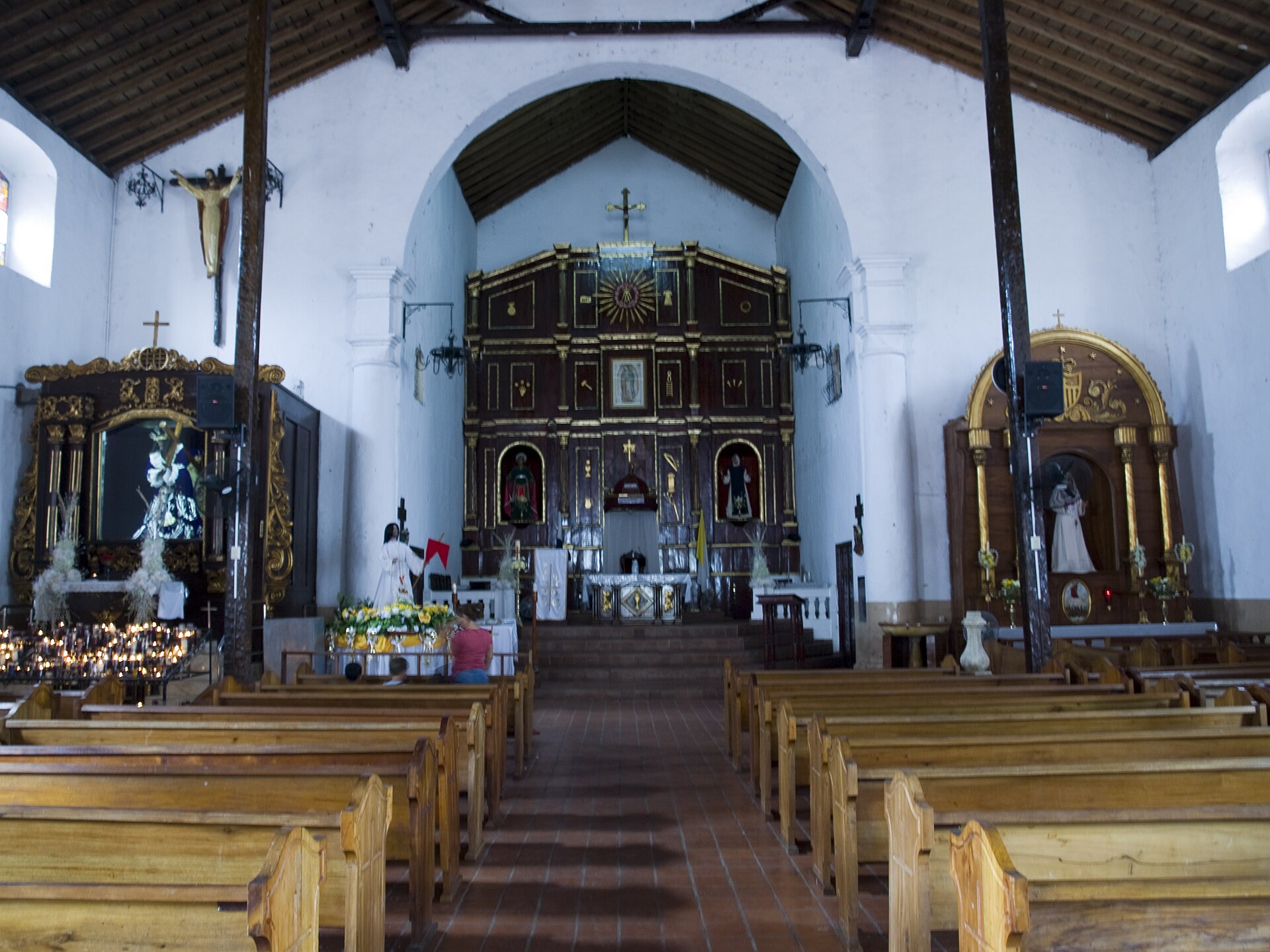
The town is also known for its living cultural traditions, including a famous religious festival centred on a revered image, which draws pilgrims from across Panama and gives the old treasure port a vibrant spiritual life quite apart from its historical ruins. Portobelo today is thus a place where a rich past and a living present coexist, the crumbling forts sharing the town with a thriving community.
The famous festival of the town, centred on a much-venerated religious image and drawing great crowds of pilgrims, gives modern Portobelo a vibrant identity that reaches far beyond its historical ruins. This living tradition ensures that the old treasure port remains a place of significance in the cultural and spiritual life of Panama, its past and present woven together in a single community.
The coexistence of ancient ruins and living tradition gives Portobelo a special character, quite different from a site preserved solely as a monument. Here the past is not sealed off behind glass but woven into the ongoing life of a real community, and the visitor experiences the forts not as a dead museum but as part of a place that continues to live and worship among the relics of its extraordinary history.
A World Heritage Site in Danger
The outstanding importance of Portobelo and San Lorenzo has been recognised internationally, and the two sites together were inscribed on the UNESCO World Heritage List as a magnificent example of the military architecture the Spanish used to defend their transatlantic trade. The listing honours them as key monuments of the great age of the Spanish treasure fleets.
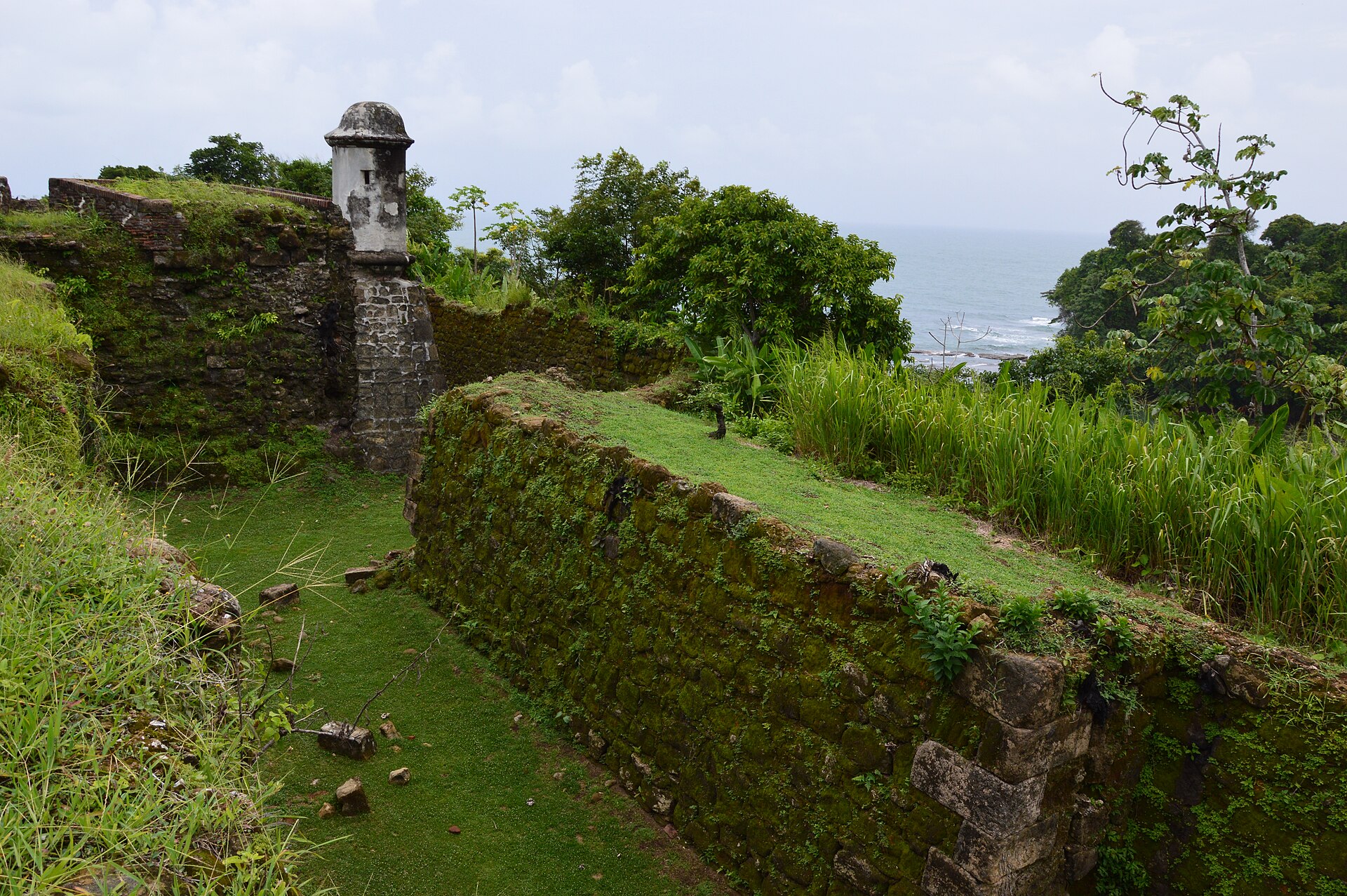
The recognition celebrates the forts as superb examples of colonial fortification and as vital witnesses to the history of the silver trade that shaped the early modern world. As the guardians of the Caribbean end of the treasure route across Panama, Portobelo and San Lorenzo hold a special place in the story of how Spain fortified and defended the flow of American wealth to Europe.
Sadly, the sites have faced serious threats to their preservation, from the encroaching jungle and tropical climate to the pressures of development and a lack of resources for their upkeep, and they have been placed on the list of World Heritage in danger. This status is a call to action, highlighting the urgent need to protect these irreplaceable monuments before more of their fabric is lost.
The placing of Portobelo and San Lorenzo on the list of endangered World Heritage sites reflects the difficult challenge of preserving fragile colonial fortifications in a demanding tropical environment with limited resources. The status is intended to focus attention and support on the sites, in the hope of arresting their decay and securing their survival for future generations to experience and admire.
The dual character of Portobelo, as both a World Heritage site and an endangered one, captures the precarious situation of many colonial-era monuments in the developing world, where the will to preserve exists but the resources are often lacking. The forts stand as a test case for the international effort to safeguard shared human heritage against the relentless pressures of climate, growth, and time.
Why Portobelo Matters
Portobelo and San Lorenzo hold a special place among the historic sites of the Americas, for they were the fortified gateway of one of the greatest flows of wealth in human history. Through this coast passed the silver that helped finance the Spanish empire, transformed the economies of Europe, and connected the mines of the Andes to the markets of the wider world.
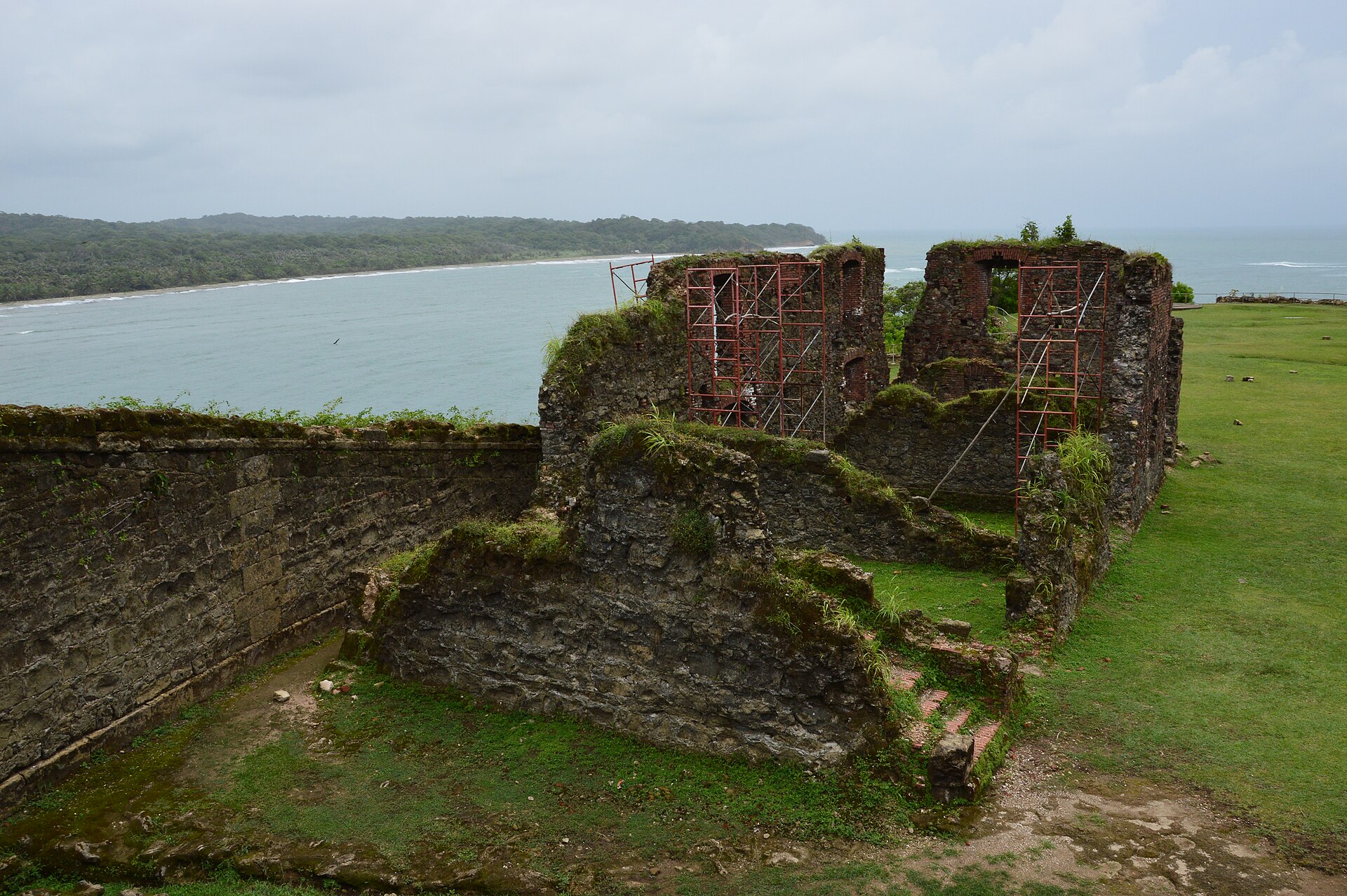
The forts also stand as monuments to the great age of piracy and privateering, for it was the treasure passing through Portobelo that drew the likes of Drake, Morgan, and Vernon to these waters. The dramatic history of attack and defence that unfolded here is a vivid chapter in the story of the Spanish Main, and the ruins are a tangible link to that romantic and violent age.
To visit Portobelo is thus to stand at a crossroads of world history, where the wealth of the Americas, the ambitions of empires, and the daring of pirates all converged on a single tropical bay. Few places so vividly evoke the golden and bloody age of the treasure fleets, and the crumbling forts of Portobelo and San Lorenzo remain among the most evocative monuments of that extraordinary era.
The story of Portobelo also connects to some of the darkest chapters of the colonial era, for the silver that flowed through it was extracted through the brutal exploitation of Indigenous and enslaved labour in the mines of the Americas. An honest appreciation of the treasure port must hold this reality alongside the romance of the fairs and the drama of the pirate raids, remembering the human cost beneath the glittering wealth.
For the modern visitor, holding together the romance and the darkness of Portobelo’s history, the dazzling fairs and daring raids alongside the brutal exploitation that produced the silver, is part of engaging honestly with the site. The forts are monuments not only to Spanish ambition and pirate daring but to a whole system of colonial extraction whose consequences shaped the modern world.
Visiting Portobelo and San Lorenzo
Portobelo lies on the Caribbean coast of Panama, within reach of the country’s main centres, and it makes a rewarding destination for travellers interested in the dramatic history of the Spanish Main. The town and its forts can be explored at leisure, and the setting, where jungle meets sea, adds greatly to the atmosphere of a visit to this legendary treasure port.
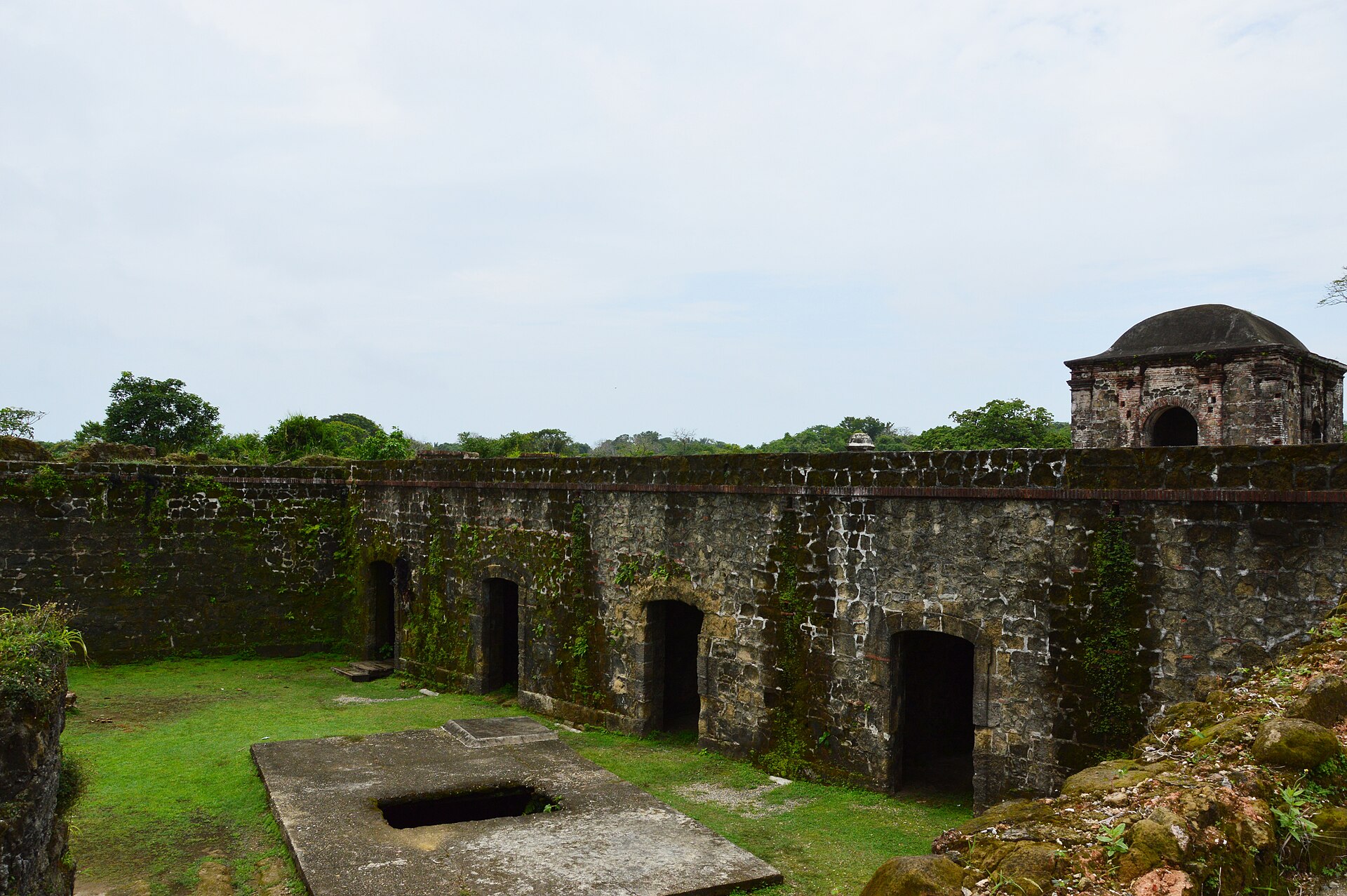
On a visit you can explore the ruins of the forts, walk among the cannon overlooking the bay, and visit the old customs house and other historic structures that recall the days of the great fairs. The nearby fortress of San Lorenzo, on its dramatic clifftop at the mouth of the Chagres River, is a further highlight for those able to reach it, offering spectacular views and a powerful sense of history.
View 9.5547, -79.6553 on Google Maps
Come prepared for the tropical climate, which is hot and humid, and be mindful that the sites, as fragile ruins, deserve respectful and careful exploration. Combine your visit with the other attractions of the region and with the living cultural traditions of the town to experience Portobelo in all its dimensions. The forts of Portobelo and San Lorenzo offer an unforgettable encounter with the golden age of the Spanish treasure fleets.
The relative remoteness and tranquillity of Portobelo today, so different from its frenzied heyday, lends the ruins a haunting, contemplative atmosphere that many visitors find deeply affecting. To wander among the silent cannon and crumbling walls, with the jungle and the sea all around, is to feel the passage of time and the transience of even the greatest concentrations of worldly wealth and power.
The journey to Portobelo along the Caribbean coast of Panama passes through beautiful tropical scenery, and the region offers other attractions, from beaches to diving, that complement a visit to the historic forts. For the traveller interested in the golden age of the Spanish Main, this coast rewards exploration, with Portobelo and San Lorenzo as its most storied and evocative destinations.
Castles Nearby
You May Like
Tulum: The Walled Maya City on the Cliffs of the Caribbean