Drive to the very tip of the Mornington Peninsula, where the land narrows to a thin finger of sand and limestone between Port Phillip and the open sea, and you reach one of the most quietly consequential pieces of ground in Australia. This is Point Nepean, and clinging to its western end is Fort Nepean, a coastal fortress that guarded the only sea gate into the great bay on which Melbourne depends. It is a windswept, salt-scoured place, and it has witnessed more history than its remote position would ever lead you to expect.
You might come here expecting a modest colonial gun battery and little else. What you find instead is a place that fired the first Allied shot of the First World War and, a generation later, the first Australian shot of the Second. It is a place where migrants and the sick were once held in quarantine, where army officers were trained, and where, on a summer day in 1967, a serving Australian prime minister walked into the surf at a nearby beach and was never seen again. Few square kilometres of coastline carry so many stories.
The fort exists because of geography, pure and simple. The entrance to Port Phillip is a narrow, treacherous channel known as the Rip, and whoever controlled the heads controlled access to Melbourne, which in the gold-rush decades was one of the richest cities in the British Empire. A hostile warship slipping through that gap could have threatened enormous wealth, and so the colony of Victoria fortified the point until it earned the proud nickname of the colony’s own Gibraltar.
In the pages ahead you will follow Point Nepean from quarantine ground to fortress, stand beside the guns that opened two world wars, descend into the tunnels that laced the headland, and confront the mystery that still hangs over its beaches. It is a lot of history for one narrow spit of land, and it rewards anyone willing to walk out to the end and listen.
In This Article
- The Narrow Gate Into a Rich Bay
- The People Who Knew This Coast First
- Before the Guns, a Place of Quarantine
- Building Victoria’s Gibraltar
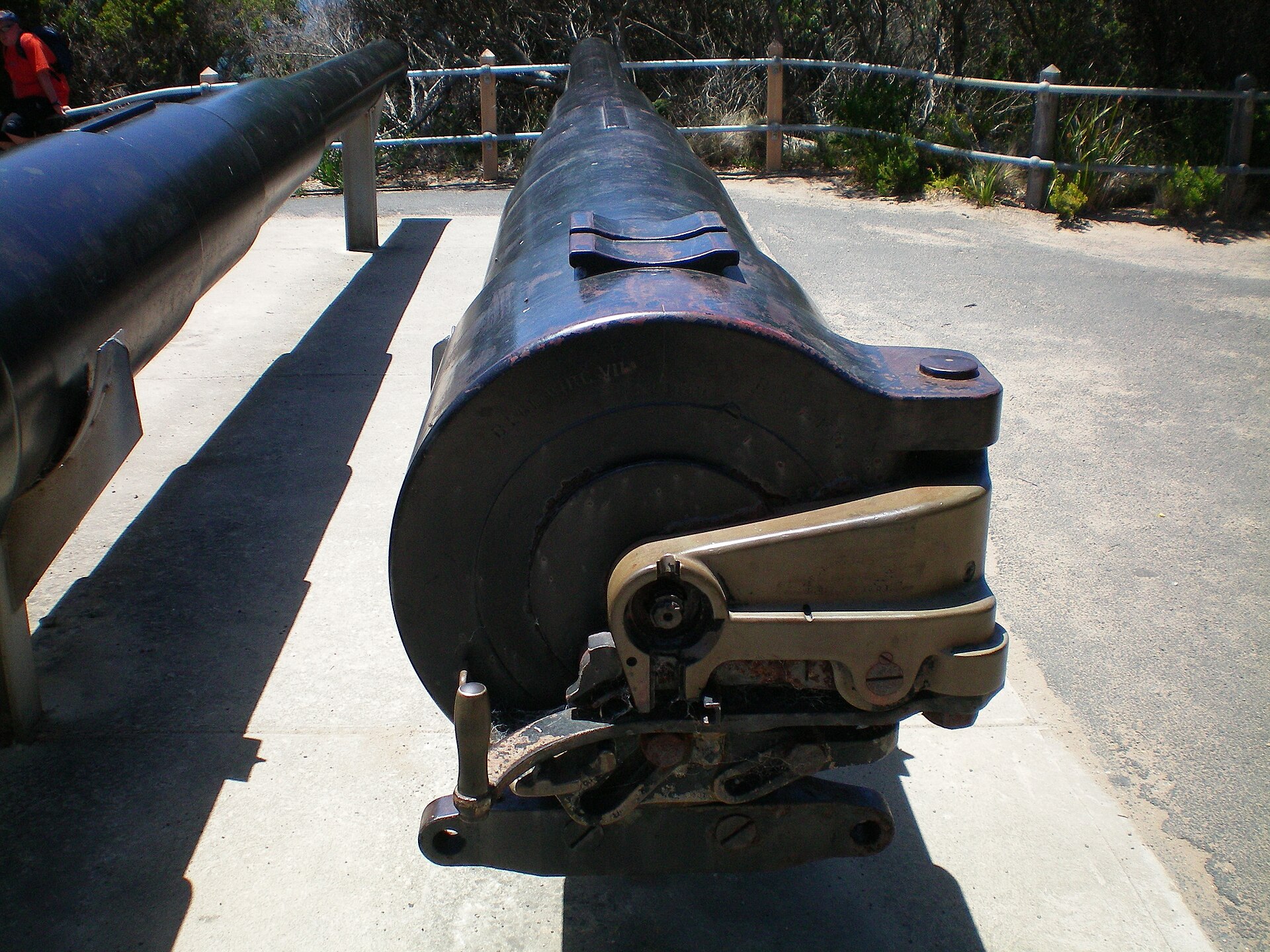
- The Guns That Watched the Channel
- The First Allied Shot of the Great War
- And Then It Happened Again
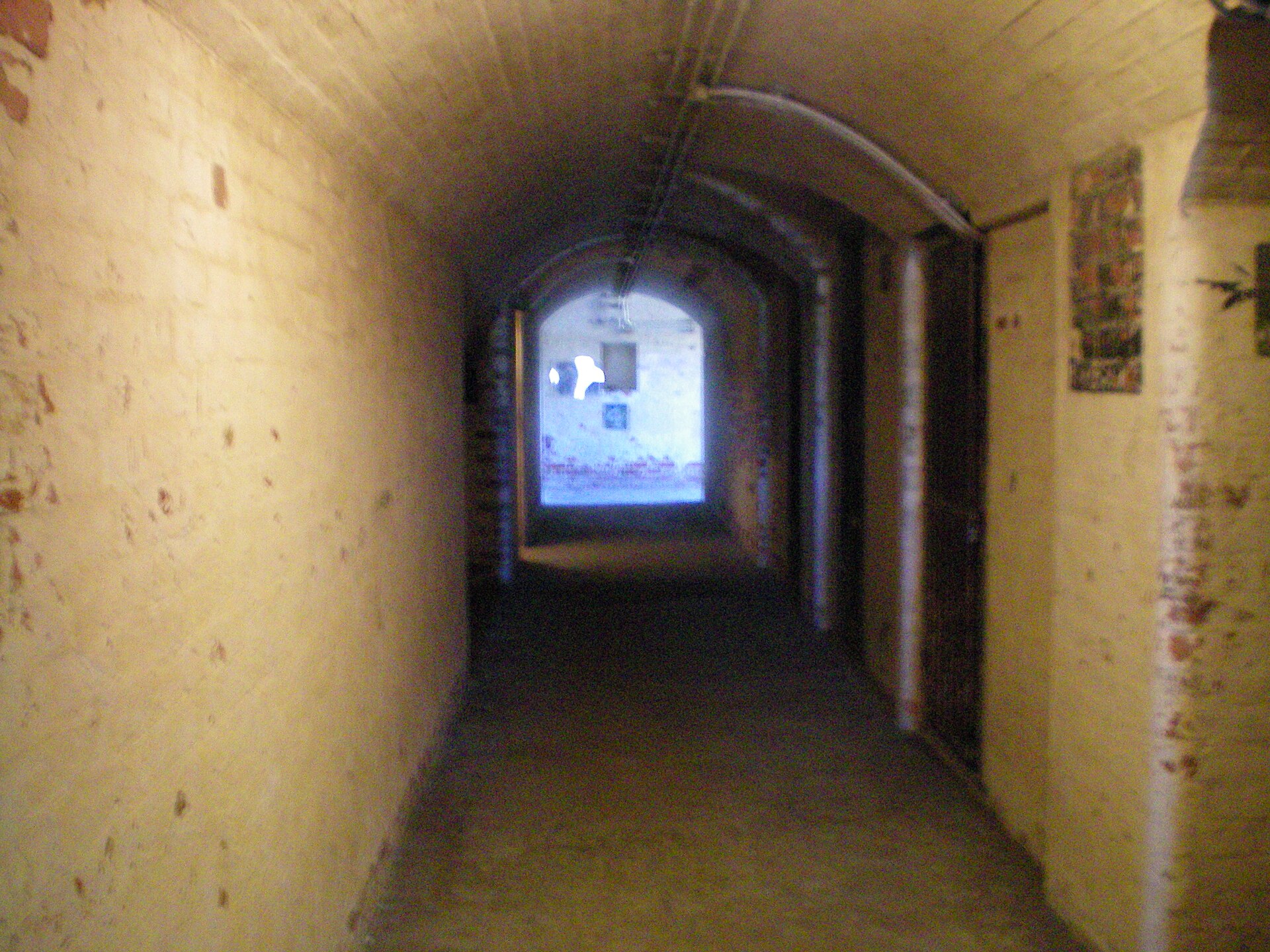
- Into the Heart of the Headland
- A School for Soldiers
- The Prime Minister Who Vanished
- From Fortress to National Park
- A Coast of Wild Water and Lost Ships
- Walking Out to the Point
The Narrow Gate Into a Rich Bay
To understand why anyone bothered to fortify such a remote spit of sand, you have to understand the water in front of it. The entrance to Port Phillip is a slender channel between two headlands, and through it runs the Rip, a stretch of sea so turbulent and dangerous that it has claimed ships and lives for as long as vessels have tried to pass. The bay beyond is vast and calm, but the door into it is narrow and unforgiving.
That single geographic fact turned Point Nepean into a place of enormous strategic value. Melbourne, sitting at the head of the bay, grew fabulously wealthy during the Victorian gold rush, and all of that wealth was reachable only by ships threading the heads. Control the entrance and you control the fate of the city, which is exactly the calculation that colonial defenders made when they looked at this coastline.
An enemy warship that could force the entrance would find the whole prosperous bay laid open before it, its ports and its shipping suddenly vulnerable. The obvious answer was to make the entrance itself a killing ground, a place where guns on the headland could rake any hostile vessel attempting to run the narrow channel. The point was the natural site for those guns, jutting out toward the very water a raider would have to cross.
So the fort was never really about defending a lonely spit of land for its own sake. It was about the bay behind it and the city beyond that, using the accident of a narrow, dangerous entrance to turn the whole peninsula into a lock on Melbourne’s front door. Everything that was later built here flowed from that one strategic truth about the Rip and the wealth it guarded.
It is worth pausing on how unusual this arrangement is. Many great cities sit on open coasts or broad river mouths that are difficult to seal, but Melbourne’s entire seaborne trade had to funnel through a single narrow gap. That concentration made the heads both a magnificent natural chokepoint for defenders and an obvious target for anyone who wished to do the colony harm, and it is why so much military thought was lavished on this one modest headland.
The People Who Knew This Coast First
Long before quarantine officers or gunners set foot on Point Nepean, the coast belonged to the Aboriginal people who had lived along these shores for many thousands of years. The Boonwurrung people knew this stretch of the peninsula intimately, moving through a landscape rich in food from the sea and the shore, part of a deep and enduring connection to country that far predates any European arrival.
For these first inhabitants, the point was not a strategic problem or a defensive asset but home, a place woven into a way of life shaped by the rhythms of the coast. The same waters that colonists would later see as a channel to be defended provided sustenance and meaning to people who had read this landscape for countless generations before the first ships came through the heads.
The arrival of Europeans, drawn by the promise of the goldfields and the wealth of the bay, disrupted that ancient relationship profoundly, as it did all along the coast. The quarantine station, the fort, and everything that followed were built on land that already carried a long human history, a history too often overlooked in the telling of the point’s later dramas.
Acknowledging this deeper past matters to any honest account of Point Nepean. The fortifications and their famous shots are only the most recent chapters in a story that stretches back far beyond written record, and the point today is understood as a place of Aboriginal heritage as much as of colonial and military history, its meaning richer for that long perspective.
Before the Guns, a Place of Quarantine
Long before Point Nepean bristled with artillery, it served a very different and altogether grimmer purpose. In the mid-nineteenth century, as ships poured into Victoria carrying migrants drawn by the promise of gold, the colony faced the constant fear that those same ships might carry disease. Point Nepean, isolated and easily sealed off at the tip of the peninsula, became the place where that fear was managed.
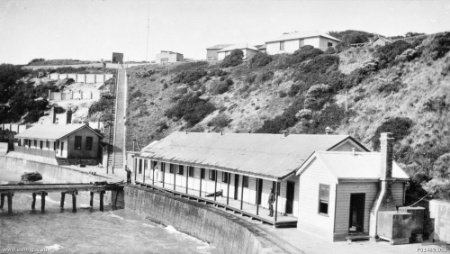
A quarantine station was established here to hold arriving passengers who might be carrying infection, keeping them apart from the population of the growing colony until the danger had passed. For people who had crossed the world in cramped and unhealthy ships, arrival at the heads did not always mean freedom; it could mean weeks of confinement on this windswept point while the authorities watched for signs of sickness.
The quarantine era left its own melancholy mark on the landscape, with buildings and a cemetery bearing witness to those who did not survive the voyage or their confinement. It is a reminder that the point’s history is not only military but deeply human, bound up with the great movement of people toward the goldfields and the diseases that travelled with them.
This earlier chapter matters because it established Point Nepean as a place set apart, a controlled and restricted ground at the edge of the colony. When the military later came looking for somewhere to build their fort, they found a site already marked by isolation and official control, its remoteness an asset for guns just as it had been for quarantine. The two functions, medical and military, would coexist on the point for many years.
The contrast between the two roles the point would play is striking. Where the fort was built to keep enemies out by force, the quarantine station was built to keep disease out by patience and isolation, holding the anxious and the ailing until time proved them safe. Both functions depended on the same essential quality of the place, its separation from everything else, and both left their traces on a landscape that has always been a threshold rather than a destination.
Building Victoria’s Gibraltar
The push to fortify Point Nepean came out of the same anxieties that drove coastal defence across the Australian colonies, a fear that a hostile power might one day send warships to threaten undefended and wealthy ports. Victoria, made rich by gold, had a great deal to lose, and its leaders were determined that the entrance to Port Phillip should not be left open to any raider bold enough to try the heads.
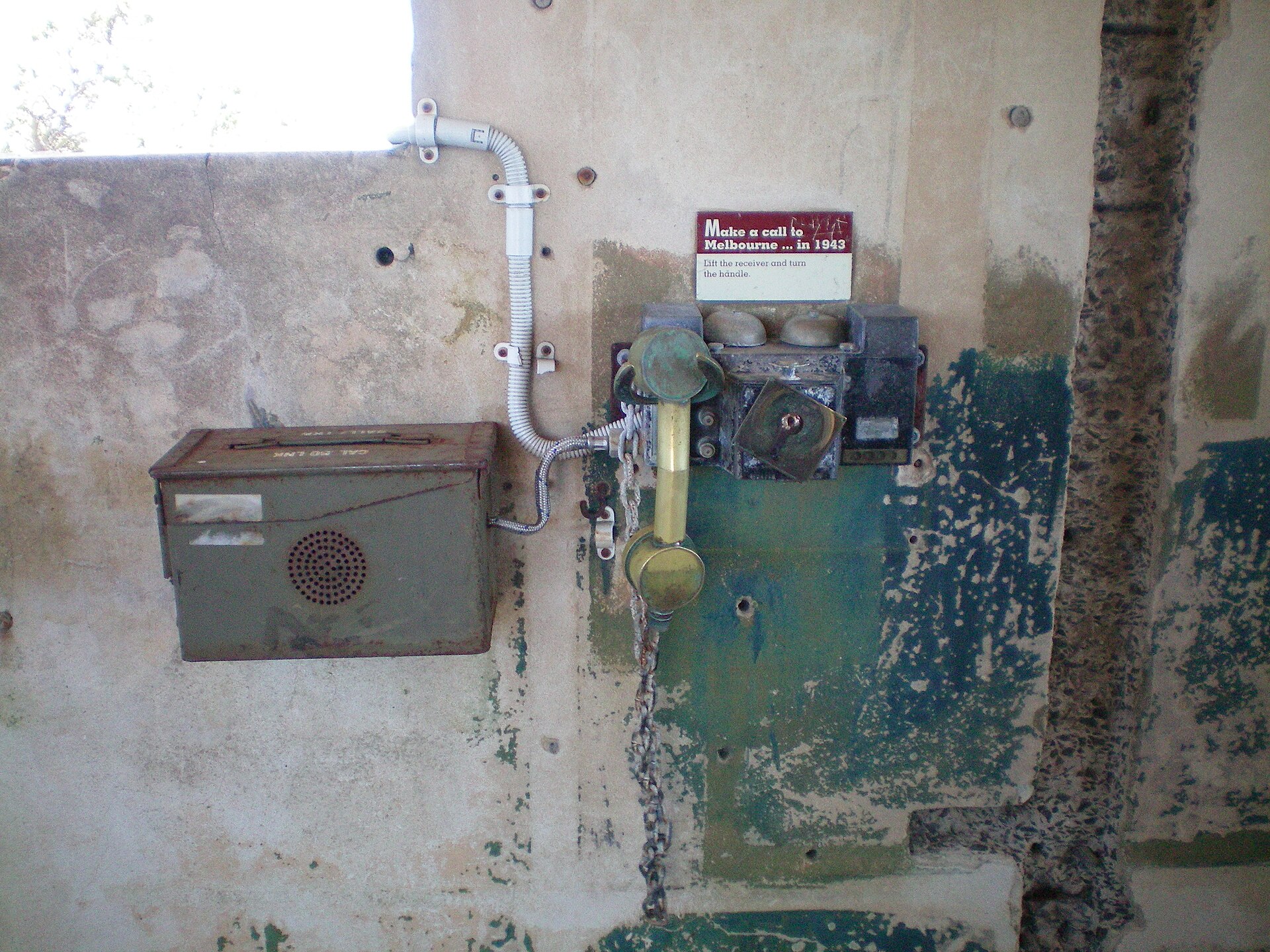
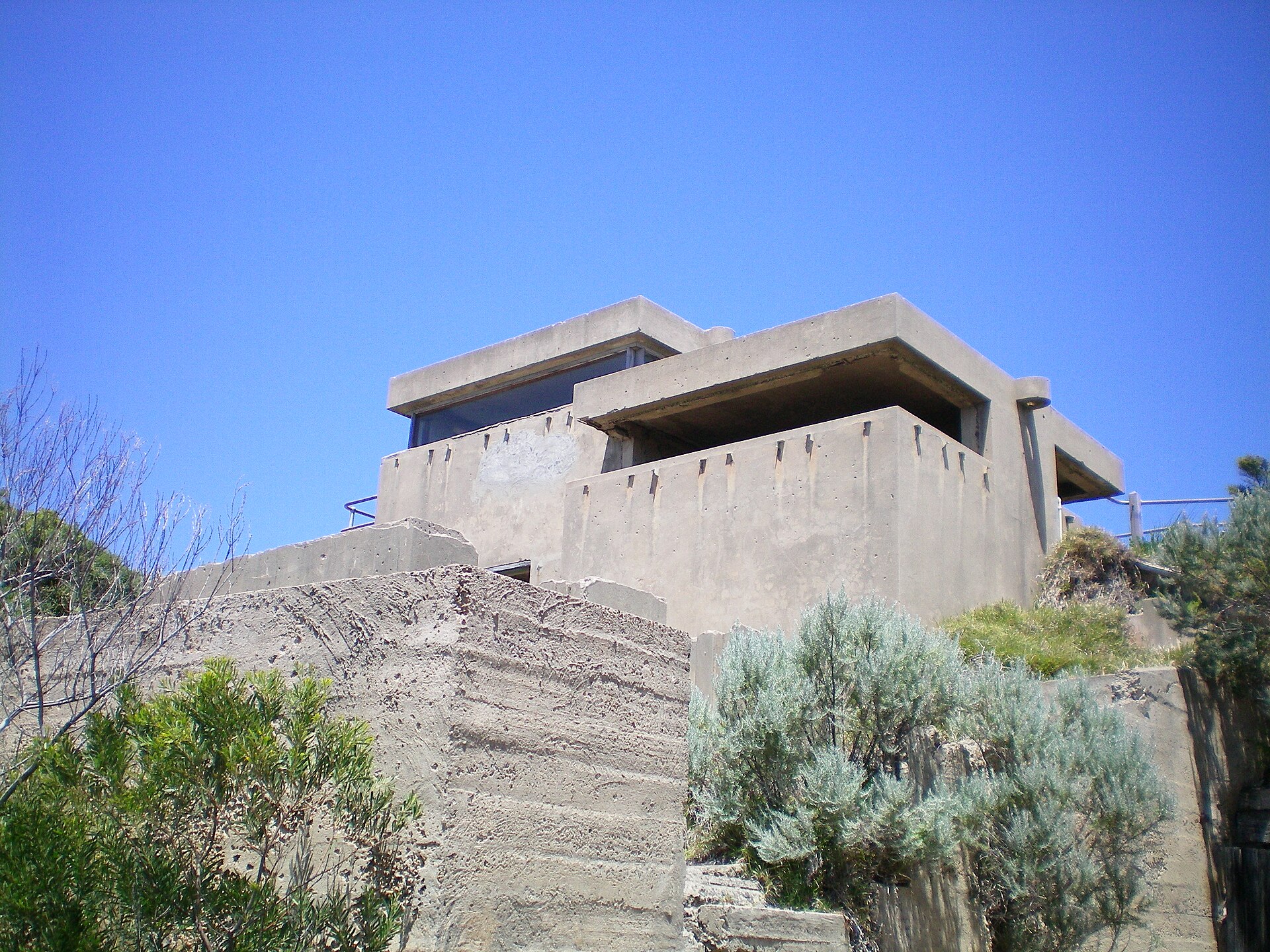
Expert military engineers advised the colony on how best to defend itself, and their recommendations turned Point Nepean into a serious fortress over the closing decades of the nineteenth century. Batteries were installed on the point, and the fortifications grew until the site earned its grand nickname as the Gibraltar of the south, a comparison to the great British fortress guarding the entrance to the Mediterranean.
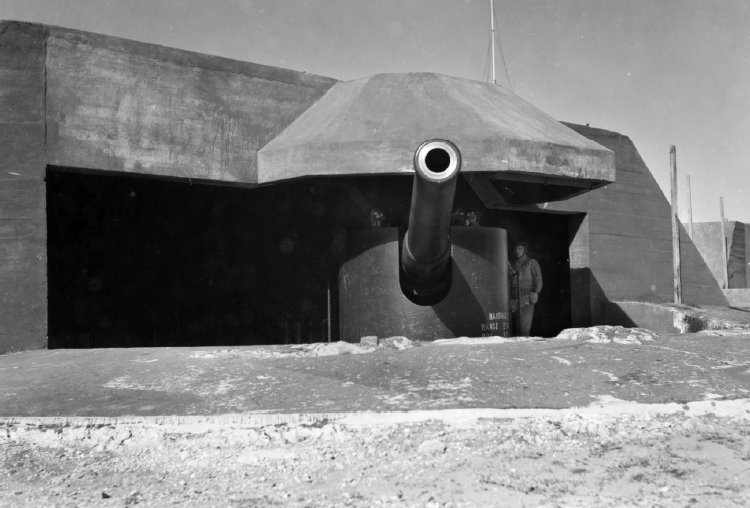
The comparison was not entirely fanciful. Like Gibraltar, Point Nepean commanded a narrow and vital sea passage, and like Gibraltar it was honeycombed with defensive works designed to make any attacker pay dearly. The guns were sited to sweep the channel, and the whole headland was engineered so that its defenders could fire on ships while remaining protected from return fire.
Achieving this meant reshaping the point itself, cutting emplacements into the ground and building the magazines and passages needed to keep the guns supplied. The fort that emerged was a sophisticated piece of military engineering, its firepower concentrated exactly where it could do the most damage to a vessel attempting the entrance. Victoria had turned its most exposed corner into one of its strongest.
The men who planned these defences understood that a fort was only as good as its ability to survive being fired upon. So the works were designed to present the smallest possible target, hunkered into the ground with their guns protected and their crews sheltered, trading the tall drama of a medieval castle for the low, hard cunning of modern coastal engineering. What looks unassuming from a distance was in fact a carefully calculated machine for controlling the channel.
The Guns That Watched the Channel
The whole purpose of Fort Nepean came down to its guns, and over the decades those guns evolved from ponderous early pieces into modern weapons capable of striking a moving ship far out in the channel. The earliest armament reflected the technology of its day, heavy and slow, but even these guns represented a serious deterrent to any captain contemplating a run through the heads.
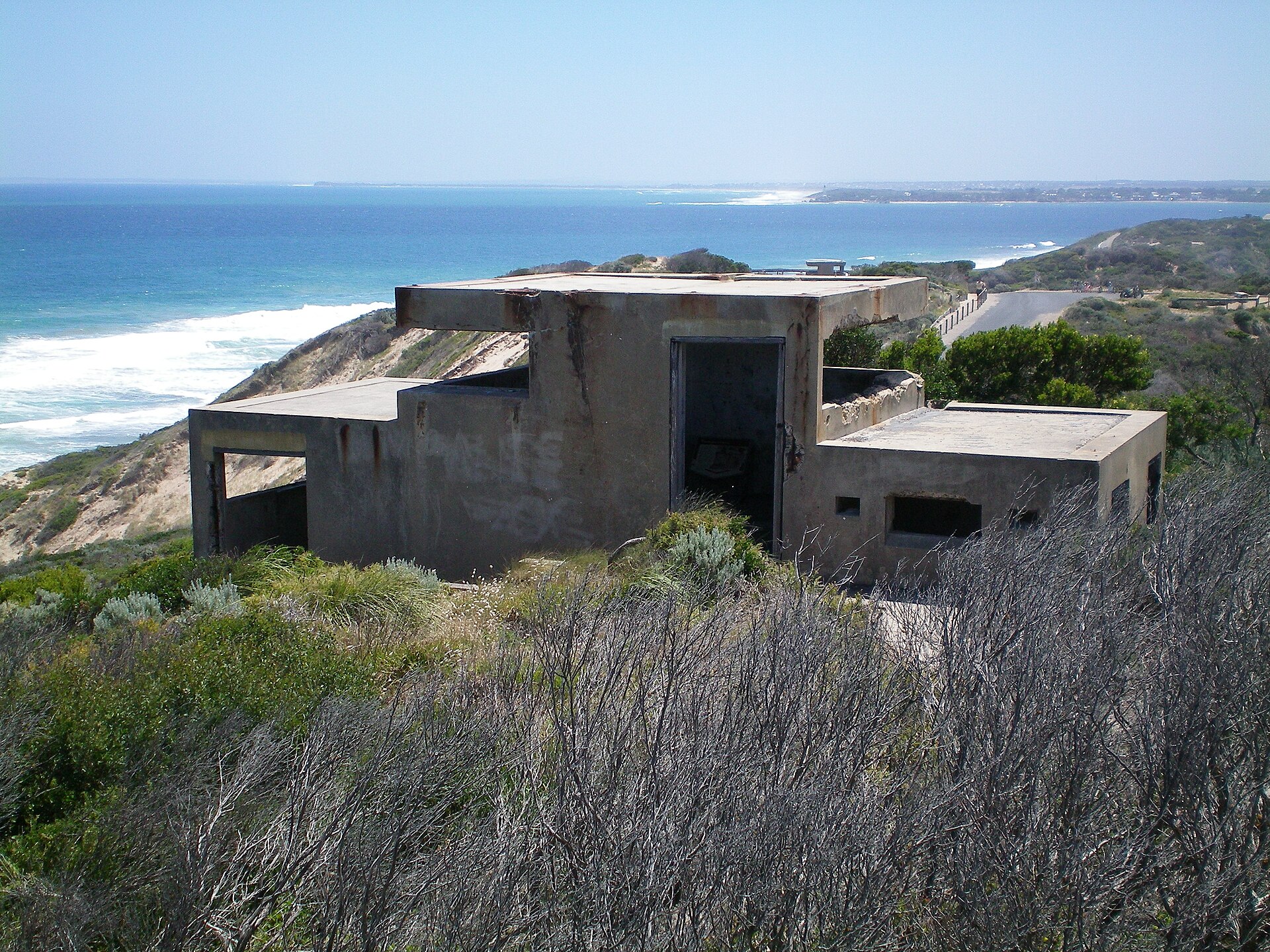
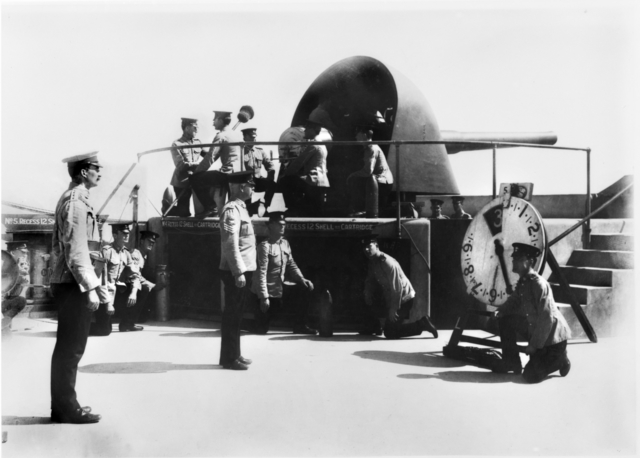
As gunnery advanced, the fort received more capable weapons, including guns mounted so cleverly that they could rise to fire and then drop back down behind the protecting earthworks to be reloaded out of an enemy’s sight. This disappearing arrangement was the height of coastal defence ingenuity, letting a crew work its gun while remaining shielded for most of the firing cycle from any answering fire.
Later still, longer-ranged breech-loading guns took their place on the point, weapons that could throw a shell across the entrance and beyond. These were the guns that would eventually fire the fort’s most famous shots, and their placement reflected careful thought about exactly where an enemy vessel would have to pass and how best to bring fire to bear on it at the critical moment.
Keeping the fort’s armament current was a constant task, an endless effort to stay ahead of the warships the guns might one day face. Each generation of weapon demanded its own emplacement, its own handling arrangements, and its own trained crews, so that the fort was perpetually being adapted even as its essential mission of guarding the channel stayed exactly the same across the years.
For the gunners themselves, this constant evolution meant a life of ceaseless training and adaptation. A crew had to know its weapon intimately, to load and lay and fire it with speed and precision against a target that might be moving fast through the channel, and every change of armament meant learning the craft anew. The quiet years between crises were filled with drill and practice, so that the guns would be ready in the rare moment when readiness truly counted.
The First Allied Shot of the Great War
On the morning of the fifth of August 1914, Fort Nepean earned its place in history in a matter of moments. Word had come that Britain was at war with Germany, and in the entrance to Port Phillip a German merchant ship, the Pfalz, was attempting to slip out to sea before it could be caught. The guns of Point Nepean were ordered to stop it.
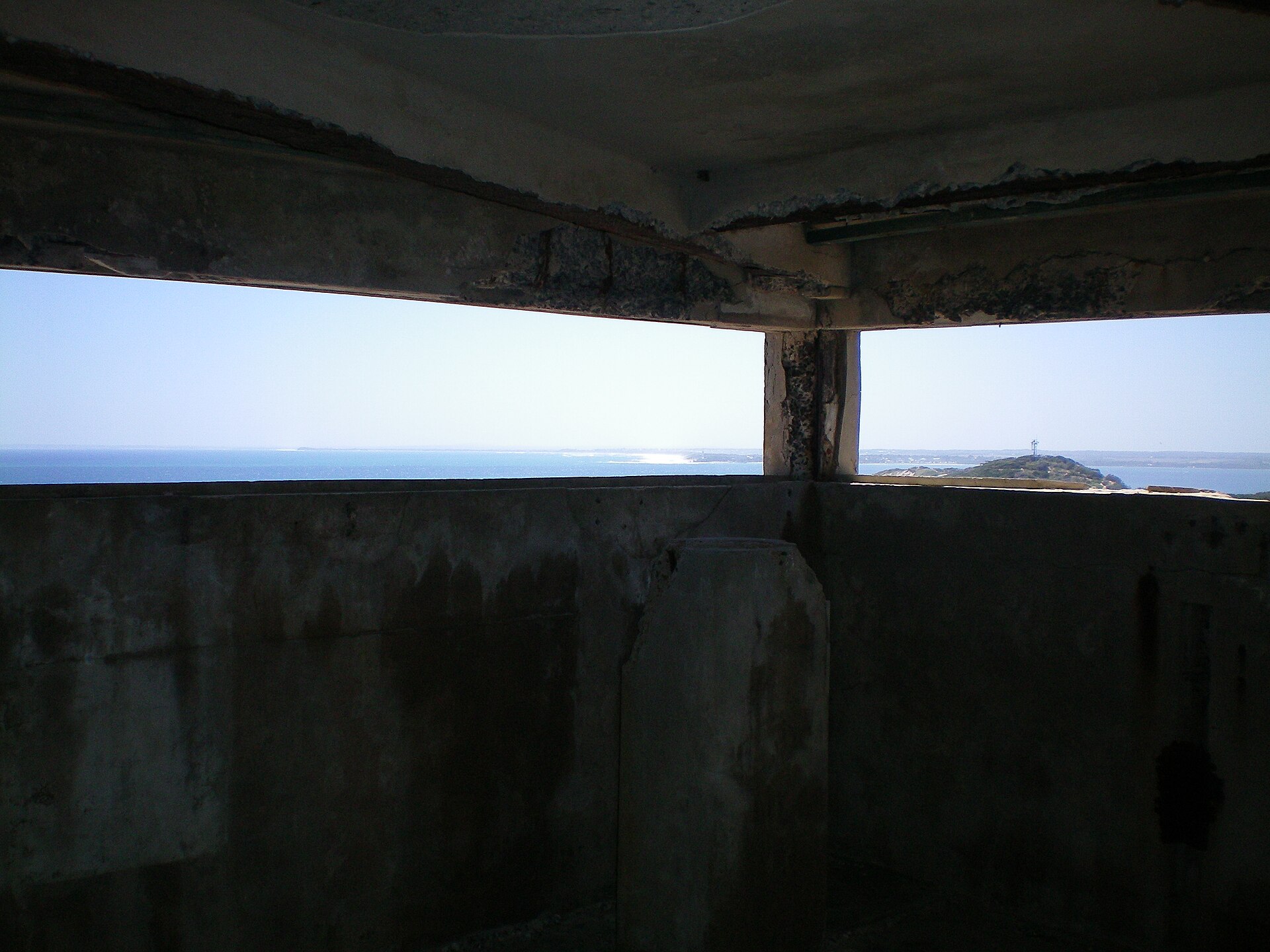
A shot was fired across the fleeing ship’s bow from the fort, a warning that could not be ignored, and the Pfalz was compelled to turn back rather than risk destruction. It was a small drama played out in the narrow channel, but its significance was enormous, for this is remembered as the first Allied shot of the First World War, fired not in Europe but at the far southern edge of the world.
There is something remarkable about the idea that the opening shot of a global conflict rang out from a quiet Australian headland. The war that would consume Europe and cost millions of lives had, in a sense, its first gun fired here, over the water of Port Phillip, by gunners who had trained for years for a moment they could hardly have expected to arrive so suddenly and so decisively.
For Fort Nepean, that single shot transformed it from a precautionary fortress that had never fired in anger into a place with a genuine claim on the world’s attention. The gun crews had done exactly what the fort was built to do, halting a hostile vessel in the channel, and in doing so they had written the point’s name into the history of the Great War in its very first hours.
And Then It Happened Again
History has a strange sense of symmetry, and Fort Nepean is the proof. When the world went to war again in September 1939, the fort found itself once more at the very opening of the conflict. In the early hours after war was declared, a ship in the entrance failed to properly identify itself, and again the guns of Point Nepean spoke.
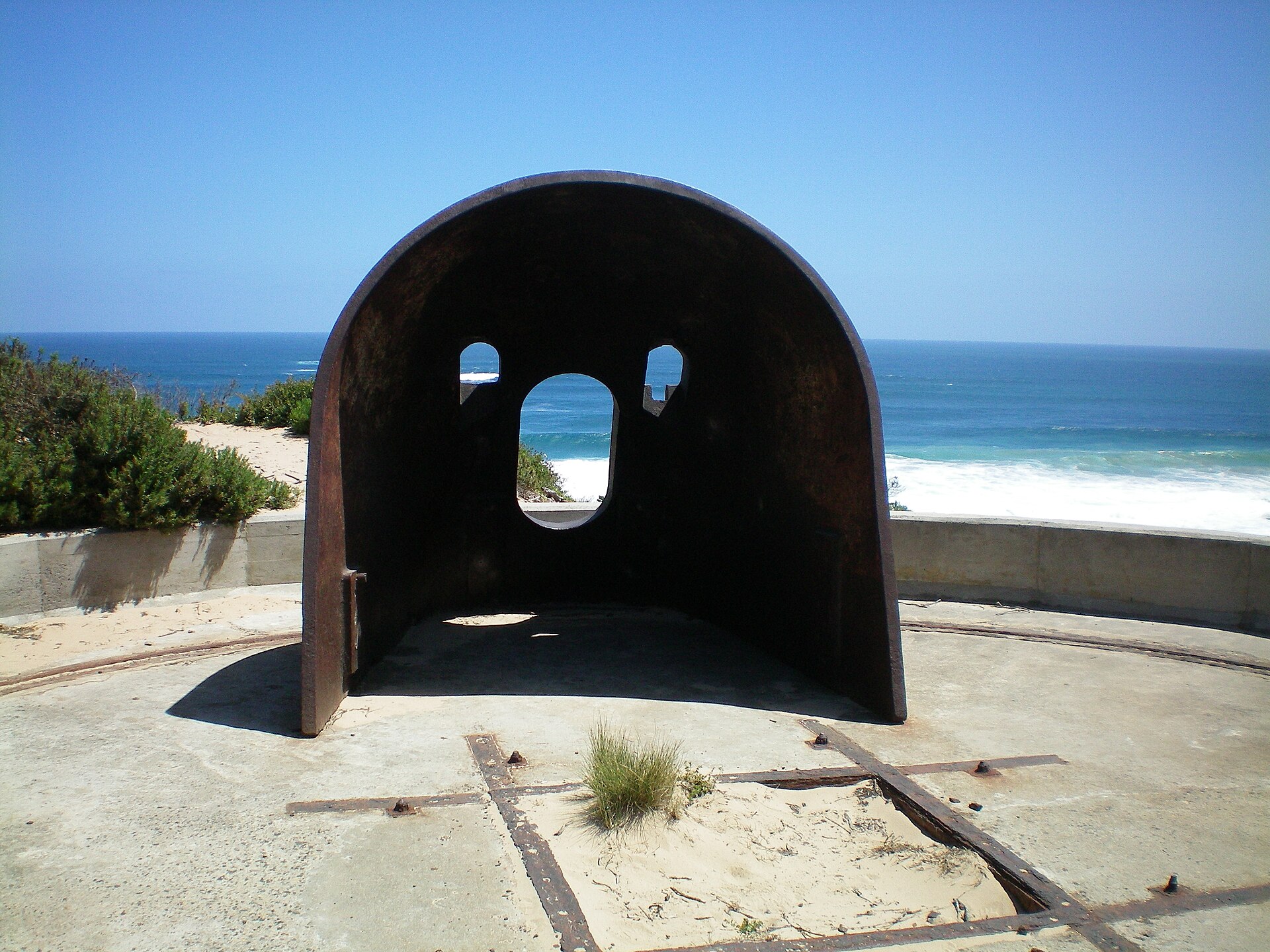
A shot was fired across the bow of the vessel, which turned out to be an Australian freighter that had simply not responded correctly to the challenge. No harm was done, but the moment carried the same extraordinary distinction as the one twenty-five years before, for this is remembered as the first Australian shot of the Second World War, fired from the same headland that had opened the first.
To have fired the opening shot of one world war might be dismissed as a quirk of geography and timing. To have fired the opening shot of two is something close to astonishing, and it gives Fort Nepean a claim that no other coastal fort in the country can match. The same narrow channel, the same commanding point, produced the same dramatic first moment in two separate global catastrophes.
These twin shots are the heart of the fort’s fame, and rightly so. They capture in a single vivid image the whole reason the fort existed, standing guard over the entrance to the bay, ready at a moment’s notice to challenge any ship that might mean harm. Twice, at the outbreak of the century’s greatest wars, the point did precisely the job it had been built to do.
Into the Heart of the Headland
Like every serious coastal fortress, Fort Nepean kept much of its strength underground, and the network of tunnels and chambers cut into the point is one of the most atmospheric parts of any visit today. Below the gun emplacements lie the passages and magazines that were the fort’s hidden circulatory system, keeping the guns fed with ammunition while sheltering the men who served them.
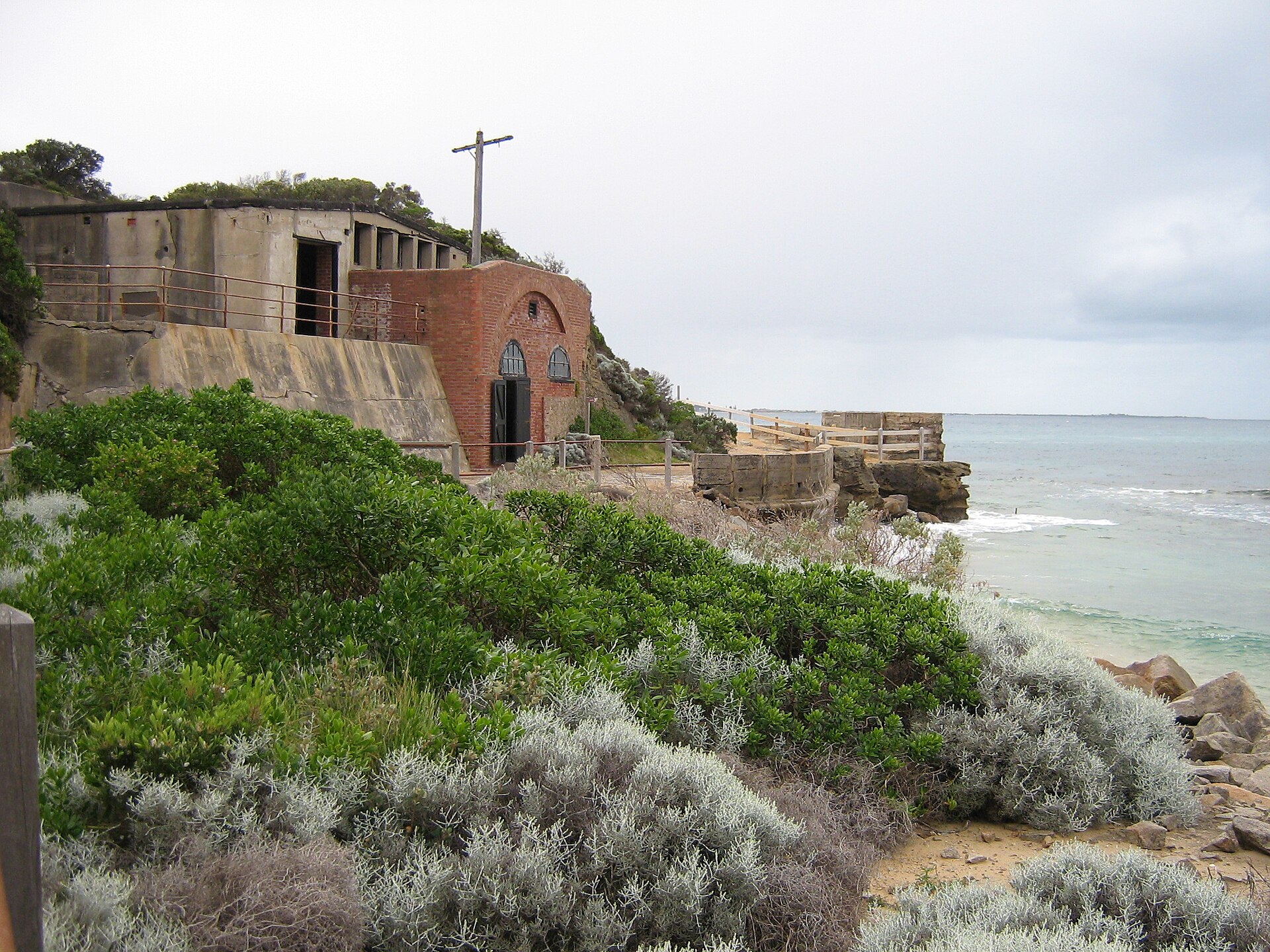
These underground works were not built for effect but for grim practicality. Explosives had to be stored safely away from enemy fire and the damp sea air, and shells and charges had to be moved to the guns above without exposing the crews to danger. The tunnels solved both problems at once, linking the magazines to the emplacements through protected corridors carved into the headland.
Walking through them today, you feel the weight of the ground above and the closeness of the stone around you, and the reality of coastal defence becomes suddenly physical. It is one thing to read about a fort’s magazines and quite another to stand in the cool dark of the passages and imagine the work of hauling ammunition through them, perhaps under the pressure of a real alarm.
The tunnels connect the various parts of the fort into a single working whole, allowing movement between the batteries under cover and giving the whole point the honeycombed quality that earned it the Gibraltar comparison. For visitors, they are the part of the experience that lingers, a chance to descend into the literal underpinnings of a fortress and see how a coastal battery actually functioned beneath its guns.
Preserving these passages so that people can safely explore them is an ongoing responsibility, but the effort is richly rewarded. Few places let you walk through the hidden interior of a coastal fort in this way, and the tunnels of Point Nepean turn a visit from a look at old guns into a genuine journey into the heart of the headland.
There is also a strange beauty to these underground spaces, shaped by function yet possessed of a certain sombre grandeur. The play of light from the openings, the texture of the cut stone, and the sheer human effort implied by the excavation combine to make the tunnels genuinely memorable. They are among the finest surviving examples of their kind, and they let a visitor grasp the reality of coastal defence in a way that no display or photograph ever could.
A School for Soldiers
The military life of Point Nepean did not end with the age of coastal artillery. For much of the twentieth century, the site served as a place where the army trained its people, and generations of soldiers passed through the point, learning their profession on the same ground that the old guns had once guarded. The fortress became a schoolhouse as much as a stronghold.
An officer training establishment operated on the peninsula, turning young recruits into leaders and sending them out into the wider army. For the men who trained here, Point Nepean was not a museum piece but a working military base, its wind and its isolation part of the demanding environment in which they were formed. The point’s remoteness, once useful for quarantine and for guns, now served the purposes of tough and focused instruction.
This chapter kept the point in active government hands long after its coastal guns had ceased to matter, and it wove the site into the memories of countless soldiers who served there. The military presence preserved the land from other kinds of development, keeping it as a controlled and largely intact landscape even as the surrounding peninsula grew busier and more built up.
In a sense, the training era was a bridge between the fort’s fighting past and its present life as a public place. It kept Point Nepean military, kept it protected, and kept it apart, so that when the army finally withdrew and the gates were opened, what emerged was a remarkably well-preserved historic landscape rather than a ruin lost to time.
The soldiers who trained here carried memories of the point out into long careers, and for many of them the windswept peninsula remained a formative place. Its combination of natural beauty and demanding conditions left a lasting impression, and the site’s military associations run deeper than its famous guns alone, extending into the personal histories of the many who learned their trade on this ground.
The Prime Minister Who Vanished
No account of Point Nepean can avoid the strange and tragic event that has haunted its shores since 1967. On a December day, the serving Prime Minister of Australia, Harold Holt, went swimming at Cheviot Beach on the point, a stretch of coast known for its powerful and dangerous surf. He walked into the water and was never seen again.
The disappearance of a national leader in such circumstances was extraordinary, and it triggered one of the largest search operations the country had ever seen, yet no trace of him was ever recovered. The sea off Point Nepean, with its ferocious currents and unpredictable conditions, simply swallowed the prime minister and gave nothing back, leaving a wound in the national memory that has never quite healed.
The mystery has attracted every kind of speculation in the decades since, but the most sober and widely accepted conclusion is the simplest and saddest one, that a man swam in treacherous water and drowned. The very qualities that made this coast so dangerous to shipping, the wild seas around the heads, proved just as deadly to a swimmer who ventured out on the wrong day.
For visitors to Point Nepean, the story adds a note of solemnity to an already atmospheric place. The beaches here are beautiful but fierce, and knowing that they claimed a prime minister lends the whole coastline a certain gravity. It is one more layer in the point’s remarkable accumulation of history, a reminder that this narrow spit of land has been the setting for national drama again and again.
The event also changed how the nation thought about this coastline. A place already layered with military history acquired, in a single afternoon, a new and sorrowful association, and the name of the point became bound up with one of the great enigmas of Australian public life. That a leader could simply vanish into the sea, in full view of a summer’s day, struck at something deep in the national imagination and has never quite let go of it.
From Fortress to National Park
When the military finally relinquished its long hold on Point Nepean, the question became what should happen to this extraordinary landscape, so rich in history and so remarkably preserved by its decades of restricted access. The answer, happily, was to protect it and open it to the public, turning the old fortress and its surroundings into a national park.
The decision to preserve the point rather than surrender it to development was a significant one, for coastal land this beautiful and this close to a major city is always under pressure. By making it a national park, the authorities ensured that the guns, the tunnels, the quarantine buildings, and the wild coast would be kept intact for future generations to explore and understand.
Opening the point to the public transformed it from a closed military zone into one of the region’s most rewarding destinations, a place where people can walk out to the very tip of the peninsula, explore the fortifications, and take in views across the entrance to the bay. The same isolation that once served quarantine and defence now offers visitors a rare stretch of unspoiled coast within easy reach of the city.
The park protects not just the fort but the whole layered story of the point, from its Indigenous heritage through its quarantine and military eras to the mystery of the vanished prime minister. Managing such a place means caring for fragile historic structures and a demanding coastal environment together, a task that keeps the point’s custodians busy but ensures that its many stories remain accessible.
Turning a working military base into a place the public could safely enjoy was no small undertaking. Buildings that had been closed for decades needed assessment, old ordnance and hazards had to be cleared, and fragile structures required stabilising before visitors could be let in. The transformation was gradual and careful, reflecting a determination to open the point without sacrificing the authenticity that makes it so compelling.
A Coast of Wild Water and Lost Ships
The sea around Point Nepean is not a gentle neighbour, and the same dangerous water that made the fort necessary has shaped the character of the whole coast. The entrance to Port Phillip is notorious among sailors, its currents and reefs a hazard that has tested navigators for as long as ships have tried to reach Melbourne through the heads.
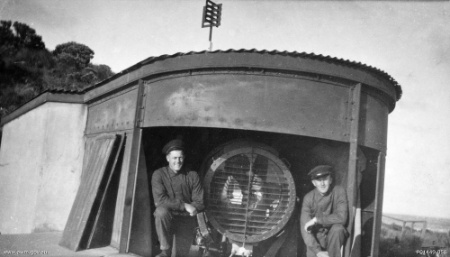
The Rip, that turbulent stretch at the entrance, has claimed vessels and lives over the years, and the waters off the point have a long association with shipwreck and rescue. The very difficulty of the passage is part of what gave the fort its power, for a ship struggling through such water was a ship at its most vulnerable to guns waiting on the headland above.
This wildness is not merely historical. The surf along the ocean side of the point remains genuinely dangerous, as the disappearance of a prime minister so tragically demonstrated, and visitors are warned to treat the water with the respect it demands. The beauty of the coast here is inseparable from its ferocity, and both are part of what draws people to walk out to the end of the peninsula.
Standing on the point and watching the sea churn through the entrance, you understand the whole story of the place in a single view. The wealth of the bay, the danger of the passage, the need to defend the gate, and the peril of the surf are all bound up in that restless water, which has been the making and the menace of Point Nepean throughout its long and eventful history.
Walking Out to the Point
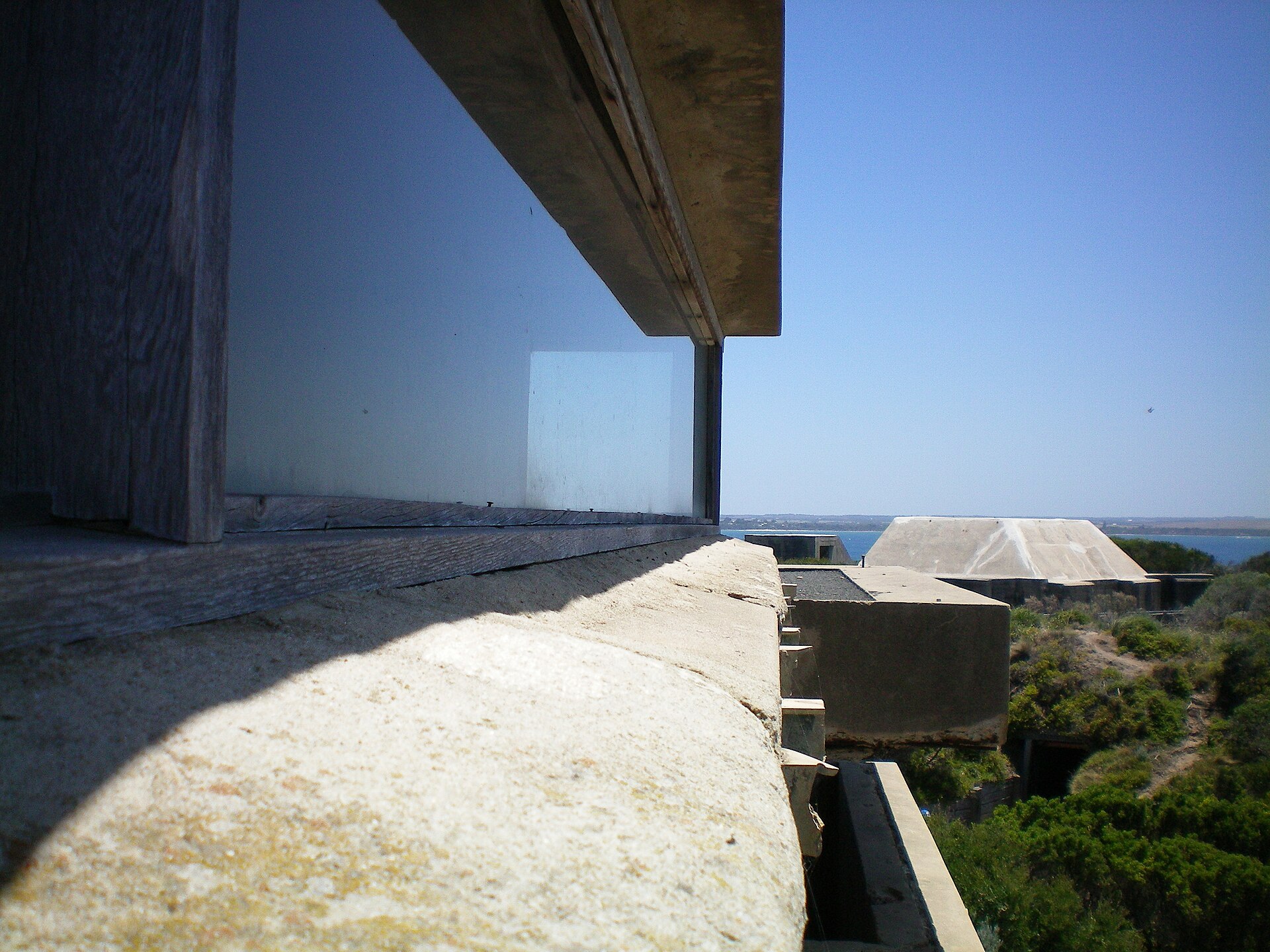
To visit Fort Nepean is to take a walk through time along a narrow road that leads to the end of the peninsula. The journey out to the fort is part of the experience, taking you past the traces of the quarantine era and the training days before delivering you to the fortifications at the very tip, with the sea on both sides and the entrance to the bay spread out ahead.
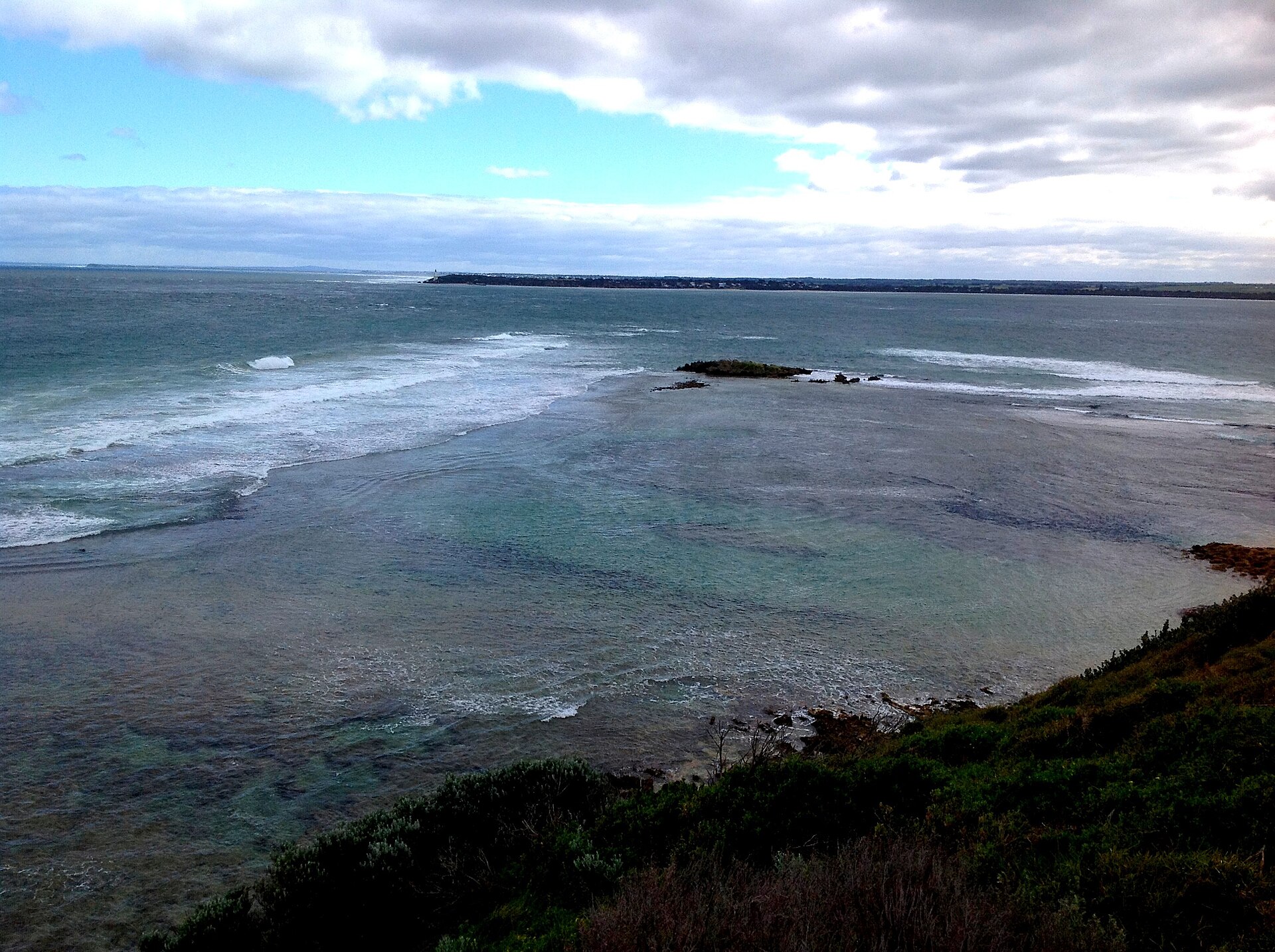
As you reach the fort, the emplacements and observation posts open up around you, and the reason for the whole enterprise becomes obvious in an instant. From here you look straight out at the channel that generations of gunners were trained to defend, and it is easy to picture the tension of those two mornings when the guns fired across the bows of ships at the outbreak of world wars.
Then there is the descent into the tunnels, the cool and echoing passages that carry you into the working heart of the fort. Exploring them is the highlight for many visitors, a chance to move through the hidden interior of a coastal battery and feel the scale of the effort that went into carving a fortress out of a headland.
View the exact location on Google Maps
Above ground again, the coast itself demands attention, wild and beautiful and edged with the dangerous surf that gives this place its darker stories. Standing at the end of Point Nepean, with the wind off the Rip and the whole weight of the point’s history behind you, you understand why this remote spit of land matters so much. It is a place where geography, defence, and drama have met again and again, and it wears all of it with a quiet, windswept grandeur.
Castles Nearby
If Fort Nepean has drawn you into the world of Australia’s coastal defences, two more southern fortresses are well worth exploring next:
You May Like
Kingston on Norfolk Island: The Beautiful Fortress of a Feared Penal Colony


One thought on “Fort Nepean: The Fortress That Fired the First Shots of Two World Wars”