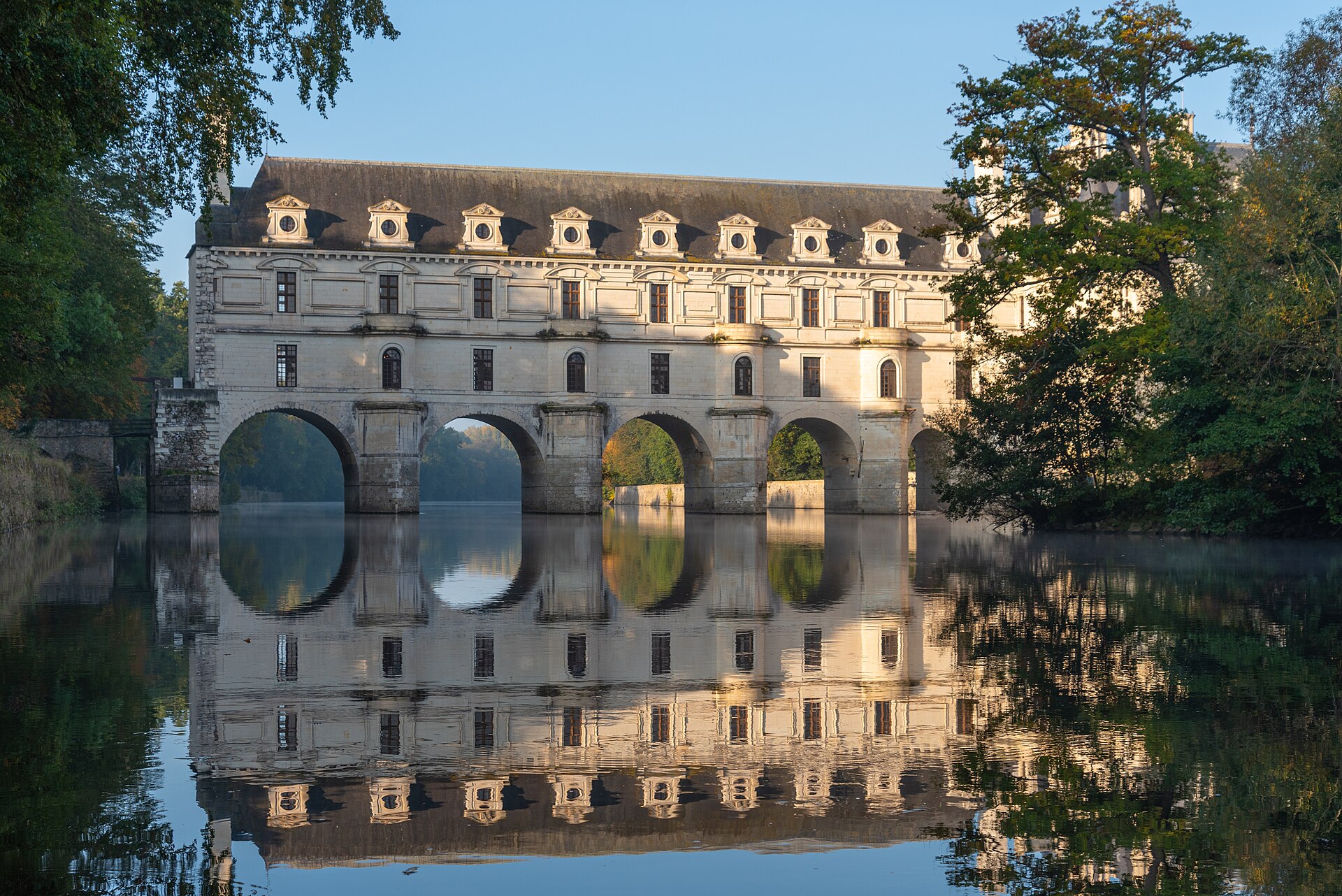
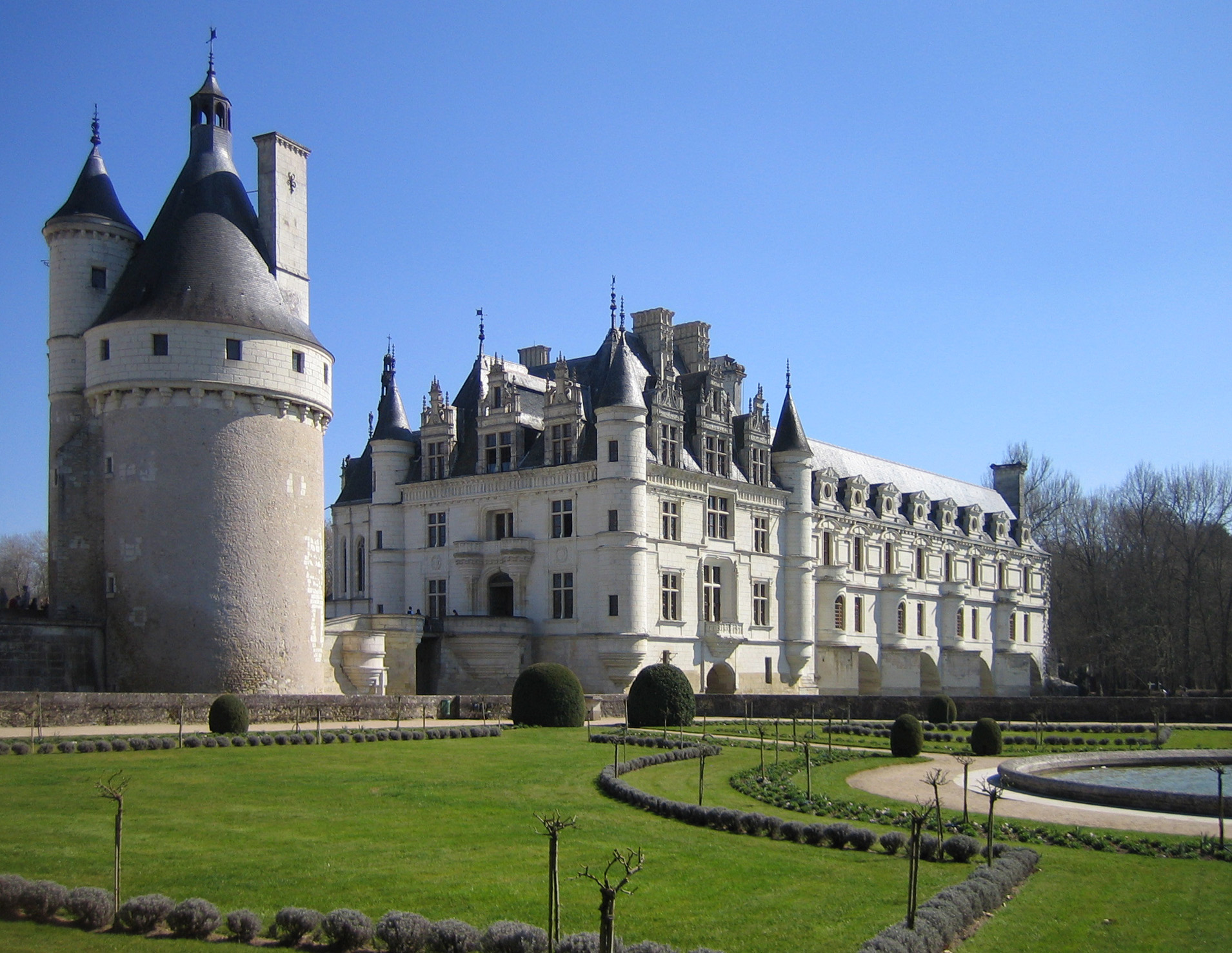
Of all the châteaux of the Loire, none is more beloved or more romantic than Chenonceau, the graceful palace that stretches out across the River Cher on a series of arches, its reflection shimmering in the slow-moving water below. To see it for the first time, seeming to float upon the river amid its gardens and woods, is to understand at once why it has enchanted visitors for five centuries. There is simply no other château quite like it.
Yet Chenonceau is remarkable for more than its beauty. It is known as the Château of the Ladies, for its history was shaped, to an extraordinary degree, by a succession of powerful and fascinating women who owned, built, defended, and cherished it across the generations. In an age when men dominated the affairs of kings and kingdoms, Chenonceau stands as a monument to the vision and determination of women.
The story of Chenonceau is woven through some of the most dramatic episodes of French history, from the rivalries of a royal court to the upheavals of revolution and the world wars of the twentieth century. Through it all, the château on the river endured, protected again and again by the devotion of those who loved it, and it survives today as one of the most perfect expressions of the French Renaissance.
In the pages ahead you will explore this enchanting palace, from its origins over the river and the famous gallery that spans the water, through the remarkable women whose stories are bound up with its walls, to the gardens, the interiors, and the dramatic history it has witnessed. Chenonceau is a jewel of the Loire, and its tale is as captivating as its beauty.
In This Article
- A Palace Upon the Water
- The Château of the Ladies
- The Woman Who Built It
- A King’s Gift and a Famous Rivalry
- The Queen Takes Her Prize
- The Gallery Over the Cher
- The Kitchens in the Bridge
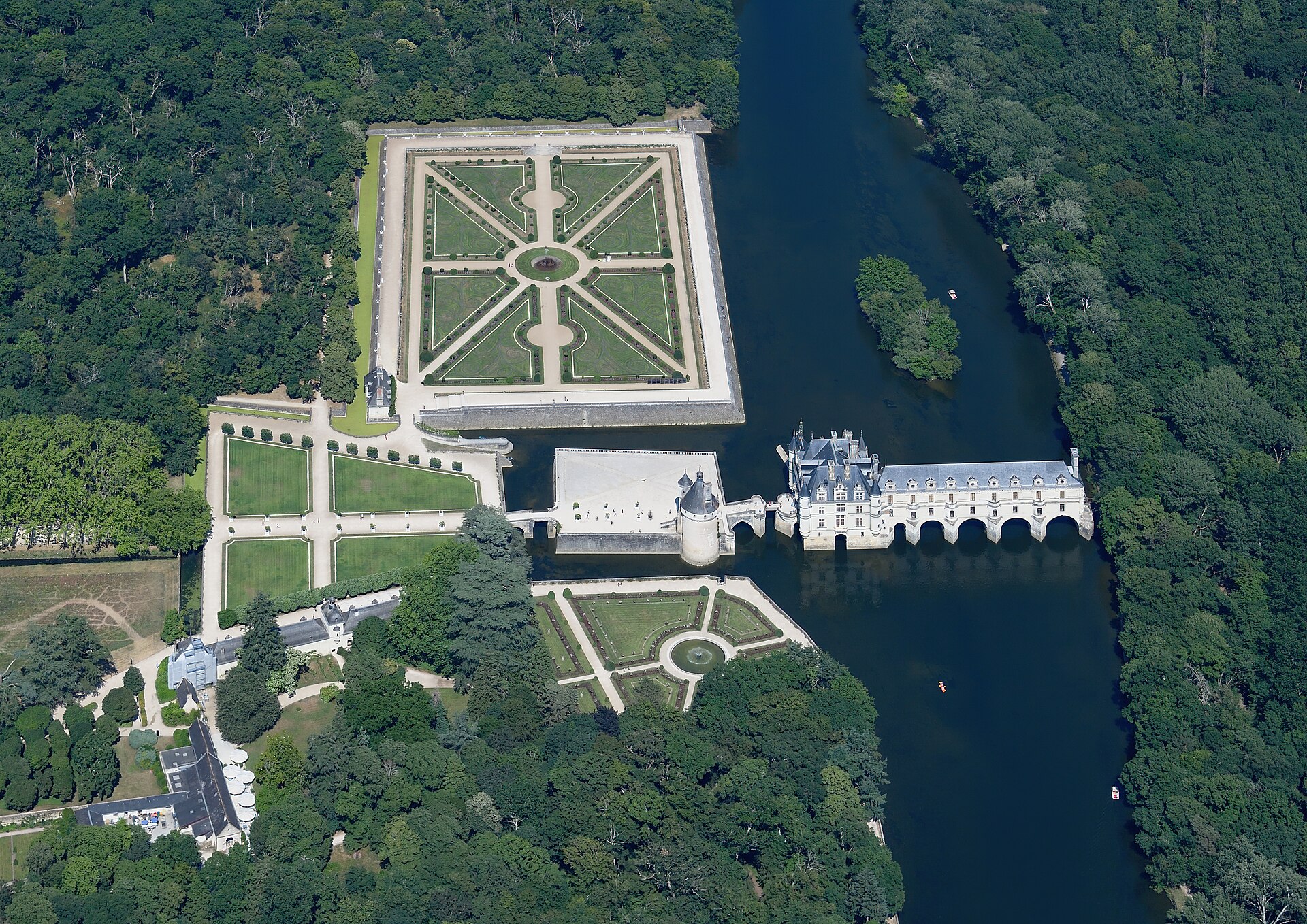
- Gardens Beside the Water
- The Splendours Within
- The Château of Mourning
- A Salon of the Enlightenment
- Chenonceau in Times of War
- Visiting Chenonceau Today
A Palace Upon the Water
The most magical thing about Chenonceau is its setting, for the château does not merely stand beside a river but reaches out across it, carried on a series of graceful arches that span the flowing water of the Cher. This extraordinary arrangement, unique among the great châteaux of France, gives Chenonceau its unforgettable character, a building that seems to belong as much to the water as to the land.
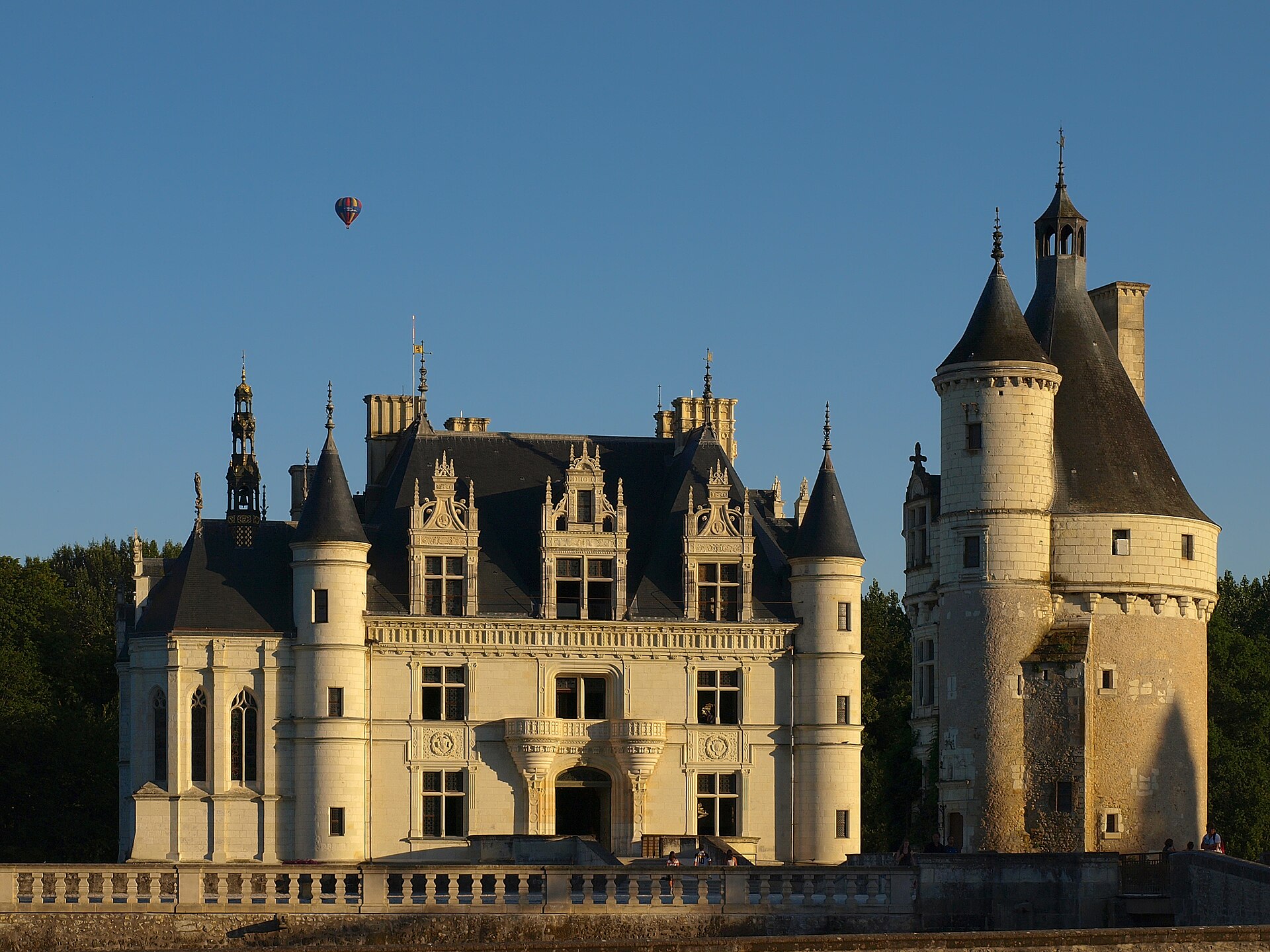
The château began on a more modest scale, rising on the site of an old mill at the water’s edge, its earliest form rooted in the practical structures that had long occupied the spot. From these beginnings grew the graceful residence that would eventually stretch out across the river, transforming a functional riverside site into one of the most beautiful palaces in the world.
The decision to build out over the water was a bold and imaginative one, turning the river from an obstacle into the very heart of the design. The result is a château that engages with its watery setting in a way no other can match, its arches framing the flow of the Cher and its rooms looking out over the water on both sides, blurring the line between architecture and river.
This intimate relationship with the water is the essence of Chenonceau’s charm. The reflections of the château in the still surface of the Cher, the light playing on the water beneath the arches, and the sense of the building floating upon the river all combine to create an effect of pure enchantment. Chenonceau is, above all, a palace of the water, and therein lies its incomparable beauty.
The changing seasons transform the spectacle without ever diminishing it. In summer the château basks amid green woods and bright gardens; in autumn its reflection glows among falling leaves; and in winter mist it seems more dreamlike than ever, rising ghostly from the water. Whatever the time of year, the sight of Chenonceau upon the Cher retains its power to enchant, a beauty that never grows stale.
The Château of the Ladies
Chenonceau is famous above all as the Château of the Ladies, a title that reflects the extraordinary degree to which its history was shaped by women. Across the centuries, a remarkable succession of women owned, built, transformed, and protected the château, leaving their mark upon it so deeply that it became, in a real sense, their creation, a monument to their vision and their will.
In an age when women rarely wielded open power, the ladies of Chenonceau exercised a profound influence over the château and, through it, over the world around them. They directed its building and decoration, laid out its gardens, hosted its celebrations, and defended it in times of danger, each adding her own chapter to the story of the palace on the river.
This female stewardship gives Chenonceau a character quite different from the great royal palaces built to glorify the power of kings. Here the guiding hands were those of women, and the château reflects their tastes, their ambitions, and their struggles, offering a rare window into the ways that women could shape their world even within the constraints of their time.
The story of the Château of the Ladies is thus one of the most fascinating in all of French history, a tale of powerful and determined women whose lives were bound up with this beautiful palace. To explore Chenonceau is to encounter their world, and to appreciate how the château came to be the enchanting place it is through the vision and devotion of the ladies who made it their own.
It is worth reflecting on how unusual this is in the history of great architecture, where the guiding patrons were so overwhelmingly men. Chenonceau offers a rare counter-example, a major monument whose form and fortunes were determined chiefly by women, and in doing so it gives us a precious glimpse of feminine ambition and creativity finding expression on the grandest scale, in defiance of the conventions of the age.
The Woman Who Built It
The transformation of the modest riverside site into an elegant Renaissance château was largely the work of a remarkable woman who took charge of its construction. While her husband was absent on the business of the crown, she oversaw the building of the new château, making the decisions and directing the work that would create the graceful residence at the water’s edge.
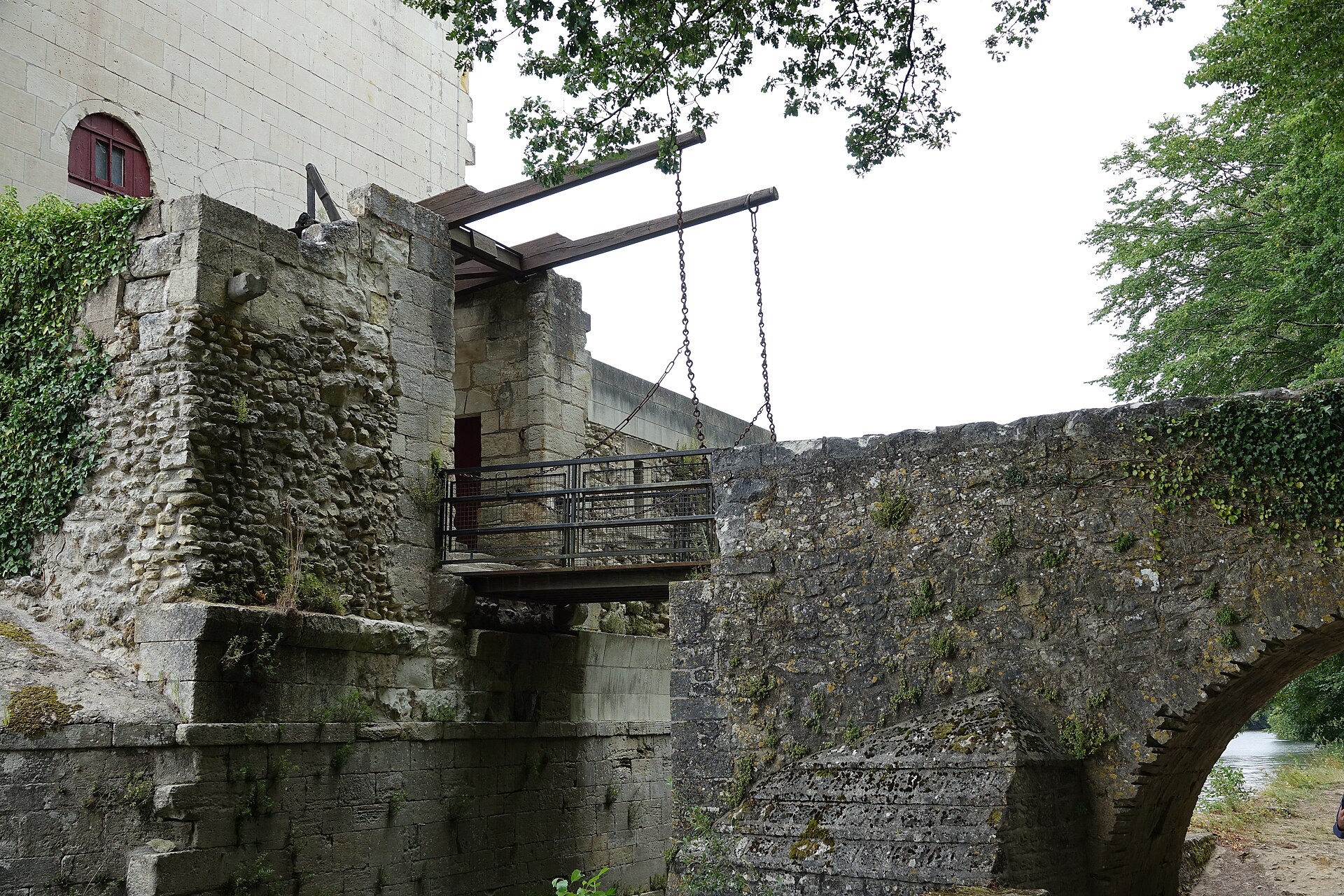
Her role in the creation of Chenonceau was extraordinary for the time, a woman taking the lead in a great building project and shaping the design of what would become one of the most admired châteaux in France. The elegant early château that rose under her direction set the tone for everything that followed, establishing Chenonceau as a place of grace and beauty from its very beginnings.
This early chapter established the pattern that would define Chenonceau’s whole history, that of a château shaped by the vision and determination of women. The woman who built it demonstrated that a lady could direct such an enterprise with skill and taste, and in doing so she began the tradition that would earn Chenonceau its famous name as the Château of the Ladies.
The graceful residence she created became the foundation upon which later owners would build, each adding to and transforming the château while preserving the essential beauty she had established. Her achievement in raising so elegant a château was the first act in the long drama of Chenonceau, and it set the standard of grace and refinement that the palace has maintained ever since.
A King’s Gift and a Famous Rivalry
One of the most celebrated chapters in the story of Chenonceau began when the château came into the possession of a woman renowned for her beauty and her influence over a king. As the favourite of the monarch, she received Chenonceau as a royal gift, and she set about enhancing the château and its setting, adding to its beauty and creating magnificent gardens beside the river.
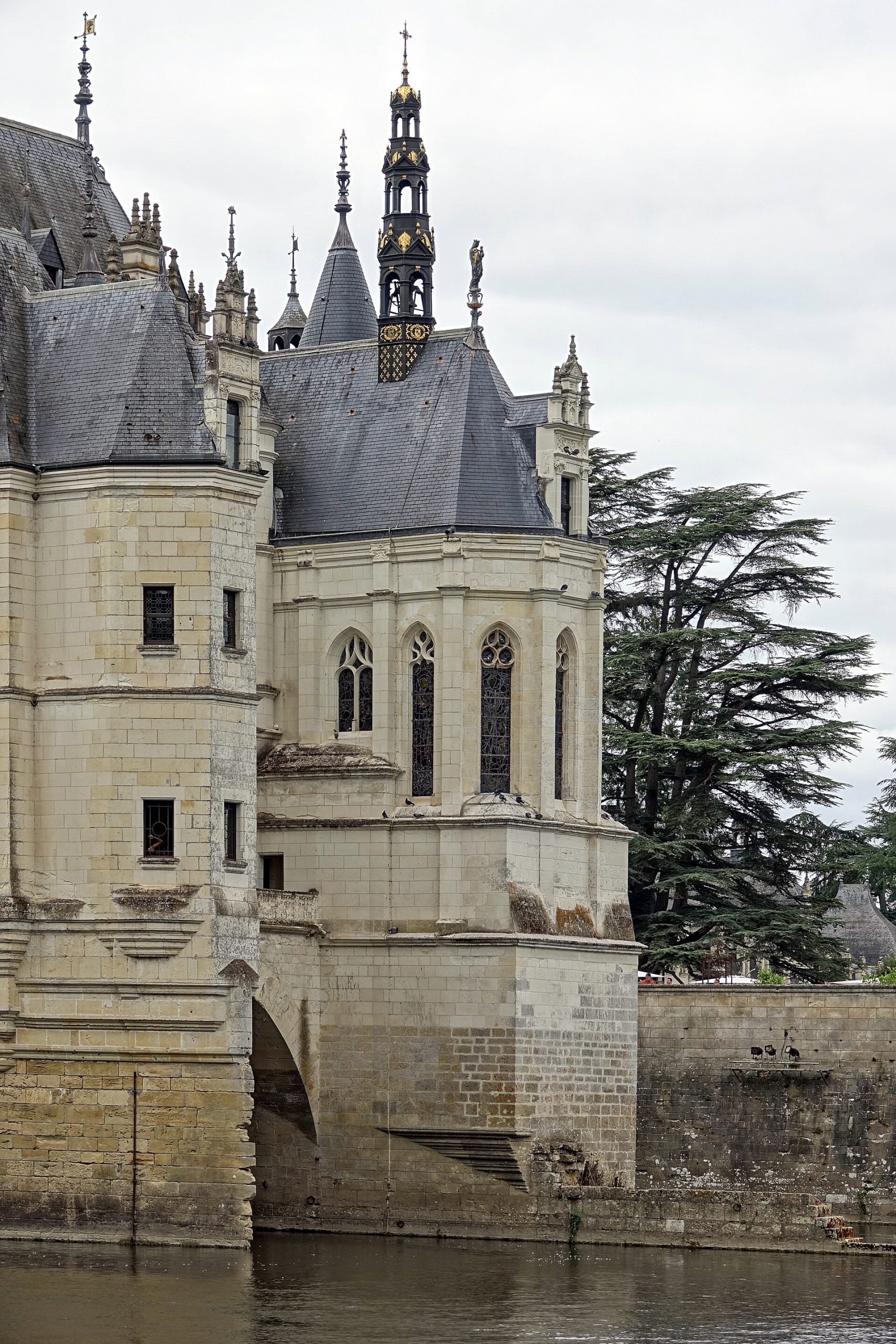
It was under her ownership that one of Chenonceau’s most distinctive features took shape, a bridge extending the château across the river, laying the foundation for the famous gallery that would later span the water. Her improvements transformed the château and its grounds, and the beautiful gardens she created remain among the glories of Chenonceau to this day, a lasting testament to her taste and vision.
Yet her possession of the château was bound up with one of the most famous rivalries in French history, for the king’s favourite was resented by his queen, who coveted the beautiful palace for herself. This rivalry between two powerful women over the château on the river adds a dramatic human dimension to the story of Chenonceau, a tale of love, jealousy, and ambition played out amid its beauty.
When the king died, the balance of power shifted dramatically, and the favourite’s hold on Chenonceau came to an end. The château that had been a royal gift became the prize in a struggle between rival women, and its passing from one to the other marks one of the great turning points in its history, a moment when the fortunes of the Château of the Ladies turned on the death of a king.
The gardens she created were an achievement in their own right, a bold reshaping of the land beside the river that demanded real vision and engineering skill. To lay out such formal beauty on ground beside a flowing river, protected against its floods, was no small feat, and the survival of these gardens is a lasting monument to the taste and determination of one of the most remarkable women of her age.
The Queen Takes Her Prize
Upon the death of the king, his widowed queen at last obtained the château she had long desired, compelling the former favourite to give it up. Now in control of Chenonceau, the queen, a formidable and powerful figure who would dominate the affairs of France for years to come, set about making the château her own and transforming it into a setting worthy of her ambitions.
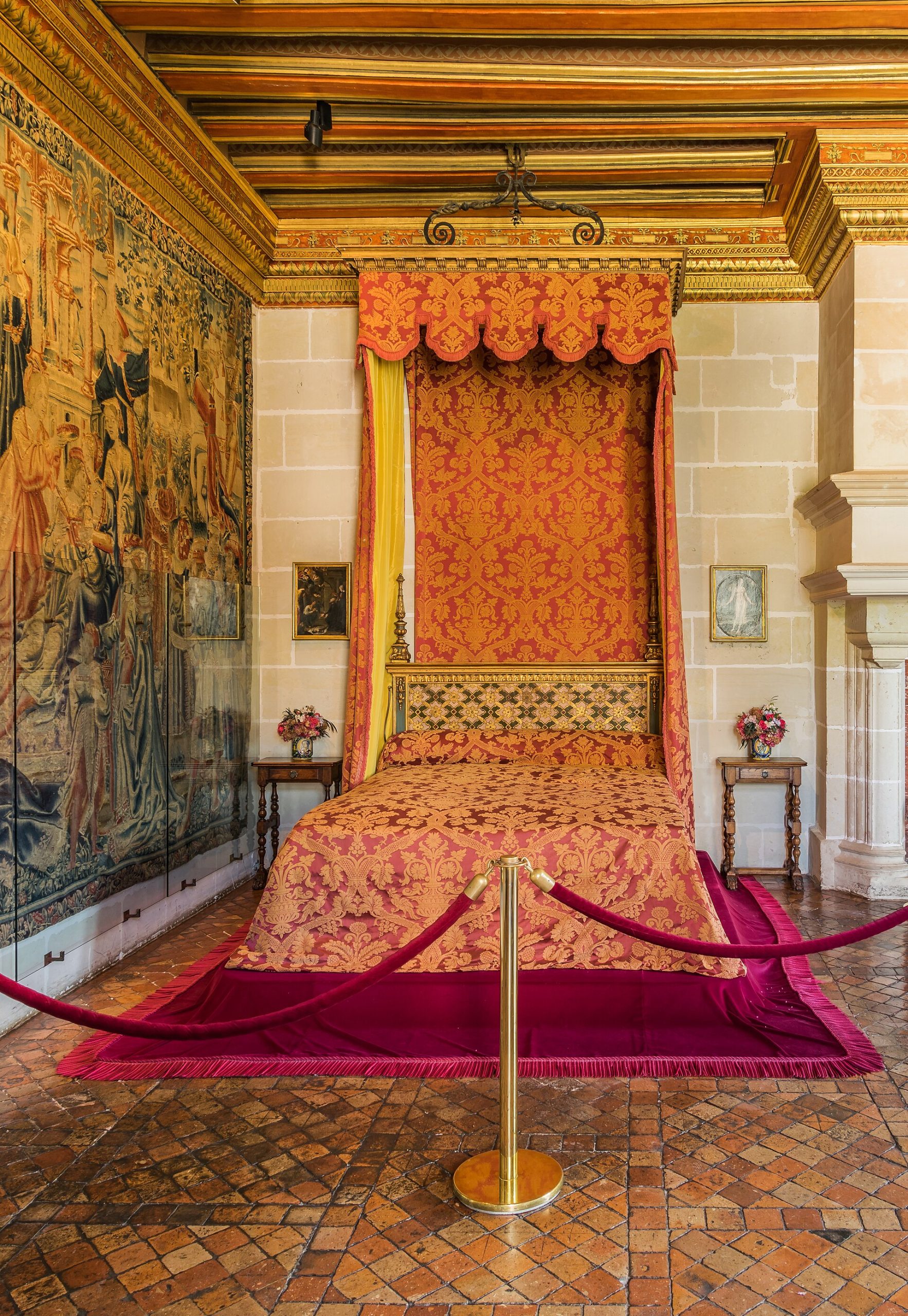
Under her ownership, Chenonceau reached new heights of splendour, and it was she who created its most famous feature, the great gallery built upon the bridge across the river. This magnificent gallery, stretching over the water, became the crowning glory of the château, a grand hall spanning the Cher that remains the single most celebrated feature of Chenonceau and one of the most extraordinary spaces in any French palace.
The queen used Chenonceau as a setting for magnificent celebrations, hosting spectacular festivities that dazzled the court and displayed her power and wealth. The château on the river became the scene of lavish entertainments, its gardens and galleries filled with the splendour of the royal court, and it played its part in the political theatre through which the queen exercised her considerable authority.
The queen’s transformation of Chenonceau, above all the addition of the great gallery over the river, gave the château the form that makes it so beloved today. Her ambition and vision, building upon the work of the women who came before her, completed the essential character of the palace, and her chapter stands as one of the most important in the long story of the Château of the Ladies.
Her use of the château as a stage for political spectacle reflected a shrewd understanding of how power could be projected through magnificence. The dazzling festivities she staged at Chenonceau were not mere entertainment but instruments of statecraft, designed to impress rivals, reward allies, and display the strength of the crown, and they made the château on the river a theatre of royal power at a turbulent moment in French history.
The Gallery Over the Cher
The great gallery that stretches across the River Cher is the defining feature of Chenonceau, a magnificent hall built upon the bridge that spans the water, unlike anything else in the world of French châteaux. To walk its length, with the river flowing beneath and light pouring in through the windows on both sides, is to experience the unique magic of Chenonceau at its most enchanting.
The gallery was conceived as a grand space for celebration and display, a place where the court could gather amid the beauty of the river setting. Its long, elegant proportions and its extraordinary position over the water make it one of the most memorable interiors in France, a room that captures the essence of Chenonceau’s marriage of architecture and river in a single breathtaking space.
Beyond its beauty, the gallery has played a remarkable role in history, its position spanning the river giving it a strategic significance in times of war. In the great conflicts of the twentieth century, the gallery served unexpected and dramatic purposes, its span across the water making it a crossing point of real importance at moments when the river marked a crucial boundary.
The gallery over the Cher embodies everything that makes Chenonceau special, its beauty, its ingenuity, and its intimate relationship with the river. It is the feature that visitors remember above all others, the space that defines the château in the imagination, and it stands as the supreme achievement of the ladies who shaped Chenonceau into the wonder it remains today.
Standing in the gallery, one feels with particular intensity the genius of Chenonceau’s design, the way it turns the river from a barrier into the very soul of the building. The gentle sound of the water below, the shifting light reflected on the ceiling, and the views up and down the Cher through the ranks of windows combine to create an atmosphere found in no other palace, at once grand and serene.
The Kitchens in the Bridge
One of the most surprising and delightful discoveries at Chenonceau lies hidden within the very structure that carries the château over the river, for the great piers that support the building house a remarkable set of kitchens. Tucked into the base of the château, close to the water, these kitchens are among the most fascinating spaces in the whole palace, a glimpse into the practical life that lay behind the splendour.
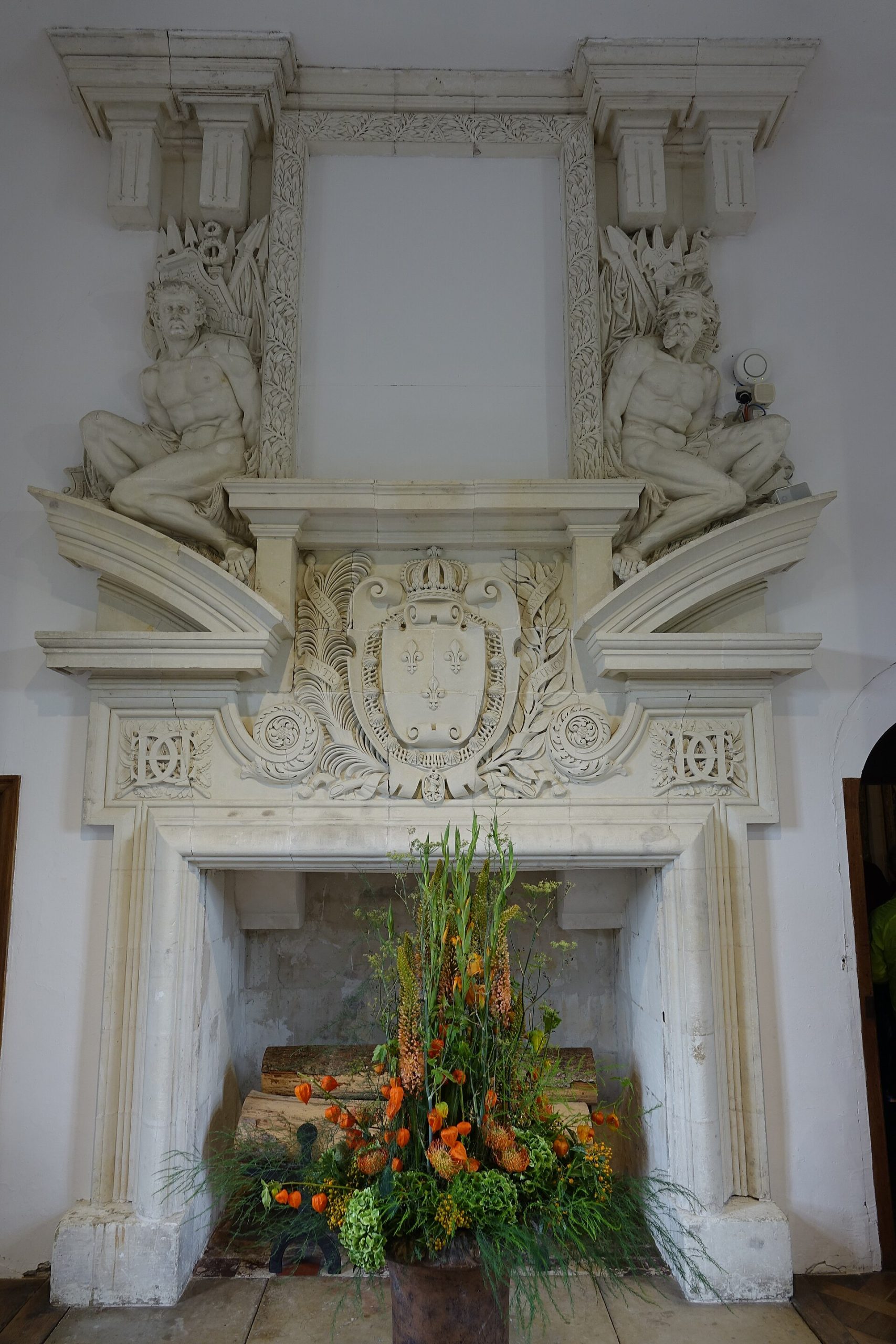
These kitchens were designed to serve the lavish entertainments for which Chenonceau was famous, and they are equipped on a grand scale to match the ambition of the feasts they produced. Their position within the piers, close to the river, was both practical and ingenious, allowing supplies to be brought in by water and providing cool, solid spaces well suited to the work of a great household.
To explore the kitchens is to step into the world of those who worked to sustain the glittering life of the château, the cooks and servants whose labour lay behind the celebrated festivities. This glimpse of the practical foundations of the palace adds a human richness to a visit, reminding us that the beauty and splendour above depended upon the industry of many hands below.
The kitchens in the bridge are a perfect example of how Chenonceau turned even the practical demands of a great household into something remarkable, integrating them into the very fabric of the château over the river. They are among the most memorable and unexpected of the château’s spaces, and they offer a fascinating counterpoint to the grandeur of the gallery and the chambers above.
Few visitors expect to find such a place within the graceful château above, and the surprise of descending into these vaulted, working spaces is part of their charm. They ground the romance of Chenonceau in the practical realities of running a great household, and they remind us that the beauty of the palace rested always upon the unseen labour of those who kept it running day by day.
Gardens Beside the Water
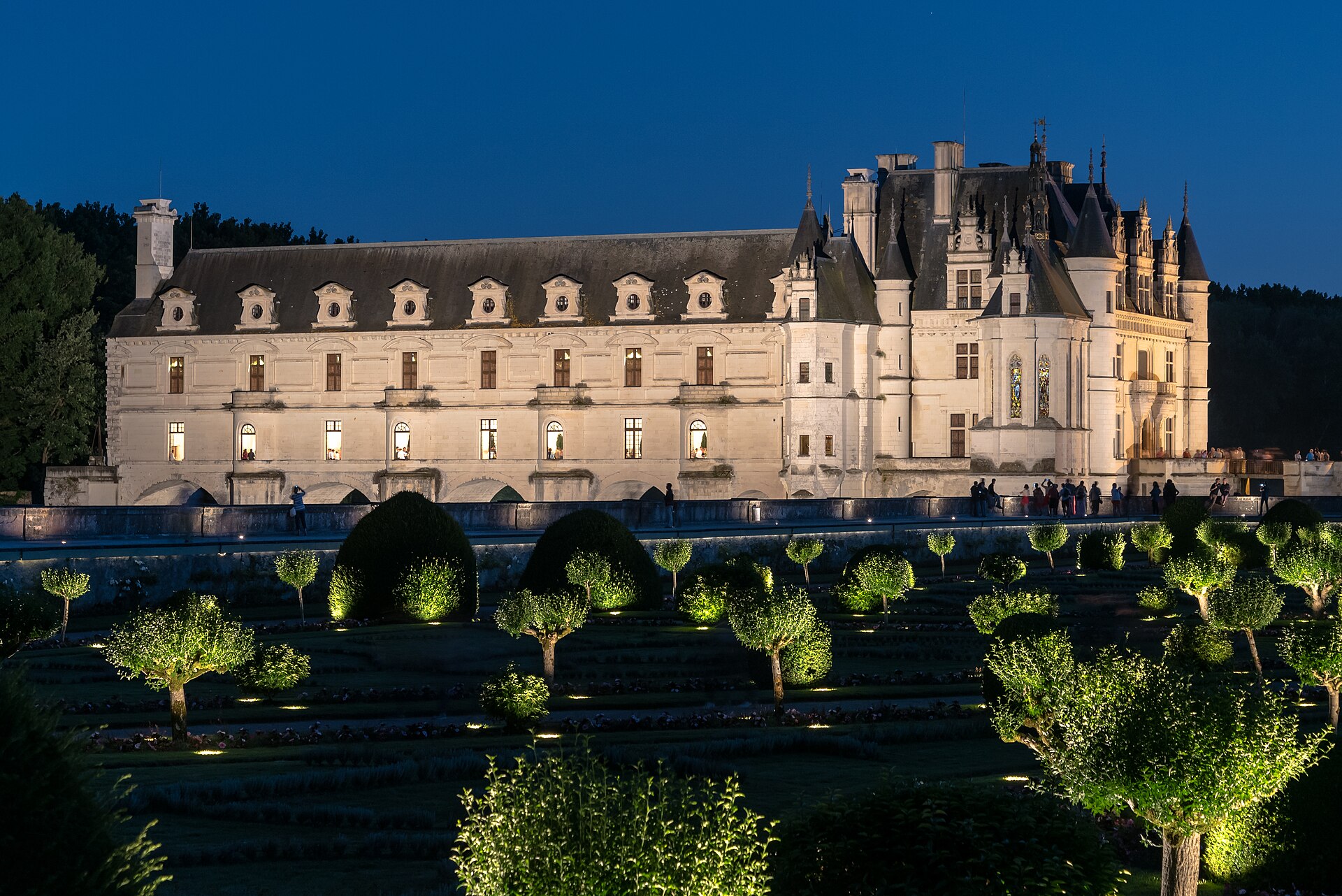
Chenonceau is renowned not only for its architecture but for its gardens, two great formal gardens laid out beside the river that add immeasurably to the beauty of the château. Created by the powerful women who shaped Chenonceau, these gardens are masterpieces of the formal French style, their geometric designs, flowerbeds, and fountains providing a magnificent setting for the palace on the water.
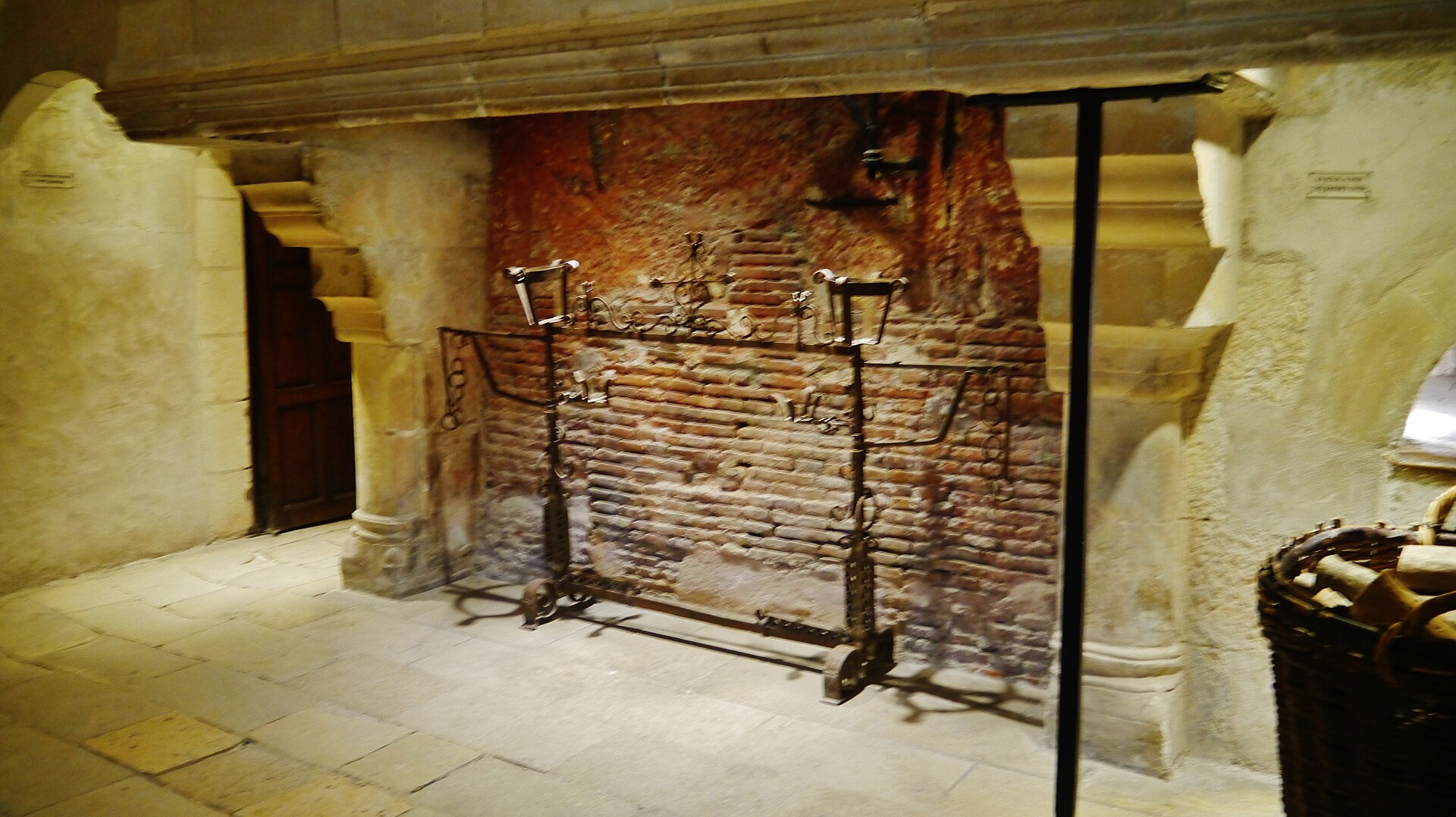
Each of the great gardens is associated with one of the château’s famous mistresses, and they reflect the taste and ambition of the women who created them. Laid out with careful symmetry and adorned with abundant plantings, they offer a riot of colour and form in season, framing the château and enhancing its beauty with the ordered splendour of the Renaissance garden.
The gardens are designed to be enjoyed in relation to the château and the river, their avenues and terraces offering ever-changing views of the palace upon the water. To stroll among them is to appreciate Chenonceau from every angle, the architecture and the landscape combining to create a total composition of great beauty, in which building, garden, and river are held in perfect harmony.
The maintenance of these gardens, with their elaborate plantings and formal designs, is a considerable undertaking, and the flowers that fill them are renewed through the seasons to keep them at their magnificent best. The result is one of the great garden experiences of France, a fitting complement to the beauty of the château and a lasting legacy of the ladies who created them beside the flowing Cher.
The rivalry between the women who created these gardens is written into the landscape itself, for each sought to leave her own mark upon the grounds of the château. The result is a garden ensemble of unusual richness, in which the visions of successive mistresses coexist beside the river, together forming one of the most celebrated garden landscapes in all of France.
The Splendours Within
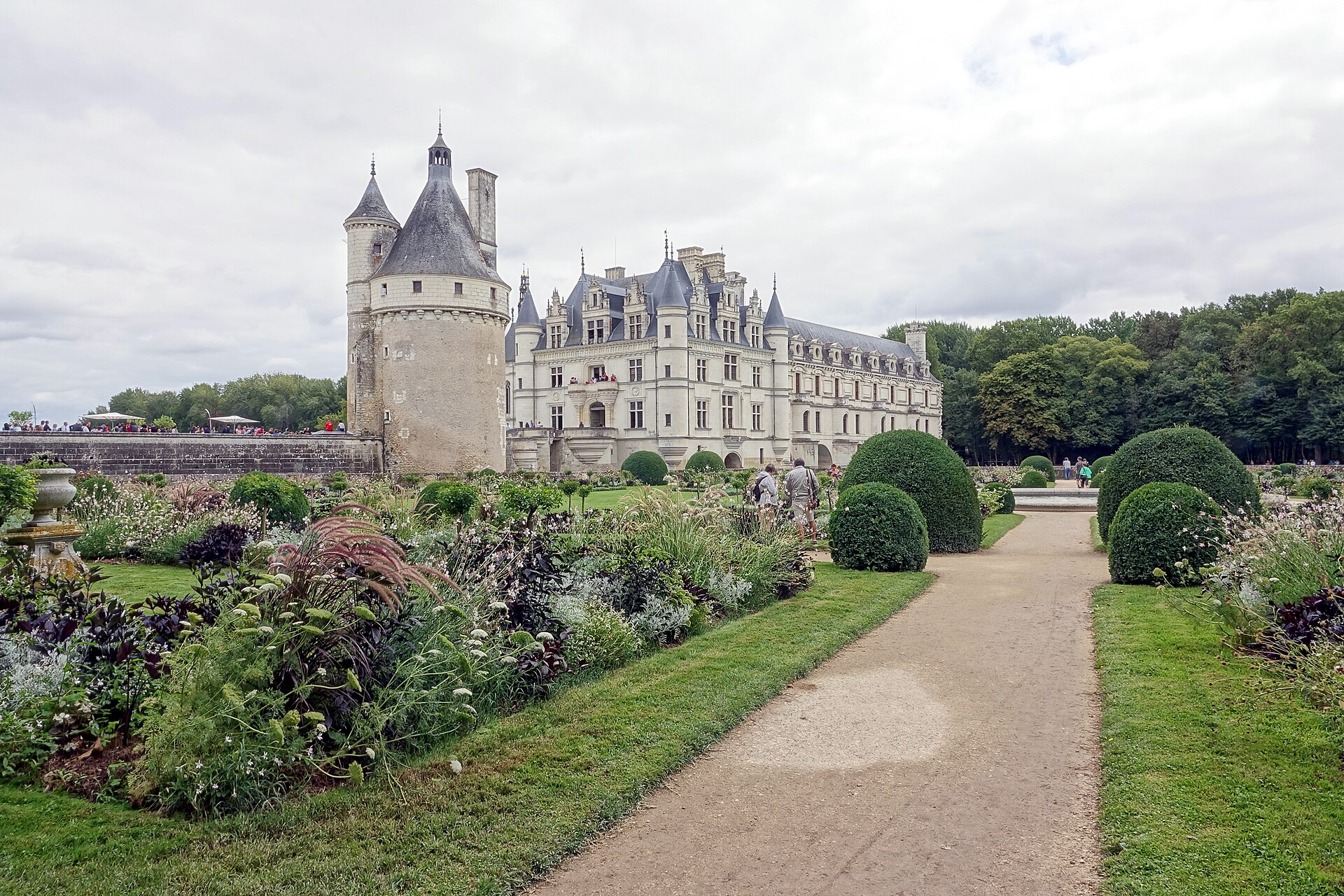
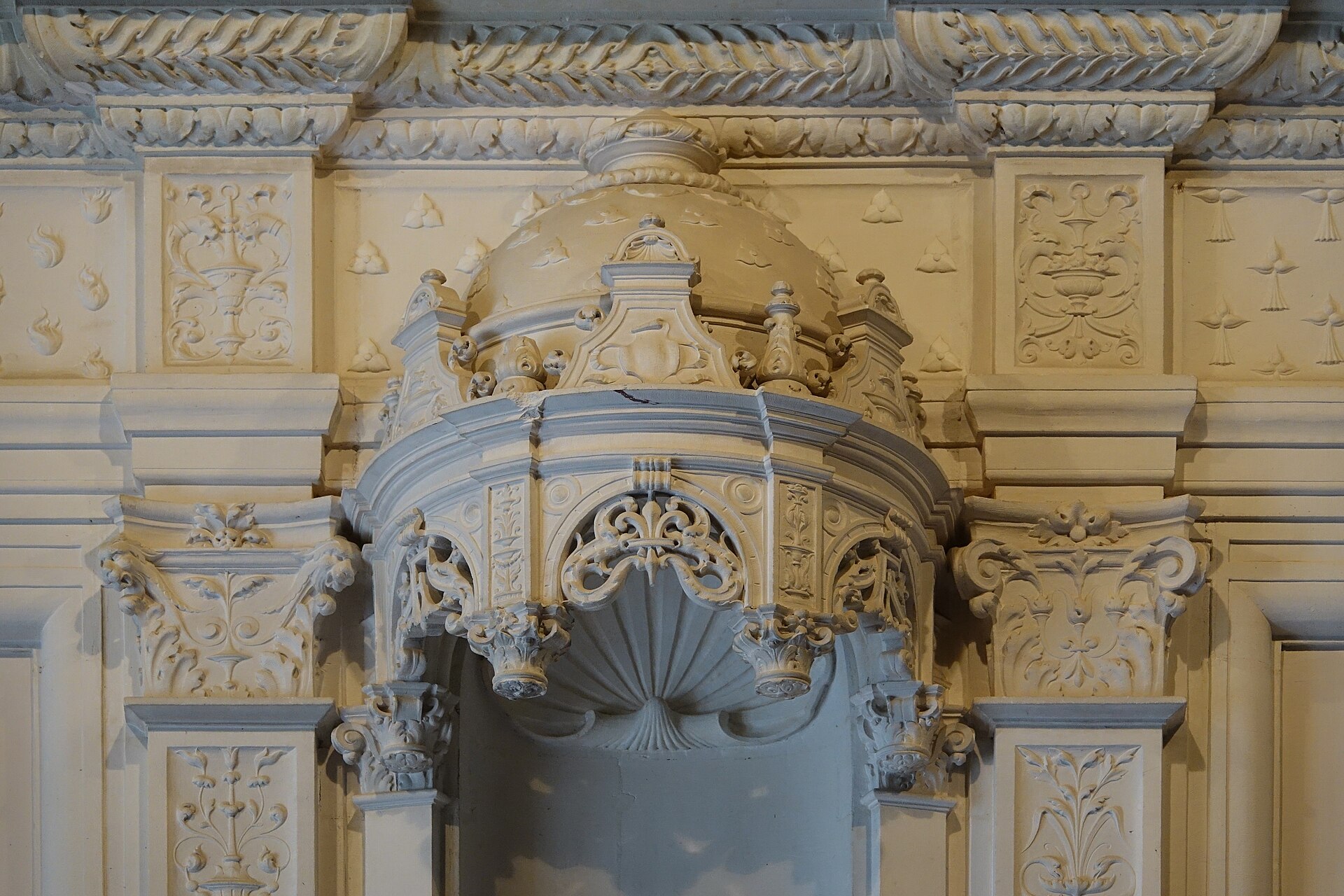
Behind its graceful facades, Chenonceau holds a series of magnificent interiors that reflect its long history and the tastes of its many owners. From grand chambers to the famous gallery, the rooms of the château are adorned with fine furnishings, tapestries, and works of art, creating spaces of great beauty that bring the story of Chenonceau vividly to life.
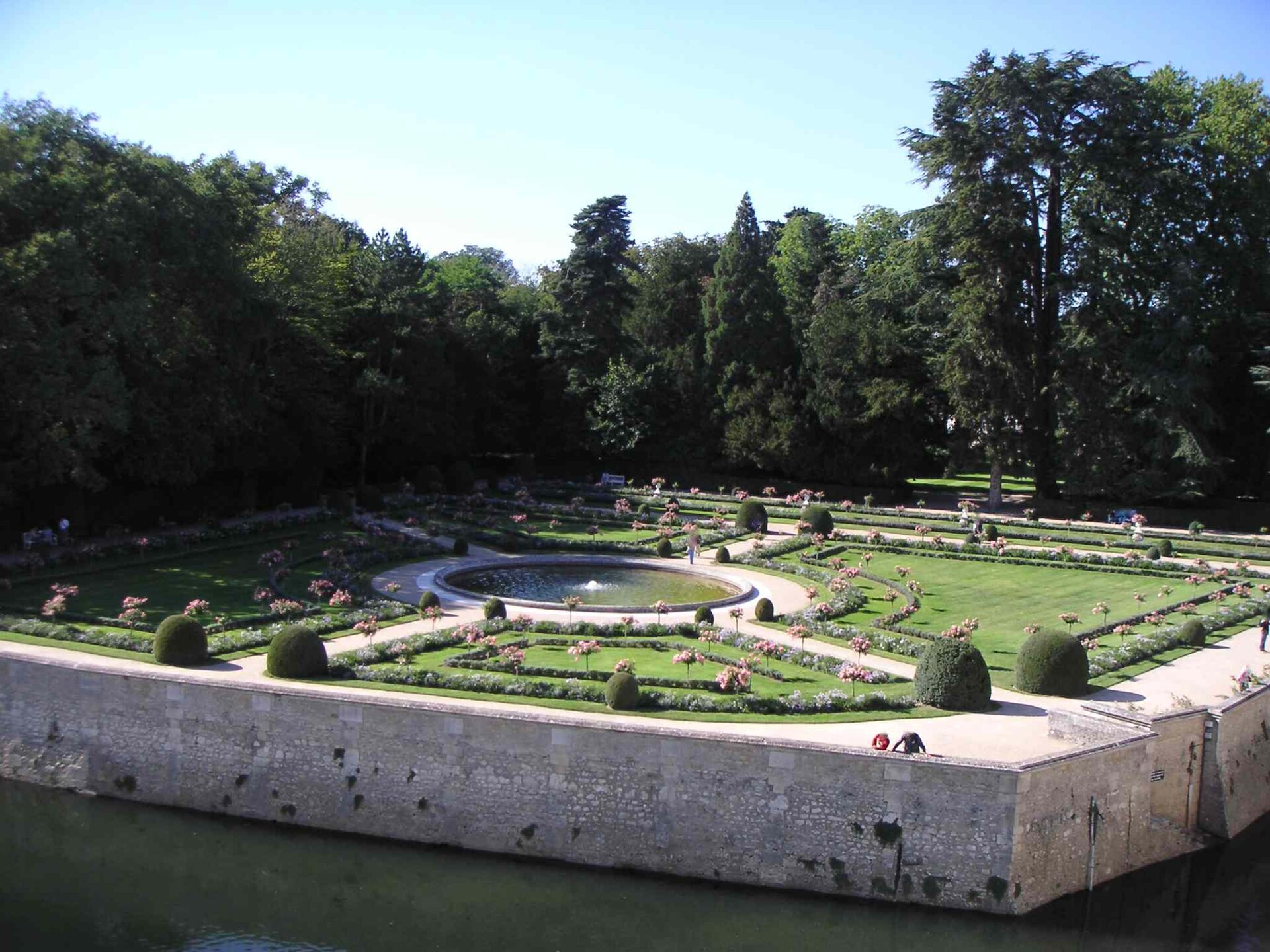
Among the most remarkable of these interiors are the chambers associated with the château’s famous mistresses, rooms that carry the memory of the powerful women who shaped Chenonceau. These spaces, richly decorated and carefully preserved, allow the visitor to imagine the lives of those who dwelt here, and to feel the presence of the ladies whose vision created the palace.
The château is also celebrated for its splendid arrangements of flowers, for fresh floral displays fill its rooms, created from the blooms grown in its own gardens. This tradition of adorning the interiors with flowers adds a living beauty to the historic spaces, filling the château with colour and fragrance and linking the interiors to the gardens beyond in a delightful and characteristic touch.
The interiors of Chenonceau, from the great gallery to the intimate chambers, offer a rich and rewarding experience, combining historic splendour with living beauty. They reflect the many chapters of the château’s story and the tastes of its succession of owners, and they make a visit to Chenonceau a journey through the history and the beauty of one of the most enchanting palaces in France.
The care lavished on these interiors reflects the pride that Chenonceau’s owners have always taken in their château, and the desire to preserve and present it at its finest. The result is a series of rooms that feel neither sterile nor neglected but alive, warmed by fresh flowers and rich with the accumulated beauty of centuries, so that the past seems present and immediate at every turn.
The Château of Mourning
One of the most poignant chapters in the history of Chenonceau came when the château passed to a queen widowed by the violent death of her husband, a king. Overcome with grief, she withdrew to Chenonceau and gave herself over to mourning, transforming the beautiful château on the river into a place of sorrow and remembrance for her lost husband.
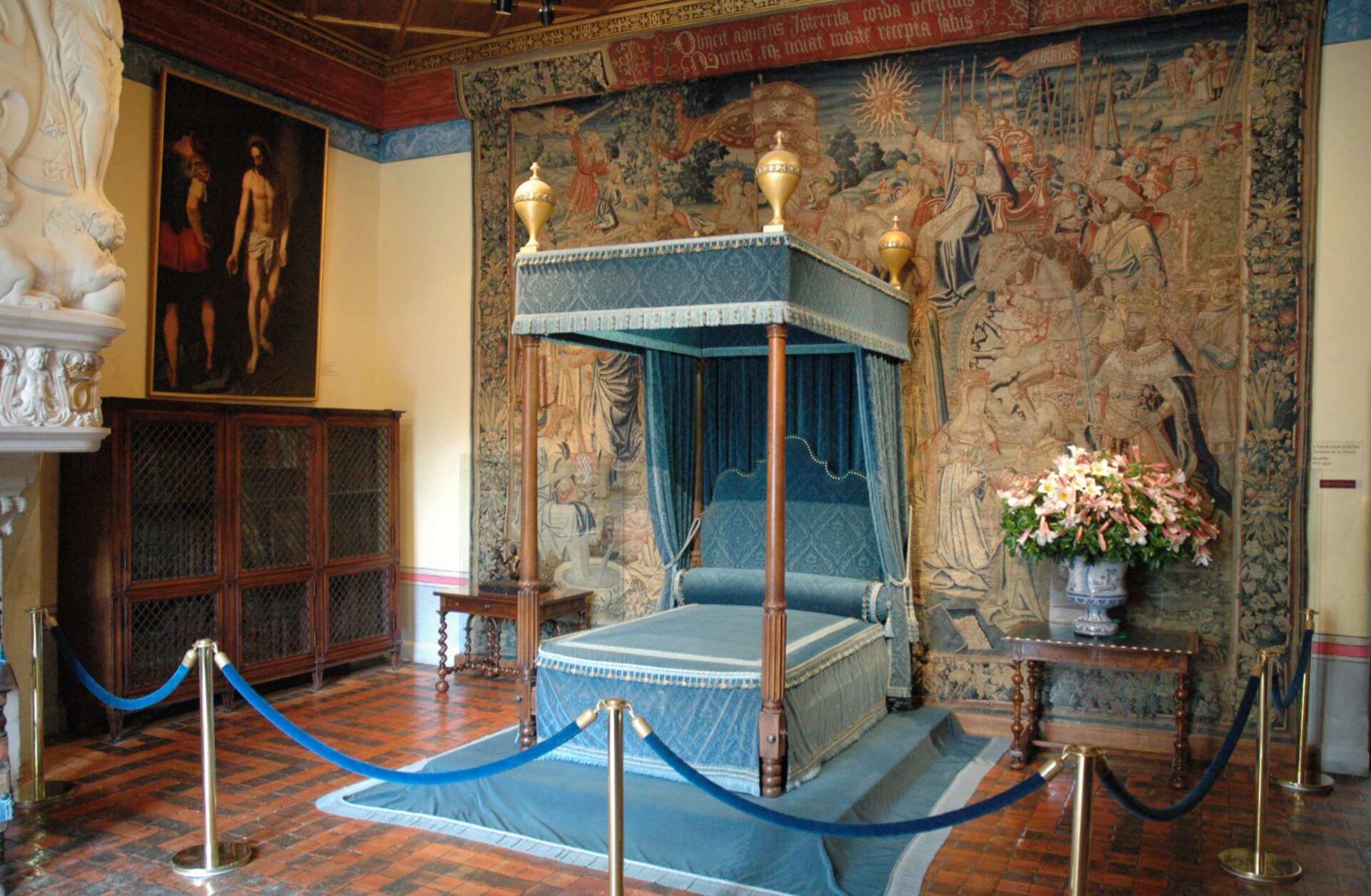
In her grief, she is said to have decorated her chambers in the sombre colours of mourning and to have spent her days in prayer and remembrance, turning the joyful château into a house of sadness. This episode gives Chenonceau a note of melancholy amid its beauty, the memory of a queen’s grief lingering in the very rooms where she mourned her king.
The story of the mourning queen adds a layer of emotional depth to the history of Chenonceau, a reminder that the beautiful château was the setting for human sorrow as well as splendour. Her long widowhood spent within its walls is one of the most touching episodes in the tale of the Château of the Ladies, a story of love and loss played out amid the beauty of the river.
This chapter, like so many others in the history of Chenonceau, is bound up with the life of a woman whose fortunes were tied to the château. The mourning queen took her place among the ladies who shaped Chenonceau, her grief becoming part of the rich human story that gives the palace its depth and its poignancy, and that makes it far more than merely a beautiful building.
The contrast between the joyful splendour the château had known and the sombre grief that now filled it is one of the most striking in its history. That the same beautiful rooms could serve both dazzling celebration and deep mourning speaks to the way Chenonceau has absorbed the full range of human experience across the centuries, its beauty a constant backdrop to the changing fortunes of those who lived within it.
A Salon of the Enlightenment
In a later age, Chenonceau found new life as the home of a celebrated woman who made it a gathering place for the brilliant minds of her time. Under her ownership, the château became a lively centre of intellectual and social life, welcoming writers, thinkers, and artists to its halls and bringing the spirit of the Enlightenment to the beautiful palace on the river.
This new mistress of Chenonceau was famed for her wit, her charm, and her cultivated circle, and the château flourished as a place of conversation and ideas. Among those associated with her household was a great thinker of the age, and the intellectual atmosphere she cultivated added yet another dimension to the rich history of the château, linking it to the vibrant cultural life of the era.
Her love for Chenonceau would prove crucial to its survival, for she was so cherished by the people of the surrounding region that the château was spared the destruction that befell so many symbols of the old order in the upheavals to come. Her care for the palace and the affection she inspired protected Chenonceau at a moment of great danger, ensuring that it came safely through the storm.
This chapter of Chenonceau’s history, presided over by yet another remarkable woman, shows the château at the heart of the cultural life of its age and demonstrates once again the crucial role of the ladies in its story. Her intelligence, her charm, and above all her devotion to Chenonceau added a further rich layer to the history of a palace shaped, again and again, by extraordinary women.
The survival of Chenonceau through the revolutionary years, when so many symbols of the old order were destroyed, is one of the happiest chapters in its history. That the château owed its preservation in part to the affection its mistress inspired is a fitting outcome for a palace whose story is so bound up with the lives and virtues of remarkable women, and it ensured that this jewel of the Loire came safely down to us.
Chenonceau in Times of War
The peaceful beauty of Chenonceau belies the dramatic role it has played in times of war, its unique position spanning the river giving it an unexpected strategic importance. In the great conflicts of the twentieth century, the château and its famous gallery were drawn into the events of the age, serving purposes far removed from the celebrations for which they were built.
During one great war, the gallery over the river was pressed into service as a hospital, its long space filled with beds where the wounded were cared for. The beautiful hall that had once hosted royal festivities became a place of healing, its position over the water and its generous proportions making it well suited to this new and urgent purpose in a time of national crisis.
In a later war, the gallery’s span across the river took on an even more dramatic significance, for the river marked a crucial boundary, and the château offered a means of passing from one side to the other. In this way Chenonceau became bound up with the perilous business of crossing between divided zones, its gallery serving as a route to safety at a time of great danger.
These wartime chapters add yet another remarkable dimension to the history of Chenonceau, binding the beautiful château to the dramatic events of modern times. That a palace built for pleasure and celebration should have played such roles in war is a testament to its unique character, and it deepens the fascination of a place already rich beyond measure in history and meaning.
These dramatic episodes remind us that Chenonceau, for all its serene beauty, has never stood apart from the great currents of history. Again and again the château has been drawn into the events of its age, adapting to serve new and urgent purposes while never losing its essential character. Its capacity to endure and to remain useful across the centuries is part of what makes its survival so remarkable.
Visiting Chenonceau Today
A visit to Chenonceau is one of the great experiences of the Loire Valley, and the first sight of the château stretching across the river amid its gardens is something no visitor ever forgets. The château rewards both the immediate impression of its beauty and the deeper exploration of its history, its interiors, and its magnificent grounds.
Inside, the great gallery over the river is the highlight, and to walk its length with the water flowing beneath is to experience the magic of Chenonceau at its most enchanting. The chambers of the famous mistresses, the splendid floral displays, and the many treasures of the interiors carry the visitor through the long and dramatic history of the Château of the Ladies.
Outside, the two great gardens invite exploration, offering ever-changing views of the château upon the water and a chance to appreciate the beauty of the whole ensemble. The grounds, the river, and the surrounding woods provide a setting of great beauty, and a walk through them completes the experience of one of the most perfect of all the châteaux of France.
View the exact location on Google Maps
However you experience it, Chenonceau leaves an impression of pure enchantment, a palace of unmatched grace and romance whose beauty is matched by the richness of its history. It is the jewel of the Loire, the Château of the Ladies, and a place where the story of remarkable women and the beauty of the French Renaissance come together over the flowing waters of the Cher. There are few more rewarding destinations in all of France.
It is worth timing a visit, if you can, to enjoy the château in one of its more atmospheric moods, whether the bright abundance of the gardens in summer or the misty romance of a quieter season. However and whenever you come, Chenonceau rewards a leisurely visit, and it is well worth lingering to absorb the beauty of a place that has enchanted travellers for five hundred years.
Palaces Nearby
If Chenonceau has enchanted you, two more great palaces of France are well worth exploring:
You May Like
Ali Qapu: The Lofty Gate-Palace of Safavid Isfahan