On the western side of the great square of Isfahan, one of the largest and most magnificent public spaces in the world, rises a tall and elegant palace with a lofty columned terrace. This is Ali Qapu, the grand gate-palace of the Safavid kings, from whose high veranda the rulers of Persia once looked out over the ceremonies, games, and festivities that filled the square below. It is one of the most distinctive and important monuments of Isfahan, a building that was at once a palace, a gateway, and a royal grandstand.
Ali Qapu was built as part of the great remaking of Isfahan under the Safavid dynasty, when the city became the capital of a powerful empire and one of the most splendid cities on earth. The palace stood at the threshold of the royal precinct, connecting the great public square to the gardens and palaces beyond, and its lofty terrace gave the king a magnificent vantage over the heart of his capital. Its very name reflects this role as a grand and lofty gate.
What makes Ali Qapu so remarkable is the richness of its decoration and the ingenuity of its design, above all its famous music room, whose walls are cut with intricate niches that both delight the eye and shape the sound. Its terrace, its painted halls, and its acoustic chamber make it a treasure house of Safavid art and a monument to the culture of one of the great ages of Persian civilization.
In this article you will explore Ali Qapu from the dynasty that built it to its lofty terrace and dazzling music room, through its role in the life of the Safavid court to its place today among the treasures of Isfahan. Along the way you will discover the brilliant art of the Persian court and understand why this gate-palace on the great square remains one of the most beloved monuments of Iran.
In This Article
- A Gate-Palace on the Great Square
- The Safavid Capital
- The Lofty Gate
- Palace, Gate, and Grandstand
- The Lofty Terrace
- The View over the Great Square
- A Palace of Many Levels
- The Music Room
- Painted Halls
- Art and Ingenuity
- The Court and Its Guests
- A Preserved Treasure
- Visiting Ali Qapu Today
A Gate-Palace on the Great Square
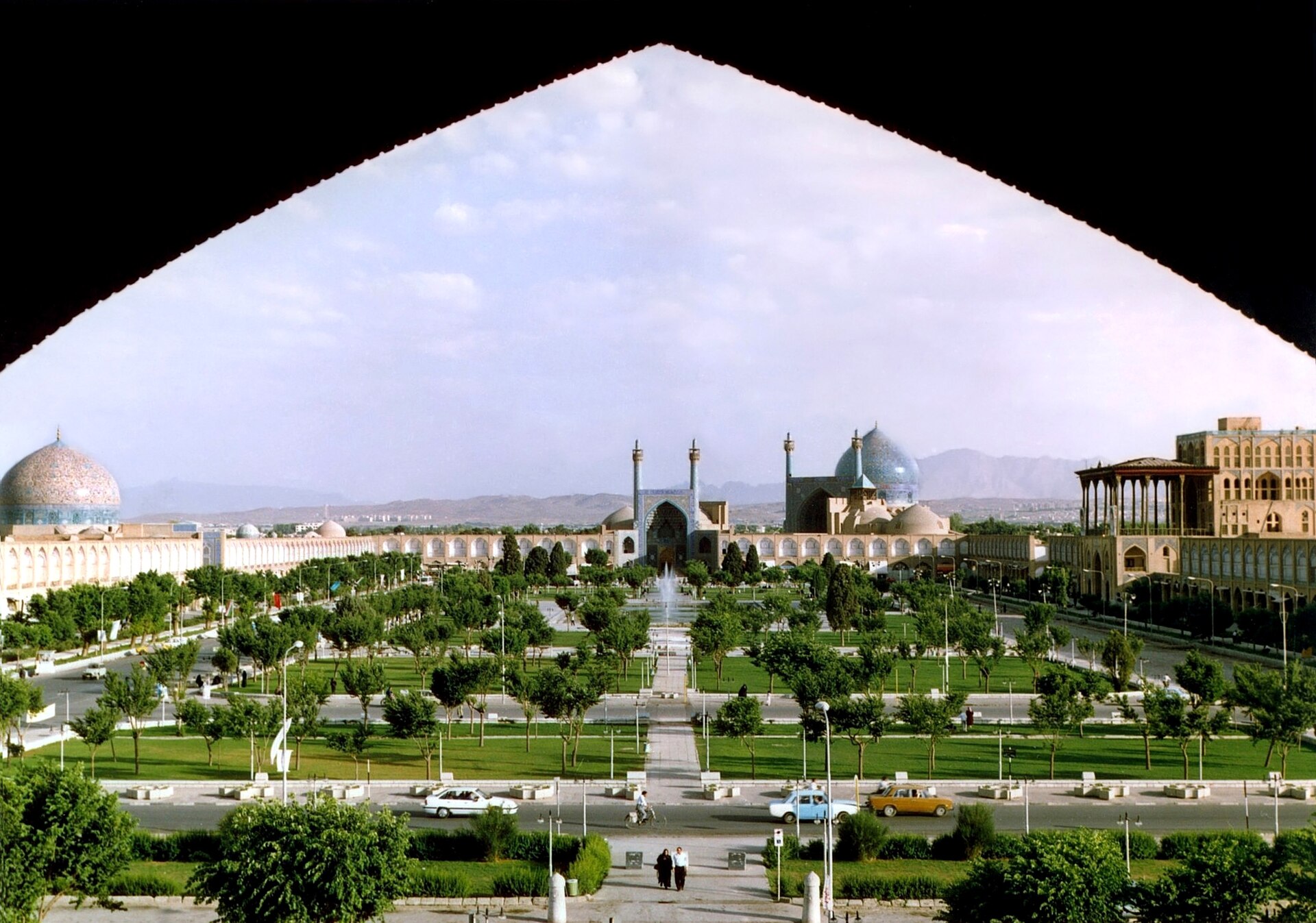
Ali Qapu stands on the western side of the great square of Isfahan, a tall building of several storeys crowned by a lofty columned terrace. Rising above the arcades that surround the square, it commands a magnificent position at the heart of the Safavid capital, connecting the great public space to the royal gardens and palaces that once lay behind it.
The building is at once a palace and a gateway, serving as the grand entrance to the royal precinct while also providing halls and chambers for the use of the court. Its several floors contain a sequence of rooms, richly decorated, culminating in the famous music room near the top, while its terrace opens toward the square below.
The most distinctive feature of Ali Qapu is its elevated terrace, supported by tall slender columns, which projects toward the square and served as a royal grandstand. From this lofty veranda, the king and his guests could look out over the ceremonies, games, and festivities that filled the great square, in one of the most magnificent settings in the world.
Set on the great square amid the wonders of Safavid Isfahan, Ali Qapu is one of the most important and beloved monuments of the city. Its combination of palace, gateway, and grandstand, its rich decoration, and its famous acoustic chamber make it a treasure of Persian art and a monument to the golden age of Isfahan.
There is a wonderful drama to the way the building rises above the arcades of the square, its terrace lifted high on slender columns so that it seems almost to float above the great space below. Among the low, horizontal monuments that frame the square, Ali Qapu stands out as the one strong vertical accent, drawing the eye upward to the royal grandstand at its summit.
The Safavid Capital
Ali Qapu was built as part of the great creation of Safavid Isfahan, when the rulers of the dynasty made the city their capital and transformed it into one of the most magnificent cities on earth. At the heart of this transformation was the great square, around which the Safavid kings arranged the principal monuments of their capital, including Ali Qapu.
Under the Safavids, Isfahan became a center of art, commerce, and culture of international importance, celebrated for its beauty and its splendor. The great square, with its mosques, its bazaar, and its palace, formed the magnificent heart of the city, a grand public space unmatched in its time, and Ali Qapu was one of its principal ornaments.
The building of Ali Qapu reflected the ambition and the wealth of the Safavid kings and their vision for their capital. As the gate to the royal precinct and a grandstand over the great square, it played a central role in the ceremonial life of the city, and its construction and decoration expressed the artistic brilliance of the age.
The history of Ali Qapu is thus inseparable from the history of Safavid Isfahan and the golden age it represented. As a creation of the Safavid court and a monument of the great square, it embodies the splendor of one of the most brilliant periods in the history of Persia, preserved in its lofty terrace and its richly decorated halls.
The great square was conceived as a unified whole, with the palace, the mosques, and the bazaar arranged around it in a single grand design. Ali Qapu was an essential element of this composition, its terrace facing across the open space toward the great mosque opposite, so that the building was not an isolated palace but part of one of the most magnificent urban ensembles ever created.
The Lofty Gate
The name Ali Qapu means the Lofty Gate or the Imperial Gate, a name that reflects its role as the grand entrance to the royal precinct of the Safavid kings. As the gateway between the great public square and the private gardens and palaces of the court, it was a threshold of great importance and dignity, and its name expresses its exalted function.
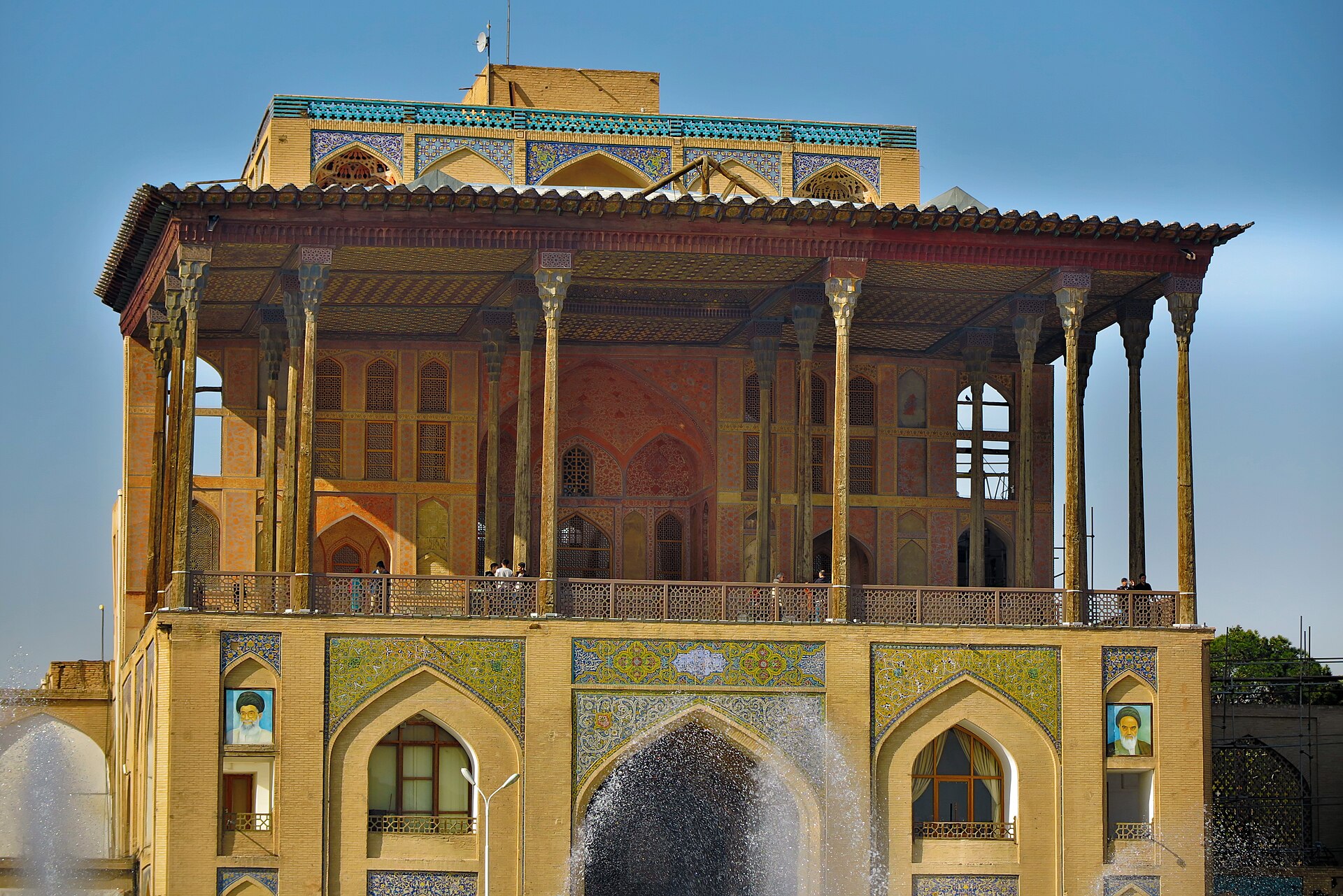
The name also reflects the height and the grandeur of the building, which rises tall above the square and is crowned by its lofty terrace. As both a gate and a palace of several storeys, Ali Qapu was a fitting entrance to the royal precinct, and its name captures its character as a lofty and imperial gateway.
The role of the building as a gate gave it a special significance in the ceremonial life of the court. Passing through Ali Qapu, one moved from the public world of the great square into the private domain of the king, and the building marked this threshold with appropriate grandeur and dignity.
In its name and its function, Ali Qapu thus embodied its role as the lofty gate to the royal world. It stood at the boundary between the public and the private, the great square and the royal gardens, and it marked this threshold with a building of height, beauty, and dignity, a fitting entrance to the heart of the Safavid court.
The choice of so grand a name reflected the reverence in which the threshold of the royal precinct was held, for to pass through this gate was to enter the presence of the king. In the ceremonial world of the Safavid court, a gate was never merely a passage but a place of meaning, and the Lofty Gate marked with due dignity the boundary of the royal world.
Palace, Gate, and Grandstand
Ali Qapu combined several functions in a single remarkable building, serving at once as a palace, a gateway, and a royal grandstand. This combination of roles gives the building its distinctive character and reflects the ingenuity of the Safavid architects who created it, blending the practical and the ceremonial in a single magnificent structure.
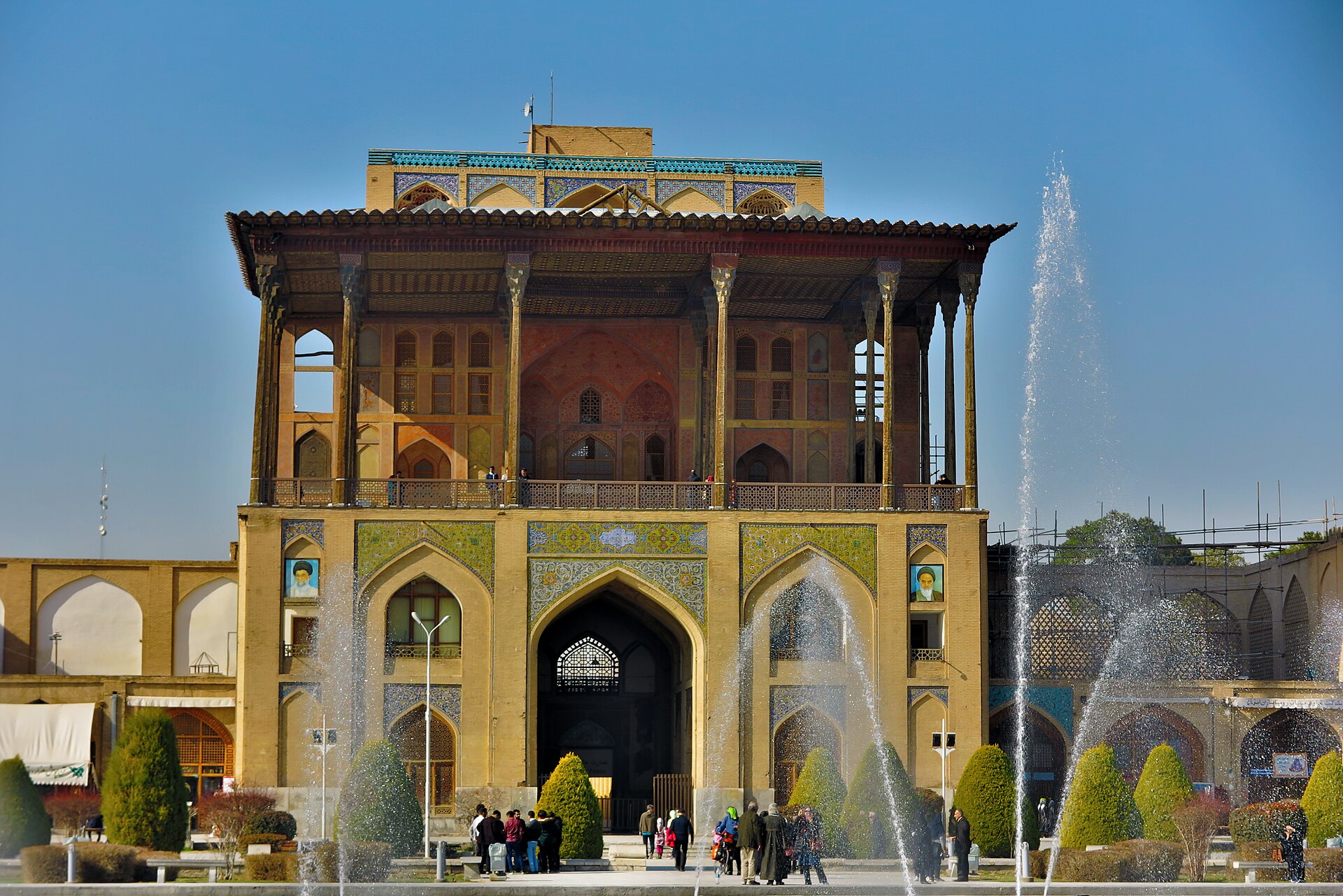
As a gateway, the building connected the great square to the royal precinct beyond, marking the threshold between the public and private worlds. As a palace, it contained a sequence of richly decorated halls and chambers for the use of the court. And as a grandstand, its lofty terrace provided a magnificent vantage over the ceremonies and festivities of the square.
This multiplicity of functions made Ali Qapu a central building in the life of the Safavid court and capital. It was a place of passage, a place of display, and a place of pleasure, and its design accommodated all these roles within its several storeys, culminating in the famous terrace and the music room near its summit.
The combination of palace, gate, and grandstand in a single building reflects the character of Safavid Isfahan, in which the great square was the ceremonial heart of the capital. Ali Qapu, standing at the threshold of the royal precinct and overlooking the square, was perfectly suited to this world, a building designed to serve the many needs of the court in the heart of the great city.
The Lofty Terrace
The most striking feature of Ali Qapu is its elevated terrace, a lofty columned veranda that projects toward the great square from high on the building. Supported by tall, slender columns and covered by a richly decorated ceiling, this terrace served as a royal grandstand, from which the king and his guests could watch the ceremonies and festivities of the square below.
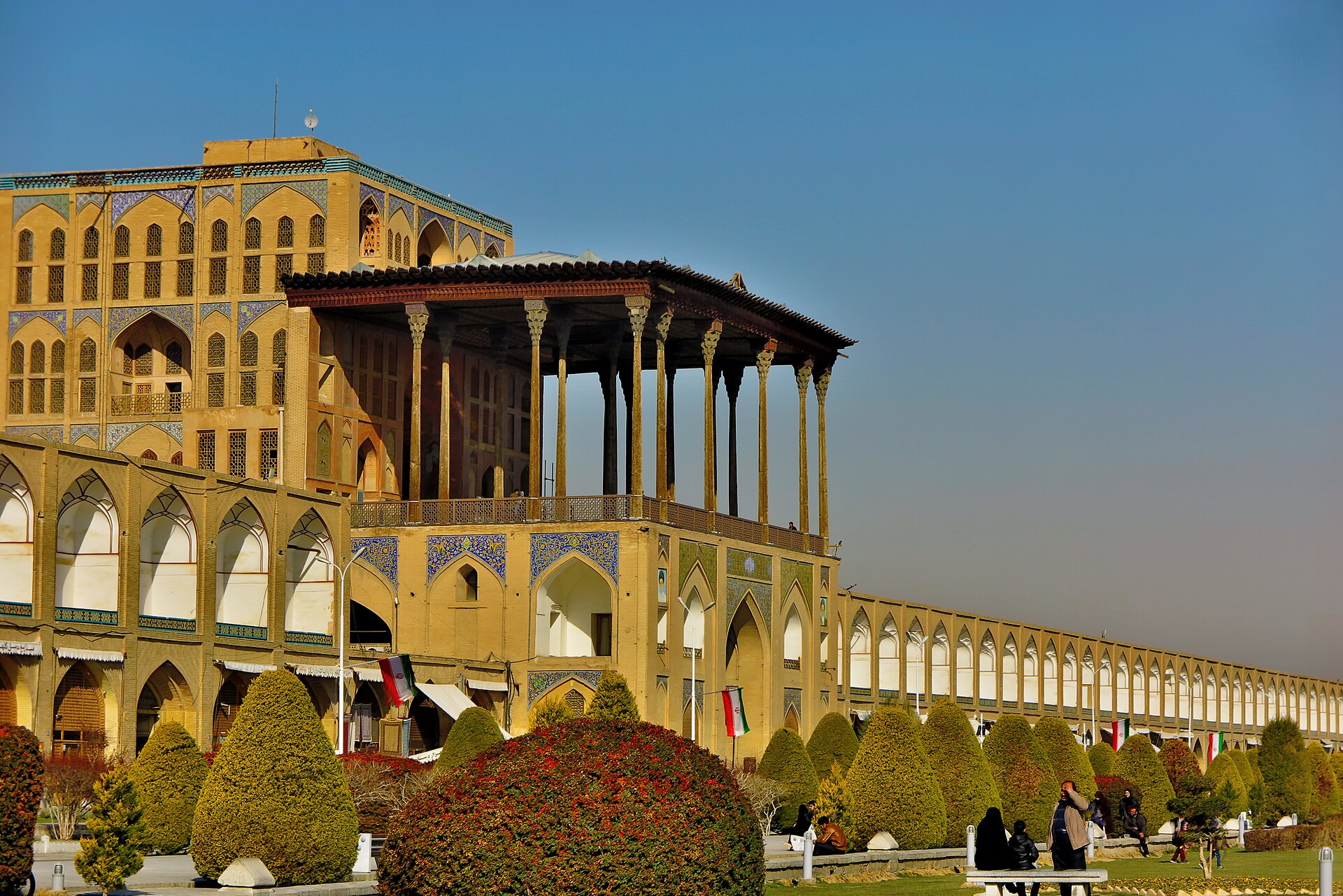
From the terrace, the king enjoyed a magnificent view over the great square and the whole of his capital, one of the finest vantage points in the world. Here he received important guests and watched the games, parades, and celebrations that filled the square, in surroundings of great beauty and grandeur befitting the ruler of a powerful empire.
The terrace is a masterpiece of design, its tall columns and its decorated ceiling creating an elegant and airy space open to the square and the sky. This open, columned form, characteristic of Persian palace architecture, connected the king to the life of the square while raising him high above it in a position of dignity and command.
The lofty terrace remains the most celebrated and distinctive feature of Ali Qapu, a magnificent grandstand over one of the great squares of the world. To stand upon it and look out over the square, as the Safavid kings once did, is to experience the building at its most splendid, and it remains one of the great sights of Isfahan.
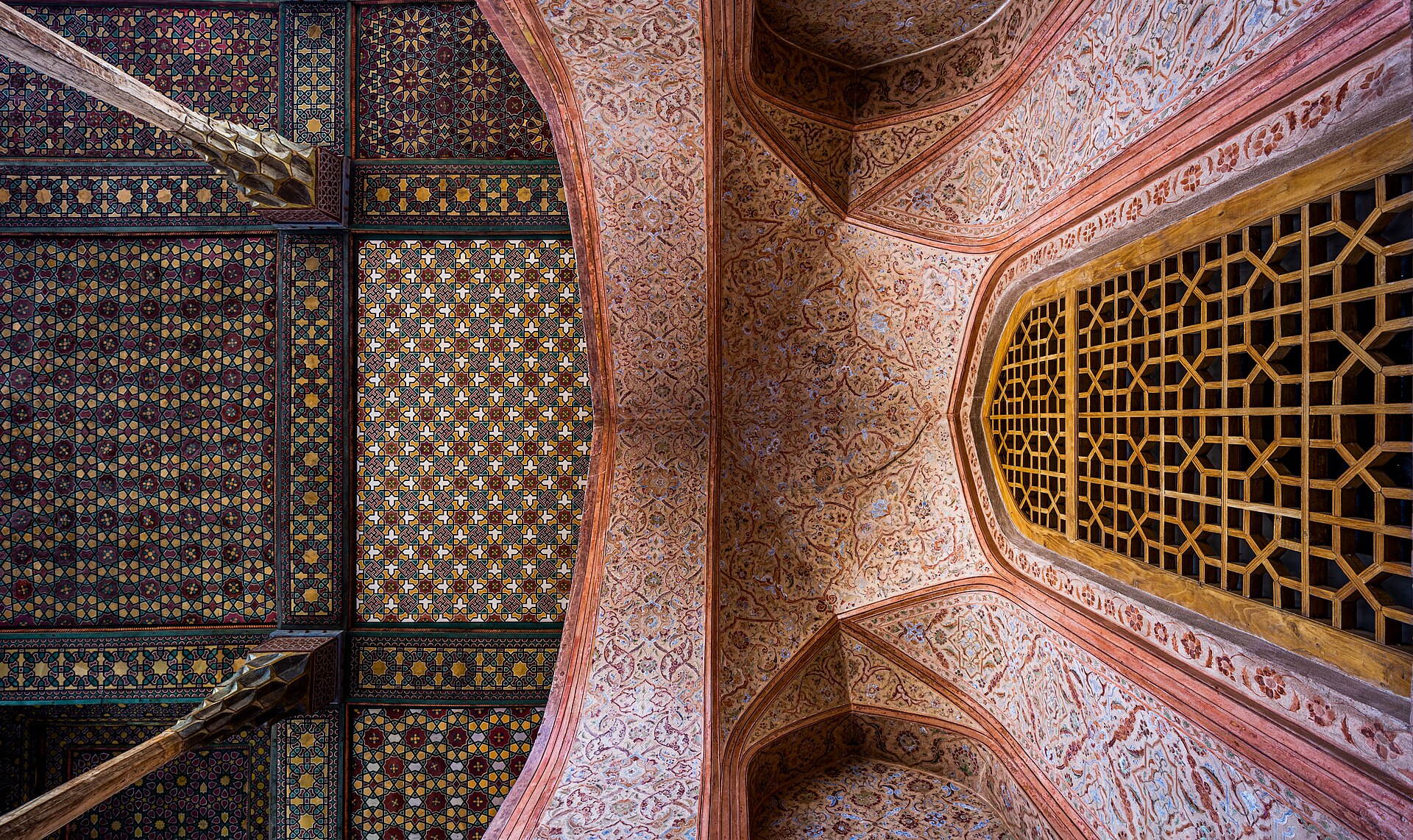
The wooden ceiling of the terrace, richly painted and coffered, is a masterpiece in its own right, and standing beneath it one is surrounded by beauty above as well as before. The combination of the painted ceiling, the slender columns, and the sweeping view over the square makes the terrace one of the most perfect spaces in all of Persian architecture, designed for the pleasure of a king.
The View over the Great Square
The great square of Isfahan, over which Ali Qapu presides, is one of the largest and most magnificent public spaces in the world, a vast rectangle surrounded by arcades and framed by the principal monuments of the Safavid capital. It was the ceremonial heart of the city, the setting for great events, and Ali Qapu was the royal grandstand from which the king surveyed it.
The square was the scene of a great variety of events, from markets and public gatherings to games, parades, and celebrations. Among the most famous were the games of polo, played in the square, which the king could watch from the terrace of Ali Qapu, and the great ceremonies and festivities that marked the life of the court and the city.
From the terrace of Ali Qapu, the king enjoyed a commanding view over this magnificent space and the events that filled it. The position of the building, overlooking the square, made it the perfect royal grandstand, connecting the ruler to the public life of his capital while raising him above it in appropriate majesty.
The relationship between Ali Qapu and the great square is central to the meaning of the building. As the royal grandstand over the ceremonial heart of the capital, it played a key role in the public life of Safavid Isfahan, and the view from its terrace over the great square remains one of the most magnificent prospects in all of Iran.
The polo games in particular have left their mark on the square, where the stone goalposts used in the royal matches can still be seen at either end. From his terrace on Ali Qapu, the king could watch the horsemen thunder across the great open space below, and it is easy, standing there today, to imagine the color and excitement of those royal games.
A Palace of Many Levels
Ali Qapu rises through several storeys, each containing halls and chambers for the use of the court, connected by staircases within the building. This vertical arrangement, unusual among Persian palaces, gives the building its distinctive tall form and allowed it to combine its many functions within a compact and lofty structure.
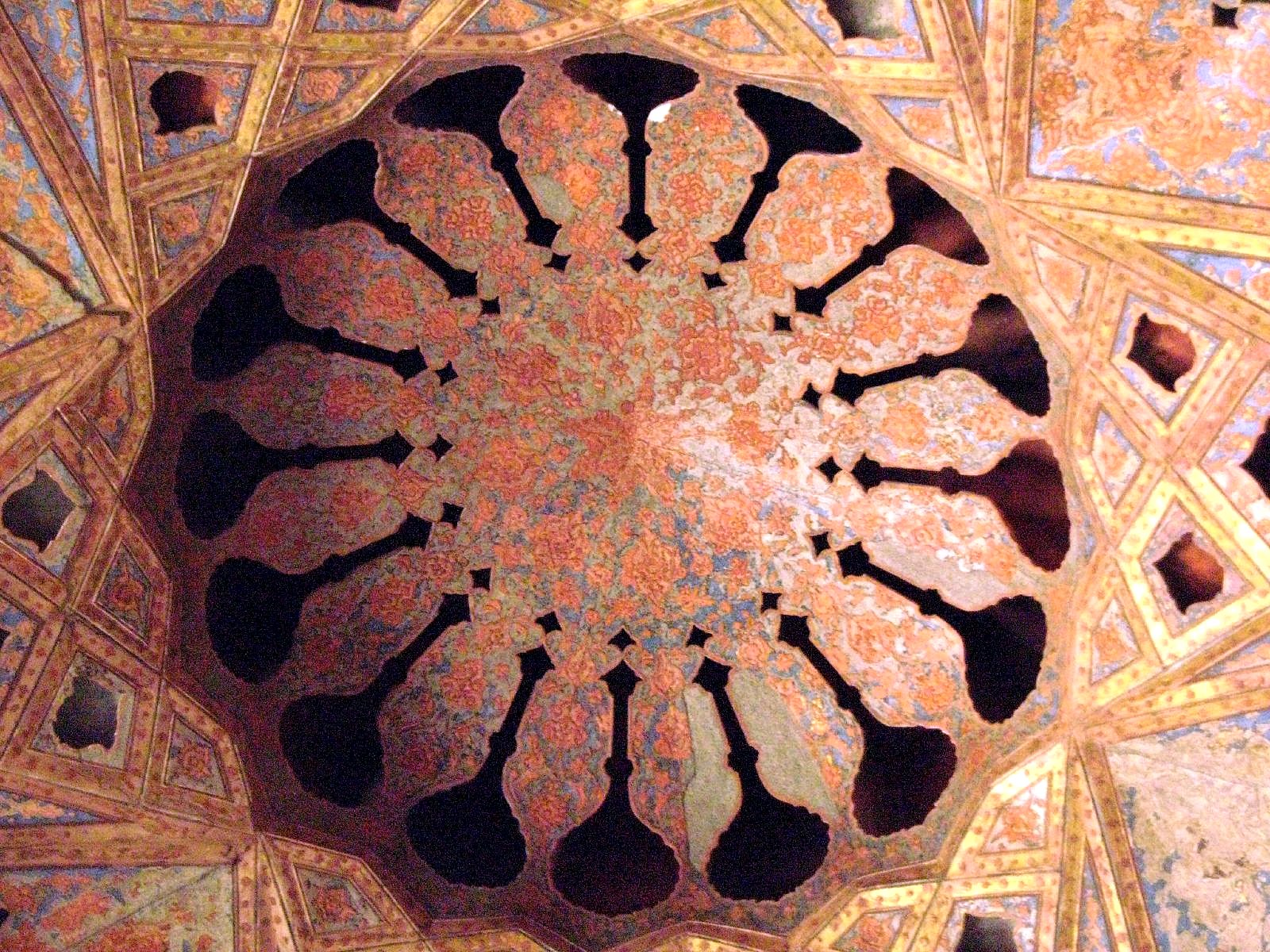
The various levels of the building served different purposes, from reception and audience to the more private and specialized functions of the upper floors. Rising through the building, one passed through a sequence of richly decorated rooms, culminating in the famous music room and the terrace near the summit.
The decoration of the different levels reflects the richness of Safavid art, with painted walls, ornamental niches, and other decoration adorning the halls and chambers. Each level contributed to the overall character of the building as a palace of beauty and refinement, and together they created a sequence of spaces of great interest and splendor.
This arrangement of many levels makes Ali Qapu a fascinating building to explore, its rooms and staircases leading upward through a sequence of beautiful spaces to the terrace and the music room. The vertical form of the palace, unusual and ingenious, is one of its most distinctive features, and it reflects the creativity of the Safavid architects who designed it.
Climbing through the building, from level to level and room to room, is part of the pleasure of a visit, for each stage brings new decoration and new views. The ascent culminates in the music room and the terrace near the summit, so that the very experience of moving through the palace builds toward its two greatest treasures, a journey upward through beauty to the crowning glories of the building.
The Music Room
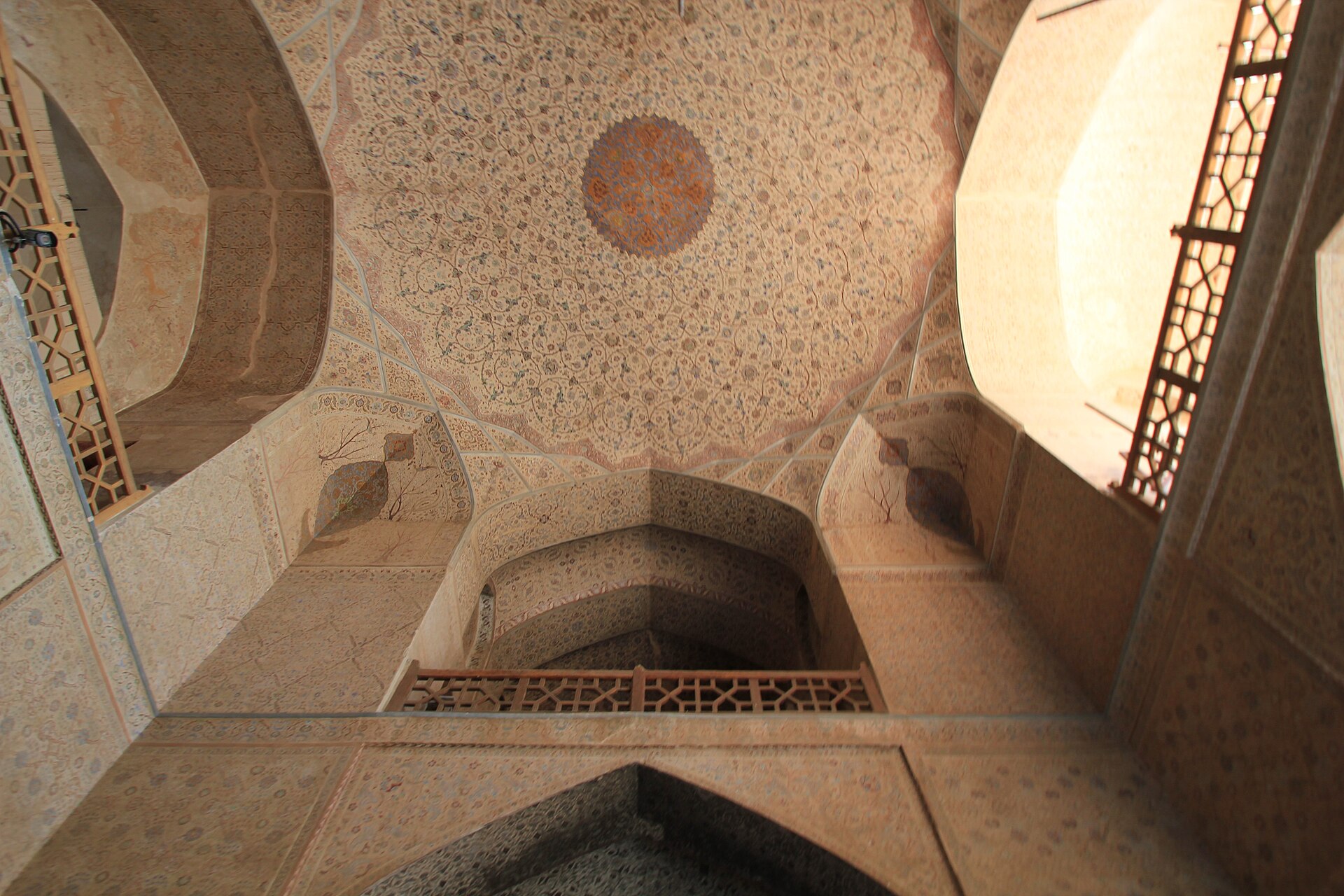
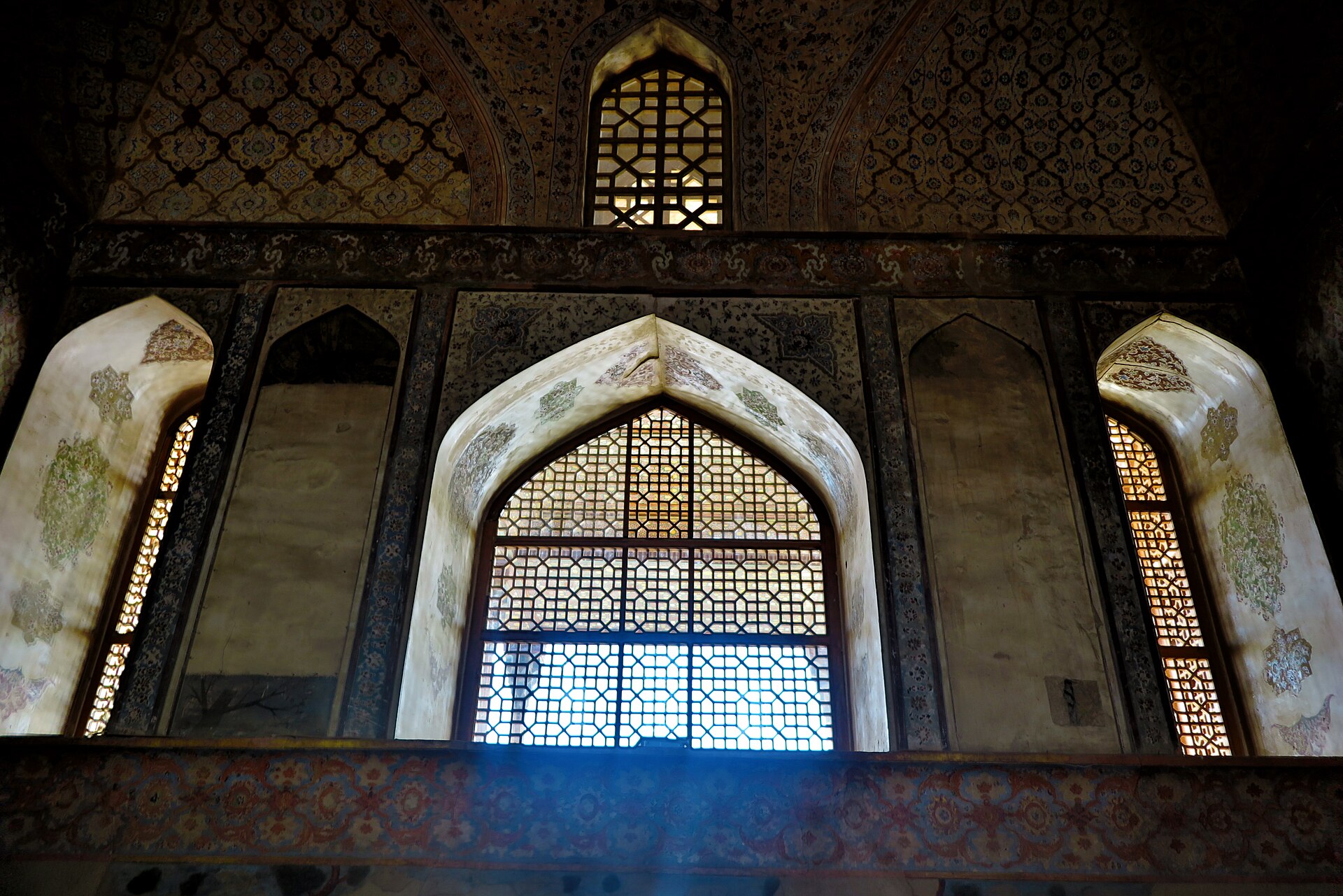
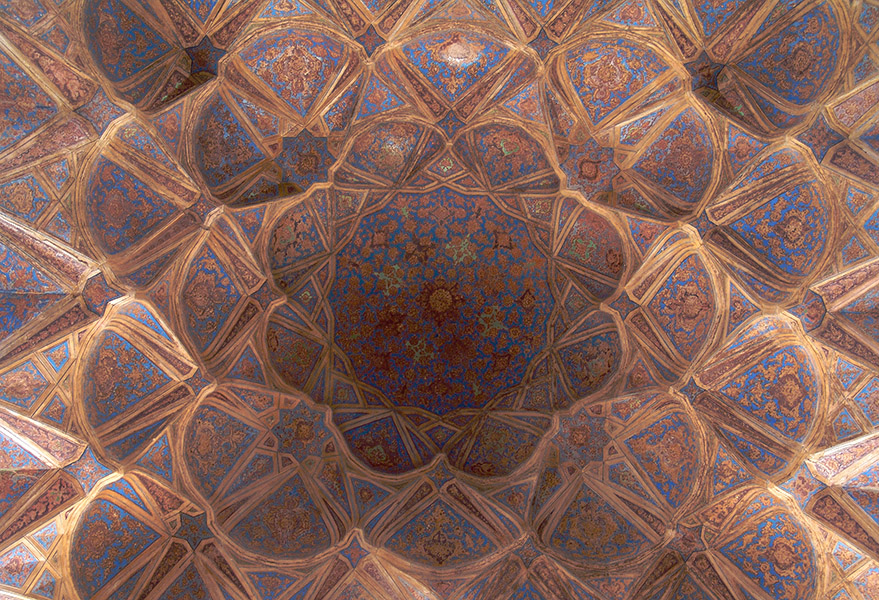
The most famous and remarkable room in Ali Qapu is its music room, a chamber near the top of the building whose walls and ceiling are cut with intricate niches in the shapes of vessels and other forms. These niches, delicately carved into the plaster, are both a dazzling decorative feature and, according to tradition, a means of enhancing the acoustics of the room.
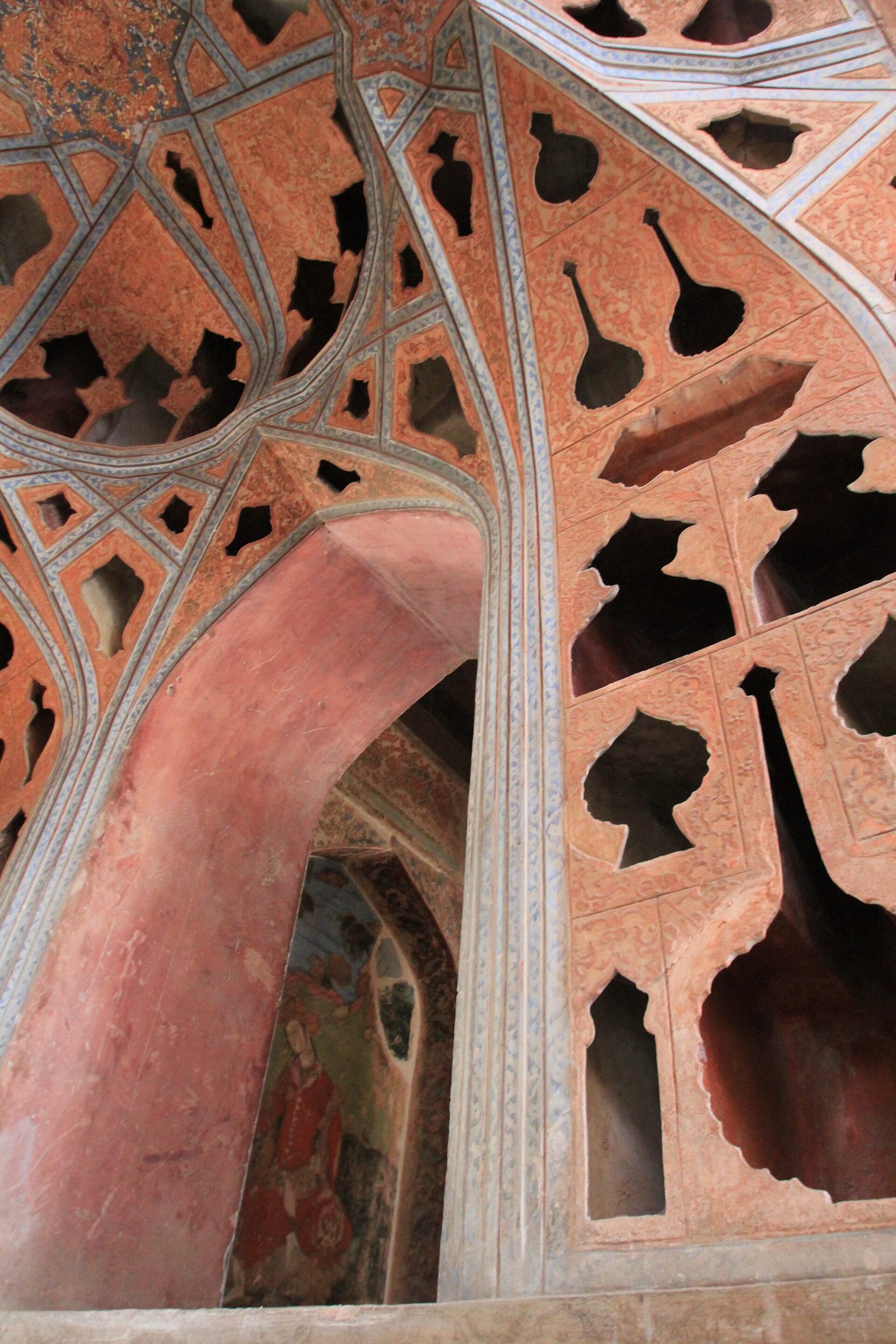
The niches, cut in the shapes of bottles, vases, and other vessels, cover the upper walls and ceiling of the room in an intricate and beautiful pattern. This form of decoration, delicate and elaborate, is one of the great achievements of Persian plasterwork, and it gives the music room its unique and enchanting character.
According to tradition, the niches were designed not only for beauty but to improve the acoustics of the room, which was used for music and entertainment. The hollow forms cut into the walls are said to have enhanced the sound, making the room a fitting setting for the music that gave it its name, in the pleasure-loving culture of the Safavid court.
The music room is one of the great treasures of Ali Qapu and one of the most remarkable rooms in all of Persian architecture. Its dazzling niches, at once decorative and acoustic, embody the ingenuity and the artistry of the Safavid age, and they make the room one of the most beloved and celebrated spaces in the palace.
The delicacy of the cut plasterwork is almost hard to believe, for the niches seem impossibly fine, as if the solid walls had been transformed into lace. That such intricate work should also have served a practical acoustic purpose only deepens the wonder, and the room stands as one of the supreme demonstrations of the Persian genius for uniting beauty with ingenuity.
Painted Halls
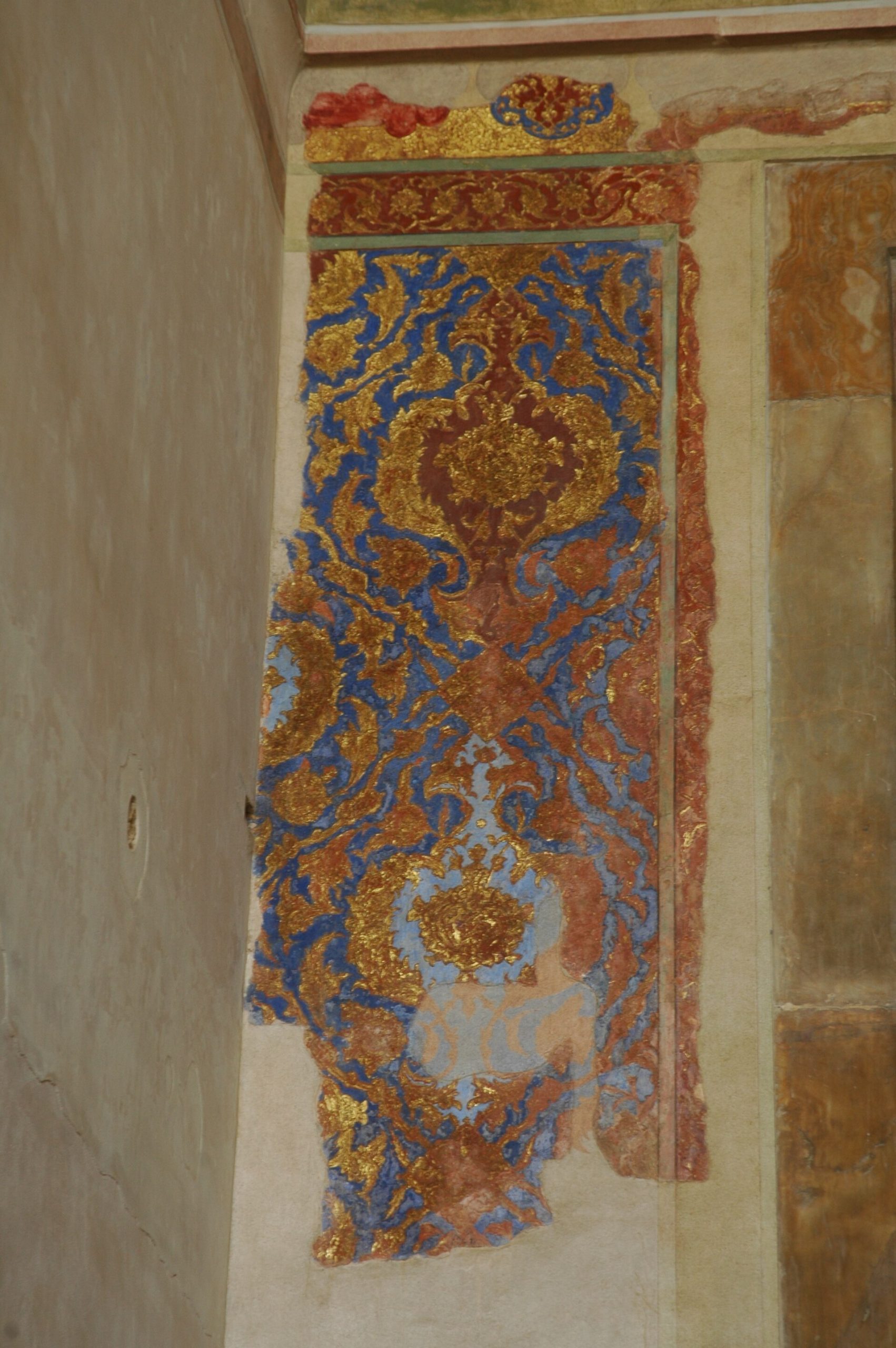
Beyond the music room, the halls and chambers of Ali Qapu are decorated with paintings and ornament, reflecting the richness of Safavid art. Walls and ceilings are adorned with floral and figural designs, delicate patterns, and other decoration, creating interiors of great beauty throughout the building.
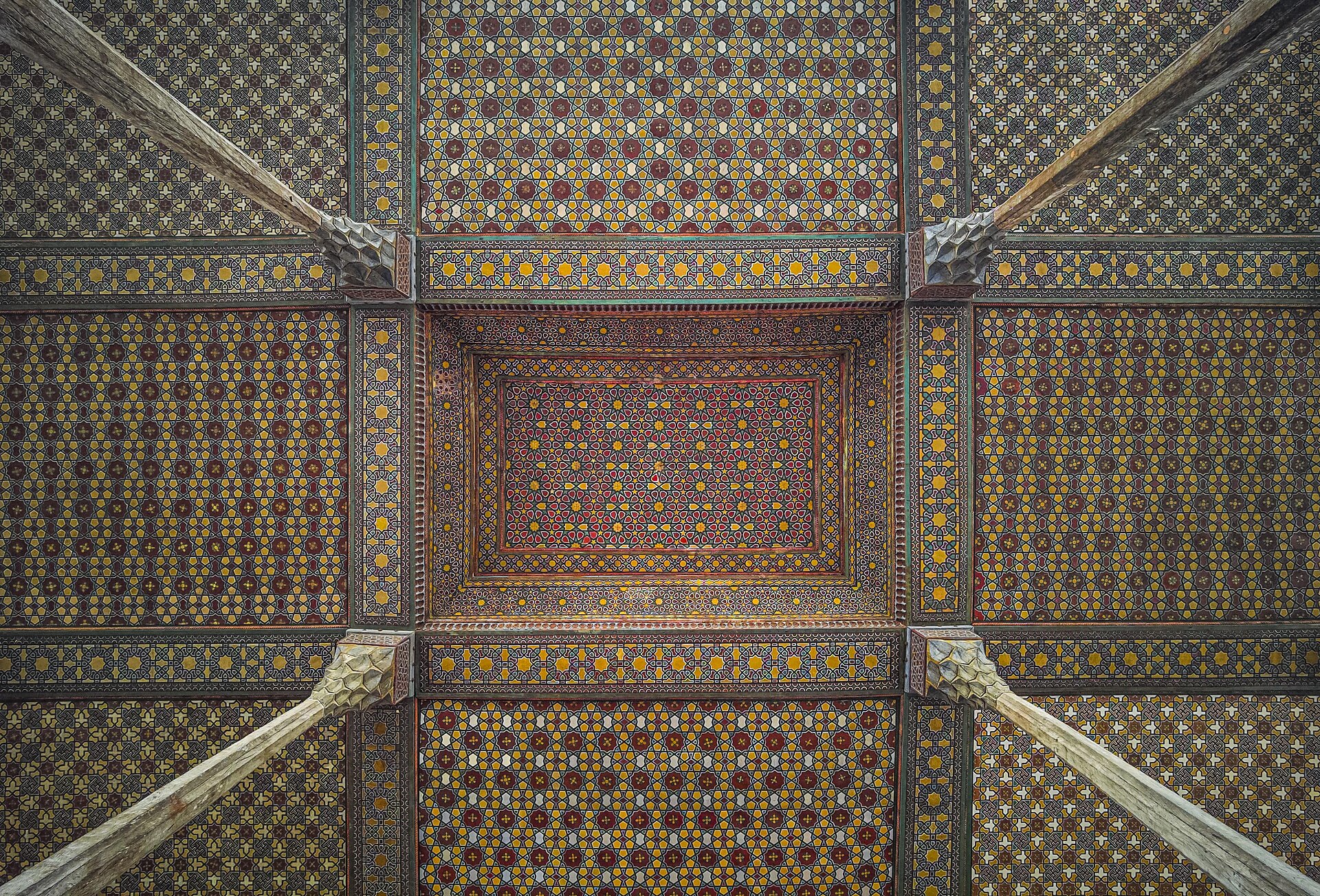
The painted decoration includes a range of subjects and styles, from floral and geometric patterns to figures and scenes, rendered in rich color. This decoration reflects the artistic tastes of the Safavid court and the skill of the painters who adorned the palace, and it contributes to the overall splendor of the interiors.
Much of the original decoration has suffered over the centuries, and parts of the palace have been damaged and restored. Yet enough survives to convey the former richness of the interiors, and the paintings and ornament that remain offer a vivid sense of the beauty of the palace in its prime.
Together with the music room and the terrace, the painted halls of Ali Qapu make the building a treasure house of Safavid art. Its decoration, from the delicate niches of the music room to the paintings of the halls, reflects the artistic brilliance of the age, and it makes the palace one of the great monuments of the golden age of Isfahan.
Art and Ingenuity
The music room of Ali Qapu is celebrated not only for its beauty but for the ingenuity of its design, in which decoration and function are combined. The niches cut into its walls, according to tradition, served to enhance the acoustics of the room, making it a striking example of the union of art and practical design in Persian architecture.
This combination of beauty and function reflects the sophistication of the Safavid architects and craftsmen, who created a room that was at once a work of art and a fitting setting for music. The idea that the decorative niches also shaped the sound of the room captures the ingenuity and the refinement of the age.
Whether or not the acoustic function was as effective as tradition suggests, the intention reflects the Safavid concern for both beauty and pleasure, and the desire to create rooms perfectly suited to the entertainments of the court. The music room stands as a testament to this concern, a space designed for the enjoyment of music amid surroundings of dazzling beauty.
The union of art and ingenuity in the music room is one of the most fascinating aspects of Ali Qapu. It reflects the culture of the Safavid court, which prized beauty, refinement, and pleasure, and it shows the creativity of the architects and craftsmen who created a room that delighted both the eye and the ear, a masterpiece of Persian design.
The Court and Its Guests
Ali Qapu played an important role in the ceremonial life of the Safavid court, serving as a place for the reception of guests and the display of royal splendor. From its terrace, the king received important visitors and watched the events of the square, and its halls provided settings for the entertainments and ceremonies of the court.
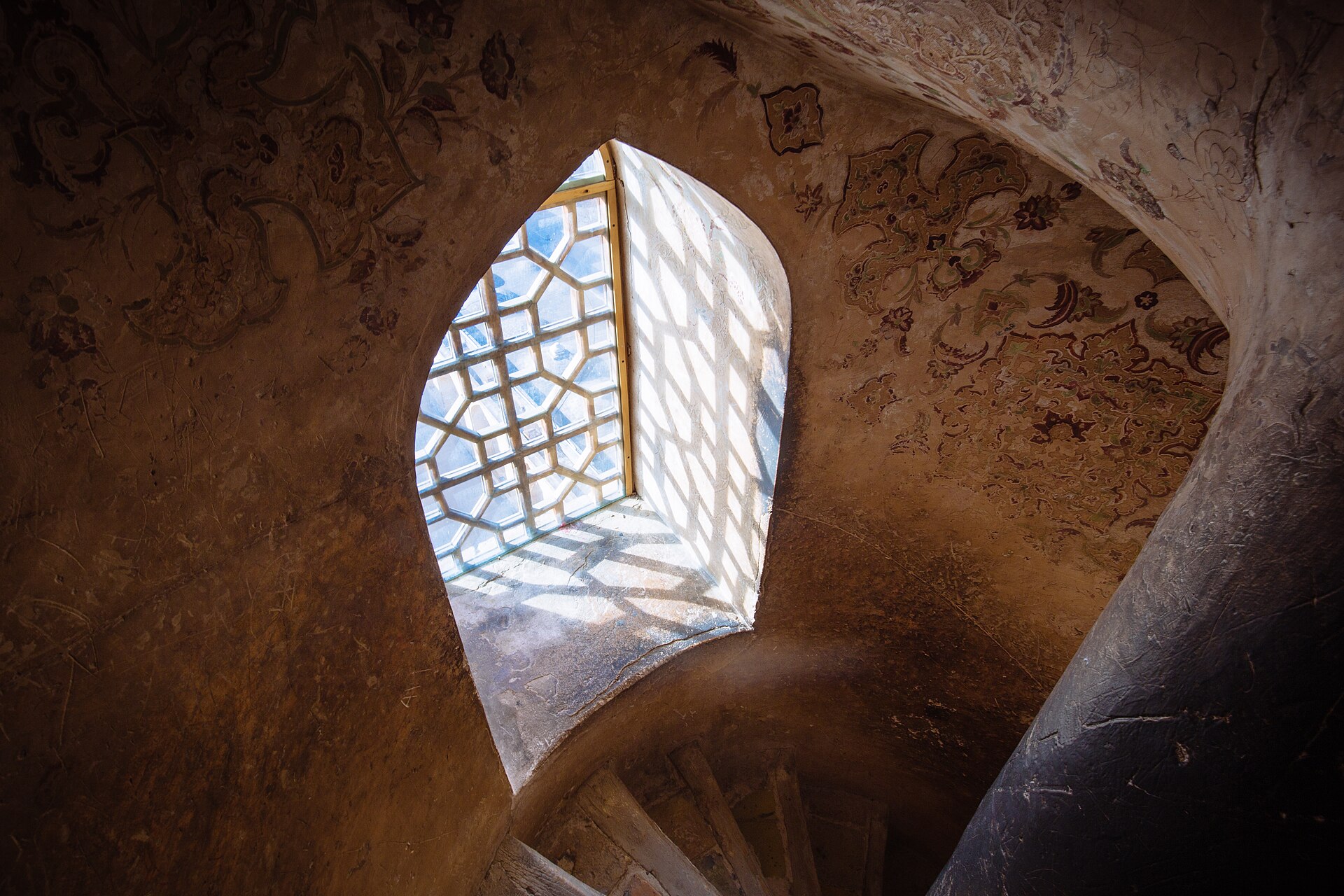
The reception of foreign ambassadors and important guests was among the functions of the building, and these occasions were events of great ceremony. The terrace, with its magnificent view over the square, provided a splendid setting for such receptions, allowing the king to impress his guests with the grandeur of his capital and his court.
The building was also a place for the pleasures of the court, including music and entertainment in the famous music room and the enjoyment of the view and the festivities from the terrace. These functions reflected the pleasure-loving culture of the Safavid court and the role of Ali Qapu as a place of both ceremony and delight.
As a setting for the reception of guests and the pleasures of the court, Ali Qapu was central to the life of Safavid Isfahan. Its terrace, its halls, and its music room provided magnificent settings for the ceremonies and entertainments of the court, and the building remains a monument to the courtly culture of the golden age of Persia.
Accounts left by European visitors who were received here offer vivid glimpses of the splendor of these occasions, describing the magnificence of the court and the beauty of the setting. Through their eyes we can still sense something of the impression that Ali Qapu and the great square were designed to make, a display of royal splendor calculated to astonish the visitor.
A Preserved Treasure
Ali Qapu has been preserved as a monument to the Safavid age and a treasure of Persian art, as part of the great square of Isfahan, which is recognized as a site of world heritage. This recognition has helped to focus attention and resources on the preservation of the palace and the other monuments of the square.
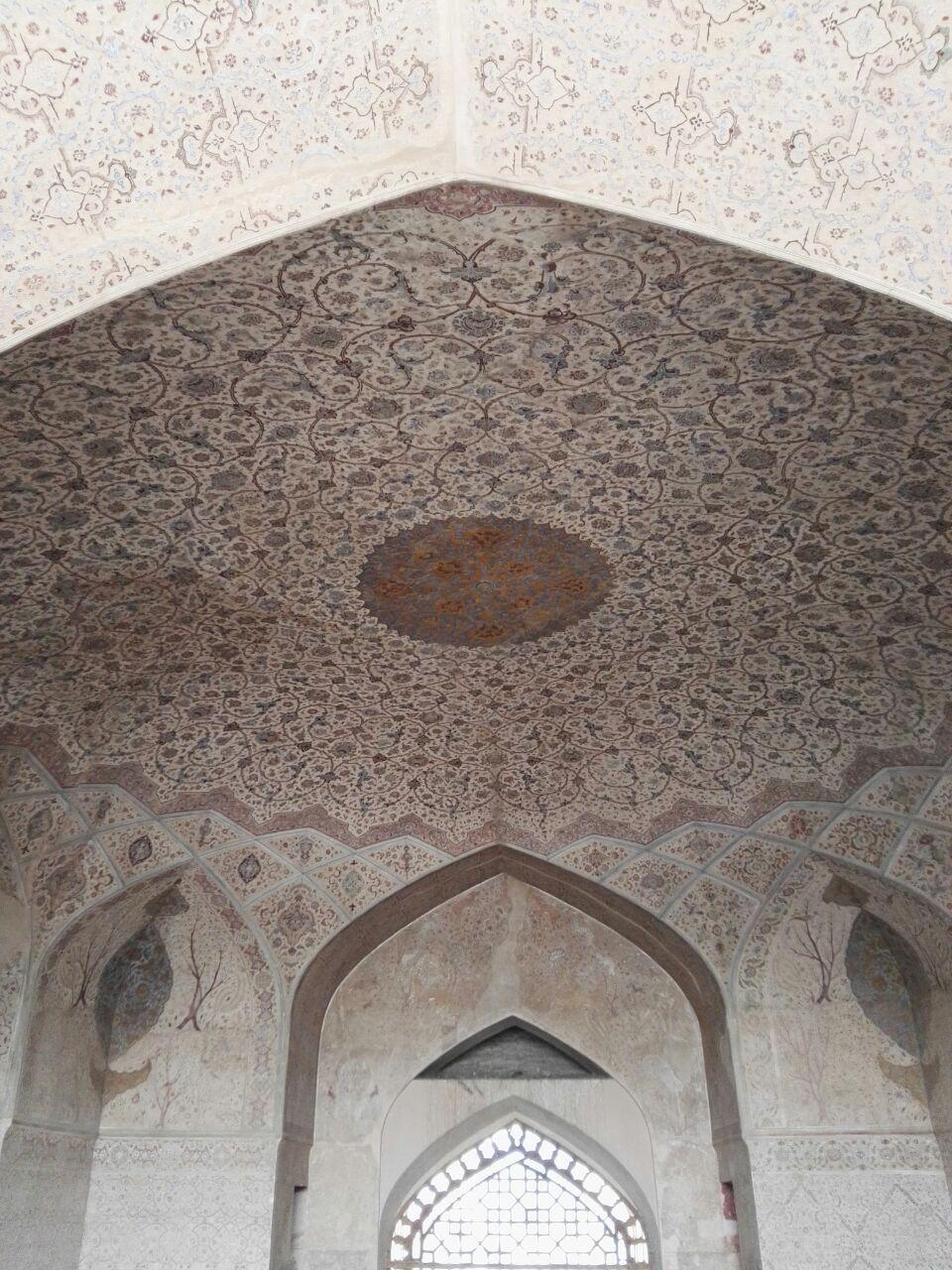
The preservation of the building has involved the conservation of its terrace, its music room, its paintings, and its other treasures, protecting them for future generations. The palace has suffered damage over the centuries, and the work of restoration and conservation has sought to preserve and, where possible, to recover its former beauty.
As a preserved monument, Ali Qapu allows visitors to experience the beauty and the ingenuity of the Safavid age. Its careful maintenance ensures that its treasures, from the lofty terrace to the delicate niches of the music room, are protected and can be admired by visitors from around the world.
Through its preservation as part of the great square of Isfahan, Ali Qapu has been secured as one of the great cultural treasures of Iran and of the world. Its terrace, halls, and music room stand as a testament to the brilliant art and ingenuity of the Safavid golden age, preserved in the heart of Isfahan for the admiration of all who come to see it.
The inclusion of Ali Qapu within the protected ensemble of the great square has helped ensure that it is preserved not in isolation but as part of one of the world’s great urban compositions. Its conservation is bound up with that of the mosques and the other monuments of the square, so that the whole magnificent ensemble is cared for together as a single heritage of world importance.
Visiting Ali Qapu Today
Today Ali Qapu is one of the most important and beloved monuments of Isfahan, drawing visitors from around the world to admire its terrace, its music room, and its magnificent view over the great square. Set on the western side of the square, it forms an essential part of any visit to Isfahan and its many treasures.
View the exact location on Google Maps
A visit leads up through the several levels of the building, through its painted halls to the famous music room with its dazzling niches, and out onto the lofty terrace with its commanding view over the great square. The combination of architecture, decoration, and view offers a rich experience of the beauty and ingenuity of the Safavid age.
The terrace is a highlight of any visit, offering one of the finest views in Isfahan, over the great square and the monuments that surround it. Taking time to enjoy this magnificent prospect, as the Safavid kings once did, is one of the great pleasures of a visit to the palace.
Whether you come for the terrace, the music room, the paintings, or the view over the great square, Ali Qapu offers an unforgettable experience. It is one of the great treasures of Isfahan and of Iran, a masterpiece of the Safavid golden age, and a place where the beauty, the ingenuity, and the splendor of the Persian court are preserved on the great square of the city.
Isfahan as a whole is often counted among the most beautiful cities in the world, and Ali Qapu is best experienced as one part of the extraordinary ensemble of the great square. Seen together with the mosques, the bazaar, and the other monuments that frame the space, the palace takes its place within one of the supreme achievements of Persian civilization.
Palaces Nearby
Ali Qapu is one of the great royal residences of Iran and the Safavid world. To trace the varied splendor of the Persian courts, these nearby palaces make natural companions to a visit here.
You May Like
The Ark of Bukhara: The Fortress Heart of a Silk Road Emirate