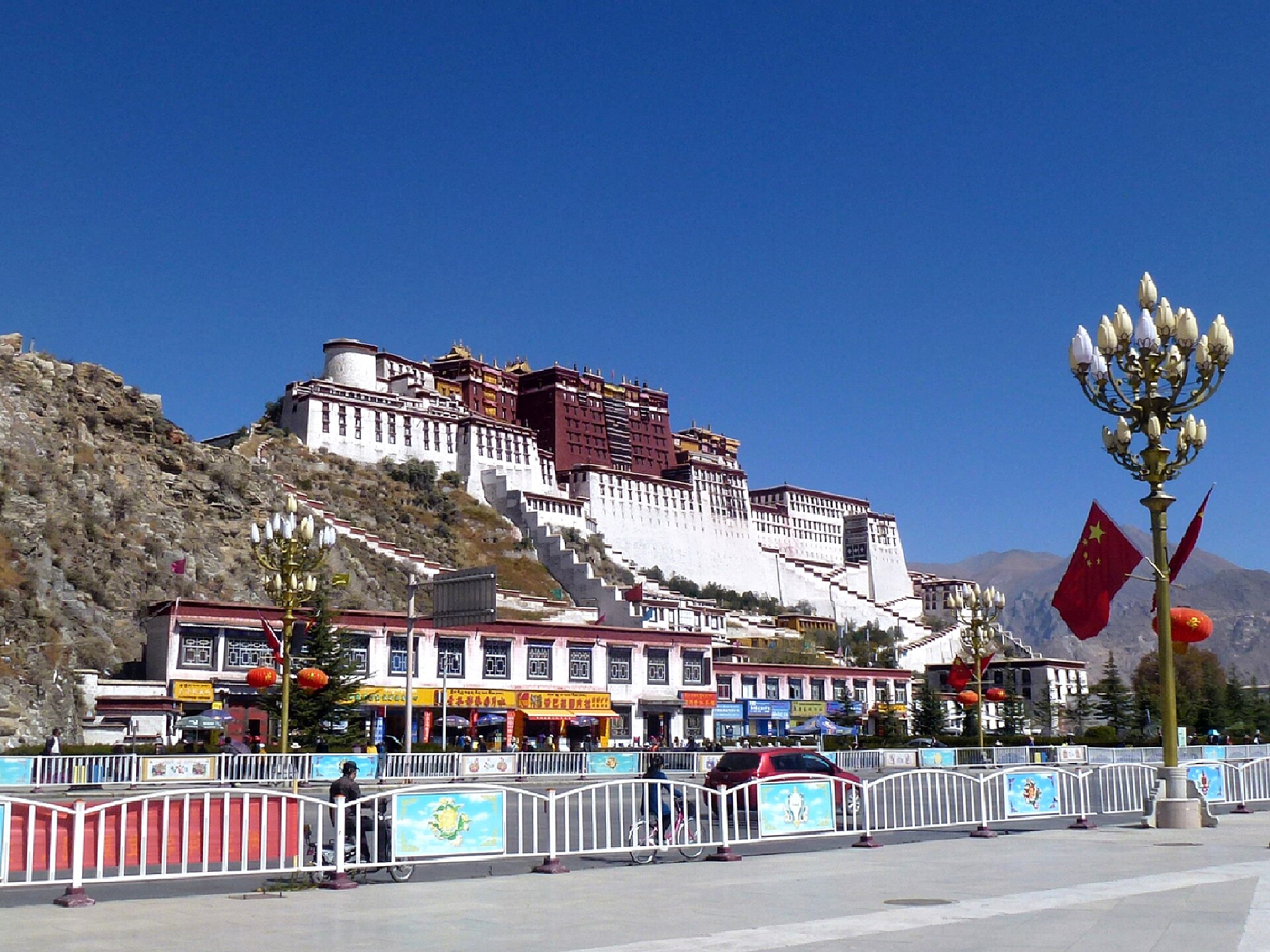
High on the Tibetan plateau, rising on a hill above the city of Lhasa, stands one of the most extraordinary buildings in the world. The Potala Palace, a vast fortress-like structure of whitewashed and crimson walls climbing the slope of a great rock, was for centuries the residence of the Dalai Lamas and the heart of Tibetan Buddhism and government. Set against the mountains and the deep blue sky of the high plateau, it is one of the most awe-inspiring sights on earth.
The Potala Palace was the seat of the spiritual and temporal leaders of Tibet, a place that combined the functions of a palace, a monastery, a fortress, and a shrine. Rising in tiers up the hillside, it contains hundreds of rooms, chapels, and halls, adorned with murals, statues, and treasures, and it served as the residence of the Dalai Lamas, the center of the government, and one of the holiest places in the Tibetan Buddhist world.
What makes the Potala so extraordinary is not only its scale and its dramatic setting but its profound significance as a center of religion and culture. For the Tibetan people, it was the sacred heart of their world, a place of pilgrimage and devotion as well as of government, and its halls and chapels preserve the art, the treasures, and the spiritual traditions of Tibetan Buddhism across the centuries.
In this article you will explore the Potala Palace from its origins and its role as the seat of the Dalai Lamas to its great white and red palaces, through its distinctive architecture and its sacred interiors to its significance and its life today. Along the way you will discover the spiritual and cultural world of Tibet and understand why this palace on the roof of the world remains one of the great treasures of humanity.

In This Article
- A Palace on the Roof of the World
- The Seat of the Dalai Lamas
- Origins and Rebuilding
- The Red Palace
- The White Palace
- The Sacred Hill
- The Tibetan Style
- Chapels, Murals, and Treasures
- The Golden Tombs
- The Seat of Government
- A Place of Pilgrimage
- A World Heritage Treasure
- Visiting the Potala Palace Today
A Palace on the Roof of the World
The Potala Palace rises on a hill above the city of Lhasa, on the high plateau of Tibet, a vast structure climbing the slope in tiers of whitewashed and crimson walls crowned by golden roofs. Its dramatic position, high above the city and set against the mountains, makes it one of the most awe-inspiring buildings in the world.
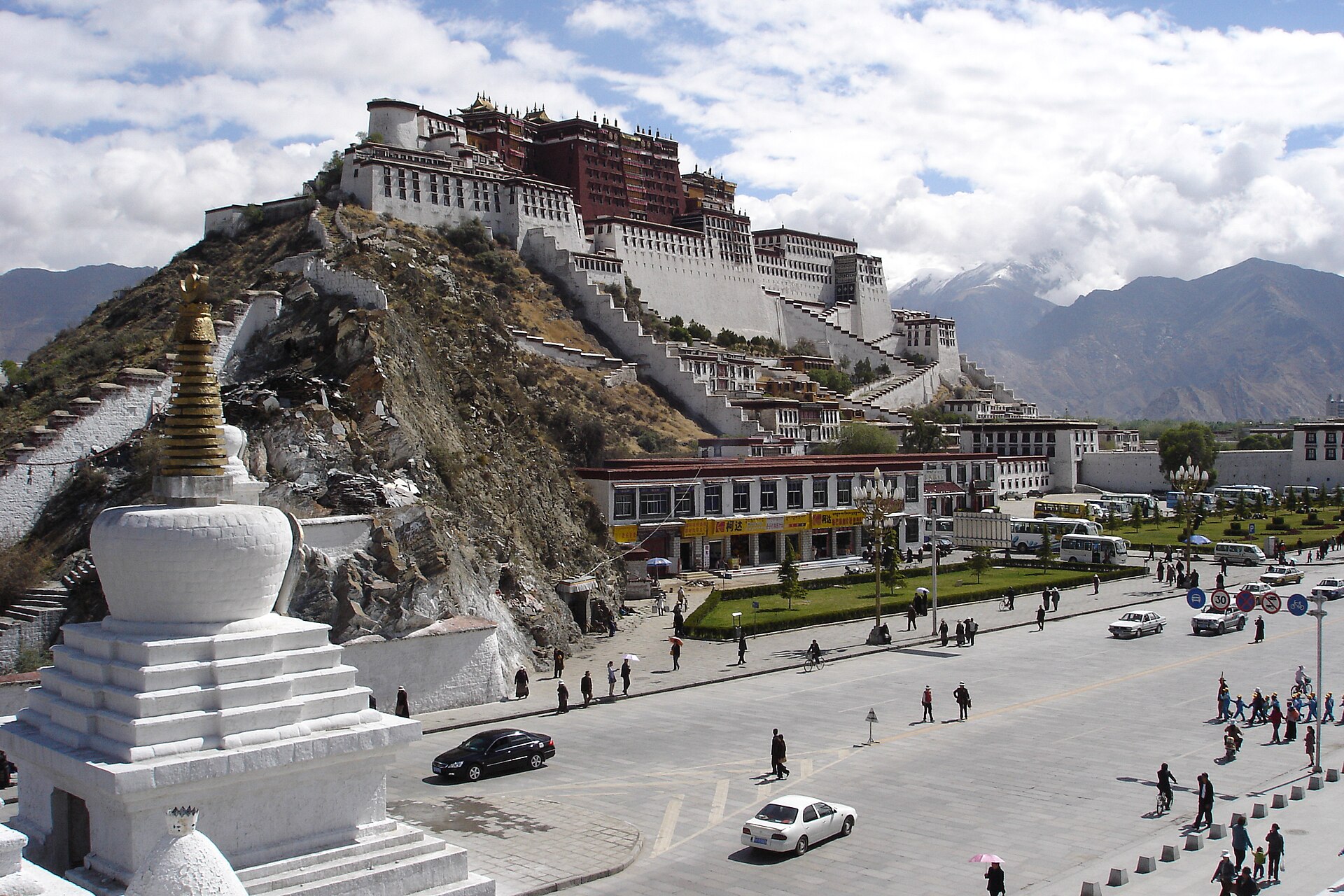
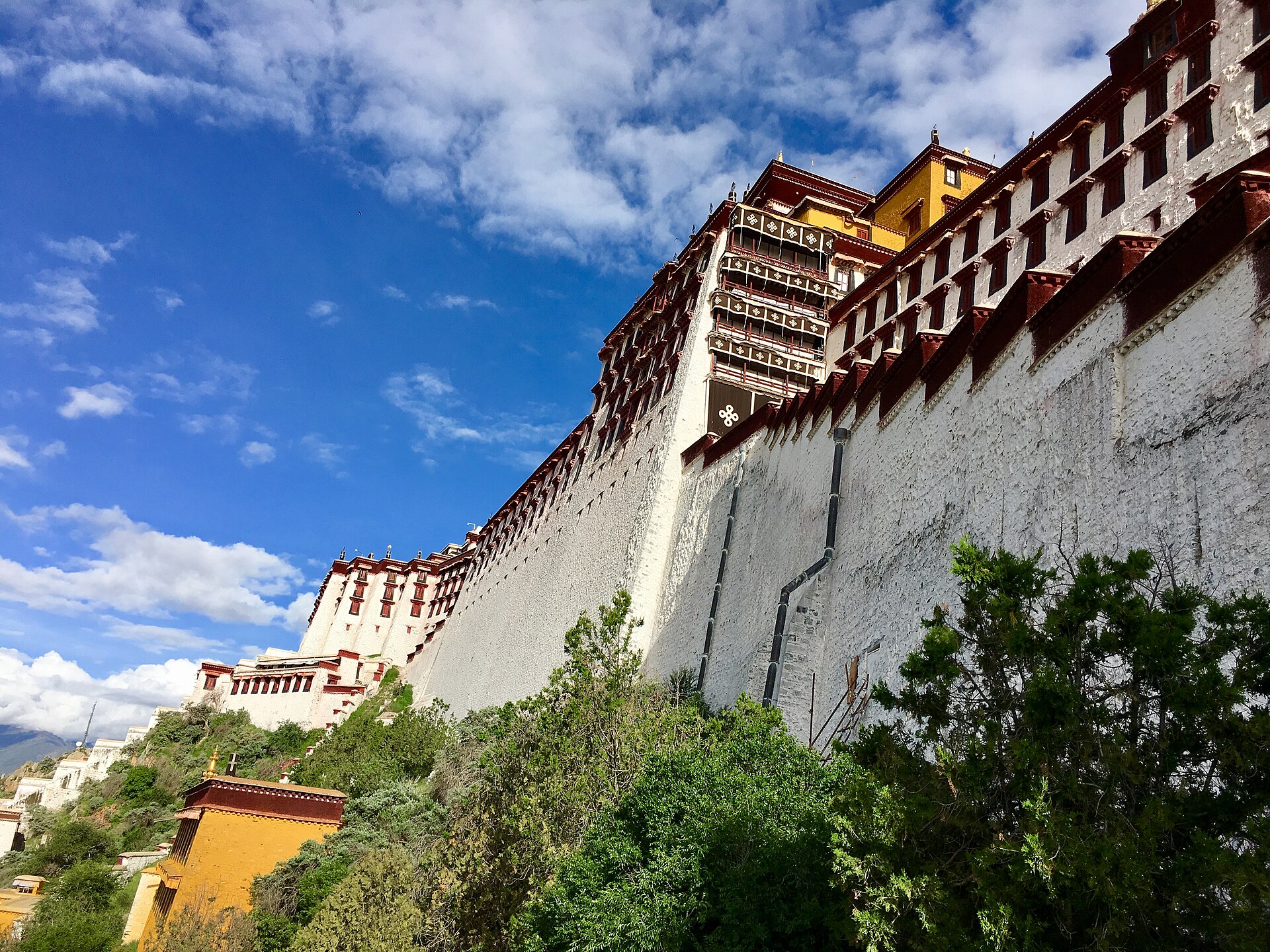
The palace is enormous, containing hundreds of rooms, chapels, halls, and other spaces, spread through a structure that climbs the hillside in many storeys. Its walls, sloping inward as they rise, give it a fortress-like solidity, while its whitewashed and crimson surfaces and golden roofs give it a striking and unforgettable appearance.
The Potala combined many functions in a single vast complex, serving as a palace, a monastery, a fortress, and a shrine. It was the residence of the Dalai Lamas, the seat of the Tibetan government, a great center of Buddhist worship and learning, and a place of pilgrimage, and its architecture reflects this combination of roles.
Set on the roof of the world, high on the Tibetan plateau, the Potala Palace is one of the most extraordinary and significant buildings on earth. Its scale, its dramatic setting, and its profound religious and cultural significance make it one of the great treasures of humanity, a monument to the spiritual and cultural world of Tibet.
The sheer altitude of the setting adds to the sense of wonder, for the palace stands higher above the sea than almost any other great building on earth. The thin, brilliant air of the plateau, the intensity of the light, and the vastness of the surrounding landscape all heighten the effect, so that the Potala seems to belong as much to the sky as to the ground.
The Seat of the Dalai Lamas
The Potala Palace was the residence of the Dalai Lamas, the spiritual leaders who were also, for centuries, the temporal rulers of Tibet. As the seat of these leaders, the palace was the center of both the religion and the government of Tibet, combining spiritual and political authority in a single sacred place.
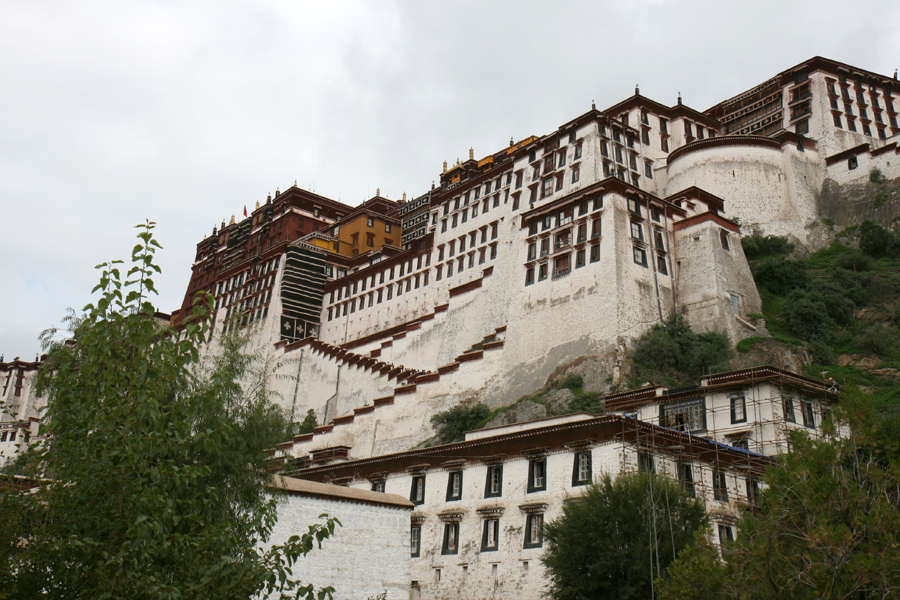
The Dalai Lamas were regarded as the spiritual leaders of Tibetan Buddhism and, for much of Tibetan history, as the rulers of the country as well. The Potala was their residence and the seat of their authority, the place from which they exercised their spiritual and temporal roles, and it was the heart of the Tibetan Buddhist world.
As the seat of the Dalai Lamas, the palace was the center of the religious and political life of Tibet. It housed the government, the religious institutions, and the residence of the leader, and it was the focus of the devotion of the Tibetan people, who revered the Dalai Lamas and the palace that was their home.
The association of the Potala with the Dalai Lamas gives it its central significance in the history and the religion of Tibet. As the residence of these leaders and the seat of their authority, the palace was the heart of the Tibetan world, and it remains one of the most important and sacred places in Tibetan Buddhism.
The name Potala itself carries deep meaning, for it refers to a sacred mountain associated in Buddhist tradition with the bodhisattva of compassion, of whom the Dalai Lamas are regarded as manifestations. In naming the palace after this holy mountain, its builders proclaimed its character as a sacred abode, the earthly seat of a line of leaders believed to embody compassion itself.
Origins and Rebuilding
The history of the Potala Palace reaches back many centuries, to the early period of Tibetan history when a great king is said to have built a palace on the hill. This early structure, associated with the founding of the Tibetan state and the introduction of Buddhism, laid the foundation for the sacred significance of the site.
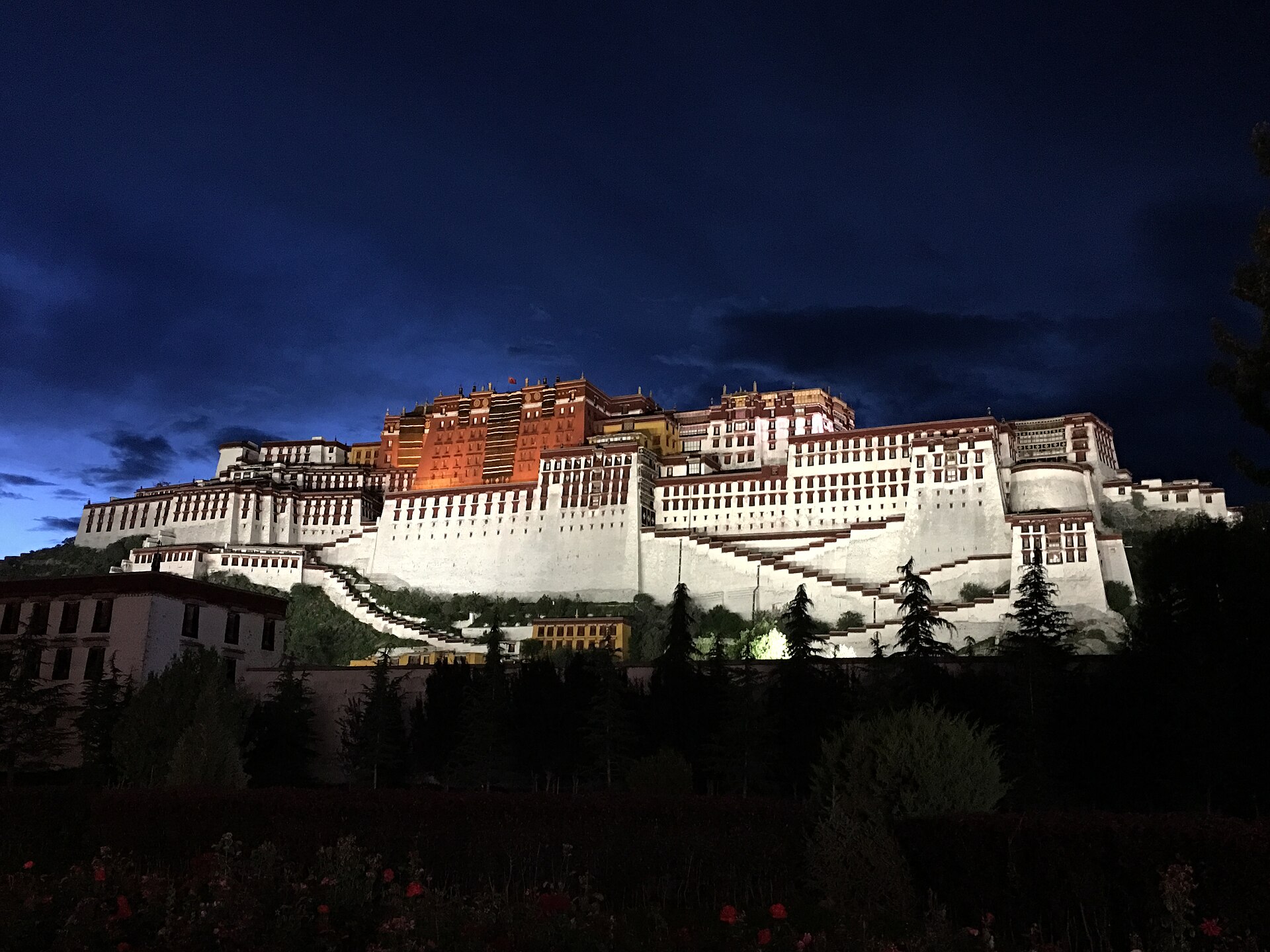
The palace as it survives today, however, was built in a great effort of construction in the seventeenth century, under the direction of one of the most important of the Dalai Lamas. This ruler united Tibet and established the authority of the Dalai Lamas, and the building of the great palace was part of the consolidation of his rule and the assertion of his spiritual and temporal power.
The construction of the vast palace was an enormous undertaking, requiring immense labor and resources, and it produced one of the largest and most impressive buildings in the world. The palace was built in stages, with the white palace and the red palace constructed to serve the different functions of the residence and the religious life of the complex.
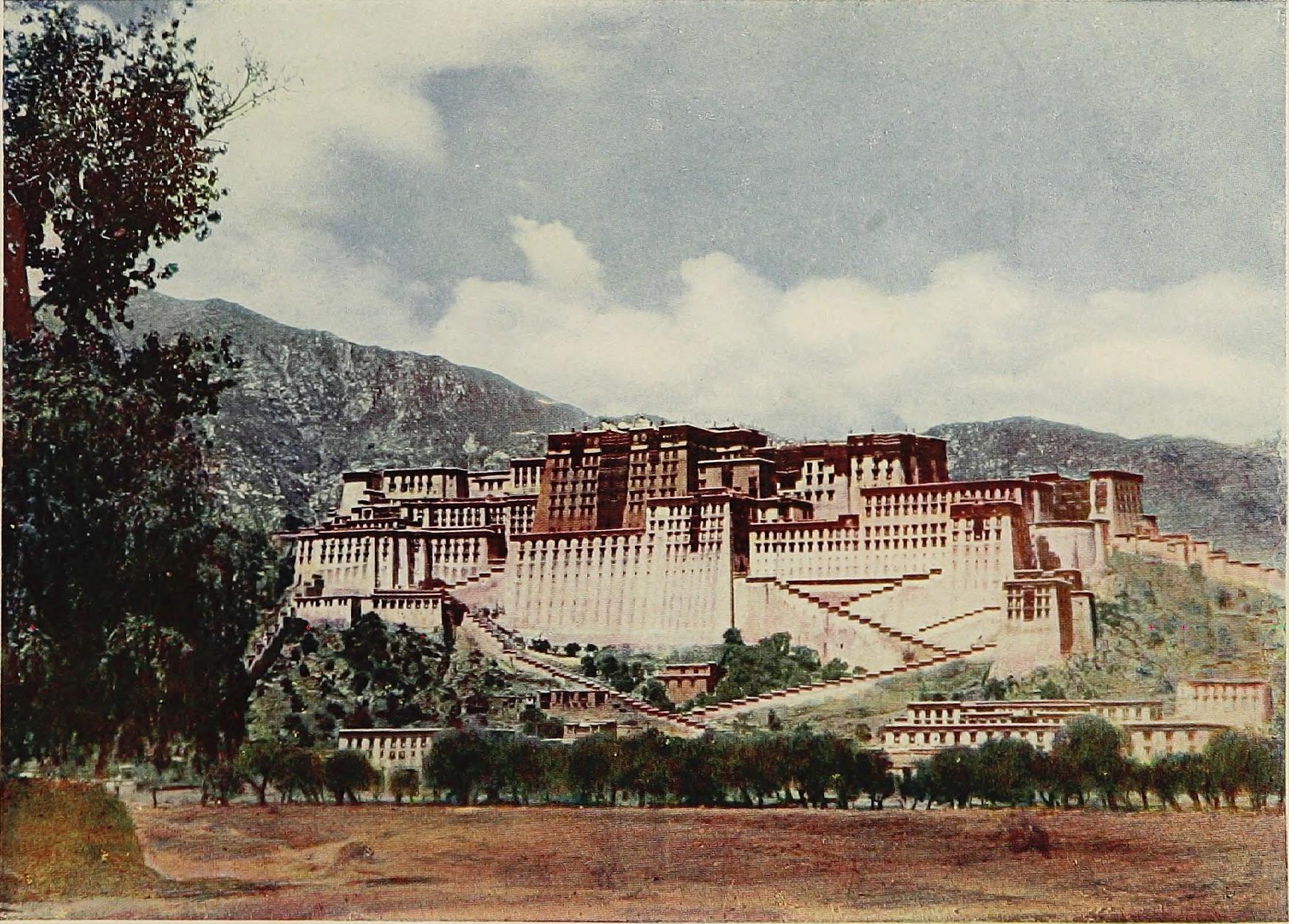
The rebuilding of the Potala in the seventeenth century created the great palace that survives today, the seat of the Dalai Lamas and the heart of Tibet. Rising on the ancient sacred hill, it combined the memory of the early origins of the site with the grandeur of the new construction, and it became the supreme monument of the Tibetan Buddhist world.
The seventeenth-century construction was one of the great building projects in the history of the plateau, drawing on the labor of many thousands and the resources of the whole country. That so vast a structure could be raised on such a site, at such an altitude, with the technology of the time, is a testament to the devotion and determination of those who built it.
The Red Palace
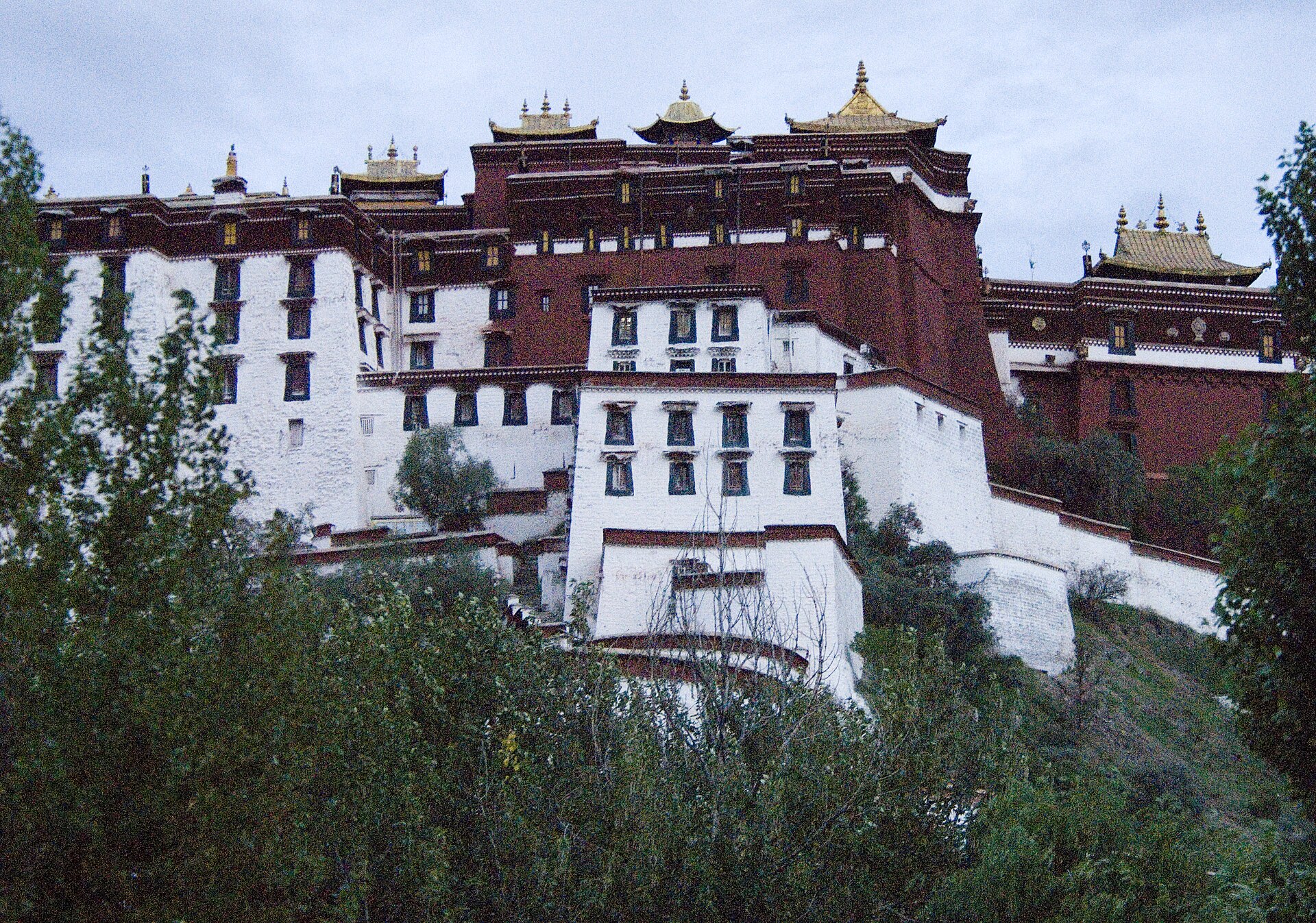
The central and highest part of the Potala is the Red Palace, named for the crimson color of its walls, which is devoted to religious functions and worship. This part of the palace contains the great chapels, halls, and shrines of the complex, as well as the tombs of the Dalai Lamas, and it is the spiritual heart of the Potala.

The Red Palace is filled with chapels and halls adorned with murals, statues, and treasures, reflecting the rich religious life of the palace. Here were conducted the ceremonies and the worship of Tibetan Buddhism, and here are preserved the sacred images, the scriptures, and the other treasures of the faith, making the Red Palace a great center of religious art and devotion.
Among the most important features of the Red Palace are the great funerary tombs of the Dalai Lamas, elaborate structures of gold and jewels that hold the remains of these leaders. These magnificent tombs, some of enormous size and richness, are among the most sacred and treasured features of the palace, honoring the memory of the Dalai Lamas.
The Red Palace is the religious and spiritual center of the Potala, filled with the chapels, treasures, and tombs that make it one of the holiest places in Tibetan Buddhism. Its crimson walls, rising at the heart of the complex, mark it as the sacred core of the palace, and it remains a place of profound significance and devotion.
The interiors of the Red Palace can be dim and mysterious, lit by the soft glow of butter lamps and heavy with the scent of incense, and this atmosphere is inseparable from their meaning. To move through these chapels is to enter a world apart, where the accumulated devotion of centuries seems to hang in the air, and where the treasures gleam out of the shadows like visions.
The White Palace
Flanking the Red Palace are the whitewashed walls of the White Palace, named for their color, which housed the secular functions of the complex, including the living quarters of the Dalai Lamas and the offices of the government. This part of the palace was the residence and the seat of the temporal power of the Dalai Lamas.

The White Palace contained the private apartments of the Dalai Lamas, where they lived, as well as the offices and halls of the Tibetan government. It was the center of the secular life of the palace, the place where the Dalai Lamas resided and where the business of governing Tibet was conducted.
The rooms of the White Palace, including the private apartments of the leaders and the great halls of government, were richly decorated in the Tibetan style, with murals, hangings, and fine furnishings. These spaces reflected the dignity of the residence and the seat of government, and they were the setting for the daily life and the rule of the Dalai Lamas.
The White Palace, with its whitewashed walls flanking the crimson core of the Red Palace, housed the residence and the government of Tibet. Together, the white and red palaces combined the secular and the sacred, the residence and the shrine, the government and the religion, in the single vast complex of the Potala, the heart of the Tibetan world.
From the roofs and upper terraces of the White Palace, the Dalai Lamas could look out over the whole of Lhasa and the valley beyond, a view that joined the spiritual authority of the palace to a commanding vantage over the temporal world. This union of the contemplative and the commanding is written into the very fabric of the building.
The Sacred Hill
The Potala Palace is built on a hill that rises above the city of Lhasa, a site of great sacred and strategic significance. The hill, associated with the early history of Tibet and with the deities of Tibetan Buddhism, provided a dramatic and commanding position for the palace, high above the city and the surrounding plain.

The choice of the hill for the palace reflected both its sacred significance and its commanding position. Rising above Lhasa, the site allowed the palace to dominate the city and the surrounding landscape, and its association with the early history of Tibet and with the sacred traditions of Buddhism gave it a profound religious meaning.
The palace was built to climb the slope of the hill, rising in tiers up the rock, so that the structure and the hill seem to merge into a single dramatic form. This integration of the building with the hill gives the Potala its extraordinary appearance, a palace that seems to grow from the sacred rock on which it stands.
The sacred hill, crowned by the great palace, dominates Lhasa and the surrounding landscape, a symbol of the spiritual and temporal power of the Dalai Lamas. Rising high on the roof of the world, the Potala on its hill is one of the most dramatic and awe-inspiring sights on earth, a fitting seat for the heart of the Tibetan Buddhist world.
There is a long tradition that a cave within the hill, associated with the meditations of an early Tibetan king, lies preserved deep inside the palace, linking the present structure to the most ancient layers of the site’s sacred history. Such traditions give the hill a significance that reaches back long before the great palace, into the very origins of Tibetan Buddhism.
The Tibetan Style
The architecture of the Potala Palace is a magnificent example of the Tibetan style, marked by its massive walls, sloping inward as they rise, its whitewashed and crimson surfaces, and its golden roofs. This distinctive architecture, adapted to the high plateau and expressing the traditions of Tibetan Buddhism, gives the palace its unforgettable appearance.
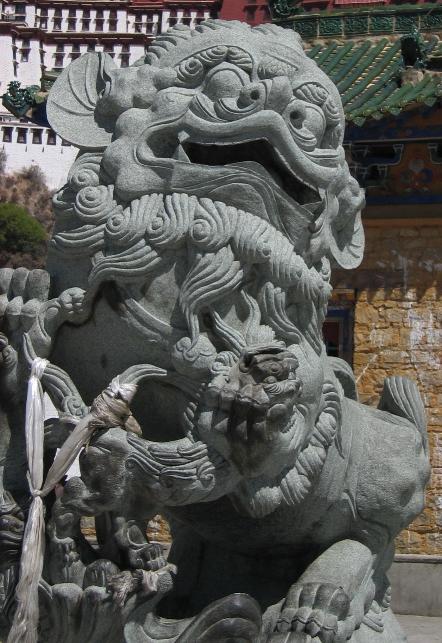
The walls of the palace, built of stone and earth, slope inward as they rise, giving the structure a fortress-like solidity and stability suited to its dramatic setting. The whitewashed walls of the White Palace and the crimson walls of the Red Palace, crowned by golden roofs and ornaments, create the striking color scheme that marks the Potala.
The palace combines the functions of a fortress, a monastery, and a residence in its architecture, its massive walls providing defense while its interiors house the chapels, halls, and apartments of the complex. The golden roofs and ornaments that crown the palace reflect the wealth and the religious significance of the Potala.
The Tibetan architecture of the Potala, with its sloping walls, its white and crimson surfaces, and its golden roofs, is one of the great achievements of the building tradition of the plateau. Adapted to the high and dramatic setting, and expressing the traditions of Tibetan Buddhism, it gives the palace its extraordinary and unforgettable character.
The inward slope of the walls is not merely aesthetic but structural, giving the enormous building the stability to stand for centuries on its exposed hilltop through the harsh weather of the plateau. This marriage of practical necessity and monumental beauty is characteristic of Tibetan architecture, which turned the demands of a difficult environment into a distinctive and powerful style.
Chapels, Murals, and Treasures
The interiors of the Potala Palace are filled with the treasures of Tibetan Buddhist art, from murals and statues to sacred images, scriptures, and objects of gold and jewels. The chapels and halls of the palace, richly decorated and filled with treasures, are among the great repositories of the religious art of Tibet.
The walls of the chapels and halls are covered with murals depicting the deities, the teachers, and the stories of Tibetan Buddhism, painted in rich colors and intricate detail. These murals, together with the statues and images of the deities, create interiors of great beauty and profound religious meaning, immersing the visitor in the sacred world of the faith.
The palace holds an immense collection of treasures, including sacred images, scriptures, ritual objects, and works of art accumulated over the centuries. Objects of gold, silver, and jewels, fine statues, and precious manuscripts fill the chapels and halls, making the Potala a treasure house of the religious art and the sacred heritage of Tibet.
The interiors of the Potala, with their murals, statues, and treasures, are among the great glories of the palace and of Tibetan Buddhist art. They preserve the religious traditions, the artistic achievements, and the sacred heritage of Tibet, and they make the palace not only a monument of architecture but a treasure house of the faith and the culture of the plateau.
The Golden Tombs
Among the most sacred and magnificent features of the Potala are the great funerary tombs of the Dalai Lamas, elaborate structures of gold and jewels that hold the remains of these leaders. These tombs, some of enormous size and richness, are among the most treasured and revered features of the palace.

The tombs take the form of great memorial structures, covered in gold and adorned with countless jewels, rising within the chapels of the Red Palace. The largest of them are of extraordinary size and richness, requiring immense quantities of gold and precious stones, and they honor the memory of the Dalai Lamas with the greatest magnificence.
These tombs are objects of profound veneration, holding the remains of the spiritual leaders of Tibet and serving as focuses of devotion and pilgrimage. Their magnificence reflects the reverence in which the Dalai Lamas were held, and they are among the most sacred and important features of the palace and of Tibetan Buddhism.
The golden tombs of the Dalai Lamas are among the great treasures of the Potala, magnificent structures that honor the memory of the leaders of Tibet. Rising within the sacred chapels of the Red Palace, covered in gold and jewels, they are objects of profound veneration and among the most treasured features of the palace and the faith.
The quantities of gold and precious stones lavished on the greatest of these tombs are almost beyond imagining, reflecting the boundless reverence in which the Dalai Lamas were held. To the Tibetan faithful, these were not merely monuments but sacred objects of the highest order, and the pilgrims who came before them did so with the deepest devotion.
The Seat of Government
For centuries, the Potala Palace was the seat of the government of Tibet, the place from which the Dalai Lamas and their officials ruled the country. Combining spiritual and temporal authority, the palace was the center of the political as well as the religious life of Tibet, the heart of the government of the plateau.

The White Palace housed the offices and halls of the government, where the officials conducted the business of ruling Tibet and where the Dalai Lamas exercised their temporal authority. The palace was thus not only a religious center but the seat of the state, combining the functions of a government and a shrine.
The combination of spiritual and temporal power in the Potala reflected the distinctive character of the Tibetan state, in which the Dalai Lamas were both the religious leaders and the rulers of the country. The palace embodied this union of authority, serving as the seat of both the religion and the government of Tibet.
The role of the Potala as the seat of government continued for centuries, until the middle of the twentieth century, when great changes came to Tibet. Throughout this long history, the palace was the center of the government of the plateau, and its halls witnessed the exercise of both the spiritual and the temporal authority of the Dalai Lamas.
The daily life of the palace was governed by an elaborate round of ritual, ceremony, and administration, in which the spiritual and the political were woven together at every turn. In few places on earth were religion and government so completely united, and the Potala stands as the supreme monument to this distinctive Tibetan fusion of the sacred and the secular.
A Place of Pilgrimage
The Potala Palace was, and remains, a great place of pilgrimage, drawing devout Tibetan Buddhists from across the plateau and beyond to worship at its sacred chapels and to venerate the tombs of the Dalai Lamas. As one of the holiest places in Tibetan Buddhism, it was a focus of the devotion of the Tibetan people.
Pilgrims came to the Potala to worship at its chapels, to venerate the sacred images and the tombs of the Dalai Lamas, and to seek blessings and merit. The palace was a center of the religious life of Tibet, a place where the faithful gathered to express their devotion and to participate in the sacred traditions of the faith.
The pilgrimage to the Potala reflected the profound significance of the palace in the religious life of Tibet. As the residence of the Dalai Lamas and one of the holiest places in the Tibetan Buddhist world, it was a focus of devotion, and the pilgrims who came to worship there expressed the deep faith of the Tibetan people.
The role of the Potala as a place of pilgrimage continues to this day, as devout Buddhists come to worship at its sacred chapels and to venerate its treasures. This continuing devotion reflects the enduring significance of the palace in the religious life of Tibet, and it makes the Potala not only a historic monument but a living center of the faith.
A World Heritage Treasure
In recognition of its outstanding importance, the Potala Palace has been designated a site of world heritage, acknowledged as a masterpiece of Tibetan architecture and a monument of great religious and cultural significance. This recognition reflects the extraordinary value of the palace as the sacred heart of the Tibetan Buddhist world.
The palace is celebrated as an outstanding example of Tibetan architecture and religious art, and as a symbol of the spiritual and cultural traditions of Tibet. Its combination of palace, monastery, fortress, and shrine, and its wealth of religious art and treasures, make it a monument of unique importance.
The preservation of the palace is a matter of great importance, protecting this masterpiece of architecture and this treasure house of religious art for future generations. The careful conservation of the buildings, the murals, the statues, and the tombs ensures the survival of the palace and its sacred heritage.
Through its recognition as a world heritage site, the Potala Palace has been secured as one of the great cultural treasures of the world. Its white and red palaces, its chapels and tombs, its murals and treasures, stand as a testament to the spiritual and cultural world of Tibet, preserved on the roof of the world for the admiration of all humanity.
Visiting the Potala Palace Today
Today the Potala Palace is one of the most extraordinary and awe-inspiring sights in the world, drawing visitors from across the globe to marvel at its architecture, its setting, and its treasures. Rising above Lhasa on the high plateau of Tibet, it offers an unforgettable encounter with the spiritual and cultural world of the plateau.
View the exact location on Google Maps
A visit leads up the hill to the palace and through its white and red sections, past the chapels, halls, and apartments, the murals and statues, and the magnificent tombs of the Dalai Lamas. The scale of the palace and the richness of its treasures reward the effort of the climb, offering a profound experience of Tibetan art and religion.
The high altitude of Lhasa and the palace requires visitors to take care and to acclimatize, and the climb up the hill can be demanding. Yet the experience of the palace, its architecture, its treasures, and its dramatic setting, is unlike any other, and it rewards the traveler who makes the journey to the roof of the world.
Whether you come for the architecture, the treasures, the religious significance, or the sheer wonder of its setting, the Potala Palace offers an experience of rare power. It is the sacred heart of Tibet, a masterpiece of architecture and religious art, and a place where the spiritual and cultural world of the plateau is preserved high on the roof of the world.
Because of the palace’s fragility and its sacred character, visits are now carefully regulated, with limits on numbers and time to protect the ancient structure and its treasures. This care reflects an understanding of just how precious and vulnerable the Potala is, a monument whose preservation matters not only to Tibet but to the whole world.
Palaces Nearby
The Potala Palace is one of the great palaces of Asia and a sacred heart of the Buddhist world. More palaces of the region will join it here soon, to trace the varied splendor of the courts and faiths of Asia.
You May Like
The Palaces of Orchha: A Bundela Capital on the Betwa


One thought on “The Potala Palace of Lhasa: The Sacred Heart of Tibet on the Roof of the World”