In the northeastern city of Shenyang, far from the great capital of Beijing, stands a palace that holds a special place in the history of China. The Mukden Palace, also known as the Shenyang Imperial Palace, was the original seat of the Manchu rulers who would go on to conquer China and found its last great dynasty. Built before their conquest of Beijing, it is the palace where the dynasty began, and it preserves a distinctive character quite unlike the grander imperial palace of the capital.
The Mukden Palace was created by the founders of the Manchu state in the early seventeenth century, before they crossed the Great Wall and took the Chinese throne. It served as their royal residence and the seat of their government in their homeland, and its architecture reflects the distinctive culture of the Manchus, blending their own traditions with those of the Chinese, the Mongols, and others. It is a palace of fascinating originality, standing at the very origin of the dynasty.
After the Manchus conquered China and moved their capital to Beijing, the Mukden Palace remained a place of great significance, honored as the ancestral seat of the dynasty and visited by the emperors on their journeys to the homeland. It preserved the memory of the origins of the dynasty, and it survives today as one of only two surviving imperial palace complexes of the last dynasty, alongside the Forbidden City itself.
In this article you will explore the Mukden Palace from the Manchu founders who built it to its distinctive halls and pavilions, through its unique architecture to its later history and its life today. Along the way you will discover the origins of the last dynasty of China and understand why this palace in Shenyang, where the dynasty began, remains one of the great treasures of the nation.

In This Article
- The Palace Where a Dynasty Began
- The Rise of the Manchus
- The Founders of the Dynasty
- The Hall of Great Affairs
- The Banner Pavilions
- The Eight Banners
- The Oldest Section
- Halls and Residences
- The Phoenix Tower
- The Ancestral Seat
- A Fusion of Cultures
- A World Heritage Treasure
- Visiting the Mukden Palace Today
The Palace Where a Dynasty Began
The Mukden Palace stands in the heart of the old city of Shenyang, a complex of halls, pavilions, and courtyards that served as the seat of the Manchu rulers before their conquest of China. Smaller than the great imperial palace of Beijing but rich in history and character, it is one of the most important historic sites in the northeast of the country.
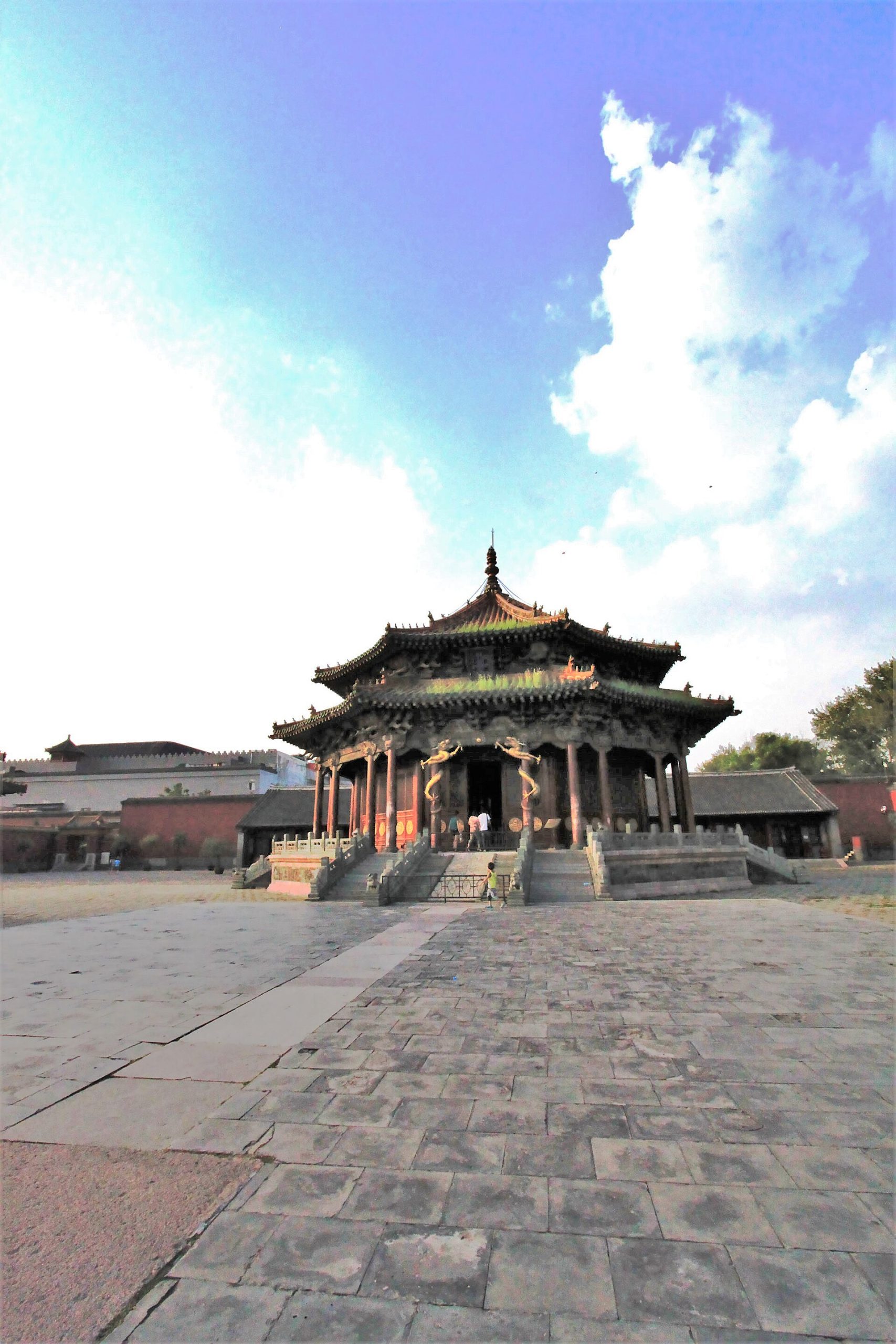
The palace is composed of several sections, built at different times and in different styles, containing throne halls, residential quarters, pavilions, and other structures. These are arranged in a series of courtyards, and together they form a complex that reflects the origins and the distinctive culture of the Manchu rulers who created it.
Unlike the grander and more uniform imperial palace of Beijing, the Mukden Palace has a more varied and distinctive character, reflecting the blend of cultures from which the Manchu state emerged. Its buildings combine Manchu, Chinese, Mongol, and other influences, creating an architecture of great originality and interest.
As the palace where the last dynasty of China began, the Mukden Palace holds a special place in the history of the nation. It preserves the memory of the origins of the dynasty, before its conquest of China, and it survives as a rare and precious monument, one of only two surviving imperial palaces of the dynasty, a treasure of the northeast.
For visitors who have already seen the vast Forbidden City, the Mukden Palace offers a fascinating counterpoint, smaller and more intimate but in some ways more revealing. Here one sees the dynasty before it clothed itself fully in Chinese imperial grandeur, still close to its northern, tribal roots, and that earlier and rawer character gives the palace a distinctive fascination all its own.
The Rise of the Manchus
The Mukden Palace was created by the Manchus, a people of the northeast who rose to power in the early seventeenth century and would go on to conquer China and found its last imperial dynasty. Before their conquest of the Chinese throne, the Manchus built their own state in their homeland, and the palace at Shenyang was its royal seat.
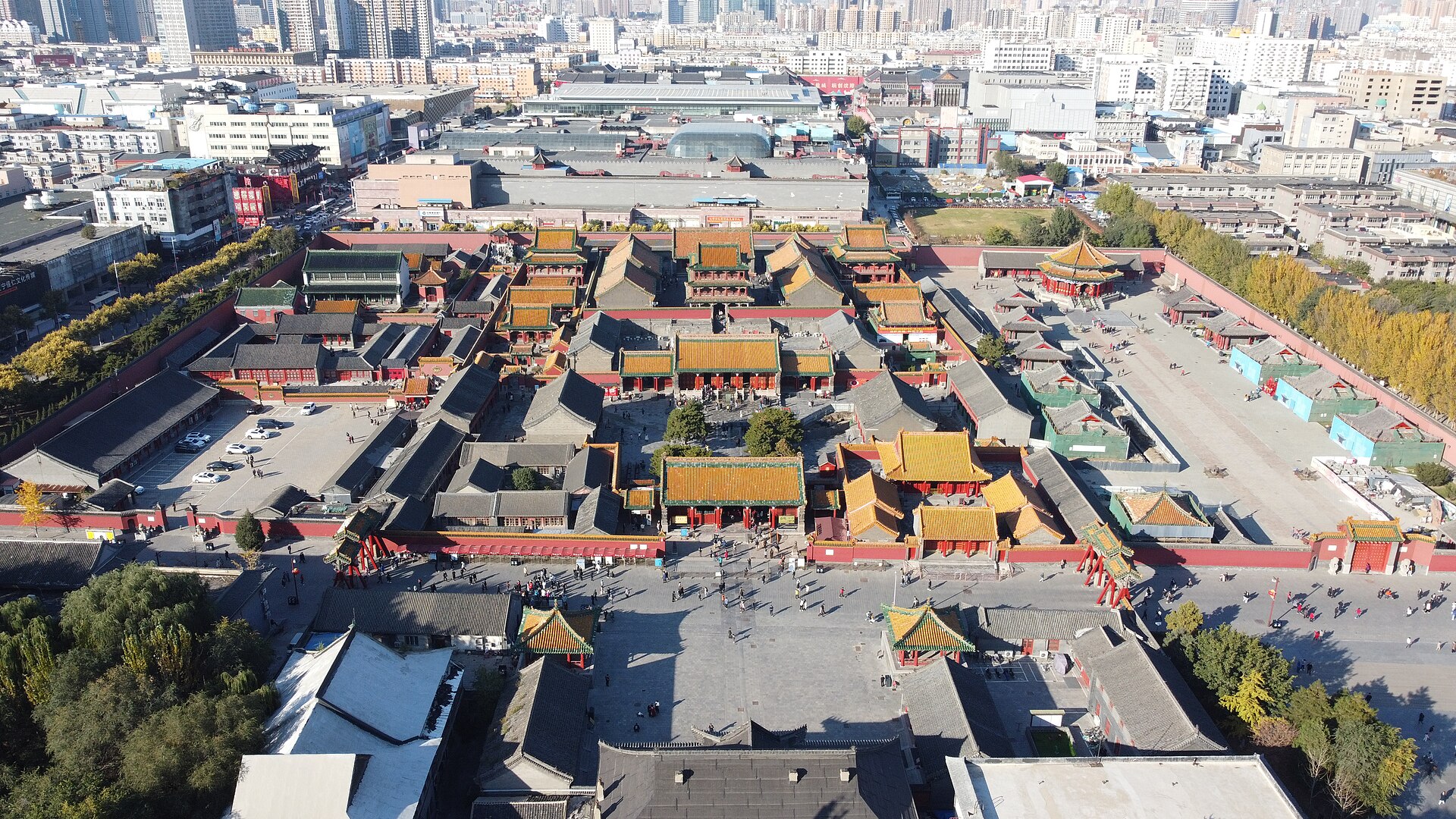
The Manchus emerged as a powerful force under leaders who united the tribes of the region and built a formidable state and army. Establishing their capital at Shenyang, they created the institutions of a kingdom, including the palace that served as their royal residence and the center of their government, before they turned their ambitions toward China.
The rise of the Manchus was one of the great developments in the history of the region, leading to the conquest of China and the founding of a dynasty that would rule for centuries. The Mukden Palace was the seat from which this rise was directed, the center of the Manchu state in the years before the conquest, and it stands as a monument to the origins of the dynasty.
The distinctive culture of the Manchus, blending their own traditions with influences from the Chinese, the Mongols, and others, is reflected in the palace they built. As the seat of their state before the conquest, the Mukden Palace preserves the character of the Manchu world at the moment of its rise, and it stands as the birthplace of the last dynasty of China.
The story of how a people from the northeastern forests and plains came to rule the whole of China is one of the most remarkable in the nation’s history, and it began in this palace. To stand in its courtyards is to stand at the very source of that story, in the place where a rising power gathered its strength before the great enterprise that would make it master of an empire.
The Founders of the Dynasty
The Mukden Palace is associated with the founders of the dynasty, the leaders who built the Manchu state and laid the foundations for the conquest of China. Under these founders, the palace was built and the institutions of the state were established, in the years before the Manchus crossed into China and took the throne.

The founders united the tribes, built the army, and created the state that would conquer China, and the palace at Shenyang was the center of their power. It was here that they held court, directed their campaigns, and built the institutions of their kingdom, and the palace reflects their ambitions and their achievements.
One of the founders is particularly associated with the building of the palace and the organization of the state, and under his rule the Manchu kingdom took the form that would enable it to conquer China. The palace was the seat of his government and the setting for the development of the state, before the great enterprise of the conquest.
The association of the palace with the founders of the dynasty gives it a special significance as the birthplace of the imperial house. It was here that the dynasty was founded, in the years before the conquest of China, and the Mukden Palace stands as a monument to the founders and to the origins of one of the great dynasties in the history of the nation.
The transition from a regional power to the ruler of all China was neither quick nor certain, and for years the outcome hung in the balance. The palace at Shenyang was the base from which that great gamble was launched, and its halls witnessed the councils and decisions that would eventually place a northeastern dynasty upon the oldest throne in the world.
The Hall of Great Affairs
The most striking and important building of the Mukden Palace is its great throne hall, an unusual octagonal structure where the most important ceremonies of the Manchu state were held. This hall, distinctive in its form and rich in its decoration, is one of the most remarkable throne halls in China and the ceremonial heart of the palace.
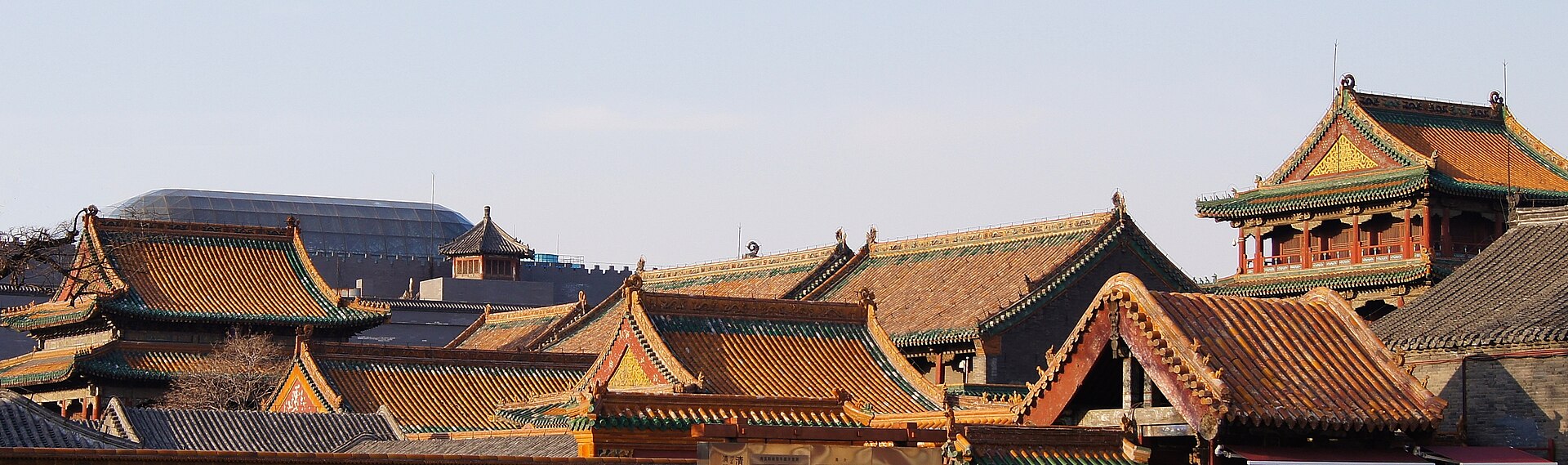
The hall is octagonal in plan, an unusual form that reflects the distinctive culture of the Manchus and their blend of influences. Crowned by a great roof and richly decorated, it stands at the head of a broad courtyard, and it was the setting for the most important ceremonies and gatherings of the Manchu state before the conquest of China.
Within the hall stood the throne, from which the ruler presided over the ceremonies and gatherings of the state. Here the great affairs of the kingdom were conducted, and here the most important occasions of the Manchu court took place, in a setting whose unusual form and rich decoration expressed the distinctive character of the dynasty at its origins.
The octagonal throne hall is the most famous and distinctive building of the Mukden Palace, a structure unlike the great throne halls of Beijing and reflecting the unique culture of the Manchus. It remains the ceremonial centerpiece of the palace, a monument to the origins of the dynasty and one of the most remarkable buildings of its kind in China.
The octagonal form of the great hall is thought to echo the shape of a tent, recalling the nomadic and tribal origins of the Manchus even as it was rendered in permanent timber and tile. In this single building, then, one can read the whole moment of transition, from a people of tents and horses toward the settled grandeur of an imperial dynasty, caught and frozen in architecture.
The Banner Pavilions
Flanking the great octagonal throne hall are a series of smaller pavilions, arranged in two rows before it, which reflect the distinctive military and political organization of the Manchu state. These pavilions, associated with the divisions of the Manchu army and administration, are one of the most unusual and interesting features of the palace.

The pavilions housed the offices of the leaders of the divisions into which the Manchu state and army were organized. Arranged before the throne hall, they reflected the structure of the Manchu government, in which the ruler presided over the leaders of these divisions, and they express the distinctive political system of the dynasty at its origins.
This arrangement, with the throne hall flanked by the pavilions of the division leaders, is unlike anything in the imperial palace of Beijing, and it reflects the particular character of the Manchu state. It embodies the military and tribal origins of the dynasty, in which the ruler governed through the leaders of the banners, the divisions of the army and the people.
The banner pavilions, together with the octagonal throne hall, form the most distinctive and important part of the Mukden Palace, reflecting the unique organization of the Manchu state. This ensemble, so different from the palaces of Beijing, preserves the character of the dynasty at its origins, and it is one of the most fascinating features of the palace.
The Eight Banners
The organization reflected in the banner pavilions was the system of the eight banners, the divisions into which the Manchus organized their army and their people. This system was the foundation of the Manchu state and the key to its military power, and it is reflected in the architecture and the arrangement of the Mukden Palace.
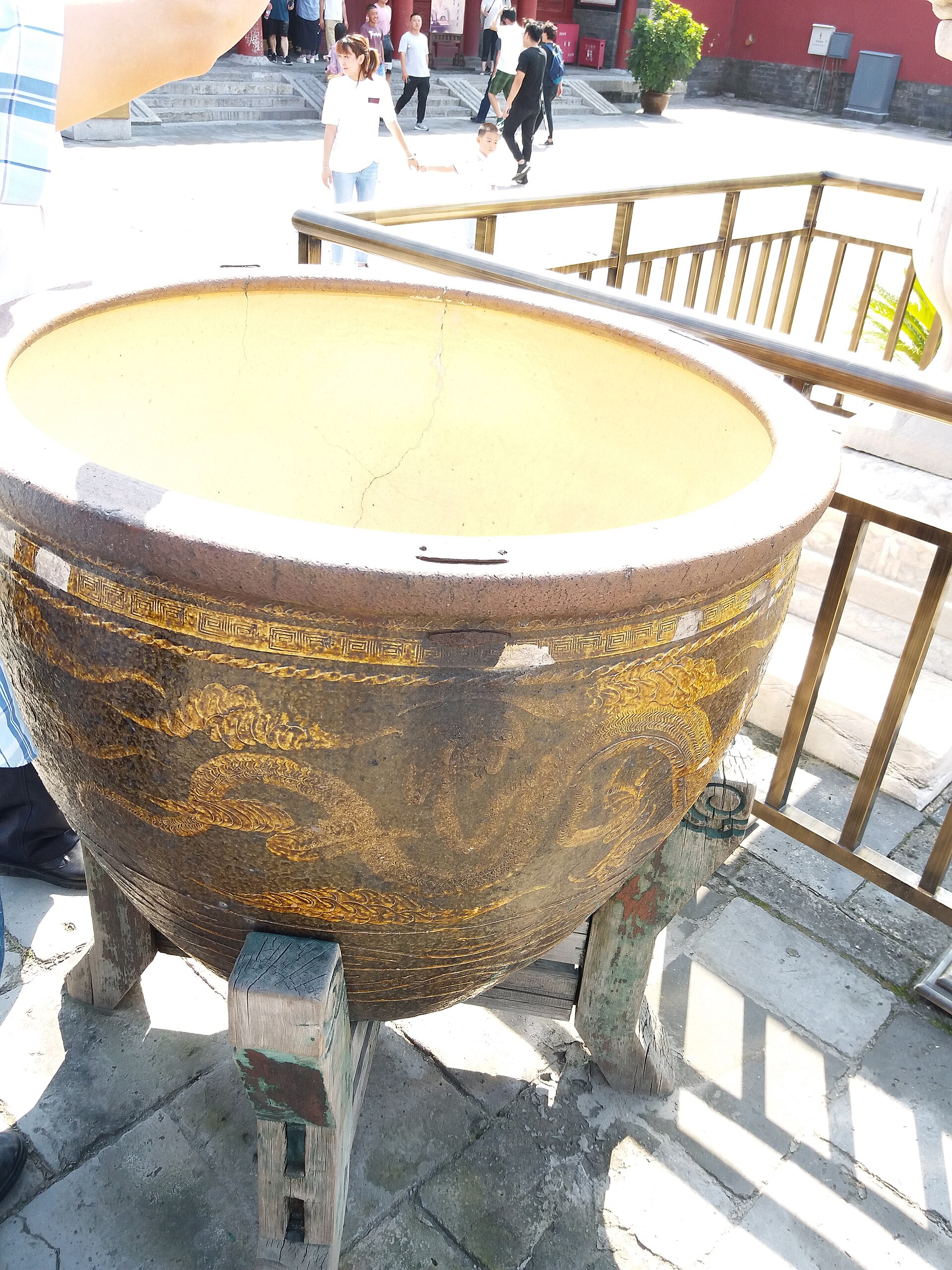
Under the banner system, the Manchu people were organized into divisions, each with its own leadership, which served as both military units and administrative divisions. This system gave the Manchu state its distinctive structure and its formidable military strength, and it was the foundation of the power that enabled the conquest of China.
The banner system is reflected in the palace, especially in the arrangement of the pavilions before the throne hall, which housed the leaders of the divisions. This architectural expression of the banner system is one of the most distinctive features of the palace, embodying the organization that lay at the heart of the Manchu state.
The eight banners were central to the identity and the power of the Manchu dynasty, and the Mukden Palace preserves their memory in its architecture. As the seat of the state that was organized on the banner system, the palace reflects the distinctive structure of the Manchu world, and it stands as a monument to the organization that founded the last dynasty of China.
The banner system was more than a military arrangement; it was the very framework of Manchu society, binding together soldiers, families, and administration into a single structure. That this social and military order should be written so directly into the plan of the palace, in the rows of pavilions before the throne, makes the Mukden Palace a uniquely legible expression of the world that built it.
The Oldest Section
The Mukden Palace was built in sections over time, and the oldest part, containing the octagonal throne hall and the banner pavilions, reflects the earliest and most distinctively Manchu character of the palace. This section, built at the origins of the state, preserves the culture of the Manchus at the moment of their rise.

The buildings of this oldest section reflect the tent-like traditions and the tribal organization of the Manchus, adapted into permanent architecture. The octagonal form of the throne hall and the arrangement of the banner pavilions express the distinctive character of the early Manchu state, before the fuller adoption of Chinese models.
This section of the palace is the most original and the most distinctively Manchu, reflecting the culture of the dynasty at its origins. It preserves the memory of the Manchu world before the conquest of China, when the state was organized on the banner system and its architecture reflected its own traditions rather than those of the Chinese court.
The oldest section of the Mukden Palace is thus its most fascinating and important part, preserving the distinctive character of the Manchu state at its origins. It stands as a rare and precious record of the culture of the dynasty before its conquest of China, and it is one of the great treasures of the palace and of the history of the nation.
The survival of this oldest section, so different in spirit from anything in Beijing, is a piece of extraordinary good fortune for history. Nowhere else can one see quite so clearly the architectural world of the early Manchus, and the octagonal hall with its flanking pavilions preserves, as if in amber, the distinctive order of a people poised between the steppe and the throne of China.
Halls and Residences
Beyond the oldest section, the Mukden Palace contains further halls and residential quarters, built as the state developed and increasingly reflecting Chinese models. These include a principal hall used for government and ceremony, and the residential quarters of the ruler and his household, arranged in courtyards behind the ceremonial buildings.

The principal hall of this section served as a place for the conduct of government and for important ceremonies, and it reflects the growing adoption of Chinese architectural and administrative models as the Manchu state developed. Behind it lay the residential quarters, where the ruler and his family lived, in the private heart of the palace.
These buildings reflect the evolution of the Manchu state as it grew in power and increasingly modeled itself on the Chinese imperial tradition. The combination of the distinctively Manchu oldest section with these more Chinese-influenced buildings gives the palace its layered and varied character, reflecting the development of the dynasty.
The halls and residences of this section complete the picture of the Mukden Palace as both a seat of government and a royal residence. They reflect the growing sophistication of the Manchu state and its adoption of Chinese models, even as the palace preserved the distinctive character of its origins, and they add to the richness and variety of the complex.
The Phoenix Tower
Among the notable buildings of the Mukden Palace is a tall tower that rises above the residential section, long one of the tallest structures in the city and a distinctive feature of the palace. This tower, elegant and imposing, served as a gateway and a viewing platform, and it is one of the most recognizable buildings of the complex.
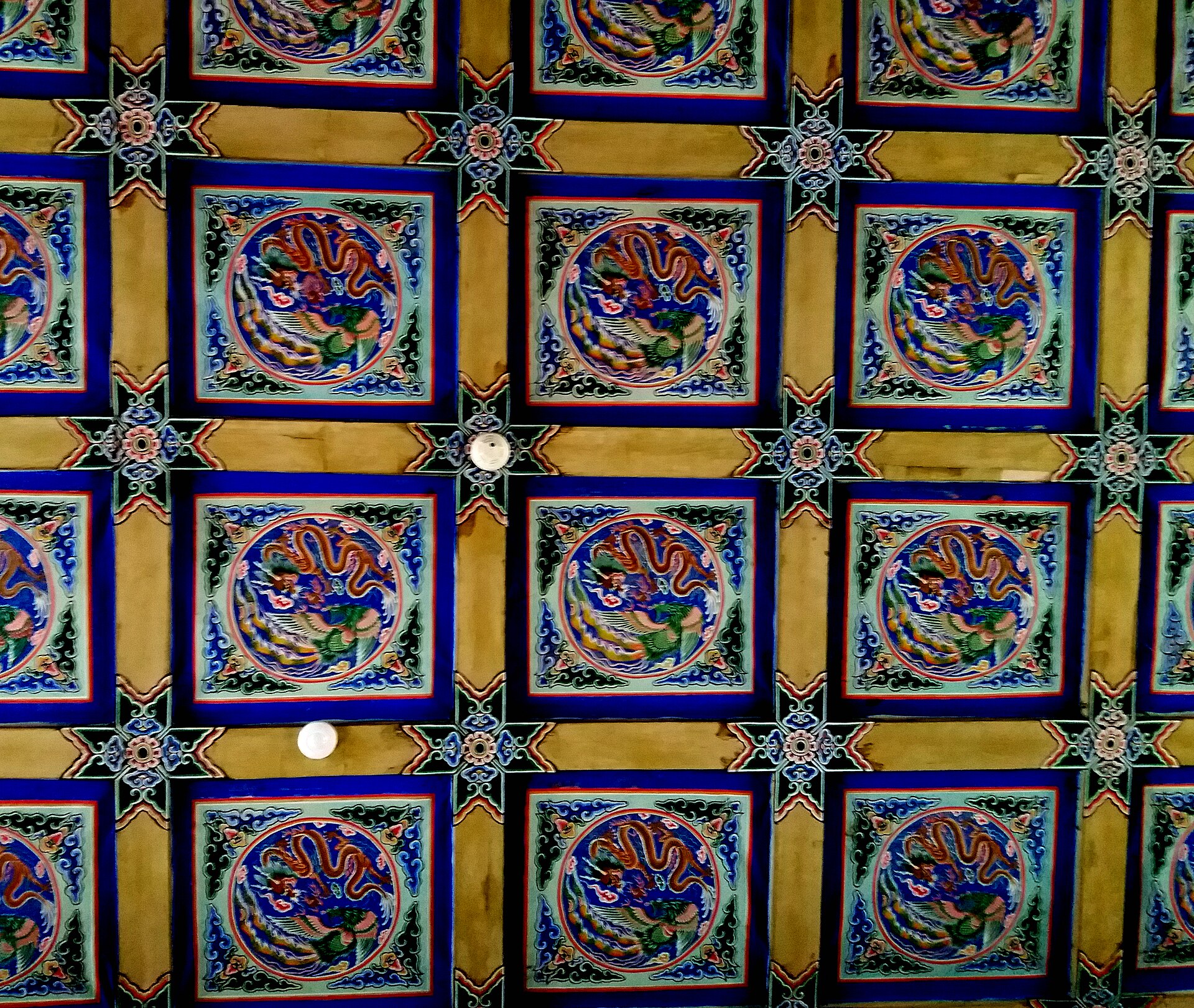
The tower rises in several storeys above the residential quarters, crowned by a roof and offering views over the palace and the surrounding city. Its height made it a landmark, and it served both practical and symbolic purposes, marking the entrance to the residential section and providing a lofty vantage over the palace.
The elegant form of the tower, with its curving roofs rising in storeys, makes it one of the most beautiful buildings of the palace. It combined the functions of a gateway and a viewing platform, and it added a distinctive vertical element to the complex, rising above the halls and courtyards of the residential section.
The Phoenix Tower is one of the most recognizable and beloved features of the Mukden Palace, its elegant form rising above the residential quarters. As a landmark of the palace and the old city, it remains one of the most distinctive and beautiful structures of the complex, a graceful ornament of the seat of the Manchu dynasty.
From the upper storeys of the tower, the rulers could look out over their palace and their city, and the building’s height carried a symbolic charge as well, marking the residential heart of the complex. Its graceful, tiered silhouette has long been one of the emblems of the old city, and it remains among the most photographed sights of the palace.
The Ancestral Seat
After the Manchus conquered China and moved their capital to Beijing, the Mukden Palace remained a place of great significance as the ancestral seat of the dynasty. Honored as the place where the dynasty began, it was preserved and maintained, and the emperors visited it on their journeys to the homeland of their ancestors.

The emperors made journeys to the northeast to honor the tombs of their ancestors and to visit the palace where the dynasty had begun. On these visits, the Mukden Palace served as an imperial residence, and it was maintained and adorned as a place of great importance, preserving the memory of the origins of the dynasty.
As the ancestral seat, the palace held a special place in the reverence of the dynasty, a link to its origins before the conquest of China. It was carefully preserved, and treasures and objects associated with the dynasty were kept there, making it a repository of the history and the memory of the imperial house.
The role of the Mukden Palace as the ancestral seat of the dynasty ensured its preservation through the centuries of the dynasty’s rule. Honored as the birthplace of the imperial house and visited by the emperors, it survived as a precious monument to the origins of the dynasty, and it remains today one of the great treasures of the history of the nation.
The reverence with which the later emperors treated their ancestral seat reflects a deep concern, common to the dynasty, to remember and honor its origins. Even as they ruled from the splendor of Beijing, the emperors returned in pilgrimage to this northern palace and to the nearby tombs of their forebears, keeping alive the memory of where they had come from and who they were.
A Fusion of Cultures
The architecture of the Mukden Palace is a fascinating fusion of cultures, blending the traditions of the Manchus with those of the Chinese, the Mongols, and others. This blend reflects the distinctive character of the Manchu state, which emerged from the meeting of many peoples in the northeast, and it gives the palace its unique and original architecture.

The Manchu elements, reflected especially in the oldest section with its octagonal hall and banner pavilions, express the tribal and military origins of the dynasty. To these were added Chinese elements, increasingly dominant in the later sections, as well as influences from the Mongols and from Tibetan Buddhism, creating a rich and varied architecture.
This fusion of cultures makes the Mukden Palace quite different from the more uniform imperial palace of Beijing, and it reflects the particular history of the Manchu dynasty. The blend of styles and influences expresses the meeting of peoples from which the dynasty emerged, and it gives the palace its distinctive and fascinating character.
The architecture of the Mukden Palace is thus one of its greatest points of interest, a record in stone and wood of the fusion of cultures that produced the last dynasty of China. It preserves the distinctive character of the Manchu world at its origins, and it stands as a monument to the meeting of peoples and traditions from which the dynasty was born.
The presence of Tibetan Buddhist and Mongol elements alongside the Manchu and Chinese reminds us that the dynasty ruled over a vast and diverse inner-Asian world as well as over China proper. The palace, standing at the meeting point of these worlds, embodies in its architecture the cosmopolitan character of an empire that bound together many peoples under a single throne.
A World Heritage Treasure
In recognition of its outstanding importance, the Mukden Palace has been designated a site of world heritage, honored together with the imperial palace of Beijing as one of the surviving imperial palaces of the last dynasty of China. This recognition reflects the significance of the palace as the birthplace of the dynasty and a monument of great historical and architectural value.

The palace is recognized as an important and original example of imperial palace architecture, reflecting the distinctive culture of the Manchus and the fusion of traditions from which the dynasty emerged. Its survival as one of only two imperial palace complexes of the dynasty makes it a rare and precious monument.
The preservation of the palace is a matter of great importance, protecting this monument of the origins of the dynasty for future generations. The careful maintenance of its halls, pavilions, and courtyards ensures the survival of the palace and its treasures, and it preserves the memory of the beginnings of the dynasty.
Through its recognition as a world heritage site, the Mukden Palace has been secured as one of the great cultural treasures of China and of the world. Its distinctive halls and pavilions stand as a testament to the origins of the last dynasty and to the fusion of cultures from which it emerged, preserved in Shenyang for the admiration of visitors from around the world.
Visiting the Mukden Palace Today
Today the Mukden Palace is one of the most important attractions in Shenyang, drawing visitors interested in the history and the architecture of the last dynasty of China. Set in the heart of the old city, it offers a fascinating window into the origins of the dynasty and the distinctive culture of the Manchus.

View the exact location on Google Maps
A visit leads through the sections of the palace, from the distinctively Manchu oldest section with its octagonal throne hall and banner pavilions to the more Chinese-influenced halls and residences and the elegant Phoenix Tower. The variety of the architecture and the history it embodies make the palace a rich and rewarding destination.
As a museum, the palace displays treasures and objects associated with the dynasty, illuminating its history and its culture. The combination of the distinctive architecture and the historic collections offers a vivid experience of the origins of the dynasty and the world of the Manchus.
Whether you come for the architecture, the history, or the distinctive culture of the Manchus, the Mukden Palace offers an unforgettable experience. It is the palace where the last dynasty of China began, a monument of great originality and importance, and a place where the origins of the dynasty and the fusion of cultures that produced it are preserved in the heart of Shenyang.
A visit rewards attention to the differences between the palace’s sections, for in moving from the octagonal hall to the later, more Chinese halls, one traces the transformation of the dynasty itself. Read in this way, the Mukden Palace becomes not merely a collection of beautiful buildings but a kind of history written in architecture, telling the story of a people on the threshold of empire.
Palaces Nearby
The Mukden Palace is one of only two surviving imperial palaces of the last dynasty of China. To see how the dynasty began and how it ruled from the capital, these palaces make natural companions to a visit here.
You May Like
The Palaces of Orchha: A Bundela Capital on the Betwa


One thought on “The Mukden Palace of Shenyang: Where the Qing Dynasty Was Born”