In the heart of Seoul, tucked against the wooded hills at the northern edge of the old city, lies a palace that many consider the most beautiful of all the royal residences of Korea. Changdeokgung, whose name means the Palace of Prospering Virtue, was for centuries the favored home of the kings of the Joseon dynasty, and it is celebrated above all for the way it blends into the natural landscape rather than imposing itself upon it. Behind it lies a hidden garden so lovely that it was long reserved for the royal family alone.
Changdeokgung was built as a secondary palace to the great Gyeongbokgung, but over the centuries it became the preferred residence of the kings, the place where they most often lived and ruled. Its halls and gates, its courtyards and gardens, unfold not in the rigid symmetry of many palaces but in a gentle harmony with the hills and streams of its setting, and this quality has made it beloved as the most graceful of Korea’s palaces.
The greatest glory of Changdeokgung is its rear garden, a vast and beautiful landscape of ponds, pavilions, trees, and hills that spreads out behind the palace buildings. Long known as the Secret Garden, it was a private paradise for the royal family, a place of beauty and repose, and it is one of the finest surviving examples of the Korean art of the garden, in harmony with the natural terrain.
In this article you will explore Changdeokgung from the dynasty that built it to its graceful halls and its famous garden, through its distinctive harmony with the landscape to its long history and its life today. Along the way you will discover the beauty of Korean palace architecture and understand why this palace of prospering virtue, with its hidden garden, remains one of the great treasures of Korea.
In This Article
- The Most Beloved of Korea’s Palaces
- A Palace of the Joseon Dynasty
- In Harmony with the Land
- The Throne Hall
- The Royal Residence
- Halls of Study and Government
- The Secret Garden
- Ponds and Pavilions
- The Korean Palace Style
- A Palace That Endured
- The Last Days of the Monarchy
- A World Heritage Palace
- Visiting Changdeokgung Today
The Most Beloved of Korea’s Palaces
Changdeokgung stands in the heart of Seoul, a complex of halls, gates, courtyards, and gardens set against the wooded hills at the northern edge of the old city. Built of wood in the classical Korean style, with roofs of tile and eaves painted in the colorful patterns of the tradition, it is one of the great royal palaces of the Joseon dynasty.
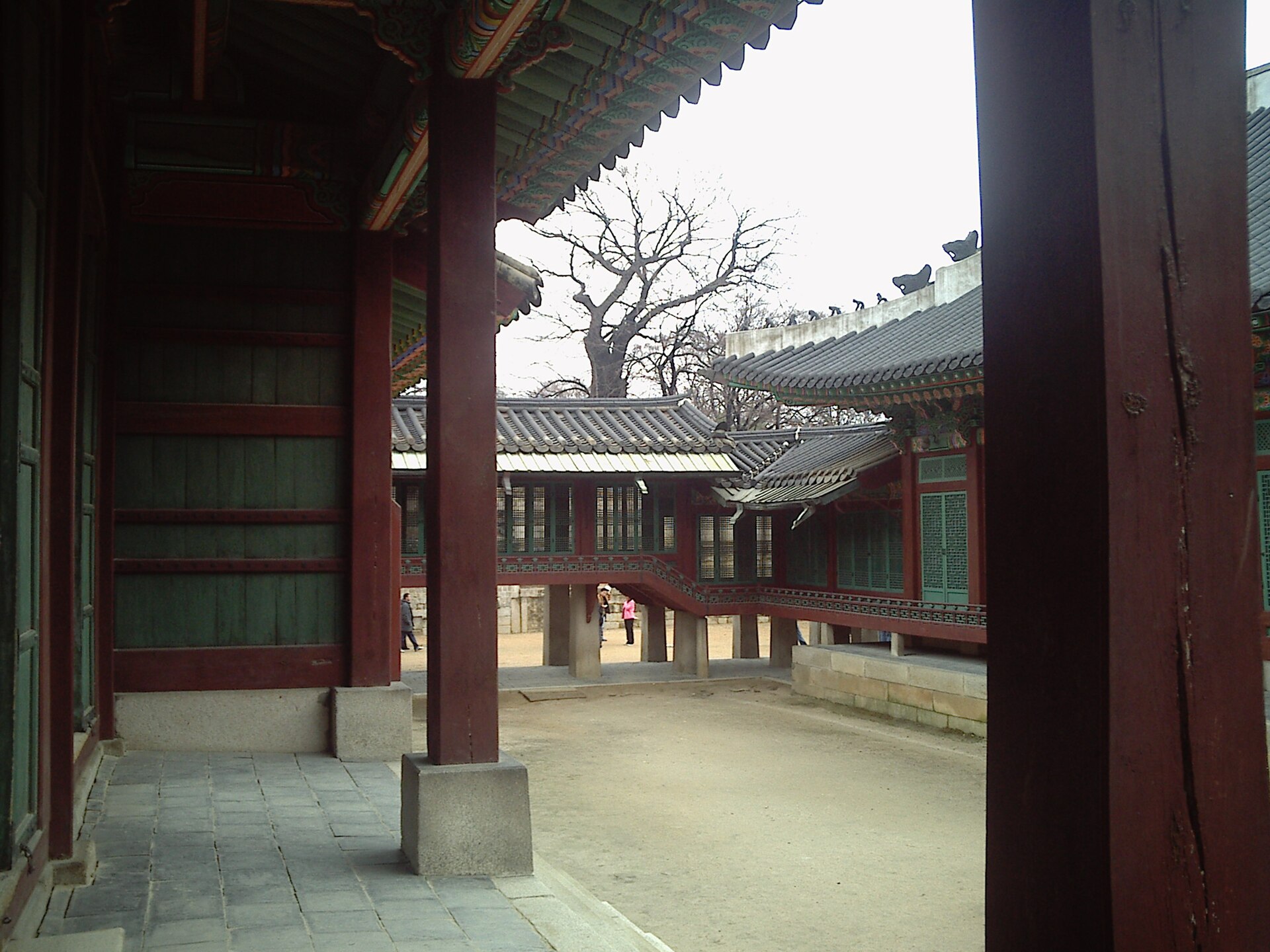
What sets Changdeokgung apart from the other palaces of Korea is the way its buildings are arranged in harmony with the natural landscape. Rather than following a rigid, symmetrical plan, the palace adapts itself to the hills and streams of its setting, its halls and courtyards disposed to follow the contours of the land, creating an effect of great naturalness and grace.
The palace is composed of a sequence of buildings, from the great throne hall and the halls of government to the residential quarters of the royal family, arranged among courtyards and gardens. Behind them spreads the vast rear garden, the greatest glory of the palace, a private landscape of ponds, pavilions, and trees reserved for the royal family.
For its harmony with nature, the beauty of its buildings, and above all its magnificent garden, Changdeokgung is often considered the most beautiful of the royal palaces of Korea. It was the favored residence of the kings of the Joseon dynasty, and it stands today as one of the most beloved and important historic sites in the country.
Coming from the rigid grandeur of Gyeongbokgung, a visitor immediately senses the different spirit of Changdeokgung. Where the great main palace commands its site with axial symmetry, this palace yields to it, curving with the hills and opening onto woodland, and that gentler relationship with the land gives it a warmth and intimacy that many find more moving than sheer grandeur.
A Palace of the Joseon Dynasty
Changdeokgung was built in the early period of the Joseon dynasty, the long-lived royal house that ruled Korea for more than five centuries. It was constructed as a secondary palace, to complement the great main palace of the dynasty, and it took its place among the several royal palaces that the Joseon kings maintained in their capital.
Though built as a secondary palace, Changdeokgung came to be the favored residence of many of the kings, who preferred it to the grander main palace. Over the centuries it was often the principal seat of the court, the place where the kings most often lived and ruled, and it played a central role in the life of the dynasty.
As a royal palace of the Joseon dynasty, Changdeokgung was the setting for the ceremonies, the government, and the daily life of the monarchy. Its throne hall hosted the great ceremonies of state, its halls of government the business of the kingdom, and its residential quarters the private life of the royal family, in the elaborate world of the Korean court.
The history of Changdeokgung is thus bound up with the history of the Joseon dynasty and the long centuries of its rule. As a favored royal residence and a setting for the life of the court, the palace witnessed the events of Korean history across the centuries, and it stands as one of the great monuments of the dynasty and its civilization.
The existence of several royal palaces in the capital, each with its own role, reflected the complexity of the Joseon court and the caution of its rulers. Having more than one seat gave the kings flexibility and refuge in troubled times, and Changdeokgung, quieter and more secluded than the main palace, came to be valued precisely for the retreat it offered from the glare of ceremony.
In Harmony with the Land
The most distinctive feature of Changdeokgung is the way its buildings are arranged in harmony with the natural terrain, following the contours of the hills and the course of the streams rather than imposing a rigid geometric plan. This quality sets the palace apart and reflects a deep principle of Korean design, the harmony between human works and the natural world.

Rather than the strict symmetry that governs many palaces, Changdeokgung follows the lie of the land, its halls and courtyards disposed to fit the hills and valleys of its setting. This gives the palace an irregular, organic character, in which the buildings seem to grow naturally from the landscape, creating an effect of great grace and naturalness.
This harmony with the terrain reflects the Korean love of nature and the belief that human works should accord with the natural world rather than dominate it. The palace was designed to blend into its setting, to follow and to enhance the natural landscape, and this principle governs its whole arrangement, from the halls to the garden behind.
The result is a palace of unusual beauty and grace, in which architecture and nature are brought into harmony. This quality, more than any single building, is what makes Changdeokgung so beloved, and it is one of the reasons the palace is celebrated as the most beautiful of the royal residences of Korea, a masterpiece of design in harmony with the land.
This principle of building with the land rather than against it runs deep in Korean tradition, and Changdeokgung is its supreme royal expression. The palace does not announce a human triumph over nature but proposes a partnership with it, and the result is a place where one is never far from the sight of a hillside, a stream, or a stand of old trees framing the tiled roofs.
The Throne Hall
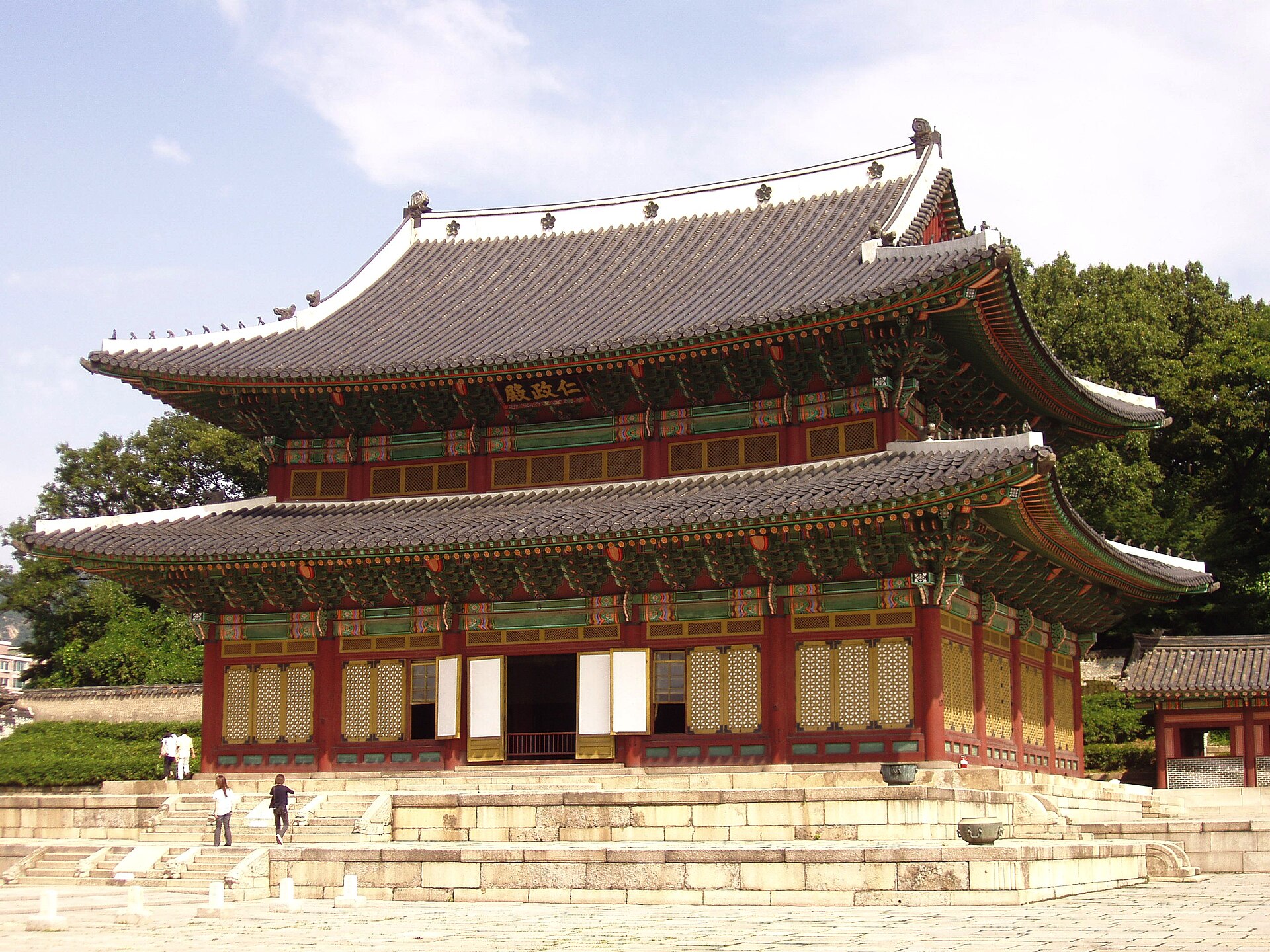
The ceremonial heart of Changdeokgung is its throne hall, the great building where the kings of Joseon held their most important ceremonies and received their officials. Set upon a stone terrace before a broad courtyard, it is the grandest building of the palace and the setting for the great occasions of the monarchy.
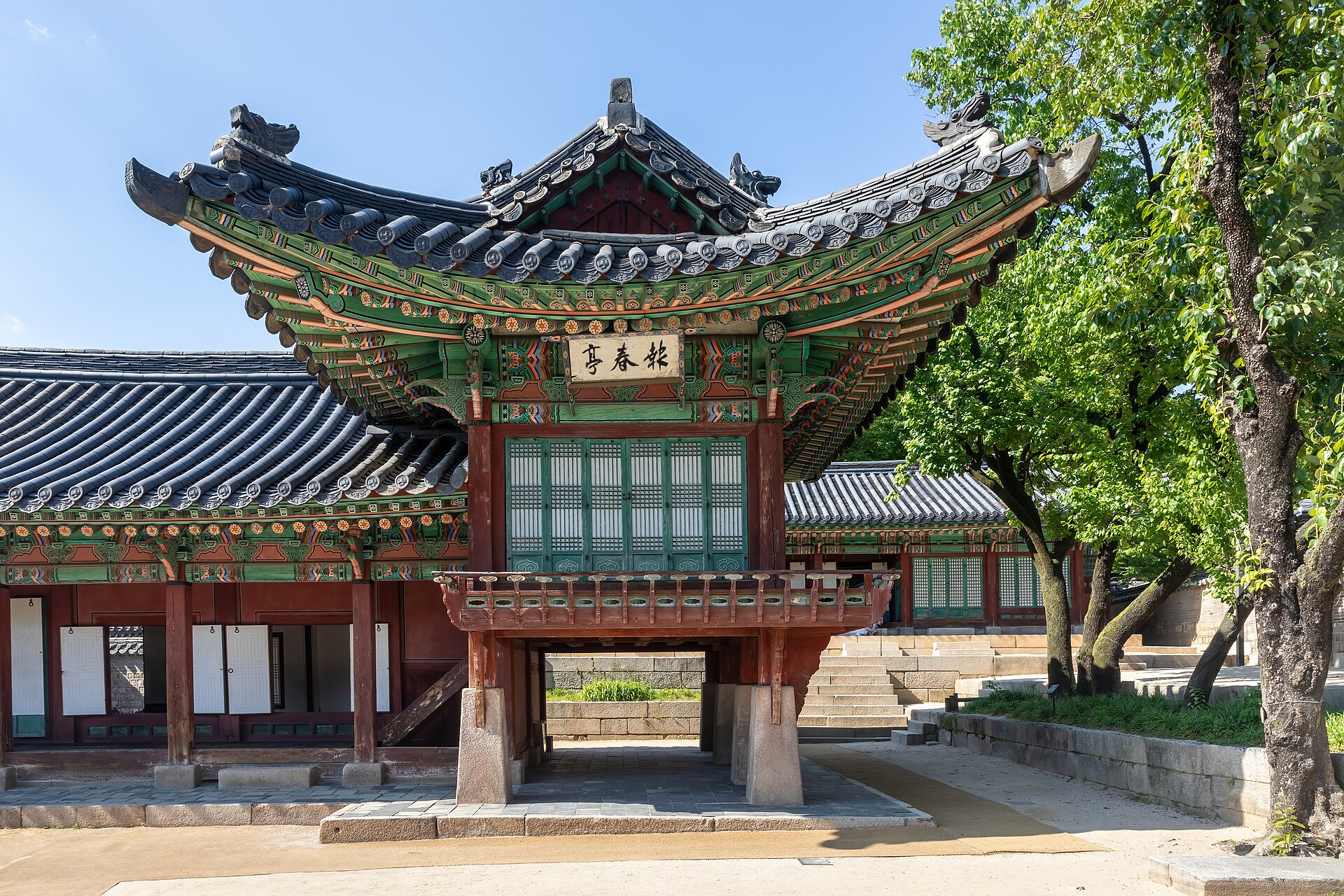
The throne hall rises in the classical Korean style, its wooden structure crowned by a great tiled roof with deeply curving eaves, painted in the colorful patterns of the tradition. Before it stretches a courtyard paved with stone and lined with markers indicating the ranks of the officials who would assemble there for ceremonies.
Within the hall stood the throne of the king, backed by a screen and set beneath an elaborate canopy, the focus of the great ceremonies of state. Here the kings were enthroned, received their officials, and conducted the most important rituals of the monarchy, in a setting designed to express the dignity and the authority of the throne.
The throne hall remains the ceremonial centerpiece of Changdeokgung, a dignified and beautiful building that embodies the majesty of the Korean monarchy. Its classical architecture, its broad courtyard, and its role as the setting for the great ceremonies of state make it one of the most important and impressive structures in the palace.
The stone markers standing in ranks across the courtyard before the throne hall are worth a closer look, for each showed where an official of a given rank was to stand during ceremonies. In this way the whole courtyard became a diagram of the Confucian social order, every person in their appointed place before the king, order made visible in stone.
The Royal Residence
Beyond the halls of ceremony and government, Changdeokgung contains the residential quarters of the royal family, the halls where the king and queen lived and where the private life of the court unfolded. These buildings, more intimate than the great throne hall, formed the domestic heart of the palace.
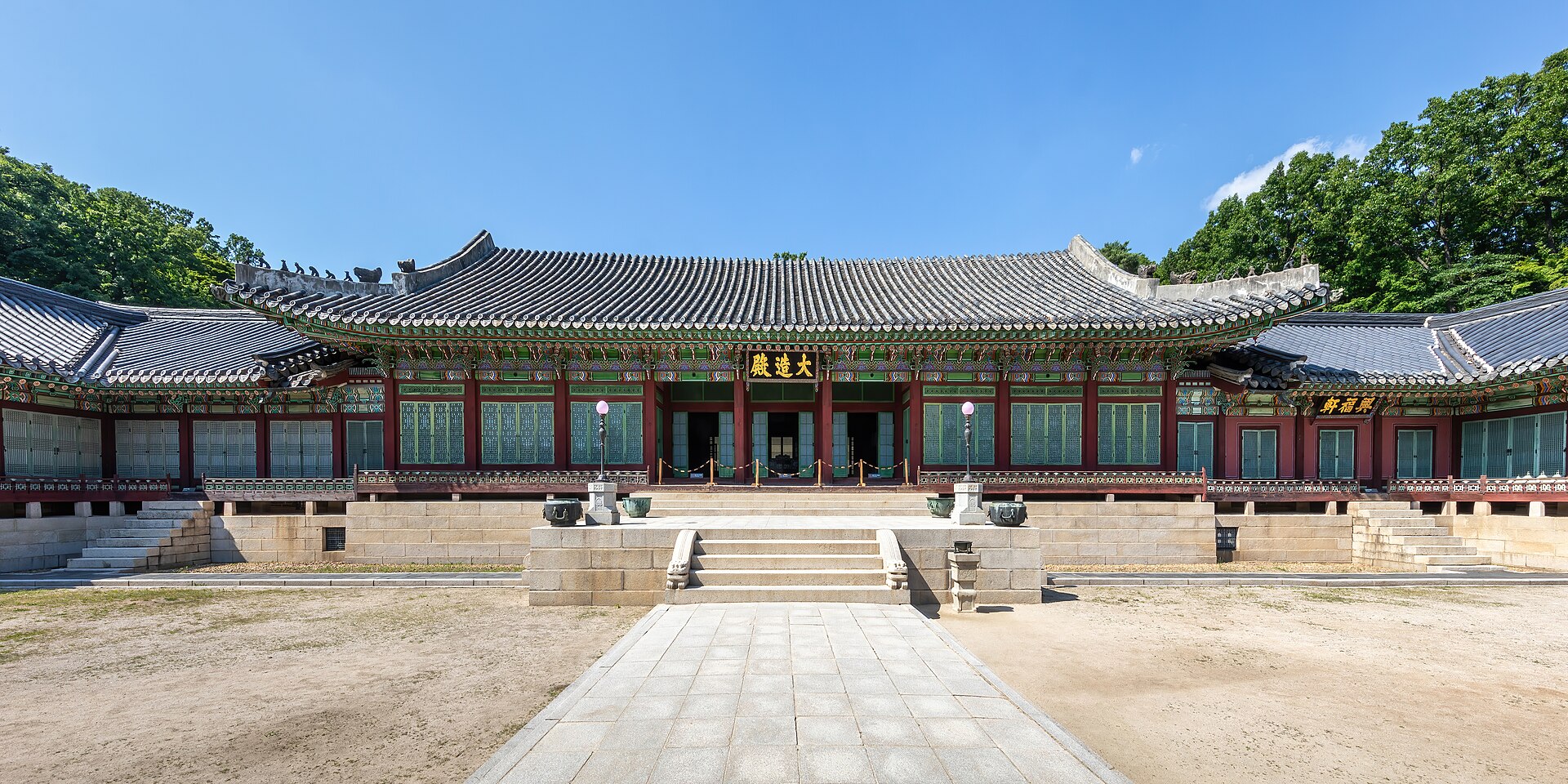
The residential halls include the quarters of the king and the queen, arranged among their own courtyards and gardens. More modest in scale than the ceremonial buildings, they were nonetheless richly appointed, providing comfortable and beautiful settings for the daily life of the royal family within the palace.
These residential quarters were the setting for the private life of the monarchy, from the daily routines of the royal family to the personal dramas of the court. Here the king and queen lived, and here many of the events of the dynasty’s private history unfolded, behind the public face of the ceremonial halls.
The residential quarters complete the picture of Changdeokgung as both a ceremonial center and a home. They reflect the domestic dimension of the palace, the place where the royal family actually lived, and they offer a glimpse into the intimate world of the Korean court, behind the grand ceremonies of the throne hall.
Halls of Study and Government
Between the great throne hall and the residential quarters lie the halls where the king conducted the daily business of government and pursued his studies. These buildings, including the king’s office and study, were the working heart of the palace, where the affairs of the kingdom were managed and where the king carried out his duties.
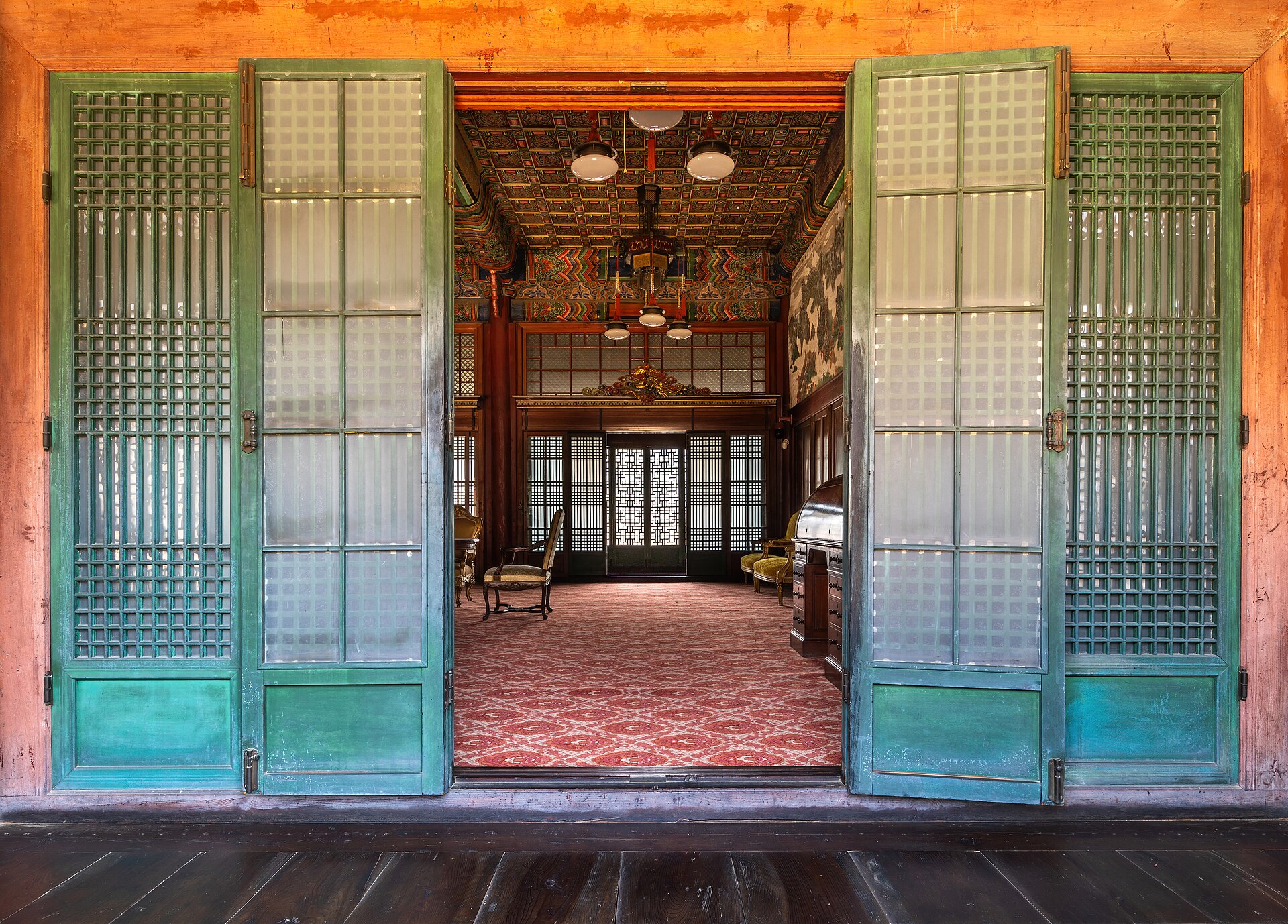
The king’s office and study were places where he met with his officials, read reports, and made the decisions of government, as well as where he pursued the learning that was expected of a Confucian monarch. These halls reflected the ideal of the scholar-king, in which the ruler combined the exercise of power with the cultivation of learning and virtue.
These working halls were richly decorated, like the rest of the palace, and they provided dignified settings for the daily work of the monarchy. Their interiors, with their fine woodwork and painted decoration, reflected the refinement of the court and the importance of the business conducted within them.
The halls of study and government were essential to the life of the palace, the place where the practical work of ruling the kingdom was carried out. They reflect the character of the Joseon monarchy, in which the king was expected to be both a ruler and a scholar, and they complete the picture of Changdeokgung as a working seat of government as well as a royal residence.
The ideal of the scholar-king was central to the Confucian philosophy that shaped the Joseon dynasty, and the presence of a royal study at the heart of the palace made that ideal concrete. Here the king was expected not merely to command but to read, reflect, and cultivate virtue, so that the halls of study were as important to the dignity of the throne as the throne hall itself.
The Secret Garden
The greatest glory of Changdeokgung is its rear garden, a vast and beautiful landscape that spreads out behind the palace buildings among the hills. Long known as the Secret Garden, it was a private paradise reserved for the royal family, a place of beauty and repose, and it is one of the finest surviving examples of the Korean art of the garden.

The garden covers a large area of hills, valleys, and woodland behind the palace, landscaped with ponds, pavilions, and carefully composed scenes. In the tradition of the Korean garden, it was designed to harmonize with the natural terrain, its features arranged to enhance the beauty of the landscape rather than to impose a rigid design upon it.
For centuries the garden was reserved for the use of the royal family, a private retreat where the king and his household could enjoy the beauty of nature away from the formality of the court. Its seclusion gave it its name as the Secret Garden, and it was a place of pleasure, reflection, and repose at the heart of the palace.
The Secret Garden is one of the most beautiful and beloved features of Changdeokgung and one of the great treasures of Korean landscape design. Its ponds, pavilions, and woodland, changing in beauty through the seasons, offer a vision of the Korean ideal of harmony between architecture and nature, and it remains the crowning glory of the palace.
The garden was so cherished that access to it was carefully guarded, and even today it is usually visited only on a timed tour, which preserves something of its old air of seclusion. Passing through the gate that separates it from the palace proper feels like entering a different and more private world, and the sense of stepping into a secret paradise is very much part of the experience.
Ponds and Pavilions
Within the Secret Garden, the most beautiful scenes are composed around ponds and the pavilions that stand beside them. The most famous of these is a square pond overlooked by graceful pavilions, one of the most celebrated and beautiful spots in the whole garden, where the royal family could sit and enjoy the beauty of the water and the surrounding trees.
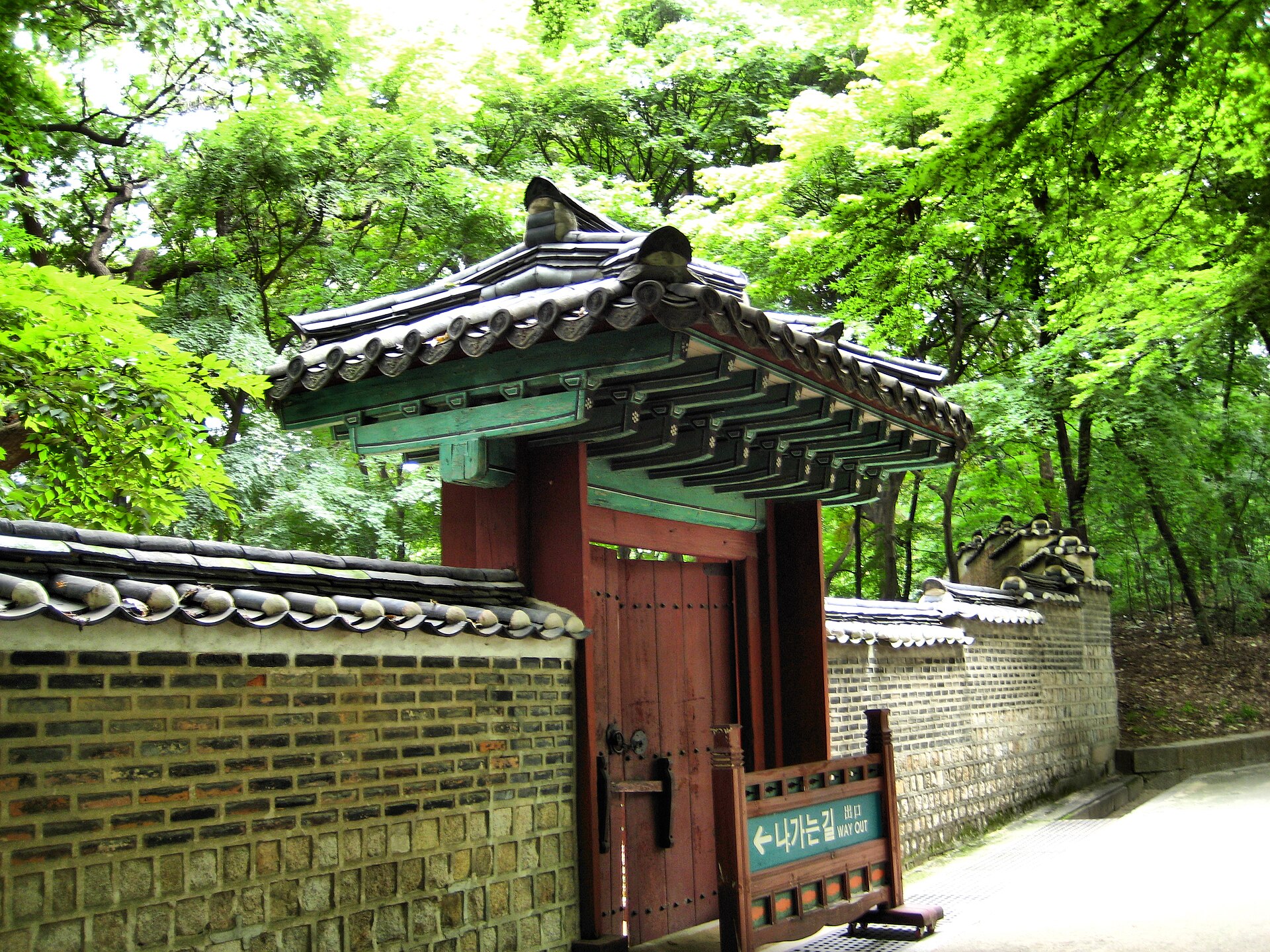
The ponds of the garden, with their still water reflecting the sky, the trees, and the pavilions, are central to its beauty. In the tradition of the Korean garden, water was a key element, valued for its beauty and for the reflections it created, and the ponds of the Secret Garden are among its most beautiful features.
The pavilions that stand beside the ponds, delicate structures of wood with curving tiled roofs, were places for the royal family to sit and enjoy the garden. Each was carefully placed to command a beautiful view, and together they create focal points in the landscape, adding to the beauty and the variety of the garden.
The ponds and pavilions of the Secret Garden compose some of the most beautiful scenes in Korean landscape design. They embody the harmony of architecture and nature that is the ideal of the Korean garden, and they remain among the most beloved and photographed features of Changdeokgung, jewels of its hidden paradise.
The square shape of the most famous pond, set against the round island or the curving banks nearby, was itself charged with meaning, reflecting an old East Asian idea of a square earth beneath a round heaven. In this way even the geometry of the garden’s ponds carried a quiet symbolism, embedding a whole cosmology within scenes designed above all for beauty.
The Korean Palace Style
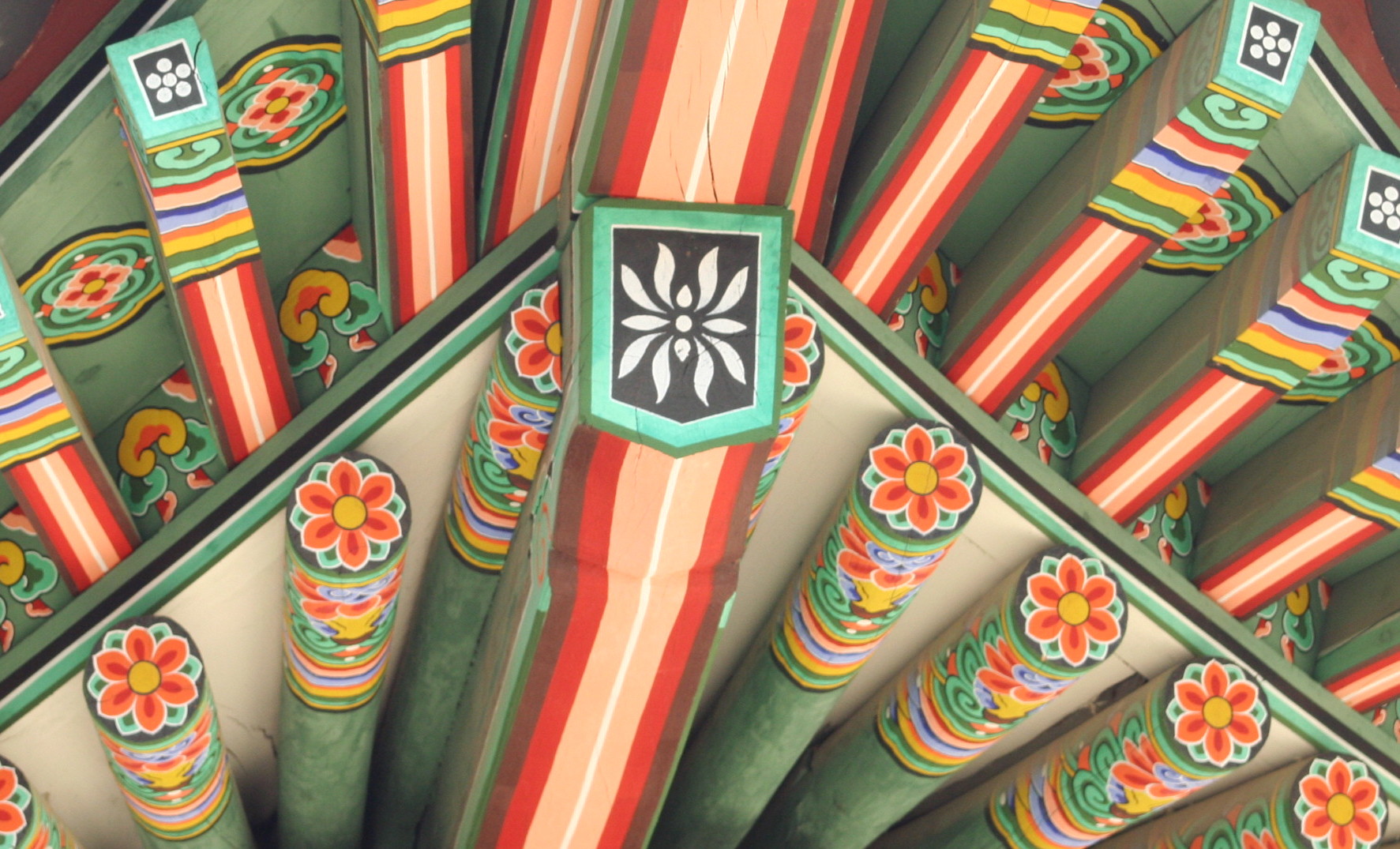
The architecture of Changdeokgung is a fine example of the classical Korean palace style, built of wood on stone foundations, with roofs of tile and eaves painted in the colorful patterns known as dancheong. This style, restrained and elegant, reflects the aesthetic of the Joseon dynasty and the Confucian values that shaped its culture.
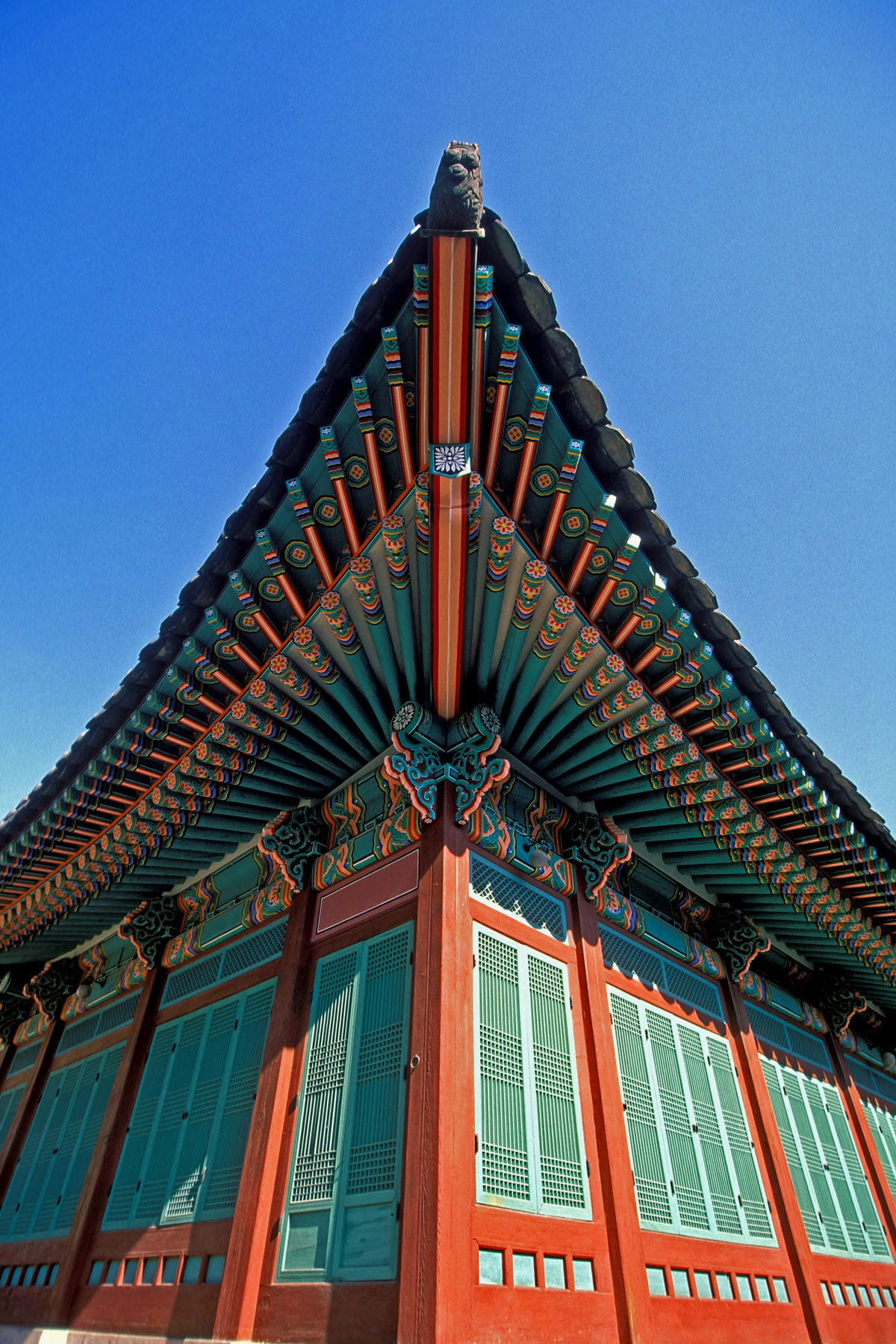
The buildings are constructed in the traditional manner, with wooden columns and beams supporting great tiled roofs whose eaves curve gracefully upward. The painted decoration of the eaves, in intricate patterns of color, beautifies and protects the wood, and it gives the buildings their distinctive richness and vitality.
Korean palace architecture is marked by a sense of restraint and harmony, its buildings grand but not overwhelming, their proportions carefully judged. This reflects the Confucian values of the Joseon dynasty, which prized order, propriety, and moderation, and which shaped the character of the palace and its buildings.
At Changdeokgung, this classical style is combined with the palace’s distinctive harmony with the terrain, creating an architecture of unusual grace. The beauty of the buildings, with their curving roofs and painted eaves, set among the hills and gardens of the palace, makes Changdeokgung one of the finest expressions of the Korean palace style.
A Palace That Endured
Over its long history, Changdeokgung proved remarkably enduring, surviving while other palaces were destroyed and becoming the principal residence of the kings for long periods. When the main palace of the dynasty was destroyed and left in ruins for centuries, Changdeokgung became the chief seat of the court, the palace from which Korea was ruled.
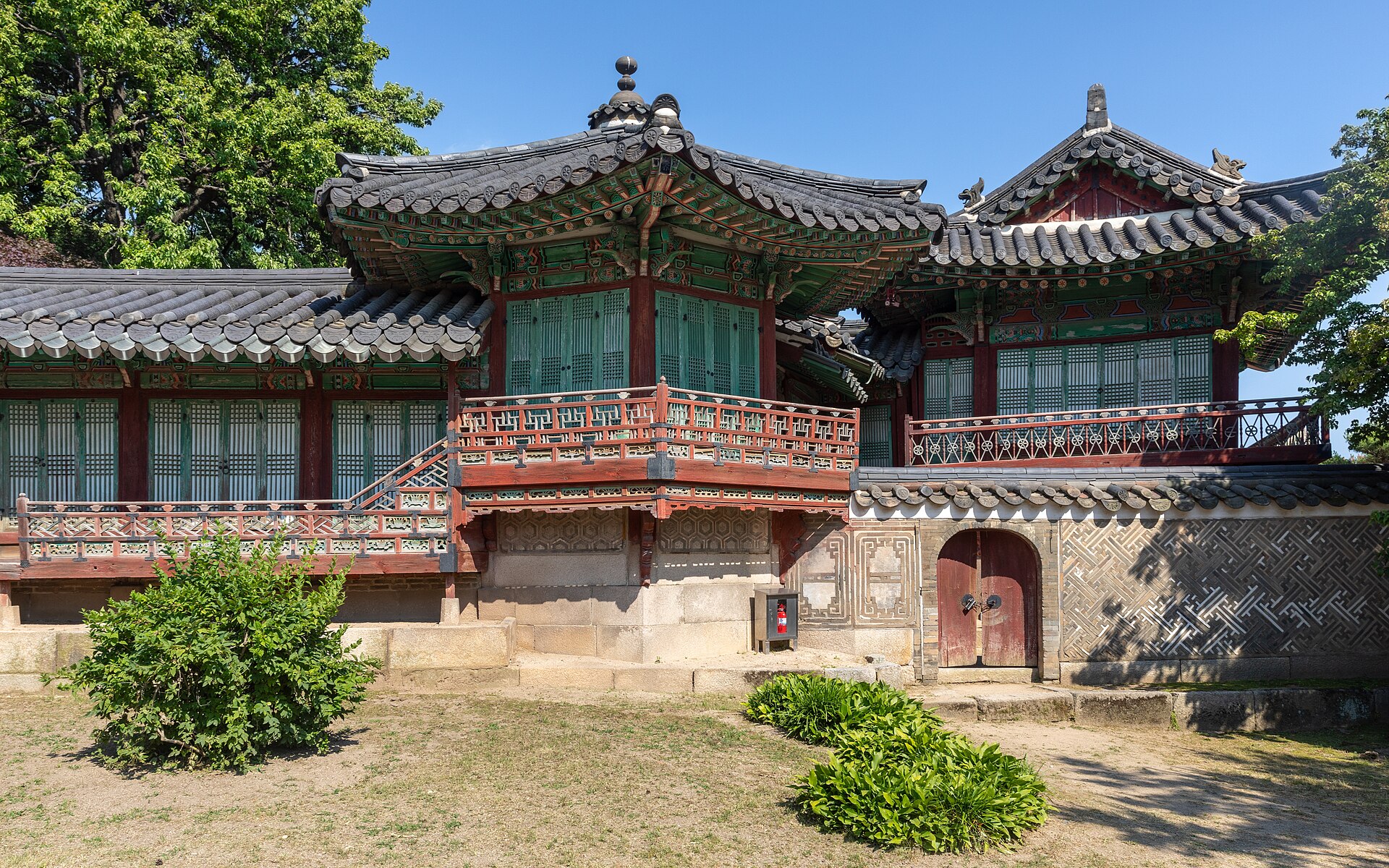
The palace suffered its own share of destruction over the centuries, including damage during wars and invasions, but it was repeatedly rebuilt and restored. Its endurance through these trials, and its role as the favored residence of the kings, made it the most continuously used of the royal palaces of Korea.
For much of the later history of the dynasty, Changdeokgung was the principal royal palace, the setting for the life of the court and the government of the kingdom. Its long service as the chief residence of the kings gave it a central place in the history of the Joseon dynasty and of Korea.
The endurance of Changdeokgung through the centuries, and its role as the favored palace of the kings, is part of what makes it so significant. As the most continuously used of the royal palaces, it preserves the memory of the long history of the Joseon dynasty, and its survival is a testament to its importance and its beauty.
That Changdeokgung became the effective heart of the monarchy for long stretches, while the grander main palace lay in ruins, is one of the quiet lessons of Korean history. Beauty and endurance, it turns out, mattered as much as scale, and this graceful, terrain-hugging palace outlasted its more monumental rival to become the true home of the dynasty for generation after generation.
The Last Days of the Monarchy
Changdeokgung witnessed the final chapters of the Korean monarchy, for it was here that the last members of the royal family lived into the modern era. During the difficult period when Korea fell under foreign occupation and the monarchy came to an end, the palace remained the home of the last royal family, a link to the vanished world of the dynasty.
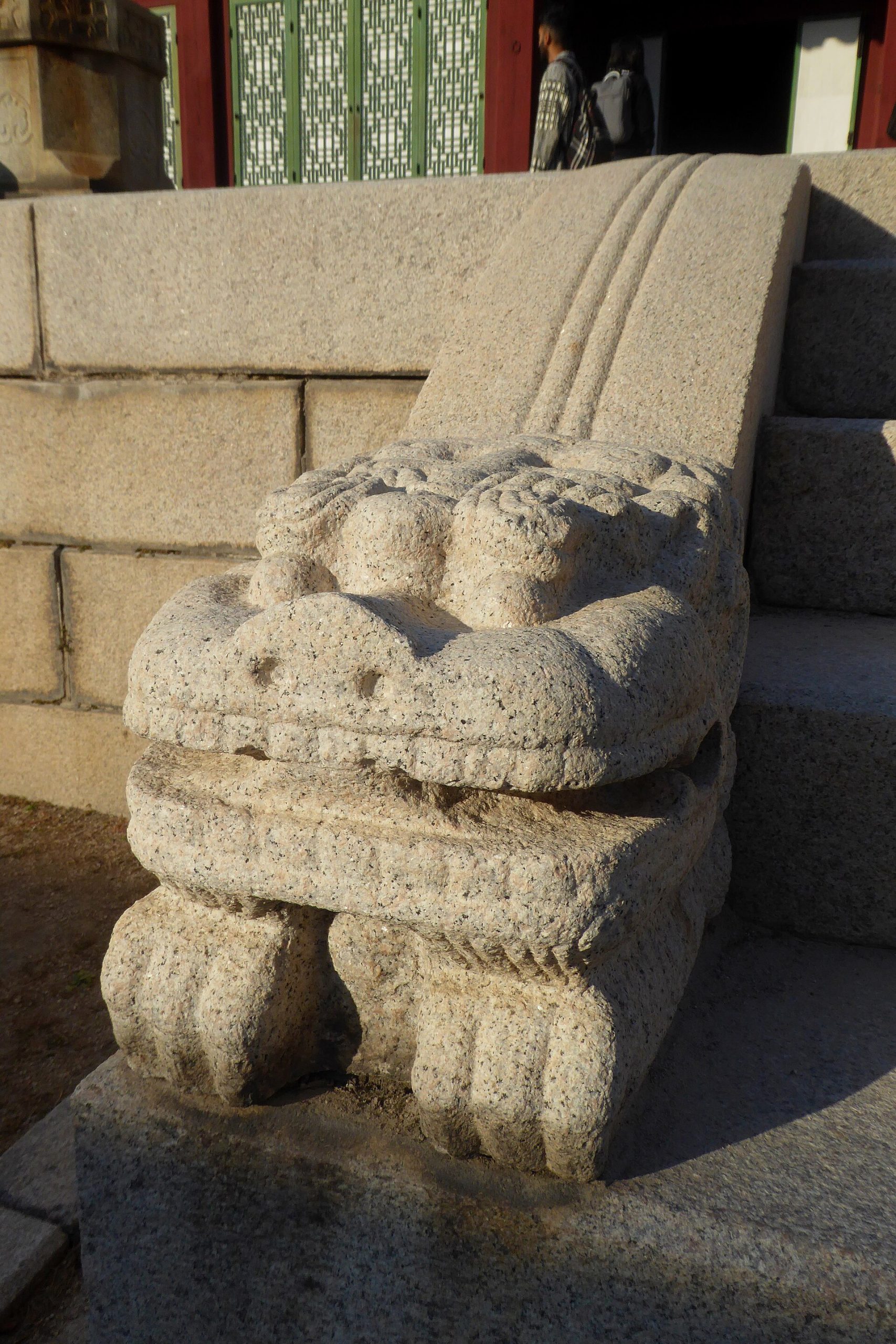
The last royal family continued to live at Changdeokgung even after the end of the monarchy, and the palace was associated with the twilight of the dynasty and the loss of Korean sovereignty. These final chapters give the palace a poignant significance, as the last home of a monarchy that had endured for centuries.
During the period of occupation, the palace, like the other royal sites of Korea, was affected by the changes and the losses of the age. Yet Changdeokgung survived, and its association with the last royal family preserved its connection to the history of the monarchy into the modern era.
The history of Changdeokgung in this period reflects the wider history of Korea in a difficult age. As the last home of the royal family and a witness to the end of the monarchy, the palace holds a special place in the memory of the nation, a link to the vanished world of the Joseon dynasty and its kings.
To walk the palace today with this later history in mind lends it a note of melancholy beneath its beauty. These graceful halls and this hidden garden were not only the setting for the dynasty’s long glory but also for its quiet extinction, and something of that poignancy lingers in the palace, deepening the impression it leaves on those who visit.
A World Heritage Palace
In recognition of its outstanding importance, Changdeokgung has been designated a site of world heritage, acknowledged as an outstanding example of Korean palace architecture and garden design in harmony with the natural landscape. This recognition reflects the beauty and the significance of the palace and its famous garden.
Changdeokgung is celebrated as the best-preserved of the royal palaces of the Joseon dynasty and as a masterpiece of the harmony between architecture and nature. Its buildings, arranged in accord with the terrain, and its magnificent garden, blending with the natural landscape, represent the finest achievement of the Korean palace tradition.
The preservation of the palace is a matter of great importance to Korea, protecting this masterpiece of architecture and garden design for future generations. The careful maintenance of the buildings, the courtyards, and the Secret Garden ensures the survival of the palace and its beauty.
Through its recognition as a world heritage site, Changdeokgung has been secured as one of the great cultural treasures of Korea and of the world. Its graceful halls and its famous garden stand as a testament to the beauty of Korean palace architecture and to the ideal of harmony between human works and the natural world.
Visiting Changdeokgung Today
Today Changdeokgung is one of the most important and beloved attractions in Seoul, drawing visitors from around the world to explore its graceful halls and its famous Secret Garden. Set in the heart of the city against the wooded hills, it offers a beautiful and tranquil retreat and a magnificent example of Korean palace architecture.

View the exact location on Google Maps
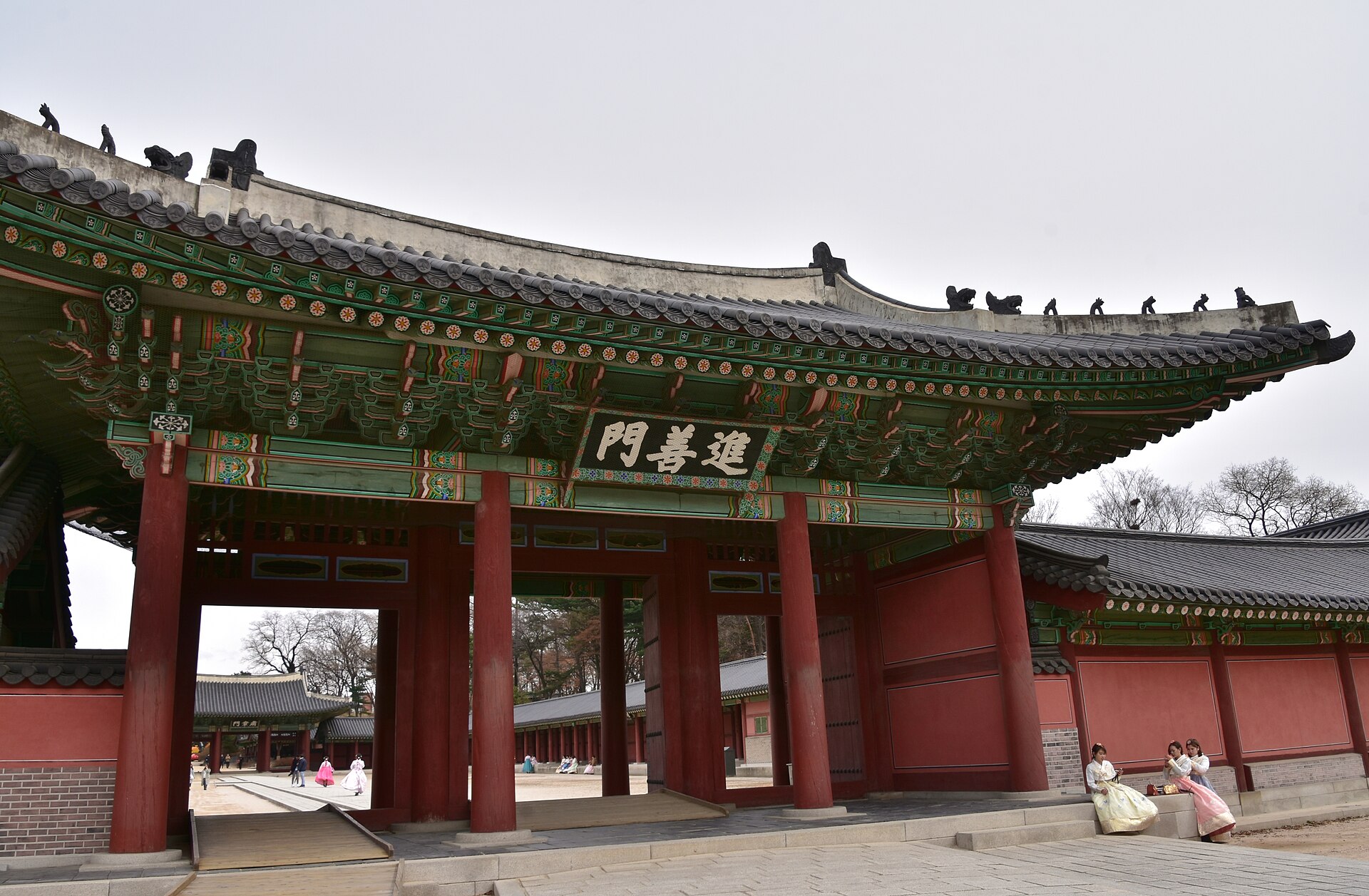
A visit leads through the gates and courtyards of the palace, past the great throne hall, the halls of government and study, and the residential quarters of the royal family. The beauty of the buildings, their harmony with the terrain, and the atmosphere of the palace offer a vivid sense of the world of the Korean court.
The greatest attraction for many visitors is the Secret Garden, which is usually visited on a guided tour that leads through its ponds, pavilions, and woodland. To walk through the garden, discovering its beautiful scenes among the hills, is one of the great pleasures of a visit to Changdeokgung, especially in the seasons of blossom and autumn color.
Whether you come for the halls, the architecture, the history, or above all the Secret Garden, Changdeokgung offers an unforgettable experience. It is the most beautiful of the royal palaces of Korea, a masterpiece of harmony between architecture and nature, and a place where the grace and the beauty of the Korean palace tradition are preserved in the heart of Seoul.
Try if you can to visit in autumn, when the wooded hills of the Secret Garden blaze with color and the ponds mirror the reds and golds of the trees. In that season the palace reveals the full meaning of its harmony with nature, and a walk through the garden becomes one of the most beautiful experiences that Seoul, or indeed Korea, can offer.
Palaces Nearby
Changdeokgung is one of the great royal palaces of Seoul and East Asia. To explore more of the royal residences of the region, these nearby palaces make natural companions to a visit here.
You May Like
The Palaces of Orchha: A Bundela Capital on the Betwa