On the outskirts of Beijing, around a great lake and a hill crowned with temples, lies one of the most beautiful creations of Chinese civilization. The Summer Palace, known in Chinese as Yiheyuan, is the grandest surviving imperial garden in China, a vast landscape of water, hills, palaces, temples, bridges, and pavilions designed as a paradise for the emperors. It is a masterpiece of the Chinese art of the garden, in which nature and architecture are brought together into a single harmonious and poetic whole.
The Summer Palace was created as a retreat for the emperors of China, a place to escape the formality and the confinement of the Forbidden City and to enjoy the beauty of a great landscaped garden. Around its lake and hill, generations of rulers built and rebuilt a wonderland of pleasure pavilions, temples, and halls, culminating in the magnificent complex that survives today, one of the great treasures of Beijing.
What makes the Summer Palace so remarkable is the way it embodies the Chinese ideal of the garden as a re-creation of the natural world in miniature and in perfected form. Its great lake and hill, its long painted corridor, its temples and bridges, are arranged to create an endless series of beautiful scenes, in which every view is composed like a painting, and in which the visitor moves through a landscape designed for contemplation and delight.
In this article you will explore the Summer Palace from the imperial garden tradition it represents to its great lake and hill, through its famous corridor, marble boat, and temples to its dramatic history and its life today. Along the way you will discover the brilliant art of the Chinese garden and understand why this imperial paradise on the edge of Beijing remains one of the great treasures of China.
In This Article
- An Imperial Paradise
- The Art of the Chinese Garden
- A Garden of the Emperors
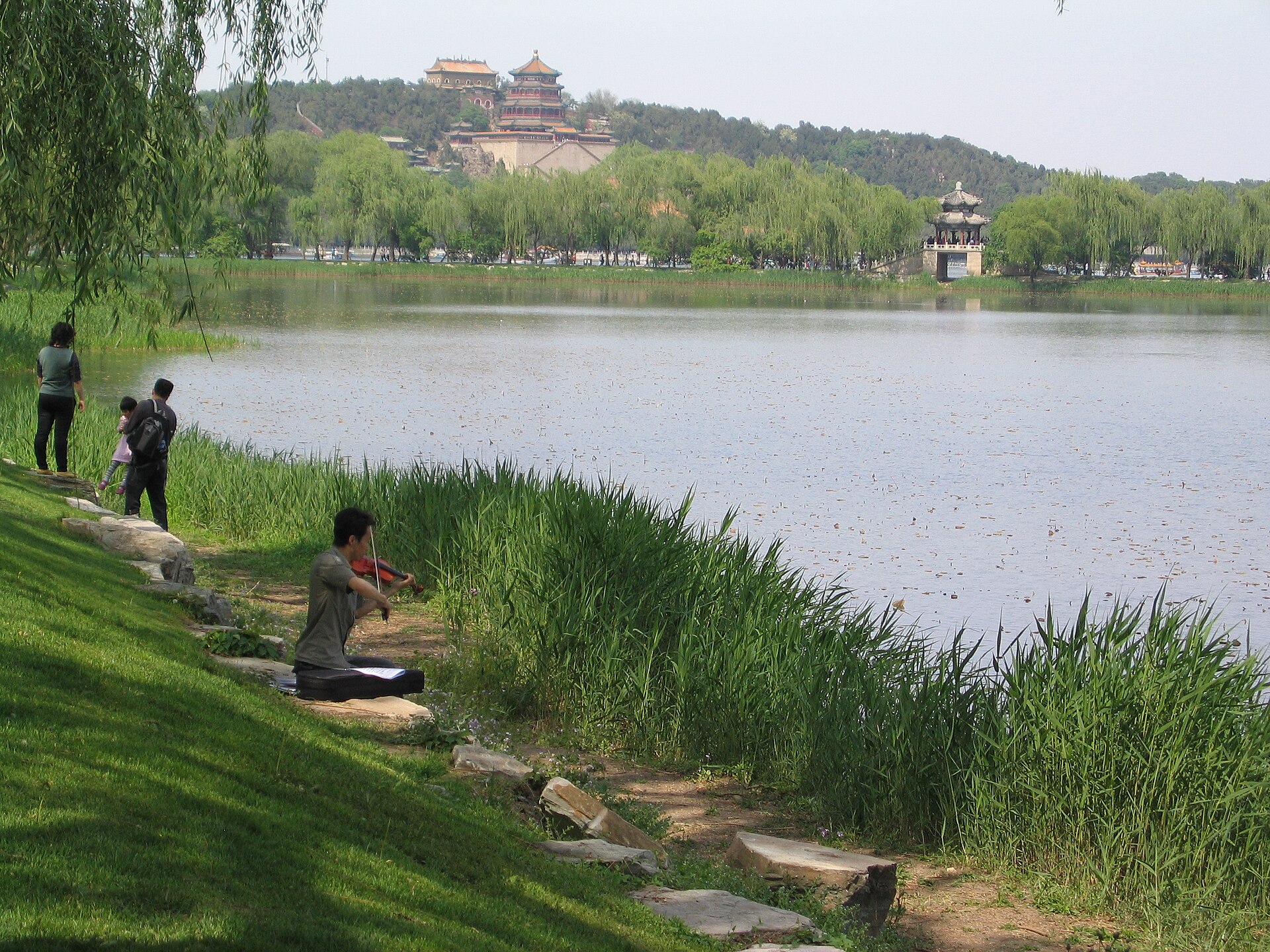
- The Great Lake
- Longevity Hill
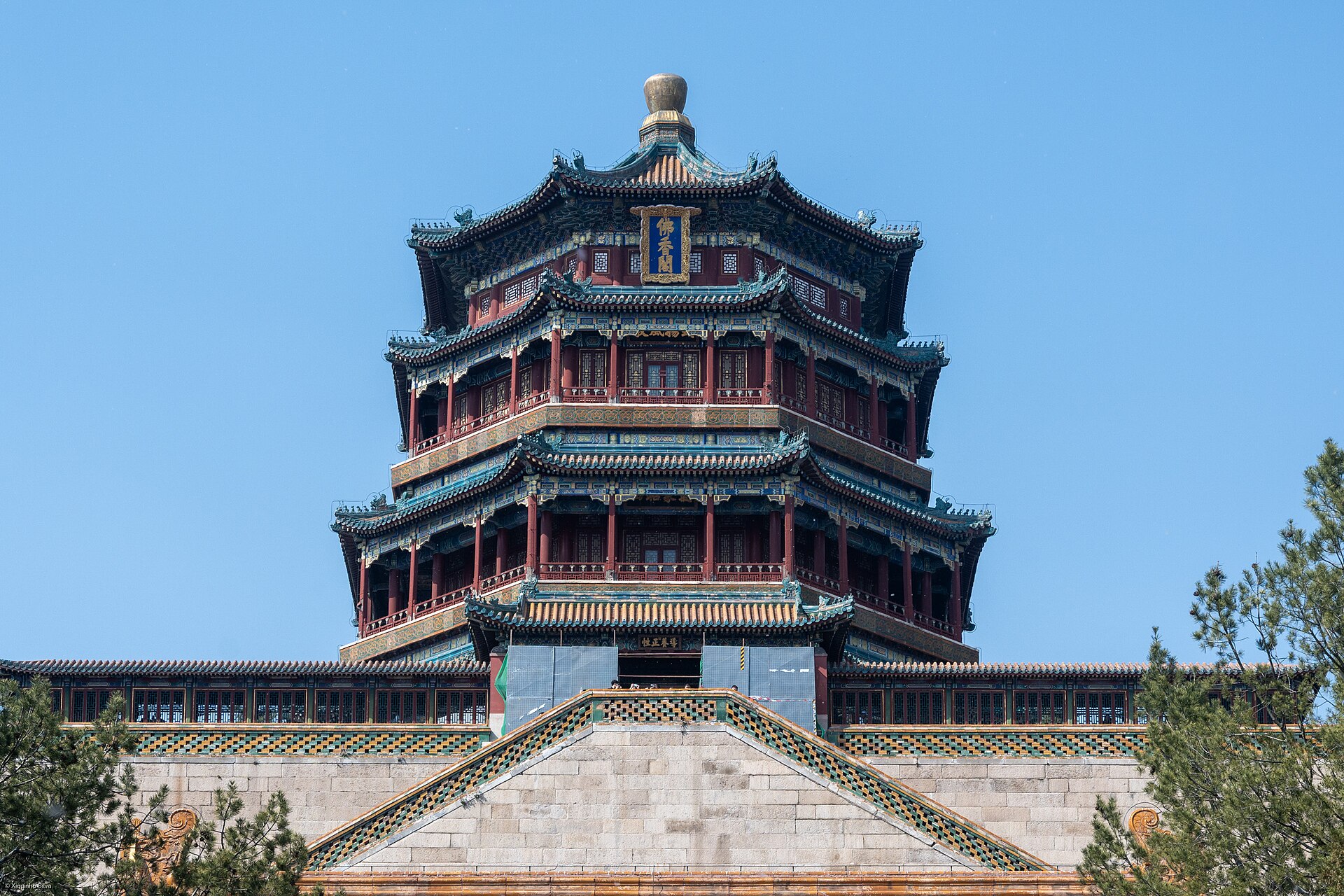
- The Tower of Buddhist Incense
- The Long Corridor
- The Marble Boat
- The Empress Dowager
- Destruction and Rebuilding
- Bridges, Islands, and Pavilions
- A Masterpiece of Garden Design
- Visiting the Summer Palace Today
An Imperial Paradise
The Summer Palace covers a vast area on the northwestern edge of Beijing, an enormous landscaped garden dominated by a great lake and a hill crowned with temples and halls. Within this landscape are scattered palaces, pavilions, temples, bridges, and other structures, arranged to create a paradise of natural and architectural beauty for the emperors of China.

The garden is composed principally of the great lake, which fills much of the grounds, and the hill that rises beside it, on and around which the most important buildings are arranged. Together the lake and the hill form the framework of the garden, and the buildings and features are disposed around them to create an endless variety of beautiful scenes.
The design of the Summer Palace embodies the classical Chinese art of the garden, in which water, hills, plants, and architecture are combined to create an idealized landscape. Every element is carefully placed, every view composed, so that the garden becomes a series of scenes of great beauty, in the finest tradition of Chinese landscape design.
For the emperors of China, the Summer Palace was a place of retreat and pleasure, a paradise where they could escape the formality of the Forbidden City and enjoy the beauty of the garden. Today it offers the same beauty to visitors from around the world, and it stands as the grandest surviving example of the Chinese imperial garden, a masterpiece of one of the great garden traditions of the world.
The scale of the place surprises many first-time visitors, for the Summer Palace is less a single building than an entire landscape, one that can absorb a whole day of unhurried walking. Its beauty is cumulative, revealed in a sequence of composed views rather than in one commanding facade, and the pleasure of it lies in the slow unfolding of scene after scene.
The Art of the Chinese Garden
The Summer Palace is the grandest surviving example of the Chinese imperial garden, one of the great traditions of landscape design in the world. In this tradition, the garden was conceived not as a formal arrangement of geometric beds but as a re-creation of the natural world in idealized form, a landscape of hills, water, and plants composed for beauty and meaning.
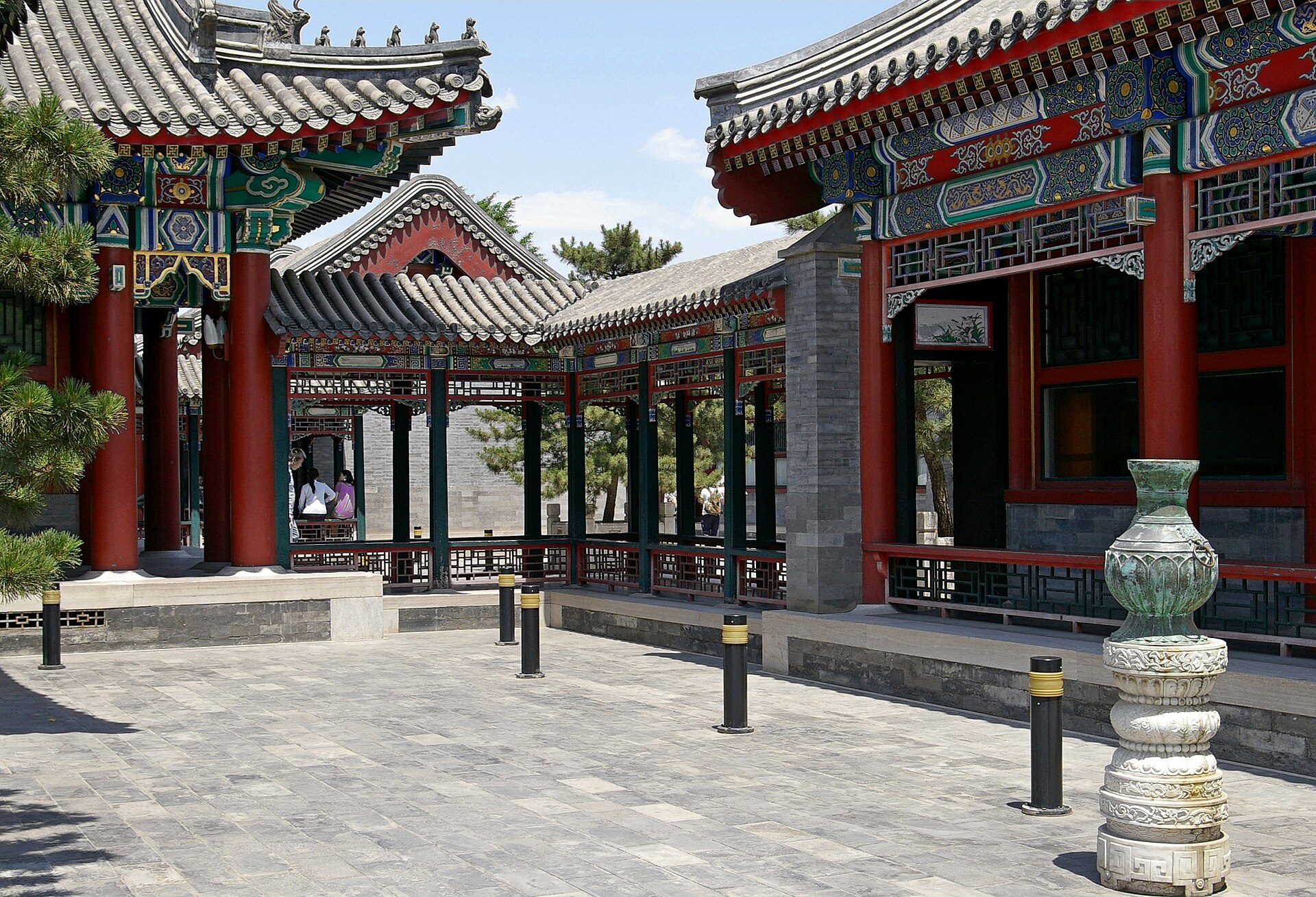
The Chinese garden sought to capture the essence of the natural world and to perfect it, creating landscapes that seemed natural yet were carefully designed for beauty and harmony. Water and hills, the fundamental elements of the Chinese landscape, were the basis of the garden, and around them were arranged plants, rocks, buildings, and other features to create scenes of great beauty.
The garden was also a place of meaning and contemplation, in which the landscape was designed to evoke moods, ideas, and associations, often drawn from poetry and painting. The visitor moved through the garden as through a series of composed scenes, each offering a new view and a new experience, in a journey of beauty and reflection.
The Summer Palace embodies this tradition on the grandest scale, an imperial garden of vast size and supreme artistry. Its lake and hill, its buildings and views, all reflect the principles of the Chinese garden, and it stands as the great surviving masterpiece of this art, a landscape of beauty and meaning created for the emperors of China.
Unlike the axial symmetry of the Forbidden City, the imperial garden follows the winding, asymmetrical logic of nature, leading the visitor along curving paths and shorelines toward views that open unexpectedly. This studied naturalness is itself a high art, for every apparently accidental prospect was carefully composed, and the effect is of a landscape that seems both wild and perfected at once.
A Garden of the Emperors
The Summer Palace as we know it took shape under the emperors of the last great Chinese dynasty, who transformed the area into a magnificent imperial garden. Building on earlier gardens and natural features, the emperors created a vast landscape of lake, hill, and buildings, a paradise for the imperial court on the edge of the capital.
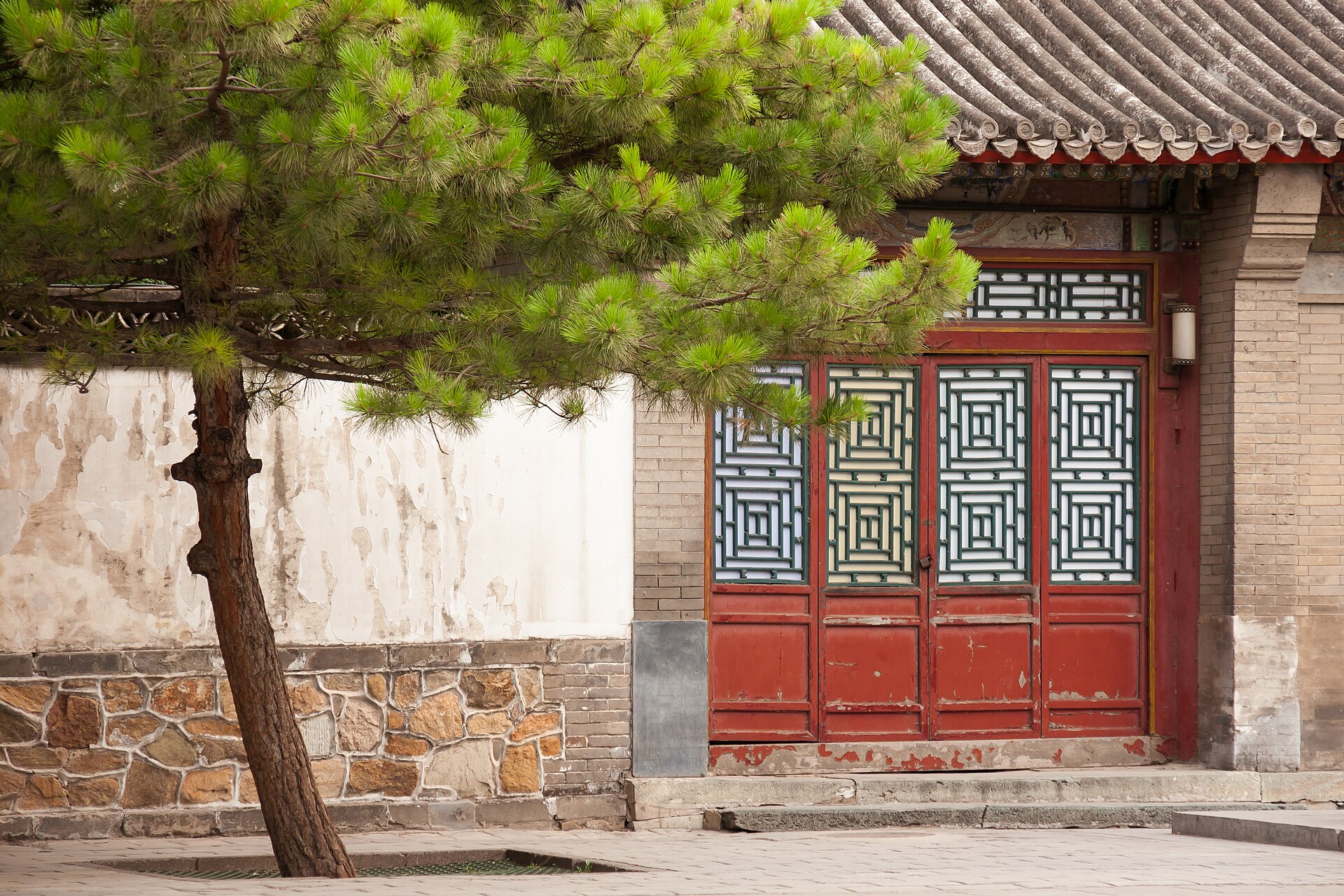
The great garden was developed over time, with successive emperors adding to and reshaping the landscape. The lake was enlarged, the hill was adorned with temples and halls, and pavilions, bridges, and other structures were built throughout the grounds, creating the magnificent garden that became a favorite retreat of the imperial family.
As an imperial garden, the Summer Palace served as a place of retreat, pleasure, and also of government, for the emperors sometimes conducted the business of state amid the beauty of the garden. It combined the functions of a pleasure ground with those of a residence and a seat of power, a paradise where the emperor could live, rule, and enjoy the beauty of the landscape.
The development of the Summer Palace by the emperors reflected the wealth and the artistic ambition of the imperial court. The vast resources devoted to creating and adorning the garden produced one of the great masterpieces of Chinese landscape design, a paradise that expressed the power and the refinement of the dynasty and that remains its lasting monument.
The Great Lake
The heart of the Summer Palace is its great lake, an enormous expanse of water that fills much of the garden and dominates its landscape. Largely created by human labor, the lake is a masterpiece of landscape engineering, and it forms the central feature around which the whole garden is composed.
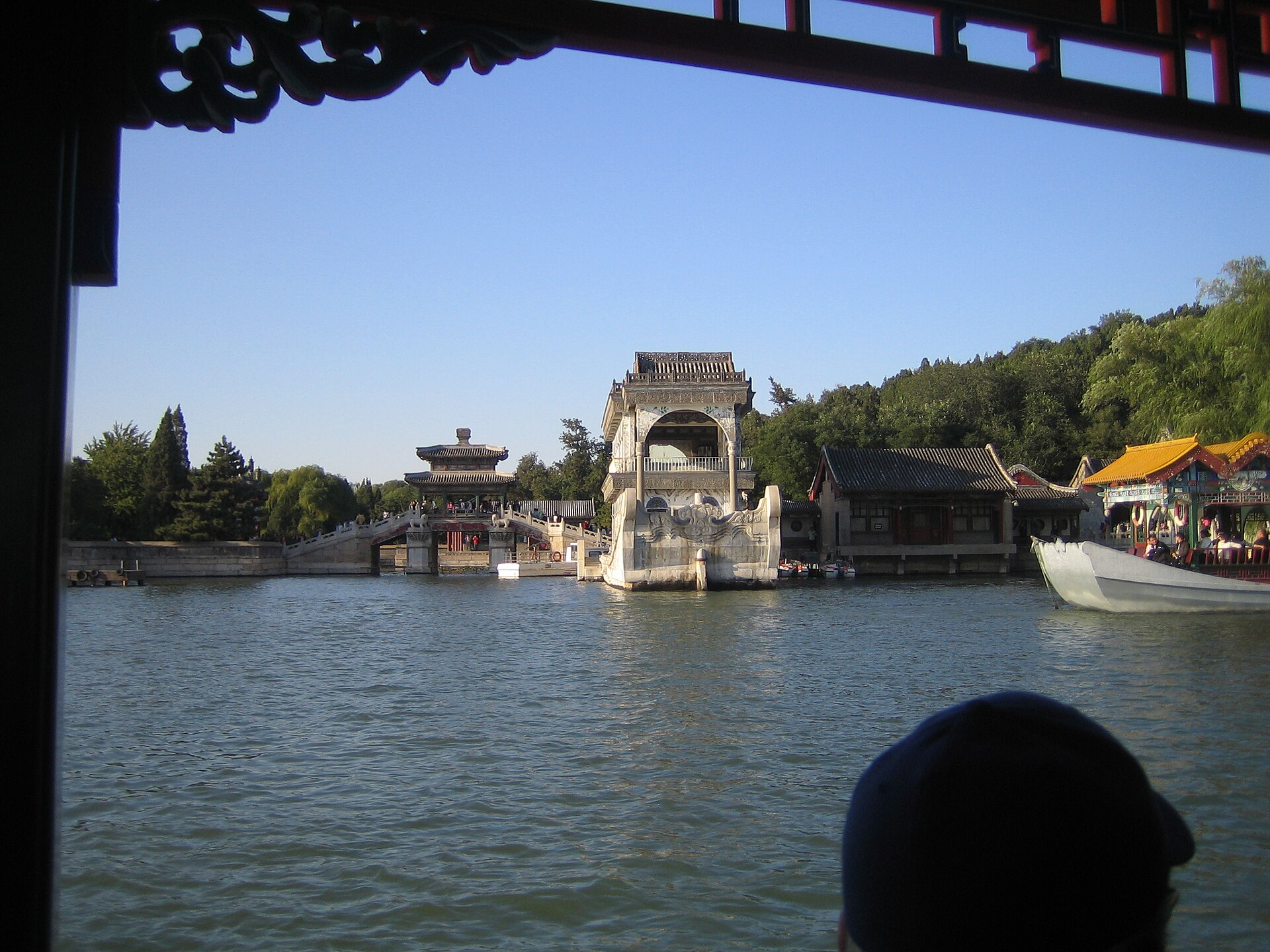
The lake is dotted with islands and crossed by bridges and causeways, creating a landscape of water and land of great beauty and variety. Its broad expanse reflects the sky, the hill, and the surrounding buildings, and it provides the setting for many of the most beautiful scenes of the garden, from the temples on the hill to the pavilions along its shores.
The creation of so vast a lake was an enormous undertaking, and it reflects the scale and the ambition of the imperial garden. The lake was designed not only for beauty but for the pleasure of boating and for the composition of the landscape, and it remains the central and most magnificent feature of the Summer Palace.
To see the great lake, with its islands and bridges, its reflections and its views, is to understand the beauty of the Summer Palace. The lake is the heart of the garden, the element around which everything else is arranged, and its broad and shining expanse, framed by the hill and the buildings, is one of the great sights of China.
It is remarkable to reflect that so vast a sheet of water was largely shaped by human hands, the earth removed to deepen it heaped up to raise the hill beside it. Lake and hill were thus created together, each the counterpart of the other, in a single grand act of landscape-making that embodies the Chinese ideal of reshaping nature into a more perfect form.
Longevity Hill
Rising beside the great lake is the hill that forms the other great feature of the Summer Palace, its slopes and summit adorned with temples, halls, and pavilions. This hill, known as Longevity Hill, is crowned by the most important religious buildings of the garden, and it provides the setting for some of its most magnificent structures.
The hill was landscaped and adorned to create a magnificent composition of buildings rising up its slopes toward the temples at its summit. Halls, pavilions, and temples are arranged on the hill in a carefully designed sequence, culminating in the great tower that crowns it, creating one of the most impressive architectural compositions in the garden.
The buildings on the hill served religious as well as scenic purposes, for the temples were places of worship as well as ornaments of the landscape. The arrangement of the buildings up the slope, toward the crowning tower, reflects the Chinese love of the mountain as a sacred and beautiful feature, and it creates a magnificent focus for the garden.
From the hill, visitors enjoy magnificent views over the great lake and the surrounding landscape, and the buildings that rise up its slopes are among the most beautiful in the garden. Longevity Hill, with its temples and halls, is the great architectural centerpiece of the Summer Palace, rising beside the lake as the crowning glory of the imperial garden.
The ascent of the hill, from the halls at its foot up through terraces and stairways to the great tower at the summit, is designed as a kind of pilgrimage in miniature, rising from the world of the court toward the realm of the sacred. Each level offers a wider view over the lake below, so that the climb itself becomes an experience of gradually unfolding beauty.
The Tower of Buddhist Incense
The crowning structure of the Summer Palace is the great tower that rises on Longevity Hill, a tall and magnificent building that dominates the garden and can be seen from across the lake. This tower, dedicated to Buddhist worship, is the architectural climax of the garden and one of its most famous and beautiful structures.
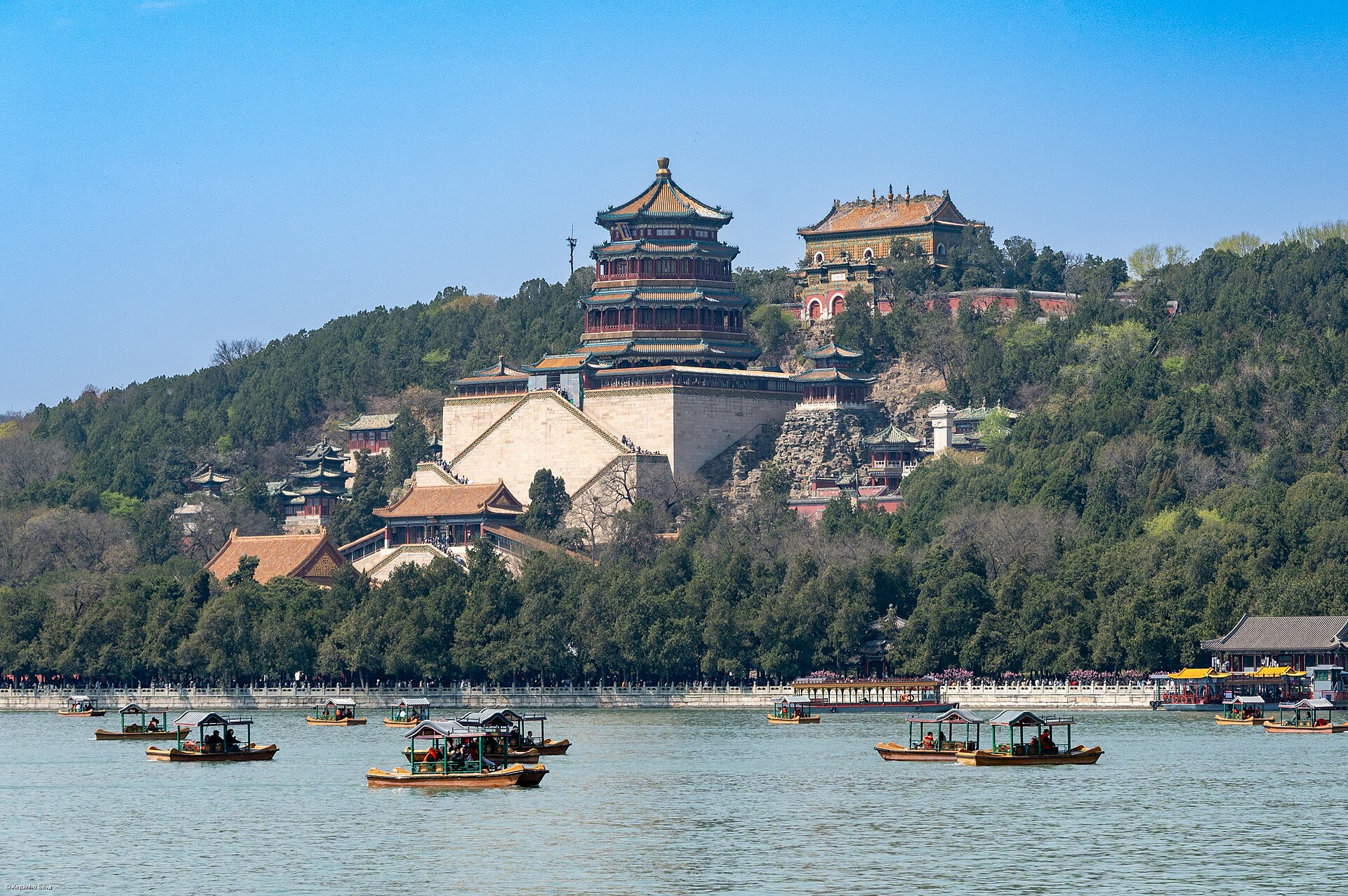
The tower rises in several storeys on the slope of the hill, crowned by a roof and reached by a series of halls and stairways climbing the hillside. Its height and its position make it the focal point of the garden, the culmination of the buildings that rise up the hill and the dominant feature of the whole landscape.
As a religious building, the tower was a place of Buddhist worship, reflecting the importance of Buddhism in the life of the imperial court. Its dedication to worship gave it a sacred significance, and it served as the spiritual as well as the architectural focus of the garden, rising above the lake as a symbol of devotion and majesty.
The Tower of Buddhist Incense is one of the great sights of the Summer Palace, its tall form rising on the hill and reflected in the lake below. It is the crowning glory of the garden, the focus of its magnificent composition, and one of the most beautiful and iconic structures in all of the imperial gardens of China.
The Long Corridor
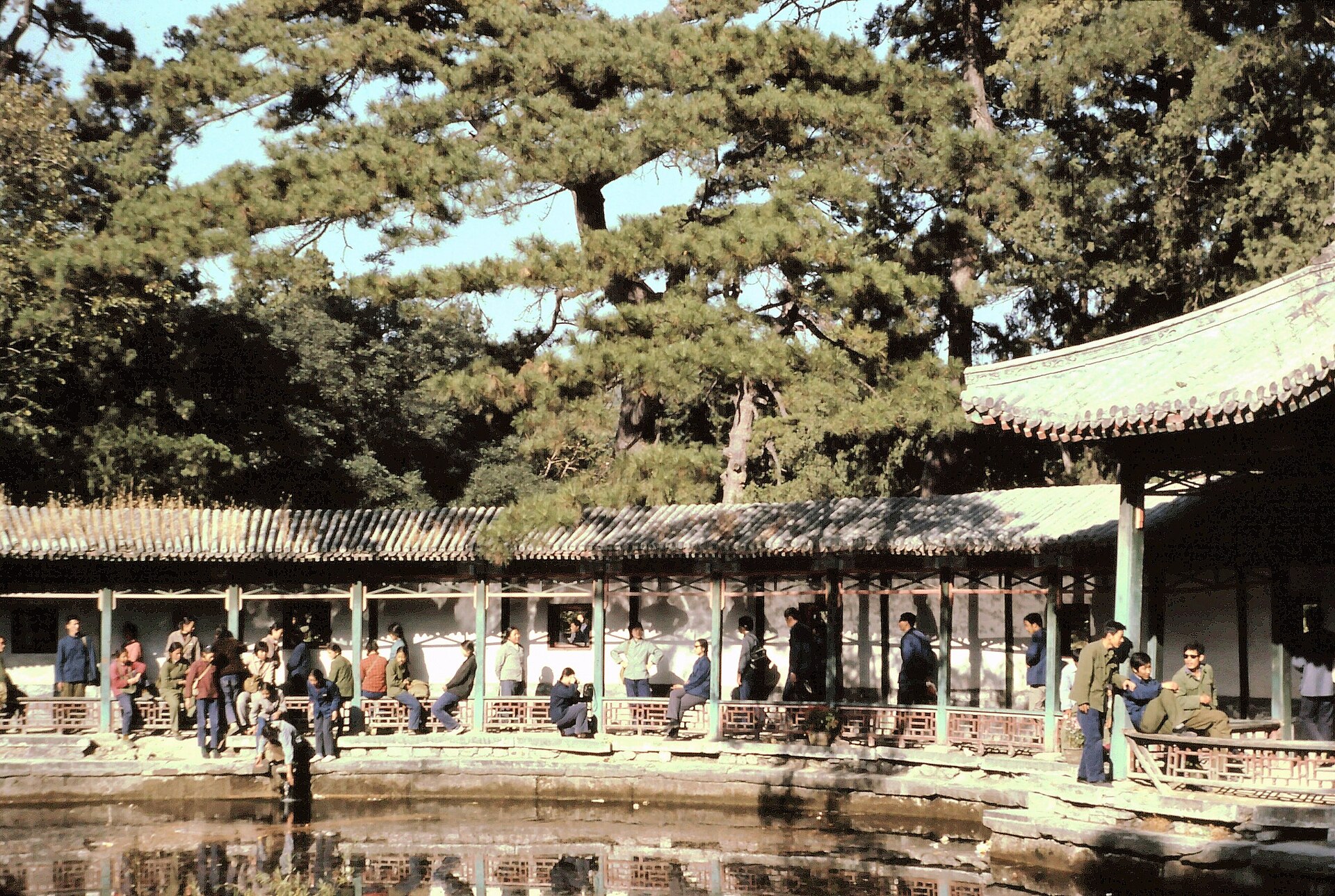
One of the most famous and beloved features of the Summer Palace is its Long Corridor, an extraordinarily long covered walkway that runs along the shore of the lake at the foot of Longevity Hill. This corridor, one of the longest of its kind in the world, is famous not only for its length but for the thousands of paintings that adorn its beams.
The corridor was designed to allow the imperial family to walk along the lakeshore sheltered from the sun and the rain, enjoying the views of the lake and the hill. Its great length, running for a remarkable distance along the shore, made it a wonder of the garden, and it connected the various buildings along the lakeshore in a continuous covered walkway.
The beams and ceilings of the corridor are covered with a vast number of paintings, depicting landscapes, scenes from history and legend, flowers, birds, and other subjects. This extraordinary collection of paintings, thousands in number, makes the corridor a gallery of Chinese art as well as a covered walkway, and it is one of the great treasures of the garden.
The Long Corridor is one of the most delightful features of the Summer Palace, offering both a beautiful walk along the lakeshore and an endless display of painted scenes. To walk its length, admiring the paintings above and the views of the lake beside, is one of the great pleasures of the garden, and it remains one of its most famous and beloved features.
The paintings of the Long Corridor form one of the largest open-air galleries in the world, and no two are alike. Walking its length, one passes through scenes of mountains and rivers, of heroes and legends, of flowers and birds, an unfolding panorama of the Chinese imagination that turns a simple walk along the lake into a journey through the culture and the stories of a civilization.
The Marble Boat
Among the most curious and famous features of the Summer Palace is the Marble Boat, a pavilion in the shape of a boat, built of stone at the edge of the lake. This unusual structure, which appears to float at the lakeshore, is one of the most distinctive and celebrated features of the garden.
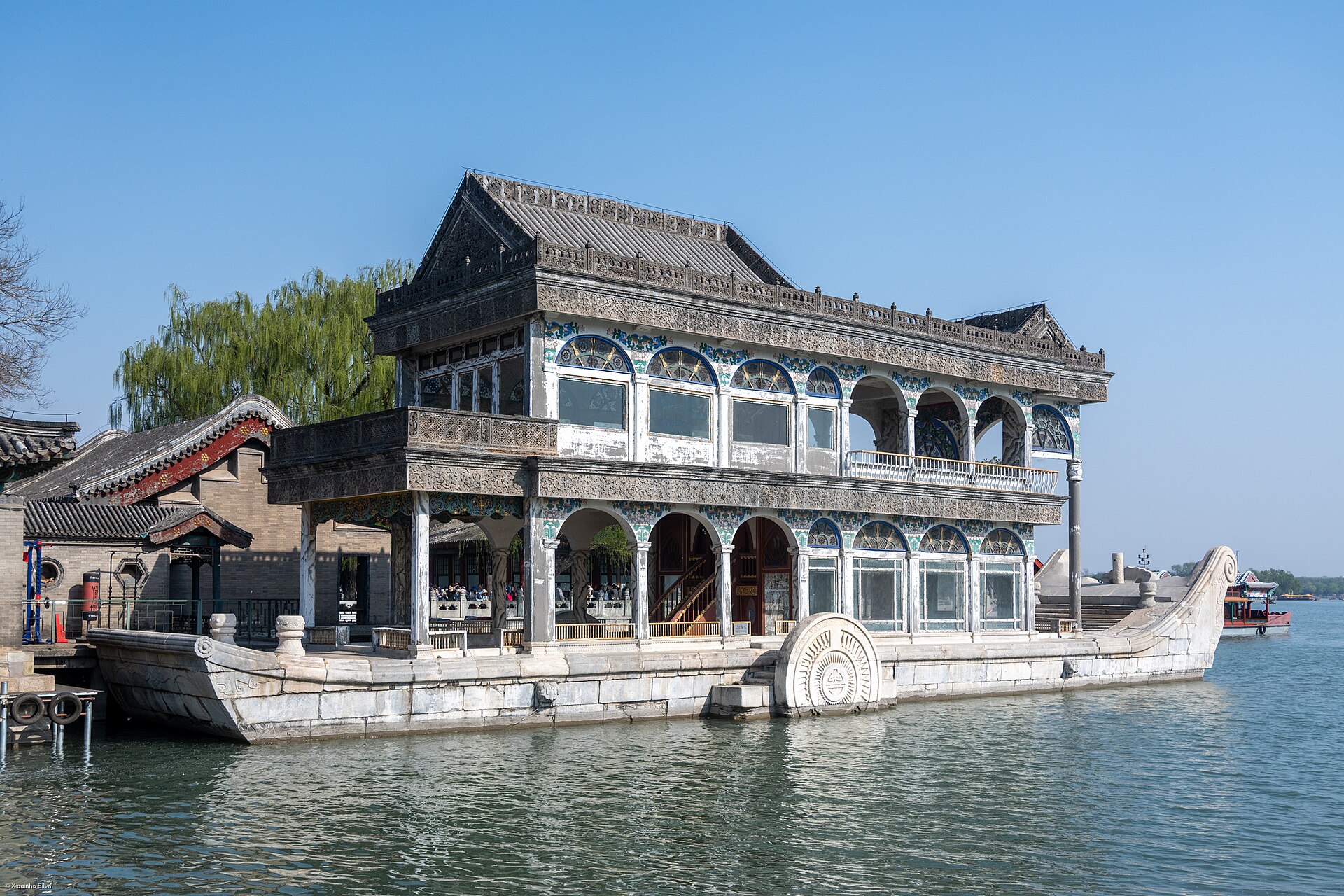
The Marble Boat is a pleasure pavilion in the form of a large boat, built of stone and decorated in an elaborate style. Fixed at the edge of the lake, it never sailed, but served as a place to sit and enjoy the views of the water and the garden, a whimsical and beautiful feature of the landscape.
The boat combines Chinese and Western decorative elements, reflecting the influence of European styles that reached the imperial court. Its unusual form and its rich decoration make it one of the most distinctive structures in the garden, a curiosity that has delighted visitors for generations.
The Marble Boat is one of the most famous and beloved features of the Summer Palace, a whimsical and beautiful pavilion at the edge of the great lake. Its form as a boat that never sails, fixed forever at the lakeshore, gives it a special charm, and it remains one of the most photographed and celebrated sights in the garden.
The choice to build a boat of stone that could never sail carries a certain poetry, and various meanings have been read into it over the years. A ship of marble, fixed forever at the shore, is at once a plaything and a symbol, and its permanence, unlike that of a real boat, seems fitting for a garden built to embody an idealized and unchanging vision of nature.
The Empress Dowager
The Summer Palace is closely associated with the powerful Empress Dowager who dominated the last decades of the imperial court, and who lavished attention and resources on the garden. Under her influence, the Summer Palace was rebuilt and adorned, becoming her favorite retreat and the setting for much of her life and rule.
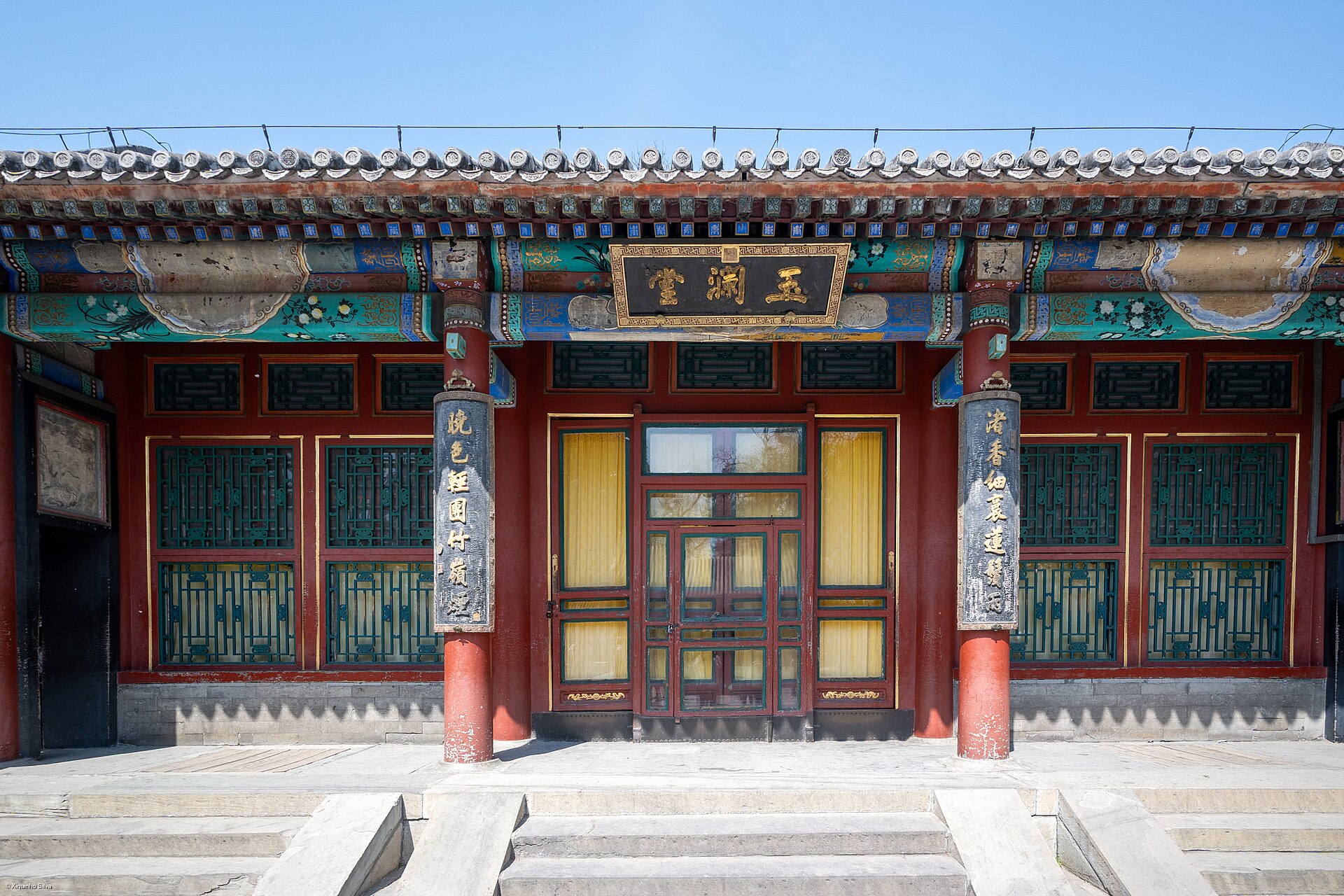
The Empress Dowager was one of the most powerful figures in the history of the late imperial court, effectively ruling China for many years. She loved the Summer Palace and devoted great resources to its restoration and embellishment, and the garden as it survives today owes much to her patronage and her taste.
The devotion of the Empress Dowager to the Summer Palace, and the great sums spent on its restoration, became a subject of controversy, for they came at a time of great difficulty for China. The story of the funds devoted to the garden, when the country faced grave challenges, has become part of the history of the palace and of the late imperial court.
The association of the Summer Palace with the Empress Dowager gives it a central place in the history of the late imperial period. As her favorite retreat and the setting for much of her rule, the garden witnessed the events of a critical age in Chinese history, and it stands as a monument to one of the most powerful and controversial figures of the dynasty.
The tale that funds intended for the imperial navy were diverted to rebuild the garden has become one of the most repeated stories of the late dynasty, a symbol of a court accused of pursuing beauty while the country’s defenses were neglected. Whatever the full truth of the matter, the story has attached itself permanently to the Summer Palace and to the memory of the Empress Dowager.
Destruction and Rebuilding
The history of the Summer Palace is marked by episodes of destruction as well as of splendor, for the garden was damaged and looted during times of conflict. In the course of the wars that afflicted China in the nineteenth century, the garden was devastated by foreign troops, and much of its beauty was destroyed.
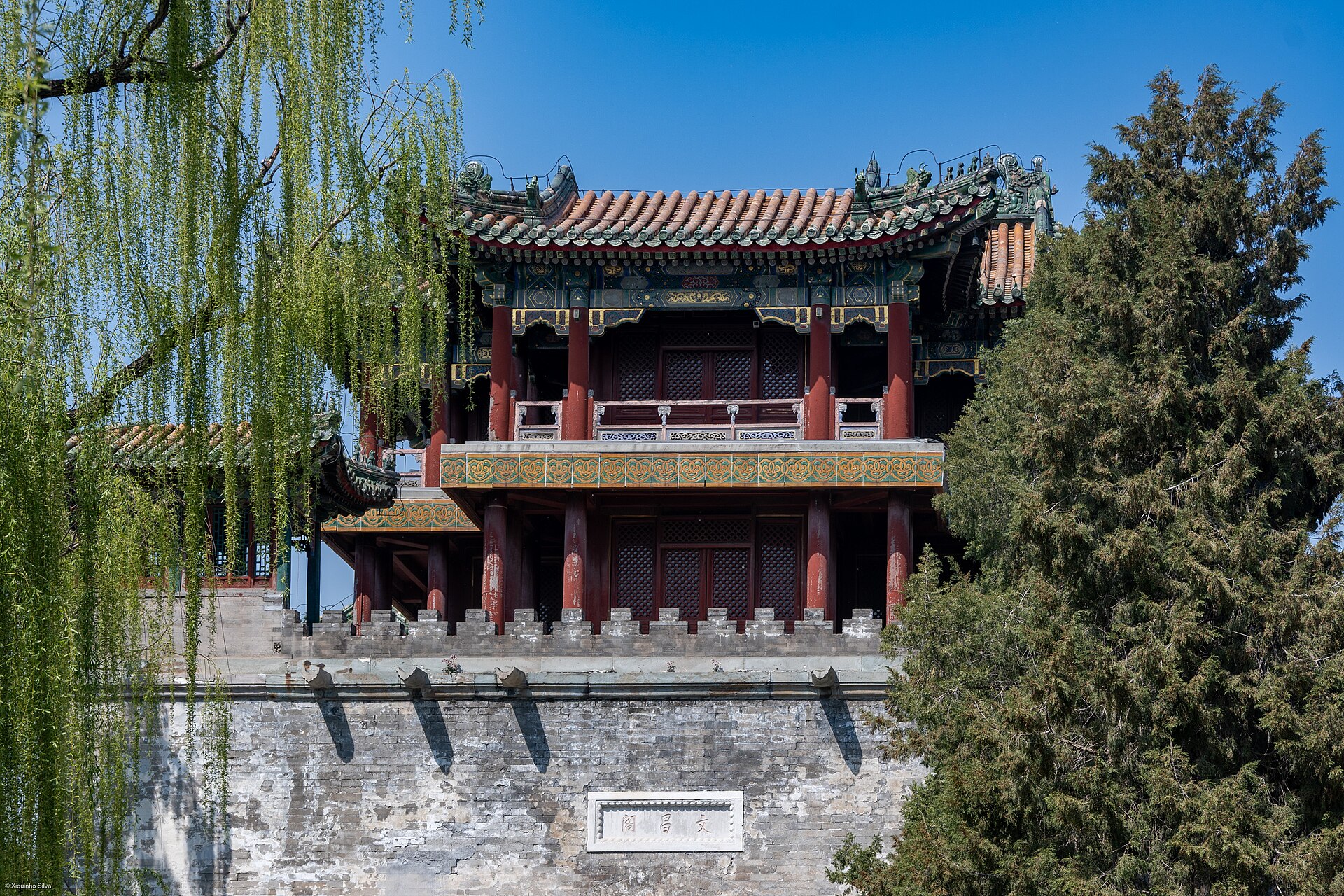
The destruction of the garden was a grievous loss, and it was part of the wider suffering that China endured during this difficult period. The looting and burning of the imperial gardens by foreign forces became a symbol of the humiliations of the age, and the damage to the Summer Palace was deeply felt.
After the destruction, the garden was rebuilt and restored, notably under the patronage of the Empress Dowager, who devoted great resources to its restoration. The rebuilding recovered much of the beauty of the garden, though the scars of the destruction remained part of its history.
The garden suffered further damage in later conflicts, but it survived and was repeatedly restored. The history of destruction and rebuilding is part of the story of the Summer Palace, reflecting the turbulent history of China in this period, and the survival and restoration of the garden is a testament to its importance and its enduring beauty.
The burning of the imperial gardens remains one of the most painful episodes in the modern memory of China, a symbol of the humiliations the country suffered at the hands of foreign powers. That the Summer Palace was afterward rebuilt, rising again in beauty from the destruction, gives it an added significance as a monument not only to imperial splendor but to endurance and recovery.
Bridges, Islands, and Pavilions
The landscape of the Summer Palace is enriched by numerous bridges, islands, and pavilions, which add variety and beauty to the garden. Among the most famous is a great bridge of many arches that connects an island in the lake to the shore, one of the most beautiful and celebrated structures in the garden.
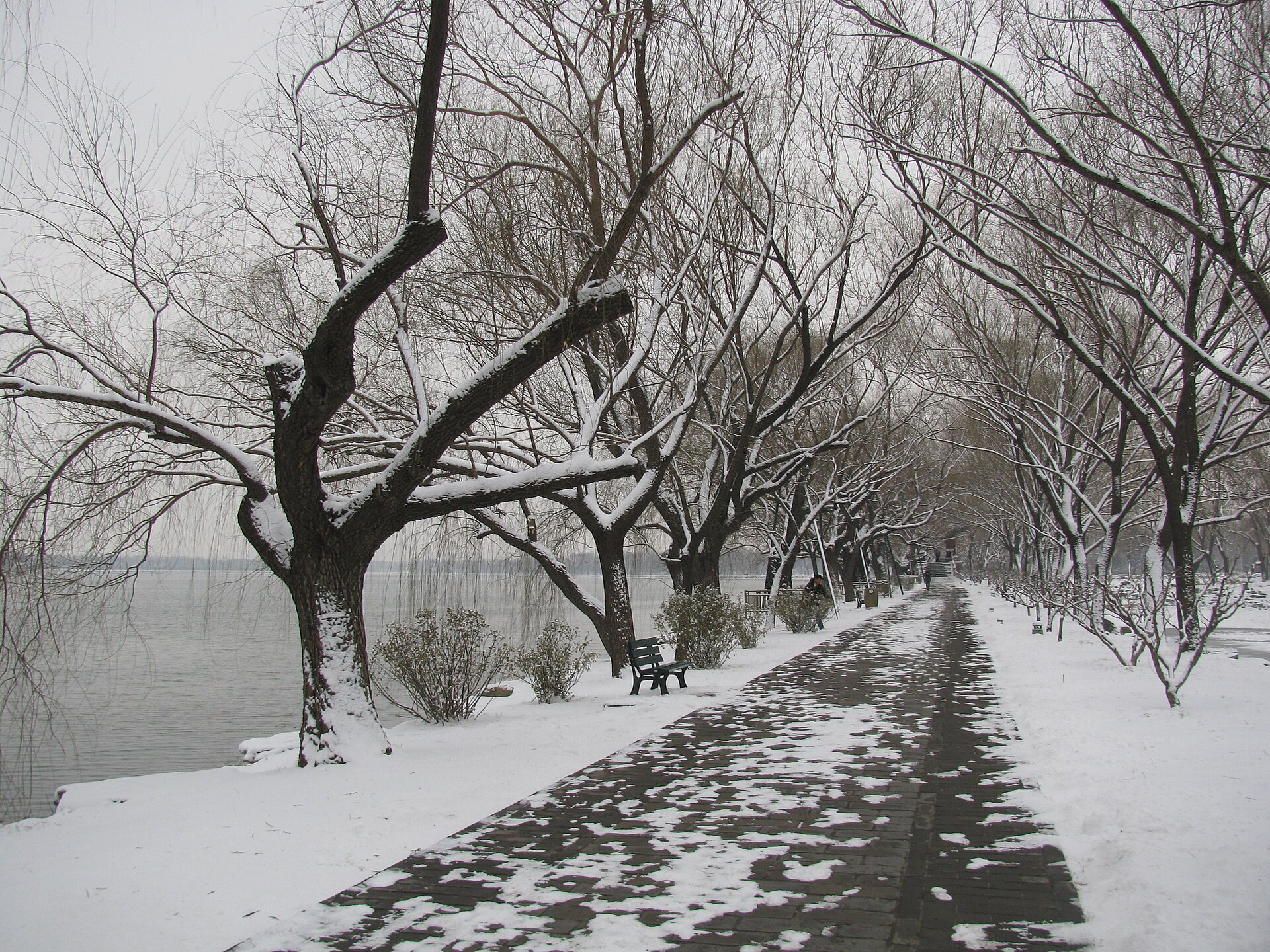
The bridges of the garden, crossing the lake and connecting its islands and shores, are works of beauty as well as of use, their graceful forms reflected in the water. The islands in the lake, adorned with pavilions and temples, create focal points in the landscape, and the pavilions scattered throughout the garden offer places to rest and enjoy the views.
These features enrich the landscape of the garden, creating an endless variety of scenes and views. The bridges, islands, and pavilions are arranged to compose beautiful prospects, in the tradition of the Chinese garden, and they add to the sense of the Summer Palace as a landscape of infinite beauty and variety.
Together with the lake and the hill, the bridges, islands, and pavilions complete the composition of the Summer Palace. They provide the details and the focal points that enrich the great framework of lake and hill, and they contribute to the beauty and the variety of the garden, making it a landscape of endless delight.
A Masterpiece of Garden Design
In recognition of its outstanding importance, the Summer Palace has been designated a site of world heritage, acknowledged as a masterpiece of Chinese landscape garden design. This recognition reflects the supreme artistry of the garden and its importance as the grandest surviving example of the Chinese imperial garden.
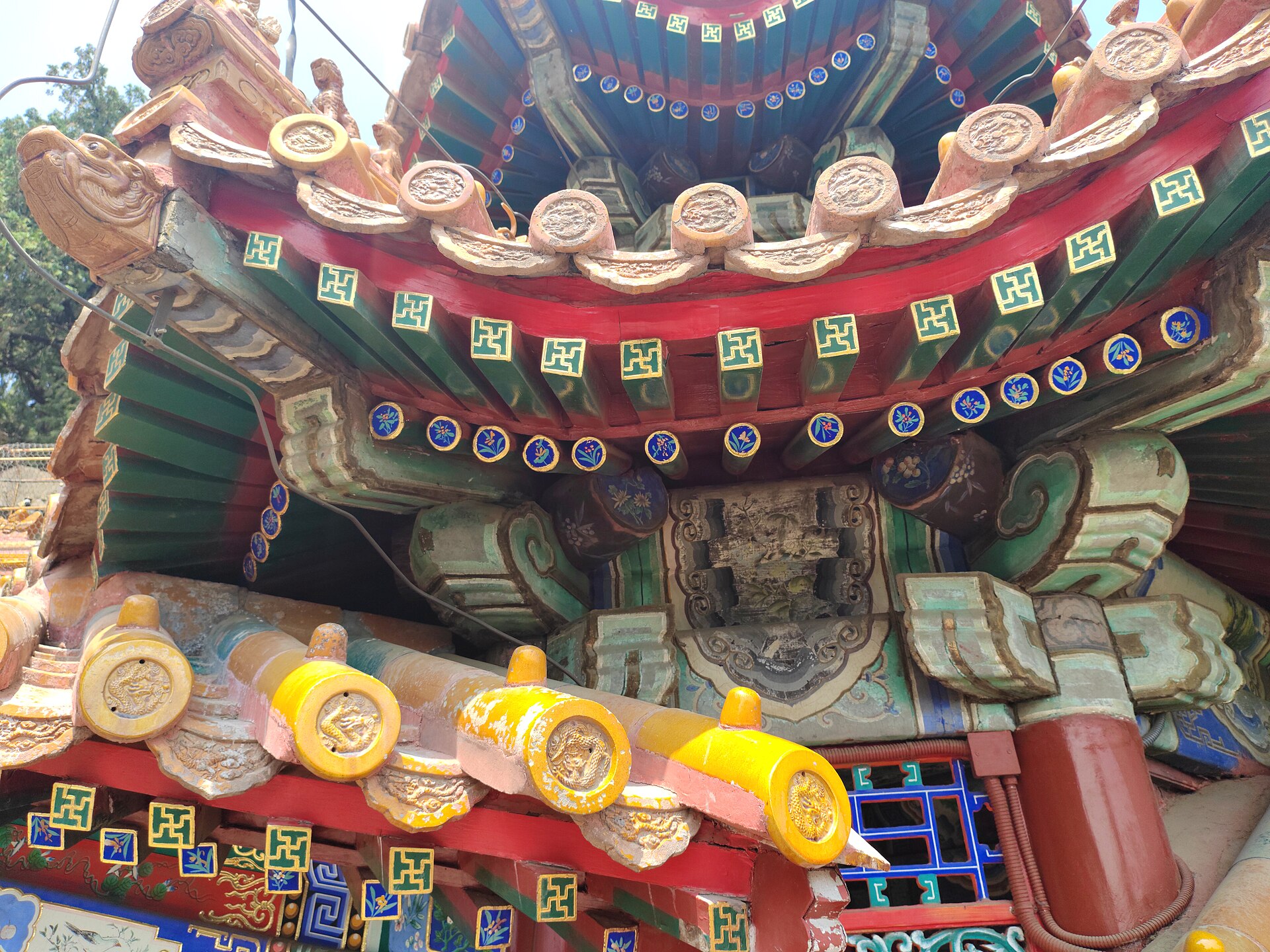
The Summer Palace is celebrated as an outstanding expression of the Chinese philosophy and practice of landscape design, in which the natural world is re-created and idealized to create a landscape of beauty and meaning. Its combination of lake, hill, buildings, and views represents the culmination of this great tradition.
The preservation of the garden is a matter of great importance to China and to the world, protecting this masterpiece of landscape design for future generations. The careful maintenance of the lake, the hill, the buildings, and the plantings ensures the survival of the garden and its beauty.
Through its recognition as a world heritage site, the Summer Palace has been secured as one of the great cultural treasures of China and of the world. Its lake, hill, temples, and pavilions stand as a testament to the supreme art of the Chinese garden, preserved on the edge of Beijing for the admiration of visitors from around the world.
What the recognition celebrates above all is the philosophy embodied in the garden, the idea that a designed landscape can capture and perfect the essence of the natural world. In the Summer Palace this idea is realized on an imperial scale, and the garden stands as the supreme surviving demonstration of a way of thinking about nature and beauty that is one of China’s great contributions to world culture.
Visiting the Summer Palace Today
Today the Summer Palace is one of the most popular attractions in Beijing, drawing enormous numbers of visitors to explore its lake, its hill, and its many buildings. Set on the edge of the city, it offers a beautiful and tranquil retreat and a magnificent example of the art of the Chinese garden.
View the exact location on Google Maps
A visit leads through the garden, along the shore of the great lake, through the Long Corridor, up Longevity Hill to the great tower, and past the Marble Boat and the many other features of the garden. The scale and the beauty of the landscape reward unhurried exploration, with new scenes and views revealed at every turn.
The lake is a highlight of any visit, offering the opportunity to walk along its shores, cross its bridges, and enjoy the views of the hill and the buildings reflected in the water. Boating on the lake, as the emperors once did, is one of the great pleasures of a visit to the garden.
Whether you come for the lake, the hill, the temples, the corridor, or the sheer beauty of the landscape, the Summer Palace offers an unforgettable experience. It is the grandest surviving imperial garden of China, a masterpiece of landscape design, and a place where the beauty and the art of the Chinese garden are preserved on the edge of Beijing.
A boat trip across the great lake is one of the finest ways to experience the garden as its builders intended, for only from the water can you fully appreciate the way the Tower of Buddhist Incense rises on its hill above the shore. Seen from a boat, with the temple reflected in the lake and the Long Corridor stretching along the bank, the Summer Palace reveals the full harmony of its design.
Palaces Nearby
The Summer Palace is one of the great imperial residences of Beijing and China. To see the two faces of the Chinese court, the ceremonial and the pleasure garden, these palaces make natural companions to a visit here.
You May Like
The Palaces of Orchha: A Bundela Capital on the Betwa


One thought on “The Summer Palace of Beijing: China’s Grandest Imperial Garden”