Rising above the town of Blois in the heart of the Loire Valley, the Royal Château of Blois is one of the most fascinating palaces in all of France, a building that tells the story of French royal architecture across four centuries in a single courtyard. To stand in its inner court is to be surrounded by the changing styles of the ages, from the medieval to the classical, each wing the work of a different king and a different era.
Blois was a favoured residence of the kings of France, a place where monarchs were born and died, where great assemblies gathered and fateful decisions were made. Its walls have witnessed some of the most dramatic events in French history, from royal celebrations to political murder, and the château carries the memory of these events in a way that few buildings can match.
What makes Blois so extraordinary is its variety, for unlike a palace built to a single design, it grew over the centuries as successive kings added their own wings in the style of their times. The result is a building of remarkable diversity, a living lesson in the history of French architecture, where the visitor can trace the evolution of taste from the Gothic through the Renaissance to the classical age.
In the pages ahead you will explore this remarkable royal château, from the different wings that make it a museum of architecture, through the famous staircase and the dramatic events it witnessed, to its life today as one of the treasures of the Loire. Blois is a palace where the whole history of the French monarchy seems to come together, and it rewards the curious visitor with wonders at every turn.
In This Article
- A Favourite of the Kings
- Four Ages in a Single Courtyard
- The Great Medieval Hall
- The Gothic-Renaissance Wing
- The Renaissance Masterpiece
- The Famous Spiral Staircase
- The Classical Wing
- A Royal Murder
- A Queen’s Daring Escape
- Emblems of the Kings
- The Château and Its Town
- A Museum Within the Walls
- Exploring Blois Today
A Favourite of the Kings
The Château of Blois holds a special place in the history of the French monarchy, for it was one of the most favoured royal residences of its age, a place where kings chose to live, to hold court, and to conduct the business of the kingdom. Over the generations, monarch after monarch was drawn to Blois, making it for a time one of the true centres of royal power in France.
The château’s importance reached its height when it served as a principal seat of the crown, the place from which France was governed and where the court gathered in splendour. To hold court at Blois was to stand at the very heart of the kingdom, and the château witnessed the full pageantry of royal life, from grand ceremonies to the daily rituals of the monarchy.
Blois was more than a place of government; it was a home to the royal family, a residence where kings were born and where they died, where the intimate life of the monarchy unfolded alongside its public grandeur. This dual character, as both a seat of power and a family home, gave the château a particular richness, binding it closely to the personal fortunes of the royal house.
This long association with the kings of France makes Blois a place of exceptional historical importance, a château at the very centre of the nation’s royal history. The events that unfolded within its walls shaped the destiny of France, and the building stands today as a witness to the world of the French monarchy at the height of its power and drama.
For a period, indeed, Blois functioned almost as a capital, so central was it to the life of the court and the government. Kings preferred it to Paris for long stretches, drawn by the beauty of the Loire and the pleasures of the region, and while they resided here the affairs of the whole kingdom were directed from its rooms. Few châteaux can claim to have stood so close to the heart of French power.
Four Ages in a Single Courtyard
The most remarkable feature of Blois is the extraordinary variety of its architecture, for the château is composed of wings built in very different periods and styles, gathered around a single courtyard. To stand in this court is to be surrounded by the history of French architecture, each side of the enclosure representing a different age and a different vision of what a royal palace should be.
This variety arose because Blois was built and rebuilt over the centuries, as successive kings added their own wings in the style of their times rather than replacing what had come before. The result is a building that preserves the architectural achievements of several distinct eras side by side, a rare and precious survival that allows the visitor to compare the styles of different ages at a glance.
The wings range from the medieval to the classical, taking in the transitional styles of the late Gothic and the full flowering of the Renaissance along the way. Each represents the taste and ambition of the king who built it, and together they form a kind of textbook of French architecture, a living demonstration of how styles evolved across the centuries.
This concentration of different periods in a single building makes Blois uniquely instructive as well as beautiful. Nowhere else can the development of French royal architecture be traced so clearly within the walls of one château, and this quality has made Blois a place of special fascination for all who are interested in the history of building and design.
This layering happened not by design but through the accidents of history and the preferences of successive kings, each of whom wished to leave his own mark. Where one monarch might have swept away the work of his predecessors, the kings of Blois tended to build alongside what already stood, and the happy result is a château that preserves the achievements of several ages instead of erasing them.
For the student of architecture, this makes Blois almost uniquely valuable, a place where centuries of stylistic change can be studied side by side without travelling from one building to another. But even for the visitor with no special knowledge, the effect is immediate and striking, the courtyard offering an unforgettable lesson in how the look of a royal palace transformed across the ages.
The Great Medieval Hall
The oldest part of the Château of Blois reaches back to the Middle Ages, and among its most important survivals is a great hall dating from that distant era. This vast medieval chamber, one of the largest surviving halls of its kind, is a rare and precious remnant of the château’s earliest days, a space that has witnessed the assemblies and ceremonies of centuries.
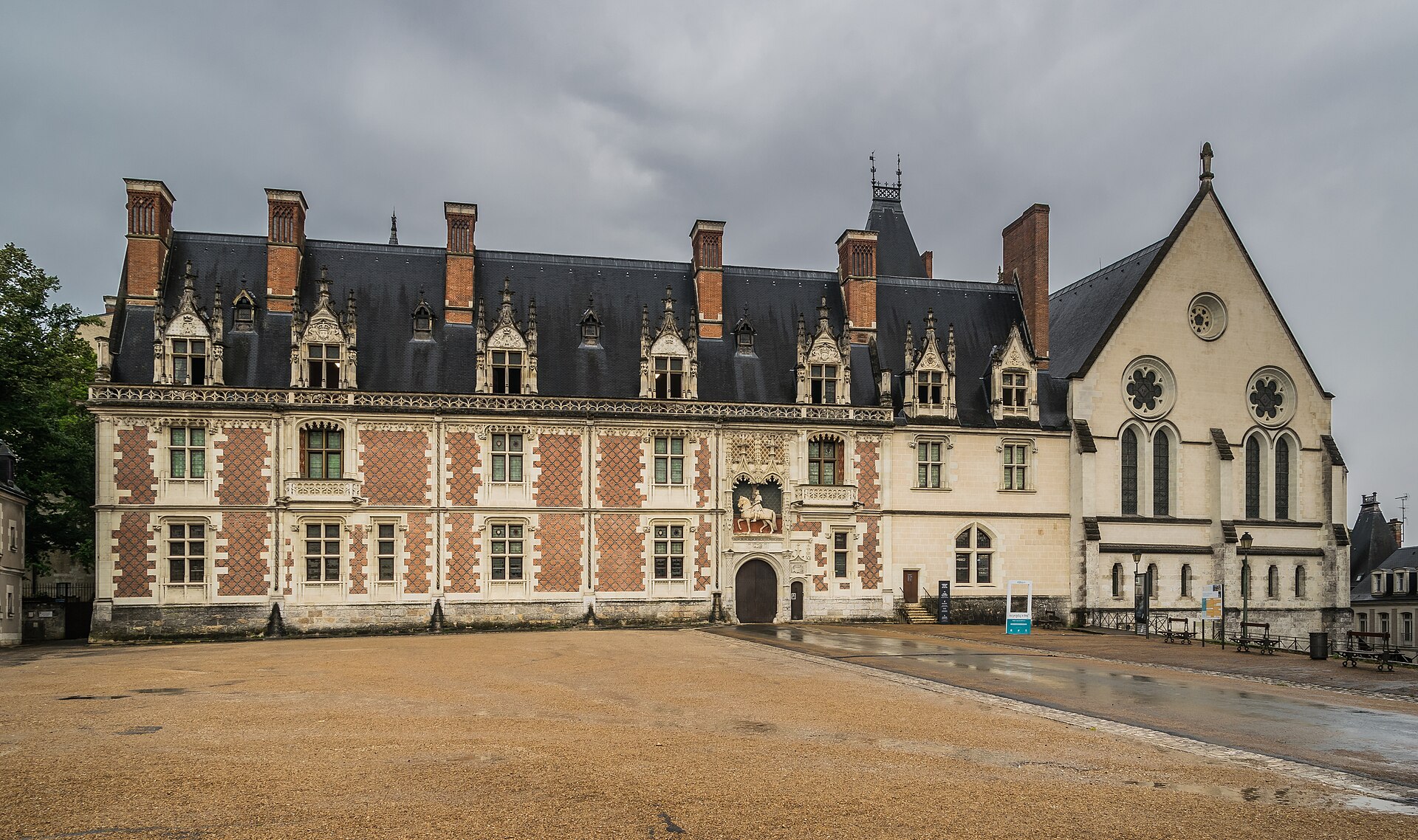
Such great halls were the heart of medieval residences, the places where lords and kings held court, dispensed justice, and gathered their followers in feasts and councils. The survival of so grand a hall at Blois is a remarkable link to the medieval origins of the château, a reminder that the building’s history stretches back long before the splendours of the Renaissance.
This hall was the setting for important assemblies, occasions on which representatives gathered to deliberate on the great questions of the day. The chamber thus played a part in the political life of France, its ancient walls witnessing debates and decisions that touched the whole kingdom, and it carries the memory of these gatherings into the present day.
The great medieval hall anchors the Château of Blois in the deep past, providing a foundation upon which the later, more splendid additions were built. It reminds the visitor that Blois was already a place of importance in the Middle Ages, and it forms the first chapter in the long architectural story that the château tells so vividly across its several wings.
The rough grandeur of the medieval hall offers a striking contrast to the refined elegance of the Renaissance wings, and moving between them gives the visitor a vivid sense of how far architecture and courtly life had travelled over the centuries. In that contrast lies much of the fascination of Blois, a single building in which several worlds meet.
The Gothic-Renaissance Wing
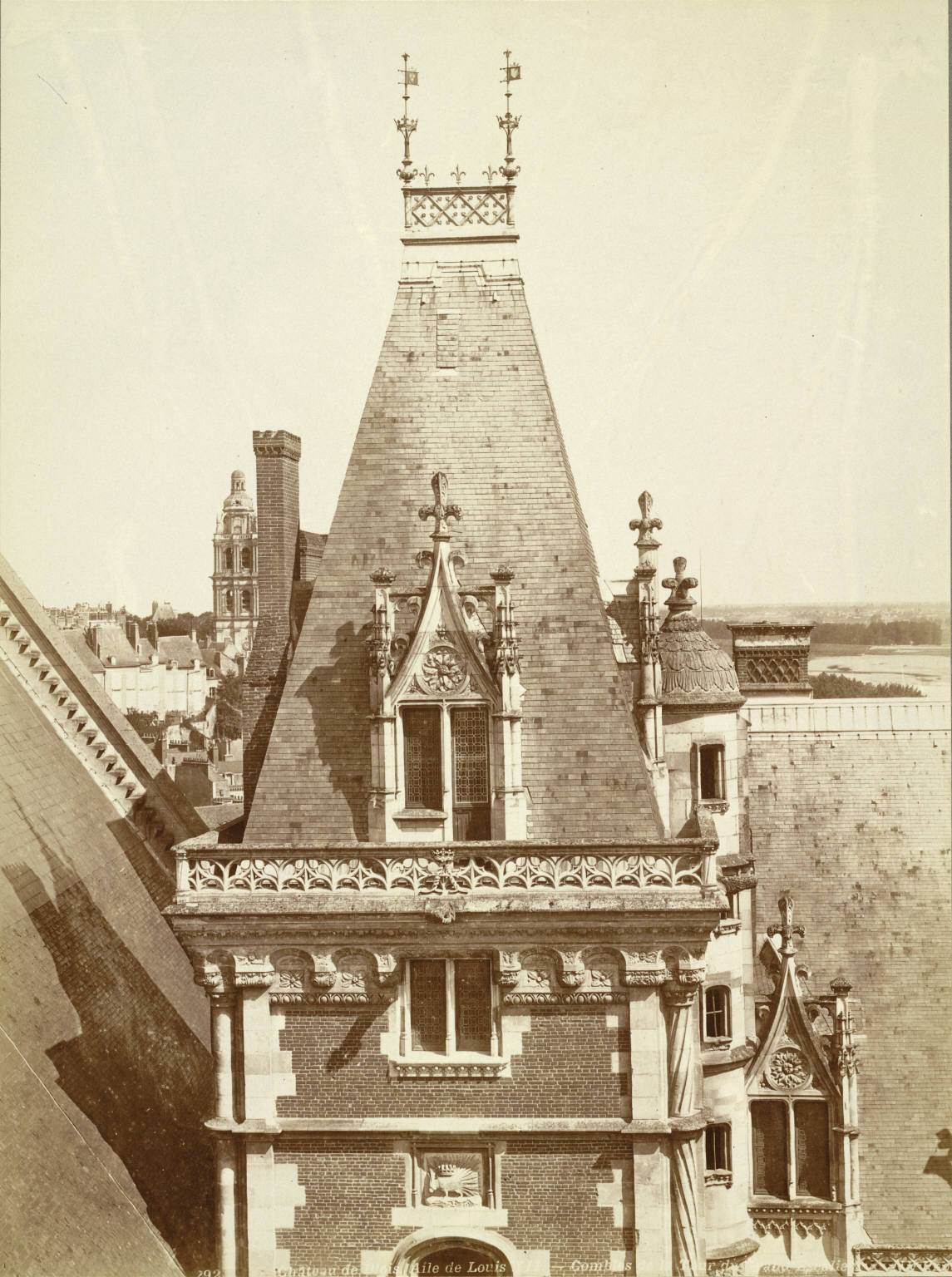
One of the most charming parts of the Château of Blois is the wing built around the turn of the sixteenth century, a delightful composition in brick and stone that captures the moment when the Gothic style was beginning to give way to the Renaissance. This wing, with its warm colours and its lively decoration, represents a transitional age in French architecture, poised between two great eras.
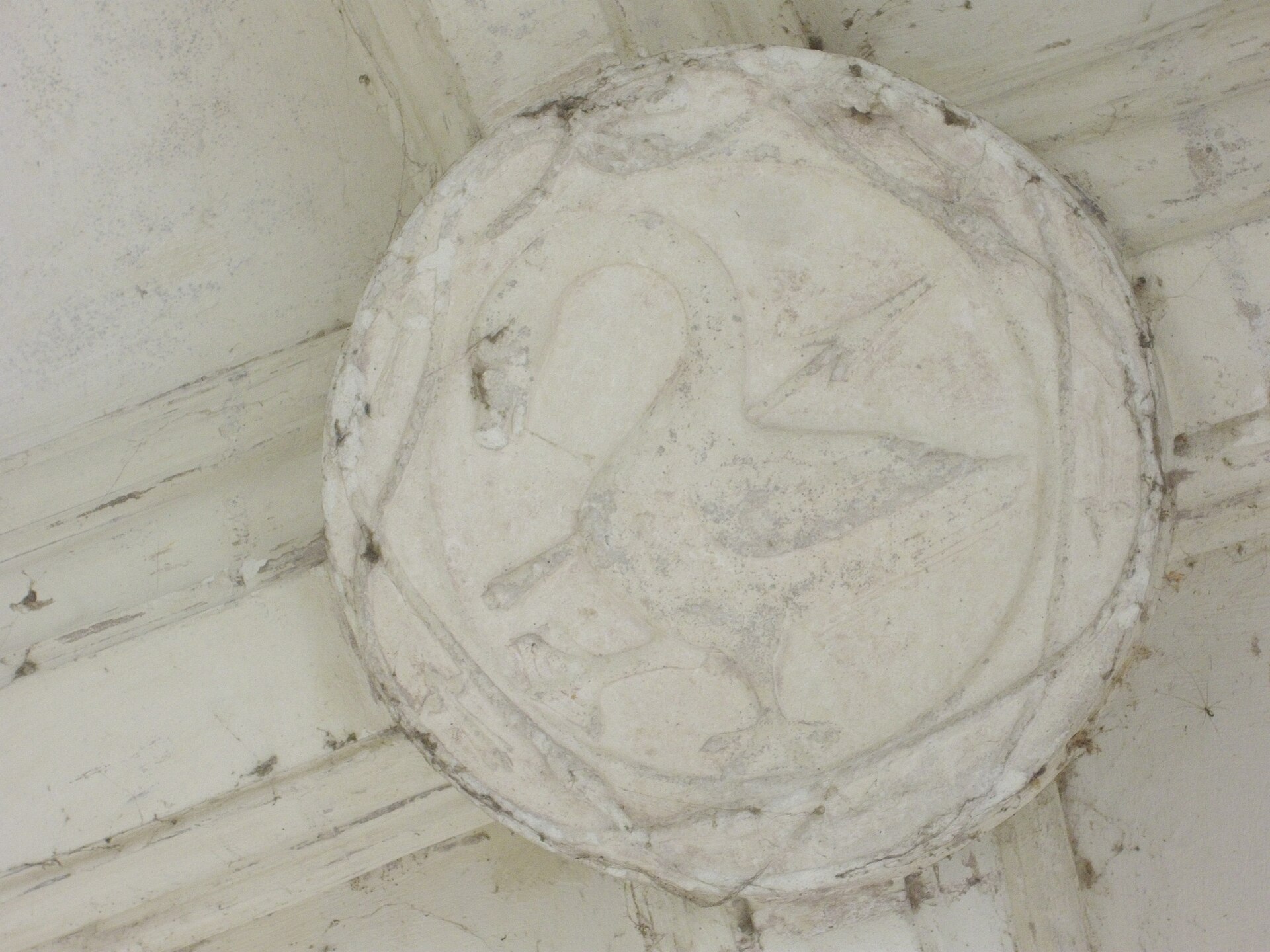
The wing was the work of a king who made Blois a principal royal residence and lavished attention upon it, and it reflects the taste of his time with its combination of late Gothic forms and the first hints of the new Renaissance style arriving from Italy. The mixture of brick and stone gives the wing a distinctive and appealing character, quite different from the grander stonework of later additions.
The decoration of this wing is full of charm and invention, with carved details and ornament that reward close attention. It embodies a moment of transition and experiment, when French builders were beginning to absorb new influences while still working in the familiar traditions of the Gothic, and it stands as a delightful record of that creative and pivotal age.
This wing gives Blois one of its most attractive faces, a warm and lively composition that contrasts with the more austere grandeur of the other parts of the château. It represents an important stage in the architectural story that Blois tells, the threshold of the Renaissance, and it remains one of the most beloved and photographed features of the whole building.
The warmth of the brick, unusual among the great stone châteaux of the Loire, gives this wing a domestic and welcoming quality that many visitors find especially appealing. It speaks of a moment before royal architecture became wholly grand and ceremonial, when a king’s residence could still wear a friendlier and more human face, and it remains one of the most endearing corners of Blois.
The Renaissance Masterpiece
The most celebrated wing of the Château of Blois is the great Renaissance addition built by one of France’s most famous kings, a work that represents the full flowering of the new Italian-inspired style in France. This wing, with its rich decoration and its confident classical detail, marks the triumph of the Renaissance at Blois and stands as one of the masterpieces of the age.
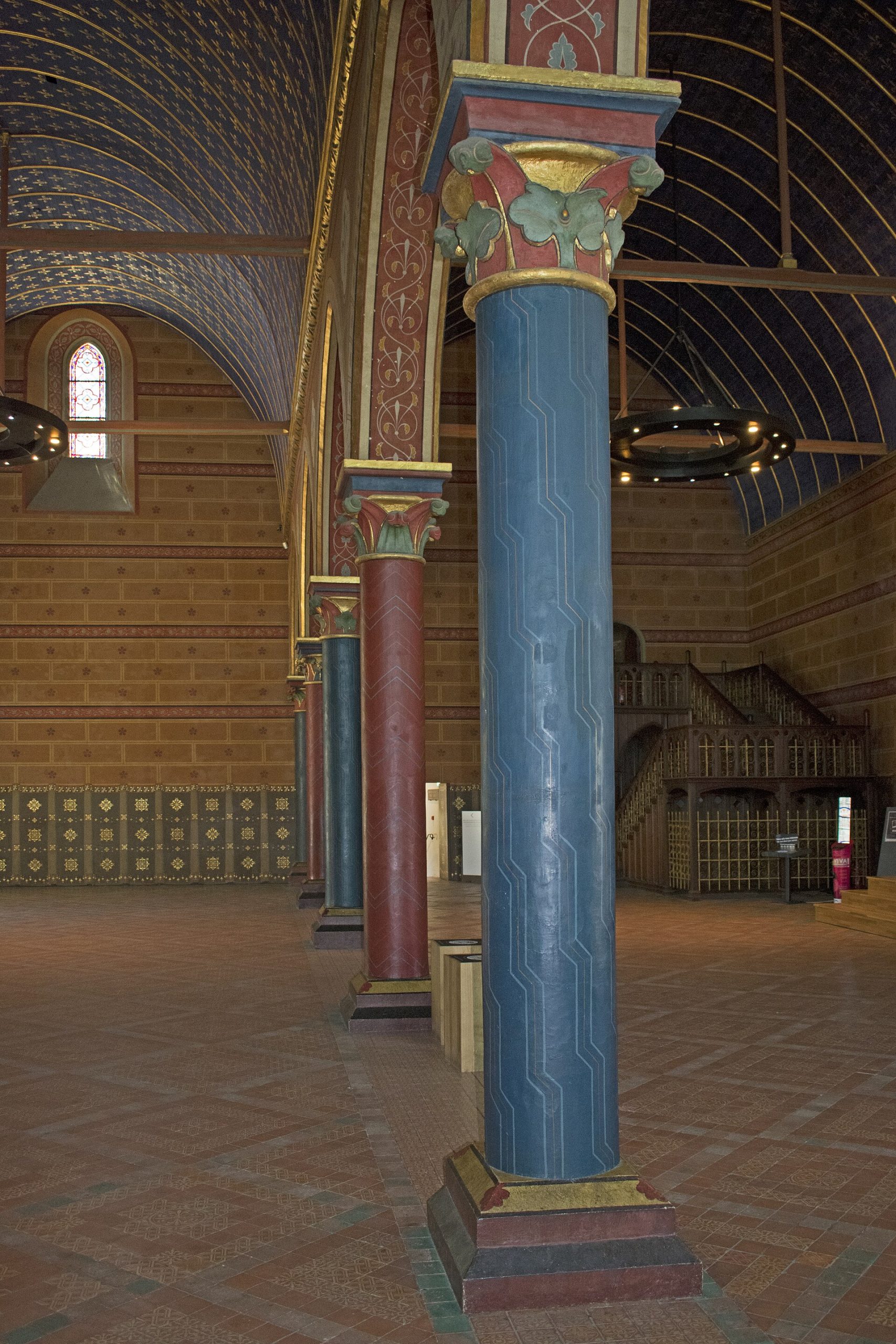
The king who built this wing was a passionate patron of the Renaissance, and he brought to Blois the same love of art and architecture that shaped his other great projects. The wing he created is adorned with the emblems of his reign and the ornament of the new style, a splendid expression of royal magnificence and cultivated taste at the height of the French Renaissance.
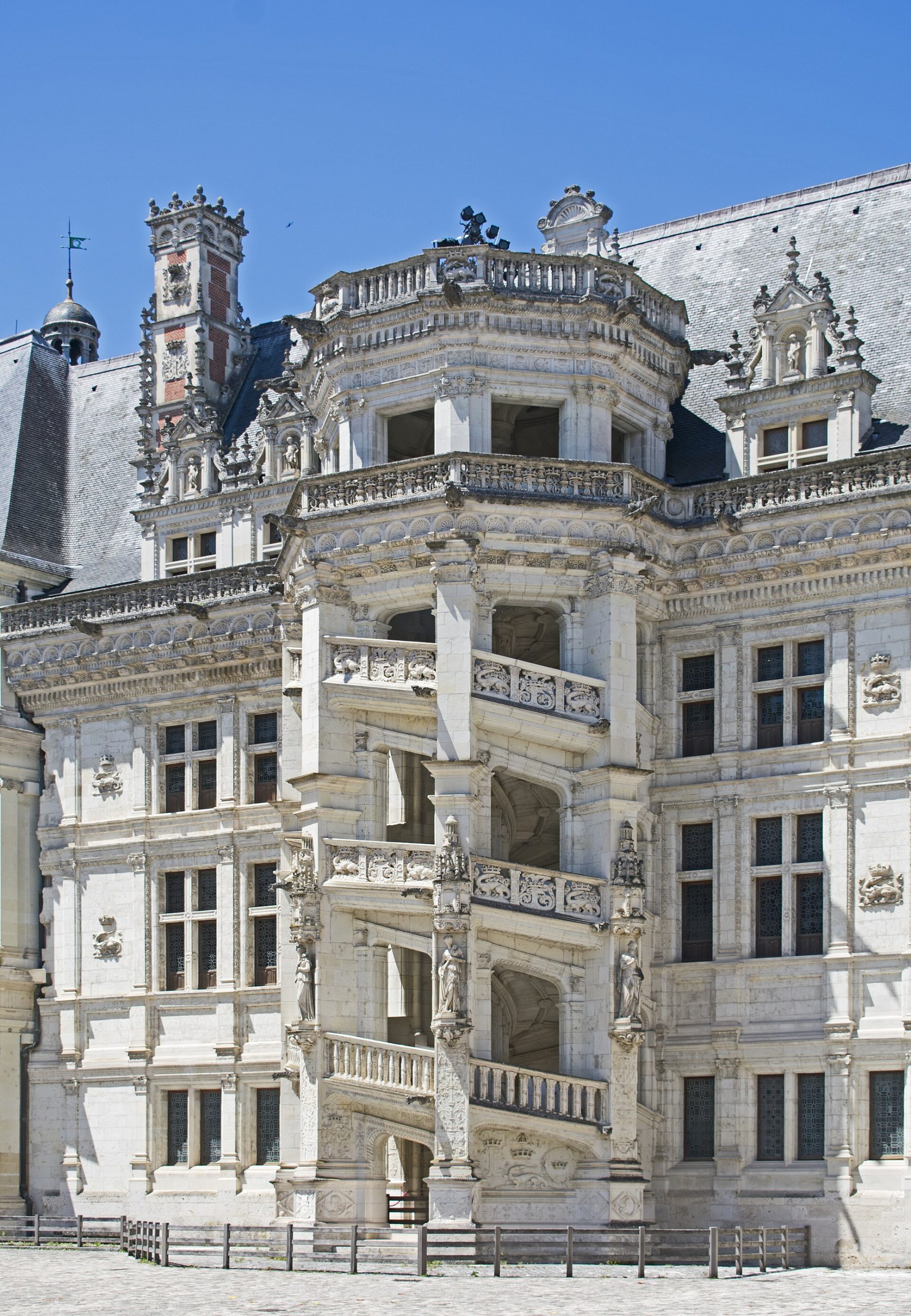
This wing gave Blois its most famous feature, a magnificent spiral staircase that projects boldly from the facade, its open form allowing those within to be seen as they ascended and descended. This staircase, richly carved and beautifully proportioned, is one of the icons of French Renaissance architecture, a work of both practical ingenuity and dazzling display.
The Renaissance wing represents the summit of the architectural achievement at Blois, the moment when the château reached its greatest splendour. It embodies the ambitions of a king who sought to make France the equal of Italy in the arts, and it remains the glory of the château, drawing visitors from around the world to admire its beauty and its famous staircase.
The wing also opened the château outward toward the surrounding landscape through an elegant gallery front, a gesture that reflected the Renaissance love of light, air, and the connection between building and setting. This outward-looking quality marked a departure from the more inward and defensive character of earlier architecture, and it embodied the confident, expansive spirit of the new age.
The Famous Spiral Staircase
The great spiral staircase of Blois is one of the most admired features of any château in France, a bold and beautiful structure that projects from the facade of the Renaissance wing. Its open, spiralling form, richly adorned with carved ornament, makes it a masterpiece of design, and it has become the enduring image of the Château of Blois.
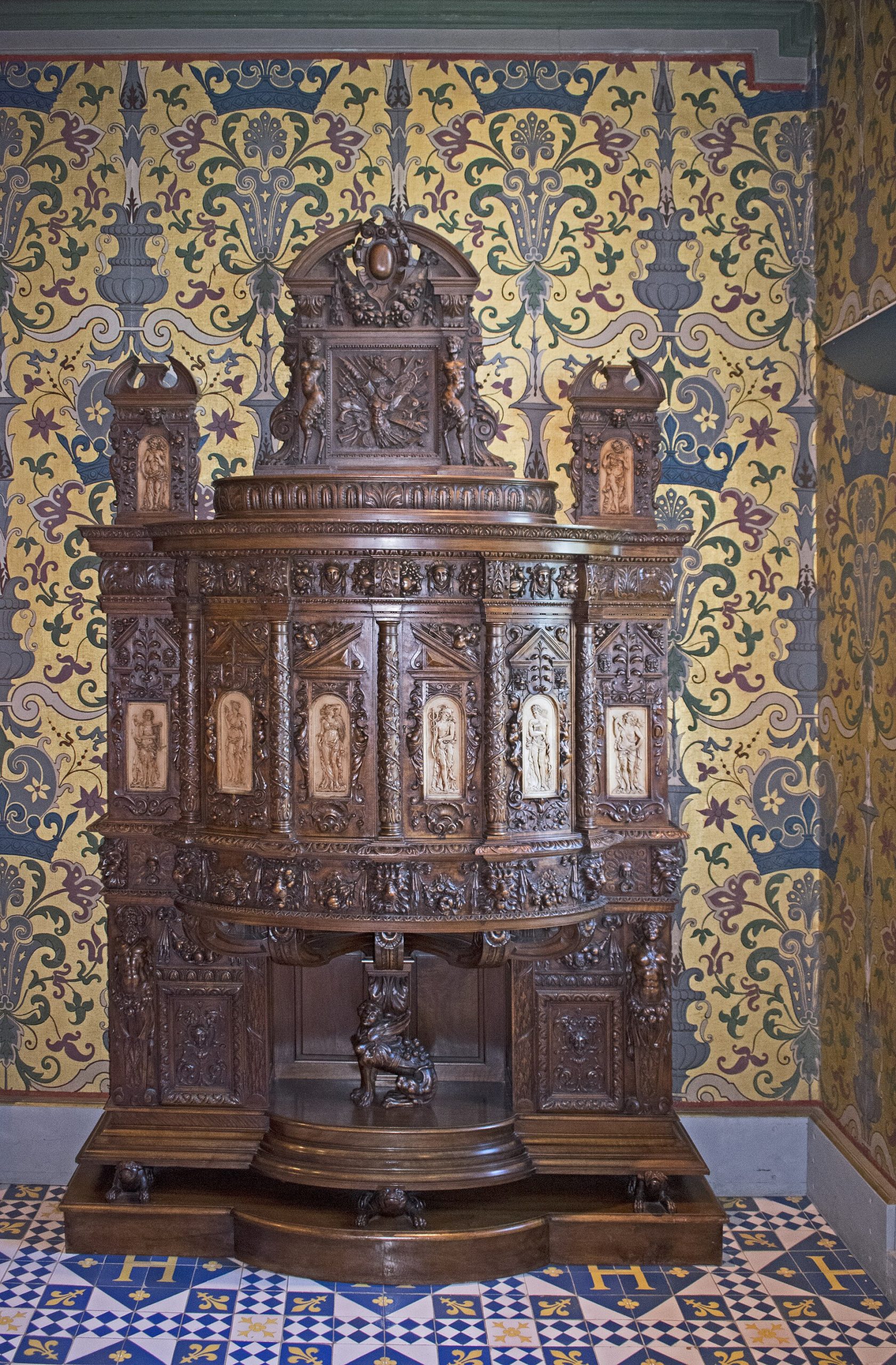
The staircase was conceived as much for display as for use, its open sides allowing those who climbed it to be seen by the court gathered in the courtyard below. In this way the simple act of ascending or descending became a kind of performance, the staircase serving as a stage on which the members of the court could present themselves in all their finery.
The decoration of the staircase is extraordinarily rich, its surfaces covered with carved ornament including the emblems of the king who built it. This lavish adornment turns the staircase into a work of sculpture as well as architecture, a demonstration of the wealth and taste of the crown, and one of the supreme achievements of French Renaissance craftsmanship.
Standing in the courtyard of Blois and looking up at the great staircase, the visitor understands at once why it has been so admired for so long. It combines beauty, ingenuity, and drama in a single unforgettable structure, and it stands as the crowning glory of the château, a masterpiece that captures the spirit of the French Renaissance at its most brilliant.
Generations of visitors have paused in the courtyard simply to gaze at the staircase, tracing its spiralling ascent and admiring the wealth of carving that covers it. It rewards long looking, for new details emerge the more closely one studies it, and it stands as proof that a work of pure architecture can be as captivating as any painting or sculpture.
The Classical Wing
The Château of Blois gained its final major addition in the classical age, when a wing was built in the sober and dignified style of the seventeenth century, quite different from the exuberant Renaissance work that had come before. This classical wing, with its restrained elegance and its ordered proportions, represents the last great chapter in the architectural story of Blois.
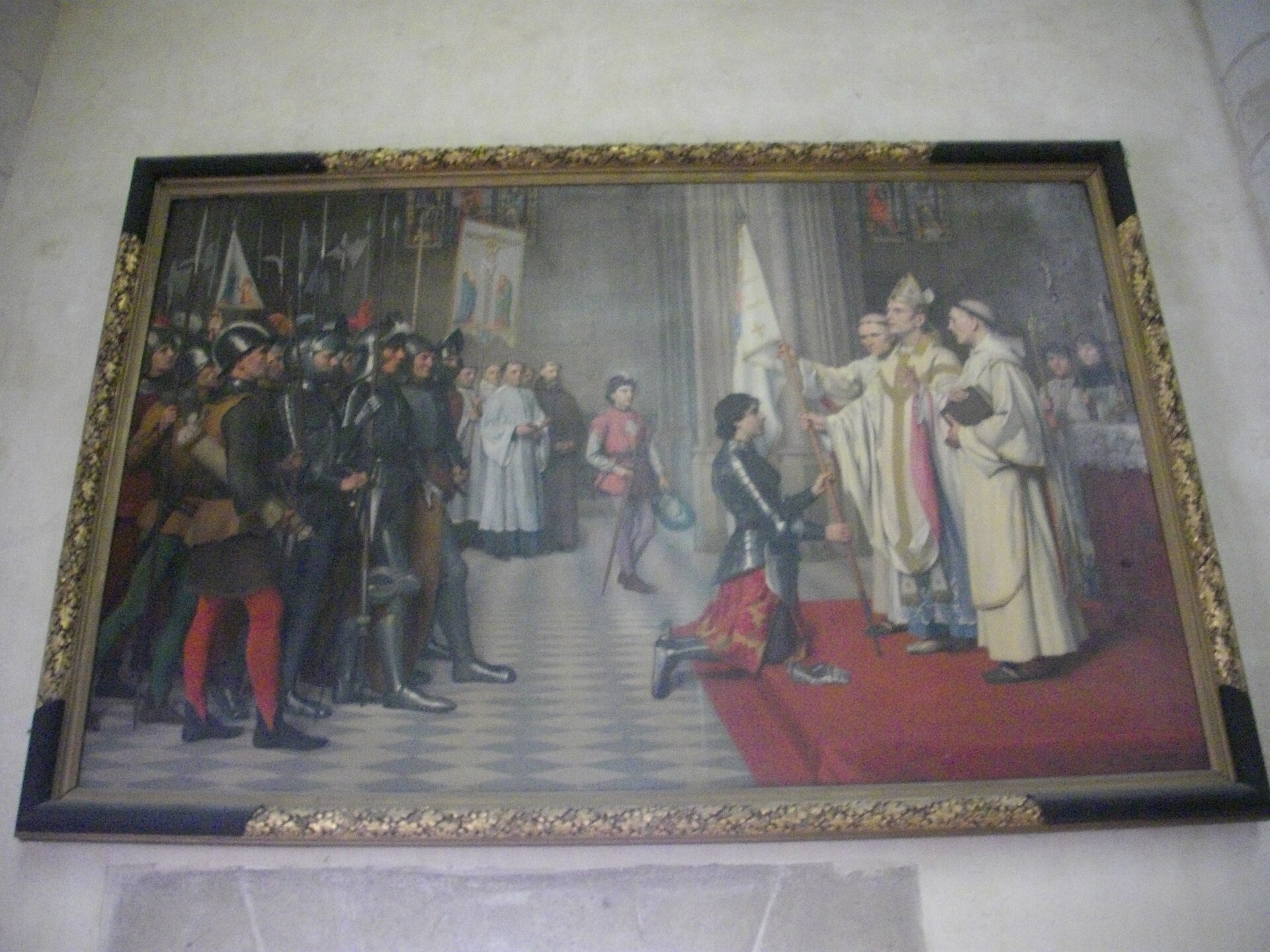
The wing was the work of a great architect of the classical age, and it embodies the taste of that era for balance, symmetry, and restraint. Its calm and dignified facade offers a striking contrast to the richness of the Renaissance wing, demonstrating how far architectural taste had evolved and adding yet another distinct voice to the chorus of styles gathered at Blois.
Although grander schemes for rebuilding the château in the classical style were never fully realised, the wing that was completed stands as a fine example of the architecture of its age. It represents the ambitions of a later period to remake Blois in the fashion of the times, and it completes the remarkable sequence of styles that makes the château so instructive and so fascinating.
With the addition of this classical wing, the Château of Blois attained the extraordinary variety that defines it today, its courtyard now embracing the full range of French architecture from the medieval to the classical. This final chapter completed the transformation of Blois into a unique museum of building, a place where the whole history of French royal architecture can be read in a single glance.
That the grander plans for this wing were never completed is, in a sense, fortunate, for a full classical rebuilding would have swept away the earlier wings that make Blois so precious. As it stands, the classical addition takes its place as one voice among several rather than silencing the rest, and the château is the richer for the incompleteness of the scheme.
A Royal Murder
The Château of Blois was the scene of one of the most notorious events in French history, a political assassination carried out on the orders of a king within the very walls of the royal residence. In an age of bitter religious and political conflict, a powerful and dangerous rival to the crown was lured to Blois and killed, a dramatic act that sent shockwaves through the kingdom.
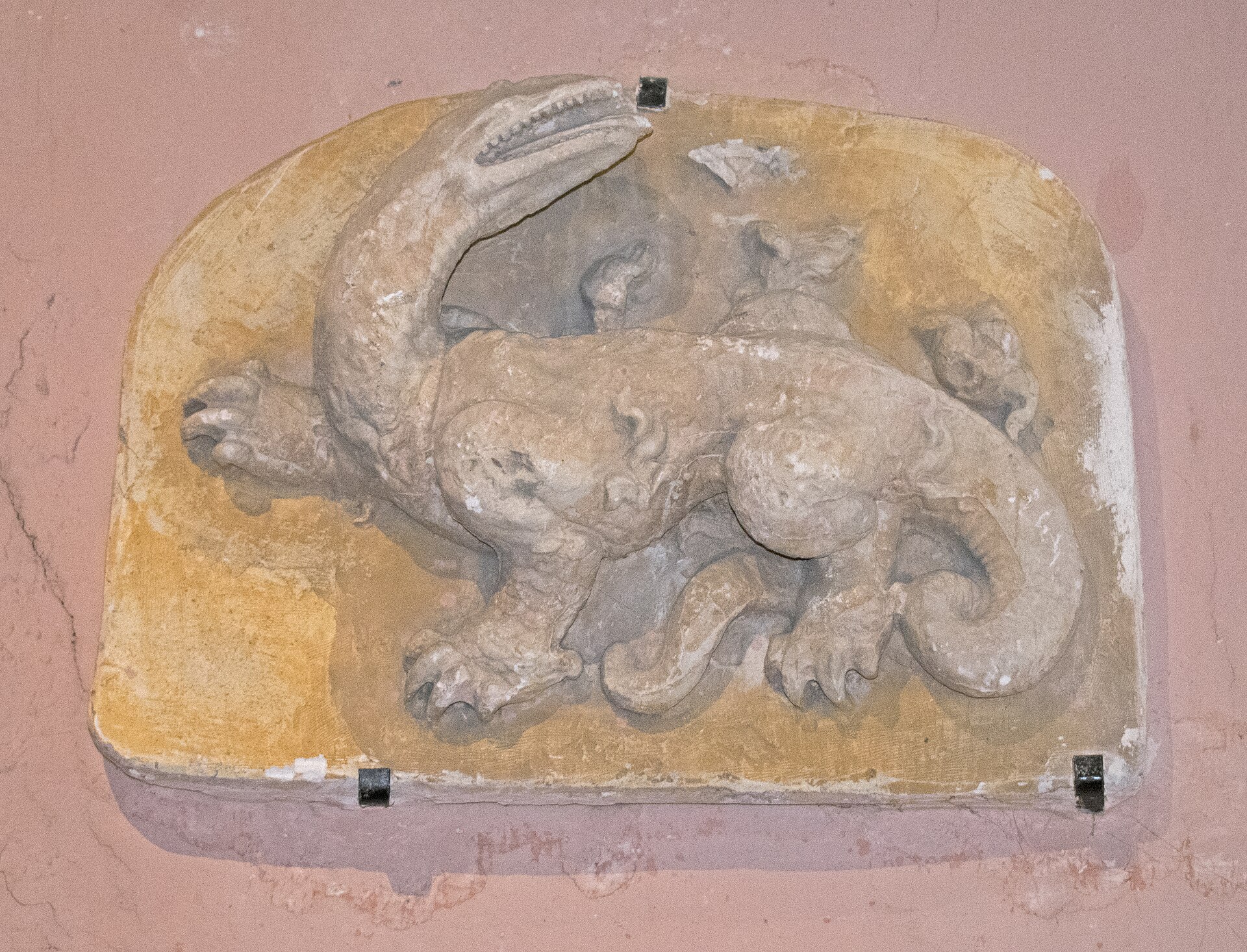
The victim was one of the most influential figures of his day, the leader of a faction that threatened the authority of the king himself. Fearing his power and his ambitions, the king resolved to remove him, and the deed was carried out within the royal apartments of the château, turning the palace into the setting for a murder that would echo through history.
This dark event unfolded amid the wider turmoil of the religious wars that convulsed France, a period of savage conflict in which such deeds of violence were bound up with the struggle for the soul and the crown of the kingdom. The murder at Blois was a desperate act of a king cornered by his enemies, and it marked a turning point in the terrible conflicts of the age.
The memory of this assassination gives the Château of Blois a note of dark drama amid its beauty, a reminder that the splendid royal residence was also the setting for ruthless politics and violence. The rooms where the deed was done are shown to visitors today, and the story of the murder remains one of the most compelling and chilling episodes in the long history of the château.
The chill of the episode is heightened by the intimacy of the setting, for the deed was done not on a battlefield but in the private rooms of the king himself. To visit these apartments today, knowing what took place within them, is to feel the dark undercurrent that runs beneath the beauty of Blois, a reminder that royal palaces were arenas of deadly politics as well as splendour.
A Queen’s Daring Escape
Among the many dramatic episodes in the history of Blois is the tale of a queen who was held at the château against her will and made a daring escape from its walls. Confined at Blois as a result of the bitter politics of the royal family, she was determined to regain her freedom, and she contrived a bold and famous flight from her captivity.
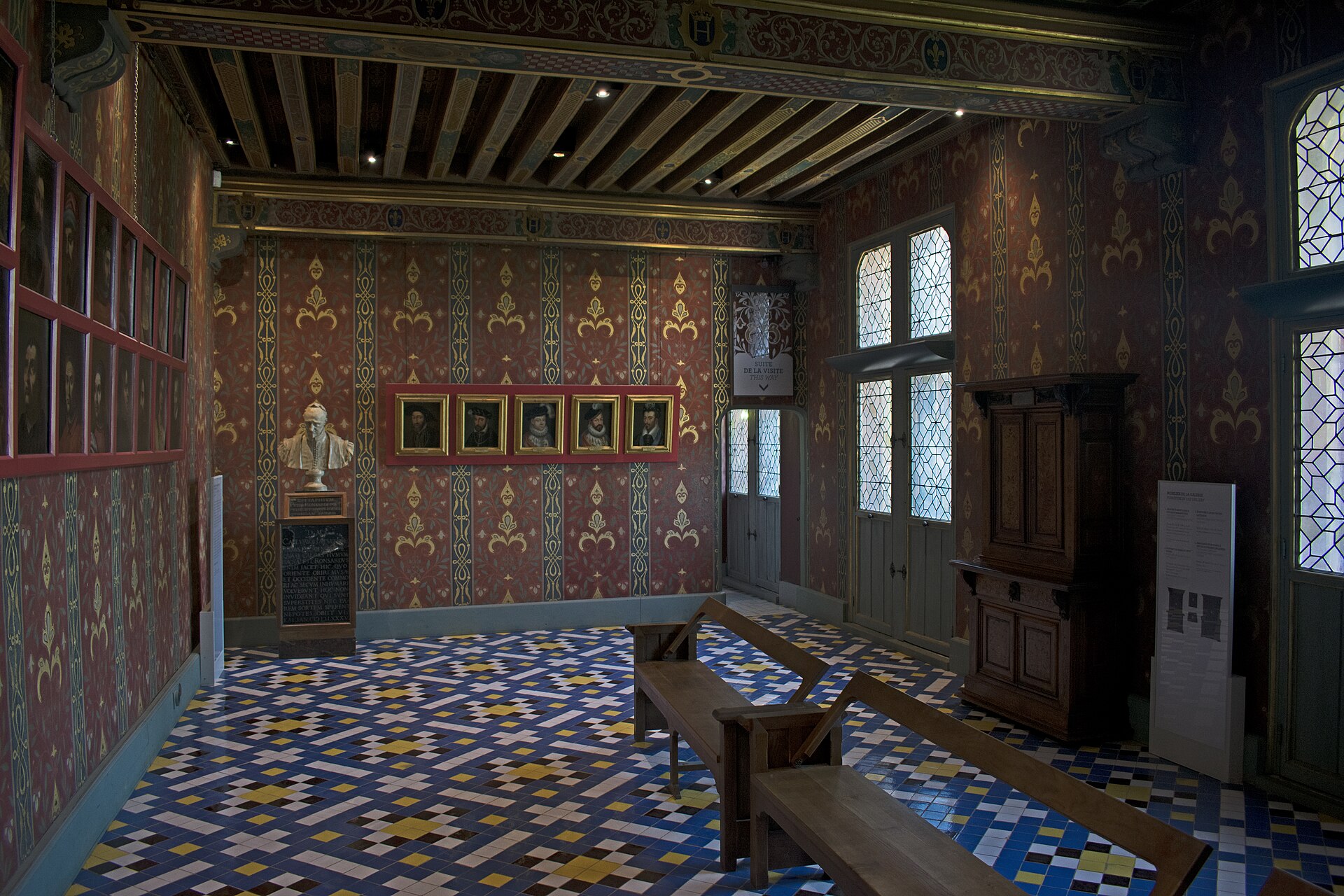
According to the celebrated story, the queen escaped by descending from a high window by means of a rope ladder, a perilous and audacious feat for a woman of her rank and age. This dramatic escape from the château captured the imagination of contemporaries and has remained one of the most famous stories associated with Blois, a tale of daring and determination.
The episode reflected the turbulent politics of the royal family in that era, a time of conflict and intrigue in which even a queen could find herself imprisoned by her own relations. Her escape from Blois was a bid to reassert her power and her freedom, and it added yet another chapter of high drama to the eventful history of the château.
This story of a queen’s daring escape is one of the most colourful in the rich history of Blois, a reminder of the human dramas that unfolded within the château’s walls. It captures the atmosphere of intrigue and danger that surrounded the royal family in troubled times, and it remains one of the tales that visitors most love to hear as they explore the palace.
Stories like this one have helped to keep the memory of Blois vivid across the centuries, for they lend the stones of the château a human warmth and excitement that pure architecture alone could not provide. The image of the queen descending the château walls in the darkness has passed into legend, and it draws visitors eager to stand where so bold a deed was done.
Emblems of the Kings
Throughout the Château of Blois, the visitor encounters the emblems and symbols of the kings who built and adorned it, carved into the fabric of the building as marks of royal ownership and identity. Chief among these is the salamander, the famous emblem of the great Renaissance king, which appears throughout his wing as a signature stamped upon his creation.
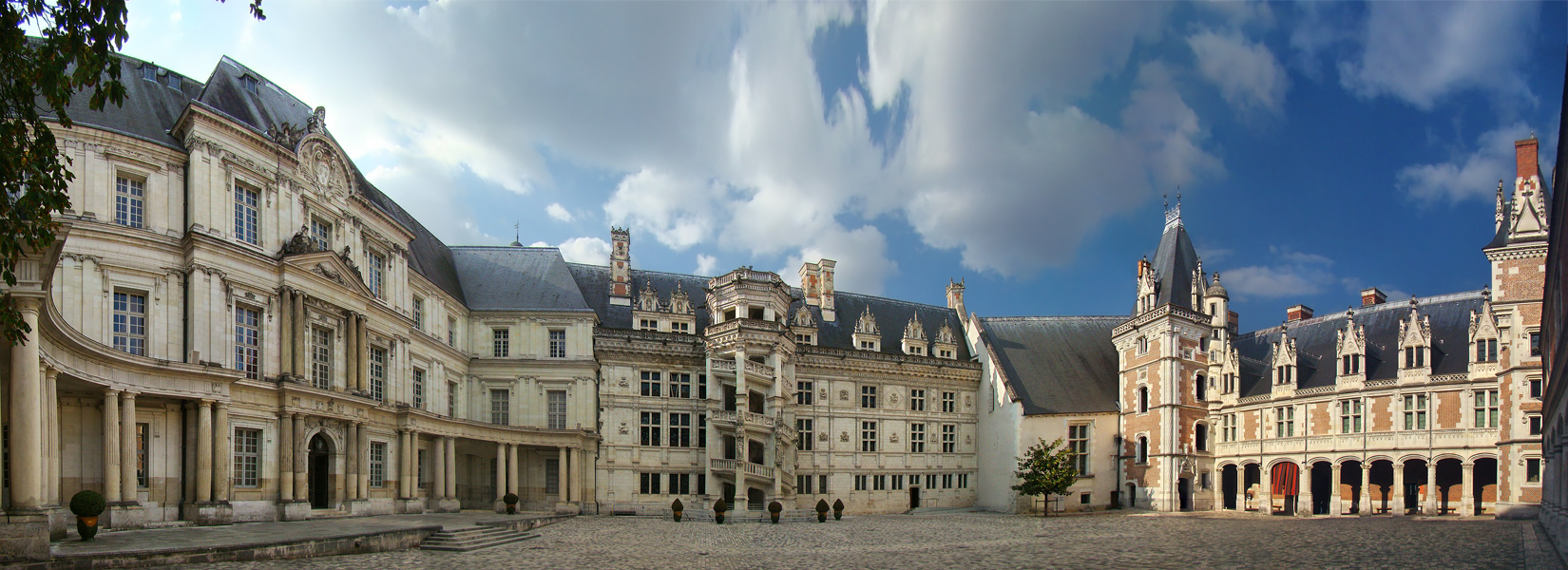
These royal emblems served to proclaim the identity of the monarchs who shaped the château, turning the building into a monument to its royal builders. Each king left his mark in the decoration, and the emblems allow the visitor to trace the contributions of different reigns, reading the fabric of the château as a record of the kings who made it.
The use of such emblems was characteristic of the age, when rulers used art and architecture to project their image and immortalise their names. At Blois the practice is displayed with particular richness, the emblems woven into the decoration of the wings so that the château becomes a gallery of royal symbols, each proclaiming the presence of a particular monarch.
To notice these emblems as one explores the château is to appreciate Blois as a deeply royal creation, shaped by a succession of kings who each left their mark upon it. The symbols carved into its walls are a reminder that this was a palace of the crown, made by monarchs to reflect their glory, and they add a further layer of meaning to the rich fabric of the building.
Reading these emblems is like deciphering a code written across the château, each symbol pointing to the king who left it. For the attentive visitor, they turn a walk through Blois into a kind of treasure hunt, in which the history of the monarchy is revealed in the carved details of the walls, and the personalities of long-dead kings seem to press forward once again.
The Château and Its Town
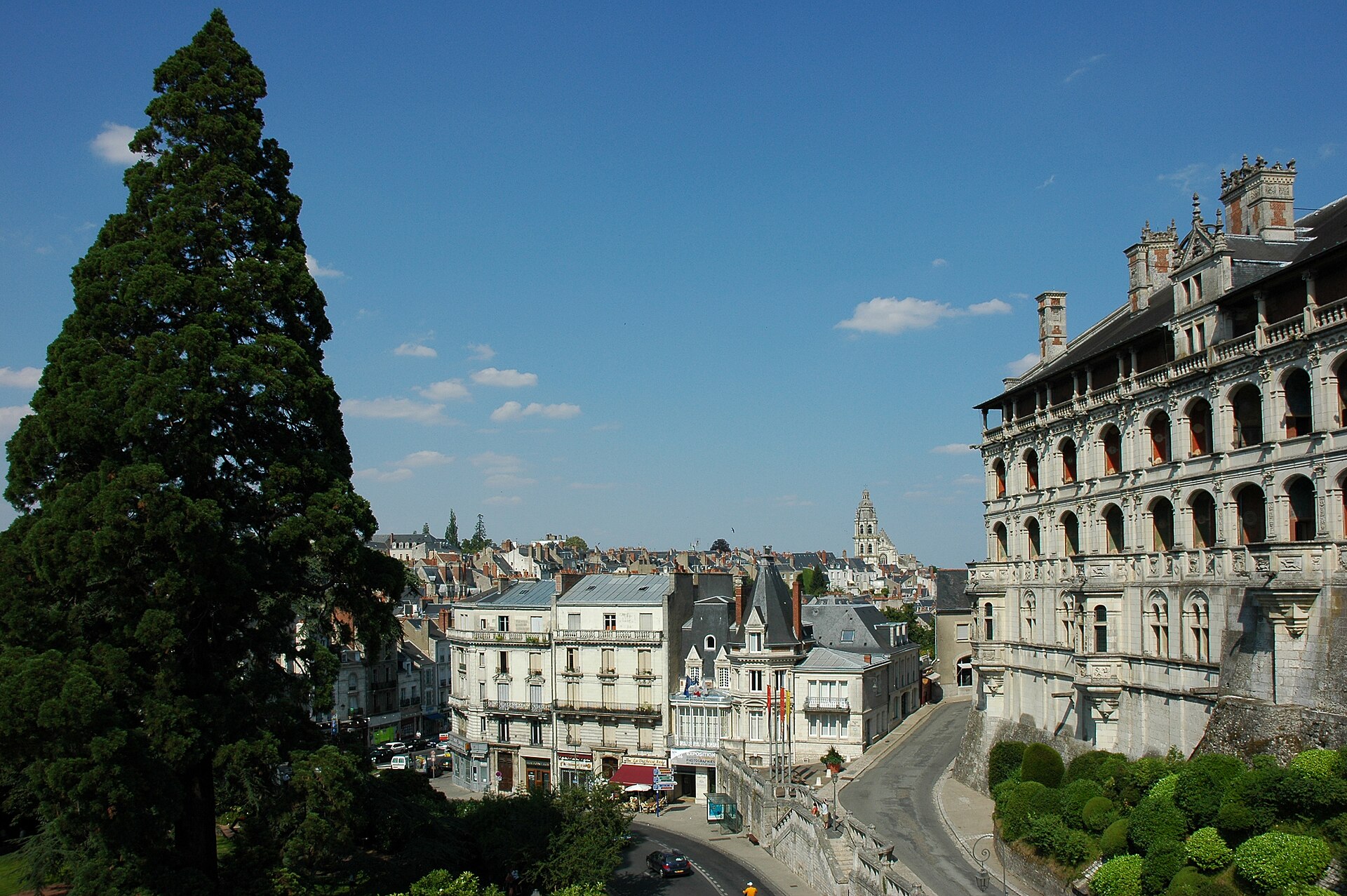
The Château of Blois stands at the heart of a historic town on the banks of the Loire, and the relationship between the palace and its town is an important part of its character. Unlike a château set apart in the countryside, Blois rises in the midst of an urban settlement, its history bound up with the life of the town that grew around it.
From its commanding position, the château overlooks the town and the great river beyond, a reminder of its role as the seat of royal power at the centre of the community. The town of Blois flourished in the shadow of the château, its fortunes tied to the presence of the court, and the two developed together across the centuries in close relationship.
The setting on the Loire places Blois within one of the most beautiful and historic regions of France, a valley renowned for its châteaux and its gentle landscapes. The great river that flows past the town has shaped the history and the character of the whole region, and Blois takes its place among the constellation of magnificent châteaux that make the Loire Valley so celebrated.
This urban and riverine setting gives Blois a distinctive character among the great châteaux of France, a royal palace woven into the fabric of a living town beside a great river. The relationship between the château, the town, and the Loire is essential to understanding Blois, a place where royal grandeur and everyday life have long existed side by side.
The Loire Valley’s reputation as a region of châteaux owes much to buildings like Blois, which together form one of the great concentrations of historic palaces anywhere in the world. To visit Blois is thus to enter a wider landscape of royal and noble residences, each within easy reach of the others, and the château makes an ideal starting point for exploring this extraordinary region.
A Museum Within the Walls
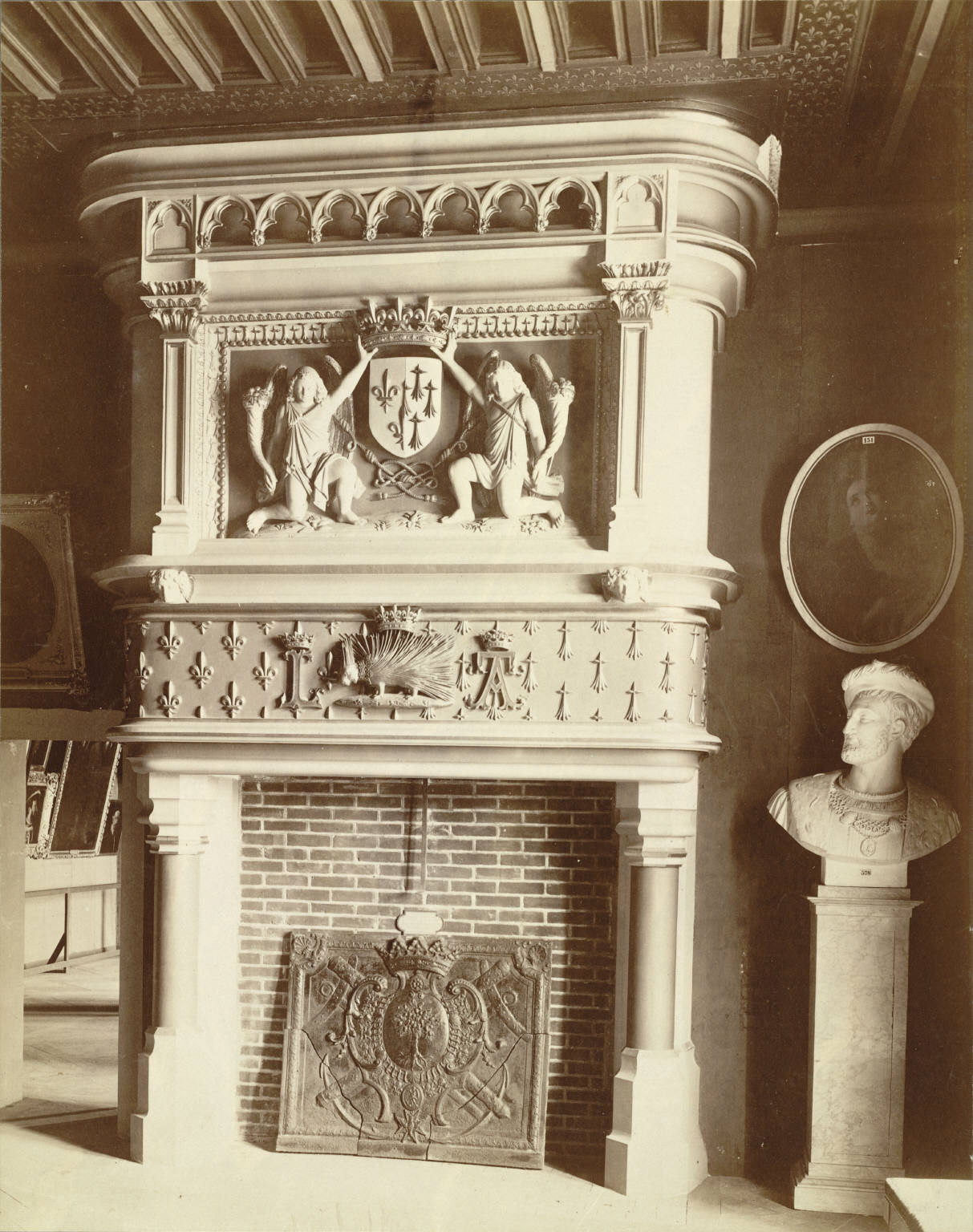
Beyond its architecture and its dramatic history, the Château of Blois today houses a fine museum, its rooms given over to collections that enrich the experience of a visit. The historic apartments, restored and furnished, evoke the world of the royal court, while galleries display works of art that add to the cultural treasures held within the château.
The restoration of the château and the creation of its museum were the work of later generations who recognised the exceptional importance of the building and sought to preserve and present it for the public. Their efforts saved Blois from neglect and gave it new life as a place of learning and enjoyment, ensuring that its treasures and its history would be accessible to all.
The museum allows the visitor to move beyond the architecture to encounter the decorative arts and the furnishings that bring the historic rooms to life. Through these collections, the daily life and the splendour of the royal court become more vivid, and the château is revealed not merely as a shell of stone but as a place that was once alive with the activity of the monarchy.
The presence of the museum makes a visit to Blois all the more rewarding, combining the pleasures of architecture and history with the delights of art and the evocation of court life. It ensures that the château is experienced not only as a monument but as a living record of the world of the French monarchy, its rooms filled once more with beauty and meaning.
In caring for the château and opening it to the public, later generations honoured the exceptional place that Blois holds in the history of France. The museum ensures that the building’s many stories are told and its treasures preserved, and it stands as an example of how a great historic monument can be given renewed purpose as a place of education and delight for all.
Exploring Blois Today
A visit to the Château of Blois is one of the great pleasures of the Loire Valley, offering a journey through the history of French architecture and the drama of the French monarchy in a single remarkable building. The château rewards unhurried exploration, and it is worth taking the time to appreciate the different wings and the many stories they hold.
The highlight for many visitors is the great Renaissance wing with its famous spiral staircase, one of the icons of French architecture, but each part of the château has its own treasures. From the medieval hall to the classical wing, the building offers a rich and varied experience, allowing the visitor to trace the evolution of style across the centuries within a single courtyard.
The château also brings to life the dramatic events of its history, from the royal murder to the queen’s daring escape, and the rooms where these events unfolded add a powerful sense of the past to a visit. To walk through Blois is to feel the presence of the kings and queens who lived and died here, and to encounter the great dramas of French history at first hand.
Blois also makes an excellent base for exploring the wider Loire Valley, lying within easy reach of several of the region’s most famous châteaux. A visit here can be combined with excursions to neighbouring palaces, so that the traveller can experience the remarkable variety of the valley’s architecture and history in a single memorable journey.
View the exact location on Google Maps
However you experience it, the Château of Blois leaves a deep impression, its combination of architectural variety and historical drama setting it apart even among the great châteaux of the Loire. It is a palace where the whole story of the French monarchy and its architecture seems to come together, and it rewards the curious visitor with one of the richest and most rewarding experiences in all of France.
Palaces Nearby
If Blois has drawn you into the châteaux of the Loire, two more are close at hand and not to be missed:
You May Like
Ali Qapu: The Lofty Gate-Palace of Safavid Isfahan