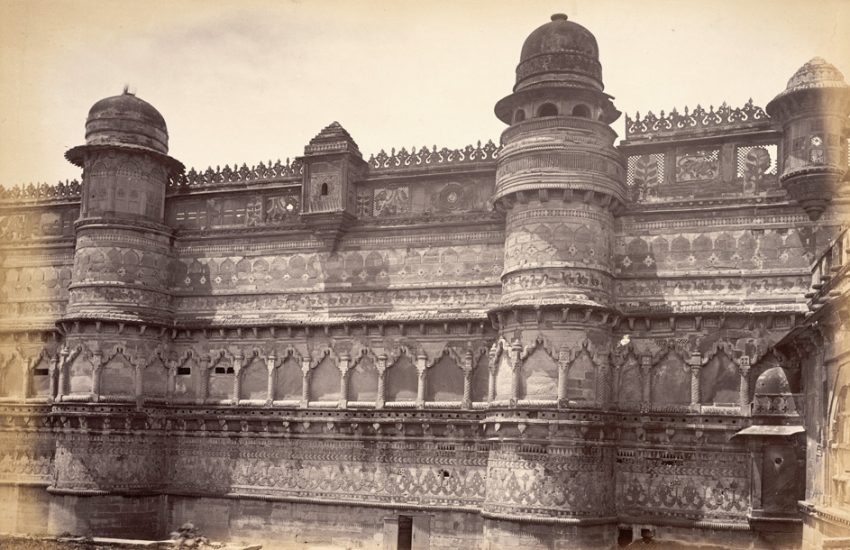
In the gentle countryside of Oxfordshire, at the end of a great park landscaped around a shining lake, rises one of the most monumental houses in all of England. Blenheim Palace is a colossus of the English Baroque, a vast pile of golden stone bristling with towers, finials, and sculptural ornament, built on a scale that rivals the royal palaces of the continent. Yet Blenheim was built not for a king but for a soldier, a reward from a grateful nation for one of the greatest victories in British military history.
Blenheim is, in fact, one of the very few houses in England to bear the title of palace without being the seat of a monarch or a bishop. It was raised as a gift from Queen Anne and the nation to John Churchill, the first Duke of Marlborough, in recognition of his triumph at the Battle of Blenheim, and it stands as a monument in stone to that victory. Grand, dramatic, and heroic in scale, it is a palace conceived as a national trophy.
The building of Blenheim was as dramatic as the victory it commemorated, marked by the genius of its architect, the ambition of its designs, and bitter quarrels over its cost and its construction. The result is a masterpiece of the English Baroque, its interiors rich with painted halls, tapestries, and treasures, its park among the most beautiful in the country, landscaped by the greatest of English garden designers around a magnificent lake.
Blenheim holds one further claim to fame, for it was the birthplace of Sir Winston Churchill, the descendant of the great duke who would lead Britain through its darkest hour. This is the story of the palace built by war, of the soldier who earned it and the queen who gave it, of the architect who raised it and the quarrels that attended it, and of the magnificent house and park that stand today as one of the supreme achievements of English architecture.
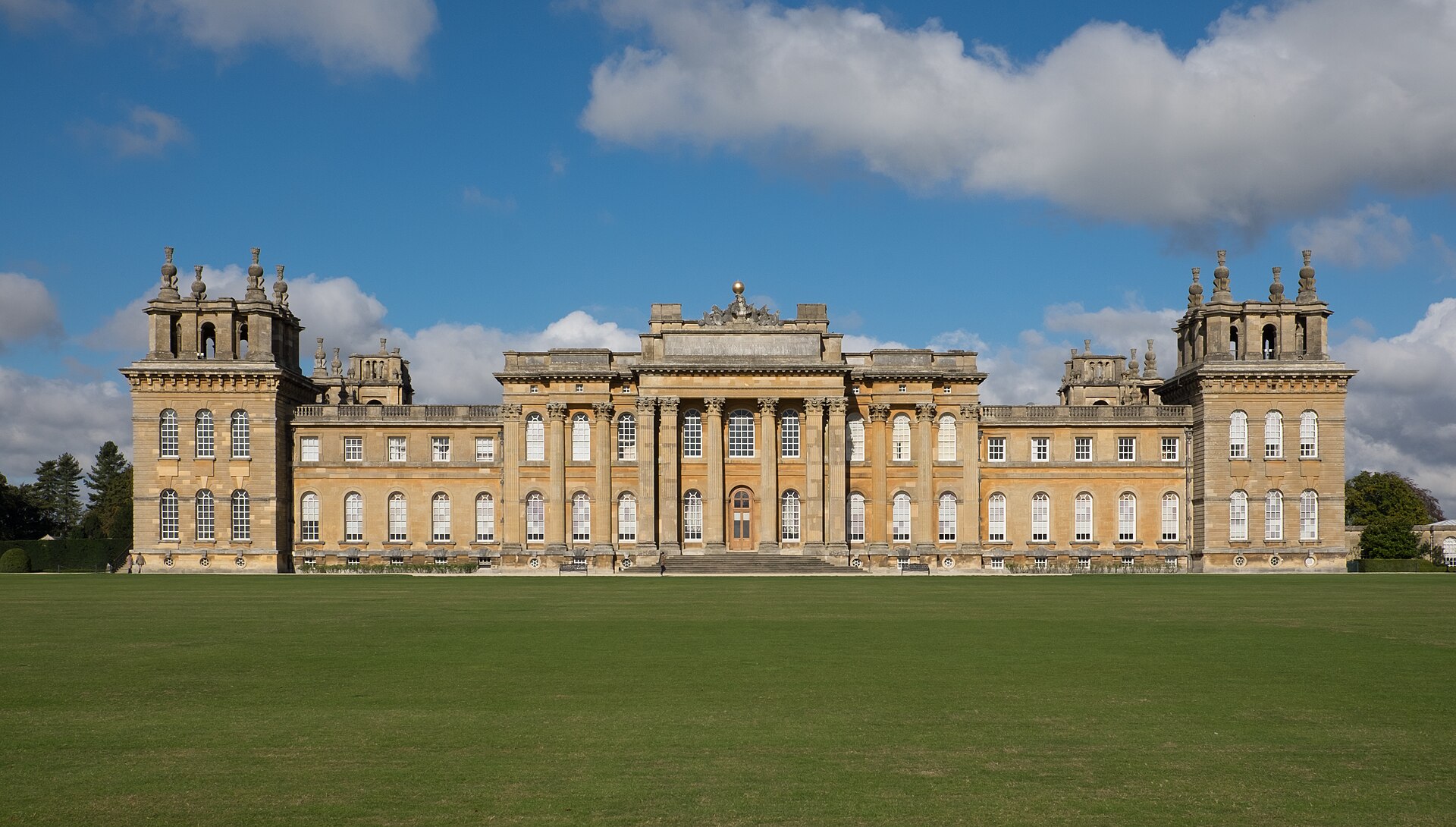
In This Article
- A Palace Built as a Reward for Victory
- The Duke of Marlborough and the Battle of Blenheim
- Queen Anne’s Gift to a Hero
- Vanbrugh, Hawksmoor, and the English Baroque
- A Palace Born in Controversy
- The Great Hall
- The Saloon and the State Rooms
- The Long Library
- The Chapel and the Marlborough Tomb
- Capability Brown and the Great Lake
- The Column of Victory and the Park
- The Birthplace of Winston Churchill
- Blenheim Today: A World Heritage Palace
A Palace Built as a Reward for Victory
Blenheim Palace is unlike any other great house in England, for it was conceived from the outset not merely as a residence but as a national monument, a gift from the crown and the nation to celebrate a great military triumph. This origin gives Blenheim its unique character, a scale and grandeur more befitting a royal palace than a private country house, and a heroic, monumental quality that sets it apart from all its rivals.
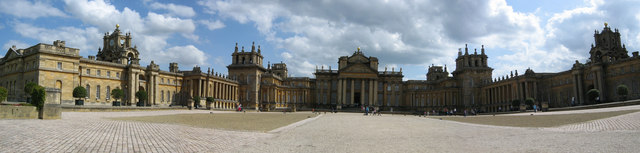
The palace bears the name of a battle, the Battle of Blenheim, fought far away in the heart of Europe, in which the armies commanded by the Duke of Marlborough won a decisive victory. That a house should be named for a battle, and built as a reward for winning it, is extraordinary, and it reflects the special circumstances of Blenheim’s creation as a trophy of war raised in stone upon English soil.
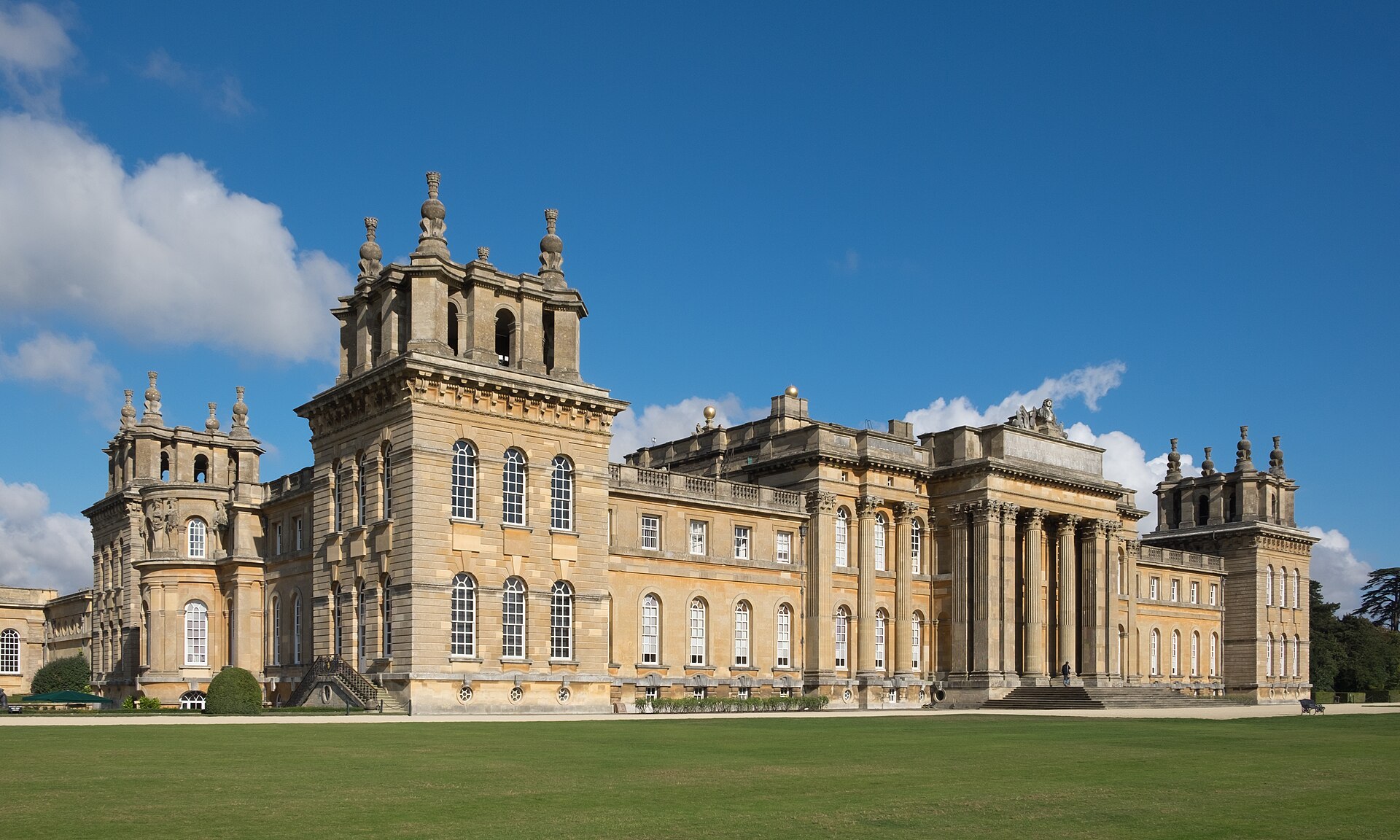
Everything about Blenheim is on a grand scale. Its enormous facades, its great courtyards, its towering silhouette, and its vast park all speak of ambition and magnificence, and the whole ensemble was designed to overwhelm and to impress, to embody in architecture the glory of the victory it commemorated. It is a palace conceived in the heroic mode, a celebration of triumph in the language of the Baroque.
Blenheim is also notable as one of the finest achievements of the English Baroque style, the bold and dramatic manner of architecture that flourished briefly in England around the turn of the eighteenth century. In its scale, its drama, and its sculptural grandeur, it represents the high point of that style, and it stands as a monument not only to a military victory but to a great moment in the history of English architecture.
The paradox of Blenheim is that this most magnificent of houses was, in a sense, a burden as well as a gift, for its very grandeur made it enormously costly to build and to maintain, and the story of the Marlborough family is bound up with the effort of sustaining so vast an inheritance. Yet it is precisely this scale and ambition that make Blenheim so extraordinary, a house that dared to rival the palaces of kings, and that succeeded in creating one of the wonders of English architecture.
The Duke of Marlborough and the Battle of Blenheim
The man for whom Blenheim was built was John Churchill, the first Duke of Marlborough, one of the greatest soldiers in British history. A brilliant general and diplomat, he rose to command the allied armies in the great European conflict known as the War of the Spanish Succession, in which a coalition of powers sought to check the overweening ambitions of the France of Louis XIV.
In 1704, at the head of a combined army, Marlborough won a stunning victory at the Battle of Blenheim, fought on the banks of the Danube in the heart of Germany. In a bold and daring campaign, he marched his army across Europe and, together with his allies, crushed the forces of France and its allies in a battle that shattered the myth of French invincibility and marked a turning point in the war.
The victory at Blenheim made Marlborough a national hero and one of the most celebrated figures in Europe. It was a triumph of the first magnitude, and it earned him the gratitude of his queen and country, and rewards to match his achievement. The battle secured his place in history as one of the supreme commanders of his age, and it gave its name to the palace that would be built in its honour.
Marlborough’s series of victories in the following years confirmed his reputation and his place in the front rank of military history. But it was Blenheim, the first and most dramatic of his great triumphs, that was chosen to be commemorated in the name and the very existence of his palace, so that the house stands as a permanent monument to that decisive day on the Danube.
The scale of the victory can scarcely be overstated, for it saved the allied cause at a critical moment and demonstrated that the seemingly invincible armies of Louis XIV could be beaten in the field. News of the triumph was carried back to England in a famous note scribbled by Marlborough on the back of a tavern bill, and it was received with jubilation, cementing the general’s fame and making possible the extraordinary reward that followed.
Queen Anne’s Gift to a Hero
In recognition of his great victory, Queen Anne and a grateful nation determined to reward the Duke of Marlborough with a palace worthy of his achievement. The crown granted him the royal manor of Woodstock in Oxfordshire, an ancient royal estate, and promised the funds to build upon it a magnificent house, to be a gift from the queen and the nation in honour of the triumph at Blenheim.
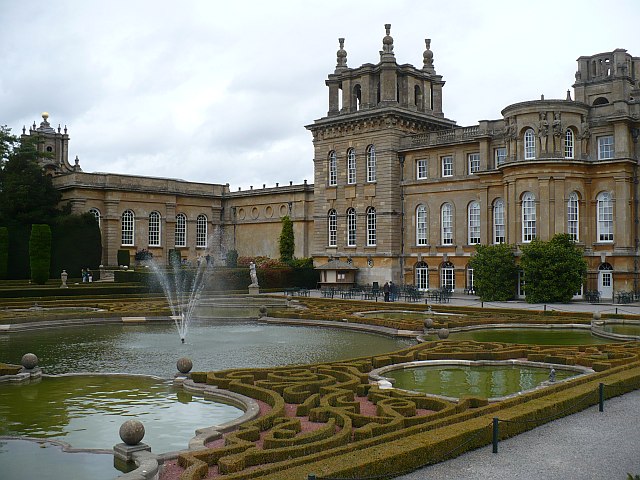
The gift was princely in its scale and its ambition. The intention was to create not a mere country house but a palace of the grandest kind, a national monument that would celebrate the victory and honour the victor for all time. The resources of the state were to be devoted to its construction, and the finest talents of the age were to be employed in its creation, reflecting the importance attached to the enterprise.
The choice of the royal estate at Woodstock was itself significant, linking the new palace to the ancient traditions of English royalty, for there had been a royal residence there in the Middle Ages. Upon this historic ground the great new palace would rise, a modern monument to a modern hero, built upon the site of the old royal manor and drawing upon its associations.
The gift of Blenheim was thus an act of national gratitude on a scale rarely seen, an acknowledgment by the crown and the country of a debt owed to a great servant of the state. That a subject should be rewarded with a palace built at public expense was extraordinary, and it reflected the magnitude of Marlborough’s achievement and the special place he held in the affections of his queen and the esteem of his nation.
Vanbrugh, Hawksmoor, and the English Baroque
To design the great new palace, the Duke of Marlborough chose Sir John Vanbrugh, one of the most original and dramatic architects England has ever produced, and a man of remarkable versatility who was also a celebrated playwright. Vanbrugh brought to Blenheim a bold and theatrical imagination, conceiving the palace on a heroic scale and in a dramatic Baroque manner suited to its role as a monument of victory.
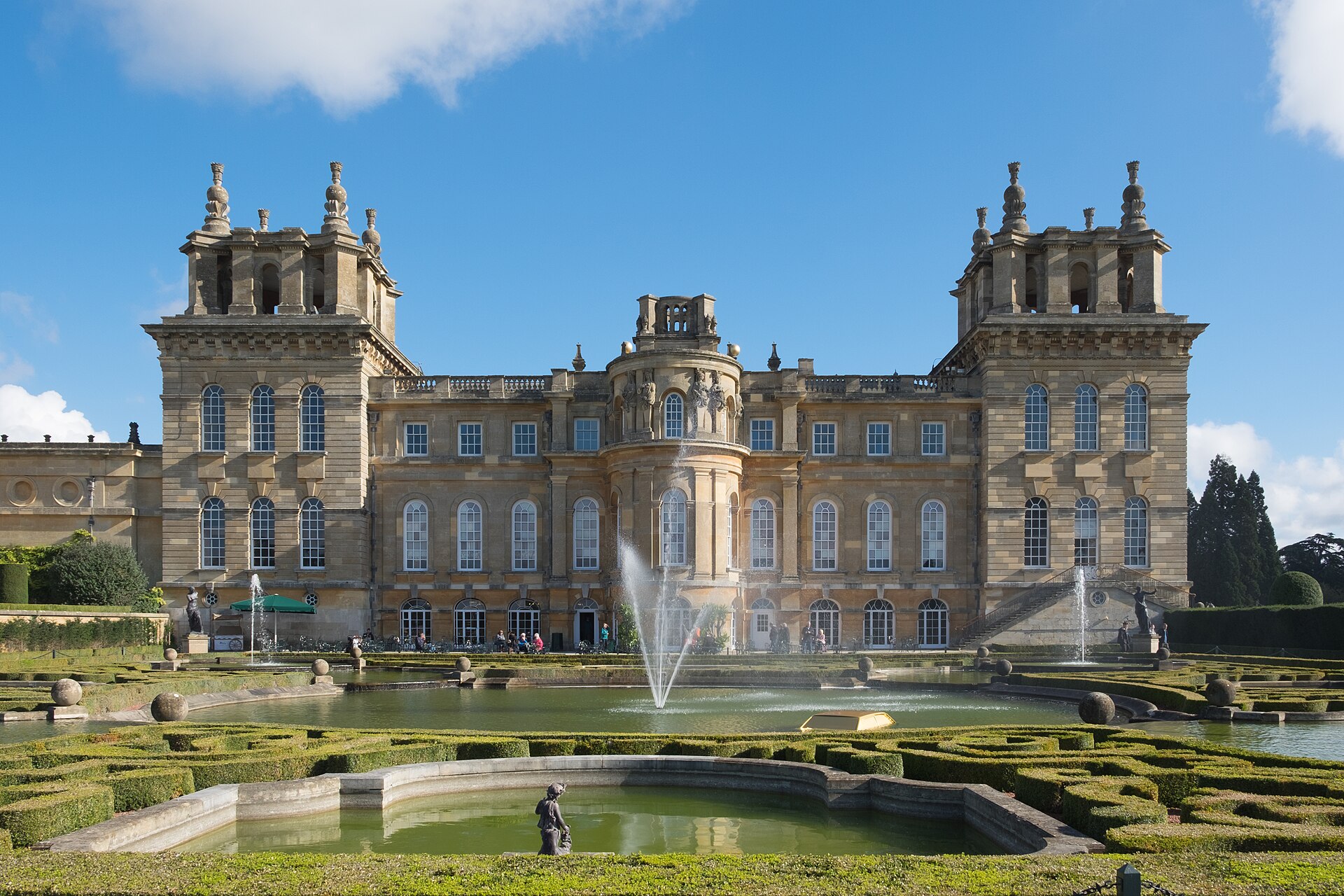
Vanbrugh worked closely with Nicholas Hawksmoor, a brilliant architect in his own right who had trained under Sir Christopher Wren, and the collaboration of these two masters produced one of the supreme achievements of the English Baroque. Together they created a building of extraordinary power and drama, its massive forms, its towers and pinnacles, and its sculptural ornament combining into a composition of overwhelming grandeur.
The style of Blenheim is monumental and heroic, designed to impress and to celebrate. Its architecture speaks the language of triumph, with martial symbolism and sculptural flourishes throughout, and its very massiveness conveys a sense of strength and victory. Vanbrugh conceived the palace almost as a piece of theatre, a dramatic composition to be experienced as a sequence of grand and awe-inspiring effects.
Blenheim represents the fullest expression of Vanbrugh’s dramatic genius and the high point of the short-lived English Baroque. Its bold and monumental style would soon give way to the more restrained classicism of the following age, making Blenheim the culmination of a brief and brilliant moment in English architecture. It stands as the masterpiece of one of the most original architects England has produced.
Vanbrugh’s approach to Blenheim was that of a dramatist as much as an architect, for he conceived the whole experience of approaching and entering the palace as a carefully staged sequence of effects, building toward moments of surprise and grandeur. This theatrical sensibility, drawn from his other career as a writer of plays, gave Blenheim a dynamism and a drama that set it apart from the calmer classical houses of the age, and made it a building to be experienced as much as admired.
A Palace Born in Controversy
The building of Blenheim was as dramatic and as troubled as any great architectural enterprise in English history, beset by quarrels over money, disputes among those involved, and long delays. What had begun as a generous gift became a source of bitter conflict, and the construction of the palace stretched over many years amid controversy and financial difficulty.
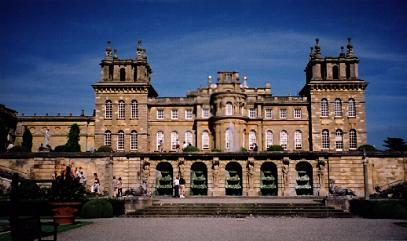
At the heart of the troubles lay the formidable figure of the Duchess of Marlborough, Sarah Churchill, a woman of strong will and sharp temper who took a close interest in the building and clashed repeatedly with the architect. Her relationship with Vanbrugh deteriorated into open hostility, and their quarrels over the design, the cost, and the conduct of the work became notorious, poisoning the atmosphere of the project.
Money was the greatest problem of all. The funds promised for the building were not always forthcoming, especially after the duke and duchess fell from royal favour, and the costs mounted far beyond the original estimates. Work halted for long periods for lack of money, and the duke was eventually obliged to meet much of the expense himself, so that the great national gift became, in part, a burden upon its recipient.
The conflicts reached such a pitch that Vanbrugh was eventually driven from the project, and he never saw the completed palace, being turned away, it is said, when he came to view his own masterpiece. The troubled history of its construction is inseparable from the story of Blenheim, and it adds a note of human drama to the great monument, a reminder that even the grandest achievements are often born amid conflict and difficulty.
The Great Hall
The ceremonial heart of Blenheim is its Great Hall, a vast and lofty entrance hall that rises through the height of the building and sets the tone of grandeur for the whole palace. Entering it, the visitor is at once overwhelmed by its scale and its splendour, a fitting introduction to a palace conceived as a monument of triumph and designed to impress at every turn.
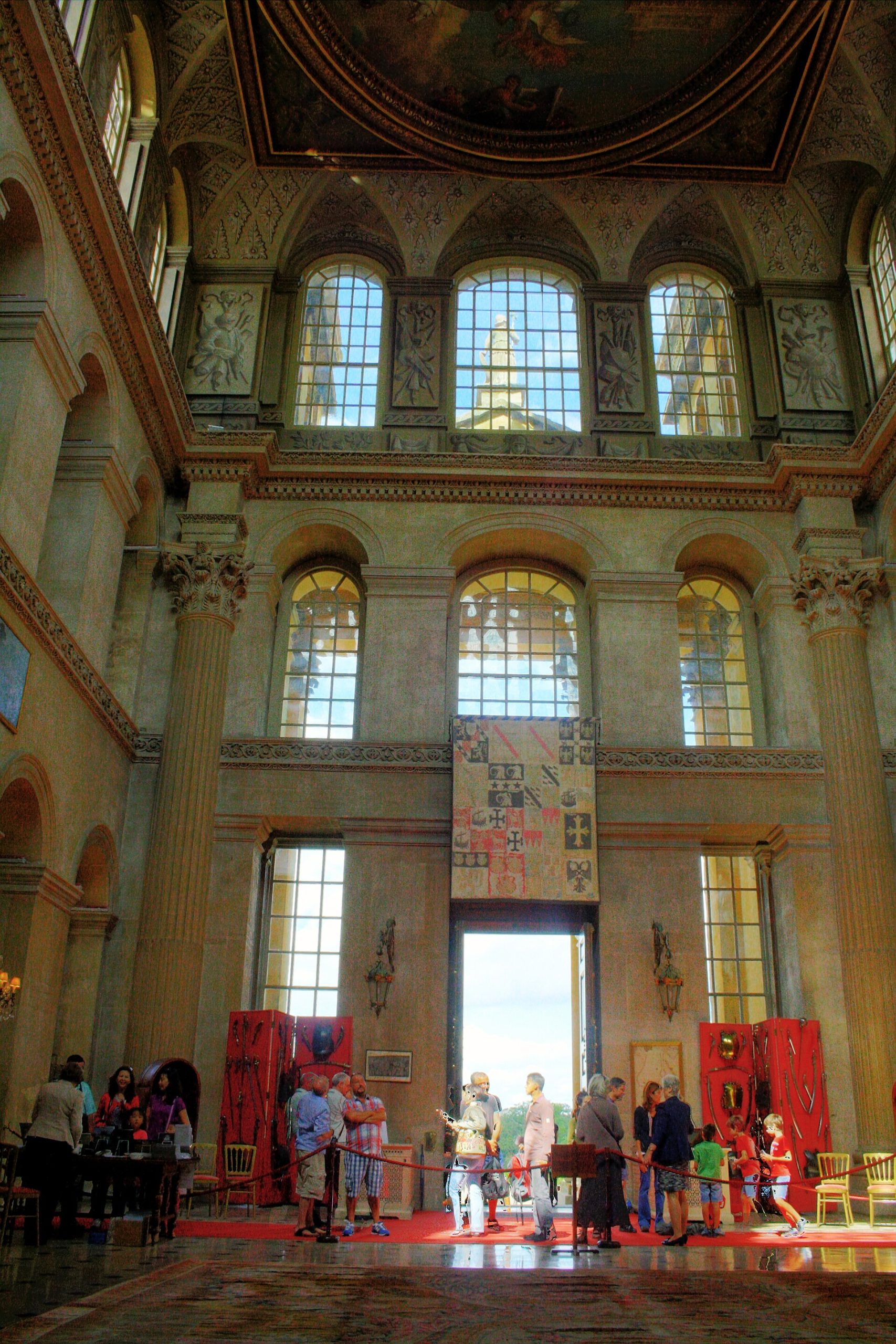
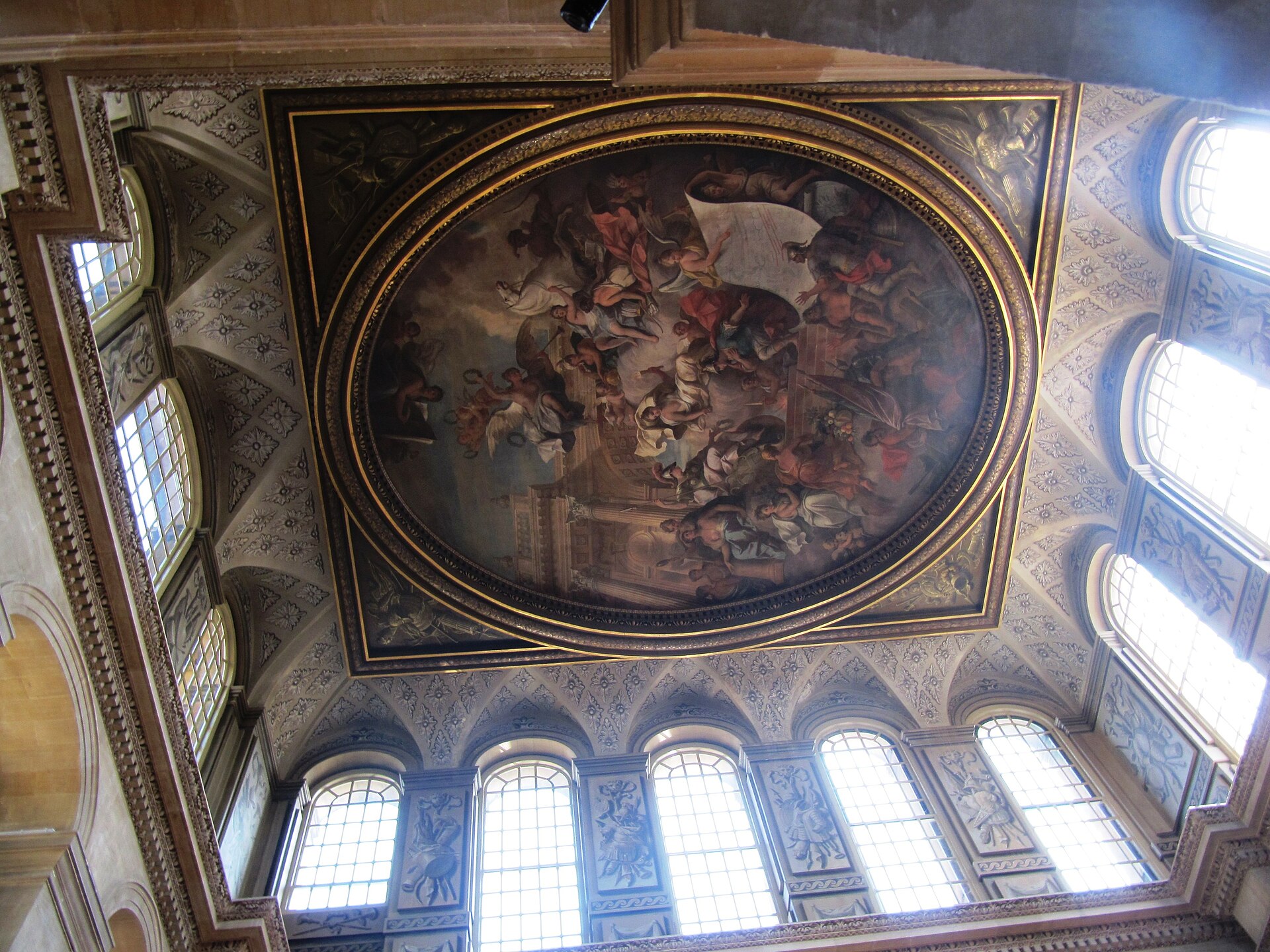
The hall soars upward to a great height, its walls articulated with arches and columns and its ceiling adorned with a magnificent painting celebrating the achievements of the Duke of Marlborough. This grand painted ceiling, glorifying the victory and the victor, transforms the space into a celebration of the duke’s triumph, drawing the eye upward to a heroic vision rendered in paint.
The Great Hall was designed to serve as the grand ceremonial entrance to the palace, the space through which important visitors would pass on their way to the state rooms beyond. Its scale and magnificence were intended to convey the importance and the glory of the house and its owner, and it fulfils this purpose superbly, an overture of grandeur to the splendours that follow.
With its soaring height, its rich architecture, and its triumphal painted ceiling, the Great Hall is one of the most impressive interiors in any English house. It embodies the heroic spirit of Blenheim, the sense of a palace built to celebrate a great victory, and it prepares the visitor for the sequence of magnificent rooms that lie beyond, each contributing to the celebration of the Marlborough triumph.
The transition from the Great Hall into the Saloon and the state rooms was designed as a continuous unfolding of magnificence, so that the visitor moves from one splendid space to the next in a mounting sequence of grandeur. This processional quality, so characteristic of the Baroque, turns a walk through the palace into a kind of ceremonial journey, each room contributing to a cumulative impression of triumph and magnificence that is the very essence of Blenheim.
The Saloon and the State Rooms
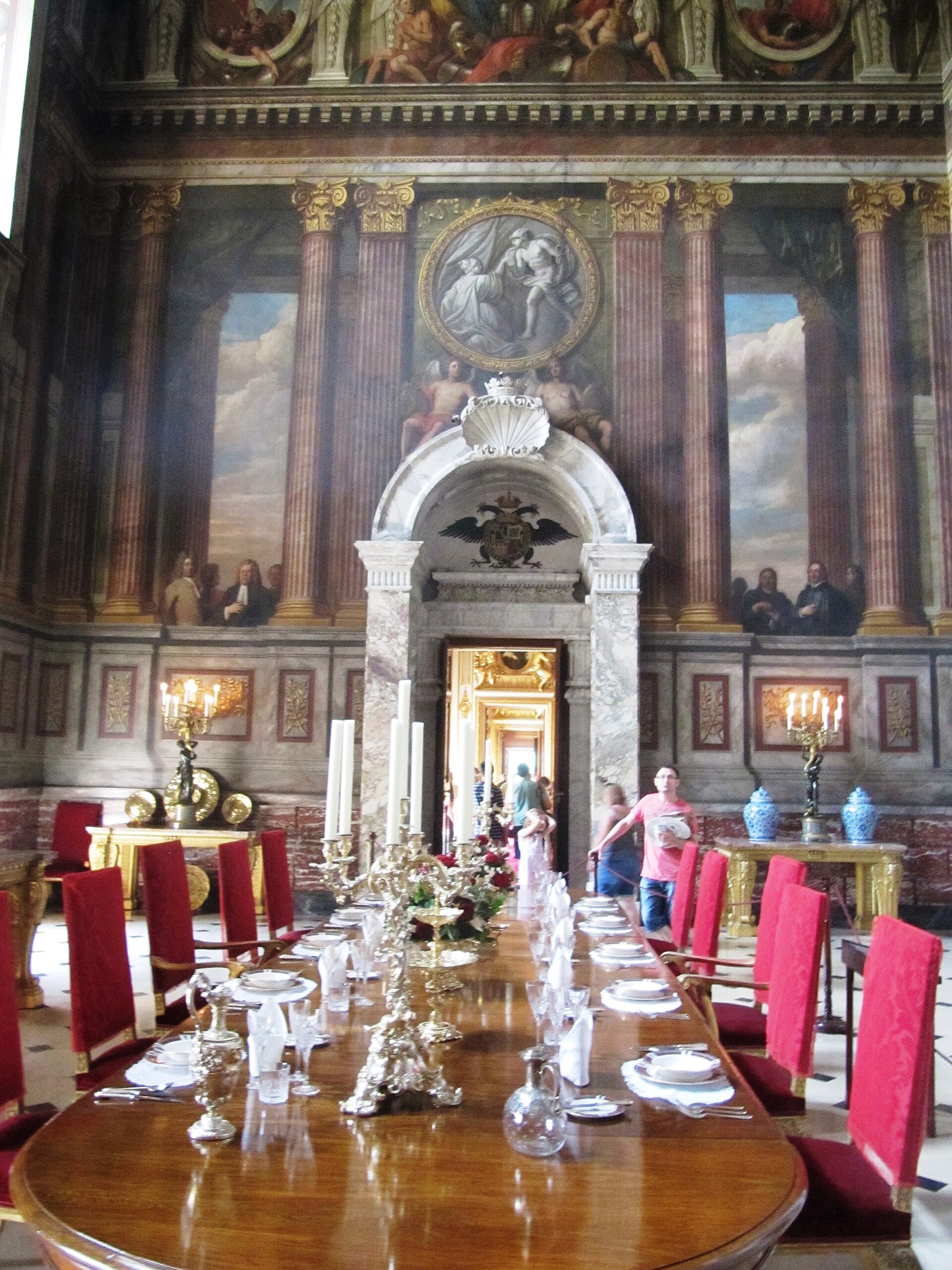
At the centre of the palace’s state apartments lies the Saloon, the grand formal dining room used for the most important occasions, and one of the most splendid rooms at Blenheim. Its walls and ceiling are covered with elaborate painted decoration, creating an atmosphere of rich magnificence, and it remains in use for grand family occasions to this day.
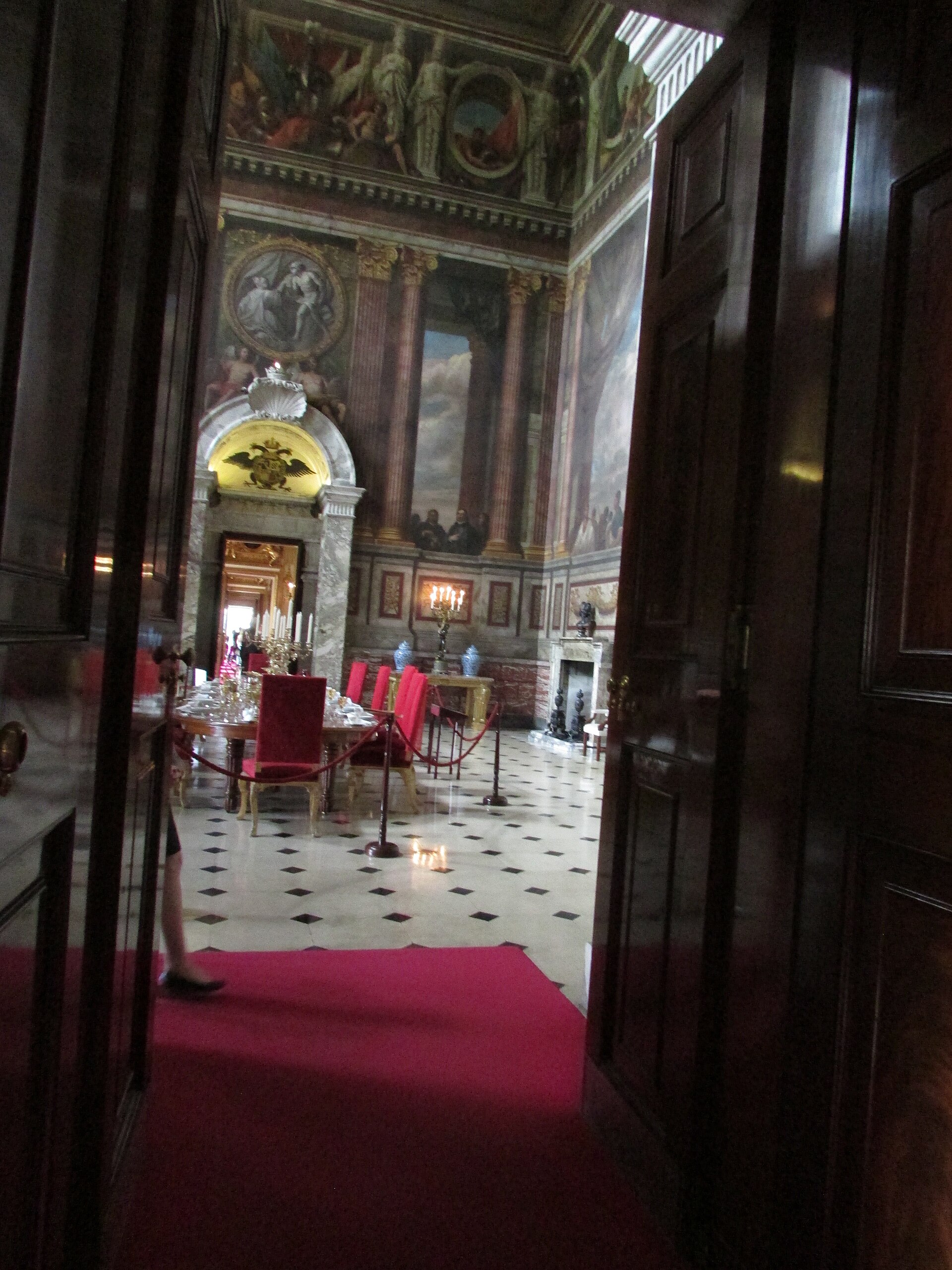
The painted decoration of the Saloon, the work of a leading decorative painter of the age, covers the walls with illusionistic scenes, depicting figures who appear to look on from painted galleries and balconies, in a manner designed to delight and surprise. The ceiling continues the scheme, and the whole room is a tour de force of Baroque decorative painting, immersing the diner in a world of painted splendour.
Beyond the Saloon extend the state rooms of the palace, a sequence of grand apartments richly furnished and hung with some of the finest treasures of the Marlborough collection. Among these treasures are magnificent tapestries, several of which depict the very battles and campaigns of the first duke, so that the victories that gave rise to the palace are celebrated on its very walls.
These state rooms, with their tapestries, paintings, furniture, and works of art, form a magnificent sequence that displays the wealth and grandeur of the Marlborough family and celebrates the achievements that founded their fortunes. They are among the finest such rooms in England, and they complete the palace’s role as both a splendid residence and a monument to the great victory it commemorates.
The Long Library
One of the most spectacular rooms at Blenheim is the Long Library, an enormous gallery that stretches along one whole wing of the palace and ranks among the longest rooms of its kind in any English house. Originally conceived as a picture gallery, it was later fitted out as a library, and its great length and fine proportions make it one of the most striking interiors in the palace.
The room extends for a remarkable distance, its walls lined with bookcases holding thousands of volumes, and its ceiling richly decorated. The sheer scale of the gallery is impressive, and walking its length gives a vivid sense of the grandeur and ambition of Blenheim, a room conceived on a scale to match the monumental character of the whole building.
At one end of the Long Library stands a great organ, a magnificent instrument installed by a later duke, adding to the splendour of the room and giving it a further dimension as a place of music as well as of books. The organ’s presence enriches the gallery, and its music can fill the enormous space on grand occasions, a fitting accompaniment to the magnificence of the setting.
The Long Library is one of the highlights of a visit to Blenheim, a room whose scale and beauty capture the essence of the palace’s grandeur. It demonstrates the ambition with which the house was conceived, and it provides, in its great sweep of shelves and its fine decoration, one of the most memorable interiors in a palace filled with magnificent rooms.
The Chapel and the Marlborough Tomb
Among the state apartments and grand rooms of Blenheim lies the palace chapel, a dignified space that serves the religious needs of the ducal family and houses one of the most magnificent monuments in the house. Like everything at Blenheim, the chapel was conceived on a grand scale, and it forms an important part of the sequence of ceremonial spaces within the palace.
The chapel is dominated by the great tomb of the first Duke of Marlborough, an elaborate marble monument that commemorates the soldier for whom the palace was built and celebrates his victories. Sculpted in the grand manner, the monument depicts the duke and his family amid allegorical figures and martial imagery, a fitting memorial to the hero whose triumphs gave rise to Blenheim.
The tomb continues, within the palace itself, the theme of celebration and commemoration that runs through the whole house. Just as the Great Hall, the Saloon, and the Column of Victory in the park all glorify the duke’s achievements, so the great monument in the chapel honours his memory and secures his place at the very heart of the palace built in his name.
The chapel thus completes the palace’s role as a monument as well as a residence, uniting the religious and the commemorative in a single space. It is here that the first duke and his descendants have been remembered, and the presence of the great tomb lends the chapel a special solemnity, a reminder of the man whose victory on a distant battlefield brought this extraordinary palace into being.
Capability Brown and the Great Lake
The magnificent park that surrounds Blenheim is as celebrated as the palace itself, and it owes its present form to the genius of Lancelot Brown, the greatest of English landscape gardeners, known to all as Capability Brown. In the mid-eighteenth century, some decades after the palace was built, Brown transformed the grounds into one of the supreme examples of the English landscape park.
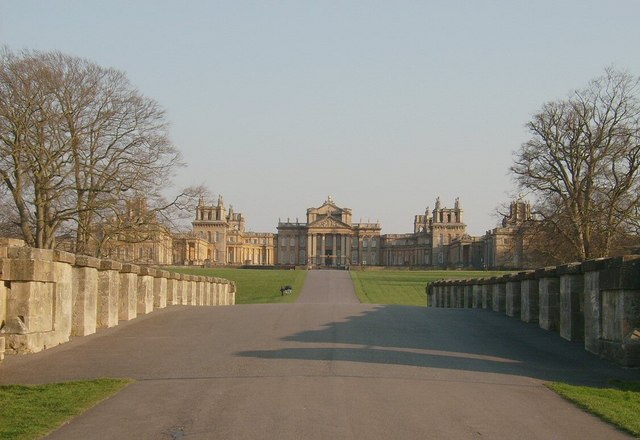
Brown’s masterstroke was the creation of the great lake, formed by damming the small river that ran through the park, which flooded the valley to create a broad and beautiful sheet of water. The new lake transformed the setting of the palace, and it had a particularly dramatic effect upon the great bridge that Vanbrugh had built across the valley, which now spanned the water in majestic fashion.
The Grand Bridge, an enormous structure built by Vanbrugh on a heroic scale, had originally stood over a mere stream, appearing almost absurdly large for its setting. Brown’s lake gave it at last a worthy purpose, its great arches now reflected in the water below, so that bridge and lake together form one of the most celebrated and beautiful compositions in any English landscape.
Brown’s landscaping of the park, with its lake, its rolling lawns, its artful clumps of trees, and its carefully composed views of the palace, created a setting of incomparable beauty. The union of Vanbrugh’s monumental architecture with Brown’s naturalistic landscape produced a masterpiece in which building and grounds enhance one another, and it remains one of the greatest achievements of English landscape design.
Capability Brown’s work at Blenheim is often regarded as his masterpiece, the fullest realisation of his vision of an idealised natural landscape, and it demonstrates how completely the art of the landscape gardener could transform a setting. Where the ground had once been comparatively bare and the great bridge had stood awkwardly over a trickle of water, Brown created a scene of such harmony and beauty that it appears entirely natural, though every feature was carefully composed.
The Column of Victory and the Park
The vast park of Blenheim is adorned with monuments and features that continue the palace’s theme of triumph and celebration, chief among them the great Column of Victory. This towering column, raised in the park, is crowned by a statue of the first Duke of Marlborough in the guise of a Roman general, and it commemorates his victories in a manner befitting the heroic spirit of the whole estate.
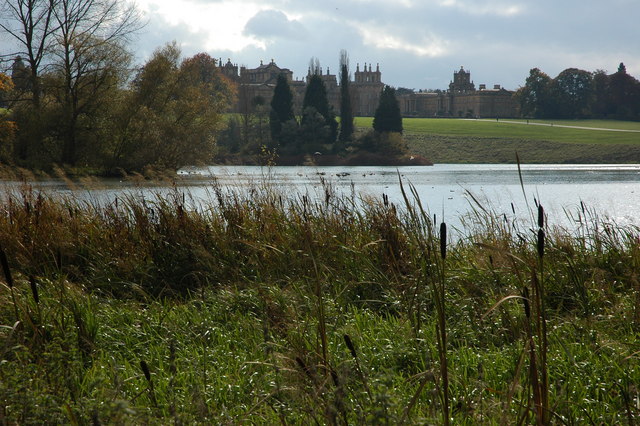
The column stands at the end of a great avenue, forming a dramatic focal point in the landscape and a fitting monument to the soldier for whom the palace was built. Inscribed with an account of the duke’s achievements, it celebrates his victories and his rewards, and it serves as a reminder, set within the beautiful park, of the martial glory that gave rise to Blenheim.
The park itself is enormous, extending over a great area of the Oxfordshire countryside and offering a landscape of lakes, woods, lawns, and avenues of surpassing beauty. Formal gardens close to the palace, including elegant water terraces and an Italian garden, give way to the naturalistic landscape of the wider park, so that the grounds offer a rich variety of scenes and settings.
Together the park, the lake, the bridge, the gardens, and the monuments form a landscape of extraordinary beauty and interest, a fitting setting for the great palace at its heart. The grounds of Blenheim are among the finest in England, and they are an essential part of the experience of the palace, a masterpiece of landscape design that complements and enhances the architectural grandeur of the house.
The Birthplace of Winston Churchill
Blenheim holds a further and very special claim to fame, for it was the birthplace of Sir Winston Churchill, the statesman who would lead Britain through the Second World War and who ranks among the greatest of all its leaders. Churchill was born at the palace in 1874, a descendant of the great duke for whom it had been built, and his connection to Blenheim ran deep throughout his life.
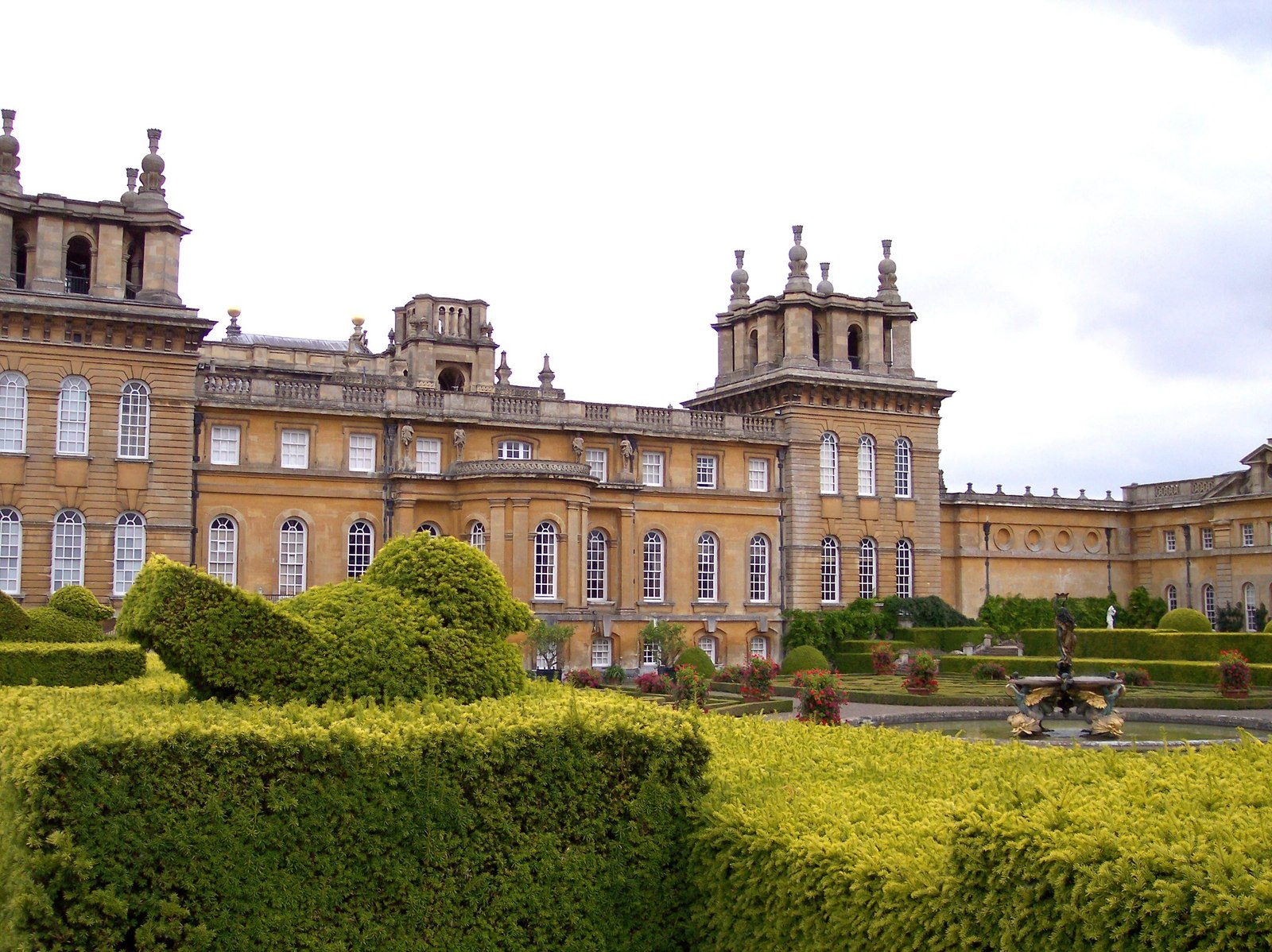
Winston Churchill was born at Blenheim because his father was a younger son of the ducal family, and the palace remained important to him throughout his life. It was in the beautiful grounds of Blenheim, according to tradition, that he proposed to his wife, and his affection for the place, the home of his ancestors and the scene of his birth, endured to the end of his days.
The connection between Churchill and Blenheim links the palace to two of the greatest figures in British history, the first Duke of Marlborough, victor of Blenheim, and his descendant Winston Churchill, saviour of his nation in its darkest hour. That both should be associated with the same great house is a remarkable coincidence of history, and it deepens the significance of Blenheim as a place of national importance.
Churchill’s association with Blenheim is commemorated within the palace, and his memory adds another layer to the many histories that the house embodies. He was laid to rest not far away, in a quiet country churchyard within sight of the palace where he had been born, so that in death as in life he remained close to Blenheim, the home of his family and the place of his birth.
Winston Churchill wrote movingly of his connection to Blenheim, and he devoted years to composing a great biography of his ancestor the first duke, immersing himself in the history of the palace and the victories it commemorated. In this way the two great figures of the Marlborough line were united across the centuries, the soldier who won the palace and the statesman who chronicled his deeds, both of them bound to the house that stands as a monument to their family’s greatness.
Blenheim Today: A World Heritage Palace
In recognition of its outstanding importance, Blenheim Palace was inscribed on the UNESCO World Heritage List, honoured as a masterpiece of English Baroque architecture and as a monument of national and historical significance. It remains one of the very few houses in England to bear the title of palace, and it is universally regarded as one of the greatest country houses in the land.
View the exact location on Google Maps
Blenheim is still the home of the Dukes of Marlborough, the descendants of the great soldier for whom it was built, and it remains a living family house as well as a great historic monument. At the same time it is open to the public, and visitors can explore its magnificent state rooms, its Great Hall and Saloon and Long Library, and the exhibitions that tell the story of the palace and of Winston Churchill.
The palace and its glorious park, set in the Oxfordshire countryside near the town of Woodstock and not far from Oxford, make one of the most rewarding destinations in England. The grandeur of the architecture, the beauty of the landscape with its great lake and bridge, and the wealth of history associated with the house combine to offer visitors an unforgettable experience.
More than three centuries after a grateful queen and nation resolved to reward a great soldier with a palace, Blenheim endures as a monument to victory, a masterpiece of the Baroque, and the birthplace of a national hero. Grand, dramatic, and steeped in history, set amid one of the finest landscapes in England, it stands as a unique and magnificent memorial to the triumphs and the personalities that shaped it.
The continuing life of Blenheim as both a family home and a public monument reflects the way in which England’s great houses have adapted to survive in the modern world, opening their doors to visitors while remaining living institutions. Blenheim has embraced this role with particular success, hosting events, exhibitions, and celebrations throughout the year, and ensuring that the great palace built to celebrate a victory remains a vibrant and living part of the nation’s heritage.
Palaces Nearby
If the grandeur of Blenheim has impressed you, these great royal residences elsewhere in England are well worth a visit:
You May Like
The Palaces of Orchha: A Bundela Capital on the Betwa