If you add to this the controls that prevent the construction of high-rise buildings, the old and traditional Turkish houses and the mansions of the rich ‘Stamboul’ merchants and bankers of the beginning of the century, you can imagine the unique atmosphere they create. However, the islands are much more than small settlements clustered around ferry docks.
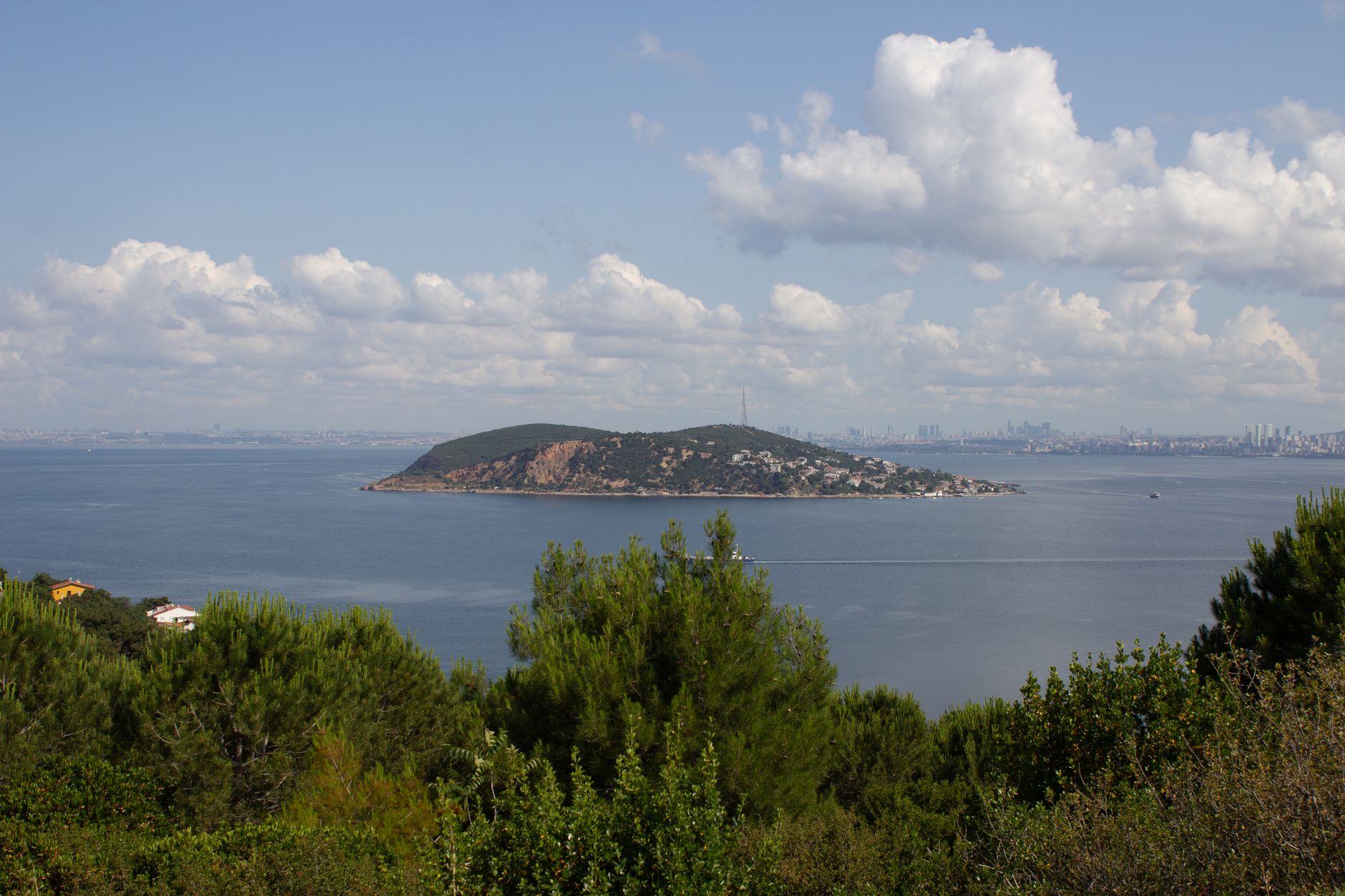
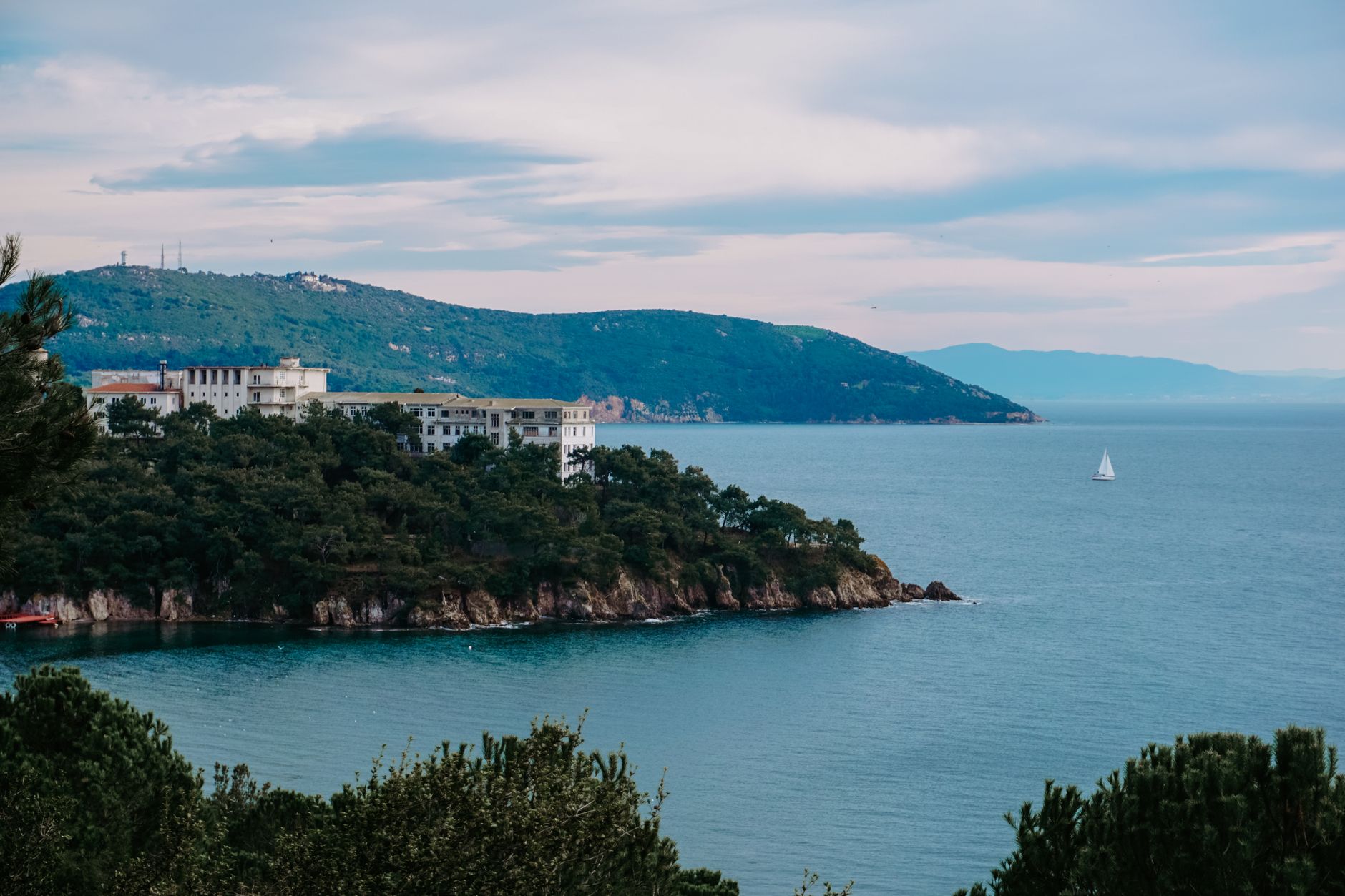
Just beyond the landing point, right next to the houses, restaurants and small shops, you experience the unexpected happiness of finding yourself in a largely untouched nature and coastal area. The cliffs descend steeply towards the sea; Sandy beaches, bays and deserted bays lie before you at every corner; Pine forests stretch from the coasts of each island to the central hills and ridges.
In fact, the islands themselves consist of the peaks of a small mountain range that was submerged at the end of the last ice age, some 8,000 years ago. As the planet gained heat, water released from the vast ice sheets covering half of Europe swelled the world’s rivers and seas, bringing them to the point of explosion.
Finally, the Mediterranean, overflowing from its mould, passed over the gates of Çanakkale and filled the large fresh water basin behind it to form the Sea of Marmara, submerging the foothills of the mountains and leaving the islands behind. The waters that continued on their way crossed the valley forming the Bosphorus and poured with a force equivalent to that of two hundred Niagara Falls, forming the Black Sea.
Considering the tranquility that prevails on the islands today, it is difficult to even imagine these exuberant and noisy natural events.
Of the nine islands that make up the group, only the four largest islands have permanent settlements. Ferries visit the islands in turn, giving visitors the opportunity to taste each one; It gives them the chance to decide which experience they will enjoy that day, like an expert who knows the quality atmosphere.
The order in which the ferries visit the islands is as follows: Kınalı island, which is the smallest, Burgaz and Heybeli islands, which are slightly larger and approximately equal to each other, and finally Büyükada, which is the largest.
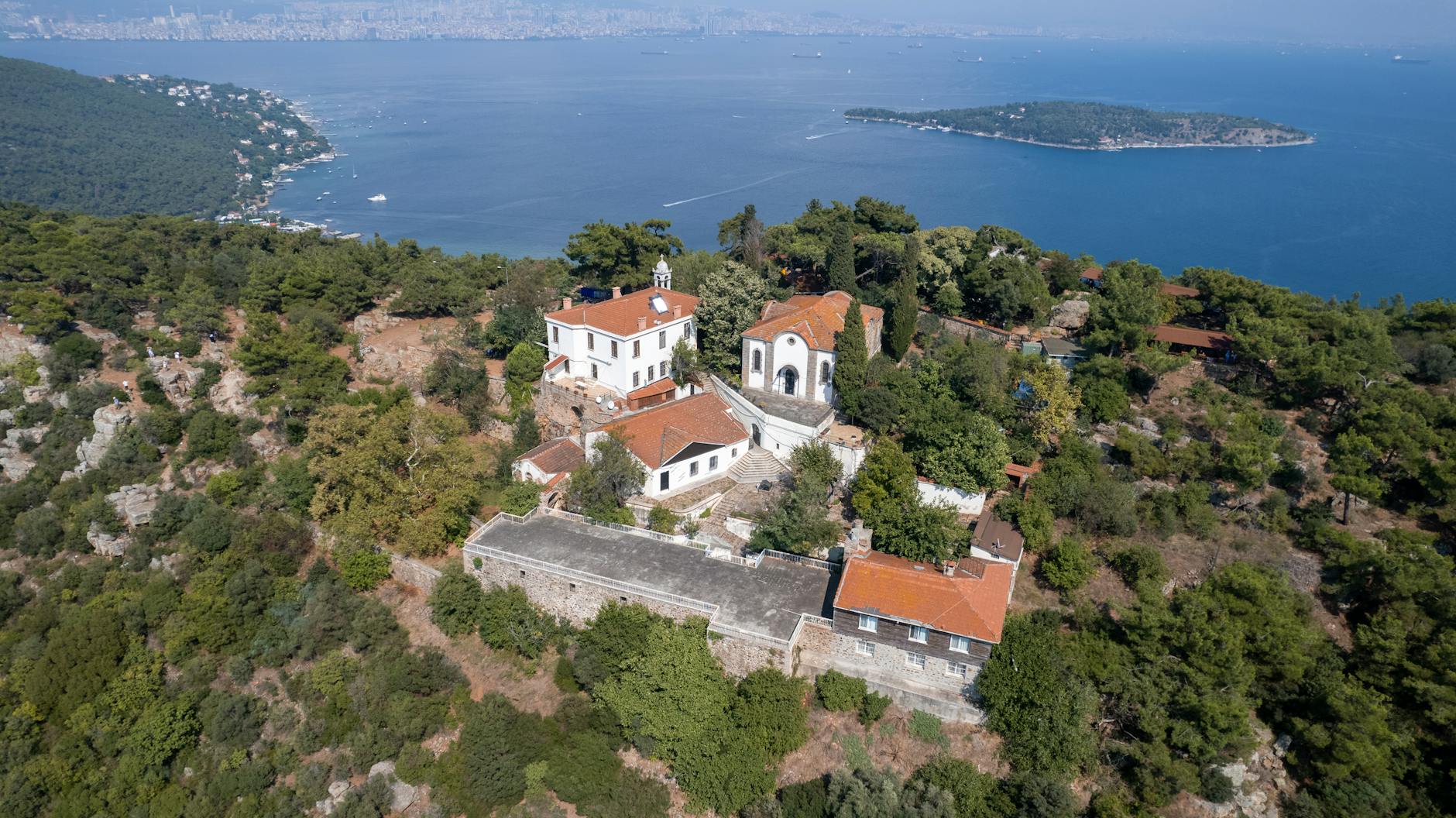
During the Byzantine period, Büyükada was known as Prinkipo or the Island of the Princes. This name comes from the royal palace built here by Justin II in 509 AD. The phrase ‘Princes’ Islands1′ later became a name used for the entire island group. There are still Greek Orthodox churches, seminaries and monasteries high on the central hills of the islands.
These monasteries were the places where Byzantine nobles and dethroned emperors who made mistakes or acted too ambitiously were exiled.
After the greatest defeat of the Byzantine Empire in the Battle of Manzikert in 1071 AD, Emperor Romanus IV was taken prisoner by the Seljuk Sultan Alp Arslan and a ransom was demanded for his return. Meanwhile, at home, Romanus was deposed by his stepson, blinded, and exiled to Kınalıada, in accordance with the most notable Byzantine traditions.
The last of the important people who lived in exile on the islands was Leon Trotsky, who resided at 55 Çankaya Street, Büyükada, between 1929 and 1933. According to popular rumor, he was a danger to anyone who approached him. The fishermen who had the misfortune of being dragged too close to his seaside garden were faced with bullets from the man’s gun.
This person, who was tortured by the daily terror of an assassin and knew very well where Josef Stalin’s hand could reach, eventually escaped and went first to Norway and then to Mexico.
This theme of exile is mentioned in the stories of all the islands, like a string tying a string of pearls, and it still continues. However, the exiles that may occur today are of the type that people carry out with their own decisions. So where does the appeal of such a thing lie?
First of all, the more humane, more understandable level of life offered here must be important. Its borders can be grasped with a single glance; This is a level where walking distances, activities, residents’ relationships with each other and lifestyles can be easily understood.
In other words, life on the islands, no matter how short-term an experience it is, gives us the opportunity to look at the problems we face with the dimensions of life in the big city, its lostness in the crowd and its pace, from above. Disagreements in island life return to their source; They are sent back to where they belong: among the people themselves.
There is also another form of exile that is implemented by personal decisions, but is more difficult to define and determine its boundaries. This is an internal exile aimed at moving away from our social self, getting rid of our mask personality facing people, and gathering strength by returning to the sources of renewal within us.
After all, crossing a sea, no matter how short the journey, points to the psychology of moving away, leaving our previous way of life behind. When we set foot in an unknown and self-contained world, this symbolic isolation gives us the power to activate the internal mechanism required to reconnect with our own deepest sources of sensation.
You May Like
Aspendos Ancient Theater Travel Guide