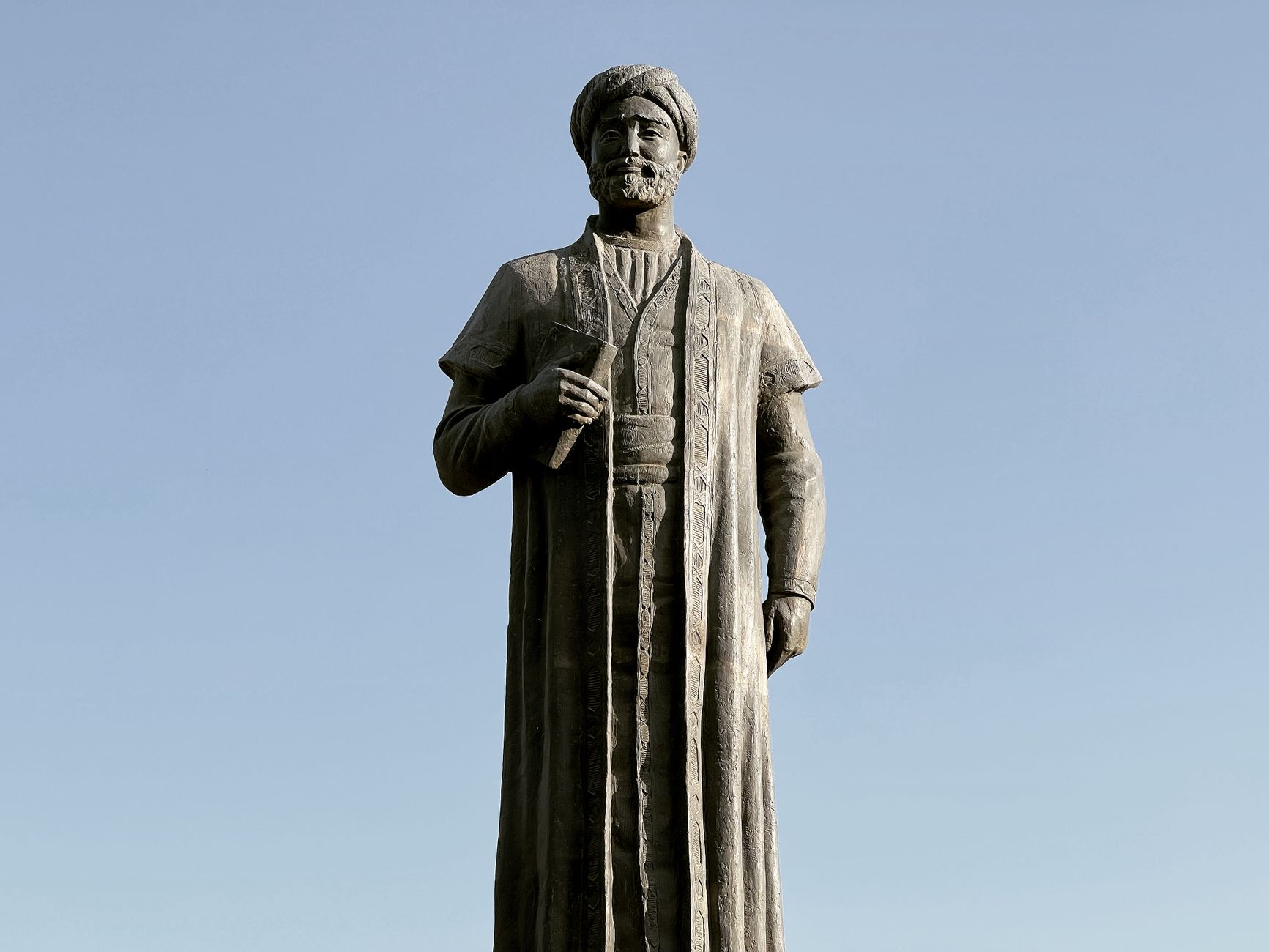
Mahmud of Ghazni, the first Turkish ruler to use the title of Sultan, is also the commander who honored India with Islam. It is no wonder that the sultan, who gave the Ghaznavid State its brightest period thanks to his justice, superior command ability, foresight and intelligence, was never defeated in any battle he fought. Why? The answer is in the lines below.
The foundations of the Ghaznavids, one of the first Muslim-Turkish states, were laid in the city of Ghazni in 963 by the Turkish commander named Alp Tegin. In the sources, they were also called Yemînîs because of Sultan Mahmud of Ghazni’s nickname “Yemînü’d-Devle”, and Sebük Tegînîs because of his father Sebük Tegin. Although he ostensibly acted as the governor of the Samanids, the real founder of the independent Ghaznavid State was Sebuktigin.
Sebük Tegin, father of Mahmud of Ghazni, was born in the Barshan region on the shores of Issyk Kul Lake, on the border with Kyrgyzstan. It is most likely that he was from one of the tribes affiliated with the Karluk Turks. During an attack by the Tuhsi, he was captured by this tribe and sold as a slave. Alp Tegin did successful work in the service of his last owner.
Due to Böri Tegin’s unsuccessful administration, he was elected “emir” to the Ghazni throne by the prominent Ghazni lords – as he was one of Alp Tegin’s most trusted men. He tried to take this region under his control by marrying the daughter of one of the noblemen of the Zabulistan region in eastern Afghanistan. In 977 (366), he organized an expedition to the city of Bust and captured it.
By adding the Kusdar region in Northeastern Baluchistan to its borders, it expanded its rule to Eastern Gur, Tokharistan and Zemindaver. After this, he started to organize raids on India. More in Deep History December Issue…
You May Like

Fasil Ghebbi: The Castle-City of the Ethiopian Emperors


