Not every palace is a seat of kings. Some of the most consequential places in a nation’s history are the homes where power was quietly gathered before it stepped into the light, and in Seoul there is no better example than Unhyeongung. Modest in scale, elegant in its restraint, this walled residence in the heart of the old city was never a royal palace in the formal sense. Yet for a crucial stretch of Korean history it was the true centre of power, the home from which a father ruled in his son’s name.
Unhyeongung was the residence of the man who became regent for a boy-king, one of the most forceful and controversial figures in modern Korean history. It was here that the future king grew up, here that the great decisions of a turbulent reign were shaped, and here that one of the most famous royal weddings of the age took place. The compound is small, but the events it witnessed helped decide the fate of a kingdom caught between tradition and a rapidly changing world.
Because it was a home rather than a throne palace, Unhyeongung has an intimacy and a human warmth that the grand palaces cannot match. Its halls are the halls of a great aristocratic household, arranged for family life, for the reception of guests, and for the quiet exercise of influence. To walk its courtyards is to step into the private world of the Korean elite in the final century of the old order, a world of refined manners and fierce politics.
In this article you will get to know Unhyeongung fully: how it rose to prominence when a boy from this house became king, the powerful regent who ruled from within its walls, the elegant halls that make up the compound, the celebrated royal wedding staged here, the reforms and conflicts of a dramatic era, and the way this quietly beautiful residence survives today as a window onto a pivotal moment in Korea’s past.
In This Article
- A Residence, Not a Throne Hall
- When a Boy from This House Became King
- The Regent Who Ruled from Home
- Rebuilding the Authority of the Crown
- A Royal Wedding at Unhyeongung
- The Elegant Halls of the Compound
- The Inner Quarters and the Women of the House
- Courtyards, Trees, and Quiet Corners
- A Window onto a Vanished World
- Rivalry, Reform, and the End of an Era
- Survival into the Modern Age
- Unhyeongung Among the Palaces of Seoul
- Visiting Unhyeongung Today
A Residence, Not a Throne Hall
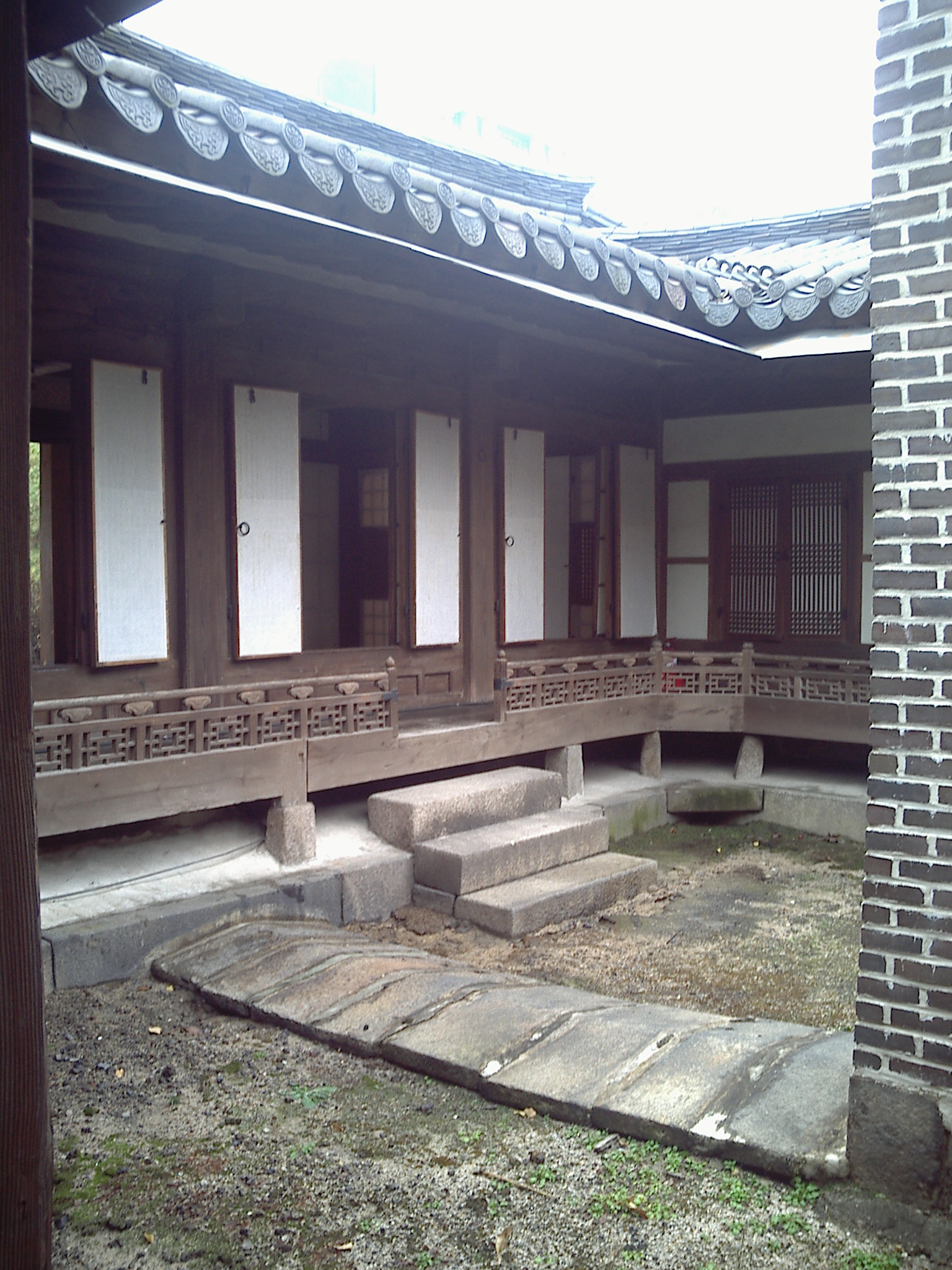
The first thing to grasp about Unhyeongung is that it was a home. Unlike the great palaces of Seoul, with their vast throne halls and ceremonial courtyards, this is a walled residential compound, the kind of establishment a very grand aristocratic family might keep in the capital. Its buildings are arranged for living, receiving, and governing informally, not for the elaborate rituals of kingship.
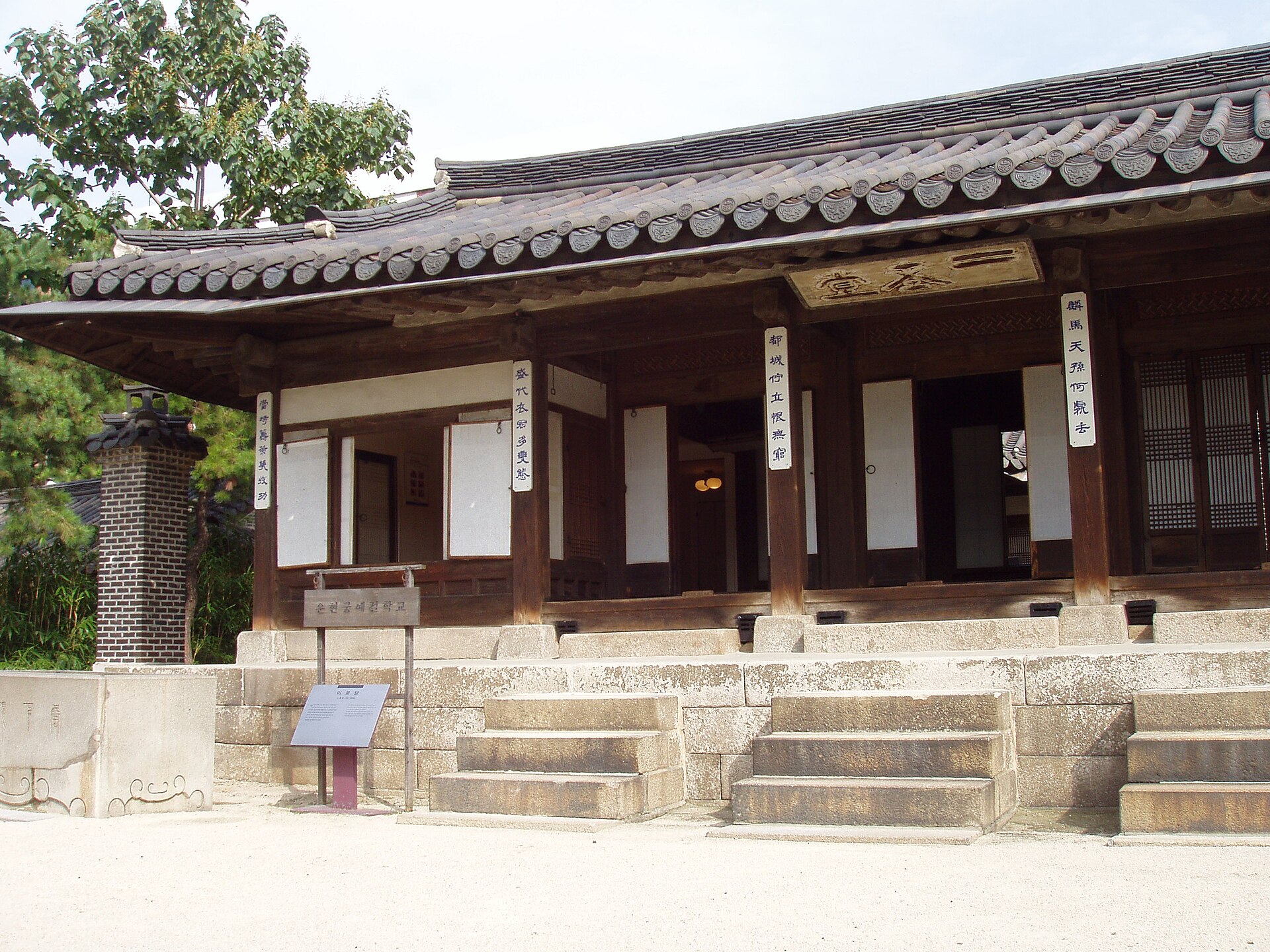
That domestic character gives the place a particular feel. The halls are handsome but human in scale, connected by courtyards and verandas, shaded by trees, designed for comfort and for the smooth running of a large noble household. There is no soaring audience hall here, no forbidding sequence of gates, but rather the refined ease of a home built for a family of the highest rank.
And yet this modest compound became, for a time, the most important address in Korea. When the head of this household found himself suddenly at the centre of national power, the residence was expanded and dignified to match its new role, and the business of a kingdom came to be conducted within its walls. It is this collision of the domestic and the momentous that makes Unhyeongung so fascinating.
It is worth pausing on this distinction, because it changes how you read everything in the compound. A throne palace is built to overawe; a residence like this is built to be lived in and worked from. Once you see Unhyeongung as a home that happened to become a seat of power, its every hall and courtyard takes on a double meaning, at once domestic and political, and the quiet spaces begin to feel charged with the decisions once made within them.
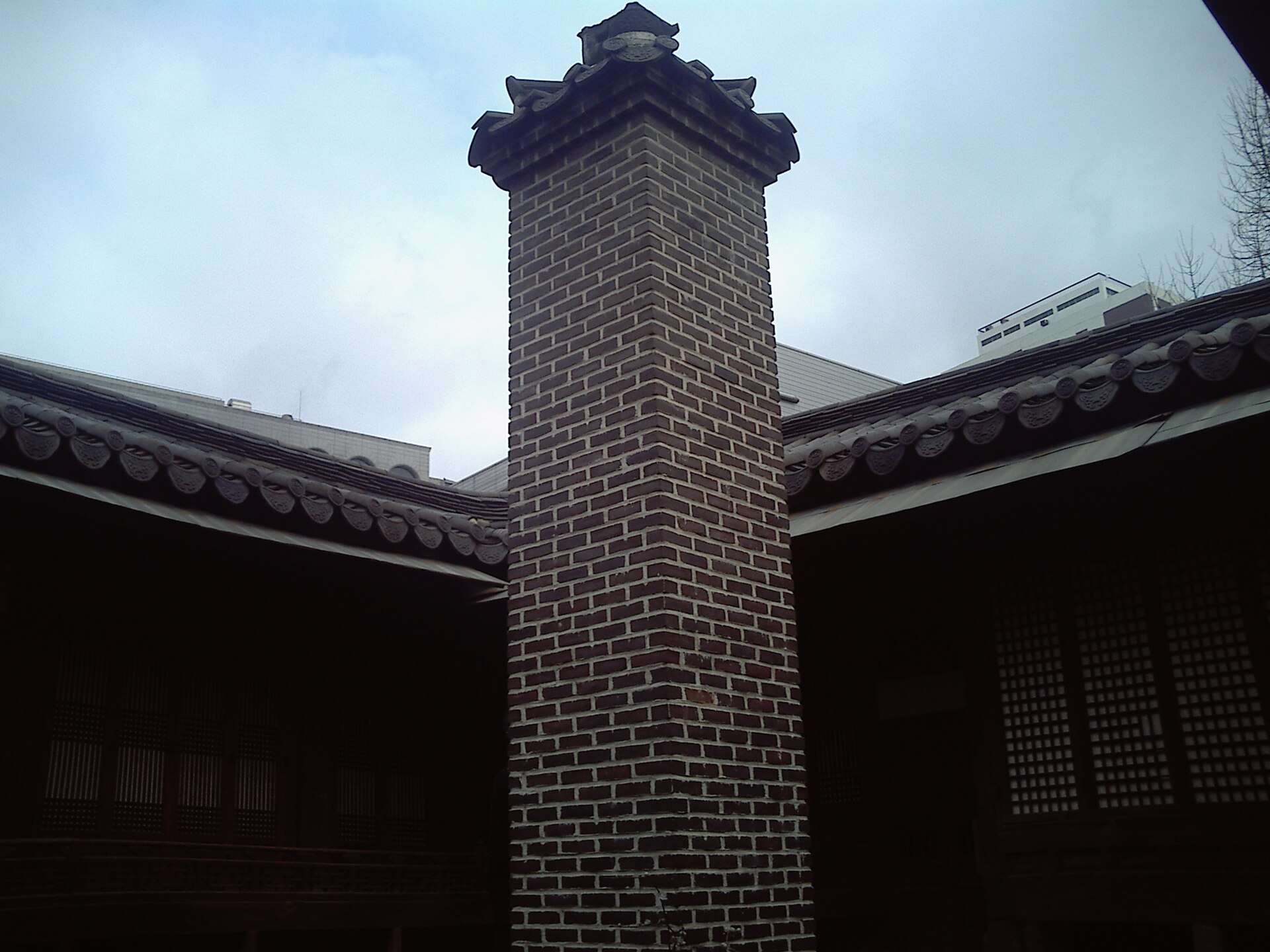
Approaching from the busy street outside, you might almost walk past the entrance, so unassuming is it compared with the great palace gates elsewhere in the city. That very modesty is part of the point. Power here did not announce itself with monumental architecture; it worked quietly, from behind ordinary-looking walls, and the restraint of the exterior conceals the extraordinary history within.
When a Boy from This House Became King
The transformation of Unhyeongung from noble residence to seat of power began with a dynastic accident. When the reigning king died without a direct heir, the choice of a successor fell, through the complex politics of the court, upon a boy from this very household. Overnight, a child of this family was raised to the throne of Korea, and his home became bound up with the destiny of the nation.
The new king was too young to rule in his own right, and so real authority passed to those around him, above all to his father, who had not himself been king but now stood as the parent of the sovereign. This unusual arrangement, a father guiding a son who outranked him, placed Unhyeongung at the very heart of government, for it was here that the king’s father lived and worked.
The elevation of the household was marked by building and honour. The residence was enlarged, new halls were raised, and the compound was given a status befitting the home of the king’s family. What had been a private house now carried a public weight, and its name became known throughout the kingdom as the place from which the boy-king had come and from which his father wielded power.
The suddenness of the change is hard to overstate. One day this was the household of a prominent but private family; the next it was the cradle of the reigning king, its fortunes tied directly to the throne. Such reversals of fortune were the very stuff of dynastic politics, and few families experienced one so complete or so consequential as the household of Unhyeongung.
The honours that followed the boy’s accession reshaped the compound physically as well as symbolically. New construction and refurbishment marked its elevation, and the very layout we see today reflects this moment when a family home was raised to national significance. The stones and timbers themselves record the instant a private household stepped onto the stage of history.
The Regent Who Ruled from Home
The dominant figure of Unhyeongung, and one of the towering personalities of modern Korean history, was the king’s father, who served as regent during his son’s minority. A man of fierce will and strong convictions, he seized the opportunity presented by his son’s accession to pursue a sweeping programme of his own, ruling in practice while his son reigned in name, all from within this residence.
His policies were bold and often ruthless. He sought to restore the authority and dignity of the crown, to curb the power of entrenched aristocratic factions, and to reform a government he saw as corrupt and weak. At the same time he was a staunch defender of tradition against foreign encroachment, resisting the growing pressure of outside powers seeking to open the kingdom to trade and influence.
From the halls of Unhyeongung, decisions flowed that shaped the course of the nation, some visionary, some disastrous, all bearing the stamp of his formidable character. Few private residences in any country have served as the effective seat of national government in the way this compound did, and the regent’s powerful, contradictory legacy is inseparable from the place where he lived and ruled.
To understand the regent is to hold contradictions together. He was at once a reformer and a reactionary, a man who genuinely sought to cleanse and strengthen the state yet fiercely resisted the changes that history was forcing upon it. This combination of vision and stubbornness made him one of the most consequential and divisive figures of his age, and Unhyeongung remains the place most closely identified with his memory.
Visitors interested in his story will find that the residence is, in effect, his monument. There is no grand tomb or towering statue here, only the halls where he lived and governed, and perhaps that is fitting for a man whose power was always exercised from a private home rather than a public throne. To understand him, one comes not to a palace but to a house.
Rebuilding the Authority of the Crown
One of the regent’s central ambitions was to restore the prestige of the monarchy, which he believed had been eroded by generations of aristocratic dominance. To this end he pursued grand projects, most famously the costly rebuilding of the main royal palace of the capital, a vast undertaking meant to symbolise the renewed power and glory of the crown.
These efforts had far-reaching consequences. The rebuilding drained the treasury and imposed heavy burdens on the people, stirring resentment even as it produced magnificent results. The regent’s determination to assert royal authority also brought him into conflict with powerful families and institutions whose influence he sought to curb, making him both feared and bitterly opposed.
Unhyeongung was the command post for this campaign to remake the monarchy. Here the regent planned and directed his projects, marshalled his supporters, and confronted his enemies. The residence thus stands as a monument not only to a family’s rise but to a whole programme of reform and reaction, an attempt to turn back the tide of decline that was, in the end, overwhelmed by the forces of the age.
The rebuilding of the great palace stands as the most visible monument to the regent’s ambitions, and also to their cost. It gave the capital a magnificent restored royal seat, but the burden of paying for it sowed resentment that would haunt the regime. In this single project the whole character of his rule is captured, grand in conception, heavy in consequence, and directed from the halls of his own residence.
A Royal Wedding at Unhyeongung
Among the most celebrated events in the history of the compound was the marriage of the young king to his queen, a wedding staged with great ceremony at Unhyeongung. The choice of the residence for so momentous an occasion underlined its special status as the home of the royal family, and the event became one of the defining memories associated with the place.
The bride chosen for the king would become one of the most remarkable and tragic figures of the era, a queen of great intelligence and political skill whose rivalry with the regent, her own father-in-law, would shape the coming decades. The wedding that began at Unhyeongung thus set in motion one of the great personal and political dramas of Korean history.
Today the royal wedding is commemorated at the compound through reenactments and displays that bring the pageantry of the occasion back to life. Visitors can imagine the courtyards filled with officials in ceremonial dress, the elaborate rituals of a royal marriage, and the fateful union of two figures whose relationship would echo through the history of the kingdom. It is one of the most vivid links between the quiet residence and the great events it witnessed.
The irony of the wedding is one that history has not failed to note. The union celebrated with such ceremony at the regent’s own home brought into the family the very person who would become his fiercest political rival. What began as an occasion of dynastic harmony became the seed of a long and bitter struggle, and Unhyeongung thus witnessed both the beginning of a marriage and the origins of a feud that would shape the nation.
The reenactments staged today are among the most popular events at the compound, drawing visitors who come to see the courtyards transformed with color and ceremony. For a few hours the residence sheds its usual quiet and fills with the pageantry of a royal occasion, offering a rare chance to witness, however theatrically, the kind of event that once made this modest home the focus of the entire kingdom.
The Elegant Halls of the Compound
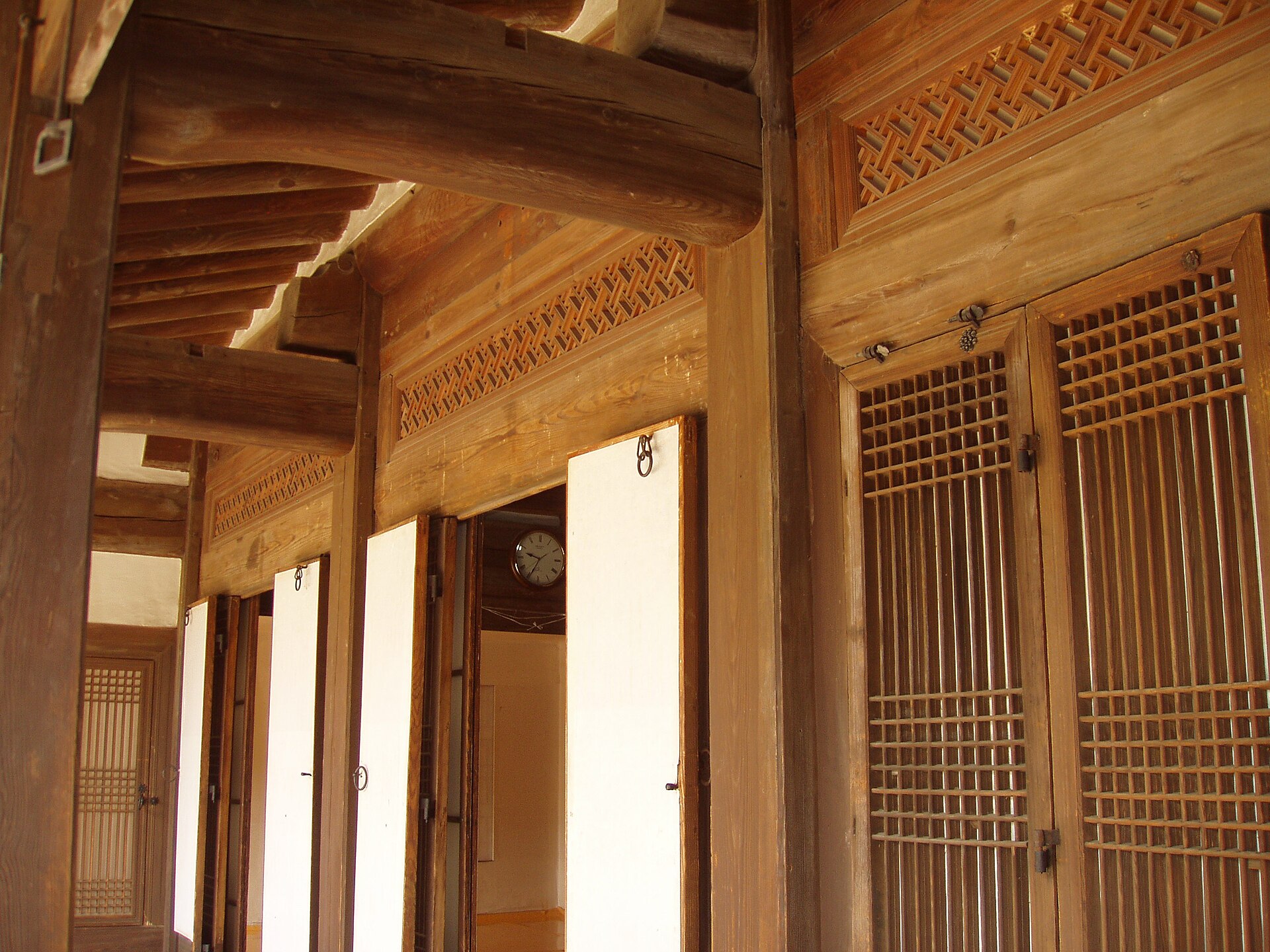
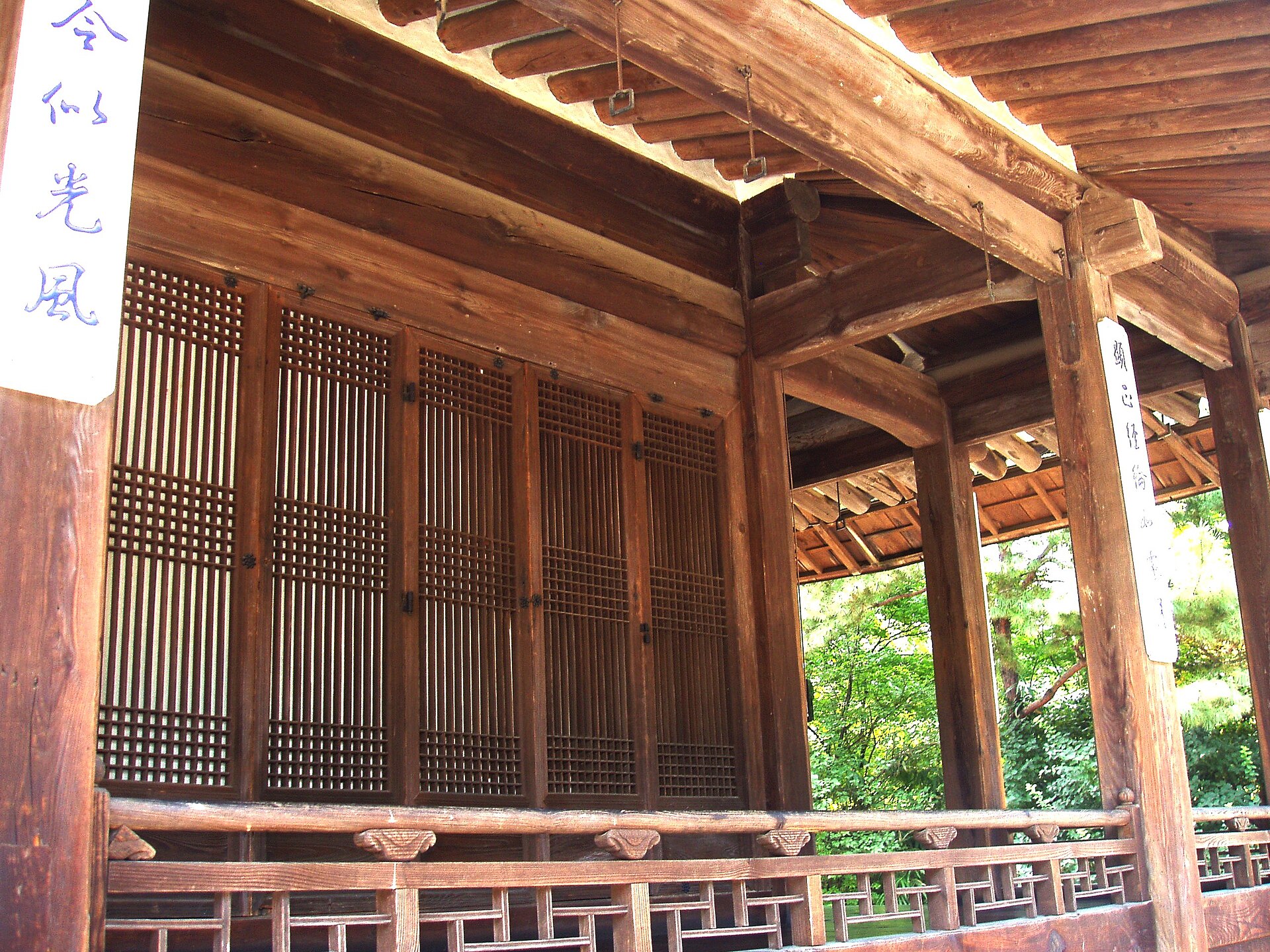
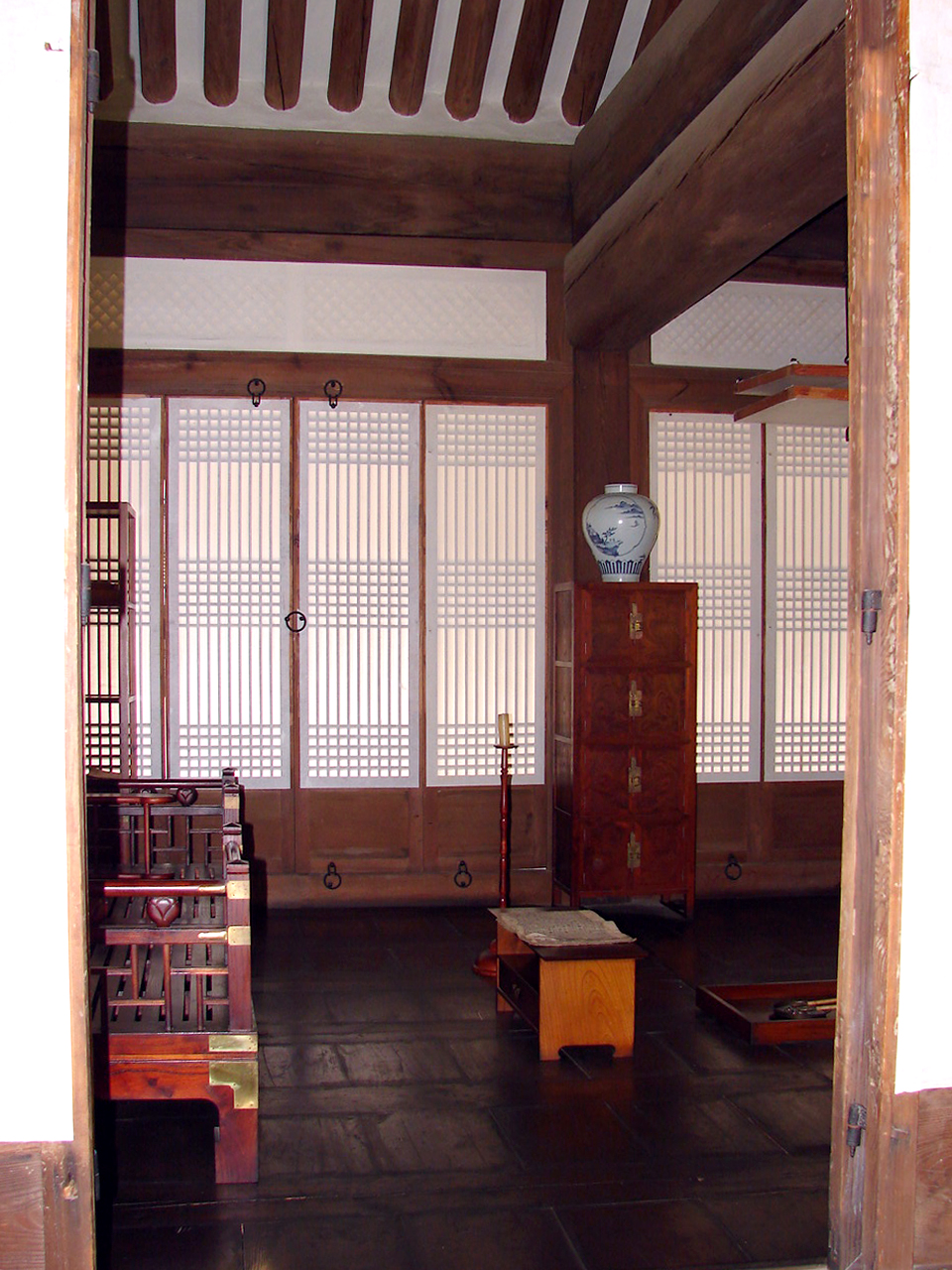
Unhyeongung is composed of a series of handsome halls, each with its own name and function, arranged around courtyards in the manner of a grand traditional household. There are halls for the men of the family and their guests, halls for the women, and spaces for reception, study, and daily life. Together they form a harmonious ensemble of refined domestic architecture.
The principal halls display the elegance of high-status Korean building, with finely worked timber, graceful proportions, and the warm, restrained beauty that characterises the best of traditional residential architecture. Verandas open onto courtyards, sliding doors admit the light, and the whole compound is designed to be lived in gracefully through the changing seasons.
Each hall tells part of the story of the household. One served as the main quarters for the family’s men and the conduct of business, another as the inner living space for the women, another for ceremonies and gatherings. Moving among them, a visitor can reconstruct the daily rhythms of an aristocratic family at the summit of society, and sense the private life that lay behind the public drama of the regent’s rule.
The naming of the halls is itself a window into the culture of the household. Each name carried meaning, expressing hopes, virtues, or the intended use of the space, in the refined literary manner of the Korean elite. To learn the names and purposes of the halls is to read the values of the family written into the very fabric of their home.
The Inner Quarters and the Women of the House
Like all traditional Korean households of high rank, Unhyeongung was divided between outer spaces, where the men of the family conducted business and received guests, and inner quarters reserved for the women. These inner halls were the domain of the household’s female members, screened from the outer world and governed by their own rhythms and rules.
The women of this house were no minor figures. As the family of the king, they moved in the highest circles, and the mother of the sovereign in particular held a position of great honour and potential influence. The inner quarters were spaces of both confinement and quiet power, where the domestic foundations of the family’s public standing were maintained.
To visit these inner halls is to enter a world often hidden from the historical record, the female side of aristocratic life. Here the household’s private existence unfolded, its family relationships, its ceremonies of birth and marriage and mourning, its daily management. The inner quarters remind us that behind every public drama of the era stood a domestic world of women whose lives were bound up with the fortunes of the house.
The historical silence surrounding these women makes the surviving inner quarters all the more precious. Where written records so often overlook them, the architecture itself preserves the shape of their world, the enclosed courtyards, the sheltered rooms, the careful separation from the outer household. In these spaces the otherwise hidden lives of the family’s women can at least be imagined, if not fully recovered.
Courtyards, Trees, and Quiet Corners
For all its historical weight, Unhyeongung is a place of considerable charm, its halls softened by courtyards, old trees, and quiet corners. The compound was designed not only for the conduct of affairs but for gracious living, and its outdoor spaces reflect the traditional Korean love of harmony between building and nature.
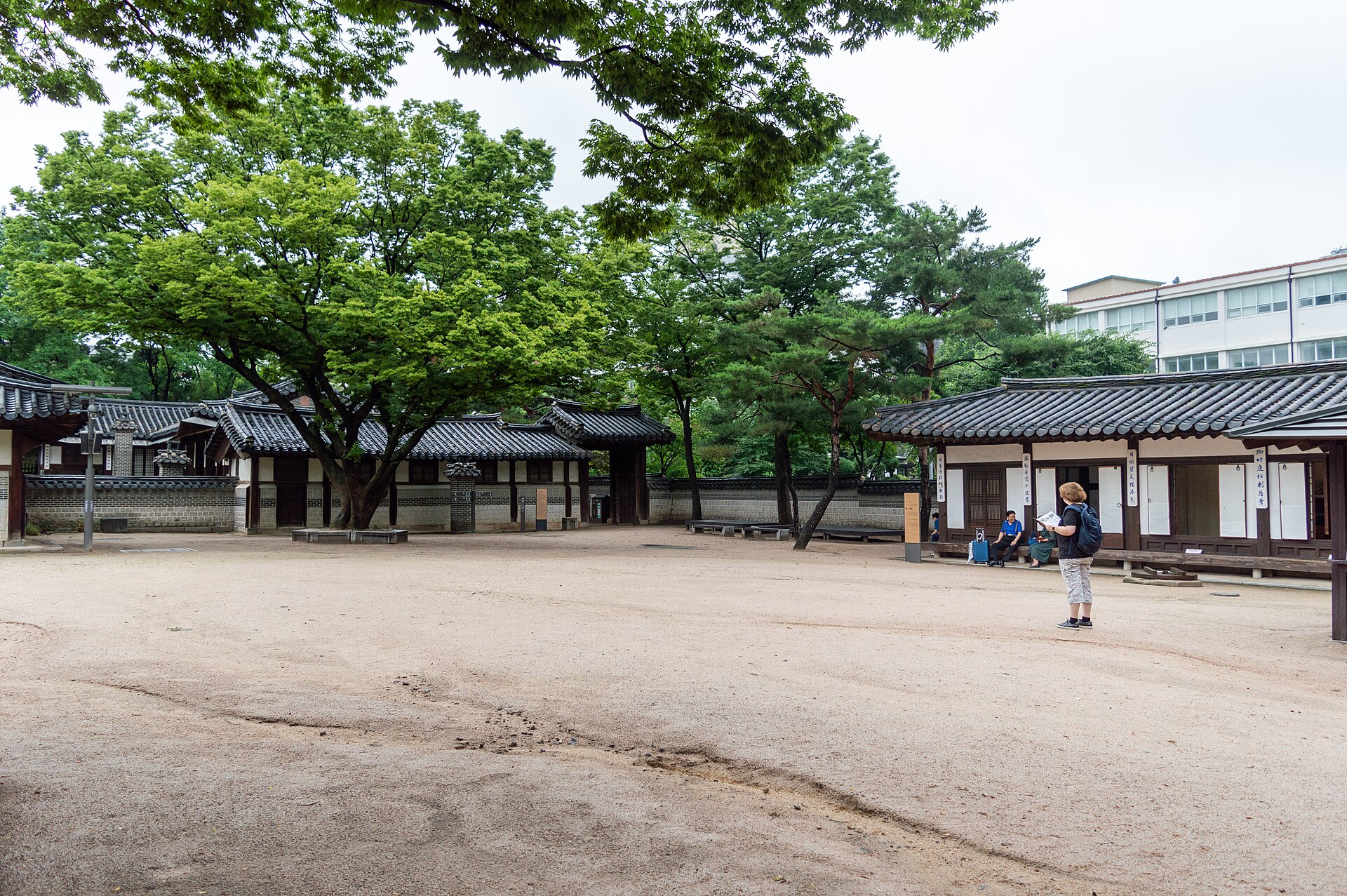
Ancient trees shade the courtyards, and the interplay of tiled roofs, wooden verandas, and open ground creates the serene, balanced atmosphere prized in Korean domestic architecture. In a city that has grown up densely around it, the compound preserves a pocket of calm, a green and quiet enclave amid the noise of the modern capital.
These spaces are part of what makes a visit to Unhyeongung so pleasant. Freed from the crowds that throng the great palaces, a visitor can linger in the courtyards, admire the details of the woodwork, and enjoy the tranquillity of a place that was once the beating heart of national politics but now offers a haven of quiet reflection in the middle of Seoul.
There is a lesson in tranquillity here that the great palaces, for all their splendour, cannot quite offer. Because Unhyeongung is small and rarely crowded, it is possible to experience it almost as its residents might have, as a peaceful home rather than a tourist monument. That rare quality of quiet is among the compound’s most precious gifts to the modern visitor.
In autumn especially, when the old trees turn and the light softens over the tiled roofs, the compound achieves a quiet beauty that lingers in the memory long after a visit, a reminder that this was, above all, a place made to be lived in and loved.
A Window onto a Vanished World
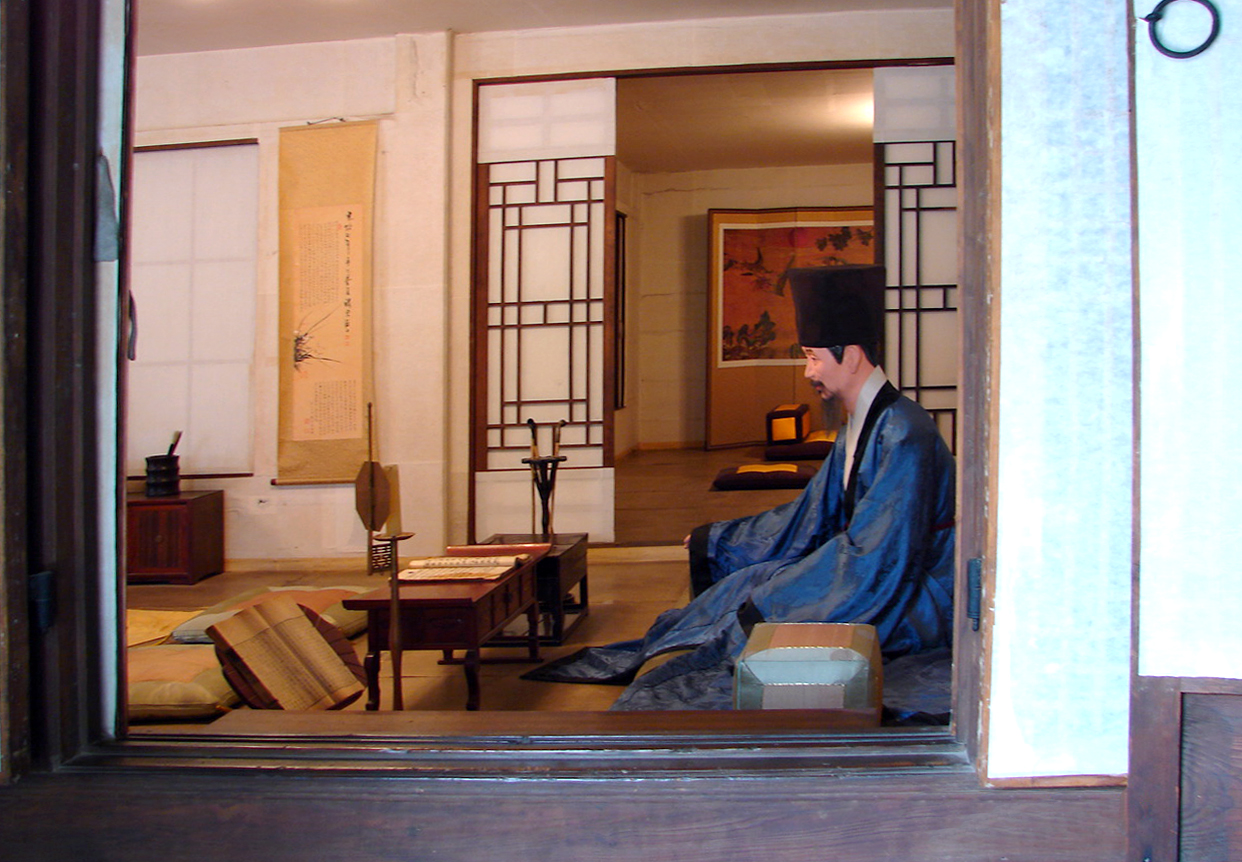
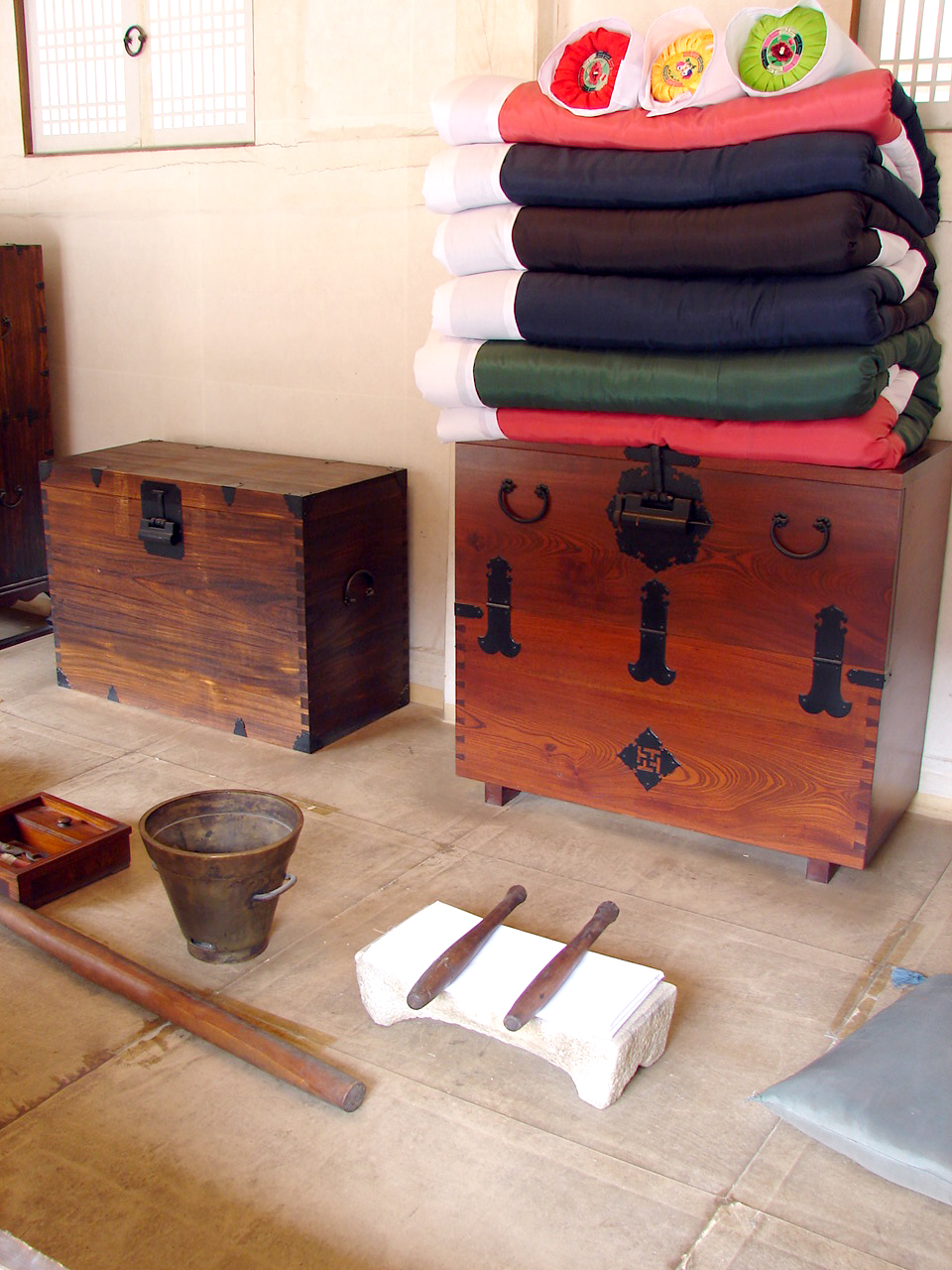
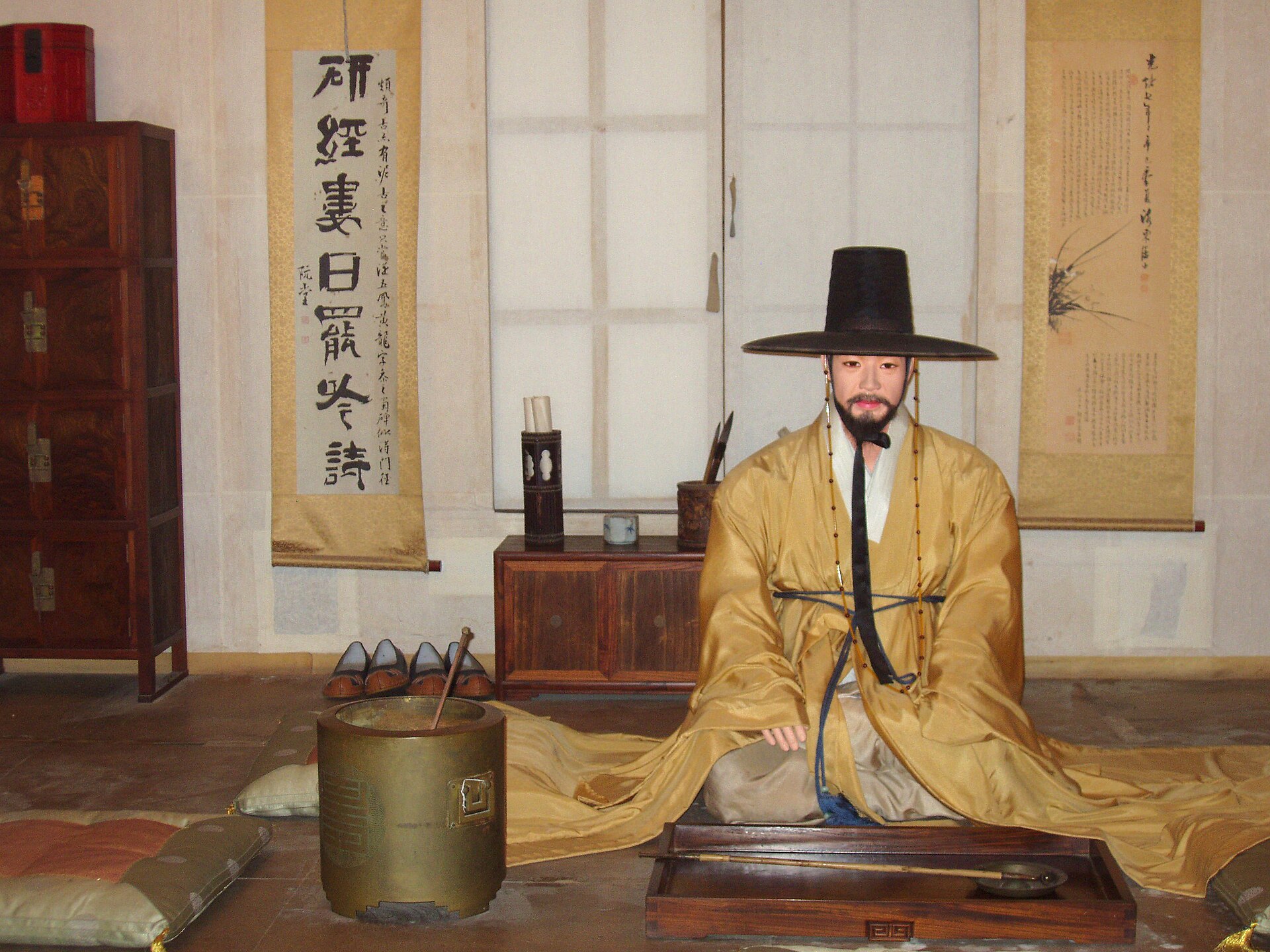
Part of Unhyeongung now serves as a museum, its halls furnished and its displays arranged to evoke the life of the household in its heyday. Rooms are set out as they might have appeared when the family lived here, with furniture, costumes, and everyday objects that bring the vanished world of the nineteenth-century elite back to life.
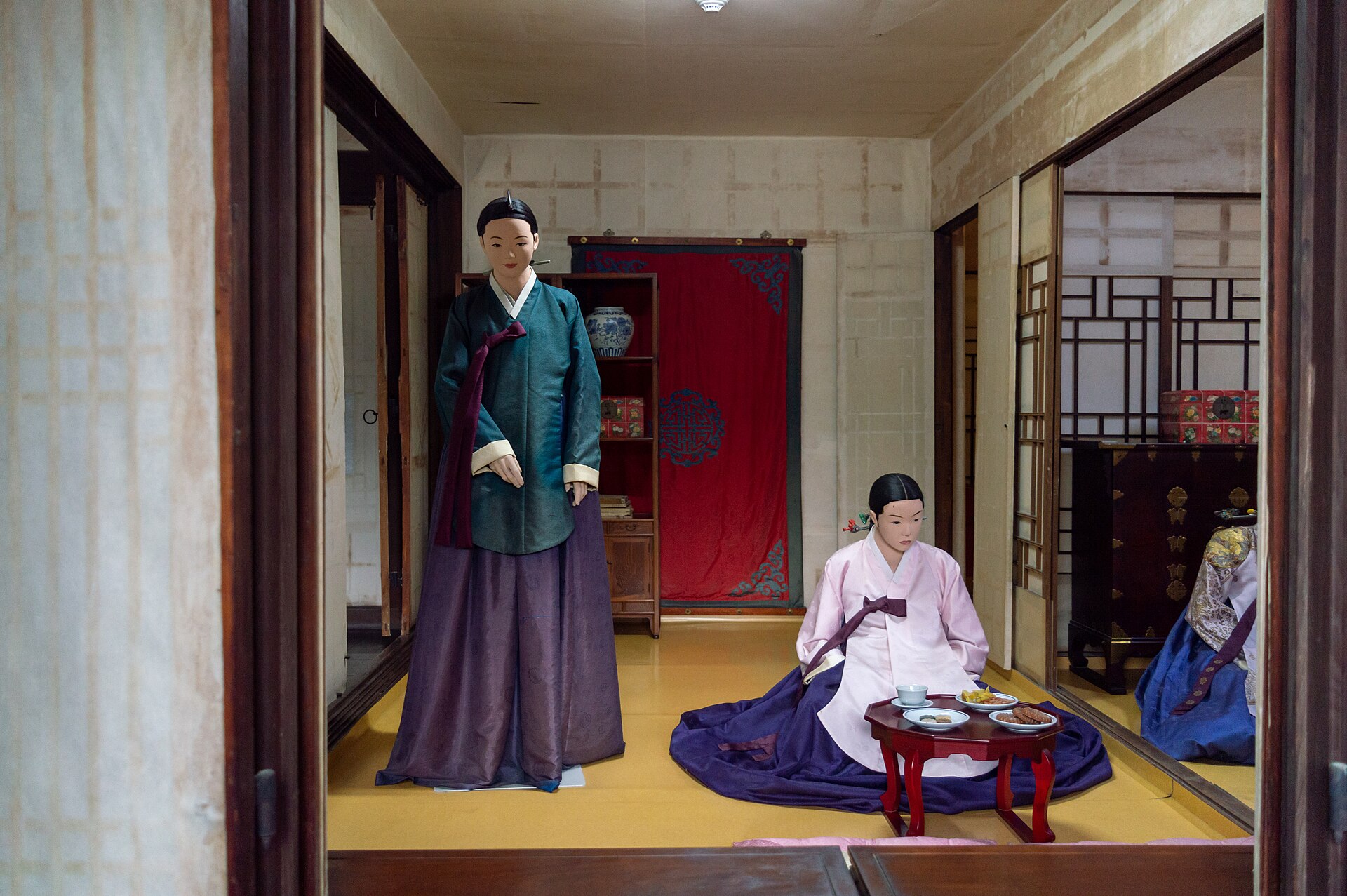
These displays are among the most valuable aspects of a visit. They allow visitors to see not just empty historic halls but reconstructed living spaces, to understand how such a household actually functioned, how its members dressed, dined, worked, and relaxed. The intimate scale of the compound makes these reconstructions especially vivid and affecting.
Through its museum, Unhyeongung offers a rare and detailed portrait of aristocratic life in the final era of the old Korean order. It is one thing to read about the customs and material culture of the period, and quite another to stand in the rooms where they were lived out, surrounded by the objects of daily life. The museum turns the residence into a time capsule of a lost way of living.
The value of these reconstructed interiors lies in their specificity. A general account of nineteenth-century Korean life is abstract; a particular room, furnished as it once was, is concrete and immediate. Standing among these objects, the visitor gains an almost tangible sense of a vanished daily existence, of how people of this rank actually inhabited their world.
Taken together, the reconstructed rooms and the surviving halls make Unhyeongung one of the best places in Seoul to understand not the ceremonies of kingship but the texture of elite domestic life. It is a rare and valuable counterpoint to the throne halls, and for many visitors it proves the more memorable precisely because it feels so intimately human.
Rivalry, Reform, and the End of an Era
The history of Unhyeongung is inseparable from the great conflicts that convulsed Korea in the closing decades of the old order. The regent’s efforts to strengthen the monarchy and resist foreign influence set him against powerful rivals, including, most dramatically, the queen whose wedding had begun at his own residence. The struggle between these two formidable figures shaped the politics of a generation.
As Korea was forced open to the outside world, the certainties the regent had defended crumbled. Foreign powers pressed in, new ideas took hold, and the kingdom was swept into a period of rapid and often painful change. The regent’s traditionalism, once the foundation of his authority, increasingly placed him at odds with the currents of the age.
Through these upheavals, Unhyeongung remained a symbol of the old elite and its values, even as the world that had sustained it passed away. The residence witnessed the ambitions, the conflicts, and finally the eclipse of the class and the order it represented. In its quiet halls one can read the story of a nation at a crossroads, and of the powerful family whose fortunes rose and fell with the fate of the kingdom.
The clash between the regent and the queen has fascinated historians and storytellers ever since, a struggle of two brilliant and unyielding personalities set against the backdrop of a kingdom in crisis. That it had its roots in a wedding held at Unhyeongung only deepens the compound’s claim to a central place in the drama of the age, as both the setting of a beginning and a symbol of the world that was passing.
Survival into the Modern Age
Unlike so many historic buildings that were lost to war, occupation, and modernisation, Unhyeongung survived into the present, though not without loss. Over the decades much of the original compound was reduced, as the city grew up around it and parts of the property passed out of the family’s hands. What remains is a fragment of the once far larger establishment.

That the core of the residence endures at all is a piece of good fortune, given the fate of so much of Seoul’s built heritage. Recognised for its historical importance, the surviving compound was preserved and eventually opened to the public, its halls maintained and its story told. It stands now as one of the few places where the domestic architecture of the old elite can still be experienced.
The survival of Unhyeongung allows a direct connection to a pivotal chapter of Korean history that might otherwise exist only in books. To walk its halls is to touch the actual setting of great events, to stand where a boy-king grew up and a regent ruled, and to feel the continuity between the turbulent past and the living city that surrounds the compound today.
Each surviving hall represents a small victory against the forces that erased so much of old Seoul. War, colonisation, and breakneck development swept away countless historic structures, and that this residence endures is a reminder of how much has been lost elsewhere. Its preservation is therefore not only a gift but a responsibility, a fragment of the past held in trust for the future.
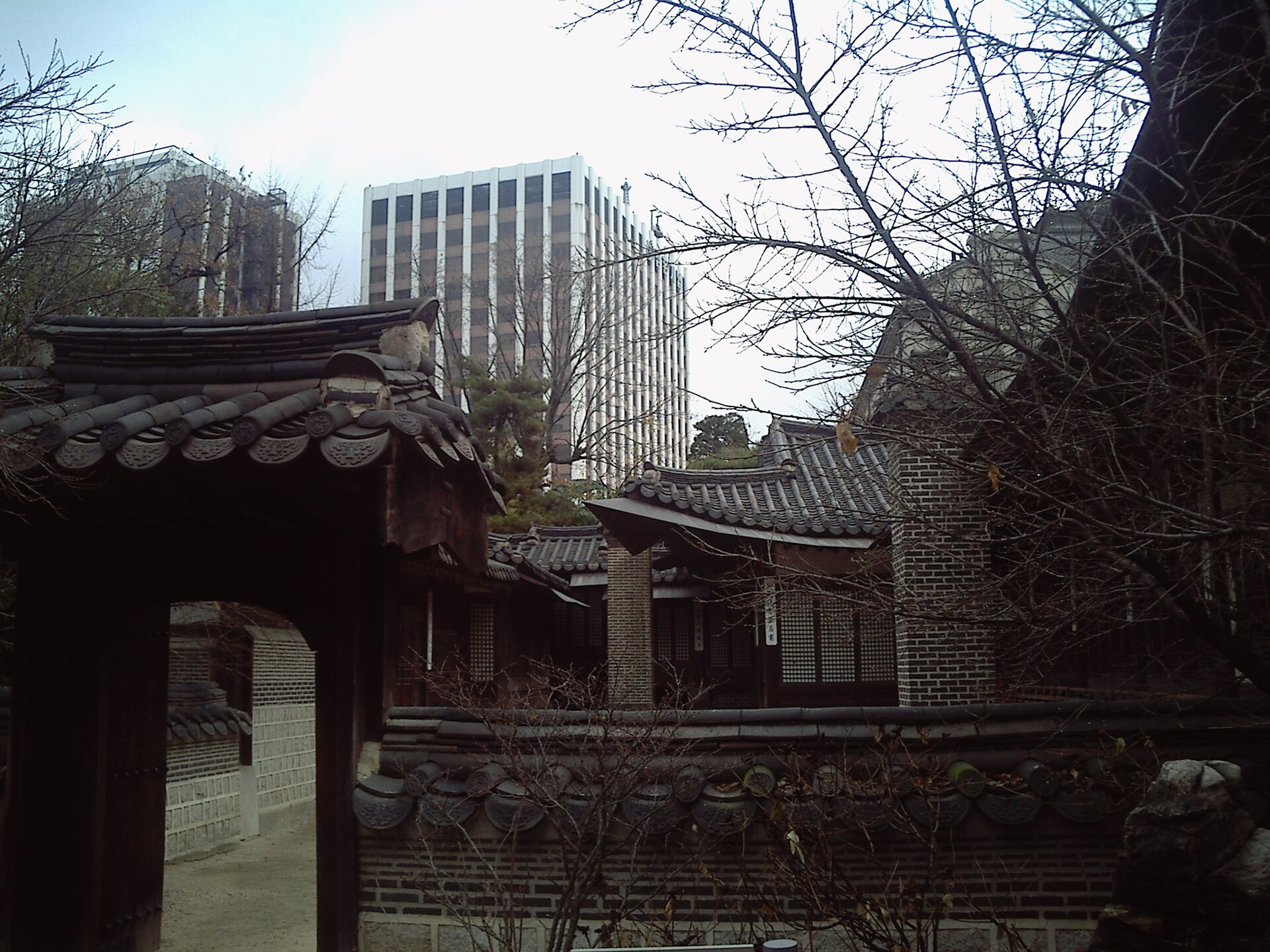
Standing in the preserved compound today, with the towers of modern Seoul rising just beyond its walls, one feels acutely the contrast between the vanished world it represents and the city that has grown up around it. That juxtaposition is itself moving, a small island of the nineteenth century holding its ground in the midst of a restless twenty-first-century metropolis.
Unhyeongung Among the Palaces of Seoul
Unhyeongung occupies a special place among the historic sites of Seoul. It is not one of the formal royal palaces, yet its intimate connection to the crown, as the home of a king’s family and the seat of a regent’s power, gives it a unique importance. It complements the great palaces, offering a different and more private view of the royal world.
Where the grand palaces show the public face of monarchy, its ceremonies, its audiences, its displays of power, Unhyeongung reveals the domestic and political machinery behind the throne. It shows where royal figures actually lived before and behind their public roles, and how power could be exercised from a private household as effectively as from a throne hall.
For the visitor seeking to understand the full sweep of Korea’s royal history, Unhyeongung is an essential complement to the palaces. Set within easy reach of them in the heart of the old city, it fills in the human and political background against which the grand events of the palaces played out, and completes the picture of a monarchy in its final, dramatic century.
Seen alongside the great palaces, Unhyeongung completes a fuller portrait of the monarchy in its twilight. The palaces show the institution in its public grandeur; the residence shows the family and the politics behind it. Only by considering both can one grasp how the Korean crown actually functioned in its final century, as both a ceremonial ideal and a living, contested reality.
It is telling that a visitor can walk in a short time from Unhyeongung to several of the great palaces, tracing on foot the close geography of Korean power. That proximity was no accident; the residence was placed at the heart of the royal city precisely because its family stood at the heart of royal affairs, and the short walk between them still maps the intimate connection of home and throne.
Visiting Unhyeongung Today
Today Unhyeongung is a quiet and rewarding destination in central Seoul, a place where visitors can escape the crowds and immerse themselves in the intimate history of the Korean court. Its elegant halls, evocative museum displays, and peaceful courtyards offer a different experience from the grand palaces, one that is more personal and often more moving.
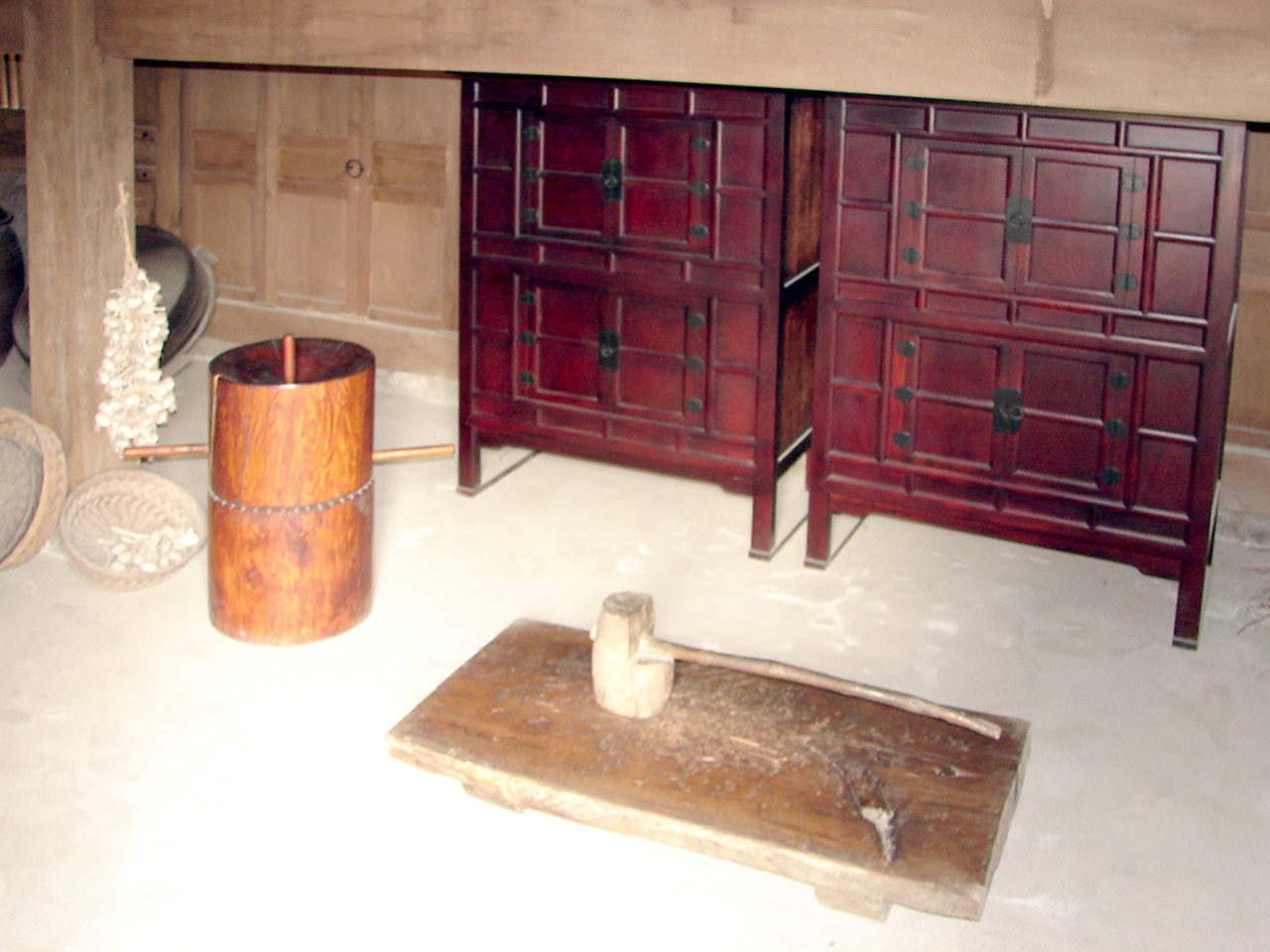
The compound hosts cultural events and reenactments, most notably of the famous royal wedding, that bring its history vividly to life. These occasions, together with the permanent displays, allow visitors to connect with the people who lived here and the dramatic events they shaped, from the rise of a boy-king to the struggles of a regent and a queen.
To spend time at Unhyeongung is to appreciate a subtler kind of historic site, one whose significance lies not in monumental grandeur but in the density of history contained within modest walls. In its quiet halls the great themes of Korea’s final royal century, tradition and change, power and family, resistance and transformation, are gathered together and preserved, waiting for the visitor willing to look closely and listen.
For travellers with an appetite for history beyond the obvious highlights, Unhyeongung offers an unusually rich reward. It asks a little more of its visitors, a willingness to look closely and to imagine, but it repays that attention generously. Few places in Seoul pack so much consequential history into so gentle and human a setting.
Whether you come for the history, the architecture, the reenactments, or simply the calm, Unhyeongung tends to leave a lasting impression. It is a place that rewards curiosity and quiet attention, and that offers, in return, an unusually direct and human connection to one of the most dramatic chapters in the long story of the Korean crown.
Palaces Nearby
Unhyeongung sits at the heart of old Seoul, within easy reach of the city’s royal palaces. To round out the story of the Korean court, two of its neighbours make natural companions to a visit here, each offering a different face of the same royal world.
- Deoksugung – the palace where old Korea met the modern world, in the city centre.
- Changgyeonggung – the gentle garden palace of the royal family.
You May Like
Mafra, the Palace a King Built From a Vow


One thought on “Unhyeongung: The Seoul Residence Where a Regent Ruled Korea”