On the great central square of Amsterdam, facing the bustle of the city it was built to serve, stands one of the noblest buildings of the Dutch Golden Age. The Royal Palace of Amsterdam is a monument of extraordinary ambition, a vast classical edifice raised at the height of a small nation’s astonishing rise to wealth and power. Yet for all its royal name, it began life not as a palace but as something far prouder to its builders: the town hall of a free and prosperous merchant city.
When it was built, in the seventeenth century, the Dutch Republic was one of the richest and most dynamic societies in the world, its ships trading across the globe and its cities flourishing as centres of commerce, art, and learning. Amsterdam, the greatest of these cities, chose to express its confidence and its civic pride in a town hall of such grandeur that contemporaries called it the eighth wonder of the world, a temple to the values of a self-governing republic.
Only later, when the age of the republic gave way to the age of monarchy, did this civic temple become a royal palace, taken over first by a foreign king and then by the Dutch royal house that uses it to this day for the ceremonies of state. Its transformation from town hall to palace mirrors the changing fortunes of the Netherlands, and it gives the building a double character, at once civic and royal, unique among the great palaces of Europe.
In this article you will get to know the Royal Palace of Amsterdam fully: its origins as the town hall of a golden-age republic, the extraordinary engineering that holds it up, its magnificent classical architecture and sculpture, its great central hall, its transformation into a royal palace, its role in the modern Dutch monarchy, and its life today as one of the finest and most fascinating buildings in the Netherlands.
In This Article
- A Civic Temple on the Dam
- Born of the Dutch Golden Age
- A Palace on Wooden Piles
- A Masterpiece of Dutch Classicism
- Sculpture and Allegory
- The Great Citizens’ Hall
- The Seat of a City Government
- From Town Hall to Royal Palace
- Royal Interiors and Collections
- The Working Palace of the Dutch Crown
- The Palace and the Heart of Amsterdam
- The Hall of Justice
- Visiting the Royal Palace Today
A Civic Temple on the Dam
The Royal Palace stands on the Dam, the central square of Amsterdam, in the very heart of the historic city. Its broad classical facade, restrained but imposing, presides over the square with a dignity that reflects the values of the society that built it. There are no soaring towers or extravagant ornament here, but rather a controlled grandeur that speaks of order, prosperity, and civic pride.
To understand the building, one must remember that it was conceived not as the residence of a prince but as the seat of a city government, the town hall of a proud and wealthy republic. Its architecture was designed to embody the ideals of that republic, its confidence, its commercial success, and its sense of itself as a new kind of society, free and self-governing, that looked to the classical world for its models.
This civic origin gives the palace a character quite different from the royal residences of the great monarchies. It was built by and for the citizens of Amsterdam, to house the government of their city and to proclaim their achievements. That it later became a royal palace only adds to its interest, layering a royal history onto its proud civic foundations and making it one of the most distinctive great buildings in Europe.
The restraint of the building is itself a statement worth pausing over. In an age when the monarchs of Europe were raising palaces of extravagant ornament, the citizens of Amsterdam chose instead a dignified classical grandeur, sober and confident. That choice reflects the character of the Dutch Republic, which prized moderation and civic virtue over royal display, and it gives the building a distinctive nobility.
Approaching across the busy Dam, a visitor might at first mistake the building for a grand civic monument rather than a royal palace, and in a sense that impression is entirely correct. The palace wears its civic origins openly, and knowing that it began as a town hall transforms the way one reads its every feature, from the restraint of its facade to the public grandeur of its great hall.
Born of the Dutch Golden Age
The palace was born of the Dutch Golden Age, that extraordinary period when the small Dutch Republic became one of the wealthiest and most powerful societies in the world. Dutch ships dominated global trade, Dutch merchants grew immensely rich, and Dutch cities flourished as never before, producing an outpouring of art, science, and commerce that remains one of the wonders of history.
Amsterdam stood at the centre of this golden age, the greatest trading city of the age, its harbours crowded with ships and its warehouses filled with the goods of the world. The wealth and confidence of the city demanded expression, and the decision to build a magnificent new town hall was a statement of civic pride at the very peak of Amsterdam’s power and prosperity.
The building was thus a monument to a moment of extraordinary achievement, raised when a small nation stood astride the world of trade. Its grandeur reflected not the power of a king but the collective wealth and ambition of a merchant city, and it remains one of the supreme architectural expressions of the Dutch Golden Age, a temple to the values and triumphs of that remarkable era.
It is difficult, looking back, to overstate the scale of Amsterdam’s achievement in this era. A city in a small nation reclaimed from the sea became, for a time, the commercial capital of the world, its merchants financing voyages to every continent. The town hall was raised as the crowning monument of that success, and to understand it one must keep in mind the extraordinary confidence of a city that felt itself to stand at the centre of the world.
The art of the Dutch Golden Age, its paintings, its science, its architecture, remains among the glories of European civilisation, and the town hall of Amsterdam stands as its architectural crown. To visit the palace is to enter, in a sense, the physical heart of that golden age, the building in which a triumphant city chose to express its wealth, its confidence, and its ideals for all time.
A Palace on Wooden Piles
One of the most extraordinary facts about the palace lies hidden beneath it, out of sight. Amsterdam is built on soft, marshy ground, and to support the immense weight of the great stone building, its foundations rest on thousands upon thousands of wooden piles driven deep into the earth. This astonishing feat of engineering is the invisible foundation of the whole edifice.
The number of piles is famous, a figure that has become part of the lore of the building, a testament to the scale and ambition of its construction. Driving so many piles into the soft ground, and building upon them a stone palace of such size, was a triumph of seventeenth-century engineering, and it reflects the wealth and determination of the city that undertook it.
That the building still stands, centuries later, upon its forest of hidden piles is a tribute to the skill of its builders. The piles have become one of the most celebrated features of the palace, a reminder that beneath its grand classical facade lies an equally impressive, if invisible, achievement of engineering, without which the whole magnificent structure could never have risen from the marshy ground of Amsterdam.
The famous count of the piles beneath the building has been passed down for generations, a figure recited with pride as a symbol of the ambition of its builders. That so vast a stone structure could be raised upon soft marshland, held aloft by a hidden forest of timber, was regarded as a marvel in its own day, and it remains one of the most fascinating facts about the palace.
A Masterpiece of Dutch Classicism
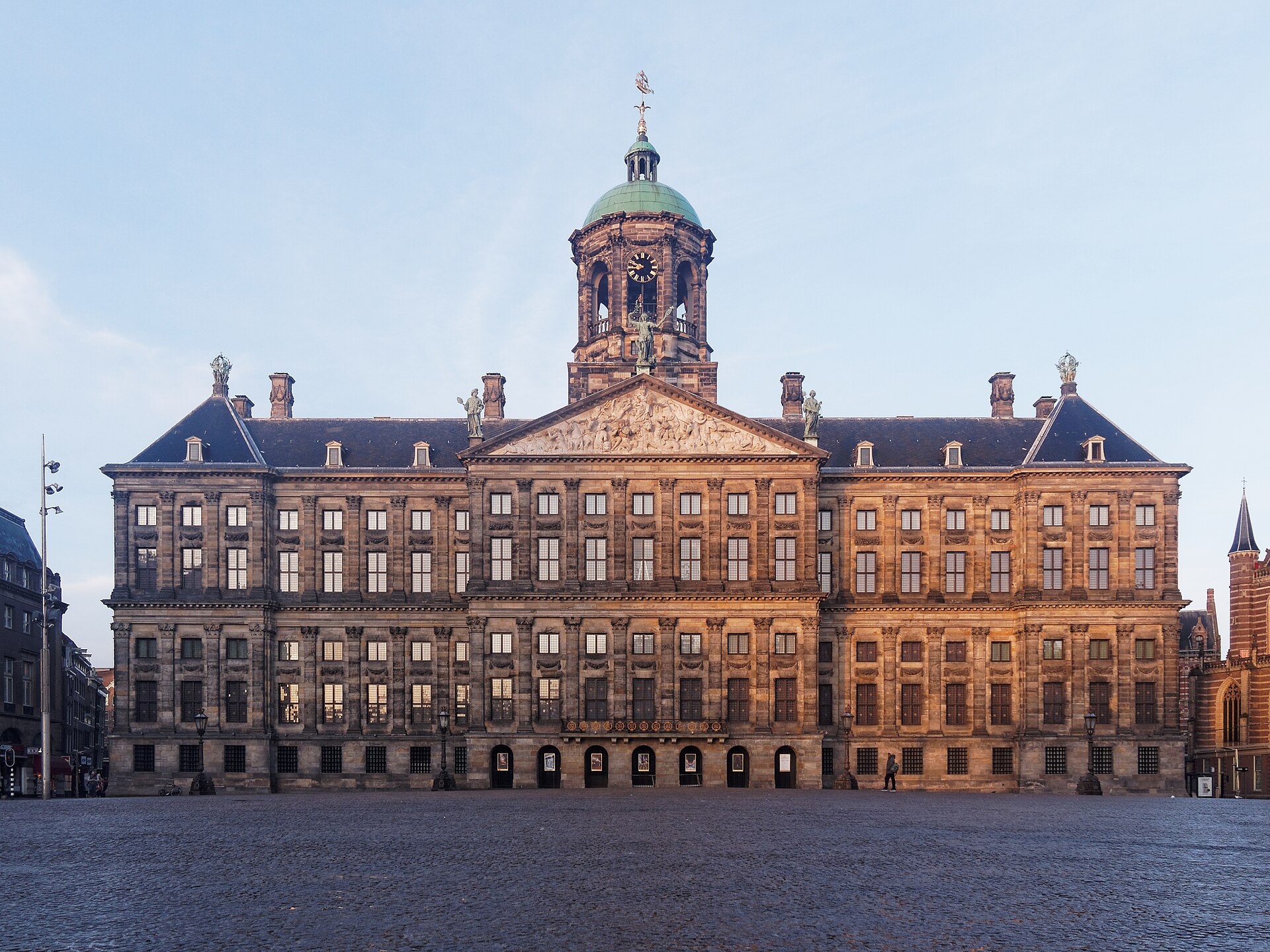
The architecture of the palace is a masterpiece of Dutch classicism, the restrained and dignified style that the Dutch developed in their golden age, drawing on the classical tradition but shaping it to their own sober and confident taste. The building was designed by one of the leading architects of the age, and it stands as the supreme achievement of Dutch classical architecture.
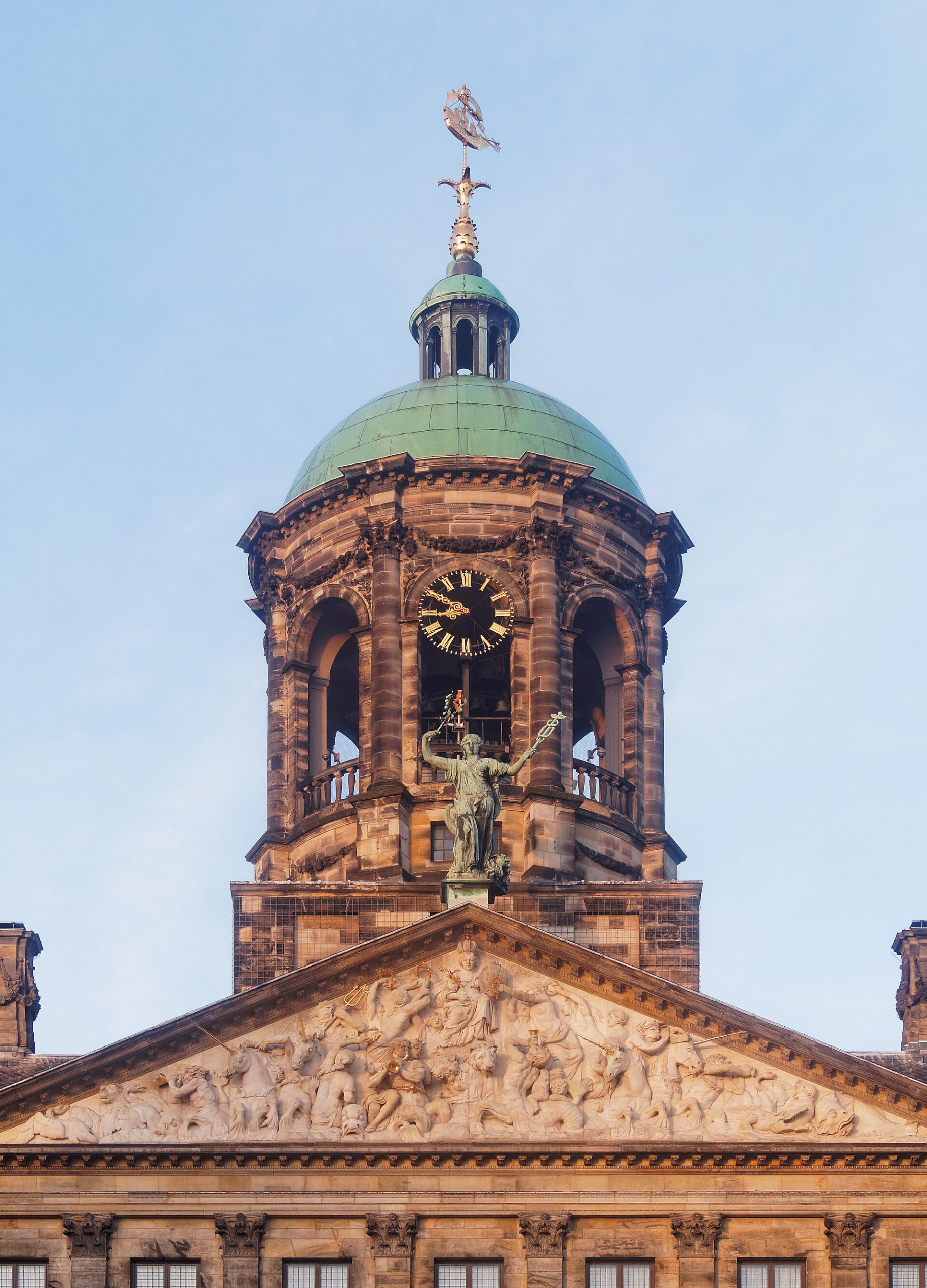
The facade is a study in controlled grandeur, its rhythm of pilasters, windows, and cornices creating an effect of order and dignity rather than extravagance. A central pediment, crowned with sculpture, provides a focus, while the whole composition breathes the confidence and restraint that characterised the culture of the Dutch Republic at its height.
This classical style was no accident but a deliberate expression of the values of the republic. In looking to the classical world, the builders of Amsterdam aligned their city with the ideals of ancient civic virtue and republican greatness. The palace thus stands not only as a beautiful building but as a statement of political and cultural identity, a temple to the ideals of a proud and free society.
The architect who designed the building drew on the classical vocabulary of columns, pediments, and proportion, but shaped it into something distinctively Dutch, sober and restrained where the Italian and French baroque were exuberant. This Dutch classicism became the defining architectural style of the golden age, and the town hall of Amsterdam was its supreme expression, a model admired and imitated across northern Europe.
Sculpture and Allegory
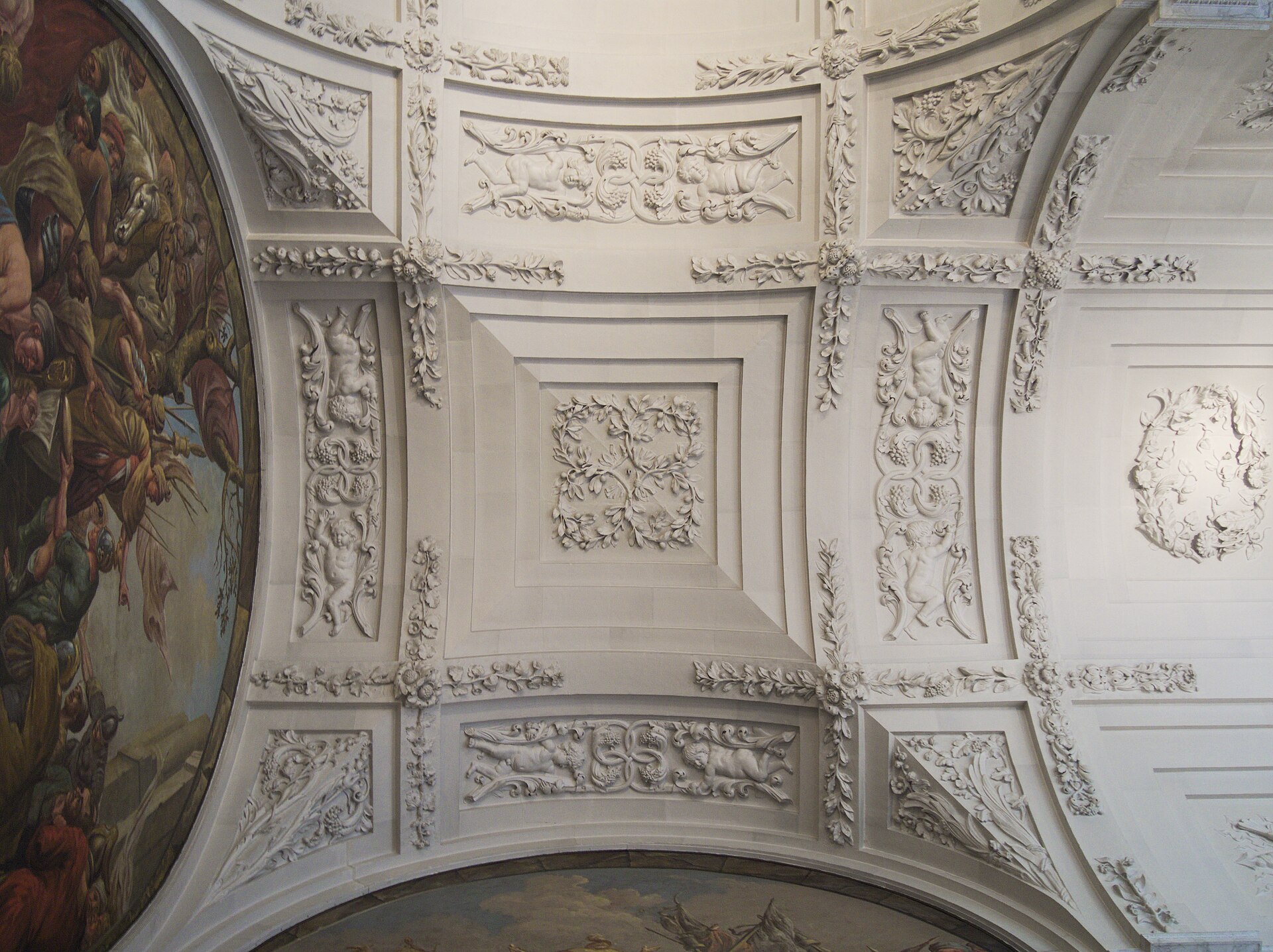
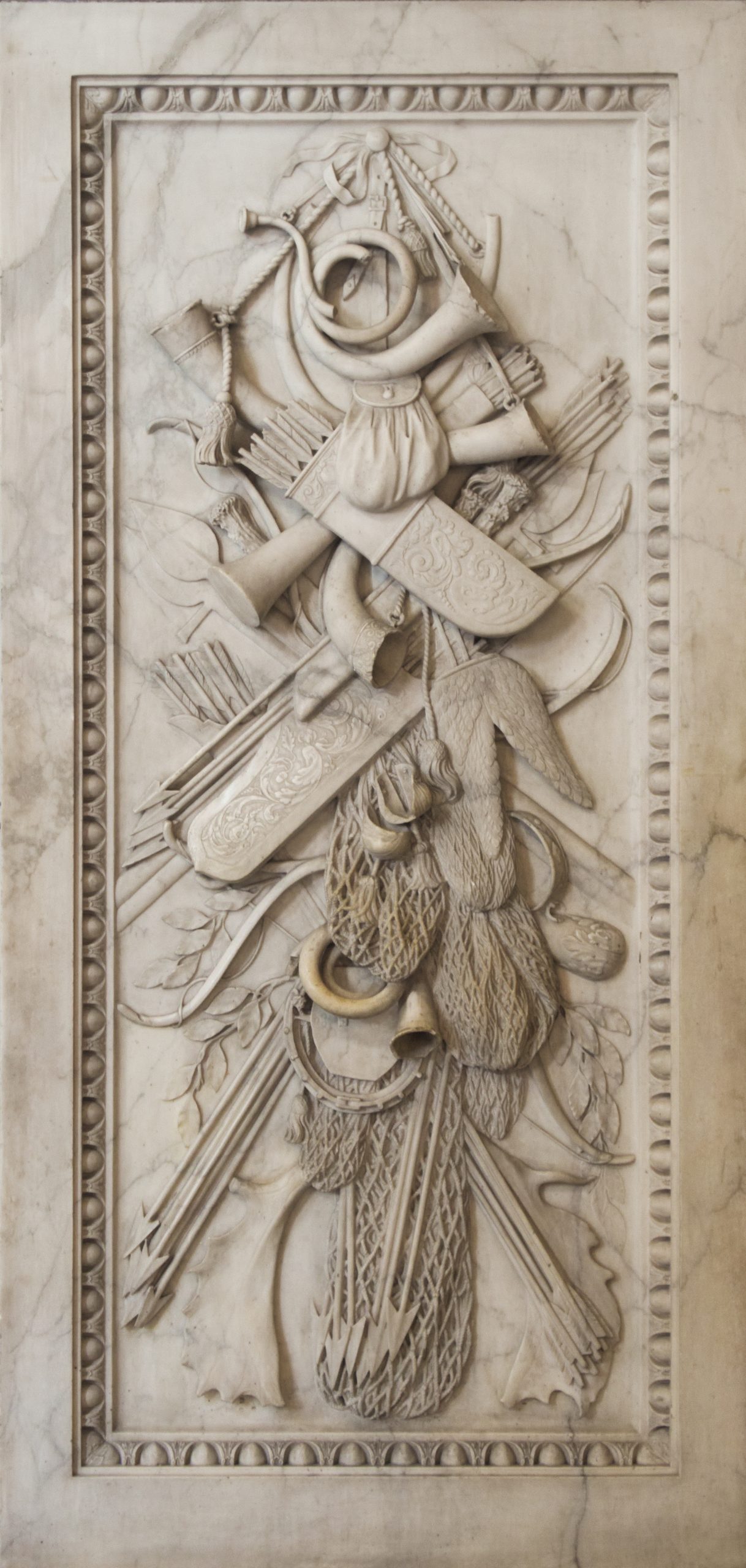
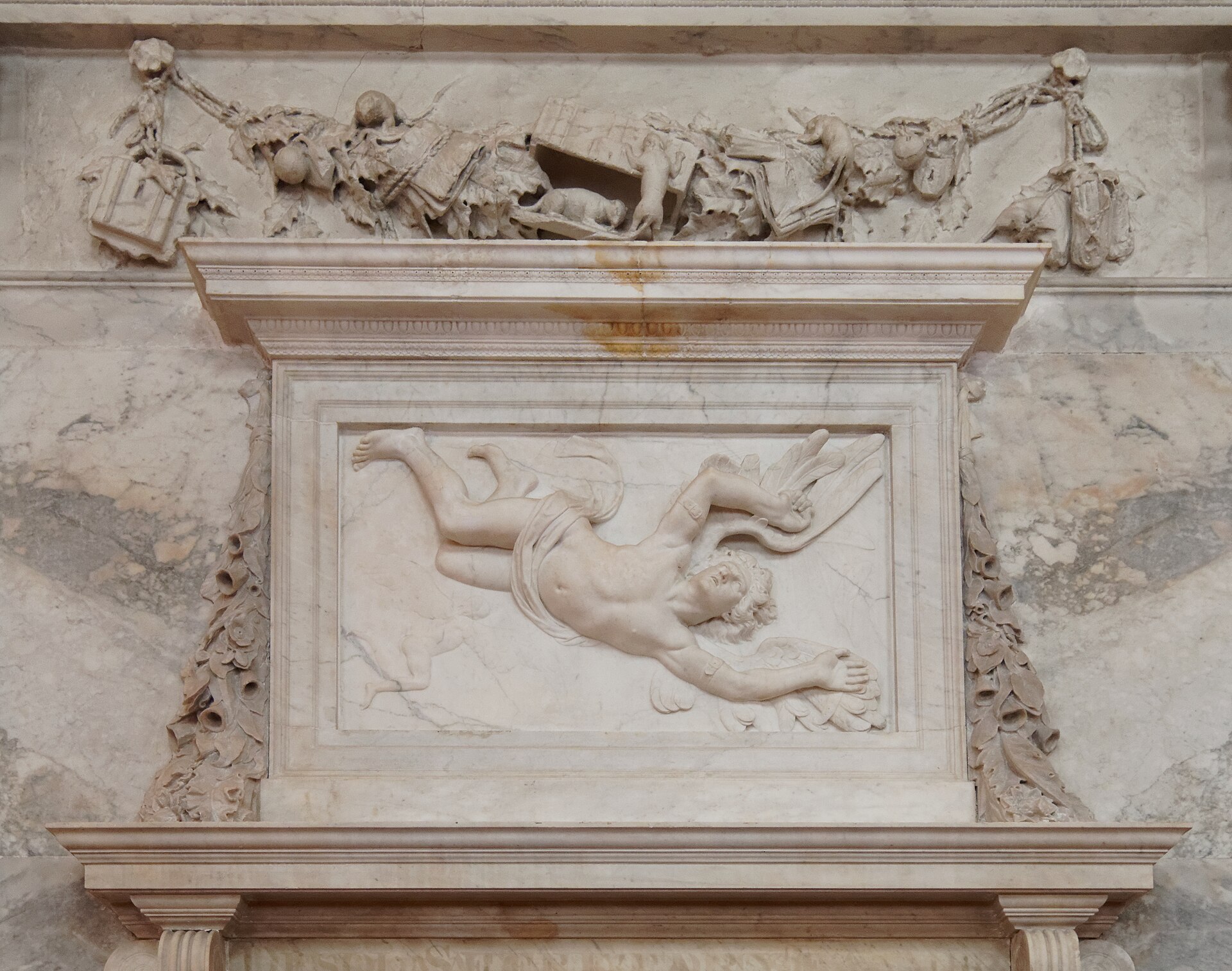
The palace is richly adorned with sculpture, both outside and within, and this sculptural programme is one of its greatest glories. Created by the finest sculptors of the age, the figures and reliefs that decorate the building form an elaborate allegorical scheme, celebrating the virtues, achievements, and aspirations of the city and its government.
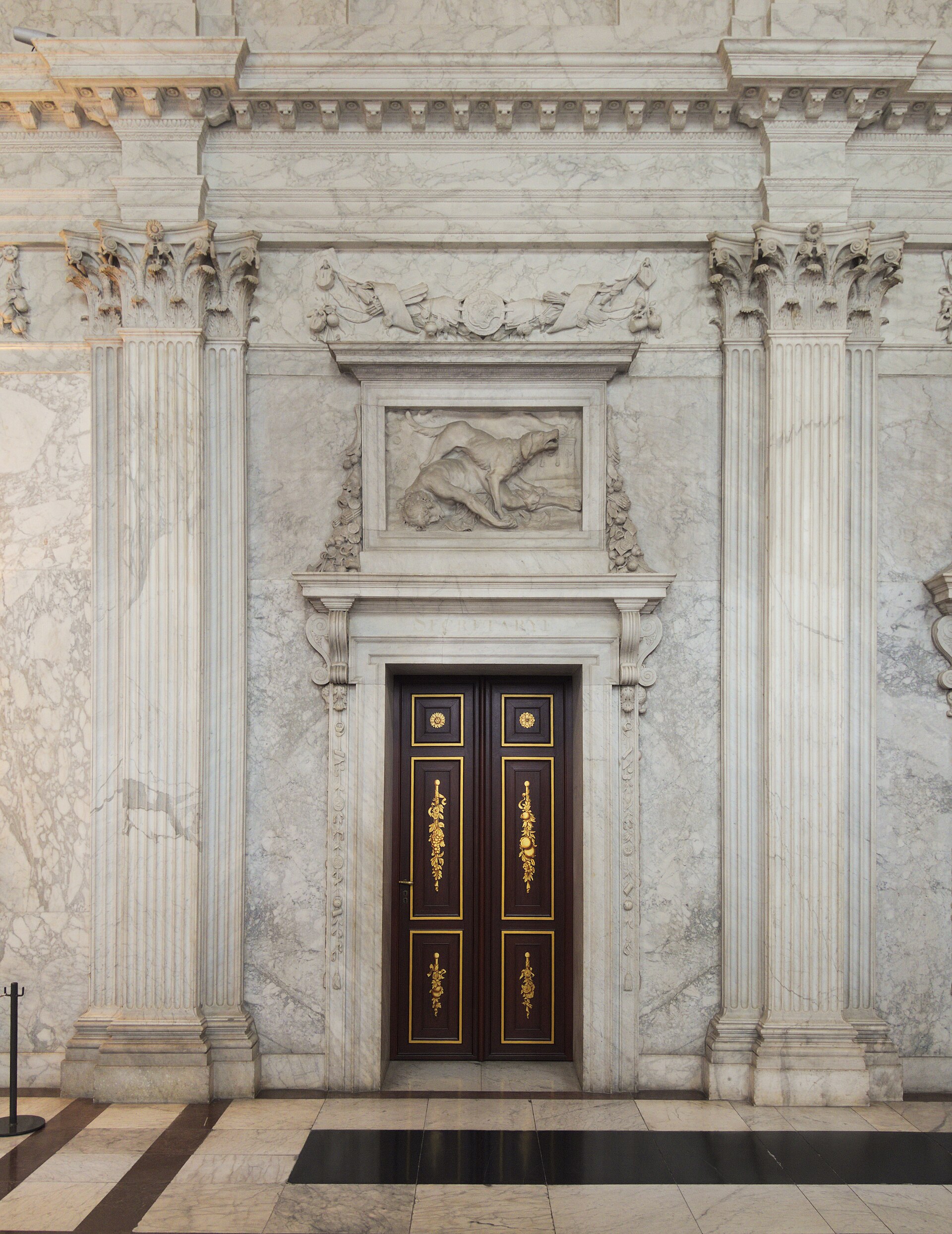
On the pediments and throughout the interior, allegorical figures represent justice, wisdom, peace, and the other virtues that the city claimed for itself, along with representations of Amsterdam’s global reach and commercial power. This sculptural decoration was designed to convey a message, proclaiming the ideals and the greatness of the republic and its foremost city to all who beheld it.
The quality of the sculpture is exceptional, among the finest of its kind in Europe, and it transforms the building into a great work of art as well as of architecture. To study the figures and reliefs is to read the self-image of the Dutch Golden Age, its pride in its virtues and achievements, carved in marble and stone throughout the fabric of the palace.
The allegorical programme of the sculpture rewards patient study, for every figure and relief was designed to convey a meaning, celebrating the virtues and achievements of the city. To decode these images is to enter the mind of the golden-age republic, to see how it wished to present itself to the world, proud of its justice, its wisdom, its peace, and its command of global trade.
The Great Citizens’ Hall
The heart of the palace is its magnificent central hall, one of the grandest interior spaces in Europe. Vast, high, and flooded with light, this great hall was designed as a public space, open to the citizens of Amsterdam, a monumental room that expressed the dignity and openness of the republic’s government. Its scale and splendour never fail to astonish visitors.
The hall is a temple to the city and its place in the world. Its marble floor is inlaid with great maps of the world and the heavens, so that a visitor walking across it treads upon a representation of the globe, a fitting image for a city whose trade reached across the earth. Sculpture and decoration throughout the hall celebrate Amsterdam and its achievements, making the space a monument to civic pride.
This great hall remains the ceremonial heart of the palace, used today for the grandest occasions of state. To stand within it, beneath its soaring height and amid its marble splendour, with the maps of the world beneath one’s feet, is to experience one of the supreme interiors of the Dutch Golden Age, a space that captures the confidence and ambition of a city that stood, for a time, at the centre of the world.
The maps inlaid in the marble floor of the great hall are among the most beloved features of the palace, and visitors delight in finding the represented continents and oceans beneath their feet. That a city should choose to place the whole world upon the floor of its town hall speaks volumes about the ambition and outlook of golden-age Amsterdam, a city that truly saw itself as connected to every corner of the globe.
Beneath the soaring height of the great hall, flooded with light and lined with marble and sculpture, the visitor feels the full ambition of the golden-age city that raised it. It was designed to impress upon all who entered the dignity and greatness of Amsterdam, and it succeeds still, ranking among the most magnificent interior spaces to survive from the seventeenth century anywhere in Europe.
The Seat of a City Government
For its first century and more, the building served its original purpose as the town hall of Amsterdam, the seat of the city’s government and the centre of its civic life. Here the magistrates who governed the city met and deliberated, here justice was administered, and here the business of one of the world’s greatest trading cities was conducted amid appropriate grandeur.
The building was designed to house all the functions of city government, with council chambers, courtrooms, offices, and administrative spaces arranged around the great central hall. Each room was decorated in keeping with its purpose, so that the whole building was an integrated expression of the ideals and functions of civic government, from the administration of justice to the management of the city’s affairs.
This civic function shaped every aspect of the building, and traces of it remain throughout the palace. The rooms where the magistrates met, where justice was dispensed, and where the city’s business was conducted still preserve the character of their original use, reminding the visitor that this royal palace was first and foremost a temple of civic government, the proud seat of a free city at the height of its power.
The rooms of the old town hall, each designed for a particular function of government, together formed a kind of machine for the administration of a great city. To move through them is to understand how a golden-age republic governed itself, from the council chambers where policy was decided to the offices where the vast commerce of the city was recorded and managed, all gathered within one magnificent building.
From Town Hall to Royal Palace
The transformation of the building from town hall to royal palace came in the early nineteenth century, when the old republic had fallen and the Netherlands was drawn into the orbit of a great continental power. A king was placed upon a newly created Dutch throne, and he chose the magnificent town hall of Amsterdam as his royal residence, converting the civic temple into a palace.
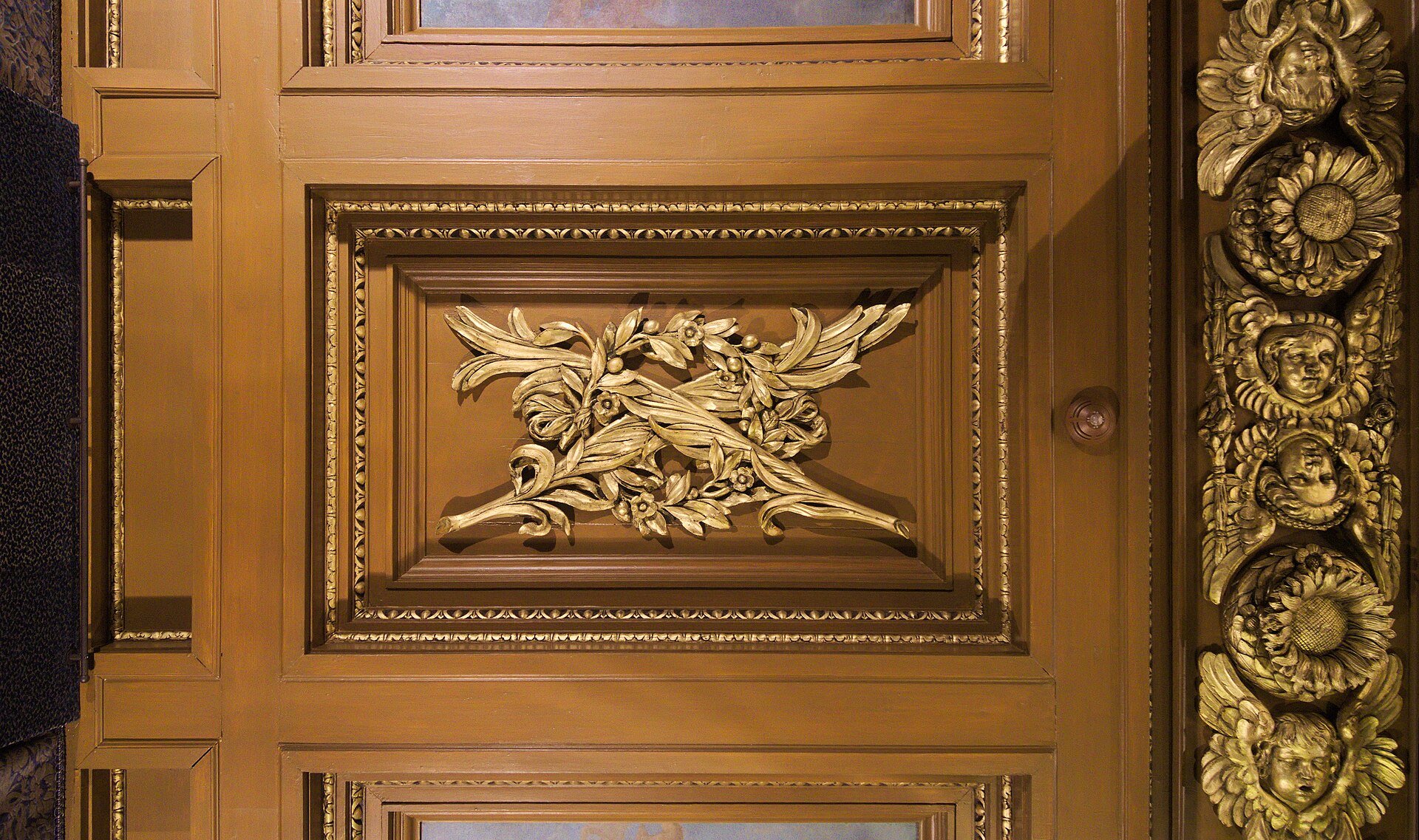
This new king furnished the palace in the style of his age, bringing in a magnificent collection of furniture and decoration that transformed the sober civic interiors into royal apartments. Much of this furnishing survives, and it gives the palace a second character layered upon its civic origins, the elegant style of the early nineteenth century adorning the grand spaces of the golden age.
When the kingdom passed to the Dutch royal house, the palace remained a royal residence, and it has served the Dutch monarchy ever since. The building that began as the proud town hall of a republic thus became, and remains, a royal palace, its history embodying the great political transformations that carried the Netherlands from republic to kingdom, from civic government to constitutional monarchy.
The conversion of the town hall into a royal palace was a profound symbolic act, marking the end of the old republican order and the arrival of monarchy in the Netherlands. That the civic temple of a free city should become the residence of a king reflected the great political upheavals of the age, and the building’s dual identity, civic and royal, dates from this transformation.
The brief reign of the foreign king who first made the building a palace left a lasting mark, for it was his conversion of the town hall that fixed its royal identity. When the throne passed to the native Dutch dynasty, they inherited both the building and its new royal character, and the palace has remained a possession of the Dutch crown ever since, its civic past preserved beneath its royal present.
Royal Interiors and Collections
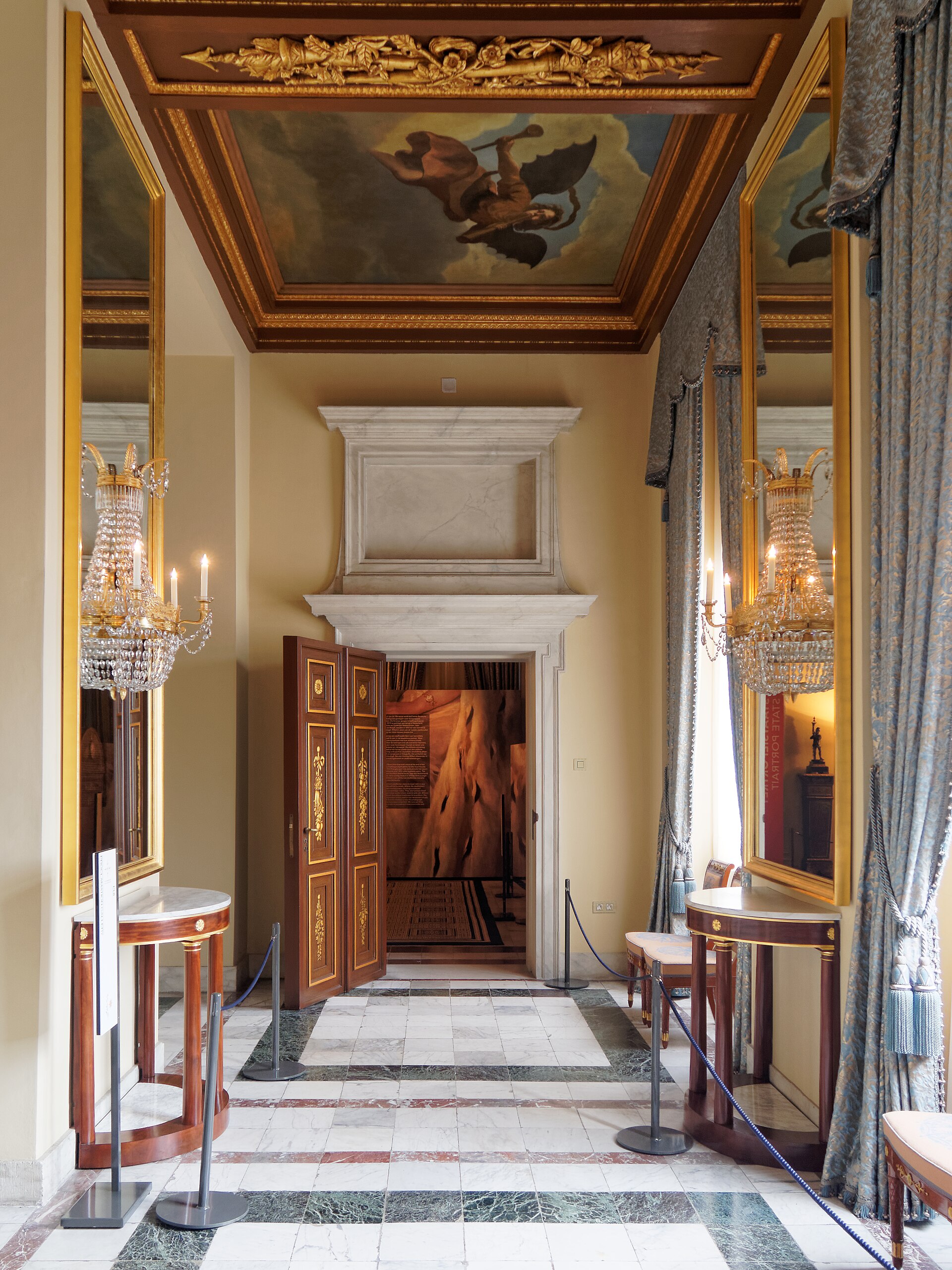
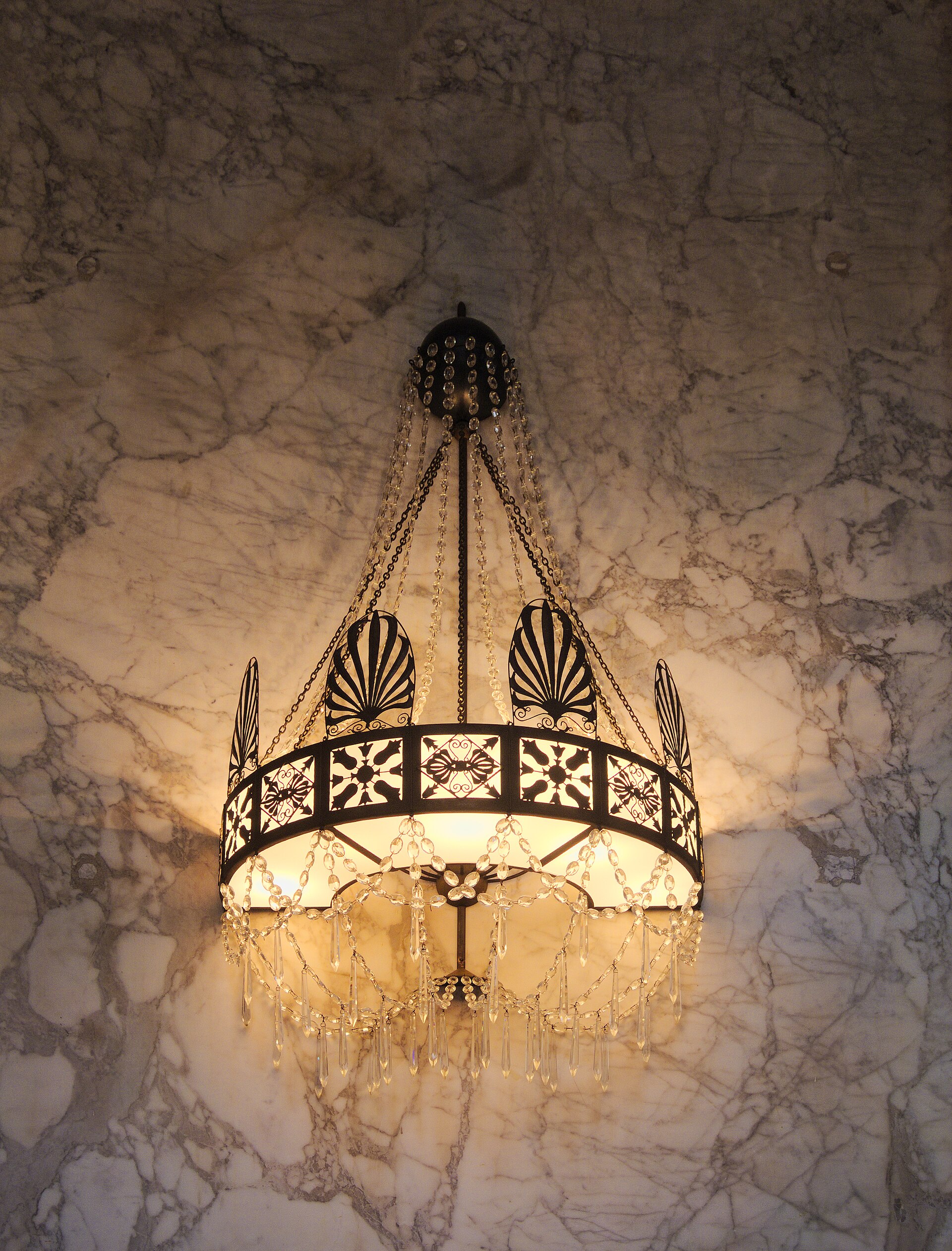
The interiors of the palace preserve a remarkable collection of furniture, chandeliers, clocks, and decorative art, much of it dating from the period when the building was first converted into a royal residence. This collection, one of the finest of its kind, transforms the great civic spaces into royal apartments of considerable splendour, blending the grandeur of the golden age with the elegance of a later era.
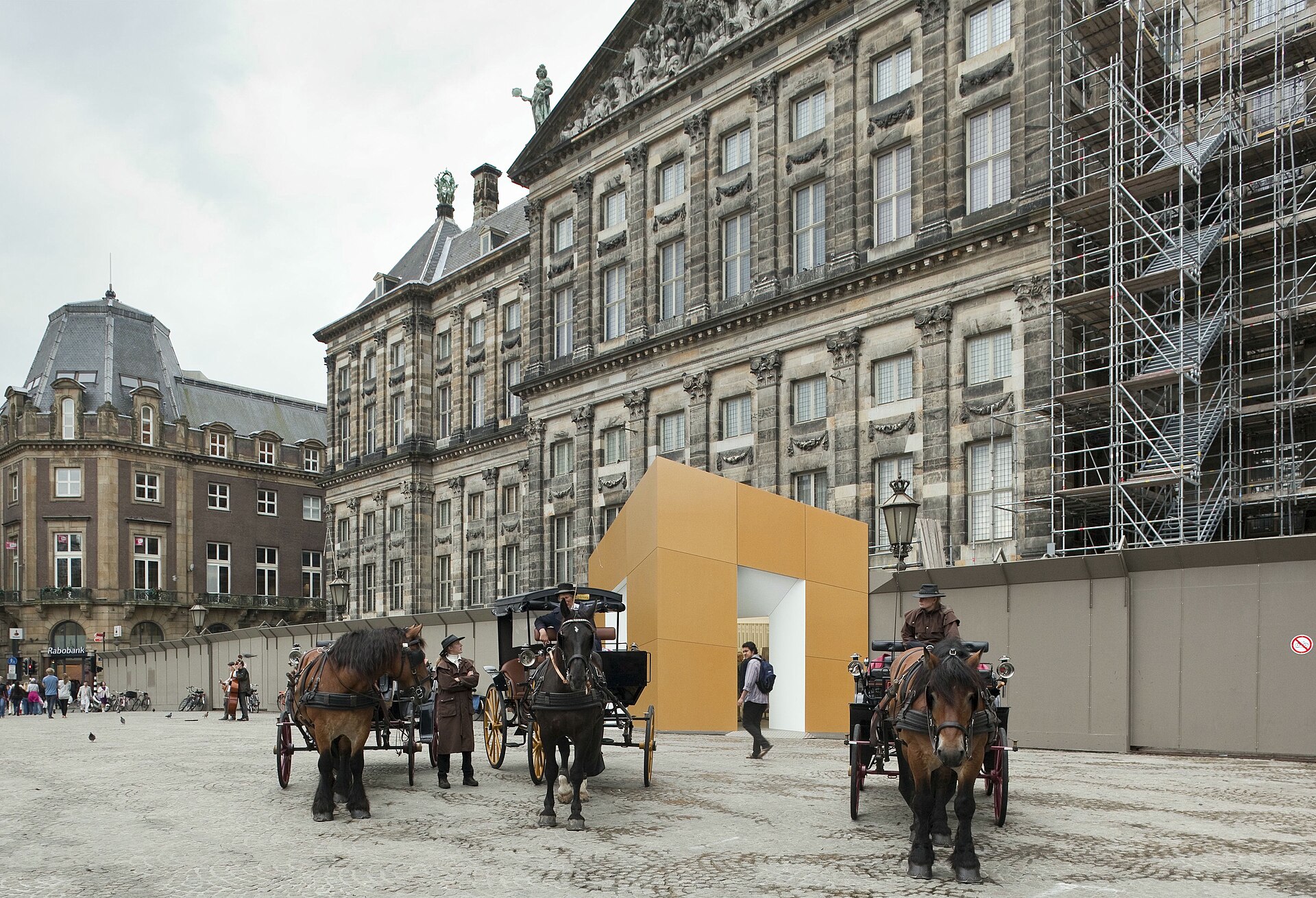
The rooms of the palace, once the chambers of city government, now serve as royal apartments and reception rooms, furnished and decorated for the ceremonies of the monarchy. The combination of the original architecture and sculpture with the later royal furnishings creates interiors of great richness and interest, layering the history of the building in every room.
These collections and interiors make a visit to the palace a journey through the layered history of the building and the nation. The visitor moves through spaces that were once the seat of a republic’s government and are now the setting for royal ceremony, admiring both the sober grandeur of the golden age and the refined elegance of the royal furnishings, a unique combination found in no other palace.
The royal furnishings brought into the palace during its conversion form one of the finest collections of their period, and their survival within the golden-age architecture creates a fascinating dialogue between two eras. The sober grandeur of the seventeenth-century building and the refined elegance of the early nineteenth-century furniture together give the interiors a richness and depth found in few other palaces.
The Working Palace of the Dutch Crown
Today the Royal Palace of Amsterdam is one of the official palaces of the Dutch monarch, used for the ceremonies and functions of the crown. Though the royal family does not live here, the palace serves as the setting for state receptions, official ceremonies, and the entertainment of visiting heads of state, remaining a working palace at the service of the monarchy.
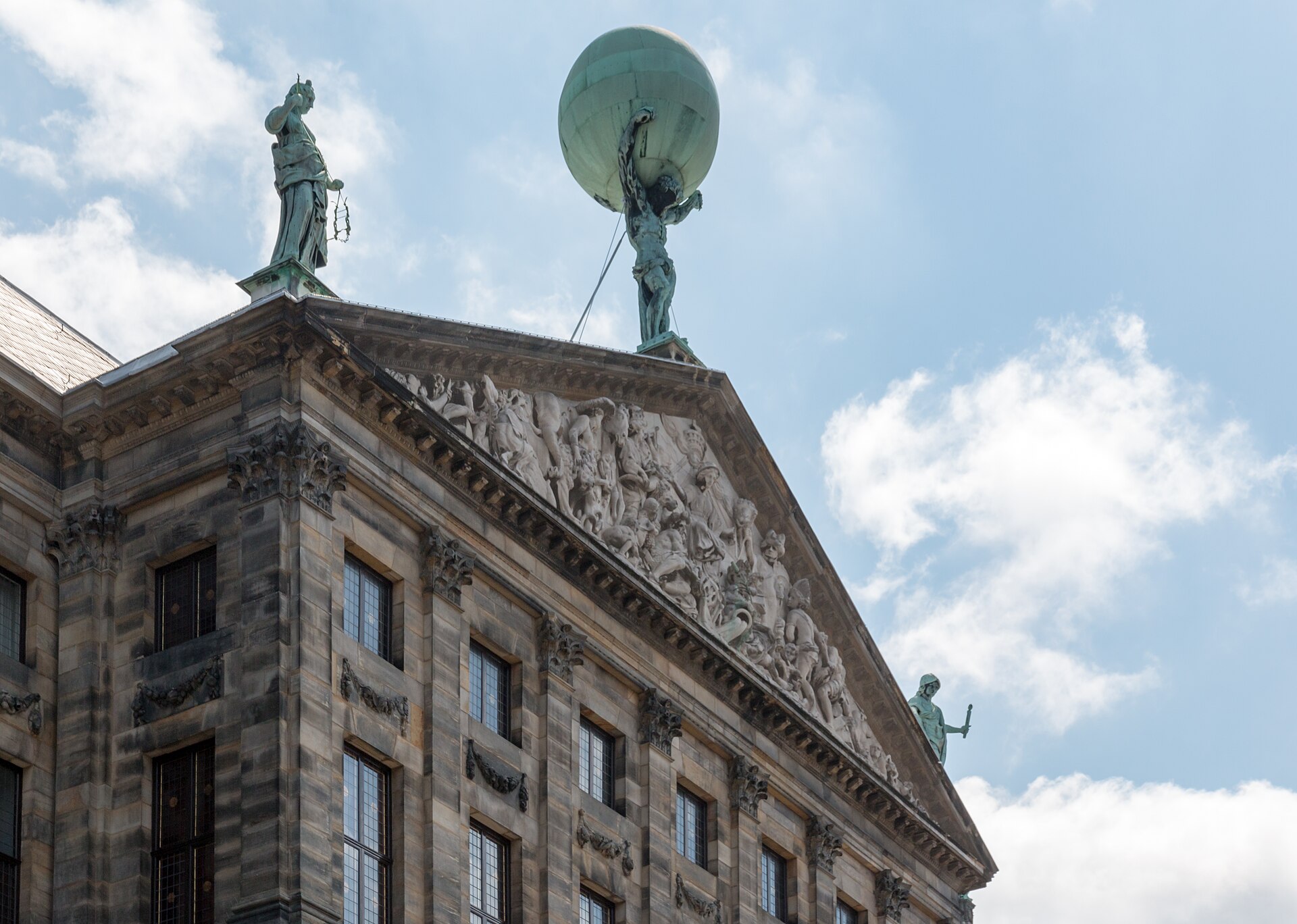
The palace has been the stage for many of the great ceremonial moments of the modern Dutch monarchy, from royal weddings to the ceremonies surrounding the accession of new monarchs. As one of the principal palaces of the crown, it continues to play an active role in the ceremonial life of the nation, its grand spaces serving the rituals of a modern constitutional monarchy.
This continuing royal function gives the palace a living dimension, ensuring that it is not merely a museum but an active seat of ceremony and state. When not in use for royal purposes, the palace is opened to the public, allowing visitors to experience its grandeur and history, so that it serves both the monarchy and the nation, a fitting fate for a building that began as the temple of a free city.
The continued use of the palace for the ceremonies of the modern monarchy ensures that it remains a living building rather than a mere relic. When the flag flies and the state receptions are held, the great halls resume their ceremonial purpose, and the building serves the nation much as it always has, as a setting for the most important public occasions, now royal where once they were civic.
The Palace and the Heart of Amsterdam
The palace cannot be separated from the great square on which it stands and the city that surrounds it. The Dam, the central square of Amsterdam, has been the heart of the city for centuries, and the palace presides over it, facing the monuments, churches, and buildings that gather around this historic space at the core of the old city.
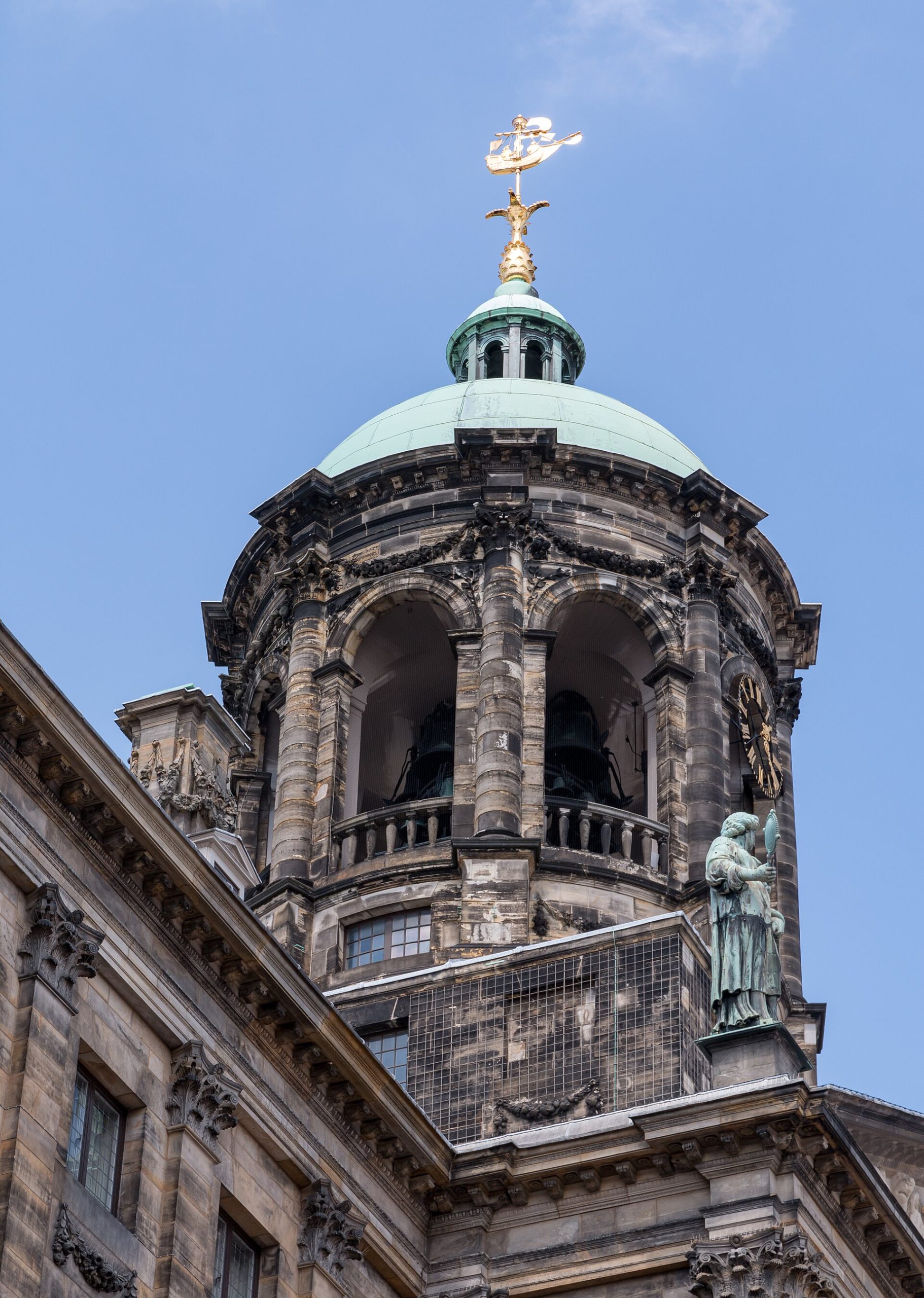
The relationship between the palace and the city reflects its origins as a civic building, raised by and for the people of Amsterdam. Even as a royal palace, it remains woven into the fabric of the city, standing not apart in isolated grandeur but at the very centre of Amsterdam’s public life, on the square where citizens have gathered for celebration and commemoration through the centuries.
To see the palace on the Dam, amid the life of the city, is to understand its dual character as both a monument of national importance and a part of the living city. It belongs to Amsterdam as much as to the monarchy, a proud civic temple turned royal palace, standing at the heart of one of the most beautiful and historic cities in Europe.
The Dam has been the stage for the great public moments of Amsterdam’s history, from celebrations to commemorations, and the palace has presided over them all. Its position at the heart of the city, on its most important square, keeps it woven into the daily life and collective memory of Amsterdam, a monument that belongs to the people as much as to the crown.
The Hall of Justice
Among the most remarkable and moving spaces in the building is the tribunal, the chamber from which justice was administered in the days when the palace was a town hall. Set at the front of the building, open to the square, this was the place where the most solemn judgments were pronounced, where the sentences of the city’s courts were declared to the assembled public.
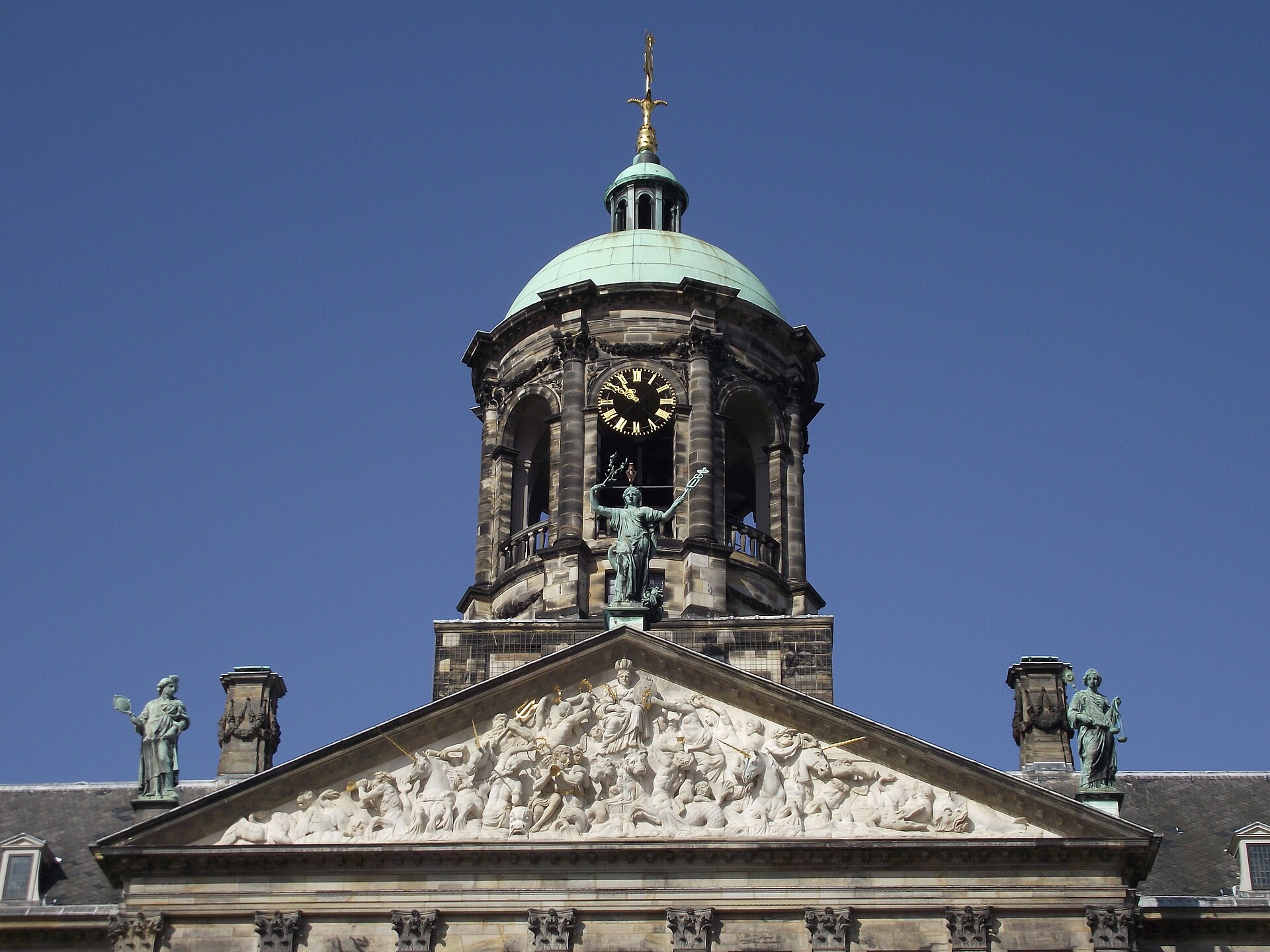
The tribunal is richly decorated with sculpture appropriate to its grave purpose, with allegorical figures of justice and reliefs depicting scenes of judgment from history and legend. These works were designed to remind both the judges and the public of the seriousness of justice and the terrible weight of the decisions made in this chamber, surrounding the act of judgment with images of its moral gravity.
That so solemn a space should sit at the heart of the building reflects the values of the republic that built it, which placed the administration of justice among the highest functions of civic government. The tribunal remains one of the most powerful and evocative rooms in the palace, a reminder of the building’s origins as a temple of civic justice, where the law of a free city was declared to its people.
Standing in this chamber today, a visitor senses the weight of history and the seriousness with which the golden-age republic regarded the rule of law. The tribunal, with its grave decoration and its public purpose, embodies the ideals of justice and civic virtue that the whole building was raised to serve, and it is among the most memorable spaces encountered on any visit to the palace.
The grave beauty of the tribunal, with its solemn sculpture and its public setting, makes it one of the most affecting spaces in the whole building. It reminds visitors that the administration of justice was among the most sacred duties of the golden-age republic, surrounded with images of moral seriousness, and that the town hall was, above all, a temple to the rule of law.
For the golden-age republic, justice was not merely a function of government but a sacred civic duty, and the placement of the tribunal at the very front of the building, open to the square, made the administration of justice a public act witnessed by the people. This transparency reflected the ideals of a self-governing city, and it gives the tribunal a significance that goes beyond its solemn beauty.
Visiting the Royal Palace Today
Today the Royal Palace of Amsterdam is open to the public whenever it is not required for royal functions, allowing visitors to explore its magnificent halls, admire its sculpture and interiors, and learn the extraordinary story of a building that was born as a town hall and became a palace. It is one of the most rewarding cultural destinations in the Netherlands.
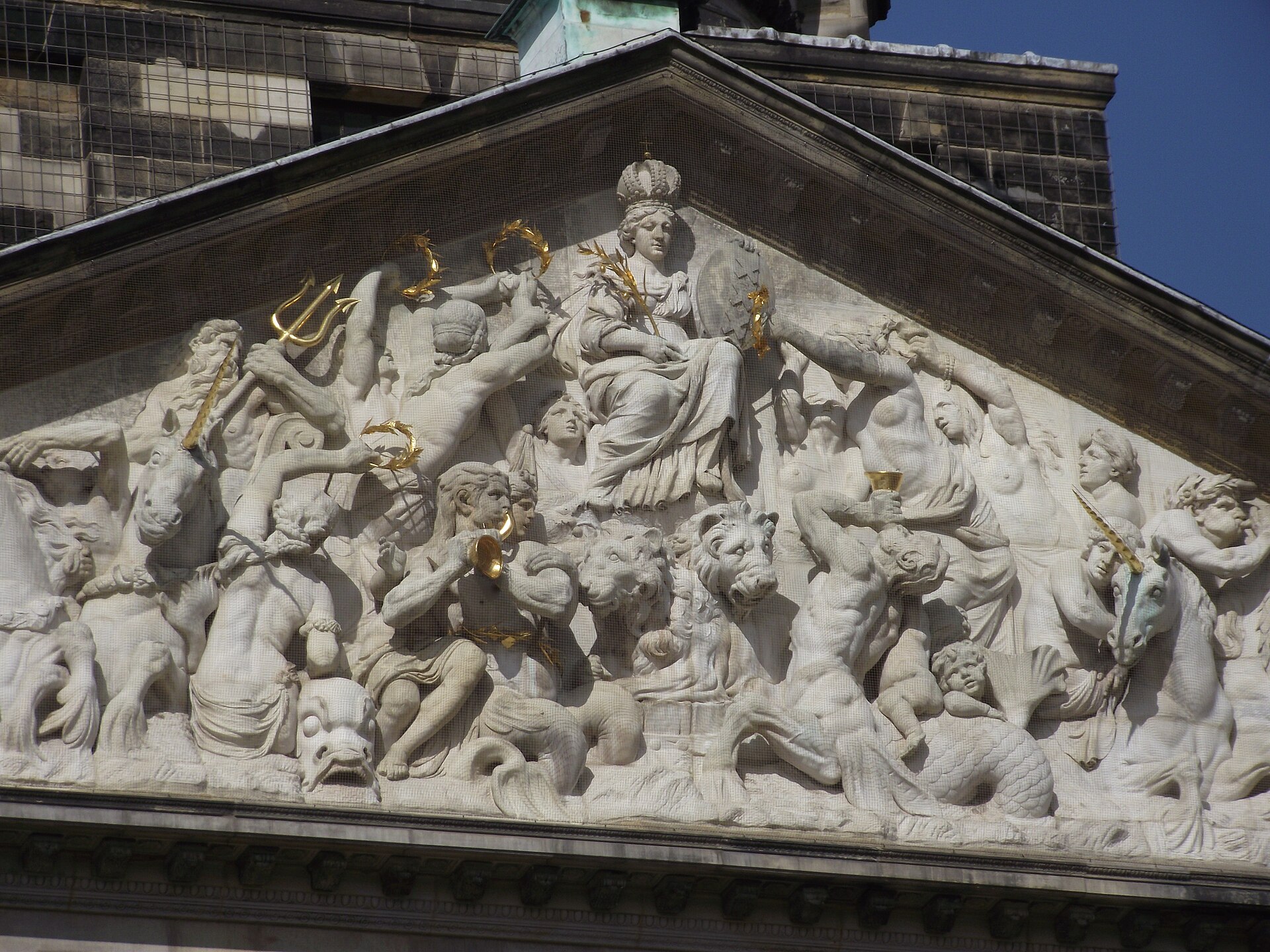
A visit reveals the great central hall with its maps of the world, the richly decorated council chambers and courtrooms of the old town hall, the royal apartments with their fine furnishings, and the elaborate sculpture that adorns the building throughout. Few buildings anywhere gather so much history, art, and significance into a single magnificent structure, and its central location makes it easy to include in any visit to the city.
To experience the Royal Palace of Amsterdam is to encounter the whole story of the Netherlands in one building, from the proud republic of the golden age to the modern monarchy. In its grand halls and sculptured spaces, the confidence of a merchant city and the dignity of a royal house are united, making it one of the most distinctive and fascinating royal palaces in all of Europe, a civic temple that became a crown.
For visitors, the palace offers a rare combination of architectural grandeur, artistic richness, and historical fascination, all in the heart of one of Europe’s most beautiful cities. Its story, from civic temple to royal palace, is unlike that of any other great building, and a visit rewards the traveller with an unforgettable encounter with the golden age of the Netherlands and the monarchy that followed it.
Because the palace is a working royal building, its opening times depend on the calendar of state functions, and visitors do well to check before planning a visit. Those who do gain access to one of the most remarkable buildings in the Netherlands, and the experience of standing in its great hall, surrounded by the splendour of the golden age, is well worth the small effort of planning ahead.
Palaces Nearby
The Royal Palace of Amsterdam is one of the royal residences of the Low Countries, and its story finds echoes in the palaces of the neighbouring crowns of the region. Two more of these royal residences make natural companions to a visit here, each embodying the history of its own nation.
- The Royal Palace of Brussels – the ceremonial crown of the Belgians.
- The Grand Ducal Palace – seat of the world’s only grand duchy, in Luxembourg.
You May Like


2 thoughts on “The Royal Palace of Amsterdam: A Golden-Age Town Hall Turned Palace”