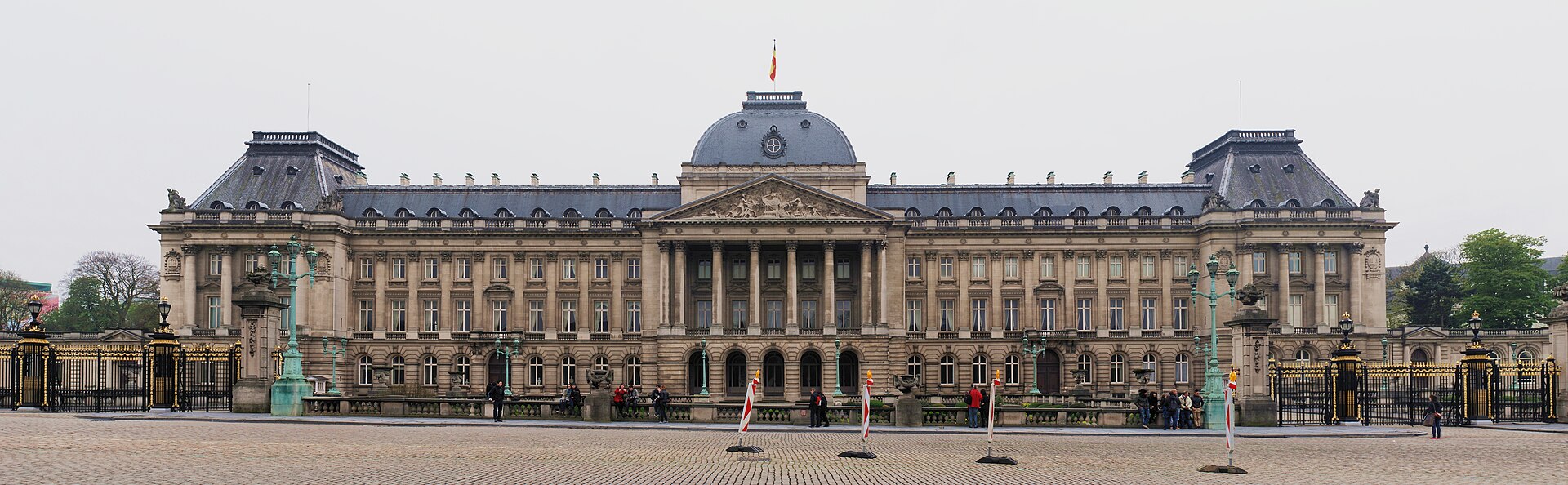
Facing a great park in the heart of Brussels, its long neoclassical facade stretching in dignified symmetry above the city, stands the official palace of the King of the Belgians. The Royal Palace of Brussels is the ceremonial seat of one of Europe’s younger monarchies, a crown created in the nineteenth century when Belgium won its independence and chose to become a kingdom. The palace embodies that modern royal story, at once grand and constitutional, historic and living.
Though the monarchy it serves is younger than many in Europe, the Royal Palace stands on ground steeped in far older history, the site of a great palace that was the seat of powerful rulers in earlier centuries before it was lost to fire. The present palace, rebuilt and enlarged in a grand classical style, rose to serve the new Belgian kings, and it has been the ceremonial centre of the monarchy ever since its foundation.
The Royal Palace is not the private residence of the royal family, who live elsewhere, but rather the official palace where the king carries out his public duties, receives guests and dignitaries, and conducts the ceremonies of state. It is thus a working palace, the ceremonial heart of the Belgian crown, and each summer it opens its magnificent halls to the public, revealing interiors of great splendour and some surprising modern touches.
In this article you will get to know the Royal Palace of Brussels fully: the birth of the Belgian monarchy it serves, the ancient site on which it stands, its grand neoclassical architecture, its magnificent state rooms and their famous decorations, its role in the modern constitutional monarchy, and its life today as the ceremonial centre of the Belgian crown and one of the notable royal palaces of Europe.
In This Article
- The Ceremonial Seat of the Belgian Crown
- The Birth of a Kingdom
- An Ancient Site of Power
- A Grand Neoclassical Palace
- The Magnificent State Rooms
- The Throne Room and Grand Staircase
- The Mirror Room and a Modern Marvel
- Art, Decoration, and Royal Collections
- The Palace and the Park
- A Modern Constitutional Monarchy
- A Palace Open to the People
- The Palace and the City of Brussels
- The Royal Palace of Brussels Today
The Ceremonial Seat of the Belgian Crown
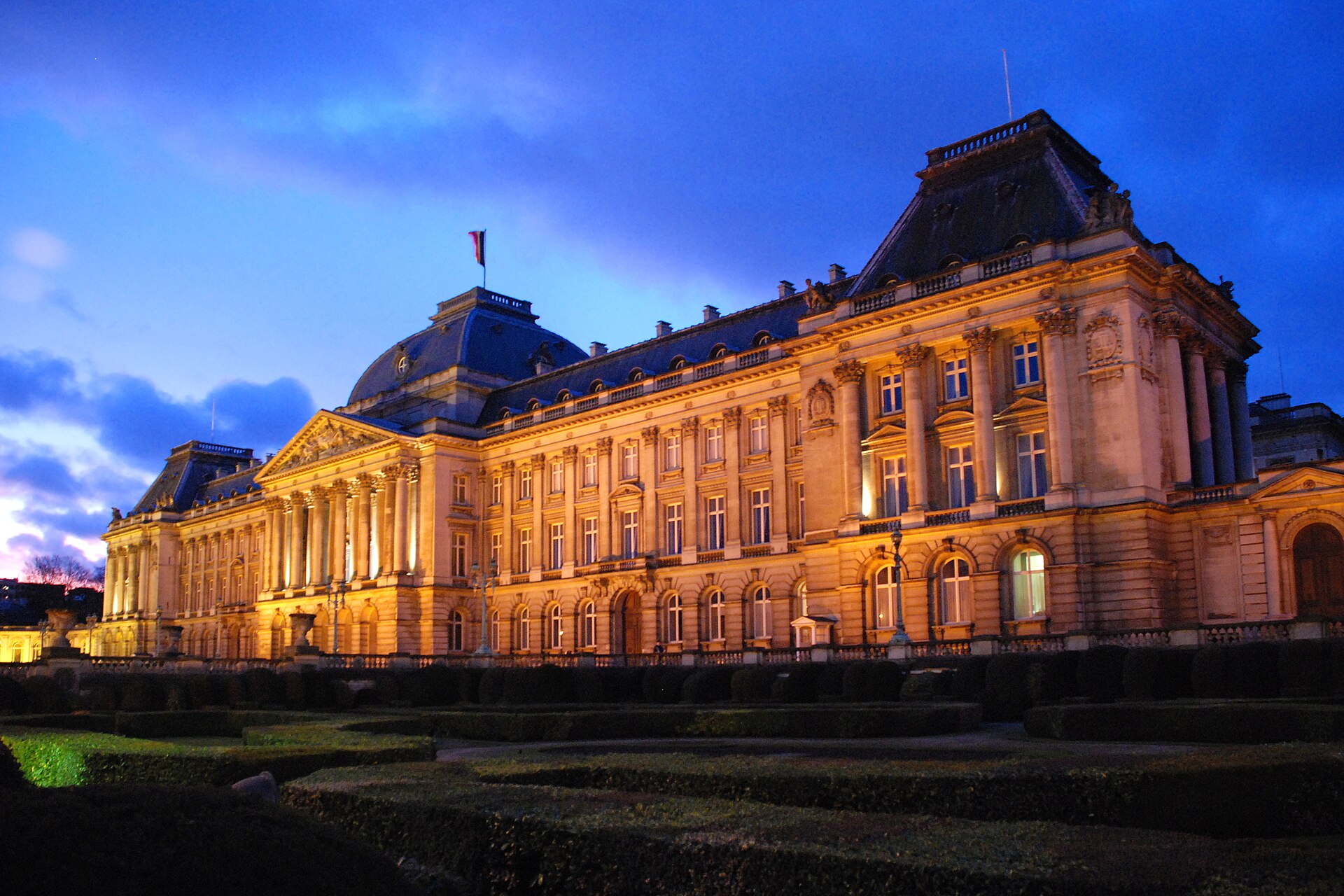
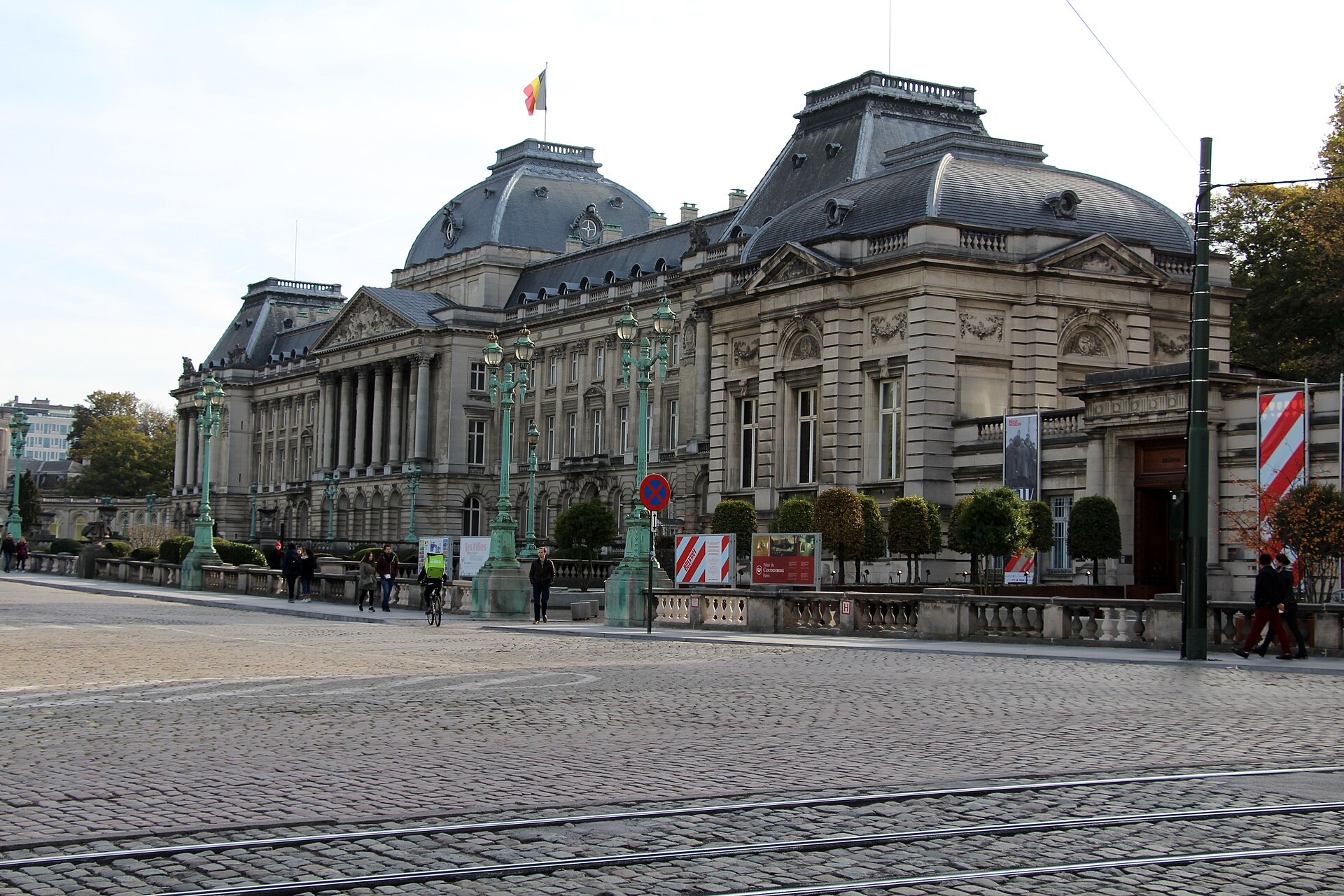
The Royal Palace of Brussels presides over the upper part of the city, its long classical facade facing a formal park across a broad square. Grand but restrained, the palace presents an image of dignified authority appropriate to the ceremonial seat of a modern constitutional monarchy. It is one of the principal landmarks of Brussels and a symbol of the Belgian state.
An important distinction shapes the character of the palace: it is the official palace of the monarch, not the royal residence. The king and his family live in another palace outside the city, while the Royal Palace of Brussels serves as the place where the sovereign performs the public functions of the crown. This makes it a working ceremonial palace, dedicated to the official life of the monarchy.
Here the king receives ambassadors and heads of state, holds audiences, confers honours, and conducts the ceremonies that mark the life of the nation. The palace is thus the stage on which the public and constitutional role of the Belgian monarchy is performed, a building dedicated not to private royal life but to the service of the state and the ceremonial duties of the crown.
The distinction between an official palace and a private residence is worth dwelling on, for it shapes the whole character of the building. Freed from the need to serve as a family home, the Royal Palace can be given over entirely to the ceremonial and representative functions of the crown, and this single-minded dedication to state occasions gives its grand rooms a particular purity of purpose.
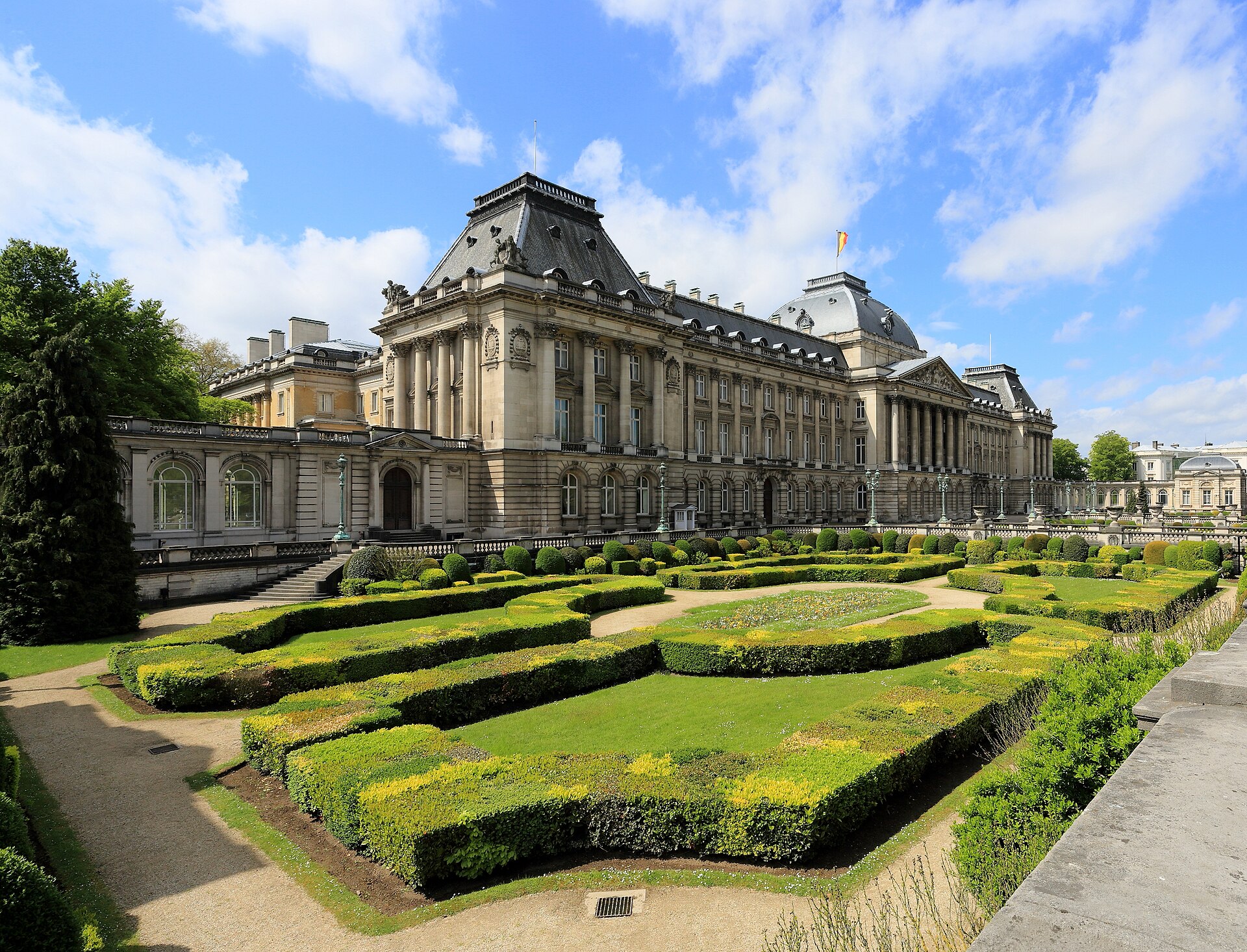
Seen from across its park, the long facade of the palace stretches with a symmetry that lends it real presence, closing the vista of greenery with a dignified wall of classical stone. It is an image of stately calm, and it captures the character of a palace dedicated wholly to the ceremonial representation of the crown, rather than to the private life of a royal family.
The Birth of a Kingdom
The monarchy that the palace serves was born in the early nineteenth century, when Belgium emerged as an independent nation and chose to establish itself as a kingdom. A prince was invited to become the first king of the Belgians, founding a new royal dynasty and a new constitutional monarchy that has endured to the present day as the framework of the Belgian state.
This new monarchy was constitutional from its beginning, its powers defined and limited by a constitution, its king reigning as the head of a parliamentary democracy rather than as an absolute ruler. The Royal Palace became the ceremonial centre of this new crown, the setting for the official duties of a monarch whose role was to embody the unity and continuity of the young nation.
The creation of the Belgian monarchy was part of the great reshaping of Europe in the nineteenth century, and the palace stands as a monument to that moment, when a new nation chose the form of a constitutional kingdom. The dynasty founded then has provided the kings who have reigned from this palace ever since, and the building remains the enduring symbol of the Belgian crown and state.
The constitutional foundation of the Belgian monarchy from its very beginning set it apart from the older, once-absolute crowns of Europe. Here was a kingship deliberately designed for a modern, parliamentary age, its powers limited and its role defined as symbolic and unifying. The Royal Palace was built to serve this modern conception of monarchy, and it embodies the idea of a crown as the servant rather than the master of the nation.
The invitation extended to a foreign prince to become the first king of a newly independent nation was characteristic of the age, when new monarchies were being fashioned across Europe. The dynasty founded in that moment has proved remarkably durable, providing an unbroken line of sovereigns who have reigned from this palace and given the young nation a continuity that has helped to carry it through the turbulence of modern history.
An Ancient Site of Power
Though the present palace is a creation of the modern monarchy, the ground on which it stands has been a seat of power for many centuries. Here once rose a great palace that was the residence of powerful rulers in earlier ages, a magnificent complex from which princes and emperors governed their realms, one of the principal royal seats of its time in this part of Europe.
That older palace was destroyed by a catastrophic fire, and its ruins lay buried for generations. But the memory of the site as a place of royal power endured, and when the new Belgian monarchy sought a palace in the capital, it was natural that it should rise near this ancient seat, linking the new crown to the deep history of rule in the region.
The remains of the earlier palace, long hidden beneath later buildings, have in modern times been uncovered and can now be visited, an underground world of medieval and Renaissance foundations preserved beneath the streets nearby. These remains connect the present Royal Palace to the long history of the site, revealing that the ground on which the Belgian crown performs its ceremonies has been a place of power for many centuries.
The uncovered remains of the older palace, now open to visitors beneath the modern city, offer a moving link between the present crown and the deep history of the site. To descend among these medieval and Renaissance foundations is to touch the earlier ages of power that preceded the Belgian monarchy, and to understand that the ground on which the present palace stands has been a seat of rule for many centuries.
The catastrophic fire that destroyed the earlier palace on the site was one of the great losses of the region’s heritage, sweeping away a magnificent complex that had been among the foremost royal seats of its age. That the ground should later be crowned again by a royal palace lends the site a poignant continuity, linking the modern Belgian crown to the vanished splendour of an earlier era of rule.
A Grand Neoclassical Palace
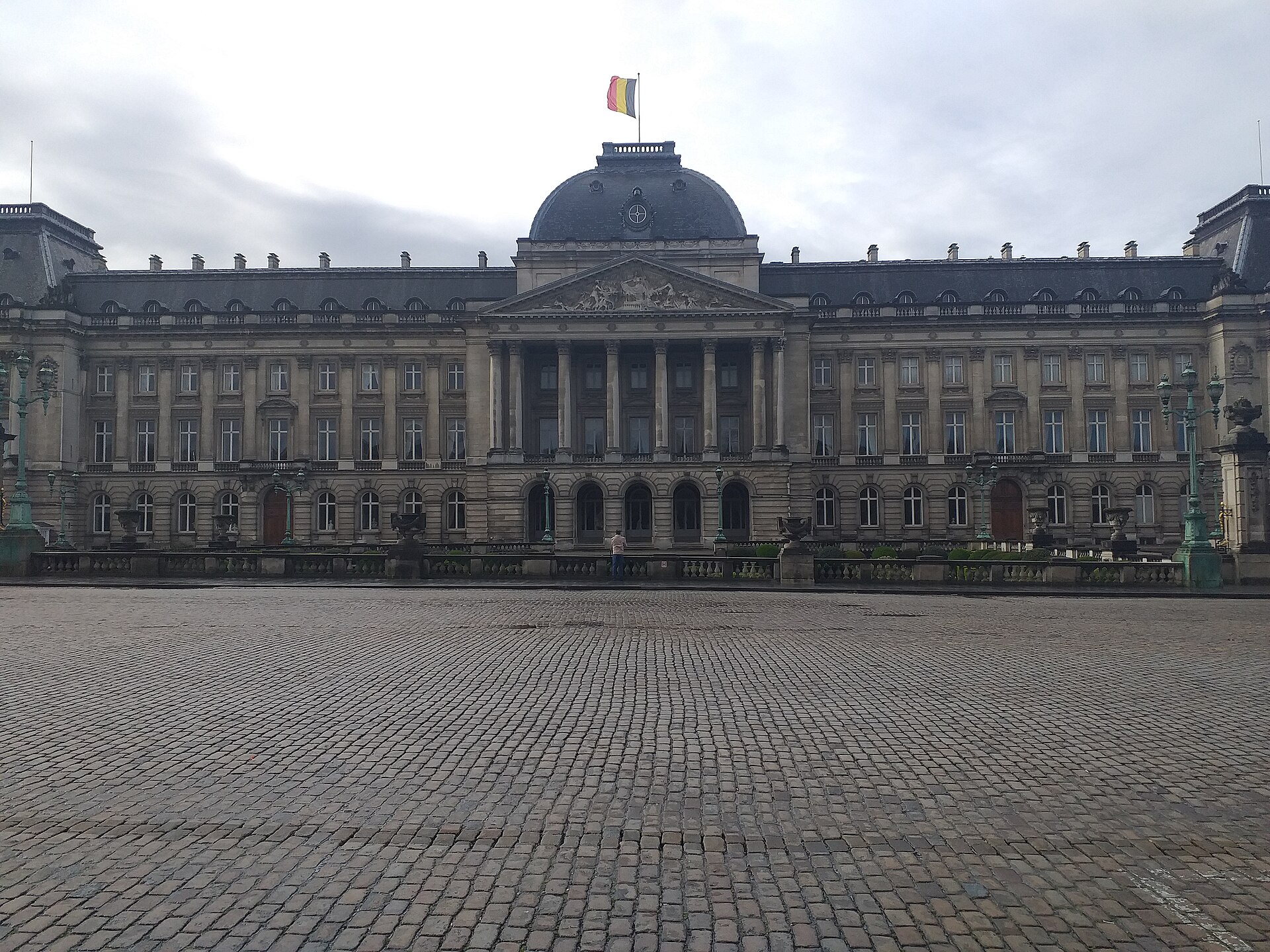
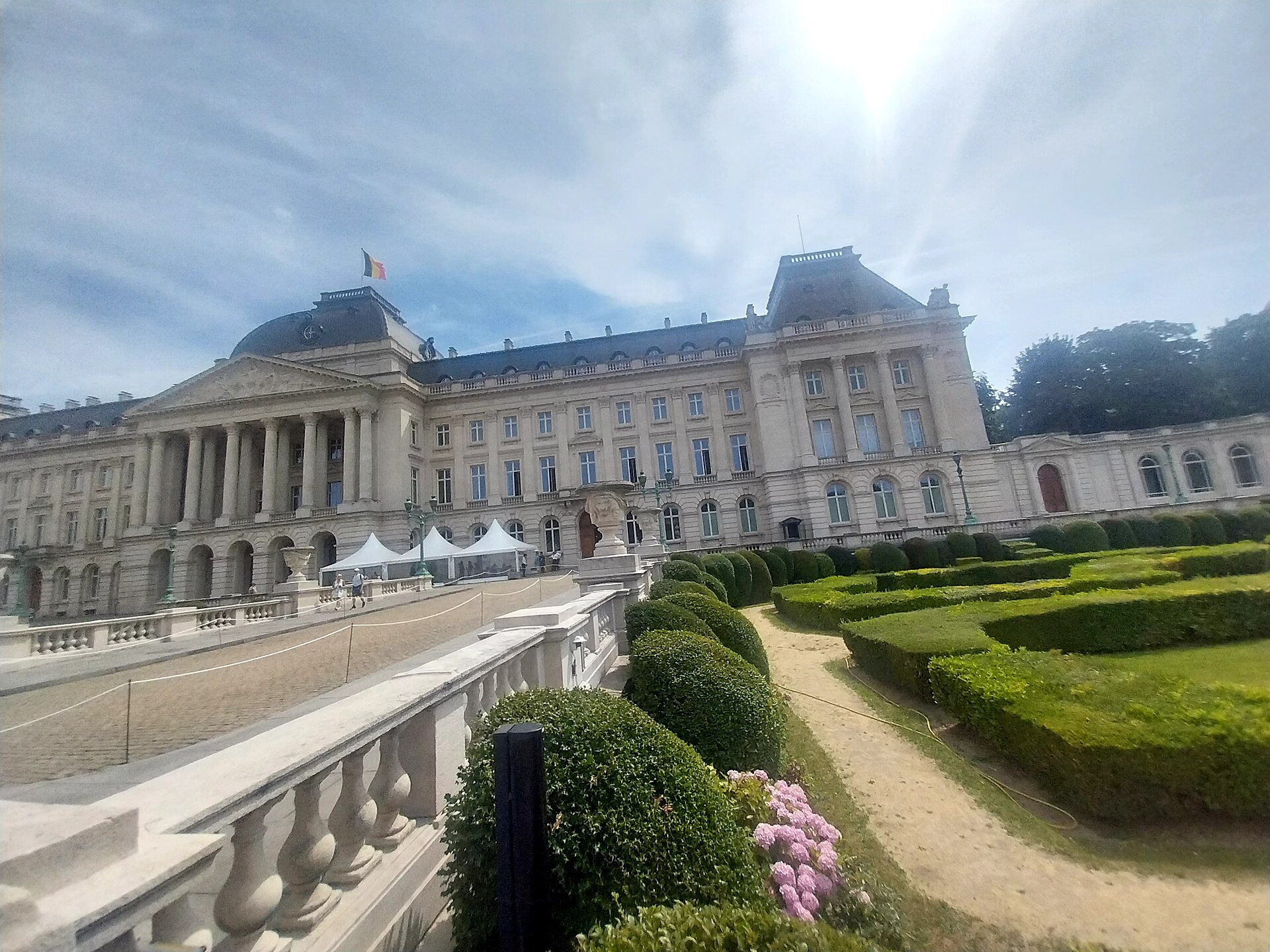
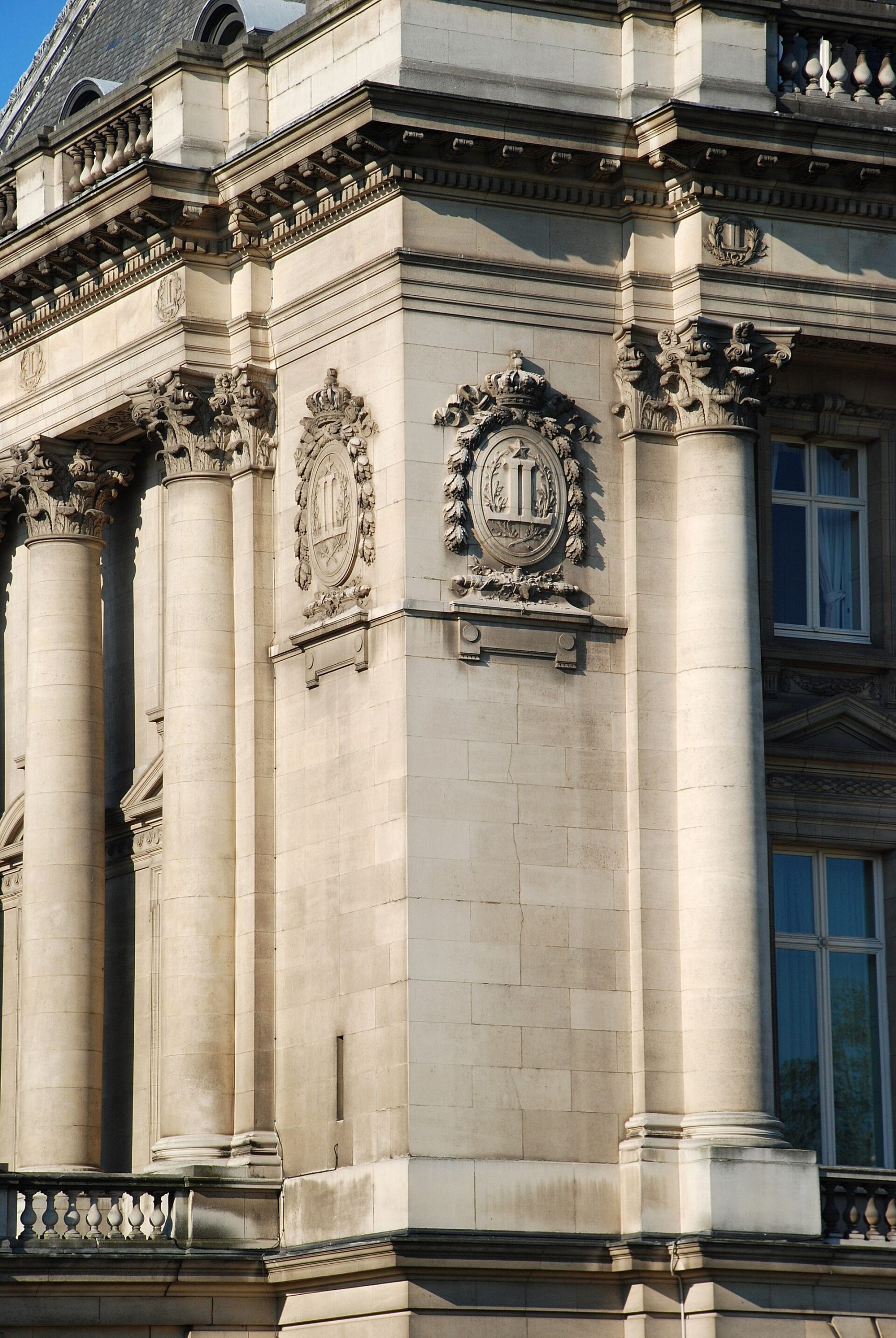
The Royal Palace as it stands today is a grand neoclassical building, the result of successive rebuildings and enlargements that gave it its imposing present form. Its long facade, articulated with columns and classical detail and crowned with a central portico, presents a picture of ordered magnificence, the very image of a stately nineteenth-century palace of state.
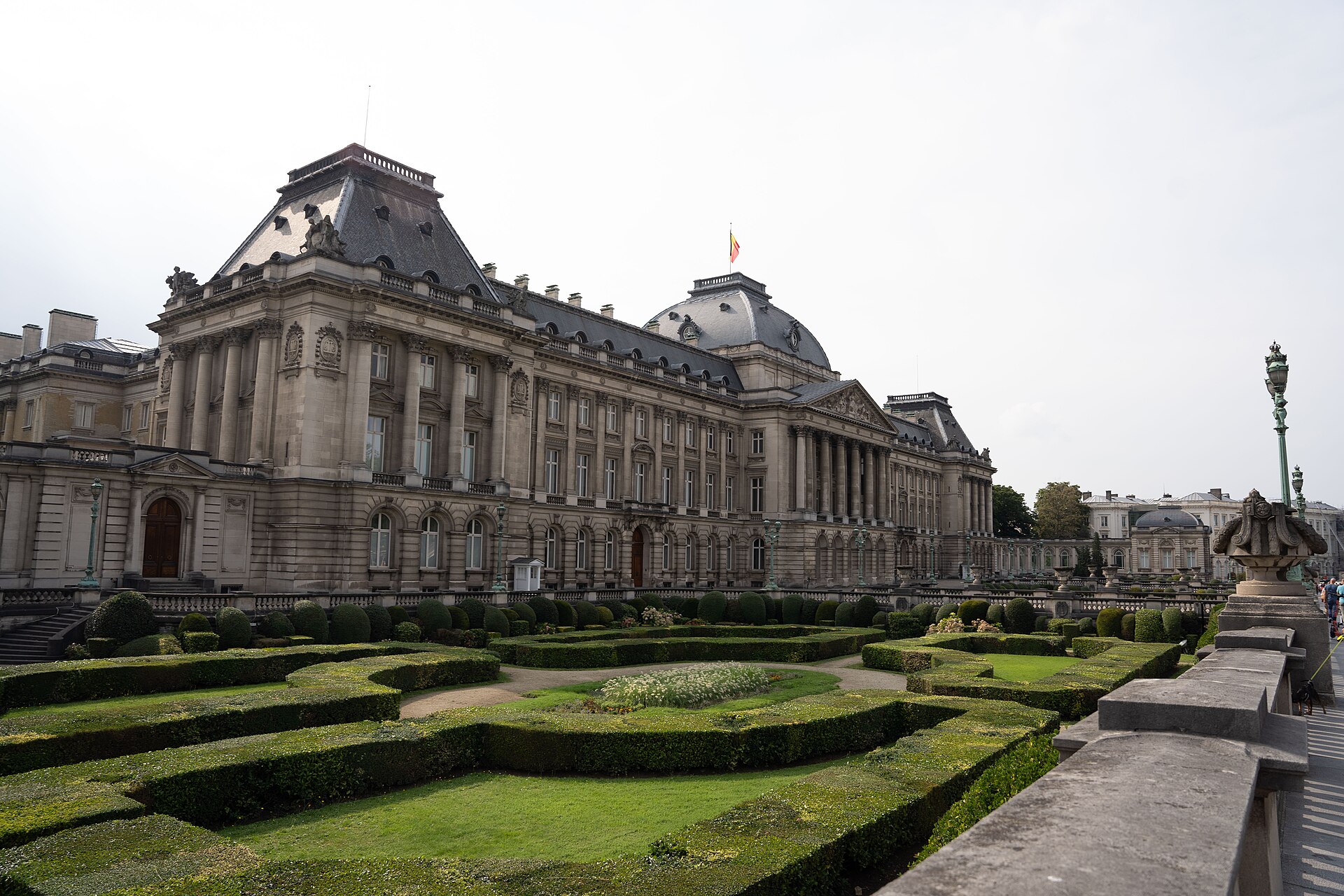
The classical style of the palace reflects the taste of the age in which it took its present shape, and the desire of the young monarchy to present itself with appropriate dignity and grandeur. Successive kings enlarged and embellished the building, adding to its scale and richness, until it reached the imposing form that dominates its square and park today.
Though it lacks the great age of some European palaces, the Royal Palace of Brussels achieves genuine grandeur through the harmony and scale of its architecture. Its long, symmetrical facade and dignified classical style make it a worthy ceremonial seat for the crown, and one of the notable examples of grand nineteenth-century palace architecture in this part of Europe.
The successive enlargements that gave the palace its present grandeur reflect the growing confidence and ambition of the young monarchy across the nineteenth century. Each king who added to the building sought to give the crown a worthier setting, and the accumulation of their efforts produced the imposing palace of today, a monument to the aspirations of a new nation determined to present itself with dignity.
The neoclassical idiom in which the palace is built, with its columns, pediments, and balanced proportions, was the international language of grand public architecture in its day, and its use here aligned the Belgian crown with the dignified traditions of European statehood. The result is a building that, while not ancient, speaks fluently the language of grandeur and authority appropriate to a royal seat.
The Magnificent State Rooms
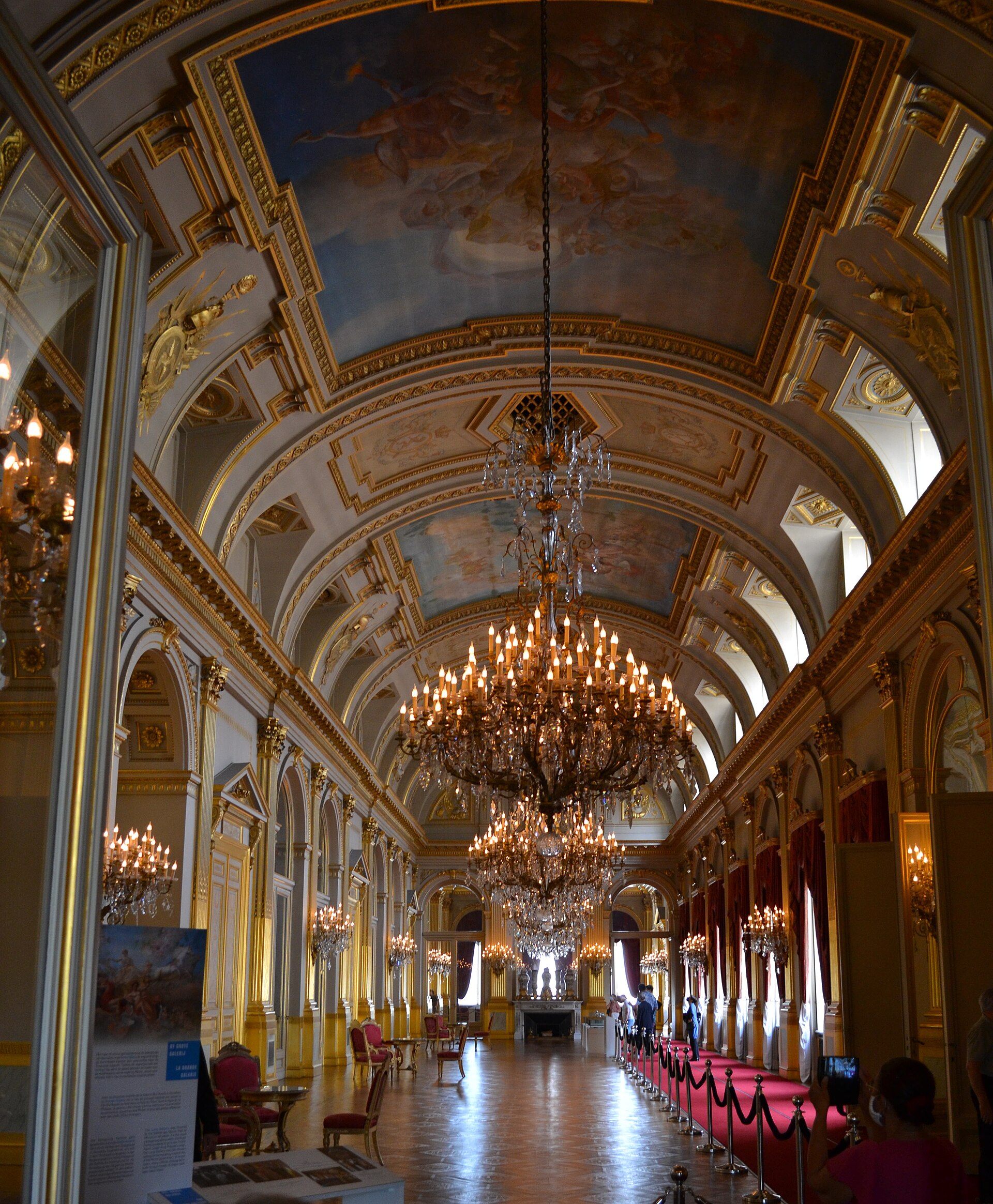
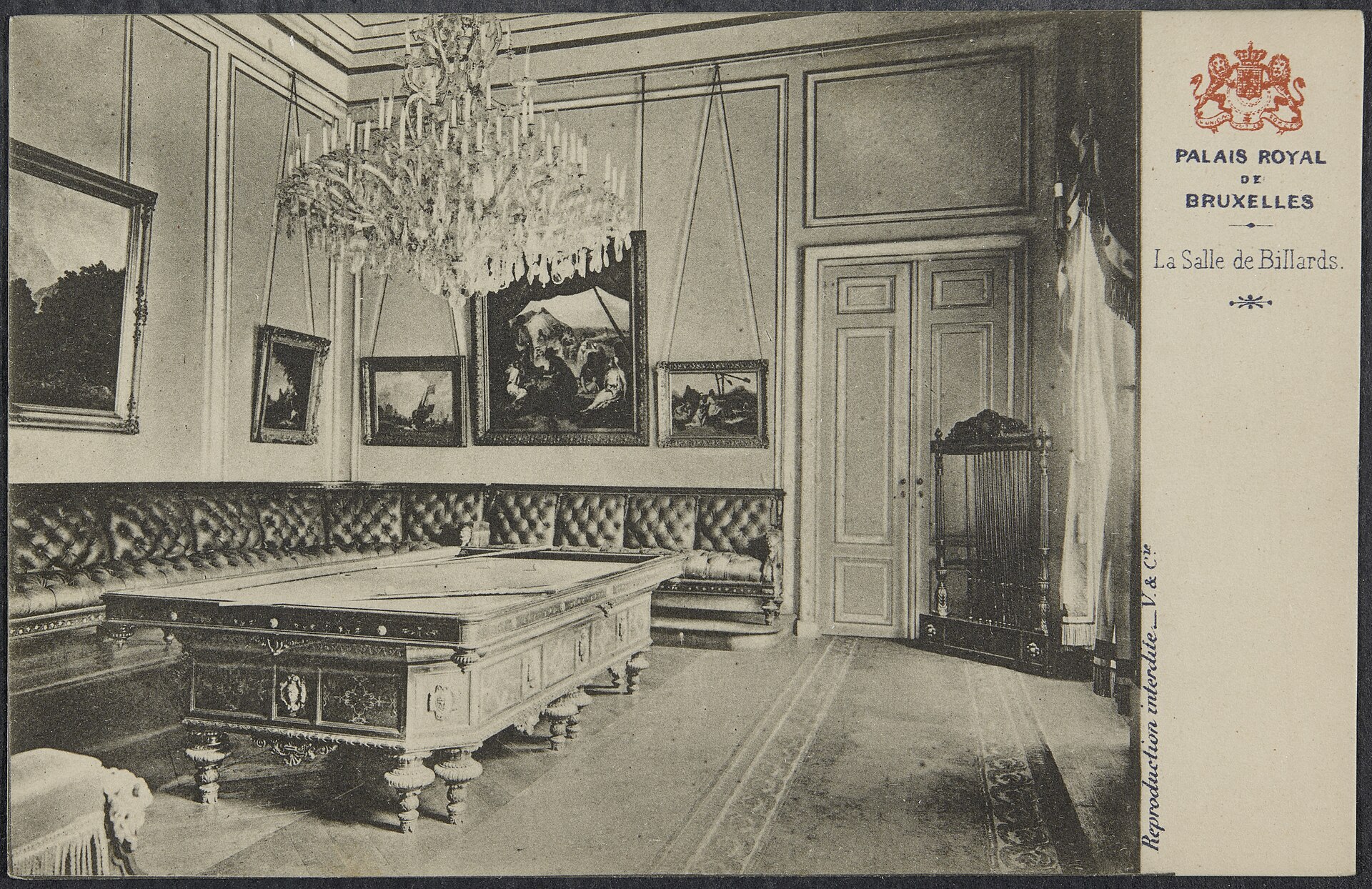
Within, the Royal Palace unfolds a sequence of magnificent state rooms used for the ceremonies and receptions of the crown. These grand halls and salons, richly decorated with marble, gilding, chandeliers, and fine furnishings, provide a setting of appropriate splendour for the official functions of the monarchy, from state banquets to the reception of foreign dignitaries.
The state rooms include grand reception halls, salons for audiences and receptions, and the great spaces used for the most important ceremonies. Each is decorated in a style befitting its purpose, with the finest materials and craftsmanship, creating interiors of considerable richness and grandeur that reflect the dignity of the Belgian crown and state.
These rooms are the working heart of the ceremonial palace, the settings in which the public life of the monarchy is conducted. Their splendour is not mere display but serves a purpose, providing a fitting frame for the ceremonies through which the crown represents the nation and receives its guests. To see them is to understand how a modern monarchy stages its public role with dignity and grandeur.
The splendour of the state rooms serves a serious purpose, providing a setting worthy of the occasions of state conducted within them. When the palace receives a visiting head of state or confers the honours of the nation, the grandeur of its halls lends dignity and weight to the ceremony, and the visitor who tours these rooms in summer can imagine the great occasions for which they were designed.
The Throne Room and Grand Staircase
Among the grandest spaces in the palace are the great throne room and the magnificent grand staircase that leads up to the state rooms. The throne room, a vast and splendid hall hung with great chandeliers, is the setting for the most important ceremonies of the crown, from the conferring of honours to the grandest state receptions.
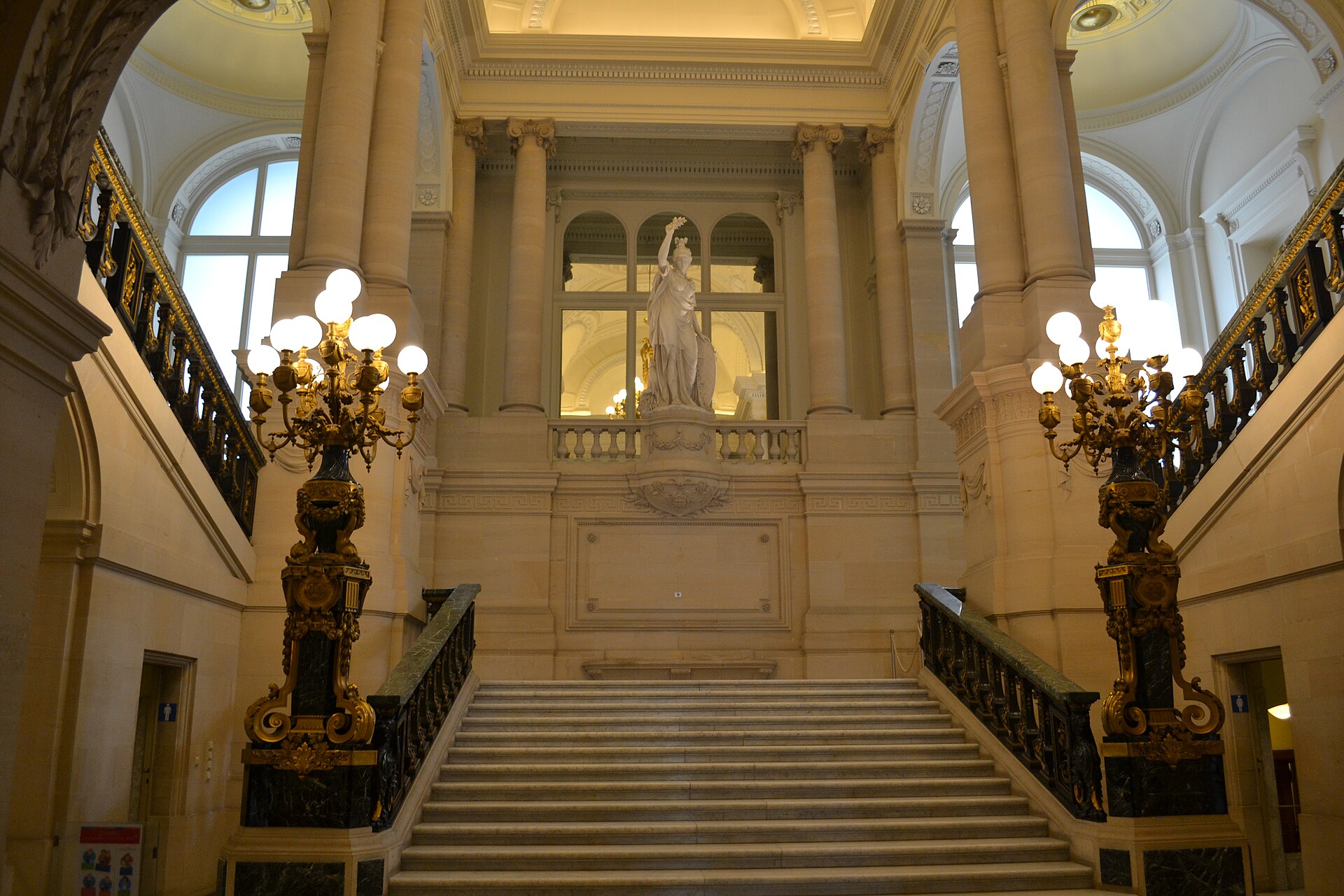
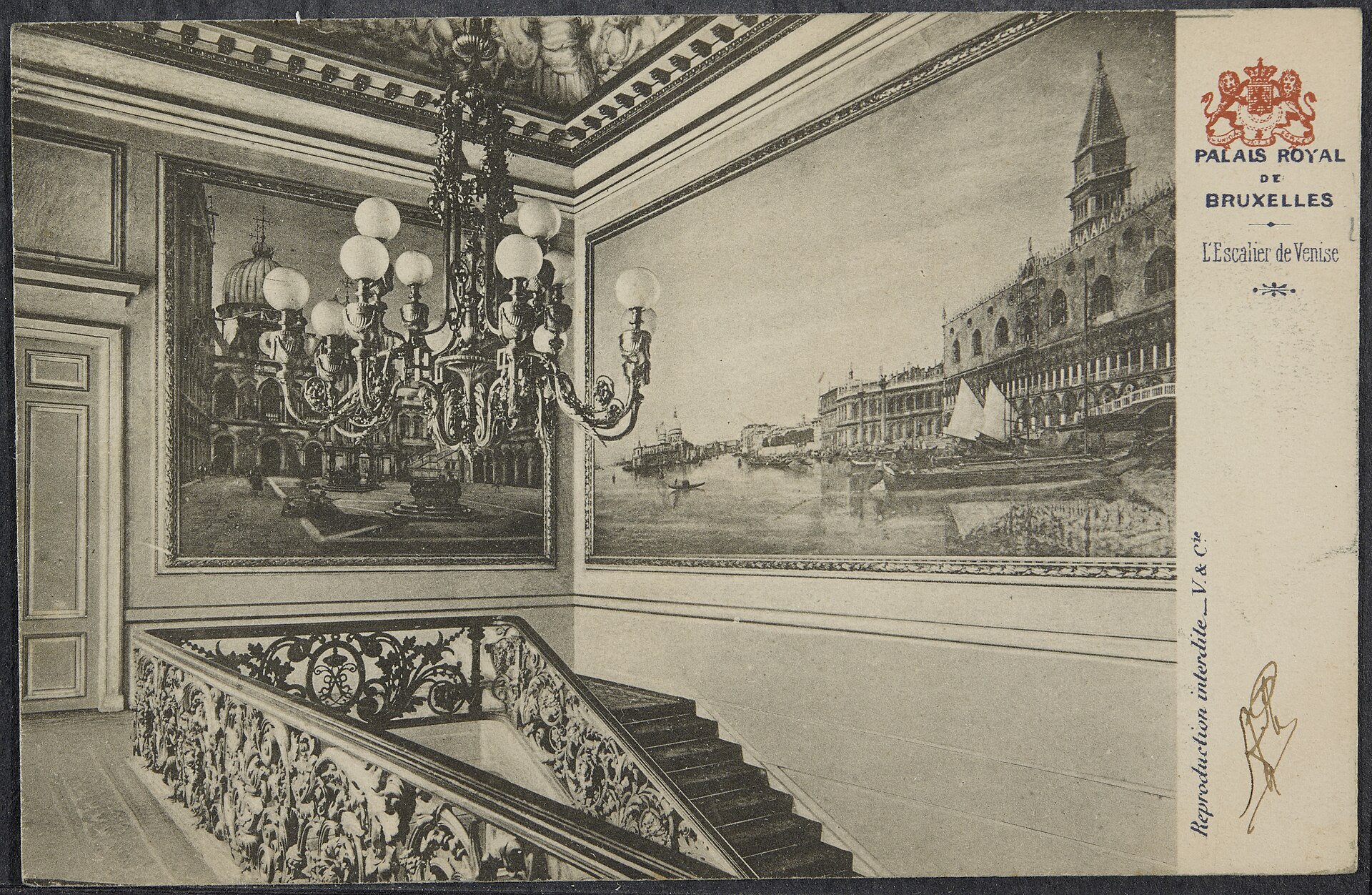
The grand staircase, an imposing sweep of marble and ornament, provides a suitably majestic ascent to the ceremonial rooms above, setting the tone of grandeur for visitors and guests arriving for official occasions. Its scale and richness reflect the importance of the ceremonies it introduces, and it ranks among the most impressive features of the palace.
Together these spaces form the ceremonial core of the palace, the settings for the highest occasions of the Belgian monarchy. Their grandeur and splendour express the dignity of the crown and provide a magnificent frame for the rituals of state, making them among the most memorable rooms encountered by visitors to the palace during its summer openings.
To ascend the grand staircase and enter the throne room is to follow the ceremonial path taken by the guests of the crown on the greatest occasions. The sequence is carefully composed to impress, building from the majestic ascent to the culminating grandeur of the throne room, and it remains one of the most memorable experiences offered to visitors during the palace’s summer openings.
The throne room, with its great chandeliers and its air of solemn magnificence, is the culminating space of the ceremonial palace, the setting for the highest occasions of the crown. To stand within it during the summer opening is to sense the weight of the ceremonies conducted here, and to appreciate the care with which the young monarchy fashioned a setting worthy of the dignity of the Belgian state.
The Mirror Room and a Modern Marvel
One of the most famous and surprising spaces in the palace is the great mirror room, a magnificent hall that holds a remarkable modern secret. Its grand classical decoration is crowned by an extraordinary contemporary artwork, a ceiling and chandelier covered with the iridescent green wing-cases of countless beetles, a dazzling creation by a celebrated modern artist.
This astonishing work, gleaming with shimmering green and shifting colour, transforms the historic hall into a marvel that unites the classical grandeur of the palace with a bold stroke of contemporary art. It has become one of the most talked-about features of the palace, drawing visitors eager to see this unexpected fusion of tradition and modernity beneath the ceiling of a royal hall.
The mirror room and its extraordinary ceiling exemplify the way the Royal Palace, for all its historic dignity, embraces the contemporary. That a modern artwork of such daring should adorn a state room of the crown speaks to a monarchy comfortable with the present as well as the past, and it makes the mirror room one of the most memorable and distinctive spaces in any royal palace in Europe.
The daring of placing so bold a contemporary artwork in a historic state room says much about the character of the modern Belgian monarchy, at ease with both tradition and innovation. The shimmering beetle-shell ceiling has become one of the most photographed and discussed features of any royal palace in Europe, a symbol of a crown willing to embrace the art of its own age.
For many visitors, the mirror room is the highlight of a tour of the palace, and the first sight of its glittering green ceiling never fails to astonish. The work transforms the experience of the historic hall, uniting the grandeur of the past with a bold statement of the present, and it has become emblematic of a monarchy and a nation confident enough to place daring modern art at the very heart of the crown’s ceremonial home.
Art, Decoration, and Royal Collections
Throughout its state rooms and halls, the Royal Palace is adorned with fine art, decoration, and furnishings that reflect the taste and patronage of the Belgian crown across the generations. Paintings, sculptures, tapestries, and decorative objects fill the palace, contributing to its atmosphere of dignified splendour and recording the artistic interests of the monarchy.
The decoration of the palace has been enriched by successive sovereigns, each adding to its collections and contributing to its embellishment. The result is an accumulation of art and decoration that gives the interiors depth and richness, reflecting both the history of the monarchy and the changing tastes of the ages through which it has reigned.
These artistic riches make a visit to the palace a cultural as well as a ceremonial experience, allowing visitors to admire not only the grandeur of the architecture but the quality of the art and decoration it contains. The collections reflect the role of the crown as a patron of the arts and a guardian of the nation’s heritage, adding to the interest and beauty of the palace.
The accumulated art and decoration of the palace record the patronage of successive sovereigns and the changing tastes of the ages through which the monarchy has reigned. To move through the rooms is to trace this history in paintings, furnishings, and decorative objects, and to appreciate the role of the crown as a patron of the arts and a guardian of the nation’s cultural heritage.
The Palace and the Park
The Royal Palace faces a great formal park, laid out in the classical manner with avenues, lawns, and monuments, which forms the green setting of the palace and one of the principal public spaces of Brussels. This park, stretching before the palace and flanked by important buildings of state, gives the royal seat a dignified and spacious setting at the heart of the capital.

The relationship between the palace and the park is a deliberate composition, the formal greenery providing a fitting foreground to the grand facade and linking the royal seat to the surrounding institutions of the state. Across the park stand the buildings of the parliament and government, so that the palace presides over a district that gathers together the principal institutions of the Belgian nation.
This setting places the Royal Palace at the ceremonial and political heart of Brussels, surrounded by the park and the buildings of state. The park itself, open to all, is a beloved public space, and the sight of the palace across its avenues is one of the classic views of the capital, uniting the crown, the state, and the public life of the city in a single dignified ensemble.
The great park before the palace, with its formal avenues and its surrounding buildings of state, forms one of the most dignified urban compositions in Brussels. The deliberate arrangement of palace, park, and institutions expresses the unity of crown and state, and the sight of the palace across the greenery is among the classic images of the Belgian capital, familiar to citizens and visitors alike.
A Modern Constitutional Monarchy
The Royal Palace serves a modern constitutional monarchy, in which the king reigns as head of state within a framework of parliamentary democracy. The role of the monarch is largely ceremonial and symbolic, representing the unity and continuity of the nation, and the palace is the principal setting in which this constitutional role is performed.

In a nation marked by regional and linguistic diversity, the monarchy has come to play a valued role as a symbol of national unity, standing above the divisions of politics and region to represent the country as a whole. The Royal Palace, as the ceremonial seat of the crown, embodies this unifying role, the setting for the ceremonies through which the monarch represents the entire nation.
The palace thus serves not merely as a grand building but as an institution of the modern state, the place where the constitutional monarchy performs its public functions. Its ceremonies and its openness reflect the character of a crown that sees itself as the servant of the nation, and the palace stands as the enduring symbol of the Belgian monarchy and the unity it represents.
In a country marked by linguistic and regional diversity, the unifying role of the monarchy has taken on particular importance, and the crown is widely valued as a symbol standing above the divisions of politics. The Royal Palace, as the ceremonial seat of that crown, embodies this role, providing the setting for the ceremonies through which the monarch represents the whole of the nation.
The endurance of the Belgian monarchy through the challenges of modern history testifies to the value the nation places on the crown as a symbol of unity and continuity. In performing its ceremonial and unifying role, the monarchy has helped to hold together a diverse country, and the Royal Palace stands as the dignified setting in which this quiet but important work of national cohesion is symbolically performed.
A Palace Open to the People
Each summer, when the ceremonial calendar allows, the Royal Palace opens its doors to the public, inviting citizens and visitors to explore its magnificent state rooms free of charge. This annual opening, a cherished tradition, allows the people to see the interiors of the palace where the ceremonies of the crown are conducted, from the grand staircase to the throne room and the famous mirror room.
This tradition of opening the palace reflects the accessible and public character of the Belgian monarchy, sharing the grandeur of the royal seat with the people it serves. Each year the summer opening features displays and themes that add interest to the visit, and it draws large numbers of visitors eager to experience the splendour of the ceremonial palace.
The summer opening embodies the relationship between the crown and the people, offering the public a share in the heritage and grandeur of the monarchy. It transforms the ceremonial palace, for a season, into a place open to all, allowing visitors to admire its state rooms and treasures and to encounter the ceremonial heart of the Belgian crown at first hand.
The tradition of the summer opening is cherished by the people of Brussels and beyond, offering a rare chance to enter the ceremonial heart of the monarchy. Each year the opening draws crowds eager to admire the state rooms and the famous mirror room, and it embodies the accessible spirit of a crown that willingly shares its grandeur with the people it serves.
Beyond simply opening the doors, the palace uses its summer season to mount displays and themed presentations that add depth and interest to a visit, often highlighting aspects of the monarchy’s history or the nation’s heritage. This effort to engage and inform visitors reflects the character of a crown that takes seriously its relationship with the public, and it makes each year’s opening a fresh occasion.
The Palace and the City of Brussels
The Royal Palace stands at the heart of Brussels, a city that is not only the capital of Belgium but a centre of European affairs, home to major institutions of the continent. The palace, presiding over its park in the upper town, is one of the principal monuments of a capital that combines national and international importance, and it forms part of the ceremonial and institutional core of the city.
The upper town in which the palace stands has long been the aristocratic and governmental quarter of Brussels, gathering the seats of power around the royal park. Here the palace joins the parliament, government buildings, and grand institutions in a district that expresses the dignity of the state, a composed and stately part of the city that contrasts with the bustling commercial districts below.
The relationship between the palace and its city reflects the role of Brussels as a capital of both national and European significance. The Royal Palace, as the ceremonial seat of the Belgian crown, anchors this role, presiding over the institutions of the nation and lending the heart of the capital its air of dignity and grandeur, a fitting setting for the ceremonial life of a modern European monarchy.
For visitors, the palace and its surroundings offer an introduction to the stately heart of Brussels, from the formal park to the grand facades of the upper town. The Royal Palace stands as the crowning monument of this district, and its presence gives the centre of the Belgian capital a ceremonial grandeur worthy of a nation that chose, in the nineteenth century, to make itself a kingdom.
As the capital of both Belgium and, in many respects, of Europe, Brussels gathers around the Royal Palace a concentration of national and international institutions unmatched in many capitals. The palace anchors the ceremonial heart of this remarkable city, and its dignified presence lends grandeur to a capital that plays a role on both the national and the continental stage.
The Royal Palace of Brussels Today
Today the Royal Palace of Brussels remains the ceremonial seat of the Belgian monarchy, the setting for the official duties of the king and the great occasions of the crown. As a working palace of state, it continues to serve its purpose at the heart of the capital, while its summer openings allow the public to share in its grandeur and history.
A visit, during the summer season, reveals the magnificent state rooms, the grand staircase and throne room, the famous mirror room with its extraordinary modern ceiling, and the art and decoration that adorn the palace throughout. Set before its great park and surrounded by the institutions of the state, the palace offers a rewarding encounter with the ceremonial heart of the Belgian crown.
To experience the Royal Palace of Brussels is to encounter a modern constitutional monarchy in its ceremonial setting, a crown born in the nineteenth century and reigning still, performing its public role amid grandeur and tradition. Standing on ground that has been a seat of power for centuries, the palace unites the old and the new, and it stands as one of the notable royal palaces of Europe and the enduring symbol of the Belgian crown.
For the visitor able to time a trip to the summer opening, the Royal Palace of Brussels offers a rewarding encounter with a living monarchy in its ceremonial setting. Its state rooms, its famous ceiling, and its air of dignified grandeur combine to make a memorable visit, and the palace stands as one of the notable royal experiences to be had in the Belgian capital.
Whether drawn by the grandeur of the state rooms, the fame of the mirror room, or simply curiosity about a modern European monarchy, visitors to the Royal Palace of Brussels come away with a vivid impression of the ceremonial heart of the Belgian crown. It is a palace that rewards a visit with both splendour and surprise, and it holds a distinctive place among the royal residences of Europe.
Palaces Nearby
The Royal Palace of Brussels is one of the royal residences of the Low Countries, and its story finds echoes in the palaces of the neighbouring crowns of the region. Two more of these royal residences make natural companions to a visit here, each embodying the history of its own nation.
- The Royal Palace of Amsterdam – a golden-age town hall turned royal palace on the Dam.
- The Grand Ducal Palace – seat of the world’s only grand duchy, in Luxembourg.
You May Like
Cardiff Castle: Two Thousand Years and a Gothic Dream


One thought on “The Royal Palace of Brussels: Ceremonial Crown of the Belgians”