Above the rooftops and the winding river of Prague, on a long ridge crowned by the soaring spires of a great cathedral, spreads one of the most extraordinary royal complexes in the world. Prague Castle is not a single palace but a whole city in miniature, a sprawling ensemble of churches, palaces, halls, towers, and lanes that has been the seat of power in the Czech lands for over a thousand years. It is often described as the largest ancient castle complex in the world, and to walk through it is to walk through the entire history of a nation.
For more than a millennium this hilltop has been the centre of Bohemian and Czech power, the residence of princes, kings, Holy Roman emperors, and, in modern times, presidents. Each age has left its mark, so that the castle is a living record of European history and architecture, layering Romanesque, Gothic, Renaissance, and baroque styles into a single magnificent whole. At its heart rises the cathedral, one of the supreme achievements of Gothic art.
Prague Castle has been the stage for many of the defining moments of Central European history, from the reigns of great medieval emperors to the religious upheavals that convulsed the continent, from the splendour of the Habsburg court to the birth of a modern democratic republic. Few places have witnessed so much, or preserved so completely the physical traces of such a long and dramatic past.
In this article you will get to know Prague Castle fully: its thousand years as a seat of power, its magnificent cathedral, its royal palaces and great halls, the charming Golden Lane, the dramatic events of history it witnessed, its role in the modern Czech nation, and its life today as the beloved symbol and living heart of Prague and of the Czech people.
In This Article
- A Palace Above the Danube
- The Medieval Seat of Kings
- The Renaissance Golden Age
- Sieges, Ruin, and Rebuilding
- The Baroque and Imperial Palace
- Devastation and Resurrection
- Treasures Within the Walls
- The Castle District
- Symbols and Legends of the Hill
- The Castle and the River City
- A Symbol of the Hungarian Nation
- Terraces, Gardens, and the Castle Bazaar
- Buda Castle Today
A Palace Above the Danube
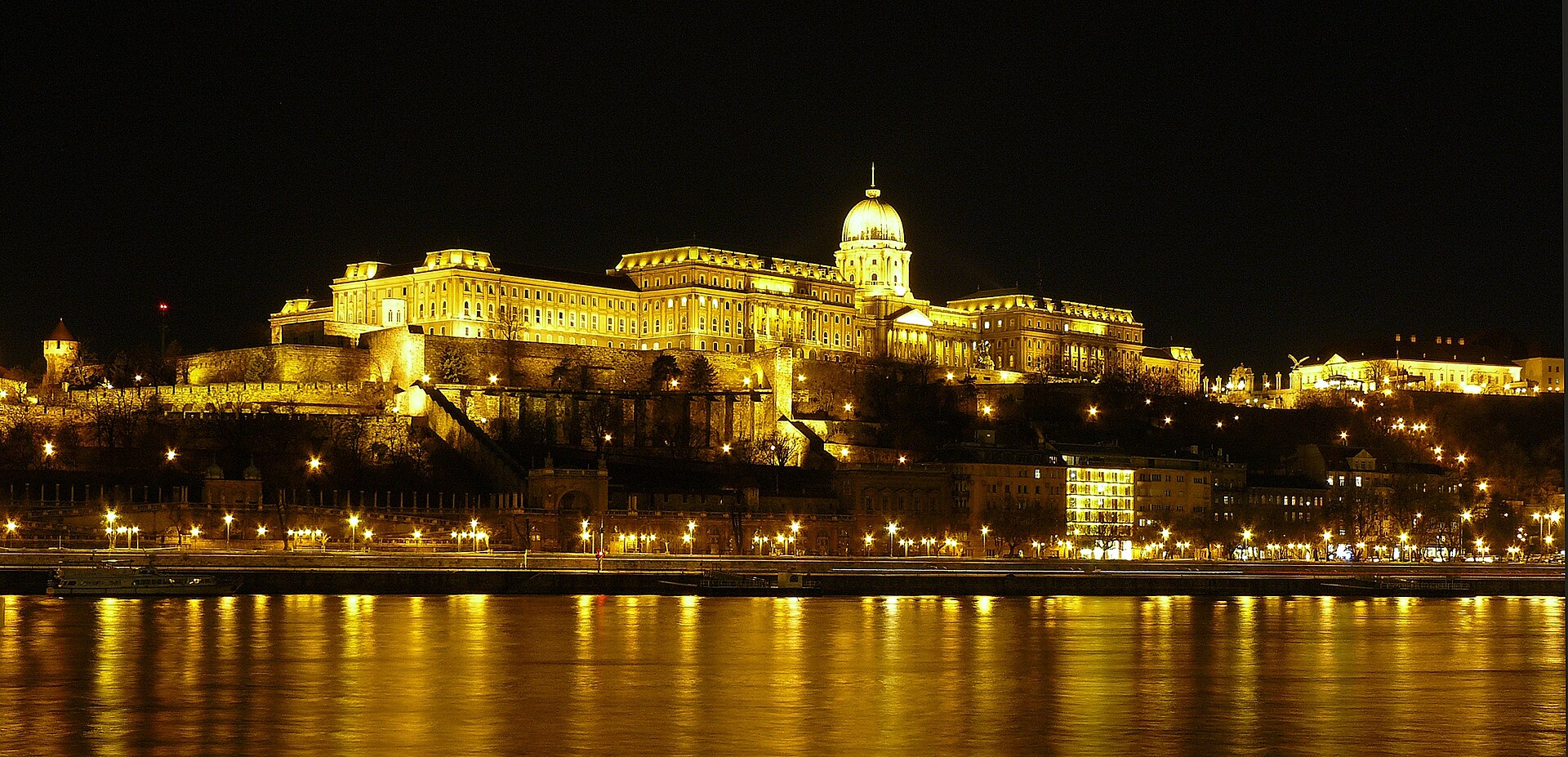
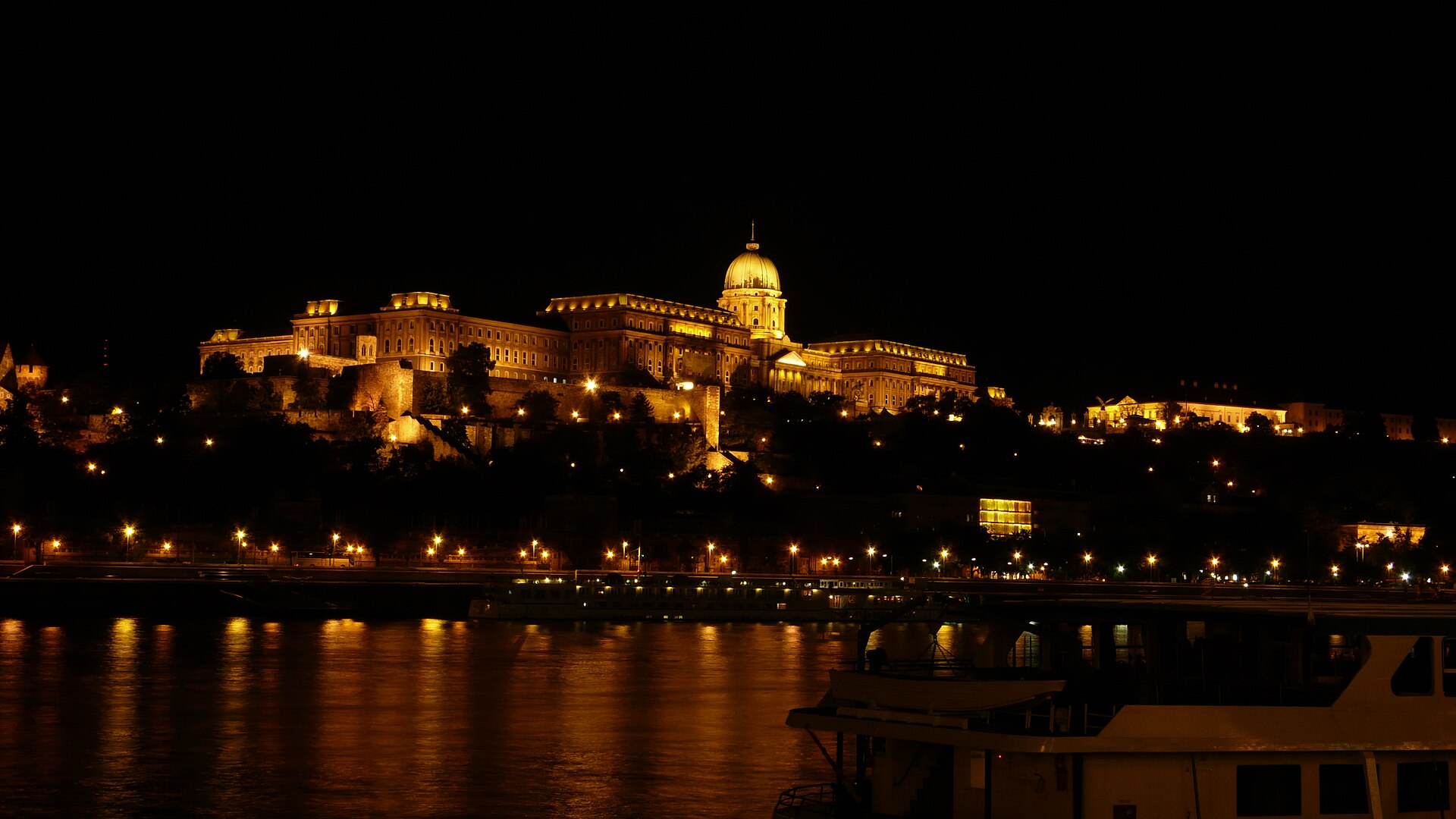
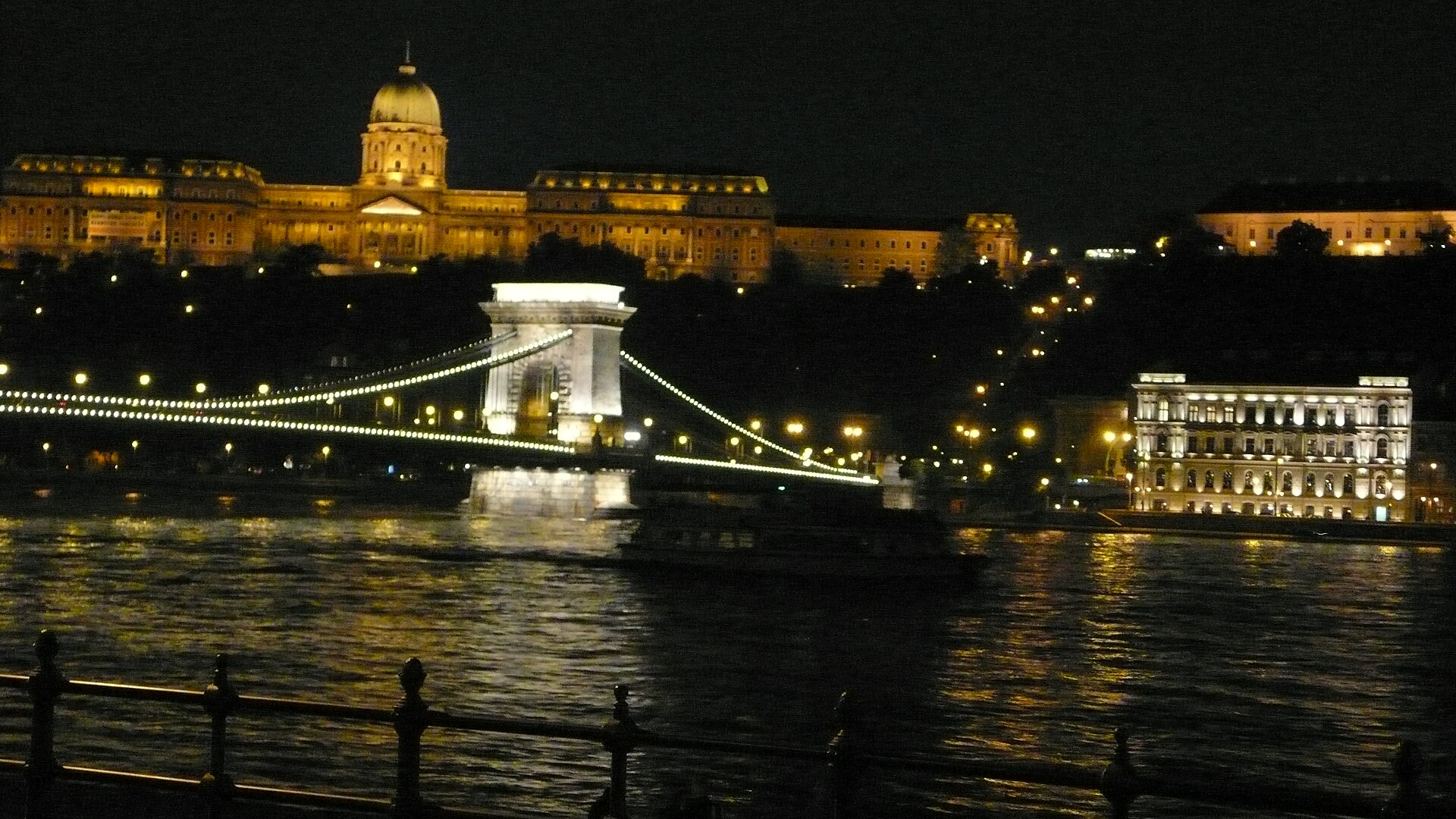
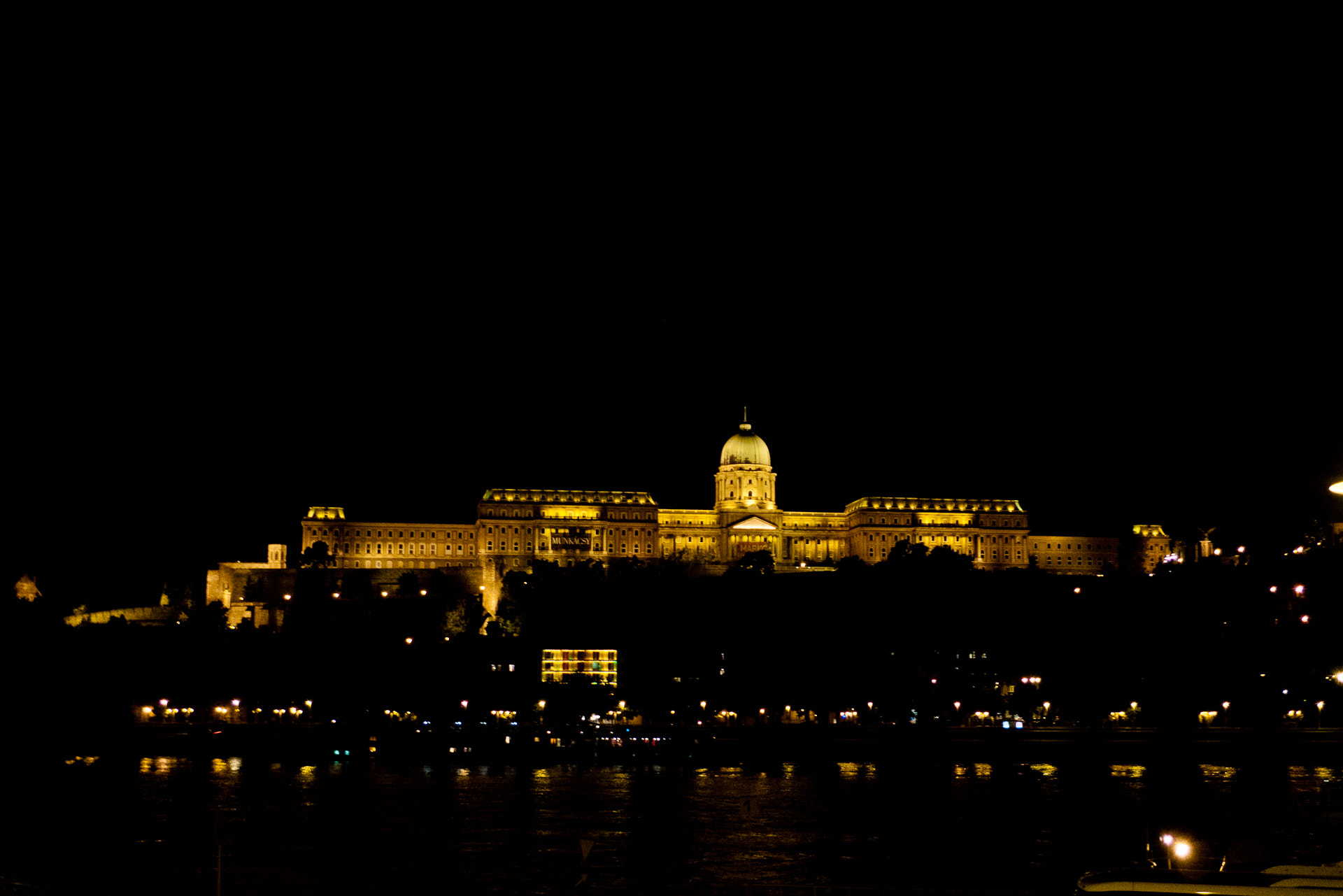
The setting of Buda Castle is one of its greatest glories. Rising on its hill above the western bank of the Danube, the palace commands sweeping views over the river and the city, and is itself one of the defining features of the Budapest skyline. Its long facade and central dome, floodlit at night, present an unforgettable image, mirrored in the waters of the great river below.
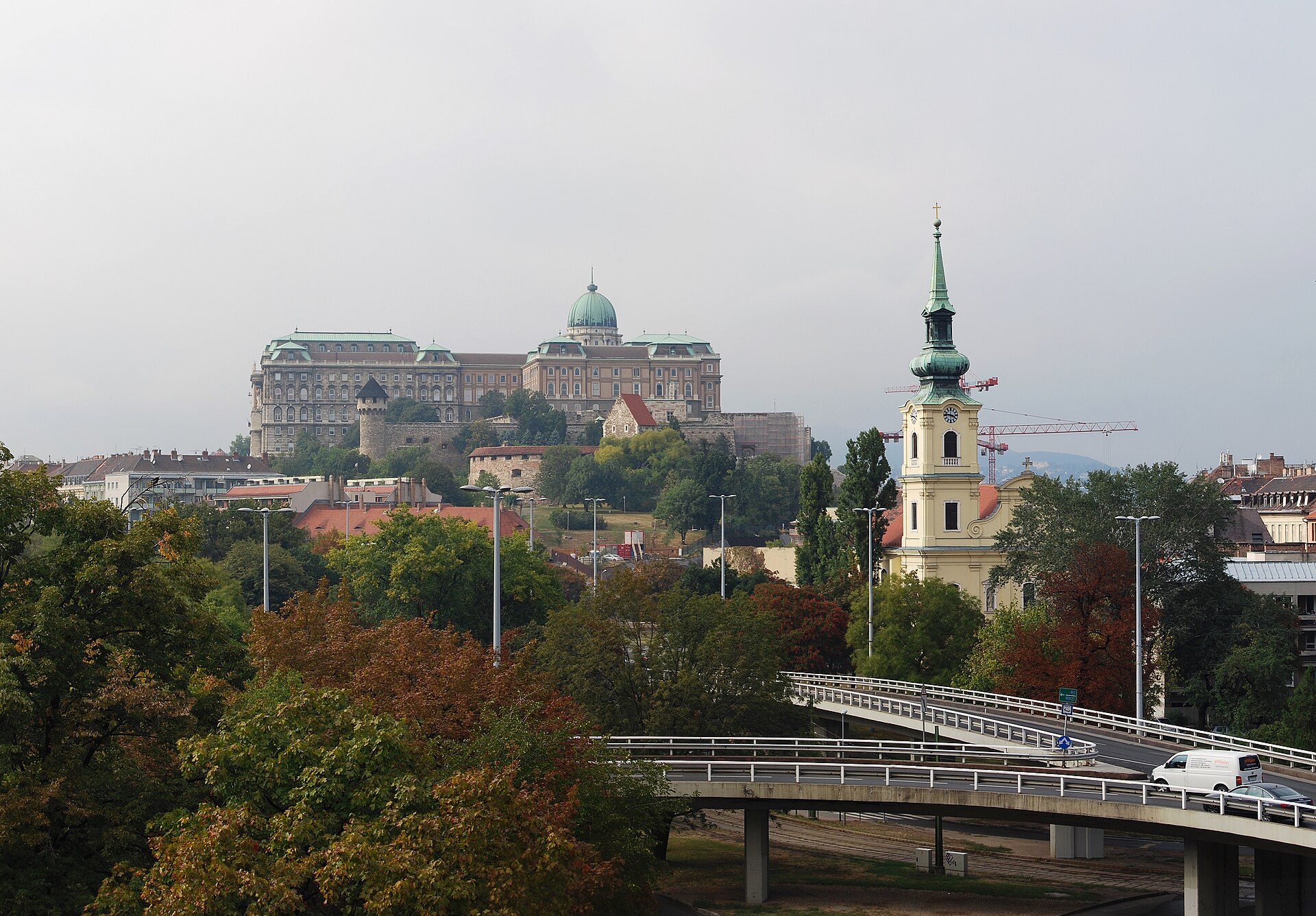
The castle stands at the southern end of Castle Hill, a long ridge that carries not only the royal palace but a whole historic district of streets, churches, and old houses. This concentration of monuments, gathered above the river and behind ancient walls, makes the hill one of the most remarkable historic ensembles in Europe, with the palace as its crowning element.
Together with the grand buildings on the opposite bank in Pest, the castle forms part of a panorama of extraordinary beauty, a cityscape divided and united by the Danube and studded with domes, spires, and bridges. This magnificent setting, recognised as a site of universal value, gives Buda Castle a presence and a fame that extend far beyond Hungary, making it one of the great sights of the continent.
There are few grander ways to first encounter a capital than to see Buda Castle rising above the Danube, its long floodlit facade doubled in the dark water. The image has become inseparable from Budapest itself, appearing on countless photographs and postcards, and it captures at a glance why the city is so often counted among the most beautiful in Europe, its two banks joined and adorned by the great river.
Standing on the terraces of the castle and looking out across the river, a visitor grasps at once why this hill was chosen as a seat of power a thousand years ago. The commanding view over the Danube and the plains beyond made it both a stronghold and a stage, a place from which to rule and to be seen ruling, and that dual role has shaped the castle throughout its long and dramatic history.
The Medieval Seat of Kings
A royal residence has stood on Castle Hill since the medieval period, when Hungarian kings established a fortress and palace on this defensible height above the Danube. From these beginnings the castle grew into the principal seat of the Hungarian crown, a stronghold and residence from which the kings ruled their realm in the heart of Central Europe.
Through the medieval centuries the castle was enlarged and strengthened, becoming a formidable fortress and a royal residence of growing splendour. As the kingdom of Hungary rose to become a major power in the region, its royal seat on Castle Hill grew to match, acquiring towers, halls, and defences appropriate to the capital of an important realm.
This medieval castle was the setting for the reigns of Hungary’s kings during the age of the nation’s greatest strength and independence, before the catastrophes that would later engulf it. Though little of the medieval palace survives above ground today, its foundations and remnants, preserved and displayed, testify to the long history of the hill as the seat of Hungarian royal power.
The choice of this defensible height above the Danube was a natural one for a medieval seat of power, offering both security and command over the river below. From these strategic beginnings the castle grew steadily in importance, and its position at the heart of the Hungarian realm made it the natural focus of royal ambition and, in time, of the nation’s history through all its many chapters.
The remnants of the medieval castle that survive beneath the later palace, preserved and open to visitors, offer a moving glimpse of these deep origins. To descend among them is to touch the earliest layers of the castle’s history, the foundations upon which every later palace was raised, and to sense the sheer antiquity of the hill as a seat of Hungarian power.
The Renaissance Golden Age
The greatest age of the medieval castle came under one of Hungary’s most celebrated kings, a Renaissance ruler of learning and ambition who transformed his royal seat into one of the most brilliant courts in Europe. Under his rule the castle became a centre of Renaissance culture, filled with art, books, and scholars drawn from across the continent, rivalling the great courts of Italy.
This king was a renowned patron of the arts and learning, and he assembled one of the most famous libraries of the age, a collection of magnificent illuminated manuscripts that was among the wonders of Renaissance Europe. His court attracted humanists, artists, and craftsmen, and his palace on Castle Hill became a beacon of the new learning and art spreading northward from Italy.
This golden age represented the high point of Hungarian royal splendour and cultural achievement. The king made his court a model of Renaissance magnificence, and his reign is remembered as a time of greatness and glory. Though the treasures of his court were later scattered and destroyed, the memory of this brilliant age still shines in the history of the castle and the nation.
The famous library assembled during this golden age was renowned throughout Europe for the splendour of its illuminated manuscripts, and its dispersal in the catastrophes that followed was a loss keenly felt to this day. Yet the memory of that brilliant court endures as a symbol of what Hungary achieved at the height of its powers, a Renaissance flowering to rival any in Europe, presided over from this very hill.
To imagine the castle in its Renaissance heyday, filled with scholars and artists and adorned with the treasures of a golden library, is to glimpse a Hungary at the very summit of its power and culture. That so much of this splendour was later lost makes the memory all the more poignant, and it lends the castle an air of vanished greatness that deepens the impression it makes on those who know its story.
Sieges, Ruin, and Rebuilding
The history of Buda Castle is, above all, a history of destruction and rebuilding. The glory of the Renaissance court was followed by catastrophe, as Hungary fell under foreign occupation and the castle was captured, damaged, and neglected. The magnificent palace of the golden age was reduced to ruin, its treasures lost, its splendour extinguished.
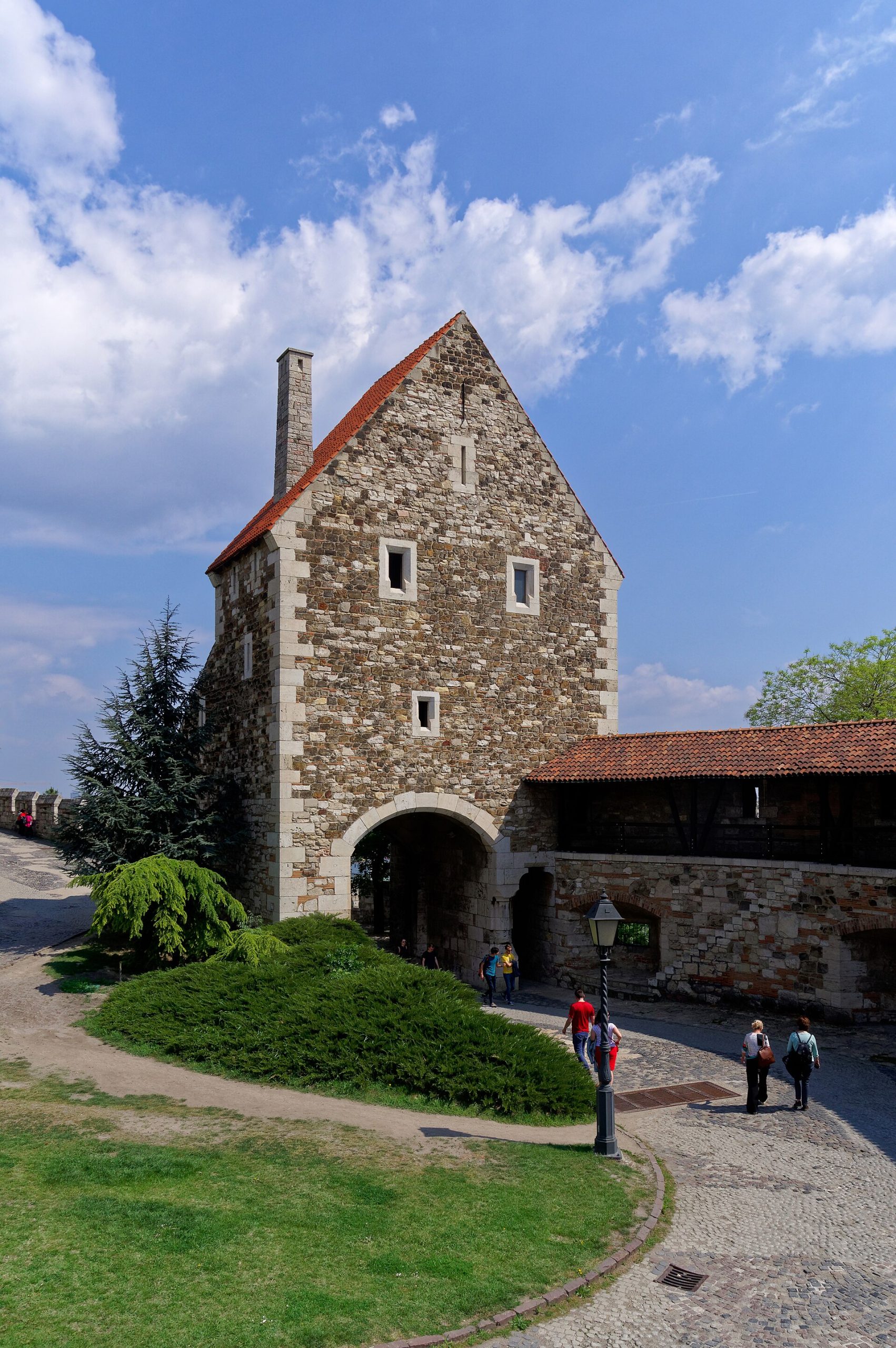
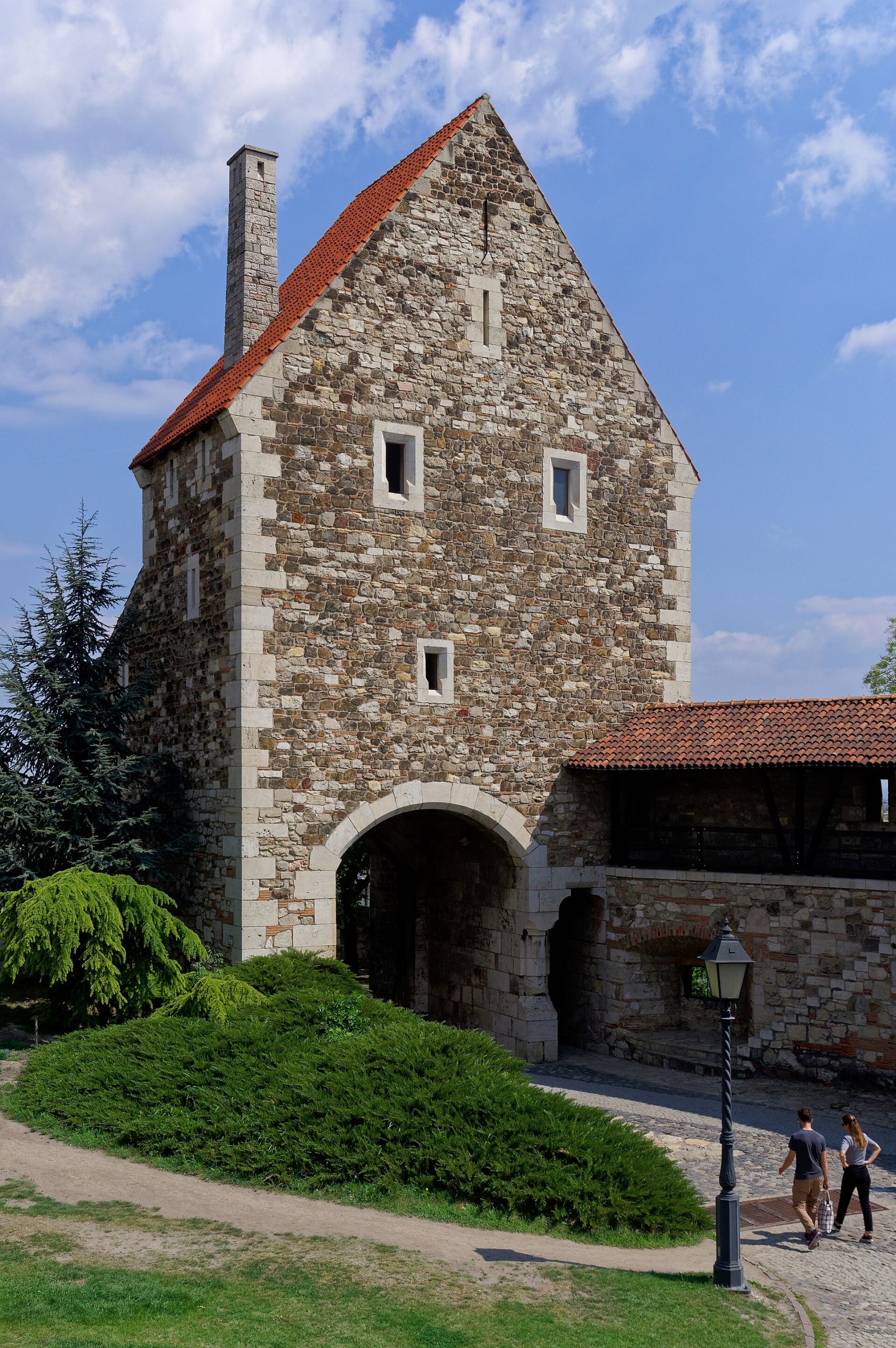
When the occupiers were eventually driven out, the reconquest itself brought further devastation, as the castle was besieged and largely destroyed in the fighting. The medieval and Renaissance palace was left in ruins, and a new palace had to be built from the ground up, this time in the baroque style of the age, under the rule of a new dynasty.
This pattern of destruction and rebuilding would repeat itself through the centuries. Time and again the castle was damaged or destroyed by war and siege, and time and again it was rebuilt, each time in the style of its era. The palace that stands today is thus the latest in a long succession, a monument to the resilience of a nation that has repeatedly seen its royal seat reduced to rubble and repeatedly raised it up again.
The sheer number of times the castle was destroyed and rebuilt is astonishing, and it makes Buda Castle almost unique among the great palaces of Europe. Where others have endured largely intact, this one has been repeatedly reduced to ruin and repeatedly raised again, so that its very fabric is a record of catastrophe and renewal, of a nation refusing to let its royal seat be lost.
The Baroque and Imperial Palace
After the destruction of the medieval castle, a grand new palace was built in the baroque style, and over the following centuries it was enlarged and magnificently rebuilt, especially under the Habsburg monarchy that ruled Hungary as part of its empire. The result was one of the largest and most imposing palaces in Central Europe, a fitting seat for the crown of Hungary within the Habsburg realm.
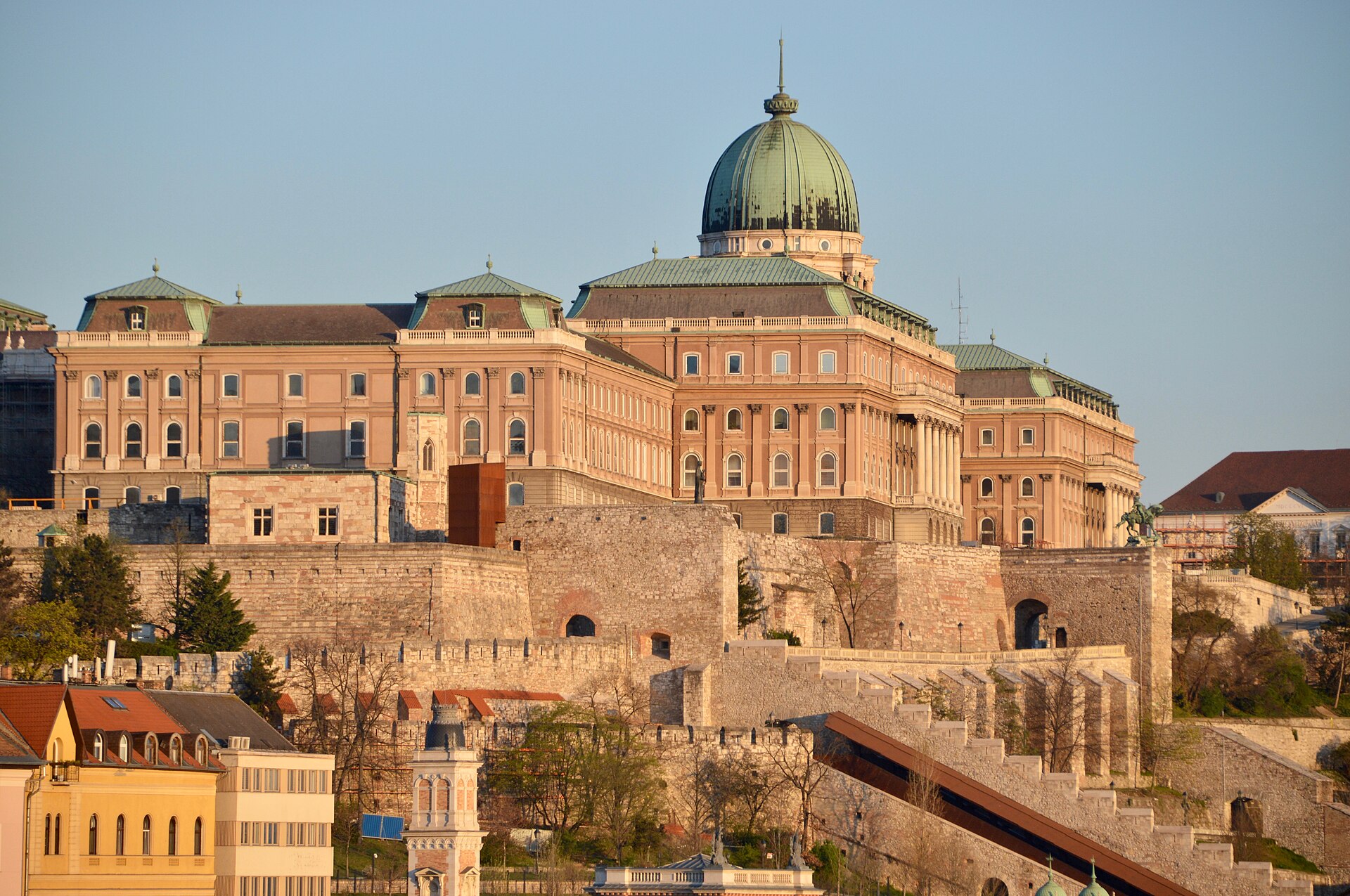
The great baroque and later palace that took shape on Castle Hill was a vast and splendid complex, its long facades, grand halls, and central dome expressing the power and dignity of the monarchy. Successive rebuildings enlarged and enriched it, culminating in a palace of enormous scale and grandeur that dominated the hill and the city below.
This imperial palace was the Hungarian residence of the Habsburg rulers and the setting for the ceremonies of the crown in the age of the dual monarchy, when Hungary shared a sovereign with its imperial partner. It embodied the ambitions and the grandeur of that era, and its scale and splendour reflected the importance of Hungary and its capital within the empire.
The vast scale of the palace that emerged from these rebuildings reflected the importance Hungary held within the wider empire, and the ambitions of the dynasty that ruled it. Enlarged and enriched over generations, the palace grew into one of the most imposing in Central Europe, its long facades and central dome asserting the dignity of the Hungarian crown even within the framework of imperial rule.
Devastation and Resurrection
The twentieth century brought the castle’s greatest catastrophe. During the terrible siege of the city in the Second World War, Castle Hill was the scene of ferocious fighting, and the royal palace was almost completely destroyed, reduced once more to a shattered ruin. The magnificent imperial palace lay in devastation, its interiors gutted, its treasures lost or scattered.
Yet once again the castle rose from the ruins. In the decades after the war, the palace was rebuilt, though in a somewhat altered form, its exterior restored to grandeur while its interiors were adapted for new uses. The reconstruction was a massive undertaking, and it testified once more to the determination of the nation to preserve and restore its historic royal seat.
During the postwar rebuilding, archaeologists uncovered the remains of the medieval and Renaissance palace that lay beneath the later structures, bringing to light the buried history of the hill. These discoveries, preserved and displayed, added a new dimension to the castle, linking the modern reconstruction to the deep medieval past and revealing the many layers of its long and turbulent history.
The near-total destruction of the palace in the fighting of the Second World War was a catastrophe on the scale of the greatest disasters in its long history. That the castle was once again rebuilt from such devastation speaks powerfully to the determination of the Hungarian nation, for whom the loss of their royal seat was unthinkable, and its restoration a matter of national honour and identity.
The archaeological discoveries made during the postwar rebuilding turned catastrophe into opportunity, for the destruction of the later palace allowed the buried medieval and Renaissance remains to be uncovered and studied. In this way the greatest disaster in the castle’s history also yielded new knowledge of its deepest past, and the medieval foundations brought to light now form one of the most fascinating parts of a visit.
Treasures Within the Walls
Today the great palace of Buda Castle houses some of Hungary’s most important cultural institutions, so that a building that was once the seat of kings now serves as a treasure house of the nation’s art and history. Its vast halls and galleries are filled with collections that tell the story of Hungary and preserve its artistic heritage.
Among the institutions housed in the palace is the national gallery, home to a magnificent collection of Hungarian art spanning many centuries, from medieval altarpieces to modern masterpieces. Here the artistic achievement of the nation is gathered and displayed within the walls of its ancient royal seat, a fitting union of history and art.
The palace also houses a museum devoted to the history of the city and the castle itself, where the archaeological remains of the medieval palace, uncovered during the postwar rebuilding, are preserved and displayed. Through these collections, a visit to Buda Castle becomes an immersion in the whole history and culture of Hungary, from its medieval kings to its modern artists.
The transformation of the palace into a home for the nation’s art and history is a fitting modern chapter in its long story. A building raised as the seat of kings now serves the whole people, its halls open to all who wish to explore the artistic and historical heritage of Hungary, so that the ancient royal residence continues to serve the nation in a new and democratic guise.
The Castle District
Buda Castle is only the southern anchor of a much larger historic quarter, the Castle District, that occupies the whole of Castle Hill. This district, with its cobbled streets, old houses, churches, and monuments, is one of the most atmospheric and beautiful historic areas in Europe, a preserved medieval and baroque townscape gathered on the heights above the Danube.
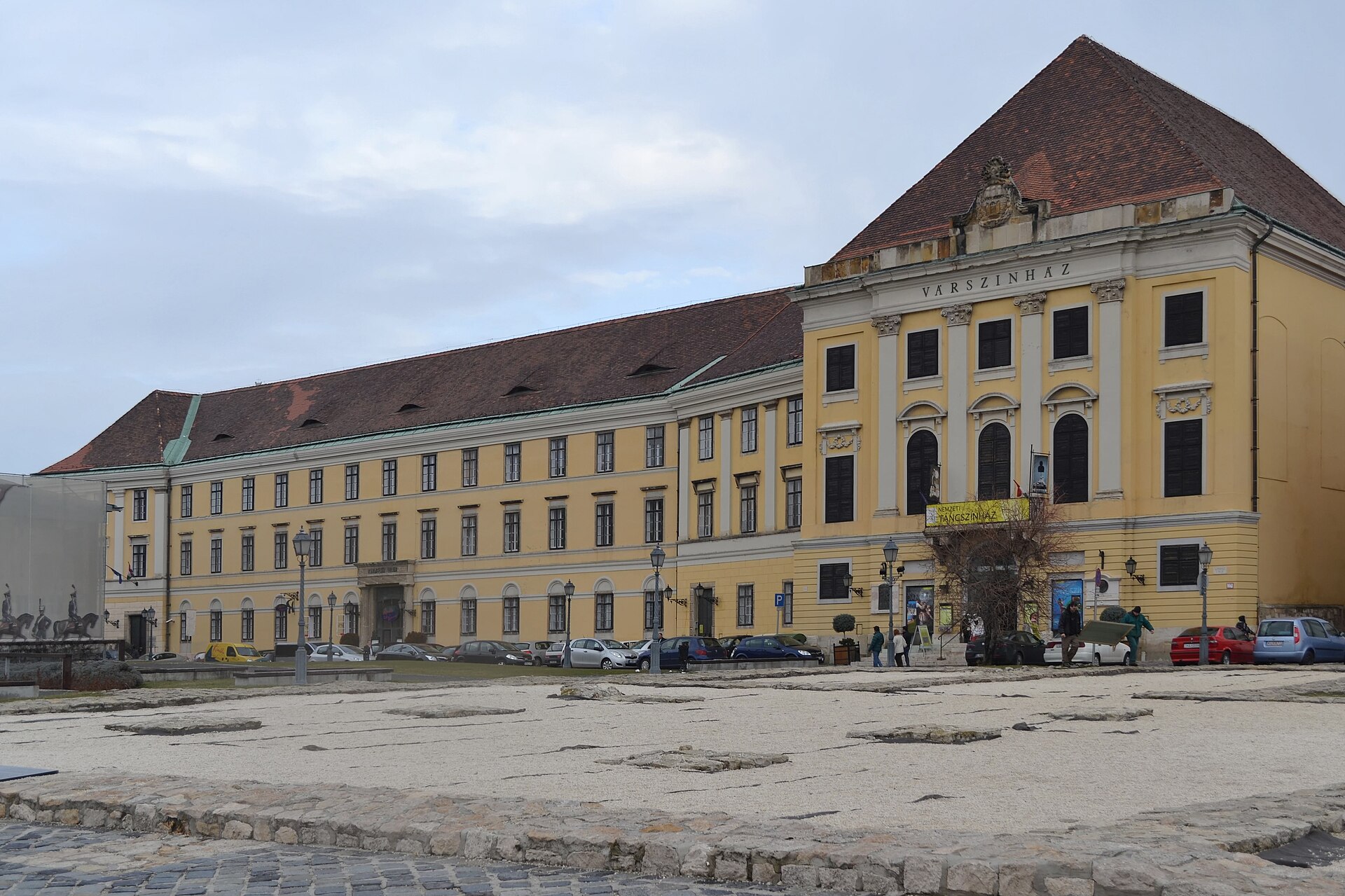
At the heart of the district stands a great church, long associated with the coronations and ceremonies of Hungarian kings, its richly decorated interior and distinctive tiled roof making it one of the landmarks of the city. Nearby rises a famous bastion, a fanciful structure of towers and terraces that offers some of the finest panoramic views over the river and Pest beyond.
Wandering the streets of the Castle District, a visitor discovers a wealth of history and beauty at every turn, from medieval house fronts to baroque palaces, from quiet squares to sweeping viewpoints. The district, with the royal palace at its tip, forms a complete and harmonious historic ensemble, one of the great treasures of Budapest and a highlight of any visit to the city.
The famous bastion, with its fairy-tale towers and sweeping terraces, has become one of the most beloved viewpoints in all of Budapest, drawing visitors to gaze out over the river and the grand buildings of Pest. Together with the great coronation church nearby, it makes the Castle District a destination in its own right, quite apart from the royal palace at the hill’s southern tip.
To wander the Castle District in the early morning or evening, when the crowds have thinned, is to step into a preserved world of cobbled streets and old facades, quiet and atmospheric above the bustling city below. This sense of a historic townscape held intact on its hilltop is among the great pleasures of Budapest, and it makes the whole of Castle Hill, not just the palace, a destination to be savoured.
Symbols and Legends of the Hill
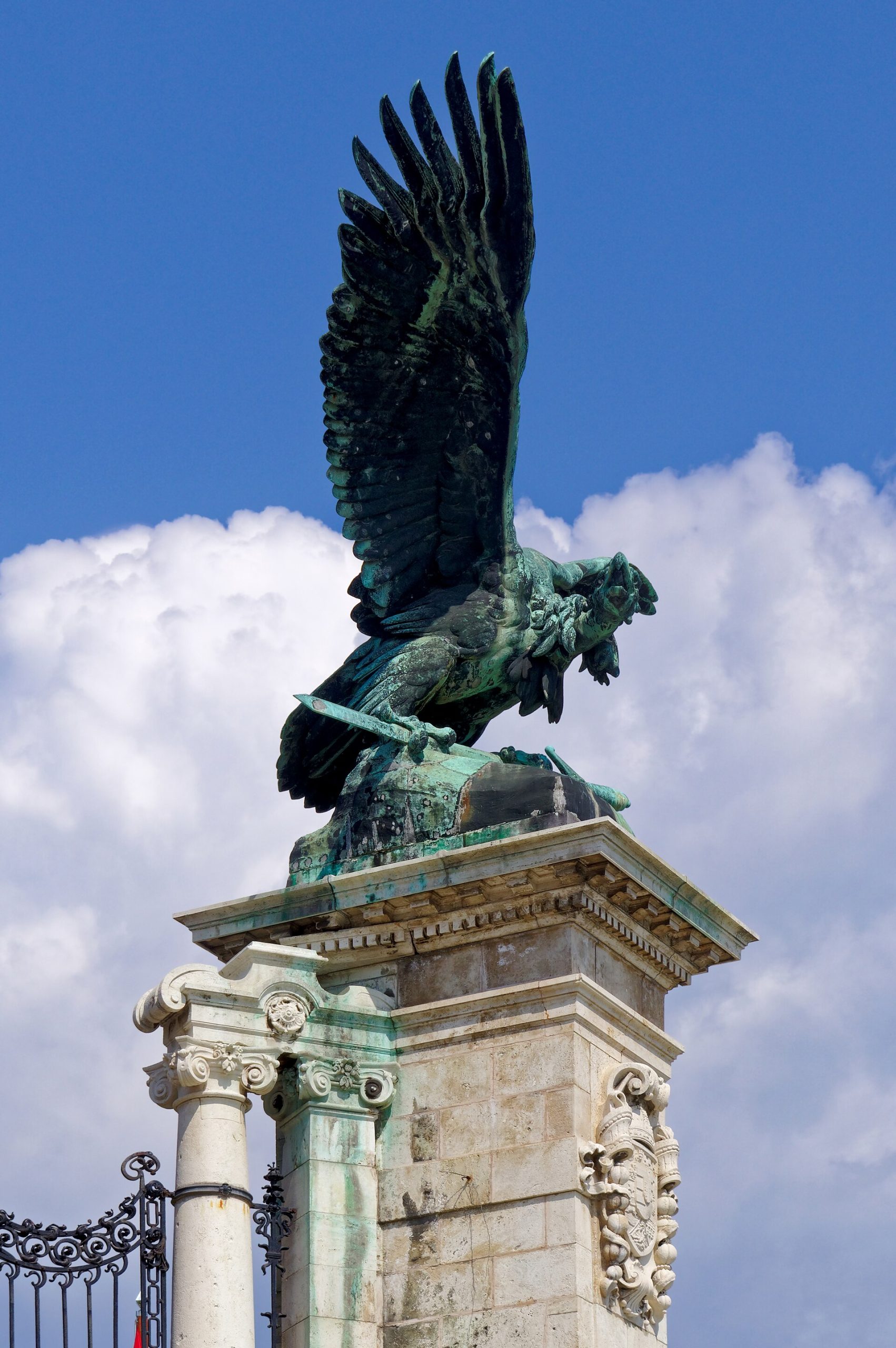
The castle and its hill are rich in symbols and legends that connect them to the deep roots of the Hungarian nation. Guarding the palace stands the figure of a great mythical bird, a creature from the ancient legends of the Hungarian people, said to have led their ancestors to their homeland. This powerful national symbol presides over the castle, linking it to the origins of the nation itself.
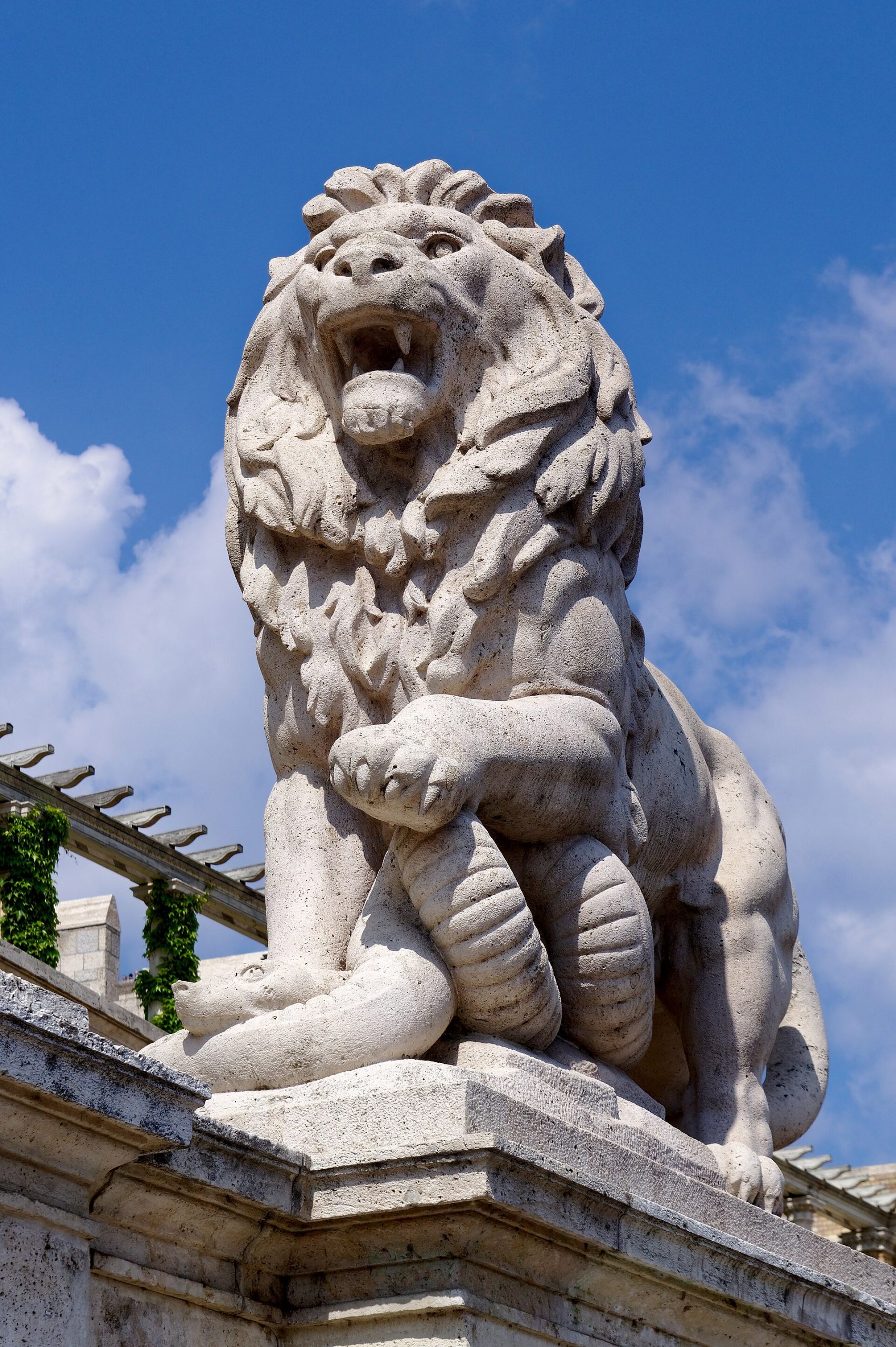
Such symbols give the castle a significance that goes beyond its royal and architectural history, tying it to the myths and identity of the Hungarian people. The hill has always been more than a seat of power; it has been a place where the nation’s sense of itself is expressed and affirmed, gathered around the ancient royal residence and its monuments.
These legends and symbols, woven into the fabric of the castle, remind the visitor that Buda Castle is not merely a palace but a national shrine, a place saturated with the history and mythology of Hungary. To encounter them is to understand the depth of feeling the castle inspires, and the central place it holds in the imagination and identity of the nation.
The great mythical bird that guards the palace connects the castle to the very origins of the Hungarian people, according to their ancient legends. Such symbols give the hill a resonance that reaches far beyond its royal history, tying it to the deepest layers of national myth and making Buda Castle a place where the identity of the nation is expressed in stone and legend alike.
The Castle and the River City
Buda Castle is inseparable from the great river and the city it presides over. The Danube divides Budapest into its two historic halves, hilly Buda on the west bank and flat Pest on the east, and the castle crowns the Buda side, looking across the water to the grand parliament and boulevards of Pest. The river and the two banks together form one of the most beautiful urban landscapes in the world.
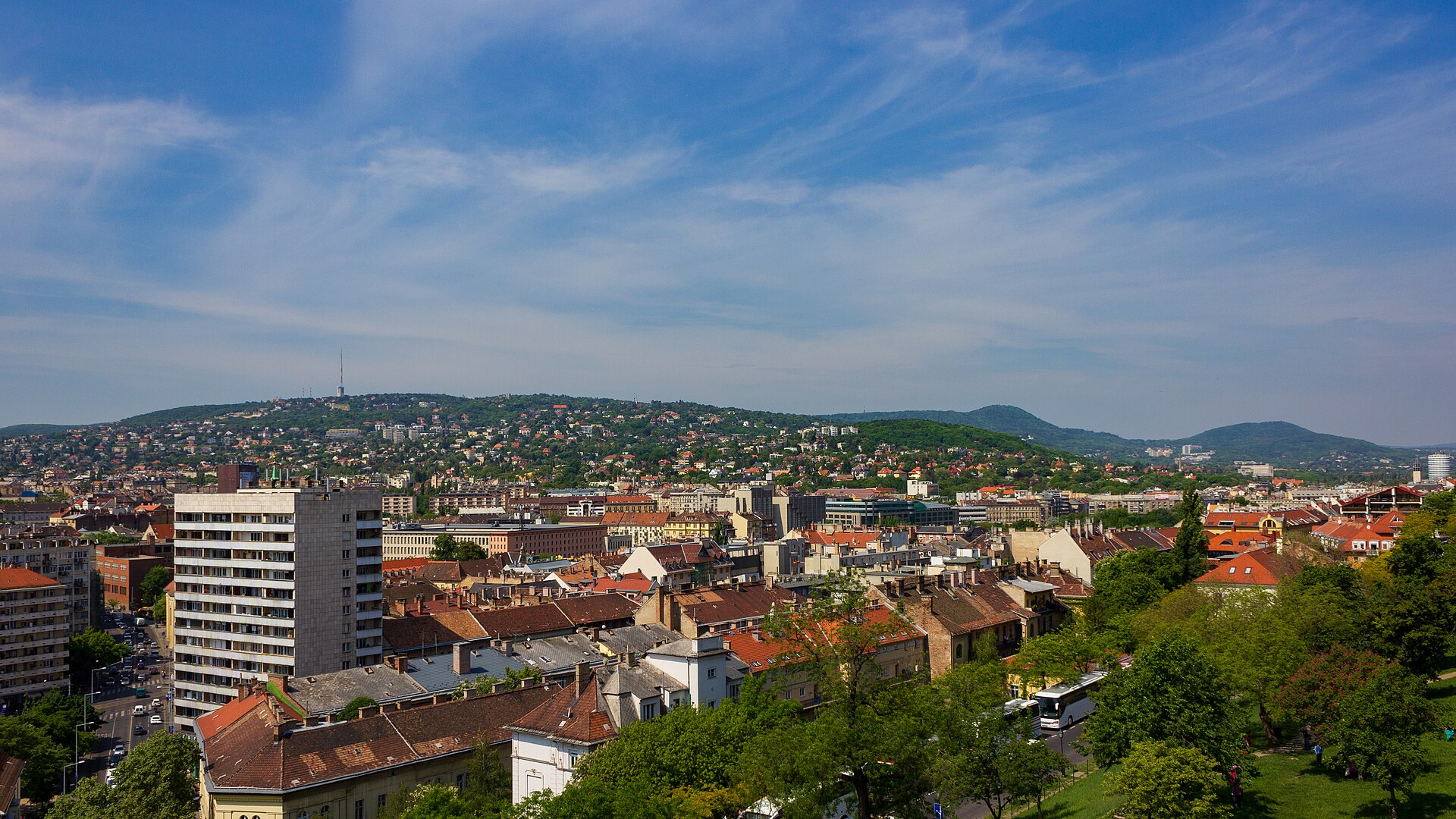
The relationship between the castle and the river has shaped the city and its history. The hill provided a natural stronghold above the Danube, a place of defence and rule, while the river carried the trade and traffic that made the city prosper. The bridges that now link the two banks, spanning the river below the castle, complete a panorama of exceptional grandeur and beauty.
This magnificent riverside setting, with the castle rising above the Danube and the city spread along both banks, is recognised as part of the world’s shared heritage. To see the castle from the river, or from the opposite bank, especially when it is illuminated at night, is to behold one of the great sights of Europe, an image that has come to symbolise Budapest itself.
The panorama of the castle and the two banks of the city, joined by their bridges across the Danube, is so beautiful that it has been recognised as part of the shared heritage of humanity. To behold it, especially in the golden light of evening or when the buildings are illuminated at night, is to understand why Budapest is so often called one of the most beautiful cities in the world.
The bridges that span the Danube below the castle, linking Buda and Pest, are landmarks in their own right, and they complete the great riverside panorama. Seen together, the castle on its hill, the river with its bridges, and the grand buildings of Pest form a composition of such harmony and beauty that it ranks among the finest urban vistas anywhere, a fitting setting for so storied a royal seat.
A Symbol of the Hungarian Nation
Through all its destructions and resurrections, Buda Castle has remained a powerful symbol of the Hungarian nation and its endurance. The repeated ruin and rebuilding of the castle mirror the turbulent history of Hungary itself, a nation that has known conquest, occupation, and catastrophe, and has repeatedly risen again, refusing to be extinguished.
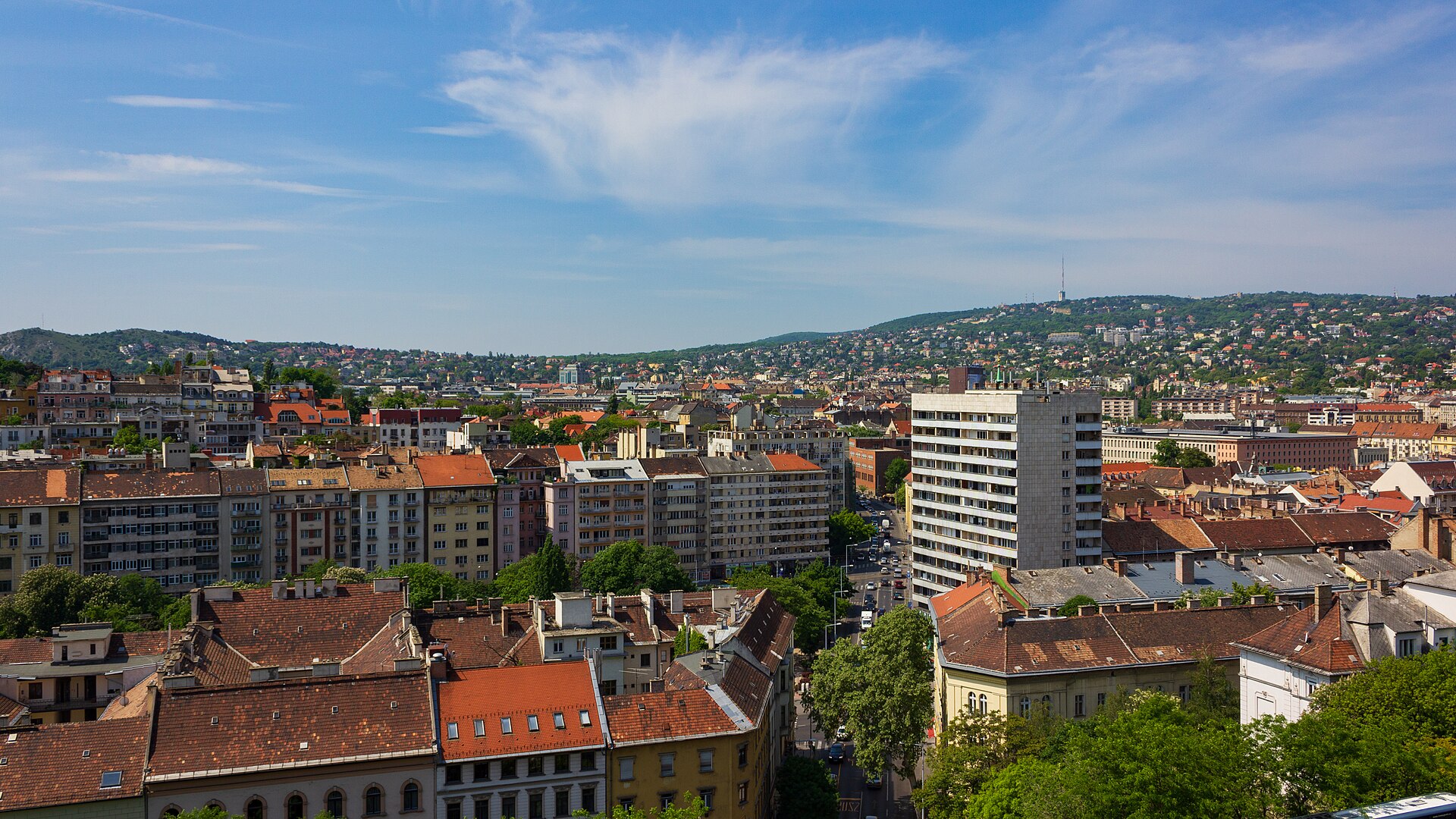
The castle’s survival through so many disasters has made it an emblem of national resilience and continuity. Each time it was destroyed, the nation rebuilt it, insisting on the preservation of its ancient royal seat as a symbol of Hungarian identity and sovereignty. The palace that stands today is thus a monument not only to the kings who built it but to the persistence of the nation across the centuries.
For Hungarians, Buda Castle is far more than a historic building; it is a symbol of their history, their identity, and their endurance. Crowning the hill above the Danube, it embodies the long and dramatic story of the nation, and it stands as a proud reminder that Hungary, like its royal seat, has weathered every storm and endured.
The story of Buda Castle, destroyed and rebuilt again and again, is in a real sense the story of Hungary itself, a nation that has endured conquest and catastrophe and has always risen again. For Hungarians, the castle is not merely a monument but a mirror of their own history and character, a symbol of the resilience and endurance that have carried the nation through its many trials.
In this way the castle serves as a kind of national autobiography written in stone, its scars and its restorations recording the whole arc of Hungarian history. No Hungarian can look upon it without being reminded of the trials the nation has endured and the resilience it has shown, and this is why the castle occupies so central a place in the country’s sense of itself.
Terraces, Gardens, and the Castle Bazaar
Around and below the great palace spread terraces, gardens, and ornamental structures that soften its massive architecture and open up its magnificent views. On the slopes toward the river lies a restored complex of gardens and pavilions, an elegant ensemble of terraces, staircases, and ornamental buildings that descends toward the Danube, offering a graceful transition between the palace above and the river below.
These gardens and terraces, laid out to adorn the approach to the palace, provide some of the loveliest spaces in the whole castle, places to stroll and to admire the sweeping prospect over the river and the city. Their restoration has recovered a graceful element of the castle’s setting, and they now form a popular and beautiful part of any visit to the hill.
From the terraces and viewpoints of the castle, visitors enjoy panoramas of exceptional beauty over the Danube, the bridges, and the grand buildings of Pest beyond. These views are among the greatest rewards of a visit, and the gardens and terraces that frame them make the setting of Buda Castle one of the most delightful and scenic of any royal residence in Europe.
The ornamental structures that adorn the slopes, with their staircases, balustrades, and pavilions, add richness and elegance to the castle’s riverside face. Together with the gardens, they complete the picture of a palace not only grand in itself but magnificently set, its architecture and its landscape combining to create one of the most beautiful royal ensembles on the continent.
The restoration of the riverside gardens and pavilions recovered a graceful dimension of the castle that had long been neglected, and it has given visitors a beautiful new way to approach and enjoy the palace. Descending through these terraces toward the Danube, one experiences the castle not as a remote fortress but as a place of elegance and pleasure, magnificently set above the great river.
In the warmer months the terraces and gardens come alive with visitors drawn by both the beauty of the setting and the spectacular views, and the castle takes on the air of a place of pleasure as well as history. This blend of grandeur and enjoyment, of monumental architecture and graceful landscape, is part of what makes a visit to Buda Castle so memorable and so rewarding.
Buda Castle Today
Today Buda Castle is one of the most popular and beloved destinations in Budapest, drawing visitors to explore its palace, museums, and the surrounding Castle District, and to take in the incomparable views over the Danube and the city. As both a great historical monument and a centre of art and culture, it offers an experience of rich variety and beauty.
A visit to the castle can encompass the collections of the national gallery and the city museum, the archaeological remains of the medieval palace, the surrounding streets and monuments of the Castle District, and the sweeping panoramas from the terraces and bastions. Reached by a historic funicular or a climb up the hill, the castle rewards visitors with a wealth of history and some of the finest views in Europe.
To experience Buda Castle is to encounter the whole dramatic history of Hungary in one magnificent place, a royal seat destroyed and rebuilt through centuries of triumph and catastrophe, crowning its hill above the great river. It stands today, restored and proud, as the historic heart of Budapest and an enduring symbol of the Hungarian nation, and as one of the most spectacular royal sites in all of Europe.
For the modern visitor, Buda Castle offers a rare combination of history, art, and beauty, all set in one of the most spectacular locations of any royal palace in Europe. Whether one comes for the museums, the architecture, the history, or simply the incomparable views, the castle rarely fails to impress, and it stands high among the essential experiences of a visit to the Hungarian capital.
Many visitors find that a single visit is not enough to take in all that Buda Castle and its hill have to offer, and return again to explore further. Between the museums, the district, the gardens, and the views, there is a wealth of experience gathered on this one hilltop, and the castle sustains repeated exploration as few monuments can, revealing new depths of history and beauty at each encounter.
Palaces Nearby
Buda Castle is one of the great royal seats of Central Europe, and its story is echoed by the castles that crown the neighbouring capitals of the region. Two more of these royal seats make natural companions to a visit here, each guarding the history of its own nation.
- Wawel – the royal hill at the heart of Poland, in Krakow.
- Prague Castle – a thousand years of power above the Vltava in Prague.
You May Like
Cardiff Castle: Two Thousand Years and a Gothic Dream


One thought on “Buda Castle: The Resilient Crown of Budapest”