In the old spice-trading quarter of Kochi, amid narrow streets once walked by Portuguese, Dutch and Arab merchants, stands a modest-looking palace that holds some of the finest mural paintings in India. Mattancherry Palace, better known as the Dutch Palace, was built for the Rajas of Cochin and later renovated by the Dutch, and within its unassuming walls lies a treasury of Kerala art and royal history.
You come to the Dutch Palace to meet the meeting of worlds that shaped Kochi, a place where European traders, local kings and the rich artistic traditions of Kerala all left their mark. Behind its plain facade, the palace unfolds as a sequence of halls adorned with glowing murals and filled with the relics of the Cochin royal house.
In this guide you will get to know Mattancherry Palace beyond its quiet exterior. We will trace its origins between the Portuguese and the Dutch, explore its celebrated murals and royal collections, understand its traditional Kerala architecture, and see why this palace remains one of the great cultural treasures of Kochi. By the end you will understand why it rewards every visitor who steps inside.
In This Article
- Arriving at the Dutch Palace
- Between the Portuguese and the Dutch
- The Rajas of Cochin
- The Magnificent Murals
- The Kerala School of Painting
- The Coronation Hall and Royal Rooms
- Portraits, Palanquins and Regalia
- Traditional Kerala Architecture
- The Sacred Courtyard
- A Palace of the Spice Port
- Preserving the Painted Walls
- A Closer Look on Film
- Mattancherry Palace Today
Arriving at the Dutch Palace
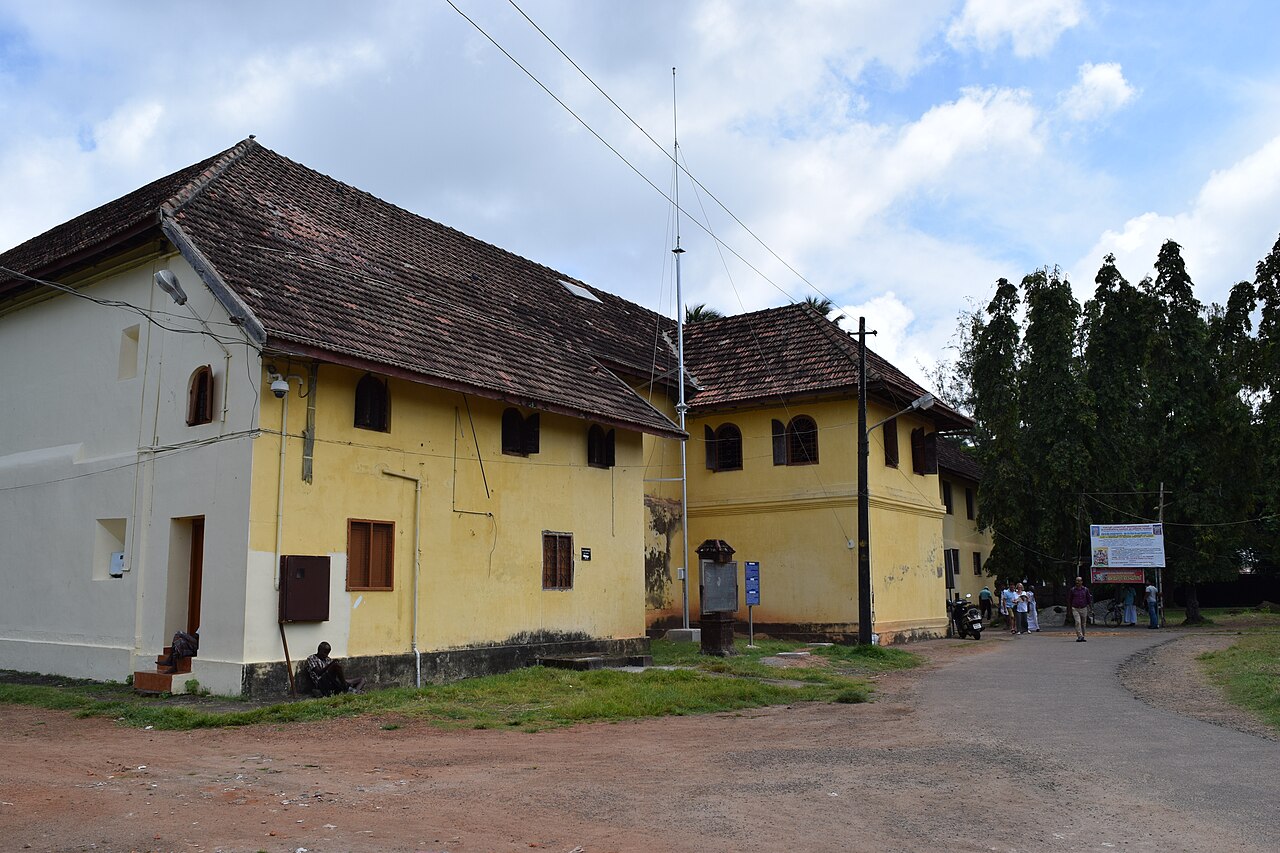
Your first impression of Mattancherry Palace is deceptively modest. From the street it appears as a plain, whitewashed building in the traditional Kerala style, giving little hint of the artistic treasures within. It is only inside that the palace reveals its true splendor.
The palace stands in the heart of the historic Mattancherry quarter of Kochi, surrounded by the old streets, shops and buildings of a once-great trading port. Its unassuming exterior reflects the understated character of Kerala architecture.
As a museum and heritage site, the palace welcomes visitors who come to admire its famous murals and royal collections. Stepping through its doors, you pass from the plain exterior into a world of glowing color and rich history.
Take a moment to appreciate the setting before going in. The palace’s modest facade is part of its charm, a quiet shell concealing one of the great artistic treasures of India.
The contrast between the plain exterior and the glowing interior is one of the great surprises the palace holds.
First-time visitors are often astonished to find such artistic richness behind so modest a facade.
It is a place that rewards those who come ready to look closely and to linger over its details.
The modest scale of the palace means it can be explored at a gentle, unhurried pace.
Yet within that compact space lies more artistic treasure than many far grander buildings can claim.
The quiet approach through the old quarter heightens the sense of discovery that awaits inside.
It is a palace that teaches the value of looking beyond appearances, rewarding the curious with hidden splendor.
In the end, the modest doorway opens onto one of the richest artistic experiences in all of India.
Set among the shops and spice stores of the old quarter, the palace blends quietly into its historic surroundings.
Between the Portuguese and the Dutch

The history of Mattancherry Palace is bound up with the European powers that came to Kochi in search of spices. The palace was originally built by the Portuguese and presented to the Raja of Cochin, a gift that sealed an alliance in the age of the spice trade.
Later, when the Dutch supplanted the Portuguese in Kochi, they renovated and extended the palace, and it is from them that it takes its popular name, the Dutch Palace. The building thus carries the imprint of successive European powers.
Yet despite these European connections, the palace was always the home of the Cochin kings, and its art and architecture are deeply rooted in the traditions of Kerala. It is a building where European and Indian histories meet.
Understanding this layered origin enriches a visit. The Dutch Palace is a monument to the age when Kochi stood at the crossroads of world trade, shaped by the meeting of East and West.
The palace thus bears witness to the shifting fortunes of the European powers who competed for the spice trade.
Through all these changes, it remained the ceremonial home of the Cochin kings.
The very name Dutch Palace captures the layered European history that the building quietly embodies.
The gift of the palace was a calculated act of diplomacy in an age of fierce competition for the spice trade.
Each European power that held sway in Kochi left its subtle mark on the building and its story.
Yet the soul of the palace remained always and unmistakably that of Kerala.
To trace its history is to follow the rise and fall of empires along the Malabar coast.
The building’s survival through these changing hands is a small miracle of continuity.
It remains a vivid witness to the age when Europe came to the Malabar coast in search of spice.
Its story is, in miniature, the story of the whole Malabar coast in the age of the spice trade.
The Rajas of Cochin

Mattancherry Palace was the ceremonial home of the Rajas of Cochin, the royal house that ruled this part of Kerala. The palace served as a setting for their coronations and important ceremonies, and it preserves the memory of the dynasty across the centuries.
The Cochin rulers presided over a kingdom made wealthy by the spice trade and shaped by long contact with the wider world. Their court blended local tradition with the influences that flowed through their great port.
The palace reflects the standing and the refined culture of this royal house. Though modest in scale, it was the ceremonial heart of the kingdom, rich in art and meaning.
Keeping this dynasty in mind transforms a visit. The Dutch Palace is not merely a building but the ceremonial seat of a proud royal house, the Rajas of Cochin.
The dynasty’s long history of trade and diplomacy gave its court a cosmopolitan outlook.
The palace preserves the memory of this distinguished and enduring royal house.
To understand the palace is to understand this cultured dynasty and the cosmopolitan port it ruled.
The palace stands as the most eloquent monument to the heritage of the Cochin kings.
Their blend of tradition and worldliness is written across its walls and collections.
Their enlightened patronage of art and culture is nowhere more vividly expressed than in this palace.
In the palace, the long and distinguished story of the Cochin dynasty finds its most beautiful expression.
The palace remains the most eloquent memorial to a dynasty that valued art, faith and learning.
The Magnificent Murals

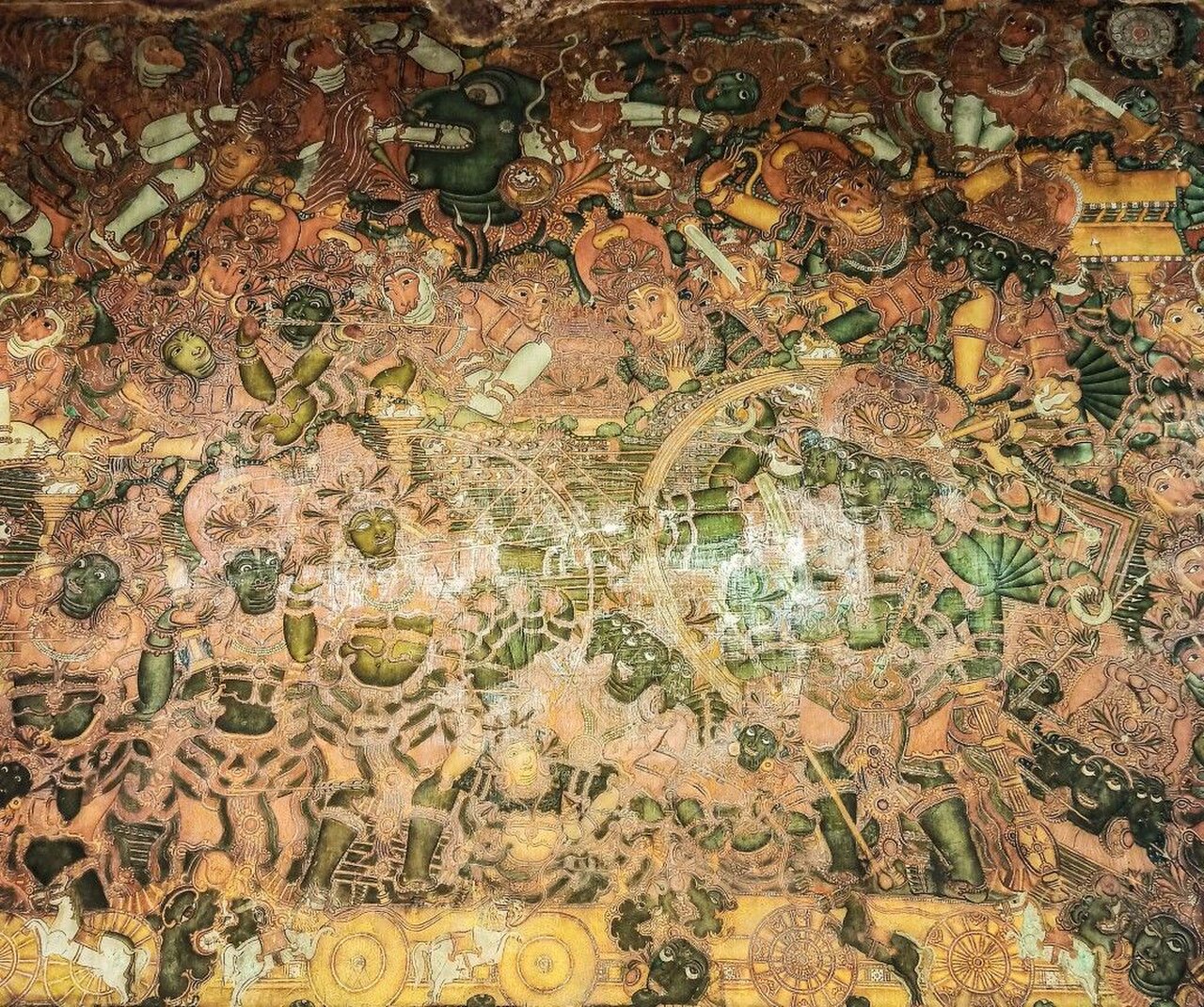
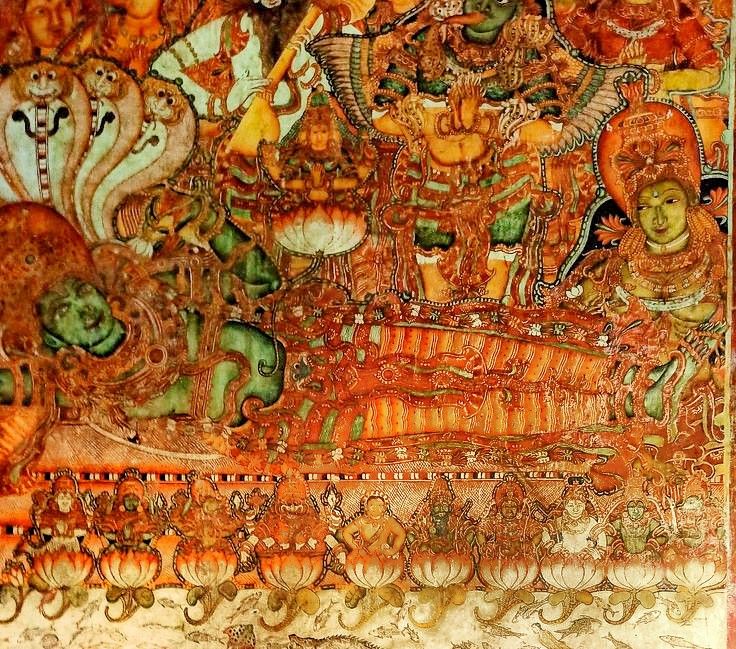
The greatest glory of Mattancherry Palace is its murals, among the finest examples of traditional Kerala painting in existence. Covering the walls of several rooms, these glowing paintings depict scenes from the great Hindu epics and Puranas in rich, vibrant color.
The murals illustrate episodes from the Ramayana, the life of Krishna and other sacred stories, rendered with the distinctive style, color and detail of the Kerala school of painting. They are a masterpiece of Indian religious art.
To stand before these murals is to be surrounded by a world of gods, heroes and legends, brought to life in extraordinary detail. The richness and intensity of the paintings astonish every visitor.
For many, the murals alone justify a visit to the Dutch Palace. They are among the supreme achievements of Kerala art, a treasure of national importance preserved within these walls.
The detail is extraordinary, every surface alive with figures, color and incident.
Scholars regard them as among the most important murals in all of India.
Visitors often find themselves lingering far longer than they expected, drawn into the detail of the paintings.
No reproduction can convey the impact of standing surrounded by these walls of glowing color.
They are, quite simply, among the artistic wonders of India.
The paintings cover the walls of several chambers, immersing the visitor in a world of myth and legend.
Episodes unfold across the walls like a great illustrated scripture, rich in color and devotion.
It is an experience of total immersion in the sacred art of the region.
For many, the murals are the single most memorable sight in all of Kochi.
The paintings reward slow, patient looking, revealing new figures and stories at every glance.
They stand among the crowning achievements of Indian mural art.
The themes range from epic battles to tender domestic scenes, the whole sweep of sacred story.
To take them in fully requires time, patience and a willingness to be amazed.
Few experiences in Indian travel are as quietly overwhelming as a slow circuit of these painted rooms.
In the end, it is the murals that define Mattancherry, and that draw visitors back again and again.
They are a reminder that Kerala’s artistic achievements rank among the greatest the subcontinent has produced.
No visitor leaves unmoved by their beauty and devotion.
They remain the beating heart of the palace, the reason travelers seek it out from across the world.
To stand among them is to feel the full devotional and artistic power of the Kerala tradition.
And so, behind its plain white walls, Mattancherry guards a world of color and legend unmatched in the region.
The finest of the paintings depict the Ramayana across a continuous sweep of walls, a visual retelling of the epic unmatched in its completeness.
Photography is restricted to protect them, so the murals must be carried away only in memory, which makes the encounter all the more precious.
The Kerala School of Painting
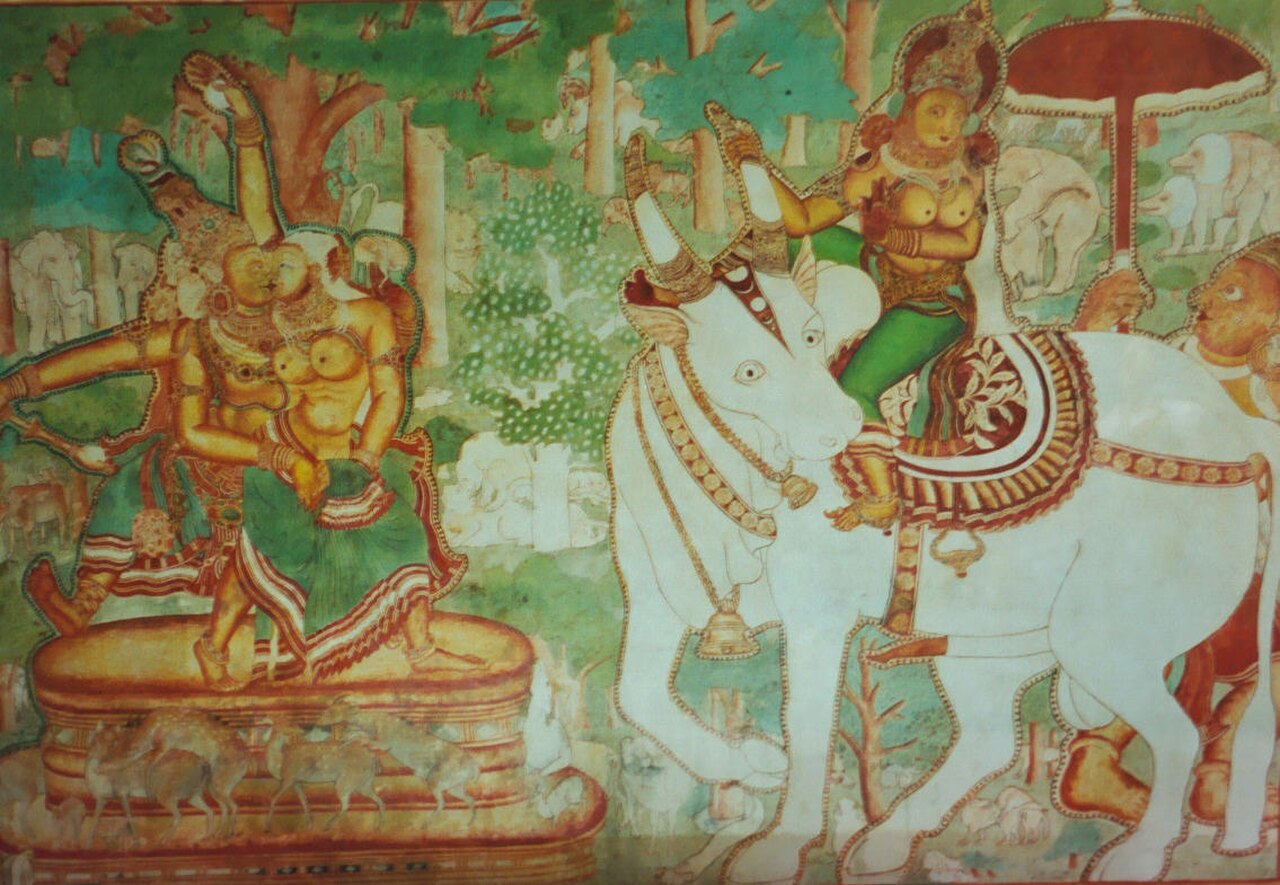
The murals of Mattancherry are among the finest surviving examples of the Kerala school of mural painting, a distinctive tradition with its own conventions of color, form and composition. They offer a rare and precious glimpse into this remarkable art.
The Kerala style is characterized by rich, warm colors, bold outlines and densely detailed compositions, drawing on natural pigments and age-old techniques. At Mattancherry, this tradition is displayed at its very best.
These murals are studied and admired by art historians as key examples of the style, illuminating the religious and artistic culture of Kerala. They are a treasure for scholars as well as visitors.
Appreciating this artistic tradition enriches a visit. The Dutch Palace is not only a royal residence but a gallery of one of India’s great schools of painting, preserved in its original setting.
The natural pigments used lend the paintings a warm, glowing quality that has endured for centuries.
Few places offer so complete and well-preserved an example of the Kerala school.
For lovers of Indian art, the murals of Mattancherry are an essential pilgrimage.
The conventions of the style, from the treatment of figures to the use of color, are displayed here in full maturity.
Studying the murals offers a masterclass in one of India’s great artistic traditions.
In their mastery of color and composition, the Mattancherry murals embody the Kerala school at its finest.
The survival of so complete a scheme of murals is extraordinarily rare and precious.
The murals are often cited alongside the finest temple paintings of the region as supreme examples of the tradition.
Their preservation offers scholars a rare and complete window into the art.
For the student of Indian art, a visit here is an education and an inspiration in equal measure.
Together they form one of the most important bodies of mural art to survive anywhere in India.
The Coronation Hall and Royal Rooms
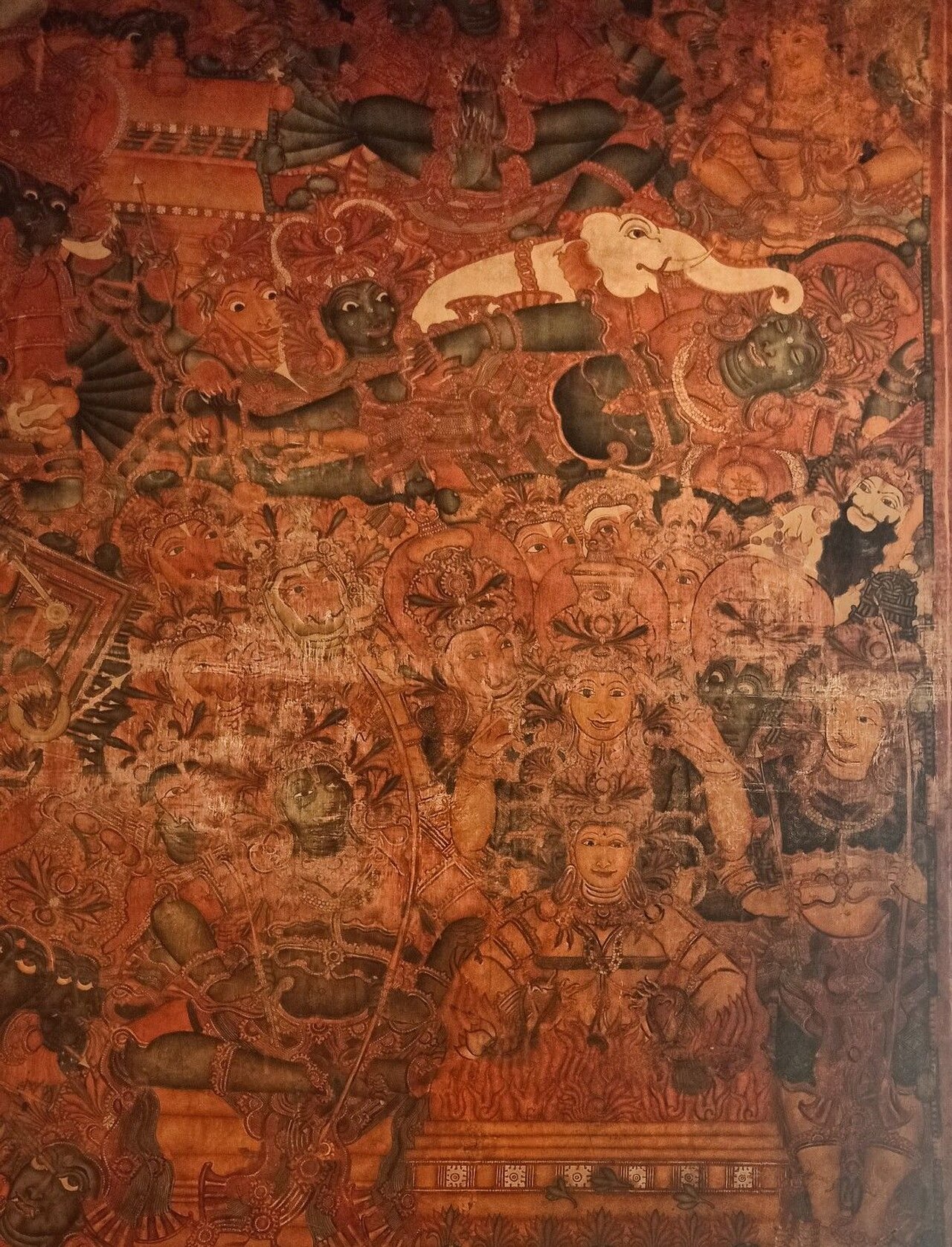
At the ceremonial heart of the palace is the coronation hall, where the Rajas of Cochin were enthroned. This important space, along with the other royal rooms, preserves the ceremonial character of the palace and the dignity of the dynasty.
The halls and chambers are arranged in the traditional Kerala manner, with the famous murals adorning their walls. They were the setting for the most important occasions in the life of the kingdom.
Among the rooms are spaces that once served for ceremony, residence and display, each contributing to the palace’s role as the ceremonial seat of the Cochin kings. Together they form a complete royal establishment in miniature.
Take time to explore these rooms, for they are the heart of the palace. Here the ceremonial life of the Cochin dynasty comes vividly to life, framed by the glowing murals.
The hall’s murals form a fitting backdrop to the ceremonies of enthronement once held here.
To stand within it is to sense the ceremonial grandeur of the Cochin court.
The room remains the ceremonial heart of the palace, rich with history and meaning.
Visitors often find this the most atmospheric space in the whole palace.
Here, beneath the painted walls, the ceremonial soul of the kingdom still seems present.
The ceremonies once held here bound the dynasty to the sacred traditions of the land.
It is easy, standing here, to imagine the solemn ceremonies that once unfolded beneath the painted walls.
The room stands as a dignified reminder of the ceremonial life of the Cochin kings.
It was here that the authority of each new Raja was solemnly conferred, in a ritual rich with tradition.
Portraits, Palanquins and Regalia

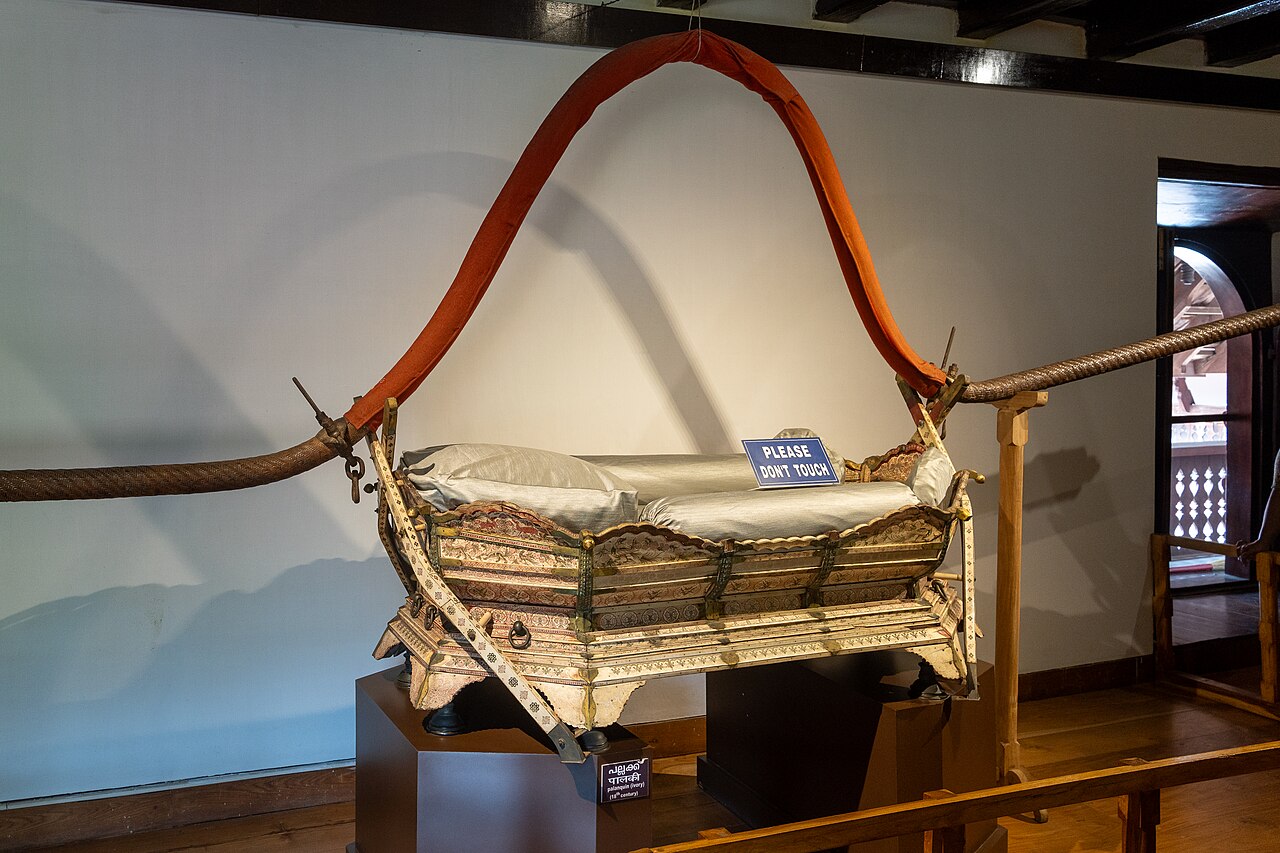
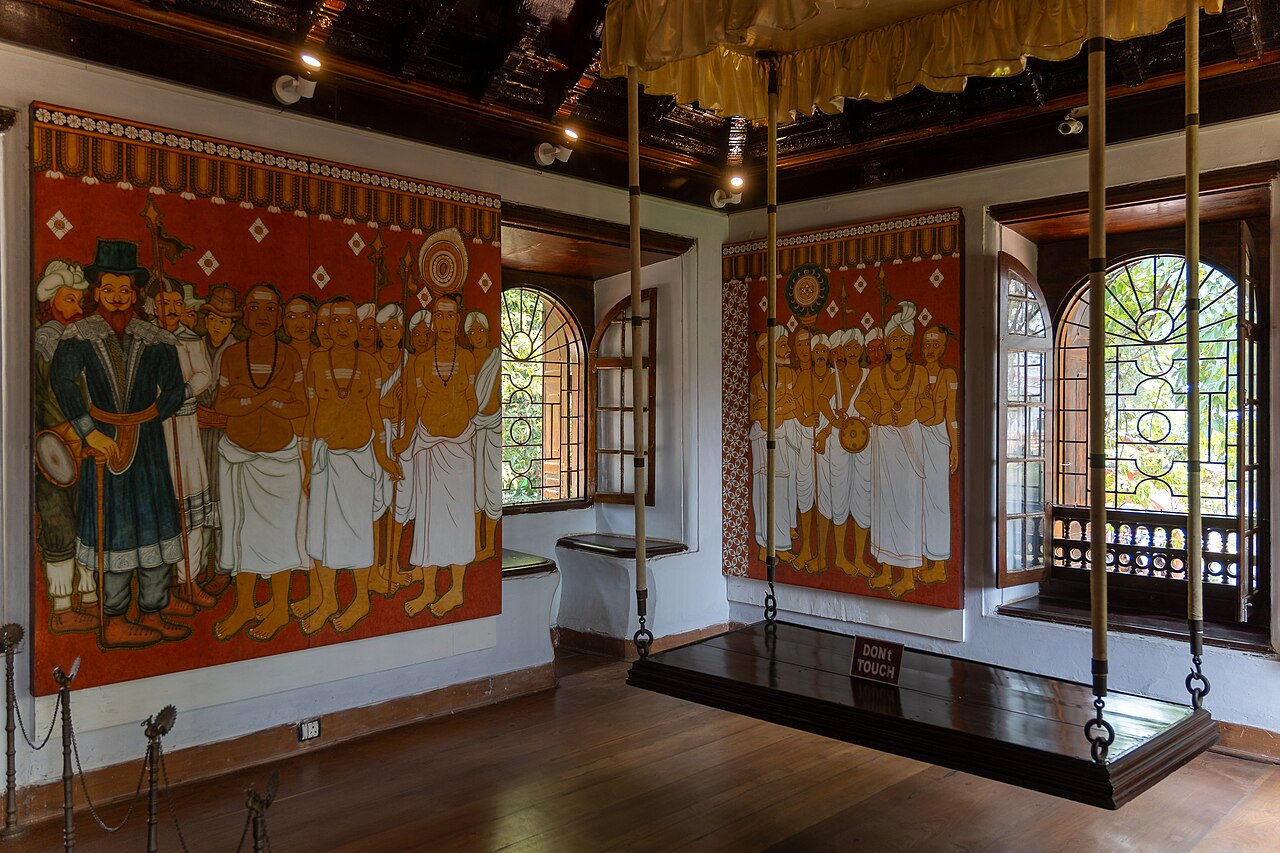
Beyond its murals, Mattancherry Palace houses a rich collection of royal relics and treasures. Portraits of the Rajas of Cochin, ceremonial palanquins, weapons, costumes and regalia together tell the story of the dynasty and its world.
The portraits offer a vivid gallery of the Cochin rulers across the generations, while the palanquins and regalia recall the ceremony and splendor of the royal court. Each object brings the history of the palace to life.
These collections make the palace a museum of the Cochin royal house, preserving the material heritage of the dynasty. They reward careful exploration, offering insights into courtly life.
For the visitor, the collections complement the murals, together making the Dutch Palace a treasure house of both art and royal history.
The portraits in particular offer a vivid sense of the personalities of the Cochin rulers across the ages.
Costumes and ceremonial objects recall the pageantry of the royal court.
Together, the collections deepen the visitor’s understanding of the dynasty and its world.
For the visitor, lingering over these objects is the surest way to feel the presence of the Cochin kings.
The palanquins and ceremonial objects evoke the processions and rituals of the Cochin court.
Weapons and regalia speak of the authority and dignity of the royal house.
Together, the portraits and regalia transform the palace into a living record of a proud dynasty.
The collections offer a human counterpoint to the grandeur of the murals, bringing the dynasty close.
Each object adds another thread to the rich tapestry of the dynasty’s history.
Among them, the royal portraits offer an especially vivid connection to the rulers of the past.
Ceremonial swords, howdahs and robes recall the pageantry that once filled the halls on great occasions.
Traditional Kerala Architecture
The architecture of Mattancherry Palace is a fine example of the traditional Kerala style, built in the quadrangular nalukettu form around a central courtyard. Sloping tiled roofs, cool interiors and a harmonious layout reflect the building traditions of the region.
At the heart of the palace lies a courtyard with a temple, a characteristic feature of the Kerala style that unites the royal and the sacred. The layout reflects both practical needs and deep cultural traditions.
Though the palace carries the European name of its Dutch renovators, its architecture is thoroughly rooted in Kerala. It is a building that belongs utterly to its region, whatever its foreign associations.
Exploring the palace, you appreciate the distinctive beauty of the Kerala style, perfectly suited to the climate and culture of the coast. Mattancherry is one of its most celebrated royal examples.
The nalukettu plan, with its central courtyard, is a hallmark of traditional Kerala houses, here raised to royal scale.
Cool, shaded interiors protect against the heat, while the courtyard brings in light and air.
It is architecture perfectly attuned to the climate and culture of the coast.
In its harmony of form and function, the palace exemplifies the genius of Kerala’s builders.
The sloping roofs and inner courtyard mark it unmistakably as a building of Kerala.
Its design reflects centuries of accumulated wisdom about living gracefully in a hot, wet climate.
It is a building, above all, that belongs utterly to its region, whatever its European name.
To walk its cool, shaded halls is to understand the gentle wisdom of Kerala’s building traditions.
The harmony of the building with its climate and culture is a quiet lesson in the wisdom of tradition.
The building remains a textbook example of the traditional palace architecture of the region.
The thick walls and shaded verandas keep the interiors cool even in the heat of the coastal afternoon.
The Sacred Courtyard

At the center of Mattancherry Palace lies a courtyard containing a temple dedicated to a protective deity, a feature characteristic of the traditional Kerala palace. This sacred space binds the royal residence to the religious life of the region.
The presence of the temple at the heart of the palace reflects the deep devotion of the Cochin rulers and the integration of the sacred into royal life. It is an essential part of the building’s character.
The courtyard and temple also contribute to the architectural harmony of the palace, providing light, air and a spiritual focus at its core. They embody the union of the royal and the divine.
For the visitor, the sacred courtyard adds a further dimension to the palace, revealing the religious devotion that underpinned the life of the Cochin court.
The temple remains a place of quiet devotion at the heart of the palace.
Its presence reflects the deep religious traditions of the Cochin royal house.
The sacred core of the palace lends the whole building a sense of quiet devotion.
In the quiet of the courtyard, the union of the royal and the sacred is beautifully expressed.
The courtyard brings a sense of serenity to the heart of the palace, a quiet center amid the richness around it.
The sacred heart of the palace lends the whole building a gentle, reflective atmosphere.
A Palace of the Spice Port
Mattancherry Palace is inseparable from Kochi, one of the great spice ports of the world. The palace stands in the historic trading quarter, amid the warehouses, streets and buildings that recall the days when Kochi drew merchants from across the globe.
The spice trade that enriched the Cochin kingdom brought Portuguese, Dutch, Arab, Chinese and Jewish traders to the port, creating a uniquely cosmopolitan city. The palace reflects this rich meeting of cultures.
Around the palace, the old quarter preserves traces of this history, from ancient synagogues to colonial buildings and spice markets. Mattancherry is a jewel within this remarkable historic landscape.
For the visitor, this setting enriches a visit. The Dutch Palace is best understood as part of the cosmopolitan world of old Kochi, shaped by the spice trade that drew the world to its shores.
The old quarter around the palace remains one of the most atmospheric and historic parts of Kochi.
Its blend of cultures, faiths and traditions is unmatched in India.
A visit to the palace pairs naturally with an exploration of the historic streets and markets of Mattancherry.
The spice trade made Kochi one of the most cosmopolitan cities in the world, and the palace reflects that openness.
Few ports have drawn together so many peoples and faiths as old Kochi.
In the end, the palace and the port belong together, each illuminating the other’s story.
The warehouses and streets nearby still carry the scent of the spices that made the city famous.
The cosmopolitan spirit of old Kochi lingers in every corner of the historic quarter around the palace.
To explore the palace and its quarter together is to understand the true character of old Kochi.
It is a fitting jewel for a city that was once among the great crossroads of the trading world.
Jewish, Christian, Muslim and Hindu communities all left their mark on the quarter, making it a living museum of coexistence.
Preserving the Painted Walls
The survival of Mattancherry’s murals across the centuries is a story of careful preservation. Fragile works painted in natural pigments on the walls of the palace, they have required constant care to protect them from the ravages of time and the humid coastal climate.
The murals have been studied, documented and conserved by experts dedicated to safeguarding this precious heritage. Their efforts have kept the glowing colors and intricate details alive for new generations to admire.
Protecting such delicate works in a tropical climate is no small task, demanding specialized knowledge and continuous vigilance. The ongoing conservation of the murals reflects their immense cultural value.
By preserving and displaying the murals, the custodians of the palace allow visitors to experience one of the supreme achievements of Kerala art firsthand. It is a responsibility taken up with real dedication.
For the visitor, the care lavished on the murals is part of what makes a visit so rewarding. These are living treasures, maintained with devotion so that their beauty may endure.
Thanks to this careful stewardship, the murals remain vivid and legible after many centuries.
The dedication shown to the murals ensures they will continue to astonish visitors for generations to come.
Each generation of custodians has added to the long effort to keep these treasures safe.
The murals’ survival is a quiet triumph of dedication over the ravages of time and climate.
It is a reminder that great art survives only through the steady devotion of those who care for it.
Through their dedication, the custodians ensure that the palace’s treasures will endure for generations.
The ongoing care of the murals is itself a moving testament to their value.
The humidity and salt air of the coast make the task especially demanding, and the murals’ survival is all the more remarkable for it.
A Closer Look on Film

To appreciate the full richness of Mattancherry Palace, from its glowing murals to its royal collections, film offers a fine complement to a visit. The short video below helps bring the palace and its treasures to life.
Watching it, you can better sense the detail of the murals, the character of the halls and the atmosphere of old Kochi, details that reward a closer look. It makes an ideal companion to understanding this remarkable palace.
Mattancherry Palace Today
Today Mattancherry Palace endures as one of the great cultural treasures of Kochi, a modest building housing some of the finest murals in India and the relics of the Cochin royal house. Its paintings, halls and collections continue to astonish all who visit.
For travelers, the palace offers a rewarding encounter with the art and history of Kerala and the cosmopolitan world of old Kochi. Its blend of European associations, Kerala architecture and glowing murals creates an experience that lingers in the memory.
There is a lesson in the quiet endurance of the Dutch Palace. It shows how a modest building can hold treasures of the first rank, and how the heritage of a royal house can be preserved for future generations.
When you finally turn to leave, glance back at the plain whitewashed walls that conceal such splendor. You will carry with you the memory of glowing murals, royal portraits and the cosmopolitan world of old Kochi, held within this unassuming palace.
Its enduring popularity is a testament to the power and beauty of the art it preserves.
Long after leaving, travelers find the memory of the glowing murals returning to mind.
For anyone drawn to the art and history of Kerala, the Dutch Palace is an essential destination.
It endures as proof that the artistic heritage of Kerala ranks among the greatest in India.
Whatever route brings you here, the Dutch Palace rewards the journey with an encounter with the artistic soul of Kerala.
It remains a place of pilgrimage for all who love Indian art and history.
In its glowing walls, the artistic genius of Kerala lives on for all who come to see it.
For the traveler ready to look closely, the palace offers one of the richest cultural encounters in the south.
It stands as a graceful reminder that the greatest treasures are often found behind the most modest of doors.
For anyone exploring Kochi, the Dutch Palace is an essential and deeply rewarding stop.
In its glowing halls, the artistic and royal heritage of Kochi is preserved together for the ages.
Whatever brings you to Mattancherry, the palace rewards the visit many times over.
It endures as one of the great cultural treasures not only of Kochi but of all Kerala.
For the traveler willing to seek it out, the Dutch Palace offers one of the most rewarding encounters in the south.
In the end, the Dutch Palace stands as a quiet masterpiece, its modest shell concealing treasures of the first rank.
Few palaces so completely reward the simple act of looking closely and taking one’s time.
To step from the bright street into its mural-covered halls is to cross, in a few paces, into the glowing heart of old Kerala.
View the location on Google Maps
Palaces Nearby
If you are exploring the royal houses of Kerala, these two palaces pair naturally with a visit here:
You May Like
Konopiste the Bohemian Castle of a Doomed Archduke