There are palaces that impress you from the street, and then there is the Yusupov Palace on the Moika, which hides almost everything behind a calm yellow facade and saves its astonishment for the moment you step inside. You walk in expecting a grand house and instead find a private world that a single family built over more than a century, with its own theatre, its own picture galleries, its own Moorish fantasy room, and a basement that would one day become one of the most talked-about rooms in Russian history. If you only judge the building from the embankment, you will badly underestimate it.
The Yusupovs were not just rich; they were rich on a scale that is hard to picture now. They owned estates across the empire, mines, factories, and so much land that the family joke was they could travel from one end of Russia to the other and sleep in their own homes every night. This palace on the Moika River was their St. Petersburg base, and they poured that fortune into it, hiring the best architects and craftsmen of each generation and constantly remodelling, so that walking through it is like walking through two hundred years of changing Russian taste under one roof.
This is the first article in a short set on three imperial-era palaces around St. Petersburg, and it is worth starting here, in the heart of the city, before heading out to the country residences. By the end you will know why visitors come for the gilded halls and the little jewel-box theatre, and why so many of them end up lingering longest in a modest set of basement rooms where, one December night in 1916, the history of the Russian monarchy took a very strange turn.
In This Article
- Arriving at the Yusupov Palace on the Moika
- The Family That Owned More Than Some Kingdoms
- How the Mansion Grew Over Two Centuries
- Grand Staircases and Gilded Halls
- The Private Theatre, a Jewel Box of Rococo
- Picture Galleries and a Collectors Fortune
- The Moorish Room and the Taste for the Exotic
- The Basement Where Rasputin Was Killed
- Ballrooms, Receptions, and a Social Machine
- The Winter Garden and Quieter Corners
- From Private Palace to Public Monument
- A Walk Through the Palace on Film
- Visiting the Yusupov Palace Today
Arriving at the Yusupov Palace on the Moika

Your first view of the palace comes from the Moika embankment, where a long yellow-and-white classical facade runs quietly along the water. There is a central portico with columns, rows of tall windows, and a restrained dignity that could belong to any number of grand St. Petersburg houses. Nothing shouts. If you did not know what was inside, you might walk straight past it, which is exactly the effect the Yusupovs seem to have been happy to leave on the casual passer-by.
That restraint is deliberate and very St. Petersburg. The city was built as an imperial capital where facades were meant to form calm, harmonious streets rather than compete with one another. A noble family showed its wealth not by making the outside loud, but by making the inside unforgettable, something only guests and intimates would ever see. The Yusupov Palace takes this idea to its limit, keeping a composed public face and reserving spectacle for the moment the doors close behind you.
As you step through the entrance, the mood changes almost immediately. The temperature of the light shifts, marble appears underfoot, and the first staircase opens up ahead with a sweep that tells you the quiet outside was a kind of trick. You begin to understand that this was never really one house but a series of worlds stitched together, each room designed to carry you a little further from the ordinary street you just left.
Take a moment here before you start moving through the rooms, because the pacing of the palace matters. It was built for arrivals and entrances, for the slow theatre of being received. The family and their guests would have moved through these spaces in sequence, each room raising the stakes a little, and if you walk it the same way, unhurried and in order, the building rewards you far more than if you rush from highlight to highlight.
The Family That Owned More Than Some Kingdoms

To understand the palace you have to understand the Yusupovs, because the building is really a portrait of them. By the nineteenth century they were among the wealthiest families in the Russian Empire, with a fortune built on vast landholdings, mines, and estates spread across the country. Their riches were so enormous that they were sometimes said to rival or exceed those of the imperial family itself, and stories of their wealth circulated in St. Petersburg society the way stories of film stars circulate now.
The family traced its roots back to Tatar and Muslim nobility before its ancestors entered Russian service and converted, and that unusual background gave them a certain exotic prestige in the Russian court. Over generations they married well, accumulated titles, and served the crown, all while expanding their collections of art, jewels, and property. Each head of the family seemed to inherit both the fortune and the compulsion to spend it on beauty.
What makes the Yusupovs so poignant in hindsight is how the line narrowed. Through a series of early deaths, the immense fortune eventually concentrated on very few heirs, and by the early twentieth century it rested largely on one young man, Felix Yusupov. He grew up in this palace surrounded by more wealth than almost anyone of his age in Europe, a situation that was as much a burden as a blessing and that would push him toward the dramatic act for which he is now mostly remembered.
When you walk the rooms, keep this story of concentration in mind. Everything you see, the galleries, the theatre, the imported marble and the gilded plaster, was financed by a fortune that was flowing toward fewer and fewer people, right up to the moment when revolution would sweep it all away. The palace is both a celebration of that wealth and, unintentionally, a monument to its final chapter.
How the Mansion Grew Over Two Centuries
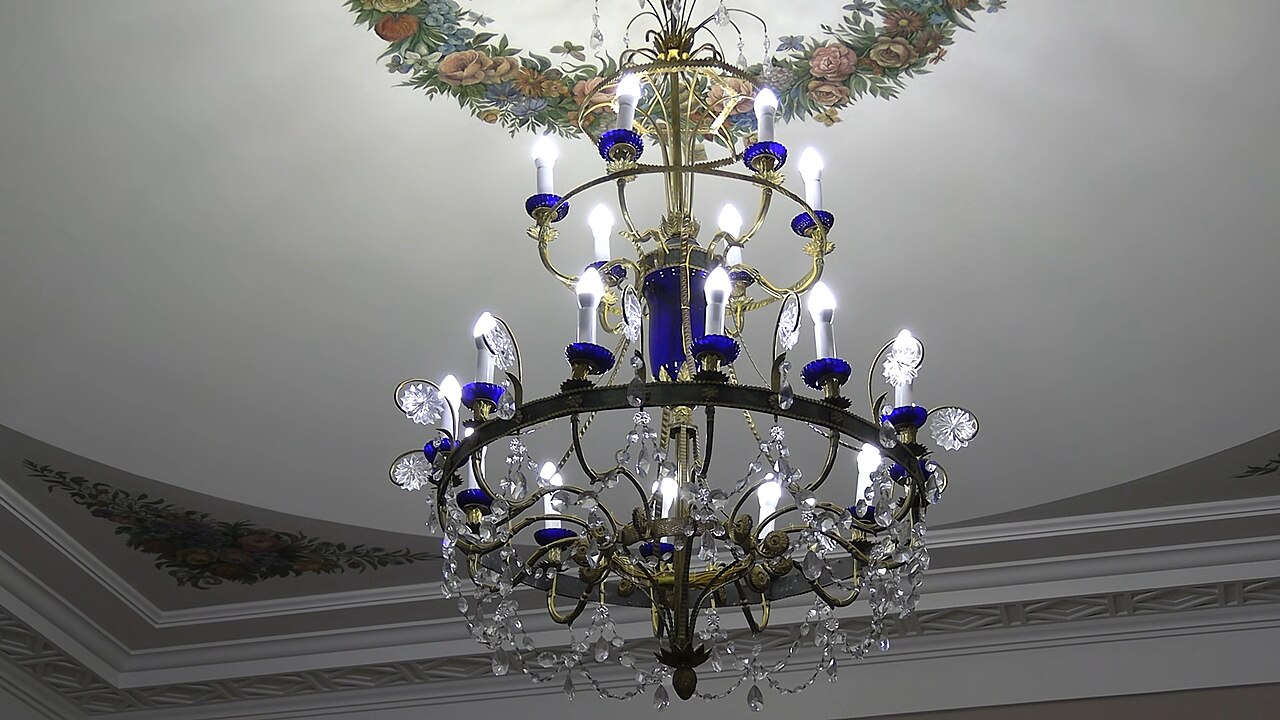
The palace you visit today is not the work of one architect or one moment but the result of continuous rebuilding across roughly two centuries. The site on the Moika passed through several owners in the eighteenth century before the Yusupovs acquired it, and each generation that lived there reshaped it to suit new tastes and new needs. That is why the building reads like an anthology of styles rather than a single statement.
Early phases gave the house its classical bones, the calm proportions and columned facade that still face the river. Later, as fashions changed and the family grew richer, architects were brought in to add and transform interiors, inserting the grand staircases, the theatre, and the suites of reception rooms in the styles that were fashionable at the time, from strict neoclassicism to lush historical revivals. The result is a layered building where you can almost date rooms by their decoration.
This constant remodelling was normal for a family of their means. A great St. Petersburg house was never finished; it was a living project, updated to keep pace with the court and with Europe. The Yusupovs had the money to hire leading architects and the ambition to want the latest and finest, so the palace absorbed wave after wave of new ideas without ever being torn down and started again.
For a visitor, this history is a gift, because moving through the palace becomes a walk through changing taste. One room will be cool and restrained, the next warm and heavily gilded, the next a complete fantasy in another country’s style. Rather than feeling incoherent, the accumulation gives the palace its richness, the sense that generations of real people lived here and each left their mark on the walls.
Grand Staircases and Gilded Halls
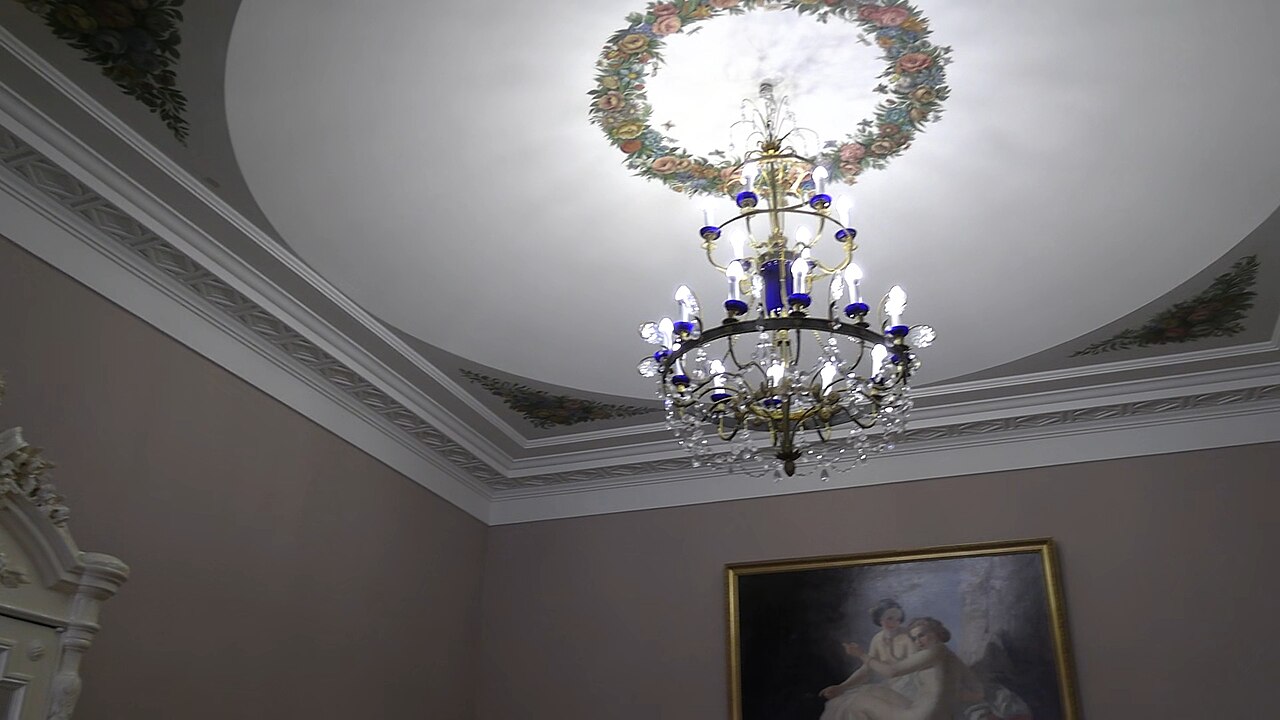
Some of the palace’s most memorable spaces are its staircases and formal halls, designed to overwhelm arriving guests. A principal staircase rises in sweeping flights of marble, framed by columns and crowned with decorative plasterwork, carrying you upward with the kind of theatrical momentum that makes you slow down and look. These were not merely ways to get between floors; they were the opening scenes of every reception.
The formal halls beyond continue the effect. Here you find high ceilings, gilded moldings, mirrors that multiply the light, and chandeliers that would have blazed with candles on an evening of entertaining. Each room was tuned for a different purpose, from intimate gatherings to large balls, and the decoration signals the mood, more restrained for daytime business, more dazzling for night.
What stands out, even among St. Petersburg palaces, is the quality of the craftsmanship. The Yusupovs could afford the best, and it shows in the carved detail, the inlaid floors, the painted ceilings, and the custom furnishings. Nothing feels mass-produced; everything was made for these specific rooms, which gives the interiors a density and coherence that reward slow looking.
As you pass through, notice how the halls are arranged in sequence, opening one into the next so that the eye is drawn forward through a long vista of rooms. This enfilade arrangement was a classic device of grand European palaces, designed to impress guests with seemingly endless space and to stage the slow, ceremonial progress of important visitors from room to room.
It is worth pausing to imagine these spaces full. On a great evening they would have held orchestras, hundreds of guests in formal dress, footmen moving between the rooms, and the whole apparatus of aristocratic hospitality at its peak. The empty, beautifully preserved halls you walk through today are the stage set; the performance was the life of a family at the summit of Russian society.
The Private Theatre, a Jewel Box of Rococo

Of all the surprises in the palace, the private theatre is the one that makes visitors gasp. Tucked inside the building is a complete miniature auditorium, decorated in gilded rococo style with tiers of seating, a proper stage, and a ceiling painting, all scaled down to the intimacy of a single family’s entertainment. It is a full theatre that happens to live inside a house.
Home theatres were a feature of the grandest Russian estates, where wealthy families staged plays, concerts, and operas for their guests, sometimes with professional performers and famous musicians. The Yusupov theatre was among the finest of these private stages, and great artists are said to have performed here for small, privileged audiences. To sit in it is to understand a vanished world where the richest families were also patrons and impresarios in their own homes.
The decoration is deliberately lavish, all gold and warm color, designed to make every performance feel like an occasion. The scale is what charms people most; after the grand halls, stepping into this small, perfect auditorium feels like discovering a secret, a private pleasure-house folded into the larger palace. It is the clearest statement of what unlimited money could buy: not just paintings to look at, but a whole art form installed under your own roof.
Today the theatre is often still used for concerts, which is the ideal way to experience it. Hearing live music in that gilded little room, exactly as it was intended, collapses the distance between you and the family who built it. If your visit happens to coincide with a performance, it is worth rearranging your plans to attend, because the space comes fully alive only when it is doing the job it was made for.
Picture Galleries and a Collectors Fortune

The Yusupovs were serious collectors, and the palace was built in part to display what they owned. At its height the family collection included important European paintings, sculpture, porcelain, jewels, and decorative arts gathered over generations, the kind of holdings that would be the envy of a national museum. Dedicated galleries and richly furnished rooms were designed to show these treasures to guests.
Collecting on this scale was both a passion and a form of status. A great collection announced that a family was not merely wealthy but cultured, connected to the wider European world of art and taste. The Yusupovs bought across borders and eras, and their rooms mixed old masters with contemporary pieces, antiques with the latest fashionable objects, creating interiors that were museums and living spaces at once.
Much of the finest art was later nationalized and dispersed to state museums after the revolution, so the galleries you see today do not hold everything the family once owned. But the rooms themselves, with their hanging arrangements, display cases, and purpose-built lighting, still tell you how the collection was meant to be experienced, as part of the texture of daily aristocratic life rather than behind ropes in a public hall.
Walking these rooms, it helps to think of them as the family’s private museum, assembled not by a committee but by individual taste and enormous means. The pleasure of a collection like this was partly in the objects and partly in the act of living among them, surrounded every day by beauty that most people would only glimpse in a cathedral or a royal court.
The Moorish Room and the Taste for the Exotic
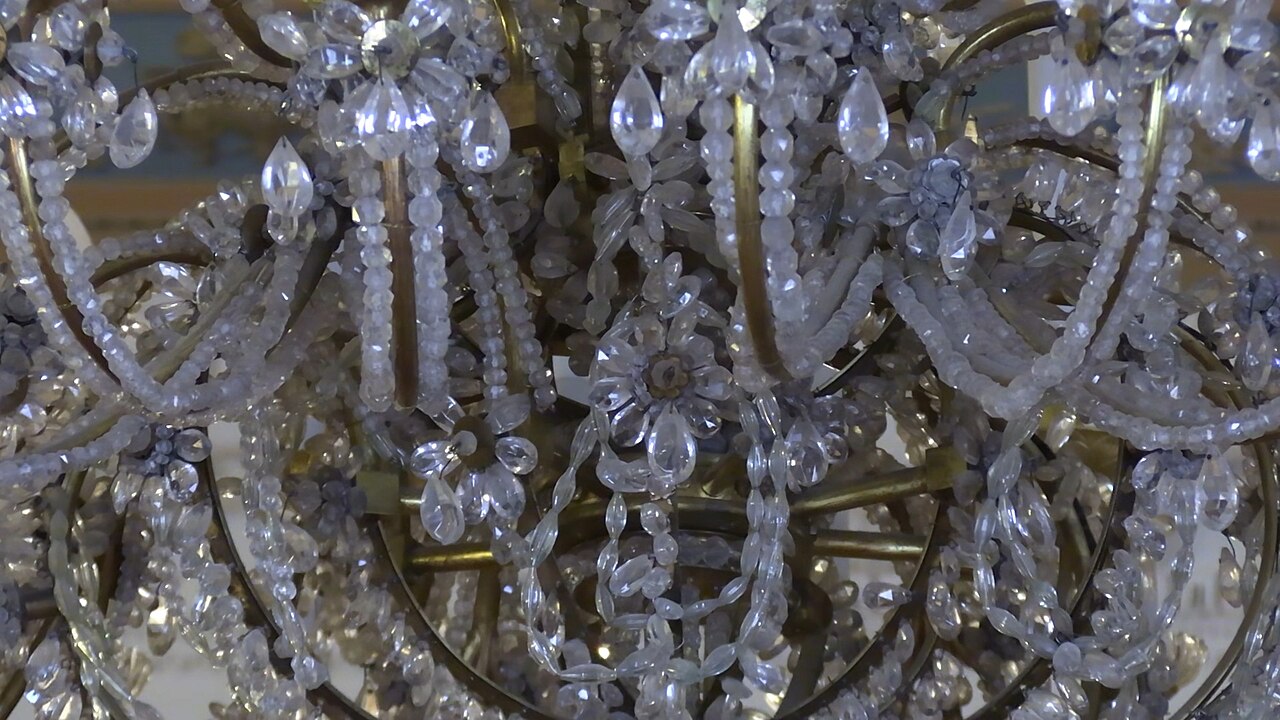
Among the palace’s interiors, one of the most striking is the Moorish-style room, a richly decorated space inspired by the architecture of the Islamic world and the Alhambra in particular. Horseshoe arches, intricate patterned surfaces, a fountain, and deep jewel colors transport you suddenly out of St. Petersburg and into an orientalist fantasy, a complete change of mood from the classical halls around it.
Rooms like this were fashionable among nineteenth-century European aristocrats, who loved to create exotic interiors evoking distant lands they had read about or visited. For the Yusupovs, with their own partly Tatar and Muslim ancestry, a Moorish room carried an extra resonance, a nod to the family’s origins reimagined through the romantic lens of the age. Whether read as heritage or as fashion, it is one of the palace’s most memorable spaces.
The craftsmanship here is as careful as anywhere in the building. The patterns are not merely painted on but worked into the surfaces with real skill, and the effect is immersive, wrapping you in color and ornament. It is the kind of room designed to make guests stop talking and simply look, a deliberate set piece within the larger sequence of interiors.
What makes the Moorish room work is the contrast. After the restrained classicism of the earlier halls, stepping into this warm, patterned, almost theatrical space feels like changing countries without leaving the house. That willingness to leap between styles, from cool European order to lush eastern fantasy, is exactly what gives the Yusupov Palace its particular character and its endless capacity to surprise.
The Basement Where Rasputin Was Killed

For many visitors the single most compelling part of the palace is also its most modest: the basement rooms where, in December 1916, a group of conspirators led by the young Felix Yusupov murdered Grigori Rasputin, the mystic and healer who had gained extraordinary influence over the imperial family. The story has been retold so many times, and so luridly, that standing in the actual rooms is a strange experience.
Rasputin’s hold over the Empress, through his apparent ability to ease the suffering of the hemophiliac heir, had made him a lightning rod for anger at a court already strained by war. A faction of aristocrats, including Yusupov, became convinced that removing him might save the monarchy. On the night in question Rasputin was lured to the palace, taken down to these basement rooms, and killed in an episode whose details have been dramatized endlessly, from poisoned cakes to a desperate struggle.
Today the rooms are arranged partly as a historical display, sometimes with wax figures recreating the scene, which can feel either chilling or slightly theatrical depending on your mood. What is undeniable is the gap between the grandeur upstairs and the ordinary, low-ceilinged domesticity down here. The contrast is the point: one of the most consequential political murders of the era happened not on a battlefield but in the basement of a nobleman’s townhouse.
The murder did not save the monarchy; within a few months revolution swept the empire away, and within a couple of years the Yusupovs themselves were in exile and their fortune gone. Standing in these basement rooms, you are at the hinge of that collapse, in the very place where a doomed aristocracy made one last desperate attempt to change the course of events and failed. It gives the whole palace, for all its gilded beauty, an undertone of tragedy.
Ballrooms, Receptions, and a Social Machine

Beyond the famous highlights, much of the palace was simply a machine for socializing at the highest level. Ballrooms, dining rooms, drawing rooms, and smaller salons were arranged to host everything from vast formal balls to intimate dinners, and the family’s position meant that the people passing through these rooms included the leading figures of Russian society and, at times, members of the imperial family.
An evening here would have been an elaborate production. Guests arrived by carriage along the Moika, were received on the grand staircase, and moved through the enfilade of rooms where music played, food and drink flowed, and the careful rituals of aristocratic life unfolded. Every detail, from the seating to the lighting to the menu, carried social meaning, and the palace was designed to make all of it run smoothly and look effortless.
The scale of entertaining required a small army of staff working largely out of sight, in service corridors, kitchens, and basements. The glittering rooms the guests saw depended on an invisible world of cooks, footmen, maids, and managers, a reminder that these palaces were not just homes but complex households employing many people whose own stories rarely made it into the history books.
As you move through the reception rooms, try to hear them as they once were, full of conversation, music, and the rustle of formal clothes. The quiet you experience as a visitor is the exception; for most of the palace’s life these were loud, crowded, living spaces, the setting for the ceaseless social life of a family whose position depended on being seen to entertain in the grandest possible way.
The Winter Garden and Quieter Corners

Not every space in the palace was built for spectacle. Like many grand houses of the period, it included a winter garden and more intimate rooms where the family could retreat from the demands of public life. A winter garden, filled with plants and light, offered a touch of green through the long St. Petersburg winters, a small private paradise within the stone city.
These quieter corners are easy to overlook amid the famous halls, but they tell you something important about how the palace was actually lived in. Behind the grand reception rooms lay the private apartments and personal spaces where the family read, rested, and spent ordinary time, away from guests and ceremony. The contrast between public grandeur and private comfort runs through the whole building.
The planting and decoration of a winter garden were themselves a form of luxury. Maintaining living plants through a northern winter required heating, care, and expense, and the result was a space that felt almost magical, a warm, growing room when the world outside was frozen. For a family that could buy almost anything, buying a piece of permanent spring was simply another expression of their reach.
Seeking out these gentler spaces balances a visit. After the gold and the drama, they remind you that real people lived here, with private lives and quiet routines, and that even the grandest palace needs rooms where its owners could simply be at home. They are the breathing spaces in a building otherwise designed to impress.
From Private Palace to Public Monument

After the revolution the Yusupovs fled into exile, and their palace, like so many aristocratic properties, was nationalized by the new Soviet state. Its fate could easily have been destruction or neglect, but instead the building found a new role. For much of the twentieth century it served as a cultural institution, and this continued use is a large part of why it survives so well today.
Many of the family’s art treasures were removed to state museums, but the interiors themselves were preserved and maintained, valued as examples of the craftsmanship of a vanished era. The theatre continued to host performances, and the historic rooms were cared for rather than stripped, so that the palace remained a living building rather than a hollow shell. That pragmatic reuse saved it.
There is an irony here worth noticing. A palace built as the private stronghold of one of the most privileged families in Russia became, under a state founded on opposing everything they stood for, a place of public culture and education. The gilded halls that once hosted exclusive balls were opened to a far wider public, and the building passed from a symbol of aristocratic wealth to a shared cultural inheritance.
Understanding this chapter helps you read the palace today. You are visiting not a frozen aristocratic home but a building that has lived several lives, surviving revolution and the twentieth century by becoming useful. The careful preservation you see is the product of decades of custodianship, and it is why you can still walk these rooms and imagine the world that made them.
A Walk Through the Palace on Film

Reading about the Yusupov Palace only takes you so far, because so much of its effect depends on movement, on the way one room opens into the next and the way the light falls on gilded surfaces. A good walkthrough video is the best way to get a feel for that sequence before you visit, or to relive it afterward, following the route from the grand staircase through the halls to the theatre and down to the famous basement.
As you watch, pay attention to the transitions between styles, the shift from cool classical halls to the warm Moorish room, and the sudden intimacy of the little theatre. Those contrasts are hard to convey in still photographs but come across clearly on film, and they are the key to understanding why the palace feels less like a single house and more like a collection of worlds under one roof.
Video also helps you grasp the scale and the atmosphere of the basement rooms, where the Rasputin story unfolded. Seeing them in sequence after the grandeur above drives home the strange contrast at the heart of the building, between dazzling wealth and the modest, low-ceilinged space where one of the era’s most notorious events took place.
Visiting the Yusupov Palace Today
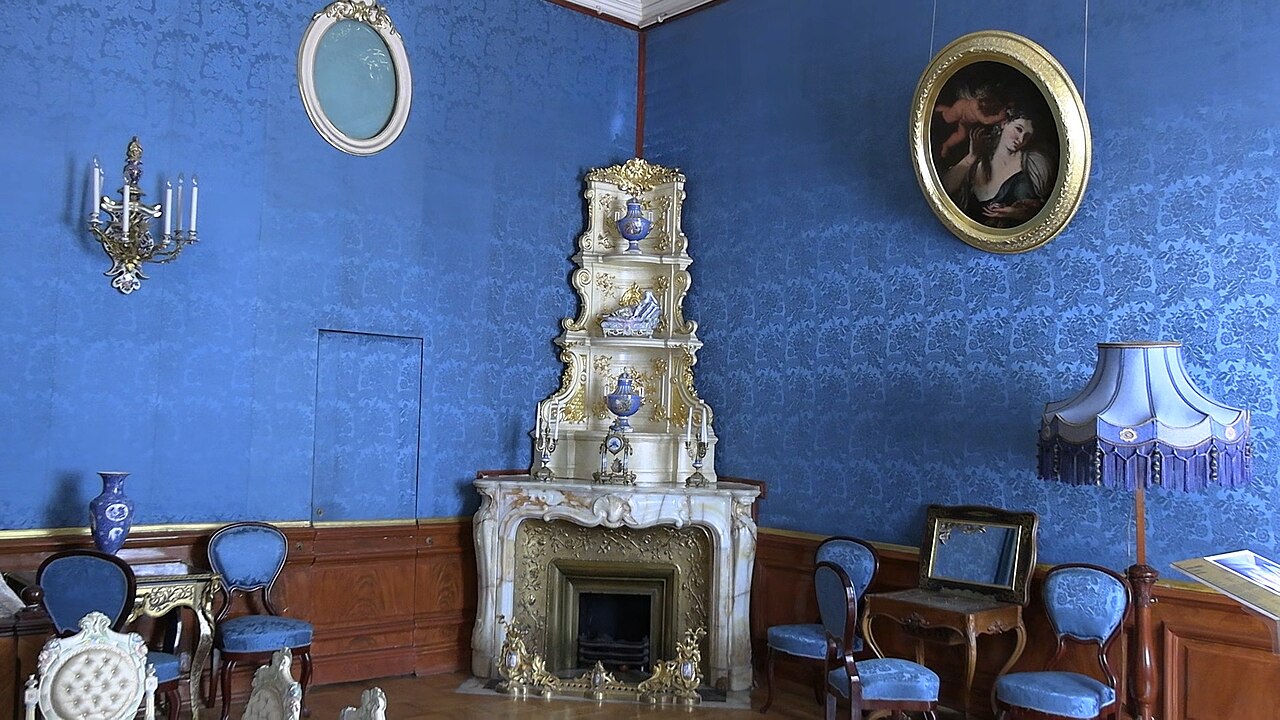
Today the Yusupov Palace is one of St. Petersburg’s most rewarding museum visits, precisely because it is less overwhelming than the vast imperial palaces and more human in scale. You can walk the grand halls, see the galleries and the Moorish room, visit the theatre, and tour the Rasputin basement, usually with the help of an audio guide or a dedicated tour for the historical rooms.
It sits right in the center of the city on the Moika embankment, within easy walking distance of other major sights, which makes it simple to fit into a day of exploring. Because the interiors are the main attraction and some areas are shown by timed tour, it is worth checking opening arrangements in advance and, if you can, booking ahead, especially for the theatre and the Rasputin rooms, which can be popular.
Give yourself more time than you think you need. It is tempting to rush to the famous basement, but the palace rewards a slow, orderly walk through all its rooms, letting the sequence of styles unfold the way the family intended. The theatre, if a concert is on, is reason enough to plan your visit around the schedule.
You will find the palace on the Moika River in central St. Petersburg; here is the location to help you plan your route: see the map below. Whether you come for the gilded halls, the little theatre, or the dark glamour of the Rasputin story, the Yusupov Palace gives you something few grand houses can, a sense of a whole private world preserved almost intact, from its most dazzling stage to its most notorious basement.
View the location on Google Maps
Palaces Nearby
If you are exploring the imperial palaces around Saint Petersburg, these two country residences pair naturally with a visit here:
You May Like
Konopiste the Bohemian Castle of a Doomed Archduke


One thought on “Inside the Yusupov Palace, the Moika Mansion Where Rasputin Met His End”