On a green hillside at Tripunithura, on the edge of the city of Kochi in Kerala, spreads a cluster of tile-roofed buildings set among terraced gardens and shady groves. The Hill Palace, once the official home of the Maharajas of Cochin, is the largest palace complex in Kerala, a sprawling ensemble that today holds the treasures of a royal house and the state’s finest archaeological museum.
You come to the Hill Palace to meet the royal house of Cochin and the gentle, green world of Kerala’s traditional architecture. Rather than a single towering facade, the palace unfolds as a collection of buildings in the characteristic Kerala style, with sloping tiled roofs, cool verandas and courtyards, set within gardens, a deer park and quiet woods.
In this guide you will get to know the Hill Palace beyond its leafy setting. We will trace the royal house of Cochin that built it, explore the traditional architecture and the museum within, wander the gardens and grounds, and understand why this hilltop complex remains one of the cultural treasures of Kerala. By the end you will see why the Hill Palace rewards every visitor who climbs to find it.
In This Article
- Arriving at the Hill Palace
- The Royal House of Cochin
- Traditional Kerala Architecture
- The Largest Palace Complex in Kerala
- The Archaeological Museum
- Treasures of the Cochin Court
- Gardens, Deer Park and Groves
- A Window into Kerala’s Past
- A Favorite of Filmmakers
- A Jewel Near Historic Kochi
- The Founding of the Palace
- A Closer Look on Film
- The Hill Palace Today
Arriving at the Hill Palace
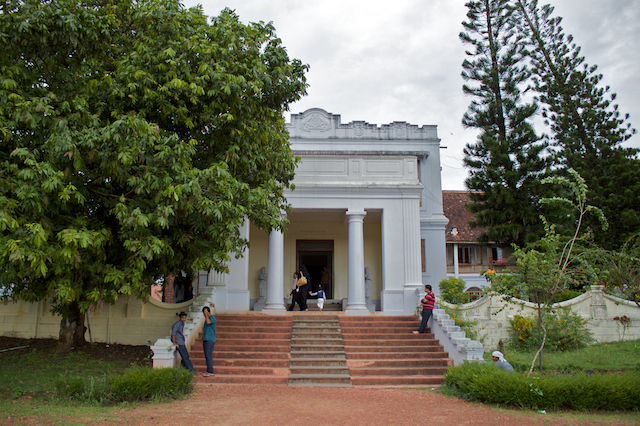
Your first impression of the Hill Palace is of greenery and calm, a complex of tile-roofed buildings rising among terraced gardens on a gentle hill. Unlike the grand stone facades of northern palaces, this is a place of wood, tile and foliage, in harmony with the lush landscape of Kerala.
The complex spreads across the hillside as a cluster of connected buildings, approached through gardens and groves. The traditional Kerala architecture, with its sloping roofs and cool verandas, blends beautifully with the green surroundings.
As a museum and heritage site, the Hill Palace welcomes visitors who come to explore its history and treasures. Walking up through the gardens, you feel yourself entering a tranquil world quite different from the bustle of nearby Kochi.
Take a moment to appreciate the setting before exploring within. The harmony of architecture and landscape is one of the chief charms of the Hill Palace, and it rewards an unhurried, appreciative approach.
The climb to the palace, through gardens and groves, is a gentle and pleasant one, building anticipation as you ascend.
First-time visitors are often struck by how different this green, tile-roofed world feels from the grand stone palaces of the north.
It is a place to be explored slowly, each building and garden revealing some new facet of the royal complex.
The transition from the busy approach to the quiet of the hilltop gardens is part of the pleasure of a visit.
The first sight of the tiled roofs rising among the trees is one that stays with every visitor.
It is a gentle, welcoming grandeur, quite unlike the austere forts of other regions.
Set amid the greenery, the palace feels almost to grow out of its hillside, so completely does it belong to its setting.
For many, the gentle approach through the gardens is itself one of the highlights of a visit.
The Royal House of Cochin
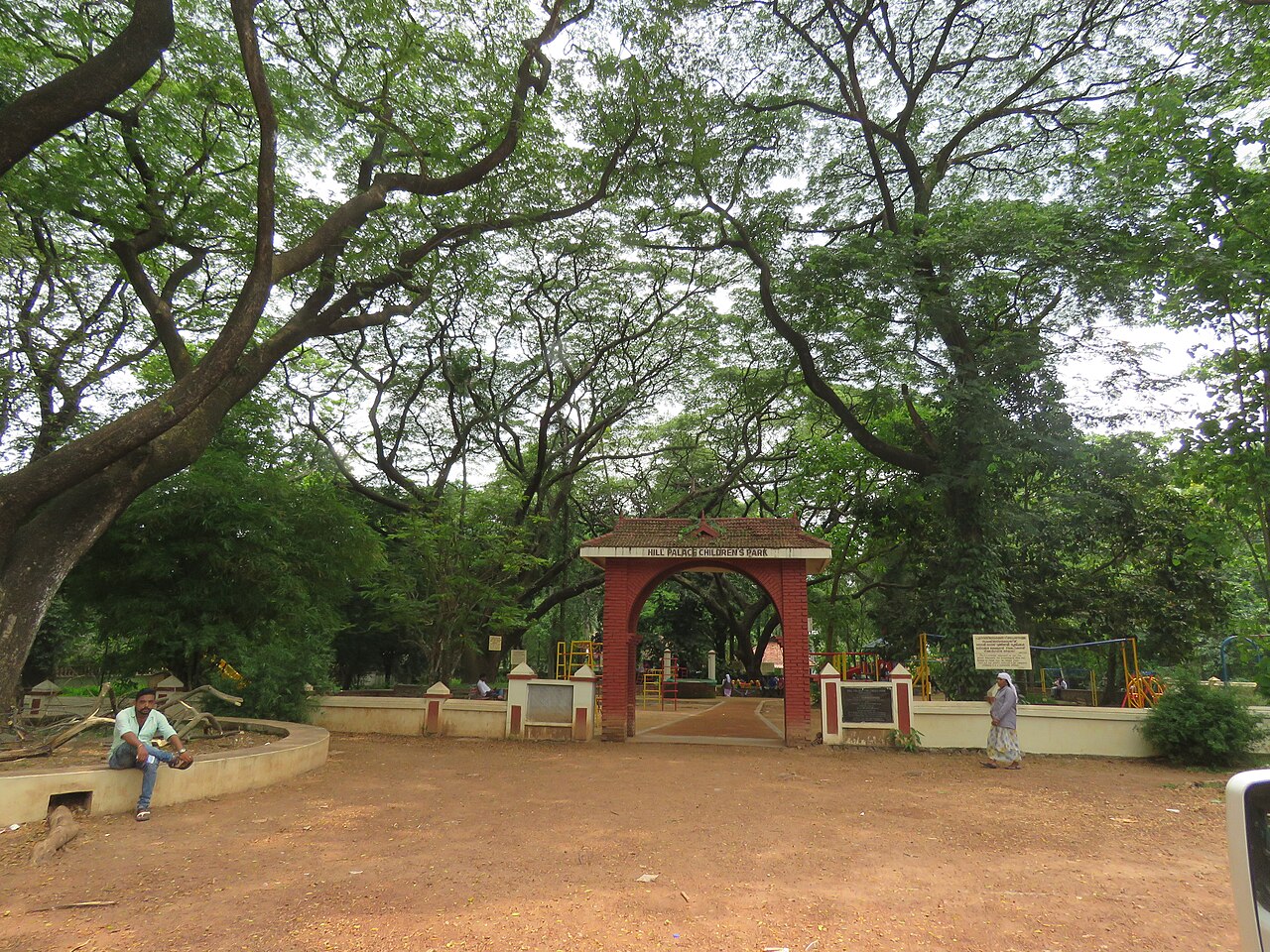
The Hill Palace is inseparable from the Maharajas of Cochin, the royal house that ruled this part of Kerala for centuries. Their kingdom, set along the lush coast of southwestern India, had a rich and distinctive culture, and the palace is one of its finest monuments.
The rulers of Cochin presided over a land famous for its spices, its backwaters and its long history of trade with the wider world. Their court reflected this cosmopolitan heritage, blending local traditions with influences from across the seas.
The palace served as the official residence of these rulers, the seat from which they governed and lived. It reflects the refined, understated character of a royal house deeply rooted in the culture of Kerala.
Keeping this dynasty in mind transforms a visit. The Hill Palace is not merely a collection of buildings but the seat of a proud royal house whose history is woven into the story of Kerala.
The royal house of Cochin was known for its patronage of the arts, its learning and its openness to the wider world.
Their long history of trade and contact gave the court a cosmopolitan character reflected in the palace.
The palace remains the most eloquent monument to the heritage of this distinguished royal house.
To understand the palace is to understand this gentle, cultured dynasty and the green world it inhabited.
The kingdom’s long engagement with foreign traders, from the Arabs to the Europeans, gave its culture a rare openness.
This cosmopolitan spirit is quietly present throughout the palace and its collections.
The dynasty’s refined patronage shaped the cultural life of the region for generations.
Their legacy, preserved in the Hill Palace, ensures that the Cochin rulers are remembered among the great royal houses of the south.
The gentle dignity of their culture still pervades the complex they left behind.
Even after the age of kings, the royal house has retained a cherished place in the cultural memory of Kerala.
The Hill Palace remains their most visible and beloved monument, a window into a refined royal world.
To visit is to pay quiet tribute to a dynasty that valued culture, learning and harmony above display.
Traditional Kerala Architecture
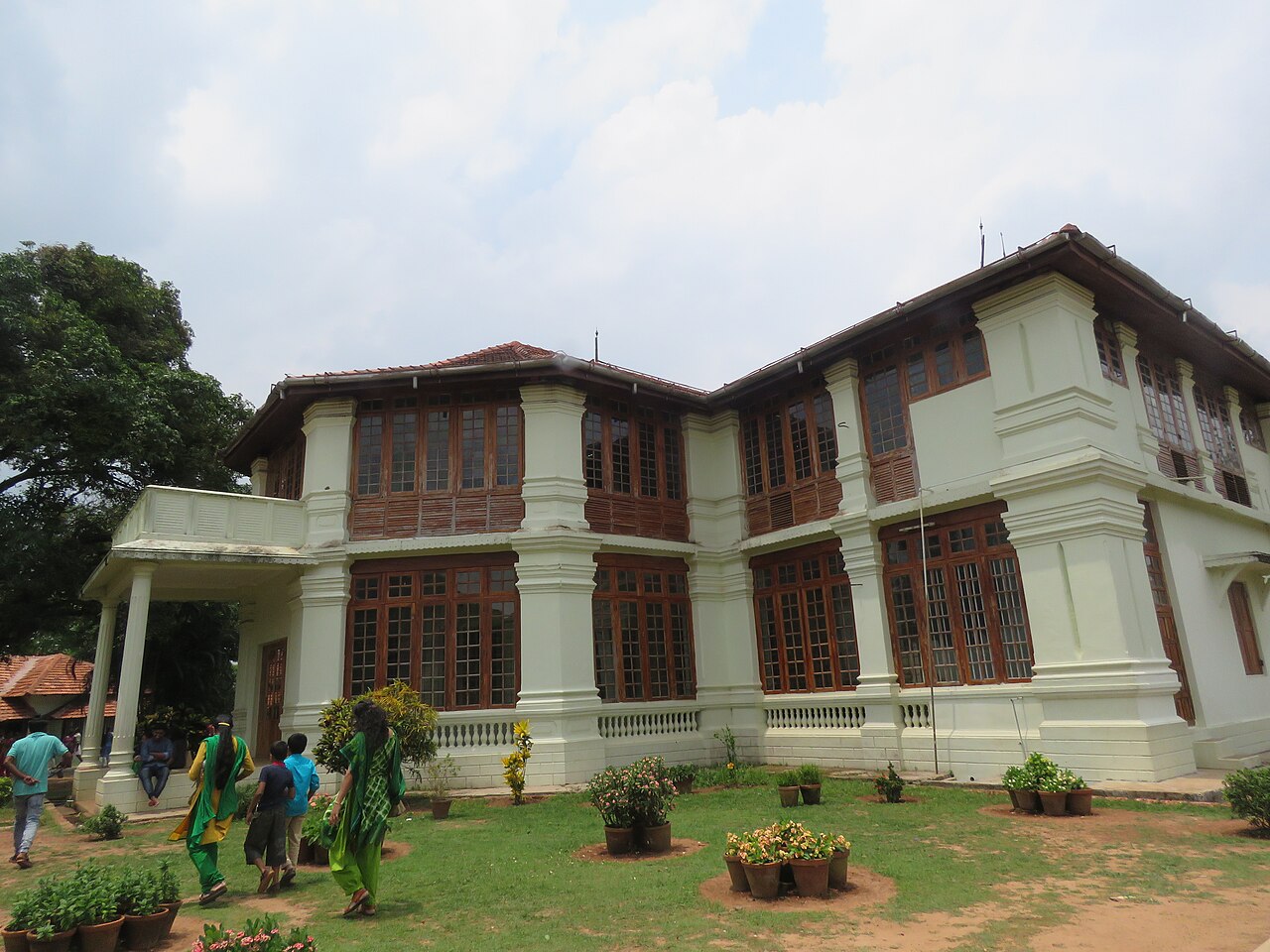
The architecture of the Hill Palace is a beautiful expression of the traditional building style of Kerala. Sloping tiled roofs, designed to shed the heavy monsoon rains, cool verandas and inner courtyards all reflect a style perfectly adapted to the climate and culture of the region.
Rather than a single grand structure, the palace is composed of many buildings, built and added over time in the characteristic local manner. This gives the complex an intimate, human scale quite different from the monumental palaces of other regions.
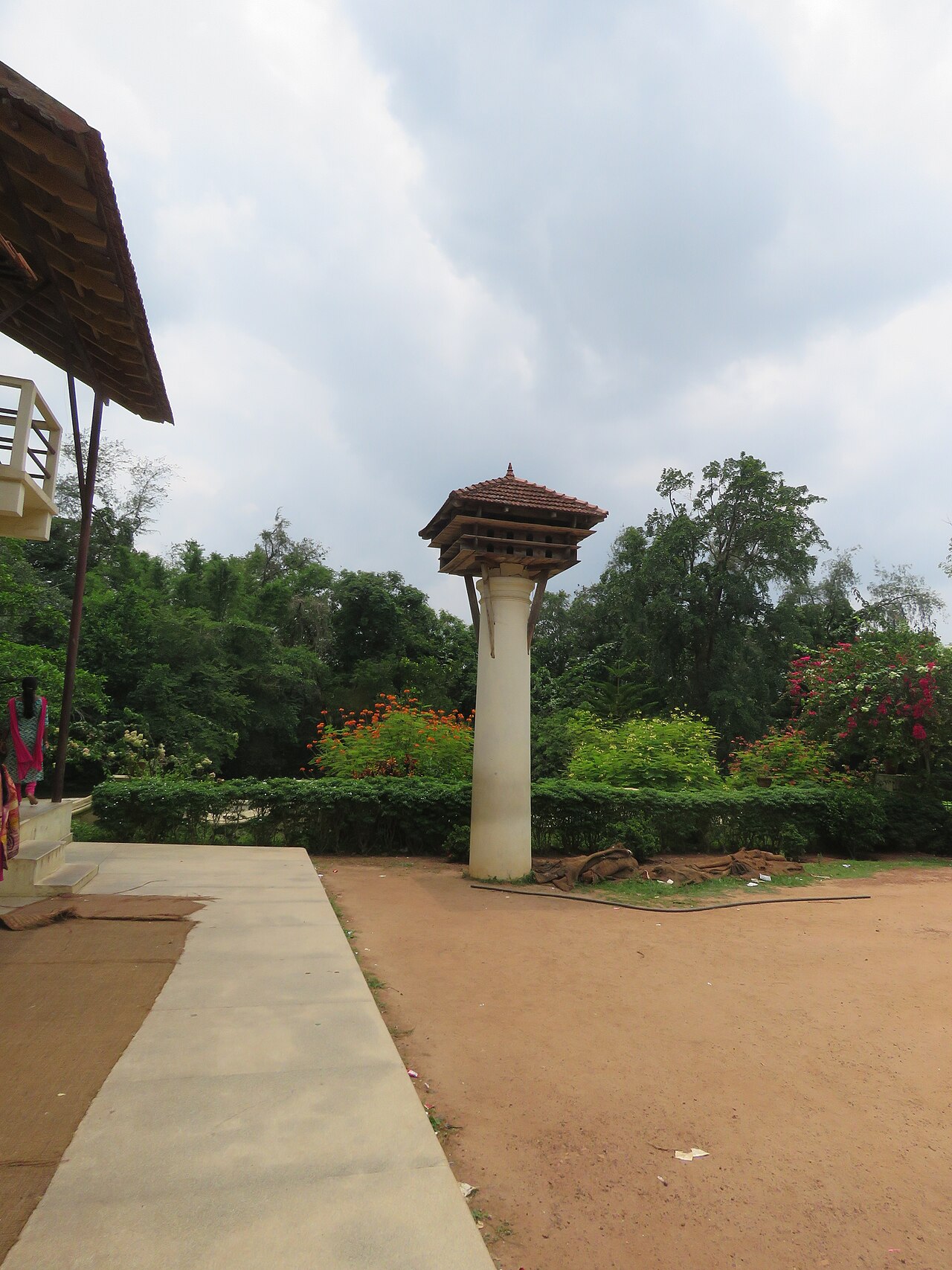
The use of wood, tile and local materials ties the palace firmly to its setting, and the design favors comfort and harmony with nature over overwhelming grandeur. It is architecture of quiet refinement rather than display.
Exploring the complex, you appreciate the distinctive beauty of the Kerala style. The Hill Palace is one of its finest surviving royal examples, a masterclass in building in harmony with the lush southern landscape.
The sloping roofs and wide eaves are perfectly suited to the heavy rains and bright sun of the Kerala coast.
Inner courtyards bring light and air into the heart of the buildings, a hallmark of the regional style.
The harmony between building and landscape is one of the defining pleasures of the Kerala style, and the palace shows it at its best.
The craftsmanship of the woodwork, from carved pillars to intricate ceilings, is a highlight of the complex.
Every building reflects a deep understanding of how to live gracefully in a hot, wet climate.
The style has influenced Kerala architecture down to the present day.
To walk beneath the wide eaves and through the cool courtyards is to understand the genius of Kerala’s builders.
It is architecture that soothes rather than overwhelms, in perfect keeping with its green surroundings.
This living tradition of building is one of Kerala’s great cultural achievements, and the palace is among its finest royal examples.
The sloping roofs, seen from the gardens, create a distinctive and memorable silhouette against the sky.
In its every line, the palace expresses a philosophy of building in gentle harmony with the land and climate.
It is a building, above all, that teaches the beauty of living in harmony with one’s surroundings.
The Largest Palace Complex in Kerala
The Hill Palace is celebrated as the largest palace complex in Kerala, an ensemble of many buildings spread across the hillside. This scale makes it one of the most impressive royal sites in the region, a whole world of courtyards, halls and gardens.
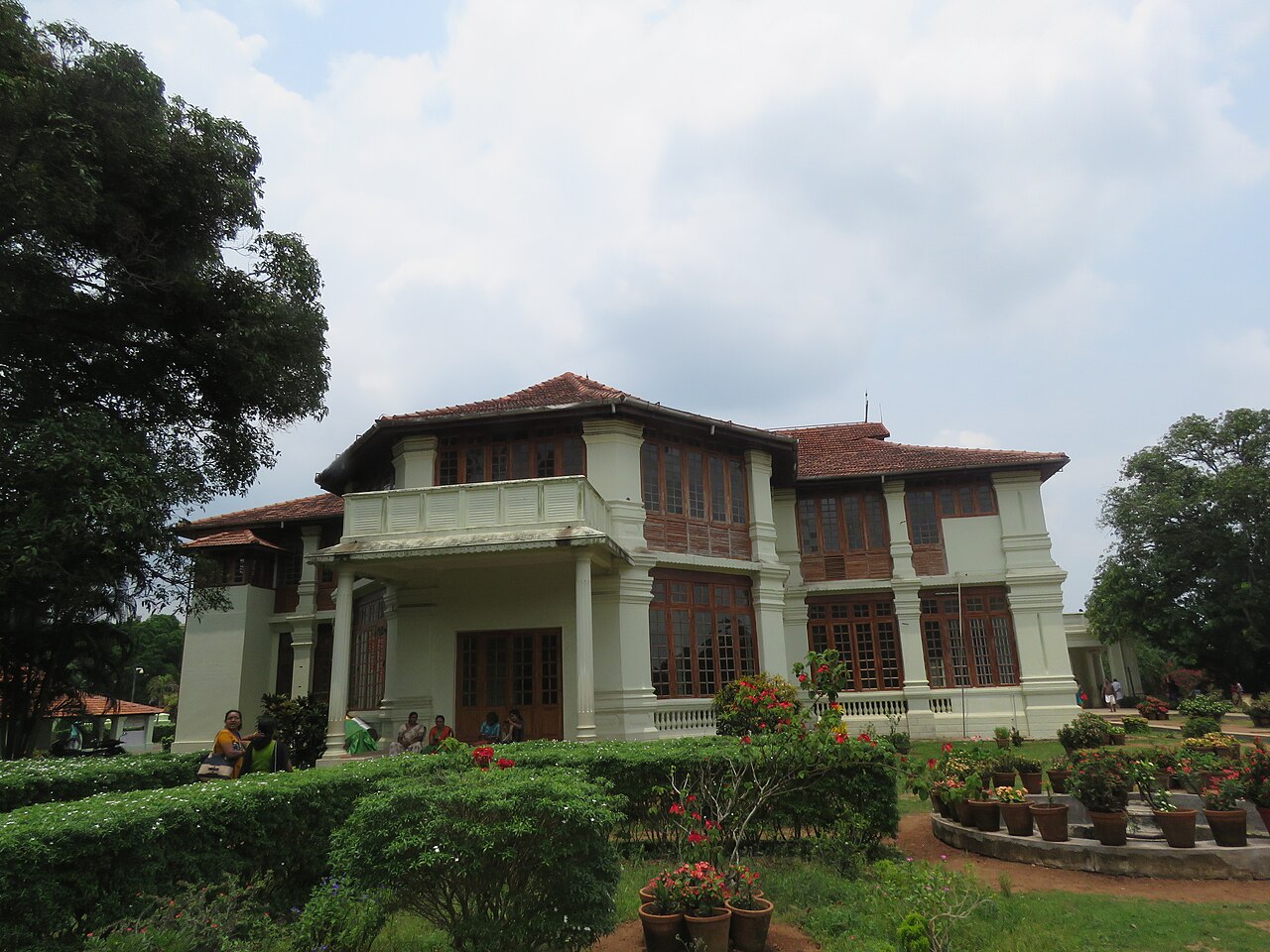
The many buildings served different purposes, from royal residence to administration and ceremony, together forming a complete royal establishment. Walking among them, you sense the range of life once contained within the complex.
The sheer extent of the palace reflects the standing of the Cochin royal house and the needs of a working court. Yet despite its size, the complex retains the intimate, human character of the Kerala style.
Appreciating this scale enriches a visit. The Hill Palace is not a single building to be admired from one spot but a complex to be explored, rewarding those who take the time to wander its many parts.
The scale of the complex reflects both the standing of the dynasty and the many functions a royal seat had to serve.
Yet the buildings never overwhelm; each is on a human, welcoming scale.
Exploring it fully rewards the patient visitor with a real sense of the scale and variety of a royal establishment.
Among the buildings are halls, residences and pavilions, each with its own role in the life of the court.
The scale of the complex ensures there is always more to discover, rewarding the curious and patient visitor.
Its scale and completeness make it a uniquely rewarding window into the world of a southern royal court.
To tour the whole complex is to appreciate the full range and richness of a Kerala royal establishment.
No other palace in Kerala offers so complete and rewarding an encounter with a royal establishment.
The Archaeological Museum
Today the Hill Palace houses the premier archaeological museum of Kerala, displaying a rich collection of treasures, antiquities and royal relics. The museum makes the palace one of the most important cultural destinations in the state.
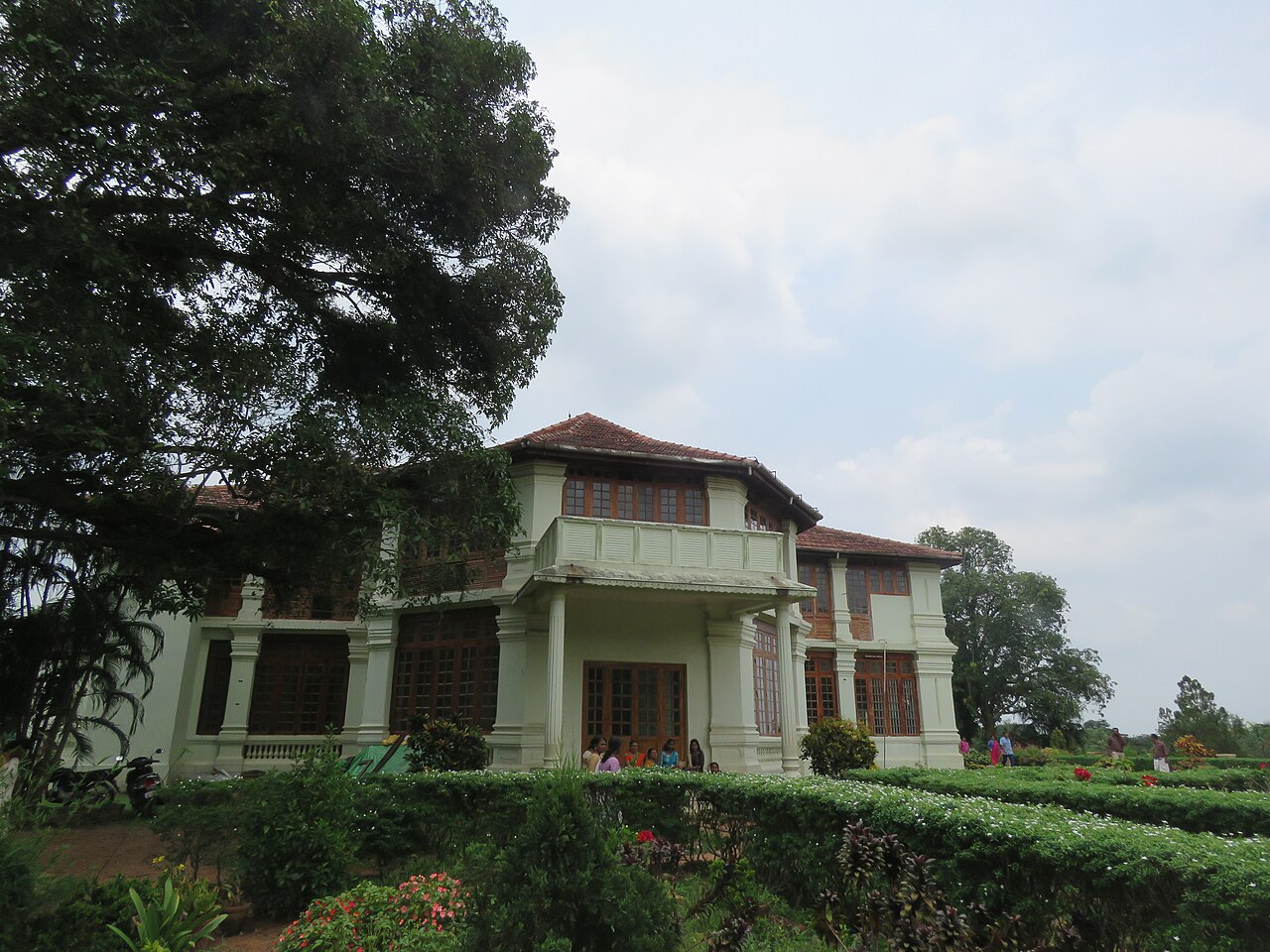
Among the exhibits are the treasures of the Cochin royal family, along with archaeological finds, sculptures, paintings and objects that trace the history and culture of the region. The collection is wide-ranging and deeply rewarding.
The museum allows visitors to explore both the life of the royal house and the broader heritage of Kerala, from ancient times to the royal era. It is a treasure house of the region’s history.
For the visitor, the museum is the heart of a visit to the Hill Palace, offering an encounter with the treasures of the Cochin rulers and the rich cultural heritage of Kerala.
The museum draws visitors from across India and beyond, eager to see the treasures of the Cochin royal house.
Its collections make it one of the most important cultural institutions in Kerala.
For many, the museum is the highlight of a visit, a treasure house of the region’s royal and cultural heritage.
Among the treasures are objects of gold, silver and precious stones that reflect the wealth of the court.
Paintings and sculptures trace the artistic traditions of the region across the centuries.
The museum rewards repeated visits, with new details to discover each time.
The combination of royal treasures and archaeological finds makes the museum uniquely rich and varied.
Few institutions in Kerala offer so complete a picture of the region’s heritage.
To move through its galleries is to journey through the royal and cultural history of the region.
The sheer variety of its holdings, from regalia to ancient artifacts, makes every visit a journey of discovery.
It is, by common consent, among the finest museums in all of Kerala.
A visit here is, in effect, a journey into the royal and cultural heart of Kerala.
Its treasures and antiquities together make it the finest archaeological museum in the state.
Treasures of the Cochin Court
Among the greatest attractions of the museum are the treasures of the Cochin royal house, including the crown and ceremonial objects of the dynasty. These precious items embody the authority and heritage of the rulers of Cochin.
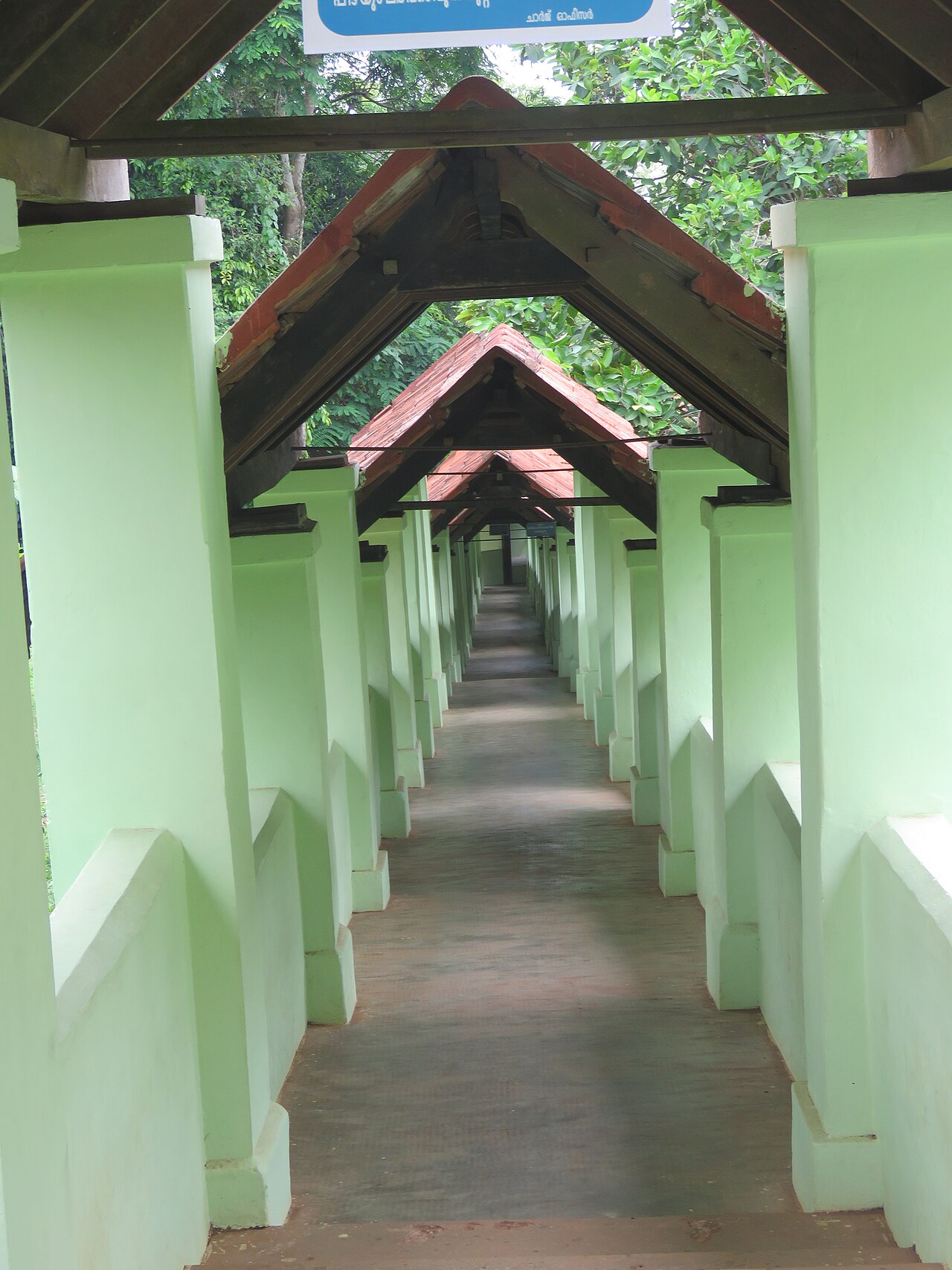
Alongside the regalia are ornaments, weapons, paintings and personal belongings of the royal family, together painting a vivid picture of courtly life. Each object tells a story of the dynasty and its world.
The collection reflects both the wealth and the refined taste of the Cochin rulers, as well as their connections with the wider world of trade and culture. It is a treasury of royal memory.
For the visitor, these treasures bring the history of the palace vividly to life. They reveal the Hill Palace as a repository of the heritage of one of Kerala’s great royal houses.
The crown and regalia in particular are treated with great reverence, embodying the dignity of the dynasty.
Each object offers a glimpse into the ceremonial and private worlds of the Cochin rulers.
To view them is to feel the dignity and refinement of the Cochin court across the centuries.
Together, the treasures transform the palace from a beautiful complex into a living record of a royal house.
For the visitor, lingering over them is the surest way to feel the presence of the vanished court.
The treasures stand as tangible links to the ceremonies and splendor of the Cochin court.
Among them, the ceremonial crown remains the single most treasured object in the collection.
They remind us that behind the gentle architecture lay a court of real wealth and refinement.
Gardens, Deer Park and Groves
The Hill Palace is set within extensive grounds that are among its chief glories. Terraced gardens, shady groves and a deer park surround the buildings, creating a green and tranquil setting that perfectly complements the architecture.
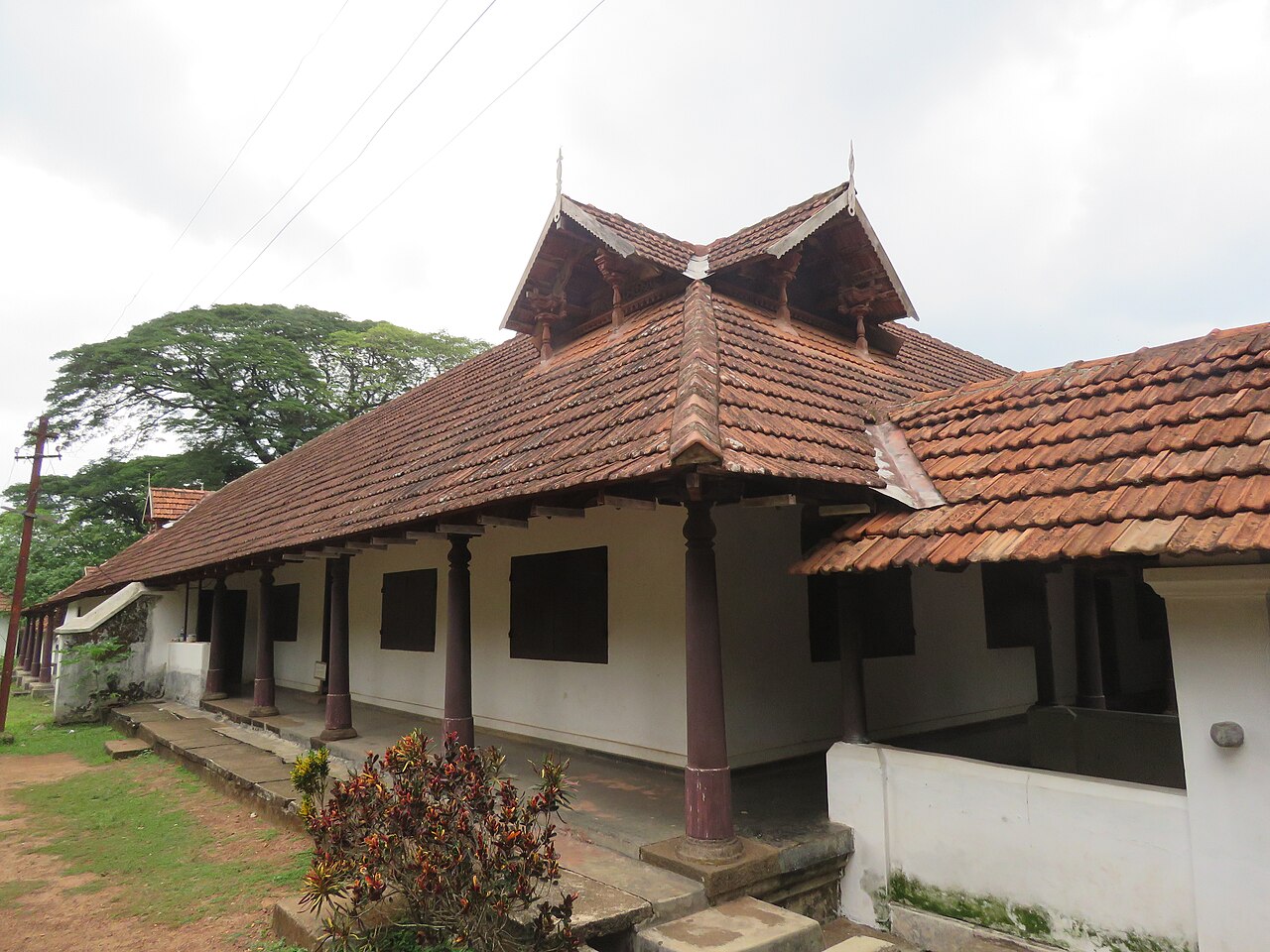
These grounds were an essential part of the royal establishment, providing beauty, leisure and a connection with the natural world. Today they offer visitors a peaceful retreat and a lovely frame for the palace.
The deer park and the woods add to the sense of a palace in harmony with nature, a hallmark of the Kerala style. Wandering the grounds, you experience the gentle, green world in which the Cochin court lived.
Whether you come for the gardens, the groves or the deer, the grounds are a highlight in their own right. They round out the experience of the palace and its beautiful hilltop setting.
Botanical and heritage gardens within the grounds showcase the rich plant life of the region, including rare species.
The deer park is a particular favorite with families and children, adding life and movement to the grounds.
Shaded paths invite leisurely strolls, making the grounds a pleasure to explore in their own right.
In the cool of the morning, the gardens are at their most enchanting, alive with birdsong and dappled light.
The terraced layout makes the most of the hillside, offering shifting views across the gardens and beyond.
Rare trees and flowering plants fill the grounds, a living collection to match the one indoors.
The grounds, as much as the buildings, embody the gentle harmony with nature that defines the Kerala style.
In the end, the grounds are as much a part of the palace’s charm as the buildings themselves.
To rest in the shade of the groves after exploring the museum is one of the simple joys of a visit.
The grounds offer a peaceful counterpoint to the richness of the collections within.
The terraced gardens, rich with greenery, remain one of the most beloved features of the complex.
Among the trees and terraces, the visitor finds a rare sense of peace at the heart of a royal estate.
Children delight in the deer park, while adults find quiet pleasure in the shaded, terraced walks that wind through the estate.
A Window into Kerala’s Past
Beyond the royal treasures, the Hill Palace museum offers a rich window into the wider history and culture of Kerala. Its collections span many eras, from ancient artifacts to the relics of the royal age, telling the long story of the region.

Among the displays are sculptures, coins, manuscripts and objects that illuminate the art, religion and daily life of Kerala through the centuries. The museum is a place of learning as well as of royal splendor.
This broader heritage dimension makes the Hill Palace more than a royal residence; it is a guardian of the cultural memory of the region. Visitors leave with a deeper understanding of Kerala’s rich past.
For those interested in history, the museum rewards careful exploration, offering insights into the long and varied story of one of India’s most distinctive regions.
Galleries trace the development of the region’s art and culture, from ancient sculpture to royal portraiture.
The breadth of the collection makes the museum a rewarding destination for anyone curious about Kerala’s past.
It is a place where the long history of the region comes vividly to life.
A slow, attentive tour rewards the curious with a deeper understanding of Kerala’s long and layered history.
The displays connect the royal story to the broader currents of Kerala’s history, from ancient times onward.
It is a museum that educates as much as it delights.
For the visitor, it offers an ideal introduction to the deep history of this remarkable coastal region.
The museum stands as a guardian of Kerala’s memory, preserving its treasures for generations to come.
Its collections ensure that the deep roots of Kerala’s culture are preserved and celebrated.
The museum ensures that the memory of the region’s long past is kept vividly alive.
From prehistoric finds to the relics of the royal era, the galleries trace an unbroken thread of Kerala’s story across the ages.
A Favorite of Filmmakers
The Hill Palace has become a popular location for the film industry, its beautiful architecture and green setting proving irresistible to directors. The palace has featured in numerous productions, making it familiar to audiences far beyond Kerala.

The photogenic buildings, courtyards and gardens offer filmmakers a ready-made world of royal beauty and traditional charm. The palace’s appearances on screen have spread its fame and drawn many visitors.
This cinematic celebrity adds a layer of glamour to the palace, which many first encounter through the magic of the movies. To visit is to step into a setting familiar from the screen.
For the visitor, the film connection is part of the fun, lending the Hill Palace an extra glamour and a sense of recognition. It is a palace that has charmed audiences as well as travelers.
The palace’s green setting and traditional architecture make it a versatile backdrop for storytellers.
Many visitors arrive already half-familiar with its courtyards from the screen.
Yet beyond its screen fame, it is the palace’s real history and beauty that leave the deepest impression.
Its versatility as a backdrop speaks to the timeless beauty of its architecture and setting.
For many, recognizing a familiar courtyard from the screen adds a small thrill to the visit.
The palace’s enduring appeal to filmmakers is a measure of its timeless beauty.
A Jewel Near Historic Kochi
The Hill Palace is inseparable from Kochi, the historic port city near which it stands. As the seat of the Cochin rulers, the palace is woven into the heritage of a region famous for its spices, its trade and its long contact with the wider world.
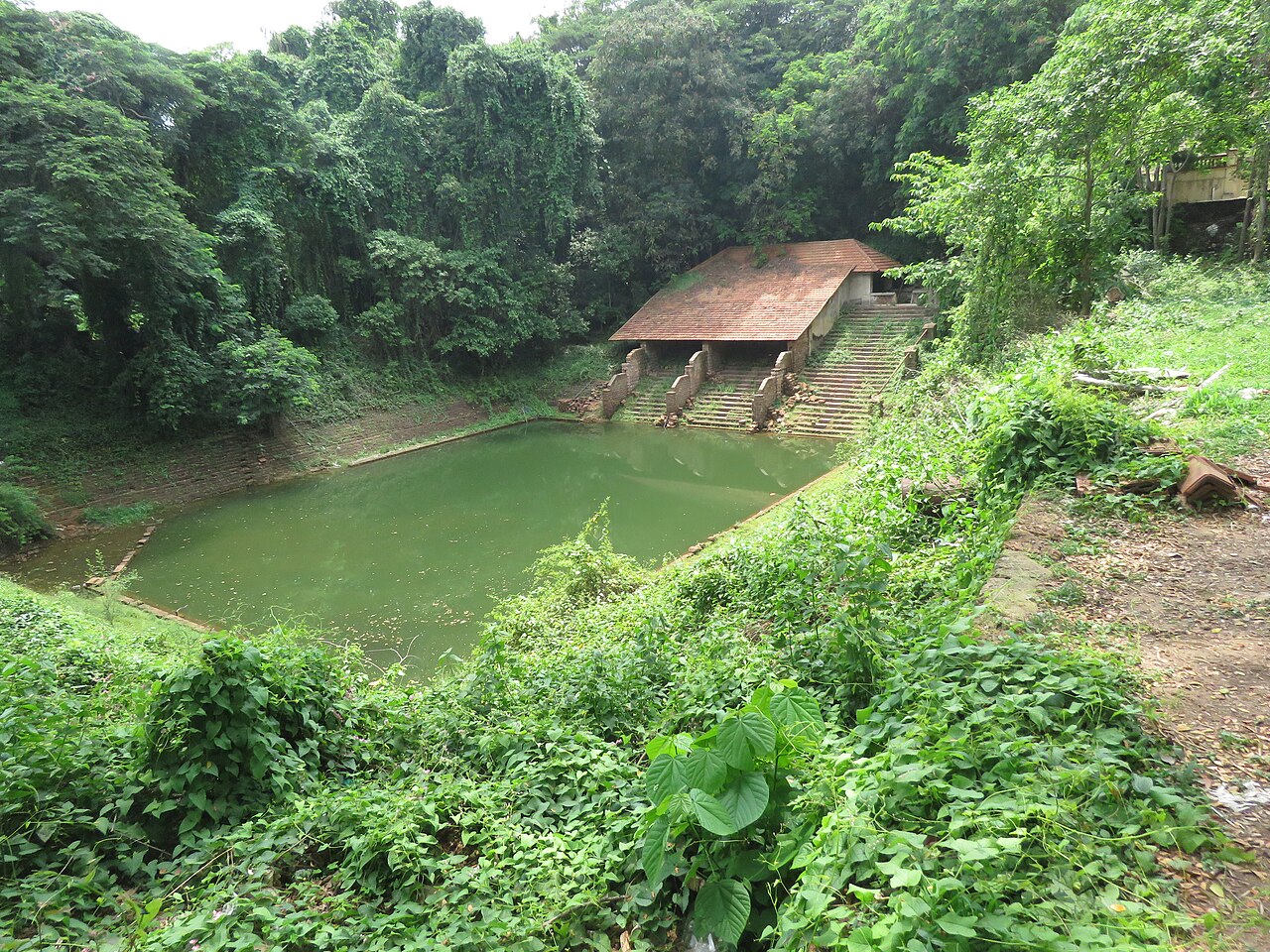
Kochi has been a crossroads of cultures for centuries, drawing traders and travelers from across the seas. The Hill Palace, as the home of its rulers, reflects this rich and cosmopolitan heritage.
Set within the wider landscape of Kochi’s forts, churches, synagogues and old quarters, the palace holds a special place as the royal seat of the region. It complements the city’s many treasures with its own green grandeur.
For the visitor, the Hill Palace is an essential part of any exploration of Kochi’s heritage, a jewel of royal Kerala set just beyond the historic city.
The nearby city, with its colonial quarters and ancient trading heritage, adds depth to any visit to the palace.
Together, Kochi and the Hill Palace offer a rich encounter with the culture of coastal Kerala.
No exploration of Kochi’s heritage feels complete without a visit to this, the royal seat of its rulers.
The palace completes the picture of Kochi as a region where royal, religious and trading histories meet.
A visit to the palace pairs beautifully with the historic quarters and waterways of nearby Kochi.
In the end, palace and region belong together, each enriching the understanding of the other.
The spice trade that made the region famous drew merchants from Arabia, China and Europe, and echoes of that cosmopolitan past linger in the palace and its collections.
The Founding of the Palace
The Hill Palace was established in the nineteenth century as the official residence of the Maharajas of Cochin, who raised it on the hill at Tripunithura as the seat of their royal house. Its founding marked the creation of a grand new home for a dynasty with deep roots in the region.
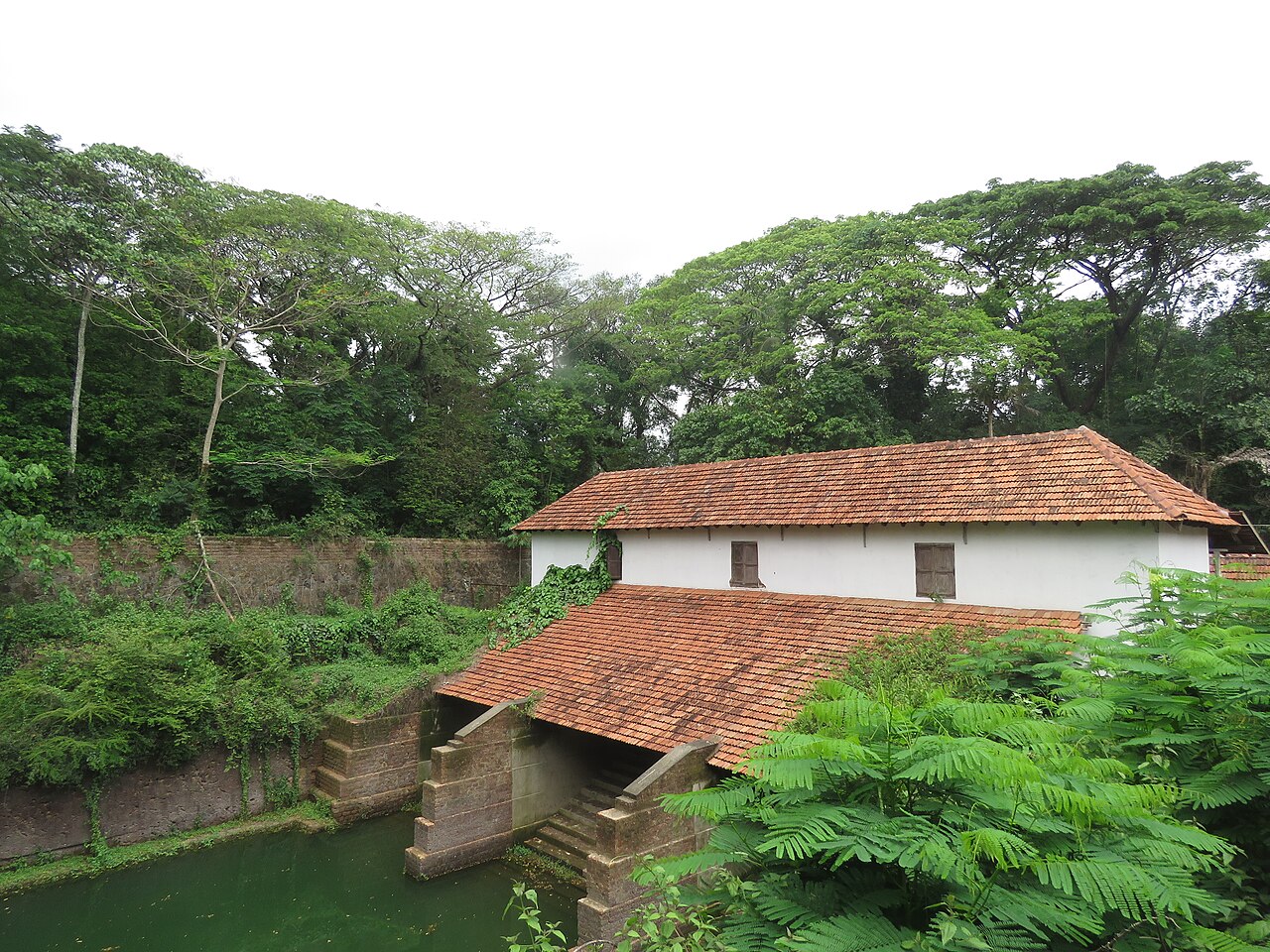
The choice of the hilltop site gave the palace a commanding yet serene setting, raised above the surrounding country amid gardens and groves. It was a location well suited to both the dignity and the comfort of a royal residence.
Over time the complex grew, with buildings added according to the needs of the court and the traditions of Kerala architecture. The result was the sprawling ensemble that survives today, built up over generations.
Understanding its founding enriches a visit. The Hill Palace was conceived as a complete royal establishment, and it grew into the largest such complex in Kerala, the proud seat of the Cochin rulers.
To walk the complex is to trace this gradual growth, a palace shaped over decades into a harmonious whole, rooted in the culture and climate of its region.
The dynasty’s long presence in the region lent the new palace an immediate sense of rootedness and continuity.
The palace stands today as the enduring legacy of the dynasty that raised it on the hill at Tripunithura.
Each generation added to the complex, so that it grew organically into a harmonious royal world.
This gradual growth gives the palace a depth and texture that a single-phase building could never achieve.
The hilltop site, chosen with such care, remains the perfect setting for this green royal world.
In the hilltop palace, the long story of the Cochin dynasty found its most gracious and enduring home.
The care taken in its founding is matched by the care that preserves it today.
A Closer Look on Film
To appreciate the full beauty of the Hill Palace, from its tiled roofs to its terraced gardens, film offers a fine complement to a visit. The short video below helps bring the palace and its setting to life.

Watching it, you can better sense the scale of the complex, the charm of the architecture and the richness of the museum, details that reward a closer look. It makes an ideal companion to understanding this remarkable palace.
The Hill Palace Today
Today the Hill Palace endures as one of the great cultural treasures of Kerala, a sprawling complex housing the state’s finest archaeological museum and the treasures of the Cochin royal house. Its buildings, gardens and collections continue to enchant all who visit.
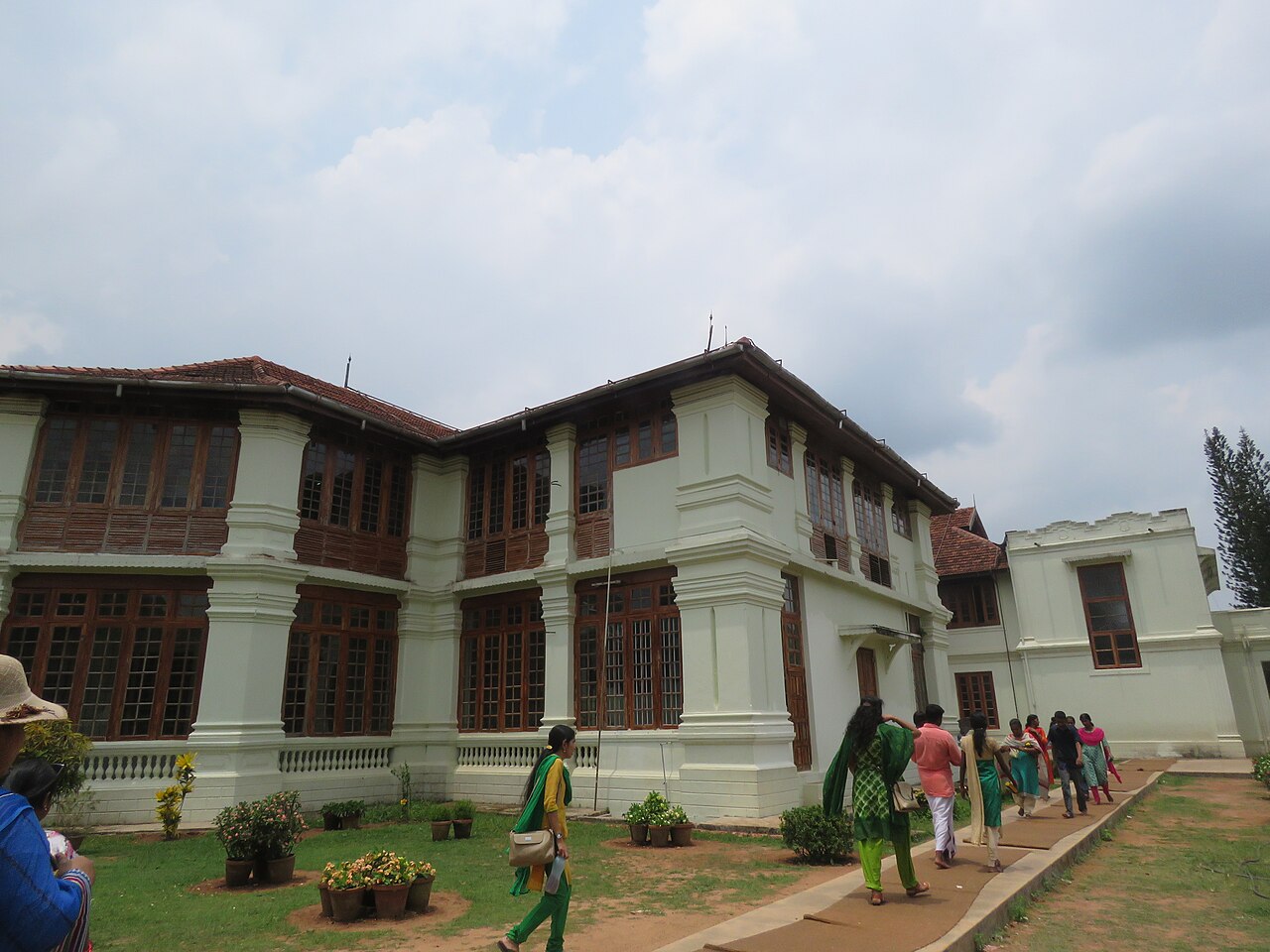
For travelers, the palace offers a rewarding encounter with the royal and cultural heritage of Kerala, a chance to admire traditional architecture and to explore a rich museum in a beautiful setting. Its blend of history and greenery creates an experience that lingers in the memory.
There is a lesson in the endurance of the Hill Palace. It shows how the heritage of a royal house can be preserved and shared, kept alive as a museum and cultural center for future generations.
When you finally turn to leave, glance back at the tile-roofed buildings among their gardens. You will carry with you the image of a green royal world, the treasures of the Cochin court, and a vivid sense of the gentle grandeur of Kerala.
Its enduring popularity is a testament to the richness of its collections and the beauty of its setting.
Long after leaving, travelers find the memory of the tiled roofs among the gardens returning to mind.
For anyone drawn to the culture of Kerala, the palace is an essential and rewarding destination.
It endures as proof that the cultural heritage of Kerala is as rich and distinctive as any in India.
Whatever route brings you here, the Hill Palace rewards the journey with a rich encounter with royal Kerala.
It remains a place of pilgrimage for all who wish to understand the heritage of the south.
In its tiled halls and green gardens, the gentle grandeur of royal Kerala lives on for all who come to explore it.
For the traveler ready to look beyond the beaches and backwaters, the palace offers a deeper encounter with Kerala’s heritage.
And so the Hill Palace endures, a green royal world above Tripunithura, keeping alive the heritage of the Cochin kings.
For anyone drawn to the culture and history of the south, the Hill Palace is an essential destination.
It stands as a graceful reminder that the royal heritage of Kerala is as rich as any in the land.
Whatever brings you to the hill at Tripunithura, the palace rewards the journey many times over.
In its gentle green grandeur, the Hill Palace preserves a vision of royal Kerala that feels timeless and wholly its own.
For the traveler willing to climb the hill at Tripunithura, the reward is one of the most complete and rewarding royal experiences in all of Kerala.
View the location on Google Maps
Palaces Nearby
If the green grandeur of the Hill Palace has deepened your love of Kerala’s royal heritage, two more palaces of the region make fitting companions to this one.
You May Like
Konopiste the Bohemian Castle of a Doomed Archduke


One thought on “The Hill Palace of Tripunithura, Kerala’s Green Royal Treasure House”