On the eastern bank of the Ganges, facing the sacred city of Varanasi across the holy river, stands a weathered sandstone fort that has watched over the water for more than two centuries. Ramnagar Fort, the ancestral home of the Maharajas of Benares, rises in Mughal style above the Ganges, a place where royal history, religious tradition and the timeless rhythms of the river all meet.
You come to Ramnagar to encounter the royal house of Benares, the Kashi Naresh, whose rulers have long been bound up with the spiritual life of the holy city. The fort, with its carved balconies overlooking the Ganges, its curious museum and its famous festival, offers a window into a world where kingship and devotion are deeply intertwined.
In this guide you will get to know Ramnagar Fort beyond its riverside walls. We will trace the history of the Benares royal house, explore the fort’s architecture and its remarkable museum, learn of the great festival it hosts, and understand why this riverside stronghold remains a cherished part of the heritage of Varanasi. By the end you will see why Ramnagar rewards every visitor who crosses the river to find it.
In This Article
- Arriving at Ramnagar Fort
- The Royal House of Benares
- A Fort in the Mughal Style
- The Fort and Its Founder
- The Remarkable Fort Museum
- The Astonishing Astronomical Clock
- A Fort on the Sacred River
- The Famous Ramlila of Ramnagar
- Temples and Sacred Spaces
- A Living Royal Heritage
- Across the River from Holy Kashi
- A Closer Look on Film
- Ramnagar Fort Today
Arriving at Ramnagar Fort
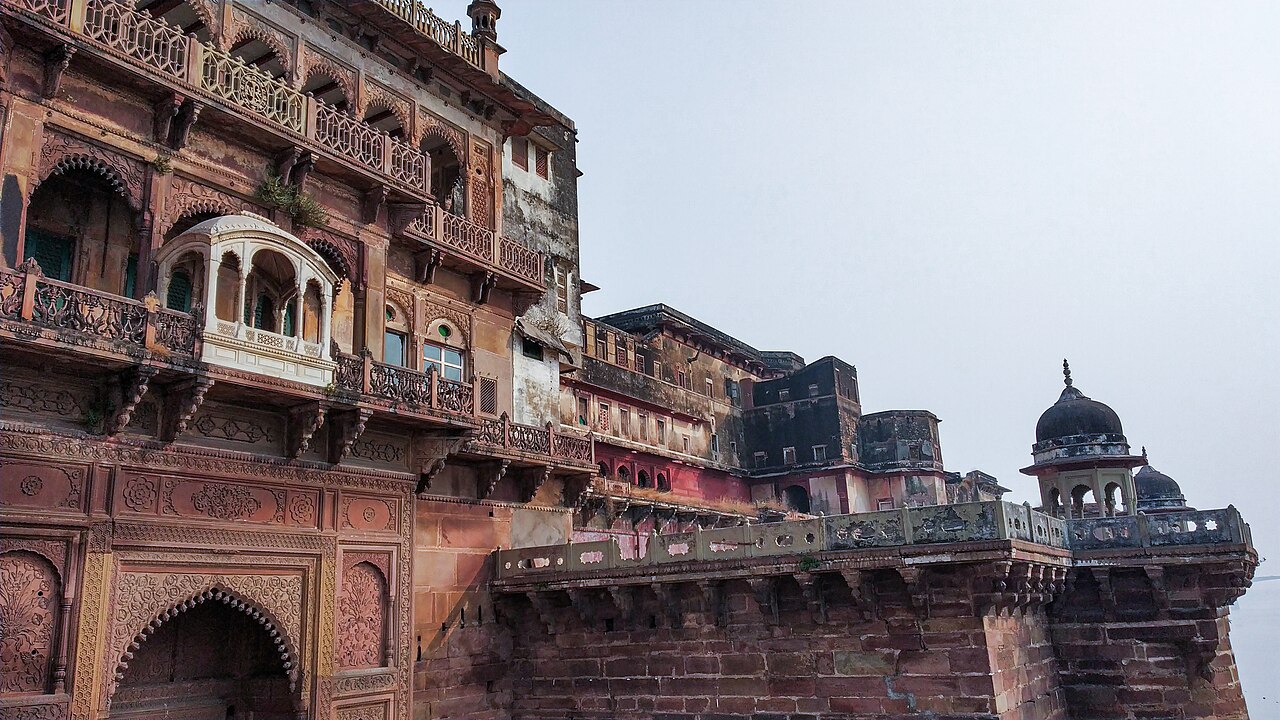
Your first sight of Ramnagar Fort is of long walls and carved balconies of weathered sandstone rising above the eastern bank of the Ganges, directly across the river from the famous ghats of Varanasi. Seen from the water, the fort has a timeless, almost dreamlike quality.
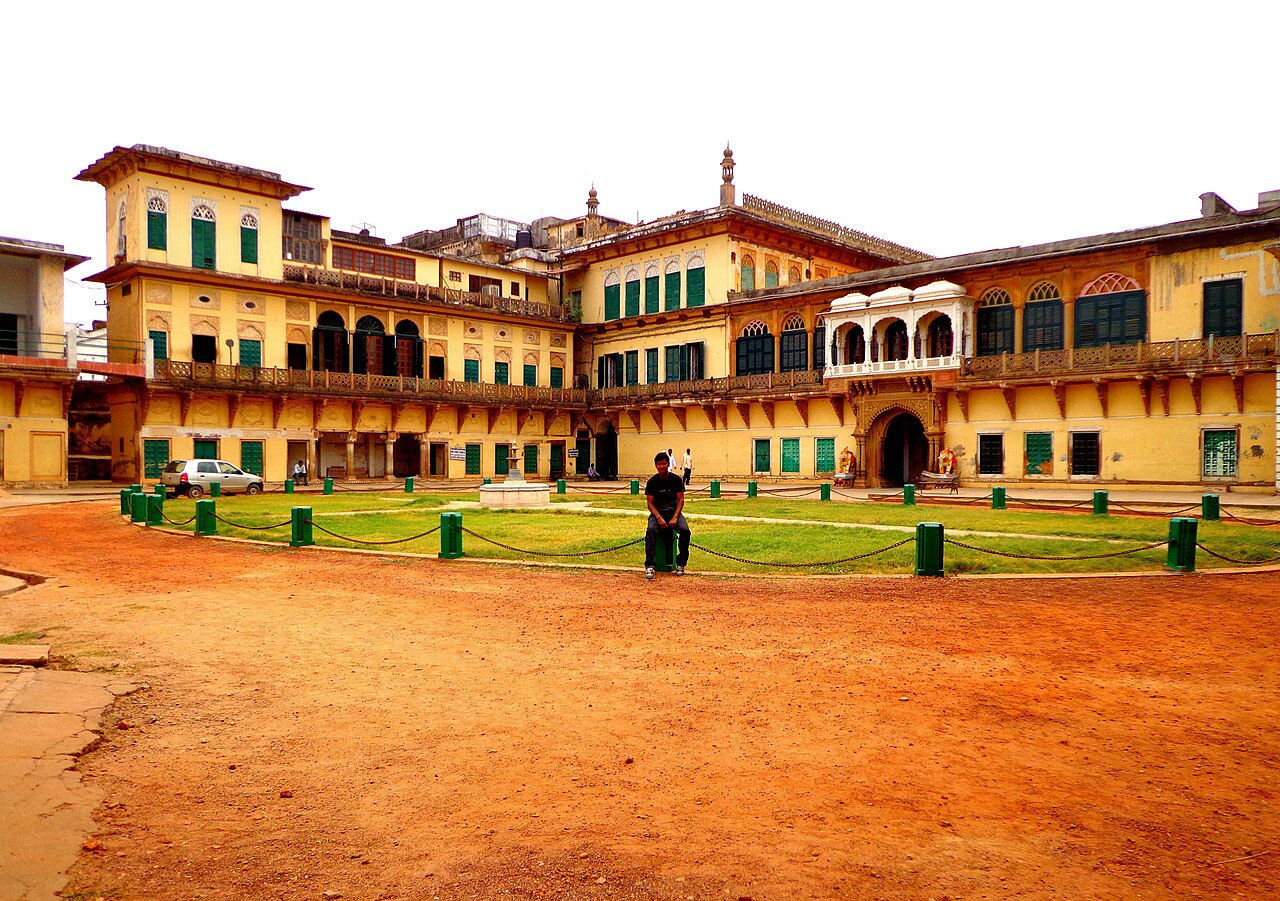
The fort stands on the far bank, reached by crossing the great river, and the approach by boat or bridge is part of the experience. As you draw near, the scale of the walls and the beauty of their riverside setting become clear.
As the home of the Benares royal family and a museum, the fort welcomes visitors who come to explore its history and treasures. Passing through its gates, you enter a world that has changed little in appearance over the centuries.
Take a moment to appreciate the fort’s setting above the Ganges before exploring within. The sight of the sandstone walls reflected in the sacred river is one of the most evocative in all of Varanasi.
The crossing of the river itself sets the mood, a passage from the crowded ghats to the quieter eastern bank.
First-time visitors are often struck by how the fort seems to belong to an earlier, slower age than the bustling city opposite.
It is a place to be savored slowly, its weathered charm revealing itself to those who take their time.
The quiet of the eastern bank offers a welcome contrast to the intensity of the ghats across the water.
The sight of the fort from a boat on the Ganges, especially at sunrise or sunset, is among the most memorable in Varanasi.
It is a monument that rewards both the pilgrim and the curious traveler, each finding meaning within its walls.
Crossing to the far bank feels like stepping into a calmer, older rhythm of life along the great river.
The Royal House of Benares
Ramnagar Fort is inseparable from the Kashi Naresh, the Maharajas of Benares, whose royal house has long been associated with the holy city of Varanasi. Though their political power has changed with the times, their spiritual and ceremonial standing has remained deeply significant.

The Benares royal family has traditionally been regarded with special reverence, closely bound up with the religious life of one of Hinduism’s holiest cities. The Maharaja was seen almost as a custodian of the sacred traditions of Kashi.
The fort is the ancestral seat of this royal house, the place from which they have presided over their domain and their ceremonial role for generations. It remains the family’s home and the heart of their heritage.
Keeping this royal house in mind transforms a visit. Ramnagar is not merely an old fort but the seat of a dynasty whose identity is woven into the spiritual fabric of Varanasi itself.
The reverence shown to the Maharaja reflects the special place of the royal house in the religious life of the city.
Even as times changed, the dynasty retained a ceremonial dignity rooted in ancient tradition.
The royal house remains a cherished part of the identity of Varanasi, honored in its festivals and traditions.
To understand the fort is to understand the special bond between this royal house and the holiest of cities.
The dynasty’s role as a guardian of tradition gave it an authority that outlasted the age of political kingship.
Their patronage of festivals and temples helped sustain the religious life of the holy city.
The fort remains the proud seat of this venerable royal line.
In the great festivals of Varanasi, the Maharaja’s presence still carries a weight of tradition and reverence.
The royal house has long been seen as a bridge between the earthly and the sacred in the holy city.
Their story is woven into the very identity of Varanasi, and the fort is its most tangible expression.
To this day, the royal house commands deep respect in the religious life of the city.
The fort stands as the enduring symbol of a royal house inseparable from the holiest of Hindu cities.
A Fort in the Mughal Style
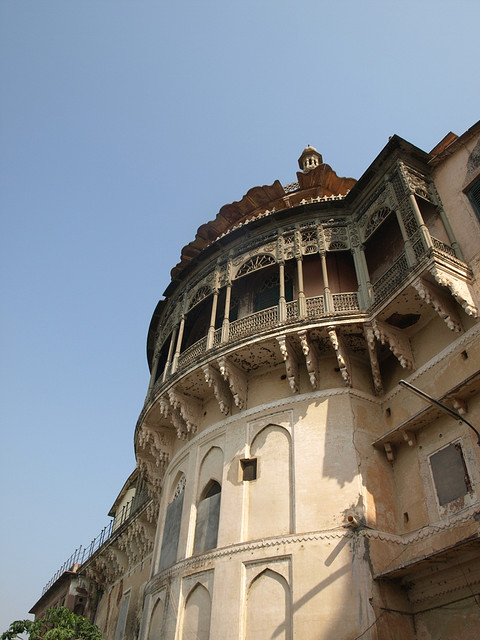
The architecture of Ramnagar Fort is a fine example of the Mughal style as adopted by the regional rulers of northern India. Built of warm sandstone, with carved balconies, pavilions and courtyards, it combines strength with grace in the manner of the great forts of the age.

Overlooking the Ganges are elegant balconies and jharokha windows from which the royal family could watch the river and the life upon it. These features give the fort its distinctive riverside character, blending defense with beauty.
The fort is built around courtyards and halls, with temples and apartments arranged within its walls. Its design reflects both the practical needs of a fortified residence and the aesthetic sensibilities of its builders.
Exploring the fort, you appreciate how its architecture balances the martial and the refined. Ramnagar is a stronghold, yet it is also a gracious riverside residence, perfectly suited to its sacred setting.
The carved balconies overlooking the river are among the fort’s most beautiful features.
From them, the royal family could watch the sacred life of the Ganges unfold below.
The warm sandstone glows beautifully in the light of the setting sun, reflected in the sacred river below.
The fort’s design reflects the regional adaptation of Mughal forms by the rulers of northern India.
Courtyards, pavilions and balconies combine to create a residence both strong and gracious.
Its riverside orientation sets it apart from inland forts of the same era.
The weathering of the sandstone over the centuries has only deepened the fort’s air of timeless dignity.
Each courtyard and hall reveals some new detail of the builders’ craft.
In its balance of strength and grace, the fort reflects the confident style of its age.
Its enduring strength is a testament to the skill of the builders who raised it on the riverbank.
The fort’s riverside balconies, in particular, remain among its most beautiful and photographed features.
The Fort and Its Founder
Ramnagar Fort was built in the eighteenth century by a ruler of the Benares royal house, who raised it as the family’s seat on the eastern bank of the Ganges. Its construction marked the establishment of the dynasty’s stronghold opposite the holy city.

The founder chose the site with care, placing the fort where it would command the river and face the sacred ghats of Varanasi. The location bound the royal house both to the strategic line of the Ganges and to the spiritual heart of the region.
From this seat, the rulers of Benares presided over their domain and their ceremonial duties, and the fort grew over time into the complex seen today. It has remained the home of the dynasty ever since.
Understanding its founding enriches a visit. Ramnagar was conceived as both a fortress and a dynastic home, rooted in the sacred geography of the Ganges and the holy city across the water.
The choice of the eastern bank, opposite the holy city, was rich with meaning as well as strategic sense.
Over generations, the fort was expanded and adorned, growing into the complex that stands today.
It has remained in the hands of the royal house ever since its founding.
The dynasty’s decision to build here shaped the course of their history for generations to come.
The founder’s vision endures in every weathered wall and carved balcony of the riverside fort.
In building here, the founder tied his dynasty forever to the sacred geography of the Ganges.
His foresight gave the Benares royal house a seat worthy of its sacred and ceremonial role.
The Remarkable Fort Museum
One of the great attractions of Ramnagar is its remarkable museum, housed within the fort and filled with the treasures and curiosities of the Benares royal house. The collection is wonderfully varied, offering a vivid glimpse into the life of the dynasty.

Among the exhibits are vintage cars, royal palanquins, ornate elephant howdahs, old weapons, ivory work and other treasures accumulated over generations. The range of objects makes the museum endlessly fascinating to explore.
The collection reflects both the grandeur and the eccentric charm of a royal house that gathered the finest and the most curious objects of its age. Each item tells a story of the dynasty and its world.
For the visitor, the museum is a highlight of any visit, a treasure house of royal life that rewards unhurried exploration. It brings the history of the Benares rulers vividly to life.
The vintage cars in particular delight visitors, a glimpse of the royal house’s embrace of the modern age.
The palanquins and howdahs recall the grand processions of an earlier era.
Together, the eclectic treasures make the museum one of the most memorable in the region.
A slow wander through its galleries is the best way to appreciate the richness and variety of the collection.
Documents and royal regalia among the collections shed light on the history of the Benares rulers.
For many visitors, the eclectic mix of the grand and the curious is the museum’s greatest charm.
The museum’s unhurried, old-fashioned character is part of its enduring appeal.
Visitors move from vintage automobiles to ancient weapons to delicate ivory work, each gallery a world of its own.
The collection reflects the wide-ranging tastes and long history of the Benares royal house.
It is a place where history feels tangible, each object a direct link to the life of the royal house.
The astronomical clock, the vintage cars and the royal regalia together make the museum unlike any other.
Each visitor finds something different to marvel at among its varied treasures.
To linger among the exhibits is the best way to appreciate the long and colorful history of the Benares royal house.
The sheer variety of the collection ensures that no two visitors remember the fort in quite the same way.
It is the kind of collection that rewards repeated visits, with new discoveries waiting in every gallery.
The Astonishing Astronomical Clock
Among the most famous treasures of Ramnagar is its extraordinary astronomical clock, a marvel of nineteenth-century craftsmanship. Far more than a simple timepiece, it displays the year, month, week and day, along with astronomical information about the sun, moon and stars.
This ingenious device, built by skilled craftsmen of the royal court, reflects the scientific curiosity and ambition of the Benares rulers. It remains one of the most remarkable objects in the whole fort.
Visitors are often captivated by the clock’s complexity, a single mechanism that tracks not only time but the movements of the heavens. It is a testament to the learning and sophistication of the court that commissioned it.
For the visitor, the astronomical clock is a highlight of the museum, a wonderful curiosity that combines science, craftsmanship and royal patronage in a single extraordinary object.
Few objects anywhere so vividly combine timekeeping, astronomy and royal craftsmanship.
It remains a source of wonder for every visitor who pauses to study it.
It stands as a proud symbol of the scientific curiosity that flourished under the patronage of the court.
Built in the mid-nineteenth century, it reflects an age of fascination with science and mechanism.
It continues to astonish visitors with the ambition of its design.
To study it is to glimpse the meeting of tradition and science at the court of Benares.
The clock is often singled out as the single most remarkable object in the entire fort.
Its intricate workings continue to reward the curious and the scientifically minded alike.
It is the kind of object that lingers in the memory, a marvel of a bygone age of invention.
Generations of visitors have marveled at its ingenuity, and it remains a highlight of every tour.
It is a fitting symbol of a court that valued learning and craftsmanship as highly as power.
A Fort on the Sacred River
The setting of Ramnagar Fort on the bank of the Ganges is central to its character and meaning. The sacred river, holiest of all to Hindus, flows directly beneath its walls, binding the fort to the spiritual life of the region.
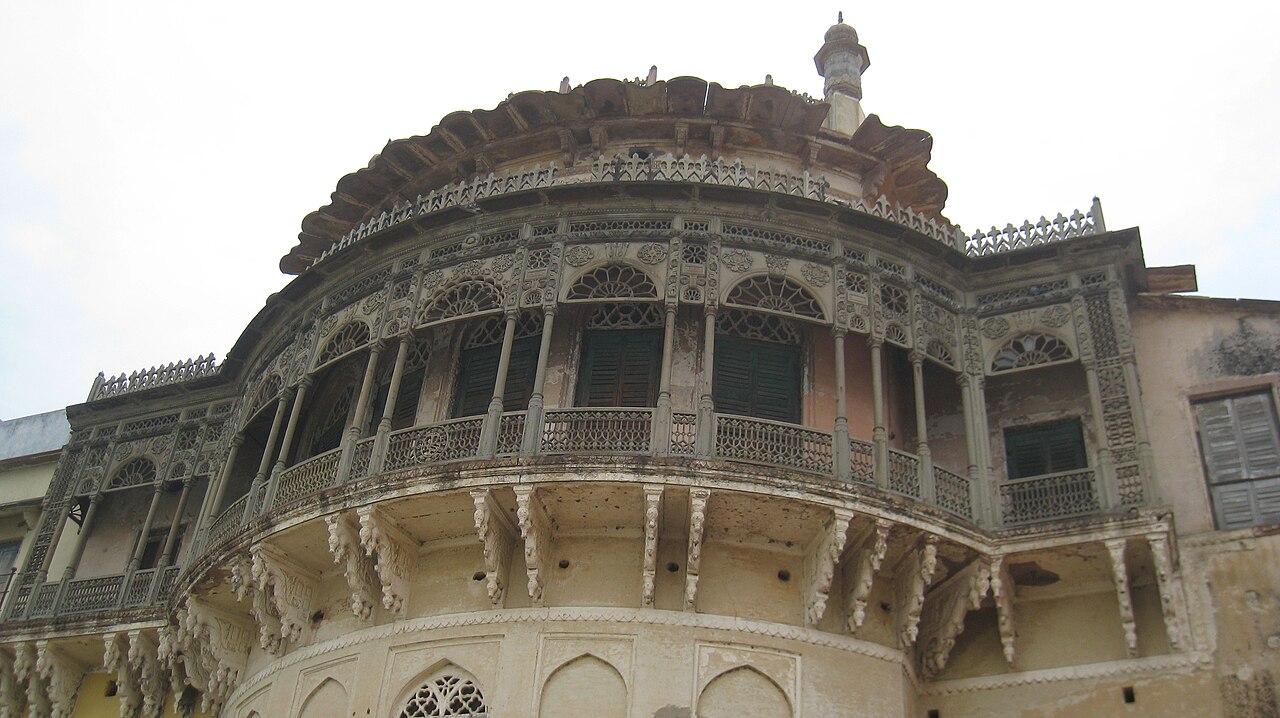
From the fort’s balconies, the view across the Ganges takes in the famous ghats of Varanasi, where pilgrims gather at the water’s edge. The fort and the holy city face each other across the river, two poles of a sacred landscape.
The river has shaped the life of the fort and the royal house for centuries, bringing both the blessings of the sacred waters and the practical lifeline of the Ganges. The connection is deep and enduring.
Standing on the fort’s riverside terraces, you feel the profound bond between the stronghold and the sacred river. Ramnagar is a fort of the Ganges, its fortunes and its meaning inseparable from the holy waters below.
The daily life of the river, with its boats, bathers and pilgrims, unfolds endlessly beneath the fort’s walls.
At dawn, when the light falls on the water and the distant ghats come alive, the view from the fort is unforgettable.
The sacred river binds the fort to the deepest spiritual currents of India.
No visit to the fort is complete without pausing to take in the timeless view across the holy river.
The river is the thread that ties together the whole experience of a visit to Ramnagar.
To see the fort and the Ganges together is to grasp the essence of the place.
The sacred river lends the fort a spiritual resonance found in few other royal residences.
In the monsoon, when the river runs high and powerful, the fort’s riverside setting is at its most dramatic.
At all seasons, the Ganges lends the place a sense of the eternal.
The fort and the river have shared their fortunes for centuries, bound together by the sacred waters.
To watch the river traffic from the fort’s balconies is to feel the timeless pulse of life on the Ganges.
The river remains the beating heart of the fort’s story, as it is of Varanasi itself.
It is this profound bond with the sacred river that gives Ramnagar its special and lasting character.
Few forts in India enjoy so sacred and storied a setting, and none is so completely defined by the river at its feet.
The Famous Ramlila of Ramnagar
Ramnagar is celebrated throughout India for the great festival it hosts, a month-long dramatic cycle enacting the epic story of Rama. This famous Ramlila, patronized by the Maharajas of Benares, is among the most renowned and traditional in the whole country.
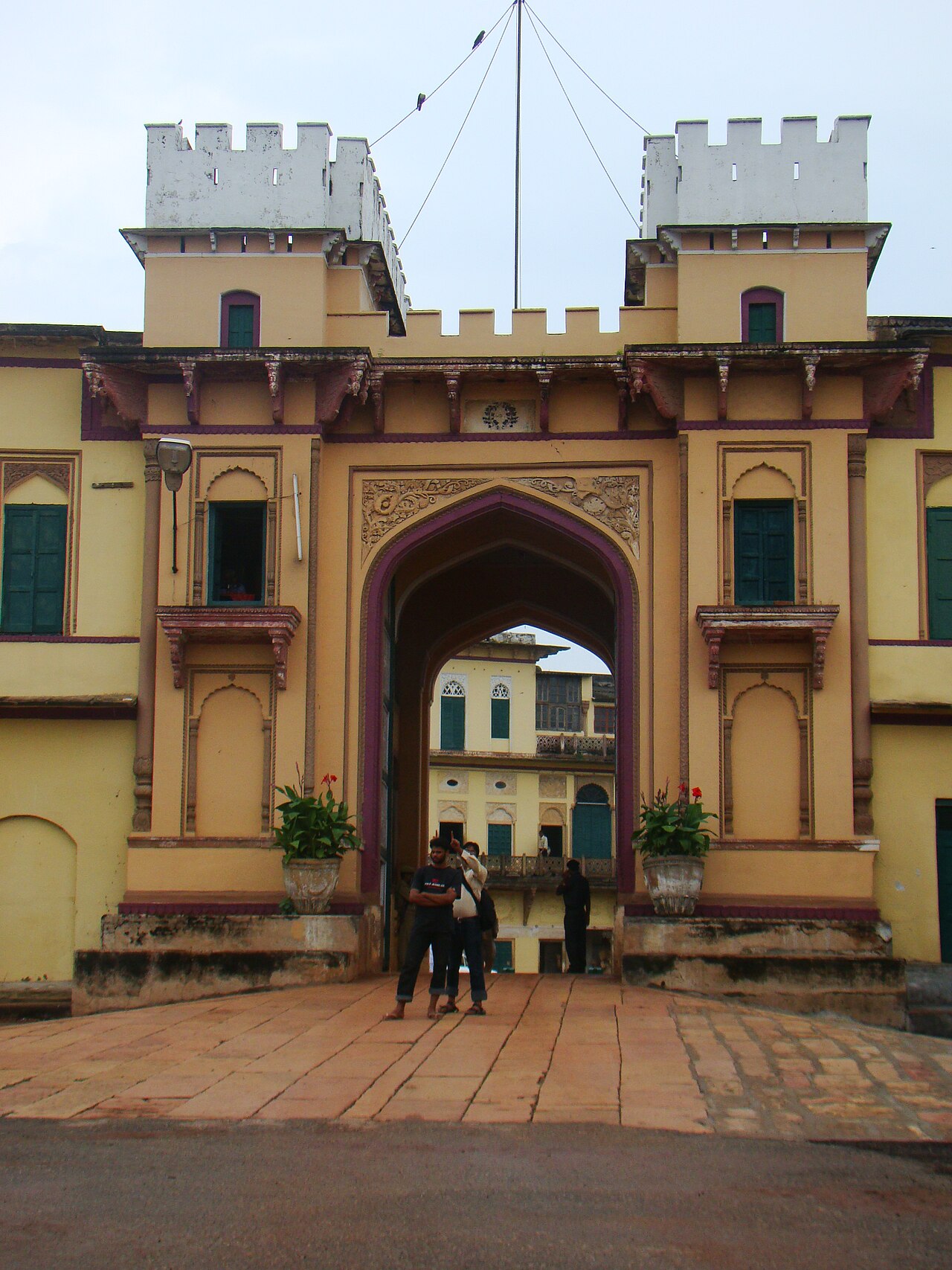
For weeks each year, the town around the fort becomes a vast open-air stage, with episodes of the epic performed at different locations and crowds following the unfolding story. It is a spectacle of extraordinary scale and devotion.
The Ramlila of Ramnagar is cherished for its traditional character, performed much as it has been for generations under the patronage of the royal house. The Maharaja’s involvement lends it a special dignity and continuity.
Understanding this festival enriches a visit. Ramnagar is not only a fort and museum but the setting for one of India’s great living traditions, a festival that draws pilgrims and spectators from far and wide.
The scale of the Ramnagar Ramlila, spread across the town over many days, is unmatched in its traditional grandeur.
Generations of families have followed the performances, keeping the tradition vibrantly alive.
For those fortunate enough to witness it, the festival is an unforgettable encounter with living tradition.
The festival’s traditional, unhurried character sets it apart from more modern spectacles.
It remains one of the great living cultural traditions of northern India.
Under the patronage of the Maharaja, the festival has preserved its traditional form across the generations.
The festival transforms the town for weeks, drawing devotees and spectators from across the country.
It is a vivid reminder that the fort remains at the center of a living religious culture.
The festival’s roots reach back generations, and its traditional form has been carefully preserved.
The Maharaja’s patronage has kept the festival true to its origins across the generations.
For those who witness it, the Ramlila is an unforgettable immersion in living tradition.
It is, by common consent, among the grandest and most authentic enactments of the epic anywhere in India.
To follow the performances from place to place over the days of the festival is to share in a tradition centuries old.
Temples and Sacred Spaces
Within and around the fort are temples and sacred spaces that reflect the deep religious character of the Benares royal house. The dynasty’s close association with the holy city is expressed in these places of worship.
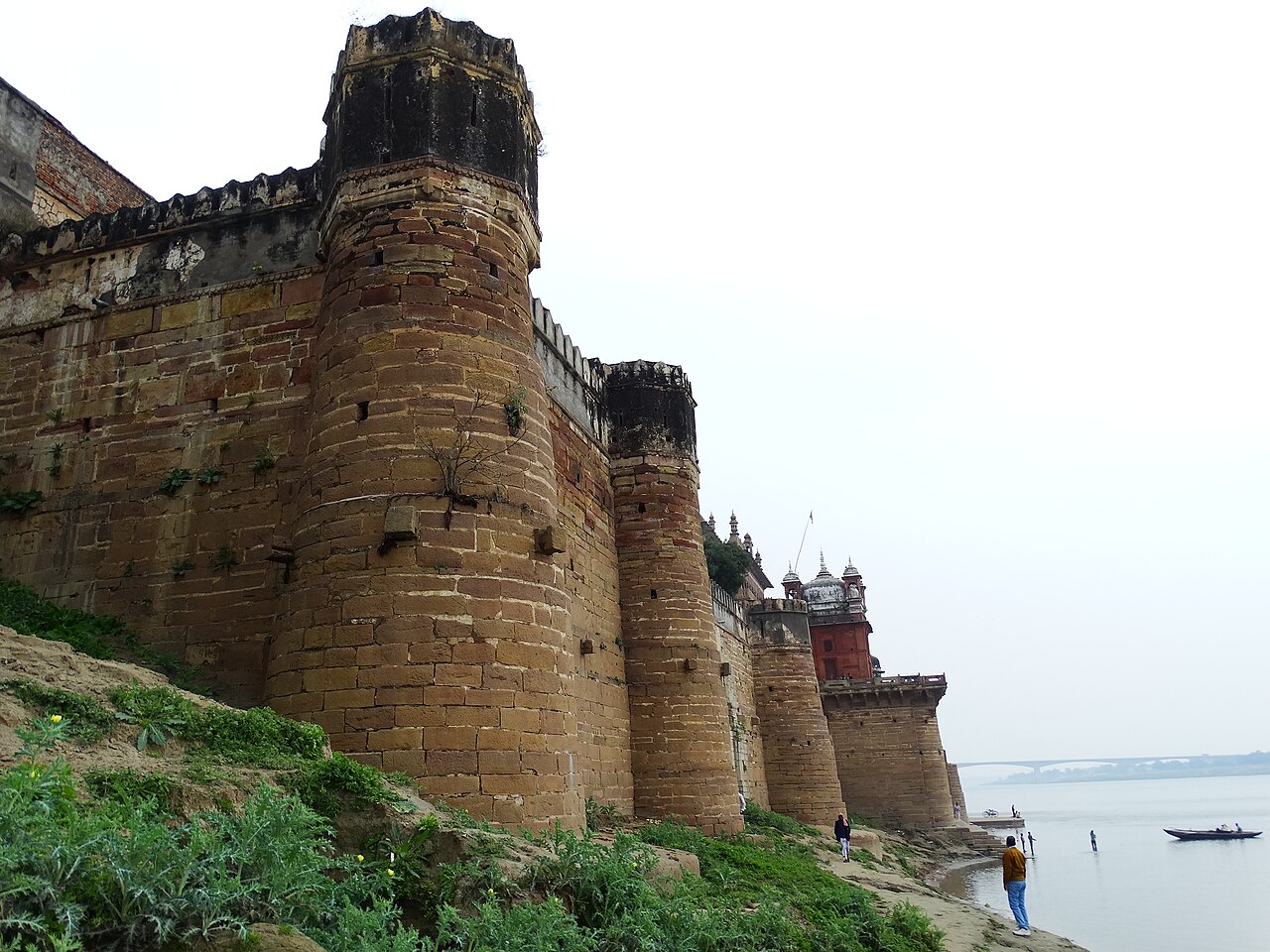
Among them are temples dedicated to revered deities and sages, reflecting the spiritual traditions of Kashi. These sacred spaces are an integral part of the fort complex, binding it to the religious life of the region.
The presence of these temples underlines the role of the Maharaja as a figure bound up with the sacred traditions of Varanasi. The fort was a place of devotion as well as of royal residence.
For the visitor, these sacred spaces add a further dimension to the fort, revealing the deep religious devotion that has always characterized the royal house of Benares.
The temples within the complex remain active places of worship, part of the living religious life of the fort.
They reflect the devotion that has always animated the royal house of Benares.
In these sacred spaces, the devotional heart of the royal house is most clearly felt.
To visit them is to sense the deep devotion that has always underpinned the life of the royal house.
The sacred and the royal meet here as nowhere else, in a fort devoted as much to worship as to rule.
A Living Royal Heritage
Ramnagar Fort remains the home of the Benares royal family, giving it a living quality that sets it apart from purely preserved monuments. The continuing presence of the dynasty connects the fort to an unbroken tradition reaching back centuries.
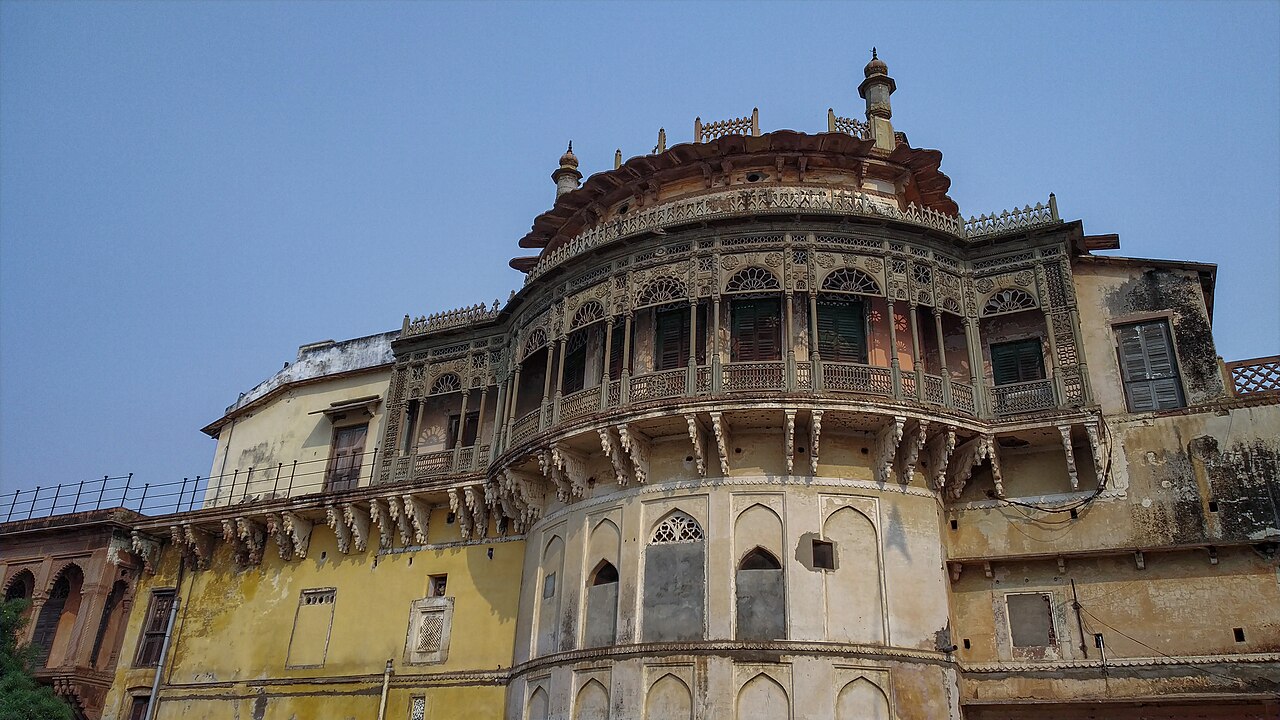
This living heritage is felt throughout the fort, from the family’s continuing ceremonial role to the traditions they maintain. Ramnagar is not a dead relic but a place where royal custom still endures.
The Maharaja of Benares continues to be a respected figure, especially in matters of tradition and religion, and the fort remains the heart of the family’s identity. Its living character is part of its appeal.
For the visitor, this dimension adds depth to the experience. Ramnagar is a fort still bound to the dynasty that built it, a place where the past remains a living presence.
The continuity of the dynasty gives the fort a warmth and authenticity that a mere monument could never possess.
Traditions maintained here link the present day to centuries of royal and religious custom.
This living connection is part of what makes a visit to Ramnagar so memorable and so moving.
Ramnagar remains, in the truest sense, a living fort, still bound to the dynasty that raised it.
The continuing role of the dynasty ensures that the fort’s traditions are passed on to each new generation.
This continuity of tradition is, in the end, the fort’s most precious and distinctive quality.
Across the River from Holy Kashi
Ramnagar Fort cannot be separated from Varanasi, the ancient and holy city that faces it across the Ganges. One of the oldest living cities in the world, Varanasi, or Kashi, is among the most sacred places in Hinduism, and the fort stands as its royal counterpart on the far bank.
The relationship between fort and holy city is profound. The Maharaja of Benares has long been bound up with the spiritual life of Kashi, and the fort’s position directly opposite the ghats expresses that connection in the landscape itself.
From the fort, the whole sweep of the sacred riverfront can be seen, the ghats, the temples and the endless flow of pilgrims. It is a vantage point unlike any other on the holy city.
This setting gives Ramnagar a significance far beyond its walls. It is part of the sacred geography of Varanasi, the royal and ceremonial complement to the spiritual intensity of the ghats across the water.
For the visitor, appreciating this setting is essential. Ramnagar is best understood as part of the wider world of Kashi, one of the holiest and most ancient places on earth.
To visit both the ghats and the fort is to see the two faces of Kashi, the spiritual and the royal, in a single journey.
The fort completes the picture of Varanasi as a city where the sacred and the royal have long flourished side by side.
In the end, fort and holy city belong together, two halves of a single sacred landscape by the Ganges.
Few places so completely capture the union of the royal and the sacred that defines the city of Kashi.
A journey to Ramnagar completes any visit to Kashi, revealing the royal face of the holy city.
To experience both the ghats and the fort is to understand Varanasi in its fullness.
A Closer Look on Film
To appreciate the full character of Ramnagar Fort, from its riverside walls to its remarkable museum, film offers a fine complement to a visit. The short video below helps bring the fort and its setting to life.
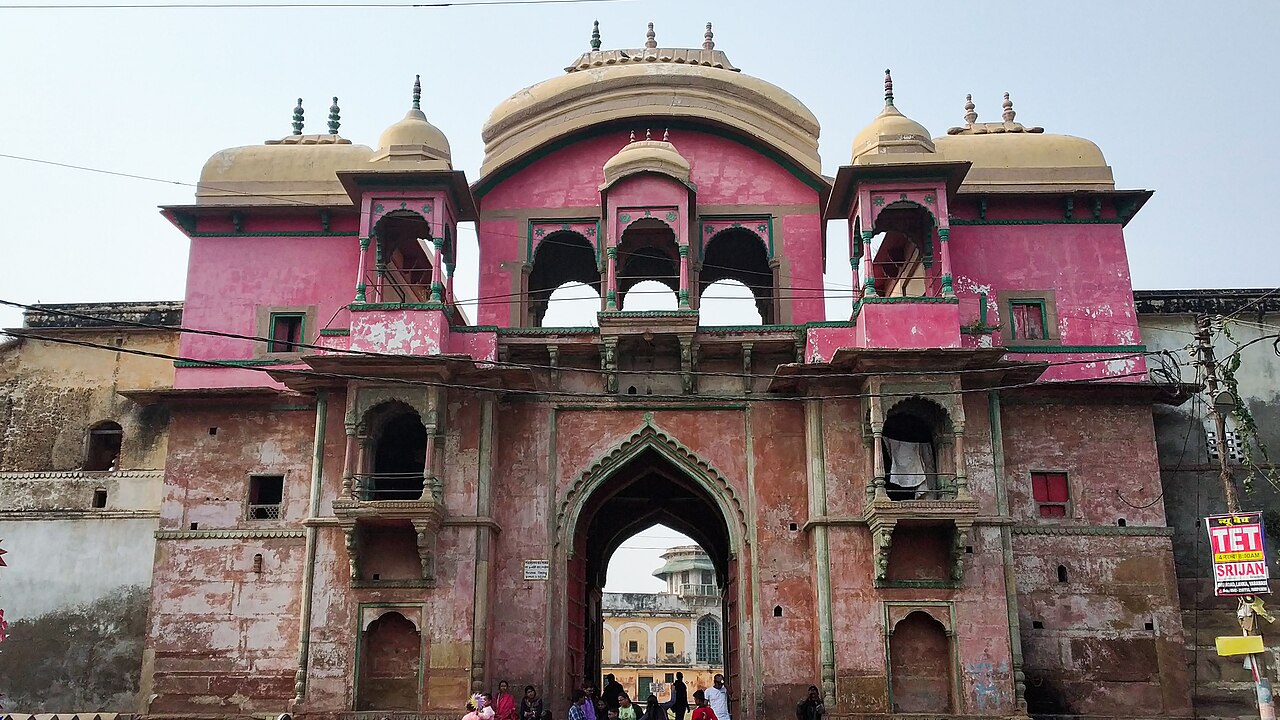
Watching it, you can better sense the scale of the fort, the beauty of its Ganges setting and the richness of its collections, details that reward a closer look. It makes an ideal companion to understanding this riverside stronghold.
Ramnagar Fort Today
Today Ramnagar Fort endures as one of the most atmospheric historic sites around Varanasi, a weathered sandstone stronghold that recalls the royal house of Benares and the timeless life of the Ganges. Its walls, its museum and its festival continue to fascinate all who visit.
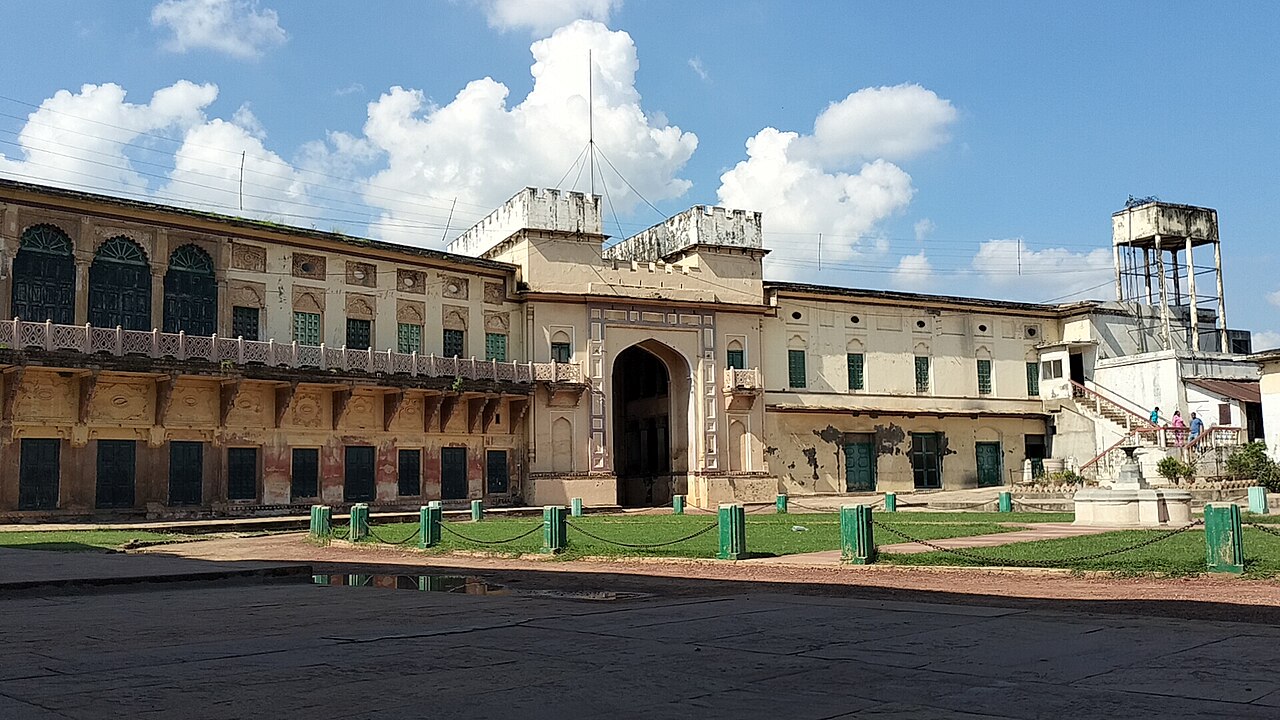
For travelers, the fort offers a rewarding counterpoint to the ghats across the river, a chance to encounter the royal and ceremonial side of Varanasi’s heritage. Its blend of history, religion and river life creates an experience that lingers in the memory.
There is a lesson in the endurance of Ramnagar. It shows how a royal house can preserve its heritage and traditions across the centuries, keeping the past alive amid the ever-changing flow of the sacred river.
When you finally turn to leave, glance back at the sandstone walls rising above the Ganges, with the ghats of Varanasi shimmering beyond. You will carry with you the memory of a riverside fort where kingship, devotion and the holy river meet, still watching over the waters as it has for centuries.
Long after leaving, travelers find the image of the sandstone fort above the Ganges returning to mind.
For anyone drawn to the royal and spiritual heritage of India, the fort is an essential destination.
It endures as a reminder that the heritage of Varanasi includes not only its ghats but its royal house across the river.
Whatever route brings you across the river, the fort rewards the journey with a vivid encounter with royal and sacred India.
It remains a place of pilgrimage for all who wish to understand the deeper heritage of Varanasi.
In its weathered walls and riverside balconies, the long history of the Benares royal house lives on for all who visit.
For the traveler ready to cross the river, the fort offers a quieter, deeper encounter with the soul of Varanasi.
And so Ramnagar Fort endures, watching over the sacred river as it has for more than two centuries.
For anyone drawn to the layered heritage of Varanasi, the fort offers a rich and rewarding destination.
In its union of fort, museum, river and festival, Ramnagar offers an experience found nowhere else in India.
It remains a quietly powerful reminder that Varanasi’s story includes kings as well as pilgrims and saints.
For the traveler willing to seek it out, Ramnagar offers one of the most rewarding encounters in all of Varanasi.
Whatever brings you across the Ganges, the fort rewards the journey with a lasting sense of the royal soul of Kashi.
View the location on Google Maps
Palaces Nearby
If the riverside grandeur of Ramnagar has deepened your love of India’s royal residences, two more palaces of the subcontinent make fitting companions to this one.
- the Thanjavur Maratha Palace, a southern treasure house of painted halls, a famous library and Chola bronzes.
- Shaniwar Wada in Pune, the spiked-gate fortress and seat of the Peshwas of the Maratha Empire.
You May Like
Konopiste the Bohemian Castle of a Doomed Archduke